

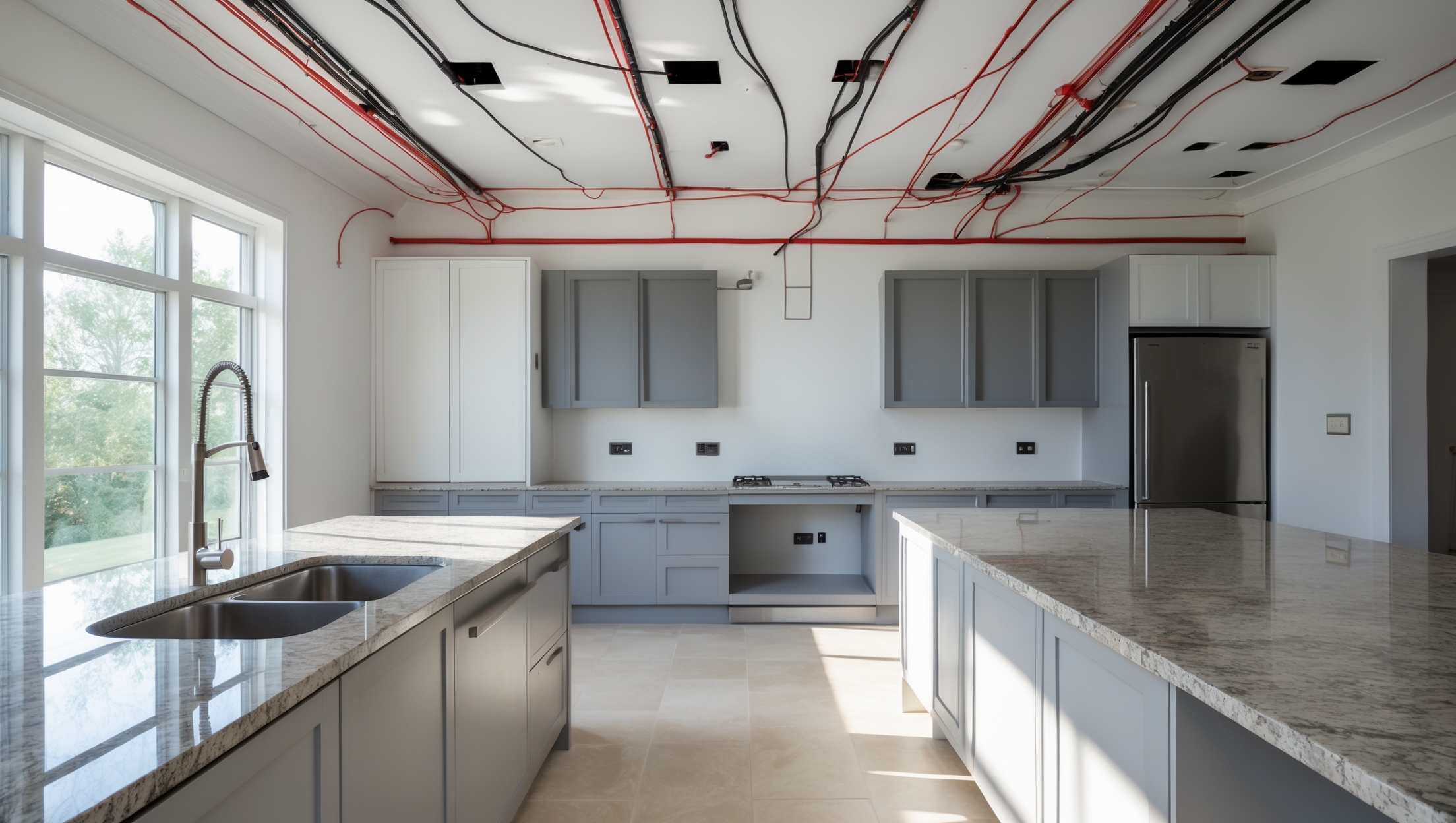
Introduction: Why Electrical Code Compliance Matters in Kitchen Remodels
Remodeling a kitchen is one of the most rewarding home improvement projects, promising enhanced functionality, increased property value, and a fresh aesthetic. However, the kitchen is also the most electrically demanding room in the house, packed with high-powered appliances, extensive lighting, and a complex network of outlets and circuits. Failing to plan and execute the electrical aspects of your kitchen remodel according to current codes can lead to costly mistakes, failed inspections, insurance headaches, and—most importantly—serious safety risks. Navigating the maze of electrical codes, permits, and best practices is crucial not only for passing inspections but also for ensuring your new kitchen is safe, efficient, and future-proof. This in-depth guide will walk you through the essential requirements and actionable steps to achieve code-compliant electrical work during your kitchen renovation, from initial planning through final inspection. Whether you’re managing the project yourself or hiring professionals, understanding these essentials will help protect your investment and your family.
Understanding the Electrical Demands of Modern Kitchens
Why Kitchens Require Special Electrical Attention
Modern kitchens have evolved into multi-functional spaces with an array of appliances, gadgets, and lighting options. Unlike other rooms, kitchens require dedicated circuits for major appliances, a high density of outlets, and enhanced safety features to protect against electrical hazards in wet environments. The National Electrical Code (NEC) sets strict standards for kitchen wiring precisely because electrical issues are a leading cause of house fires, and kitchen remodels are notorious for code violations.
Key Electrical Components in a Kitchen Remodel
- Dedicated Circuits: For refrigerators, microwaves, dishwashers, and garbage disposals.
- Countertop Outlets: Placed at regular intervals to accommodate small appliances.
- GFCI Protection: Ground-fault circuit interrupters are required for all outlets near sinks and water sources.
- Lighting: Task, ambient, and accent lighting require careful circuit planning.
- Wiring for Smart Appliances: Increasingly common, requiring specialized circuits and connectivity.
Planning Your Electrical Layout: Code-Driven Best Practices
Assessing Appliance Loads and Circuit Requirements
Start by listing all existing and planned appliances, including their amperage and voltage needs. Most kitchens require at least two 20-amp small appliance branch circuits for countertop outlets, and additional dedicated circuits for heavy appliances like ovens, ranges, microwaves, and dishwashers. Overloading circuits is a common code violation and a safety risk, so work with your electrician—or consult NEC tables—to ensure adequate capacity.
Designing Outlet Placement for Compliance and Convenience
- Spacing: NEC requires that no point along the countertop is more than 24 inches from an outlet. Plan outlets every 4 feet along the counter, and at least one outlet on any island or peninsula with a countertop area larger than 12×24 inches.
- Height: Standard outlet height is 15-20 inches above the countertop, but check local amendments.
- GFCI Protection: All countertop, sink, and island outlets must have GFCI protection. Use GFCI receptacles or GFCI breakers.
- No Outlets Face Down: Outlets cannot be face-down underneath upper cabinets unless serving under-cabinet lighting or appliances according to code.
Lighting: Illuminating Code Requirements
- General Lighting: At least one wall-switch-controlled light is required at the kitchen entrance.
- Task Lighting: NEC does not mandate task lighting, but under-cabinet, pendant, or recessed lights are recommended for prep areas and should be on separate circuits for flexibility.
- Dedicated Circuits for High-Wattage Lighting: If using numerous recessed or LED fixtures, verify the total wattage does not exceed circuit capacity.
Permits and Inspections: Navigating the Legal Essentials
When Is a Permit Required?
Most municipalities require an electrical permit for kitchen remodels involving new wiring, circuit modifications, or moving outlets and fixtures. Even replacing an old light fixture with a new one may require a permit if wiring changes are involved. Check with your local building department—working without a permit can void insurance, halt your project, and result in costly fines or mandatory rework.
How to Apply for an Electrical Permit
- Prepare a Detailed Plan: Include a floor plan marking all outlets, switches, fixtures, and circuits.
- Submit to Local Authorities: File the plan with your city or county’s building department, either online or in person.
- Include Load Calculations: Some areas require a load calculation worksheet to demonstrate circuit capacity.
- Pay Fees: Permit fees vary by jurisdiction and scope of work.
- Schedule Inspections: Typically required after rough-in (wiring installed, walls open) and final (after drywall and fixtures installed).
What Inspectors Look For
- Proper wire gauge and type for each circuit
- Correct placement and height of outlets
- GFCI and AFCI protection where required
- Secure and neat wiring runs; no exposed splices outside boxes
- Proper labeling on the service panel
- Safe clearances around appliances and fixtures
Critical Code Requirements: What Every Remodeler Must Know
GFCI and AFCI Protection: The Cornerstones of Kitchen Safety
GFCIs protect against electric shock in wet areas and are mandatory for all kitchen countertop, sink, and island outlets. Newer codes also require AFCI (Arc Fault Circuit Interrupter) protection for kitchen circuits to prevent electrical fires from arc faults. Many modern circuit breakers now combine both functions (dual-function breakers), simplifying compliance.
- GFCI: Use GFCI receptacles or GFCI breakers for all outlets serving countertops, islands, and within 6 feet of sinks.
- AFCI: All 120-volt, 15- and 20-amp kitchen circuits must have AFCI protection, including outlets and lighting.
Dedicated Appliance Circuits
- Refrigerator: 15- or 20-amp dedicated circuit, not shared with other outlets.
- Dishwasher: Separate 15- or 20-amp circuit with GFCI protection.
- Microwave: Dedicated 20-amp circuit.
- Range/Oven: Usually 240V, 40-50 amp circuit.
- Garbage Disposal: Dedicated 15- or 20-amp circuit, may share with dishwasher if local code permits.
Wire Types and Sizes
- 12-gauge wire (NM-B or THHN in conduit) for 20-amp circuits
- 14-gauge wire for 15-amp circuits (rare in kitchens, as most require 20-amp)
- Proper color coding: black/red (hot), white (neutral), green/bare (ground)
- Use of metal-clad (MC) cable or conduit may be required in some jurisdictions
Proper Grounding and Bonding
All metal boxes, appliances, and exposed conductive parts must be properly grounded. Check that ground wires are securely attached to grounding screws or bus bars, and that bonding jumpers are used where required, especially for metal piping in kitchens.
Safety Essentials: Protecting Your Remodel and Your Family
Preventing Overloaded Circuits
Overcrowded circuits are a leading cause of kitchen fires. Calculate the total wattage of appliances and lighting on each circuit, and ensure the sum does not exceed 80% of the circuit’s rated capacity for continuous loads. Avoid using extension cords or daisy-chaining power strips as a substitute for proper outlets.
Proper Box Sizing and Fill
Electrical boxes must be sized to safely contain the number of wires, devices, and splices. Overfilled boxes can overheat and pose fire risks. Use NEC box fill tables or box calculators to determine adequate volume before installation.
Moisture and Corrosion Protection
Install weather-resistant (WR) outlets near kitchen sinks, and use in-use covers for any outlets in splash zones. All wiring connections should be made inside approved electrical boxes with tight-fitting covers to prevent moisture intrusion.
Child Safety Considerations
- Install tamper-resistant (TR) outlets, now required by code in most residential kitchens, to prevent accidental shock.
- Use outlet covers or sliding faceplates for extra protection in homes with young children.
Practical Tips for a Smooth, Code-Compliant Remodel
Work with Licensed Electricians
Even if you’re a seasoned DIYer, major electrical work in kitchens is best left to licensed professionals. They stay current with code updates, can pull permits, and ensure all work passes inspection. If you do tackle minor tasks, always have your work reviewed by an electrician before closing walls.
Document Everything
Keep a detailed record of your electrical plans, permit applications, inspection results, and photos of wiring before drywall installation. This documentation is invaluable for troubleshooting, future upgrades, or when selling your home.
Plan for Future Upgrades
Consider running additional conduit or extra circuits during your remodel, even if you don’t need them now. With the rise of smart appliances, under-cabinet lighting, and electric cooking, your future electrical needs may grow. Planning ahead minimizes disruption and saves money down the line.
Coordinate with Other Trades
Electrical work must be coordinated with plumbing, HVAC, and cabinetry installation. Ensure all trades are aware of outlet locations, appliance specs, and wiring runs to avoid conflicts or costly rework.
Common Mistakes to Avoid in Kitchen Electrical Remodels
- Underestimating the number or placement of outlets (resulting in failed inspections or inconvenience)
- Neglecting GFCI/AFCI protection for all required circuits
- Improper box sizing or using the wrong wire gauge
- Failing to label circuits clearly at the main panel
- Closing walls before inspection
- Skipping permits to save time—often results in costly corrections
- Not checking appliance specs for voltage/amperage mismatches
Step-By-Step: Electrical Rough-In Process for Kitchens
- Mark Outlet and Fixture Locations: Use your approved plan to mark all outlets, switches, and lighting on studs and ceilings.
- Drill Holes and Run Cables: Drill centered holes through studs, at least 1.25 inches from the edge, and run cable between boxes. Use cable staples to secure.
- Install Electrical Boxes: Use appropriately sized boxes for each device, mounted at code-specified heights.
- Pull Circuits: Run separate circuits for each major appliance and required countertop outlets.
- Wire Connections: Strip and connect wires using approved wire nuts, keeping all splices inside boxes.
- Grounding: Attach ground wires to box and device grounding screws.
- Label Cables: Mark each cable’s destination for easy identification during inspection and future work.
- Schedule Rough-In Inspection: Walls must remain open until the inspector approves all wiring.
- Final Connections: After inspection, install outlets, switches, cover plates, and fixtures. Test all circuits before use.
Conclusion: Invest in Safety, Efficiency, and Peace of Mind
Electrical code compliance is not just a box to check on your kitchen remodel checklist—it’s a critical investment in the safety, efficiency, and long-term value of your home. Kitchens are unforgiving environments for electrical shortcuts: high power demands, abundant water sources, and frequent use combine to create unique risks. By understanding the specific code requirements for kitchen wiring, securing the right permits, and working with qualified professionals, you can avoid the most common pitfalls that derail renovations and endanger families.
Remember: code compliance is not static. Electrical codes are updated regularly to incorporate new technologies and address emerging hazards. Even if you’re familiar with past requirements, always verify current local amendments before starting work. If in doubt, consult your building department or a licensed electrician. The investment of time and care upfront pays off in a kitchen that not only looks beautiful, but functions flawlessly and safely for years to come. With the right planning, documentation, and attention to detail, your kitchen remodel will pass inspection with flying colors—and deliver the peace of mind every homeowner deserves.
When planning for dedicated circuits in a kitchen remodel, is there a minimum amperage required by code for outlets serving major appliances like refrigerators and microwaves, or does it depend on the specific appliance specs?
The required amperage for dedicated circuits in a kitchen generally depends on the specific appliance’s requirements, which are found on its nameplate or in the manual. However, the National Electrical Code typically requires at least a 20-amp circuit for countertop receptacles, while appliances like refrigerators or microwaves often need their own 15- or 20-amp dedicated circuits. Always check the manufacturer’s specs to ensure compliance.
The article mentions that failing to plan the electrical aspects correctly can cause failed inspections and insurance problems. Could you explain what specific electrical code violations are most commonly found during kitchen remodel inspections, and how homeowners can avoid them?
Common electrical code violations in kitchen remodels include insufficient number or improper placement of outlets, missing or incorrectly installed GFCI outlets, overloading circuits, improper wiring of lighting, and not using dedicated circuits for major appliances. To avoid these issues, homeowners should work with a licensed electrician, review local code requirements, and ensure all wiring, outlets, and circuits are planned according to code before inspections.
You talk about the kitchen being the most electrically demanding room with lots of outlets and appliances. Is there a recommended approach to planning the placement of outlets and circuits to future-proof the kitchen for new gadgets that might come out in a few years?
When planning your kitchen’s electrical layout, it’s wise to install more outlets than you think you’ll need, especially along countertops and kitchen islands. Use dedicated circuits for major appliances, and consider installing several 20-amp circuits for small appliances. Adding a few empty conduit runs or extra capacity in your panel can make future upgrades easier as new kitchen gadgets become available.
You mention that kitchens have a high density of outlets and require dedicated circuits for major appliances. Is there a recommended order or sequence for roughing in outlets and running circuits during a remodel to stay organized and compliant with NEC guidelines?
During a kitchen remodel, it’s best to first map out appliance locations and dedicated circuit needs according to your layout. Run wiring for major appliances and dedicated circuits before tackling countertop outlets and lighting circuits. Group similar circuit runs together to keep things organized. Always label wires and boxes, and make sure to follow NEC spacing requirements for outlets along countertops as you rough them in. This sequence helps avoid missed circuits and ensures compliance.
I’m planning on managing my kitchen renovation myself but still want everything to pass inspection. What are the main electrical pitfalls that cause failed inspections, and how can I avoid them from the start?
Common reasons for failed inspections include improper placement or number of outlets, using the wrong type of circuit breakers (like not using GFCI/AFCI where required), incorrect wire sizing, or overloaded circuits. To avoid these, plan your layout carefully, check the latest code requirements for your area, use GFCI outlets near sinks, and label all circuits clearly. It’s also wise to have your work checked by a licensed electrician before scheduling inspection.
You mention that failing to follow current codes can lead to insurance issues and even failed inspections. If I’m hiring a licensed electrician, what specific electrical code requirements should I double-check with them before the final inspection to avoid costly surprises?
It’s smart to double-check a few key items with your electrician before the final inspection. Make sure all countertop outlets are GFCI-protected, circuits for major appliances are correctly sized and dedicated, proper spacing and placement of outlets are followed, and all wiring is up to date with AFCI protection where required. Also, be sure that lighting, exhaust fans, and switches meet code, especially over sinks and cooking areas. Reviewing these points can help you avoid delays or extra expenses.
If I hire a contractor to handle the remodeling, do I still need to apply for the electrical permit myself, or is that usually taken care of by the professionals? I want to make sure I’m not missing any steps before we start the wiring.
When you hire a licensed contractor for your kitchen remodel, they typically handle obtaining all necessary permits, including electrical ones. However, it’s wise to confirm this with your contractor before work begins. Make sure to ask for copies of the permits for your records, and always verify that everything is in place before any wiring or electrical work starts.
How might electrical code compliance impact the overall budget and timeline for a kitchen renovation if unexpected permitting or wiring upgrades are required midway through the project? Any advice for anticipating these costs early in the planning stage?
If unexpected permitting or wiring upgrades come up during your kitchen remodel, both the budget and timeline can be affected—costs may rise due to extra labor or materials, and delays can occur while securing permits or making updates. To anticipate these expenses early, have a licensed electrician inspect your current wiring before starting. Also, confirm local code requirements up front to factor in any likely upgrades or permits for your initial budget and schedule.
If I’m managing my own kitchen renovation and want to stay on budget, what electrical upgrades are considered essential by current code and which ones are just nice-to-have? I want to avoid unnecessary expenses but still pass inspection and keep everything safe.
To meet current code and ensure safety, focus on essential upgrades like GFCI outlets near sinks, dedicated circuits for major appliances (fridge, microwave, dishwasher), AFCI protection for kitchen circuits, and properly installed lighting. These are required for inspection and safety. Upgrades like under-cabinet lighting or extra smart outlets are nice-to-have but not required by code, so you can skip them if you need to save money.
If my home’s existing wiring doesn’t meet current NEC standards, is it necessary to rewire the entire kitchen during the remodel, or are there exceptions that allow some components to remain if they’re in good working order?
If you’re remodeling your kitchen, the electrical wiring in the remodeled area usually needs to comply with the current NEC standards. In most cases, this means outdated wiring must be upgraded. However, some local codes may allow components in good condition to remain if they’re not being altered or relocated. Always check with your local building department, as requirements can vary by jurisdiction.
I’m curious about permits—does pulling permits for electrical work usually slow down the kitchen remodel timeline a lot, or can I coordinate inspections so they don’t cause delays? Any tips for scheduling this smoothly?
Pulling permits for electrical work can add some time to your kitchen remodel, mainly due to required inspections. However, you can usually minimize delays by communicating closely with your contractor and inspector. Try to schedule inspections in advance and align them with project milestones, such as after wiring but before walls are closed. This way, inspections fit right into your workflow and keep things moving.
When planning for dedicated circuits in a kitchen remodel, are there particular appliances that often get overlooked but really should have their own circuit according to the latest NEC updates?
Yes, apart from the usual major appliances like refrigerators and dishwashers, undercounter microwaves, garbage disposals, and built-in wine coolers are often overlooked but typically require their own dedicated circuits under the latest NEC guidelines. Also, if you’re adding a warming drawer or a built-in coffee machine, each should have its own circuit. Always review your appliance list with your electrician to ensure full compliance.
Since you mentioned that permit requirements and codes are so strict for kitchen electrical work, do you have any advice on coordinating inspections and keeping everything on schedule if you’re working with both electricians and other contractors at the same time?
Coordinating inspections during a kitchen remodel can be smoother if you plan ahead. Make sure your electrician and other contractors communicate frequently about their progress. Schedule electrical work and inspections before finishes like drywall go up, since inspectors need to see the wiring. It’s helpful to build some buffer time into your schedule in case an inspection needs to be rescheduled or any corrections are required. Keep all your permit paperwork handy so everyone knows what’s expected for each inspection phase.