

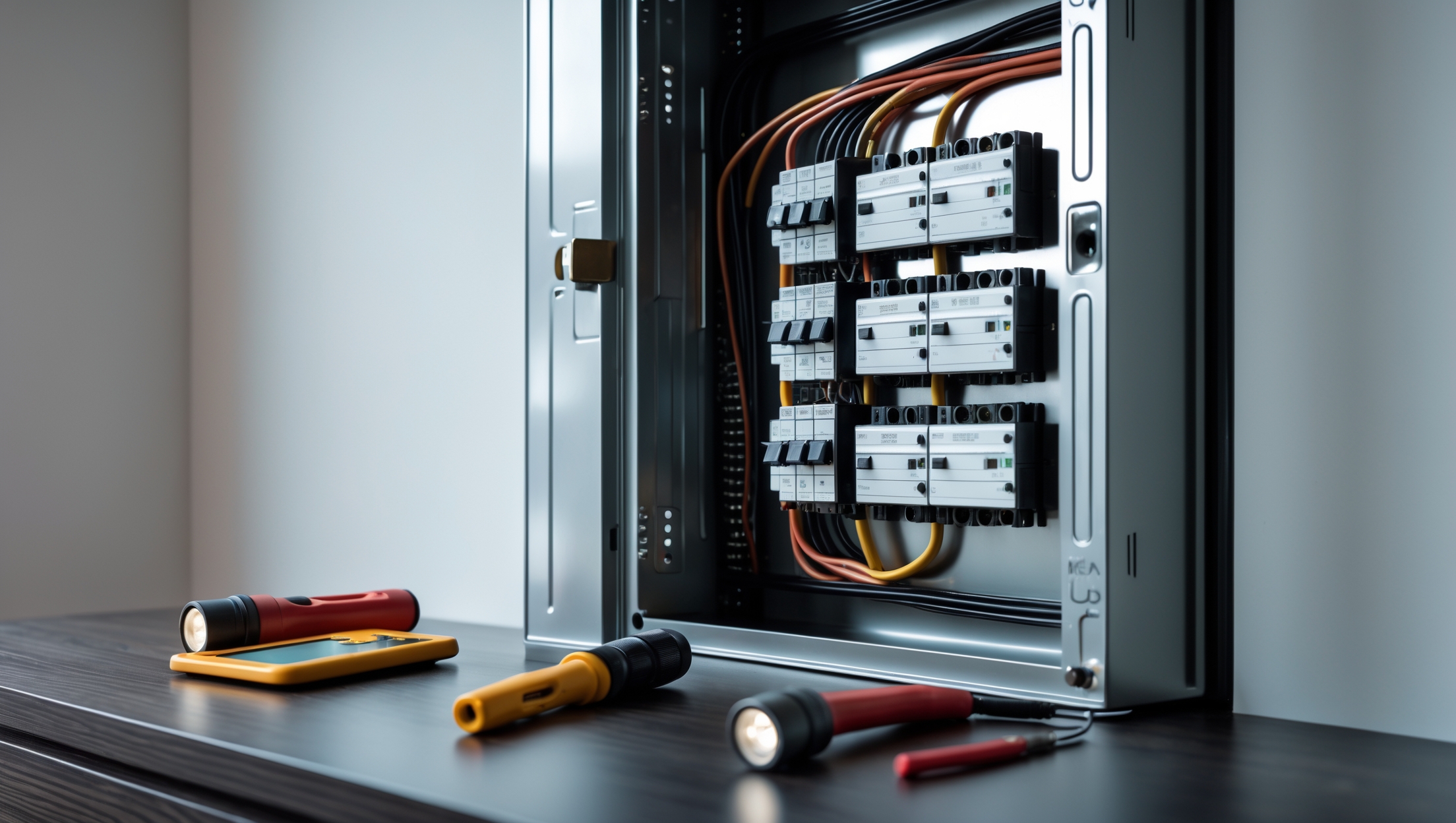
Introduction
Selling your home is a major milestone, and the process involves more than just cleaning up and setting an asking price. One critical yet often overlooked step is the electrical inspection. Whether required by your local jurisdiction, your buyer’s lender, or just as a smart precaution, a thorough electrical inspection can make or break a home sale. Unaddressed electrical issues can lead to failed deals, unexpected repair costs, or even legal complications down the line. Understanding what inspectors look for, how the process works, and what you can do to prepare can help you avoid last-minute surprises and ensure a smooth closing.
This guide demystifies the electrical inspection process before a home sale. We’ll cover what inspectors evaluate, common problems that trigger repairs or delays, and actionable strategies to help you “pass” with minimal stress and maximum confidence. Whether your home is decades old or recently renovated, these insights will help you present your electrical system in its best light, protect your investment, and give buyers peace of mind.
Why Electrical Inspections Matter When Selling
The Role of Electrical Inspections in Real Estate Transactions
Electrical inspections are a standard part of most home sales, especially in older properties or regions with strict safety codes. They serve several purposes:
- Safety assurance: Ensures the home’s wiring, outlets, and main panel meet current safety standards, reducing the risk of fire or shock.
- Code compliance: Confirms that all electrical work, including past upgrades or DIY projects, meets local and national electrical codes.
- Lender requirements: Many mortgage lenders require safety and code-compliance checks before approving financing.
- Buyer confidence: A clean inspection report reassures buyers and can speed up the closing process.
- Disclosure obligations: Sellers are legally required in many states to disclose known electrical hazards or violations.
When Are Electrical Inspections Required?
- Pre-listing: Proactive sellers sometimes order an inspection before listing to identify and fix issues early.
- During escrow: Most commonly, the buyer arranges a general home inspection, which may lead to a specialist electrical evaluation if problems are flagged.
- Major remodels: If recent renovations involved electrical work, inspectors will check for permits and code compliance.
- Insurance claims or older homes: Homes over 40 years old, or those with previous insurance claims, often trigger more thorough electrical reviews.
What Inspectors Look For: The Checklist
Professional inspectors follow a detailed checklist, focusing on both safety and code compliance. Here’s what they typically evaluate:
- Main electrical panel: Condition, labeling, secure cover, and appropriate amperage for the home’s load.
- Circuit breakers and fuses: Correct sizing, no signs of overheating or corrosion, no double-tapping unless allowed by manufacturer.
- Wiring type and condition: Absence of outdated or hazardous wiring (knob-and-tube, aluminum, cloth-insulated), proper support and protection.
- Grounding and bonding: Confirming the system is properly grounded to prevent shocks and surges.
- GFCI and AFCI protection: Ground-fault and arc-fault circuit interrupters in required locations (kitchens, bathrooms, garages, outdoors, bedrooms).
- Outlets and switches: Secure, functional, with no scorch marks or loose fitting; appropriate number per room; tamper-resistant where required.
- Lighting fixtures: Secure mounting, no exposed wiring, appropriate bulbs.
- Junction boxes: All wire splices inside covered boxes; no open splices.
- Smoke and carbon monoxide detectors: Installed in required locations, functional, and properly interconnected.
- Permits for recent work: Documentation for any recent electrical upgrades or repairs.
Common Issues That Delay or Derail Sales
Outdated or Hazardous Wiring
Many older homes still have knob-and-tube, aluminum, or cloth-insulated wiring, which are considered fire hazards and often flagged by inspectors. Replacing these systems can be costly but is usually necessary to proceed with the sale, especially if the buyer’s insurer or lender refuses coverage.
Improper Electrical Panel Setups
Common panel issues include:
- Double-tapped breakers (two wires under one screw)
- Overloaded circuits
- Missing or illegible circuit labels
- Incompatible or outdated panels (e.g., Federal Pacific, Zinsco)
These can create safety risks and almost always require correction.
Lack of GFCI/AFCI Protection
Modern codes require GFCI outlets in kitchens, bathrooms, garages, laundry rooms, and outdoors, plus AFCIs in bedrooms and some living areas. Missing these upgrades is a top reason homes “fail” inspection, but retrofitting is straightforward for a licensed electrician.
Improper or Unpermitted DIY Work
Unpermitted additions, amateur wiring, or visible shortcuts (loose wires, open junction boxes, missing covers) are red flags. Inspectors will recommend correction and, in some cases, require a permit for past work before closing can proceed.
Missing or Non-Functional Smoke/CO Detectors
Smoke and carbon monoxide detectors must be present and operational in specified locations. Their absence or expired units are quick fixes but must be addressed before closing.
How to Prepare: Seller’s Pre-Inspection Checklist
Step 1: Visual Inspection
Walk through your home and check for:
- Missing outlet/switch covers
- Loose or wobbly outlets and switches
- Burn marks or discoloration around outlets/switches
- Extension cords used as permanent wiring
- Missing or exposed wires
- Non-functional light fixtures
Step 2: Test Essential Safety Devices
- Press the “test” button on all GFCI outlets and AFCI breakers
- Test smoke and CO detectors; replace batteries and expired units
Step 3: Review Your Main Electrical Panel
- Open the panel cover and look for rust, corrosion, or scorch marks
- Check that all breakers are clearly labeled
- Ensure no wires are doubled up on a single breaker unless allowed
Step 4: Gather Documentation
- Collect permits and inspection reports for any electrical work done
- Have warranty information on upgrades like panels, rewiring, or surge protection
Step 5: Schedule a Pre-Listing Electrical Inspection (Optional but Wise)
Hiring a licensed electrician to perform a “pre-inspection” can uncover issues before buyers or their inspectors do. This gives you time to address problems on your terms and budget, rather than under the pressure of a sale timeline.
What to Do if Problems Are Found
Understand the Report
Inspection reports can be daunting, with technical jargon and code citations. Ask the inspector for clarification on:
- Which issues are safety hazards vs. code updates vs. minor observations
- What repairs are mandatory for closing and which are optional
Prioritize Repairs
Focus on:
- Immediate safety hazards (e.g., exposed live wires, no grounding, missing GFCIs)
- Major code violations (e.g., unpermitted wiring, outdated panels)
- Buyer’s lender or insurer requirements
Get Multiple Quotes
If repairs are needed, obtain at least two estimates from licensed electricians. Ensure quotes detail scope, timelines, and guarantees.
Negotiate With Buyers
If you can’t or don’t want to fix all issues, you may offer buyers a credit at closing. Be transparent and provide inspection reports and repair quotes to facilitate negotiation.
Passing the Inspection: Pro Tips
- Don’t DIY repairs unless you’re licensed. Amateur fixes can be obvious and may make things worse.
- Focus on visible upgrades: New GFCIs, labeled panels, and working detectors impress inspectors and buyers alike.
- Address the “big three”: Wiring safety, panel condition, and GFCI/AFCI coverage.
- Maintain clear documentation: Permits, warranties, and receipts show buyers the work was done right.
- Clean up the panel area: Remove obstructions and label circuits clearly; inspectors appreciate easy access.
- Consider a whole-home surge protector: This inexpensive upgrade is a selling point and a code plus in many regions.
The Role of Permits and Compliance
Permits validate that electrical work was inspected and approved by local authorities. If you’ve had work done without a permit, it’s wise to consult with your local building department before listing the property. Unpermitted work can stall or even cancel a sale, especially if the buyer’s lender balks. In some cases, you can apply for a “retroactive” permit and schedule an inspection, but this process can be time-consuming and may require opening walls or making corrections.
Frequently Asked Questions
Can I sell my home if it doesn’t “pass” electrical inspection?
Yes, but you may need to negotiate repairs, lower your price, or offer repair credits. Some buyers or lenders may refuse to close until certain hazards are corrected.
How much do electrical repairs typically cost before a sale?
Minor updates (new GFCIs, outlet covers, smoke detectors) may cost a few hundred dollars. Major panel or wiring upgrades can range from $1,500 to $10,000 or more, depending on the home’s age and size.
What’s the difference between a home inspection and an electrical inspection?
General home inspectors perform a visual, surface-level electrical check. Electrical specialists conduct a more detailed review, including panel access, wire testing, and code compliance checks.
Are electrical codes the same everywhere?
While the National Electrical Code (NEC) sets a baseline, local jurisdictions may have stricter rules. Always check with your local building department.
Conclusion
Preparing for an electrical inspection before selling your home can feel daunting, but with the right knowledge and a proactive approach, it’s an opportunity to boost buyer confidence and streamline your sale. Addressing electrical issues in advance not only helps prevent deal-killing surprises but can also increase your property’s value and marketability. Remember, most buyers—and lenders—prioritize safety and compliance. Taking time to review your electrical system, make necessary upgrades, and gather documentation demonstrates responsibility and transparency, qualities today’s buyers appreciate.
If you discover issues, don’t panic. Most problems can be resolved with the help of a licensed electrician, and you have options to negotiate repairs or credits. The key is to approach the process with honesty, diligence, and a willingness to invest in your home’s safety. Ultimately, a clean electrical inspection isn’t just about passing a test—it’s about ensuring your home is safe, efficient, and ready for its next chapter. By following the steps outlined in this guide, you’ll be well-prepared to navigate the electrical inspection process, avoid common pitfalls, and close your sale with confidence.
If my buyer’s lender requires an electrical inspection, roughly how long does it usually take to resolve issues flagged by the inspector, and are there affordable options for quick fixes that still meet safety standards?
The time to resolve electrical issues flagged during inspection can vary, but most common problems—like outlet or switch replacements, missing GFCI protection, or minor wiring repairs—can often be fixed within a few days to a week, depending on electrician availability. Affordable options usually include hiring a licensed electrician for small jobs, who can address safety standards without unnecessary upgrades. Be sure to prioritize fixes that directly relate to code compliance and safety.
I noticed you mentioned that sellers are legally required to disclose known electrical hazards. If I’m not sure whether something is a true hazard or just outdated, what’s the best way to determine what I need to disclose?
If you’re unsure whether something is a true electrical hazard or simply outdated, it’s wise to consult a licensed electrician for an inspection. They can identify any safety issues versus older but safe components. This way, you’ll have a clear, professional assessment to help you accurately disclose any hazards and avoid unnecessary worries during the sale.
Can you give some examples of specific electrical code violations that usually come up during inspections for older homes? I have a house from the 1960s and I’m wondering what the most common issues are that trip up sellers.
In homes from the 1960s, inspectors often find issues like outdated or missing GFCI outlets in kitchens and bathrooms, ungrounded outlets, over-fused circuits in old fuse panels, and knob-and-tube wiring that’s not up to current code. Other common violations include lack of smoke detectors, improper junction box covers, and cloth-insulated wiring. Addressing these areas can help reduce surprises during your inspection.
If the inspection finds issues that require repair, how long do homeowners usually have to fix them before it impacts the sale timeline, and are there any temporary solutions that can help keep the process on track?
If an inspection uncovers electrical issues, the repair timeline depends on your agreement with the buyer and the terms of the sale. Often, repairs should be completed before closing, which could mean anywhere from a few days to a few weeks. Temporary fixes generally aren’t recommended for electrical issues due to safety concerns and inspection requirements, so it’s best to address the problems fully to avoid delays or complications during the sale.
Preparing for a smooth closing sounds great, but what are some practical steps I can do myself ahead of the inspection, especially if I’m on a tight budget and can’t hire an electrician right away?
You can take several cost-effective steps to prepare for your electrical inspection. Start by checking that all light switches and outlets work properly, and replace any burned-out bulbs. Tighten loose faceplates and ensure that there are no exposed wires. Test GFCI outlets in kitchens and bathrooms to confirm they reset correctly. Also, clear away any clutter near your electrical panel so the inspector has easy access. These simple actions can help you avoid common inspection issues.
Are there any affordable ways to do a basic pre-inspection myself before calling in a professional inspector, just to catch obvious problems that might come up when selling? I’m on a tight budget and want to avoid surprises.
You can definitely do a basic pre-inspection yourself to catch obvious issues. Start by checking all outlets and light switches to make sure they work and aren’t discolored or loose. Look for frayed wires or exposed electrical connections, especially in attics or basements. Test your circuit breakers to see if they trip unexpectedly. Replacing missing outlet covers and ensuring no extension cords are used as permanent wiring are also helpful. While these steps won’t catch everything, they can help you spot common problems before a professional visit.
For homeowners who have had DIY electrical upgrades done in the past, what kinds of documentation or permits do inspectors usually look for during the sale process, and how strict are they about previous work meeting current codes?
Inspectors typically look for permits and inspection records for any electrical work, especially upgrades or rewiring projects. If you did DIY electrical work, you should have permits and proof of municipal inspections from when the work was done. Inspectors are quite strict about previous work meeting current codes for safety reasons. If documentation is missing, they may require additional inspections or even corrections to bring the work up to standard before the sale can proceed.
Could you clarify if electrical inspections for selling a home typically include checking for code compliance on older DIY upgrades, or are inspectors mainly focused on visible hazards and main panels?
Electrical inspections before selling a home generally focus on both safety hazards and code compliance, even for older DIY upgrades. Inspectors often check visible wiring, panels, and outlets, but if DIY work is noticeable, they’ll likely assess whether it meets current code. While minor outdated elements may sometimes be overlooked, any clear violations or unsafe practices are typically flagged and may need correction before the sale proceeds.
I’m planning to sell my 1970s house and I’m a bit nervous about the electrical inspection part. Can you give some examples of specific electrical issues that most often cause delays or failed inspections, especially in older homes like mine?
In homes from the 1970s, common issues that can delay or fail electrical inspections include outdated fuse boxes instead of circuit breakers, ungrounded outlets, lack of GFCI protection in kitchens and bathrooms, old or deteriorated wiring (like aluminum wiring), and overloaded circuits. Also, DIY wiring not up to code is a frequent problem. Addressing these areas before inspection can help things go more smoothly.
Could you explain more about what happens if the electrical inspection finds something that isn’t up to code right before closing? Will I be required to fix everything, or can the buyer negotiate to handle some of those repairs instead?
If the inspection finds issues right before closing, you’re not automatically required to fix everything. Usually, it becomes a negotiation point between you and the buyer. Some buyers may ask you to make the repairs before closing, while others might agree to handle certain fixes themselves in exchange for a price reduction or credit at closing. It really depends on what you both negotiate in the contract.
The article mentions that many mortgage lenders require electrical inspections before approving financing. Are there any exceptions to this rule, or do all lenders typically demand a recent inspection before a sale can go through?
Not all lenders require a recent electrical inspection before finalizing a mortgage, but many do, especially for older homes or if there are concerns about the property’s electrical safety. Some lenders might only request an inspection if issues are noted during a general home inspection. It’s best to check specific requirements with your lender or real estate agent, as guidelines can vary.
The article mentions that electrical inspections are especially important in older homes. If my house was built in the 1960s but has had some upgrades over the years, what specific electrical components are most likely to need attention during an inspection?
In a 1960s home, inspectors typically pay close attention to the main electrical panel, wiring type (checking for outdated aluminum or knob-and-tube wiring), outlets (especially for GFCI protection in kitchens and bathrooms), and grounding systems. Even if you’ve had upgrades, it’s wise to ensure these components meet current codes. Inspectors may also check for proper circuit labeling and smoke detectors.
For someone on a tight budget, are there affordable steps I can take beforehand to help ensure my electrical system passes inspection, or should I just have an electrician do a full check before listing my house?
You can definitely take some budget-friendly steps before calling in an electrician. Start by checking that all outlets and switches work, cover plates are secure, and there are no exposed wires. Replace any burned-out bulbs and test GFCI outlets in kitchens and bathrooms. If you find anything unusual or if your home is older, it’s wise to have an electrician do a quick checkup. That way, you can address any bigger issues early without paying for a full inspection up front.
What are some common electrical issues that tend to delay a home closing after an inspection? It would be helpful to know what problems I should look for ahead of time to avoid unexpected repair costs.
Some common electrical issues that can delay a home closing include outdated or damaged wiring, overloaded circuits, missing or non-functioning GFCI outlets in kitchens and bathrooms, ungrounded outlets, faulty or missing smoke detectors, and electrical panel problems like double-tapped breakers. It’s a good idea to check for these issues before listing your home to avoid last-minute surprises and repair expenses.
You mention that electrical inspections can add unexpected repair costs when selling. Is there any way to estimate a budget for typical electrical fixes required to pass inspection, especially for older homes?
Estimating a budget for electrical fixes in older homes can vary, but a basic safety update (like replacing outlets, fixing exposed wiring, or updating the panel) typically ranges from a few hundred to several thousand dollars, depending on the home’s age and issues found. Having a licensed electrician do a pre-inspection walk-through can give you a more precise estimate, helping you budget more confidently before listing your home.
You mention that lenders often require an electrical inspection before approving financing. Have you seen situations where something minor on the inspection report actually delayed the sale, and if so, what kinds of things should sellers prioritize fixing first?
Minor issues like missing outlet covers, outdated light fixtures, or ungrounded outlets have definitely caused delays in some sales. Even small code violations can be flagged by lenders, leading to extra inspections or repairs. As a seller, it’s smart to prioritize fixing exposed wiring, faulty outlets or switches, and any outdated electrical panels first, since these are common concerns and tend to be quick fixes that reassure both inspectors and buyers.
I’m curious how thorough the inspection typically is—will inspectors just check the main panel and a few outlets, or do they also look behind walls and inspect upgrades from past DIY projects? I’m not sure what level of preparation I actually need before listing my house.
Inspectors usually focus on accessible electrical components like the main panel, outlets, switches, visible wiring, and fixtures. They won’t open up walls unless there’s a clear safety concern, but they will check for obvious signs of DIY work or code violations. It’s wise to ensure all visible upgrades are safe and code-compliant, and to have any questionable DIY projects professionally reviewed before your home goes on the market.
I noticed you mentioned lender requirements for electrical inspections. If my home is newly renovated, are there ways to streamline or potentially skip parts of the inspection process, or is a full inspection always required regardless of recent upgrades?
If your home is newly renovated, some lenders may accept recent permits or certificates of compliance in place of certain inspection steps, especially if the work was done by licensed professionals and approved by local authorities. However, most lenders still require a full electrical inspection to ensure safety and compliance. It’s best to check with your lender for their specific requirements.
I noticed you mentioned that sellers are legally required to disclose electrical hazards in many states. What kind of documentation should I gather in advance to make sure I’m properly covered if any issues are found during the inspection?
To be properly covered, keep copies of any recent electrical inspection reports, repair invoices, permits for electrical work, and warranties for installed systems. If you’ve had issues repaired, save documentation from licensed electricians showing what was fixed. When disclosing, provide clear, written summaries of any known problems and repairs, along with supporting paperwork. This shows transparency and helps protect you legally.
You mention that many mortgage lenders require an electrical check before they approve financing. Is there a standard checklist that inspectors follow, or does it vary a lot depending on the state or municipality?
There isn’t a single national checklist for electrical inspections—requirements can vary depending on your state or municipality. However, most inspectors do follow the National Electrical Code (NEC) as a baseline, checking things like wiring safety, outlet function, breaker panels, and grounding. Local codes may add extra requirements, so it’s a good idea to check with your local building department for specifics in your area.
The article highlights disclosure obligations for known electrical hazards. How far back should sellers go when disclosing past electrical problems, especially if they were repaired—do minor past issues need to be disclosed too?
Sellers are generally expected to disclose any known electrical problems that could affect the safety or value of the home, including issues that were repaired. For minor past issues, if they’ve been properly fixed by a licensed professional and pose no ongoing risk, disclosure isn’t usually required. However, if you’re unsure or if the repairs were significant, it’s best to mention them. Being upfront helps avoid misunderstandings during the sale.
You mentioned that an inspection could reveal issues that might delay closing. What are some common electrical problems that usually come up during these inspections, and how expensive are they to fix if I need to address them quickly?
Common electrical issues found during inspections include outdated wiring (like knob-and-tube or aluminum wiring), missing GFCI outlets in kitchens and bathrooms, ungrounded outlets, overloaded panels, and faulty or exposed wiring. Costs can vary: simple fixes like installing new outlets may be under $200, while panel upgrades or rewiring can run from $1,500 to several thousand dollars. Quick repairs are often possible, but larger problems may require more time and investment.
The article mentions that lenders often require these inspections. If an electrical issue is found right before closing, how long does it usually take to make fixes and get re-inspected so the sale isn’t delayed too much?
The time needed for repairs and re-inspection depends on the nature of the electrical issue. Minor fixes, like replacing outlets or breakers, can often be done in a day or two. For major problems, such as panel upgrades or rewiring, it might take several days to a week. After repairs, scheduling a re-inspection typically adds another day or two, so most issues are resolved within a week if addressed promptly.
I’m prepping my house for sale and noticed you mentioned both code compliance and disclosure obligations. If I know about some old wiring that isn’t up to current code, do I have to fix it, or is disclosure enough to satisfy legal requirements?
If you know about old wiring that doesn’t meet current code, disclosure is typically required—you must inform potential buyers about it. Whether you need to fix it depends on local laws and your buyer’s lender or insurer; many buyers will request repairs, but simply disclosing is often enough to meet legal obligations. Still, upgrading wiring can make your home more attractive and potentially avoid negotiation delays.
If the inspector finds issues with outdated wiring but everything is still operational and has not caused problems, am I obligated to update it before selling, or can I simply disclose it to buyers as described in the article?
You are generally not required to update outdated wiring if it is still functional and safe, unless local laws or your buyer’s lender demands it. The article explains that you can usually disclose the issue to potential buyers in your seller’s disclosure documents. This transparency allows buyers to make informed decisions and negotiate repairs if needed.
The article mentions that lenders might require electrical inspections for approving financing. Does this mean that if my house doesn’t pass inspection, the deal could actually fall through? How strict are these requirements usually?
If your house doesn’t pass the required electrical inspection, lenders can indeed hold up or even deny financing until any serious safety issues are resolved. The strictness varies by lender and location, but safety concerns like outdated wiring or major code violations are common deal-breakers. Minor issues usually don’t derail a sale, but significant electrical hazards almost always need to be fixed before closing.
I noticed you mentioned that electrical inspections can be required by buyers’ lenders or local jurisdictions. If my local area doesn’t mandate one, but the buyer’s lender does, who is typically responsible for arranging and paying for that inspection?
If an electrical inspection is required by the buyer’s lender but not by your local area, it’s usually up to the buyer to arrange the inspection. However, who pays for it can be negotiated between buyer and seller, often as part of the purchase agreement. In many cases, buyers pay for lender-required inspections, but sometimes sellers agree to cover the cost as an incentive.
The article mentions that electrical inspections are especially important for older homes. Are there certain electrical issues that inspectors see more often in homes built before the 1970s, and how expensive are those typically to fix before a sale?
Inspectors frequently find outdated wiring like knob-and-tube or aluminum wiring, ungrounded outlets, and overloaded circuits in homes built before the 1970s. Costs vary: replacing outlets or updating breaker panels can range from a few hundred to several thousand dollars, while a full rewiring is usually the most expensive, sometimes $8,000 or more. It’s a good idea to get a licensed electrician’s estimate for your specific situation.
You mentioned that inspections are especially important for older homes. Are there common electrical issues unique to houses built before the 1980s that I should watch out for to avoid any deal-breaking surprises?
Yes, houses built before the 1980s often have specific electrical concerns. Common issues include outdated fuse boxes instead of modern circuit breakers, aluminum wiring (which can be a fire hazard), ungrounded outlets, and knob-and-tube wiring. You might also find a lack of GFCI outlets in kitchens and bathrooms. Addressing these issues before your inspection can help prevent major obstacles during the sale.
Do lenders require the electrical inspection to happen at a specific point in the sale process, or can it be done in advance? I want to avoid any last-minute surprises that could delay the sale.
Lenders generally don’t set a specific time for the electrical inspection, but they often require the inspection results before approving the buyer’s loan and closing the sale. You can absolutely schedule the inspection in advance—doing so allows time to address any issues early and helps prevent last-minute delays during the sale process.
If my home had some electrical upgrades done by a previous owner without permits, how might that impact the inspection process or the required disclosures when I sell?
If electrical upgrades were done without permits, an inspector might flag those areas during the inspection, especially if the work doesn’t meet current code. You’ll likely need to disclose unpermitted work to potential buyers, as many states require sellers to reveal known issues or modifications. Unpermitted work could affect your home’s value or cause buyers to request repairs or additional inspections.
How long does a typical pre-sale electrical inspection take, and is there anything I can do in advance to speed things up or avoid major delays? I’m on a tight timeline to get my house sold.
A typical pre-sale electrical inspection usually takes between 1 to 3 hours, depending on your home’s size and age. To speed things up, make sure all electrical panels and outlets are accessible, replace any burnt-out bulbs, and fix obvious issues like loose outlets or missing cover plates. Gathering previous inspection records or permits can also help the inspector work more efficiently and avoid delays.
If my house was built in the 1970s and I know some of the wiring is original, what are the most common red flags inspectors typically find in older homes that could hold up a sale?
In homes built in the 1970s, inspectors often find issues like outdated aluminum wiring, ungrounded outlets, lack of GFCI protection in kitchens and bathrooms, and overloaded or outdated breaker panels. Missing or non-functioning smoke detectors and visible signs of DIY electrical work can also be red flags. Addressing these issues before listing can make your sale process smoother.
You mention that lenders often require electrical inspections for older homes—does this apply to most conventional loans, or only certain types? I’m trying to understand if it could be skipped if the buyer’s lender doesn’t specifically ask for it.
Whether an electrical inspection is required usually depends on the lender and the type of loan. Most conventional loans do not automatically require an electrical inspection for older homes unless the appraiser notes an obvious issue or local regulations demand it. However, government-backed loans like FHA or VA are more likely to require it. If the buyer’s lender doesn’t specifically request it, you may be able to skip it, but it’s still wise to ensure your electrical system is safe and up to code for a smoother sale.
I’m about to list my house and am worried about some older outlets that haven’t been updated. Does the electrical inspection always require every outlet to be up to current code, or are some older features grandfathered in during a sale?
When selling your home, electrical inspections usually focus on safety rather than requiring every outlet to meet the newest code. Many older features can be grandfathered in if they were up to code when installed, as long as they’re safe and functioning properly. However, if the outlets present a hazard or don’t work, you might be asked to fix them. It’s a good idea to have a licensed electrician check those outlets before listing your home.
Are there any affordable ways to address minor electrical issues on my own before the official inspection, or is it always recommended to hire a professional even for things like replacing old outlets or light switches?
You can often handle simple fixes like replacing old outlets or light switches yourself, as long as you feel comfortable and follow safety precautions—always turn off the power at the breaker first. However, if you’re unsure, or if the issue involves wiring, strange smells, or flickering, it’s best to hire a licensed electrician to ensure everything meets code and avoids complications during inspection.