

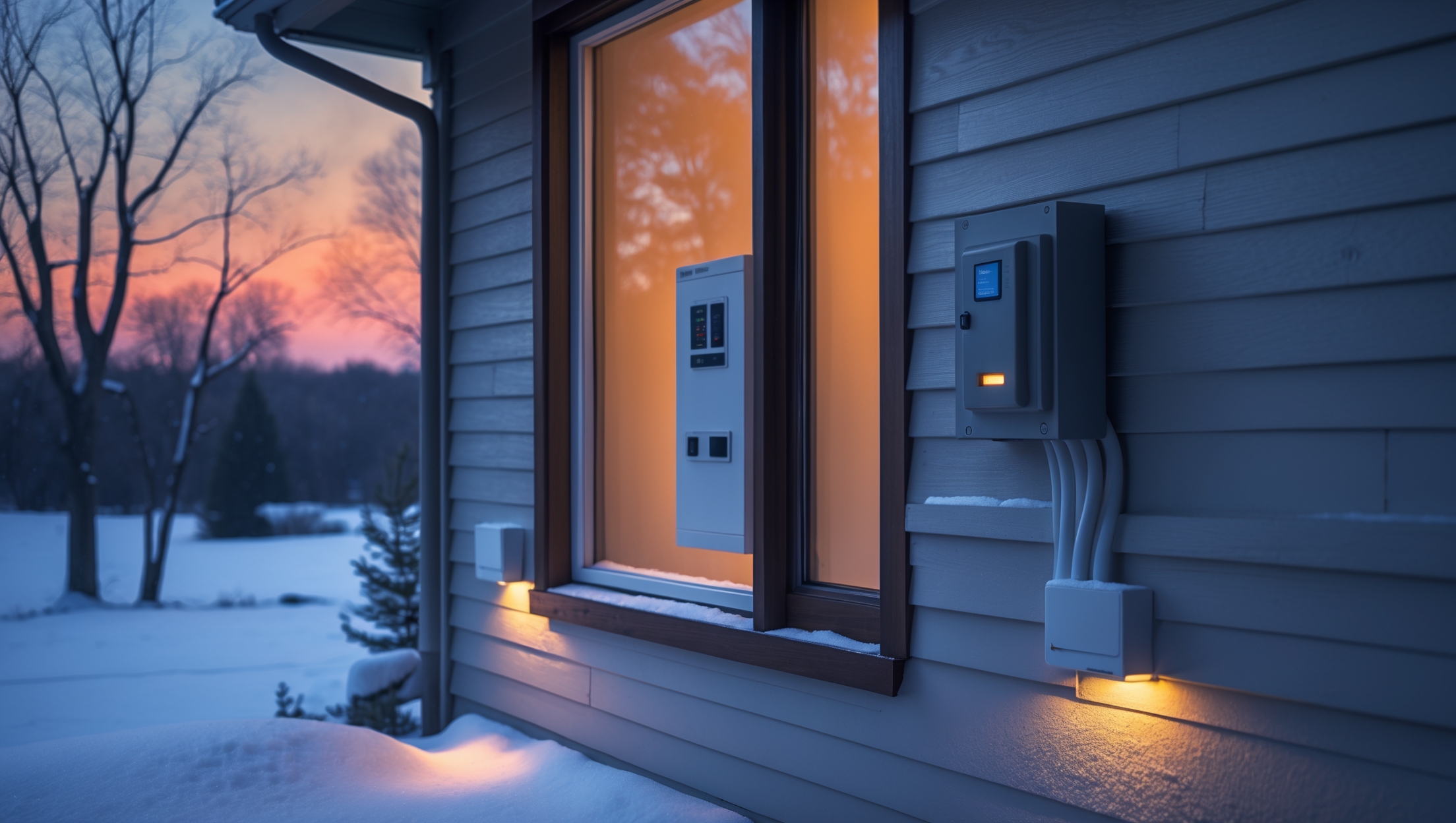
Introduction
As the temperature drops and winter approaches, your home’s electrical system faces new challenges and demands. Heating systems, holiday lighting, and extended indoor activities all put added pressure on wiring, outlets, and circuits. Electrical issues are not only inconvenient during the colder months—they can also pose serious safety risks and lead to higher energy bills. Preparing your home’s electrical system for winter isn’t just about avoiding outages; it’s about ensuring safety, maximizing efficiency, and providing peace of mind for you and your family. In this comprehensive guide, we’ll walk you through essential pre-winter electrical upgrades, maintenance tasks, and energy-saving strategies. Whether you’re a seasoned DIYer or a homeowner seeking to make informed decisions before hiring a professional, these practical tips and insights will help you create a safer, more comfortable, and cost-effective living environment all season long.
Why Pre-Winter Electrical Preparation Matters
Seasonal Strain on Electrical Systems
Winter brings unique demands: space heaters, electric blankets, and increased lighting usage. Outdated wiring or overloaded circuits are more likely to fail when under strain, potentially causing outages or, worse, electrical fires. Preemptive maintenance and upgrades can prevent inconvenient or hazardous situations.
Boosting Safety During Peak Usage
According to the National Fire Protection Association (NFPA), home electrical fires peak in winter. Loose connections, faulty outlets, and worn insulation are more dangerous when circuits are heavily loaded. Preparation helps identify and correct these hazards before they are put to the test.
Energy Efficiency and Cost Savings
With electricity rates often higher in winter and heating costs rising, optimizing your system’s efficiency can result in noticeable savings. Smart upgrades and targeted maintenance help reduce wasted energy, lower bills, and extend appliance lifespan.
Essential Pre-Winter Electrical Maintenance Checklist
1. Inspect and Test Outlets and Switches
- Check for Loose or Damaged Outlets: Gently wiggle outlets and switches. If they move or feel warm, they may have loose connections—a common cause of arcing and fire risk.
- Test GFCIs and AFCIs: Press the “Test” and “Reset” buttons on Ground Fault Circuit Interrupters and Arc-Fault Circuit Interrupters to ensure proper function, especially in kitchens, bathrooms, garages, and outdoor areas.
2. Inspect and Label the Electrical Panel
- Check for Corrosion and Overheating: Open the panel (if safe to do so) and look for rust, scorch marks, or a burnt smell. These are red flags requiring immediate attention.
- Verify Circuit Labels: Accurate labeling helps during power outages or emergencies. Update labels if circuits have changed since last winter.
3. Examine Extension Cords and Power Strips
- Look for Frayed Wires: Replace any extension cords or power strips with cracked insulation or exposed wire.
- Check for Overuse: Avoid daisy-chaining power strips or overloading outlets—common causes of winter electrical fires.
4. Inspect Outdoor Electrical Components
- Weatherproof Exterior Outlets: Ensure all outdoor outlets have proper covers (in-use or bubble covers) to keep out snow and moisture.
- Check for Damage: Inspect holiday lighting and outdoor extension cords for wear before installation.
5. Test Smoke and Carbon Monoxide Detectors
- Replace Batteries: Install fresh batteries in all detectors. Winter’s use of heating systems increases the risk of carbon monoxide leaks.
- Test Functionality: Press the “Test” button and ensure alarms are loud and clear.
6. Schedule a Professional Inspection (If Needed)
- Older Homes or Recent Issues: If your wiring is over 30 years old or you’ve experienced frequent tripped breakers, flickering lights, or unexplained outages, a licensed electrician should perform a thorough inspection before winter.
Smart Electrical Upgrades for Winter Efficiency and Safety
Upgrade 1: Programmable Thermostats and Smart Plugs
Installing programmable thermostats allows precise control over heating schedules, reducing wasted energy when the house is empty or everyone is asleep. Smart plugs can automate lighting and small appliances, further increasing efficiency and safety—especially for holiday lights or hard-to-reach outlets.
Upgrade 2: Dedicated Circuits for High-Load Appliances
If you use portable heaters, heated flooring, or electric fireplaces, consider adding dedicated circuits. Shared circuits can become overloaded, increasing fire risk and tripping breakers. Dedicated lines ensure safe, reliable power for high-demand devices.
Upgrade 3: Whole-House Surge Protection
Winter storms bring increased risk of power surges from lightning or utility issues. Installing a whole-house surge protector at your main panel can safeguard expensive electronics, heating equipment, and appliances from sudden voltage spikes.
Upgrade 4: LED Lighting Throughout the Home
With longer nights and more time spent indoors, lighting costs can soar. Switching to LED bulbs throughout your home can reduce lighting energy use by up to 75% compared to incandescent bulbs and significantly cut your winter electricity bill.
Upgrade 5: Outdoor Outlet and Lighting Improvements
Replace outdated or damaged outdoor outlets with weather-resistant, GFCI-protected models. Upgrade exterior lighting to LEDs on motion sensors or timers for safe, efficient illumination without wasted energy.
Preventing Winter Electrical Hazards
Space Heaters and Portable Devices
- Never use extension cords with space heaters. Plug them directly into wall outlets to prevent overheating.
- Keep heaters at least three feet from anything flammable.
- Check for automatic shutoff features. Modern heaters should power down if tipped over.
Holiday Lighting Safety
- Use only UL-listed lights and extension cords rated for outdoor use.
- Don’t overload circuits. Know which outlets are on the same circuit, and stay below 80% of the rated load to avoid tripping breakers or overheating wires.
- Set timers for displays. Prevent overheating and wasted energy by limiting operating hours.
Dealing with Ice and Moisture
- Protect exterior outlets and connections. Use weatherproof covers and seal gaps where wires enter your home.
- Clear snow and ice from outdoor electrical equipment. Accumulated moisture can cause shorts or corrosion.
Energy-Saving Strategies for Lower Winter Bills
Seal Drafts and Insulate Properly
Gaps around windows, doors, and outlets can let cold air in and warm air out, making heating systems work harder. Use foam gaskets behind outlet and switch plates on exterior walls to reduce drafts. Weatherstrip doors and windows for added efficiency.
Optimize Lighting Use
- Install dimmer switches to adjust light levels as needed and reduce energy use.
- Take advantage of daylight by opening curtains and blinds during the day and closing them at night to retain heat.
Maintain Heating Equipment
- Have furnaces and heat pumps serviced annually to ensure safe, efficient operation.
- Clean air filters regularly to reduce strain on electrical components.
Monitor Your Energy Use
Consider installing an energy monitor to track usage by device or circuit. These insights can help you identify high-consumption appliances and adjust habits to save money throughout the season.
Tools and Supplies Checklist for DIY Winter Electrical Prep
- Non-contact voltage tester
- Outlet tester
- Insulated screwdriver set
- Wire strippers/cutters
- Label maker or permanent marker for panel labeling
- Replacement GFCI outlets and weatherproof covers
- LED bulbs (various types)
- Foam gasket outlet insulators
- Heavy-duty extension cords (for outdoor use, if needed)
- Programmable thermostat or smart plugs (optional upgrades)
When to Call a Professional
- You discover signs of overheating, burning smells, or scorch marks at outlets or the panel.
- Frequent breaker trips or unexplained power outages occur.
- Your home’s wiring is aluminum or over 30 years old and hasn’t been inspected in the last five years.
- You plan to add or upgrade circuits, install a whole-house surge protector, or make significant changes to your electrical system.
- There is any uncertainty about your ability to safely perform inspections or repairs.
Conclusion
Preparing your home’s electrical system for winter is a proactive investment in safety, comfort, and efficiency. As we’ve explored, simple maintenance tasks—like testing outlets, checking extension cords, and labeling your panel—can avert major hazards and headaches. Strategic upgrades, from smart thermostats to LED lighting, not only reduce your winter energy bills but also enhance the reliability of your home’s power supply when you need it most. Seasonal electrical preparation isn’t just about avoiding emergencies; it’s about creating a living environment where your family can thrive, no matter how cold or stormy it gets outside. If you’re unsure about any aspect of your electrical system—or your home is older or has shown signs of trouble—don’t hesitate to consult a licensed electrician. A professional inspection is a small price to pay for peace of mind and the security of knowing your home is ready to weather the winter safely and efficiently. Start your prep now, and enjoy a warm, well-lit, and worry-free season ahead.
You highlighted the increased risk of electrical fires in winter due to overloaded circuits and faulty outlets. What are the top warning signs that I should be looking out for, and what is the best way to prioritize repairs with a limited budget before the busy season?
Watch for flickering lights, frequent circuit breaker trips, buzzing sounds from outlets, burning smells, or warm outlets and switches—these are key warning signs of potential electrical issues. With a limited budget, prioritize fixing anything that smells like burning or feels warm, as these indicate urgent fire risks. Next, address breaker trips and faulty outlets. If needed, consult a licensed electrician to assess and help you prioritize repairs based on severity and safety.
As a business owner with older wiring in my building, I’m concerned about winter electrical safety. Which maintenance tasks from your guide would you recommend prioritizing to prevent outages or fire hazards during the colder months?
For a building with older wiring, you should prioritize having a licensed electrician inspect your electrical panel and wiring for wear or damage, replace any outdated circuit breakers, and test outlets for proper grounding. Make sure to check for overloaded circuits, especially if you’re using space heaters, and schedule regular maintenance for heating equipment. These steps can significantly reduce fire risks and help prevent winter outages.
You mentioned smart upgrades and targeted maintenance for efficiency. If I’m on a tight budget, which single upgrade or maintenance task would you say has the biggest impact on lowering winter electricity bills for a small household?
If you’re looking for one impactful upgrade on a budget, replacing old incandescent or CFL bulbs with LED bulbs throughout your home is a great option. LEDs use significantly less electricity and last much longer. For maintenance, sealing gaps around windows and doors to prevent heat loss can also make a noticeable difference in heating costs with minimal expense.
If I want to address potential fire risks from older outlets and loose connections, what are some signs I should look for during a pre-winter inspection, and should I handle these myself or always hire an electrician?
When checking for fire risks, look for signs like outlets that feel warm, have discoloration or scorch marks, loose plugs that don’t stay in place, buzzing or crackling sounds, and frequent tripped breakers. If you notice any of these, it’s safest to hire a licensed electrician. DIY fixes can be risky, especially with older wiring, so professional assessment is highly recommended for your safety.
When checking for outdated wiring before winter, are there any specific warning signs I should look for as a non-expert? The article mentions preventing overloaded circuits, but I’m not really sure how to tell if mine might be at risk.
As a non-expert, you can look for some clear warning signs of outdated wiring or overloaded circuits. Flickering or dimming lights, outlets or switches that feel warm, frequently tripped breakers, or a buzzing noise from outlets are all signals to watch for. Also, if you still have two-prong outlets or cloth-covered wires, it’s worth having a professional inspection before winter.
You mentioned that outdated wiring or overloaded circuits are more likely to fail during winter when there’s extra demand. How can I tell if my home’s wiring is too old or if my circuits might not handle all my winter devices safely?
To check if your wiring or circuits may be at risk, look for warning signs like frequent breaker trips, flickering lights, outlets that feel warm or spark, or fuses blowing often. If your home is over 30 years old and hasn’t been rewired, it’s wise to have a licensed electrician inspect your system before winter, especially if you plan to use space heaters or other high-wattage devices.
Since energy bills usually spike in winter, are there specific smart upgrades or maintenance tasks from the article that give the biggest return on investment for tight student budgets? I’d love some suggestions to prioritize.
Focusing on affordable upgrades can really help manage winter energy bills. The article suggests starting with smart thermostats, which let you control heating schedules and avoid unnecessary usage. Weatherstripping doors and windows is another low-cost task that reduces heat loss. Also, check for drafty outlets and use inexpensive outlet gaskets. These steps are budget-friendly and can make a noticeable difference in energy savings for students.
When it comes to pre-winter maintenance, is there a checklist you suggest following for homeowners who want to do some of the basic electrical inspections themselves before calling in a professional?
Absolutely, a basic pre-winter electrical checklist is helpful. Homeowners can inspect visible wiring for damage, check outlets and switches for signs of overheating or looseness, test GFCI outlets, and make sure outdoor lights and holiday decorations are plugged into weatherproof outlets. Don’t forget to check the operation of smoke and carbon monoxide detectors, replacing batteries if needed. For anything more complex, or if you spot issues, it’s safest to contact a licensed electrician.
The article talks about optimizing energy efficiency to save on winter electricity bills. Are there specific smart upgrades that have the biggest impact but don’t require a huge investment upfront?
Absolutely, some smart upgrades can make a noticeable difference without costing too much upfront. Installing programmable or smart thermostats helps control heating more efficiently. Switching to LED bulbs and using smart plugs to manage appliances can also reduce energy usage. Sealing gaps around windows and doors, if you haven’t already, is another affordable step that improves overall efficiency.
When it comes to older homes with potentially outdated wiring, what are some early warning signs homeowners should look out for before the winter season starts? I want to spot issues before they become real problems as the article suggests.
In older homes, some early warning signs of outdated or problematic wiring include frequent circuit breaker trips, flickering or dimming lights, outlets or switches that feel warm to the touch, burning smells near electrical fixtures, and any buzzing or crackling sounds from outlets. Also watch for discolored outlets or switches. Spotting these issues early lets you take action before winter increases electrical demand.
Could you elaborate on which smart upgrades actually make the biggest difference for energy efficiency during winter? I’m on a tight budget and want to focus on improvements that will save the most on my electric bill.
Focusing on a smart thermostat is one of the most cost-effective upgrades for winter energy efficiency—it lets you program temperatures based on your schedule, which can lead to noticeable savings. Smart plugs or power strips for commonly used devices can also help cut down on standby power usage. Prioritizing these upgrades will give you the best return on a tight budget.
We have a lot of outlets and extension cords in use during the holidays, especially with space heaters and decorations. What signs should I look for to know if an outlet or circuit is getting overloaded, and what immediate steps should I take if I notice an issue?
Watch for signs like outlets or plugs feeling hot, a burning smell, flickering lights, tripped breakers, or buzzing sounds. These can all indicate overloading. If you notice any of these, unplug devices right away and avoid using extension cords for high-power items like space heaters. It’s wise to redistribute devices across different circuits and consult an electrician if the problem continues.
You mention energy-saving strategies to help with higher winter electricity bills. Are there certain smart upgrades or devices that offer the most noticeable reduction in energy costs during the colder months, especially for older homes?
For older homes, smart thermostats are especially effective since they optimize heating schedules and reduce wasted energy. Smart plugs and power strips can help manage standby power from electronics. Upgrading to LED lighting and using smart bulbs also lowers energy use. If your heating system supports it, smart radiator valves or zone controls can target heating where it’s needed most. These upgrades often show noticeable savings over the winter months.
I noticed the article talks about optimizing energy efficiency to save money during the winter. Are there specific smart devices or upgrades you recommend that give the best balance of cost and energy savings for students renting older houses?
For students renting older houses, consider using smart thermostats, as they help you control heating schedules and save on utility bills without major installation. Smart plugs are also a budget-friendly upgrade, allowing you to cut power to devices when they’re not in use. Plug-in draft stoppers and LED smart bulbs can further improve efficiency and comfort with minimal upfront costs and no need for landlord approval.
My business property is in an older building, and we’ve had issues with overloaded circuits when running heaters in previous winters. Are there early warning signs I should look for before the season really kicks in that could help prevent outages or potential fire hazards?
Before winter, check for flickering lights, warm or discolored outlets, frequent breaker trips, and buzzing sounds from your electrical panel—these can all signal overloaded circuits or wiring problems. Test outlets and breakers to ensure they’re working properly, and avoid daisy-chaining space heaters or other heavy appliances. It’s also a good idea to schedule a professional electrical inspection to catch hidden issues and ensure your system can safely handle increased winter loads.
We’re a small business operating out of an older building and use several space heaters in the winter. Could you elaborate on what specific signs to look for that might indicate our wiring or outlets are becoming overloaded before it leads to an outage or safety issue?
When using multiple space heaters in an older building, pay attention to outlets that feel warm or hot to the touch, circuit breakers that trip frequently, lights that flicker or dim when heaters are on, or a burning smell near outlets or wiring. Also, look for discolored or scorched outlet covers. These are early signs that your wiring may be overloaded and should be addressed by a licensed electrician to prevent hazards.
Could you give examples of specific energy-saving strategies or smart devices that actually make a noticeable difference on winter electricity bills for small commercial spaces, not just homes?
For small commercial spaces, upgrading to programmable smart thermostats can really help cut winter heating costs by optimizing temperature schedules. Installing occupancy sensors for lighting ensures that lights are only on when needed, and switching to LED fixtures further boosts savings. Smart plugs that allow you to schedule or remotely control electronics can also limit unnecessary power usage. These changes are practical for businesses and often result in noticeable reductions on monthly electricity bills.
When it comes to smart electrical upgrades for maximizing efficiency, which ones tend to deliver the most noticeable cost savings on winter energy bills, especially for an older house?
For older homes, upgrading to smart thermostats is one of the most effective ways to lower winter energy bills, as they optimize heating schedules based on your routine. Smart plugs and LED lighting also cut costs by reducing standby power and using less electricity. If possible, consider smart HVAC controls and energy monitoring systems; both help identify and eliminate energy waste, which is common in older properties.
Could you explain which specific electrical upgrades provide the biggest improvements in efficiency and safety for older homes before winter? I want to prioritize the most impactful changes, since my budget is limited, but I’m not sure where to start.
For older homes, the most impactful upgrades for efficiency and safety are updating the electrical panel to modern standards, installing whole-home surge protection, and replacing old outlets—especially those near water—with GFCI outlets. Upgrading insulation around wiring and switching to LED lighting can also cut energy costs. If your budget is tight, start with GFCI outlets and LED bulbs, then prioritize the panel upgrade if your current system is outdated or frequently trips.
You note that holiday lighting and space heaters can strain a home’s electrical system. Could you elaborate on any recommended steps for safely using multiple high-load devices during peak winter months, especially in older homes?
To safely use multiple high-load devices like holiday lights and space heaters in older homes, try plugging them into separate circuits to prevent overloading. Avoid using extension cords or power strips with space heaters. Check for warm outlets or flickering lights as warning signs of strain. If your wiring is outdated, consider having an electrician inspect and possibly upgrade your electrical panel or add dedicated circuits for heavy-use areas.
When you talk about preemptive maintenance and correcting loose connections or worn insulation, what are some practical steps a homeowner with basic DIY skills can safely do themselves, and at what point should these tasks be left to licensed electricians?
Homeowners with basic DIY skills can safely turn off power at the breaker and inspect outlets and switches for visible signs of wear, such as discoloration or loose faceplates. Tightening screws on outlet covers or switch plates is generally safe. Replacing worn extension cords with new ones is also manageable. However, if you notice frayed wires, exposed copper, persistent flickering lights, burning smells, or feel unsure about any wiring connections, it’s best to call a licensed electrician. Anything inside breaker panels or involving rewiring should always be left to professionals for safety.
The article talks about smart upgrades for improving efficiency and lowering bills in winter. Are there any specific smart devices or systems that are easy for a beginner to install, or would most upgrades require a professional?
Some smart devices are quite beginner-friendly and can be installed without professional help. For example, smart thermostats, smart plugs, and LED smart bulbs usually come with clear instructions and don’t require electrical work beyond plugging in or replacing a light bulb. However, upgrades like smart circuit breakers or whole-home energy monitors often need professional installation for safety and code compliance.
You mentioned smart upgrades for efficiency and safety—are there specific smart devices or systems you recommend for small businesses operating from home that could help manage winter energy costs and avoid outages?
For small businesses operating from home, smart thermostats can optimize heating schedules and reduce energy costs during winter. Smart plugs and energy monitoring systems help track and control device usage, which improves efficiency. Installing smart surge protectors and an uninterruptible power supply (UPS) can safeguard equipment and maintain power during brief outages. Smart smoke and carbon monoxide detectors also enhance safety, especially when heating systems are running more often.
When it comes to boosting energy efficiency for winter, which smart upgrades tend to have the biggest impact on lowering utility bills? I’d love some insight into what pays off fastest between things like smart thermostats versus whole-home surge protectors.
When aiming to lower winter utility bills, a smart thermostat usually has the biggest and fastest impact. It optimizes heating schedules and reduces energy waste by learning your habits, often paying for itself within a season or two. Whole-home surge protectors protect electronics but don’t directly lower your energy usage or bills, so for efficiency, the smart thermostat is the better first investment.
Could you elaborate on what kind of maintenance I should do myself versus what definitely needs a licensed electrician before winter, especially when it comes to preventing issues like loose connections or faulty outlets?
You can safely handle some tasks yourself, like checking for broken or discolored outlet covers, testing outlets with a plug-in tester, replacing batteries in smoke detectors, and making sure extension cords are in good shape. However, any issues with loose connections, frequent breaker trips, sparks, or burning smells should be handled by a licensed electrician. Never attempt to open electrical panels or rewire outlets yourself, as these jobs carry serious shock and fire risks.
Is there a way for a beginner to tell if their home’s wiring is outdated or can’t handle the extra load from things like space heaters and holiday lights? What signs should I look for before winter actually starts?
You can look for signs like frequently tripped breakers, flickering or dimming lights when appliances are on, warm or discolored outlets, and buzzing sounds from outlets or switches. If you use space heaters or extra holiday lights and notice these issues, your wiring may be struggling. It’s wise to have a licensed electrician inspect your system before winter to ensure everything is up to code and can handle the extra load safely.
I know upgrading electrical systems can get pretty expensive. Which of the maintenance tasks or smart upgrades you listed tend to have the biggest impact on safety and cost savings, especially if I’m on a tight student budget?
If you’re on a tight budget, focus first on simple maintenance tasks like checking and replacing old smoke and carbon monoxide detectors, and ensuring outlets and cords are in good condition. These are affordable but crucial for safety. Installing smart thermostats or LED lighting can also offer good savings on energy bills without a huge upfront investment. Larger upgrades like new panels or rewiring are more expensive and can usually wait unless there’s an immediate safety issue.
Could you clarify what specific smart upgrades would make the biggest impact on energy efficiency for someone with an older home? I’m especially interested in what would help reduce heating and lighting costs the most.
For an older home, smart thermostats can make a big difference by learning your schedule and optimizing heating, which cuts down on wasted energy. Upgrading to smart LED bulbs or smart switches will help you manage lighting use more efficiently. Smart plugs can also help by turning off devices that draw power when not in use. These upgrades work together to lower both heating and lighting costs.
You mention doing preemptive maintenance to cut down winter electrical bills. Are there certain tasks I can prioritize if I only have a weekend and a pretty tight budget? I’d like to focus on changes with the biggest immediate impact.
If you have just a weekend and a limited budget, focus on sealing gaps around doors and windows to prevent heat loss, installing weatherstripping, and replacing old incandescent bulbs with LEDs. Also, check your thermostat settings or install a programmable one if possible. These simple tasks can noticeably reduce your winter electrical bills and improve comfort right away.
Does the article have any recommendations for homeowners dealing with older wiring systems, especially when you’re planning to plug in multiple space heaters during winter? I’m a bit worried about circuit overloads since our house is pre-1980s.
The article does address concerns about older wiring, especially in homes built before the 1980s. It recommends having a licensed electrician inspect your electrical system before winter, particularly if you plan to use multiple space heaters. The article warns that older wiring may not handle the extra load and suggests upgrading circuits or adding dedicated outlets to prevent overloads and potential hazards.
Regarding pre-winter electrical maintenance, how often should homeowners schedule professional inspections versus doing their own checks? Is there a recommended timeframe for these tasks to ensure everything is safe before temperatures really drop?
Homeowners should schedule a professional electrical inspection at least once every 1 to 3 years, ideally in early fall before winter sets in. For do-it-yourself checks, it’s a good idea to walk through your home seasonally—looking for things like frayed cords, tripped breakers, or malfunctioning outlets. Doing your own visual check in early autumn and booking a pro inspection every few years offers a solid balance for safety and efficiency.
If my house is a bit older and I’m worried about outdated wiring, what are the most important maintenance steps I should prioritize before the weather gets colder, especially if I’m on a budget?
For an older home, focus first on checking that your electrical panel and circuit breakers are in good condition, as these are crucial for safety. Test your outlets for any signs of overheating or loose connections, and replace any frayed cords. If possible, install GFCI outlets in kitchens and bathrooms. Prioritize a basic inspection by a licensed electrician, even if it’s just to identify urgent issues—this can help you address the most critical concerns while staying within budget.
I’m wondering how often you recommend doing a full electrical system check as part of winter prep. Is this something homeowners should tackle every year, or only if the house is older or has had issues before?
A full electrical system check is generally recommended every 3 to 5 years for most homes. However, if your house is older, has a history of electrical issues, or if you’ve made major upgrades or added new appliances, doing an annual check before winter is a smart idea. Regular visual inspections and basic maintenance can be done yearly, but comprehensive checks by a licensed electrician don’t always need to happen annually unless there are specific concerns.
Could you clarify which electrical upgrades provide the best balance between improved safety and energy efficiency before winter? For a homeowner on a budget, are there specific maintenance tasks or updates that should be prioritized over others?
Upgrading to LED lighting, installing programmable thermostats, and adding whole-home surge protectors are affordable ways to improve both safety and energy efficiency before winter. For maintenance, prioritize checking your electrical panel for wear, tightening any loose outlets or switches, and ensuring all outdoor wiring is protected from the elements. If your budget is tight, start with these basics, as they address the most common winter risks and offer good returns on both safety and energy savings.
I noticed you brought up smart electrical upgrades for efficiency. Are there any specific smart home devices you recommend that can help monitor energy use or prevent overloads during winter, especially for someone on a tight budget?
For monitoring energy use on a budget, smart plugs that track real-time consumption are a great start—they let you see which appliances draw the most power. Many affordable Wi-Fi-enabled models offer built-in overload protection, too. For whole-home monitoring, there are basic energy monitors that clip onto your main panel, providing app-based tracking without the high cost of more advanced systems.
I noticed you mentioned that pre-winter preparation helps spot loose connections and worn insulation. Is this something I can check myself safely, or should I always call an electrician for a full inspection?
You can do a basic visual check yourself by looking for obvious issues like frayed wires, scorch marks, or loose outlet covers. However, anything beyond that should be left to a licensed electrician. Electrical systems can be dangerous, and a professional has the right tools and training to spot hidden problems and ensure everything is up to code.
If I already notice my outlets getting warm when running multiple heaters, what steps would you suggest I take immediately before calling a professional electrician? Is there a quick check I can do to avoid risk while waiting for repairs?
If your outlets are warm when running multiple heaters, unplug the heaters right away to prevent overheating or fire. Avoid using extension cords or power strips with space heaters, as they can overload circuits. Check that the outlet and plug are free from visible damage or scorch marks. While you wait for a professional, don’t use the affected outlets, and keep the area clear of flammable materials.
I noticed you mentioned optimizing energy efficiency to help with winter electricity bills. Are there smart devices or particular upgrades that offer the best return on investment, especially for homeowners on a tight budget?
For homeowners on a tight budget, smart thermostats and LED light bulbs are two upgrades that offer quick payback and noticeable savings on winter electricity bills. Smart thermostats help regulate heating based on your schedule, while LED bulbs use less power and last much longer. Weatherstripping doors and windows is another low-cost upgrade that can make a big difference in energy efficiency.
The article mentions that electrical systems are under more strain in winter due to things like space heaters and holiday lights. How can I figure out if my current wiring or circuits can handle the extra load, or if I should call in a professional before winter starts?
You can start by checking the amperage ratings on your circuit breakers and comparing them with the wattage of the appliances you plan to use, like space heaters or extra lighting. If circuits frequently trip, lights flicker, or outlets feel warm, it’s a sign you might be overloading them. If you’re unsure or notice any of these warning signs, it’s safest to call a licensed electrician to assess your system before winter.
With all the added strain from space heaters and holiday lighting, what are some warning signs that my circuits are getting overloaded? If I start noticing flickering lights or tripped breakers, what should be my first step?
Flickering lights, frequently tripped breakers, warm or discolored outlets, and buzzing sounds from your panel are all signs of possible circuit overload. If you notice these, your first step should be to unplug some high-wattage devices from the affected circuit. If problems persist, avoid using those outlets and contact a licensed electrician to inspect your system for safety.
I’m curious about the safety side mentioned here, especially with the increase in home electrical fires during winter per the NFPA. Beyond hiring an electrician, are there specific signs or symptoms homeowners should regularly check for themselves to catch potential hazards early?
Absolutely, there are several warning signs homeowners can watch for. Look for frequent circuit breaker trips, flickering or dimming lights, buzzing sounds from outlets or switches, warm or discolored outlet covers, and a persistent burning smell. Also, check for outlets or cords that feel hot to the touch. These symptoms can signal underlying electrical issues, and if you notice any of them, it’s best to call a professional promptly.
You talk about smart upgrades for energy efficiency before winter. Are there specific devices or brands recommended for smart thermostats or outlet monitors that can actually help lower my bills, especially in an older house?
Smart thermostats like the Google Nest and ecobee models are popular for their ability to learn your schedule and optimize heating, which can be really helpful in older homes. For monitoring and controlling individual outlets, consider devices like the TP-Link Kasa Smart Plug or Wemo Insight. Both let you track energy usage and schedule appliances, making it easier to cut down on unnecessary power consumption.
I’m interested in the smart upgrades you referenced for improving energy efficiency during colder months. Are there certain upgrades that typically provide the fastest return on investment, especially for a house that already has newer appliances but older outlets?
For homes with newer appliances but older outlets, smart thermostats and smart power strips tend to offer the quickest return on investment. Smart thermostats optimize heating schedules and reduce wasted energy, often showing savings within the first heating season. Upgrading older outlets with smart plugs can also help manage energy use for devices that draw power even when not in active use. Both upgrades are relatively easy to install and can quickly lower utility costs during colder months.
You mention that outdated wiring and overloaded circuits are big risks in winter. How can I tell if my current system is at risk, and what warning signs should I look for before calling in a professional?
To check if your electrical system might be at risk, watch for warning signs like frequent circuit breaker trips, flickering or dimming lights, outlets or switches that feel warm, and unusual buzzing sounds. Also, if your home still has old knob-and-tube or aluminum wiring, it’s a good idea to have it inspected. Noticing any burning smells or seeing discolored outlets are urgent signs to call in a professional right away.
You mention that outdated wiring or overloaded circuits are more likely to fail during winter. How can I tell if my home’s wiring is outdated before it becomes a problem, especially in an older house?
You can spot outdated wiring by looking for signs such as frequent blown fuses or tripped breakers, dimming or flickering lights, discolored outlets, or outlets that feel warm. In older homes, if you still have knob-and-tube wiring or a fuse box instead of circuit breakers, that’s a clear indicator. It’s also wise to have a licensed electrician inspect your wiring, especially if you notice any of these warning signs or if your home is over 40 years old.
You mention preemptive electrical maintenance can help prevent costly outages and save on bills during the winter. Can you suggest which smart upgrades typically offer the best return on investment for a small business with an older building?
For a small business in an older building, upgrading to smart thermostats and energy-efficient LED lighting usually provides a strong return on investment. Smart thermostats allow for better control over heating, which can reduce energy costs, while LED lighting uses significantly less power and lasts longer than traditional bulbs. Additionally, consider installing smart surge protectors to safeguard equipment and prevent downtime during outages.
I noticed you mentioned making smart upgrades for energy efficiency before winter hits. Are there specific smart home devices or systems you recommend for someone with an older electrical setup? I’m curious what works best without requiring a full rewiring job.
For homes with older electrical setups, smart plugs and Wi-Fi-enabled thermostats are great options since they don’t require major wiring changes. Smart light bulbs also work well because they screw into existing fixtures. If you want to monitor energy use, consider a clamp-on energy monitor for your electrical panel—these usually don’t require rewiring, just installation by a qualified person.
If I notice some of my outlets getting warm when running a lot of appliances in winter, what should my first step be? Is this something a homeowner can troubleshoot alone, or does it mean calling a professional right away?
If your outlets are getting warm, it’s important to take it seriously, as this can be a fire risk. Unplug appliances from the affected outlets immediately and avoid using them until they’re checked. While you can inspect for obvious issues like loose plugs, diagnosing electrical problems beyond that isn’t recommended for homeowners. Calling a licensed electrician to investigate is the safest next step.
As a small business owner, I’m curious which pre-winter electrical maintenance tasks are safe for me to do myself and which should always be handled by a licensed electrician, especially with older wiring?
You can safely handle basic tasks like checking and replacing batteries in smoke detectors, inspecting visible cords and outlets for damage, and ensuring outdoor lights work properly. However, with older wiring, anything involving electrical panels, rewiring, or circuit troubleshooting should be done by a licensed electrician. This is important for both safety and code compliance, as older systems can have hidden risks.