

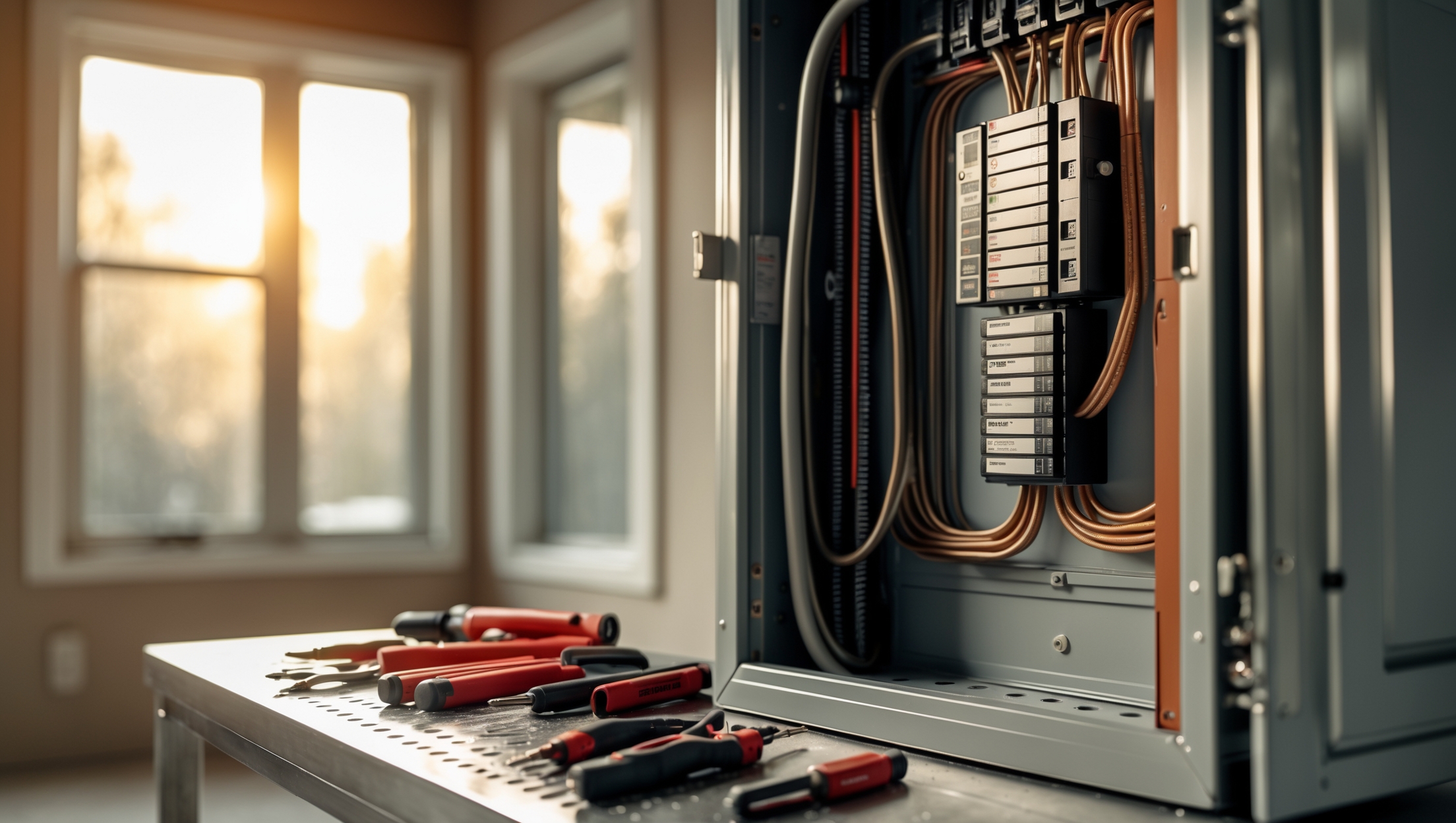
Introduction: Separating Fact from Fiction in Home Electrical Maintenance
When it comes to maintaining your home’s electrical system, misinformation runs rampant. From “quick fixes” shared by well-meaning neighbors to outdated advice circulating online, it’s easy for homeowners to fall victim to persistent myths that can put safety, efficiency, and even property value at risk. The truth is, electrical systems are more complex and regulated than most people realize, and following the wrong advice can lead to fire hazards, costly repairs, or code violations. In this comprehensive guide, we’ll unravel the most widespread misconceptions about home electrical maintenance, explain why they persist, and provide expert-backed strategies to ensure your home’s electrical system remains safe, compliant, and efficient. Whether you’re a DIY enthusiast or a cautious homeowner looking to understand the facts, you’ll find actionable insights to help you avoid costly mistakes and maintain peace of mind.
Myth 1: “If It Ain’t Broke, Don’t Fix It” Applies to Electrical Systems
Why This Myth Persists
Many homeowners believe that as long as lights turn on and outlets work, their electrical system is functioning properly. It’s easy to ignore invisible issues, especially when budgets are tight or the electrical system has “never caused a problem before.” However, this approach can be dangerous and expensive in the long run.
The Reality: Hidden Dangers and Preventive Maintenance
- Electrical connections can loosen over time, increasing fire risk.
- Wiring insulation degrades, especially in older homes, leading to potential shorts or shocks.
- Circuit breakers can deteriorate, failing to trip during overloads.
Preventive maintenance, including periodic inspections by a licensed electrician, can catch these hidden issues before they escalate. Best practice: schedule a professional electrical inspection every 3–5 years, or immediately after major renovations or when purchasing a new home.
Myth 2: Flipping the Breaker is All You Need for Electrical Safety
Why This Myth Persists
Breakers are designed to cut power, so it’s natural to assume flipping one is all that’s needed before working on circuits. Many DIY guides oversimplify this step, omitting crucial safety measures.
The Reality: Lockout, Tagout, and Verification Matter
- Electricity can “backfeed” from other circuits or improperly wired devices.
- Breakers can fail internally, leaving wires live even when switched off.
- Multiple circuits may serve a single room or fixture.
Expert protocol:
- Turn off the appropriate breaker.
- Use a non-contact voltage tester to confirm wires are de-energized.
- Label the breaker and use a lockout device if available, especially in shared spaces.
- Never rely solely on breaker position or panel labeling.
These steps dramatically reduce the risk of electrical shock or accidental re-energization during repairs.
Myth 3: Extension Cords Can Serve as Permanent Wiring
Why This Myth Persists
Extension cords are convenient and inexpensive, leading many homeowners to use them for permanent power in workshops, garages, or even living spaces. This practice often goes unnoticed for years—until something goes wrong.
The Reality: Extension Cords Are Temporary Solutions Only
- Extension cords are not rated for continuous, long-term use and can overheat easily.
- They are prone to physical damage, increasing the risk of electric shock and fire.
- Permanent use violates National Electrical Code (NEC) and may void insurance claims after an incident.
Instead, install additional outlets or dedicated circuits where needed. This ensures greater safety, code compliance, and insurance protection.
Myth 4: All Circuit Breakers Protect Against Electric Shock
Why This Myth Persists
With the proliferation of modern breaker panels, many homeowners believe that all breakers offer the same level of protection, including against electric shock. The distinction between standard, GFCI, and AFCI breakers is often misunderstood.
The Reality: Different Breakers Serve Different Purposes
- Standard circuit breakers protect against overloads and short circuits, not ground faults or arc faults.
- Ground Fault Circuit Interrupters (GFCIs) protect people from shock hazards, especially in wet or outdoor locations.
- Arc Fault Circuit Interrupters (AFCIs) protect against electrical fires caused by arcing wiring faults.
It’s critical to ensure GFCI and AFCI protection in required areas according to the latest NEC updates. Consult an electrician to verify your panel’s configuration and consider upgrades if your home’s protection is outdated.
Myth 5: DIY Electrical Repairs Are Always Cheaper and Just as Safe
Why This Myth Persists
With countless DIY tutorials and home improvement shows, many believe that tackling electrical work themselves will save money without sacrificing safety. Unfortunately, this isn’t always the case.
The Reality: Unlicensed Work Can Be Costly and Dangerous
- Improper repairs can create hidden hazards or violate local codes.
- Unpermitted work can void home insurance or cause problems during resale.
- Professional electricians are trained to spot and address issues that may go unnoticed by amateurs.
While changing a light fixture or outlet may be within reach for experienced DIYers, any work involving panel upgrades, new circuits, or troubleshooting persistent issues should be left to licensed professionals. Always pull the proper permits and understand your limits.
Myth 6: Old Wiring is Safe as Long as it Still Works
Why This Myth Persists
Many older homes still have their original wiring, sometimes dating back to the 1940s or earlier. If outlets and switches function, homeowners often assume there’s no cause for concern.
The Reality: Aging Wiring Brings Hidden Risks
- Old insulation can become brittle, crack, or fall away, exposing live wires.
- Knob-and-tube or aluminum wiring may not safely handle modern electrical loads.
- Insurance companies may require upgrades or deny coverage for outdated wiring types.
Periodic evaluation of your home’s wiring, especially if it’s more than 40 years old, is essential. If you notice flickering lights, warm outlets, or frequent breaker trips, schedule an inspection immediately.
Myth 7: More Outlets on a Circuit Means More Convenience
Why This Myth Persists
Adding extra outlets to accommodate modern devices seems harmless, and many DIY resources suggest “piggybacking” on existing circuits for convenience. However, this can overload circuits and create serious hazards.
The Reality: Overloaded Circuits Are a Leading Cause of Fires
- Circuit capacity is determined by wire gauge, breaker size, and load calculations—not outlet count.
- Too many outlets or high-wattage devices on one circuit can cause overheating and tripped breakers.
- Proper load balancing and dedicated circuits for high-draw appliances are essential for safety.
Before adding outlets, consult an electrician to determine if your panel and wiring can safely handle the increased load.
Myth 8: Electrical Maintenance is a “One and Done” Task
Why This Myth Persists
After a major upgrade or inspection, many homeowners assume their system is set for years to come. Unfortunately, electrical systems require ongoing attention due to evolving technology, regulations, and wear-and-tear.
The Reality: Electrical Maintenance is a Lifelong Process
- New appliances, renovations, or increased electric vehicle charging can change system requirements.
- Code updates may mandate new safety devices or protection methods.
- Regular testing of GFCIs, AFCIs, and smoke detectors is essential for ongoing safety.
Establish a routine maintenance schedule that includes:
- Testing GFCI and AFCI outlets/breakers monthly.
- Checking for signs of overheating, buzzing, or unusual odors.
- Scheduling professional inspections at least every five years, or after significant changes.
Myth 9: Homeowners Insurance Covers All Electrical Issues
Why This Myth Persists
Many believe standard homeowners insurance will pay for any electrical mishap, regardless of cause. This misunderstanding can lead to denied claims and significant out-of-pocket costs.
The Reality: Exclusions and Fine Print Matter
- Insurance often excludes damage from unpermitted or unlicensed electrical work.
- Coverage may not apply to pre-existing conditions or lack of maintenance.
- Some policies require proof of recent inspections or upgrades for older systems.
Read your policy carefully and maintain documentation of any electrical work or inspections. When in doubt, consult both your insurer and a licensed electrician to ensure compliance and protect your investment.
Myth 10: Surge Protectors Are Only Needed for Electronics
Why This Myth Persists
Point-of-use surge protectors are commonly marketed for computers, TVs, and other sensitive electronics, leading many to believe that other household circuits don’t need similar protection.
The Reality: Whole-House Surge Protection Guards Your Entire System
- Major appliances, smart home devices, and even LED lighting can be damaged by voltage spikes.
- Whole-house surge protectors installed at the panel protect all circuits from lightning or utility surges.
- Many modern codes and insurance policies recommend or require surge protection for new or remodeled homes.
Consider having a licensed electrician install a whole-house surge protector in addition to point-of-use devices for sensitive electronics.
Conclusion: Fact-Based Maintenance for a Safer, Smarter Home
Electrical maintenance is often shrouded in myth and misinformation, but embracing fact-based practices is crucial for every homeowner. By debunking these common myths, you can avoid hidden hazards, prolong the life of your electrical system, and ensure your home operates safely and efficiently. Remember, what you can’t see can hurt you—electrical issues often lurk behind walls or develop gradually over years. Regular inspections, adherence to modern codes, use of the right protection devices, and a willingness to consult professionals will pay dividends in peace of mind and property value. Don’t let outdated advice or shortcuts undermine your home’s safety. Stay informed, stay proactive, and invest in the long-term health of your electrical system. The result? A safer, more comfortable, and resilient home for you and your loved ones.
I’m a little worried since my house is over 40 years old, so the part about wiring insulation degrading caught my eye. Is there a specific age where rewiring should be considered, or does a professional inspection usually catch these problems before they become dangerous?
A home that’s over 40 years old may have wiring insulation that has started to degrade, especially if original materials were used. There’s no fixed age when rewiring is always necessary, but most experts suggest having a licensed electrician perform a thorough inspection every 10 years for older homes. A professional can identify any wear, brittle insulation, or outdated wiring and recommend rewiring only if it’s needed for safety.
How do code requirements or recommendations for home electrical inspections differ between states, and could skipping the 3–5 year inspection timeline affect home insurance or resale value in some areas?
Code requirements and recommendations for home electrical inspections can vary significantly by state and even by local jurisdiction. Some areas require inspections at regular intervals or for specific events like selling a house, while others may not. Skipping the recommended 3–5 year inspections could potentially impact your home insurance, as some insurers require proof of up-to-date electrical systems for coverage. Additionally, lacking recent inspections may lower your home’s resale value or complicate the selling process in regions with stricter rules.
You mention that circuit breakers can deteriorate over time—are there any signs homeowners can look for that might signal a breaker is failing, or is this something that only an electrician can diagnose during an inspection?
Homeowners can watch for a few warning signs that a circuit breaker might be failing. These include frequent tripping, a breaker that feels hot to the touch, buzzing sounds from the panel, or lights flickering when certain breakers are on. However, some issues aren’t obvious without professional equipment, so if you notice any of these signs, or if you’re unsure, it’s best to have a licensed electrician inspect the panel.
You mention that circuit breakers can deteriorate and fail to trip during overloads, which worries me. Is there a simple way to test if the breakers in my house are still working properly, or should I always call in an electrician for that?
You can do a basic check by flipping each circuit breaker off and back on to make sure it resets smoothly, but this won’t reveal if it will trip during an actual overload. Testing a breaker’s performance under fault conditions is best left to a qualified electrician who can safely simulate overloads and check for hidden issues. For peace of mind, consider scheduling a professional inspection every few years.
As a small business owner with an older property, I’m wondering what specific signs should prompt me to call an electrician before the recommended 3–5 years for an inspection. Are there any subtle warning indicators I should watch out for?
If you notice flickering lights, outlets that feel warm, frequently tripped breakers, or a burning smell near outlets or switches, these are signs you should call an electrician right away. Even subtle signs like buzzing noises, discolored outlet covers, or appliances behaving unpredictably can indicate underlying issues. It’s wise to act quickly on any of these warning indicators, even if your last inspection was recent.
Could you clarify how the inspection recommendations might differ for newer versus older homes? Are the risks of degrading insulation and loosened connections mostly concerns in houses built before a certain year, or should everyone follow the same maintenance timeline regardless of home age?
Inspection recommendations often vary based on the age of your home. Older homes—especially those built before the 1980s—are more prone to issues like degrading insulation and loosened connections, so more frequent inspections are wise. In newer homes, risks are generally lower, but regular checks are still important for safety. It’s best for everyone to follow the recommended maintenance timeline, but if your house is older, you might benefit from more frequent or detailed inspections.
If preventive maintenance can save money by catching issues early, how much does a typical electrical inspection cost, and does homeowner’s insurance ever help cover these routine inspections?
A typical home electrical inspection usually costs between $150 and $350, though prices can vary based on your location and the size of your home. Homeowner’s insurance generally does not cover routine electrical inspections, as these are considered part of regular home maintenance. Insurance is more likely to help with repairs after a covered incident, such as fire or storm damage, rather than preventive checks.
You mention that preventive maintenance like periodic inspections by a licensed electrician is important, but as a small business owner, I’m wondering how often these inspections should be done in older commercial buildings compared to homes. Are the risks or recommended timelines different?
Older commercial buildings often have higher electrical loads and more complex systems than homes, which means inspections should typically be done more frequently—usually every year or two. For homes, an inspection every three to five years is generally sufficient unless you notice issues. The risks in commercial settings are greater due to heavier use, so it’s wise to err on the side of more frequent checks.
Since preventive maintenance can mean added costs, especially if nothing seems wrong, are there budget-friendly ways to prioritize which parts of the electrical system to have inspected first in an older house?
Absolutely, you can prioritize inspections by focusing on areas with the highest risk. For older homes, start with the electrical panel, wiring insulation, and outlets in kitchens and bathrooms, since these spots are prone to wear or moisture. If your home still has old fuse boxes, knob-and-tube wiring, or ungrounded outlets, have those checked first, as they pose greater safety risks. This approach lets you target your budget where it’s needed most.
You mentioned that wiring insulation can degrade in older homes and lead to potential shorts or shocks. How can I tell if the insulation in my house is starting to fail, and are there visible signs I should be looking for before calling an electrician?
You can look for a few warning signs that insulation may be failing, such as wires with cracked or brittle covering, discolored or charred outlets, a burning smell near outlets or switches, or frequent tripped breakers. Flickering lights or buzzing sounds could also suggest issues. If you notice any of these symptoms, it’s best to contact a licensed electrician for a thorough inspection.
How can you spot early signs of failing breakers or wiring insulation problems if everything seems to work fine right now? Are there subtle symptoms homeowners should look for between regular inspections?
Even if everything seems to work, there are subtle warning signs to watch for. Listen for buzzing from outlets or breaker panels, notice if circuit breakers feel unusually warm, or watch for flickering or dimming lights. Another sign is occasional burning smells near outlets. If you find outlets or switches discolored or sparking, that’s a definite red flag. These can all indicate early breaker or insulation issues, so it’s smart to investigate further or call a professional if you notice any of them.
You mentioned that wiring insulation can degrade, especially in older homes. If I have a house from the 1960s, what kind of insulation problems should I look for myself before calling an electrician, or is that something only a pro can check safely?
If your home dates from the 1960s, you can visually check for signs like cracked, brittle, or fraying insulation on exposed wiring, especially in basements, attics, or near electrical panels. Also watch for discoloration, scorch marks, or a musty smell near outlets or switches. However, avoid touching or moving wires—if you notice any of these signs or have concerns, it’s safest to call a licensed electrician for a thorough inspection.
Do periodic professional inspections tend to uncover problems that are expensive to fix, or are the repairs usually minor? I’m concerned about budgeting since my electrical system hasn’t ever shown any signs of trouble.
Most periodic professional inspections identify minor issues, such as loose connections or early signs of wear, which are usually inexpensive to fix. Major, costly problems are less common, especially if your system seems to be working fine. Regular inspections can actually help you avoid large repairs down the line by catching small issues early.
The article mentions that circuit breakers can deteriorate and fail to trip during overloads. How would a homeowner know if this is happening if everything seems to be working normally?
It’s true that a failing circuit breaker may not show obvious signs until there’s a serious problem. Some warning signs include breakers that feel unusually warm, have a burning smell, or trip randomly without clear cause. If you suspect issues or your breakers are decades old, it’s wise to have a licensed electrician test them with proper equipment, even if everything seems normal.
After reading about hidden issues like loose connections or degrading insulation, I’m wondering if there’s anything homeowners can safely check themselves before calling in a professional electrician for an inspection?
Homeowners can safely do a visual check for obvious issues, like looking for discolored outlets, loose faceplates, or signs of frayed wires on accessible cords. You can also test outlets with a plug-in tester to see if they’re working properly. However, avoid opening panels or handling wiring yourself, as it can be dangerous. If anything seems unusual, it’s best to have an electrician take a closer look.
If my house is about 40 years old and I don’t notice any problems with my outlets or lights, how can I tell if the wiring insulation is actually degrading? Are there any DIY warning signs to watch out for before calling in an electrician?
In a 40-year-old house, even if everything seems to be working, it’s wise to stay alert. Watch for signs like discolored outlets, a burning smell, frequent breaker trips, outlets or switches that feel warm, or cracking and brittle wire insulation visible in unfinished areas. If you spot any of these, or if you hear buzzing from outlets, it’s a good idea to consult an electrician for a closer look.
You mentioned scheduling inspections every 3–5 years, but is that timeline the same for businesses, or do frequent equipment changes and higher usage mean I should have my electrical system checked more often?
For businesses, it’s wise to schedule electrical inspections more frequently than in homes. Frequent equipment changes, higher power usage, and business regulations all increase the need for regular checks. Annual inspections are often recommended for commercial spaces, especially if you update or add equipment regularly. This helps prevent hazards and ensures everything stays up to code.
If you recommend an electrical inspection every 3 to 5 years, what should homeowners expect it to cost on average, and is there a way to tell if an inspection is really necessary before that timeframe is up?
Home electrical inspections typically cost between $150 and $350, depending on your home’s size and local rates. If you notice flickering lights, frequent breaker trips, outlets that feel warm, burning smells, or have an older home with outdated wiring, it’s wise to schedule an inspection sooner than the 3 to 5 year window. Addressing these warning signs quickly can help keep your home safe.
If you recently bought a house that was renovated about ten years ago, would you recommend getting an electrical inspection right away, or can you wait the recommended 3–5 year window you mentioned?
Since your house was last renovated about ten years ago, it’s wise to have a professional electrical inspection done soon, rather than waiting another 3–5 years. Older renovations may not meet current safety standards, and past work could have hidden issues. An inspection now helps ensure your home’s electrical system is safe and up to code.
Since budgets are tight for many families, do you have any advice on prioritizing which electrical maintenance tasks can be handled safely on our own versus when it’s absolutely necessary to hire a professional?
For basic maintenance, you can safely handle tasks like replacing light bulbs, testing smoke detectors, and resetting tripped breakers. Always turn off power at the breaker if you’re replacing outlet covers or light switch plates. However, if you notice flickering lights, burning smells, frequently tripped breakers, or need to replace wiring or install new circuits, those situations definitely require a licensed electrician for safety. When in doubt, it’s always safer to consult a professional.
Your article points out that wiring insulation can degrade, particularly in older homes. Is there a way for homeowners to safely check for signs of this issue themselves before calling in a professional, or is it best left entirely to electricians?
Homeowners can do some basic visual checks, like looking for frayed wires, discolored outlets, flickering lights, or a persistent burning smell—these can signal insulation problems. However, inspecting wiring inside walls or handling any electrical components should be left to electricians for safety. If you spot any warning signs, it’s safest to contact a professional for a thorough inspection.
The article recommends a professional inspection every 3 to 5 years, but for someone on a tight budget, are there any lower-cost ways to keep an eye on potential problems or is the professional checkup really non-negotiable for safety?
While a professional inspection is the most thorough way to ensure your electrical system’s safety, there are some budget-friendly steps you can take yourself. Regularly check outlets and switches for discoloration or buzzing sounds, watch for frequent circuit breaker trips, and make sure cords and plugs are in good condition. However, if you notice anything unusual or live in an older home, prioritizing a professional checkup is still important for your safety.
In your article, you list preventive maintenance as a way to avoid costly repairs. For a small business owner on a budget, are there specific checks I can safely do myself before calling in a licensed electrician? If so, what should I look out for?
Absolutely, there are a few simple checks you can perform yourself. Regularly inspect outlets and switches for discoloration, buzzing sounds, or warmth, which could indicate issues. Check that circuit breakers are clearly labeled and not frequently tripping. Also, ensure cords and plugs aren’t frayed or damaged. If you notice anything unusual—like flickering lights or burning smells—it’s best to call a licensed electrician. These basic steps can catch early signs of trouble while staying safe and within budget.
If my house is about 20 years old and I haven’t had any noticeable electrical problems, what specific signs should I watch for that would indicate I actually do need an inspection soon?
For a 20-year-old home, it’s wise to watch for signs like frequent circuit breaker trips, flickering or dimming lights, buzzing outlets or switches, burning smells, or outlets that feel warm to the touch. Also, if you still have original wiring or outlets, or if you’ve added major appliances recently, it’s a good idea to schedule an inspection for safety.
You mention that ignoring small electrical issues can lead to bigger and more expensive problems. As a small business owner on a budget, are there any basic safety checks I can do myself between those professional inspections to help catch issues early?
Absolutely, there are some simple checks you can do yourself. Regularly look for signs like flickering lights, warm or discolored outlets, tripped breakers, or unusual burning smells near wiring. Make sure extension cords aren’t overloaded and that outlets aren’t loose. Testing your GFCI outlets monthly is also a good precaution. If you notice any of these warning signs, it’s wise to call a professional sooner rather than later.
If I recently renovated part of my shop with new lighting and outlets but the rest of the building is older, do I need an inspection just for the renovated section, or should I schedule a full inspection of the whole electrical system to be safe?
Since you have both new and older wiring in your shop, it’s wise to consider a full inspection. This ensures that the entire electrical system is up to current safety standards and that the older sections aren’t posing hidden risks. A licensed electrician can check for outdated wiring, overloaded circuits, and other potential hazards that could be missed if only the renovated section is inspected.
The article talks about how older wiring insulation can degrade and cause problems. For someone living in an older home, are there any warning signs that the wiring might need to be updated before a professional checkup?
Absolutely, there are some warning signs you can watch for in an older home. Flickering or dimming lights, frequent blown fuses or tripped breakers, outlets or switches that feel warm, buzzing sounds from outlets, or a persistent burning smell are all indicators of possible wiring issues. If you notice any of these, it’s wise to schedule a professional inspection soon.
You mention that wiring insulation can degrade over time, especially in older homes. Are there any specific signs homeowners should look for that indicate insulation problems before they become hazardous, or is this something only a professional can detect?
Homeowners can watch for several warning signs of insulation problems, including frequent circuit breaker trips, flickering lights, a burning smell near outlets, discolored or warm outlet covers, and visible cracks or brittleness in wiring if accessible. While these signs can indicate issues, some damage is hidden inside walls, so it’s wise to have an electrician inspect older wiring regularly, even if you don’t notice obvious symptoms.
I have an older home and am concerned about hidden wiring issues. If I haven’t noticed any problems yet, would it be safer to schedule an inspection right away or can I wait until I do some renovations?
With an older home, hidden wiring issues can exist even without obvious signs. It’s safer to schedule an electrical inspection sooner rather than waiting until renovations begin. This way, any potential problems can be identified and addressed early, reducing risks like fire hazards and ensuring your system is up to current safety standards.
I’m moving into a house soon and the guide suggests getting an electrical inspection after major renovations or when purchasing a new home. Is there a big difference between having an inspection done right after moving in versus waiting a few months?
Having an electrical inspection done right after moving in is usually safer because any issues can be addressed before you fully settle in and start using all appliances and systems. Waiting a few months could mean living with hidden problems that might pose safety risks or cause inconvenience. It’s generally best to schedule the inspection as soon as possible after moving in, especially if your home is older or recently renovated.
I’m curious about the recommendation to schedule a professional electrical inspection every 3 to 5 years. For someone on a tighter budget, are there specific warning signs or changes in my home’s electrical behavior that should prompt me to call in an electrician sooner?
Absolutely, even if regular inspections aren’t in your budget, there are warning signs that mean you shouldn’t wait. Call an electrician if you notice frequent circuit breaker trips, flickering or dimming lights, buzzing outlets or switches, burning smells, or warm outlets and switches. These can indicate serious issues like overloaded circuits or faulty wiring, which should be checked promptly for your safety.
I’ve got an older home and the wiring insulation is definitely showing its age in some spots. Is there a way to tell when insulation degradation reaches a point where it’s unsafe, or is replacement the only safe option once you spot cracking or wear?
If you see cracking, brittleness, or exposed wires in your insulation, that’s a clear sign safety could be compromised. Minor surface wear might not be urgent, but visible damage or exposed conductors should be taken seriously. It’s best to have a licensed electrician assess the wiring, as they can determine if targeted repairs are enough or if full replacement is needed for safety.
I noticed the article suggests immediate inspection after major renovations or buying a new home. If I’ve only replaced a few outlets or light fixtures myself, does that count as a major update that would justify a professional inspection, or is that more for larger remodels?
If you’ve only replaced a few outlets or light fixtures and followed proper safety procedures, a full professional inspection usually isn’t necessary. The recommendation for inspections mainly applies to larger remodels that affect wiring, circuits, or your electrical panel. However, if you ever notice unusual issues such as flickering lights or tripped breakers after your updates, it’s wise to have a professional take a look.
You mentioned that circuit breakers can deteriorate over time and might not trip during overloads. Is this something I can test myself safely as a DIYer, or is it always best left to a professional electrician?
Testing circuit breakers for proper function can be tricky and potentially hazardous without the right tools and expertise. While you can check for obvious signs of wear, like buzzing noises or frequent tripping, actually testing the tripping mechanism under load should be left to a professional. Electricians have the equipment and knowledge needed to do this safely and accurately.
If I recently bought a home that was renovated about five years ago, should I still schedule an inspection now, or can I wait until the next 3–5 year interval? What factors should I consider for timing, especially if the house seems to be running fine?
Since your home was renovated five years ago, it’s wise to consider an inspection soon, especially if you’re unsure about the quality of the renovation or if proper permits were obtained. Even if everything seems fine, hidden issues can exist. If you have documentation showing electrical work was inspected and approved at the time, you might wait another few years. Otherwise, scheduling an inspection now can give you peace of mind and help catch any problems early.
If someone wants to stay proactive but is on a tight budget, are there any basic checks or safety steps a homeowner can do themselves between those 3–5 year professional inspections without risking code violations or safety issues?
Absolutely, there are several safe and simple checks homeowners can do. Regularly test smoke and carbon monoxide detectors, inspect outlets for discoloration or warmth, check that breakers aren’t tripping frequently, and make sure cords and plugs aren’t frayed. Always avoid opening electrical panels or handling wiring unless you’re qualified—leave those to professionals.
You mention that electrical connections can loosen and wiring insulation can degrade over time. What are some signs I can look out for at home that might indicate these hidden issues before I call a professional for an inspection?
You can watch for signs like flickering or dimming lights, outlets or switches that feel warm to the touch, frequent circuit breaker trips, buzzing sounds from outlets or switches, and any visible discoloration or scorch marks around outlets. If you notice any of these issues, it’s a good idea to have a professional take a closer look to ensure your home’s electrical system stays safe.
I’m on a pretty tight budget and was wondering if scheduling regular electrical inspections is really worth it if nothing seems wrong. Are there cost-effective ways to prioritize what gets checked or any DIY steps that help spot trouble early?
If you’re watching your budget, you can focus on high-risk areas like outlets, circuit breakers, and visible wiring for early signs of trouble, such as scorch marks or flickering lights. While regular professional inspections help catch hidden issues, doing a basic visual check every few months and testing outlets with an inexpensive tester can be a cost-effective strategy. If you ever notice anything unusual, that’s when it’s smartest to call an electrician.
You mention that electrical connections can loosen over time and circuit breakers may deteriorate. Are there any signs I should watch out for between inspections that might let me know something is wrong before it becomes serious?
Yes, there are a few warning signs you can look for between inspections. Flickering or dimming lights, buzzing sounds from outlets or switches, burning smells, and outlets or switches that feel warm to the touch are all indicators of potential problems. Frequently tripping breakers or fuses are also signs that something may be wrong. If you notice any of these, it’s a good idea to have a professional check your system right away.
If a licensed electrician finds loose connections or deteriorating breakers during an inspection, are these repairs typically expensive, and is it something that needs to be addressed immediately even if the system seems to be working fine?
Loose connections and deteriorating breakers should be addressed as soon as possible, even if everything seems to be working. These issues can lead to fire hazards or equipment damage over time. The cost for repairs can vary, but fixing loose connections or replacing breakers is usually not very expensive compared to the risks. Prompt repairs help keep your home safe.
The article says preventive maintenance can help catch loosened connections or degraded wiring insulation. If you’re on a tight student budget, are there any basic safety checks or DIY steps you can take to reduce risks before calling in a pro?
Absolutely, there are some simple safety checks you can do yourself. Make sure outlets and switches aren’t unusually warm, watch for flickering lights, and listen for buzzing sounds. Test your GFCI outlets monthly and don’t overload extension cords. If you notice any burning smells or scorched outlets, stop using them right away and contact a professional. These steps can help reduce risks until you’re able to get expert help.
Since preventive electrical maintenance might involve some upfront costs, could you give an idea of what a typical inspection by a licensed electrician usually costs and whether it could actually save money in the long run by preventing expensive repairs?
A typical inspection by a licensed electrician usually costs between $100 and $300, depending on your location and the size of your home. While there is an upfront expense, these inspections often spot small issues—like faulty wiring or overloaded circuits—before they become major hazards or require costly repairs, potentially saving you hundreds or even thousands of dollars down the line.
You mentioned that wiring insulation can degrade over time, especially in older homes. How can a homeowner tell if their wiring insulation is becoming a safety risk before any actual problems show up?
Homeowners can look for signs like flickering lights, a persistent burning smell, discolored or warm outlet covers, or frequent tripping of breakers—these can indicate deteriorating wiring insulation. If your home is several decades old and hasn’t had an electrical inspection recently, it’s wise to schedule one with a licensed electrician. They can check for aging or damaged insulation before it becomes a safety issue.
If I plan to renovate my business space soon, does it make sense to do a full electrical inspection before starting, or should it wait until after renovations are complete? Which approach is safest and most cost-effective?
It’s both safest and most cost-effective to do a full electrical inspection before starting renovations. An inspection up front helps identify any outdated wiring, code issues, or safety hazards that you can address as part of your renovation plan. This approach prevents surprises or extra costs later, and ensures your upgrades meet safety standards from the start.
You mention the risks of ignoring electrical systems even if everything seems fine, but with tight budgets, what maintenance tasks are really essential for safety, and which ones can be safely postponed?
For safety, it’s essential to regularly check for frayed wires, loose outlets, and tripped breakers, as well as to test GFCI outlets and smoke detectors. These tasks are relatively low-cost and help prevent hazards. Larger projects like full panel upgrades or rewiring can usually be postponed unless you notice warning signs like frequent electrical problems or burning smells. Prioritize visible safety checks, and schedule major updates only when issues arise or as your budget allows.
You mention that wiring insulation can degrade, especially in older homes. How can a homeowner identify early signs of insulation breakdown before it leads to bigger issues, and are there any warning signs that are easy for a non-electrician to spot?
Homeowners can look for a few warning signs of insulation breakdown without special tools. Watch for discolored or scorched outlets and switches, a persistent burning smell, or outlets and switches that feel unusually warm to the touch. Flickering lights or frequent tripped circuit breakers can also indicate underlying wiring issues. If you notice any of these, it’s wise to call a licensed electrician for a closer inspection.
If a homeowner is on a tight budget, which aspects of preventive electrical maintenance would you consider most critical to prioritize, and which could potentially be delayed without significant risk?
When budgeting is tight, it’s most critical to prioritize the basics: regularly checking for frayed wires, loose outlets, and ensuring your circuit breakers are working properly. These help prevent electrical fires and shocks. You could consider delaying less urgent tasks like upgrading old fixtures or adding surge protection if your home rarely experiences power surges, as these usually don’t pose immediate risks.
When you mention scheduling a professional electrical inspection every 3–5 years, what exactly do electricians look for during those checkups? Are there specific warning signs I should keep an eye out for between inspections, especially in older homes?
During a professional electrical inspection, electricians typically examine your wiring, outlets, circuit breakers, and electrical panel for signs of wear, damage, or outdated components. They check grounding and test safety devices like GFCIs. Between inspections, watch for warning signs such as flickering lights, frequent circuit breaker trips, unusual burning smells, buzzing outlets, or discolored switches—these could indicate potential hazards, especially in older homes.
You mention that circuit breakers can deteriorate and not trip during overloads. How can I tell if my breakers are still working properly or if it’s time to replace them, especially if I haven’t noticed any obvious issues?
You can check your circuit breakers by periodically testing them. Switch each breaker off and back on to make sure it moves smoothly and clicks firmly into place. If you notice any burning smells, visible damage, or breakers that feel hot to the touch, those are warning signs. Even if there are no obvious issues, professionals recommend having a licensed electrician inspect your panel every few years to ensure your breakers are still reliable.
You mention that circuit breakers can deteriorate and might not trip during overloads. How can a homeowner tell if their circuit breakers are starting to fail, and is there a way to safely test them between professional inspections?
Circuit breakers that are starting to fail might feel unusually warm, emit a burning smell, or trip too often for no clear reason. While homeowners shouldn’t try to open or repair breakers themselves, you can test them by periodically pressing the ‘test’ button if your breaker has one. This should cause the breaker to trip; if it doesn’t, it may need professional attention. Any signs of damage or malfunction should prompt a call to a licensed electrician.
If a house has never had any electrical problems or visible issues, what specific things might still go wrong behind the walls that we can’t see? How serious are those risks for homes built in the past 30 years?
Even in homes without obvious electrical issues, hidden problems can develop behind the walls. For houses built in the past 30 years, risks include loose wire connections, damaged insulation from pests, or moisture causing corrosion. Circuit breakers and outlets can also wear out over time, sometimes without symptoms. While modern wiring is generally safer, these hidden issues can still pose fire risks or cause power outages if left unchecked. Periodic professional inspections are a smart way to catch problems early.
For older homes where wiring insulation might be degrading, what are some early warning signs we can look out for before it becomes a serious issue? Are there affordable steps we can take ourselves between professional inspections?
Some early warning signs of degrading wiring insulation in older homes include flickering lights, unusual burning smells, discolored or warm outlets, and frequently tripping breakers. At home, you can regularly check your outlets and switches for signs of heat or discoloration, avoid overloading circuits, and test outlets with an affordable plug-in tester. However, if you notice any warning signs, it’s best to call a professional for a thorough inspection.
Can you clarify what specific warning signs a homeowner should look for between professional inspections to catch hidden dangers like loose connections or degraded insulation early on?
Homeowners should watch for warning signs like flickering or dimming lights, frequent circuit breaker trips, buzzing sounds from outlets or switches, burning smells near electrical panels or outlets, discolored or warm outlet covers, and outlets that spark or feel loose. If you notice any of these issues, it’s important to address them promptly to prevent bigger problems from developing between professional inspections.
I see you recommend having a professional inspection after major renovations or when buying a new house. If I recently remodeled my kitchen, do I need a whole-house inspection, or can I just have the new wiring checked?
If your recent remodeling was limited to the kitchen, you can generally have a licensed electrician inspect just the new wiring and connections in that area. However, if the renovation affected the main electrical panel or other parts of your home’s wiring, a whole-house inspection is a good idea to ensure everything is up to code and safe.
You mention that circuit breakers can deteriorate and might not trip during overloads. How can I tell if the breakers in my building are still functioning properly, or if they need to be replaced before they fail?
To check if your circuit breakers are functioning well, you can perform a manual test: flip each breaker off and on to ensure they move smoothly and reset properly. Also, look for signs like breakers that feel loose, have visible damage, or trip frequently without clear cause. If you notice burning smells, discoloration, or buzzing sounds from your electrical panel, it’s wise to have a licensed electrician inspect your breakers and replace any that show signs of wear or malfunction.
You mentioned wiring insulation degrading in older homes. How can I tell if the insulation in my house might be a problem, and is this something a regular inspection would automatically check for or should I specifically request it?
Signs of problem insulation can include flickering lights, frequent blown fuses, or even visible cracks and brittleness on exposed wires. During a standard inspection, some visible wiring may be checked, but inspectors might not access all areas where old wiring is hidden. It’s a good idea to specifically ask your electrician to assess the condition of wiring insulation, especially if your home is more than 40 years old.
If preventive maintenance is suggested every 3–5 years, how should a homeowner decide between the lower and upper end of that range? Do factors like home age, local climate, or electrical load influence how often inspections should be scheduled?
You’re right that factors like home age, local climate, and electrical load can influence the ideal frequency for electrical inspections. Older homes, high humidity areas, or homes with lots of electrical devices should lean toward inspections every 3 years. Newer homes in mild climates with typical usage might safely wait closer to 5 years. If you’ve made major renovations or noticed unusual electrical issues, more frequent checks are a good idea.
You mention that connections can loosen and insulation can degrade over time. Are there any early warning signs homeowners can look out for before scheduling a full inspection, or is it mostly undetectable without professional equipment?
There are some early warning signs homeowners can watch for, such as flickering lights, outlets or switches that feel warm to the touch, buzzing or crackling sounds from electrical panels, and frequently tripped circuit breakers. If you notice any of these, it’s best to contact a professional. While some issues are subtle and may require specialized tools to detect, staying alert to these symptoms can help catch problems early.
The article states that circuit breakers can deteriorate and fail to trip during overloads. Is there a simple way for homeowners to test if their circuit breakers are still functioning properly between professional inspections?
Homeowners can perform a basic check by manually flipping each circuit breaker off and then back on to ensure it moves freely and resets properly. However, this doesn’t fully guarantee the breaker will trip during an actual overload. For safety, more thorough testing—like using a circuit tester or simulating an overload—should be done by a licensed electrician. Regular professional inspections are essential for reliable protection.
If an outlet or light switch feels warm but is still working, does that mean there’s an underlying hidden danger like you described, or are some minor issues safe to monitor until the next inspection?
If an outlet or light switch feels warm, it’s important not to ignore it—even if everything still works. Warmth can indicate loose wiring, overloaded circuits, or other issues that could become serious. It’s safer to have it checked by a qualified electrician soon rather than waiting, since minor issues can lead to bigger problems if left unaddressed.
The article recommends a professional electrical inspection every 3–5 years, but how much does an inspection typically cost, and are there affordable ways to stay proactive without compromising safety?
A professional electrical inspection usually costs between $150 and $400, depending on your location and the size of your home. To stay proactive affordably, you can regularly check outlets and switches for signs of wear, test smoke detectors, and avoid overloading circuits. However, for any major concerns, always consult a licensed electrician to ensure safety isn’t compromised.
You mention scheduling electrical inspections every 3–5 years, but what if my business has experienced heavier-than-normal usage lately, like adding new equipment? Should I get inspections done more frequently than the general recommendation?
If your business has recently added new equipment or experienced heavier-than-normal electrical usage, it’s wise to arrange more frequent inspections. Increased load can put extra stress on your electrical system, so having a qualified electrician check things annually, or whenever major changes occur, will help prevent issues and ensure continued safety and compliance.
I’m a small business owner with an older building. You mentioned that wiring insulation can degrade over time, especially in older properties. How can I tell if my building’s wiring is at risk before hiring an electrician?
You can look for signs like flickering lights, outlets that feel warm to the touch, a persistent burning smell, or circuit breakers that trip frequently. Discolored outlet covers or visible cracks in wiring insulation are also warning signs. If you notice any of these issues, it’s a good idea to have a professional evaluation, even before scheduling major electrical work.
The article talks about circuit breakers deteriorating over time. Is there a simple way for a homeowner to check if their breakers are still working properly, or does this always require a professional electrician?
Homeowners can do a basic check by occasionally flipping each circuit breaker off and then back on to ensure it moves smoothly and resets correctly. If a breaker feels loose, won’t reset, or trips frequently without an obvious cause, that’s a sign to call an electrician. For thorough or technical testing, it’s safest to have a professional handle it.
You mentioned that wiring insulation can degrade, especially in older homes. If I have a house built in the 1970s, what signs should I look for that might indicate my wiring is wearing out, and is there anything I can safely check myself before calling an electrician?
In a house from the 1970s, watch for signs like flickering lights, frequent blown fuses or tripped breakers, outlets that feel warm, or unusual buzzing sounds from switches. You can safely check for visible wear on exposed wiring in basements or attics and ensure outlets and switches are firmly mounted. Avoid opening panels or touching wiring directly—if you spot any of these issues, it’s best to have a licensed electrician inspect your system.
The article suggests inspections every 3 to 5 years, but does the age of the house or recent renovations make a difference in how often these checks should be done? I’m trying to figure out what will be safest but also budget-friendly.
Both the age of your home and any recent renovations do affect how often you should schedule electrical inspections. Older houses or those with outdated wiring usually need more frequent checks—every 2 to 3 years is safer. After major renovations, an inspection is wise even if your last one was recent. This helps catch issues early, keeping maintenance costs down while ensuring safety.
If I recently renovated my kitchen with new appliances, should I schedule an electrical inspection right away even if everything appears to be working? Or is it only necessary if I start noticing issues like flickering lights or tripped breakers?
It’s a good idea to schedule an electrical inspection after kitchen renovations, even if everything seems to be working fine. New appliances can place additional demands on your electrical system, and an inspection can confirm that everything is up to code and safe. Waiting for visible issues isn’t recommended since some problems may not be immediately apparent.
If my home is only about 10 years old and I haven’t noticed any problems with the outlets or lights, is it still necessary to have an electrician inspect the electrical system every 3 to 5 years as suggested, or can I wait longer?
Even in a relatively new home, regular electrical inspections every 3 to 5 years are recommended. Electrical issues can develop over time due to factors like wear, pests, or unnoticed damage. An inspection helps catch hidden problems early, keeping your home safe and up to code, even if everything seems fine on the surface.