

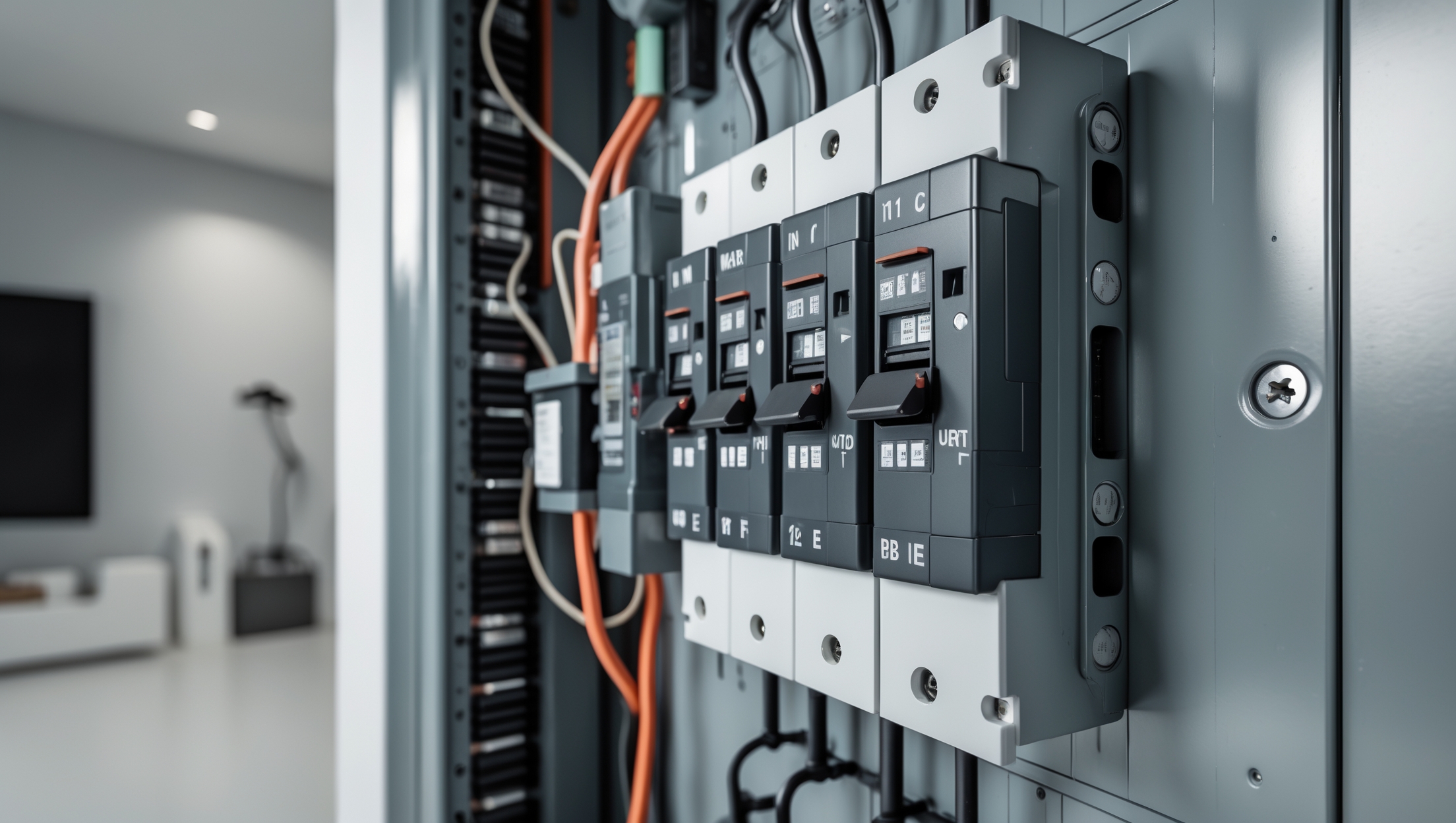
Introduction: Why Electrical Panel Labeling Matters
When it comes to home electrical safety and maintenance, the humble electrical panel is often overlooked—until something goes wrong. A poorly labeled panel can turn a simple fix into a guessing game, delay emergency response, and increase the risk of injury. Properly labeling your circuit breakers and panel directory is not just a matter of convenience; it’s a critical step in ensuring your home’s electrical system is safe, compliant, and easy to manage. Whether you’re tackling minor DIY projects, preparing for renovations, or just want peace of mind, knowing exactly which breaker controls each part of your home is indispensable. In this comprehensive guide, you’ll learn why accurate labeling is vital, the best practices for creating a clear directory, and detailed, step-by-step instructions to get the job done safely and efficiently. With a bit of time and attention to detail, you can transform your electrical panel into a user-friendly resource that keeps your household safe and saves you time and frustration for years to come.
The Risks of an Unlabeled (or Mislabeled) Electrical Panel
Many homeowners inherit a panel with faded, vague, or even absent circuit labels. This oversight can have serious consequences:
- Delayed Emergency Response: In a crisis, every second counts. If you can’t quickly identify the breaker for a smoking appliance or a shorted outlet, you risk greater damage and personal injury.
- Increased Electrical Hazards: Guessing which breaker to flip can lead to accidental power cuts in critical areas (like medical equipment) or leave dangerous circuits energized during repairs.
- Troubleshooting Nightmares: Electricians and inspectors rely on accurate labels to diagnose issues quickly. Mislabeled panels increase job time, confusion, and cost.
- Code Compliance Issues: Both the National Electrical Code (NEC) and local authorities require clear, permanent panel labeling. Non-compliance can delay permits, resale, or insurance claims.
What Should Be Labeled? Understanding NEC and Local Code Requirements
The National Electrical Code (NEC) 408.4(A) requires that every circuit directory in a panelboard be “legibly identified as to its clear, evident, and specific purpose.” This means no more cryptic notations like “Lights” or “Outlets”. Instead, labels should specify locations and uses, such as “Kitchen GFCI Outlets” or “Master Bedroom Lights.” Local codes may be even stricter, so always check with your building department before starting.
- Main Breaker: Clearly marked as “Main” or “Service Disconnect.”
- Individual Circuits: Each breaker labeled for the exact area and load it controls.
- Subpanels: If present, indicate which circuits are fed from a subpanel and its location.
- Special Circuits: Dedicated lines for appliances (HVAC, water heater, EV charger, etc.), emergency systems, or outdoor features.
What You’ll Need: Tools and Materials Checklist
- Panel directory sheet (often inside the panel door; replace if missing)
- Permanent fine-tip marker or label maker (preferably with fade-resistant labels)
- Notepad or printed labeling worksheet
- Two-prong circuit tester or plug-in outlet tester
- Helper (optional, for faster circuit tracing)
- Flashlight or headlamp (for dim basements or garages)
- Sticky notes or painter’s tape (temporary marking during testing)
- Safety goggles
- NEC/local code reference or printout
Step-by-Step: How to Label Your Electrical Panel
Step 1: Prepare the Area and Gather Information
Before you start, clear the area around your electrical panel. Ensure you have good lighting and your safety gear on. Locate the existing directory (usually a sticker or card on the inside of the panel door). If it’s missing or illegible, print a replacement template or purchase a blank directory card from a hardware store. Review your home’s floor plan and list out all rooms, major appliances, and special circuits.
Step 2: Test and Identify Each Circuit
This is the most time-consuming—but crucial—part. Here’s how to do it safely:
- Turn off all computers and sensitive electronics to prevent data loss or damage during testing.
- Plug a lamp or outlet tester into the first outlet or fixture you want to trace.
- At the panel, turn off one breaker at a time. Have your helper watch to see when the lamp or tester goes off. (If working alone, use your mobile phone as a walkie-talkie or make multiple trips.)
- When you identify which breaker controls the outlet or fixture, mark it temporarily with a sticky note or tape.
- Repeat until every circuit has been tested and linked to the corresponding area or device.
Tip: Some circuits may control multiple rooms or outlets. Keep detailed notes to reflect this accurately.
Step 3: Create Clear, Specific Labels
Once all circuits are mapped, write (or print) your labels. Use concise, descriptive terms:
- Good: “Kitchen Counter GFCI Outlets”
- Better: “Kitchen Counter GFCI Outlets – North Wall”
- Poor: “Outlets” or “Kitchen” (too vague)
Avoid abbreviations that may confuse others. Include floor levels for multi-story homes (e.g., “Basement Washer Outlet” or “Upstairs Hall Lights”).
Step 4: Apply Labels Neatly and Permanently
Use a label maker with fade-resistant tape for a professional look, or a fine-tip permanent marker for handwritten labels. Affix labels directly to the panel directory card and, if desired, beside each breaker switch (but never cover any part of the breaker mechanism or vent holes).
- Label the main disconnect clearly.
- For double-pole breakers (240V appliances), note both the appliance and the room (e.g., “Dryer – Laundry Room”).
- Indicate any spare or unused breakers as “Spare” or “Not Used.” Never leave blank slots unlabeled.
Step 5: Double-Check Accuracy
Test each label by flipping the breaker and confirming which outlets, lights, or appliances lose power. Adjust labels as needed for clarity and accuracy. Invite a family member to review the panel—if they can find the correct breaker without help, your labels are clear!
Step 6: Keep the Directory Updated
After renovations, electrical upgrades, or adding new appliances, update your panel labels. This ensures ongoing safety and compliance. Store an electronic backup (photo or scanned copy) in your home records for easy reference.
Advanced Tips for Complex Panels
Using Color Coding
For larger homes or panels with many circuits, consider color-coded labels (e.g., yellow for kitchen, blue for bedrooms). This visual aid speeds up identification in emergencies.
Mapping Multi-Wire Branch Circuits
If your panel includes multi-wire branch circuits (shared neutral wires), clearly indicate which breakers are paired. This helps prevent accidental cross-wiring or overloading.
Digital Panel Directories
Some smart panels allow for digital directories accessible via smartphone apps. If you upgrade, keep both digital and physical directories consistent and updated.
Common Mistakes to Avoid
- Vague Labels: Avoid generic terms. Be specific about area and function.
- Illegible Writing: Use clear, block lettering or a label maker.
- Inconsistent Terminology: Stick to one naming system throughout the panel (e.g., “1st Floor” vs. “Downstairs”).
- Skipping Circuits: Every breaker slot—used or not—should be labeled.
- Ignoring Updates: Always revise labels after electrical work or renovations.
Staying Safe: Precautions During Panel Labeling
Working around your electrical panel requires care:
- Never remove the panel cover unless you are qualified and understand the risks—high voltage is always present inside.
- Don’t touch wires or terminals; only operate the breaker switches as needed.
- Use insulated tools if necessary, and always keep your hands dry.
- If you discover double-tapped breakers, missing grounds, or any signs of overheating, contact a licensed electrician immediately.
Panel Labeling for Special Situations
Rental Properties
Landlords should provide tenants with a clear panel directory. This helps resolve minor issues safely and may be required by local housing codes.
Multi-Family Homes
Label each unit’s panel and subpanels distinctly (e.g., “Unit A – Kitchen Outlets”). Prevents confusion and accidental interruptions to neighbors’ power.
Home Business or Workshop Circuits
For home offices, studios, or workshops, specify the use (e.g., “Office Computer Circuit” or “Workshop Table Saw”). This aids in safe shutdown during emergencies or repairs.
Maintaining Your Panel Directory: Best Practices
- Review your panel directory annually. Check for faded, smudged, or damaged labels.
- After any electrical work—new circuits, renovations, or repairs—update the labels and keep a dated record.
- For households with children or frequent guests, consider posting a brief “how-to” on safe breaker use nearby.
- Store a backup copy (photo or digital file) in your home maintenance records.
Conclusion: A Small Investment for Lifelong Safety
Taking the time to label your electrical panel is a simple yet powerful way to boost your home’s safety, compliance, and convenience. A well-organized panel pays dividends every time you need to reset a tripped breaker, troubleshoot a faulty outlet, or explain your electrical system to a contractor, inspector, or new homeowner. By following the step-by-step process outlined above, you’ll ensure that anyone—yourself, family members, or professionals—can quickly and confidently manage your home’s circuits, reducing the risk of accidents and costly mistakes.
Remember, your electrical panel is the nerve center of your home’s power. Treating it with the attention it deserves not only keeps you safer but also protects your investment and simplifies future repairs or upgrades. As homes become more complex—with smart devices, EV chargers, and specialized circuits—clear labeling is more important than ever. Make it a regular part of your maintenance routine, and encourage others to do the same. Your future self—and anyone who lives or works in your home—will thank you.