

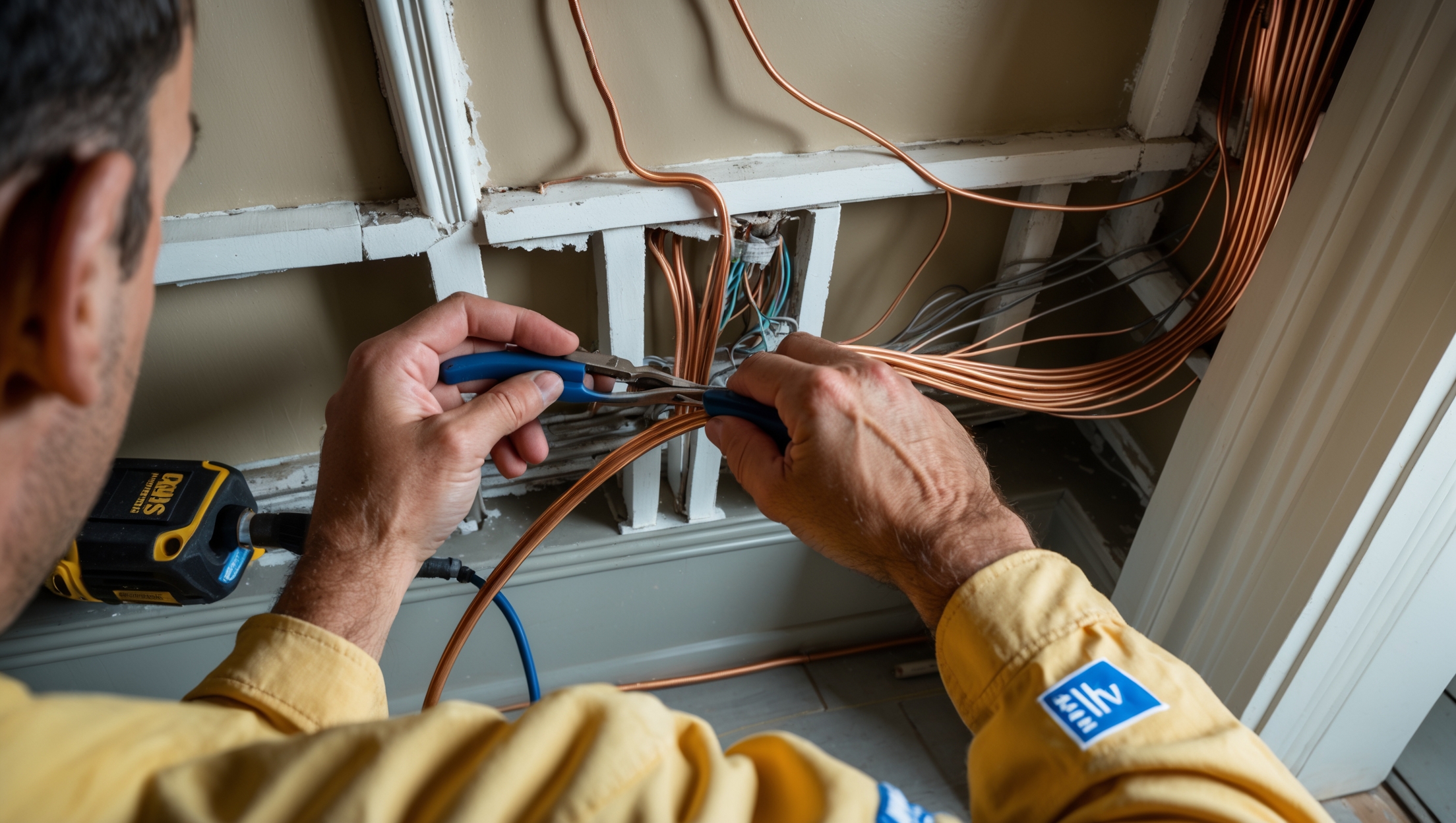
Introduction: The Unseen Risk of Aluminum Wiring in Older Homes
Between the mid-1960s and late 1970s, millions of homes in North America were built or renovated with aluminum electrical wiring. At the time, aluminum was embraced as a cost-effective alternative to copper, especially during periods of high copper prices. However, as years passed, a troubling pattern emerged: homes with aluminum wiring were experiencing disproportionately higher rates of electrical fires and failures. These risks stem from the fundamental properties of aluminum, which expands, contracts, and corrodes more readily than copper, leading to loose connections, overheating, and, ultimately, potential fire hazards.
If you live in a home built or rewired during this era, understanding the implications of aluminum wiring is critical for your family’s safety and your property’s value. Modern electrical codes now prohibit aluminum wiring for standard branch circuits in residential construction. Insurance companies may charge higher premiums or even refuse coverage for homes with original aluminum wiring, making upgrades both a safety issue and a financial imperative. This comprehensive guide will walk you through the process of identifying, evaluating, and replacing aluminum wiring in older homes. We’ll cover costs, approved replacement methods, tools and materials, compliance requirements, and the crucial safety steps every homeowner and professional needs to know. Whether you’re planning a full rewiring or considering safer alternatives, you’ll find actionable advice to make informed, confident decisions.
Understanding the Dangers of Aluminum Wiring
Why Was Aluminum Wiring Used?
Aluminum wiring became widespread in the late 1960s due to spikes in copper prices and increased housing demand. Builders used single-strand aluminum wire for standard circuits, often unaware of its long-term issues. The main advantages were lower material costs and easier availability, but these were quickly overshadowed by safety concerns.
Common Hazards Associated with Aluminum Wiring
- Thermal Expansion: Aluminum expands more than copper when heated. Over time, this can loosen connections at outlets, switches, and junctions, increasing resistance and heat buildup.
- Oxidation and Corrosion: Aluminum forms an insulating oxide layer when exposed to air, which can interrupt electrical flow and cause further overheating.
- Softness and Creep: Aluminum is softer and more prone to “creep” — gradual deformation under pressure — which can loosen terminal screws and lead to arcing.
- Incompatibility with Standard Devices: Many electrical devices are rated only for copper wiring. Improper connections can accelerate failure.
Recognizing the Warning Signs
- Warm or discolored wall plates
- Flickering lights
- Buzzing outlets or switches
- Frequent circuit breaker trips
- Noticeable burning smells near outlets or switches
If you notice any of these symptoms, an immediate inspection by a licensed electrician is essential.
Identifying Aluminum Wiring in Your Home
When Was Your Home Built?
If your home dates from 1965 to 1978, it’s at higher risk. However, some properties built outside of this window may also contain aluminum wiring due to leftover stock or partial renovations.
Visual Inspection Steps
- Access Outlets and Switches: After turning off power at the breaker, remove a cover plate and gently pull out the device.
- Check Wire Color: Aluminum wires are typically silver-gray, while copper is reddish-brown.
- Look for Markings: Wires may be stamped with “AL” or “Aluminum,” often visible on the insulation.
Professional Confirmation
While DIY inspection can provide clues, only a licensed electrician can definitively assess the extent and safety of aluminum wiring in your home. A professional will check all branch circuits, connections, and junctions for code compliance and visible hazards.
Replacement Options: Full Rewire vs. Approved Mitigation
Option 1: Full Replacement with Copper Wiring
This is the safest, most permanent solution. It involves removing all accessible aluminum branch circuit wiring and replacing it with copper. This method eliminates the root causes of aluminum wiring hazards.
- Pros: Maximizes safety, increases property value, and meets modern electrical codes.
- Cons: Expensive and disruptive, especially in finished homes. May require cutting drywall, ceilings, or floors to access all wiring.
Option 2: COPALUM Crimp Connectors
Developed by Tyco Electronics and approved by the Consumer Product Safety Commission (CPSC), COPALUM connectors use a specialized crimping tool to cold-weld short copper pigtails to the ends of each aluminum wire. These pigtails then connect to outlets, switches, and fixtures.
- Pros: Code-compliant, less invasive, and proven long-term reliability when installed by trained professionals.
- Cons: Requires a certified electrician with COPALUM tools; not a DIY solution.
Option 3: AlumiConn Connectors
AlumiConn is a newer, CPSC-approved connector that allows aluminum-to-copper transitions using setscrews inside a specially designed block. It’s easier to install than COPALUM, but still requires strict adherence to manufacturer instructions.
- Pros: Cost-effective, widely available, and can be installed in tight spaces.
- Cons: Still requires professional installation for code compliance and safety.
Options to Avoid
- Twist-on Wire Nuts: Standard wire nuts are not approved for aluminum-copper connections. They can loosen over time and increase fire risk.
- DIY “Pig-tailing” Without Approved Connectors: Never join copper and aluminum wires with standard connectors or improper methods.
Cost Breakdown: Budgeting for Replacement or Remediation
Full Rewiring Costs
Full rewiring is the most expensive option, but also the most effective. Major cost factors include:
- Size and Layout of Home: Larger homes and those with complex layouts cost more to rewire.
- Accessibility: Finished walls, multi-story construction, or slab foundations increase labor hours.
- Local Labor Rates: Costs vary by region and availability of qualified electricians.
- Permits and Inspections: Local authorities require permits and final inspection for code compliance.
Estimated Range: $8,000–$25,000+ for a typical 1,500–2,500 sq. ft. home. Costs can be lower for homes with accessible basements or attics, and higher for multi-level or historical properties.
COPALUM or AlumiConn Mitigation Costs
- COPALUM: $50–$75 per connection; entire home $3,500–$8,000, depending on the number of outlets and switches.
- AlumiConn: $15–$35 per connection; entire home $1,500–$5,000.
These methods are less invasive and can often be completed in one or two days, depending on home size and accessibility.
Other Potential Costs
- Repairing Drywall or Finishes: Especially after a full rewire.
- Upgrading Outlets and Switches: Devices rated “CO/ALR” (Copper/Aluminum Revised) may be required for direct aluminum connections.
- Electrical Panel Upgrades: Older panels may not meet current codes or capacity needs.
Step-by-Step Guide: The Aluminum Wiring Replacement Process
Step 1: Hire a Licensed Electrician
Replacing or mitigating aluminum wiring is not a DIY project. A qualified electrician will:
- Conduct a thorough inspection
- Develop a detailed scope of work
- Obtain necessary permits
Step 2: Plan the Project
Work with your electrician to choose the best solution for your budget, needs, and future plans for the home. Discuss:
- Areas of highest risk (kitchens, bathrooms, heavy-use rooms)
- Access strategies to minimize damage to walls and finishes
- Timing and logistics to reduce disruption
Step 3: Obtain Permits and Schedule Inspections
Most municipalities require permits for electrical work involving aluminum wiring. Your electrician should handle the paperwork and coordinate inspections with local building authorities.
Step 4: Execute the Work
- For Full Rewiring: Electricians will systematically remove old aluminum wiring, pull new copper wires, and reconnect all outlets, fixtures, and switches. Walls may need to be cut and patched.
- For COPALUM or AlumiConn: Each outlet, switch, or fixture is disconnected, and approved connectors are installed according to CPSC guidelines and manufacturer instructions.
Step 5: Testing and Final Inspection
After completion, the electrician will test all circuits for continuity, code compliance, and safe operation. A final inspection by your local building department ensures the work meets all regulations.
Tools and Equipment: What Professionals Use
- COPALUM Crimping Tool: Proprietary tool available only to certified installers.
- AlumiConn Connectors: Special three-port connectors rated for aluminum-to-copper transitions.
- CO/ALR Devices: Outlets and switches rated for safe use with aluminum wire.
- Wire Strippers and Cutters: For precise stripping without nicking delicate aluminum.
- Voltage Tester and Circuit Analyzer: To verify safe de-energization and correct wiring after work is complete.
- Fish Tape and Pulling Tools: For running new copper wires through walls or ceilings in rewiring projects.
Code Compliance, Permits, and Insurance Implications
Building Codes and Regulations
Modern electrical codes (NEC in the US, CEC in Canada) prohibit use of single-strand aluminum wire for branch circuits. Only specific connectors and devices are approved for aluminum-to-copper transitions. Unapproved repairs can void insurance coverage and create future risks during home sales.
Permit Requirements
Always obtain a permit for any aluminum wiring replacement or mitigation. This ensures:
- Work is performed by licensed professionals
- Inspections catch any unsafe conditions
- Your insurance remains valid
Insurance Considerations
Many insurers refuse to write new policies on homes with original aluminum wiring, or they require proof that all wiring has been replaced or professionally remediated. After work is completed, request a detailed report and inspection certificate from your electrician to provide your insurer.
Maintenance Best Practices After Replacement
- Annual Visual Inspections: Check outlets and switches for warm spots, discoloration, or buzzing sounds.
- Test GFCIs and AFCIs: Ground Fault and Arc Fault Circuit Interrupters add extra protection and should be tested monthly.
- Keep Records: Store all permits, inspection reports, and work invoices for future reference, insurance claims, or home sale disclosures.
- Update as Needed: If new circuits or major renovations are planned, ensure only copper wiring is used going forward.
Frequently Asked Questions
Is aluminum wiring ever “safe” if left untouched?
No. Even circuits that appear trouble-free can develop hazardous conditions over time. Preventive inspection and remediation are always recommended.
Can I replace aluminum wiring myself?
No. Both full rewires and approved connector methods require licensed professionals for safety and code compliance.
How long does replacement or remediation take?
Mitigation with connectors takes 1–3 days for most homes. Full rewiring can take one to two weeks, depending on size and complexity.
Does replacement increase home value?
Yes. Homes with copper wiring or approved remediation are more attractive to buyers and insurers.
Conclusion: Investing in Safety and Peace of Mind
Aluminum wiring is a hidden hazard that many homeowners are unaware of—until it causes visible problems or blocks an insurance renewal or property sale. The risks are real: loose connections, overheating, and even fires can develop silently behind your walls. Fortunately, today’s proven solutions offer a clear path to safety and compliance. Whether you opt for a complete rewiring or approved connector-based remediation, you’ll dramatically reduce the risk of electrical failure and protect your most valuable asset—your home.
Yes, the costs can seem daunting. But when balanced against the potential for fire, property loss, and insurance complications, the investment quickly pays for itself in peace of mind. Modern copper wiring or properly installed COPALUM/AlumiConn connectors not only meet code, but allow you to confidently enjoy your home’s electrical system for decades to come. Work only with licensed professionals, insist on permits and thorough inspections, and keep a detailed record of all work performed. These steps will serve not just your safety, but also your long-term financial security and property value.
If you suspect your home contains aluminum wiring, schedule a professional inspection as soon as possible. The solution you choose—whether full rewire or approved connectors—will make your home safer, more reliable, and ready for the future. Don’t wait for a warning sign; proactive replacement is always the best policy.
Could you provide some ballpark figures on the cost difference between a complete rewiring and using approved retrofit solutions like pigtailing for a typical 2,000 square foot home built in the 1970s?
For a typical 2,000 square foot home from the 1970s, a complete rewiring can range from $10,000 to $20,000 or more, depending on accessibility and local labor rates. Approved retrofit solutions like pigtailing are generally much less expensive, often falling between $2,000 and $4,000. The exact cost will depend on the number of outlets and specific site conditions, but pigtailing is usually a significantly more affordable alternative.
Since you mentioned insurance companies might refuse coverage for homes with aluminum wiring, how soon after replacing the wiring do insurers typically update their policies, and is there documentation I should request from my electrician for proof?
Once you’ve fully replaced the aluminum wiring, most insurance companies will review and update your policy once you provide them with documentation. You should request a detailed invoice from your electrician that clearly states the work done, along with any relevant permits and an inspection certificate if required by your local authority. Providing these documents to your insurer usually prompts a policy update within a few days to a couple of weeks.
You mention both full rewiring and safer alternatives for dealing with aluminum wiring. For a homeowner on a tighter budget, how do the long-term safety and insurance benefits of alternatives like COPALUM compare to a complete rewire?
COPALUM crimping is a well-recognized, cost-effective alternative that brings aluminum wiring up to a much safer standard, often satisfying both safety concerns and most insurance requirements. While a complete rewire offers the highest safety and long-term reliability, COPALUM is typically sufficient for insurers and greatly reduces fire risk. Over time, both methods provide peace of mind, but rewiring eliminates all old aluminum, making it the most future-proof solution if the budget allows.
If a home was only partially rewired in the past and still has some aluminum branch circuits, are there approved ways to make those remaining connections safer without a full rewire, or is total replacement the only option accepted by code and insurance?
You don’t have to do a full rewire to improve safety—code and insurance often accept approved retrofit methods. One common solution is using COPALUM or AlumiConn connectors, which are UL-listed for aluminum-to-copper connections. These connectors, when properly installed by a qualified electrician, can greatly reduce fire risks. Always check with your insurance provider and local code officials, as some may have specific requirements.