

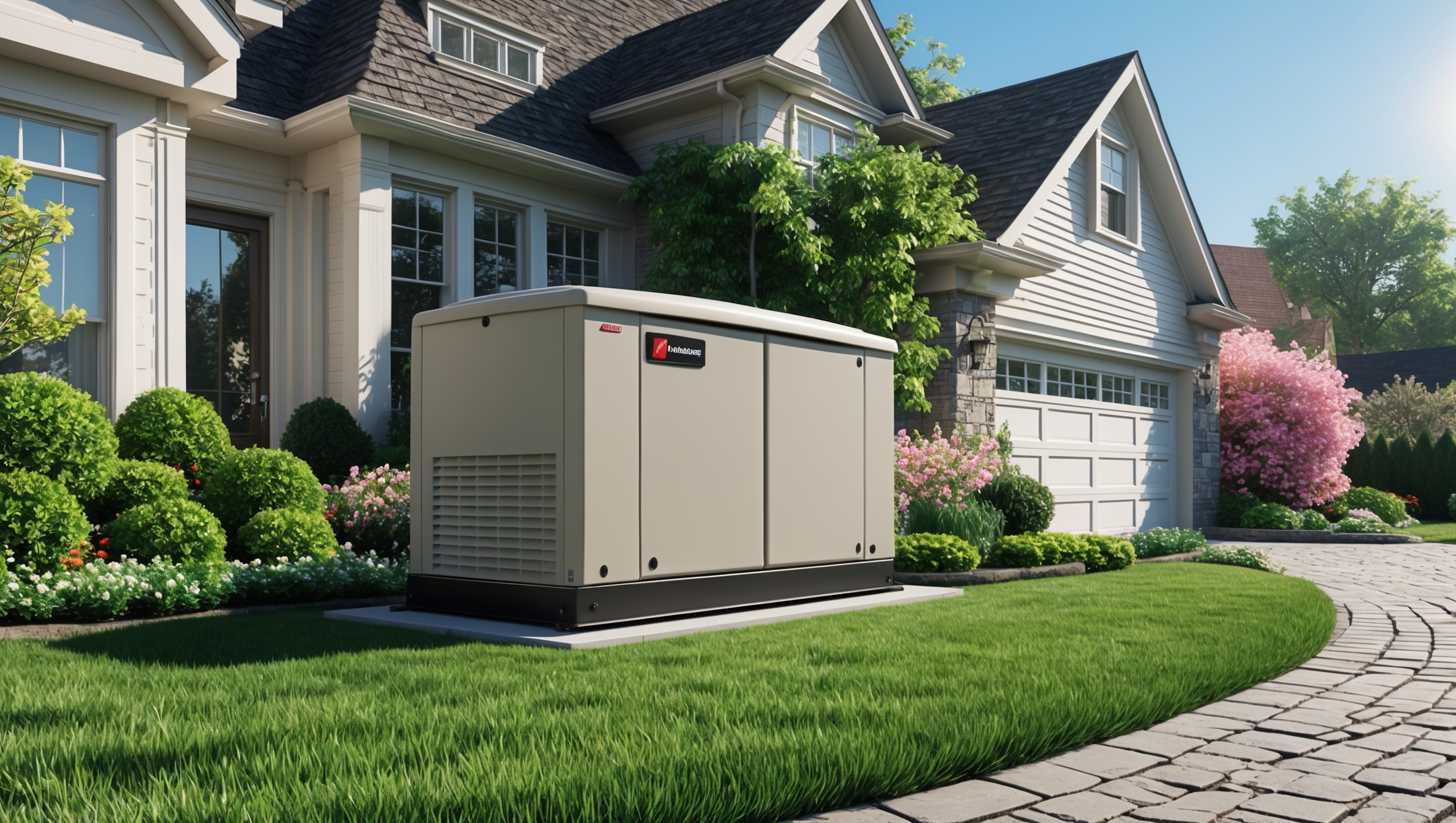
Introduction: Why Home Generator Installation Is More Than a Plug-and-Play Project
Power outages aren’t just an inconvenience—they can disrupt your daily life, compromise your safety, and cause significant property damage. That’s why more homeowners are investing in standby generators to keep their homes running smoothly during blackouts. But installing a home generator isn’t as simple as unboxing a portable unit and plugging it in. It requires careful planning, budgeting, permits, and ongoing maintenance to ensure safe, reliable operation. Whether you’re considering a standby generator to protect against storms, rolling blackouts, or unexpected grid failures, understanding the process—from cost breakdowns to permit navigation and best maintenance practices—will help you make informed decisions and avoid costly mistakes. This comprehensive guide walks you through every stage of home generator installation, focusing on realistic budgeting, permit compliance, and what it takes to keep your system running efficiently for years to come.
Understanding Your Generator Options
Portable vs. Standby Generators
There are two main types of generators for home use: portable and standby. Portable generators are typically smaller, less expensive, and suited for powering essential appliances during short-term outages. Standby generators, on the other hand, are permanently installed, automatically engage during an outage, and can power your entire home or selected circuits. For long-term reliability and whole-home coverage, standby generators are the preferred choice—but they come with higher upfront costs and stricter installation requirements.
Fuel Types and Considerations
- Natural Gas: Convenient, clean-burning, and connects to your home’s existing gas line. Ideal for most urban and suburban homes.
- Propane: Requires on-site tanks; suitable for rural areas without gas service. Longer shelf-life than gasoline.
- Diesel: Durable and efficient, but noisier and typically used for larger homes or commercial applications.
The choice of fuel impacts both installation complexity and long-term maintenance. Always consult with a licensed installer to determine which fuel source is best for your location and needs.
The Real Cost Breakdown: What to Expect
Generator Unit Cost
Expect to pay between $2,000 and $7,000 for a quality standby generator, depending on the size (measured in kilowatts or kW), brand, and feature set. Whole-home models that support large HVAC systems and heavy appliances can climb to $10,000 or more.
Installation Labor
Professional installation is non-negotiable for standby generators. Costs range from $2,500 to $6,000, depending on:
- Electrical service upgrades (if needed)
- Plumbing for gas or propane lines
- Site preparation (concrete pad, landscaping adjustments)
- Transfer switch installation
Complex sites or older homes may require additional labor, so always request detailed quotes from licensed contractors.
Permits and Inspections
Permit fees vary by municipality, typically ranging from $100 to $500. Most areas require both electrical and, if applicable, plumbing permits. Inspections are mandatory before activation.
Materials and Accessories
- Automatic transfer switch: $500–$2,000
- Concrete pad: $150–$500
- Wiring, conduit, gas lines: $300–$1,500
- Weatherproof housing (if not included): $200–$800
Ongoing Maintenance
- Annual service (oil, filters, inspection): $200–$500 per year
- Fuel testing and replenishment (for propane/diesel): Varies
- Battery replacement (every 2–3 years): $75–$150
Total Cost Estimate
For a typical suburban home, expect total first-year costs between $6,000 and $15,000, depending on generator capacity, installation complexity, and regional labor rates. Ongoing annual costs average $200–$500 for maintenance.
Planning for Permits and Compliance
Why Permits Matter
Installing a standby generator without proper permits is not only illegal in most jurisdictions but can also void your homeowner’s insurance, leave you liable for damages, and put your safety at risk. Permits ensure that the installation meets electrical and building codes, minimizing fire, explosion, and carbon monoxide hazards.
Typical Permit Requirements
- Electrical Permit: Required for any changes to the home’s wiring or panel.
- Plumbing/Gas Permit: Needed if you’re connecting to natural gas or propane lines.
- Building Permit: Sometimes required for concrete pad installation or exterior modifications.
Check with your local building department for specific requirements. Many installers will handle the permit process for you, but confirm this in writing.
Inspection Process
- Rough-in Inspection: Verifies safe installation of wiring, transfer switch, and gas lines before final connections.
- Final Inspection: Ensures the unit operates correctly, is securely mounted, and meets all code requirements.
Never operate your generator until you receive final sign-off from inspectors.
Site Selection and Preparation
Location Guidelines
- At least 5 feet from any doors, windows, or vents
- Minimum 3 feet of clearance on all sides for maintenance
- Not directly beneath roof overhangs or decks
- Close to existing electrical panel and fuel source to minimize trenching
Consider noise ordinances and neighborhood aesthetics—some communities have restrictions on generator placement or require landscaping screens.
Preparing the Site
- Excavate and level the chosen spot
- Pour a concrete or composite pad
- Ensure proper drainage away from the foundation
- Plan for weatherproofing and rodent prevention
Proper site prep ensures your generator remains stable and protected from the elements.
Step-by-Step Overview: Professional Installation
- Assessment and Sizing: Installer calculates your home’s power needs and recommends the right generator size.
- Permitting: Contractor submits plans and pulls required permits.
- Site Prep: Pad is installed, necessary trenching completed.
- Generator Placement: Unit is positioned, anchored, and secured.
- Electrical Connections: Wiring is run from generator to the main panel and transfer switch installed.
- Fuel Hookup: Licensed plumber connects gas or propane line; leak tests performed.
- System Testing: Generator is started, transfer switch tested, and system performance verified.
- Inspection: Local inspector reviews the installation and approves operation.
- Owner Orientation: Installer walks you through operation, maintenance, and safety features.
DIY installation is not recommended or permitted for standby generators in most areas due to safety and code compliance concerns. Always work with licensed professionals.
Essential Maintenance for Reliable Operation
Routine Tasks
- Monthly: Run a test cycle to ensure automatic startup functions. Listen for unusual noises.
- Quarterly: Check oil level, coolant (if applicable), and battery charge.
- Annually:
- Replace oil and filters
- Inspect spark plugs, air filter, and fuel lines
- Clean and tighten electrical connections
- Test transfer switch operation
Professional Service
Schedule an annual service visit with a certified technician. Many manufacturers require documented maintenance for warranty coverage. Service contracts are available and often cost less than emergency repairs.
Common Issues and Troubleshooting
- Failure to Start: Can indicate battery failure, old fuel, or a tripped breaker. Check all connections and schedule service if needed.
- Warning Lights: Refer to your manual and address alerts promptly. Ignoring them can lead to major repairs.
- Fuel Leaks or Odors: Shut down the unit and call your installer immediately—gas leaks are a serious hazard.
- Noisy Operation: May indicate loose parts or engine issues. Have the generator inspected.
Keep a log of all maintenance tasks and service visits for warranty and insurance purposes.
Safety Tips Every Homeowner Should Know
- Never operate a generator indoors or in enclosed spaces.
- Install carbon monoxide detectors throughout your home.
- Keep the area around the generator clear of debris and flammable materials.
- Turn off the generator and call a professional if you smell gas or notice unusual performance.
- Do not attempt repairs or adjustments unless you are trained and authorized.
Standby generators are safe when professionally installed and maintained, but improper use can be deadly. Always follow manufacturer instructions and local codes.
Budgeting and Insurance Considerations
Smart Budgeting Tips
- Get multiple quotes from licensed contractors
- Ask for detailed, itemized breakdowns of all costs
- Balance up-front savings against long-term reliability and support
- Factor in annual maintenance and fuel costs
Some utility companies and local governments offer rebates for emergency backup power systems—ask your installer what incentives are available in your area.
Insurance Notification
Notify your homeowner’s insurance carrier after installation. Some policies offer discounts for standby generators, while others require documentation to cover generator-related damages. Keep records of permits, inspections, and all maintenance to streamline any future claims.
Conclusion: Power, Peace of Mind, and Long-Term Value
Investing in a standby home generator is a significant decision, but the benefits—continuous comfort during outages, protection for critical systems, and increased property value—make it a smart choice for many homeowners. By understanding the true costs, navigating the permit process, and committing to regular maintenance, you’ll ensure your system delivers reliable power when you need it most. Prioritize professional installation, follow all safety guidelines, and don’t cut corners on ongoing service. With careful planning and informed decisions, your home generator will be a long-lasting asset, providing peace of mind for years to come. Remember: The key to safe, effective backup power isn’t just buying the right equipment, but installing and maintaining it the right way. Empower yourself with knowledge, partner with trusted professionals, and your investment will pay off every time the lights go out.
You mentioned that natural gas and propane are both common fuel options. Are there significant differences in maintenance costs or reliability between those two for a typical suburban home setup?
Natural gas and propane generators are both reliable choices for suburban homes, but there are a few differences. Maintenance costs are generally similar for both types, as they use similar engines and components. However, natural gas has a constant supply through utility lines, so you won’t need to monitor or refill tanks, which can be more convenient and reliable during extended outages. Propane generators depend on stored fuel, meaning you need to make sure the tank is adequately filled, especially before storms or anticipated power outages.
The article mentions that standby generators are better for whole-home coverage, but we live in a semi-rural area without natural gas lines. Would propane be the most practical choice for us, and how much extra maintenance does a propane setup usually require compared to natural gas?
Propane is often the best alternative in areas without natural gas, especially for whole-home standby generators. Most modern standby generators run equally well on propane, and the main difference is you’ll need to monitor and schedule propane tank refills. Maintenance is quite similar for both fuel types—just remember to periodically check your propane lines and tank for leaks or corrosion. Otherwise, routine generator servicing is about the same.
You mention permits and stricter installation requirements for standby generators—about how long does the whole permit and installation process usually take from start to finish? I’m hoping to have backup power before hurricane season hits.
The entire permit and installation process for a standby generator typically takes anywhere from 2 to 6 weeks. This includes applying for permits, waiting for approvals, scheduling inspections, and the actual installation. Timelines can vary depending on local permit offices and contractor availability, so starting the process as soon as possible before hurricane season is a good idea.
Can you clarify what level of ongoing maintenance is typically required for a standby generator connected to a natural gas line, versus one running on propane? Are there differences in annual upkeep costs or complexity between the two?
Both natural gas and propane standby generators have similar maintenance needs, such as regular oil changes, filter replacements, and periodic system checks. However, propane systems may require occasional inspection of the propane tank and lines for leaks or pressure issues, which can add a bit to upkeep complexity. Annual maintenance costs are generally comparable, though propane users might incur extra costs if a technician is needed for tank inspections. Overall, differences are minor, with both types needing consistent, professional servicing.
I see that natural gas is recommended for most urban and suburban homes, but what if my house already has propane for heating? Would switching the generator to natural gas be more cost-effective, or should I just stick with propane?
If your home already uses propane for heating, it can be simpler and more cost-effective to install a generator that runs on propane, since the fuel supply and connections are already in place. Switching to natural gas would involve installation of new lines and possibly permits, which could increase upfront costs. Unless natural gas rates are significantly lower in your area, sticking with propane is usually the more practical option.
The article mentions that standby generators have higher upfront costs compared to portable ones. Can you break down what major expenses I should expect beyond just buying the generator itself, like installation, permits, or maintenance contracts?
Besides the price of the standby generator, you should also plan for professional installation costs, which can include electrical and gas line work. Permit fees are often required by local authorities. Additional expenses may involve a concrete pad for mounting, transfer switch installation, and initial inspections. Ongoing costs include regular maintenance contracts, oil changes, and occasional repairs to keep the system running reliably.
I noticed propane is suggested for rural homes without natural gas lines. Are there any significant performance or maintenance differences between propane and natural gas standby generators that could influence which fuel type I should choose?
Propane and natural gas generators are very similar in performance, but propane tends to burn a bit cleaner and can be stored on-site, making it ideal for rural areas without gas lines. Maintenance routines for both fuel types are nearly identical. However, keep in mind that propane tanks need to be refilled, while natural gas offers a continuous supply if a line is available. Your choice typically depends on fuel availability and convenience.
I noticed you mentioned budgeting for the installation, but I’m not sure how much extra I should set aside for ongoing maintenance over the years. Are there typical annual costs or services that first-time owners like me should expect?
For most home generators, you can expect to spend about $200 to $500 per year on maintenance. This usually covers annual inspections, oil and filter changes, and basic tune-ups by a professional. Depending on your generator’s size and usage, costs can vary slightly, but setting aside a few hundred dollars annually should help you stay prepared as a first-time owner.
Since maintenance seems important for long-term reliability, what are some common maintenance tasks homeowners can do themselves versus what should always be handled by a professional?
Homeowners can handle basic generator maintenance tasks like checking and changing the oil, replacing air filters, inspecting spark plugs, and keeping the area around the generator clear of debris. However, anything involving electrical connections, fuel system repairs, or troubleshooting engine problems should be left to a professional for safety reasons. Regular professional inspections are also important to catch issues early and ensure everything runs smoothly.
I noticed you mentioned natural gas, propane, and diesel as fuel options for standby generators. Are there any big differences in long-term maintenance costs or reliability between these fuel types that a homeowner should consider before deciding?
Yes, there are some notable differences between fuel types. Natural gas generators generally require less maintenance since the fuel burns cleaner, leading to fewer deposits and less frequent filter changes. Propane also burns cleanly, but you’ll need to monitor tank levels more closely. Diesel generators are very reliable and robust, but their engines may need more frequent servicing due to soot and residue. Over time, natural gas and propane often have lower maintenance costs compared to diesel, but diesel generators can be more durable in harsh conditions. Consider your local fuel availability and storage needs as well.
Can you give a rough idea of how much I should budget annually for maintenance on a standby generator after it’s installed? I want to make sure I’m keeping it running reliably.
For a standby generator, you should plan to budget about $200 to $400 per year for professional maintenance. This typically covers basic annual servicing such as oil and filter changes, inspections, and testing. If your generator runs more often or is exposed to harsh weather, costs might be slightly higher. Regular upkeep is key to ensuring reliable performance during outages.
Can you clarify what kind of permits are usually required for a standby generator installation in a typical suburban neighborhood? I want to make sure I budget not just for the equipment but also for any unexpected permit or inspection costs.
For a standby generator installation in a typical suburban neighborhood, you’ll generally need an electrical permit and, in many areas, a plumbing or gas permit if the generator connects to your home’s natural gas line. Some municipalities also require a general building permit. Inspections are common after installation to ensure compliance with local codes. Permit costs vary by location, so check with your local building department for exact fees and requirements.
You mentioned permit compliance for generator installation—can you clarify what kinds of permits are typically needed and how long the approval process usually takes in a residential area?
For residential generator installation, you’ll usually need an electrical permit, and sometimes a building or mechanical permit, especially if you’re running new gas lines or making structural changes. Some areas also require zoning approval. The approval process can take anywhere from a few days to a few weeks, depending on your local government’s workload and requirements. It’s a good idea to check with your local permitting office for the most accurate timeline and specific permits needed.
I noticed you broke down the different fuel types for generators. For someone in a rural area without access to natural gas, would propane or diesel end up being more cost-effective in the long run when you factor in fuel storage and maintenance?
For rural homeowners without natural gas, propane is often more cost-effective for standby generators over time. While diesel units may have a lower upfront cost and offer efficient fuel use, diesel fuel can degrade in storage and requires more frequent maintenance to avoid issues like clogging. Propane stores indefinitely without degrading and burns cleaner, leading to less generator maintenance overall. Just keep in mind local fuel prices and delivery options, as these can also affect long-term costs.
Could you clarify what kind of permits are typically required for installing a standby generator in a residential area, and whether those requirements can vary a lot between different cities or states?
For installing a standby generator in a residential area, you’ll usually need an electrical permit and sometimes a plumbing or gas permit if the generator connects to natural gas or propane. Requirements can vary significantly between cities and states—some places may require additional zoning or building permits, and inspection procedures might differ. It’s important to check with your local permitting office to get the specific details for your area before starting the installation.
We live in an area prone to storms and wonder how often standby generators need maintenance in those conditions. Are there specific upkeep steps homeowners should be aware of beyond the basics you mentioned?
In storm-prone areas, standby generators often require more frequent maintenance—typically every 6 months or after every 200 hours of use, whichever comes first. Beyond basic oil and filter changes, it’s important to check battery health, ensure ventilation areas are clear of debris after storms, test the automatic transfer switch, and inspect fuel lines for damage or leaks. Keeping a log of run times and service checks can help you stay ahead of potential issues.
If I go with a portable generator now, is it possible to upgrade to a standby system later without starting over completely, or would that require an entirely new installation and permits?
You can start with a portable generator and upgrade to a standby system later, but the two setups have different requirements. Standby generator installation typically needs its own permits, electrical hookups, and possibly a concrete pad. While your portable generator can still be used separately, most of the standby system will involve new work and permits rather than building off the portable setup.
For a home in a rural area without access to natural gas lines, would propane or diesel be the more practical long-term option in terms of reliability, availability, and maintenance needs?
For a rural home without natural gas, propane is generally the more practical long-term choice. Propane is cleaner-burning, stores well for long periods, and is widely available in most rural areas. Diesel generators are reliable but require more maintenance and the fuel can degrade over time. Propane systems also tend to be quieter and need less frequent servicing.
Could you provide a ballpark estimate of the total costs after factoring in installation, permits, and initial setup for a whole-home standby generator? Just trying to get a realistic budget before I take the next steps.
For a whole-home standby generator, the total cost—including the generator itself, professional installation, permits, and initial setup—usually falls between $7,000 and $15,000. The price can vary based on your home’s size, local permit fees, and the generator brand you choose. It’s a good idea to get a few quotes from local installers for a more accurate estimate.
If I choose a propane standby generator for a rural property, are there extra maintenance steps or storage considerations for the propane tanks that I should be aware of compared to a natural gas setup?
With a propane standby generator, you will need to monitor the propane tank’s fuel level regularly and arrange for timely refills, since unlike natural gas, propane isn’t supplied continuously. Check for leaks, ensure proper tank ventilation, and keep the area around the tank clear of debris. Also, have the tank inspected periodically for corrosion or damage. These steps aren’t typically required for natural gas setups, which are connected directly to a utility line.
I know the article talks about ongoing maintenance for generators, but can you give examples of what monthly or yearly maintenance tasks actually look like for a typical homeowner with a standby generator? I’m not sure what to expect.
Monthly maintenance for a standby generator usually involves checking that the unit starts up, inspecting for leaks, and making sure there are no visible signs of wear or damage. Annually, you should change the oil and filters, check the battery, clean the air intake and exhaust, and have a professional inspect the system to ensure everything is running safely and efficiently. Following the manufacturer’s schedule helps your generator stay reliable.
I noticed the article mentions needing permits for standby generator installations. Can you give more detail about what kind of permits are usually required and if the process is something a homeowner can handle alone, or do you recommend hiring a professional for this part?
For standby generator installations, you typically need electrical and sometimes plumbing or fuel permits, since generators often connect directly to your home’s wiring and gas lines. The requirements can vary a lot depending on your city or county. While some homeowners handle the paperwork themselves, permit applications can get technical, especially if design drawings or inspections are involved. Many find it easier and safer to have a licensed electrician or installer manage the permit process as part of the overall installation.
I’m thinking about getting a standby generator mainly because we lose power often here, but the article mentions permits and strict installation requirements. What kinds of permits are usually needed for a home standby generator, and how complicated is the process for a first-timer?
For a home standby generator, you typically need electrical and sometimes plumbing (gas line) permits, plus possibly a building permit depending on your local codes. The process usually involves submitting plans to your local building department and passing inspections once the generator is installed. For a first-timer, it can feel a bit complex, but most licensed installers handle the permit process for you and guide you through any required paperwork.
You mention that standby generators need ongoing maintenance. For someone who has never owned one before, what kind of regular maintenance should I expect, and is this something I can do myself or do I need to hire a professional?
Standby generators require regular maintenance like oil changes, air filter replacements, checking coolant levels, and testing the battery. Some owners handle simple tasks themselves, such as checking oil or replacing filters, but more complex work or yearly inspections are usually best left to professionals. Regular professional servicing helps ensure your generator runs reliably when you need it most.
The article mentions different fuel types for generators. How should I decide between natural gas and propane if my home has access to both, especially in terms of long-term reliability and maintenance requirements?
If your home has access to both natural gas and propane, natural gas is generally more convenient since it connects directly to your utility line, meaning you won’t need to refill tanks. It also tends to be less expensive long-term. Propane, on the other hand, is stored on-site and can be useful if gas supply interruptions are a concern. Maintenance for both is similar, but with propane you’ll need to monitor tank levels. For most homeowners with reliable utility service, natural gas is the lower-maintenance, more reliable choice.
You mention that standby generators need to be connected to natural gas or propane. For homes that don’t have existing gas lines, does adding a propane tank add a lot to the total installation cost and permit requirements compared to a natural gas setup?
Adding a propane tank when your home doesn’t have existing gas lines will increase both the installation cost and permit requirements. You’ll need to purchase and install the tank itself, which often costs several thousand dollars depending on size. There are also additional permits and safety inspections needed for the tank. In contrast, a natural gas setup mainly involves connecting to the utility line, which may be less expensive if service is available.
The cost breakdown part caught my eye—can you share more details about unexpected fees or hidden costs that tend to surprise homeowners during generator installation, like utility upgrades or permit-related expenses?
Unexpected costs can include utility company fees for upgrading your gas or electrical service to handle the generator’s load, which aren’t always included in installer quotes. Homeowners are sometimes surprised by permit application or inspection fees, especially if local codes require multiple inspections. Trenching or landscaping repairs after installation, and costs for site preparation like concrete pads or added wiring, can also add up.
When it comes to maintenance, are there any specific routines or checks homeowners should perform themselves to keep their standby generator running efficiently, or is it mostly something that requires a professional service contract?
Homeowners can handle some basic maintenance tasks themselves, such as checking and changing the oil, inspecting the air filter, and making sure the area around the generator stays clear of debris. Running the generator periodically as recommended in the manual also helps keep it in good shape. However, for more detailed inspections or servicing electrical components, it’s best to have a professional service contract to ensure safety and reliability.
You mentioned that natural gas is a common choice for urban homes while propane is recommended for rural areas. Could you explain how to decide between these two fuel types if you have access to both, especially regarding cost and long-term maintenance?
If you have access to both natural gas and propane, consider the following: Natural gas is usually less expensive over time and connects directly to utility lines, so you don’t need to worry about refilling tanks. Propane may have higher fuel costs and requires regular tank refills, but it offers greater energy per unit and can be a backup if natural gas service is disrupted. Maintenance is similar for both, but propane systems need tank inspections. Compare local fuel prices and utility access to make the best choice for your home.
I see that standby generators have stricter installation requirements and higher upfront costs compared to portable units. Can you break down the biggest cost drivers in a typical standby generator installation, and suggest any ways to keep expenses under control without cutting corners on safety?
The main cost drivers for standby generator installation are the price of the unit itself, professional installation (including electrical and plumbing work), transfer switch, permitting, and site preparation like concrete pads. To control costs, get multiple quotes from licensed installers, choose a generator size suited to your actual needs, and look for reputable brands with good warranties. Avoid DIY installations, but you can save by preparing the site yourself or scheduling installation during off-peak seasons when contractors may offer better rates.
You mentioned that portable generators are easier to set up but offer limited coverage. If I start with a portable option now, is it possible to upgrade later to a standby system without redoing much of the initial electrical work?
If you start with a portable generator, most of its setup—like extension cords or a manual transfer switch—is separate from what a standby generator requires. Upgrading to a standby system later usually involves new wiring, a different transfer switch, and possibly permitting. Your initial portable setup won’t reduce the electrical work needed for a permanent standby installation, but it won’t interfere with it either.
The guide talks about budgeting, but could you give an idea of any unexpected costs that might pop up during installation, like extra electrical work or site preparation, that people often forget to include in their initial estimates?
Unexpected costs during home generator installation can definitely add up. People often overlook expenses like upgrading the electrical panel if it’s outdated, extra wiring, or bringing the existing electrical system up to code. Site preparation can also cost more if the ground needs leveling, tree roots need removal, or a concrete pad is required. Sometimes, local codes require additional safety equipment or modifications, which can increase costs as well.
The article mentions that natural gas is ideal for most urban homes, but propane is better for rural areas without gas service. How do I decide which fuel type is best for my situation if my home could support either option?
To choose between natural gas and propane for your generator, consider fuel costs, availability, and storage needs. Natural gas is often more affordable and provides an uninterrupted supply if your home already has a connection. Propane, on the other hand, requires an on-site tank but is ideal if you want independence from utility lines or in areas where outages are prolonged. Also, think about local regulations and which option is easier to maintain in your area.
For someone living in a rural area without access to natural gas, would propane or diesel be more practical in terms of long-term reliability and cost, especially when considering fuel storage and shelf life?
For rural areas without natural gas, propane tends to be more practical for home generators. Propane can be stored indefinitely and tanks are easier to maintain, while diesel has a shorter shelf life (6-12 months) and can degrade without additives. While diesel generators may be slightly more fuel-efficient and robust, the ease of propane storage and stable long-term cost usually make it the better choice for home backup power.
I noticed you mentioned propane and natural gas as fuel options. For someone in a semi-rural area with no access to natural gas lines, do you recommend propane over diesel in terms of long-term reliability and ease of maintenance?
For semi-rural areas without natural gas lines, propane is often preferred over diesel for home generators. Propane burns cleaner, so engines typically require less maintenance and have fewer issues over time compared to diesel. Propane also stores well for long periods and doesn’t degrade like diesel can. However, consider fuel delivery options in your area and ensure you have an adequate-sized storage tank for your needs.
The guide talks about portable versus standby generators and the costs involved. If my budget is tight but I want a reliable backup for frequent blackouts, is it possible to start with a portable unit, then upgrade later, or does that complicate future installation?
You can definitely start with a portable generator if your budget is limited. Many homeowners use this approach for basic backup power during outages. When you’re ready to upgrade to a standby generator later, it won’t complicate the installation—the process is separate, and installers can easily transition your setup. Just keep in mind that standby generators require additional wiring and permits, but your initial use of a portable unit won’t affect this upgrade.
After the generator is installed and all permits are approved, how often should I expect to schedule maintenance to ensure it runs efficiently? Does the recommended frequency vary depending on whether it’s powered by propane or natural gas?
Once your generator is installed and permitted, you should plan on scheduling maintenance at least once a year. Some manufacturers recommend servicing every six months, especially if the generator runs frequently or powers critical systems. The maintenance frequency is generally similar for both propane and natural gas generators, but always check your owner’s manual for any specific guidelines. Regular tasks include oil and filter changes, battery checks, and testing the system.
I’m leaning toward a standby generator like you mentioned, but I’m not sure how to figure out if my home’s existing natural gas line can handle the extra load. Is this something I can check myself or do I need to get my gas company involved before installation?
To ensure safety and proper function, it’s best to have your gas company or a licensed plumber assess whether your existing natural gas line can support a standby generator. They can check the gas line size, pressure, and capacity for your home’s needs. This isn’t something you should estimate on your own, as incorrect sizing could lead to performance or safety issues.
You covered ongoing maintenance, but do you have any tips for how often to test a standby generator to be sure it’s ready for a real outage? I’d like to keep my system reliable without over-maintaining it.
Testing your standby generator once a month is a good balance for reliability without excessive maintenance. Let it run under load for about 20-30 minutes, checking for any unusual noises or error messages. Also, review your manufacturer’s guidelines, as some models may suggest a slightly different schedule. Regular monthly tests help catch issues early and keep your generator ready for emergencies.
I noticed you mentioned that standby generators connect directly to a home’s gas line or use on-site fuel tanks. How complex is that installation compared to just using a portable generator, and are there any hidden costs besides the main unit?
Installing a standby generator is much more complex than setting up a portable one. Standby units require professional installation, including electrical wiring, a transfer switch, and safe connection to your home’s gas line or installation of a fuel tank. Beyond the generator’s price, expect extra costs for permits, electrical work, fuel connections, concrete pads, and regular maintenance. Portable generators, on the other hand, generally just need basic setup and extension cords, with no permanent modifications.
As a parent, I’m worried about both cost and how much time I’ll be without power during installation. Could you give an idea of the typical installation timeline for a standby generator and what to expect in terms of downtime?
A typical standby generator installation takes one to two days, depending on your home’s setup and any necessary permits. You can expect your power to be off for a few hours during the final connection stage, but most of the work is done without interrupting your electricity. Installers usually schedule the power-off period in advance so you can plan accordingly.
You mentioned that standby generators have higher upfront costs than portable ones. What would be a realistic total budget range for purchasing and installing a standby generator for an average-sized suburban house, including all permits and inspections?
For an average-sized suburban house, a realistic total budget for purchasing and installing a standby generator—including the generator unit, professional installation, required permits, and inspections—typically falls between $7,000 and $15,000. The final amount depends on generator capacity, local permit fees, installation complexity, and any needed electrical or gas upgrades.
The article mentions that standby generators require permits and ongoing maintenance. Could you explain what kind of permits are typically needed and how long it usually takes to get them approved before installation can begin?
Standby generator installations usually require permits for electrical work and sometimes for plumbing or fuel connections, depending on your local regulations. You may also need a general building permit. The approval process can take anywhere from a few days to a few weeks, depending on your municipality’s workload and requirements. It’s a good idea to check with your local permitting office to get precise timelines for your area.
I’m curious about long-term maintenance. Beyond basic oil and filter changes, are there other recurring maintenance tasks or hidden costs that tend to catch new standby generator owners by surprise after installation?
Absolutely, there are a few maintenance tasks and costs that can catch new standby generator owners off guard. In addition to oil and filter changes, you’ll need to periodically replace spark plugs, inspect the battery, check coolant levels (for liquid-cooled models), and test the transfer switch. Professional annual inspections are recommended and may reveal wear or software updates needed. Budget for these services, plus the potential cost of replacing batteries every 2-3 years and running periodic load tests.
After getting a standby generator installed, how often does maintenance need to be performed, and is this something a homeowner can handle themselves or does it require a professional every time? I want to keep costs manageable in the long run.
Standby generators usually need maintenance at least once a year, though checking the manufacturer’s manual is best for your specific model. Many homeowners can handle basic tasks like checking oil, batteries, or air filters themselves, which helps save costs. However, a professional should do a more thorough inspection and servicing annually to ensure everything runs safely and reliably.
Our area sometimes loses power for just a few hours, but occasionally outages last a couple of days. Would you recommend a portable or standby generator in this case, and could I upgrade from portable to standby later without much hassle?
For short outages of a few hours, a portable generator is usually enough. However, if you experience longer power losses lasting days, a standby generator offers more convenience and peace of mind, as it turns on automatically and powers more circuits. You can start with a portable generator, but upgrading to a standby model later will require new installation, permits, and professional wiring, so it’s not a simple swap but definitely possible.
If I decide to go with a portable generator first, is there a good way to upgrade to a standby system later without having to redo a lot of the initial electrical work? I’m looking to plan ahead and avoid double expenses.
If you plan ahead, you can definitely make the upgrade process smoother. One smart approach is to have an electrician install a manual transfer switch or inlet box with your portable generator setup. These components can often be reused or adapted for a future standby generator, which minimizes extra electrical work and expense when you upgrade.
Could you clarify what kind of ongoing maintenance a homeowner needs to handle themselves versus what requires a professional? The article mentions maintenance as essential, so I’m curious how much work and cost I should expect after everything’s installed.
Homeowners can usually handle basic generator maintenance like checking and topping up oil, cleaning or replacing air filters, and inspecting for obvious wear or debris. Tasks like changing spark plugs or running test cycles are also manageable with guidance. However, annual inspections, electrical checks, and in-depth servicing (such as fuel system cleaning or major part replacements) should be done by a professional. DIY maintenance is typically low cost, while professional servicing can range from $150 to $300 per visit, depending on complexity and location.
After picking the right generator, what’s the typical timeline from starting the permit process to actually having the system up and running? Is there anything I can do as a homeowner to speed things up?
Once you’ve chosen your generator, the process from permit application to installation typically takes 2 to 6 weeks. This depends on local permit processing times, the installer’s schedule, and utility coordination if needed. To help speed things up, gather all required documents (property survey, generator specs) ahead of time, respond quickly to installer or city requests, and check your HOA rules early if they apply. Staying proactive and organized makes a noticeable difference.
I noticed you mentioned different fuel types like natural gas and propane. For someone in a rural area without access to a gas line, is there a big difference in long-term maintenance or reliability between propane and diesel standby generators?
Propane and diesel generators both work well in rural areas without a natural gas line. Propane generators generally need less frequent maintenance, run cleaner, and their fuel doesn’t degrade as quickly in storage. Diesel generators are robust and fuel-efficient, but diesel can degrade over time and requires regular checks for water contamination. Propane is usually better for occasional use, while diesel might suit frequent, heavy-duty needs.
The article notes natural gas and propane as common fuel sources, but I’m curious how the long-term maintenance needs differ between these fuel types. Are there notable differences in upkeep or reliability between generators running on natural gas versus propane?
Natural gas and propane generators are quite similar in their maintenance needs, but there are a few distinctions. Natural gas is supplied continuously by a utility, so you won’t need to monitor or refill tanks, making it a bit simpler to manage. Propane generators require you to check and refill the tank periodically. Reliability is usually consistent for both, but propane can run out if not monitored, whereas natural gas supply can be affected by utility disruptions. Regular oil changes, filter replacements, and system checks are required for both fuel types.
For homes in rural areas without natural gas access, what challenges should I expect with propane tanks during installation and ongoing maintenance? Is there much difference in upkeep or long-term reliability between propane and natural gas standby generators?
In rural areas without natural gas, you’ll need space for a propane tank and access for delivery trucks to refill it regularly. Installation involves safely placing and securing the tank, often above ground. With upkeep, propane tanks require periodic inspections for leaks, rust, and regulator issues. As for generators, both propane and natural gas models are equally reliable if properly maintained, though propane supply needs to be monitored more closely to avoid running out during outages.
When planning ongoing maintenance for a standby generator, are there recommended service intervals or checklists I should follow to make sure the system stays reliable long-term? I want to avoid any issues during a real power outage.
To keep your standby generator reliable, it’s best to follow the manufacturer’s maintenance schedule, which often includes checking the oil and filters every 6 months or after 100 hours of use, whichever comes first. Regularly inspect battery condition, coolant levels, and connections. An annual professional service is wise to catch issues early. Keeping a log of all maintenance will also help ensure nothing is missed.
When it comes to permitting, does the process for installing a standby generator vary a lot between counties, or is there a standard set of requirements most homeowners should expect? I’m just trying to figure out how long permitting might delay the installation.
The permitting process for standby generator installation can vary quite a bit between counties. Some areas may have straightforward requirements, while others need more detailed inspections and approvals, especially regarding electrical and gas connections. Generally, you should expect to submit an application and possibly schedule inspections. Permitting can add anywhere from a few days to several weeks to your timeline, depending on your local regulations and how quickly your county processes applications.
Could you elaborate on what the main permitting hurdles are for installing a standby generator in a suburban area with natural gas? I am concerned about delays or hidden costs related to the permit process that the article mentions.
When installing a standby generator in a suburban area with natural gas, the main permitting hurdles often include obtaining electrical and plumbing permits, especially since you’re connecting to the gas line. Some municipalities require site inspections, noise compliance reviews, or adherence to setback rules from property lines. Delays can happen if your plans don’t meet local codes or if inspectors are backlogged. Hidden costs may come from unexpected fees for inspections or code upgrades that the city mandates during review. It’s best to check with your local permitting office early to get a clear list of requirements and estimate the timeline.
I noticed you mention ongoing maintenance to keep the generator running efficiently. What kind of routine maintenance costs should homeowners budget for annually with a standby generator?
For a standby generator, homeowners should budget around $200 to $400 each year for routine maintenance. This typically covers professional inspections, oil and filter changes, spark plug replacements, and checking the battery and electrical connections. Costs can vary depending on the generator’s size, usage, and local service rates. Regular maintenance helps ensure your generator stays reliable and operates efficiently when you need it most.
When considering standby generators, how much should I budget for ongoing maintenance each year, and are there common issues that might lead to unexpected expenses down the line?
For standby generators, you can typically expect to budget between $200 and $500 per year for routine maintenance, which includes oil changes, filter replacements, and annual inspections. Some common issues that might cause unexpected expenses are battery failures, coolant leaks, or control panel malfunctions. These can happen over time, but regular maintenance helps prevent costly repairs and extends the generator’s lifespan.
When budgeting for a standby generator, what hidden costs should I watch out for besides the upfront purchase and installation—like inspections or long-term maintenance requirements you mentioned?
In addition to the purchase and installation costs, you should budget for permit fees, inspection charges, and possible electrical or gas line upgrades. Long-term, factor in regular maintenance like oil changes, filter replacements, and battery checks, as well as periodic professional servicing. Some generators also require fuel storage compliance or backup fuel supply, which can add to overall expenses.
When it comes to permits, is there a big difference in the process if I go with a natural gas standby generator versus a propane one, especially if I live outside city limits? I want to make sure I’m not missing any hidden requirements.
For most areas, the permitting process for natural gas and propane standby generators is quite similar, focusing mainly on safety, electrical work, and local codes. However, natural gas generators usually need coordination with your gas utility, while propane systems may require separate permits for propane tank installation. Living outside city limits, you might deal with county or state regulations rather than city ordinances. Always check with your local permitting office to cover any site-specific requirements.
I’m interested in the permit process you mentioned for standby generators. In your experience, how long does it usually take to get the necessary permits approved, and are there any common issues homeowners run into during inspection?
Permit approval times for standby generators can vary, but it generally takes anywhere from a few days to a few weeks, depending on your local municipality and their workload. Common issues during inspection include improper placement too close to windows or property lines, incorrect wiring, or missing documentation like site plans. Double-checking local codes and working with a licensed installer can help smooth the process.
If I pick a standby generator, what’s a realistic estimate for yearly maintenance costs, including things like fuel testing and inspections? I want to make sure I budget for ongoing upkeep, not just the installation.
For a standby generator, you can expect to spend about $200 to $400 per year on maintenance. This generally covers professional inspections, oil and filter changes, fuel testing (especially for propane or diesel models), and basic upkeep. If your generator runs more often or is exposed to harsh conditions, costs may be higher. Factoring in these ongoing expenses is a smart way to avoid unexpected issues and keep your system reliable.
I’m trying to figure out if the higher upfront cost of a standby generator is really worth it compared to just using a portable one for emergencies. Are there situations where portable generators are actually a better choice even if I want reliable backup power?
Portable generators can be a better choice if you only need backup power occasionally, have a smaller budget, or want flexibility to use the generator in different locations. They’re typically less expensive and easier to store. However, standby generators provide more convenience, automatic operation, and can power your whole home seamlessly. If your outages are rare or you just want to cover essentials, a portable unit might suit your needs.
You mention that standby generators require more maintenance than portable options. Can you give examples of what regular maintenance tasks look like for a standby unit, and how often small business owners should be budgeting time or money for that upkeep?
Standby generators typically need regular oil and filter changes, battery inspections, and checks of the cooling and fuel systems. It’s also important to run the generator periodically to ensure it’s operational. Most manufacturers recommend professional servicing at least once a year, though monthly visual inspections and basic upkeep are wise. Small business owners should budget for annual maintenance costs, which usually range from a few hundred to several hundred dollars depending on generator size and service contracts.
If I go with a standby generator that connects to my home’s natural gas line, are there usually extra permit requirements or inspections involved compared to using propane tanks? I’m trying to figure out how complicated the process gets depending on the fuel source.
Connecting a standby generator to your home’s natural gas line often requires additional permits and inspections compared to using propane tanks. This is because you’re tying into a utility service, which usually involves local gas authority approval and possibly a pressure test. Propane tanks typically only require permits for the tank installation and basic safety checks. The natural gas setup can be a bit more involved due to strict codes and utility company rules.
I noticed you said natural gas is ideal for most urban homes, but I’m curious how much more complex or expensive it is to go with propane in a rural area, especially considering the need for on-site tanks. Any advice for someone weighing these options?
Choosing propane in a rural area can add both complexity and cost compared to natural gas. You’ll need to factor in purchasing or leasing an on-site propane tank and arranging regular fuel deliveries. Installation costs may be slightly higher due to the tank setup, and propane itself typically costs more per unit than natural gas. If natural gas lines aren’t available, propane is a reliable choice, but be sure to consider the ongoing maintenance and refilling logistics when making your decision.
When budgeting for a standby generator, are there any hidden costs besides permits and installation fees, like upgrades to my electrical panel or extra plumbing work for fuel lines? I’m trying to make sure I’m not caught off guard by surprise expenses.
Yes, there can be additional costs beyond permits and installation. Upgrading your electrical panel is sometimes necessary if your current system can’t handle the generator. For fuel, you might need plumbing work to run new gas lines or even increase your gas meter size. Other possible costs include site preparation, transfer switch installation, and landscaping repairs after the work is done. It’s a good idea to ask your installer for a detailed quote covering these potential extras.
We live in a rural area without access to natural gas. You mentioned that propane and diesel are alternatives, but is one generally more reliable or cost-effective for long-term use, especially if outages last several days?
In rural areas without natural gas, both propane and diesel generators are solid options. Propane typically stores longer without degrading, is cleaner-burning, and requires less frequent maintenance. Diesel generators are often more fuel-efficient and can handle longer, heavy use, but diesel fuel can degrade over time and may be harder to store safely. For outages lasting several days, propane is generally more reliable for storage and maintenance, though diesel might offer lower running costs if you already have safe fuel storage.
In your cost breakdown, do you include expenses for connecting a generator to existing natural gas lines, and are there hidden costs homeowners should watch out for when choosing between natural gas and propane options?
The cost breakdown in the article does factor in expenses for connecting a generator to existing natural gas lines, but costs may vary depending on your home’s setup and local regulations. Homeowners should also consider permit fees, potential gas meter upgrades, and any required inspections. For propane systems, remember to include tank installation or rental, delivery charges, and regular refills as ongoing expenses.
Could you provide more detail on what specific permits are typically required for installing a standby generator in a residential area? I want to make sure I understand the permitting process before starting the installation.
For residential standby generator installation, you’ll usually need an electrical permit since the generator gets connected to your home’s electrical system. In many areas, a building permit is also required, especially if there’s a concrete pad or structural changes. If the generator uses natural gas or propane, a plumbing or gas permit may be needed too. It’s important to check with your local building department, as requirements vary by location, and sometimes homeowner associations have their own rules to follow.
I’m in a rural area where natural gas isn’t available—do you have any advice on choosing between propane and diesel generators for a whole-home setup? Especially interested in fuel storage concerns and long-term maintenance differences.
For rural homes without natural gas, both propane and diesel generators are good options. Propane stores well long-term with minimal maintenance, and tanks can be placed above or below ground. Diesel generators are often more fuel-efficient, but diesel fuel can degrade over time and needs treatment or turnover to avoid issues. Diesel engines may require more frequent oil and filter changes. If fuel storage is a concern, propane is more forgiving, but diesel can offer better efficiency if maintained properly.
You mentioned permits are required for installing a standby generator. Do permit requirements tend to differ a lot between different cities or counties, and is this something my installer usually handles or do I need to get involved personally?
Permit requirements for standby generator installation can vary quite a bit between cities and counties, depending on local codes and regulations. In most cases, professional installers are familiar with local requirements and will handle the permitting process for you, but it’s always wise to confirm this upfront. Some areas may still require your signature or presence for certain paperwork, so check with your installer about what to expect.
I noticed the article mentions ongoing maintenance for standby generators. Can you provide more specifics on what routine maintenance involves and how much I should budget annually for these tasks after the initial installation?
Routine maintenance for standby generators typically includes changing the oil and filters, checking coolant levels, inspecting battery condition, cleaning the unit, and running diagnostic tests. Most manufacturers recommend doing this at least once a year, or after a certain number of run hours. Annually, you should budget between $200 and $500 for professional maintenance, depending on the generator’s size and your location. DIY maintenance may cost less, but professional servicing is often required to keep warranties valid.
You mentioned that standby generators have higher upfront costs and stricter installation requirements than portable units. Can you give a rough estimate of the total cost, including installation, and any hidden expenses homeowners might not expect?
Standby generators usually cost between $5,000 and $12,000 installed, depending on size and brand. This includes the generator itself and professional installation. Hidden expenses can include electrical upgrades (around $500–$2,000), concrete pads ($500–$1,000), permits ($50–$500), and periodic maintenance. Some locations may also require additional safety equipment or utility connection fees, so it’s wise to check local regulations before budgeting.
For a small business owner considering a standby generator, do the maintenance requirements differ compared to a residential setup? I want to make sure I budget correctly for ongoing upkeep over the years.
The core maintenance tasks for standby generators—like regular oil changes, filter replacements, and system checks—are quite similar for both residential and small business setups. However, if your business has higher usage demands or longer runtimes, you may need more frequent servicing. Also, some commercial warranty plans might require professional maintenance. Factoring in semi-annual or quarterly checks, especially if uptime is crucial, will help you budget more accurately over the years.
The article mentions that standby generators have higher upfront costs than portable options. Can you give a rough estimate of the total installation costs—including permits and basic site prep—for an average-sized home? I’m trying to set a realistic budget before getting quotes.
For an average-sized home, the total cost to install a standby generator—including permits and basic site preparation—typically ranges from $6,000 to $12,000. This estimate covers the generator unit, professional installation, electrical work, permits, and basic site prep like a concrete pad. Costs can vary by region and generator size, so it’s a good starting point for your budget planning.
How often do you realistically need to perform maintenance on a standby generator to keep it running efficiently, and are there typical annual costs homeowners should set aside for upkeep that go beyond just the initial installation price?
For standby generators, maintenance is typically recommended at least once a year, or after every 100-200 hours of use, whichever comes first. Annual upkeep costs can range from $200 to $500, which usually covers oil and filter changes, inspections, and minor parts. This is in addition to the initial installation price, so it’s wise to budget for these recurring expenses each year.
The article mentions that standby generators have stricter installation requirements compared to portable ones. Could you clarify what kind of permits or inspections are typically needed for a standby generator, and how long the approval process usually takes?
Standby generators usually require electrical and sometimes plumbing permits, since they connect directly to your home’s power and possibly gas lines. An inspector will typically need to check the installation for code compliance and safety. The exact permits depend on your local regulations, but the approval process can take anywhere from a few days to a couple of weeks, depending on municipal workload and responsiveness.
When you talk about budgeting, are there any hidden costs with connecting a generator to my home’s existing natural gas line that I should watch out for?
Yes, there can be extra costs when connecting a generator to your home’s natural gas line. These might include upgrading your gas meter if it’s not sized for the additional load, running new piping, or installing a pressure regulator. You might also pay for inspections or permits required by your local authorities. It’s wise to ask your installer for a detailed estimate that includes these possible expenses.
I understand ongoing maintenance is important for keeping a standby generator reliable, but what are some specific maintenance tasks homeowners should expect to do themselves versus hiring a professional for? Are there certain warranties that require professional servicing to remain valid?
Homeowners can typically handle tasks like checking oil levels, replacing air filters, clearing debris around the generator, and running periodic test cycles. However, more complex tasks—such as electrical inspections, testing transfer switches, or major part replacements—are best left to professionals. Many generator warranties do require periodic servicing by certified technicians to remain valid, so it’s important to check your warranty terms before deciding to do all maintenance yourself.
The article talks about different fuel types for generators, like natural gas and propane. For someone who lives in an area without a natural gas line, how complicated is it to use propane instead, and are there additional maintenance steps I should plan for?
Using propane as your generator’s fuel in areas without a natural gas line is actually quite common and not too complicated. You’ll need to install a properly sized propane tank on your property and have it filled periodically by a supplier. Maintenance is similar to natural gas generators, but you should regularly check for propane leaks and monitor tank levels. Also, ensure the fuel lines and regulators are inspected yearly to keep things safe and efficient.
If my house currently runs on propane, are there any unique challenges or extra costs I should expect compared to installing a generator on a natural gas line?
Since your house uses propane, you’ll need a generator that’s compatible with propane or a dual-fuel model. Installation may involve additional steps, like verifying the propane supply size and ensuring proper tank location. Propane generators can be slightly more expensive up front, and fuel delivery or storage might add to ongoing costs. Natural gas lines typically have steadier supply, so propane users should also plan for regular tank refills.
The article mentions that standby generators have higher upfront costs, but can you break down what part of the installation tends to be most expensive? Is it the generator itself, the electrical hookup, or the permitting process?
The most expensive part of installing a standby generator is usually the generator unit itself, which can account for more than half of the total cost. The electrical hookup and transfer switch installation also make up a significant portion, since they require skilled labor. Permitting fees are generally much lower compared to equipment and labor costs, but they’re still necessary to budget for.
The article mentions that standby generators require permits and stricter installation requirements than portable units. Can you explain what specific permits are usually needed for a home standby generator and how long the approval process typically takes?
For a home standby generator, you typically need electrical and building permits. Some areas may also require a plumbing or gas permit if the generator connects to natural gas or propane lines. The approval process can vary by location, but it generally takes between a few days to a few weeks, depending on your local permitting office and how quickly inspections can be scheduled.
After installation, what are some common issues homeowners might face with standby generators, especially related to connecting to existing gas lines or maintaining propane tanks? Any advice for troubleshooting or preventing these problems?
Homeowners sometimes encounter gas leaks or pressure issues when connecting standby generators to existing gas lines. It’s important to have a licensed professional handle connections and inspect for leaks regularly. For propane tanks, common issues include low fuel, regulator problems, or condensation buildup. To prevent problems, schedule routine checks, keep tanks filled, and clean connections. If the generator won’t start or runs unevenly, check fuel levels, inspect for blockages, and consult your installer if issues persist.
For budgeting purposes, how much should I expect to spend annually on maintenance after the initial installation of a standby generator? I want to make sure I plan for ongoing costs as well as the upfront investment.
After installing a standby generator, you should budget around $200 to $500 per year for routine maintenance. This includes oil changes, filter replacements, system checks, and potential minor repairs. Costs can vary based on the generator size and service provider, but setting aside this amount annually should cover most regular upkeep and help prevent unexpected issues.
I’m considering a standby generator but want to avoid being surprised by hidden costs. Besides the upfront and installation fees, what ongoing maintenance expenses should I realistically expect in the first few years?
In the first few years, you should expect to budget for regular oil and filter changes (usually once or twice a year), battery replacement every 2–3 years, and periodic inspections to ensure everything runs smoothly. Professional annual maintenance plans typically range from $150 to $300 per year. Also, factor in fuel costs and potential minor repairs as the generator ages.
The article mentions both portable and standby generators, but if I start with a portable one, is there an easy way to upgrade to a standby system later, or would that involve starting from scratch in terms of installation and permits?
Upgrading from a portable generator to a standby system usually means starting fresh with installation and permits. Portable units don’t require the permanent wiring, transfer switch, or dedicated fuel lines that standby systems do. When you’re ready to upgrade, you’ll need new permits and a professional installation to meet safety codes. However, any outdoor site prep done for your portable generator, like a concrete pad, might be reusable if it’s suitable for the standby unit.
Could you explain more about the permitting process for installing a standby generator? I am in the early planning stages and want to understand what kind of inspections or paperwork I should expect before starting the installation.
For a standby generator installation, you’ll typically need an electrical permit and sometimes a plumbing or fuel permit if your generator runs on natural gas or propane. The process usually involves submitting detailed installation plans to your local building department. After approval, inspections are required during and after installation—these check electrical work, proper placement, and safe fuel connections. Requirements can vary by location, so check with your local permitting office early to ensure you have all necessary paperwork and to clarify inspection timelines.
The article mentions that standby generators are more reliable for whole-home coverage, but I’m in a rural area and only have access to propane. Is maintenance significantly harder or more expensive for propane generators compared to natural gas or diesel options?
Propane generators are common in rural areas and generally have similar maintenance needs to natural gas units. The main differences are checking propane tank levels and ensuring connections stay secure. Maintenance costs are typically comparable, though propane generators might need more frequent fuel checks. Diesel generators may require more frequent oil changes, but overall, propane isn’t significantly harder or more expensive to maintain than other types.
Can you clarify if installing a standby generator usually requires any modifications to the home’s existing natural gas line, or does it typically connect as-is for most urban homes?
Installing a standby generator almost always requires some modifications to your home’s existing natural gas line. Even in most urban homes, the gas supply line may need to be upgraded or extended to meet the generator’s fuel demand and ensure safe operation. A licensed professional typically assesses your current setup and makes any necessary adjustments during installation.
For homes in rural areas without access to natural gas lines, are there any important differences in permit requirements or installation steps when opting for a propane or diesel generator instead?
When installing a propane or diesel generator in rural areas, permit requirements are generally similar, but there can be a few key differences. Local regulations may require additional permits for fuel storage tanks, especially for larger propane tanks or diesel tanks placed above ground. Installation steps also include safe placement and securing of the fuel tanks, as well as ensuring proper ventilation and distance from the home. Always check with your local permitting office, since rural areas can have unique codes for fuel storage and environmental safety.
If I live in a rural area without natural gas service, do most local authorities have different permit requirements for propane or diesel generators compared to natural gas ones?
Permit requirements for generators often depend more on local codes and fuel storage regulations than the fuel type itself, but rural areas may have specific rules for propane and diesel. These can include restrictions on tank placement, size, and fire safety measures. It’s best to contact your county or local permitting office to confirm any unique requirements for propane or diesel generators in your area.
The article mentions both natural gas and propane as fuel options for generators. For someone living in a semi-rural area with access to both, are there significant maintenance or long-term cost differences between these fuel types that should influence my decision?
Both natural gas and propane generators have similar maintenance needs, such as regular oil changes and inspections. However, natural gas is often less expensive over time if you have access to a utility line, while propane prices can fluctuate and require you to manage tank refills. Consider which fuel source is more reliable and affordable in your area, as this can impact your long-term costs and convenience.
I noticed you mentioned natural gas is ideal for most urban homes, but our neighborhood hasn’t had great luck with gas outages during storms. Would propane be a more reliable backup, or are there other downsides I should weigh before choosing the fuel type?
If your area experiences gas outages during storms, propane can be a more reliable option since it’s stored onsite in a tank and isn’t affected by disruptions to utility lines. However, you’ll need periodic refills, and the tank takes up space. Propane can also be a bit more expensive per unit of energy than natural gas. Consider local refill services and available space before deciding.
You mentioned that standby generators need ongoing maintenance. Could you break down what typical yearly maintenance involves and what kind of costs I should budget for long term upkeep?
Yearly maintenance for a standby generator usually includes changing the oil and oil filter, replacing air and fuel filters, checking the battery, inspecting spark plugs, and running system diagnostics. Many homeowners use a professional service, which typically costs between $200 and $400 per year, depending on your model and local rates. Setting aside this amount each year covers routine upkeep and helps prevent bigger repair costs down the road.
Could you elaborate on how much of the overall cost typically goes toward maintenance over the years, versus just the initial installation expense? I am trying to get a realistic sense of the ongoing budget needed for a standby generator.
Most of the overall cost for a standby generator is upfront, with installation expenses usually making up 80-90% of the total over the first several years. Maintenance is an ongoing expense and can range from $200 to $500 per year, depending on the generator model and local service rates. Over ten years, maintenance could add up to 20-30% of your original installation cost, so it’s wise to budget for both.
Can you clarify how far in advance I should budget and plan for the installation process, considering factors like permit approval and coordinating with electricians or plumbers? I’m trying to estimate the total timeline from decision to full operation.
For a home generator installation, it’s wise to start planning at least 2 to 3 months in advance. Permit approvals can take anywhere from a couple of weeks to over a month, depending on your local authorities. Scheduling with electricians and plumbers might also add another few weeks, especially during busy seasons. Factoring in equipment delivery and inspection, most homeowners find the total process takes about 6 to 10 weeks from decision to full operation.
I noticed you said natural gas is ideal for most urban homes, while propane works for rural areas. If my home is in a suburban neighborhood without natural gas service, would propane be my best long-term option, or are there other alternatives I should consider?
If your suburban neighborhood doesn’t have natural gas service, propane is often the most practical and reliable choice for home generators. It’s widely available, efficient, and can be stored on your property. However, you could also look into diesel generators, though they’re typically louder and require more maintenance. Solar-plus-battery systems might be another alternative, especially if outages are infrequent and you want a cleaner solution, but upfront costs are higher and backup duration may be limited.
You mention that natural gas generators are ideal for urban homes and propane is better for rural areas. Is there any drawback to using propane in a suburban setting, especially in terms of maintenance or refueling?
Using propane in a suburban setting is definitely possible, but there are a few considerations. Propane requires an on-site storage tank, which needs periodic refilling by a delivery service. This means you’ll need to monitor fuel levels and schedule refills, which can be less convenient than natural gas lines that provide a continuous supply. Maintenance for propane systems is similar to natural gas, but you should ensure the tank and regulators are checked regularly for safety.
I’m considering a standby generator but am concerned about the ongoing maintenance. What kinds of regular tasks or costs should I expect after installation to keep the system reliable for years?
After installing a standby generator, you’ll want to schedule regular maintenance to ensure reliability. This typically includes annual professional inspections, oil and filter changes, checking coolant and battery levels, and running the generator periodically (often once a week) to keep it ready. Maintenance costs generally range from $200 to $600 per year, depending on generator size and local service rates. Following the manufacturer’s maintenance schedule will help maximize the lifespan and dependability of your system.
When budgeting for a standby generator, does the cost breakdown typically include the first year of maintenance, or should I expect to pay separately for maintenance contracts right after installation?
The cost breakdown for a standby generator usually covers the generator itself, installation, and permits, but it often does not include the first year of maintenance. Maintenance contracts are typically offered separately, so you should expect to pay an additional fee for regular upkeep after installation unless your installer specifically includes it. Always confirm with your installer what is and isn’t covered.
The article mentions that standby generators require permits for installation. How long does it usually take to get these permits approved, and are there common issues that can slow down the process?
Permit approval times for standby generator installations can vary depending on your local government, but it typically takes anywhere from a few days to a few weeks. Common issues that may slow down the process include incomplete applications, missing site plans, or not meeting local zoning and safety codes. It’s a good idea to check with your local permitting office about their specific requirements and to make sure your application is complete before submitting.
You talk about budgeting realistically for generator installation, but how much should I set aside for ongoing maintenance each year? Are there common maintenance tasks or costs that first-timers tend to overlook after the system is installed?
For ongoing generator maintenance, it’s wise to budget around $200 to $500 per year, depending on generator size and usage. Common tasks include oil and filter changes, battery checks, and inspection of electrical connections. Many first-timers forget to factor in costs for professional inspections, replacing worn parts, or occasional fuel system cleaning, so it’s smart to include some extra in your budget for unexpected issues.
The section about fuel types was really helpful. For a suburban home with access to both natural gas and propane, how do the installation and maintenance requirements differ between the two? Curious if one is notably easier or more cost-effective in practice.
For a suburban home, natural gas generators are generally easier to install if there’s an existing gas line, as they connect directly and require less on-site fuel storage. Maintenance is similar for both types, but propane systems need periodic tank inspections and refills, which can add to upkeep. Natural gas is often more cost-effective long-term due to lower fuel prices and less frequent attention needed for fuel supply.
The article mentions that standby generators have stricter installation requirements and higher upfront costs compared to portable ones. Can you give a ballpark figure of the total installation cost for a typical standby generator, including permits and labor?
For a typical home standby generator, the total installation cost—including permits, labor, and basic materials—usually ranges from $7,000 to $15,000. This estimate can vary based on the generator size, your local permit fees, and any additional electrical or gas work required. It’s wise to get a few quotes from licensed installers to get a more precise figure for your area.
This guide talks about budgeting for a standby generator, but I’m not sure how much the total installation and permitting process can vary by region. Are there any hidden costs first-timers like me should watch out for beyond the generator price and basic installation fees?
You’re right to consider regional differences—installation and permit costs can vary quite a bit depending on local codes, utility company requirements, and labor rates. Hidden costs may include electrical panel upgrades, fuel line installation, landscaping repairs after trenching, or unexpected permit fees. Sometimes, delivery charges and post-installation inspections can add to the final bill, so it’s wise to ask for a detailed estimate and check with your local authorities beforehand.
The article touches on different fuel types for generators. For a small business in a suburban area, how do the ongoing costs and maintenance compare between natural gas and propane options?
For a small business in a suburban area, natural gas generators typically have lower ongoing fuel costs because natural gas is usually less expensive and supplied via a utility line. Maintenance is similar for both types, but propane requires monitoring tank levels and occasional refills, while natural gas needs less user intervention. Both require regular engine checks, but natural gas systems may need more frequent inspections for leaks in the gas line.
I saw that propane is suggested for rural areas without natural gas service. Are there any challenges with propane supply during extended outages, and do homeowners usually size their tanks for just a few days or for longer emergencies?
Propane supply can be a concern during long outages, especially if roads are blocked or delivery services are disrupted. Many rural homeowners choose larger propane tanks—sometimes 500 gallons or more—to ensure power for a week or longer. The exact size depends on generator usage and local refill logistics, so planning for extended emergencies is common in remote areas.
You talked about ongoing maintenance for home generators. What are a few specific maintenance tasks I should expect to handle myself, and which ones really need a professional to do them?
For basic home generator maintenance you can handle yourself, expect to check and change the air filter, keep the unit clean and clear of debris, and inspect the oil level regularly. More technical tasks like replacing spark plugs, testing the battery, and performing full system diagnostics should be done by a professional during annual servicing. This keeps your generator running reliably and safely.
Can you give a ballpark estimate on how much permits usually add to the overall home generator installation cost? I’m trying to budget for the whole project since I know the upfront price for a standby generator is already pretty high.
Permit costs for home generator installation can vary depending on your city or county, but they typically range from $50 to $500. In some areas with stricter regulations, the fees might be on the higher end. When budgeting, it’s a good idea to check with your local building department for the most accurate estimate, but setting aside a few hundred dollars for permits is usually sufficient.
How much ongoing maintenance do standby generators actually require? I’m already stretched on time with kids, so I’m wondering if it’s something I can realistically handle myself or if I should budget for a professional service plan.
Standby generators typically need maintenance twice a year, including checking oil and coolant levels, changing filters, and running a test cycle. Many homeowners can handle basic upkeep if they’re comfortable with simple tasks, but professional service is recommended for more thorough inspections or if you’re short on time. If a tight schedule is a concern, budgeting for a service plan could save you stress and ensure reliability.
Could you explain a bit more about how fuel type affects installation requirements? For example, if I choose propane because I don’t have a natural gas line, would that make the installation process harder or more expensive?
Choosing propane instead of natural gas does change the installation process a bit. Since you don’t have a natural gas line, a propane tank will need to be installed on your property, which can add to both the complexity and cost. Placement, permitting, and local regulations for propane tanks also come into play. However, once the tank is set up, the generator installation is similar in terms of electrical work and hookups.
Once the generator is installed, what kind of regular maintenance should I budget for? Are there any essential tasks a DIYer can do themselves, or is it best to hire a professional for everything?
After your generator is installed, you should budget for yearly maintenance, which usually includes oil and filter changes, checking spark plugs, and inspecting the battery. Many DIYers can handle basic tasks like changing oil and filters, but professionals are recommended for more complicated inspections or warranty service. Always follow the manufacturer’s guidelines—some maintenance may be required by a pro to keep your warranty valid.
With natural gas, propane, and diesel all having different pros and cons, how should a homeowner decide which fuel type is most cost-effective and reliable for their specific location?
To choose the most cost-effective and reliable fuel type, consider a few local factors. Check which fuels are readily available and what their prices are in your area. Natural gas is often cheapest if you have access to a utility line, while propane and diesel might be better for remote locations. Also, think about storage space, delivery logistics, and how often your area experiences outages. Consulting a local installer can help weigh these factors for your specific needs.
The article talks about the importance of permits for installing a standby generator. Can you clarify which specific permits are usually required and if the process differs between natural gas and propane systems?
For standby generator installation, you’ll typically need an electrical permit and possibly a plumbing or mechanical permit, depending on your local codes. If your generator runs on natural gas, a gas line permit is usually required to connect to the utility supply. For propane systems, you may need a permit to install or modify the propane tank and related piping. The process can differ based on the fuel type and your municipality’s regulations, so it’s best to check with your local permitting office for precise requirements.
Could you talk more about maintenance? Specifically, how often does a standby generator need servicing and what kind of regular care should I expect to handle myself versus hiring a professional?
Standby generators usually need professional servicing once or twice a year, which includes checking the engine, electrical connections, and changing oil and filters. For regular care you can handle, it’s good to run the generator for about 15–20 minutes each month, keep it clean and free of debris, and check for any obvious leaks. Anything involving electrical components or fuel systems should be left to a licensed technician.
When deciding between natural gas and propane for a standby generator, how do installation costs and long-term maintenance differ? I’m trying to figure out which fuel type makes more sense for a home in a suburban area with existing gas lines.
If your home already has natural gas lines, installing a natural gas standby generator is usually less expensive and simpler, since you can connect directly to the existing supply. Propane generators require a separate storage tank, which adds to installation costs. For long-term maintenance, both systems are similar, but propane tanks need periodic inspections for leaks or corrosion. Natural gas is more convenient in suburban areas with gas lines and typically results in fewer refueling concerns over time.
Could you explain how the ongoing maintenance routines differ between natural gas, propane, and diesel standby generators? I’m debating which fuel type is most practical for long-term reliability and minimal upkeep in a suburban setting.
Natural gas generators generally require less frequent maintenance since their fuel burns cleaner, leading to less soot buildup. Propane units are similar but may need regular checks for fuel supply and tank integrity. Diesel generators tend to require more attention, including frequent oil and filter changes and monitoring for fuel contamination due to long-term storage. For a suburban setting, natural gas is often the most practical for low maintenance and consistent reliability, provided gas service is available.
With all the permits and planning involved in setting up a standby generator, about how long does the whole installation process usually take from start to finish?
The entire standby generator installation process typically takes between two to four weeks from start to finish. This timeline includes securing permits, conducting site assessments, scheduling inspections, ordering the generator, and the actual installation. The exact duration can vary depending on local permit processing times and contractor availability, but most homeowners find the process is completed within a month.
You mention routine maintenance to keep a standby generator running efficiently. What kind of tasks should a typical homeowner expect to handle themselves versus hiring a professional for, and how often do these need to be done?
Homeowners can usually handle routine tasks like checking oil levels, cleaning or replacing air filters, and inspecting the generator for debris or visible issues—these should be done monthly or after extended use. Tasks like changing spark plugs, testing the battery, and more in-depth inspections are best left to professionals, typically as part of an annual service. Always follow the manufacturer’s schedule for best results.
Could you explain more about the pros and cons of using propane versus natural gas for a standby generator, especially in terms of reliability and long-term costs for someone living in a semi-rural area?
Propane is often more reliable in semi-rural areas since it can be stored on-site, so you’re not dependent on utility lines, which might be prone to outages. However, refilling the tank is necessary. Natural gas typically costs less over time and provides a continuous supply if you have access to a gas main, but outages or supply issues can be a concern in some locations. Initial installation costs are generally higher for natural gas if new lines are needed.
You noted that natural gas, propane, and diesel are all potential fuel options for standby generators. For someone in a suburban area with access to both natural gas and propane, what are the main differences in terms of installation complexity and long-term reliability?
If you have access to both natural gas and propane, natural gas is generally easier to install because you can connect the generator directly to your home’s existing gas line, which means no need to manage fuel deliveries or tanks. Propane requires installing and periodically refilling an external storage tank. As for reliability, both fuels are effective, but natural gas tends to be more consistent as it isn’t affected by delivery delays or tank levels, especially during extended outages.
The article mentions that standby generators have higher upfront costs compared to portable ones. Can you give a ballpark estimate of the total cost range for installation, including permits and any necessary electrical work?
For a standby generator, the total installation cost—including the generator unit, permits, electrical work, and professional installation—usually ranges from $5,000 to $12,000. This can vary based on the generator size, local permit fees, and the complexity of the electrical setup. Portable generators are much less expensive, often totaling $500 to $2,500, but they don’t require professional installation or permits.
I’m in an older home, so I’m concerned about potential extra costs. Are there any common hidden expenses that come up during installation, like electrical upgrades or unexpected permit fees, that homeowners like me should be prepared for?
Older homes often need electrical panel upgrades or new wiring to safely support a generator, which can add to your costs. Sometimes, outdated gas lines or plumbing may also require updates. Permit fees can vary, and in some areas, inspections or additional permits for electrical or gas work might be necessary. It’s wise to budget extra for these possibilities and ask your installer for an itemized estimate before starting.
If I want a standby generator to cover my whole house, is there a typical timeline from beginning the planning phase to full installation, including securing permits?
For a whole-house standby generator, the timeline usually ranges from 2 to 6 weeks from planning to full installation. This includes initial consultations, site assessment, permit applications (which can take 1–3 weeks depending on local authorities), and scheduling both the electrical and fuel connections. If permitting moves quickly and the installer’s schedule is open, the process can lean toward the shorter end of that range.
If I opt for a standby generator to cover just essential circuits instead of the whole house, would that significantly change the installation process or required permits? Wondering if this is a practical way to reduce both complexity and costs.
Choosing a standby generator for just essential circuits can indeed simplify the installation and lower costs. You’d use a smaller generator and a transfer switch that only connects to critical circuits, which usually means less wiring and a quicker setup. Permit requirements typically stay the same, since any standby generator ties into your home’s electrical system, but inspections might be less involved. It’s a practical way to save money while still keeping key appliances running during outages.
The article mentions higher upfront costs for standby generators compared to portable ones. Could you give a ballpark figure for the total cost, including installation and permits, for an average-sized home? I’m trying to see how realistic this is for my budget.
For an average-sized home, the total cost for a standby generator—including the unit itself, professional installation, and permits—usually falls between $7,000 and $12,000. This figure depends on the generator’s capacity, local permit fees, and any electrical work needed. Portable generators are much less expensive, generally costing $500 to $2,500, but they don’t provide automatic, whole-home backup.
The article mentions that permits are required for installing a standby generator. Can you clarify what kind of permits are typically needed and if there are major differences in requirements between city and rural installations?
For installing a standby generator, you’ll usually need an electrical permit and sometimes a building or mechanical permit, depending on your local regulations. In cities, codes are often stricter, with more inspections and zoning considerations, while rural areas may have more lenient requirements. Always check with your local permitting office to ensure you meet all rules for your specific location.
If I’m considering getting a standby generator that runs on propane because I don’t have a natural gas line, does the installation process or the required permits differ compared to installing a natural gas generator?
When installing a propane-powered standby generator instead of a natural gas unit, the main difference is in the fuel connection. You’ll need a properly sized propane tank and safe placement. Permit requirements are similar for both types, but you may need additional inspections for the propane tank. Always confirm your local codes, as authorities sometimes require an extra permit for the tank itself.
When budgeting for a standby generator installation, how much of the overall cost typically comes from permits and compliance, and do these fees vary significantly by city or state?
Permit and compliance fees usually make up about 5–15% of the total standby generator installation cost. The exact amount can vary a lot depending on your city or state. Some areas have strict codes or higher permit fees, while others are more affordable. It’s always best to check with your local building department so you can budget accurately for your location.
Once a standby generator is fully installed and permitted, what kind of routine maintenance tasks should homeowners actually expect to do themselves versus hiring a pro for? I’m curious about real-world upkeep and how often you need to get professional servicing.
After your standby generator is installed and permitted, routine homeowner tasks include checking oil and coolant levels, inspecting for leaks, and keeping the area clear of debris—usually every month or after use. For more technical upkeep like oil changes, spark plug replacement, and thorough system checks, it’s best to hire a professional, typically once a year or as recommended by the manufacturer. This helps ensure reliable operation and catches issues early.
If my home already has a natural gas line, how much can I expect to save on installation compared to someone who needs to install a new fuel source? Are there still significant permitting hurdles if I use the existing gas line for a standby generator?
If your home already has a natural gas line, you could save between $500 and $2,000 on installation costs, since you won’t need to pay for running a new fuel line or installing a propane tank. As for permits, you’ll still need to get approvals to connect the generator to your existing gas line and ensure local safety codes are met, but the process is usually simpler than installing a new fuel source.
I noticed you mentioned permits for standby generators. How long does the typical permitting process take, and what kind of inspections should I expect before and after installation?
The permitting process for standby generators usually takes anywhere from a few days up to several weeks, depending on your local municipality’s workload and requirements. You can expect an initial inspection before installation to check site plans and compliance with codes, and a final inspection after installation to ensure everything is safely and properly connected, including electrical, gas, and placement regulations.
You mention permits are required for standby generators. What kind of permits should a homeowner expect to obtain, and does the installation process get delayed significantly because of this? I’m trying to figure out how long the entire process typically takes from start to finish.
For standby generator installation, homeowners usually need electrical and building permits, and sometimes gas permits if the unit connects to a natural gas line. The permit process can add anywhere from a few days to a couple of weeks, depending on local regulations and inspection schedules. Overall, from purchase to final inspection, the full installation process often takes two to four weeks, though this can vary based on permit approval times and contractor availability.
I’m in a rural area without access to natural gas lines. Based on the article, would propane be my best option, or are there any drawbacks or extra costs I should be aware of compared to diesel?
Propane is often a good choice for rural areas without natural gas, as highlighted in the article. It burns cleaner and requires less frequent maintenance than diesel. However, you’ll need to install a large storage tank, which adds to upfront costs. Diesel generators can be noisier and require more maintenance, but fuel is sometimes easier to store in smaller quantities. Consider fuel availability, storage options, and long-term maintenance when deciding between them.
I’m curious about the permitting process you mentioned for standby generators. Are there common delays or hidden costs I should expect during permit approval, especially if my home uses propane instead of natural gas?
When installing a standby generator, permitting can sometimes be delayed by factors like incomplete paperwork or waiting for inspections. Using propane instead of natural gas often means extra steps, such as fire department approval or additional safety checks for the tank. Hidden costs may include utility marking fees or required electrical upgrades. It’s a good idea to check with your local permitting office early to understand any extra requirements specific to propane systems.
When budgeting for a standby generator installation, how much do the permit fees and inspections typically add to the overall project cost? I’m trying to plan ahead but haven’t found much info on the actual permit expenses in the cost breakdown.
Permit fees and inspection costs for standby generator installations usually range from $100 to $500, depending on local regulations and the complexity of your installation. Some municipalities charge a flat fee, while others base it on the generator size or electrical work involved. It’s a good idea to contact your local building or permitting office to get an exact figure for your area, as this cost can vary widely by location.
If my main goal is to protect against short-term blackouts and I only need to run a few essential appliances, is it really worth the extra investment and effort to get a standby generator, or would a portable model be sufficient in most cases?
If you’re mainly looking to cover short-term outages and just a few essential appliances, a portable generator is often sufficient and much more affordable than a standby unit. Standby generators are best for whole-house power and longer outages. With a portable model, you’ll need to manually start it and manage fuel, but it should meet your needs for basic backup power without the higher cost and complexity.
When budgeting for a whole-house standby generator, what are some hidden costs beyond the generator itself and permits that homeowners often overlook, like electrical upgrades or landscaping repairs after installation?
Homeowners often forget to budget for extra electrical work, such as upgrading the main electrical panel or adding transfer switches. Sometimes, gas line extensions or upsizing are needed for fuel supply. After installation, repairs to landscaping, driveways, or walkways disturbed by trenching can add unforeseen costs. Routine initial maintenance and fuel storage solutions are also expenses that are frequently overlooked.
After installation, what kind of regular maintenance tasks should homeowners expect to handle themselves, and which are best left to professionals? I want to make sure I keep my system reliable without missing any critical upkeep.
Homeowners can handle basic maintenance tasks like checking and changing the air filter, keeping the area around the generator clear, inspecting for visible leaks, and running the generator periodically to ensure it starts. However, jobs like oil changes, spark plug replacement, electrical system checks, fuel system inspection, and full diagnostics are best left to professionals. Scheduling annual professional servicing helps catch issues early and keeps your system in top shape.
I’m thinking about installing a standby generator mainly for storm outages, but I’m a little confused about the permit process. How long does it usually take to get all the permits approved, and is there a lot of back and forth with the local authorities during the application stage?
Permit approval timelines can vary by location, but most homeowners find it takes anywhere from a few days to several weeks to get standby generator permits approved. The process typically involves submitting detailed plans and sometimes a site inspection. You might need a few follow-ups if local authorities request more information or changes, but working with a licensed installer usually helps smooth out the process.
When planning the budget for a new standby generator, could you clarify which maintenance tasks are essential right from the first year? I want to anticipate any ongoing expenses beyond the initial installation.
Essential maintenance tasks during the first year for a standby generator typically include changing the oil and oil filter, checking and replacing the air filter, testing the battery, and running regular system checks as recommended by the manufacturer. You’ll also want to schedule at least one professional inspection to ensure everything is working properly. These tasks help prevent long-term issues and are important to factor into your ongoing expenses.
Could you elaborate more on the ongoing maintenance costs for standby generators? I’m trying to budget for not just the initial install, but also what it realistically takes to keep the system reliable long-term.
Ongoing maintenance for standby generators typically involves annual servicing, which can cost between $200 and $400 per year. This usually includes oil and filter changes, battery checks, and inspection of electrical connections. Some manufacturers recommend semi-annual checks, which could raise costs slightly. You might also need to budget for occasional parts replacement, such as new batteries every few years, adding $100–$300 over time. Regular maintenance helps ensure your generator remains reliable and ready when you need it.
I see that standby generators have higher upfront costs compared to portables and need more strict installation. For someone on a college budget, are there ways to make the cost more manageable, like financing options or choosing certain fuel types?
Absolutely, making a standby generator more affordable is possible. Some installers offer financing plans or payment schedules, so you can spread out the upfront cost. You might also compare fuel types—propane and natural gas models sometimes vary in price or installation needs, so getting quotes on both can help. If a standby system is still out of reach, high-quality portable generators are much less expensive and don’t require complex installation or permits.
You mentioned that ongoing maintenance is essential for keeping the generator running efficiently. Can you provide some guidance on what kind of routine upkeep is involved, and how often things like fuel systems or electrical parts need to be checked or serviced?
Routine upkeep for a home generator typically includes checking and changing the oil every 100–200 hours of operation or at least once a year, inspecting and replacing air and fuel filters annually, and ensuring the battery is charged and connections are clean. Fuel systems should be checked for leaks or stale fuel about twice a year. Electrical connections and transfer switches should be inspected by a professional at least once a year to prevent issues and ensure safe operation.
The article mentions that standby generators use your existing natural gas line or require a propane tank. If I already have a propane tank for heating, can that be shared with a new generator, or would I need a separate setup?
If you already have a propane tank for heating, it is usually possible to share it with a new standby generator. However, your propane provider or installer should confirm that the existing tank is large enough to supply both systems at once, especially during peak usage. Sometimes, a larger tank or an upgrade in your regulator or piping might be needed to ensure safe and reliable operation.
I live in a rural area without access to natural gas, so propane sounds like my only option. Are there any special challenges or hidden costs with installing and maintaining propane tanks that I should know about before choosing that setup?
Installing a propane generator in a rural area is common, but there are some extra considerations. You’ll need to buy or lease a propane tank, which may involve delivery and setup charges. Propane tanks require regular inspections for leaks and corrosion, and you’ll need to schedule fuel deliveries to keep the tank filled. Local regulations might also require specific placement or safety measures. Be sure to factor in these ongoing costs and responsibilities when making your decision.
For ongoing maintenance, how often do standby generators need to be serviced to stay reliable, and is it something I can realistically take care of myself, or should I always call in a professional?
Standby generators should typically be serviced at least once a year or after every 100-200 hours of use, whichever comes first. Basic tasks like checking oil, coolant, and changing filters can sometimes be handled by homeowners if the manual is followed closely. However, for more comprehensive inspections and to keep your warranty valid, it’s usually best to have a professional perform annual maintenance.
If we decide to go with a standby generator, how long does the whole process usually take from getting permits to final installation, and are there any steps that commonly cause delays?
The entire process for installing a standby generator—from applying for permits to final installation—typically takes 2 to 6 weeks. Much depends on local permit approval times, utility company scheduling, and equipment availability. Common delays include waiting on permits, backordered generator models, and coordinating inspections. It helps to confirm lead times with your installer and the local permitting office early in the process.
The article mentions that standby generators require permits and more complex installation compared to portable models. Can you give an estimate of how much time the whole permit and installation process typically takes, and what might cause delays?
The permit and installation process for a standby generator usually takes between 1 to 4 weeks. This includes applying for permits, scheduling inspections, and the actual installation. Delays can happen if there are backlogs with your local permitting office, unexpected code requirements, or if the electrician or inspector has limited availability. Weather and supply chain issues for parts can also add time to the process.
We have natural gas service available, but propane is an option as well. From a safety and reliability perspective during extended outages, is one fuel type generally recommended over the other for suburban homes like mine?
Both natural gas and propane are reliable for home generators, but there are some differences to consider. Natural gas is usually preferred in suburban areas because it connects directly to your utility line, providing an uninterrupted supply during long outages. Propane requires an on-site tank, which limits runtime to your fuel reserve but can be a good option if outages affect gas utilities. For most suburban homes with reliable utility service, natural gas tends to be safer and less hassle over the long term.
For homeowners in older houses where updating the electrical panel might be required, how does that impact the overall installation cost and permit process for a standby generator?
If your older home needs an electrical panel upgrade before installing a standby generator, expect the total project cost to increase by $1,000 to $3,000 or more depending on panel size and complexity. Upgrading the panel may also require additional permits and inspections, which can add some time to the approval process. It’s a good idea to discuss this with your installer so they can include everything in the quote and handle the correct permits.
The article mentions that permits are needed for installing a standby generator. Can you explain what types of permits are usually required and how long the approval process typically takes?
For installing a standby generator, you typically need an electrical permit and sometimes a building or mechanical permit, depending on your local regulations. Some areas may also require a gas permit if the generator connects to a fuel source. The approval process can take anywhere from a few days to a few weeks, depending on your local permitting office’s workload and requirements. It’s a good idea to contact your local building department to find out the exact permits needed and expected timelines.
I noticed you mentioned ongoing maintenance is essential for keeping the system running efficiently over the years. How often should routine maintenance be done on a standby generator, and what are the most important tasks to stay on top of?
Routine maintenance for a standby generator is generally recommended once or twice a year, depending on the manufacturer’s guidelines and how often the generator is used. The most important tasks include checking and changing the oil, replacing air and fuel filters, inspecting spark plugs, testing the battery, and running the system to ensure it starts up properly. Regularly clearing debris around the unit and verifying that automatic transfer switches function correctly are also key to reliable operation.
I noticed the article mentions ongoing maintenance for standby generators. How often should routine maintenance be done, and are there specific tasks homeowners can handle themselves to keep costs manageable over the years?
Routine maintenance for standby generators is usually recommended every 6 to 12 months, depending on the manufacturer’s guidelines and how often the generator runs. Homeowners can handle basic tasks like checking oil and coolant levels, cleaning or replacing air filters, and running the generator briefly each month to ensure it’s operating properly. More complex servicing, like electrical inspections or fuel system checks, should be left to professionals.
You mentioned that portable generators are less expensive but might only power essential appliances. If I wanted a compromise—reliable coverage without a huge upfront cost—is there an option for partial standby coverage, and how would that work?
Yes, you can choose a partial standby generator system, which is more affordable than a whole-house standby unit but more reliable than a portable generator. This setup powers only selected circuits, such as your refrigerator, lights, and heating system. During installation, the electrician connects the generator to a subpanel that serves just these essential areas. This gives you dependable coverage for key needs without the full expense of backing up your entire home.
I’m a bit confused about the permit process for installing a standby generator. How do I find out what permits I need, and do I need to involve a licensed electrician, or can I handle some parts of the installation myself?
Permit requirements for standby generator installation vary by local building codes, so the best way to find out which permits you need is to contact your city or county’s building department. Generally, electrical permits are required, and many areas insist on having a licensed electrician handle the wiring and connection to your home’s electrical system. While you might be able to handle some prep work, such as site clearing or setting the pad, most of the critical installation steps should be done by a professional to ensure safety and code compliance.
If I’m considering a standby generator but only want to power a few key circuits instead of my whole home, what factors should I discuss with the installer to optimize costs and ensure reliable operation during longer outages?
You should let the installer know exactly which circuits or appliances you want powered—like your fridge, heating, and some lights. Discuss options for a subpanel that isolates these circuits, as this setup can save on generator size and installation costs. Also, ask about fuel efficiency and maintenance needs for extended outages, and clarify how the system will switch seamlessly in case of a prolonged power loss.
Since maintenance plays such a big role in the long-term reliability of home generators, could you outline what a typical annual maintenance schedule looks like for a standby generator? Are there any tasks that homeowners can safely handle themselves, or is it better to have a professional service plan?
A typical annual maintenance schedule for a standby generator includes checking and changing the oil, replacing air and fuel filters, inspecting spark plugs, testing the battery, and running the generator under load. Homeowners can often handle basic tasks like checking oil levels and visually inspecting for leaks, but more technical work—like electrical tests and part replacements—is generally best left to professionals. Many people choose a professional service plan for thorough annual checkups.
The article mentions that standby generators require permits and careful planning. Could you clarify what specific permits are usually needed in most US areas, and how long the approval process tends to take before installation can start?
Most areas in the US typically require an electrical permit and a building permit for standby generator installations. Some localities may also ask for a plumbing or gas permit if the generator is connected to a natural gas line. Approval times can vary by region, but the process usually takes anywhere from a few days to three weeks, depending on how busy your local permitting office is and whether inspections are required. It’s always best to check with your local authorities for exact requirements.
If I’m interested in powering only essential appliances rather than the whole house, is it possible to cut down significantly on installation costs by choosing a smaller standby generator, or do permit and setup fees stay about the same regardless of size?
You can usually reduce your overall installation costs by opting for a smaller standby generator that’s sized just for essential appliances. The generator itself, wiring, and transfer switch tend to cost less. However, permit fees and some setup charges (like electrical and gas connections) may remain similar regardless of generator size, since the inspection and code requirements are typically the same.
After installation, what are the essential first steps I should take to make sure my standby generator is properly maintained and compliant with local regulations? Are there common mistakes new owners make in the first year?
After your generator is installed, register the warranty and review the manufacturer’s maintenance guidelines. Schedule periodic inspections and oil changes, and keep the area around the unit clear for ventilation. Confirm that your local permits are finalized and the generator passes any required inspections. Common mistakes include neglecting regular maintenance, forgetting to test the generator monthly, or not updating your local utility if your electrical setup changes. Staying organized with a maintenance log helps avoid issues.
When it comes to permit requirements, do local codes typically require a separate inspection of both the electrical and gas work for a standby generator, or can they be combined under a single inspection? I’m considering a natural gas unit and want to prepare for the process.
Local codes often require separate inspections for the electrical and gas connections when installing a standby generator, especially with natural gas units. Electrical work is usually checked by an electrical inspector, while gas line work gets a separate review from a plumbing or gas inspector. Some municipalities may combine inspections, but it’s more common for them to be handled individually. It’s best to check with your local permitting office to confirm the specific requirements in your area.
Your article talks about different fuel types like natural gas and propane. For someone in a semi-rural area with access to both, what are the ongoing maintenance differences or challenges between these two options?
If you have access to both natural gas and propane, ongoing maintenance for the generator itself is quite similar since both fuels burn cleanly. The main difference is that propane systems require periodic checks on the storage tank for leaks, rust, and pressure, while natural gas comes directly from a utility line and usually needs less attention. Propane users also need to schedule regular tank refills, which is not an issue with natural gas. Otherwise, engine and filter upkeep are comparable for both.
I noticed you talked about different fuel types like natural gas and propane. How do you decide which fuel type is the best fit for your home, especially if you’re in a semi-rural area with limited access to natural gas lines?
Choosing between natural gas and propane often depends on your local infrastructure. If you’re in a semi-rural area without easy access to natural gas lines, propane is usually the more practical choice since it can be delivered and stored in on-site tanks. Also, consider factors like fuel availability, price fluctuations, and the generator’s compatibility with different fuels before making your decision.
I’m trying to figure out if propane or natural gas would make more sense for my house since you listed both as fuel options. Are there big differences in ongoing maintenance or operating costs between those fuel types for standby generators?
Propane and natural gas generators both require similar maintenance, such as regular oil changes, filter replacements, and periodic inspections. The main difference is in operating costs—natural gas is typically less expensive and comes directly from a utility, so you don’t need to schedule refills like with propane. However, propane can be a good choice if you don’t have access to a natural gas line. Both options are reliable, but cost and convenience often come down to what’s available in your area.
You mentioned that standby generators involve higher upfront costs and stricter installation requirements. Can you provide a rough estimate of the total cost range, including permits and professional installation, for a standard home setup?
For a standard home, the total cost of installing a standby generator—including the generator itself, permits, professional installation, and necessary electrical work—typically ranges from $7,000 to $15,000. This estimate can vary based on the generator’s capacity, local permit fees, and any extra electrical upgrades needed. It’s always best to get a few quotes from licensed installers in your area for a more precise figure.
I’m interested in using propane since my area doesn’t have natural gas service. Are there any unique maintenance challenges or extra permit requirements with propane tanks that I should be aware of before installing a standby generator?
When using propane for your generator, you’ll need to maintain the tank by checking for leaks, corrosion, and proper regulator function. Propane tanks may require additional permits compared to natural gas connections, and placement rules can be stricter due to safety regulations—such as distance from buildings and ignition sources. It’s also important to schedule regular professional inspections and keep the tank accessible for refueling.
When it comes to permit requirements for installing a standby generator, do these usually differ depending on whether you’re in a city versus a rural area, and what typical documents or inspections should homeowners expect during the process?
Permit requirements can definitely differ between city and rural areas. Cities often have stricter rules, including electrical and building permits, while rural areas may have fewer regulations. Homeowners should expect to submit site plans, electrical diagrams, and sometimes proof of licensed contractor involvement. Inspections usually cover electrical connections, gas lines, and proper placement of the generator before final approval.
When you talk about budgeting for long-term maintenance, what are some specific maintenance tasks or costs I should expect over the first few years after installing a standby generator?
Over the first few years, expect costs for annual professional servicing, which often includes oil and filter changes, checking and replacing spark plugs, battery inspections, and testing system controls. You may also need to replace the battery after 2-3 years. Air filter changes and fuel system checks are typical, too. Budget around $200–$400 per year, depending on your generator’s size and local service rates.
The article mentions that standby generators have higher upfront costs and stricter installation requirements than portable ones. What kind of ongoing maintenance do standby generators actually need, and is it something a homeowner can manage themselves or do you have to hire a professional?
Standby generators require regular maintenance like oil and filter changes, battery inspections, and periodic running to keep everything in good working condition. Some tasks, such as checking oil and running test cycles, can be handled by a homeowner if you’re comfortable following the manual. However, more technical checks and annual servicing are best left to professionals to ensure the system is reliable and your warranty stays valid.
If I’m considering a standby generator, how much should I expect to budget for permits and installation beyond just buying the unit itself? The article mentions these extra costs but doesn’t give a ballpark range.
For a typical home standby generator, you can expect installation costs to range from $3,000 to $6,000, depending on factors like your home’s wiring, fuel source, and site prep requirements. Permit fees vary by location but usually fall between $100 and $500. So, beyond the cost of the generator itself, budgeting an extra $3,100 to $6,500 is a reasonable estimate for permits and installation.
Could you give a ballpark estimate of the total cost breakdown for installing a standby generator, including permits and installation fees? I’m trying to figure out what portion of the budget tends to be the biggest surprise for most homeowners.
For a standby generator, the total cost usually ranges from $5,000 to $12,000. The generator itself often costs $2,000 to $6,000. Installation and electrical work can add $2,000 to $5,000, while permits and inspections are typically $100 to $500. The biggest surprise for many homeowners tends to be the installation and electrical upgrades, which can vary widely depending on your home’s current setup and local codes.
If I decide to go with a portable generator now but want to upgrade to a standby system later, are there any specific installation decisions I should make early on to make that future transition easier?
If you plan to upgrade from a portable to a standby generator later, consider installing a transfer switch now. This allows safe connection of your portable unit and makes upgrading to a standby system much simpler. Also, think about placing your portable generator near where a standby unit would eventually go, so future wiring and gas line installation will be easier.
You mentioned that maintenance is essential for keeping a standby generator running efficiently over the years. Are there any specific maintenance tasks homeowners can handle themselves, or do most manufacturers require all service to be done by licensed professionals to keep warranties valid?
Homeowners can usually handle simple maintenance tasks like checking and changing the oil, replacing air filters, and inspecting the battery. However, many manufacturers require that more complex services or annual inspections be done by licensed professionals to maintain the warranty. It’s important to check your generator’s manual and warranty terms to know exactly which tasks you can do yourself and which should be left to a pro.
When budgeting for a standby generator installation, how much should I expect to spend on permits and inspections specifically? The article mentions stricter installation requirements, so I’m wondering if permit costs vary a lot between natural gas and propane setups.
Permit and inspection fees for standby generator installations typically range from $50 to $500, depending on your local regulations. The fees themselves usually don’t differ much between natural gas and propane systems, but stricter requirements for fuel connections or venting can sometimes add to the cost if extra inspections are needed. It’s best to check with your local permitting office for the most accurate estimate in your area.
You mentioned realistic budgeting for a standby generator setup, but I’m having trouble nailing down how much ongoing maintenance could add to the total cost over, say, five years. Any ballpark estimates or tips for managing those long-term expenses?
Ongoing maintenance for a standby generator typically averages $200 to $400 per year if you follow the recommended schedule, which includes oil changes, filter replacements, and system checks. Over five years, you might expect $1,000 to $2,000 in upkeep. To help manage costs, consider a maintenance contract with your installer, which can sometimes offer discounts or bundled services.
Could you clarify if townhome or condo residents typically face different permitting or installation requirements for standby generators compared to single-family homeowners, especially regarding wiring and fuel connections?
Townhome and condo residents often face stricter permitting and installation requirements for standby generators than single-family homeowners. You’ll likely need approval from your HOA or condo association, and local codes may limit where generators and fuel lines can be placed. Wiring and fuel connections usually must be professionally installed and inspected, sometimes with added restrictions for shared walls or limited outdoor space. Always check both local codes and association rules before starting the process.
If I go with a propane generator because I don’t have natural gas service, what kind of regular maintenance should I expect with the tanks and the generator itself? Is it much more work compared to natural gas setups?
With a propane generator, you’ll need to monitor your tank levels and schedule refills as needed, since propane isn’t supplied continuously like natural gas. Tank inspections for leaks or corrosion are also important. Generator maintenance—like oil changes, filter replacements, and regular test runs—is similar for both propane and natural gas setups. The main extra work with propane is managing the fuel supply and tank upkeep.
When budgeting for a standby generator, what are some hidden or unexpected costs I should factor in beyond just buying the unit itself, like installation fees, wiring, or routine upkeep?
Beyond the price of the generator itself, you should budget for professional installation, which can include electrical wiring, plumbing for fuel lines, transfer switch installation, and possibly a concrete pad. Permit fees may also apply, depending on local regulations. Additionally, factor in routine maintenance such as oil changes, filter replacements, and annual inspections, as well as potential fuel costs and battery replacements over time.
I see that propane generators are a good choice for rural homes without natural gas service. How do the ongoing fuel costs for propane compare to natural gas over time when running a generator regularly?
Propane generally costs more per unit of energy than natural gas, so running a generator on propane will usually be more expensive over time if used regularly. Propane prices can also fluctuate more and require you to manage deliveries, while natural gas is piped in and tends to have more stable pricing. If your generator will run often, the long-term fuel costs for propane could be noticeably higher compared to natural gas.
I noticed you mentioned natural gas, propane, and diesel as fuel types. For someone living in a rural area without access to a gas line, how do the costs and installation requirements compare between propane and diesel generators?
For rural areas without a gas line, both propane and diesel generators are good options. Diesel generators generally have higher upfront costs but tend to be more fuel-efficient and require less frequent refueling. Propane generators usually need a larger tank installed, which can add to installation costs. Maintenance for diesel units is often a bit more involved due to engine care, but propane burns cleaner and may require less maintenance overall. Your choice may depend on local fuel prices, availability, and how often you’ll use the generator.
Can you give a rough estimate of how much it costs to get all the permits required for installing a standby generator? I’m trying to figure out if the permit fees might affect my budget as much as the generator itself.
Permit fees for installing a standby generator can vary widely depending on your local regulations and the size of the generator. Typically, you can expect to pay between $50 and $500 for permits, with most homeowners paying around $200 to $300. While these costs are much lower than the price of the generator and installation, they are still important to include in your budget planning.
The article mentions that standby generators have higher upfront costs and stricter installation requirements. Can you break down what kind of ongoing maintenance is realistically involved for a homeowner, and does that mean hiring professionals every year or is some of it DIY-friendly?
Ongoing maintenance for standby generators typically includes running the generator periodically, checking and changing oil and filters, inspecting spark plugs, and ensuring fuel lines are clear. Many homeowners can handle simple tasks like running the unit and checking oil, but annual servicing such as full inspections, electrical checks, and deeper maintenance are best done by professionals. So, while some upkeep is DIY-friendly, most people hire a technician at least once a year to ensure reliable operation.
After installation, how often does the generator actually need professional maintenance, and are there typical warning signs that homeowners should look out for between scheduled services?
A home generator should typically have professional maintenance once a year, or after every 100 hours of use, whichever comes first. Between scheduled services, watch for warning signs like trouble starting, unusual noises, visible leaks, error codes, or frequent shutdowns. Checking these indicators regularly helps catch problems early and keeps your generator reliable.
I’m curious about the ongoing maintenance part you mentioned for standby generators—how often do most homeowners actually need to schedule professional servicing, and is any of that something a handy homeowner could do themselves to save money?
Most standby generator manufacturers recommend professional servicing at least once a year, which typically includes checking electrical connections, changing the oil, and inspecting the system. A handy homeowner can handle basic tasks like replacing air filters and keeping the area clear of debris. However, more technical work—like testing the transfer switch or adjusting engine components—should be left to professionals to ensure safety and warranty compliance.
I see that standby generators need ongoing maintenance to keep working efficiently. Could you give examples of what maintenance tasks a homeowner should expect to handle themselves versus what must be done by a pro, and how often these need to happen?
Homeowners can usually handle tasks like checking and topping off oil, inspecting the air filter, and clearing debris from around the generator every month or after use. More technical maintenance—such as changing the oil and filter, testing the battery, inspecting electrical connections, and performing full system diagnostics—should be done by a professional, usually once or twice a year, depending on the manufacturer’s guidelines.
The article talks about ongoing maintenance being essential for generator reliability. Could you outline what regular maintenance actually involves and whether homeowners can do any of it themselves, or if you always have to hire a professional?
Regular generator maintenance usually includes checking and changing the oil, replacing air and fuel filters, inspecting spark plugs, ensuring battery health, and testing the system periodically. Homeowners can handle basic tasks like visual inspections, oil checks, and keeping the area clean. However, more technical jobs—such as electrical checks or deep servicing—are best left to professionals for safety and warranty reasons.
I noticed you mentioned permits are required for standby generator installations. Could you clarify what specific permits are typically needed, and whether the process differs much between natural gas and propane setups?
You’ll usually need an electrical permit and sometimes a plumbing or gas permit for standby generator installations. The requirements can vary based on local regulations. For natural gas generators, a gas line permit is often necessary, while propane setups may need permits for both the tank installation and the gas line. Always check with your local building department, as the process and required inspections can differ from place to place.
I noticed you mentioned natural gas is ideal for most urban homes and propane suits rural areas. If my property has access to both, are there major cost or maintenance differences between choosing natural gas versus propane for a standby system?
If you have access to both, natural gas is usually less expensive than propane in terms of ongoing fuel costs, and it’s supplied continuously through utility lines, so you don’t need to worry about refilling tanks. Maintenance for either system is quite similar, but propane systems require occasional tank inspections and deliveries. Overall, natural gas is often more convenient and economical if it’s available.
I see that maintenance is key for long-term reliability, but can you give a rough estimate of the ongoing maintenance costs for a standby generator versus a portable one? Just trying to figure out the real total cost over a few years.
For standby generators, annual maintenance usually ranges from $200 to $500, covering oil changes, filter replacements, and professional inspections. Portable generators are less expensive to maintain, often costing around $50 to $150 per year if you do the basics yourself. Over several years, standby units do cost more to maintain, but they require less hands-on attention and typically offer greater reliability during outages.
I’m curious about fuel options—if my home already has a natural gas connection, does that make natural gas the most cost-effective and reliable choice, or are there hidden drawbacks compared to propane or diesel?
If you already have a natural gas connection, natural gas is usually the most cost-effective and convenient fuel choice for a home generator. It often costs less per unit of energy than propane or diesel and provides a continuous supply. However, natural gas generators may provide slightly less power output than propane models, and they depend on the utility grid—so rare, widespread outages affecting gas lines could impact reliability. For most homes, these drawbacks are minimal compared to the benefits.
I live in a semi-rural area with access to both propane and natural gas. Are there significant pros or cons to choosing one fuel type over the other when it comes to long-term maintenance or reliability based on your experience?
Both propane and natural gas are reliable options for home generators, but there are some differences. Propane can be stored onsite in a tank, which is helpful during utility outages but requires periodic tank refills and inspections. Natural gas is supplied via pipeline, so you don’t need to worry about refilling, but disruptions can occur if the gas utility is affected. Maintenance needs are similar for both, though propane burns a little cleaner, which can mean slightly less engine residue over time.
Regarding the long-term costs, how does regular maintenance for a standby generator compare to the upfront installation expenses? I’d like to get a clearer picture of what I might be spending year over year beyond the initial setup.
Yearly maintenance for a standby generator typically runs between $200 and $500, depending on the model and service needed. In comparison, the upfront installation can range from $5,000 to $12,000 or more, making ongoing maintenance a much smaller, but recurring, expense. Over several years, maintenance costs add up but remain significantly lower than the initial installation investment.
I noticed the article mentions that standby generators have higher upfront costs. Could you provide a more specific breakdown of what typically drives up the price besides the generator itself? Are installation fees and permits the biggest factors?
Beyond the cost of the standby generator itself, installation fees and permits do make up a significant part of the total expense. Other factors that drive up costs include electrical panel upgrades, fuel line installation (for natural gas or propane), concrete pad preparation, transfer switch installation, and sometimes local inspection fees. Each of these components adds to the overall price, especially if your home requires more complex work.
For homes that only have access to propane, how much extra maintenance is involved compared to natural gas setups, especially regarding the tanks and fuel stability over time? I want to make sure I’m considering the full upkeep workload before deciding.
When using propane, you’ll need to monitor the fuel level and schedule regular tank refills, which isn’t required for natural gas setups connected to a utility. Propane tanks also need periodic inspections for leaks, corrosion, and regulator function. Fuel stability is generally good for propane, as it doesn’t degrade over time like gasoline, but condensation or rust inside the tank can be an issue if not maintained properly. Overall, propane setups add some extra upkeep mostly centered around the tank.
You mentioned ongoing maintenance for standby generators. What are some realistic maintenance tasks or costs I should plan for each year to keep the system reliable? I want to make sure I’m budgeting for more than just the installation.
You’ll want to budget for annual professional servicing, which usually costs between $200 and $400. Essential tasks include oil and filter changes, checking and replacing spark plugs, testing the battery, and inspecting wiring and fuel supply lines. You might also need to replace air filters and top off coolant. Setting aside a small amount for unexpected repairs is wise. Staying on top of these tasks will help ensure your generator is reliable when you need it.
Once a standby generator is installed, how often do you typically need to get it serviced, and are there any signs I should watch for that indicate a problem between scheduled maintenance checks?
Standby generators generally need professional servicing once a year, though you should check your owner’s manual for the manufacturer’s exact recommendation. Between scheduled maintenance, keep an eye out for warning lights on the control panel, unusual noises, excessive vibration, leaks, or difficulty starting. These could all indicate a problem that should be addressed before the next service date.
When it comes to permits, how complicated is the process for installing a whole-home standby generator? Are there common delays or issues homeowners typically run into during permitting that I should plan for before scheduling installation?
The permitting process for a whole-home standby generator varies by location but can sometimes be more involved than people expect. Common issues include delays waiting for local inspections, incomplete application paperwork, or needing extra documentation like site plans and electrical diagrams. It’s smart to check with your local permitting office about exact requirements ahead of time, and to allow extra time for approvals before booking your installation date.
For a first-time DIYer, what’s the typical all-in budget I should expect for installing a standby generator, including permits, equipment, installation, and any surprise expenses that might come up?
For a first-time DIYer, you should budget between $5,000 and $10,000 for a typical whole-house standby generator system. This includes the generator unit, transfer switch, permits, electrical and gas connections, concrete pad, and possibly a professional inspection. Be prepared for extra costs like trenching, upgrading your electrical panel, or unexpected code requirements. Permit and inspection fees can vary, so check with your local authority before starting.
In terms of ongoing maintenance, are there any major differences between natural gas and propane generators that homeowners should be aware of? I live in a suburban area with access to both fuel types and want to make an informed decision.
Both natural gas and propane generators have similar maintenance needs, such as regular oil changes, filter replacements, and periodic inspections. The main difference is that propane tanks need to be checked for leaks and refilled when low, while natural gas is supplied continuously from a utility line. In suburban areas with reliable gas service, natural gas can be more convenient, but propane offers flexibility if gas outages are a concern.
I noticed you mentioned that standby generators are more expensive upfront compared to portable ones. Is there an average total installation cost range, including permits and labor, for a whole-home standby generator setup?
A whole-home standby generator installation, including permits and professional labor, usually ranges from $7,000 to $15,000 total. The exact amount depends on generator size, home requirements, and local permit fees. This estimate covers the generator unit, electrical and gas connections, transfer switch, and all necessary inspections.
You mention that standby generators require more strict installation requirements compared to portable ones. Aside from the permit aspect, are there specific electrical or site prep considerations I should be aware of before deciding between the two for my home?
Yes, standby generators have specific electrical and site preparation needs. They usually require a dedicated concrete pad for stability and proper clearance from your home to meet safety codes. Electrically, a transfer switch must be professionally installed to safely connect the generator to your home’s wiring. You’ll also need to ensure there’s access to a reliable fuel source, like natural gas or propane. These requirements are more involved than with portable generators, which don’t need permanent connections or foundation work.
The article mentions fuel options like natural gas, propane, and diesel. Is there a significant cost difference over time between these fuel types, especially when factoring in installation and long-term maintenance?
Yes, there are notable cost differences between natural gas, propane, and diesel generators. Natural gas is often the most cost-effective for ongoing fuel expenses if you have a utility connection, while propane typically costs more per gallon. Diesel generators can have higher upfront installation costs due to fuel storage requirements and may need more frequent maintenance. Maintenance for natural gas and propane is usually simpler than for diesel, which requires regular fuel checks and filter changes. Factoring in both installation and long-term maintenance, natural gas generally offers the lowest total cost if available in your area.
The article talks about budgeting for generator installation and future maintenance. Do you have any advice on common hidden costs that first-time installers might overlook, especially when it comes to keeping the system running efficiently over time?
First-time installers often overlook costs like upgrading electrical panels, trenching for gas lines, or obtaining local permits, which can add up quickly. For ongoing efficiency, remember that oil and filter changes, battery replacements, and periodic professional inspections can incur regular expenses. It’s also wise to budget for fuel stabilization treatments if your generator sits unused for long periods.
If we go with a standby generator that runs on natural gas, do we need to make upgrades to our existing gas line, or is it usually compatible as-is? Also, how should we factor this into our budget upfront?
When installing a standby generator that runs on natural gas, your existing gas line may or may not be adequate, depending on its size, pressure, and current usage. Many homes require gas line upgrades to safely support both the generator and existing appliances. You should have a licensed plumber or gas professional assess your setup during the planning phase. Any necessary upgrades can add to your total cost, so it’s wise to include a contingency in your budget for potential gas line modifications.
Can you clarify how long the whole installation process usually takes, from choosing the generator to having it fully installed and approved for use? I’m trying to plan around upcoming storm season and want to know if there are steps that tend to slow things down.
The entire process, from selecting a generator to final approval, typically takes 2 to 6 weeks. This includes choosing the right unit, ordering and delivery (which can take up to a week), scheduling installation, securing permits, and arranging inspections. Delays often happen with permit approvals or during busy seasons, so starting early is wise—especially before storm season.
I see that propane is suggested for rural areas without natural gas service. Is there a big difference in total installation and ongoing maintenance costs between propane and natural gas standby generators?
Propane and natural gas standby generators are similar in both installation and maintenance costs, but there are a few differences. Propane generators may require a separate tank and fuel delivery, which can add to the upfront installation cost. However, the maintenance routines are nearly the same for both types. The main ongoing cost difference comes from fuel prices and delivery fees for propane, while natural gas is supplied directly if available. Overall, propane might be a little more expensive to install and operate, but not dramatically so.
The section on fuel types mentioned natural gas, propane, and diesel, but I’m in a rural area without access to natural gas. How does the availability and cost of propane or diesel tanks impact the overall installation budget for a standby generator?
If you don’t have access to natural gas, the cost of installing a propane or diesel tank becomes a significant part of your budget. You’ll need to purchase or lease the tank, arrange for proper site preparation, and cover installation and safety checks. Propane tanks are often buried or placed above ground, while diesel tanks must meet environmental regulations. Ongoing fuel delivery and storage costs also add up, so it’s important to factor both installation and long-term refueling expenses into your total budget.
For homes that don’t have natural gas lines, is there a significant difference in long-term maintenance or operating costs between choosing propane versus diesel for a standby generator?
Yes, there are some differences. Propane generators typically require less frequent maintenance than diesel ones since propane burns cleaner and produces less residue. However, diesel generators often have lower fuel costs and may be more efficient, especially for longer outages. Propane can be stored indefinitely, while diesel fuel can degrade over time. Consider your expected usage, fuel storage options, and local fuel prices when deciding.
The article mentions that standby generators connect to your natural gas line, but how does this affect the overall installation costs and do most municipalities require additional inspections or fees for that part? I want to avoid any surprise expenses.
Connecting a standby generator to your home’s natural gas line usually increases installation costs due to extra labor and materials, like piping and pressure testing. Most municipalities do require additional inspections and may charge separate permit fees for the gas line connection. It’s wise to check with your local building department about specific requirements and costs, so you can plan your budget without surprises.
I’m weighing the upfront installation cost versus long-term benefits. Besides initial installation, are there any recurring expenses or hidden fees related to permits or fuel supply that homeowners should plan for when budgeting for a standby generator?
There are definitely some ongoing costs to keep in mind. Routine maintenance—like oil changes, filter replacements, and battery checks—adds up over time. You’ll also have regular fuel expenses, especially if your generator runs on propane or natural gas. Permit fees are usually a one-time cost, but check with your local authorities in case renewals are required. Planning for these recurring expenses will help you better estimate your total investment.
After installation, how often do most standby generators need routine maintenance, and is this something a homeowner can handle themselves, or does it usually require hiring a professional technician?
Most standby generators require routine maintenance at least once a year, though some manufacturers recommend service every six months, especially if the generator runs frequently. Tasks like changing the oil, inspecting the battery, and checking filters are sometimes manageable for handy homeowners, as long as you follow the manual closely. However, for more complex checks or to keep your warranty valid, it’s usually best to hire a professional technician.
You mentioned that standby generators often need permits and expert installation. For someone new to this process, what are the typical steps for getting those permits, and how long does the approval process usually take before installation can start?
To get permits for a standby generator, you’ll usually start by contacting your local building or permitting office. Submit an application that may include site plans and details about the generator. Some areas require electrical or gas permits too. Approval times can vary, but it generally takes anywhere from a few days to a couple of weeks, depending on your local regulations and workload. Once approved, you can schedule installation with your licensed contractor.
The article mentions that natural gas is convenient if you have an existing line. If my house uses propane for heating and cooking, is it more cost-effective or efficient to choose a propane standby generator instead of trying to install a new gas line?
If your home already uses propane, choosing a propane standby generator is typically more cost-effective and efficient for you. Installing a new natural gas line can be expensive and involve permits. Propane generators work well with existing tanks, making installation simpler and reducing upfront costs. Just ensure your propane supply is adequate for generator use.
You mention ongoing maintenance as an essential part of keeping the generator running efficiently. What specific maintenance tasks are needed for a standby generator, and is it something a first-time DIYer can handle, or should I plan on hiring a professional?
Typical maintenance for a standby generator includes changing the oil and filters, checking the battery, inspecting connections, and running the unit monthly to ensure it’s ready when needed. Some basic tasks, like running tests or checking oil levels, can be handled by a first-time DIYer. However, for more technical work—like electrical inspections or major servicing—it’s safer to hire a professional to ensure proper operation and maintain your warranty.
You mention permits are required for generator installation. How much time should I expect the permitting and approval process to take, and are there any common holdups that might delay getting the generator up and running quickly during peak storm season?
The permitting and approval process for home generator installation typically takes anywhere from one to four weeks, depending on your local municipality and workload. Delays often happen due to incomplete permit applications, backlog during storm season, or needing extra inspections—especially if electrical or gas work is involved. It’s a good idea to check with your local permitting office early and ensure your contractor submits all necessary paperwork to avoid common holdups.
The article mentions maintenance essentials—can you explain what ongoing maintenance is required for a standby generator and how much time or money a parent should expect to spend on it each year?
Ongoing maintenance for a standby generator usually includes changing the oil and air filters, checking the battery, inspecting spark plugs, and running a test cycle each month. Most manufacturers suggest an annual professional inspection as well. On average, you can expect to spend about two to four hours per year on basic tasks, plus $200 to $400 for annual professional servicing, depending on the generator’s size and local rates.
The article mentions realistic budgeting, but what kinds of unexpected costs should a first-timer watch out for during installation? Are there any typical fees or upgrades that tend to catch homeowners off guard?
First-time generator installations can come with a few surprises. Unexpected costs may include electrical panel upgrades, trenching for gas or electrical lines, and fees for required permits or inspections. Sometimes, the concrete pad or extra wiring isn’t included in the initial quote. If your area needs specific soundproofing or weatherproofing, those add-ons can also increase your total cost. It’s wise to get a detailed quote and clarify what’s included before starting.
The article mentions that standby generators come with higher upfront costs and stricter installation requirements than portable units. Could you provide more detail on what typical maintenance tasks are required for a standby system versus a portable one, and how often they should be performed?
Standby generators need regular professional servicing, usually every 6–12 months or after about 100 hours of use. This includes oil and filter changes, battery checks, inspection of electrical connections, and running self-diagnostic tests. Portable generators require oil changes, air filter cleaning or replacement, and spark plug checks, usually every 25–50 hours of operation or at the start and end of each season. Standby systems are more complex and need routine checks to ensure automatic operation, while portable units have simpler, user-performed tasks.
The article mentions that standby generators have higher upfront costs compared to portable ones. Could you give a rough estimate of what the total installation cost looks like, including permits and basic maintenance in the first year?
For a standby generator, the total installation cost typically ranges from $5,000 to $12,000. This includes the generator itself, professional installation, transfer switch, necessary permits (which can add $100–$500), and basic site preparation. For first-year basic maintenance, you might spend $150–$300. The exact price depends on generator size, your location, and specific installation needs.
When it comes to the permitting process you mentioned, are there specific permits required for different fuel types like diesel versus natural gas, or is it mostly the same paperwork regardless of what you pick?
The permitting process can vary depending on the fuel type for your generator. For natural gas generators, you may need permits related to gas line installation and inspection. Diesel generators might require additional permits for fuel storage tanks due to fire and environmental regulations. While some paperwork overlaps, it’s important to check with your local authorities to ensure you meet all specific requirements for your chosen fuel type.
You talked about different fuel options like natural gas, propane, and diesel for home generators. For someone living in a suburban area on a tight budget, how do the long-term costs and maintenance needs compare between a natural gas standby generator and a propane one?
For suburban homeowners on a tight budget, natural gas standby generators usually have lower long-term fuel costs if you already have a gas line, since natural gas is typically less expensive than propane per unit of energy. Maintenance needs are similar for both types—both require regular oil changes and occasional filter replacements. However, with propane, you’ll need to budget for periodic tank refills and possibly tank rental, while natural gas generators have a continuous fuel supply, which can be more convenient.
If I’m leaning toward installing a standby generator for my home, how long does the permit process typically take and who is responsible for handling all the paperwork—me or the installer?
The permit process for a standby home generator usually takes anywhere from a few days to a few weeks, depending on your local regulations and how busy your permitting office is. Most reputable installers will handle the permit paperwork for you as part of their service, so you typically won’t need to manage it yourself. It’s a good idea to confirm this with your installer before starting the project.
You mentioned budgeting for ongoing maintenance—can you give examples of typical yearly maintenance costs and what services should be included to keep a standby generator in top condition?
Yearly maintenance for a standby generator usually costs between $200 and $400, depending on the unit size and service provider. Services should include an oil and filter change, spark plug replacement, battery inspection, air filter cleaning or replacement, and a full system check to ensure proper operation. Some providers offer maintenance contracts that cover both scheduled and emergency visits, which can be a good value if you want extra peace of mind.
I see there are different fuel options like natural gas, propane, and diesel. If natural gas isn’t available where I live, how do I decide between propane and diesel in terms of long-term costs and maintenance requirements?
When choosing between propane and diesel, consider fuel availability, storage, and maintenance needs. Propane burns cleaner, resulting in less engine wear and lower maintenance, but its fuel cost can be higher and requires a pressurized tank. Diesel generators are often more fuel-efficient and may cost less to run long-term, but they need regular filter changes and can be noisier. Weigh local fuel prices, delivery options, and your willingness to handle more frequent maintenance when deciding.
When weighing the upfront costs, is there a significant price difference between installing a natural gas standby generator versus a propane one, especially when factoring in fuel setup and long-term maintenance?
Yes, there can be a notable price difference. Natural gas standby generators usually have lower upfront installation costs if you already have access to a municipal gas line—there’s less need for additional fuel storage or delivery setup. Propane generators require installing a tank, which adds to the initial expense. However, both types have similar long-term maintenance needs, so the main cost difference is in fuel setup and possibly local fuel prices.
When budgeting for a standby generator, does the cost breakdown usually include the installation of a natural gas line if I choose that fuel type, or is that billed separately? I want to make sure I’m not overlooking any hidden costs.
The cost breakdown for a standby generator often lists installation separately from running a new natural gas line. In many cases, installing the gas line is an extra service billed by your plumber or gas company, not always included in the generator contractor’s quote. When budgeting, ask specifically if gas line work is part of the total price, so there are no surprises later.
I noticed you mentioned that installing a standby generator requires permits and planning. Can you give more details about what kind of permits I’d need as a homeowner in the US, and how complicated the process typically is?
You’ll usually need an electrical permit and sometimes a plumbing or gas permit if your generator uses natural gas or propane. Many areas also require a general building permit. The process often involves submitting plans, paying fees, and scheduling inspections. Most installations aren’t overly complicated, but requirements do vary by city and state, so it’s a good idea to check with your local building department or ask your installer to handle the permitting for you.
Can you give more specifics about what kind of permits I might need for installing a standby generator in a residential neighborhood? The article mentions permit compliance, but I’m wondering if requirements differ much from city to city and what usually causes delays.
Permit requirements for standby generator installation do vary depending on your city or county. Typically, you’ll need an electrical permit, and sometimes a plumbing or gas permit if the generator uses natural gas or propane. Some areas also require a building permit. Delays often happen if permit applications are incomplete, if the generator’s location doesn’t meet local setback rules, or if inspections are missed. It’s best to check with your local building department to confirm exactly what’s needed for your address.
I noticed you mentioned both natural gas and propane as common fuel sources for standby generators. How should I decide between the two if my home has access to both, especially in terms of long-term cost and maintenance?
If you have access to both natural gas and propane, natural gas is usually the more cost-effective option long-term since it’s supplied directly through utility lines and typically costs less per unit of energy. Maintenance is also easier because you don’t need to monitor or refill tanks. Propane requires tank refills and can be more expensive, but it does provide fuel storage independence in case of utility outages. Consider your local fuel prices, availability during outages, and how much maintenance convenience matters to you.
You mentioned maintenance is essential for keeping the generator reliable—what are the typical annual maintenance tasks for a natural gas standby unit, and can most homeowners handle them, or does it require a licensed technician?
Typical annual maintenance for a natural gas standby generator includes changing the oil and oil filter, replacing the air and spark plug filters, checking battery condition, inspecting electrical connections, and running the unit to ensure proper operation. Many homeowners can handle basic tasks like oil and filter changes, but it’s often best to have a licensed technician perform a full inspection and service at least once a year to ensure safety and maintain warranty coverage.
If my property doesn’t have access to natural gas, are there significant differences in long-term maintenance needs or operational costs when choosing between propane and diesel standby generators?
Yes, there are some important differences. Propane generators generally need less frequent maintenance because propane burns cleaner than diesel, which means fewer soot deposits and less frequent oil or filter changes. However, propane can be more expensive per unit of energy compared to diesel, leading to higher operational costs over time. Diesel generators are more fuel-efficient but require more regular cleaning and checkups due to residue buildup. Consider your local fuel prices and how often you’ll use the generator when choosing between the two.
I’m interested in getting a standby generator, but the permitting process seems confusing. Can you explain what specific permits are usually required for installing a whole-home standby generator, and how long that process typically takes for most homeowners?
For a whole-home standby generator, you’ll usually need an electrical permit and possibly a plumbing or gas permit if it’s connected to natural gas or propane. Some areas also require a building permit. The process often involves submitting plans and waiting for approval, which can take anywhere from a few days to a few weeks, depending on your local permitting office and their workload. It’s a good idea to check with your local building department for exact requirements and timelines.
Could you clarify how the permitting process differs between installing a natural gas standby generator versus a propane model, especially in suburban areas? The article mentions stricter installation requirements, so I’m wondering if the inspection steps or paperwork are different based on the fuel type.
The permitting process can vary depending on whether you’re installing a natural gas or propane standby generator. For natural gas generators, permits often involve coordination with your local gas utility and may require an inspection of your household gas line and any modifications. Propane generators, on the other hand, usually require permits for both the generator and the propane tank installation, including tank placement and safety checks. Suburban areas may have additional zoning rules, but both types generally require electrical and fire safety inspections. The paperwork differs mainly in the fuel supply permits and inspections.
The article talks about different fuel types like natural gas and propane. For a rural property without access to natural gas, how do maintenance needs and long-term costs compare between propane and diesel generators?
For rural properties without natural gas, propane generators usually require less frequent maintenance than diesel ones because propane burns cleaner, which helps reduce buildup in the engine. However, propane can be more expensive per gallon than diesel fuel, so long-term fuel costs may be higher. Diesel generators often need more regular filter and oil changes, but diesel fuel is sometimes easier to store for long periods. Consider both local fuel prices and the availability of service technicians before choosing.
You mention that permits are required for standby generator installation. Can you provide more details about what kinds of permits are usually needed and how long the approval process tends to take in most areas?
For standby generator installation, you typically need an electrical permit and sometimes a plumbing or gas permit if the unit connects to a fuel source like natural gas or propane. Some areas also require a general building permit. Approval times vary by location but usually range from a few days to a couple of weeks, depending on local workloads and regulations. It’s a good idea to check with your local permitting office for exact requirements and timelines.
For a family with young kids who rely on power for medical equipment, would you recommend a natural gas or propane standby generator? We live in a suburban area but are concerned about running out of fuel during longer outages.
Given your need for reliable, continuous power—especially for medical equipment—a natural gas standby generator is typically the better choice in a suburban area. Natural gas lines are rarely disrupted during outages, so you won’t have to worry about refueling. Propane generators, on the other hand, require on-site tanks that might run out during extended outages. Natural gas provides consistent, long-term power without the need for manual refills.
The article says standby generators have higher upfront costs compared to portable ones. Could you break down what the major expenses are aside from the generator unit itself, like installation or connecting to natural gas lines?
Absolutely, aside from the price of the standby generator itself, expect major expenses for professional installation, which can include electrical wiring, transfer switch setup, and site preparation like a concrete pad. Connecting to natural gas lines often requires a licensed plumber and may involve trenching or permits. Additionally, you might need upgrades to your electrical panel, inspections, and fees for necessary permits from your local authority.
If I want to make sure my generator is installed safely but have never dealt with permits before, could you walk through the typical steps or paperwork involved, and how long that process usually takes?
To install a home generator safely, you’ll likely need an electrical permit and sometimes a building or gas permit, depending on your setup. Usually, you’ll submit an application to your local building department with site plans and specifications. They review it and may require inspections before and after installation. The whole process can take anywhere from a few days to a couple of weeks, depending on your local office’s workload. Many installers can help handle the paperwork for you.
I’m trying to figure out the permit process for a standby generator installation. Do local permits usually take a long time to be approved, or is it something that can be handled quickly if you have a contractor helping you?
Permit approval times for standby generator installations can vary depending on your local municipality. In many areas, having a licensed contractor handle the process often speeds things up, as they are familiar with the requirements and paperwork. Some permits are approved within a few days, while others might take a few weeks if additional inspections or approvals are needed. It’s a good idea to ask your contractor about expected timeframes based on their experience in your location.
When budgeting for a standby generator, what are some unexpected costs homeowners might face beyond just the unit and installation—like electrical upgrades or regular maintenance contracts? I want to make sure I don’t overlook anything that could drive up the final price.
Besides the generator and installation, some surprising costs can include upgrading your electrical panel, improving gas lines, or adding transfer switches. Permits and inspections may also add to your budget. Annual maintenance contracts, oil changes, and occasional part replacements can become ongoing expenses. Also, if your property needs landscaping after installation or a concrete pad, those costs can sneak up too. Planning for these helps avoid budget surprises.
Is there a big difference in ongoing maintenance costs between natural gas and propane standby generators? I noticed the article mentioned fuel types, but I’m not sure how that affects maintenance over time.
When it comes to ongoing maintenance costs, there generally isn’t a big difference between natural gas and propane standby generators. Both types require similar routine tasks like oil changes, filter replacements, and regular inspections. The main differences in cost come from the fuel supply itself, not the generator’s maintenance. Just be sure to follow the manufacturer’s recommended service schedule for your specific fuel type.
For a home in a rural area without access to natural gas, how does choosing between propane and diesel affect ongoing maintenance and fuel storage needs? Are there important differences in upkeep or reliability I should be aware of?
Choosing between propane and diesel for a rural home does impact maintenance and fuel storage. Propane generators generally require less frequent maintenance and store fuel longer without breaking down, but you’ll need a properly installed propane tank. Diesel generators need regular filter changes and fuel system checks, and diesel fuel can degrade over time if not treated. Diesel engines are often more robust and reliable over long periods, but their fuel storage requires more attention. Consider what’s easier to obtain locally and how often you’re able to service the generator.
You mention that standby generators require permits for installation, but I’m curious about how complex that process tends to be. Are most homeowners able to handle permitting on their own, or is it usually necessary to hire a contractor to navigate local regulations?
The complexity of the permitting process for standby generators really depends on your local regulations. In some areas, applying for a permit is straightforward and homeowners can handle it themselves by following city or county guidelines. However, many places require detailed electrical and site plans, inspections, and coordination with utility companies, which can be overwhelming. Because of this, most homeowners choose to have their contractor handle the permitting as part of the installation process.
I’m trying to put together a realistic budget for a standby generator and noticed you mentioned higher upfront costs. Can you give more details about what tends to make up the bulk of those costs—like equipment, installation, or permits?
The bulk of the upfront cost for a standby generator usually comes from the generator unit itself, which can be several thousand dollars depending on size and brand. Professional installation is another major expense, as it often involves electrical work, connecting to your fuel source, and site preparation. Permits and inspections add smaller but necessary costs, while extra features like automatic transfer switches can also raise the total price.
You talk about natural gas, propane, and diesel as fuel options. If my home already has a natural gas line, is it generally more cost-effective to go with a natural gas standby generator versus installing a propane system with on-site tanks?
If your home already has a natural gas line, choosing a natural gas standby generator is usually more cost-effective than installing a propane system with on-site tanks. You’ll save on the extra expense and effort of setting up and maintaining propane tanks, and natural gas tends to be more convenient for continuous fuel supply and generally lower fuel costs.
You mentioned that standby generators have stricter installation requirements compared to portable ones. Could you elaborate on what those requirements usually include, especially regarding electrical and fuel line work?
Standby generators usually need to be professionally wired into your home’s electrical panel with an automatic transfer switch, which often requires a licensed electrician. For fuel, they must be connected to a dedicated natural gas or propane line, and this work usually calls for a licensed plumber or gas fitter. Local permits and inspections are often required to ensure everything meets code and safety standards.
For someone new to home standby generators, could you clarify how long the typical permit approval process takes and if there are any steps you wish you had known before starting the installation? I want to avoid unnecessary delays.
Permit approval for home standby generators often takes anywhere from one to four weeks, depending on your local municipality and how busy their office is. I recommend contacting your city’s permitting office early to get their specific requirements. One step I wish I’d known about was checking utility company rules before applying, as some require advance notice or special inspection. Having your installation plans and contractor details ready speeds up the process and helps avoid back-and-forth delays.
If I want to use propane because I live in a rural area without natural gas, what maintenance issues should I be aware of with on-site tanks, especially in terms of safety or fuel longevity?
With on-site propane tanks, check regularly for leaks, rust, or corrosion, and keep the area around the tank clear of debris or vegetation. Ensure the tank is installed on a stable surface and protected from potential impacts. Propane has a long shelf life, but check for water intrusion or contaminants in the tank, as these can cause problems over time. Always have certified professionals handle inspections and any repairs for maximum safety.
I noticed you mentioned natural gas, propane, and diesel as generator fuel types. How do ongoing maintenance requirements or costs differ between these fuel options, especially if I’m choosing between natural gas and propane for a suburban home?
Natural gas and propane generators are quite similar in maintenance needs, as both burn cleanly and require regular oil changes, filter replacements, and occasional spark plug checks. Natural gas is often preferred in suburban areas because it’s piped directly, so you avoid tank refills. Propane generators need periodic tank inspections and you must monitor fuel levels, which adds a bit more upkeep. Diesel generators, in contrast, require more frequent fuel system and exhaust checks due to soot buildup, but that’s less relevant if you’re focused on natural gas or propane.
How often does ongoing maintenance actually need to be performed on a standby generator to keep it efficient, and are there certain brands or fuel types that make maintenance easier or more affordable over the years?
Ongoing maintenance for a standby generator is typically recommended at least once a year, but those used frequently or in harsh conditions may need servicing every six months. Diesel generators often require more attention to fuel quality, while propane and natural gas models usually have less intensive maintenance needs. Brands like Generac and Kohler are known for user-friendly maintenance features and widely available parts, which can help keep long-term costs down.
You talk about budgeting for a generator beyond just the initial purchase. Do you have any ballpark figures for what ongoing maintenance typically costs each year, especially for a standby system connected to natural gas?
For a standby generator connected to natural gas, yearly maintenance costs usually range from $200 to $500. This covers routine service like oil changes, filter replacements, and inspection of electrical connections. Some manufacturers or installers offer annual maintenance contracts, which can help with budgeting and ensure your system stays reliable.
I saw you mentioned that standby generators require permits and more complex installation than portable ones. Could you explain what kind of permits are usually needed and how long the approval process generally takes for a typical suburban home?
For standby generators in a typical suburban home, you’ll usually need electrical and possibly plumbing permits, since the system ties into your home’s wiring and sometimes the gas line. Some areas also require a zoning or building permit. The approval process can range from a few days to a few weeks, depending on your local government’s speed and whether inspections are needed. It’s a good idea to check with your local permitting office for exact requirements and timelines.
I understand generator installation isn’t just plug-and-play, especially with permits and budgeting involved. What’s usually the biggest hurdle homeowners run into during the permit process, and how long does it typically take to get approvals before installation can start?
One of the biggest hurdles during the permit process is ensuring your installation meets local building and electrical codes, which can vary widely. Homeowners often find the paperwork and coordination with inspectors to be time-consuming, especially if any changes to the original plan are required. Approval times can range from a few days to several weeks, depending on your municipality’s workload and responsiveness.
I’m planning to install a standby generator, but I’m unsure how the permit process actually works at the local level. Do you usually need to get both electrical and plumbing permits, and does this add significant time or cost to the installation?
When installing a standby generator, you typically need at least an electrical permit, since the unit connects to your home’s wiring. If your generator will be hooked up to a natural gas or propane line, a plumbing (or gas) permit is also usually required. The exact requirements and costs depend on your local municipality. Permit fees and approval times vary, but they generally add a few days to a couple of weeks and a few hundred dollars to your overall project. It’s best to check with your local building department for specifics.
You mentioned that standby generators have higher upfront costs than portable ones. Can you break down some of the main expenses involved in a full standby generator installation, and are there any hidden costs I should look out for before starting the project?
A full standby generator installation typically includes the cost of the generator itself, professional installation, electrical work, transfer switch installation, and any necessary permits. You should also budget for site preparation like pouring a concrete pad and possibly upgrading your gas or electrical service. Hidden costs can include unexpected electrical upgrades, landscaping repairs, and ongoing maintenance. It’s wise to get detailed quotes and clarify exactly what’s included before you begin.
The article breaks down costs for standby generators, but could you clarify what the average annual maintenance expenses typically look like? I’m trying to budget long term and want to know if there are significant hidden costs after the initial installation.
Annual maintenance for a standby generator generally ranges from $200 to $400, depending on the model and local service rates. This usually covers oil changes, filter replacements, and system checks. There aren’t typically major hidden costs, but occasional battery replacement every few years and unexpected repairs can add a bit more, so budgeting slightly above the standard maintenance rate is wise.
I noticed the article mentions permitting as a key part of installing a standby generator. Can you explain a bit more about what kinds of permits are typically required and whether they’re handled by the installer, or do homeowners need to deal with them directly?
When installing a standby generator, local building and electrical permits are usually required, and sometimes a plumbing permit if the unit connects to natural gas. Most reputable installers handle the permitting process for you, ensuring everything meets code. However, it’s always good to confirm this with your installer, as requirements and responsibilities can vary by area. Homeowners rarely need to handle permits directly unless they’re doing a DIY installation.
I live in an area where natural gas isn’t available, so I’m considering propane. Are there any special maintenance steps or extra costs involved with using a propane storage tank for a standby generator?
Using a propane storage tank for your standby generator does involve a few extra considerations. You’ll need to schedule periodic inspections of the tank, valves, and fuel lines for leaks or corrosion. Propane tanks also require refilling, which is an ongoing cost based on usage. Additionally, proper tank placement and adherence to local safety codes are important, so you may face extra installation or permitting fees compared to a natural gas setup.
If my area only has access to propane and not natural gas, how often would I need to refill the on-site tanks during an extended outage, and is there a recommended tank size for whole-home coverage?
For whole-home generator use with propane, a common tank size is 500 gallons, though some homeowners opt for 1,000 gallons for longer outages. How often you need to refill depends on your generator’s consumption—typically, a 20 kW generator uses about 2–3 gallons of propane per hour at full load. With a 500-gallon tank, you could run the generator for about 7–10 days continuously before needing a refill. Sizing up your tank increases your backup time between refills.
Could you clarify what specific permits are usually required for standby generator installation? Is this something a homeowner can pursue alone, or is it generally handled by the installer as part of the process?
For standby generator installation, typical permits include electrical, gas (if applicable), and sometimes building permits from your local authority. The requirements can vary by location. Usually, the installer will handle the permitting process for you, as they are familiar with local codes and inspections. However, homeowners can pursue permits themselves if they prefer, but it often involves more effort and coordination with inspectors.
The article explains the pros and cons of different fuel types for generators. If my home doesn’t have an existing natural gas line, is installing a propane standby generator generally more cost-effective than running a new gas line, and are there maintenance differences to consider between the two?
Installing a propane standby generator is often more cost-effective upfront if your home lacks a natural gas line, since running a new gas line can be expensive and require extra permits. Maintenance for propane and natural gas generators is quite similar, but propane systems need you to monitor tank levels and schedule refills, while natural gas provides a continuous supply. Both fuel types require routine generator maintenance, but propane adds the task of checking for fuel leaks and tank integrity.
I noticed the article mentions natural gas, propane, and diesel as fuel options. Are there significant differences in long-term maintenance or reliability between these fuel types that homeowners should weigh before choosing?
Yes, there are notable differences. Natural gas generators usually require less frequent refueling and tend to have cleaner-burning engines, which can mean less maintenance. Propane generators are similar but may need occasional tank inspections. Diesel generators often need more frequent oil and filter changes because diesel engines are built for heavy-duty use, but they can be very reliable if maintained properly. Homeowners should consider fuel availability, storage needs, and maintenance intervals when choosing.
I noticed you mentioned ongoing maintenance is key for efficiency. What are the main maintenance tasks homeowners need to handle themselves, and which should always be left to professionals to make sure warranties and safety standards are met?
Homeowners can handle basic tasks like checking and changing the air filter, inspecting for obvious signs of wear, and making sure the generator area is clear of debris. However, anything involving electrical components, fuel system checks, or full system diagnostics should always be done by a licensed professional. This not only keeps your warranty valid but also ensures your generator operates safely and efficiently.
You listed several fuel types like natural gas, propane, and diesel. How do ongoing fuel costs and availability typically impact the long-term maintenance or operation expenses for each option?
Ongoing fuel costs and availability can make a big difference in long-term expenses. Natural gas tends to be the most convenient if you have a utility hookup, since it’s usually less expensive and there’s no need to refill tanks. Propane and diesel both require regular refueling and storage tanks, which can add to maintenance. Diesel fuel can be more expensive and may degrade over time, while propane is usually more stable but prices can fluctuate. Ultimately, regular refilling, price changes, and fuel delivery accessibility are all factors to consider for your budget and maintenance planning.
You mentioned that standby generators have higher upfront costs. Could you provide a general ballpark of how much a full installation—including permits and fuel hookup—would run for an average-sized home?
For an average-sized home, the total cost to install a standby generator—including the generator itself, permits, professional installation, and fuel hookup (natural gas or propane)—typically ranges from $7,000 to $15,000. This ballpark can vary depending on your home’s specific power needs and local permit fees, but it covers most standard installations.
The article mentions the importance of ongoing maintenance for reliability. Could you give an idea of what specific maintenance tasks are involved for standby generators and if they usually require professional service, or can some be done by homeowners themselves?
Standby generator maintenance typically includes tasks like checking and changing the oil, replacing air and fuel filters, inspecting spark plugs, and testing the system regularly. Homeowners can often handle basic checks, like visual inspections and running the generator periodically. However, tasks involving electrical components, fuel systems, or detailed inspections are best left to professionals for safety and warranty reasons. Many manufacturers recommend annual professional servicing to ensure optimal performance.
The article mentions ongoing maintenance for standby generators. Can you clarify what a realistic yearly maintenance budget would look like, including any professional services? We’re trying to avoid surprise costs after the initial installation.
For a typical standby generator, you should expect to budget around $200 to $500 per year for maintenance. This usually covers annual professional servicing, oil and filter changes, and basic inspections. If your generator is used frequently, costs may be higher. Setting aside this amount helps prevent unexpected expenses and ensures your generator stays in good working order.
If my home doesn’t already have a natural gas line, would installing a propane standby generator be a better option, or does that add a lot more complexity and cost to the project? The article mentions propane for rural homes, but I’m not sure what to expect.
If your home doesn’t have a natural gas line, installing a propane standby generator is a common and practical alternative, especially in rural areas. While it does require installing a separate propane tank and arranging fuel deliveries, the process is straightforward for most contractors. You can expect some added costs for the tank, installation, and regular refueling, but overall, it’s not overly complex and is a well-established solution for homes without gas lines.
Could you explain more about what kind of permits are required for installing a standby generator? I’m in a suburban area and want to avoid delays, so I’d like to get an idea of how long the permit process usually takes and any common hang-ups I should watch out for.
For a standby generator in a suburban area, you’ll usually need an electrical permit and sometimes a plumbing or gas permit if the generator will run on natural gas or propane. Check with your local building department, as some areas also require a general building permit. The permit process typically takes one to three weeks, but it can take longer if your application is incomplete or if inspections are delayed. Common issues include missing site plans, not meeting setback requirements, or failing to coordinate with your utility company for electrical hookups.
The article talks about budgeting for generator installation. Beyond the upfront costs, are there any hidden fees or surprise expenses during the process that homeowners often overlook?
Homeowners sometimes overlook expenses like electrical panel upgrades, unexpected wiring changes, or landscaping repairs after installation. Permit fees can also vary and sometimes increase if extra inspections are needed. In some cases, delivery charges, concrete pad installation, and fuel hookup (for natural gas or propane) can add to the cost. It’s a good idea to ask your installer for a detailed quote and clarify if these potential extras are included.
You mentioned maintenance is crucial for keeping a standby generator running well. What routine checks or servicing should a busy family realistically be prepared to handle themselves versus hiring a professional for?
Busy families can handle some basic generator maintenance themselves, like checking and topping off oil, inspecting air filters, and making sure the unit is free of debris. Running the generator every few weeks helps keep it in good shape. For more complex tasks such as changing spark plugs, testing the electrical system, or annual deep cleaning, it’s better to hire a professional to ensure safety and reliability.