

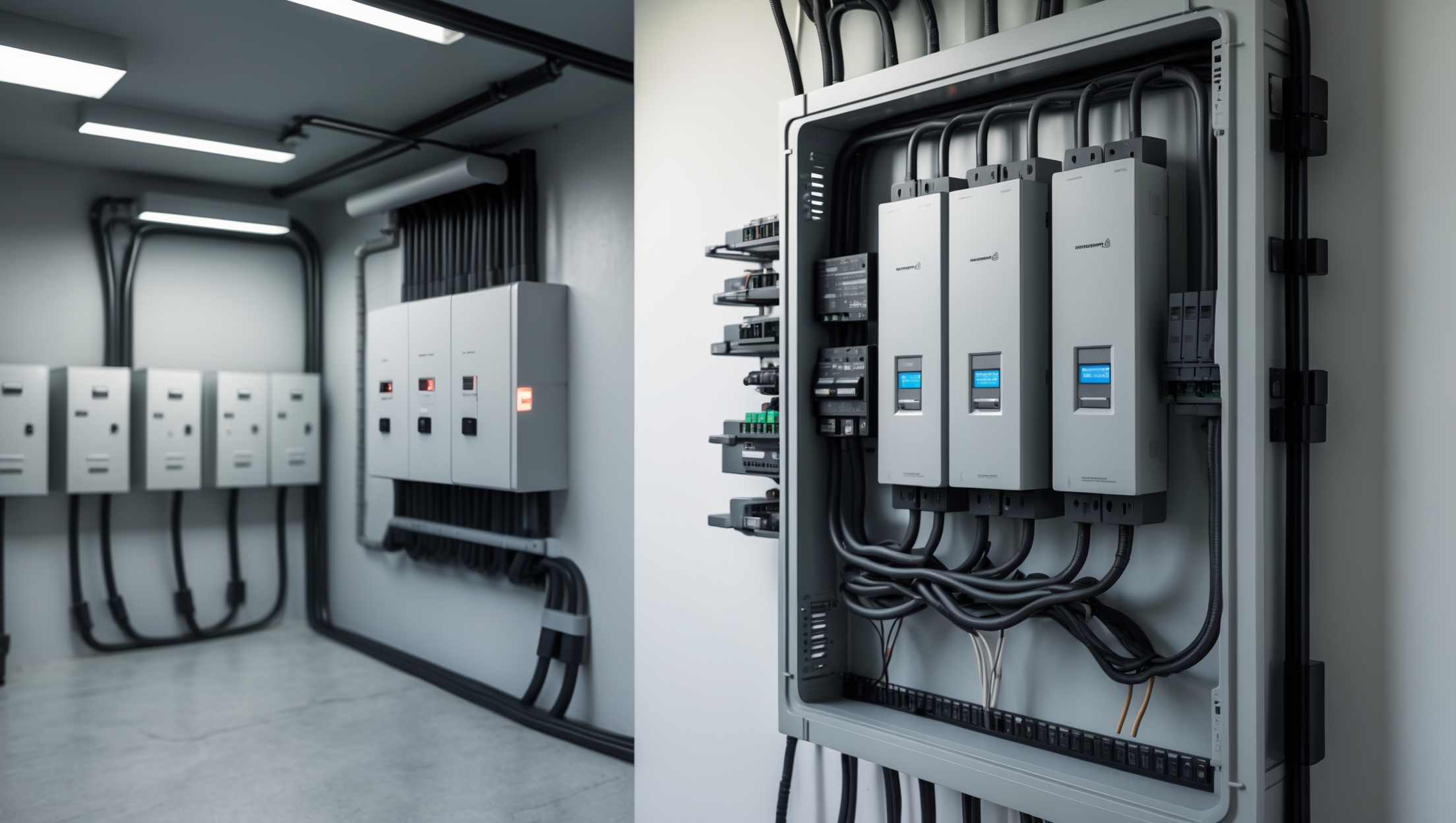
Introduction: Why Whole-House Surge Protection Matters for Every Home
Imagine a sudden lightning strike nearby, or a powerful appliance cycling on and off. Both can unleash surges—brief, powerful spikes in electrical voltage—into your home’s wiring. While many people think of surge protection as a simple plug-in power strip, these offer limited defense. Today’s homes are packed with sensitive electronics, smart appliances, and costly devices. A single power surge can silently damage or destroy thousands of dollars’ worth of equipment, sometimes without immediate symptoms. And surges don’t just come from storms; utility grid fluctuations and internal sources like large motors can also compromise your home’s electrical integrity.
Whole-house surge protection is a proactive solution that shields your entire electrical system, not just select devices. Unlike plug-in protectors, whole-house surge protectors (also known as surge protective devices or SPDs) are installed at your main electrical panel, intercepting surges before they travel through your home’s wiring. This comprehensive defense is increasingly vital as homes adopt more sensitive electronics and smart technology. In this guide, we’ll break down what whole-house surge protection is, how it works, the detailed installation process, cost breakdowns, and the long-term benefits you can expect. Whether you’re a homeowner looking to safeguard your investment or considering upgrades in an older property, understanding whole-house surge protection can save you money, frustration, and potential safety hazards for years to come.
Understanding Electrical Surges: Causes and Consequences
What Is an Electrical Surge?
An electrical surge is a short-duration spike in voltage that travels along your home’s wiring. While your standard voltage in the U.S. is around 120 volts, surges can send this briefly skyrocketing to several thousand volts. These events typically last less than a thousandth of a second, but their effects can be devastating.
Common Sources of Surges
- Lightning Strikes: Can induce enormous voltages into wiring, even without a direct hit.
- Utility Grid Switching: Power company equipment changes can send surges downstream to connected homes.
- Large Appliances: AC units, refrigerators, and motors can create smaller, repeated surges every time they cycle on and off.
- Wiring Faults: Poor grounding or outdated wiring can exacerbate surge risk.
Potential Damage from Surges
- Destruction of sensitive electronics (computers, TVs, routers)
- Premature failure of home appliances
- Hidden degradation of wiring insulation and circuit boards
- Fire hazards in extreme cases
What Is Whole-House Surge Protection?
How Surge Protective Devices (SPDs) Work
Whole-house SPDs are installed at your main electrical panel or meter base. They act as a gatekeeper, instantly diverting excessive voltage to your home’s ground wire before it can spread to circuits and equipment. SPDs use components like metal oxide varistors (MOVs) that react within nanoseconds to clamp down on overvoltage, sacrificing themselves if needed to protect your system.
Types of Whole-House Surge Protectors
- Panel-mounted SPDs: Installed directly into the breaker panel. Most common for residential applications.
- Meter-based SPDs: Installed at the utility meter, sometimes offered by utility companies as a service.
- Branch-circuit SPDs: Supplemental units for subpanels or special circuits (e.g., for home offices or entertainment centers).
What Whole-House Protection Covers (and Doesn’t Cover)
- Protects: All circuits downstream from the installation point, including outlets, hardwired appliances, and lighting.
- Does Not Protect: Devices plugged in outside the protected panel or exposed to surges via other pathways (e.g., phone or cable lines—these require separate protection).
When Should You Install Whole-House Surge Protection?
- New Construction: Modern codes increasingly require SPDs in new homes.
- Major Renovations: Upgrading the panel or rewiring is the perfect time to add surge protection.
- Adding High-Value Electronics or Smart Devices: The more smart tech you have, the greater your risk and the bigger your need for protection.
- After a Surge Event: If you’ve experienced unexplained equipment failures or a nearby lightning strike, surge protection should be a priority.
Step-by-Step Installation Guide: What to Expect
1. Assessing Your Electrical System
Before installing an SPD, a licensed electrician will evaluate your panel for available space, grounding quality, and compatibility with the chosen protector. Proper grounding is crucial for surge protectors to function correctly.
2. Selecting the Right SPD
- Choose a device rated for your panel’s voltage (usually 120/240V for homes).
- Look for UL 1449 certification, which ensures the device meets safety standards.
- Consider features like replaceable modules, indicator lights, and warranty coverage.
3. Installation Process
- Turn Off Main Power: Safety first—power to the panel must be shut off at the main breaker.
- Mounting the SPD: The protector is either mounted inside the panel on a dedicated breaker or onto the panel’s exterior, depending on the model.
- Wiring: The device is wired to a double-pole breaker; connections include hot wires and ground. Short, direct wiring paths ensure faster surge response.
- Testing and Inspection: Once installed, the electrician will test the SPD and verify panel grounding. Many local codes require inspection.
4. Supplemental Protection
For maximum safety, consider adding point-of-use surge protectors for especially sensitive or valuable equipment (computers, home theaters, medical devices) in addition to your whole-house SPD.
Cost Breakdown: What Should Homeowners Expect?
Material Costs
- SPD Device: $75–$350 depending on brand, features, and protection level.
- Additional Materials: Wiring, breakers, connectors ($15–$50).
Labor Costs
- Electrician Fees: $150–$350 for standard installation (1–2 hours labor). Costs may rise for complicated panels or additional grounding work.
- Permit Fees: $50–$150, depending on local regulations (not always required, but often recommended for insurance).
Total Typical Cost Range
Homeowners should budget $300–$800 for a professionally installed, code-compliant whole-house surge protector. DIY installation is not recommended unless you are a licensed electrician, due to shock and fire risks and potential code violations.
Long-Term Benefits: Why Surge Protection Pays Off
1. Protection for All Your Home’s Electronics
Unlike plug-in strips, whole-house SPDs shield your home’s entire wiring network. This includes all outlets, built-in appliances, and hardwired systems like HVAC, security, or smart lighting.
2. Extended Lifespan for Appliances and Devices
Even small, repeated surges degrade sensitive components over time, causing premature failure. Surge protection can add years to the life of your refrigerator, washer, or entertainment system—saving money on replacements.
3. Reduced Fire Risk
Unchecked surges can overheat wires or damage insulation, increasing fire hazards. SPDs intercept these events, offering an important safety upgrade, especially in older homes with dated wiring.
4. Insurance Benefits
Some insurers offer discounts for documented surge protection and may require it for homes with high-value electronics or solar systems. Having proof of installation can also simplify claims after an event.
5. Peace of Mind in All Weather
Whether it’s summer thunderstorms or unexpected grid events, you can rest easier knowing your home’s electrical system is protected 24/7.
Compliance, Codes, and Maintenance Best Practices
National and Local Code Requirements
- The NEC (National Electrical Code) 2020 revision requires SPDs for new or replaced residential panels.
- Local codes may have stricter requirements; always verify before installation.
Inspection and Testing
- Many SPDs have indicator lights to show protection status; check these monthly.
- Test your home’s ground system every few years—a poor ground reduces protection effectiveness.
- Replace the SPD if it shows a fault, loses indicator status, or after a major surge event (some are single-use).
Warranty and Documentation
- Register your device with the manufacturer for warranty coverage (5–15 years typical).
- Keep installation and inspection records for insurance and resale value.
Frequently Asked Questions About Whole-House Surge Protection
- Is whole-house surge protection necessary if I already use power strips?
Yes—plug-in strips only protect what’s plugged into them and can be overwhelmed by large surges. Panel-mounted SPDs shield your entire system at the source. - Will surge protection stop power outages?
No—SPDs only block voltage spikes, not sustained power loss. For outages, consider backup generators or UPS systems. - Do I need a surge protector if I don’t live in a storm-prone area?
Surges can come from within your home or the utility grid, not just lightning. Protection is valuable everywhere. - Can I install a whole-house surge protector myself?
DIY installation is not recommended due to safety risks and potential code violations. Always use a licensed electrician.
Conclusion: Investing in Peace of Mind and Home Safety
Whole-house surge protection is one of the most cost-effective ways to safeguard your home’s electrical infrastructure and everything connected to it. As our homes become smarter and more reliant on sensitive electronics, the risk—and cost—of electrical surges increases. Unlike plug-in protectors, a professionally installed SPD gives you whole-home coverage, protecting not just your entertainment systems and computers, but also hardwired appliances, smart devices, and even your home’s wiring.
While the upfront cost may seem like an extra expense, it pales in comparison to the price of replacing a fried appliance, redoing damaged wiring, or losing critical data. The long-term benefits—extended equipment lifespans, reduced fire risk, potential insurance discounts, and greater peace of mind—make surge protection a wise investment for any homeowner. If your home has valuable electronics, is undergoing renovations, or you’ve experienced unexplained failures, don’t wait for disaster to strike. Schedule an assessment with a licensed electrician and take proactive steps to fortify your home’s first line of defense against electrical surges. In an era of unpredictable weather and growing reliance on technology, whole-house surge protection isn’t just a modern convenience—it’s a smart, essential upgrade for every home.
I noticed you said surges can come from internal sources like large motors, not just storms. Are there specific appliances in a typical home that are known to cause these kinds of internal surges more often?
Yes, certain household appliances are more likely to cause internal power surges, especially those with large motors or that cycle on and off frequently. Common examples include refrigerators, air conditioners, washing machines, dishwashers, and vacuum cleaners. These devices can create brief spikes in your electrical system when they start up or shut down, which is why whole-house surge protection is so valuable even when there’s no storm.
You mention that internal sources like large motors can cause surges, not just storms. Does that mean running things like workshop tools or even my HVAC system could gradually damage my electronics if I don’t have whole-house protection? How common is this kind of internal surge?
Yes, running large appliances like workshop tools or your HVAC system can create internal power surges, known as switching surges. While these surges are usually less intense than lightning strikes, they happen frequently—sometimes several times a day—and can gradually wear down sensitive electronics over time. Whole-house surge protection helps shield your devices from both external and internal surges, making it a valuable safeguard.
Since the long-term benefits include protecting expensive electronics and smart devices, how often do these surge protectors need to be replaced or checked to make sure they’re still working effectively? Is there a way for homeowners to test them easily?
Whole-house surge protectors typically last between 5 to 10 years, but their lifespan can be shorter if your home experiences frequent power surges. It’s a good idea to have them inspected by a licensed electrician during your regular electrical checkups, usually every few years. Most surge protectors have an indicator light that shows whether they’re still functioning, so you can check this light as a quick test. If the indicator is off or shows a fault, it’s time for a replacement.
You mention that surges can come from inside, like large motors cycling on and off. How can I tell if my business equipment is causing these internal surges, and does whole-house surge protection cover damage from those, or just external events like storms?
To see if your business equipment is causing internal surges, watch for flickering lights or equipment unexpectedly shutting down when large machines turn on or off. Electricians can use surge meters to confirm this. Whole-house surge protectors are designed to block both external surges (like from storms) and many internal ones, offering broad protection. However, extremely large spikes from heavy-duty equipment might need additional, dedicated protection.
I noticed the article mentions both external surges from things like lightning and internal surges from appliances cycling on and off. Are certain types of surges more likely to cause hidden, long-term damage to smart home devices than others?
Yes, internal surges from appliances cycling on and off can be especially problematic for smart home devices over time. These surges are often smaller and more frequent than external ones like lightning strikes, but repeated exposure can gradually degrade sensitive electronics and shorten their lifespan. External surges are usually more dramatic and obvious, but internal surges are more likely to cause hidden, long-term damage.
When you mention that whole-house surge protectors are installed at the main electrical panel, does that mean I’d need to shut off power to the entire house during installation? How long does the process usually take for someone hiring an electrician versus trying to DIY?
Yes, installing a whole-house surge protector at the main electrical panel usually requires shutting off power to the entire house for safety reasons. If you hire an electrician, the process generally takes about 1 to 2 hours. For a DIY installation, it might take longer depending on your experience—often up to several hours. Always prioritize safety and consider professional help if you’re unsure.
Do most electricians include any kind of maintenance or long-term warranty when they install whole-house surge protectors, or is ongoing upkeep needed to make sure the system continues working after installation?
Electricians typically offer warranties on both the surge protector device and their installation work, with device warranties often lasting several years. However, ongoing maintenance is usually minimal. It’s a good idea to have an electrician check the surge protector during major electrical work or after a significant surge event, but routine upkeep isn’t commonly required. Always confirm warranty details and any recommended maintenance with your installer.
Can you give an idea of how long a typical whole-house surge protector lasts before it needs to be replaced? I’m curious about what kind of ongoing maintenance or replacement costs I should expect beyond the initial installation.
A typical whole-house surge protector lasts about 5 to 10 years, but this can vary based on the number and severity of power surges it handles. Maintenance is usually minimal—just have an electrician inspect it during routine electrical checks. Replacement costs are generally similar to the initial unit price, plus labor. Some surge protectors have indicator lights that show when they need replacing, so keep an eye on those.
I see that surges can come from both outside sources like lightning and from inside the house, such as large appliances. Does the installation process or choice of surge protector differ if my main concern is internal surges from things like HVAC units or refrigerators?
If your main concern is internal surges from appliances like HVAC units or refrigerators, you should still consider installing a whole-house surge protector at your main electrical panel. These devices are designed to handle both external and internal surges. However, for extra protection, especially for sensitive electronics near those large appliances, you might also use plug-in point-of-use surge protectors. The installation process for the whole-house device remains the same regardless of surge source.
You mentioned whole-house surge protectors are installed at the main electrical panel. How complicated is the installation process for an older property with outdated wiring? Are there extra steps or higher costs that homeowners should be aware of in those cases?
Installing a whole-house surge protector in an older property with outdated wiring can be more complex than in newer homes. Extra steps may include updating the main panel or improving grounding to meet current safety standards. This can lead to higher labor and material costs. It’s wise to have a licensed electrician assess your electrical system first, as they can identify any upgrades needed before installation.
I’m wondering if installing a whole-house surge protector actually replaces the need for power strips with surge protection, or if you still need those for sensitive devices like computers and TVs. Could you clarify how these work together, if at all?
A whole-house surge protector offers broad protection by limiting large surges from entering your home’s wiring, such as those caused by lightning or utility issues. However, it doesn’t catch smaller, localized surges, so using power strips with surge protection for sensitive electronics like computers and TVs is still recommended. Both work together for layered protection, helping safeguard your valuable devices more effectively.
When installing a whole-house surge protector at the main electrical panel, do you need to upgrade any part of your panel or wiring if your home is older? I’m in a house from the 1970s and want to make sure the installation would be straightforward.
In a home from the 1970s, it’s a good idea to have an electrician inspect your main panel and wiring before installing a whole-house surge protector. Sometimes older panels may lack space for a new device, or the wiring might not meet current codes. If your panel is in good shape and has available breaker slots, installation is usually straightforward, but outdated or overloaded panels may require upgrades.
How does the cost of installing a whole-house surge protector compare with upgrading all our expensive electronics to newer models with built-in surge protection features? I’m trying to figure out which route would give better long-term benefits for my budget.
Installing a whole-house surge protector is usually much more cost-effective than replacing all your electronics with newer models that have built-in surge protection. The surge protector typically protects every device in your home, regardless of age or type, while upgrading all electronics would be significantly more expensive and only cover those specific devices. Plus, whole-house protection defends against power surges that could affect wiring and appliances that may not have built-in safeguards.
The article mentions that whole-house surge protectors are installed at the main electrical panel. If my electrical panel is pretty old, will I need to upgrade my panel first, or can these protectors work with panels from the 80s?
Whole-house surge protectors are generally designed to work with most standard electrical panels, including older ones from the 1980s. However, if your panel is outdated, lacks available breaker space, or isn’t up to current safety codes, an electrician may recommend an upgrade for proper installation and safety. It’s best to have a licensed electrician assess your panel to ensure compatibility and safety before proceeding.