

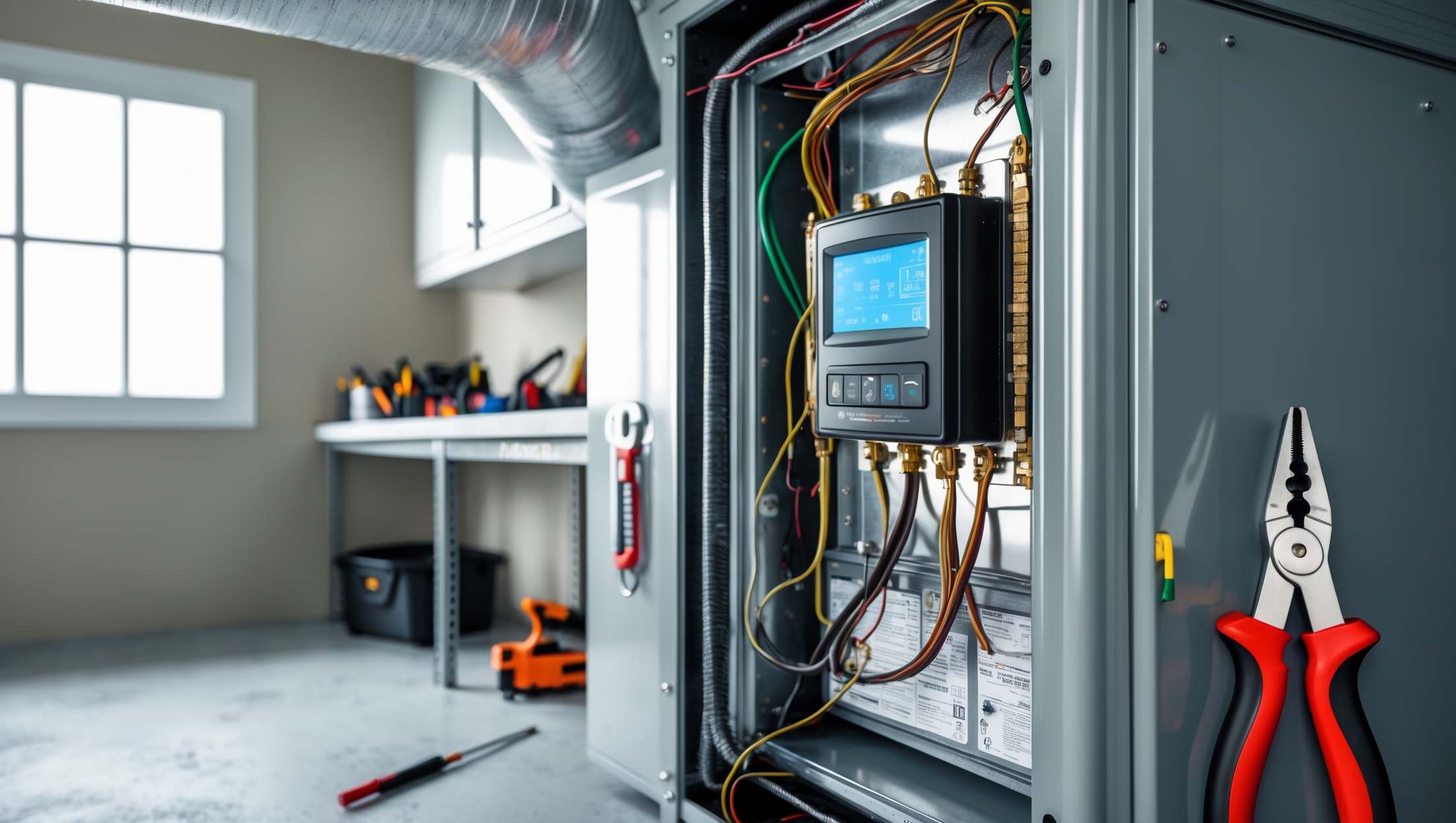
Introduction: Why Your HVAC’s Electrical Health Matters Year-Round
Homeowners rely on their HVAC systems to keep their homes comfortable through every season, but the electrical components powering these systems often go unnoticed—until something goes wrong. Electrical failures are a leading cause of HVAC breakdowns, sometimes resulting in costly repairs, inefficient operation, or even hazardous conditions like electrical fires. Proactive, seasonal electrical maintenance is essential not just for system longevity and energy efficiency, but also for your household’s safety. This guide delivers a detailed, season-by-season checklist for inspecting and maintaining your HVAC system’s electrical elements, with practical safety tips, estimated costs, and budgeting strategies. Whether you’re a hands-on homeowner or coordinating with professionals, understanding what, when, and how to check can prevent unexpected failures, reduce energy bills, and ensure peace of mind year-round.
Understanding the Electrical Anatomy of Your HVAC System
Key Electrical Components
- Thermostat: The system’s control hub, sending signals to the furnace, AC, or heat pump.
- Air Handler/Blower: Contains a motor powered by dedicated circuits to circulate air.
- Compressor (for AC/heat pumps): Heavy-duty component drawing significant electrical current.
- Capacitors and Relays: Support motor startup and ongoing function; prone to wear over time.
- Contactors: Electrically actuated switches handling high current loads.
- Wiring and Connections: Includes dedicated circuits, disconnect boxes, and grounding systems.
- Safety Devices: Fuses, circuit breakers, and surge protectors designed to prevent overloads and damage.
Common Electrical Failure Points
- Loose or corroded wire connections
- Worn-out capacitors or relays
- Tripped breakers due to overloads or shorts
- Improperly grounded equipment
- Rodent or moisture damage to wiring
Spring Checklist: Preparing for Cooling Season
1. Inspect the Outdoor Disconnect Box
Before the first warm day, locate and open the disconnect box near your outdoor AC condenser or heat pump. Look for:
- Signs of corrosion or moisture inside the box
- Loose wires or burnt insulation
- Test the fuse or breaker (replace if worn or tripped)
Tip: Always turn off power at the main breaker before inspecting or servicing.
2. Check the Circuit Breaker Panel
Identify the dedicated breakers for your HVAC system. Confirm they’re labeled correctly and inspect for:
- Tripped or weak breakers that don’t reset firmly
- Rust or heat discoloration around breaker terminals
Replace any questionable breakers to prevent nuisance trips during heavy AC use.
3. Inspect Thermostat Wiring
Remove the thermostat cover and check for:
- Loose terminal screws
- Frayed or brittle wiring
- Signs of corrosion (green/white buildup)
Clean and re-secure any suspect connections. Consider upgrading to a smart thermostat for enhanced control and diagnostics.
4. Test and Clean Condenser Fan Motor Connections
With power off, open the outdoor unit’s access panel and inspect wiring to the condenser fan motor and compressor:
- Ensure all wires are tightly secured
- Look for insect nests or debris around terminals
- Clean contacts with electrical contact cleaner if needed
5. Examine Capacitors and Relays
Bulging or leaking capacitors can cause hard starts or frequent cycling. If you notice any deformities, have a technician test and replace them before summer demand spikes.
6. Budgeting for Spring Maintenance
- DIY inspection supplies: $10–$30 (contact cleaner, gloves, screwdriver)
- Professional tune-up (inspection + minor electrical repairs): $75–$200
- Replacing a faulty capacitor or relay: $50–$180 (parts + labor)
Summer Checklist: Ensuring Peak Performance and Safety
1. Monitor for Overloads and Breaker Trips
As your HVAC works hardest during summer, watch for signs of electrical distress:
- Frequent breaker trips
- Flickering lights when HVAC starts
- Unusual humming or burning odors from the unit or panel
These can indicate overloaded circuits, failing capacitors, or poor connections—address immediately to prevent system damage or fire hazards.
2. Check Surge Protection
If you have a whole-house or dedicated HVAC surge protector, inspect indicator lights and replace the device if it’s no longer providing protection. Summer thunderstorms increase the risk of electrical surges.
3. Inspect and Tighten Air Handler Connections
Access the air handler’s electrical compartment. With power off, gently tug each wire at the terminal block. If any move, tighten the screw. Ensure all ground wires are securely attached.
4. Clean Electrical Components
Dust and debris can insulate heat and degrade contacts. Use a soft brush or compressed air (with power off) to clean:
- Control boards
- Relays and contactors
- Wiring channels
5. Mid-Summer Mini-Inspection
Set a calendar reminder for a quick check mid-season. Catch minor issues before they become costly breakdowns during peak heat.
6. Summer Cost Considerations
- Surge protector replacement: $50–$300
- Professional diagnostic if frequent trips or odd noises occur: $100–$250
Fall Checklist: Preparing for Heating Season
1. Inspect Furnace Electrical Components
Turn off power to the furnace, remove the access panel, and inspect:
- Wire connections to the blower motor and control board
- Burn marks or melted insulation (a warning sign of overload)
- Condition of the transformer and relays
2. Test Thermostat Functionality
Switch the thermostat to heating mode and monitor the system’s response. Delayed or failed startup can indicate loose wires or control board issues.
3. Verify Grounding and Bonding
Check that all ground wires are intact at the furnace and that the grounding rod or plate connection at the main panel is free of corrosion.
4. Inspect Humidifier or Auxiliary Heater Wiring
If your HVAC system includes a humidifier or electric auxiliary heater, inspect their dedicated circuits and connections for wear or overheating.
5. Clear Rodent or Insect Debris
Colder weather sends pests seeking warmth—look for chewed wires or nests in and around the furnace and duct chase. Address any damage promptly.
6. Fall Maintenance Costs
- Professional furnace electrical inspection: $90–$200
- DIY supplies (contact cleaner, wire nuts, brush): $15–$40
- Repairing minor wiring damage: $50–$150
Winter Checklist: Preventing Electrical Issues in Harsh Conditions
1. Monitor for Unusual Operation
Pay close attention to:
- Breaker trips during cold snaps
- Furnace or heat pump short-cycling (turning on/off rapidly)
- System failing to start in extremely low temperatures
These symptoms may point to electrical faults, frozen components, or overloaded circuits.
2. Inspect Outdoor Units After Snow or Ice
Once safe, clear snow and ice from around outdoor units. Check disconnect boxes and wiring for moisture ingress or damage from shifting ice. Water and electricity do not mix—address any signs of moisture entry immediately.
3. Test Smoke and CO Detectors
Your HVAC’s electrical health impacts overall home safety. Test detectors monthly and replace batteries. Ensure hardwired detectors are on a circuit that’s not overloaded by the HVAC system.
4. Emergency Preparedness
Know how to safely shut off the HVAC system at the breaker in case of electrical emergency. Keep a flashlight near the panel.
5. Winter Budget Planning
- Emergency electrician call-out: $150–$400
- Moisture damage repairs (wiring, disconnect box): $75–$300
Essential Tools and Safety Equipment for Homeowners
- Non-contact voltage tester (for safe wire inspection)
- Insulated screwdriver set
- Needle-nose pliers
- Electrical contact cleaner
- Protective gloves and safety glasses
- Flashlight or headlamp
Always turn off power at the main breaker before opening any HVAC electrical compartment. If in doubt, hire a licensed electrician or HVAC technician.
When to Call a Professional vs. DIY
Safe DIY Tasks
- Visual inspection for loose wires, corrosion, or obvious damage
- Cleaning dust and debris around accessible components (with power off)
- Testing thermostats and replacing batteries
Call a Professional For:
- Repairing or replacing capacitors, contactors, or relays
- Diagnosing repeated breaker trips or burnt wiring
- Installing new surge protection or grounding systems
- Resolving any suspected code violations
Never attempt repairs beyond your knowledge or comfort level. Electrical mistakes can cause fires, system damage, or void warranties and insurance coverage.
Budgeting and Cost Management: How to Plan Ahead
Annual Maintenance Budgeting
- Set aside $150–$300 per year for routine inspections and minor repairs
- Plan for a larger expense ($300–$800) every 5–7 years for major electrical component replacements
- Consider a service contract with a reputable HVAC provider, which often includes annual electrical checks
Reducing Unexpected Costs
- Address minor issues promptly before they escalate
- Invest in surge protection for the entire home, reducing risk of catastrophic failure
- Document all maintenance for insurance and warranty purposes
Compliance and Code Considerations
HVAC systems must meet local and national electrical codes to ensure safety and insurance compliance. Key points include:
- Proper circuit sizing and overcurrent protection
- Correct disconnect placement and labeling
- Required grounding and bonding to prevent shock hazards
- Permits for major electrical modifications or new installations
If you discover outdated or non-compliant wiring during your checklist inspections, schedule an upgrade with a licensed professional.
Conclusion: Investing in HVAC Electrical Health Pays Off
Regular, seasonal attention to your HVAC system’s electrical health is a critical but often overlooked aspect of homeownership. Proactive inspections and maintenance not only keep your system running efficiently, but also prevent costly emergencies, enhance energy savings, and protect your home from electrical hazards. By following this comprehensive checklist, you’ll gain confidence in your HVAC’s safety and performance throughout the year. Remember to budget for routine upkeep, equip yourself with the right tools, and never hesitate to call in a professional for advanced repairs or compliance issues. Ultimately, a little effort each season pays dividends in comfort, safety, and peace of mind, helping you get the most from your HVAC investment—no matter what the weather brings.
Could you explain a bit more about budgeting for seasonal electrical maintenance on HVAC systems? You mention estimated costs, but as a small business with limited funds, I’m wondering which electrical checks are most critical if we can’t do them all at once.
If your budget is limited, focus on the most critical checks first: inspect wiring connections for signs of wear or corrosion, test circuit breakers and fuses, and ensure all safety shutoffs function properly. These steps help prevent electrical hazards and costly breakdowns. If you need to spread costs, consider rotating less urgent checks—like thermostat calibration or surge protector inspections—over multiple seasons.
The article mentions that worn-out capacitors and relays are common failure points in HVAC electrical systems. How can someone with limited technical experience safely recognize when these components need replacement before they actually fail?
If you’re not experienced with HVAC systems, you can look for early warning signs like your system struggling to start, unusual clicking or humming noises, or the blower fan not running consistently. These can indicate problems with capacitors or relays. It’s safest to observe for irregular operation and unusual sounds rather than trying to inspect these components directly. At the first sign of trouble, it’s best to contact a qualified technician before a complete failure occurs.
As a small business owner, I have several HVAC units in my building. You mention budgeting strategies—can you give more specifics on what seasonal maintenance typically costs for multiple systems, or how to estimate professional versus DIY expenses?
For several HVAC units, professional seasonal maintenance often ranges from $100 to $200 per unit, depending on size and complexity. If you handle simple tasks yourself—like changing filters and cleaning vents—you might spend $20 to $40 per unit for supplies. However, deeper inspections and tune-ups usually require a technician. To estimate costs, multiply the per-unit rate by the number of systems, and compare that to supply costs plus your time if you go the DIY route.
If I do find loose or corroded wire connections during my spring inspection, what are the recommended steps for a homeowner? Should I always call a professional, or are there situations where it’s safe to address minor issues myself?
If you find loose or corroded wire connections, it’s safest to turn off power to your HVAC system at the breaker and avoid handling them yourself unless you have electrical experience. Minor tightening might be fine for some homeowners, but corrosion or damaged wires should always be handled by a licensed professional to prevent safety risks. When in doubt, call an expert.
If someone discovers corroded wire connections or evidence of rodent damage to their HVAC wiring during a spring checklist, what’s the recommended first step? Should homeowners attempt minor fixes on their own, or is this always a case for calling a licensed electrician?
If you find corroded wire connections or signs of rodent damage to your HVAC wiring, it’s best to call a licensed electrician right away. Electrical issues like these can create fire hazards or lead to system failure. Even minor-looking damage can be more serious than it appears, so DIY fixes are not recommended for safety reasons.
Could you clarify how often capacitors and relays typically need to be replaced in a typical home HVAC system? You mention they’re prone to wear but I haven’t found any general rule of thumb for their lifespan, and I’m trying to include realistic replacement costs in my maintenance budget.
Capacitors and relays in home HVAC systems generally last anywhere from 5 to 10 years, but their lifespan can vary based on system usage, quality of parts, and environmental factors. It’s common to check them during annual maintenance visits. When budgeting, it’s wise to expect possible replacement every 7–10 years. Typical replacement costs range from $100 to $400 per component, including parts and labor.
The article mentions budgeting strategies for seasonal electrical maintenance. Could you provide a rough estimate of annual costs if most of the checklist items are done by a homeowner versus hiring a professional for everything?
If you handle most of the checklist tasks yourself, your annual costs may be limited to supplies and occasional tools—typically around $50 to $150 per year. If you hire a professional to do everything, including inspections and tune-ups, annual expenses usually range from $250 to $500, depending on your HVAC system and local rates.
You mention budgeting strategies for HVAC electrical maintenance. Can you give examples of typical costs for replacing things like contactors or wiring, and how I might prioritize which electrical components to check or replace if I’m on a tight budget?
Typical costs for replacing contactors range from $100 to $300, including parts and labor. Wiring repairs can vary widely, usually from $150 to $500, depending on complexity. If you’re budgeting, prioritize components that most affect safety and system reliability: start with circuit breakers, contactors, and any visibly damaged wiring. Filters and thermostats are generally less urgent unless they’re malfunctioning. Address any issues causing frequent HVAC shutdowns first to prevent larger expenses down the line.
Could you clarify how often capacitors and relays should typically be inspected or replaced as part of regular maintenance, especially since they tend to wear out over time? It would help to know if there’s a standard interval or if certain signs indicate it’s time for replacement.
Capacitors and relays in your HVAC system should be professionally inspected at least once a year, typically during your seasonal maintenance check. While there isn’t a strict replacement interval, these parts often wear out after 5-10 years. Signs such as difficulty starting, frequent cycling, or unusual noises may indicate it’s time for replacement. Always consult a technician if you notice these symptoms.
You mention capacitors and relays are prone to wear over time. Are there any warning signs homeowners should look out for before these parts actually fail, or is it something only a professional would notice during a seasonal check?
Homeowners can sometimes spot early signs of capacitor or relay issues. These may include your HVAC system struggling to start, making unusual clicking or humming noises, or cycling on and off more frequently. If you notice weak airflow or a system that won’t turn on at all, those can also be warning signs. However, subtle problems are often only caught by a professional during a seasonal check, especially before a complete failure occurs.
When checking wiring and connections as suggested, what safety precautions should a non-professional like me follow? Are there specific signs of rodent or moisture damage that are easy to spot without specialized tools?
Before checking any wiring or connections, always turn off the power at the breaker to avoid electric shock. Wear insulated gloves if possible. When inspecting, look for frayed wires, bite marks, or nests for signs of rodents. Moisture damage often shows as rust, corrosion, or discoloration on wires or terminals. If you notice any of these issues, it’s safest to call a professional for repairs.
You mention that capacitors and relays are prone to wear over time. Can you give some signs that indicate these might be starting to fail, and are there any preventive steps a homeowner can take to extend their lifespan aside from regular checks?
Common signs of failing capacitors or relays include unusual noises like humming or clicking, the HVAC unit struggling to start, short cycling, or a noticeable drop in cooling or heating efficiency. To help extend their lifespan, keep your HVAC system clean and dust-free, especially around electrical components, and avoid frequent power cycling. Also, make sure your system isn’t overloaded by keeping filters clean and vents unobstructed. Regular professional inspections remain the most effective way to catch early signs of wear.
If someone notices signs of loose or corroded wiring during a routine inspection, what are the immediate safety steps they should take before calling in a professional? Are there temporary measures to minimize risk while waiting for repairs?
If loose or corroded wiring is found during your inspection, the first step is to turn off power to the affected HVAC system at the circuit breaker to prevent any electrical hazards. Do not attempt DIY repairs or touch the damaged wiring. Avoid using the system until a qualified electrician or HVAC technician has inspected and repaired the issue. These actions help minimize risk while you wait for professional help.
I noticed you mentioned rodent or moisture damage to HVAC wiring as a common failure point. Are there specific signs I should look for, or preventative steps I can take during my spring inspection to avoid these issues?
Absolutely, there are some clear signs and steps to watch for during your spring inspection. Look for chewed or frayed wires, droppings, or nesting materials near wiring—they all indicate rodent activity. Moisture damage often appears as corrosion, rust, or discoloration on electrical connections. To prevent problems, seal any gaps where rodents could enter, and ensure your HVAC area is dry and well-ventilated. Regularly cleaning around your system and scheduling professional inspections can also help keep everything in good shape.
You listed rodents and moisture as potential causes of wiring damage. What are the best preventative measures homeowners can take seasonally to protect the HVAC wiring from these risks, and how often should these inspections be performed?
To protect HVAC wiring from rodents, seal any gaps or cracks around your home’s foundation and entry points, and keep the area around the unit clear of debris that might attract pests. For moisture, ensure proper drainage around the HVAC system and check that all electrical components are covered or weatherproofed. It’s best to inspect these areas at the start of each season, or at least twice a year, to catch issues early.
You mention budgeting strategies for HVAC electrical maintenance. Could you give a rough estimate of what a typical homeowner should expect to spend annually on DIY inspections versus calling in a professional for a full electrical check each season?
For basic DIY inspections, such as checking thermostat batteries, cleaning vents, and inspecting visible wiring, homeowners might only spend $20–$50 per year on supplies. However, hiring a professional for a thorough electrical check each season can cost $100–$200 per visit, totaling $200–$400 annually for twice-yearly checks. The added cost brings peace of mind and ensures safety, especially if you’re not comfortable with electrical work.