

Introduction
Electrical safety in the home is a serious matter, and one of the most critical devices in preventing shock and electrocution is the Ground Fault Circuit Interrupter (GFCI). These outlets and breakers detect electrical imbalances that could indicate a current is flowing where it shouldn’t—such as through a person—shutting off power in milliseconds. While most homeowners have seen GFCI outlets in their bathrooms or kitchens, few realize just how many areas of the home require GFCI protection under modern electrical codes, or why compliance is so important for safety and insurance. In this comprehensive guide, we’ll break down exactly where GFCIs are required or recommended, explain the logic behind these regulations, offer a room-by-room compliance checklist, and provide practical tips for identifying, testing, and upgrading your home’s protection. Whether you’re planning a renovation, concerned about an aging house, or simply want peace of mind, understanding GFCI requirements and best practices is an essential step for every homeowner.
What Are GFCIs and How Do They Work?
The Basics of GFCI Technology
A Ground Fault Circuit Interrupter is a safety device designed to protect people from electrical shock by quickly cutting off power when it senses a difference between incoming and outgoing current, as little as 4-6 milliamps. This can happen when electricity is unintentionally diverted—such as through water or a person.
Types of GFCI Devices
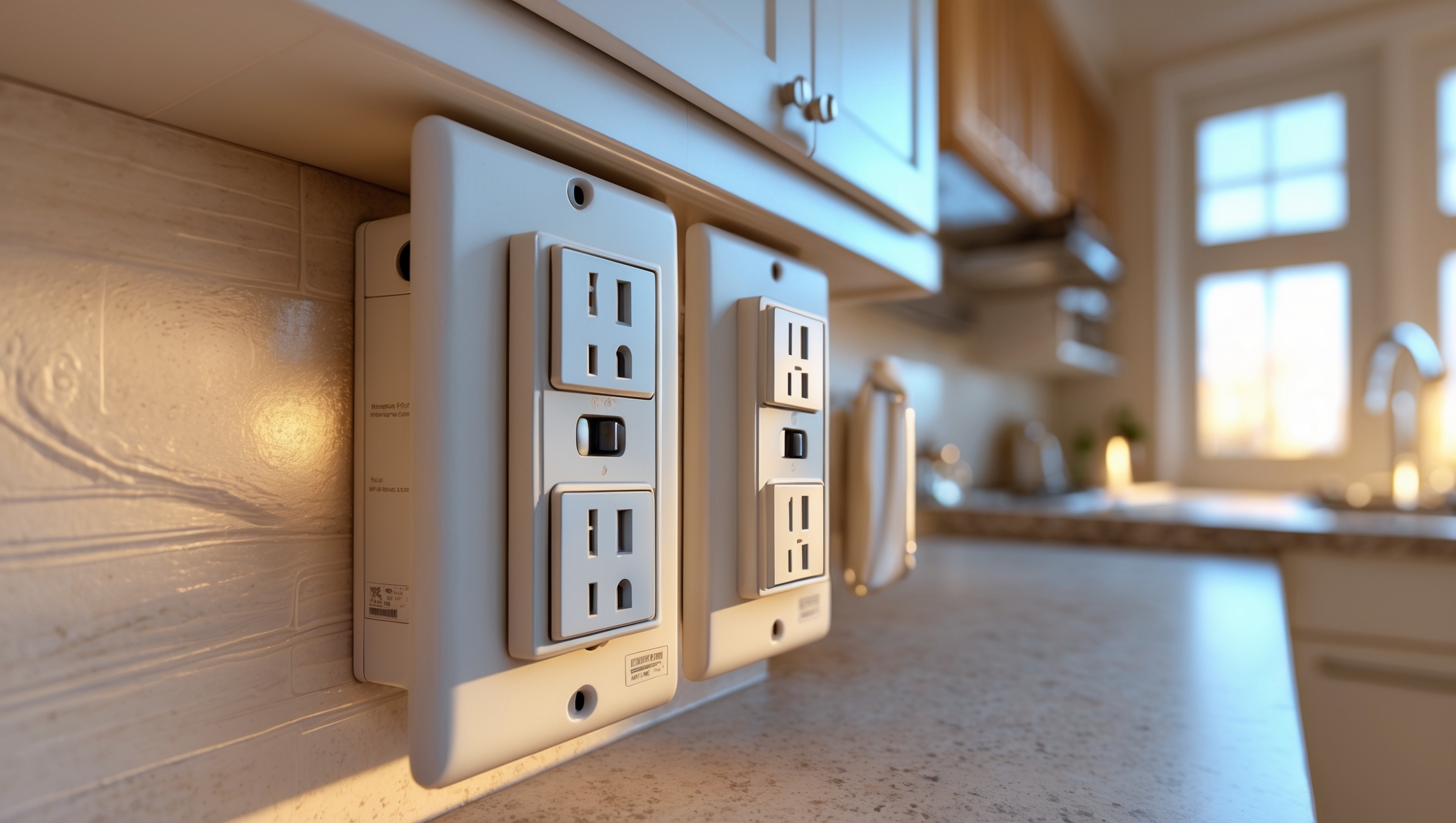
- GFCI Receptacles: These look like standard outlets but feature “Test” and “Reset” buttons. They’re often installed in kitchens, bathrooms, and other wet areas.
- GFCI Circuit Breakers: Installed in the main panel, these protect an entire circuit, covering all outlets and devices downstream.
- Portable GFCIs: Used with extension cords and outdoor tools for temporary protection.
Why GFCIs Are Essential
Even small amounts of current (as low as 10 milliamps) can cause serious injury or death. GFCIs dramatically reduce these risks, particularly in locations where water and electricity might mix. They are now required by the National Electrical Code (NEC) in numerous locations throughout the home.
GFCI Requirements by Room: A Comprehensive Breakdown
1. Bathrooms
Requirement: All outlets must be GFCI-protected.
- Reason: High moisture environment increases risk of shock.
- Common Gaps: Older homes may have unprotected outlets, especially near vanities or hidden behind cabinets.
2. Kitchens
Requirement: Any outlet serving countertop surfaces must have GFCI protection. This includes outlets within 6 feet of a sink, as well as those serving island and peninsular countertops.
- Reason: Frequent use of appliances and presence of water sources.
- Special Note: Outlets behind refrigerators, dishwashers, or inside pantries may still require GFCI if they serve countertop appliances or are within code-specified distances.
3. Laundry and Utility Rooms
Requirement: All outlets within 6 feet of a utility sink or installed in laundry areas must be GFCI-protected.
- Reason: Water from sinks or washing machines creates a high risk for ground faults.
- Tip: Don’t forget outlets behind washers or dryers, especially if the machines can be moved or if the outlets are accessible.
4. Garages and Unfinished Basements
Requirement: All outlets must be GFCI-protected in garages and unfinished basements.
- Reason: Damp, concrete floors and use of power tools increase risk.
- Exclusions: Permanently installed fire alarm or burglar alarm systems may be exempt under some codes.
5. Outdoor Areas
Requirement: All outdoor outlets, including those on decks, patios, and porches, require GFCI protection.
- Reason: Exposure to rain, snow, and garden tools make outdoor outlets particularly hazardous without GFCI protection.
- Tip: Use “in-use” weatherproof covers for maximum safety.
6. Crawl Spaces and Unfinished Attics
Requirement: GFCI protection is required for all outlets in crawl spaces and unfinished attics.
- Reason: High humidity and tight spaces increase risk of accidental contact.
7. Wet Bar Sink Areas
Requirement: Any outlet within 6 feet of a wet bar sink must be GFCI-protected.
- Reason: Similar risk factors as kitchens and bathrooms due to proximity to water.
8. Finished Basements and Living Spaces
Requirement: Outlets serving wet bars, sinks, or located near water sources require GFCI protection even in finished spaces.
- Tip: Finished areas without water sources may not require GFCI under code, but adding protection can enhance safety.
Special Scenarios and Commonly Overlooked GFCI Locations
Dishwashers
Recent code updates require GFCI protection for dishwashers, even though they are hardwired or plugged in under the counter. Many older homes lack this protection, representing a significant safety gap.
Garbage Disposals
Some local codes now require GFCI protection for garbage disposals, especially if they are installed within proximity to sinks. Always check your municipality’s regulations.
Hot Tubs, Pools, and Spas
All outlets serving pool, spa, or hot tub equipment must be GFCI-protected. This includes both receptacles and hardwired connections.
HVAC Equipment
Outlets installed for servicing HVAC equipment outdoors or in damp locations (such as crawl spaces) require GFCI protection.
Exterior Walls
Outlets on the exterior walls of the house, even if covered, must be GFCI-protected.
How to Identify GFCI-Protected Outlets and Circuits
Visual Inspection
- Look for outlets with “Test” and “Reset” buttons—these are GFCI receptacles.
- Check your electrical panel for breakers labeled as GFCI or featuring a test button.
Testing with a GFCI Tester
- Plug a GFCI tester (available at hardware stores) into outlets—these indicate if GFCI protection is present even when it’s upstream.
- Press “Test” and check if power is cut; then press “Reset” to restore.
Understanding Upstream Protection
One GFCI outlet can protect multiple “downstream” outlets on the same circuit. To verify, test the GFCI and see if other outlets lose power. If they do, they’re protected.
Room-by-Room GFCI Compliance Checklist
- Bathroom: Every outlet, especially near vanities and sinks.
- Kitchen: All outlets serving countertops, islands, peninsulas, and within 6 ft of the sink. Dishwasher and disposal connections.
- Laundry Room: Outlets within 6 ft of sinks or in laundry area.
- Garage: Every outlet, including ceiling and wall outlets for doors and tools.
- Outdoor: All outlets, including those in weatherproof covers.
- Basement: All unfinished space outlets; wet bar and utility sink areas in finished basements.
- Attic & Crawl Space: Service outlets in unfinished spaces.
- Special Equipment: Dishwashers, pool/hot tub/spa equipment, HVAC service outlets.
Upgrading and Installing GFCIs: Practical Tips
Assessing Your Home
- Walk through each room with the checklist above.
- Test all outlets with a GFCI tester.
- Note any areas lacking protection, especially in older homes or after renovations.
Choosing the Right GFCI Device
- For single outlets, use a GFCI receptacle.
- To protect an entire circuit, consider a GFCI breaker in your panel (professional installation recommended).
- For outdoor or temporary needs, use a portable GFCI adapter.
DIY vs. Professional Installation
Replacing an existing outlet with a GFCI can be a DIY task for confident homeowners—always turn off power at the breaker first. Adding GFCI breakers or new circuits should be performed by a licensed electrician. Permits may be required for significant upgrades.
Labeling
Properly label “GFCI Protected” outlets, especially those that are downstream and lack built-in test/reset buttons. This helps users know they’re covered and where to reset in case of trips.
Testing and Maintaining GFCIs
Regular Testing
- Test every GFCI device at least once a month by pressing the “Test” button—power should immediately cut off.
- Press “Reset” to restore power.
Signs of Failure
- If a GFCI won’t reset, is warm to the touch, or trips repeatedly, replace it immediately.
- GFCIs can wear out—replace every 10 years or sooner if recommended by the manufacturer.
After Power Surges
Major surges, such as those caused by lightning, can damage GFCIs. Test all devices after such events and replace any that do not function correctly.
Insurance, Code Compliance, and Resale Value
Insurance Implications
Insurance companies increasingly require documentation of GFCI protection, especially in kitchens, bathrooms, and outdoor areas. Lack of compliance can affect claims if an electrical incident occurs.
Building Code Compliance
The NEC sets national minimums, but local codes may be more stringent. When selling or renovating, inspectors will check for GFCI protection in all required areas. Non-compliance can delay sales or require costly retrofits.
Boosting Home Value
Modern, code-compliant electrical systems are a strong selling point. Upgrading to GFCI protection is a relatively inexpensive way to demonstrate attention to safety and attract buyers.
Advanced GFCI Features and Innovations
Smart GFCIs
Some new GFCI devices offer Wi-Fi connectivity, allowing remote testing and monitoring. These can alert you to trips or malfunctions even when you’re away from home.
Self-Testing GFCIs
Modern GFCI outlets often include self-testing features that automatically check the device’s function and provide a visual or audible alert if the protection fails.
Conclusion
GFCIs are a cornerstone of home electrical safety, dramatically reducing the risk of shock and electrical fires in high-risk areas. Yet, many homes—especially those built or last renovated before recent code cycles—lack proper protection in key locations. By understanding exactly where GFCIs are required and the reasons behind these rules, homeowners can take practical steps to close compliance gaps, boost safety, and satisfy insurance or resale requirements. Regular testing and timely replacement ensure GFCIs continue to provide lifesaving protection for years to come. If you find your home is missing protection in any of the areas listed above, upgrading is a straightforward investment with outsized benefits for your family’s well-being. Always consult a licensed electrician for complex installations or when in doubt about code compliance. By making GFCI protection a priority, you’re not just ticking boxes for inspectors—you’re making a smart, proactive choice for safety, peace of mind, and long-term value.
I’m getting ready to remodel my home office and I’m not clear if GFCIs are required there. The article talks about kitchens and bathrooms, but what about areas where I use a lot of electronics but it’s not considered a wet area?
GFCIs are mainly required in areas where there’s a higher risk of electrical shock due to moisture, like kitchens, bathrooms, garages, and unfinished basements. For a typical dry home office, GFCIs aren’t generally required by electrical codes, even if you’re using a lot of electronics. However, if your office has a sink or is in a basement with potential moisture, GFCIs may be needed. Always double-check with your local codes or an electrician to be sure.
Are there situations where a portable GFCI is a better choice than a permanent one, such as during outdoor projects or in garages? I want to make sure I’m using the right type of device for temporary setups.
Yes, using a portable GFCI is a smart choice for temporary setups. If you’re working outdoors with power tools, using a portable GFCI ensures you have protection even if the outdoor outlet isn’t GFCI-protected. The same goes for using extension cords in garages or workshops where permanent GFCIs may not be available. Portable units offer flexibility and extra safety when you’re moving equipment or working in different areas.
I noticed the article mentions both GFCI receptacles and GFCI circuit breakers, but is there a situation where one is safer or more cost-effective than the other when upgrading an older home?
GFCI receptacles are usually more cost-effective if you only need protection at specific outlets, like in bathrooms or kitchens. GFCI circuit breakers cover an entire circuit, protecting every outlet and device on it, which is safer if you want broad coverage or if outlets are hard to reach. For an older home, combining both can sometimes make sense—use receptacles for targeted upgrades, or a breaker for whole-room protection.
How often should I actually be using the test button on my GFCI outlets, and is there a difference in how often I should check receptacles versus breakers to make sure they’re still working properly?
You should use the test button on your GFCI outlets about once a month to ensure they’re functioning correctly. For GFCI breakers in your electrical panel, the same monthly test is recommended. There’s no significant difference in frequency between outlets and breakers—both should be checked regularly to maintain safety.
My house was built in the early 1980s, so I’m wondering which rooms might be missing GFCI protection according to today’s codes. Is it usually just kitchens and bathrooms, or are there other areas I should double check for compliance?
For homes built in the early 1980s, it’s common to find GFCIs only in bathrooms or possibly kitchens. However, current codes require GFCI protection in additional locations like laundry rooms, unfinished basements, garages, outdoor outlets, and any outlets within six feet of a sink. It’s a good idea to check these areas as well to ensure your home’s electrical system meets modern safety standards.
I’m about to start some DIY upgrades in my kitchen and bathroom. If my house already has some older GFCI outlets installed, how can I tell if they still meet the latest code requirements mentioned in your article?
To check if your existing GFCI outlets meet current code, look for features like self-testing indicators and test/reset buttons, which are required by newer codes. Outlets installed before 2015 may not have these updates. Also, confirm their placement matches today’s requirements—kitchens and bathrooms need GFCIs within six feet of sinks. If in doubt, consult a licensed electrician to review your setup before starting your upgrades.
I noticed you mentioned both GFCI outlets and GFCI breakers in the guide. For someone with an older home, is it more effective or cost-efficient to upgrade to breakers in the panel, or should I just swap out the outlets in wet areas?
For most older homes, replacing just the outlets in required areas like kitchens, bathrooms, and laundry rooms with GFCI receptacles is usually more cost-effective and straightforward than installing GFCI breakers in the panel. Breakers can protect an entire circuit, but they tend to be pricier and might require an electrician. Swapping outlets is a good DIY option as long as the wiring is compatible.
When doing a renovation in an older home, how can you tell if the existing outlets are already protected by a GFCI breaker at the panel, or if you need to swap out individual receptacles in each room? Are there simple steps for homeowners to check this themselves?
To check if outlets are GFCI protected by a breaker at the panel, look for a breaker with a test/reset button labeled GFCI. Then, press the test button and see if power cuts off to the outlets in question. You can also use a GFCI tester tool: plug it into each outlet to see if it trips when you press the tester’s button. If outlets aren’t protected, you’ll need to install GFCI receptacles in those locations.
You mentioned that modern electrical codes require GFCIs in a lot of places, but how do I know if the wiring in my older house meets the current requirements? Is there a way to check without opening up walls?
You can check if your outlets meet current GFCI requirements without opening walls. Look for ‘Test’ and ‘Reset’ buttons on outlets in areas like bathrooms, kitchens, garages, and outdoors. These indicate GFCI protection. You can also use a plug-in GFCI tester, which is available at hardware stores, to see if outlets are properly protected. If you’re unsure, an electrician can inspect your home for code compliance.
I noticed you mentioned a room-by-room checklist for GFCI compliance. For someone who isn’t an electrician, are there any specific signs or tests you recommend to identify which outlets already have GFCI protection before planning upgrades?
You can usually spot GFCI outlets by their test and reset buttons—typically located on the face of the outlet. To check if other outlets are GFCI-protected, plug a small lamp or device into them, then press the test button on a known GFCI outlet in the same room; if the lamp turns off, that outlet is protected by the same GFCI. This is a simple way to map out which outlets are already covered.
How often should homeowners actually test their GFCI outlets to make sure they’re functioning properly, and is there any sign that a GFCI might be failing aside from it not resetting?
Homeowners should test their GFCI outlets at least once a month using the built-in test button. This ensures they are working properly and can help prevent electrical hazards. Other signs a GFCI might be failing include the outlet feeling warm, buzzing noises, or frequent tripping without any apparent cause. If you notice any of these issues, consider replacing the GFCI, even if it still resets.
I noticed you mentioned both GFCI outlets and GFCI breakers. For cost and convenience, is it better to install the breakers in the main panel or individual receptacles in each room? Are there pros or cons to either approach?
Installing GFCI breakers in the main panel protects all outlets on a circuit and can be more convenient for whole-room coverage, but it may cost more upfront and make troubleshooting harder if something trips. Individual GFCI outlets usually cost less per unit and make it easier to identify which outlet has tripped, but you’ll need to install them at each required location. The best choice often depends on your home’s wiring and how many areas you need to protect.
For older homes that might not have GFCI protection everywhere modern code requires, is upgrading to GFCI breakers at the panel a straightforward solution, or are there situations when individual receptacles are preferable from a safety or compliance standpoint?
Upgrading to GFCI breakers at the panel can offer broad protection for multiple circuits, making it a convenient option. However, sometimes individual GFCI receptacles are preferable—especially if only certain outlets need protection or if you want visible reset/test buttons in specific locations. Also, in some wiring setups or for certain local codes, using receptacles may be easier or more compliant. Consulting a qualified electrician ensures you pick the safest and most code-compliant approach for your home’s wiring.
The guide mentions both GFCI outlets and GFCI breakers—how do I decide which is better for my small office building? Are there significant cost or safety differences between installing several GFCI outlets around wet areas versus adding a single GFCI breaker at the panel?
Choosing between GFCI outlets and a GFCI breaker depends on your layout and needs. GFCI outlets protect only the receptacle and others downstream, so you’d install them at each wet area. A single GFCI breaker protects every outlet on that circuit, offering broad coverage and easier future troubleshooting. Outlets are usually cheaper if you need to protect only a few spots, but a breaker can be more convenient for multiple locations. Both options provide equal safety—it’s mainly about coverage and cost.
What’s the best approach if I want to upgrade to GFCI protection throughout my home but I’m on a tight budget? Are there certain rooms or devices I should prioritize first for the highest safety impact?
If you’re on a budget, prioritize adding GFCI protection in areas with the highest risk of electrical shock: bathrooms, kitchens (especially near sinks), laundry rooms, garages, crawl spaces, unfinished basements, and outdoor outlets. Start with outlets close to water sources, as these pose the greatest danger. You don’t have to replace every outlet—installing a GFCI at the first outlet in a circuit can protect others further down the line, saving money while improving safety.
If I have an older home and I’m not sure which outlets are already protected by GFCI, what is the safest and quickest way to identify and upgrade them? The article mentions testing, but could you give more guidance on where to start?
To start, locate any GFCI outlets in your home—these have ‘test’ and ‘reset’ buttons, typically found in kitchens, bathrooms, garages, and outdoor areas. Press the ‘test’ button; if power cuts off to that outlet and possibly others nearby, those outlets are protected. For outlets without buttons, use a GFCI tester (available at hardware stores) to check each outlet. To upgrade, replace unprotected outlets in required areas with GFCI outlets or have a licensed electrician install them for you.
Your guide talks about how important it is to test GFCI devices, but what are the signs that a GFCI outlet is failing or not working properly? Are there specific symptoms I should look out for before calling an electrician?
Some common signs a GFCI outlet may be failing include: the reset button won’t stay in when pressed, the outlet doesn’t provide power, it won’t trip when using the test button, or it frequently trips for no clear reason. You might also notice burning smells, discoloration, or crackling sounds. If any of these occur, it’s best to stop using the outlet and contact a licensed electrician.
I understand GFCIs are required in certain rooms, but how do I actually test that the ones in my house are working properly? Is just pressing the test button enough, or are there particular signs I should look out for to know if an outlet needs replacing?
To check if your GFCI outlets are working, press the test button on each GFCI. You should hear a click, and power to the outlet should be cut off—confirm this by trying to plug something in. Then press the reset button to restore power. If the outlet doesn’t trip when tested or won’t reset, or if the test/reset buttons feel loose, the outlet may need replacing. Also, look out for discoloration, sparking, or buzzing noises, which are signs of wear or damage.
I’m a small business owner and we’re renovating an older property. The article mentions both GFCI receptacles and GFCI circuit breakers. Is there an advantage to choosing one type over the other for whole-room coverage, especially in areas like kitchens or workshops?
Both GFCI receptacles and GFCI circuit breakers provide similar protection, but their application differs. For whole-room coverage, a GFCI breaker installed at the panel will protect every outlet on that circuit, which is efficient in large spaces like workshops or kitchens. GFCI receptacles, on the other hand, protect only the outlets downstream from where they’re installed. Using a breaker can simplify coverage and reduce the number of devices to maintain, but receptacles are easier to add in specific locations during renovations.
For someone who isn’t sure if their existing outlets are already protected, what are the best ways to identify and test for GFCIs throughout the home, especially in older houses?
To check if your outlets are GFCI-protected, look for outlets with ‘Test’ and ‘Reset’ buttons—these are GFCIs. In older homes, some regular outlets may still be protected if they’re downstream from a GFCI outlet. Press the ‘Test’ button: outlets losing power are GFCI-protected. For a thorough check, you can use an inexpensive GFCI outlet tester from a hardware store, which will help you confirm protection even if the outlet itself isn’t a GFCI style.
If my home still has some older outlets without the ‘Test’ and ‘Reset’ buttons, is it possible to just swap those out myself for GFCI receptacles, or would it be safer to install a GFCI breaker for the whole circuit? Which approach is more cost-effective for a busy family?
You can replace older outlets individually with GFCI receptacles, which is often a cost-effective, DIY-friendly option if you follow safety precautions like turning off power at the breaker. Installing a GFCI breaker protects the whole circuit but usually costs more and may need an electrician. For most busy families, swapping out the required outlets is efficient, budget-friendly, and meets code in most cases.
What is the best way for a homeowner to test if their current GFCIs are still working properly, and how often should this be done to stay safe and compliant with insurance requirements?
To check if your GFCIs are working, press the TEST button on each outlet. This should cut off power to anything plugged in. Then, press the RESET button to restore power. It’s recommended to test every GFCI outlet monthly. Regular testing not only ensures safety but also helps maintain compliance with most home insurance policies.
If a homeowner is testing their GFCI outlets and finds one that doesn’t trip properly, what are the immediate steps they should take to address the danger, and is it generally safe to troubleshoot these devices personally or should an electrician always be called?
If a GFCI outlet fails to trip during testing, stop using it right away since it may not protect against electrical shock. You can try resetting it, but if it still doesn’t work, replace the outlet if you’re comfortable and experienced with electrical work. If you’re unsure or the problem persists, it’s safest to call a licensed electrician to handle the repair.
I’m about to start a bathroom remodel and noticed you mentioned GFCIs are required in bathrooms and other wet areas. If my bathroom already has a GFCI breaker in the main panel, do I also need individual GFCI outlets in the bathroom, or is the breaker enough to meet code requirements?
If your bathroom circuits are already protected by a GFCI breaker in the main panel, that generally meets code requirements, so you do not need to install individual GFCI outlets in the bathroom. Just make sure all bathroom outlets are actually wired to the GFCI breaker-protected circuit. It’s always wise to double-check with your local electrical code or inspector, as some areas may have specific rules.
Could you explain how to decide between installing individual GFCI receptacles in each room versus using a GFCI breaker for an entire circuit? Are there pros and cons related to cost or convenience?
Choosing between individual GFCI receptacles and a GFCI breaker depends on your needs and setup. Installing a GFCI breaker protects the entire circuit and is more convenient if you have many outlets to cover, but it can cost more upfront and make troubleshooting trickier if it trips. Individual GFCI receptacles cost less per unit and make it easier to identify where a trip occurs, but they require installation at each location you want protection. Both options offer equivalent safety.
Can you explain how to properly test a GFCI outlet or breaker in everyday terms? I want to make sure ours are actually working but I’m not sure if pressing the ‘Test’ button is enough or if there’s more I should be doing regularly.
To check a GFCI outlet, press its ‘Test’ button—this should make the reset button pop out and stop power to the outlet. Plug in a small device, like a lamp, to confirm it won’t turn on. Then press the ‘Reset’ button to restore power. For a GFCI breaker, press the test button on the breaker in your panel and check that power is cut to the protected outlets, then flip the breaker back to reset. Testing monthly is a good habit.
If I want to upgrade an older house that only has GFCIs in the bathroom, how do I figure out which other rooms actually require them under current code? Are there any exceptions for older homes, or do I need to retrofit everywhere listed in your article?
To determine where GFCIs are required under current code, review the latest National Electrical Code (NEC) or check with your local building department, as requirements can vary locally. Generally, kitchens, garages, unfinished basements, laundry areas, and outdoor outlets now require GFCI protection. Many jurisdictions don’t require you to retrofit existing wiring unless you’re renovating or replacing outlets, but adding GFCIs is always a good safety upgrade. Your local code authority can clarify any exceptions that apply to your home’s age.
If I’m renovating an older building that still has the original outlets, is it enough to just replace outlets in bathrooms and kitchens with GFCIs, or do I need to look at adding protection in other rooms as well to be up to code?
You’ll need to install GFCI protection beyond just bathrooms and kitchens. Modern codes require GFCIs in additional areas like laundry rooms, garages, unfinished basements, exterior outlets, and any outlet within six feet of a sink. Be sure to check the latest local code requirements, as these can vary, but simply updating bathrooms and kitchens usually isn’t enough for full compliance.
If our home was built before modern codes were updated, how can I tell which outlets actually need a GFCI upgrade? Are there certain rooms or locations I should prioritize first when I have a busy family schedule?
For older homes, prioritize adding GFCI outlets in areas with the highest risk of water exposure first—namely bathrooms, kitchens (especially by the sink), laundry rooms, garages, and any outdoor outlets. Even if not required when your home was built, upgrading in these spots offers the most safety. Focus on rooms where your family spends the most time near water, and gradually update others as your schedule allows.
You mentioned GFCI breakers that protect entire circuits versus just replacing outlets with GFCI receptacles. For a DIYer, is it easier or safer to use one method over the other, especially if I want to make sure my whole kitchen is protected?
Replacing outlets with GFCI receptacles is usually easier and safer for a DIYer, since it requires less electrical knowledge and doesn’t involve working inside your main breaker panel. If you want to protect your whole kitchen, you can install a GFCI receptacle at the first outlet in the circuit, which will also protect downstream outlets. However, if you’re comfortable working with your breaker panel, a GFCI breaker can protect the entire circuit. Always turn off power and follow safety precautions, or consult a licensed electrician if unsure.
You explained how GFCIs protect from shock, especially where water is present. Are there any specific recommendations for testing or maintaining these outlets regularly, or is hitting the ‘Test’ button every now and then enough for most homeowners?
Pressing the ‘Test’ button on your GFCI outlet monthly is recommended to make sure it’s working properly. After pressing ‘Test,’ the outlet should stop supplying power—then press ‘Reset’ to restore it. Also, keep outlets free from dust and moisture buildup, and if any GFCI fails to reset or test, replace it promptly. Routine testing and occasional inspection are generally enough for most homeowners.
Your article mentions insurance and safety benefits with GFCIs. Are there common mistakes homeowners make when testing or resetting these outlets that could unintentionally leave parts of the house unprotected?
Yes, a common mistake is assuming that pressing the test or reset button on a single GFCI outlet checks protection for the whole house. Some GFCIs protect multiple outlets downstream, so if you only test one location, you might miss unprotected areas. Also, forgetting to reset a tripped GFCI can leave sections without power or protection. It’s important to regularly test all GFCI outlets and make sure each is reset properly.
You mentioned that GFCI protection is required or recommended in more areas of the home under modern electrical codes. Could you clarify which specific rooms or locations are now required to have GFCIs that people might overlook besides the usual kitchens and bathrooms?
Absolutely, besides kitchens and bathrooms, GFCI outlets are now also required in laundry rooms, unfinished basements, garages, crawl spaces, and all outdoor outlets. They’re also needed for wet bar sinks and within six feet of utility sinks. People often overlook places like garages, exterior outlets, and basements, but current codes include these to increase home safety.
The article says GFCIs should be tested regularly. How often should this actually be done in a typical household, and what happens if a test fails? Is it something I can fix myself or do I need an electrician?
You should test GFCIs about once a month by pressing the test button—this ensures they’re working properly. If the outlet doesn’t trip or reset during the test, it could be faulty. Sometimes simply resetting the outlet resolves minor issues, but if it still doesn’t work, it’s best to call a licensed electrician to replace or repair the GFCI for safety reasons.
In your room-by-room checklist, do you mention if older homes built before certain electrical codes need to be brought up to current GFCI requirements, or is it only mandatory for new renovations and additions?
The room-by-room checklist highlights where GFCIs are currently required, but it also notes that older homes are generally not required by law to retrofit existing wiring with GFCIs unless you are renovating or adding outlets. However, for safety, it’s strongly recommended to upgrade older homes with GFCIs, especially in areas with water or moisture, even if not strictly mandatory.
I noticed you mentioned portable GFCIs for outdoor tools and extension cords. For someone on a tight budget, is using these portable versions just as safe as upgrading all my outdoor outlets to permanent GFCI receptacles, or should I prioritize one over the other in my renovation?
Portable GFCIs provide reliable protection and are definitely a safe, budget-friendly option for using outdoor tools or extension cords. They’re especially useful if you’re not ready to upgrade all your outlets. However, if you plan frequent outdoor use or want less hassle, upgrading outlets to permanent GFCI receptacles is more convenient and tamper-resistant in the long term. Prioritize based on your most common needs and budget.
If I have an older home and want to make sure it’s up to date with current GFCI requirements, what’s the best way to identify which outlets need upgrading? Are there specific rooms I should prioritize for safety and insurance purposes?
To bring your older home up to current GFCI requirements, focus first on kitchens, bathrooms, garages, unfinished basements, laundry areas, and all outdoor outlets—these are the most important for both safety and insurance compliance. Walk through your home and check for GFCIs in these locations; if you find standard outlets, those are candidates for upgrades. Consulting a licensed electrician can help ensure all necessary areas are properly protected.
When it comes to GFCI circuit breakers versus installing individual GFCI receptacles in each room, is there a big cost or safety difference between the two approaches? Which one do electricians usually recommend for renovations?
GFCI circuit breakers protect an entire circuit from the panel, so you only need one per circuit, which can simplify things but usually costs more upfront than individual GFCI outlets. Individual GFCI receptacles are less expensive each, but you need one at every required location. Both provide strong safety. For renovations, many electricians prefer GFCI receptacles for flexibility, especially if only a few outlets need protection, but for new circuits or larger remodels, a GFCI breaker can be more efficient.
I’m curious about the room-by-room compliance checklist you mentioned. For older homes that haven’t had major electrical updates, what are the most commonly missed areas where GFCIs are now required under current codes, and how can a homeowner identify them without opening walls?
In older homes, common areas that often miss GFCI protection under current codes include bathrooms, kitchens (especially countertop outlets), garages, unfinished basements, laundry rooms, and outdoor outlets. To identify if these areas have GFCIs, look for outlets with ‘Test’ and ‘Reset’ buttons—these are GFCI outlets. If you don’t see them, or if breakers in your panel aren’t labeled as GFCI, those areas likely need updating. No need to open walls—just inspect the visible outlets in each required room.
You mention that modern codes require GFCIs in more areas of the home than most people realize. Is there a list or rule of thumb for which rooms always need GFCI protection during a renovation, especially in older houses?
Generally, GFCI protection is required in kitchens, bathrooms, laundry rooms, garages, unfinished basements, and any outdoor outlets. As a rule of thumb, any area where water is likely to be present needs GFCI outlets. In older homes undergoing renovation, it’s a good idea to update outlets in these rooms to GFCI, even if local codes are less strict, to maximize safety.
Could you clarify how often homeowners should actually test GFCI outlets for safety? Is using the ‘Test’ button every month really necessary, or is once or twice a year enough if outlets seem to be working?
It’s recommended to test GFCI outlets once a month using the ‘Test’ button, even if they appear to be working fine. Monthly testing helps catch hidden issues that might not show up through normal use. This routine ensures the outlets will trip properly in the event of a ground fault, keeping your home safer.
In your room-by-room compliance checklist, do you cover detached garages and outdoor workspaces? I run a small woodworking shop out back and want to be sure I’m meeting code with my outlets.
Yes, the compliance checklist in the article does include detached garages and outdoor workspaces. For a woodworking shop in a detached building, GFCI protection is usually required for all outlets, especially if you’re using power tools or have damp conditions. Be sure to check local code, as requirements can vary, but GFCIs are typically a must for both safety and compliance in these areas.
You talk about testing and upgrading GFCI protection at home. If I have older outlets and am not sure if they’re GFCI protected, what’s the safest way for a small business owner like me to check or upgrade them without accidentally violating any code requirements?
If your outlets are older and you’re unsure about GFCI protection, you can purchase a simple GFCI tester from a hardware store. Plug it into each outlet to check for GFCI functionality. For upgrading, it’s best to hire a licensed electrician. They can assess your current wiring and replace or add GFCI outlets as needed, ensuring all work meets current electrical codes and keeping your business safe and compliant.
I noticed you mentioned both GFCI receptacles and breakers for different parts of the house. Is there a situation where using a GFCI breaker makes more sense than installing multiple GFCI outlets, especially during a renovation or panel upgrade?
Yes, using a GFCI breaker can make more sense during a renovation or panel upgrade, especially if you have multiple outlets on the same circuit that all need GFCI protection. With a GFCI breaker, you protect the entire circuit from the panel, so you don’t need to install individual GFCI receptacles at each outlet location. This can simplify wiring, reduce installation time, and keep a cleaner look, especially in areas like unfinished basements, garages, or outdoor circuits.
For homeowners with older houses, what practical steps do you recommend for identifying which outlets already have GFCI protection and which need to be upgraded? Is there a specific device or method you suggest for testing compliance room by room?
To check GFCI protection in an older home, look for outlets with ‘Test’ and ‘Reset’ buttons, as these are GFCIs. For a thorough check, use a GFCI outlet tester—an inexpensive tool available at hardware stores. Plug it into each outlet; it indicates if the outlet is protected and properly wired. This method helps you identify which outlets need upgrading, room by room.
For someone on a tight budget, what would you recommend as the most cost-effective room-by-room approach to upgrading a home to current GFCI code? Is it better to focus on breaker-based protection or install multiple receptacles?
If you’re on a tight budget, start by installing GFCI receptacles in the highest-risk areas first—typically kitchens, bathrooms, laundry rooms, garages, and outdoor outlets. Receptacle-based GFCI protection is usually more affordable upfront than upgrading your breaker panel. You don’t need to replace every outlet; just install one GFCI at the start of each circuit, and it can protect all downstream outlets on that branch.
I run a home-based business and sometimes use portable equipment outside. Is there a big safety or code difference between installing outdoor GFCI outlets and just using portable GFCI adapters with my extension cords?
Outdoor GFCI outlets are permanently installed, weather-resistant, and meet code requirements for outdoor use, offering consistent protection every time you plug in equipment. Portable GFCI adapters add safety if you’re plugging into a non-GFCI outlet, but they’re not a substitute for proper outdoor GFCI outlets when it comes to code compliance and long-term safety. For a home business, installing outdoor GFCI outlets is the safer and more reliable option.
I’m curious about testing procedures for existing GFCI outlets in my home. Are there best practices or a recommended schedule to ensure they’re still working properly, or do they ever wear out and need to be replaced?
GFCI outlets do wear out over time, so it’s important to test them regularly. The best practice is to press the ‘Test’ button on each GFCI outlet once a month. The outlet should click off, and you can reset it by pressing the ‘Reset’ button. If it doesn’t trip or won’t reset, it should be replaced to maintain safety.
I’m wondering about the difference between using GFCI receptacles at each outlet versus installing a GFCI breaker to protect an entire circuit. Are there pros and cons to each approach that homeowners should consider?
Using GFCI receptacles at each outlet protects only those specific outlets, making it easy to isolate and reset if one trips. Installing a GFCI breaker protects the entire circuit, covering all outlets and devices downstream, which can be more convenient but makes it harder to identify exactly where a trip happened. Breakers are typically more expensive upfront, while individual receptacles may take more time to install if you have many outlets. Homeowners should weigh convenience, cost, and troubleshooting ease when deciding.
If my home was built before GFCIs were standard in most rooms, do I need to upgrade all outlets right away, or can I focus on certain high-risk areas first to stay compliant and safe?
You don’t have to upgrade every outlet immediately if your home predates GFCI requirements, but it is a good idea to prioritize high-risk areas like kitchens, bathrooms, garages, laundry rooms, and outdoor outlets. These locations are more likely to be exposed to moisture and are typically required by current codes. Upgrading these spots first will greatly improve safety and help you stay compliant with the most important regulations.
You talk about identifying and testing GFCIs in the article. Could you share any tips for spotting common mistakes homeowners make when DIY installing or testing these outlets, especially in kitchens or bathrooms?
One common mistake is not connecting the line and load wires correctly, which can prevent the GFCI from protecting downstream outlets. In kitchens and bathrooms, another error is using GFCIs in ungrounded boxes without following correct procedures. When testing, some people only press the test button but don’t check if power actually shuts off at the connected outlets. Also, forgetting to reset the GFCI after testing is a frequent oversight.
Could you explain the difference in protection between using a GFCI circuit breaker at the main panel versus installing individual GFCI receptacles in each room? Is one option preferred for safety or cost reasons in an older home?
A GFCI circuit breaker at the main panel protects all outlets on that circuit, while individual GFCI receptacles protect only the specific outlets where they’re installed. For older homes, individual GFCI receptacles can be easier and less expensive to retrofit, especially if only certain outlets need protection. Both provide the same safety against electrical shock, but using a main breaker is simpler for whole-circuit coverage, whereas individual units offer more targeted protection and easier troubleshooting.
You mentioned GFCI circuit breakers as an option in the main panel. Are there any practical pros or cons to choosing a breaker over upgrading individual receptacles in each room, especially in a bigger home or during a major renovation?
Choosing GFCI breakers in the main panel can simplify protection by covering entire circuits, which is especially convenient in larger homes or during renovations. This means fewer devices to install or maintain compared to upgrading individual outlets. However, if a GFCI breaker trips, power to the whole circuit is lost, which can be inconvenient. Also, troubleshooting can be trickier since any issue on the circuit may cause the breaker to trip. Individual receptacles let you limit protection to specific spots and can make identifying issues easier.
I’m living in an older apartment, and I’m not sure if the outlets are actually GFCI protected. Are there any practical tips for someone renting to test or identify GFCI coverage without opening up panels or doing electrical work?
You can check for GFCI protection by looking for outlets with ‘Test’ and ‘Reset’ buttons—these are GFCI outlets. Pressing the ‘Test’ button should cut power to the outlet and anything plugged in; pressing ‘Reset’ restores it. For standard outlets, you can buy an inexpensive GFCI outlet tester at a hardware store, plug it in, and follow the instructions to confirm protection, all without needing to open panels or do electrical work.
For homeowners who aren’t sure which outlets are already protected by GFCIs, do you have suggestions for how to quickly identify whether an outlet or circuit has GFCI coverage without opening up the breaker panel?
You can usually spot GFCI-protected outlets by looking for ‘Test’ and ‘Reset’ buttons—these are standard features on GFCI receptacles. Pressing the ‘Test’ button will cut power to that outlet and any downstream outlets it protects. If a regular-looking outlet loses power when you test a nearby GFCI, it’s covered by that device. No need to open the panel for these checks.
Can GFCI circuit breakers in the main panel replace individual GFCI outlets in places like kitchens and laundry rooms? I am trying to decide which approach is more practical when renovating.
Yes, you can use a GFCI circuit breaker in your main panel to protect all outlets on that circuit, including those in kitchens and laundry rooms. This method offers whole-circuit protection, making it easier to reset after a trip. However, individual GFCI outlets provide more localized protection and are convenient if only certain outlets need GFCI. Your choice depends on your renovation plans and whether you want protection at the panel or right at each outlet.
Are there certain areas of the house where GFCI protection is only recommended rather than required by code? I want to make sure we’re safe but also don’t want to go overboard during our upcoming remodel.
GFCI protection is required by code in areas with higher shock risk, like kitchens, bathrooms, garages, unfinished basements, laundry rooms, and outdoor outlets. In other spots, such as bedrooms or living rooms, GFCIs aren’t required but can be added for extra peace of mind. Focusing on required locations is usually sufficient for safety and compliance during your remodel.
I’m planning to upgrade some outlets in my kitchen and bathrooms, but I’m on a tight budget. Do you have any tips for prioritizing which rooms or circuits should get GFCI outlets first based on safety risks?
When upgrading on a budget, focus first on areas with the highest risk of water exposure. Start with kitchen outlets near sinks and bathroom outlets, especially those within six feet of water sources. After that, consider laundry rooms and garages. Prioritizing these spaces helps protect against electric shock where it’s most likely to happen.
The article mentions GFCIs are essential for safety and sometimes required for insurance. Are there specific insurance companies that actually check for GFCI compliance during inspections, or is it just mainly a code issue?
Some insurance companies do check for GFCI compliance during home inspections, especially when issuing new policies or after certain claims. However, it’s more common for code compliance to be the main driver, as most insurers rely on local building codes. If your home is inspected for insurance purposes, the inspector may note missing GFCIs, which could affect your coverage or premiums.
You mention GFCIs are essential for preventing shock, but are there any budget-friendly tips for homeowners who want to upgrade an older house without replacing the entire electrical panel right away?
Absolutely, you can improve safety without a full panel upgrade. Start by installing GFCI outlets in key areas like bathrooms, kitchens, garages, basements, and any spot near water sources. These outlets can often be retrofitted into existing wiring by a qualified electrician. You can also use GFCI receptacle adapters, which plug into standard outlets as a temporary solution.
Could you clarify how often you recommend testing GFCI outlets around the house? The article mentions practical tips, but I’m never quite sure if monthly testing is overkill or if that’s actually necessary for safety.
Monthly testing of your GFCI outlets is actually the standard safety recommendation. Regular monthly checks ensure that the outlets are still working properly and can protect you from electrical hazards. It’s not overkill—especially since GFCIs can sometimes fail silently. Just press the ‘Test’ button on each outlet, and then hit ‘Reset’ after confirming it trips and cuts power as expected.
If my house is older and doesn’t seem to have many GFCIs, what are the best steps to check if I’m actually up to code or not? Are there quick tests I can do myself before needing to call an electrician?
To check if your home is up to code with GFCIs, start by inspecting outlets in kitchens, bathrooms, garages, basements, and outdoor areas—these are where GFCIs are typically required. Look for outlets with test and reset buttons; those are GFCIs. You can also use an inexpensive outlet tester, available at hardware stores, to check if an outlet is GFCI-protected. If you find missing GFCIs in key areas, it’s a good idea to consult a licensed electrician for updates.
When testing my GFCI outlets using the test button, is there a way to know that they’re providing full protection, or are there common signs I should look out for that mean an outlet needs replacing?
Pressing the test button on your GFCI outlet should immediately cut power to the outlet—if it doesn’t, or if the reset button won’t restore power, the outlet may be faulty and needs replacing. Other signs include the outlet feeling warm, making buzzing sounds, or not resetting properly. Regularly test all GFCIs, and if you notice any of these issues, it’s best to have the outlet inspected or replaced.
I’m planning some renovations in my small business office space, which has a break room with a sink and a utility closet. Based on your room-by-room checklist, are both of these areas required to have GFCI outlets under current codes, or is it just kitchens and bathrooms?
Both your break room with a sink and the utility closet may require GFCI outlets, not just kitchens and bathrooms. Current electrical codes generally require GFCI protection for any outlets within 6 feet of a sink, regardless of the room type. Utility closets with sinks or water sources should also have GFCIs if outlets are nearby. Always confirm with your local code, but in most cases, both areas need GFCI protection.
If my house is older and doesn’t have GFCIs everywhere they’re required now, is it expensive or complicated to upgrade, especially for rooms like bathrooms and kitchens? Any tips for identifying the most urgent spots to start with?
Upgrading to GFCIs can be straightforward and not overly expensive, especially if you hire a licensed electrician. Older homes may need some wiring adjustments, which can affect cost. Bathrooms and kitchens are top priorities since they have the highest risk of shock near water. Start with outlets closest to sinks or water sources, then move to laundry areas, garages, and outdoor outlets. If you’re unsure, a quick inspection by an electrician can help you identify the most critical spots.
If my house was built before modern electrical codes required GFCIs in every room, is it still necessary or beneficial to upgrade all outlets, or just focus on the kitchen and bathroom? How would I determine the most critical areas for safety and insurance purposes?
While it’s not legally required to upgrade all outlets in an older home, focusing on high-risk areas like kitchens, bathrooms, laundry rooms, garages, and outdoor spaces is highly recommended for safety. These locations are most prone to moisture and electrical hazards. For insurance purposes, upgrading GFCIs in these areas can reduce risk and may even lower premiums. If unsure, a licensed electrician can help identify the most critical outlets to upgrade based on your home’s layout.
I’m a little confused about the differences between GFCI receptacles and GFCI circuit breakers. Is it safer or more cost-effective to protect an entire circuit with a breaker, or should I just swap in individual outlets in certain rooms?
GFCI receptacles protect just the outlets they’re installed on and any downstream outlets, while GFCI circuit breakers protect the entire circuit, including all outlets and devices connected to it. Using a breaker can be more convenient if you want broad coverage, but it usually costs more upfront. Swapping in receptacles is often cheaper and lets you target just the required locations, like bathrooms and kitchens. Both options provide the same level of safety if installed properly.
You mentioned both GFCI outlets and circuit breakers—how do I decide which type is better for my business, especially in areas like the kitchen versus the restrooms? Is there a cost benefit or safety advantage to using one over the other?
Both GFCI outlets and GFCI circuit breakers offer the same safety protection, but the choice often depends on your needs and budget. For kitchens with several outlets, a GFCI breaker can protect multiple locations at once, which may reduce installation and maintenance costs. In restrooms with just one or two outlets, GFCI outlets are usually simpler and cost effective. Both options meet safety requirements, so consider the layout and size of your business when deciding.
When budgeting for a renovation, is it generally more cost-effective to install GFCI receptacles at each outlet or to use a GFCI breaker in the main panel to cover multiple outlets at once?
Using a GFCI breaker in your main panel can often be more cost-effective when you have several outlets on the same circuit that need protection. It covers all downstream outlets with a single device. However, installing GFCI receptacles at each outlet may be preferable for targeted protection or if circuits branch off in different directions. Costs can vary based on your home’s wiring and local code requirements, so it’s wise to consult with an electrician for the best approach in your situation.
If my home was built before GFCIs were required everywhere, how can I figure out which rooms absolutely need new GFCI outlets to stay compliant with current safety codes? Is there a prioritized list for older homes?
To stay compliant with current safety codes, focus on installing GFCI outlets in areas with the highest risk of electrical shock. Prioritize bathrooms, kitchens (especially near sinks), garages, unfinished basements, laundry areas, and all outdoor outlets. These locations are typically required by modern codes, even in older homes. If in doubt, consulting a licensed electrician or your local building authority can help ensure you meet all current regulations.
Could you elaborate on the difference between installing a single GFCI receptacle versus a GFCI circuit breaker for a room? Are there advantages in terms of safety or troubleshooting when choosing one over the other in older homes?
A single GFCI receptacle protects only its outlet and any downstream outlets wired from it, while a GFCI circuit breaker protects the entire circuit, including all outlets and fixtures connected to it. For older homes, a GFCI breaker offers broader protection and is helpful if you want to safeguard multiple outlets at once. However, if troubleshooting is needed, it can be easier to pinpoint issues with individual GFCI receptacles since they isolate faults to specific locations.
You mention GFCI outlets are often installed in kitchens and bathrooms, but are there specific requirements for how far they need to be from sinks or water sources? I’m curious how strictly those placement rules have to be followed during renovations.
Yes, placement rules for GFCI outlets are quite specific. The National Electrical Code requires GFCI protection for any outlets within 6 feet of a sink or water source in kitchens, bathrooms, and similar areas. It’s important to follow these guidelines closely during renovations to stay compliant and ensure safety. Local codes may be even stricter, so it’s wise to double-check with your local building department.
If a homeowner is unsure whether their existing outlets are properly GFCI-protected, what is the safest and most reliable way to test and identify outlets that need upgrading throughout the whole house?
To check if your outlets are GFCI-protected, press the ‘test’ and ‘reset’ buttons found on GFCI outlets—if an outlet doesn’t have these, you can use a GFCI outlet tester, which is an inexpensive tool available at hardware stores. Plug the tester into each outlet; it will indicate if GFCI protection is present or needed. For peace of mind, consider hiring a licensed electrician to inspect and identify any areas that require upgrading.
The article mentions testing GFCIs regularly, but I’m not sure how often I should do this or what the steps are if my outlet doesn’t reset after testing. Could you explain what to look for and when it might be time for a replacement?
You should test your GFCI outlets about once a month by pressing the “Test” button—this should cut power to the outlet. Then, press the “Reset” button to restore power. If the outlet won’t reset or doesn’t cut power when tested, it may be faulty or there could be wiring issues. In those cases, it’s best to replace the outlet or consult an electrician to ensure your safety.
For busy families like mine, how often do you recommend testing all the GFCI outlets in a home, and is there a simple checklist or method for making sure nothing gets missed?
For busy households, it’s a good idea to test all GFCI outlets every three months. You can use the “test” and “reset” buttons on each outlet—just press “test” to confirm the power shuts off, then “reset” to restore it. To make sure you don’t miss any, walk through each room and check kitchens, bathrooms, garages, laundry areas, and outdoor outlets. A printed checklist for these rooms helps you cover all the key spots.
When testing GFCI outlets using the test and reset buttons, is there anything specific homeowners should watch out for to make sure their protection is actually working, or could there be hidden wiring issues that these tests might miss?
When you press the test button on a GFCI outlet, power to the outlet should immediately shut off—that’s a sign it’s working. After pressing reset, power should be restored. However, these buttons only check the GFCI mechanism itself. Hidden wiring issues, like reversed wires or poor connections, may not be detected. For full safety, it’s a good idea to have an electrician inspect your wiring if you have concerns or if an outlet won’t reset properly.
When upgrading to meet modern GFCI requirements, roughly how much should a homeowner budget per outlet for parts and labor if they’re hiring an electrician? I’m trying to get a sense of what kind of investment to expect room by room.
You can expect to budget between $100 and $200 per outlet for both parts and labor when hiring an electrician to upgrade to GFCI outlets. The price can vary depending on your location, the complexity of the job, and whether any wiring updates are needed. For a typical kitchen or bathroom, just multiply the number of outlets by this range to estimate your total investment.
When testing GFCI outlets with the built-in Test and Reset buttons, is it necessary to use a separate tester device as well, or is the built-in test considered reliable by most electricians?
The built-in Test and Reset buttons on a GFCI outlet are generally considered reliable for checking if the device is working as intended. Most electricians trust the built-in test for routine checks. However, using a separate tester can provide an extra level of confirmation, especially if you want to ensure the outlet is wired correctly. For regular home maintenance, the built-in test is usually sufficient.
I noticed the article mentions that modern codes require GFCIs in more places than most people realize. Can you clarify if older homes are required to update to these current standards, or are they only recommended to do so for safety reasons?
Older homes are generally not required by law to update existing outlets to current GFCI standards unless you are doing significant renovations or electrical work that triggers code compliance. However, upgrading to GFCIs in kitchens, bathrooms, and other high-risk areas is strongly recommended for added safety, even if it’s not mandatory. It’s a proactive way to protect against electric shock.
You talk about upgrading older homes for GFCI compliance. If my house only has two-prong outlets in some rooms, do I need to replace all of them with GFCI outlets, or are there alternative approaches for those areas?
You don’t necessarily have to replace all two-prong outlets with GFCI outlets. One option is to install a GFCI outlet at the first outlet in the circuit, which can protect all outlets downstream. Alternatively, you can replace two-prong outlets with GFCI outlets labeled as ‘No Equipment Ground.’ Another approach is to add a grounding wire, but that’s a bigger electrical project. Always check local codes and consider consulting a licensed electrician for the safest solution.
When considering a home renovation on a budget, is it better to prioritize adding GFCIs to certain rooms first? Which areas of the house are the most critical to tackle right away for the best safety improvement?
Prioritizing GFCI installation in areas with the highest risk of electrical shock is the best approach when renovating on a budget. Start with bathrooms, kitchens (especially around sinks), and garages, as these locations often combine electricity and water. Laundry rooms and unfinished basements are also important. Upgrading these areas first will provide the greatest safety improvement for your home.
I’m curious, if my house was built before the current electrical codes were in place, is it required to update all the existing outlets to GFCIs, or is it mainly recommended for certain rooms like kitchens and bathrooms?
If your house was built before the current electrical codes, you’re generally not legally required to retrofit all existing outlets to GFCIs. However, it’s strongly recommended to add GFCIs in higher-risk areas, especially kitchens, bathrooms, garages, unfinished basements, and outdoor outlets, to enhance safety. Local regulations may vary, so if you do any remodeling or electrical upgrades, code compliance could require GFCIs in specific rooms.
When testing GFCI outlets using the test and reset buttons, is there a recommended schedule or signs I should watch for that might indicate the device isn’t functioning properly? I worry about hidden failures in critical areas like bathrooms.
It’s smart to regularly test your GFCI outlets, especially in places like bathrooms. The general recommendation is to press the test and reset buttons once a month to ensure they’re working. If the outlet doesn’t click off when you press ‘test,’ or it won’t reset, that means the GFCI may be faulty and should be replaced. Also, if you notice buzzing sounds, loose buttons, or frequent tripping, those are signs the device might not be functioning properly.
If I want to upgrade my house to add GFCI protection in all required areas, is this something a DIYer can handle, or is it better to hire an electrician? Also, are there budget-friendly options for someone worried about the cost of replacing multiple outlets?
Installing GFCI outlets can be a manageable project for a DIYer with some electrical experience, as long as you feel comfortable turning off the power and following safety guidelines. However, if your wiring is old or unfamiliar, hiring an electrician may be safer. For budget-friendly options, you can install GFCI circuit breakers in your main panel—one breaker can protect multiple outlets on the same circuit, which may reduce the number of individual GFCI outlets you need to buy.
You mention that GFCIs are crucial for compliance and insurance. If my building was wired before the current codes, what’s the most cost-effective way to upgrade to meet these requirements without a complete remodel?
If your building has older wiring, you can usually install GFCI outlets in place of standard outlets at required locations (like kitchens, bathrooms, and outdoor areas) without a full remodel. Many GFCI devices can protect downstream outlets, so you may not need to replace every outlet—just the first in each circuit. Hiring a licensed electrician for installation ensures proper function and code compliance.
Could you explain the difference between installing GFCI receptacles versus a GFCI circuit breaker? For a small property, is one option usually more cost-effective or reliable than the other?
A GFCI receptacle protects only the outlets downstream from it on the same circuit, while a GFCI circuit breaker protects every outlet and device on the entire circuit from the panel. For a small property, using a GFCI breaker can be more convenient and sometimes cost-effective, as it offers whole-circuit protection with a single device. However, GFCI receptacles are often easier to troubleshoot and replace if there’s ever a problem.
The article talks about both GFCI receptacles and GFCI circuit breakers. Is there a significant advantage to using one type over the other, particularly if I am considering upgrading my kitchen and bathroom outlets for added safety?
Both GFCI receptacles and GFCI circuit breakers provide the same type of shock protection, but their main difference is coverage. A GFCI breaker protects all outlets on that circuit, which is useful if you want whole-area coverage (like your entire kitchen or bathroom). GFCI receptacles protect only the specific outlet and any downstream outlets wired from it. For renovations, using GFCI breakers may simplify upgrades if you want broad coverage, while GFCI receptacles are easier for targeted protection at specific spots.
If my house was built before the latest code updates, what would be the most efficient way to prioritize GFCI upgrades—should I focus on high-risk rooms first, or is it better to address areas room by room as suggested in the compliance checklist?
Prioritizing high-risk rooms is generally the most efficient approach if you’re upgrading GFCIs in an older home. Start with areas where water and electricity are likely to mix, such as bathrooms, kitchens, garages, laundry rooms, and outdoor outlets. Once these high-risk locations are covered, you can move on to other areas room by room, as outlined in the compliance checklist, to ensure comprehensive protection.
Your guide talks about a room-by-room compliance checklist for GFCIs. Are there any exceptions or older home situations where adding GFCIs might not be straightforward or might require additional electrical work?
Yes, in older homes, adding GFCIs can sometimes be more complex. If your electrical system lacks grounding or uses outdated wiring, an electrician may need to upgrade parts of the system for proper GFCI installation. While GFCIs can be added without grounding, they must be labeled accordingly. Some local codes may also have specific requirements or exceptions for historical homes, so it’s wise to check with a licensed electrician or local authority.
Your room-by-room checklist sounds really helpful. As a small daycare owner working out of my home, are there any extra GFCI requirements or best practices for spaces regularly used by kids, like playrooms or multipurpose rooms, beyond kitchens and bathrooms?
When children are present regularly, it’s wise to go beyond standard GFCI requirements. Consider installing GFCIs in any playrooms, multipurpose rooms, or areas where kids might use water or electronic toys, even if not required by code. Outlets installed lower on the wall are especially important to protect. Also, use tamper-resistant GFCI outlets for added safety. This extra precaution helps ensure a safer environment for young children.
The article mentions that GFCI breakers can protect entire circuits. How would I know when it’s better to use a breaker in the main panel instead of just swapping outlets for GFCI versions in each room?
A GFCI breaker in your main panel protects every outlet and device on its circuit, which is helpful for areas with multiple outlets, like unfinished basements or garages, where wiring might not be easily accessible. Swapping outlets for GFCI versions is often simpler for single locations. Choose a breaker for whole-circuit protection, hard-to-access outlets, or when you want fewer devices to maintain.
I noticed you mentioned both GFCI receptacles and GFCI circuit breakers as options, but is there an advantage to choosing one over the other in certain rooms? For example, should I use a breaker for the whole bathroom circuit or just swap out the individual outlets?
Choosing between a GFCI breaker and individual GFCI outlets depends on your setup and preferences. A GFCI breaker protects every outlet and fixture on that circuit, which is convenient if you have multiple outlets or lights needing protection, such as in a bathroom. However, swapping out just the outlets with GFCIs is easier if you only need to protect a few specific locations. Both methods provide the same level of safety, so consider accessibility and your wiring layout when deciding.
I noticed you mentioned GFCI circuit breakers in the main panel that protect entire circuits. Is there any advantage or disadvantage to using those compared to individual GFCI receptacles in each room, especially during a home renovation?
Using a GFCI circuit breaker in the main panel protects every outlet on that circuit, which can simplify installation and maintenance—especially during renovations. However, if the breaker trips, power is lost to the entire circuit, not just one outlet. Individual GFCI receptacles isolate protection to specific locations, making it easier to pinpoint and reset a trip. Your choice may depend on convenience, troubleshooting preferences, and your home’s wiring layout.
If my house is older and mostly has regular outlets, is it enough to just swap in GFCI receptacles in places like the bathroom and kitchen, or do I also need to upgrade something at the main breaker panel for full protection?
You can add safety by replacing regular outlets with GFCI receptacles in kitchens, bathrooms, and other required locations. In most cases, you don’t need to upgrade your main breaker panel if you’re just installing GFCI outlets. However, make sure to follow installation instructions carefully, and if your home has outdated wiring or grounding issues, it’s a good idea to have an electrician check everything for safety.
When planning a renovation, is it typically more cost-effective to install individual GFCI receptacles in each required location or to use a GFCI circuit breaker that protects several rooms at once?
Choosing between individual GFCI receptacles and a GFCI circuit breaker depends on your home’s layout and your renovation plans. GFCI breakers can protect multiple outlets or even entire rooms from one location, which can be more cost-effective for larger projects or new circuits. However, if only a few outlets need protection, installing individual GFCI receptacles is often less expensive and simpler. Consider the number of circuits and outlets involved, as well as any future maintenance needs.
For houses that were built before GFCIs were standard in kitchens and bathrooms, what are the typical challenges or costs involved in upgrading to comply with current code, and is it necessary to rewire entire circuits or just replace certain outlets?
For older homes, upgrading to GFCIs usually involves replacing standard outlets in kitchens, bathrooms, and other required areas with GFCI outlets. In many cases, you don’t need to rewire entire circuits—just swap the outlets, as long as your wiring is grounded and in good condition. Costs mainly include the price of GFCI outlets and electrician labor if you’re not doing it yourself. However, if your wiring is outdated or ungrounded, more extensive work might be needed to meet code.
I noticed you mentioned that GFCI breakers protect entire circuits, while GFCI receptacles cover individual locations. For an older home, is there a practical advantage or disadvantage to upgrading the whole bathroom circuit with a breaker versus just swapping out a few key outlets?
Upgrading to a GFCI breaker protects the entire bathroom circuit, which means all outlets and hardwired fixtures (like lights and fan) get GFCI protection at once. This is convenient and ensures broader safety, but installation can be more complex and costly. Swapping out receptacles is usually cheaper and easier, targeting only the outlets you need. For older homes, either option works, but using a breaker provides more comprehensive protection if you’re renovating or updating wiring.
When testing GFCI outlets as recommended, what should a homeowner do if an outlet fails the test but the reset button still works? Is this a sign of a faulty device, or could there be another underlying electrical issue?
If a GFCI outlet fails the test (the outlet stays live after pressing the test button) but the reset button still works, this usually indicates the GFCI mechanism isn’t functioning as intended. It’s likely a faulty device that should be replaced. However, if replacing it doesn’t resolve the issue, there could be a larger wiring problem, and it’s wise to consult a licensed electrician to investigate further.
I saw the article mentions both GFCI receptacles and circuit breakers—how do I decide which type works best for a bathroom remodel? Is one more reliable or easier for ongoing testing as a homeowner?
For a bathroom remodel, either GFCI receptacles or GFCI circuit breakers will meet code requirements and provide protection. GFCI receptacles are often easier for homeowners to test and reset since the test and reset buttons are right on the outlet itself. Circuit breakers protect the entire circuit but require you to go to the breaker panel for testing or resetting. Both are reliable, so choose based on your preference for convenience and panel access.
When testing GFCIs using the test button, is it enough to just press and reset once in a while, or are there additional steps or signs to look for that might indicate a problem with the outlet’s protection?
Pressing the test button and then the reset button is a good start, but you should also make sure that power is actually cut off when you press test. You can do this by plugging in a small lamp or device first—if it turns off, the GFCI is working. If the outlet doesn’t reset or won’t test properly, or if the reset button feels loose or sticks, it may need to be replaced.
Your explanation mentions portable GFCIs for extension cords and outdoor tools. Are those considered sufficient protection for temporary setups, or do I still need to upgrade my outdoor outlets to GFCI receptacles for full compliance?
Portable GFCIs are a good safety measure for temporary outdoor setups, like using power tools or extension cords. However, for full code compliance and ongoing safety, outdoor outlets themselves should be upgraded to GFCI receptacles. Portable units don’t replace the requirement for permanent GFCI protection where the electrical code calls for it.
If my house is older and only has standard outlets in the bathrooms and kitchen, what should I watch out for when upgrading to GFCI outlets? Is it something a homeowner can do themselves, or does it require completely rewiring those areas?
When upgrading to GFCI outlets in older homes, first make sure your electrical panel and wiring are in good working condition. Often, you can replace standard outlets with GFCI models without rewiring, as long as the existing wiring is grounded and in decent shape. Many homeowners with basic electrical skills can install GFCIs themselves, but if your wiring is outdated, ungrounded, or you’re unsure, it’s safer to have a licensed electrician handle the upgrade.
The article mentions the importance of compliance for insurance purposes. If I run a small business out of my home, are there extra GFCI requirements I should be aware of compared to regular residential rules?
If you operate a small business from your home, you may be subject to additional electrical safety and code requirements, particularly if customers or employees enter the space. Commercial or mixed-use areas often require GFCI protection in more locations than a typical residence. It’s wise to check with your local building department or an electrician to ensure compliance for both insurance and safety, especially in any areas used for business activities.
You mentioned GFCI circuit breakers as an option to protect an entire circuit. For an older home that only has standard outlets, is it more effective or cost-efficient to upgrade the whole breaker or to replace each outlet in wet areas individually?
Both options achieve GFCI protection, but upgrading to a GFCI circuit breaker is usually more efficient if multiple outlets on the same circuit need protection, saving time and reducing clutter. However, replacing only the outlets in wet areas with GFCI receptacles can be more cost-effective if you only need protection in a few locations. The best choice depends on how many outlets require protection and your budget.
Your article mentions that modern electrical codes require GFCIs in more areas than just bathrooms and kitchens. Could you clarify if laundry rooms and unfinished basements also fall under these requirements, and are there exceptions for older homes?
Yes, current electrical codes do require GFCIs in laundry rooms and unfinished basements, since both are considered areas where water and electricity may be in close proximity. For older homes, if you are not doing major electrical updates, you might not be legally required to retrofit existing outlets. However, adding GFCIs is highly recommended for safety, even if not strictly mandated.
You mention both GFCI outlets and circuit breakers for protection. For a small home-based business, is it more cost-effective and safe to install one GFCI breaker for a whole area, or separate GFCI outlets for each location?
For a small home-based business, installing a GFCI breaker can be more convenient and sometimes more cost-effective if you need to protect several outlets on the same circuit, as it offers centralized protection. However, if you only have a few outlets needing protection or want backup if one device fails, separate GFCI outlets might be better. Both options provide similar safety, so your choice can depend on the wiring layout and your budget.
I’m renovating an older home and want to make sure I’m up to code. How can I determine if an area in my house that’s not obviously a ‘wet’ location—like a laundry area or unfinished basement—now requires GFCI protection under recent electrical regulations?
Electrical codes have changed over the years, and GFCI protection is now required in more areas than just bathrooms and kitchens. Even spaces like laundry rooms, unfinished basements, garages, and outdoor outlets commonly require GFCIs according to recent regulations. To be sure, check the latest version of the National Electrical Code (NEC) or consult a licensed electrician, as requirements can vary by location and local code updates.
If I am renovating an older home that might not be up to current electrical codes, is there a checklist or process you suggest for identifying all areas that now require GFCI protection, especially in less obvious spaces like garages or laundry rooms?
When renovating an older home, start by reviewing each area where water or dampness may be present—kitchens, bathrooms, laundry rooms, garages, basements, outdoor outlets, and unfinished spaces. Check that all receptacles in these locations have GFCI protection. It’s helpful to walk room-by-room with a current electrical code summary or consult a licensed electrician for a thorough assessment to ensure all required spots are updated.
If my house was built before the latest electrical codes and only has GFCIs in the bathrooms, how urgent is it to add them elsewhere like the kitchen or garage for both safety and insurance reasons?
It’s a good idea to add GFCIs in places like the kitchen, garage, laundry room, and outdoor outlets, even if your home predates the latest codes. While you might not be legally required to upgrade immediately, doing so greatly improves safety by reducing shock risks. Some insurance companies also prefer or may even require updated GFCI protection, which could affect your premiums or coverage. Upgrading sooner rather than later is recommended for both peace of mind and compliance.
I noticed you mention both GFCI receptacles and GFCI circuit breakers as options for protection. In terms of cost and ease of installation, is there a reason to choose one over the other in rooms like the kitchen where there are multiple outlets?
If you have several outlets to protect in a kitchen, a single GFCI circuit breaker can cover the entire circuit, often making it less labor-intensive than installing multiple GFCI receptacles. However, circuit breakers tend to cost more upfront and require access to your main panel. GFCI receptacles are usually less expensive per unit and can be installed at specific locations but may involve more wiring work if you want to protect every outlet. The best choice depends on your budget, your comfort with electrical work, and how your kitchen circuits are arranged.
You mentioned both GFCI receptacles and GFCI circuit breakers as options for protection. Are there certain situations where one is better than the other, or is it mainly a matter of preference and budget?
GFCI receptacles are usually best for protecting specific outlets or small areas—like a bathroom or kitchen counter—without affecting the whole circuit. GFCI circuit breakers protect an entire circuit, which is useful for places like garages or unfinished basements. The choice depends on your needs: use receptacles for targeted spots, breakers for whole areas. Budget and wiring layout can also influence the decision.
When you say GFCIs are needed in more rooms than most people realize, could you clarify whether laundry rooms and unfinished basements absolutely need them under current codes, or are those just recommendations for extra safety?
Laundry rooms and unfinished basements do absolutely require GFCI protection under current electrical codes, not just as an extra safety measure. The National Electrical Code mandates GFCIs for all 125-volt, single-phase, 15- and 20-amp outlets in laundry areas and unfinished basements. This means it’s not optional—it’s a safety requirement.
I noticed you mention GFCI circuit breakers can protect an entire circuit. Is there any downside to using those instead of installing individual GFCI outlets in each required room, especially in older homes?
Using a GFCI circuit breaker does protect the entire circuit, which can simplify wiring and maintenance. However, one downside is that if a ground fault occurs anywhere on the circuit, power will shut off to every outlet and device connected to it, which can be inconvenient. In older homes, finding and fixing the exact location of the fault may also be harder. Individual GFCI outlets isolate issues, making troubleshooting easier and limiting outages to specific areas.
We’re about to start remodeling our basement and I’m a little confused about where exactly GFCIs are required versus just recommended. Could you explain which basement areas must have them according to current codes, and if utility rooms or laundry areas are included?
In most basements, current electrical codes require GFCI protection for all 120-volt receptacles, finished or unfinished. Utility rooms and laundry areas are definitely included—any outlets where laundry equipment or utility sinks are present must have GFCIs. Also, if you have a bathroom or wet bar in the basement, those outlets need GFCI protection too. Basically, unless a receptacle is for a dedicated appliance in a finished space, it’s safest to install GFCIs throughout your basement.
I’m planning to renovate my older home, and I’m curious if there are any cost-effective strategies for upgrading to meet modern GFCI requirements, especially in areas that didn’t originally have them installed. Would using portable GFCIs be a safe interim solution?
Using portable GFCIs can be a safe temporary solution, especially for areas like kitchens, bathrooms, or outdoor outlets that lack permanent GFCI protection. They’re a good stop-gap while you plan upgrades. For long-term safety and code compliance, though, installing permanent GFCI outlets or breakers is best. If budget is a concern, you might prioritize high-risk areas first, then gradually update the rest as resources allow.
I’m a bit confused about old homes—if my house was built before GFCIs were required everywhere, do I have to upgrade all outlets in the kitchen and bathroom to GFCI, or only if I remodel those areas?
If your home was built before GFCIs were required, you are generally not required to upgrade outlets in your kitchen and bathroom unless you remodel those areas or perform significant electrical work. However, adding GFCIs is highly recommended for safety, regardless of code requirements. It’s always a good idea to check with your local building authority, as some regions may have specific rules about upgrades during home sales or electrical repairs.
What does insurance typically require in terms of GFCI protection for homes, especially if I’m planning renovations? Does failing to upgrade GFCIs in certain rooms affect coverage or claims after an electrical accident?
Insurance companies usually expect homes to meet current electrical codes, which include GFCI protection in kitchens, bathrooms, laundry rooms, garages, and outdoor areas. If you’re renovating, updating GFCIs is often required for code compliance. Failing to upgrade GFCIs where codes require them could lead to denied claims or reduced coverage if an electrical incident occurs, since insurers may consider this lack of compliance as negligence.
You mentioned that GFCIs are required in more places under modern electrical codes, but how do I know if my older home is actually up to code? Is there an easy way to check which areas need upgrading without calling an electrician right away?
You can start by checking for GFCI outlets in key areas like bathrooms, kitchens (especially near sinks), garages, basements, laundry rooms, and outdoor outlets. GFCIs have a ‘test’ and ‘reset’ button on the face. If you don’t see these in those spots, your home may not meet current code. While a full inspection by an electrician is the only way to be certain, this visual check helps identify obvious gaps.
Does the article cover whether older homes that only have two-prong outlets need to be upgraded to GFCI protection, or are there code-compliant alternatives for bringing those rooms up to modern safety standards?
The article does address the topic of older homes with two-prong outlets. It explains that you aren’t required to replace all two-prong outlets with grounded three-prong ones, but adding GFCI protection is a code-compliant way to improve safety without rewiring. You can either replace two-prong outlets with GFCI outlets or use GFCI breakers to provide protection where grounding isn’t feasible.
If I’m planning a bathroom remodel, is there a specific checklist I should follow to make sure all new outlets and circuits meet the latest GFCI requirements, or do codes vary by state?
Codes for GFCI outlets do vary by state and sometimes even by local jurisdiction, so it’s important to check with your local building department for specific requirements. Generally, all bathroom outlets must be GFCI-protected. A good checklist includes installing GFCIs for all outlets, ensuring proper wiring and placement away from water sources, and using GFCI breakers if needed. Consulting a licensed electrician is always recommended to guarantee full compliance.
In the section describing GFCI circuit breakers versus receptacles, are there scenarios where one is preferable over the other, such as in terms of ease of troubleshooting or cost for homeowners?
Yes, there are scenarios where one type is preferable. GFCI receptacles are generally less expensive and easier to replace if one fails, making them cost-effective for single outlets or small areas. GFCI circuit breakers, on the other hand, protect an entire circuit, which can simplify protection for multiple outlets but may make troubleshooting harder since any issue on the circuit will trip protection for everything downstream. For easier troubleshooting and lower initial cost, receptacles are often chosen; for comprehensive protection, breakers are preferred.
The article talks about modern codes requiring GFCIs in more areas than just bathrooms and kitchens. If I have an older building, how do I know which rooms need upgrades to stay compliant, and is there a checklist available for business properties too?
For older buildings, it’s best to check your local electrical codes or consult a licensed electrician, as requirements can vary by location and may have changed over time. Generally, GFCIs are needed in kitchens, bathrooms, garages, outdoors, laundry areas, and basements. For business properties, compliance checklists are often available from your city’s building department or through professional electrician associations. Having an electrician perform a compliance inspection ensures you meet current safety standards.
Are there certain areas in the house, like unfinished basements or garages, where installing GFCI outlets is still optional, or are they now required everywhere moisture could be present according to the latest codes?
According to the latest electrical codes, GFCI outlets are required in all areas where moisture may be present, including unfinished basements and garages. These locations used to have exceptions, but current standards now mandate GFCIs to improve safety and help prevent electrical shock risks. So, installation is generally not optional anymore in these spaces.
If I have a GFCI breaker installed in my main panel, do I still need to install GFCI receptacles in rooms like bathrooms and kitchens? How do I know if both types are necessary or if one is enough for full compliance?
If your GFCI breaker in the main panel protects the entire circuit, including all outlets in your bathrooms and kitchens, you typically don’t need separate GFCI receptacles for those outlets. However, it’s important to verify that all required outlets are actually connected to that protected circuit. Local electrical codes may have specific requirements, so double-check with a licensed electrician or your local building department to confirm you’re fully compliant.
In terms of upgrading, how difficult is it for a homeowner to test and replace regular outlets with GFCI receptacles themselves? Are there any basic tools or precautions you recommend before trying this without hiring an electrician?
Testing and replacing standard outlets with GFCI receptacles can be a manageable DIY project for many homeowners, provided you’re comfortable working with electricity. You’ll need a voltage tester, screwdriver, and possibly wire strippers. Always turn off power at the breaker and double-check that the outlet is de-energized before beginning. If the wiring looks complex or you feel unsure at any step, it’s wise to consult a professional.
You mention GFCI receptacles and circuit breakers—how do I know which option is best for my kitchen and bathrooms? Is one more reliable or cost-effective for a busy family with kids?
For kitchens and bathrooms, both GFCI outlets and GFCI circuit breakers provide the same protection. Outlets are often more affordable and let you reset them right where the trip occurs, which is handy if kids trip them accidentally. Circuit breakers protect every outlet on a circuit, so they’re convenient if you want broader coverage. Many families find GFCI outlets easier to manage in busy spaces, but either option works—you can even mix them if needed.
For small businesses on a tight budget, are portable GFCIs a reliable temporary solution in places like kitchens or garages, or are there safety or compliance issues to be aware of if we use them instead of hardwired outlets during renovations?
Portable GFCIs can provide good temporary protection during renovations, especially if you’re waiting to install permanent devices. They are generally reliable for short-term use in kitchens and garages. However, for long-term compliance and safety, most codes require hardwired GFCI outlets in these areas. Be sure to check local regulations, as portable GFCIs might not fully satisfy electrical code requirements for permanent installations.
If I want to check if the GFCIs in my house are working properly, what should I look for besides pressing the test button? Are there signs that indicate they need replacing even if they seem to reset fine?
Besides pressing the test button, pay attention to any unusual behavior like outlets that feel warm, make buzzing noises, or have visible cracks or discoloration. Frequent tripping without an obvious cause can also be a sign of a failing GFCI. If the outlet won’t reset properly, feels loose, or you notice any burning smell, it should be replaced even if the test button seems to work.
I’m working on renovating my basement and noticed the article mentions both GFCI receptacles and GFCI breakers. Is there any advantage to using one type over the other, or does it just come down to personal preference or budget?
Both GFCI receptacles and GFCI breakers provide ground-fault protection, but there are some differences. GFCI breakers protect every outlet on the circuit, offering broader coverage, which can be convenient in a basement renovation. GFCI receptacles protect only the specific outlet (and any downstream from it). Some people choose based on convenience or cost—receptacles are usually less expensive upfront, but breakers simplify protection for multiple outlets. Your choice might depend on how many outlets you need to protect and the layout of your wiring.
Could you explain whether there’s a difference in safety or convenience between installing GFCI receptacles in each room versus using a GFCI breaker in the main panel to protect a whole circuit? I’m trying to decide what’s more practical for our family home renovation.
Using GFCI receptacles in each room allows you to protect only the outlets where needed, making it easier to identify and reset a tripped outlet locally. A GFCI breaker in the main panel protects the entire circuit, which can be more convenient for covering multiple outlets at once, but if it trips, you’ll need to reset it at the panel. Both provide the same safety, so your choice depends on whether you prefer localized control or central protection.
You mention testing GFCIs regularly, but I’m not sure what exactly to look for when I press the ‘Test’ and ‘Reset’ buttons. Could you explain what a successful test looks like and what to do if nothing happens?
When you press the ‘Test’ button on a GFCI outlet, you should hear a click and the power to anything plugged into that outlet should shut off. To confirm, try turning on a lamp or plugging in another device. The ‘Reset’ button should restore power when pressed. If nothing happens when you press ‘Test’, or if the outlet won’t reset, the GFCI may be faulty and should be replaced by a qualified electrician.
I’m getting ready to update the outlets in my kitchen and bathroom, but I’m a little confused about whether I need GFCI receptacles at every single outlet or if just upgrading the circuit breaker to a GFCI breaker would cover all the outlets in those rooms. Is one option better or more compliant than the other?
Both GFCI receptacles at each outlet and a single GFCI breaker for the entire circuit can provide the required protection for kitchens and bathrooms. Either method is generally compliant with electrical codes, as long as all outlets on the circuit are protected. Choosing between them often comes down to convenience and cost; a GFCI breaker protects all downstream outlets, while individual GFCI receptacles localize protection. Always double-check your local code requirements, as they can vary.
In the guide, you mentioned both GFCI receptacles and GFCI breakers as options. Is there a practical advantage to using one over the other if I’m upgrading an older home, or does it come down to personal preference and cost?
There are practical differences between GFCI receptacles and GFCI breakers. GFCI breakers protect an entire circuit, so any outlet or device wired to that circuit is covered—helpful for protecting multiple locations at once. GFCI receptacles only protect the outlet and any downstream outlets wired from it. For upgrading an older home, GFCI receptacles are often easier to install room by room, while breakers offer broader coverage but may require upgrading your electrical panel. It usually comes down to convenience, cost, and how much of your home you want protected.
The article says GFCI circuit breakers can protect an entire circuit. Is it typically more cost effective to upgrade to a GFCI breaker in my main panel, or would replacing just the individual outlets in wet areas be sufficient for a small business location?
For most small business locations, installing GFCI outlets only in required wet areas (like bathrooms, kitchens, and utility rooms) is usually more cost effective than upgrading to a GFCI breaker for the whole circuit. GFCI breakers are pricier and might be unnecessary unless you want full-circuit protection or have many outlets to upgrade. Individual outlets also make troubleshooting easier if one trips.
Could you clarify how often GFCI outlets should be tested in a business environment to stay compliant and safe? The article mentions testing, but I’m not sure if the process differs compared to a home, especially with higher customer foot traffic.
In a business environment, GFCI outlets should generally be tested at least once a month using the built-in test and reset buttons, as recommended by OSHA and electrical safety standards. Unlike homes, businesses may have higher foot traffic and heavier equipment use, so more frequent visual inspections are also wise. Always document your tests as part of your facility’s safety procedures.
I’m curious about insurance—do most home insurance companies actually check for GFCI compliance during inspections, and could my policy be affected if my home doesn’t meet the latest standards room by room?
Most home insurance companies don’t routinely check for GFCI compliance during standard inspections, but they may take note of major electrical safety issues, especially after a claim or for older homes. If your home lacks required GFCIs, this could affect claims approval following an electrical incident. Staying up to code helps ensure your policy isn’t jeopardized and can also qualify you for potential discounts with some insurers.
The article mentions both GFCI receptacles and GFCI circuit breakers. Is there a practical advantage to using breakers instead of installing outlets in each required location, especially during a renovation or in a commercial space?
Yes, using GFCI circuit breakers can simplify wiring, as one breaker can protect all outlets downstream on a circuit, making them practical during major renovations or in commercial spaces with many outlets. This approach can be more cost-effective and easier to manage than installing separate GFCI receptacles at each location. However, if only a few outlets need protection, individual GFCI receptacles might be more convenient.
If I’m planning to renovate my older building, how can I tell which outlets already have GFCI protection, especially if some are protected at the breaker and not the actual outlet?
To check if your outlets have GFCI protection, look for outlets with “Test” and “Reset” buttons—these are GFCI outlets. However, if protection is at the breaker, the outlet may look normal. You can use a GFCI outlet tester (widely available at hardware stores) to check each outlet. Plug the tester into the outlet and press its button; if the power cuts off, that outlet is protected.
For families on a budget, what are the most critical rooms or circuits to prioritize first when upgrading to meet the latest GFCI safety standards?
If you’re upgrading on a budget, prioritize installing GFCIs in areas with the highest risk of electrical shock: kitchens, bathrooms, and laundry rooms. These rooms have outlets near water sources, making them the most critical for safety. Next, consider garages, unfinished basements, and outdoor circuits. Address the most-used outlets in each key area if you can’t upgrade all at once.
If my kitchen outlets already have GFCIs, do I still need to use a portable GFCI for outdoor tools, or are my indoor protections enough? I want to make sure I’m not missing something, especially when my kids help with yardwork.
Your indoor GFCI outlets protect only the circuits they’re installed on inside your kitchen. When using outdoor tools, you should use a portable GFCI if the outdoor outlet isn’t already GFCI-protected. This extra step helps guard against electric shock, especially important when children are helping outside and moisture is often present.
I’m about to remodel our kitchen and the article mentions GFCI circuit breakers that protect an entire circuit. Is it safer or more practical to install those instead of individual GFCI outlets by the sink and counter, especially if I have a lot of appliances?
If you have many appliances and want broad protection, a GFCI circuit breaker can be practical because it safeguards the entire circuit—including all outlets and hardwired devices. However, if a problem occurs anywhere on that circuit, power will shut off everywhere it covers. Individual GFCI outlets isolate protection to specific areas, so only the affected outlet loses power if it trips. Both are safe options; choosing depends on your kitchen layout and your preference for convenience versus wider coverage.
If my home was built before modern electrical codes required GFCIs in certain areas, am I legally obligated to upgrade those outlets, or is it only recommended for safety reasons? Also, will my insurance be affected if I don’t update them?
In most cases, you are not legally required to retrofit GFCI outlets into older homes unless you are doing major renovations or electrical work that triggers code updates. However, updating is strongly recommended for safety, especially in kitchens, bathrooms, and outdoor areas. As for insurance, requirements vary—some insurers may expect you to meet current safety standards, which could affect coverage or claims. It’s wise to check your policy or ask your agent for details.
The article mentions both GFCI receptacles and GFCI breakers as options for home protection. Is there a practical advantage to choosing one method over the other when upgrading, in terms of cost, installation difficulty, or coverage?
GFCI receptacles are usually less expensive and easier for DIY installation, making them ideal if you just need protection at a few specific outlets. GFCI breakers, installed in your electrical panel, can protect an entire circuit with one device, which is convenient if many outlets need coverage, but installation typically requires an electrician and costs more. The right option depends on your budget, coverage needs, and comfort with electrical work.
The article mentions testing GFCI outlets, but does not specify how often this should be done or whether there are signs that a GFCI device is nearing the end of its lifespan. Could you clarify best practices for ongoing maintenance?
GFCI outlets should be tested at least once a month by pressing the TEST button, which should cause the outlet to click and cut off power. If it doesn’t reset properly, it may need replacement. Other signs of wear include failure to reset, frequent tripping, or physical damage. GFCIs typically last 10 years, but regular testing is the best way to ensure they stay reliable.
You explained the difference between GFCI receptacles and GFCI breakers. For a home-based business with frequent equipment changes, would it be more cost-effective or safer to install GFCI breakers instead of upgrading individual outlets?
In a home-based business where equipment changes happen often, installing GFCI breakers can be both safer and more convenient. A single GFCI breaker will protect the entire circuit, which means you don’t have to upgrade every outlet individually when your needs change. Upfront costs for breakers might be higher, but you’ll save time and reduce hassle over time, especially if multiple outlets require protection.
If I’m planning a partial renovation in my shop’s restroom and kitchenette, will I need to upgrade the existing outlets to GFCIs to stay compliant with current codes? Are there any grandfather clauses I should know about?
If you’re renovating your shop’s restroom and kitchenette, current electrical codes generally require you to upgrade outlets in those areas to GFCIs. Grandfather clauses often apply to existing installations that aren’t being altered, but once you renovate or modify the wiring, updated code usually kicks in. Always check with your local inspector, as requirements can vary by jurisdiction.
If I’m planning a bathroom remodel and want to be up to code, are there specific areas within the bathroom that absolutely require GFCIs, or is it enough to have just one GFCI outlet installed near the sink?
For bathroom remodels, electrical codes require that all outlets in the bathroom must be protected by a GFCI, not just the one near the sink. This includes outlets by the vanity, shower, or bathtub. You can achieve this by either using GFCI receptacles at each outlet location or by wiring standard outlets downstream from a single GFCI so they’re all protected.
I’m planning a kitchen remodel and noticed the guide mentions both GFCI receptacles and breakers. Could you clarify whether it’s safer or more cost-effective to use GFCI outlets at each location, or a single GFCI breaker at the panel?
Both GFCI outlets and a single GFCI breaker provide protection, but they serve slightly different needs. GFCI breakers at the panel protect the entire circuit, which can be cost-effective if you have multiple outlets to cover. However, if you only need protection at a few locations, installing GFCI receptacles at those specific spots can be simpler and easier for future troubleshooting. Both options are safe, so consider the number of outlets and your budget when deciding.
If my house still has two-prong outlets in some rooms, do I need to replace them with GFCIs to meet current code, or are there alternative ways to bring those circuits up to modern safety standards?
If you have two-prong outlets, you aren’t required to replace them with GFCIs, but it is a recommended safety upgrade. If grounding isn’t possible, you can install GFCI outlets in place of two-prong ones and label them as “No Equipment Ground.” Alternatively, you can add a ground wire or use a GFCI breaker for the circuit. It’s best to consult a licensed electrician to ensure any changes meet local code.
You explained the difference between GFCI receptacles and GFCI circuit breakers. Is there a situation where using one type is better than the other, like for kitchens versus outdoor spaces? How do I decide which option is safest for a specific room?
Choosing between GFCI receptacles and GFCI circuit breakers depends on coverage and convenience. GFCI receptacles protect individual outlets and are often used in kitchens and bathrooms for targeted protection. GFCI breakers protect an entire circuit, making them ideal for outdoor spaces, garages, or unfinished basements where multiple outlets need protection. For a single location, a GFCI receptacle is usually sufficient. For broader coverage, especially in areas exposed to moisture, a GFCI breaker may be safer and more efficient.
The article mentions portable GFCIs for outdoor tools. Are these just as reliable as permanently installed GFCI outlets, or should I still try to upgrade outdoor circuits to have dedicated GFCI protection?
Portable GFCIs are quite effective at providing protection and are especially handy for temporary setups or when using tools in different locations. However, permanently installed GFCI outlets or breakers offer more consistent and tamper-resistant safety for outdoor circuits. If you frequently use outdoor outlets or equipment, upgrading to dedicated GFCI protection is the safer and more convenient long-term solution.
If my house is older and only has GFCIs in the bathroom and kitchen, how can I figure out if other rooms like the basement or laundry area need them to be up to current electrical codes? Is there a checklist or test I can do myself, or do I need to call an electrician?
To check if your basement or laundry area needs GFCIs, start by reviewing recent electrical codes, which often require GFCIs in unfinished basements, laundry areas, garages, and outdoor outlets. You can inspect your outlets—GFCI outlets have ‘Test’ and ‘Reset’ buttons. If you’re unsure about code requirements in your area or how to test safely, it’s wise to consult a licensed electrician for a full assessment and to ensure compliance.
If my older home only has GFCIs in the bathrooms and not in the kitchen or garage, what’s the best way to check if those other outlets need upgrading to meet modern code? Are there easy ways to test what protection is already in place?
To check if your kitchen and garage outlets need GFCIs to meet current code, review the latest electrical codes for your area—these usually require GFCIs in kitchens, garages, laundry areas, and exterior outlets. For testing, plug a GFCI tester (available at hardware stores) into each outlet; it will indicate if GFCI protection is present. If you’re unsure or find outlets lacking protection, consulting a licensed electrician is the safest option.
When testing my existing GFCI outlets, what specific signs should I watch for that mean the protection might not be working correctly, even if the outlet looks fine and the test button clicks?
When testing your GFCI outlets, if you press the test button and the power does not shut off (for example, a plugged-in lamp stays on), that means the GFCI is not working correctly. Also, if pressing the reset button does not restore power, or if the outlet won’t reset at all, those are signs of malfunction. Even if you hear a click, always verify that the outlet actually cuts and restores power to ensure full protection.