

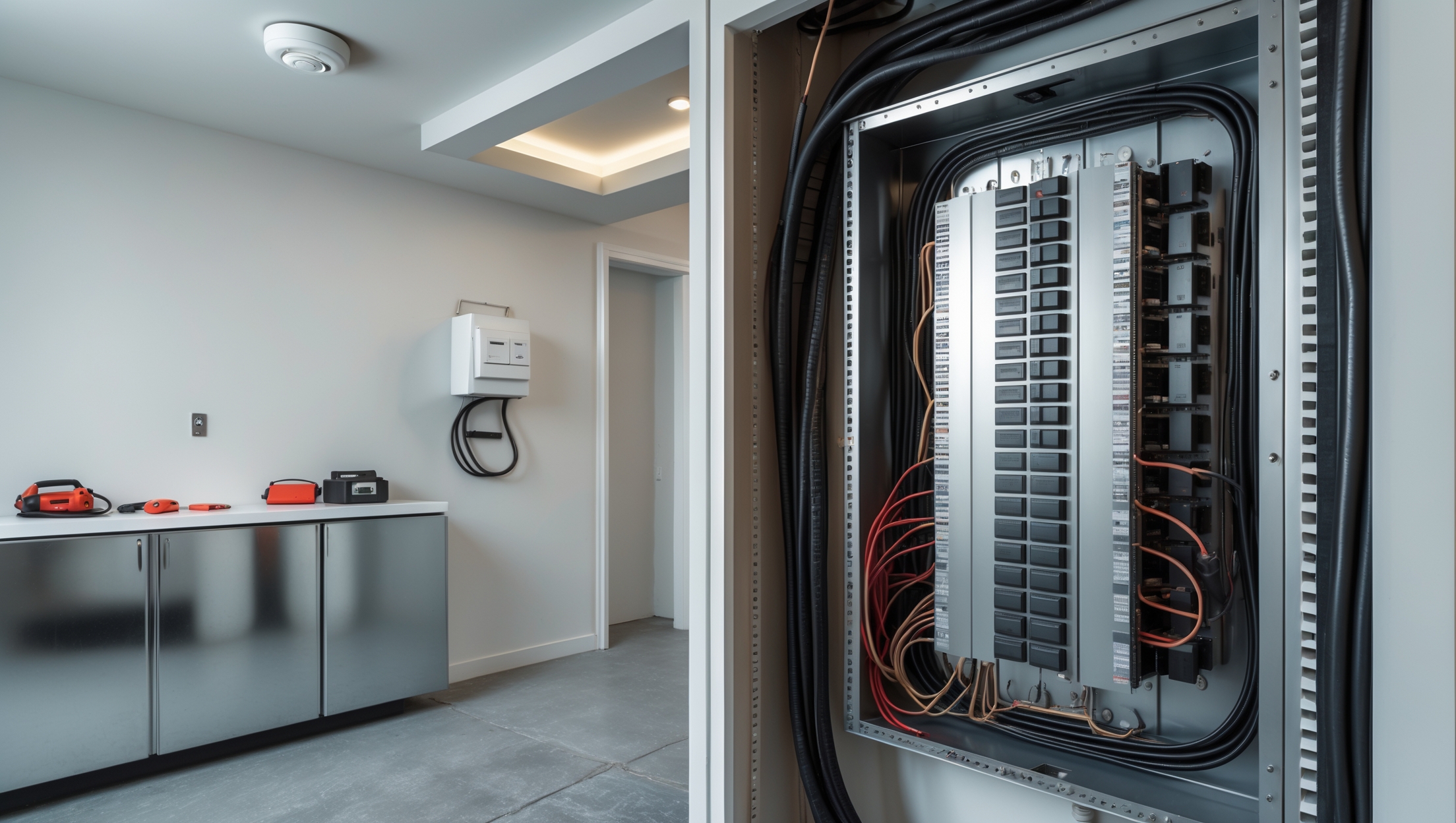
Introduction: Understanding the Threat of Electrical Fires
Electrical fires remain a leading cause of residential damage, injuries, and fatalities worldwide. While most homeowners are aware of obvious hazards like frayed cords or overloaded outlets, the majority of electrical fire risks lurk out of sight—in walls, attics, and even the main service panel. Each year, thousands of families are impacted by preventable electrical fires, which can start silently and escalate rapidly. Understanding the primary risk factors and implementing proven safety tactics is not only critical for protecting your property, but for safeguarding your loved ones as well.
This comprehensive guide delves into the most common causes of electrical fires in modern homes, highlights hidden dangers often overlooked by DIYers and experienced homeowners alike, and provides actionable strategies for prevention. Whether you’re a first-time homeowner, a renovator, or simply proactive about safety, you’ll discover expert-backed advice, essential maintenance routines, and simple upgrades that can dramatically reduce your fire risk.
Common Causes of Electrical Fires in Homes
1. Faulty Wiring and Connections
Wiring issues are the number one cause of residential electrical fires. Over time, wires can deteriorate, connections can loosen, and insulation can become brittle. Common wiring hazards include:
- Loose connections in outlets, switches, or junction boxes, causing arcing and overheating.
- Aluminum wiring in older homes, which is prone to oxidation and poor connections.
- Improper DIY repairs using undersized or mismatched wires.
- Rodent damage, with gnawed insulation exposing bare conductors.
2. Overloaded Circuits and Outlets
Plugging too many devices into a single outlet or circuit can exceed its safe capacity. This causes excessive heat buildup, which may ignite nearby materials. Signs of overload include frequently tripped breakers, warm outlets, and flickering lights.
3. Aging or Defective Electrical Panels
Old or faulty breaker panels can fail to trip during a fault, allowing dangerous currents to continue unchecked. Certain brands and models—such as Federal Pacific or Zinsco panels—are notorious for failing safety standards and should be replaced immediately.
4. Misused Extension Cords and Power Strips
Extension cords are designed for temporary use. Running them under carpets, daisy-chaining multiple strips, or using indoor-rated cords outdoors are all high-risk practices. Cheap, unlisted power strips are particularly prone to overheating.
5. Appliances and Portable Heaters
Older appliances can develop internal wiring faults, while portable heaters can overload circuits or ignite flammable items nearby. Always check that appliances bear a recognized safety certification and are plugged directly into wall outlets.
6. Light Fixtures and Bulb Wattage
Installing bulbs with a higher wattage than the fixture is rated for causes excess heat and can melt wiring insulation, significantly increasing fire risk.
Identifying Hidden Electrical Fire Hazards
1. Warning Signs of Trouble
- Discoloration or scorch marks around outlets and switches.
- Buzzing, sizzling, or crackling sounds from fixtures, panels, or outlets.
- Frequent circuit breaker trips or blown fuses.
- Burning smells that aren’t linked to cooking or obvious sources.
- Lights that dim or flicker when appliances start.
2. Areas at Highest Risk
- Attics and crawlspaces: Exposed wiring, rodent activity, or insulation in contact with wires.
- Kitchens and bathrooms: High moisture levels can accelerate corrosion and degrade connections.
- Basements and utility rooms: Main panels, junction boxes, and high-capacity appliances.
Essential Electrical Fire Prevention Tactics
1. Schedule Regular Professional Inspections
An electrical inspection by a licensed electrician every 5–10 years (or after major renovations) is the gold standard for fire prevention. They’ll identify outdated wiring, overloaded circuits, defective panels, and hidden code violations.
2. Upgrade Outdated Components
- Replace aluminum wiring or use approved connectors (COPALUM crimps or AlumiConn lugs) for safer connections.
- Install AFCI breakers (Arc Fault Circuit Interrupters) to detect and stop arcing faults before they cause fires.
- Replace recalled or obsolete panels and breakers.
- Switch to tamper-resistant outlets, especially in homes with children.
3. Practice Safe Usage Habits
- Never overload outlets or use extension cords as permanent wiring.
- Plug high-wattage appliances (microwaves, heaters) directly into dedicated outlets.
- Keep cords visible—never run them under rugs, carpets, or doors.
- Check that all appliances and extension cords are UL-listed or bear another recognized safety mark.
- Unplug small appliances when not in use, especially toasters, irons, and coffee makers.
4. Install and Maintain Smoke Alarms
Early detection saves lives. Install smoke alarms inside every bedroom, outside sleeping areas, and on every level of the home. Test alarms monthly and replace batteries at least once a year. For added protection, install interconnected alarms and consider models with built-in carbon monoxide detection.
5. Ensure Proper Lighting Fixture Usage
- Use bulbs that match fixture wattage ratings.
- Replace cracked or damaged light sockets and fixtures.
- Avoid paper or fabric shades near incandescent bulbs.
6. Install Ground Fault and Arc Fault Protection
GFCI (Ground Fault Circuit Interrupter) outlets are critical in wet locations, while AFCIs prevent fires caused by arcing in bedrooms, living rooms, and other habitable spaces. Modern codes require both in new homes, but upgrading older homes is a top safety investment.
Seasonal Electrical Safety Maintenance Checklist
Spring and Summer
- Check outdoor outlets and extension cords for weather damage.
- Inspect attic and crawlspace wiring for rodent damage or water intrusion.
- Test smoke and CO alarms before vacation season.
Autumn
- Inspect portable heaters and ensure they’re plugged directly into wall outlets.
- Schedule a professional electrical inspection before winter heating loads increase.
Winter
- Check for overloaded circuits, especially with holiday lights and space heaters.
- Ensure all outdoor lighting is rated for wet locations.
- Replace any frayed cords immediately.
Case Study: How One Homeowner Prevented Disaster
After noticing occasional flickering lights and a faint burning odor in his 1970s home, one homeowner scheduled a routine inspection with a licensed electrician. The inspection revealed a severely corroded main panel and several outlets with loose, arcing connections. The electrician upgraded the panel, replaced hazardous outlets, and installed AFCI breakers throughout the house. The minor investment not only prevented a likely fire but also lowered the homeowner’s insurance premium and provided peace of mind.
Insurance and Compliance: Protecting Your Investment
1. Insurance Requirements
Most homeowner insurance policies require compliance with local electrical codes and may deny claims if an electrical fire is traced to unpermitted work or outdated systems. Upgrading wiring, panels, and safety devices can reduce premiums and ensure coverage in the event of a disaster.
2. Permits and Inspections
Always obtain the necessary permits for electrical upgrades or repairs. This ensures work is inspected, meets code, and is covered by insurance. DIY electrical work without permits is not only illegal in many jurisdictions but puts your home and family at risk.
What To Do If You Suspect an Electrical Fire Risk
- Turn off power to the affected area at the breaker panel.
- Contact a licensed electrician for an immediate inspection.
- If you detect burning smells or see smoke, evacuate and call 911.
- Do not use water on electrical fires; use a Class C fire extinguisher if safe to do so.
Conclusion: Make Electrical Fire Prevention a Priority
Electrical fires are a silent but deadly threat to every home—often starting invisibly and escalating before traditional smoke alarms sound. But with a combination of proactive maintenance, informed upgrades, and smart usage habits, the vast majority of these fires are entirely preventable. Don’t wait for warning signs to take action: schedule regular electrical inspections, upgrade outdated components, and educate your household about the dangers of overloading circuits and misusing extension cords. Small investments now can prevent devastating losses in the future.
Remember, fire prevention is not a one-time task but an ongoing commitment. Seasonal safety checks, routine testing of alarms, and awareness of the latest safety devices like AFCIs and GFCIs are all crucial steps. If you’re ever unsure about the safety of your home’s electrical system, consult a licensed professional. By prioritizing electrical fire prevention today, you secure your family’s comfort, your property’s value, and your peace of mind for years to come.
The article mentions aluminum wiring in older homes as a risk factor. Are there safe and cost-effective ways to upgrade or mitigate the fire hazards associated with aluminum wiring without doing a complete rewire?
Yes, there are ways to improve safety without a full rewire. One common method is using COPALUM or AlumiConn connectors, which allow copper pigtails to be attached at outlets and switches, minimizing the risk of hazardous connections. It’s important to hire a licensed electrician experienced with aluminum wiring for these upgrades to ensure everything is installed safely and up to code.
The article mentions that aluminum wiring in older homes can be a particular fire risk. If I suspect my house has aluminum wiring, what is the safest way to confirm this and what are the best options for making it safer without a major renovation?
If you think your house might have aluminum wiring, the safest way to confirm is to hire a licensed electrician who can inspect your electrical system—this avoids the risks of checking yourself. To improve safety without a full renovation, options include having an electrician install approved connectors (like COPALUM crimps or AlumiConn connectors) at outlets and switches, which minimize fire risk by improving the wire connections. Regular inspections are also important to catch any signs of trouble early.
You talk about overloaded circuits leading to fire hazards. Are there affordable ways for a family on a budget to monitor or prevent overloads besides just being careful not to plug in too many devices?
Absolutely, there are budget-friendly options to help prevent overloaded circuits. One approach is to use power strips with built-in circuit breakers, which trip if too much current is drawn. You can also label outlets and keep track of what’s plugged in, especially major appliances. Checking for warm or discolored outlets during routine cleaning is a simple way to catch problems early without extra cost.
Can you explain how to tell if the wiring in my home is aluminum or copper, especially since the article mentions aluminum wiring in older homes as a major risk? Is there a safe way for a homeowner to check this without opening up walls?
You can often check your home’s wiring by looking at exposed wires in places like the basement, attic, or electrical panel. Aluminum wires are usually labeled with ‘AL’ or ‘Aluminum’ on the insulation, while copper wires may have ‘CU’ or ‘Copper.’ If you’re unsure or uncomfortable, it’s safest to have a licensed electrician inspect your wiring, as working near electrical panels can be hazardous.
When you talk about rodent damage to insulation, what are some signs that might indicate this kind of hidden wiring issue inside walls or attics? I’m not sure what to look for other than visible chew marks.
Besides chew marks, signs of rodent damage to wiring inside walls or attics can include unusual electrical problems like flickering lights, frequently tripping breakers, or outlets that stop working. You might also notice a burning or musty odor, scratching noises in the walls, or small bits of insulation or droppings near electrical panels. If you suspect hidden damage, consider a professional inspection.
I noticed you discussed overloaded circuits as a frequent cause of electrical fires. Are there certain signs or symptoms homeowners should watch for that might indicate an overloaded circuit before it gets dangerous, aside from tripped breakers or flickering lights?
Absolutely, there are subtle warning signs of overloaded circuits that go beyond tripped breakers and flickering lights. Homeowners should watch for warm or discolored wall plates, a persistent buzzing or crackling sound from outlets, or a faint burning smell near electrical sources. Outlets or switches that are hot to the touch are also red flags. If you notice any of these issues, it’s best to unplug devices from the affected circuit and consult a qualified electrician promptly.
I noticed you pointed out overloaded circuits as a significant risk, and my business uses a lot of electronics in a pretty small space. Can you suggest any practical steps or devices I can use to prevent overloading, especially if rewiring isn’t immediately in the budget?
Absolutely, there are several ways to prevent circuit overloads in your situation. First, use high-quality surge protectors with built-in circuit breakers for your electronics, and make sure not to daisy-chain power strips. Consider plugging major equipment directly into wall outlets. Label your devices and stagger their use when possible to spread out the electrical load. If you notice breakers tripping often or outlets getting warm, reduce the number of devices and consult an electrician for a safety check even if rewiring isn’t planned yet.
You mentioned that overloading outlets is a major fire hazard, and I’ve got a few rooms with power strips running a lot of devices. How do I figure out if I’m close to the safe capacity for a given outlet or circuit before I start tripping breakers or risk overheating?
To check if you’re near the safe capacity, add up the wattage of all devices plugged into a single power strip or outlet. Most standard household circuits in the US are rated for 15 or 20 amps. For a 15-amp circuit at 120 volts, that’s a maximum of 1,800 watts; for 20 amps, it’s 2,400 watts. Staying under 80% of that (about 1,440 or 1,920 watts) is safer. If you’re often near that limit, consider spreading devices across different outlets or circuits.
You mention that overloading outlets can cause excessive heat and even fires, but modern homes seem to have more devices than ever. Are there safe power strip options or circuit upgrades you recommend for families with lots of electronics, especially in older houses?
Absolutely, for homes with many devices, using UL-listed power strips with built-in surge protection and automatic shut-off is much safer than cheap or unbranded alternatives. In older houses, it’s also wise to consult an electrician about adding extra circuits or upgrading to arc-fault circuit interrupters (AFCIs), which better handle modern loads and reduce fire risks. Avoid daisy-chaining power strips, and try to distribute high-wattage devices across different outlets.
Could you explain a bit more about the specific risks associated with aluminum wiring that you mentioned? Is it something that should always be replaced, or are there safer ways to maintain aluminum wiring in older homes?
Aluminum wiring can pose risks because it expands and contracts more than copper, which may cause loose connections that overheat and lead to fires. While full replacement with copper is the safest option, it’s not always necessary. Certified electricians can install special connectors, like AlumiConn or Copalum crimps, to improve safety at connection points. Regular inspections and proper maintenance are key if you decide to keep aluminum wiring.
When it comes to identifying faulty wiring behind walls, are there practical signs or DIY tools homeowners can use before calling in a professional electrician, especially in older houses with aluminum wiring?
Homeowners can watch for signs like frequent circuit breaker trips, flickering lights, warm or discolored outlets and switches, or a persistent burning smell. For DIY tools, a non-contact voltage tester can help check for live wires, and an outlet tester can reveal wiring issues. However, with older aluminum wiring, extra caution is needed since it can be a fire risk—if you notice any warning signs, it’s safest to consult a licensed electrician.
The article mentions that aluminum wiring in older homes is particularly risky because it’s more likely to oxidize and have poor connections. How can I tell if my house has aluminum wiring, and is it something I can inspect myself or do I need a professional to check?
You can sometimes check for aluminum wiring by looking at exposed wires in areas like the attic, basement, or electrical panel. The wires may be labeled ‘AL’ or ‘Aluminum.’ However, working inside electrical panels can be dangerous, and some signs may be hard to spot without experience. For safety and accuracy, it’s best to have a licensed electrician inspect your wiring and advise on any necessary upgrades.
I noticed you mentioned that aluminum wiring in older homes can be risky because it oxidizes and leads to poor connections. If I find aluminum wiring in my house, what’s the safest way for a beginner to address it, and does it always have to be replaced or are there safer workarounds?
If you find aluminum wiring in your home, it’s safest not to try DIY fixes since improper handling can increase fire risk. You don’t always have to replace all the wiring—licensed electricians can install special connectors (called COPALUM crimps or AlumiConn connectors) that reduce risk without full replacement. Have a professional inspect the wiring to recommend the best option for your home’s safety.
Regarding loose connections in outlets and switches, how often should a homeowner have their wiring inspected by a professional? Is there a specific maintenance schedule you recommend, or warning signs beyond warm outlets and flickering lights that people should watch for?
Homeowners should generally have their electrical systems professionally inspected every 3 to 5 years, or sooner if the home is older or has had renovations. Beyond warm outlets and flickering lights, watch for buzzing sounds, burning smells, discolored wall plates, or outlets that feel loose. If you notice any of these signs or frequent breaker trips, schedule an inspection as soon as possible.
You mentioned that aluminum wiring in older homes is prone to oxidation and poor connections. If a homeowner suspects their house might have aluminum wiring, what are the safest first steps to take, and is full replacement always necessary?
If you suspect your home has aluminum wiring, it’s best to contact a licensed electrician for an inspection. They can confirm the type of wiring and check for any hazards. Full replacement isn’t always required—there are approved repair methods, such as using special connectors to improve safety at outlets and switches. Your electrician can recommend the safest and most cost-effective solution based on your home’s condition.
Are there affordable ways to prevent rodents from damaging my home’s electrical wiring, or is this something that always needs a professional to handle? I’m trying to figure out how to take some preventative steps myself.
You can take some effective, budget-friendly steps to protect your home’s wiring from rodents. Start by sealing up any gaps or holes around your foundation, walls, and entry points with steel wool or caulk. Keep your attic, basement, and storage areas tidy to make them less attractive to pests. Using rodent deterrents like peppermint oil or ultrasonic devices can also help. While these steps are useful for prevention, if you suspect an active infestation or existing wire damage, it’s safest to consult a professional.
I’m curious, the article mentions that aluminum wiring in older homes is especially risky. For someone who suspects their home might have aluminum wiring, what are the safest first steps to confirm this and address it? Is this typically something a general electrician can handle, or should a specialist be consulted?
If you suspect your home has aluminum wiring, the safest first step is to contact a licensed electrician for an inspection. Most general electricians are qualified to identify aluminum wiring and assess its condition. If problems are found, such as outdated connections or signs of overheating, the electrician can recommend solutions or refer you to a specialist if needed. Avoid inspecting wiring yourself to reduce risk of shock or damage.
I see that improper DIY repairs are a common fire hazard, especially with mismatched wires. Are there any basic electrical safety upgrades or maintenance tasks that are safe and cost-effective for a homeowner to do themselves, or is it always better to hire a pro for anything beyond changing a bulb?
Homeowners can safely handle simple tasks like replacing light bulbs, installing outlet covers, or testing and replacing batteries in smoke detectors. It’s also safe to reset tripped circuit breakers and use plug-in outlet testers to check for basic wiring issues. For anything involving wire connections, outlets, or new installations, though, it’s much safer to hire a qualified electrician. This helps prevent mistakes that could cause electrical fires.