

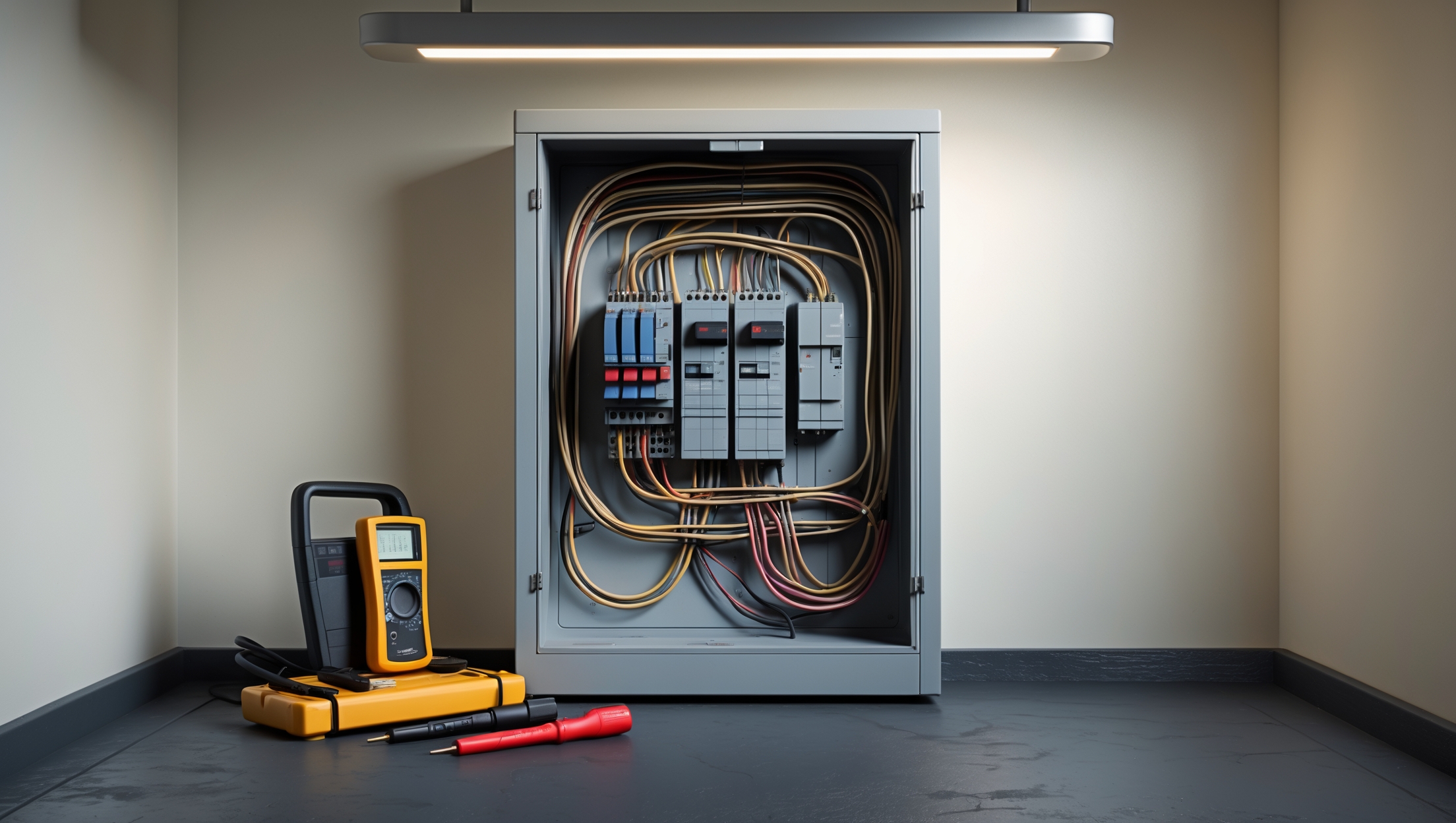
Introduction: The Frustration—and Danger—of Recurring Circuit Breaker Trips
Circuit breakers are vital sentinels in your home’s electrical system, designed to protect you from the hazards of overloaded circuits, short circuits, and ground faults. If you’ve ever experienced the annoyance of a room suddenly losing power—only to find the culprit is a tripped breaker—you’re not alone. While an occasional trip should be investigated, frequent or recurring trips are a red flag that deserves immediate attention. Ignoring this issue isn’t just inconvenient; it can signal underlying problems that risk property damage, electrical fires, or injury. Yet, many homeowners are unsure how to pinpoint the root cause, what steps to safely resolve the problem, or how to prevent it from happening again. This comprehensive guide will empower you to confidently diagnose, troubleshoot, and prevent recurring circuit breaker tripping. We’ll break down the common causes, show you the tools and methods professionals use, and offer actionable strategies to safeguard your home for the long term.
Understanding Circuit Breakers: Why They Trip
The Protective Role of Circuit Breakers
Circuit breakers are designed to interrupt the flow of electricity when they detect conditions that could cause damage or danger. This includes:
- Overloads: When a circuit is asked to carry more current than it’s rated for, usually because too many devices are plugged in.
- Short Circuits: When a hot wire touches another hot or neutral wire, creating a dangerous surge.
- Ground Faults: When a hot wire touches a ground wire or grounded surface, risking shock.
Understanding which scenario is occurring is crucial for safe and effective troubleshooting.
Symptoms of a Recurring Trip
Common signs that you’re facing more than a one-off occurrence include:
- The same breaker trips repeatedly, sometimes immediately after being reset.
- Loss of power in the same room or area, often when using specific appliances.
- Visible signs of damage—scorch marks, melted insulation, or burning smells near outlets or the breaker panel.
Safety First: Preparing to Diagnose Electrical Issues
When to Call a Professional
While many causes of breaker tripping can be safely investigated by a cautious homeowner, some situations require immediate expert intervention:
- Scorching, smoke, or a burning smell from the panel or outlets
- Repeated tripping even after unplugging all devices
- Visible damage to wiring or the breaker panel
If you encounter any of these, stop immediately and consult a licensed electrician.
Essential Safety Tools & Equipment
Before starting any diagnostic work, gather these essentials:
- Non-contact voltage tester: For checking live wires safely
- Multimeter: To measure voltage, resistance, and continuity
- Insulated screwdrivers and pliers: For safe removal of panel covers or outlets
- Flashlight or headlamp: Good lighting is critical inside breaker panels
- Personal protective equipment: Safety glasses, gloves, and rubber-soled shoes
Step-by-Step Diagnostic Approach
Step 1: Identify the Circuit and Its Load
Start by determining which rooms, outlets, or appliances are affected. Check your panel’s labeling, or methodically test outlets and switches to map the circuit. Make a list of all devices connected to the circuit.
Step 2: Check for Overloaded Circuits
This is the most common cause of breaker tripping. Calculate the total wattage of all devices on the circuit. Compare this to the breaker’s rated amperage (usually 15A or 20A). As a general rule:
- 15-amp circuit: Maximum 1,440 watts (at 120V)
- 20-amp circuit: Maximum 1,920 watts (at 120V)
If your total exceeds these numbers, redistribute devices to other circuits or unplug unnecessary items. Large appliances (microwaves, space heaters, air conditioners) should be on dedicated circuits.
Step 3: Inspect for Short Circuits
Short circuits can be caused by damaged wires, loose connections, or faulty outlets. Signs include:
- Breakers that trip instantly upon reset
- Visible wire damage or scorch marks
Turn off the breaker. Remove outlet and switch covers in the affected area and inspect for loose wires, blackening, or melted insulation. Use a multimeter to check for continuity between hot and neutral/ground when the breaker is off—there should be no continuity.
Step 4: Test for Ground Faults
Ground faults are especially common in wet areas (kitchen, bathroom, laundry). GFCI outlets may trip as well. Check for:
- Any appliance or cord with water exposure or visible damage
- Outlets that buzz, spark, or feel warm
Unplug all devices and reset the breaker. If the breaker holds, plug in devices one by one to isolate the culprit.
Step 5: Evaluate Breaker Condition and Panel Health
Older or faulty breakers can become over-sensitive or fail to reset. Signs of a failing breaker:
- The switch feels loose or does not click firmly
- It trips even with zero load
- Visible corrosion or wear on the breaker terminals
If you suspect a faulty breaker, have a professional replace it promptly.
Pinpointing Specific Causes: Scenarios and Solutions
1. Too Many Devices or High-Wattage Appliances
Scenario: You notice trips mainly when running multiple devices, or when a microwave, toaster, or portable heater is in use.
Solution: Reallocate high-wattage appliances to dedicated circuits. Avoid power strips loaded with multiple devices. Consider having an electrician add new circuits for kitchen or entertainment areas if needed.
2. Faulty Outlets, Switches, or Wiring
Scenario: Breaker trips even with minimal load, or outlets are hot, discolored, or make crackling noises.
Solution: Replace damaged outlets and switches. If wiring is old (cloth-insulated, brittle, or aluminum), consider a professional inspection and rewiring. Secure all connections tightly and ensure proper grounding.
3. Appliance Malfunctions
Scenario: Breaker trips only when a specific appliance is plugged in or turned on.
Solution: Unplug the suspect appliance and reset the breaker. If the breaker holds, the appliance is likely faulty—have it serviced or replaced. Check cords for nicks, exposed wires, or loose plugs.
4. Environmental Factors (Moisture, Rodents, Corrosion)
Scenario: Tripping occurs more frequently in damp weather, in basements, or after recent water leaks. Or, evidence of rodents chewing wires.
Solution: Address any leaks or moisture intrusion. Replace any wiring showing signs of rodent damage or corrosion. Install weather-resistant outlets or covers in vulnerable areas.
5. Panel or Breaker Capacity Limitations
Scenario: Your home has an older panel (60-100 amps), but you’ve added new appliances, EV chargers, or HVAC systems.
Solution: Consult an electrician about upgrading your main panel. Modern homes typically require 150-200 amp service. Overloaded main panels risk system-wide outages and fire hazards.
Preventing Future Breaker Trips: Best Practices
Regular Maintenance and Inspections
- Test all circuits and GFCI/AFCI outlets monthly.
- Visually inspect your breaker panel for corrosion, loose screws, or dust buildup twice a year.
- Schedule professional electrical inspections every 3-5 years, or before major renovations.
Smart Load Management
- Distribute devices and appliances across multiple circuits, avoiding daisy-chained power strips.
- Label your breaker panel accurately for quick troubleshooting.
- Consider smart plugs or home energy monitors to track usage and spot overloads early.
Upgrade Aging Infrastructure
- If your home is over 30 years old, have wiring and panels evaluated for safety and code compliance.
- Replace aluminum wiring with copper where possible, or install approved connectors.
- Install arc-fault (AFCI) and ground-fault (GFCI) protection in all required areas.
Educate Household Members
- Teach everyone how to reset breakers and recognize the signs of electrical problems.
- Discourage overuse of extension cords and multi-outlet adapters.
- Post a quick-reference safety checklist near your panel.
When to Upgrade: Signs Your Electrical System Needs Help
If you’re experiencing ongoing breaker trips, especially after ruling out basic overloads, your system may be undersized for modern living. Key indicators:
- Frequent trips across multiple circuits
- Flickering lights, even after replacing bulbs
- Breaker panel is warm to the touch
- Noisy (buzzing or crackling) sounds from the panel
- Two-prong outlets or visible fuse boxes
Modernizing your system isn’t just safer—it also supports expanding technology use, from home offices to EV charging.
DIY vs. Professional Help: Understanding Your Limits
While many breaker issues stem from overloads or faulty appliances—which you can identify and address—some problems are best left to the pros:
- Upgrading panels or circuits
- Replacing breakers or rewiring outlets
- Investigating persistent or unexplained tripping
Working inside the breaker panel or on hidden wiring poses significant risk of shock or fire. If you’re ever in doubt, prioritize safety and call a licensed electrician.
Conclusion: Creating a Safer, More Reliable Home Electrical System
Recurring circuit breaker trips are much more than a nuisance—they’re a warning sign that something in your home’s electrical system requires attention. By methodically diagnosing the cause—whether it’s an overloaded circuit, faulty appliance, deteriorating wiring, or aging panel—you can resolve immediate hazards and make informed decisions about needed upgrades. Prevention is always better than cure: regular inspections, smart load management, and prompt repairs will ensure your electrical system remains safe, efficient, and ready to meet your family’s needs. Educating everyone in your household about safe electrical practices creates a culture of awareness and caution, reducing the risk of electrical fire or shock. Remember, while a proactive homeowner can solve many issues, recognizing when to call in professional help is an essential part of responsible homeownership. By following the steps and best practices outlined above, you’ll not only stop the frustration of recurring breaker trips but also build a safer, more resilient home—one that’s ready for all the demands of modern living.
Can you clarify how a homeowner would distinguish between a breaker tripping from a simple overload versus a more serious short circuit or ground fault, especially if the symptoms seem similar? Are there specific diagnostic steps or signs to look for before calling an electrician?
You can often tell the cause by observing what happens when the breaker trips. An overload usually occurs when too many devices are running on one circuit and the breaker trips after a short delay. A short circuit or ground fault tends to trip the breaker instantly with a louder click. Before calling an electrician, unplug everything on the circuit and reset the breaker. If it stays on until you plug devices back in, it’s likely an overload. If it trips immediately with nothing plugged in, you may have a short or ground fault and should call a professional.
If the same breaker keeps tripping in my apartment even after unplugging most devices, should I be worried about my wiring, or could it just be a faulty breaker? How do I know whether to call an electrician or just replace the breaker myself?
If the breaker keeps tripping even after you’ve unplugged most devices, it could be due to faulty wiring, a damaged outlet, or an issue with the breaker itself. It’s safest to call a licensed electrician, especially in an apartment, to properly diagnose the cause. Replacing the breaker yourself is not recommended unless you have electrical experience, as improper handling can be dangerous.
The article talks about overloads from too many devices. Are there any affordable tools you recommend for monitoring how much power my appliances are drawing, so I can prevent overloads in the future rather than just reacting to breaker trips?
Yes, there are several budget-friendly devices that can help you monitor your appliance power usage. Plug-in energy meters are a popular choice; you simply plug your appliance into the meter, then plug the meter into the wall outlet. This will show you real-time and cumulative power usage, making it easy to spot which appliances use the most energy and adjust accordingly to prevent overloads.
What tools would you say are essential for a homeowner who wants to safely troubleshoot recurring breaker trips themselves? Is a basic multimeter enough, or are there specialized testers you’d recommend for pinpointing issues like ground faults?
A basic multimeter is helpful for checking voltage and continuity, but for diagnosing specific issues like ground faults or arc faults, consider investing in a dedicated circuit tester or a ground fault circuit interrupter (GFCI) tester. A non-contact voltage tester is also useful for quickly identifying live wires. These tools together give you a safer, more thorough approach to troubleshooting breaker trips at home.
I’m curious about preventative strategies for circuit breaker trips. Beyond just unplugging devices from overloaded circuits, are there longer-term solutions or upgrades that homeowners should consider to minimize the risk of future electrical issues?
Absolutely, there are several long-term strategies homeowners can consider. Upgrading your electrical panel to accommodate higher loads is one option, especially in older homes. Rewiring overloaded circuits and spreading high-demand appliances across multiple circuits can help. Installing arc fault or ground fault circuit interrupters adds another layer of protection. Scheduling regular inspections by a licensed electrician ensures your system stays safe and up to code.
You mentioned using the same room or appliance can trigger recurring trips. How do I figure out if it’s a specific device causing the problem or something wrong with the wiring itself? Is there a safe way to isolate the cause without special tools?
To help identify the cause, unplug all devices in the affected room and reset the breaker. Plug in each appliance one at a time, waiting a few minutes before adding the next. If the breaker trips when a specific device is plugged in, that device may be faulty. If the breaker trips even with all devices unplugged, the wiring or outlet could be the source. For safety, avoid using damaged appliances or outlets and consult an electrician if you’re unsure.
Could you explain what tools are safe and practical for a homeowner to use when diagnosing why a breaker keeps tripping? I know the article mentioned professional methods, but I don’t want to overspend or take risks with electricity. Are there simple options before calling in a pro?
For homeowners, a non-contact voltage tester and a plug-in outlet tester are both safe and affordable tools to start with. You can use them to check for basic wiring issues or overloaded circuits after unplugging all appliances from the affected circuit. Always make sure your hands are dry and never open your electrical panel beyond the breaker switches. If the breaker still trips after unplugging everything, it’s best to consult a licensed electrician.
If a breaker keeps tripping every time I turn on a particular appliance, is that always a sign of a problem with the appliance itself, or could it be a wiring issue in that part of the house?
If a breaker trips every time you use a specific appliance, it could be due to a problem with the appliance, like an internal short or overload. However, it might also indicate an issue with the wiring or outlet on that circuit, such as loose connections or damaged wires. It’s best to try the appliance in a different outlet or circuit. If the problem continues, have both the appliance and the wiring inspected by a qualified electrician.
Could you explain how to distinguish between an overload and a ground fault if the breaker keeps tripping right after I reset it? I noticed you mention both as common causes, but I’m not sure what to look for to tell them apart without special equipment.
If your breaker trips immediately after resetting, try unplugging everything from the affected circuit and reset the breaker again. If it stays on, it was likely an overload—too many devices drawing power. If it still trips with everything unplugged, a ground fault is more likely, possibly from faulty wiring or a damaged outlet. Either way, if you can’t identify the cause safely, it’s a good idea to call an electrician.
What basic tools would you recommend for someone new to troubleshooting to safely check for causes of repeated breaker trips? I want to avoid unnecessary expenses but still make sure my home is safe.
For beginners, a non-contact voltage tester is a safe and affordable tool to check if outlets or wires are live before touching anything. A basic digital multimeter can help measure voltage and check continuity if you’re comfortable learning how. You might also want an outlet tester for quickly spotting wiring problems. Always make sure the power is off before opening panels or outlets, and if you ever feel unsure, consult a licensed electrician.
If the same breaker in my shop keeps tripping every time I run my commercial coffee maker and fridge at once, does that sound like a classic overload problem, or could it be something more serious like a wiring issue?
If your breaker trips whenever you use both the coffee maker and fridge together, it’s most likely an overload issue—the combined power draw is probably more than the breaker can handle. However, if the breaker trips with just one appliance, or you notice burning smells, buzzing, or hot outlets, that could indicate a wiring problem. If in doubt, consult an electrician to be safe.
To troubleshoot a breaker that trips every time I reset it, what basic tools would I need as a homeowner, and are there any simple steps I can safely try before bringing in a professional? I’m new to this and want to avoid making a mistake.
To start, you’ll need a non-contact voltage tester to safely check for live wires, a screwdriver to access outlets or switches, and a flashlight. First, unplug all devices and appliances on the circuit. Try resetting the breaker—if it stays on, plug things back in one at a time to find a possible faulty device. If the breaker trips immediately with everything unplugged, or if you notice burning smells or scorched outlets, stop and call a licensed electrician for safety.
If the same circuit breaker is tripping every time I use a particular appliance, does that typically point to an issue with the appliance itself or the wiring behind the outlet? What would be the safest way to test this before calling an electrician?
If the breaker only trips when you use that specific appliance, it could mean the appliance is faulty or draws more current than the circuit can handle. To test safely, try plugging the appliance into a different outlet on another circuit. If it trips that breaker too, the appliance is likely the issue. If not, the outlet wiring or breaker may be at fault. Avoid repeated testing, and if unsure, consult an electrician to prevent hazards.
If my breaker keeps tripping only when I run a particular kitchen appliance, does that likely point to a problem with the appliance itself or the circuit? Are there safe steps homeowners can take to isolate the issue before scheduling professional repairs?
If your breaker trips only when using a specific appliance, it could be due to a faulty appliance or an overloaded circuit. To isolate the issue, try plugging the appliance into a different outlet on a separate circuit. If the breaker still trips, the appliance may be at fault. If not, your circuit might be overloaded. Avoid using extension cords and never attempt repairs inside the breaker panel. If you’re unsure, it’s best to consult a licensed electrician.
When the same breaker keeps tripping every time you use a certain appliance, do you recommend replacing that breaker first, or is it more likely that the appliance is faulty? I’m curious about how to tell the difference before calling an electrician.
If a breaker trips every time you use a specific appliance, it’s more likely the appliance or its circuit is the problem, not the breaker itself. Try plugging the appliance into a different outlet on another circuit—if it trips that breaker too, the appliance is likely faulty. If the breaker still trips with other devices, the breaker or wiring could be at fault. If you’re unsure, calling a licensed electrician is safest.
If a circuit breaker keeps tripping right after I reset it, how can I tell if I’m dealing with a short circuit versus just an overloaded circuit? The article says it’s important to know which is happening, but I’m not sure how to check safely.
If the breaker trips immediately when you reset it, even with everything unplugged from that circuit, it’s likely a short circuit. If it only trips after plugging things in or during heavy appliance use, it’s probably an overload. To stay safe, always unplug devices before resetting the breaker and avoid opening electrical panels yourself. If the cause isn’t obvious, have a qualified electrician inspect the circuit.
If my circuit breaker keeps tripping right after I reset it, does that mean it is more likely a short circuit or a ground fault instead of just an overload? How would I tell the difference between these problems as a beginner?
If your breaker trips immediately after resetting, it usually points to a short circuit or ground fault rather than a simple overload. An overload builds up over time, while shorts or ground faults cause instant tripping. You can check for signs of burning smells, visible damage, or unplug all devices on that circuit. If it still trips, it’s more likely a wiring issue (short or ground fault). For safety, consider calling a licensed electrician to investigate further.
If a circuit breaker keeps tripping immediately after I reset it, even when I unplug all appliances, does that always point to a wiring issue, or could it still be a faulty breaker itself?
If a circuit breaker trips right away even with all appliances unplugged, it could indicate a wiring issue such as a short circuit or ground fault. However, it’s also possible that the breaker itself is defective and needs replacement. Both situations are possible, so it’s a good idea to have a licensed electrician inspect your panel to determine the exact cause.
If a breaker trips immediately after resetting but only when a certain appliance is plugged in, should I assume the issue is with the appliance itself, or could there still be a wiring problem in the wall? Would you recommend replacing the breaker right away, or is more diagnosis needed first?
If the breaker only trips when a specific appliance is plugged in, the appliance is likely the problem, possibly due to a short or internal fault. However, you can’t fully rule out a wiring issue in that outlet. Replacing the breaker right away isn’t recommended—try testing the appliance in another outlet and see if the breaker still trips. If it does, the appliance is at fault; if not, the wiring could be the issue. More diagnosis is needed before replacing the breaker.
The article talks about using professional tools for diagnosing electrical issues. Are there any affordable or beginner-friendly tools I could use as a student renting an apartment, or is it always best to call in a professional even for minor recurring breaker trips?
If you’re a student renting an apartment, you can use beginner-friendly tools like a basic plug-in outlet tester or a non-contact voltage tester—both are affordable and safe for simple checks, like testing outlets or identifying dead circuits. For persistent or unclear breaker trips, however, it’s still safest to contact your landlord or a licensed electrician, since working inside electrical panels can be dangerous and may violate rental agreements.
Is it common for specific appliances to cause repeated breaker trips, or does that usually mean there’s something wrong with the wiring itself? I’m trying to figure out if replacing an old microwave could actually fix the tripping issue, or if it’s more likely a sign of an underlying electrical problem.
It’s not unusual for certain appliances, like an old microwave, to repeatedly trip a breaker—especially if the appliance is faulty or drawing more current than the circuit can handle. However, repeated tripping can also point to wiring issues or an overloaded circuit. If the problem started after using the microwave, replacing it might help. If tripping continues with other appliances, it’s wise to have the wiring or breaker inspected by an electrician.
If I notice that my breaker trips mainly when running a certain appliance, like a space heater or microwave, is that usually an overload, or could it be masking a more serious issue like a short circuit or ground fault? How should I tell the difference in a real-world setting?
If your breaker trips mainly when using a high-wattage appliance like a space heater or microwave, it’s often due to circuit overload—too much current for that breaker. However, a short circuit or ground fault can also cause tripping and are more serious. Overloads usually happen only when that appliance runs alongside others. Short circuits or ground faults often trip the breaker instantly, even alone. If the breaker trips immediately when the appliance is turned on, unplug it and consult an electrician to be safe.
As a business owner, I sometimes have multiple pieces of equipment running in my office, and I’ve noticed a particular breaker trips only when certain machines are used together. How do I tell if it’s an overload versus a wiring issue causing this recurring trip?
If the breaker only trips when specific machines run together, it’s likely an overload—too much current is being drawn through that circuit. Try running each machine separately and in different combinations. If the breaker trips with high loads, it’s overload; if it trips even with moderate use or only one machine, there could be a wiring issue. For persistent problems, having an electrician inspect the wiring and load capacity is a wise step.
I have a small bakery and lately one of our circuit breakers keeps tripping, especially when we run the ovens and mixers at the same time. Based on what the article says about overloads, how do I figure out if that’s the issue or if there’s a more serious problem?
Since your breaker trips when using ovens and mixers together, it’s possible you’re overloading the circuit, as described in the article. To check, add up the wattage of both appliances and see if it exceeds the breaker’s capacity, usually labeled in amps on the panel. If the total load is too high, try running them on separate circuits. However, if the breaker trips with just one appliance or at random, there could be a wiring or equipment issue, and an electrician should inspect it.
I’m concerned about minimizing downtime in my store if an electrical issue comes up. Based on your troubleshooting advice, which diagnostic tools would you recommend for a layperson to safely check for ground faults or short circuits, without a big investment?
A basic outlet tester or a non-contact voltage tester are two affordable and user-friendly tools that can help you quickly check for wiring issues, ground faults, or loss of power at outlets. For a bit more diagnostic ability, a digital multimeter is still quite inexpensive and lets you safely check for voltage, continuity, and basic faults. Always follow manufacturer instructions and avoid inspecting inside electrical panels unless you have proper training.
If a breaker keeps tripping immediately after being reset, and unplugging appliances hasn’t helped, what should be my next step before calling an electrician? Is it safe to inspect the breaker panel myself, or is there a risk of worsening the problem?
If the breaker trips immediately even after unplugging appliances, the issue may be with the breaker itself, the wiring, or a fault in a fixed connection in the circuit. It’s best not to open the breaker panel or attempt repairs yourself, as that can be dangerous and possibly worsen the problem. At this point, it’s safest to turn off the breaker and contact a licensed electrician for further diagnosis.
When troubleshooting a breaker that trips repeatedly in the same room, what are the safest first steps to identify whether the issue is with a particular appliance versus something more serious like wiring or the breaker itself?
To safely start, unplug all appliances and devices in the affected room. Then reset the breaker. If it stays on, plug in each appliance one at a time and see if one causes the breaker to trip again. If the breaker trips with nothing plugged in, or trips immediately after resetting, the problem could be with the wiring or the breaker itself, and you should contact a licensed electrician.
I operate a small bakery and the breaker trips every time I run two ovens at once. Are there cost-effective upgrades I should consider, or would moving equipment to different circuits be a better first step?
Running two ovens at once likely exceeds your current circuit’s capacity. Try moving one oven to a different circuit if possible, as this can be a simple and cost-effective fix. If your existing wiring can’t handle the load, upgrading to dedicated circuits for each oven or increasing your bakery’s electrical panel capacity may be necessary. Consulting a licensed electrician can help you determine the safest and most affordable solution.
If my circuit breaker keeps tripping every time I turn on certain equipment in my business, what are some immediate steps I should take to diagnose whether it’s a ground fault or just too many devices on one circuit?
First, unplug all devices on the affected circuit and reset the breaker. Next, plug in and turn on each device one at a time. If the breaker trips when you turn on a specific piece of equipment, there may be a ground fault or device issue. If adding more devices causes the trip, you may be overloading the circuit. For ongoing problems, consult a licensed electrician to check for wiring faults or insufficient circuit capacity.
The article mentions that recurring trips can be a sign of underlying issues like overloads, short circuits, or ground faults. How can a homeowner reliably tell which of these is the cause without professional equipment, and are there any warning signs that distinguish them from each other?
You can often get clues about the cause based on when and how the breaker trips. Overloads usually happen when too many devices are plugged in or used at once on the same circuit. Short circuits often cause a breaker to trip immediately after you turn something on, sometimes with a popping sound or a burning smell. Ground faults are more common in areas with moisture, like kitchens or bathrooms, and may also trip breakers right away. If these signs are unclear or the problem persists, it’s safest to consult an electrician.
If a particular circuit breaker keeps tripping even after I unplug most appliances in that room, could the issue be inside the breaker itself, or should I be looking more towards wiring problems in the walls? How do I distinguish between the two?
If the breaker keeps tripping with most appliances unplugged, both a faulty breaker and wiring issues are possible causes. To distinguish, try swapping the breaker with another of the same rating (if you’re comfortable), or have an electrician test the breaker directly. If the new breaker trips too, wiring or outlet faults are likely. If it doesn’t, the old breaker is probably defective.
The article talks about using professional tools to diagnose issues. For someone on a tight budget, are there any affordable devices or methods you’d recommend for safely checking circuits and preventing frequent trips without hiring an electrician right away?
You can use a basic plug-in outlet tester or a non-contact voltage tester, both of which are quite affordable, to check for simple wiring issues or live wires. A multimeter is another inexpensive tool that helps measure voltage and continuity. Always make sure to turn off the power before inspecting outlets or switches, and if you ever feel unsure, it’s safest to consult an electrician.
If a circuit breaker keeps tripping right after I reset it, is there a safe way to figure out if the cause is an overload versus a short circuit, or do I need to call an electrician immediately in that situation?
If the breaker trips immediately after resetting, that often points to a short circuit rather than just an overload. You can try unplugging all devices on the circuit and then resetting the breaker. If it stays on, an overloaded device may be the issue. If it still trips, it’s safest to call an electrician, as shorts can be dangerous and require professional attention.
If a breaker in a commercial space like mine trips frequently but resets and works for a few hours before tripping again, does that still point to a serious underlying hazard? How urgent is it to call in a professional, and are there temporary steps I can take safely?
Frequent breaker trips, even if it’s resetting for a while, can signal a serious issue like an overloaded circuit or a wiring fault. It’s important to treat this as urgent and contact a licensed electrician soon to avoid fire risks or equipment damage. As a safe temporary measure, unplug or disconnect non-essential devices from that circuit and avoid resetting the breaker repeatedly.
When troubleshooting for short circuits versus ground faults, are there any warning signs or symptoms that can help a homeowner quickly tell the difference before calling a professional? Or is specialized equipment almost always necessary?
There are some basic signs that can help homeowners distinguish between short circuits and ground faults. A short circuit usually causes an immediate and loud breaker trip, possibly accompanied by a burning smell or visible scorch marks. Ground faults may cause intermittent tripping, especially when using appliances in wet areas. However, pinpointing the exact source often requires specialized equipment, so if you’re unsure or it’s a recurring issue, it’s safest to call a professional.
Is there a safe way to test whether a breaker is just old and worn out versus having an actual underlying electrical issue? The guide talks about troubleshooting, but I’m trying to avoid unnecessary costs if possible.
Yes, you can do a basic test: turn off all appliances and unplug devices on the affected circuit, then reset the breaker. If it still trips with nothing connected, the breaker itself may be faulty or worn out. However, if it stays on, the issue likely lies with something plugged in or wiring on the circuit. If you’re not comfortable inspecting further, a qualified electrician can confirm the problem and help avoid unnecessary replacement costs.
If a breaker in my house keeps tripping every time I use my microwave, does that sound like an overload or could it be a short circuit? The article mentions both scenarios, but I’m not sure how to tell the difference.
If your breaker trips every time you use the microwave, it’s most likely an overload. Microwaves draw a lot of power, and if that circuit already supports other devices, it can exceed the breaker’s limit. A short circuit usually causes an immediate, harsh trip—often with a popping sound or possible burning smell. Try unplugging other devices on that circuit and see if the microwave still trips the breaker. If it does, or if you notice burning smells or scorch marks, contact an electrician.
If the same breaker in my office space trips every time certain equipment is running, how urgent is it to get a professional inspection versus just rearranging which outlets we use for those devices? I want to make sure we’re not risking safety or more expensive repairs down the line.
If the same breaker keeps tripping when specific equipment is used, it’s best to have a licensed electrician inspect the issue promptly. This could indicate an overloaded circuit, faulty wiring, or a problem with the equipment itself. Simply moving devices to other outlets might temporarily mask the problem but won’t address underlying safety risks or prevent future damage.
If a circuit breaker keeps tripping only when I run the vacuum cleaner in my living room, does that usually mean the problem is an overload or could it be something more serious like a short circuit? How can I tell the difference myself before calling an electrician?
If your breaker only trips when the vacuum is running, it’s often due to an overload—meaning the circuit can’t handle the vacuum’s power draw, especially if other devices are also plugged in. Try plugging the vacuum into a different outlet on another circuit. If it works fine elsewhere, overload is likely. A short circuit usually trips the breaker instantly, sometimes with a burning smell or visible sparks. If you notice these signs or the breaker trips immediately every time, stop using that outlet and call an electrician.
If I run a bakery from home and notice the same breaker trips every morning when I start all my equipment, could this be just an overload from my appliances, or might there be a deeper wiring problem I should investigate first?
If the breaker trips consistently when you start all your bakery equipment, it’s most likely due to an overload—your appliances might be drawing more power than the circuit can handle. However, it’s also important to rule out wiring issues, especially if the circuit is older or shows signs of wear. Consider having a licensed electrician check both the circuit load and the wiring to ensure safety and avoid future interruptions.
You mention using professional tools and methods to diagnose recurring breaker trips. Are there any budget-friendly tools or tricks that a DIYer like me can use safely to narrow down the possible causes before investing in more expensive equipment?
Absolutely, there are a few budget-friendly tools and safe tricks you can try. A basic outlet tester or voltage tester can help identify wiring issues or bad outlets. You can also unplug all devices on the affected circuit, then plug them back in one by one to see which might be causing the trip. Always be sure to turn off power at the breaker before inspecting outlets or fixtures to stay safe.
You mention that homeowners should use certain tools and methods professionals rely on when troubleshooting recurring trips. What are some safe, beginner-friendly diagnostic tools I could use myself before calling an electrician?
For safe, beginner-friendly troubleshooting, you can use a non-contact voltage tester to check for live wires and a plug-in outlet tester to find wiring problems in outlets. A basic multimeter can help measure voltage or continuity, but always follow the device instructions carefully. Remember to turn off power at the breaker before inspecting outlets or switches, and if you’re ever unsure, it’s safest to consult a professional.
Is there any way to safely troubleshoot ground faults on my own, or is that something only a professional should handle? The guide said ground faults are risky, so I’m worried about trying anything myself.
It’s wise to be cautious—ground faults can be hazardous if not handled properly. While you can do simple checks like unplugging appliances from the affected circuit, anything beyond that, such as opening outlets or panels, should really be left to a licensed electrician. Safety is the top priority, so if you suspect a ground fault, it’s best to have a professional diagnose and resolve it.
How urgent is it to address a breaker that trips just once every week or two, even if things seem to work fine after resetting? Is this kind of infrequent tripping still a sign of a hazard that could lead to electrical fires or damage?
Even infrequent breaker tripping can signal an underlying electrical issue, such as an overloaded circuit or a faulty appliance. While things may seem to work fine after resetting, it’s still important to investigate the cause, as repeated tripping can increase the risk of fire or damage over time. It’s a good idea to consult a licensed electrician to check for hidden problems and ensure your system is safe.
For someone trying to prevent future trips, are there affordable monitoring tools or smart devices you’d recommend that help track circuit loads or warn about potential faults before the breaker actually trips?
There are several affordable smart plugs and energy monitors available that can track the power usage on individual outlets or entire circuits. Devices like energy monitoring smart plugs allow you to see real-time load and historical usage, and some whole-home energy monitors can alert you to unusual consumption patterns. These tools can help you spot overloaded circuits or appliances drawing excessive current before a breaker trips.
The guide references both residential and potentially broader electrical issues. For a retail shop with moderate power needs, are there any preventative upgrades or routine checks you recommend to avoid recurring breaker issues before they become disruptive?
For a retail shop, it’s smart to schedule regular inspections of your electrical panel and breakers, ideally once a year. Make sure connections are tight, breakers aren’t showing wear, and circuits aren’t overloaded—especially if new equipment is added. Upgrading to commercial-grade breakers or adding dedicated circuits for high-draw devices can help prevent nuisance trips. Also, ensure outlets and wiring are in good condition and test ground fault and arc fault devices routinely for reliability.
If a breaker keeps tripping even after unplugging all devices from the affected area, what should be the next immediate step before calling an electrician? Is it safe to try resetting the breaker more than once in this situation?
If the breaker keeps tripping after you’ve unplugged all devices, it’s best not to keep resetting it, as repeated tripping could indicate a wiring fault or a problem with the breaker itself. The safest immediate step is to leave the breaker off and check for any signs of damage, such as burning smells or discoloration at outlets. If everything looks normal, avoid further resets and contact an electrician to investigate.
If I notice that the same breaker trips each time I use certain appliances, is it more likely an issue with the appliance itself or my home’s wiring? How should I go about narrowing down the source before considering a costly electrical upgrade?
If the same breaker trips only when using certain appliances, it could be the appliance drawing too much current or having an internal fault. Try plugging the appliance into a different outlet on another circuit—if the breaker still trips, the appliance is likely the issue. If other devices on the same breaker cause trips, the wiring or circuit may be overloaded. This approach can help you pinpoint the source before calling an electrician.
My shop is in an older building, and one breaker keeps tripping whenever I run the coffee machine and a space heater at the same time. The article mentions overloads, but could wiring age also play a role here, and how do I tell if it’s more than just too many devices?
Wiring age absolutely can contribute to breaker trips, especially in older buildings where insulation may deteriorate or connections can loosen over time. To check if it’s more than just too many devices, look for signs like outlets feeling warm, flickering lights, or a slight burning smell. If you notice any of these or if the breaker trips even with fewer devices, it’s best to have an electrician inspect the wiring for safety.
If a specific breaker keeps tripping right after I reset it, but I’ve unplugged everything in that area, does that point more to a short circuit or a ground fault? What would be the safest way for a homeowner to tell the difference before calling an electrician?
If the breaker trips immediately after resetting, even with everything unplugged, it often suggests a short circuit or ground fault in the wiring or outlets. Distinguishing between the two can be tough without tools, but look for signs: a ground fault breaker (GFCI) usually trips due to moisture or damaged insulation, while a regular breaker with a short may trip instantly with no external cause. For safety, don’t open outlets or panels—note any smells, sparks, or visible damage and call an electrician to investigate further.
When diagnosing trips, are there any budget-friendly tools a homeowner can safely use before bringing in a professional, especially if I’m not very experienced with electrical work? I’d love suggestions that don’t require a steep learning curve.
Absolutely, there are a few budget-friendly tools you can use safely. A basic outlet tester is inexpensive and easy to use for checking wiring and ground faults. A non-contact voltage tester can help you identify live wires without touching anything. Both require minimal expertise—just follow the instructions and never open your breaker panel or touch exposed wires. If the issue persists, it’s best to call a professional.
What tools do professionals usually recommend for safely diagnosing short circuits mentioned in the article? I want to be proactive, but I’m not sure which diagnostics are safe for a small business owner to handle before calling an electrician.
For safe basic diagnostics, professionals usually suggest using a non-contact voltage tester and a digital multimeter. These help check for live wires and measure voltage without direct contact. You can also inspect outlets and panels visually for burn marks or scorch smells. Remember to always turn off power at the breaker before investigating, and if you find damaged wiring or can’t identify the problem, contact a licensed electrician.
You mentioned using certain tools and professional methods to diagnose circuit breaker problems. Are there affordable tools that a cautious homeowner could use for basic troubleshooting, or is this something best left to experts right away?
A cautious homeowner can use some affordable tools for basic troubleshooting. A non-contact voltage tester helps check if wires are live, and a digital multimeter can measure voltage and continuity. These tools are user-friendly for simple checks, like identifying a tripped breaker or a dead outlet. However, if you notice repeated tripping, burnt smells, or have any doubts, it’s safest to call a licensed electrician.
You talk about using professional tools to diagnose recurring trips, but are there any safe, simple checks I can do on my own before calling an electrician? I don’t have fancy equipment, just basic hand tools.
Absolutely, there are a few simple checks you can do safely. First, unplug all devices from the affected circuit and reset the breaker. If it holds, plug in each device one at a time to see if one causes the trip—this helps identify a faulty appliance. Also, inspect outlets and cords for visible damage or scorching. Avoid opening electrical panels or working with wiring unless you’re experienced. If the breaker still trips with everything unplugged, it’s best to call an electrician.
If a breaker keeps tripping immediately after being reset, as described in the symptoms section, what should be the very first step a homeowner takes to safely troubleshoot without risking electrical shock or further damage?
If a breaker trips right after being reset, the safest first step is to leave the breaker off. Then, unplug or switch off every device and appliance on that circuit. Once everything is disconnected, try resetting the breaker. If it still trips, avoid further attempts and call a licensed electrician, as the issue may be a short circuit or wiring fault that needs professional attention.
If a specific appliance seems to trigger the same breaker to trip repeatedly, does that always indicate an issue with the appliance itself or could it still be a sign of a wiring problem in the circuit? I want to be sure before replacing anything.
If the breaker trips every time you use a specific appliance, the problem could be with the appliance itself or with the wiring or outlet it plugs into. It’s a good idea to test the appliance in a different outlet on another circuit. If the breaker still trips, the appliance is likely at fault. If not, the issue may be in the circuit wiring or outlet. Consulting a qualified electrician before replacing anything is the safest approach.
If my circuit breaker keeps tripping as soon as I reset it—even when nothing is plugged into the outlets in that area—does that mean it’s more likely a short circuit or something else? How can I tell the difference between a short and a ground fault as a beginner?
If your breaker trips immediately, even with everything unplugged, it often points to a wiring problem, like a short circuit or ground fault. A short circuit happens when a hot wire touches another hot or neutral wire, while a ground fault is when a hot wire touches the ground. As a beginner, you likely won’t be able to tell the difference without tools, but both are serious safety risks. It’s safest to call an electrician, as they can test the wiring and pinpoint the exact cause.
The article mentions the danger of ignoring frequently tripping breakers. If it takes a few minutes or hours before the breaker trips again after resetting, does that suggest a different problem compared to an immediate trip? What should I specifically look for in each situation as a beginner?
If the breaker trips immediately after resetting, it often points to a direct short circuit or serious wiring fault—this can be dangerous and usually needs urgent professional attention. If it takes minutes or hours, the issue may be an overloaded circuit or a device gradually drawing too much current. For immediate trips, unplug all devices and call an electrician. For delayed trips, note what devices are running when the breaker trips and try unplugging some to see if that changes things.
You mentioned overloaded circuits as a common cause for breaker trips. For a small business like mine that runs several devices on one circuit, is there a practical way to estimate if I’m at risk of overloading before adding another piece of equipment?
To estimate if you’re at risk of overloading a circuit, first check the circuit breaker’s amp rating, usually listed on the breaker itself. Next, add up the wattage of all devices you plan to run simultaneously, then divide that total by your voltage (typically 120V in the US). If the result approaches or exceeds your breaker’s amp rating (for example, 15 or 20 amps), you’re at risk of overloading. Staying below 80% of the breaker’s capacity is a good safety margin.
If a circuit breaker keeps tripping every time I plug in a space heater, does that mean the problem is always an overload, or could it also be a sign of a short circuit or a ground fault? How can I tell which one it is before calling an electrician?
If your circuit breaker trips whenever you plug in a space heater, it could be due to an overload, a short circuit, or a ground fault. Overloads happen if the heater draws more current than the circuit can handle. A short circuit or ground fault, however, usually causes the breaker to trip immediately, sometimes with a popping sound or a burning smell. If unplugging the heater stops the tripping, overload is more likely. If the breaker trips with nothing plugged in, suspect a wiring issue. In either case, exercise caution and consider contacting an electrician if you’re unsure.
I have young kids at home and want to make sure they’re safe, but I also have a tight budget. Are there any affordable steps or basic equipment I can use to prevent or quickly diagnose circuit breaker problems before they become a major issue?
You can install affordable outlet covers to keep kids safe from electrical shocks, and consider using plug-in circuit testers to quickly check if outlets are wired correctly. Regularly check that appliances and cords aren’t damaged, and avoid overloading outlets with too many devices. Labeling your breaker panel also helps you act quickly in case a breaker trips. These steps are budget-friendly and add an extra layer of safety to your home.
I noticed in the article you talked about professionals using specialized tools to diagnose recurring trips. For a homeowner on a budget, are there any affordable tools or basic methods you recommend trying before calling an electrician?
For homeowners, a basic outlet tester or a non-contact voltage tester can be quite affordable and useful for simple checks, like seeing if an outlet is wired correctly or if a circuit is live. You can also unplug devices one by one to see if a certain appliance is causing the trip. However, for anything beyond these basics, it’s safest to involve a professional.
If a breaker keeps tripping as soon as I reset it, is there a safe way for someone with minimal electrical experience to tell if it’s an overload versus a short circuit, without special tools?
If a breaker trips instantly each time you reset it, that’s often a sign of a short circuit. To check for an overload, try unplugging all devices and turning off all lights on that circuit, then reset the breaker. If it still trips with nothing plugged in, it’s likely a short circuit rather than an overload. If you’re unsure or uncomfortable, it’s safest to contact a licensed electrician.
You mention using professional tools for diagnosing the exact cause of breaker trips. What are some affordable tools or methods that a DIY homeowner can safely use to narrow down the root issue in their electrical system?
Homeowners can use a basic non-contact voltage tester to check for power without touching wires, and a plug-in outlet tester to identify wiring faults at outlets. A clamp meter can help check circuit load if you’re comfortable using it. Always turn off power before opening electrical boxes. If breakers trip repeatedly or you find signs of burning or melted insulation, it’s safest to call a licensed electrician.
If a circuit breaker keeps tripping right after I reset it, does that suggest a short circuit every time, or could it still be an overload? What’s the safest way for someone who’s not an electrician to tell the difference before calling for help?
If your breaker trips immediately after resetting, a short circuit is likely, but a severe overload can also cause this. To check safely, unplug or turn off all devices on that circuit, then reset the breaker. If it still trips with nothing plugged in, it’s probably a short. If it stays on, plug devices in one at a time to see if an overload is the issue. If unsure, it’s best to contact a professional.
If a breaker keeps tripping even after I’ve unplugged most things from that circuit, what would be your recommended immediate next step? Are there warning signs that indicate I need to stop troubleshooting myself and call a professional right away?
If your breaker continues to trip after unplugging most devices, turn off and avoid resetting the breaker repeatedly. This could point to a wiring fault or a problem with the breaker itself. Warning signs to call a professional immediately include visible sparks, burning smells, buzzing noises from the panel, or any signs of heat around outlets or the breaker. Safety comes first, so if you notice these, stop troubleshooting and contact a licensed electrician.
The article mentions that frequent trips could be due to either overloads or short circuits, but is there a quick way for a homeowner to distinguish between those two just by observing what happens when the breaker trips, or would I always need a multimeter for that?
You can sometimes tell the difference by what happens before the breaker trips. If the breaker trips when you plug in or turn on a particular appliance, that’s often an overload. If it trips instantly, even with nothing obviously running, a short circuit is more likely. While these clues can help, a multimeter or professional inspection is best for certainty and safety.
If a specific breaker in my apartment keeps tripping every time I run my microwave and toaster at the same time, does that usually mean an overload, or could it be a sign of a wiring problem? How should I prioritize what to check first?
When a breaker trips every time you run your microwave and toaster together, it’s most often due to circuit overload—both appliances draw a lot of power, likely exceeding the breaker’s limit. Start by plugging them into different outlets on separate circuits if possible. If the breaker still trips with just one appliance running, or other unusual symptoms occur, have an electrician check for wiring issues to rule out deeper problems.
If a specific breaker in my shop keeps tripping even after I unplug most of the equipment, does that mean it’s likely a wiring issue rather than just an overload? Are there safe ways I can check before calling an electrician?
If your breaker keeps tripping even after unplugging most equipment, it’s possible there’s a wiring issue, like a short circuit or ground fault, rather than just an overload. You could double-check that nothing is still plugged in or hardwired to the circuit. Also, inspect the outlet and breaker for visible signs of damage or burning. However, avoid opening electrical panels or wiring yourself, as it can be dangerous. If problems persist, it’s safest to contact an electrician.
If a circuit breaker keeps tripping right after resetting, but there are no visible signs of damage to the outlets or appliances, what’s the best way to determine if the cause is a short circuit or a ground fault without specialized equipment?
If the breaker trips instantly after resetting, unplug all devices from the affected circuit and try resetting again. If it still trips, this suggests a wiring issue like a short circuit or ground fault. Without specialized tools, it’s difficult to tell which is the cause, but a short circuit often produces a more abrupt, immediate trip. For safety, avoid further resets and contact a licensed electrician to inspect the wiring.
Are there any affordable tools or methods you’d recommend for a college student to safely diagnose which specific appliance or outlet might be causing a recurring breaker trip?
A simple and budget-friendly way is to unplug all appliances on the circuit and then plug them back in one at a time, checking if the breaker trips after each. A basic outlet tester, which is inexpensive at hardware stores, can help you check for wiring issues at outlets. Always avoid opening electrical panels or outlets yourself; if you’re unsure, ask a qualified electrician for help.
You mention that different issues like overloads, short circuits, and ground faults can all cause breakers to trip. What’s the best way for a homeowner without electrical experience to distinguish between these problems before calling a professional?
Homeowners can look for simple signs to help narrow down the issue. If the breaker trips after plugging in too many devices, it’s likely an overload. If it trips right after turning on a specific appliance, especially with sparks or a burning smell, it could be a short circuit. If water or moisture is involved, a ground fault is possible. In any case, reset the breaker once, and if it keeps tripping, avoid further attempts and call an electrician for safety.
If my circuit breaker keeps tripping every time I use my microwave and toaster at the same time in the kitchen, does that mean I have an overload, or could it be something more serious like a short circuit? How do I figure out which one it is safely?
When your breaker trips while running the microwave and toaster together, it’s most likely due to an overload—both appliances draw a lot of power and may exceed the circuit’s capacity. To check, try running them separately; if the breaker doesn’t trip, overload is likely the issue. A short circuit usually causes immediate tripping, even with just one device plugged in. If you suspect a short or notice burning smells or scorch marks, turn off power at the breaker and consult an electrician for safety.
If a specific breaker in my house keeps tripping every time I run the microwave and toaster in the kitchen, does that always mean an overload, or could it be something more serious like a short or ground fault?
If the breaker trips only when both the microwave and toaster are running, it’s usually an overload, as these appliances draw a lot of power together. However, if the breaker also trips when only one appliance is used or even when nothing is plugged in, it could indicate a short circuit or ground fault, which are more serious issues. If you’re unsure, it’s best to have a qualified electrician inspect the circuit for safety.
If my breaker only trips when running the microwave and toaster at the same time, does that mean I need to upgrade the entire circuit, or would moving one appliance fix the problem? I’m hoping to avoid a big electrician bill if possible.
If your breaker trips only when the microwave and toaster are used together, it likely means both draw more current than the circuit can handle when running simultaneously. You don’t need to upgrade the whole circuit. Try plugging one appliance into a different outlet on a separate circuit. This should prevent tripping, as long as the new outlet is on another breaker.
If my breaker keeps tripping even after I unplug most appliances in the room, does that mean it’s more likely a wiring problem or something with the breaker itself? How can I safely narrow it down before calling an electrician?
If your breaker still trips after unplugging most appliances, it could point to a wiring issue, a faulty outlet, or the breaker itself being defective. To narrow it down, try moving the breaker switch fully off and then back on. If it immediately trips with nothing plugged in, the problem is likely in the wiring or breaker. Avoid opening panels or working inside the box yourself for safety—if it keeps happening, it’s best to call a licensed electrician.
If my breaker keeps tripping whenever I use my microwave and toaster at the same time, does that definitely mean it’s just an overload, or could it be something more serious like a faulty breaker or a wiring issue?
If your breaker trips every time you use your microwave and toaster together, it’s most likely due to an overload, as both appliances draw significant power. However, if the breaker trips even when using them separately or if you notice burning smells, buzzing sounds, or the breaker feels hot, it could indicate a faulty breaker or wiring issue. It’s wise to monitor for these signs and consult an electrician if you suspect a deeper problem.
If the same breaker keeps tripping every time I plug in my vacuum cleaner, does that mean it’s definitely an overload, or could it also be a sign of a wiring problem deeper in the wall?
If your breaker trips every time you use your vacuum cleaner, it could be due to an overload—vacuums often draw a lot of current. However, it might also indicate a wiring issue, such as a loose connection or damaged wire within the circuit. If the vacuum works fine on other outlets or circuits, it’s worth having the wiring checked by an electrician to rule out hidden problems.
You mention that professionals use certain tools and methods to diagnose recurring trips. What are some basic tools a college student could use safely without a lot of experience, and when should you definitely call in a licensed electrician instead?
A college student can safely use basic tools like a plug-in outlet tester to check for wiring issues, a non-contact voltage tester to check if outlets are live, and a flashlight for inspecting the panel. If you notice burning smells, scorch marks, buzzing sounds, or if breakers trip repeatedly with no obvious cause, it’s best to call a licensed electrician for safety.
The article mentions overloaded circuits as a common cause, but how can you tell if the breaker is tripping from an overload versus a short circuit, just by looking at the symptoms or timing? Would the breaker behave differently in each case?
Yes, the symptoms and timing can help you tell the difference. If the breaker trips instantly when you turn on a device or appliance, that’s often a sign of a short circuit. Overloads usually cause the breaker to trip after several minutes or longer, especially when several devices are running. The breaker itself trips the same way, but the speed and circumstances can signal whether it’s an overload or a short.
Is it possible for circuit breakers themselves to go bad and start tripping even if there isn’t an overload or wiring problem? If so, how would you know when to replace the breaker versus looking for an issue elsewhere?
Yes, circuit breakers themselves can wear out or develop faults and start tripping without any obvious overload or wiring problem. Signs a breaker might be bad include frequent tripping with no clear cause, a breaker that feels hot, or one that won’t reset properly. If you’ve ruled out overloaded circuits and wiring issues, replacing the breaker is a reasonable next step.
If a breaker trips instantly after being reset, does that almost always point to a serious short or ground fault, or could it still be something as simple as a faulty breaker itself? How do professionals decide when replacement is needed versus more in-depth troubleshooting?
When a breaker trips immediately after being reset, it most often indicates a significant problem like a short circuit or ground fault, but a faulty breaker is still possible. Professionals usually inspect for signs of shorts or faults first—like burnt smells or visible damage—then test the breaker itself. If the wiring and devices on the circuit check out, replacing the breaker is considered. The process is step-by-step to ensure safety and avoid unnecessary replacements.
The article mentions that frequent breaker trips are a warning sign and not just a minor inconvenience. Is there a safe way for an average homeowner to use any basic tools to check for a ground fault themselves, or is that always a job for a professional?
An average homeowner can use a simple plug-in outlet tester with a GFCI test button to check outlets for ground faults. However, while this can help identify obvious issues, diagnosing and repairing actual ground faults in wiring or circuits should be left to a licensed electrician to ensure safety. If your breaker keeps tripping, it’s best to have a professional inspect your system.
If the same breaker keeps tripping in my house, but it happens only when I use the microwave and toaster at the same time, does that always mean I’m overloading the circuit, or could there be a deeper electrical issue starting to develop?
If your breaker trips only when you use the microwave and toaster together, it’s most likely an overloaded circuit, since both appliances draw a lot of power. However, if the breaker trips with just one of those appliances, or you notice flickering lights, burning smells, or warm outlets, it could signal a deeper electrical issue. If you’re unsure, consider having an electrician inspect the circuit for safety.
When the article talks about using professional tools and methods to track down the cause of recurring trips, does that mean I need to buy expensive equipment? Or are there some basic DIY steps I can try first before considering professional help?
You don’t need to buy expensive equipment right away. There are some basic steps you can try yourself first, like unplugging all devices from the affected circuit, checking for obvious signs of damage, and resetting the breaker. If the problem persists after these steps, that’s when professionals would use specialized tools to diagnose more complex issues.
If I find that the breaker in our back office is tripping due to too many devices, what are some budget-friendly steps I can take to prevent it from happening before investing in a full electrical upgrade?
You can try unplugging or moving some devices to different outlets on separate circuits to balance the load. Using power strips with built-in surge protection can help, but avoid plugging too many high-wattage devices into one outlet. Also, turn off and unplug devices that aren’t always in use. These steps can often reduce tripping without costly upgrades.
If a breaker keeps tripping only when I use a certain appliance, does that always mean the appliance itself is faulty, or could it be a sign the overall circuit is overloaded? How would I tell the difference?
If a breaker trips only when you use a particular appliance, it could mean the appliance is faulty or that the circuit is overloaded. To tell the difference, try plugging the appliance into a different circuit; if it trips there too, the appliance may be the problem. If not, the original circuit might be overloaded by too many devices running at once. Reducing the number of devices on the circuit can help you narrow it down.
If my breaker keeps tripping every time I run the microwave and toaster at the same time, does that mean my kitchen circuit is overloaded, or could it be something more serious like a wiring problem?
If your breaker trips when both the microwave and toaster are running, it’s most likely due to circuit overload. Both appliances draw significant power, and many kitchens have them on the same circuit. However, if the breaker trips even with just one appliance or if you notice burning smells, sparking, or warm outlets, there could be a wiring issue. Otherwise, consider using the appliances separately, or consult an electrician to discuss adding a dedicated circuit.
If a breaker trips immediately after resetting, even when nothing obvious is plugged in, does that more likely indicate a short circuit or a ground fault? How can I distinguish between those two issues before calling in a pro?
If the breaker trips instantly after resetting with no visible load, it’s often due to a short circuit, but a ground fault can also be to blame. A short circuit happens when hot and neutral wires touch, while a ground fault is when a hot wire touches ground. For safety, unplug everything from that circuit, then reset the breaker. If it still trips, there’s likely a wiring issue. Diagnosing further requires a voltage tester or multimeter, but if you’re not comfortable, it’s best to call a licensed electrician.
If a breaker trips immediately after being reset, as you described, does that usually indicate a more urgent electrical fault? I’m wondering how quickly that sort of issue should be addressed to avoid potential hazards or damage.
If a breaker trips right away after being reset, it typically points to a more serious electrical issue, such as a short circuit, ground fault, or a severely overloaded circuit. This kind of problem should be addressed as soon as possible to minimize the risk of fire, electrical shock, or equipment damage. It’s best to stop resetting the breaker and contact a qualified electrician promptly.
When you mention that a breaker may trip immediately after being reset, does that suggest a more serious issue like a short circuit or ground fault versus just an overload? How can a homeowner safely tell the difference without specialized equipment?
If a breaker trips instantly after being reset, it often points to a more urgent problem like a short circuit or ground fault rather than a simple overload. Homeowners can check for obvious issues, such as unplugging all devices from that circuit and seeing if the breaker still trips. If it does, avoid further resets and contact a licensed electrician, since this usually means there’s a wiring fault that needs professional attention.
If a breaker keeps tripping specifically when using a particular appliance, is it more likely the problem is with the appliance itself or the circuit? Do you recommend replacing the appliance first, or should I investigate the wiring and outlets in that area before spending money?
If the breaker only trips when you use that specific appliance, there’s a good chance the appliance could be faulty and causing an overload or short. However, it’s also possible that the circuit is overloaded or there’s an issue with the outlet. Before replacing the appliance, try plugging it into another circuit to see if the problem follows. If it does, the appliance is likely at fault. If not, have an electrician inspect the wiring and outlets first.
I’m a bit worried about safety while troubleshooting this. Are there any specific tools you recommend for a beginner to safely check for ground faults or short circuits without risking a shock?
When checking for ground faults or short circuits, use a non-contact voltage tester and a plug-in outlet tester. Both are beginner-friendly and let you detect live wires or wiring problems without touching anything directly. Always turn off the circuit at the breaker before working, and never open electrical panels unless you’re confident and it’s safe. If you’re unsure, having an electrician inspect it is the safest option.
You mention that frequent trips are a red flag and shouldn’t be ignored—at what point should a homeowner stop investigating on their own and call in a licensed electrician for further troubleshooting?
If your circuit breaker trips repeatedly even after you’ve unplugged devices or reset the breaker, it’s wise to call a licensed electrician right away. Also, if you notice burning smells, scorch marks, buzzing sounds, or if the breaker feels unusually hot, stop troubleshooting and get professional help immediately. These signs could indicate serious electrical hazards that require expert attention.
You discuss using professional tools and methods to diagnose recurring breaker trips. Are there any safe, beginner-friendly tools that homeowners can use themselves to help narrow down the root cause of frequent trips?
Yes, homeowners can safely use a basic outlet tester and a non-contact voltage tester to check for common wiring problems like open grounds or reversed wires in outlets. A plug-in circuit breaker finder can also help identify which outlets and fixtures are on each circuit. Always ensure the power is off before inspecting outlets or devices, and if you notice unusual results or aren’t sure, it’s wise to call a licensed electrician.
If a particular breaker keeps tripping immediately after being reset, does that usually indicate a serious underlying problem with the wiring, or could it just be an issue with a faulty breaker itself? At what point is it necessary to consider replacing the breaker versus investigating the entire circuit?
If a breaker trips immediately after being reset, it often suggests a significant issue such as a short circuit, a ground fault, or an overloaded circuit rather than just a faulty breaker. While breakers can fail, this is less common. It’s best to investigate the wiring and devices on that circuit first. Only consider replacing the breaker after confirming there are no wiring problems and no appliances causing the trip.
If I have a breaker that keeps tripping when I use my commercial coffee maker and microwave at the same time, does that definitely mean an overloaded circuit, or could it be a sign of some wiring issue? The article mentions both as causes and I’m not sure how to tell the difference.
When your breaker trips while using both the coffee maker and microwave together, it’s often due to circuit overload—both appliances draw a lot of power. However, wiring issues like loose or damaged wires could also be the cause. To tell the difference, try running each appliance on its own; if the breaker only trips when both are used together, overload is likely. If it trips with just one appliance, or at random, wiring problems may be to blame. Consulting an electrician is the safest way to confirm the cause.
If a breaker keeps tripping in just one room, but it only happens when I run my vacuum and a space heater at the same time, does that always mean it is an overload, or could it be something else like a wiring problem?
If a breaker only trips when you use both the vacuum and space heater together, it most likely indicates an overload, since those appliances draw a lot of power. However, if it trips with just one device or with other simple appliances, there could be a wiring issue. If you’re unsure, it’s wise to have an electrician inspect the circuit to rule out any hidden problems.
If the same circuit breaker keeps tripping even after I unplug what I thought were all the devices from that area, does that mean it’s more likely a short circuit or a ground fault? How can I safely tell the difference between those two problems as a beginner?
If your breaker keeps tripping after unplugging all devices, it’s more likely a wiring issue like a short circuit or ground fault. As a beginner, you can’t easily tell the difference without a tester, but a short usually happens when hot and neutral wires touch, while a ground fault is when hot touches ground. Check for visible wire damage or moisture at outlets for clues, but for safety, it’s best to call a licensed electrician rather than troubleshoot live circuits yourself.
If my breaker keeps tripping right after I reset it, could this point to a more urgent electrical hazard like a short circuit or ground fault, and should I avoid resetting it until a professional inspects it?
If your breaker trips again immediately after you reset it, this can indeed signal a serious issue like a short circuit or ground fault. It’s best not to keep resetting it, as this could be a potential hazard. For safety, leave the breaker off and contact a licensed electrician to inspect and fix the problem.
The article talks about tools and methods that professionals use for diagnosing recurring trips. Are there any affordable tools or beginner-friendly gadgets that a college student living off-campus could safely use to troubleshoot minor electrical issues?
Yes, there are a few beginner-friendly tools you can use. A non-contact voltage tester is affordable and helps you safely check if outlets or wires are live without touching anything. A basic plug-in outlet tester is also useful for checking if outlets are wired correctly. Both are widely available at hardware stores and require no special training, making them ideal for students.
If a circuit breaker starts tripping every time I use my microwave and toaster at the same time, does that mean I have an overloaded circuit, or could it be something more serious like a short circuit or ground fault?
When your circuit breaker trips every time you use your microwave and toaster together, it’s most likely due to an overloaded circuit. Both appliances draw a lot of power, and using them simultaneously can exceed your circuit’s capacity. A short circuit or ground fault usually causes immediate tripping, even when just one appliance is in use. Still, if the breaker trips with only one appliance, or there’s any burning smell or sparking, you should have an electrician inspect it to rule out more serious issues.
If my circuit breaker keeps tripping even after I unplug some devices in the affected room, could it still be an overload issue or does that point more toward a short circuit or ground fault? I’m just not sure how to tell the difference at home.
If your breaker keeps tripping after unplugging devices, it’s less likely to be a simple overload. This could suggest a short circuit or ground fault. Overloads usually stop when you reduce the load, while shorts or ground faults trip the breaker even with few or no devices. Check for signs like scorch marks, burning smells, or outlets that spark. For safety, consider having an electrician inspect the wiring to pinpoint the cause.
You mention that overloaded circuits are a common cause for breaker trips. If I suspect an overload, is it enough to unplug a few devices and reset the breaker, or should I call an electrician to inspect the circuit right away?
If you suspect an overload, start by unplugging some devices from the affected circuit and then reset the breaker. If the breaker stays on, it was likely just an overload. However, if the breaker trips again soon after, or if you notice burning smells or heat around outlets, it’s best to call a licensed electrician to inspect the circuit for any underlying problems.
I noticed in your guide that using too many appliances on one circuit can cause overloads. For a small business with limited outlets, what are some affordable ways to prevent this from happening repeatedly without doing a full electrical upgrade?
To prevent overloads in a small business without a major upgrade, try spreading high-wattage appliances across different outlets, even if it means rearranging your layout. Use power strips with built-in circuit breakers for extra protection, but avoid plugging too many devices into one strip. Prioritize unplugging non-essential equipment during peak usage times. If possible, schedule equipment use so not everything runs at once. Periodically check for warm outlets or tripped breakers as early warning signs.
If a particular breaker keeps tripping right after being reset and it’s always tied to using a certain appliance, does that mean the appliance itself is likely faulty, or could it still be a wiring or electrical panel issue?
If the breaker trips immediately after resetting and this only happens when using a specific appliance, the appliance is a strong suspect. However, you can’t rule out issues like a faulty outlet, damaged wiring to that outlet, or a problem with the breaker itself. Try plugging the appliance into a different circuit to see if the problem follows; if it does, the appliance is likely faulty. If not, have an electrician inspect the wiring and breaker.
If a circuit breaker keeps tripping immediately after being reset, what is the safest way for a homeowner to determine if it’s an overload, short circuit, or ground fault? At what point should someone stop troubleshooting and call in a licensed electrician?
If your breaker trips right after resetting, first unplug all devices from the affected circuit. Try resetting the breaker with everything unplugged. If it stays on, it was likely an overload or faulty appliance. If it still trips, there’s probably a short circuit or ground fault. Stop troubleshooting if it keeps tripping, or if you notice burning smells, sparks, or melted outlets—call a licensed electrician at that point for safety.
If my circuit breaker keeps tripping right after I reset it, and it only happens when I run my microwave in the kitchen, does that automatically mean there’s an overload, or could it be a more serious issue like a short circuit? How can I tell the difference safely?
If your breaker trips immediately when you use the microwave, it could be due to an overload or a short circuit. An overload happens if too many appliances share the same circuit. However, if the breaker trips instantly every time you turn on the microwave, that suggests a possible short circuit or a problem with the microwave itself. To check safely, unplug the microwave and try resetting the breaker. If it stays on, the microwave may be faulty. If it still trips, there could be wiring problems and you should contact a licensed electrician.
In your guide, you mention that using the same appliances can trigger a tripped breaker. If my bakery’s espresso machine keeps causing this issue in one spot, should I be looking at the appliance itself or is it more likely an overloaded circuit?
If your espresso machine repeatedly trips the breaker at the same outlet, it’s likely due to an overloaded circuit rather than the machine itself—especially if other appliances share that circuit. However, a faulty espresso machine can also cause trips. Try plugging the machine into a different circuit to see if the problem persists. If it only happens in one location, the circuit is probably overloaded; if it happens anywhere, the machine may need servicing.
When discussing frequent trips, you mention that immediate resetting isn’t always the best approach. Are there risks to repeatedly resetting a tripping breaker without addressing the cause, and if so, what potential damage could that cause to appliances or the home’s electrical system?
Repeatedly resetting a tripping breaker without identifying the cause can be risky. It may allow an underlying issue, like an overloaded circuit or a short, to persist. This can lead to overheating, damage to wiring, or even increase the risk of electrical fires. Appliances connected to the circuit may also be damaged by power surges or unstable voltage. It’s important to find and fix the root issue before resetting the breaker multiple times.
What are some practical steps I can take myself to identify whether an appliance is causing a recurring trip before I call in a professional? Are there warning signs I should look out for in the devices themselves?
To identify if an appliance is causing your circuit breaker to trip, unplug all devices on the affected circuit and reset the breaker. Then, plug in and use each appliance one at a time. If the breaker trips after plugging in a specific device, that appliance may be the culprit. Warning signs to watch for include burning smells, unusual noises, frayed cords, or devices that feel hot to the touch. If you notice any of these signs, avoid using the appliance until it’s checked by a professional.
If a breaker keeps tripping right after I reset it, how can I tell if it’s due to an overload versus a short circuit or ground fault? Are there specific signs that make one situation more likely than the others?
If your breaker trips immediately after resetting, it often points to a short circuit or ground fault, especially if it happens instantly and repeatedly. An overload usually causes a delay before tripping, as it takes time for excess current to build up. Signs of a short circuit include a burning smell, scorch marks, or a loud pop. A ground fault might occur where water is near wiring, like in bathrooms or kitchens. Unplug everything from the circuit, reset the breaker, and see if it still trips—if so, the problem is likely in the wiring or breaker itself.
If my breaker only trips when I run my space heater and nothing else in that room, could just moving it to a different outlet solve the problem, or does that risk causing similar issues somewhere else? I want to make sure I fix this correctly.
If your breaker trips only when running your space heater, it likely means the heater is drawing more current than the circuit can handle. Moving it to another outlet in the same room probably won’t help if all outlets are on the same circuit. Plugging it into a different circuit might stop the tripping, but be careful not to overload that one either. Consider using lower wattage heaters or spreading out high-power devices. For long-term safety, have an electrician assess your wiring and circuit capacity.
If a breaker keeps tripping immediately after being reset, what troubleshooting steps do you recommend taking before calling an electrician? I’m especially interested in how to safely narrow down whether the issue is with an appliance or the wiring itself.
If the breaker trips right away, first unplug everything from the circuit in question. Try resetting the breaker again. If it stays on, plug in appliances one by one to see if a particular one causes the trip. If the breaker still trips with everything unplugged, the issue is likely in the wiring or outlets. Avoid opening panels or outlets yourself; at this point, call an electrician to safely investigate further.
If a particular breaker keeps tripping when certain appliances are in use, does that automatically mean it’s an overload, or could it still be a ground fault? What should be my first step in troubleshooting this without risking safety or property damage?
A breaker tripping with specific appliances could mean an overload, but it might also indicate a ground fault or a short circuit. To troubleshoot safely, unplug all devices from the affected circuit, then reset the breaker. Plug in and use each appliance one at a time. If the breaker trips with a particular appliance, that device may be the issue. If it trips with no appliances connected, there may be a wiring problem, and contacting a licensed electrician is best.
If a breaker keeps tripping immediately after being reset, as described here, is it usually a sign of a more serious issue like a short circuit or ground fault? What are the first steps I should take before calling in an electrician?
If a breaker trips right away after being reset, it often points to a serious issue like a short circuit or ground fault. First, unplug or switch off all devices and appliances on that circuit. Then, try resetting the breaker again. If it still trips, avoid repeated resets and do not attempt further troubleshooting, as it could be unsafe. In this case, it’s best to call a licensed electrician promptly.
If the same breaker keeps tripping in my living room every time I run both the vacuum and space heater, is that almost always an overload problem? Or should I be worried it might be a short circuit or something more serious?
If the breaker trips only when you use both the vacuum and the space heater together, it is most likely an overload issue. These appliances draw a lot of power, and running them at the same time can exceed the breaker’s capacity. A short circuit or other serious problem usually causes immediate tripping, even with just one device. To be safe, avoid using both on the same circuit, but if the breaker trips with only one device, have an electrician check for other issues.