

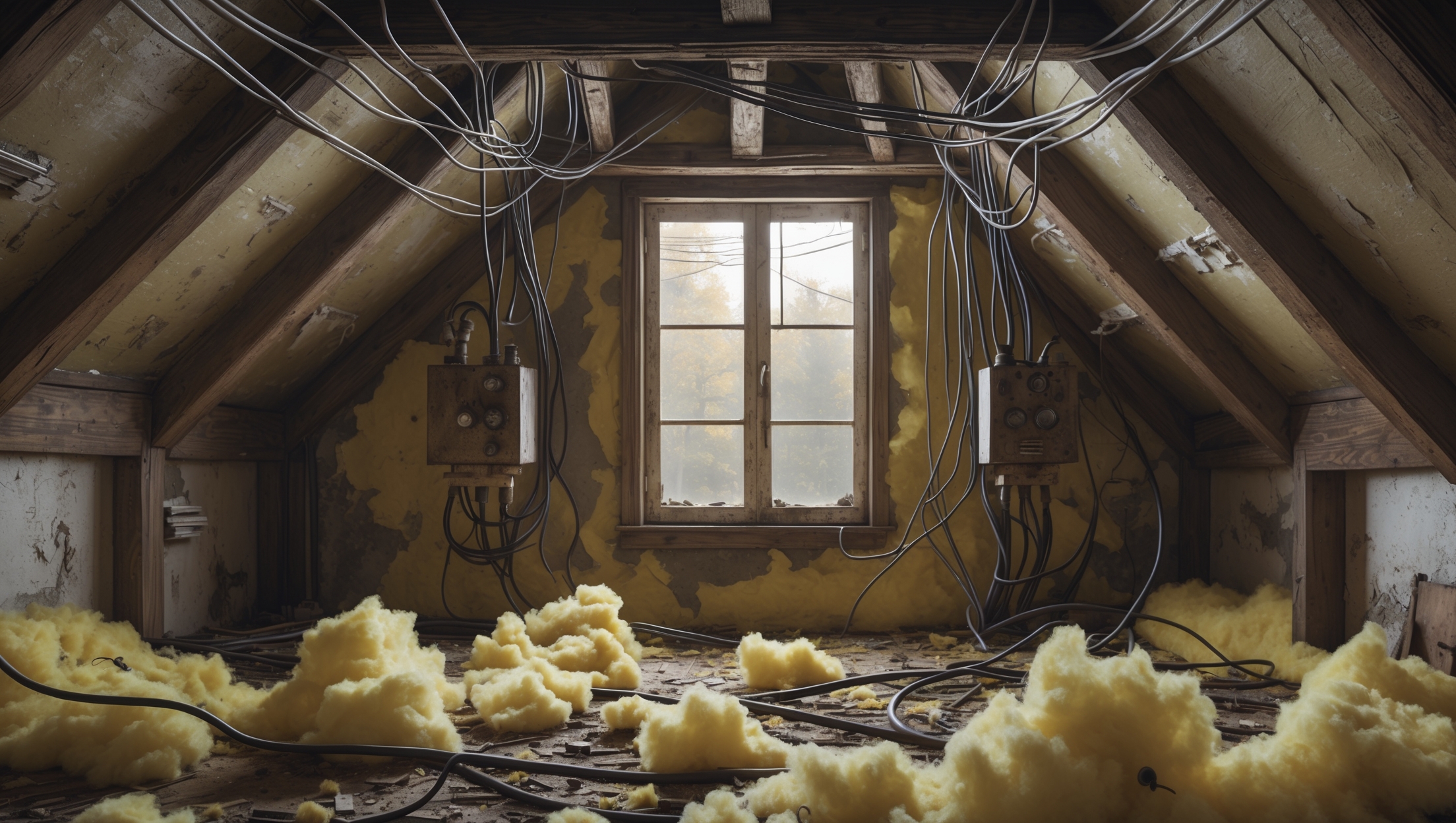
Introduction: Why Attics and Crawl Spaces Demand Special Attention
When it comes to home electrical safety and energy efficiency, most homeowners focus on visible areas—living rooms, kitchens, and finished basements. However, some of the most hazardous electrical issues lurk out of sight in attics and crawl spaces. These hard-to-reach areas often contain a tangle of old wiring, spliced circuits, buried junction boxes, and makeshift repairs that not only violate code but also threaten your safety and energy bills. Because they’re out of sight, these problems persist and worsen over time, inviting risks ranging from fire hazards to costly energy loss and even insurance coverage complications. This guide will walk you through the specific dangers found in attics and crawl spaces, how to safely inspect these spaces, what to look for, and practical solutions for creating a safer, more efficient home. Whether you’re a homeowner planning DIY improvements, a property manager overseeing multiple units, or an electrician looking to sharpen inspection protocols, you’ll find actionable insights to tackle these hidden hazards head-on.
The Unique Electrical Risks of Attics and Crawl Spaces
Why These Spaces Are Problematic
Attics and crawl spaces are often neglected during renovations and upgrades. Older homes in particular may have undergone decades of piecemeal electrical work, some of it to outdated standards. These areas are rarely inspected, poorly ventilated, and subject to harsh environmental conditions—heat, humidity, dust, and pests—all of which can degrade wiring and connections over time.
- Limited Accessibility: Tight, dark spaces complicate inspection and repair, leading to shortcuts and missed hazards.
- Temperature Extremes: Attics can reach 130°F+ in summer, while crawl spaces may be damp and cold, accelerating wire insulation breakdown.
- Pest Activity: Rodents and insects chew wires, increasing the risk of shorts and fires.
- Improper Modifications: DIY wiring, illegal splices, and abandoned circuits are common in these out-of-sight areas.
Common Hazards Found
- Exposed and Frayed Wiring: Wires without proper insulation or conduit, subject to damage from foot traffic or pests.
- Uncovered Junction Boxes: Boxes missing covers or buried under insulation, making troubleshooting and fire prevention difficult.
- Overloaded Circuits: Multiple circuits spliced together to save time, often exceeding safe capacity.
- Outdated Wiring Types: Knob-and-tube, aluminum, or cloth-insulated wires that no longer meet code or safety standards.
- Improper Splices: Wire connections made without boxes or wire nuts, taped and hidden from view.
- Unsupported or Sagging Wires: Wires draped across beams or pipes, prone to mechanical damage.
- Improper Penetrations: Wiring passing through holes without bushings or grommets, risking abrasion and shorts.
Signs You Need an Attic or Crawl Space Electrical Inspection
- Tripped breakers or blown fuses after using attic fans, HVAC, or lighting circuits.
- Unexplained power loss to outlets or fixtures located above or below these spaces.
- Visible old wiring, especially knob-and-tube or aluminum types, during other home projects.
- Rodent droppings or evidence of nests near wiring runs.
- Flickering attic or crawl space lights, or switches that occasionally fail.
- Burning smells or scorch marks near attic access or crawl space hatches.
- Past water intrusion or high humidity, which accelerates wire corrosion.
Safe Inspection Protocols for Attics and Crawl Spaces
Preparation: Safety First
- Turn Off Power: Shut off relevant breakers before entering and working in these areas.
- Protective Gear: Wear gloves, long sleeves, safety glasses, and a dust mask or respirator. Use knee pads for crawl spaces.
- Lighting: Use battery-powered LED work lights or headlamps; never rely solely on existing wiring.
- Ladders and Crawl Suits: Ensure stable access; avoid stepping on joists not designed to bear weight.
- Buddy System: Have someone nearby who knows you’re working in a concealed space.
Essential Tools for Inspection
- Non-contact voltage tester
- Flashlight or headlamp
- Camera or smartphone for documentation
- Moisture meter (for crawl spaces)
- Insulation probe (to check for buried boxes)
- Wire gauge and type reference chart
- Notebook or inspection app
Step-by-Step Inspection Process
- Visual Survey: Carefully scan all visible wiring, boxes, and connections. Photograph anything unusual.
- Check for Exposed Conductors: Look for bare copper or aluminum wires, especially near splices or corners.
- Inspect Junction Boxes: Verify all boxes are accessible, properly covered, and not buried under insulation or debris.
- Assess Wire Support: Ensure wires are stapled or secured, not hanging or draped over pipes or ducts.
- Look for Pest Damage: Examine wires for chew marks or droppings nearby.
- Note Outdated or Non-Code Wiring: Identify knob-and-tube, cloth-insulated, or aluminum wiring for future upgrade planning.
- Test for Moisture: In crawl spaces, use a moisture meter to check for dampness around electrical components.
- Document and Prioritize Issues: Make a list of hazards to address, noting severity and location.
Addressing Common Hazards: Practical Solutions
1. Exposed or Damaged Wiring
Replace damaged wires with new, code-compliant copper conductors. Use conduit or armored cable in areas exposed to foot traffic or pests. Never attempt to “tape up” damaged insulation—this is a temporary fix at best.
2. Uncovered or Buried Junction Boxes
All junction boxes must remain accessible and have code-approved covers. If boxes are buried under insulation, relocate or extend them to be easily reachable. Never cover boxes with insulation or drywall.
3. Overloaded Circuits and Improper Splicing
Correct overloaded circuits by redistributing loads or adding new dedicated circuits. All splices must be made inside junction boxes with wire nuts or approved connectors. Remove any “flying splices” or tape-only connections.
4. Outdated Wiring Types
Plan for replacement of knob-and-tube, aluminum, or cloth-insulated wiring. Consult a licensed electrician, as these upgrades often require permits and may trigger insurance or code compliance reviews.
5. Unsupported Wiring
Secure all loose wires using insulated staples or cable supports, spaced according to code. Never allow wires to rest on hot pipes or sharp edges. Use grommets where wires pass through framing.
6. Moisture Intrusion
Install vapor barriers and improve ventilation to reduce dampness. Replace any corroded electrical components, and use weatherproof boxes and connectors in moist environments.
Energy Efficiency Upgrades in Attics and Crawl Spaces
Insulation and Air Sealing: Electrical Considerations
When adding insulation, never bury electrical wiring or junction boxes. Use fire-rated insulation around recessed lighting fixtures and ensure all electrical penetrations are properly air sealed with fire-safe caulk or foam. Upgrading wiring to modern standards during insulation projects can improve both safety and efficiency.
LED and Low-Voltage Lighting
Switch attic and crawl space lighting to LED fixtures for reduced heat and energy use. Consider motion-activated or timer-controlled switches to prevent lights from being left on accidentally.
Smart Sensors and Leak Detection
Install smart moisture sensors or temperature monitors in crawl spaces to detect leaks or overheating. Many modern devices are battery-powered and send alerts via Wi-Fi, providing early warning before hazards escalate.
Compliance and Insurance Considerations
Permitting and Code Upgrades
Major wiring repairs or upgrades almost always require a permit and inspection. Consult your local building department before opening walls or making changes in these concealed spaces. Compliance with current codes not only enhances safety but also helps avoid costly corrections if you sell your home or file an insurance claim.
Insurance Documentation
Document all inspection findings and repairs. Take before-and-after photos and keep receipts for materials and professional services. Many insurers will request proof of upgrades in the event of a claim, especially for fire or water-related damages originating in attics or crawl spaces.
Preventative Maintenance: Creating a Safer Home for the Long Term
Regular Inspection Schedule
- Inspect attics and crawl spaces at least once every two years, or annually in older homes or high-risk climates.
- Check after major storms, roof leaks, or pest infestations.
- Pair electrical inspections with HVAC and insulation checks for comprehensive safety.
Record Keeping
Maintain a dedicated home maintenance log that includes inspection dates, findings, repairs, and upgrades. This record is invaluable for future owners and can speed up insurance claims or resale transactions.
Professional Help: When to Call an Electrician
- Any sign of burnt, melted, or corroded wires or boxes
- Discovery of knob-and-tube or aluminum wiring
- Complex splices, overloaded circuits, or uncertain code compliance
- Electrical issues in combination with high moisture or pest damage
Professional electricians have the tools and expertise to safely navigate and correct hidden hazards, as well as ensure your upgrades meet current standards.
Conclusion: Don’t Let Hidden Hazards Linger
Attics and crawl spaces are easy to ignore—until a hidden hazard becomes a major problem. Electrical issues in these spaces are uniquely dangerous because they combine inaccessibility with the potential for fire, shock, and energy waste. By learning what to look for, conducting regular inspections, and addressing issues proactively, homeowners can prevent accidents, ensure code compliance, and even improve energy efficiency. Whether you’re tackling minor fixes or planning a major upgrade, always put safety first and consult professionals for complex or code-sensitive work. Document your efforts, follow a consistent maintenance schedule, and use each inspection as an opportunity not just to find problems, but to create a safer, more comfortable home. In the long run, the time spent inspecting and upgrading your attics and crawl spaces pays off in peace of mind, lower energy bills, and a safer environment for your family.
When inspecting attics and crawl spaces, what is the safest way to identify hidden or buried junction boxes without having to rip up insulation or flooring? I worry about missing boxes that have been covered up over the years.
To locate hidden or buried junction boxes without disturbing insulation or flooring, start by turning off the power and visually inspecting for irregularities like patched drywall, unusual bulges, or seams in insulation. Use a non-contact voltage detector to scan surfaces for live wires or boxes beneath. Tracing wiring paths from visible outlets or switches can also help. While these methods increase your chances of finding covered boxes, some may remain hidden without more intrusive inspection.
When inspecting an old attic with a jumble of wires and spliced circuits as mentioned, what are the safest ways to determine if any of that wiring is still live before starting work, especially if you’re not sure about the home’s electrical history?
To safely check if attic wiring is still live, always start by turning off the main power at the breaker panel if possible. Use a non-contact voltage tester on all exposed wires to detect any remaining voltage. Wear insulated gloves and avoid touching any bare wires directly. If you’re uncertain about the wiring or feel unsure at any point, it’s wise to consult a licensed electrician before proceeding.
If I find old, spliced circuits or buried junction boxes in my attic while doing a DIY inspection, how do I determine whether it’s something I can safely address myself or if I absolutely need to call an electrician?
If you find old spliced circuits or buried junction boxes, first check if any wiring looks damaged, exposed, or improperly connected. If you’re unsure about local codes, the age of the wiring, or the connections seem unsafe, it’s best to call a licensed electrician. DIY repairs are only appropriate if you have electrical experience and your local code allows it, but hidden or unsafe wiring often requires professional evaluation for safety.
When it comes to dealing with makeshift repairs or buried junction boxes in an attic, how do you determine if a problem is something a professional must handle or if it’s safe for a DIY fix? I’m concerned about missing code violations.
When you find makeshift repairs or buried junction boxes, it’s often best to get a professional involved, especially if wiring is exposed, connections look unsafe, or you can’t confirm everything meets local codes. DIY fixes are generally only safe if you’re very familiar with code requirements and the repair is minor, like replacing a cover plate. If in doubt, have a licensed electrician inspect the area to ensure safety and compliance.
If my home is older and I suspect there have been some makeshift repairs in the attic, is it best to just call an electrician immediately, or are there specific signs I can look for first before deciding if professional help is needed?
If you suspect makeshift repairs in your attic, look for exposed wires, loose connections, electrical tape over wire joins, or any signs of burnt smells and discoloration around outlets or junction boxes. These are red flags that shouldn’t be ignored. If you notice any of these issues, or if you’re unsure, it’s safest to call a licensed electrician to inspect and address potential hazards.
If I find multiple DIY electrical fixes and spliced circuits in my crawl space, what’s the most cost-effective way to bring everything up to code? Should I call an electrician for a full inspection, or are there certain things I can safely tackle myself to start improving safety?
Finding multiple DIY fixes and spliced circuits in your crawl space is a sign that the wiring may not be safe or up to code. For your safety, it’s best to have a licensed electrician do a full inspection first. While you could tidy up debris or make the area accessible, electrical repairs and code corrections should be handled by a professional to avoid risks and ensure everything meets standards.
Could you elaborate on how to safely inspect an attic for hidden electrical hazards when the space is really cramped and poorly lit? Are there specific tools or protective gear you would recommend that make it easier to spot older or decaying wiring in these tight areas?
In cramped and dimly lit attics, a headlamp with adjustable brightness is invaluable for hands-free lighting. Wear insulated gloves, long sleeves, and a dust mask for protection. A non-contact voltage tester lets you safely check wires without direct contact. Use a compact camera or your phone to take photos in hard-to-see spots. Consider knee pads or a crawl board to move safely, and always watch where you step to avoid damaging wiring or falling through the ceiling.
If a homeowner discovers rodent-damaged wiring in their attic but can’t afford a full rewiring job right away, are there any temporary safety measures or repairs they can make until a licensed electrician can address the bigger issue?
If you find rodent-damaged wiring, immediately turn off power to the affected circuits to reduce fire risk. Avoid touching exposed wires. You might use electrical tape to wrap minor exposed spots as a very short-term measure, but this is not a substitute for proper repair. Keep the area clear of insulation or debris, and schedule an electrician as soon as possible to inspect and make permanent fixes.
I saw that insurance coverage could be affected by hidden electrical hazards. How should I properly document inspections or repairs in these spaces to help with any potential insurance claims in the future?
To support future insurance claims, take clear, date-stamped photos or videos of the inspected areas and any electrical hazards found, both before and after repairs. Keep copies of inspection and repair reports, including any invoices or professional assessments. If a licensed electrician did the work, ask for a written summary. Store all this documentation together so you can easily share it with your insurance provider if needed.
You talked about pests like rodents chewing on wires in attics. Are there affordable preventative measures or products you recommend for small business owners to reduce this risk, or is professional pest control always necessary?
You don’t always need to go straight to professional pest control. Small business owners can use affordable options like wire mesh to block entry points, seal gaps with expanding foam, and install rodent-resistant wire covers. Regularly checking for signs of pests and keeping the attic tidy can also help. These steps can reduce risks, but if you notice persistent problems, professional help may be worthwhile.
For someone planning DIY electrical upgrades, how do you recommend safely accessing cramped or poorly lit crawl spaces to spot potential wiring hazards without risking personal injury or making things worse?
To safely access cramped or poorly lit crawl spaces, wear protective clothing, gloves, and a dust mask. Use a bright, portable work light or headlamp to improve visibility. Walk or crawl only on solid framing, not insulation or loose boards, and avoid touching any exposed wires. Use a non-contact voltage tester to check for live wires before getting close. If anything looks damaged or unsafe, consider contacting a licensed electrician rather than proceeding yourself.
Given that pests like rodents and insects can chew on wires, are there any preventative steps homeowners can take before seeing obvious signs of damage, or is it mostly a matter of regular inspection and repairs as needed?
Homeowners can take some preventative steps beyond just regular inspection. Sealing up entry points to keep rodents and insects out is key. Using rodent-resistant materials, keeping the area clean and uncluttered, and storing food securely can also help. For added protection, some homeowners use wire covers or conduit in vulnerable areas to make wires harder to access for pests.