

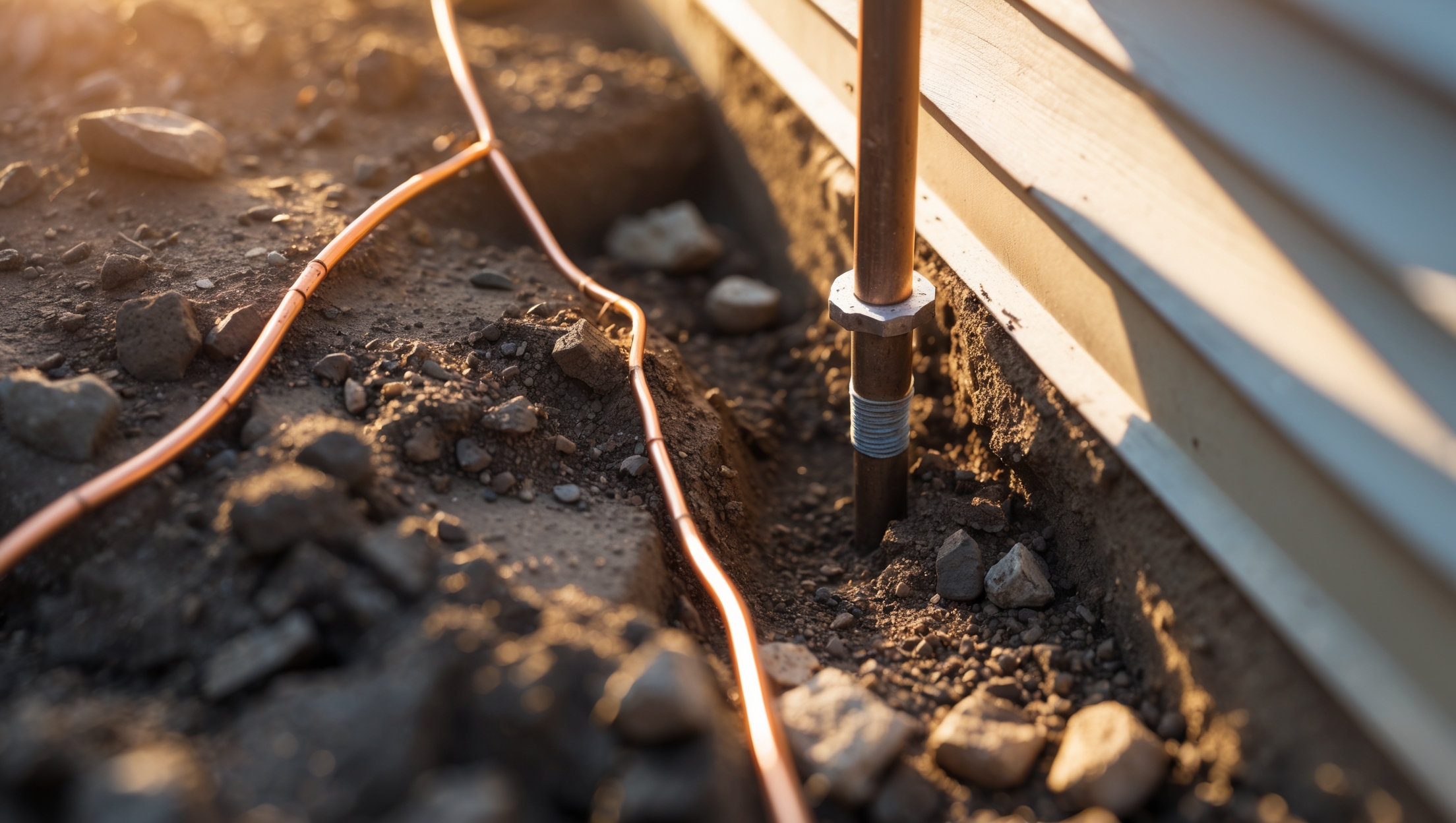
Introduction: The Crucial Role of Electrical Grounding in Homes
Electrical grounding is the silent guardian of every modern home, quietly protecting occupants and property from electrical hazards. It’s a fundamental safety feature that often goes unnoticed—until something goes wrong. Proper grounding ensures that stray electrical current safely returns to the earth rather than causing shocks, appliance damage, or even fires. Whether you’re renovating, troubleshooting, or simply aiming to make your electrical system as safe as possible, understanding how to set up and maintain proper grounding is essential.
Many homeowners mistakenly assume grounding is a one-time installation task. In reality, grounding systems can degrade, connections may loosen, and local codes evolve. Staying proactive with setup and regular maintenance can mean the difference between a safe, code-compliant home and costly, hazardous electrical problems. In this comprehensive guide, we’ll walk you through the practical steps for setting up electrical grounding in your home, how to inspect and maintain it, and what to watch for to ensure lasting safety. Our goal is to empower you with actionable knowledge—whether you’re a DIY enthusiast or a homeowner overseeing a professional electrician’s work.
Understanding Electrical Grounding: What It Is and Why It Matters
What Is Electrical Grounding?
Electrical grounding creates a direct physical connection between your home’s electrical system and the earth. This connection provides a safe path for excess or stray electrical current to dissipate into the ground, minimizing the risk of electrical shock, fire, or equipment damage.
How Grounding Protects Your Home
- Shock Prevention: Redirects fault current away from people.
- Fire Protection: Reduces chances of arc faults and overheating.
- Appliance Safety: Prevents damage from voltage surges.
- Lightning Safety: Provides a path for lightning-induced surges to dissipate safely.
Key Components of a Home Grounding System
- Grounding Electrode: Usually a copper-clad rod or a metal water pipe buried in the earth.
- Grounding Electrode Conductor (GEC): The wire that connects your main service panel to the grounding electrode.
- Ground Bus Bar: Inside your electrical panel, this is where all ground wires converge.
- Bonding: The process of connecting all metallic parts (water pipes, gas lines, etc.) to ground, ensuring there are no stray voltages.
Step-by-Step: Setting Up a Reliable Home Grounding System
1. Assessing Existing Grounding Conditions
Before starting any installation, evaluate your current grounding system. Look for:
- Visible ground rods or wires exiting near the meter base or panel.
- Condition of ground connections—check for corrosion, loose clamps, or broken wires.
- Bonding of metal water pipes and other conductive systems.
If you’re uncertain, consult your local electrical code or a licensed electrician for an inspection.
2. Choosing the Right Grounding Electrode
- Ground Rods: 8-foot copper-clad steel rods are standard. In rocky soil, multiple rods or plate electrodes may be required.
- Metal Water Pipe: If your home uses metal water service lines, they can serve as a grounding electrode, but must meet code requirements (usually 10 feet in contact with earth).
- Ground Plates: Used where rods are impractical; must have adequate surface area in contact with soil.
Always check local code requirements, as some areas have specific rules on electrode type and quantity.
3. Installing a Ground Rod: Step-by-Step
- Locate the Installation Area: Choose a spot at least 2 feet from the foundation, away from paved surfaces.
- Drive the Ground Rod: Use a sledgehammer or rotary hammer to drive the rod 8 feet deep, with only a few inches exposed above grade.
- Attach the Grounding Electrode Conductor: Use a listed ground clamp to connect a continuous bare copper wire (usually #6 AWG for a single-family home) to the rod.
- Route the GEC to the Panel: Secure the wire along the foundation to the main service panel, avoiding sharp bends or kinks.
- Terminate at the Ground Bus Bar: Attach the GEC to the ground bus bar in your main panel using an approved connector.
4. Bonding Metal Water Pipes and Gas Lines
All accessible metal water pipes and gas lines (if present) should be bonded to the grounding system:
- Use approved clamps and #6 or #8 AWG copper wire.
- Bond within 5 feet of the point where the water pipe enters the home.
- Do not use gas pipes as the sole grounding means—bond only for safety.
5. Double-Checking Local Codes and Permits
Grounding requirements vary by jurisdiction and can change with code updates. Before beginning installation:
- Check with your local building department for specific rules and required permits.
- Document your work with photos and diagrams for future reference and inspection.
Maintenance Best Practices: Ensuring Your Grounding Stays Effective
Why Maintenance Matters
Even the best-installed grounding systems can degrade over time due to corrosion, physical damage, landscaping changes, or rod movement from soil shifts. Regular maintenance is essential for ongoing safety.
Homeowner Grounding Maintenance Checklist
- Visual Inspection: Annually check all visible ground rods, clamps, and wires for corrosion, looseness, or breakage.
- Test Ground Rod Resistance: Every few years, have a qualified electrician perform a ground resistance test (ideally below 25 ohms per NEC guidelines).
- Check Bonding: Verify that water pipes, gas lines, and other metallic services are still securely bonded.
- After Severe Weather: Inspect grounding after major storms, earthquakes, or landscaping work that may have disturbed the soil or rods.
- Panel Inspection: Ensure ground wires are securely attached to the ground bus bar and that the panel is free of rust or moisture.
Common Maintenance Issues and Solutions
- Corroded Clamps/Wires: Replace with new, code-approved materials.
- Loose Connections: Re-tighten or re-clamp as needed.
- Rod Exposure: If the rod is exposed too far above grade or has shifted, re-drive or replace as necessary.
- Disconnected Bonds: Reconnect and secure any loose or missing bonding wires.
Safety Tips and Compliance Essentials
Staying Safe During Installation and Maintenance
- Turn off power at the main breaker before working inside the panel.
- Use insulated tools and wear appropriate PPE (gloves, safety glasses).
- Never work on the grounding system during wet weather or when the soil is saturated.
- If you’re unsure, call a licensed electrician—grounding errors can have serious consequences.
Understanding Code Compliance
- Follow the National Electrical Code (NEC) as well as local amendments.
- Use only UL-listed clamps, rods, and conductors.
- Keep installation records for permit inspections and insurance claims.
When to Call a Professional
- If your home lacks visible grounding or has a complicated electrical history.
- When resistance tests exceed safe thresholds.
- If you’re unsure about code requirements or safety best practices.
Frequently Asked Questions About Home Grounding
Can I Install a Ground Rod Myself?
Yes, if local codes permit and you’re comfortable with safe electrical work. Be meticulous in following code requirements and always get permits if required.
How Do I Know If My Home Is Properly Grounded?
Look for a grounding electrode conductor exiting the panel, bonded water/gas pipes, and a visible ground rod. For certainty, hire an electrician to perform a resistance test.
What If I Have an Older Home?
Older homes may lack modern grounding or have obsolete systems (such as cold water-only grounding). Retrofitting may be needed to meet current codes and safety standards.
Is One Ground Rod Enough?
Often, yes—but if resistance to ground is too high, the NEC requires a second rod at least 6 feet away. Soil conditions and code updates can affect this requirement.
Does Grounding Prevent All Electrical Problems?
No, but it’s a crucial defense against shock and fire hazards. Combine grounding with GFCIs, AFCIs, surge protection, and regular inspections for comprehensive safety.
Conclusion: Keeping Your Home Safe with Proper Grounding
Electrical grounding works behind the scenes, but its impact on safety and system performance is anything but invisible. As building codes evolve and new technologies enter our homes, the importance of a robust, well-maintained grounding system only grows. Whether you’re installing new grounding electrodes, bonding services, or simply performing annual inspections, every step you take reinforces the protective shield that keeps your family and property safe.
Don’t think of grounding as a set-it-and-forget-it task. Soil conditions change, materials degrade, and what was once code-compliant may need updating. Routine maintenance, informed by the checklist in this guide, will help you catch small issues before they become big hazards. And remember: when in doubt, consult a qualified electrician who understands the nuances of local codes and best practices.
By investing time and attention in your home’s grounding system, you’re not just complying with regulations—you’re ensuring peace of mind, protecting your investment, and building a safer environment for years to come. Stay proactive, stay safe, and let your home’s electrical system work for you, not against you.
When setting up a proper grounding system during a renovation, are there important differences between grounding for older homes versus newer constructions that a DIYer should be aware of?
Yes, there are some key differences. Older homes often have outdated wiring and may use metal pipes or rods for grounding, which might not meet current safety codes. Newer constructions usually require grounding with copper rods and have dedicated grounding conductors. As a DIYer, always check local codes, and consider having a qualified electrician inspect any existing system before making changes or upgrades.
You mentioned that local electrical codes can evolve over time and that grounding systems might degrade or loosen. How often should a homeowner schedule professional inspections to make sure everything is still up to code and safe?
For most homes, it’s wise to schedule a professional electrical inspection every three to five years. However, if you live in an older house, have recently renovated, or notice issues like tripped breakers or flickering lights, it’s best to get an inspection sooner. Regular checks help ensure your grounding system stays safe and compliant with updated codes.
You mention that local codes can change over time when it comes to grounding. How often should homeowners have their grounding systems inspected to make sure they’re still up to code and safe?
It’s generally recommended to have your home’s grounding system inspected by a qualified electrician every 3 to 5 years, or whenever you have major electrical work done. If your area updates its codes frequently, you might want to check with your local building department about recommended intervals. Regular inspections help ensure both safety and compliance with current standards.
You mentioned that grounding systems can degrade and connections may loosen over time. Are there any warning signs homeowners should look out for that might indicate a problem with their grounding before doing a full inspection?
Yes, there are some warning signs that may suggest your grounding system needs attention. Watch for frequent tripped breakers, flickering lights, shocks when touching appliances, or unexplained appliance malfunctions. Also, look out for visible corrosion, loose wires, or damaged ground rods near your electrical panel. If you notice any of these, it’s a good idea to schedule a more thorough inspection.
The article mentions that proper grounding can protect against voltage surges from lightning. Are there particular types of surge protectors or grounding enhancements recommended for areas that experience frequent thunderstorms, or do standard home grounding setups usually suffice?
In areas with frequent thunderstorms, it’s wise to consider whole-house surge protectors in addition to a standard grounding setup. These devices are installed at your main electrical panel and provide extra protection against large surges from lightning. Enhanced grounding methods, like installing ground rods with lower resistance or extra rods, can also help. Consulting a licensed electrician for a tailored solution is recommended in high-risk regions.
If my building is several decades old, how can I tell if the original grounding setup still meets current local codes, and what should I look out for during an inspection?
To check if your older building’s grounding meets current codes, start by locating the main service panel and looking for a grounding electrode conductor (typically a thick copper or aluminum wire) connected to a grounding rod or metal water pipe. Inspect for corrosion, loose connections, or damaged wires. Codes may have changed, so it’s best to compare what you find with your local electrical code requirements. For a thorough evaluation, consider hiring a licensed electrician who can test the system and ensure compliance with modern standards.
I understand the basics of why grounding is important, but could you explain how often a homeowner should check their system, and is this something that can be done safely without hiring a professional electrician each time?
It’s a good idea to inspect your home’s grounding system every 1–2 years, or after major electrical work or storms. You can visually check that ground wires are securely connected and look for signs of corrosion or damage. However, testing the grounding system’s effectiveness or making repairs is safest when done by a licensed electrician, as specialized tools and expertise are needed for accurate results.
You mention that grounding systems can degrade over time and that regular maintenance is important. Could you elaborate on the specific signs a homeowner should look for that might indicate their grounding system is compromised or needs professional attention?
Homeowners should watch for signs like frequent circuit breaker trips, lights flickering or dimming unexpectedly, outlets or switches feeling warm, or visible corrosion on grounding rods or wires. If you notice shocks when touching appliances or see damaged connections, these can also indicate grounding issues. In any of these cases, it’s wise to consult a licensed electrician for a thorough inspection.
I understand grounding helps protect against lightning surges as well, but is standard home grounding enough in areas prone to frequent storms, or are there additional steps or equipment you’d recommend for extra safety?
Standard home grounding is essential, but in areas with frequent storms and lightning, extra protection is often recommended. Installing a whole-house surge protector and dedicated lightning arrestors can provide an added layer of defense. It’s also wise to ensure your grounding system is up to code and inspected regularly. Consulting a licensed electrician to assess your setup can help you address any specific local risks.
If my house was built several decades ago, is it likely the grounding setup would meet current codes, or should I expect to upgrade components? I want to understand how code changes might impact older systems as referenced in your introduction.
Houses built several decades ago often have grounding systems that don’t fully meet current electrical codes, as standards have become stricter over time. For example, older homes might only have two-prong outlets or lack sufficient ground rods. It’s wise to have a licensed electrician assess your system, as you may need to upgrade components like grounding electrodes, bonding, or outlets to enhance safety and comply with modern requirements.
When overseeing an electrician’s work during a renovation, are there specific questions or checkpoints I should focus on to make sure the grounding system is thoroughly set up and compliant? I want to be sure nothing gets overlooked, especially regarding connections and safety.
It’s wise to be proactive. Ask the electrician if the main service panel is properly bonded to the grounding electrode (such as a ground rod or metal water pipe). Confirm that all outlets, especially in kitchens and bathrooms, have proper grounding and that GFCI outlets are installed where required. Request to see continuity tests to ensure all ground connections are secure. Also, check that grounding wires are not compromised by corrosion or loose fittings. Always verify that work aligns with local electrical codes.
I see you emphasized how grounding systems should be in line with local codes. How often do building codes typically change regarding grounding requirements, and what’s the best way for a homeowner to stay updated on these changes?
Building codes, including those for grounding systems, are often updated every three to five years, though the timing can vary by region. To stay updated, homeowners can check with their local building department, subscribe to their municipality’s code notifications, or consult licensed electricians who are familiar with current requirements. This ensures your grounding system remains safe and compliant.
You mentioned that grounding systems can degrade over time and that maintenance is important. How often should I be checking my home’s grounding setup, and are there any specific warning signs I should look for to catch problems early?
It’s a good idea to check your home’s grounding system every 3 to 5 years, or sooner if you’ve had electrical work or experience unusual issues. Warning signs include frequent breaker trips, lights flickering, tingling sensations from appliances, or visible corrosion on grounding rods and wires. If you notice any of these, it’s best to have a licensed electrician inspect your system promptly.
If I’m considering doing some of the grounding setup or inspection myself, how do I know which tasks are safe for a DIY approach and which ones definitely require calling a licensed electrician?
For DIYers, tasks like visually inspecting grounding rods for corrosion, checking for loose wires at the panel (without opening it), and confirming that outlets are grounded using a tester are generally safe. Anything that involves opening the main service panel, running new grounding wires, or making repairs to the grounding system should be handled only by a licensed electrician, as these carry significant electrical risks.
When you mention that local codes evolve, does that mean older homes might need grounding upgrades to stay safe and compliant? If so, what are some of the first things I should check in a house that’s a few decades old?
Yes, as electrical codes get updated, older homes might not meet current grounding standards. In a house that’s several decades old, start by checking if it has a grounding conductor (copper wire) running from the main panel to a ground rod or water pipe. Also, inspect outlets for three prongs, as two-prong outlets suggest older, possibly ungrounded wiring. An electrician can perform a full assessment to identify necessary upgrades.
If my house is a bit older, how can I tell if the grounding system may have degraded over time? Are there specific warning signs I should look out for during regular home inspections?
For older homes, signs of a degraded grounding system can include frequent tripped breakers, outlets that spark or feel warm, visible corrosion on grounding wires or rods, and loose or missing grounding connections in your electrical panel. During inspections, check for any frayed or disconnected wires and ensure that all outlets have proper grounding, which can be tested with an inexpensive outlet tester. If you notice any of these warning signs, it’s best to consult a licensed electrician for a thorough evaluation.
When setting up grounding for a business renovation, are there important differences in requirements compared to a residential home? I want to make sure we’re not missing any extra steps or components, especially since we have more electronics and equipment running than a typical household.
Yes, setting up grounding in a business renovation often involves stricter requirements than a residential home. Commercial buildings usually need larger capacity grounding systems, more frequent bonding of metal parts, and sometimes dedicated grounding for sensitive equipment. You may also need to comply with local commercial codes and have your system inspected by a licensed electrician. It’s best to consult with a professional to ensure your setup meets all safety standards, especially given the greater load and complexity of business equipment.
The article mentions that local codes can change over time. If my house was grounded years ago, how can I tell if it still meets current safety standards, and what should I do if updates are needed?
To check if your home’s grounding still meets current safety standards, it’s best to schedule an inspection with a licensed electrician. They can review your setup against the latest local codes and identify any needed updates. If upgrades are required, the electrician can bring your system up to code, ensuring continued safety for your household.
You mentioned that grounding systems can degrade or connections may loosen over time. Are there any visible signs homeowners should look out for that might indicate a problem with the grounding setup before calling in an electrician?
Yes, there are a few visible signs that may suggest grounding issues at home. Look for corroded, frayed, or disconnected wires around your grounding rods or electrical panel. Rust or moisture near grounding connections can also be a warning sign. You might notice frequent flickering lights or receive mild shocks from appliances. However, grounding issues might not always be obvious, so regular professional inspections are still important for safety.
With all the electronics and appliances we use now, do modern setups require extra grounding compared to what older homes have? Are there specific upgrades you’d recommend to ensure safety with today’s technology-heavy households?
Modern homes often need more robust grounding systems than older setups because of today’s heavier electrical loads and sensitive electronics. It’s a good idea to upgrade older two-prong outlets to three-prong, install ground fault circuit interrupters (GFCIs) in kitchens and bathrooms, and ensure your main panel has proper grounding rods and bonding. Consulting an electrician can help assess if your current system meets today’s safety standards and advise on any necessary upgrades.
If my home is older and may not have up-to-date electrical grounding, what are the initial steps I should take to assess the current system before deciding whether to upgrade or call an electrician?
Start by visually inspecting your main electrical panel for a ground wire connected to a ground rod or metal water pipe. Check if outlets have three prongs and test them with a simple outlet tester to see if they’re grounded. Also, look for signs of outdated wiring, like fabric-insulated wires or two-prong outlets throughout your home. If you notice any issues or are unsure, it’s wise to consult a licensed electrician for a thorough assessment.
I’m new to electrical DIY projects, and I’m not quite sure how to tell if my current grounding setup meets local code. Are there any simple tests or tools you recommend for a homeowner to check if grounding is up to standard?
A simple way to start is by using a plug-in outlet tester, which can show basic grounding issues in outlets. For a more thorough check, a multimeter can help you measure voltage between the hot and ground slots. However, testing alone may not confirm full code compliance. If you’re unsure or see any irregularities, it’s safest to consult a licensed electrician who can inspect your entire system against local codes.
You talk about grounding systems degrading over time. Is there an affordable way to test if the current grounding in my house is still working properly before I decide whether to call in an electrician? Any tools or simple tests you’d recommend for a first-timer?
You can use a basic outlet tester, which is inexpensive and available at most hardware stores, to check if your outlets are properly grounded. Just plug it in and read the indicator lights. For a more thorough check, a multimeter can measure voltage between the hot and ground slots. If anything seems unusual, or if outlets aren’t grounded, it’s best to consult an electrician for a deeper inspection.
You mentioned that grounding systems can degrade over time and connections might loosen. How often should a homeowner inspect their grounding system, and are there visible signs that indicate immediate attention is needed?
Homeowners should inspect their grounding system every 3 to 5 years, or sooner if you notice any electrical issues. Visible signs that need immediate attention include frayed or corroded wires, loose connections at the grounding rod or panel, rust, or signs of moisture around grounding points. If you see any of these, have a qualified electrician check the system as soon as possible.
I see that local codes regarding grounding may change. If someone updated their home’s electrical system a decade ago, how can they find out if their current grounding setup still meets the latest safety requirements, and is there a recommended interval for having it professionally checked?
To check if your grounding setup meets current codes, you can contact your local building or electrical inspection office for the latest regulations. Hiring a licensed electrician for an inspection is also wise, as they can assess compliance and safety. It’s generally a good idea to have your electrical system professionally evaluated every 5 to 10 years, or sooner if you notice any issues or after major renovations.
If my house is older and I’m unsure how well the grounding was originally installed, are there visible warning signs or simple tests I can do myself before calling an electrician?
If you have an older home, some visible warning signs of poor grounding include frequent blown fuses, outlets that spark or feel warm, or two-prong outlets instead of three. You can use a simple plug-in outlet tester—available at hardware stores—to check if your outlets are grounded. If you see concerning results or signs, it’s safest to have a licensed electrician inspect your system.
You mentioned that grounding connections can loosen or degrade over time. Are there any clear signs a homeowner can look for to catch grounding issues before they turn into bigger problems, or should these checks always be left to a professional?
Homeowners can look for certain signs that may suggest grounding issues, such as frequent tripped breakers, flickering lights, tingling sensations from appliances, or visible corrosion around grounding wires or rods. However, checking or repairing actual grounding connections should be left to a licensed electrician, as improper handling can be dangerous. Regular professional inspections are the safest way to ensure your grounding system stays effective.
If a home was built before grounding was required by code, what are the practical steps for retrofitting a grounding system, and are there any warning signs that homeowners should look for when inspecting older wiring for grounding issues?
For older homes without grounding, the first step is to have a licensed electrician inspect your electrical system. Retrofitting typically involves adding grounding conductors, upgrading outlets to include ground connections, and installing grounding rods outside. Warning signs of grounding issues include two-prong outlets, visible cloth or deteriorating wire insulation, frequent breaker trips, shocks when touching appliances, or unexplained appliance malfunctions. Professional assessment ensures both safety and code compliance.
If I’m planning some DIY electrical work, how can I tell if my existing grounding setup meets current local codes, or if I need to upgrade anything? Is this something a homeowner can check on their own before calling an electrician?
To check if your grounding setup meets current codes, start by looking for a grounding electrode (like a ground rod) connected to your main electrical panel with a thick copper wire. Also, check for grounding wires in outlets using a plug-in tester. However, codes can vary locally and may require specific grounding methods or materials. While a homeowner can do basic checks, confirming full compliance often needs an electrician, since some issues (like outdated bonding or hidden connections) are not always visible.
What are some common signs that the connections in a home’s grounding system might have loosened or degraded? Is there a recommended schedule for checking grounding connections for maintenance?
Some common signs of loose or degraded grounding connections include flickering lights, unexpected electrical shocks, burning smells, or outlets and switches feeling warm. You might also notice frequent tripped breakers. For maintenance, it’s recommended to have a qualified electrician inspect your grounding system every 3 to 5 years, or sooner if you notice any of these warning signs, to ensure everything stays safe and secure.
You mentioned that grounding systems can degrade over time. Could you explain how often homeowners should check or maintain their grounding, and whether this is something a DIYer can do safely or if it always requires an electrician?
Homeowners should inspect their grounding system every 3 to 5 years, or sooner if they’ve experienced electrical issues, major renovations, or lightning strikes. While you can visually check for obvious corrosion or loose connections, a thorough test of grounding effectiveness is best handled by a licensed electrician, since it involves specialized equipment and safety considerations.
In situations where grounding wasn’t properly maintained in the past, is it usually possible to repair the existing system, or does it make more sense (or is it safer) to have a totally new grounding setup installed?
If grounding hasn’t been properly maintained, repair may be possible if the original components are still in good condition and up to code. However, if there’s significant deterioration or outdated materials, replacing the system with a new, properly installed grounding setup is often safer and more reliable. An electrician can assess your existing system and recommend the best course of action for your home’s safety.
I noticed you mentioned that grounding systems can degrade or loosen over time. What are the most common signs homeowners can watch for that indicate their grounding system needs to be inspected or repaired?
Some common signs that your home’s grounding system may need attention include frequent electrical shocks when touching appliances, flickering lights, tripped breakers, or visible corrosion and loose wires at the grounding rod or panel. If you notice any of these issues, it’s a good idea to have a licensed electrician inspect your system to ensure continued safety.
I’m curious about the process for updating a home’s electrical grounding to meet newer local codes. If my house was built several decades ago, what specific steps or components should I focus on to ensure everything is current and safe?
To update your home’s electrical grounding, start by having a licensed electrician inspect your system for compliance with current codes. Key components to focus on include the grounding electrode (often a ground rod), the grounding electrode conductor, and proper bonding of water pipes and metal systems. Upgrading may involve installing new ground rods, updating wiring to copper if needed, and ensuring the main panel has correct connections. Always consult local code requirements, as they can vary.
When you mention that grounding systems can degrade over time, what are the main signs I should look for during an inspection that could indicate my home’s grounding needs maintenance or repair?
Some key signs your home’s grounding system may need attention include visible corrosion or rust on grounding rods or connections, loose or broken wires, and any exposed metal parts instead of proper clamps. If you notice frequent tripped breakers or electrical shocks when touching appliances, those can also be warning signals. During an inspection, check that all connections are tight, wires are intact, and the grounding rod is solidly in the earth without obvious damage.
If I’m planning some renovations and want to make sure my home’s grounding meets the latest local codes, are there particular updates or upgrades I should be asking my electrician about?
Absolutely, when renovating, ask your electrician to inspect the main service panel for proper grounding and bonding. They should ensure ground rods are correctly installed, that ground wires are sized and connected according to local codes, and that all outlets—especially in kitchens, bathrooms, and outdoors—have proper grounding and GFCI protection. Also, inquire about upgrading to a modern grounding system if your home is older, as codes may have changed since it was built.
You mentioned that grounding systems can degrade over time and that regular maintenance is important. Could you clarify how often a homeowner should check their grounding system, and what are some signs that the grounding might not be working properly?
It’s recommended that homeowners have their grounding system inspected every 3 to 5 years, or sooner if there have been electrical upgrades or renovations. Signs that grounding may not be functioning well include frequent tripped breakers, tingling sensations when touching appliances, visible corrosion on grounding rods or wires, and unexplained electrical shocks. If you notice any of these issues, it’s wise to call a licensed electrician for a thorough inspection.
You mentioned that proper grounding protects against appliance damage from voltage surges. Are there differences in grounding requirements or methods when it comes to protecting sensitive office equipment versus general household appliances?
Yes, there can be differences. Sensitive office equipment like computers and servers often require a more stable and lower-resistance grounding system compared to general household appliances. Using dedicated circuits, surge protectors, or even isolated grounding outlets for sensitive devices can help reduce electrical noise and better protect against surges. Always follow local electrical codes and consider consulting an electrician for specialized equipment.
I noticed you talked about grounding protecting against both appliance damage and lightning surges. Are there different grounding methods or equipment needed if you live in an area with frequent lightning versus a more typical home setup?
Yes, homes in areas with frequent lightning often need extra protection compared to standard setups. In addition to standard grounding rods, you might need specialized lightning rods and surge protectors that connect to the grounding system. These help safely direct lightning energy into the ground and protect your electrical system. It’s a good idea to consult a licensed electrician familiar with local lightning risks to make sure your setup meets safety requirements.
If someone hired an electrician a few years ago to upgrade the wiring, how often should we have the grounding system checked to make sure connections haven’t loosened or degraded over time?
For homes with upgraded wiring, it’s a good idea to have the grounding system professionally checked every 3 to 5 years. This helps catch any loose connections or corrosion that can develop over time. If you notice any electrical issues, renovations, or damage, have it inspected sooner to ensure continued safety.
For someone trying to budget for electrical safety upgrades, do you have a ballpark estimate on how much updating or installing new grounding systems typically costs for an average single-family home?
Updating or installing new grounding systems in a typical single-family home generally costs between $500 and $2,500. The final price depends on factors like your home’s size, age, existing wiring, and local labor rates. Getting a few quotes from licensed electricians can help you get a more accurate estimate for your particular situation.
I see you mention both DIY work and overseeing professionals when it comes to grounding setup and maintenance. For a homeowner considering hiring an electrician, what key questions should they ask to ensure proper grounding in line with current local codes?
When hiring an electrician for grounding work, ask if they are licensed and familiar with the latest local electrical codes. Request details on how they plan to test your home’s grounding system, what materials will be used, and if they provide documentation or certification upon completion. Also, inquire about how they handle potential issues like old wiring or corroded connections to ensure everything meets code and safety standards.
If someone is overseeing a professional electrician’s work during a renovation, what specific signs or questions should they look out for to ensure that the grounding was set up correctly, especially since issues might not be immediately obvious?
When overseeing a professional electrician, ask if they have tested grounding connections using a multimeter or a ground fault tester. Check that all outlets, especially in kitchens and bathrooms, have proper ground wires and that GFCI outlets are installed where needed. Look for metal boxes connected by grounding screws or wires and verify that the main panel has a secure ground rod connection. Request documentation or test results for grounding continuity to confirm everything was checked thoroughly.
When it comes to setting up proper grounding for lightning safety, are there specific steps or materials that should be used differently compared to basic fault current grounding? I’m wondering if extra precautions are necessary in areas with frequent thunderstorms.
Yes, grounding for lightning protection does require extra measures beyond basic fault current grounding. For lightning safety, you should use a dedicated lightning rod system connected to ground with heavy-duty copper or aluminum conductors. The ground electrodes should be deeply buried, spaced away from the building, and all ground connections must be secure and corrosion-resistant. Bond all grounding systems together so there are no potential differences. Especially in areas with frequent thunderstorms, these extra precautions help direct lightning safely into the earth and reduce fire or shock risks.
I understand grounding is crucial for protection against shocks and fires, but are there budget-friendly ways for a busy homeowner to regularly maintain or inspect the system? What are some practical steps I can take myself before resorting to hiring an electrician?
Absolutely, there are several things you can do yourself to help maintain your home’s grounding system without much expense. Regularly check that all visible ground wires are securely connected, especially at outlets and main panel. Use a simple outlet tester (available at hardware stores) to check for proper grounding in your outlets. Also, look for signs of corrosion or loose connections at the ground rod outside. If anything seems damaged or if outlets fail the tester, that’s the time to call a professional.
I never realized grounding needed maintenance over time and could degrade. How can I tell if the grounding system in my older house isn’t working properly, and are there any warning signs I should look for before calling an electrician?
You’re right—grounding systems can deteriorate over the years. Warning signs include frequent tripped breakers, tingling sensations when touching appliances, flickering lights, or mild electric shocks. Corroded or loose grounding wires near your panel or outlets are also red flags. If you notice any of these issues, it’s wise to contact an electrician to test and inspect your grounding system for safety.
If I’m overseeing an electrician’s work, what key checkpoints or questions should I make sure are covered during both the initial grounding setup and routine inspections to ensure everything stays code-compliant and safe?
When overseeing an electrician, confirm that all ground wires are properly connected to grounding rods or other approved electrodes. Ask if the system uses the correct wire gauge and if connections are tightly secured. During inspections, check for corrosion or loose fittings, and verify that grounding paths are continuous and not interrupted. Also, ensure that all updates follow local electrical codes and that the main panel’s ground-neutral bond is correctly installed.
I’m new to electrical work and I’m wondering, how can I tell if the grounding in my older home has degraded over time? Are there specific signs or easy tests I can do myself before calling an electrician?
You can look for a few signs that may indicate grounding issues, like frequent electrical shocks when touching appliances, flickering lights, or outlets that don’t have a grounding pin. For a simple test, you can use a plug-in circuit tester from a hardware store to check your outlets for proper grounding. If outlets show open ground or inconsistent results, that’s a good reason to consult a licensed electrician for a thorough inspection.
I’m curious about regular maintenance—what are some practical steps a homeowner can take to test or verify that their grounding is still effective, especially if local codes might have changed since their home was built?
Homeowners can periodically check visible ground wires for damage or corrosion and ensure connections are tight at the main panel and grounding rod. Using a simple outlet tester with a ground fault indicator can help verify proper grounding at outlets. If you’re unsure about changes in local codes or want a more thorough check, hiring a licensed electrician for an inspection is a safe way to make sure your system meets current standards.
If my older house was built before current grounding codes, what are some practical steps I should take to get it up to today’s standards, and what key upgrades do electricians usually recommend in these situations?
For older homes, electricians typically start by checking if outlets are grounded and may upgrade two-prong outlets to three-prong grounded ones. They often install grounding rods outside and run a new ground wire to the main panel. Replacing outdated wiring, bonding metal pipes, and adding GFCI outlets in kitchens and bathrooms are also common steps to improve safety and bring your home up to current codes.
You mentioned that proper grounding protects against lightning-induced surges. Are there extra steps or equipment I should consider for grounding if my business operates a lot of sensitive electronics in an area prone to thunderstorms?
If your business uses sensitive electronics and is located where thunderstorms are common, you should consider installing surge protection devices (SPDs) at your main panel and for critical equipment. A dedicated grounding system with low resistance is also important, and you may want to consult a licensed electrician about using ground rods or a ground ring for enhanced protection. Regularly inspect connections and grounding components to ensure they remain effective.
If I’m planning on adding new outlets or appliances during a renovation, what are the essential steps I need to take to make sure the grounding remains effective and safe throughout those changes? Is this something I can check myself or do I need an electrician?
When adding new outlets or appliances, it’s crucial to ensure the grounding is continuous and properly connected to your home’s ground system. You should use grounded outlets, connect all ground wires securely, and test each outlet with a circuit tester. For major changes or if you’re unsure about your system, it’s safest to consult a licensed electrician to guarantee everything meets code and stays safe.
You mentioned that grounding helps with lightning safety and appliance protection. Does the type of soil around my house or local weather affect how well grounding works, and are there additional steps I’d need to take in those cases?
Yes, both soil type and local weather can affect grounding effectiveness. Sandy or rocky soils don’t conduct electricity as well as moist, clay-rich soils, which means grounding rods may be less effective in those areas. Dry or drought-prone regions also make grounding harder. In such cases, using longer or multiple ground rods, or adding ground enhancement materials around the rod, can improve safety. It’s also wise to have your grounding tested by a professional if your local conditions are challenging.
You mentioned that grounding systems can degrade over time and that local codes may change. How often should I have my home’s grounding inspected to stay both safe and compliant, and who is qualified to perform these inspections?
It’s a good idea to have your home’s grounding system inspected every 3 to 5 years, or sooner if you’ve had electrical work done or notice issues like frequent tripped breakers. A licensed electrician is qualified to perform these inspections and will be familiar with current local codes to ensure your system remains safe and compliant.
The article mentions that grounding connections can loosen and degrade. What are some signs I should look for that might indicate my system isn’t grounding properly, especially before issues like shocks or appliance damage occur?
Look out for signs like frequent tripping of circuit breakers, lights flickering or dimming unexpectedly, outlets or switches feeling warm to the touch, or unexplained buzzing sounds from electrical panels or outlets. Sometimes, you might also notice a slight tingling sensation when touching metal appliances. These can all point to potential grounding issues that need attention before more serious problems occur.
I’m planning to do some renovations and noticed you mentioned grounding systems can degrade over time. Are there any specific warning signs I should look for that might indicate my home’s grounding is no longer effective?
Yes, there are a few signs that may indicate your home’s grounding system needs attention. Watch for frequent tripping of circuit breakers, flickering lights, tingling sensations when touching metal appliances, or visible corrosion around grounding rods and connections. If you notice any of these, it’s a good idea to have a qualified electrician inspect your grounding system before proceeding with renovations.
You pointed out that grounding offers protection from lightning-induced surges. For homes in areas prone to frequent lightning, are there any additional grounding steps or upgrades you would recommend beyond the basic setup described in the article?
For homes in regions with frequent lightning, it’s wise to go beyond basic grounding. Consider installing a dedicated lightning rod system connected to a separate ground, ensuring it’s properly bonded to your main grounding system. Adding surge protection devices at your main electrical panel and for sensitive electronics also helps. Regularly inspect all connections and ground rods to ensure they’re free of corrosion and securely in place.
You mentioned that grounding systems can degrade over time. What are some warning signs that indicate the grounding in my home might need professional attention, beyond just loose connections?
Some warning signs of degraded grounding include frequent tripping of circuit breakers, tingling sensations when touching appliances, flickering lights, unexplained power surges, or visible corrosion around grounding rods and connections. If you notice any of these issues, it’s a good idea to have a qualified electrician inspect your grounding system for safety and code compliance.
You mention that grounding systems can degrade over time and that local codes can change. If I’m renovating an older home, how do I know if the existing grounding setup is sufficient, or if it needs to be updated to meet current safety standards?
To determine if your home’s grounding is sufficient during renovations, start by consulting a licensed electrician, as they can inspect the system for deterioration and ensure it meets current safety codes. Additionally, check with your local building authority for updated grounding requirements, since codes may have changed since your home’s original construction. Regular inspections and professional assessments are the best way to ensure compliance and safety.
I get how grounding protects against shocks and surges, but if I want to test whether my current system is working correctly, is there a straightforward, budget-friendly tool or method you recommend for homeowners with no electrical background?
A simple and affordable tool you can use is a plug-in outlet tester, which you can find at most hardware stores. Just plug it into your wall outlets; its lights will show if your outlet is properly grounded or if there are wiring issues. No electrical experience is needed, and it’s safe for homeowners to use as a basic check.
How often should a homeowner schedule inspections or do maintenance checks on their electrical grounding setup to stay safe and compliant? I’m trying to set up a realistic maintenance schedule that won’t break the bank.
For most homes, a thorough inspection of the electrical grounding system every 3 to 5 years is recommended to ensure safety and code compliance. You can also do a visual check annually for signs of corrosion, loose connections, or damage. If you notice anything unusual or after major renovations, consider getting a licensed electrician to inspect sooner. This approach balances safety with cost-effectiveness.
Could you clarify whether DIY enthusiasts can safely perform routine grounding maintenance themselves, or are there specific parts of the process that should always be left to a licensed electrician?
DIY enthusiasts can handle basic tasks like visually inspecting ground wires for corrosion or loose connections, and making sure outlets have proper grounding. However, anything involving rewiring, replacing grounding electrodes, or troubleshooting complex issues should be left to a licensed electrician. Working with main service panels or correcting grounding faults can be hazardous without professional training.
You mentioned that grounding systems can degrade over time and that local codes might change. How often should a homeowner have their grounding system inspected or updated to stay safe and compliant?
It’s generally recommended to have your home’s grounding system inspected by a licensed electrician every 3 to 5 years. However, if you’ve had recent renovations, added new appliances, or know that local electrical codes have been updated, it’s a good idea to schedule an inspection sooner. Regular checks help ensure your system remains safe and meets current standards.
If my house is a few decades old, how can I check whether the original grounding system is still up to current code? Are there signs of wear or outdated methods I should look for before calling an electrician?
To check if your older home’s grounding meets current standards, look for signs like two-prong outlets instead of three-prong, visible corrosion or loose connections on grounding rods or wires, and the absence of a grounding wire in your breaker panel. Outdated methods include grounding to water pipes only or using undersized wires. While these checks can give you clues, a licensed electrician should verify the system fully, as codes and requirements may have changed since your house was built.
For those of us on a budget, are there any affordable ways to improve or check the grounding in our homes, or is it pretty much always an expensive job requiring an electrician?
You can start by using an inexpensive outlet tester from a hardware store to check if your outlets are properly grounded. These testers are simple to use and give clear results. For basic improvements, replacing old outlets with grounded ones can sometimes be a DIY project if you’re comfortable and follow safety guidelines. However, for more extensive grounding issues or if you’re unsure, it’s safest to consult an electrician, even for a quick inspection.
If I had my house electrically grounded years ago, how can I tell if the system is still working as it should? Are there any signs or steps I can take myself to check before calling in an electrician?
You can do a basic check by looking for visible signs like damaged wires, corroded connections, or loose grounding rods near your electric panel. You can also use a simple outlet tester to check if your outlets are properly grounded—these are widely available at hardware stores. If outlets show problems or you find any damaged parts, it’s best to have an electrician inspect the system further for your safety.
I noticed that grounding helps with lightning safety too. Are there additional steps or products I should consider if my area gets a lot of thunderstorms, or is the basic grounding setup usually enough?
If your area experiences frequent thunderstorms, it’s wise to go beyond just basic grounding. Consider installing a whole-house surge protector and dedicated lightning rods connected to ground. These offer extra protection by safely directing lightning strikes away from your home’s wiring and electronics. Make sure your grounding system is inspected regularly by a professional to ensure it’s up to code and capable of handling higher risks associated with storms.
For someone doing basic home renovations, what are the safest ways to verify that the grounding in older parts of the house is working properly before adding new outlets or fixtures?
To check grounding in older areas, use a plug-in outlet tester with a grounding indicator—simply plug it into each outlet to confirm proper wiring and grounding. For extra caution, use a multimeter to measure voltage between the hot, neutral, and ground slots. If results are unclear or you spot any issues, consult a licensed electrician before adding new outlets or fixtures to ensure safety.
When inspecting grounding at my shop, what specific signs or symptoms should I look for that might indicate a loosening connection or other hazard before it becomes a bigger problem?
During your inspection, watch for corroded, discolored, or frayed wires, as these can signal a problem. Loose connections may show up as flickering lights, buzzing sounds, or even mild shocks when touching equipment. Check that all grounding terminals are tightly secured and that there are no visible cracks or breaks in the grounding rods or clamps. Regularly tightening connections and cleaning away any corrosion will help prevent future issues.
When setting up or upgrading the electrical grounding at home, are there specific materials or types of grounding rods that last longer or offer better protection, especially in regions with heavy storms or lightning?
For regions with frequent storms or lightning, copper or copper-clad steel grounding rods are highly recommended due to their durability and excellent conductivity. These rods resist corrosion better than plain steel, making them last longer and maintain a reliable connection to the earth. Ensure the rod is at least 8 feet long and driven deep enough to reach moist soil, which helps achieve optimal protection.
If I’m planning a renovation and need to upgrade my home’s electrical grounding, what are the most cost-effective steps to ensure everything is up to code without overspending? Are there certain upgrades that are worth the extra investment for long-term safety?
To upgrade your home’s electrical grounding cost-effectively, start by having a licensed electrician inspect your current system. Focus on updating grounding rods and bonding water pipes, as these are essential for safety and typically not overly expensive. Investing in whole-house surge protection and modern circuit breakers can be worth the extra cost for long-term safety and peace of mind. Always prioritize materials and methods that meet current code requirements to avoid future issues.
When setting up grounding for a home, are there cost-effective methods or materials that are still safe and up to code, especially for someone renovating on a budget? Or is it better not to cut any corners with this part of the electrical work?
For grounding, safety and code compliance are top priorities, but you can still find budget-friendly options. Approved copper-clad ground rods are less expensive than solid copper and widely used. You can do some tasks yourself, like trenching for ground rods, but always use materials and methods that meet local code. Don’t skip required components or use makeshift materials, as improper grounding can be hazardous. It’s best to save by shopping smart for approved supplies, not by cutting corners on safety.
If I’m overseeing an electrician’s work during a renovation, what specific signs or red flags should I look for to know the grounding is being properly set up and not just assumed to be in place?
Watch for visible, continuous bare copper or green grounding wires running from outlets and electrical panels to grounding rods or metal water pipes. The electrician should securely bond connections, use proper clamps, and avoid loose or painted-over connections. Ask for a continuity test or grounding test to confirm everything is properly connected. Avoid setups where grounding relies only on old wiring or where ground wires disappear behind walls without a clear destination.
You mentioned that grounding systems can degrade over time and connections may loosen. How often should a homeowner check their grounding setup, and are there any clear signs to look out for that something is wrong before calling an electrician?
Homeowners should check their grounding setup at least once a year, or more often if their home is older or has undergone recent electrical work. Look for signs like corrosion on grounding wires or rods, loose connections, exposed or frayed wiring, and any unexplained electrical issues such as frequent breaker trips or tingling sensations from appliances. If you notice any of these, it’s wise to consult a licensed electrician for a thorough inspection.
For someone overseeing a professional electrician’s work, what specific questions should I ask or what paperwork should I request to make sure the grounding installation and maintenance meet current safety standards?
When overseeing a professional electrician’s work, ask which codes and standards they’re following for electrical grounding, such as the latest National Electrical Code. Request documentation like permits, inspection reports, and a detailed invoice specifying grounding materials and methods used. It’s helpful to see any test results confirming proper ground resistance. These steps ensure your grounding installation meets current safety requirements.
If local electrical codes change, does that usually mean existing home grounding systems need to be updated, or are older systems grandfathered in? I am curious about what triggers a required upgrade.
Local code changes typically don’t require existing home grounding systems to be updated right away. Most of the time, older systems are ‘grandfathered in,’ meaning you aren’t forced to upgrade unless you do major electrical work or renovations. However, if your grounding system is found to be unsafe or if you upgrade your electrical panel, you may need to bring it up to current code.
When inspecting my home’s grounding system as suggested, what are the main signs that the connections might be loose or that the system has degraded over time? I want to be sure I recognize any problems before they cause issues.
When inspecting your home’s grounding system, look for signs such as visible corrosion, rust, or greenish discoloration on wires and connections. Loose connections may appear wobbly or not tightly fastened to grounding rods or bus bars. Frayed or damaged wires, broken clamps, and any evidence of moisture near connections are also warning signs. If you notice any of these issues, it’s important to address them promptly to maintain safety.
You mention that grounding systems can degrade over time and connections may loosen. What are some of the most common signs that a home’s grounding system needs maintenance, and are there any quick ways a homeowner can safely check for obvious issues themselves before calling an electrician?
You might notice flickering lights, frequent tripping of breakers, or mild electric shocks when touching appliances—these can signal grounding issues. Homeowners can safely check for loose or corroded ground wires at the main panel, but only if they’re comfortable doing so and the panel cover is removed with the power off. Also, look for visible rust or moisture around grounding rods. For anything beyond these visual checks, it’s best to contact an electrician.
Can you explain how to tell the difference between a loose grounding connection and a problem elsewhere in the electrical system? Are there safe troubleshooting steps a homeowner can take themselves before calling in a professional?
A loose grounding connection may cause flickering lights or outlets that don’t work consistently, especially when plugging in appliances. Other electrical problems, like faulty wiring, can show similar symptoms. Homeowners can safely check for loose outlets or switch plates, signs of scorch marks, or buzzing sounds. Always turn off power at the breaker before touching anything. If you’re unsure or the issue persists, it’s best to call a licensed electrician to avoid safety risks.
Can you elaborate on how often electrical grounding needs to be checked or maintained? I’m trying to figure out a reasonable schedule for inspections, especially since I run equipment that’s sensitive to voltage surges.
For homes with sensitive equipment, it’s wise to inspect your electrical grounding system at least once a year. Also, schedule a check after major electrical work, storms, or renovations. Regular inspections can catch loose connections, corrosion, or wear that might compromise safety. If your equipment is especially sensitive, consider more frequent checks or installing dedicated surge protection as an added precaution.
I see you highlight the importance of keeping up with evolving local codes related to electrical grounding. Could you elaborate on how often homeowners should check for code updates and whether these changes typically require a full system overhaul or just minor adjustments?
It’s wise for homeowners to check for local electrical code updates every few years or whenever planning major renovations. Most code changes usually require only minor adjustments, such as updating grounding connections or adding new components. Full system overhauls are rare unless your home’s electrical system is very outdated or unsafe by current standards. Consulting a licensed electrician can help determine if any updates are needed for your specific setup.
When it comes to connecting the grounding system to the earth, are there differences in effectiveness or safety between using a grounding rod versus other methods like a ground plate or ground ring, especially for older homes?
Yes, there are differences between grounding rods, plates, and rings. A ground rod is the most common and usually effective for most homes, but soil conditions can affect its performance. Ground plates or rings are sometimes used in areas with rocky or sandy soil where rods can’t achieve a good connection. For older homes, local code and the soil type matter most—sometimes upgrading to a ground ring or plate can improve safety and reliability if the rod method is not sufficient.
I noticed the guide talks about DIY enthusiasts versus hiring a professional. Are there any grounding system tasks that are safe for a homeowner to handle themselves, or should all inspections and adjustments be left strictly to licensed electricians?
Homeowners can safely handle simple visual checks, such as looking for loose or corroded ground wires and ensuring ground rods are visible and upright. However, any actual repairs, adjustments, or system upgrades—like replacing wires, reconnecting ground rods, or testing for proper continuity—should be left to licensed electricians because of the risks involved. Staying within these boundaries helps keep your home safe and up to code.
For someone planning to add new appliances or upgrade their service panel, are there certain grounding upgrades or maintenance steps you recommend doing first to maximize both safety and compliance?
Before adding appliances or upgrading your service panel, inspect your current grounding system for any corrosion or loose connections and ensure all grounding electrodes are intact. Confirm that your main service panel has a proper ground rod connection and bonding to metal water pipes, if present. If your home uses older two-prong outlets, consider upgrading to three-prong, properly grounded outlets. Always check local electrical codes, as some upgrades may require a licensed electrician for compliance and optimal safety.
When inspecting my home’s grounding system as recommended, what specific signs should I look for to know if connections have become loose or if the ground is no longer effective?
When inspecting your grounding system, check for corroded, rusted, or discolored wires and connectors, which can signal poor contact. Look for any wires that appear loose or move easily when touched. Also, ensure all clamps and fasteners are tight and secure. If you notice cracked insulation or any breaks in the wire, this could affect grounding effectiveness and should be repaired promptly.
If local electrical codes change over time, how can I make sure my existing grounding system stays compliant and safe? Are there certain upgrades or checks I should plan for every few years, even if the system seems to be working?
To keep your grounding system compliant as codes change, schedule periodic inspections by a licensed electrician, ideally every 3–5 years. They can check for corrosion, loose connections, and ensure your setup matches current standards. Upgrades might include replacing rods, bonding connections, or adding supplemental ground rods if newer codes require them. Even if everything seems fine, regular checks are important to catch hidden issues and maintain safety.
You mention that grounding systems need maintenance over time—can you explain what regular maintenance actually involves for a typical homeowner? Should I be testing something every year or just looking for loose connections?
Regular maintenance of your home’s grounding system mainly involves visual inspections and occasional testing. Once a year, check that all accessible ground wires and connections, especially at the main panel and any grounding rods, are tight and free from corrosion. Look for any signs of damage or loose hardware. While most homeowners don’t need specialized testers, if you have a multimeter, you can confirm continuity between ground points. If you’re unsure or see anything unusual, it’s wise to call a licensed electrician for a more thorough check.
When hiring an electrician to upgrade or check grounding, are there specific questions I should ask to make sure the work covers both safety and code compliance? I want to avoid unnecessary repairs but keep my home protected.
Ask your electrician if they are familiar with local electrical codes and if their work will meet or exceed those standards. You can also request a detailed explanation of any issues found and which repairs are truly necessary for safety. It’s helpful to ask for a written estimate that outlines the scope of work and how it addresses code compliance and ongoing safety. Finally, make sure they will provide documentation or certification after the job is complete.
I’m curious about how often grounding systems should be inspected or maintained in a typical home. Is there a recommended schedule, or does it depend more on the age of the house and any previous electrical work?
The frequency of grounding system inspections can depend on several factors. Generally, it’s good practice to have your home’s grounding checked every 3 to 5 years. However, if your house is older or you’ve had recent electrical upgrades or repairs, more frequent inspections may be wise. Also, after events like lightning strikes or major renovations, it’s important to reassess the grounding system for safety.
When inspecting an existing grounding system in an older home, are there specific signs or common spots where degradation or loose connections tend to show up first? I’d like to know where to focus my attention before calling in an electrician.
In older homes, grounding issues often appear where wires connect to water pipes, grounding rods, or the main electrical panel. Look for corrosion, rust, frayed or loose wires, and clamps that aren’t tight. Basement areas and crawlspaces are common trouble spots. Also, check for outdated two-prong outlets and missing bonding jumpers on metal water pipes. Addressing these areas first can help you spot obvious problems before bringing in a professional.
If I am overseeing an electrician installing a new grounding system during a renovation, what are the most important aspects or components I should verify to make sure everything is both code-compliant and up to the latest safety standards?
When overseeing an electrician, confirm they use approved grounding electrodes (like ground rods or metal water pipes), secure all connections tightly, and bond the system to your main service panel. Ensure the wire gauge meets code, the grounding path is continuous, and all components are rated for their purpose. Ask the electrician about local code requirements and request to see a passed inspection for peace of mind.
Could you provide more detail on what signs to look for when inspecting a grounding system for degradation or loose connections? I want to be proactive with maintenance, but I am not sure what physical indicators I should check around the grounding rod or wires.
When inspecting your grounding system, check for any corrosion or rust on the grounding rod and clamps, as these can weaken the connection. Look for frayed, cracked, or exposed wires along the ground path. Ensure all clamps are securely fastened and there are no loose connections. The area around the rod should be free from excessive moisture or soil movement, which can shift or loosen the rod over time. If you notice any of these signs, it’s a good idea to address them promptly or consult a qualified electrician.
Could you clarify the main differences between the grounding setup for a new home versus retrofitting an older house? Are there extra challenges or considerations when updating grounding in homes that were built before current codes?
For new homes, grounding is planned from the start, allowing installation of modern systems like ground rods and proper bonding to meet current codes. Retrofitting older houses can be more challenging—you may find ungrounded outlets, outdated wiring, or insufficient space for new equipment. You’ll often need to upgrade panels, add ground wires, and ensure all connections comply with today’s safety standards, which may involve opening walls or working around existing structures.
If I’m overseeing an electrician setting up grounding during a renovation, are there specific code changes or modern best practices I should make sure they’re following beyond just the basic installation?
Absolutely, it’s smart to check for updates beyond the basics. Modern best practices include using grounding electrode conductors sized per code, bonding all metal water pipes, and ensuring that all outlets—especially in kitchens, bathrooms, and outdoor areas—are protected with GFCIs. Also, ask the electrician about using AFCIs in bedrooms and living areas, since these are now often required. It’s worthwhile to confirm they’re aware of and applying the latest local electrical codes, as these can change frequently.
The article mentions that local codes can change when it comes to electrical grounding. If I’m upgrading my house’s electrical system, what are the best ways to find out if my current setup meets the latest code requirements?
To be sure your electrical system meets the latest code requirements, contact your local building or electrical inspection office—they can provide up-to-date information on current codes. You might also consider hiring a licensed electrician, as they’re familiar with recent regulations and can assess your setup during an upgrade. Local government websites and official publications also sometimes publish code updates for homeowners.
You mentioned local electrical codes may change. If I had my home grounded several years ago, how do I find out if my current setup still meets the latest requirements, and is there a recommended schedule for getting it professionally inspected?
To check if your home’s grounding still meets current codes, contact your local building or electrical authority—they can provide the latest requirements. Many electricians recommend a professional inspection every 3 to 5 years, or sooner if you’ve had electrical upgrades or issues. A licensed electrician can assess your setup and suggest updates if needed.
If I’m overseeing an electrician’s work during a renovation, what questions should I ask to ensure the electrical grounding setup meets current safety codes and will be easy to maintain in the long run?
When overseeing your electrician, ask which grounding methods they’re using and if they comply with the latest local or national codes. Ask to see where the main grounding connection is located and how accessible it will be for future inspection or maintenance. Also, inquire about the materials used (such as copper or aluminum), how they’re protected from corrosion, and whether all outlets and major appliances are properly grounded. Request documentation of the grounding system for your records.
If I’m adding a new outlet during a renovation, can I just connect the ground wire to the nearest metal water pipe, or is there a safer or more updated method I should know about, especially with modern code requirements changing?
It’s important not to ground a new outlet by connecting it directly to a metal water pipe, as this does not meet modern electrical codes and can be unsafe. The ground wire should be connected to the outlet’s grounding terminal and run back to your main service panel, where it joins the system’s grounding network. Always follow current local code and, if unsure, consult a licensed electrician.
If someone is overseeing an electrician’s work, what specific aspects of grounding should they pay attention to during the installation to make sure it’s actually being done safely and up to code, rather than just trusting the process is right?
When supervising an electrician’s grounding work, check that ground wires are securely connected to grounding rods driven deep enough into the earth, and that all connections use approved clamps. Watch for proper bonding between the ground and the main service panel, and that ground wires are never cut, loose, or improperly sized. It’s also important that grounding is continuous throughout the system and that local code requirements for materials and installation methods are closely followed.
I’m just starting to learn about home electrical systems, so I’m wondering, how can I tell if my existing house grounding is still up to code or if it has started to degrade over time? Are there signs I should look for before calling an electrician?
To check if your home’s grounding is still effective, look for visible signs like corroded or loose grounding wires, damaged ground rods, or missing clamps near your electrical panel or water pipes. Flickering lights, frequent breaker trips, or tingling sensations from outlets can also indicate grounding issues. Even if there are no obvious signs, grounding can degrade with age, so if your home is older or you have concerns, it’s wise to have a licensed electrician inspect your system.
I’m renovating an older home and I’m not sure if the existing grounding setup is up to current local codes. What are the most common code updates in recent years that I should be aware of when checking or upgrading my home’s grounding?
Recent code updates often require ground fault circuit interrupters (GFCIs) in more areas such as kitchens, bathrooms, and outdoors. Bonding metal water pipes and ensuring dedicated grounding rods are installed are also more strictly enforced. Modern codes may require separate grounding conductors rather than relying on conduit or older wiring. When renovating, it’s a good idea to have a licensed electrician inspect your system and verify compliance with your local codes, as requirements can vary by region.
If I’m renovating an older home, how can I tell if the existing electrical grounding is up to current code, or if it needs to be completely redone? Is this something a homeowner can check themselves safely, or should it always be handled by a licensed electrician?
Checking if your home’s grounding meets current code can be tricky, especially in older properties. While you can look for obvious signs, like the presence of a ground wire or grounding rod, a full assessment—including verifying connections and code compliance—should be done by a licensed electrician. This ensures both your safety and that your renovation work passes inspection.
As a business owner managing an older property, I’m wondering how often I should be inspecting or testing the grounding system to ensure it’s still up to current safety codes. Are there particular signs of wear or failure I should be looking out for during regular maintenance?
For older commercial properties, it’s a good idea to have the grounding system professionally inspected and tested at least once a year, or whenever you make electrical upgrades. Signs to watch for include visible corrosion on grounding rods or wires, loose connections, damage to conductors, or recurring electrical issues like tripped breakers. If you notice any of these, schedule a thorough check to ensure ongoing safety and compliance with current codes.
If I’m overseeing an electrician’s work during a renovation, what are some specific signs or tests I should request to confirm that the grounding system is actually functioning correctly and up to current code?
When overseeing an electrician, ask them to show you the results of a continuity test, which checks that the ground wires connect correctly throughout the system. Request a ground resistance test with an earth ground tester to verify low resistance, typically below 25 ohms. Also, confirm that all outlets are properly grounded using an outlet tester. Finally, ask if the grounding system meets your local electrical codes and request documentation of any inspections or permits related to grounding.
If I’m overseeing an electrician’s work during a renovation, what specific components or connections should I ask them to double-check so I know our home’s electrical grounding is truly up to current safety codes?
When overseeing an electrician, ask them to double-check that the main grounding electrode (often a ground rod) is properly installed and securely bonded to the main service panel. Confirm that all metal water and gas pipes are correctly bonded, and that the ground and neutral bars in the panel are separated if required by code. Also, ensure all outlets, especially those in kitchens and bathrooms, have proper grounding connections. Verifying these points helps ensure your home meets current safety codes.
When inspecting grounding connections, are there particular tools or meters you recommend for a DIY enthusiast to verify everything is still functioning safely, or is this something best left to a licensed electrician?
For basic DIY inspection of grounding, a non-contact voltage tester and a simple plug-in outlet tester with a ground fault indicator are useful and easy to use. These can help you check if outlets are grounded properly. However, for more thorough testing, like measuring ground resistance with a multimeter or earth ground tester, it’s safer to consult a licensed electrician to ensure all connections meet code and function safely.
When you talk about setting up a new grounding system in an older home, are there specific warning signs I should look for that indicate the original grounding might have failed or become unsafe? I want to make sure I catch any issues early.
Absolutely, there are some clear signs that an existing grounding system may be unsafe. Look for frequent tripped breakers, flickering lights, outlets or switches that feel warm, tingling sensations when touching appliances, or evidence of corrosion on electrical panels and grounding rods. If you notice any of these, it’s important to have a licensed electrician inspect your system as soon as possible. Early detection is key to preventing electrical hazards.
If someone is overseeing a professional electrician’s work, what key questions should they ask to make sure the electrical grounding setup is both current with local codes and safe long-term? Are there certifications or documentation they should expect after the work is done?
When overseeing an electrician, ask if the grounding method meets current local electrical codes and standards. Confirm which materials and techniques they are using for the grounding system. Request to see their license or certification, which ensures they are qualified. After completion, expect a detailed compliance certificate or installation report, and, if required by your area, an inspection record from your local authority as proof that the work is both up to code and safe.
I’m planning some renovations and just realized my house is pretty old. If local codes regarding electrical grounding have changed, what’s the best way to find out if my current setup is still compliant, and what steps should I take if it’s not?
To check if your electrical grounding meets current codes, you should first contact your local building or electrical inspection office—they can provide up-to-date requirements for your area. If you’re unsure about your current setup’s compliance, hiring a licensed electrician for an inspection is the safest route. If your grounding isn’t up to code, your electrician can recommend and carry out any necessary upgrades.
I’m planning to upgrade some electrical outlets in an older house and noticed the article stressed that local codes can change. How often do these codes typically get updated, and is it absolutely necessary to bring my entire grounding system up to the newest code if I’m only making small changes?
Electrical codes are usually reviewed and updated every three years, but local authorities can adopt changes on their own schedule. If you’re only upgrading a few outlets, you generally need to follow current code for just those outlets and any directly related grounding. However, you typically aren’t required to update the entire grounding system unless you’re doing major renovations. Always check with your local building department to confirm what’s required for your specific project.
Can you give an idea of how much regular maintenance or inspection of a home grounding system typically costs, and whether this is something a homeowner can do safely on their own or if it’s better left to a licensed electrician?
Routine inspection of a home grounding system by a licensed electrician usually costs between $100 and $300, depending on your location and the complexity of your system. While homeowners can visually check for obvious issues like loose wires or corrosion, thorough testing and repairs should be handled by a licensed electrician for safety and to ensure compliance with electrical codes.
The article says grounding protects appliances and prevents voltage surges. If I have frequent issues with sensitive electronics getting damaged, could that point to a grounding problem, or should I be looking at surge protection separately?
If your sensitive electronics are getting damaged often, it could be due to inadequate grounding, but it might also indicate a need for better surge protection. Proper grounding helps direct stray electricity safely, but it doesn’t always stop sudden voltage spikes from events like lightning. You may want to check that your home’s grounding system is up to code and consider installing surge protectors for extra protection.
I’m curious about how often homeowners should inspect their existing grounding systems for wear or loosened connections. Are there any easy signs we might notice before something serious happens, or is this something only a licensed electrician can reliably check for?
Homeowners should inspect their grounding systems at least once a year, or after major renovations or electrical storms. Look for visible corrosion, frayed wires, loose clamps, or exposed connections near your electrical panel or grounding rod. While you can spot these basic signs, a licensed electrician should perform a thorough check, since some issues may not be obvious and require professional testing tools.
When it comes to older homes, is it more challenging or expensive to upgrade the grounding system to current codes compared to a newer build? Are there certain upgrades that should definitely be prioritized for safety?
Upgrading the grounding system in older homes can indeed be more challenging and often more expensive than in newer homes. This is usually because older wiring and panels may not meet current code requirements, which can require more extensive work. Key upgrades to prioritize include installing a grounding electrode (like a ground rod), updating ungrounded outlets to grounded ones, and making sure your main service panel has proper bonding and grounding. These steps are essential for improving electrical safety.
If someone suspects their appliances are at risk from voltage surges, what’s the best way to verify if the home’s current grounding setup is still doing its job? Are there any simple tests or tools a homeowner with basic experience can use before calling an electrician?
A homeowner can use a simple outlet tester, available at hardware stores, to check if outlets are properly grounded. Just plug it into several outlets—indicator lights show if grounding is correct. For further confidence, a non-contact voltage tester or a multimeter (set to check voltage between outlet ground and neutral) can help. If anything seems off or confusing, it’s safest to call a licensed electrician for a thorough inspection.
When setting up grounding in a house built decades ago, are there key differences or extra steps needed compared to new construction to make sure it meets current safety standards and codes?
Yes, older homes often require extra steps to ensure grounding meets today’s safety codes. You may need to upgrade the main grounding electrode system, replace outdated wiring, and confirm connections to modern code-approved rods or water pipes. It’s also important to check for any missing or deteriorated ground wires. Consulting a licensed electrician is recommended, as they’ll know local code requirements and can spot hazards specific to older electrical systems.
When inspecting our home’s grounding, what is the easiest way for a non-expert to tell if the existing setup meets current local electrical codes, especially if the house was built decades ago and might have outdated systems?
For a non-expert, the easiest way to start is by visually checking for a thick copper wire (usually green or bare) connected from your main electrical panel to a ground rod outside or to metal pipes. However, since codes change over time, the best way to ensure compliance is to schedule an inspection with a licensed electrician who can confirm if your setup meets current standards and recommend any necessary updates.
If I’m overseeing an electrician’s work instead of doing it myself, are there specific questions I should ask or steps I should insist they follow to make sure the grounding setup is done properly?
Absolutely, it’s wise to be proactive. Ask your electrician if they’re following local electrical codes and whether they’re using proper grounding rods or plates. Confirm that all metal parts and outlets are being bonded to the grounding system. Request to see how they’ll test the ground resistance to ensure it’s within safe limits. Also, make sure they document everything for future maintenance.
The article mentions that local codes can evolve regarding grounding. If I’m renovating an older home, how can I tell if my current system is still compliant, and what’s the best way to get updated on any code changes?
To check if your current grounding system meets updated codes, start by having a licensed electrician inspect your setup—they’re familiar with local regulations and any recent changes. For updates, you can contact your local building department or visit their website, as they often provide the latest code requirements and can advise you on any specific rules for older homes in your area.
I’m interested in doing some of the grounding maintenance myself, but I’m worried about missing something important. Is there a basic step-by-step checklist for DIY inspections, or are there certain tasks you recommend always leaving to a licensed electrician?
You can handle some basic grounding inspections yourself. A checklist includes: visually checking ground wires for damage or corrosion, ensuring all connections are tight, and confirming ground rods are solidly in place. However, any work involving your main electrical panel, adding new grounding rods, or correcting major issues should always be left to a licensed electrician for safety. Regular DIY checks can help spot early problems, but don’t attempt repairs beyond your comfort level.
Could you clarify if regular electrical maintenance checkups typically include verifying the grounding system, or is that something I need to specifically request from an electrician?
Most routine electrical maintenance checkups do include a basic inspection of the grounding system, but the level of detail can vary. If you want a thorough evaluation of your home’s grounding, it’s a good idea to specifically mention this to your electrician when scheduling the service. That way, you can be sure the grounding system is checked carefully for safety and compliance.
You talked about local electrical codes evolving and how that affects grounding. If my house was built decades ago, how do I know if my current grounding setup still meets today’s safety standards? Are there certain upgrades that are typically required for older homes?
If your house was built decades ago, the best way to know if your grounding setup meets current standards is to have a licensed electrician inspect your system. Older homes often require upgrades like installing grounding electrodes (ground rods), updating wiring with grounding conductors, or bonding metal plumbing. An inspection will identify any deficiencies and recommend updates to ensure your electrical system is safe and code-compliant.
I noticed the article highlights both fire and appliance protection as key benefits of grounding. When setting up grounding for a detached garage or workshop, are there different requirements or extra steps compared to the main house to make sure those protections are effective?
Yes, grounding a detached garage or workshop often involves extra steps compared to the main house. You’ll usually need to install a separate grounding rod for the outbuilding and bond it to the subpanel there. If the garage has its own electrical panel, ensure that neutral and ground bars are kept separate. Also, run a grounding wire from the main panel to the subpanel. Local codes may have specific requirements, so it’s important to check those to ensure full protection for fire and appliances.
You mentioned that grounding systems can degrade and connections may loosen over time. How often should a typical homeowner inspect their grounding system, and are there any easy signs to look for that might indicate a problem before calling an electrician?
Homeowners should inspect their grounding system every year or two. Look for visible signs like loose or corroded wires, rust around grounding rods or clamps, and any damaged connections. If outlets feel warm, lights flicker, or you get mild shocks from appliances, these could also signal grounding issues. If you notice any of these, consider contacting a licensed electrician.
If I’m renovating an older home, how can I figure out if the existing electrical grounding still meets current local codes? Are there affordable tools or simple DIY tests I could use to check this myself before hiring an electrician?
To check your home’s grounding, you can use an outlet tester or a multimeter—both are affordable and available at hardware stores. Plug the tester into outlets to see if they’re properly grounded. However, these tools have limits; they might not detect hidden wiring issues or outdated methods that don’t meet current codes. For a thorough check and code compliance, it’s best to consult a licensed electrician after your initial DIY check.
You mention local codes can change regarding grounding. How do I make sure the grounding work I do will pass inspection, and are there common mistakes DIYers make that might cause problems during a code check?
To ensure your grounding work passes inspection, start by checking with your local building department for the latest code requirements—they can provide specifics for your area. Common DIY mistakes include using undersized ground wires, improper connections, or failing to bond all metal parts. Always use listed materials and keep detailed records of your work, as inspectors may ask to see them.
The article mentions that local codes can change. If my house was grounded a couple of decades ago, is it possible that the grounding setup is now out of code? What usually needs updating when electrical codes change for grounding?
Yes, it’s possible your home’s grounding setup may not meet current codes if it was installed decades ago. Electrical codes evolve to improve safety. Common updates include the size and type of ground rods, bonding requirements, grounding conductor sizes, and connections to water pipes. It’s a good idea to have a licensed electrician inspect your system to ensure it complies with the latest standards.
I’m comfortable doing some light DIY, but when it comes to inspecting or maintaining home electrical grounding, which steps are safe for a homeowner to tackle, and when should I definitely call a licensed electrician?
Homeowners can safely check for visible signs of grounding issues, like loose or corroded wires at grounding rods or panels, and ensure outlets have three prongs and proper covers. Using a simple outlet tester to check for correct grounding in outlets is also safe. However, if you notice damaged wiring, need to access inside the breaker panel, or find that grounding connections are missing or unclear, it’s important to call a licensed electrician to handle those potentially hazardous repairs.
I see the article says grounding is not just a one-time setup but something that needs ongoing maintenance. How often should a homeowner inspect their grounding system, and what routine maintenance steps are most important to avoid electrical hazards?
Homeowners should inspect their electrical grounding system at least once a year, or after any major electrical work or severe weather. Key maintenance steps include checking for loose or corroded connections, ensuring ground rods are firmly in place, and looking for damaged wiring. If you notice anything unusual, it’s best to contact a licensed electrician for a thorough inspection.
When setting up grounding for a home, are there big differences in safety or effectiveness between using a ground rod versus connecting to a water pipe, or is one generally recommended over the other?
Connecting to a ground rod is generally considered more reliable and is often required by modern electrical codes, as it provides a direct path to earth. Water pipes can corrode or be replaced with plastic over time, making them less dependable. For best safety and code compliance, a ground rod is usually recommended, though sometimes both methods are used together for extra protection.
If someone discovers their home’s grounding system isn’t up to current standards, what are the typical steps and costs involved in bringing it up to code? Are there any temporary measures for safety while waiting for professional repairs?
If your home’s grounding isn’t up to standard, an electrician would typically inspect the system, update or replace grounding rods and wires, and ensure all outlets are properly grounded. Costs can range from a few hundred to over a thousand dollars, depending on your home’s size and what’s needed. As a temporary measure, avoid using ungrounded outlets for major appliances and consider plugging sensitive electronics into surge protectors until repairs are done. Always prioritize professional assessment for safety.
I get the safety purpose of grounding, but I’m curious about how often maintenance or inspections should be done in a typical home. Is there a recommended schedule, or does it depend on the age of the house and electrical system?
The frequency of electrical grounding inspections can vary based on the age and condition of your home’s electrical system. For newer homes, a thorough check every 3 to 5 years is usually sufficient. Older homes or those with previous electrical issues may benefit from more frequent inspections, perhaps every 1 to 3 years. It’s also wise to schedule a check after any major electrical work or if you notice problems like frequent tripped breakers or shocks.
You mentioned that regular maintenance of grounding systems is important. What are some common problems that might come up during inspections, and can a homeowner safely fix any of them themselves, or is it always best to call a professional?
During inspections, some common grounding issues include loose or corroded connections, damaged wires, and broken ground rods. Homeowners can sometimes tighten loose connections or replace easily accessible corroded clamps, but anything involving faulty wiring or buried rods should be left to professionals for safety. If you’re ever unsure, it’s best to contact a licensed electrician to prevent electrical hazards.
I’m planning a home renovation and want to make sure my electrical grounding is solid. Are there certain types of ground rods or grounding conductors that are better for specific soil conditions, or is there a standard option that works for most homes?
Soil type does make a difference in grounding effectiveness. While copper-clad steel ground rods (usually 8 feet long) are the standard and work well for most homes, areas with rocky or sandy soil sometimes require longer rods or additional rods spaced apart. For grounding conductors, copper wire is most common, but aluminum can be used in some regions. Local electrical codes often dictate the best options, so it’s wise to consult them or a licensed electrician for your specific situation.
If I’m overseeing a professional electrician installing grounding during a renovation, what are the most important questions I should ask to make sure the setup will really protect my home against things like lightning-induced surges?
When overseeing the installation, ask if the grounding system meets the latest local code and national standards. Check whether all major appliances and outlets are properly grounded. Confirm that the ground rods or plates are correctly sized and installed deep enough. Ask about surge protection devices for the main panel. Finally, request a final test or inspection report to be sure the grounding will handle lightning surges effectively.
Does the process or equipment for grounding change if the house is older or has been renovated with newer electrical wiring? I’m wondering if mixing old and new wiring creates extra risks or steps for grounding maintenance.
Yes, the process and equipment for grounding can differ in older homes, especially if renovations have introduced a mix of old and new wiring. Older systems might use outdated grounding methods or lack grounding altogether, while newer wiring should meet current safety codes. When old and new wiring coexist, it’s essential to ensure all circuits are properly grounded and bonded. An electrician can inspect the setup to identify any gaps or extra steps needed to maintain safety.
The article talks about both DIY and hiring a professional for grounding work. For someone with basic electrical knowledge, which grounding tasks are generally safe to handle on your own, and when is it absolutely necessary to call a licensed electrician?
If you have basic electrical knowledge, you can usually handle simple tasks like checking for loose ground wires, replacing outlets with grounding types, or attaching ground wires to outlets. However, installing new grounding rods, bonding systems, or updating the home’s main grounding should always be left to a licensed electrician. Anything involving the main service panel, major rewiring, or compliance with local electrical codes requires professional expertise for safety.
If someone is overseeing an electrician’s work during a renovation, are there particular questions or checkpoints you recommend to make sure grounding is set up correctly and to current code?
When supervising an electrician, it’s helpful to ask if all outlets and major appliances are properly grounded, and whether grounding conductors are securely connected at the main panel. Confirm that the work complies with the latest local electrical codes. You can also request to see the bonding of water and gas pipes, and ask if a ground rod or other approved grounding electrode is installed and tested for proper resistance.
I’m planning to renovate my basement and upgrade the electrical wiring. According to your guide, what specific steps should I discuss with my electrician to make sure the new setup is completely up to code with grounding?
When talking to your electrician, ask them to check that a grounding electrode system is installed, such as ground rods or a metal water pipe, and that the main service panel is correctly bonded to it. Make sure all outlets, junction boxes, and metal conduit are properly grounded. Discuss upgrading any outdated wiring to include a dedicated ground wire, and have them test the system for continuity and proper resistance. Always ensure work meets local code requirements.
You mentioned that grounding systems can degrade or connections may loosen over time. How often should I actually be inspecting my home’s grounding setup, and are there any obvious signs that something might be going wrong before I call in a professional?
You should inspect your home’s grounding setup at least once a year to ensure everything is secure and functioning well. Look for any loose or corroded wires, rust on the grounding rod, or signs of damage near the grounding connections. If you notice frequent electrical shocks, flickering lights, or electrical equipment acting strangely, these could be warning signs that your grounding system needs attention. If you’re unsure or spot any issues, it’s best to consult a licensed electrician.
If I’m overseeing an electrician doing a renovation, what specific questions should I ask to ensure they’re updating the grounding system according to current codes? Are there recent code changes that most homeowners aren’t aware of when it comes to grounding?
Ask your electrician if they’re following the latest National Electrical Code (NEC) requirements for grounding, including proper installation of grounding electrodes, grounding conductor sizing, and bonding of metal water pipes or structural steel. It’s also smart to ask if they are using arc-fault and ground-fault protection where required. Recent code updates often address grounding electrode systems and connections for new materials, so confirm that they’re familiar with any changes in the code adopted locally.
Our building is over 60 years old and I know codes have changed a lot since then. How can I figure out if my home’s existing grounding setup still meets current safety standards, and are there warning signs I should look out for before calling in an electrician?
To check if your home’s grounding is up to modern standards, look for a grounding wire connected to a metal rod or pipe outside, and grounding conductors in your electrical panel. Warning signs include frequent tripped breakers, flickering lights, or outlets with no third prong. If you’re unsure or notice these issues, it’s best to have a licensed electrician inspect your system for safety.
Is there a significant difference in cost or effectiveness between grounding done during initial home construction versus grounding retrofitted during renovations? I’m trying to decide the best approach for an older house.
Grounding installed during initial construction is typically less expensive and often more effective because it can be integrated directly into the electrical system and foundation. Retrofitting grounding in an older house usually costs more due to extra labor—accessing walls, floors, and running new wires. However, with proper materials and installation, retrofitted grounding can be just as safe and effective. If you’re renovating, factor in the added costs and complexity, but rest assured that both methods can achieve reliable grounding when done correctly.
You explained how grounding helps with lightning protection, but I’m wondering if the standard grounding setup for a typical home is enough in areas with frequent storms, or are there extra steps or upgrades we should consider for better lightning safety?
In areas with frequent storms, standard grounding is essential but might not be enough for optimal lightning protection. Upgrades like installing a dedicated lightning rod system and surge protectors can offer added safety. It’s also wise to have a qualified electrician assess your setup to ensure it meets local codes and provides the best protection for your home.
You mention the importance of regular maintenance for electrical grounding, but how often should a small business owner schedule inspections or maintenance checks, and who is qualified to perform this kind of assessment?
For a small business, it’s recommended to schedule electrical grounding inspections at least once every one to three years, depending on the age and condition of your building. If you experience electrical issues or renovations, an immediate check is wise. Licensed electricians or certified electrical inspectors are qualified to perform these assessments, ensuring your grounding system remains safe and up to code.
If grounding systems can degrade or loosen over time like you mentioned, how often should a homeowner actually inspect or test their grounding, and are there any simple ways to check it ourselves before calling an electrician?
It’s recommended to inspect or test your home’s grounding system every 3 to 5 years, or sooner if you’ve had electrical work or notice any issues. While a licensed electrician should do a thorough check, you can do a simple test yourself using a plug-in outlet tester, which checks for basic wiring and grounding problems in outlets. Look for signs like loose wires or corrosion at the grounding rod, but always prioritize safety and consult a professional if you’re unsure.
You mention that grounding systems can degrade over time and need regular maintenance. What are some specific signs a homeowner should look for that might indicate the grounding needs to be inspected or repaired, especially in older homes?
In older homes, signs that your grounding system may need inspection include frequent tripped breakers, electrical shocks when touching appliances, flickering lights, or visible corrosion on ground rods and wires. If you notice outlets with two prongs instead of three, or if any grounding wires appear loose or broken, it’s a good idea to have a licensed electrician assess your grounding system for safety.
When doing regular maintenance on an existing grounding system, what are the most common signs that indicate connections have loosened or become corroded? Are there easy DIY methods to check for these issues before calling in an electrician?
Common signs of loose or corroded grounding connections include visible rust, green or white discoloration on wires, and connections that feel loose when gently wiggled. You might also notice sparking, buzzing, or intermittent electrical issues in your home. As a simple DIY check, inspect all accessible grounding connections for corrosion and ensure they’re tightly fastened. Always turn off power at the breaker before touching any electrical parts. If you find severe corrosion or can’t tighten a connection, it’s safest to call an electrician.