

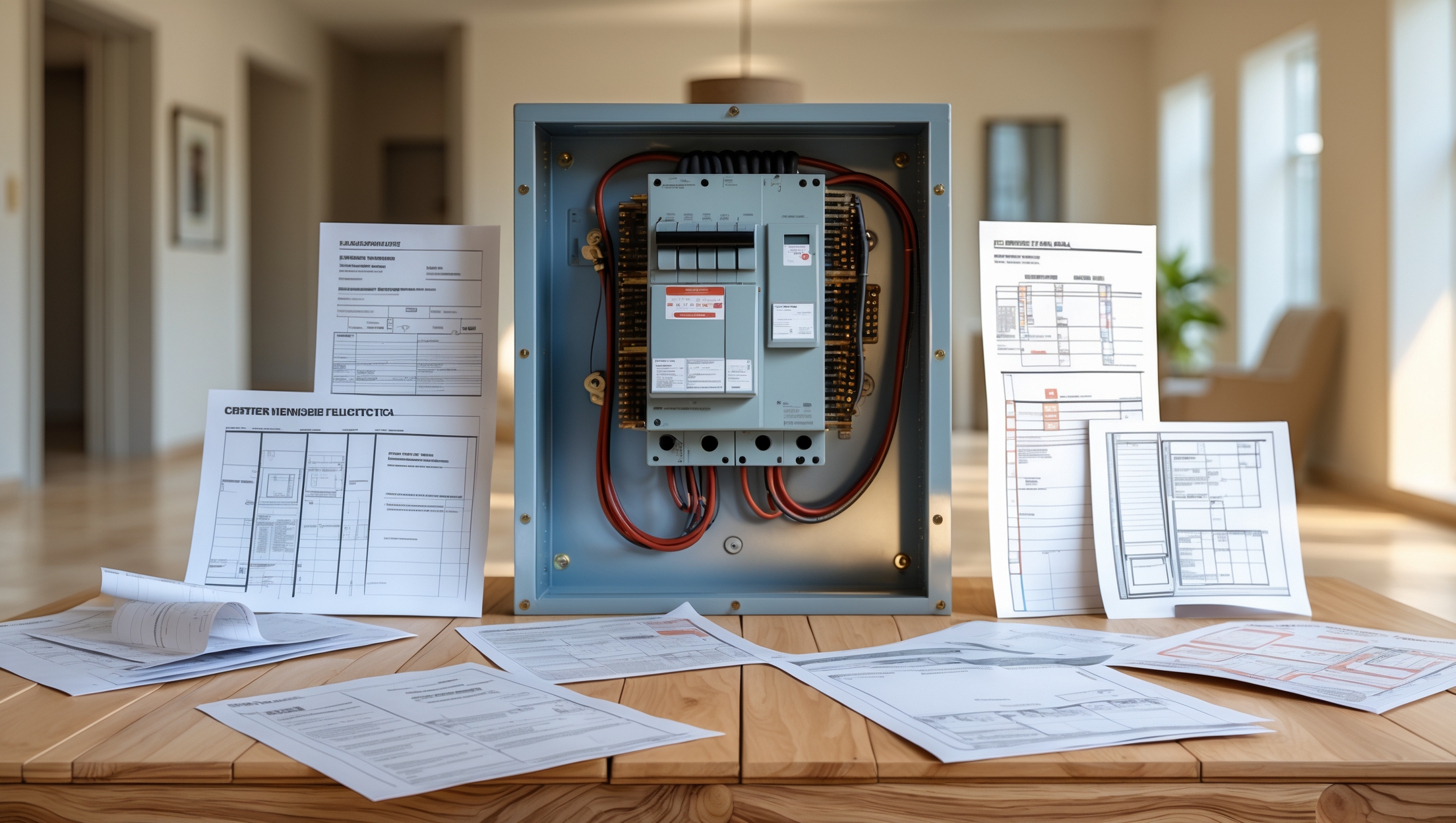
Introduction: Why Electrical Permits Matter for Home Projects
Whenever you plan a home improvement that involves electrical work—whether it’s installing new outlets, upgrading your panel, or running wiring for a renovation—one of the most critical, yet often misunderstood, steps is obtaining the proper electrical permits. Many homeowners underestimate the importance of permits, viewing them as bureaucratic red tape or unnecessary expenses. However, electrical permits are designed to protect you, your family, and your property. They ensure that all work meets established safety standards, reducing the risk of electrical fires, shock hazards, or insurance complications down the line. Failing to secure the right permits can result in failed inspections, hefty fines, costly rework, legal liabilities, and even challenges when selling your home. In this comprehensive guide, we’ll demystify the electrical permitting process, explain how local codes influence your project, and provide actionable advice for navigating compliance with confidence. Whether you’re a DIY enthusiast tackling your first wiring project or a seasoned homeowner planning major renovations, understanding the permit landscape is key to a successful, safe outcome.
Understanding Electrical Permits: What, When, and Why
What Is an Electrical Permit?
An electrical permit is an official authorization issued by your local building or code enforcement authority allowing you to perform specified electrical work. It’s a legal requirement for many types of installations, repairs, or upgrades, ensuring the work will be inspected and verified for safety and code compliance.
When Do You Need an Electrical Permit?
- New Circuits or Outlets: Adding new wiring, outlets, or light fixtures almost always requires a permit.
- Panel Upgrades: Replacing or upgrading your main service panel or subpanels mandates a permit and inspection.
- Major Appliance Installations: Dedicated circuits for appliances like ovens, dryers, or EV chargers need permitting.
- Major Renovations: Kitchen, bathroom, or basement remodels involving electrical changes typically require permits.
- Outdoor Electrical Work: Installing exterior outlets, landscape lighting, or pool equipment generally needs a permit.
Minor repairs, such as replacing a light switch or outlet in the same location, often do not require a permit, but requirements vary. Always check with your local authority.
Why Are Permits Required?
- Safety: Ensures work meets the National Electrical Code (NEC) and local amendments, reducing hazards.
- Legal Compliance: Protects homeowners from violations that can lead to fines or required rework.
- Insurance: Validates that upgrades or repairs are covered in case of future claims.
- Property Value: Simplifies the resale process by providing documentation of compliant upgrades.
Local Codes: How They Affect Your Project
National vs. Local Code Requirements
The National Electrical Code (NEC) serves as the baseline for electrical safety in the United States. However, local jurisdictions often adopt the NEC with modifications or add their own supplementary requirements. For example, some cities require arc-fault circuit interrupters (AFCIs) in more areas than the NEC mandates, or enforce stricter rules regarding underground wiring depths. Always confirm the edition of the code your locality enforces and any unique amendments.
How to Find Local Code Information
- Municipal Websites: Most city or county building departments publish permit guides and code amendments online.
- Permit Counter: Visiting your local building office can provide access to printed code books and staff guidance.
- Licensed Electricians: Pros familiar with your area’s requirements can be invaluable resources.
Don’t assume what’s allowed in one jurisdiction applies elsewhere—even neighboring towns may have significant differences.
Step-by-Step: Navigating the Electrical Permit Process
1. Define the Scope of Work
Start by clearly outlining your project. Identify all electrical components involved, from wiring runs to fixture types. The more detailed your plan, the smoother the permit process will be.
2. Consult Local Requirements
Contact your municipal building department or visit their website. Obtain application forms, fee schedules, and any checklists for residential electrical work. Clarify if you qualify for a homeowner’s permit (for DIY work) or if a licensed electrician is required by law for your scope.
3. Prepare Documentation
- Site Plan: A simple drawing showing the location of your home, proposed work area, and any exterior changes.
- Electrical Plan: A schematic indicating new circuits, outlets, fixtures, and their amperage ratings.
- Load Calculations: Some jurisdictions require proof that your panel can safely handle the additional load.
- Product Specs: Documentation for major equipment (panels, breakers, AFCIs/GFCIs, etc.).
Accurate, complete plans speed up approvals and inspections. Incomplete or vague submissions often result in delays or rejected applications.
4. Submit Your Application
Most cities now accept applications online, but some still require in-person submission. Pay the required fee, which typically ranges from $50 to several hundred dollars depending on project size and complexity.
5. Await Approval or Corrections
The building department will review your plans. They may request clarifications or corrections. Respond promptly to avoid project delays. Once approved, you’ll receive your permit and can begin work.
6. Schedule Required Inspections
- Rough-in Inspection: Conducted before walls are closed, verifying proper wire routing, box fill, and grounding.
- Final Inspection: After all work is complete and devices are installed, ensuring everything operates safely and according to code.
Do not cover any wiring or install drywall before passing the rough-in inspection—this is a common and costly mistake.
7. Pass Inspection and Close Permit
Once your work passes final inspection, the inspector will sign off and officially close your permit. Keep all documentation for your records, especially for future property transactions.
Common Permit Pitfalls and How to Avoid Them
- Skipping Permits Entirely: Even minor projects can require permits. If you’re unsure, always ask.
- Incomplete Applications: Missing load calculations, unclear diagrams, or incomplete addresses can stall your approval.
- Unlicensed Work When Not Allowed: Some jurisdictions require licensed electricians for all but the smallest projects.
- Missing Inspections: Proceeding with drywall or finishing before inspection can result in fines or forced demolition to expose hidden wiring.
- Assuming Code Uniformity: Don’t rely on online forums or advice from other regions. Always check your local rules.
- Poor Record-Keeping: Losing proof of completed permits can create headaches during insurance claims or home sales.
Special Considerations: DIY vs. Professional Permits
Homeowner (DIY) Permits
Many municipalities allow homeowners to pull electrical permits for their primary residence, provided they perform the work themselves and pass all inspections. However, some restrict DIY permits to minor projects or require you to pass a basic code knowledge test. Always confirm eligibility before starting.
Professional (Contractor) Permits
For complex or high-risk work—such as main service upgrades, multi-family dwellings, or commercial projects—local law may require a licensed electrician to obtain the permit and perform the work. Even if allowed, hiring a pro is often the safer option for challenging or unfamiliar tasks.
Cost Breakdown: What to Expect
Permit Fees
- Flat Fees: Many cities charge a base fee (e.g., $50-$150) for small residential jobs.
- Project Value/Scope: Larger projects may incur fees based on job value or number of circuits added ($200–$500+).
- Reinspection Fees: If you fail an inspection, expect to pay $50–$100 for each reinspection.
Indirect Costs
- Time: Plan for 1–3 weeks for permit approval, longer if corrections are needed.
- Corrections: Budget for possible code-required upgrades, especially in older homes (e.g., GFCI/AFCI protection).
- Licensed Contractor Fees: If hiring a pro, permit fees are typically included in their quote.
Insurance and Legal Implications
Why Permits Protect Homeowners
Unpermitted electrical work can jeopardize your homeowner’s insurance. If a fire or injury is traced to non-compliant wiring, insurers may deny claims. Furthermore, selling your home with undocumented upgrades may trigger legal issues or force expensive corrections during escrow. Permits create a clear record that work was performed to code and inspected by authorities, protecting both your investment and safety.
Tips for a Smooth Permitting Experience
- Start early—don’t wait until your project is underway to apply for permits.
- Be honest and detailed on your application; omitting details to avoid scrutiny can backfire.
- Communicate clearly with inspectors—ask questions if you’re unsure about corrections or code requirements.
- Keep copies of all permits, inspection reports, and approvals for your records.
- Take photos during the project (before walls are closed) to document compliance.
- If in doubt, consult a licensed electrician or permitting consultant for complex projects.
Conclusion: Make Permitting a Foundation, Not a Hurdle
Securing an electrical permit is more than a bureaucratic obligation—it’s a cornerstone of safe, reliable, and value-adding home improvements. By embracing the permitting process, you gain peace of mind that your electrical work is not only legal, but also inspected and validated for safety. This safeguards your family, your property, and your financial future. Local code requirements may seem like a maze, but with the right preparation and proactive communication, you’ll find the process much more manageable than its reputation suggests. Remember: every successful project starts with a clear plan, a solid understanding of the rules, and a willingness to seek help when needed. By following the steps outlined in this guide, you avoid common pitfalls, minimize costly mistakes, and ensure your improvements stand the test of time—and scrutiny. Whether you’re swapping out a panel or rewiring a room, make electrical permitting your project’s first priority. The result? A safer, smarter, and more secure home for years to come.
You mention that installing dedicated circuits for major appliances requires a permit. If I am just moving an existing appliance to a different spot within my shop, do I still need to pull a new permit, or does that only apply to totally new circuits?
If you’re simply relocating an existing appliance and not altering the wiring or installing a new dedicated circuit, you typically don’t need a new permit. However, if moving the appliance requires any electrical modifications—like extending or rerouting the circuit, adding outlets, or upgrading wiring—a permit is likely required. It’s always a good idea to check with your local building department to confirm the specific requirements for your area.
For small businesses operating out of older homes, how do local codes typically affect the timeline and budget for electrical panel upgrades? Any advice on minimizing downtime or unexpected costs during the permitting and inspection process would be appreciated.
Local codes can significantly influence both the timeline and budget for electrical panel upgrades in older homes, often requiring updates to meet current safety standards. This may mean rewiring or additional grounding, which can increase costs and project duration. To minimize downtime, schedule work during off-hours if possible and coordinate inspections in advance. Getting a detailed quote from a licensed electrician familiar with local codes helps avoid surprises. Staying in close communication with your permitting office can also prevent delays.
If I’m just replacing an existing light fixture or outlet but not changing any wiring, would I still need to pull an electrical permit in most areas, or does that typically fall under minor repairs that are exempt?
In most areas, simply replacing an existing light fixture or outlet without altering the wiring is usually considered a minor repair and does not require an electrical permit. However, local regulations can vary, so it’s always a good idea to check with your city or county building department to be sure. If you’re only swapping fixtures and not changing wiring, you’re generally exempt.
You mentioned hefty fines and legal complications if the right permit isn’t secured. If I find out after the fact that work was done without a permit, what steps should I take to resolve that and get my project compliant?
If you discover electrical work was done without a permit, contact your local building department as soon as possible. They may require an inspection of the existing work and could ask you to apply for a retroactive or ‘after-the-fact’ permit. Be honest about the situation—most authorities prefer you come forward rather than ignore the problem. An inspector will let you know if any corrections are needed to bring everything up to code.
The article mentions hefty fines and legal complications for skipping permits. Is there a typical cost range for electrical permits, and do costs vary significantly between different cities or counties?
Electrical permit costs do vary quite a bit depending on your location. In some places, permits might cost as little as $30 to $50 for simple residential work, while larger projects or certain cities can charge over $200. It’s common for cities and counties to set their own fee structures, so checking with your local building department is the best way to find the precise amount for your area.
If I only want to swap out some old light fixtures for newer ones without changing any wiring, would I still need to get an electrical permit, or does that only apply when running new wires?
If you’re just replacing old light fixtures with new ones and not altering or adding any wiring, most local codes don’t require an electrical permit for this type of work. Permits are typically needed when you’re running new wires or making major changes to the electrical system. However, double-check with your city or county permitting office, as rules can vary.
You mentioned that local codes can influence permitting requirements. How much variability is there between different municipalities, and is there a straightforward way for homeowners to find out the exact rules for their specific area before starting a project?
There can be significant variability between municipalities when it comes to electrical permit requirements—some may require permits for minor work while others only for major changes. The best way to find out the exact rules for your area is to contact your local building or permitting department directly. Many offer guidance online or over the phone, and some have permit checklists or FAQs on their websites to help homeowners understand what’s needed.
If I’m planning to simply replace an existing light fixture without adding any new wiring, do I still need to pull an electrical permit or is that considered a minor repair under most local codes?
For most local codes, simply replacing an existing light fixture with a new one, as long as you aren’t adding circuits or modifying wiring, is usually considered a minor repair and doesn’t require a permit. However, it’s always best to double-check with your local building department, since requirements can vary by city or county. If you’re unsure, a quick call to your local permitting office should clear things up.
If I’m just swapping out a broken outlet with a new one in the same spot, do I still need to go through the electrical permit process, or is that considered minor enough to skip the permit?
In many areas, simply replacing a broken outlet with a new one in the same location is considered minor maintenance and doesn’t require a permit. However, local rules vary, so it’s best to check with your city or county’s building department to confirm their requirements before you begin. This helps ensure your work stays safe and within code.
If I’m planning to install several new outlets and light fixtures in different rooms at the same time, does that require separate permits for each area, or can everything be covered under a single electrical permit? Also, does the process vary much between cities within the same state?
Most of the time, you can cover multiple new outlets and light fixtures throughout your home with a single electrical permit, as long as the work is part of one project. However, the exact requirements and how permits are issued can vary between cities, even within the same state. It’s a good idea to check with your local permitting office for their specific process and any unique local rules.
If I’m just replacing existing outlets with newer ones in the same locations, do I still need to get an electrical permit, or is that usually considered minor enough to skip the paperwork?
In most areas, simply replacing existing outlets with new ones in the same locations is considered minor maintenance and often doesn’t require a permit. However, some local codes do require a permit even for straightforward replacements. It’s best to check with your local building or electrical department to be sure, as regulations can vary by city or county.
For someone doing a DIY project for the first time, about how long does it usually take to get an electrical permit approved, and should I factor that into my project timeline?
Approval times for electrical permits can vary, but in many areas, it takes anywhere from a few days to two weeks, depending on your local authority and the complexity of your project. It’s definitely wise to factor this waiting period into your overall project timeline so you don’t run into unexpected delays. You can check with your city or county permitting office to get a more specific estimate for your location.
If I’m just replacing a broken light switch or outlet without adding new wiring, do I still need to pull an electrical permit, or is that considered minor enough to skip the paperwork?
For simple replacements like swapping a broken light switch or outlet—without adding new wiring—most local codes consider this minor repair work that doesn’t require a permit. However, some areas have stricter rules, so it’s wise to check your city or county’s building department just to be sure before starting the project.
Is getting a permit for something like installing a new light fixture likely to increase my home insurance costs, or does it actually help reduce insurance risks in the long run?
Getting a permit for installing a new light fixture generally doesn’t increase your home insurance costs. In fact, proper permits show that work was done safely and up to code, which can reduce your insurance risks over time. Insurance companies value permitted and inspected projects because they help prevent issues like electrical fires, making your home safer and potentially avoiding future claims.
You mentioned that failing to get the right permits can cause trouble when selling a home. How do homebuyers or inspectors usually spot unpermitted electrical work during a sale?
Homebuyers and inspectors often spot unpermitted electrical work by looking for signs like mismatched outlets or switches, exposed wiring, or electrical panels that appear newer than the rest of the home. They may also notice missing inspection stickers or records. If something looks out of place or undocumented, they’ll usually ask for permit paperwork, raising questions if you can’t provide it.
When navigating local codes, how can homeowners estimate the total permit cost and time frame for approval, especially for something like a panel upgrade? I want to make sure I budget and plan accordingly before starting any work.
To estimate permit costs and approval times for a panel upgrade, contact your local building or permitting office—they can give you fee schedules and current processing times. Costs vary depending on your area and project scope, so it’s best to ask directly. Also, factor in time for plan review or possible inspections. Most homeowners find that budgeting a few hundred dollars and allowing several weeks covers typical panel upgrades, but local details will give the most accurate estimate.
I’m considering upgrading my main service panel, like you mentioned in the article. Are there additional inspections or fees I should be prepared for beyond just the standard electrical permit cost?
When upgrading your main service panel, you should expect not only the standard electrical permit fee but also possible additional costs. Many jurisdictions require extra inspections, such as utility company inspections and final approval from the local building department. Sometimes there are separate fees for reconnecting service or for plan review. It’s best to check with your local permitting office to get a complete picture of all potential requirements and costs for your area.
The article mentions that failing to get the right permits might cause problems when selling your home. Could you explain what kind of issues might come up during a home sale if some electrical work was done without the proper permits?
If electrical work was done without the proper permits, you might face problems during a home sale such as delays in closing, lower offers, or even canceled deals. Home inspectors or buyers could discover the unpermitted work, requiring you to get retroactive permits or redo the work to meet code. This can add unexpected costs and complications to the selling process.