

Introduction: Why Insurance Inspections of Your Home’s Electrical System Matter
Homeowners often focus on safety and efficiency when they update or maintain their electrical systems, but there’s another crucial angle that’s easy to overlook: insurance inspections. After all, your homeowners insurance isn’t just there to protect you in the event of fire, storm, or electrical failure—it’s also dependent on your home meeting certain safety standards. Insurance companies frequently require inspections, especially when you’re buying a new policy, renewing, or after major upgrades. These inspections are not just a formality. The results can impact your premiums, coverage eligibility, and even your ability to secure insurance at all. Failing an inspection can mean costly repairs, policy exclusions, or increased rates. On the flip side, a well-prepared electrical system can lower your risk profile, possibly leading to better rates and renewed peace of mind. This comprehensive guide will walk you through what to expect during an insurance inspection focused on your electrical system, which issues inspectors are most concerned about, and practical steps you can take to prepare your home for a successful outcome.
Understanding Insurance Electrical Inspections: When and Why They Happen
Common Triggers for an Inspection
- New Policy Applications: Insurers often require a home inspection—especially for older properties—before extending coverage.
- Policy Renewals: Homes over a certain age (typically 30+ years) or with claims history may be flagged for periodic re-inspection.
- After Major Upgrades or Renovations: Significant electrical work, such as panel upgrades or rewiring, can prompt a re-inspection to verify compliance and workmanship.
- After an Incident: Fires, water damage, or electrical failures may lead to a post-claim inspection to assess risk or verify repairs.
What Are Inspectors Looking For?
Insurance inspectors focus on hazards that could increase the likelihood of claims. Their goal is to assess risk related to electrical fires, shock, and code compliance. They are not there to troubleshoot minor issues, but to identify:
- Outdated or unsafe wiring (e.g., knob-and-tube, aluminum wiring)
- Improperly maintained or overloaded electrical panels
- Non-compliant DIY work or unpermitted modifications
- Missing or malfunctioning safety devices (e.g., GFCIs, AFCIs)
- Signs of overheating, corrosion, or water intrusion
What Inspectors Check: A Room-by-Room Electrical Walkthrough
Electrical Service Entry and Main Panel
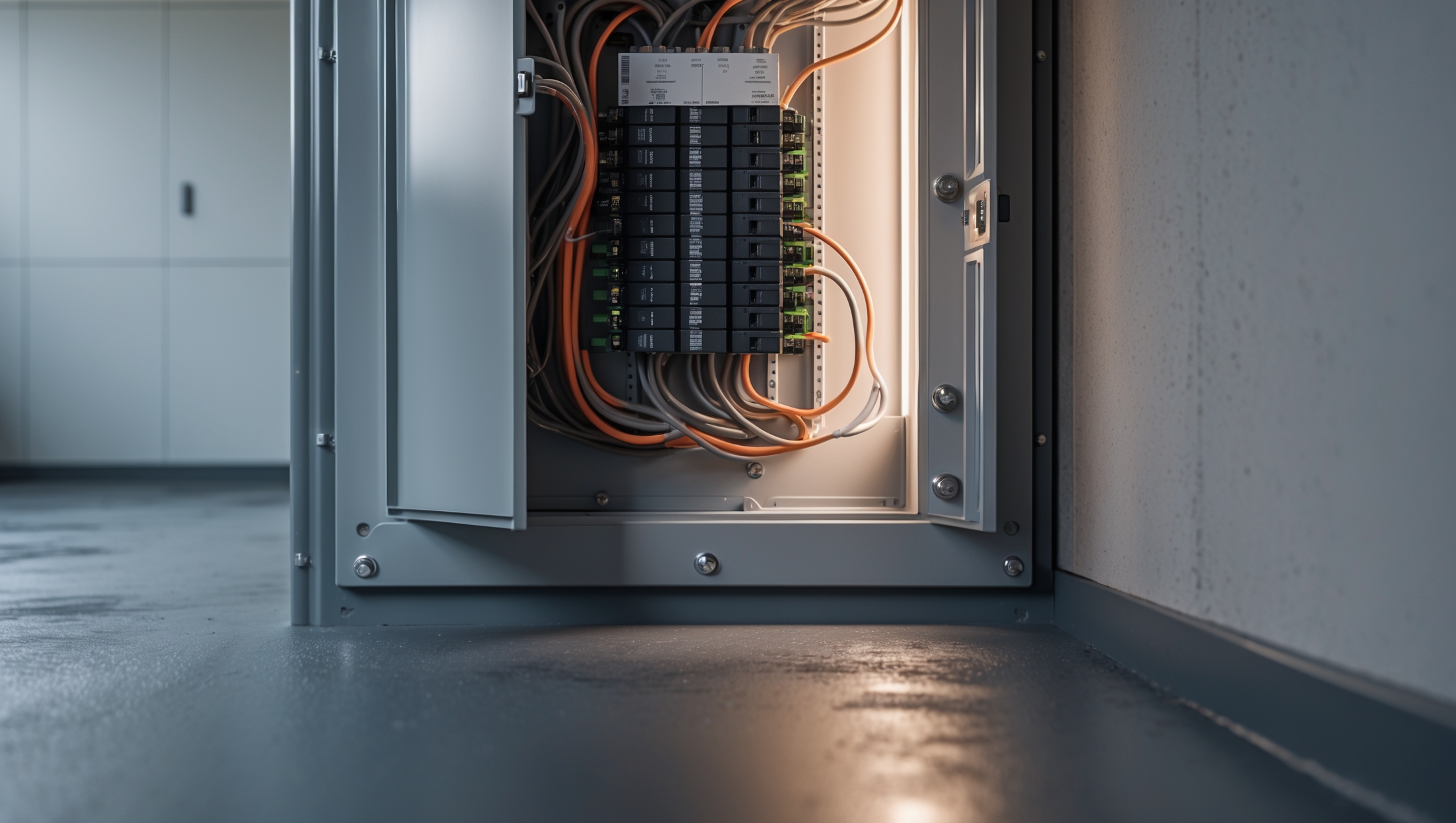
- Age and Condition: Panels over 30–40 years old, or those with obsolete brands (e.g., Federal Pacific, Zinsco), are red flags.
- Capacity: Inspectors check if the amperage meets the demands of modern appliances and HVAC systems.
- Wiring Neatness: Excessive clutter or messy wiring can signal DIY work or poor maintenance.
- Labeling: Circuits should be clearly labeled for emergency and troubleshooting purposes.
Branch Circuits and Wiring
- Wire Type: Knob-and-tube and aluminum branch wiring are high-risk; copper is preferred.
- Connections: Wire nuts, splices, and junction boxes should be code-compliant and accessible.
- Visible Damage: Inspectors look for signs of overheating, melting, or rodent damage.
Outlets, Switches, and Fixtures
- GFCI & AFCI Protection: Kitchens, bathrooms, laundry rooms, and outdoor outlets should have properly functioning GFCI (ground-fault circuit interrupter) protection. Bedrooms may require AFCI (arc-fault circuit interrupter) breakers.
- Grounding: Outlets need proper grounding—testers can quickly reveal issues.
- Condition: Cracked, loose, or warm outlets/switches are flagged as hazards.
Wet and Outdoor Areas
- Weatherproofing: Outdoor outlets and fixtures must be rated for exterior use and have intact covers.
- GFCI: All outdoor receptacles should have GFCI protection.
- Corrosion: Look for rust on outdoor panels, boxes, or conduit.
Specialty Systems
- HVAC and Major Appliances: Dedicated circuits and disconnects should be present and accessible.
- Smoke and CO Alarms: Hardwired detectors with battery backup are often required, especially in bedrooms and hallways.
Common Issues That Can Jeopardize Your Insurance Coverage
Outdated Panels and Wiring
Insurance providers are increasingly reluctant to cover homes with outdated or hazardous components. Panels from certain manufacturers (Federal Pacific, Zinsco, Challenger) are notorious for faulty breakers and fire risk. Similarly, knob-and-tube wiring, prevalent in homes built before 1950, lacks grounding and insulation quality. Aluminum branch wiring, popular in the 1960s and 1970s, is another common issue due to its propensity for loose connections and overheating.
Unpermitted or DIY Electrical Work
Unpermitted additions, visible code violations, or obvious DIY shortcuts (like missing junction box covers or overloaded circuits) are major red flags. Insurance companies may deny claims if damage is traced back to such work, or may refuse to offer/renew coverage until the issues are fixed and properly inspected.
Lack of Safety Devices
Missing or malfunctioning GFCIs and AFCIs can lead to policy exclusions, especially in areas required by code (kitchens, baths, laundry, outdoors, bedrooms). Inspectors test these devices, and a single failed GFCI can trigger a repair requirement for coverage.
Poor Maintenance and Visible Hazards
Signs of overheating, corrosion, moisture, or physical damage (e.g., burnt outlets, melted insulation, rusted panels) are immediate concerns. Insurance inspectors may require repairs, and in severe cases, coverage may be suspended until the hazards are addressed and re-inspected.
How to Prepare: A Step-by-Step Electrical Inspection Readiness Checklist
1. Review Your Electrical Panel
- Check for a modern breaker panel (replace fuse boxes, obsolete brands, or panels with visible corrosion).
- Label all circuits clearly—use a printed directory if possible.
- Ensure the panel cover is secure and no breakers are missing or loose.
2. Test GFCIs and AFCIs
- Use a simple outlet tester to check GFCI outlets in kitchens, bathrooms, laundry, garages, and outdoors.
- Press the “test” and “reset” buttons to confirm proper function.
- If your panel has AFCI breakers, use the test button regularly to ensure they trip and reset correctly.
3. Inspect Outlets, Switches, and Fixtures
- Replace any cracked, loose, or discolored outlets and switches.
- Tighten faceplates and ensure all outlets are firmly mounted.
- Test for proper grounding with a plug-in tester.
4. Check Visible Wiring
- Address any exposed wiring, damaged insulation, or missing junction box covers.
- Secure loose or dangling wires along walls and ceilings.
- Look for signs of rodents or pests around wiring runs, especially in attics and basements.
5. Verify Smoke and CO Alarms
- Ensure detectors are hardwired (where required) and have fresh backup batteries.
- Test all alarms—replace any that fail to sound or are past their expiration date (usually 8–10 years from manufacture).
6. Examine Outdoor and Wet Area Wiring
- Confirm all outdoor outlets have weatherproof covers and GFCI protection.
- Check that lighting fixtures are rated for exterior or damp locations.
- Repair or replace any corroded boxes, conduit, or fixtures.
7. Correct Unpermitted or Non-Compliant Work
- Hire a licensed electrician to inspect recent DIY work or to bring legacy wiring up to code.
- Obtain permits and schedule inspections as required by your local authority.
Documentation: What to Have Ready for Inspectors and Insurers
Permits and Inspection Records
Keep copies of permits and final inspection sign-offs for any electrical upgrades or renovations. This proves that work was performed to code and inspected by your local authority. If you lack historical documents, ask your electrician for a letter describing recent work and its compliance status.
Maintenance Logs and Receipts
Document any electrical repairs or upgrades with receipts and a simple maintenance log. Note the date, nature of work, and who performed it. This can demonstrate proactive care and provide valuable information if questions arise after the inspection.
Photos of Key Electrical Areas
Take clear, dated photos of your electrical panel, visible wiring, outdoor outlets, and any recent upgrades. These can be helpful if inspectors need to review your setup remotely or if disputes arise during the claims process.
What Happens After the Inspection?
Possible Outcomes
- Pass: No issues found, or only minor recommendations—policy is issued or renewed without changes.
- Conditional Pass: Minor repairs or upgrades are required within a specified timeframe. Coverage may be temporary or partial until follow-up proof is provided.
- Fail: Significant hazards or non-compliance found—insurance may be denied or canceled until repairs are completed and re-inspected.
Repair and Re-Inspection
If your inspection requires follow-up, act quickly. Prioritize hiring a licensed electrician for repairs. Once work is complete, schedule a re-inspection or provide proof of repairs (receipts, photos, or a contractor’s letter) to your insurance company.
Premiums and Coverage Changes
Improvements to your electrical system can sometimes lower your premiums—especially if you upgrade from outdated wiring or panels. Conversely, failure to address issues can lead to higher deductibles, exclusions for electrical fire, or outright denial of coverage.
Proactive Upgrades: Electrical Improvements That Can Enhance Insurability
Modern Panel Upgrades
Replacing an obsolete or undersized panel with a new, code-compliant breaker panel is one of the most effective ways to reduce risk and improve insurability. Choose panels from reputable manufacturers and ensure professional installation.
Wiring Replacement
Upgrading from knob-and-tube or aluminum wiring to modern copper wiring not only improves safety and code compliance, but also makes your home more attractive to insurers. If a full rewire isn’t feasible, targeted upgrades (such as kitchen, bath, and major appliance circuits) can help mitigate risk.
Whole-House GFCI and AFCI Protection
Some insurers are now offering discounts for homes with comprehensive GFCI and AFCI coverage. Consider upgrading outlets and breakers in required areas—even if your local code doesn’t mandate it yet.
Smart Monitoring Devices
Smart circuit monitors and connected smoke/CO alarms offer real-time alerts and data that can help prevent loss. Some insurance companies offer incentives or discounts for homes equipped with these systems.
Conclusion: Turning the Inspection into an Opportunity
Insurance inspections focused on your home’s electrical system can feel daunting, but with the right preparation and knowledge, they become a valuable opportunity. These inspections not only protect insurance companies from risk—they also protect your family and investment by catching hidden hazards before they become disasters. By understanding the inspection process, addressing common issues, and documenting your efforts, you can navigate the process with confidence. Take the time to proactively upgrade outdated or risky components—such as old panels, unsafe wiring, or missing safety devices. Keep thorough records of all electrical work, and don’t hesitate to consult a licensed electrician for advice or repairs. Remember: a safe, code-compliant electrical system is not just about meeting insurance requirements or passing an inspection. It’s about ensuring your home is protected for years to come, with fewer surprises, lower risks, and the potential for better insurance rates. Embrace the inspection as a check-in on your home’s well-being, and use it as motivation to keep your electrical system—and your coverage—as strong as possible.
We’re getting ready to renew our homeowners policy on a 40-year-old house. Besides major issues like outdated wiring, what smaller electrical problems do inspectors commonly flag that might affect our eligibility or rates?
Inspectors often flag smaller issues like missing or damaged outlet covers, improperly grounded outlets, exposed wiring in basements or attics, and overloaded power strips. They also check for loose or corroded connections in the electrical panel, and non-GFCI outlets in bathrooms, kitchens, or outdoor areas. Addressing these minor concerns can help avoid surprises during your inspection and may support better insurance rates.
For someone on a tight budget, what are some practical steps I can take to prepare my electrical system before an insurance inspection to avoid failing it and facing higher premiums or policy exclusions?
You can start by checking for obvious issues like frayed wires, overloaded power strips, or exposed outlets, and fixing or replacing them if possible. Make sure your circuit breaker panel is clearly labeled and accessible. Test smoke detectors and replace batteries if needed. If you have older electrical outlets, install inexpensive outlet covers. These simple steps can help your system look well-maintained and reduce the chances of costly problems being flagged during the inspection.
For older homes that might need repairs to pass an inspection, are there recommended steps to prepare on a limited budget, or does insurance usually expect all issues to be fixed before coverage is approved?
Insurance companies typically require that major safety issues flagged during an inspection, like outdated wiring or faulty panels, are fixed before they offer coverage. On a limited budget, start by addressing the most critical concerns such as exposed wires or overloaded circuits. Getting a licensed electrician to do a basic safety check can help prioritize repairs. You can also ask your insurer if temporary coverage or conditional approval is possible while you make gradual improvements.
After reading about inspections following incidents like fires or major water damage, I’m wondering how long homeowners usually have to make any required repairs before the insurer reinspects or makes coverage decisions?
The time homeowners have to make repairs after an inspection varies by insurer, but it’s typically anywhere from 30 to 90 days. Your insurance company should give you a specific deadline based on the severity of the issues found. They’ll usually schedule a reinspection after that period to confirm repairs before making final coverage decisions.
If my house is over 30 years old but I’ve already upgraded the main electrical panel, does an insurance inspection still focus on the age of the original wiring, or will they mainly check the new work? I’m trying to figure out what they’re most likely to flag.
In an insurance inspection, both the age of the original wiring and the upgraded electrical panel are important. Inspectors usually pay close attention to older wiring, as it can still pose risks even if the panel is new. They’ll check for outdated materials like knob-and-tube or aluminum wiring, visible wear, and code compliance throughout your system, not just the panel upgrade.
If an inspector finds something minor that doesn’t meet current electrical standards but hasn’t caused any issues, will my insurance get canceled immediately, or am I usually given a chance to make repairs before they adjust my policy or premiums?
If the inspector finds a minor issue that doesn’t meet current electrical standards but hasn’t caused problems, most insurance companies will give you a chance to fix it before taking any action. You’ll typically receive a notice outlining required repairs and a time frame to complete them. Your policy or premiums are not usually affected immediately unless the issue is considered a severe safety risk.
You mentioned that failing an inspection can mean increased rates or exclusions. Are there particular electrical system issues that most often lead to failed inspections, and what are the recommended steps or professionals to consult before scheduling the insurance check?
Common electrical issues that lead to failed inspections include outdated wiring (such as knob-and-tube or aluminum), overloaded circuits, missing GFCI outlets in kitchens and bathrooms, exposed or damaged wiring, and improper grounding. Before your insurance inspection, it’s a good idea to hire a licensed electrician to assess your system. They can identify and fix potential problems, ensuring everything meets current safety codes.
How extensive is the inspection process after a claim, like from a small electrical fire? Are inspectors mostly looking at just the affected area, or do they do a complete check of the entire system even if only one part was damaged?
After a claim from a small electrical fire, inspectors usually focus first on the area directly affected to assess the damage and its cause. However, depending on the severity and possible risks, they may also inspect other parts of your electrical system to ensure there are no additional hazards or code violations. A full system check isn’t always standard, but it can happen if the inspector suspects underlying issues.
The article mentions that failing an inspection could lead to higher rates or policy exclusions. If my home doesn’t pass the first time, what are the typical steps and timeline for resolving issues and getting re-inspected for insurance?
If your home doesn’t pass the initial inspection, your insurer will usually provide a report detailing the specific electrical issues that need fixing. You’ll need to hire a licensed electrician to address these problems. Once repairs are complete, schedule a follow-up inspection with your insurance company. The timeline depends on how quickly repairs are finished, but most insurers allow 30 to 60 days to resolve issues and complete the re-inspection process.
I’m curious how much notice insurance companies typically give before sending someone out for one of these inspections, especially if it’s triggered by a policy renewal or claim. Is it usually enough time to prepare and address minor fixes?
Insurance companies generally give homeowners advance notice before scheduling an electrical inspection, often ranging from a few days up to a couple of weeks. This timeline is usually enough for you to tidy up and take care of minor issues like clearing access to panels or fixing visible hazards. For policy renewals, the notice tends to be longer, while claim-triggered inspections might be scheduled more quickly, but you should still have some time to prepare.
If my home is over 30 years old but I recently had electrical upgrades done, will insurance inspectors only focus on the new work during their inspection, or do they still check the rest of the system for older issues?
Insurance inspectors will look at the entire electrical system, not just the recent upgrades. They want to ensure both the new work and any older wiring or panels meet current safety standards. Even if you’ve made improvements, inspectors still check for outdated or unsafe components elsewhere in your home. It’s a good idea to make sure all areas are accessible and address any obvious concerns before the inspection.
You mentioned that a failed inspection could lead to higher premiums or policy exclusions. Are there specific issues with older wiring that usually trigger these outcomes, and is it possible to address them without doing a full rewiring?
Yes, certain issues with older wiring often raise red flags, like knob-and-tube systems, aluminum wiring from the mid-20th century, or damaged insulation. These can lead to higher premiums or exclusions. In many cases, you don’t have to fully rewire your home. Electricians can sometimes make targeted repairs, like replacing hazardous sections, adding protective devices, or upgrading outlets, which can satisfy insurance requirements without a full overhaul.
If my house is over 30 years old but I recently had a full professional rewiring done, will insurance companies still require a re-inspection at renewal? Or do proof of recent upgrades generally satisfy their requirements?
Most insurance companies will ask for proof of the recent rewiring, such as an electrician’s certification or permit. In many cases, this documentation is enough to satisfy their requirements and avoid a new inspection. However, some insurers may still request an inspection to verify the work, especially for older homes. It’s best to check directly with your insurance provider to confirm their specific process.
You mention that failing an inspection can lead to increased rates or exclusions. Is there typically an opportunity to make repairs and get re-inspected before a final coverage decision is made, or could my policy lapse while I’m fixing issues?
Most insurers will give you a window of time to fix any issues found during the inspection before making a final decision about your coverage. You’ll usually have an opportunity to make repairs and then schedule a re-inspection. However, if repairs aren’t completed within the specified timeframe, your policy could be at risk of lapsing or facing exclusions. It’s important to communicate with your insurer and meet their deadlines.
For business owners who also work from home, does an insurance electrical inspection differ in any way, or are there additional requirements compared to a standard home inspection?
If you run a business from home, insurance electrical inspections may include extra checks beyond a standard home inspection. Inspectors might look at specialized equipment, higher electrical loads, or any business-related modifications to your wiring. They may also review compliance with local codes for home-based businesses. It’s a good idea to inform your inspector about any business activities and equipment you use to ensure all requirements are covered.
If my house is over 30 years old but I recently had the wiring redone, will that still flag me for more frequent insurance electrical inspections, or do upgrades reset the process? I’m trying to figure out how often to expect these checks after renovations.
When you’ve had your home’s wiring professionally updated, especially if it’s documented and up to current code, insurers often consider the electrical system as ‘modernized.’ This usually means you won’t be flagged for more frequent inspections just because your house is older. However, requirements can vary by insurer, so it’s a good idea to provide proof of your upgrades and check directly with your provider to confirm their specific inspection schedule.
You mention that a failed inspection can mean costly repairs or even losing coverage. What are some typical fixes homeowners should budget for if their panel or wiring doesn’t meet the inspector’s standards?
If your panel or wiring doesn’t pass inspection, some typical fixes homeowners may need to budget for include upgrading an outdated electrical panel, replacing old or unsafe wiring (like aluminum or knob-and-tube), installing proper grounding, adding circuit breakers, or fixing overloaded circuits. Costs can vary widely based on the age and condition of your system, but preparing for several hundred to a few thousand dollars is reasonable for common updates.
When you mention that insurance companies often require inspections for older homes or after major electrical upgrades, how detailed are these inspections compared to a standard home inspection during a sale? Are there specific checklists or standards that insurance inspectors follow?
Insurance inspections for electrical systems are usually more focused than a standard home inspection. Inspectors typically examine the age and condition of wiring, panels, grounding, and safety features like circuit breakers or GFCIs. While there isn’t a universal checklist, most insurance companies have their own guidelines based on safety codes and risk factors. The inspection is often less broad than a general home inspection but more detailed regarding electrical safety.
If I’m getting an insurance inspection right after finishing a major renovation with new electrical work, what documents or proof should I have ready for the inspector to make the process smoother and avoid any delays with my coverage?
Have your electrical permits, the Certificate of Completion, and any inspection reports from your local building department ready. It also helps to have documentation from your licensed electrician, such as invoices or a summary of the work performed, and proof that everything was done to code. This will give the inspector confidence that your renovation meets safety and insurance requirements.
The article mentions that failing an inspection can lead to higher premiums or exclusions—do insurance inspectors usually give homeowners a chance to fix issues before those penalties kick in, or do the consequences happen right away?
Insurance inspectors typically give homeowners an opportunity to address and fix any issues found during an inspection before any penalties, such as higher premiums or coverage exclusions, are enforced. Usually, you’ll receive a detailed report outlining the problems and a time frame—often 30 to 60 days—to make the necessary repairs. Only if the issues remain unresolved after that period do the consequences take effect.
Do insurance inspectors typically flag homes that still have older electrical panels, like Federal Pacific or Zinsco brands? If so, can upgrading just the panel have a noticeable effect on insurance premiums, or do insurers usually want to see a full rewiring for older homes too?
Insurance inspectors do often flag homes with older panels such as Federal Pacific or Zinsco, as these are known for safety concerns. In many cases, upgrading just the electrical panel can positively impact your insurance eligibility and sometimes lead to lower premiums. However, if the home’s wiring is also outdated or unsafe, insurers may request further upgrades beyond the panel replacement. It’s best to check with your specific insurer about their requirements.
Could you clarify what specific electrical issues typically cause homeowners to fail an insurance inspection? For example, are outdated panels or the absence of GFCIs more likely to be a concern than visible wiring issues?
Outdated electrical panels, such as those from brands known for safety issues, and the absence of GFCI outlets in areas like kitchens and bathrooms are both common reasons for failing an insurance inspection. Visible wiring problems—like frayed wires or exposed connections—are also serious concerns. Insurers generally flag any safety hazards, but outdated panels and missing GFCIs are very frequently cited, sometimes even before more obvious visible wiring problems.
When an inspector checks your electrical system after a big renovation, do they look for specific code compliance based on when the home was built, or do they expect everything to meet current standards no matter how old the house is?
When an inspector checks your electrical system after a major renovation, they generally expect any newly installed or altered wiring to meet current electrical codes. Existing, unchanged parts of your home are usually not required to be updated to the newest standards unless they’re unsafe. So, inspectors focus on code compliance for the renovated areas, not the whole house, unless broader safety issues are found.
You mentioned that insurance inspectors pay special attention to homes over 30 years old or those with recent electrical upgrades. Are there certain common issues in older homes that almost always come up during these inspections?
Yes, there are a few issues that tend to come up in older homes during insurance inspections. Inspectors often find outdated electrical panels, knob-and-tube or aluminum wiring, lack of grounding, and insufficient circuit capacity. They also look for ungrounded outlets, missing GFCIs in kitchens and bathrooms, and any visible signs of DIY or unsafe wiring repairs. Addressing these areas before your inspection can help avoid potential problems.
You mention inspections are often triggered during policy renewals for homes over 30 years old or with a claims history. Is there a standard checklist inspectors use for these older properties, or does it vary by insurer and state?
The checklist for insurance inspections on older homes isn’t fully standardized. While many inspectors look for common safety issues—like outdated wiring, overloaded panels, and grounding—specific items can vary by insurer, state regulations, and local electrical codes. Your insurance company may provide a list of what they’ll check, so it’s best to ask them directly for the most accurate guidance tailored to your situation.
The article mentions that failing an inspection can lead to higher premiums or even policy exclusions. Do most insurance companies give homeowners a chance to fix any electrical issues before making changes to coverage, or does the rate go up right away?
Most insurance companies do give homeowners an opportunity to address and fix electrical issues found during an inspection before making any changes to coverage or premiums. Typically, you’ll receive a notice listing the required repairs and a deadline to complete them. If the issues aren’t resolved by the deadline, then higher premiums or policy exclusions may take effect. It’s best to communicate promptly with your insurer if you need more time or have questions about the repairs.
In terms of preparing for the inspection, what are some practical steps you recommend for someone on a tight budget who can’t afford a full professional electrical upgrade? Are there basic fixes or areas I should prioritize to improve my chances of passing?
If you’re on a tight budget, focus on simple tasks like replacing broken outlet covers, ensuring all outlets and switches are secure, and checking that there are no exposed wires. Make sure your breaker panel is labeled and accessible, and replace any burnt-out or improper light bulbs. Test your GFCI outlets in kitchens and bathrooms. Address visible hazards first, as these are common reasons for failing inspections.
I’m curious about what actually happens if you fail an electrical inspection for insurance. Are you typically given a chance to make repairs before your rates go up, or can they drop your coverage right away?
If you fail an electrical inspection for insurance, most insurers will give you a list of required repairs and a deadline to fix them before any changes to your policy occur. Usually, your coverage isn’t dropped or rates increased immediately. If you complete the repairs and pass a follow-up inspection within the given timeframe, your policy typically remains unchanged. However, ignoring the repairs or missing deadlines can lead to higher premiums or possible cancellation.
Could you give an example of what might cause an insurance company to exclude coverage after an electrical inspection, even if the system mostly works fine day-to-day?
An insurance company might exclude coverage if the inspection finds outdated or unsafe wiring, such as knob-and-tube or aluminum wiring, even if your lights and outlets seem to work fine. Other issues might include missing grounding, overloaded panels, or evidence of amateur repairs. These problems can pose fire risks, so insurers may refuse coverage until they’re properly addressed.
When an insurance company sends an inspector out after a major electrical upgrade, do they primarily check just the new work, or do they re-evaluate the entire electrical system regardless of what was updated?
Insurance inspectors usually focus on the new electrical work to verify it was done safely and up to code. However, they often take the opportunity to look at the overall condition of your home’s electrical system as well. If they spot older hazards or outdated installations during the inspection, they may note those too, even if they weren’t part of the recent upgrade.
If I’ve recently completed a panel upgrade as part of a major renovation, do inspectors look more closely at that new work or do they still check the rest of the home’s older wiring just as thoroughly during the insurance inspection?
Inspectors will definitely pay close attention to your new panel upgrade to ensure it meets current codes and safety standards. However, they also typically check the rest of your home’s older wiring thoroughly. The goal is to assess the overall electrical safety of the entire property, not just the recent updates.
After reading that failing an insurance inspection could impact my rates or coverage, I’m wondering what the most common electrical issues are that might lead to a failed inspection and how expensive they typically are to fix?
Common issues that can cause a failed inspection include outdated wiring like knob-and-tube or aluminum, missing or faulty ground fault circuit interrupters (GFCIs), overloaded panels, exposed wiring, and improper grounding. The cost to fix these can vary: replacing a few outlets might be under $200, while rewiring an older home can run several thousand dollars. Addressing problems early can help avoid higher costs and ensure you maintain proper coverage.
Could you clarify whether insurance electrical inspections are usually scheduled in advance, or can they happen without much notice, especially during a policy renewal or after recent electrical work?
Insurance electrical inspections are typically scheduled in advance, so homeowners usually receive notice before an inspector arrives. This allows you time to prepare your home. However, in cases like policy renewals or after major electrical work, your insurer might request an inspection with shorter notice, but they still generally coordinate with you beforehand. It’s rare for inspections to happen completely unannounced.
You mention that insurance inspections are common after major electrical upgrades or renovations. Is there a standard waiting period after these upgrades before an inspection can be scheduled, or does it vary by insurance company?
The waiting period before scheduling an insurance inspection after major electrical upgrades usually varies by insurance company and sometimes by local regulations. Some insurers may require documentation that the work is complete and has passed any necessary municipal inspections before they will schedule their own review. It’s best to contact your specific insurance provider to find out their exact process and any timing requirements.
You mentioned that insurance inspectors focus on hazards, but do they typically check every outlet and fixture, or do they just look at the main panel and visible wiring? I want to make sure I don’t miss any hidden issues that could be flagged.
Insurance inspectors usually concentrate on the main electrical panel, visible wiring, and areas that are easily accessible. They might spot-check a few outlets or fixtures, but it’s rare for them to check every single one unless there’s a specific concern. To be thorough, it’s wise to test outlets yourself and look for signs of damage or wear, especially in older homes.
Does the insurance inspector need to see behind walls or in crawl spaces, or is the inspection mainly visual from accessible areas? Trying to figure out how much prep work I need to do before they come.
The insurance inspection is typically a visual check of accessible areas. Inspectors usually do not look behind walls or enter crawl spaces unless there is a specific concern. You mainly need to ensure clear access to electrical panels, outlets, and visible wiring. Just tidy up these areas and make sure nothing blocks the inspector’s view.
I’ve recently had my breaker panel upgraded as part of a renovation. How detailed do insurance inspectors get with checking the new panel work, and should I have any specific documentation on hand during their visit?
Insurance inspectors usually do a thorough visual check of your new breaker panel to ensure it meets safety codes and proper installation standards. It’s helpful to have documentation such as the permit for the electrical work, proof of inspection by a licensed electrician, and any certificates of compliance. Having these documents ready can streamline the process and answer any questions the inspector may have.
Could you clarify whether insurance inspections have different requirements based on the age of a home? For instance, are homes over 30 years old subject to stricter electrical safety standards during an inspection, or is the checklist generally the same regardless of age?
Insurance inspections often have different requirements based on the age of a home. Older homes, especially those over 30 years old, are usually subject to closer scrutiny because aging wiring and outdated electrical panels can pose higher risks. Inspectors may check for outdated components like knob-and-tube wiring or fuse boxes in older homes, while newer homes are generally assessed against current code standards. So yes, the checklist can be more extensive for older homes to ensure they meet modern safety expectations.
What are some practical steps I can do myself before an insurance electrical inspection to help avoid costly repairs or higher premiums if my home is a bit older but I’m on a tight budget?
Before your insurance electrical inspection, you can take a few practical steps. Check for visible issues like frayed wires, loose outlets, or outdated fixtures, and replace or repair them if you’re able. Test all light switches and outlets to ensure they work properly. Make sure your circuit breaker panel is labeled and accessible. Replace any missing outlet or switch covers, and confirm your smoke detectors are working. If possible, avoid using extension cords as permanent wiring. These actions can help your home pass inspection without expensive repairs.
Is passing an insurance electrical inspection likely to help lower my premiums right away, or does it just make me eligible for coverage? I’m trying to figure out if investing in some electrical updates would be worth it from a budget perspective.
Passing an insurance electrical inspection usually makes you eligible for coverage, especially if your home is older or has outdated wiring. While some insurers may offer a discount for recent electrical upgrades or a clear inspection, it’s not guaranteed that your premiums will drop immediately. It’s best to check with your insurance company about possible premium reductions before investing in updates purely for cost savings.
The article mentions that failing an electrical inspection can lead to increased rates or exclusions. Do insurance companies usually give homeowners time to fix problems, or could coverage be dropped right away if something is found?
Insurance companies usually allow homeowners a period of time to address any electrical issues found during an inspection. They typically provide a written notice outlining what needs to be fixed and set a deadline for completing repairs. Coverage is rarely dropped immediately; however, if the problems aren’t resolved within the given timeframe, the insurer may increase rates, add exclusions, or consider canceling the policy. It’s important to communicate with your insurer and show proof of repairs to maintain your coverage.
For older homes being considered for a new policy, does the article have any advice on cost-effective ways to address common electrical risks inspectors might flag, particularly for those who might be on a limited budget?
Yes, the article points out several budget-friendly steps for addressing common electrical risks in older homes. It suggests checking for obvious hazards like missing outlet covers or exposed wiring and replacing them yourself if possible. Replacing outdated two-prong outlets with modern three-prong ones and adding GFCIs in key areas are also mentioned as cost-effective updates. The article advises prioritizing essential repairs and, if needed, getting quotes from several licensed electricians to find the most affordable options.
I’m about to renew my homeowners insurance and my house is just over 30 years old. Can you give examples of specific electrical issues that usually cause a home to fail an insurance inspection?
Homes over 30 years old often face inspection issues like outdated electrical panels (especially if they’re Federal Pacific or Zinsco brands), old knob-and-tube or aluminum wiring, exposed wires, overloaded circuits, missing GFCI outlets in wet areas, and ungrounded outlets. Inspectors also look for signs of DIY repairs, damaged outlets, and lack of proper labeling. Addressing these in advance can help your home pass the inspection smoothly.
If I recently had a licensed electrician upgrade my electrical panel and rewire some circuits, will providing proof of this work help during an insurance inspection? Or do inspectors always need to see everything firsthand regardless of documentation?
Providing proof of recent electrical upgrades—like invoices, permits, or certification from a licensed electrician—can definitely help during an insurance inspection. Inspectors often appreciate documentation as it demonstrates that the work was done professionally and safely. However, most inspectors will still want to see the upgrades in person to verify their condition and installation, but your paperwork will make the process smoother.
I understand failing the inspection could impact my insurance rates. Are there common electrical issues that usually cause homeowners to fail, and are there affordable ways to address these before an inspector comes out?
Yes, some common electrical issues that lead to failed inspections include outdated wiring (like knob-and-tube or aluminum wiring), missing or non-functioning GFCI outlets, overloaded circuits, exposed or damaged wires, and missing junction box covers. You can often address these affordably by replacing outlet covers, installing GFCIs in kitchens and bathrooms, and making sure all visible wiring is in good condition. For more complex issues like old wiring, getting a licensed electrician to do a quick safety check can help you fix key problems before the inspection.
You mention that insurance companies often require inspections when renewing policies on homes over 30 years old. Are there specific electrical components or signs of wear that typically raise red flags for inspectors in older houses?
Inspectors usually pay close attention to outdated wiring types like knob-and-tube or aluminum wiring, overloaded or undersized electrical panels, and the condition of circuit breakers. Signs of wear that raise concerns include frayed wires, scorch marks around outlets or panels, missing or damaged outlet covers, and evidence of DIY or unpermitted electrical work. These issues can prompt further investigation or required repairs before policy renewal.
Can you give examples of what specific electrical issues might cause an inspector to increase my premiums or deny coverage? I’m wondering if there are some common problems I could check for myself before the inspection.
Some common electrical problems that could lead to higher premiums or even denied coverage include outdated wiring (like knob-and-tube or aluminum wiring), overloaded circuits, missing or faulty grounding, exposed or frayed wires, and non-compliant electrical panels. It’s a good idea to check for loose outlets, missing cover plates, and be sure all breakers are labeled. Addressing these issues before the inspection can help prevent problems with your insurance.
For the re-inspections that happen after you make major upgrades or renovations to your electrical system, do insurance companies usually want to see documentation like permits or proof the work was done by a licensed electrician?
Yes, after major electrical upgrades or renovations, insurance companies commonly request documentation during re-inspections. They may want to see permits, inspection reports, and proof that the work was completed by a licensed electrician. Having these documents ready helps show that the work meets safety standards and local regulations, which can speed up the insurance approval process.
You mentioned that failing an inspection could lead to higher premiums or even policy exclusions. What are some common electrical issues homeowners overlook that most often cause an inspection to fail?
Some frequent electrical issues that cause inspection failures include outdated wiring like knob-and-tube or aluminum wiring, overloaded circuits, missing or non-functioning GFCI outlets in kitchens and bathrooms, exposed or damaged wires, and panels with double-tapped breakers. Homeowners often miss these problems because they may not cause immediate trouble, but inspectors watch for them closely.
Could you explain what kind of documentation or receipts are most helpful to have on hand for the insurance inspector, especially if I’ve done some minor upgrades or repairs myself? I want to make sure I’m prepared and don’t miss anything they might want to see.
For an insurance inspection, it’s best to gather any receipts for materials you purchased for repairs or upgrades, as well as documentation showing what work was done. If you did the work yourself, make a detailed list describing each upgrade or repair, the date you completed it, and the parts you used. If you hired a licensed electrician for any part, include their invoices or certification. Photos taken before, during, and after the work can also be helpful to show the quality and safety of your updates.
We recently had a panel upgrade done in our house, so does that automatically trigger an insurance inspection, or do we wait for our policy renewal date before hearing from the insurance company?
A panel upgrade doesn’t automatically trigger an insurance inspection, but some insurers may request one if they’re notified of the change or when you update your policy details. Otherwise, you might only be contacted about an inspection around your policy renewal date. It’s a good idea to notify your insurance company about the upgrade and ask if any inspection will be required.
Is there a standard checklist or set of requirements that most insurance inspectors use for electrical systems, or does it vary significantly between companies and regions?
Most insurance inspectors follow a similar checklist for home electrical systems, focusing on key safety aspects like the condition of wiring, electrical panels, circuit breakers, outlets, and adherence to local codes. However, there can be some variation depending on the insurance company and your region, since local building codes and company policies may differ. It’s a good idea to ask your insurer for their specific requirements before your inspection.
The article mentions that failing an inspection can lead to higher premiums or even policy exclusions. Are there any common electrical issues that usually cause people to fail these inspections, and is it possible to do a basic pre-inspection myself to avoid surprises?
Yes, there are several common electrical issues that often cause inspection failures. These include outdated wiring like knob-and-tube or aluminum wiring, missing or faulty ground fault circuit interrupters (GFCIs), overloaded circuits, exposed wiring, and missing or damaged outlet covers. You can do a basic pre-inspection yourself by checking for these issues, making sure your electrical panel is labeled and accessible, and ensuring all outlets and switches work properly. If you’re unsure, consider hiring a licensed electrician for a quick review before the official inspection.
In case an inspection uncovers a problem and I need to make repairs to keep my insurance, how much time do insurance companies typically allow for homeowners to address electrical issues before risking policy exclusion or increased rates?
Insurance companies usually give homeowners 30 to 60 days to address electrical issues found during an inspection, but the exact time frame can vary by company and the severity of the problem. It’s important to review the notice you receive, as it will specify your deadline. If you need more time, contact your insurer—they sometimes grant extensions if you show progress on repairs.
We have an older home and have been claim-free for a while, but you mention homes over 30 years old may get flagged for inspection at renewal. Is there anything specific I should do now to prepare in case our insurer requires one?
Since your home is over 30 years old, it’s a good idea to review your electrical system before any inspection. Check for outdated wiring, ensure your panel is labeled and accessible, and look for signs of wear or damage like frayed wires or discoloration around outlets. If you have any original electrical fixtures, consider having a licensed electrician assess them. Addressing minor issues now can help you avoid surprises if your insurer requests an inspection.
What happens if the inspector finds a problem during the electrical inspection for insurance? Will the insurance company give me time to fix it and re-inspect, or could my policy be canceled right away? Trying to plan for possible next steps if issues come up.
If the inspector finds an issue during the electrical inspection, most insurance companies will provide you with a report outlining what needs to be fixed. Typically, you’ll be given a set period—often 30 to 60 days—to address the problems and then schedule a re-inspection. Policies are rarely canceled immediately unless there’s a serious safety hazard. It’s best to communicate openly with your insurer about timelines for making repairs.
If I schedule an electrical system inspection before renewing my insurance, how long should I expect the whole process to take, and are there practical ways to speed up preparation if I’m on a tight timeline?
An electrical system inspection for insurance typically takes 1 to 2 hours, though scheduling and getting the report may add extra days. To speed things up, clear access to your electrical panel and outlets, ensure all areas are tidy, and gather any relevant paperwork in advance. Contacting a certified electrician early and asking about their availability can also help meet a tight deadline.
Can you clarify whether insurance companies typically notify homeowners in advance before scheduling these electrical inspections, or can they show up unannounced? I want to be sure I have enough time to prepare my system properly.
Insurance companies almost always notify homeowners in advance before scheduling an electrical inspection. They understand that you need time to prepare your home and ensure access for the inspector. You’ll typically receive a call, letter, or email with details about the inspection date and time. Unannounced visits are extremely rare, so you should have plenty of notice to get ready.
If my house is over 30 years old but I recently updated some wiring and outlets, will the insurance inspector still look at the entire electrical system or just the areas that were renovated?
Even if you’ve recently updated some wiring and outlets, the insurance inspector will usually check the entire electrical system, not just the renovated areas. This helps ensure there are no older components that could pose a risk. Be ready to show documentation for the updates you’ve made, as this can help clarify what work was done and may speed up the process.
Is there usually much difference in insurance premiums if you pass the inspection with just minor recommendations versus a completely clean report? I want to know if it’s worth fixing all the small things up front, or if they only care about major hazards.
Insurance companies typically focus on major safety hazards when determining your premiums. Minor recommendations, like labeling breakers or tightening outlets, usually don’t impact your insurance rates as long as they don’t pose safety risks. Addressing critical issues, such as faulty wiring or outdated panels, will have the most significant effect. Fixing small issues can help with future claims and peace of mind, but premiums rarely change for minor recommendations alone.
In the event that an inspection reveals problems and repairs are required, does insurance typically require those repairs to be completed within a certain timeframe to maintain coverage, and are homeowners given guidance on choosing licensed electricians?
If an insurance inspection finds issues, most insurers will set a specific deadline—often 30 to 60 days—for you to complete the required repairs in order to keep your coverage active. Insurers usually require you to hire a licensed electrician, but they generally do not recommend specific contractors. They may, however, remind you to verify credentials and ensure the electrician is properly licensed and insured.
For homeowners who recently had minor electrical repairs rather than major upgrades, does this typically still trigger an insurance electrical inspection, or are these more reserved for extensive renovations and claims-related incidents?
Minor electrical repairs, such as fixing an outlet or replacing a light switch, usually do not trigger an insurance electrical inspection. Inspections are more commonly required after major upgrades, extensive renovations, or if there has been an insurance claim involving electrical issues. However, it’s always wise to check with your insurance provider, as requirements can vary by company and policy.
You mentioned that a failed electrical inspection could mean higher premiums or repairs. How much time do homeowners usually get to fix any problems that come up in the inspection before coverage is affected?
The amount of time homeowners have to address issues found during an insurance inspection can vary depending on the insurer. Typically, companies give a window of 30 to 60 days to complete necessary repairs. Your insurer will usually notify you in writing about the specific timeframe and what needs to be fixed before your coverage or premiums are affected.
You mentioned that a failed inspection could lead to higher premiums or policy exclusions. How much time do homeowners usually get to fix problems after a failed electrical insurance inspection, and do insurance companies offer any help or recommendations for repairs?
Homeowners are typically given 30 to 60 days to address issues found during a failed electrical insurance inspection, but this timeframe can vary by insurer. Most insurance companies provide a written report outlining the problems, and some may offer a list of approved contractors or recommendations for repairs. It’s important to contact your insurer directly to confirm your deadline and any available resources.
Are there any budget-friendly steps a DIYer like me can take to prepare for an insurance electrical inspection? For example, are there specific problem areas or minor fixes that tend to make a big difference in passing an inspection?
Absolutely, there are several cost-effective steps you can take before your inspection. Start by checking for any exposed wiring and securing loose electrical outlets or switch covers. Replace any missing or damaged outlet and switch plates, and make sure all breakers in your panel are clearly labeled. Test GFCI outlets in kitchens, bathrooms, and outdoor areas to ensure they trip and reset properly. Also, clear away any clutter around your electrical panel for easy access. These simple fixes can help address common issues inspectors flag and improve your chances of passing.
If I just completed a major panel upgrade and rewiring, would it be best to schedule my own pre-inspection or wait for the insurance company’s inspection? I want to avoid surprises that could impact my policy renewal.
Scheduling your own pre-inspection is a smart move. Having a licensed electrician review the work before the insurance inspection can help you catch any issues early and provide documentation that everything was done to code. This way, you minimize the risk of surprises during the insurance company’s inspection and help ensure a smoother policy renewal process.
If I know my electrical system might have some outdated elements, is it better to get repairs done before the insurance inspection or wait and see what the inspector recommends? I’m trying to figure out the most cost-effective approach.
If you already know your electrical system has outdated parts, addressing major issues before the inspection can help avoid potential complications or even policy denial. However, if the problems are minor or you’re unsure what needs updating, you could wait for the inspector’s recommendations. Sometimes, inspectors only flag the most urgent concerns, which allows you to prioritize repairs and save on unnecessary work.
After a major renovation, how soon should I expect an insurance inspector to come out to check the electrical system? Is it something they schedule right away, or do I need to request it myself?
After a major renovation, the timing of an insurance inspection depends on your insurance provider and policy. Some insurers will schedule the inspection automatically once you’ve notified them of the completed work, while others require you to request an inspection. It’s a good idea to contact your insurance company as soon as the renovation is finished to ask about their process and schedule the inspection if needed.
I’m planning to do a major renovation that includes rewiring part of my house. Will the insurance inspection look at just the renovated section, or could it trigger a full inspection of my entire home’s electrical system?
When you renovate and rewire part of your house, insurance inspections usually focus on the areas that were updated. However, some insurers may require a full inspection of your entire electrical system, especially if your home is older or hasn’t been inspected recently. It’s wise to check with your insurance provider so you know exactly what they will review during the inspection.
I’m wondering what happens if a home doesn’t pass the electrical inspection during a policy renewal. Are there usually deadlines to make the recommended repairs, and will the insurance company help guide us on what needs to be prioritized?
If your home doesn’t pass the electrical inspection during a policy renewal, the insurance company typically provides a report listing required repairs. You’ll usually be given a deadline to complete these repairs—often 30 to 90 days. The insurer will outline which issues are most urgent, helping you prioritize. It’s important to address the recommendations promptly to avoid a lapse or cancellation of coverage.
After doing a major panel upgrade, how soon should I expect an insurance inspection to happen? Also, are there any budget-friendly steps I can take ahead of time to boost my chances of passing without needing more expensive repairs?
After a major panel upgrade, insurance inspections usually happen within a few days to a couple of weeks, depending on your insurer’s schedule and your location. To prepare without spending much, clear away clutter around the panel, label circuits if they’re not already, and check for any obvious issues like missing cover plates or exposed wiring. Make sure all work areas are accessible and tidy to make inspection easier and leave a good impression.
Do insurance inspectors actually check everything themselves during an electrical inspection, or do they mainly go off paperwork and permits from recent renovations? I want to make sure I’m not caught off guard if they spot issues the original contractor missed.
Insurance inspectors usually do a mix of both—they review paperwork like permits and recent work records, but they also perform a visual inspection of your electrical system. They often look for visible hazards, outdated wiring, damaged outlets, or code violations the contractor may have missed. It’s a good idea to do a quick check yourself first and fix anything obvious to avoid surprises.
You mention that failing an inspection can lead to policy exclusions or higher rates. Are there common electrical issues homeowners often overlook that end up making them fail, and what’s the best way to identify those before the inspector comes?
Homeowners often overlook issues like outdated wiring (such as knob-and-tube or aluminum), missing or faulty ground fault circuit interrupters (GFCIs), overloaded circuits, and exposed wiring. Tripped breakers, loose outlets, and lack of proper grounding are also common. To identify these before an inspection, consider hiring a licensed electrician to perform a thorough check-up or use a home electrical safety checklist to spot obvious problems in accessible areas.
If my home is over 30 years old and I’ve done some minor electrical updates, how likely is it that my insurance company will require a full inspection during policy renewal, and are there specific upgrades that might help me avoid higher premiums?
If your home is over 30 years old, insurance companies often do require an electrical inspection at renewal, especially if they don’t have recent records. Minor electrical updates may help, but major upgrades—like replacing outdated wiring (such as knob-and-tube or aluminum), upgrading the electrical panel to modern standards, and installing GFCI outlets—are more likely to reduce your risk profile and help avoid higher premiums. Documenting any professional work done can also be beneficial.
I’m curious about what happens if you fail an insurance electrical inspection—is there usually a grace period to make repairs before your coverage is affected or do insurance companies drop your policy right away?
If you fail an insurance electrical inspection, most insurance companies will usually give you a grace period to address the issues rather than dropping your policy immediately. They typically outline what repairs are needed and set a deadline—often 30 to 60 days—for you to complete them and provide proof. Your coverage is usually only at risk if you don’t make the required repairs within that timeframe.
If my home is over 30 years old but I’ve recently had it completely rewired by a licensed electrician, would that reduce the chances of my insurance rates increasing after an inspection, or do insurers still mainly focus on the age of the house?
Having your home completely rewired by a licensed electrician is a big plus and can definitely work in your favor during an insurance inspection. Many insurers are more concerned with the condition and safety of your electrical system than the age of the house itself. Be sure to show documentation of the recent rewiring; this can help demonstrate that your home meets modern safety standards and may help prevent a rate increase.
If an insurance inspection finds an issue with the home’s electrical system, do most companies give you time to fix it before canceling or raising your rates, or is it immediate? I’m worried about unexpected costs and how fast I’d need to act.
Most insurance companies typically give homeowners a grace period to address any electrical issues discovered during an inspection. The timeline can vary, but you’ll usually receive a written notice outlining what needs to be fixed and by when, often allowing anywhere from 30 to 90 days. Immediate cancellation or rate increases are rare unless the issue is extremely hazardous and poses an urgent risk.
After a major renovation, how soon do I need to schedule an insurance inspection for my electrical system, and is there a risk my current policy could be paused or limited until the inspection is complete?
You should schedule the insurance inspection for your electrical system as soon as the renovation is finished and all electrical work has passed local code inspections. Many insurers require prompt notification after major upgrades, and some may place temporary restrictions or even pause certain coverage until their inspection is completed and approved. Contact your insurance provider directly to confirm their specific timeline and requirements, so your policy remains fully active.
You mention that inspections after major upgrades can impact your premiums. If I’ve just installed a new breaker panel, is it common for insurance companies to offer better rates, or are they mainly looking for code compliance?
When you install a new breaker panel, insurance companies typically focus on code compliance and safety during their inspection. While meeting the latest standards can sometimes help you qualify for lower premiums, most insurers are mainly looking to confirm that your system is up to code and not a risk. Any potential rate reduction varies by company and policy.
The article mentions that failing an inspection can increase your premiums or cause exclusions. What kinds of electrical issues are most likely to lead to an immediate denial of coverage from an insurance company?
Insurance companies are most likely to deny coverage if your home has outdated or hazardous wiring, such as knob-and-tube or aluminum wiring, overloaded electrical panels, missing or faulty circuit breakers, or visible signs of electrical fire risk like scorched outlets. Exposed wiring, lack of proper grounding, and repeated code violations are also major red flags that can lead to immediate denial.
If an inspection finds an issue that could impact my coverage or increase premiums, does the insurance company usually give homeowners a chance to make repairs before changing the terms, or are decisions made right away?
In most cases, insurance companies will notify you about any issues found during the inspection that could affect your coverage or premiums. They usually give homeowners a set period—often 30 to 60 days—to address and fix these problems before making any changes to your policy. It’s a good idea to ask your insurer about their specific timeline for repairs and what documentation they’ll need once you’ve made the fixes.
Does the inspector look at the entire house, or just focus on the areas where electrical work was done during a renovation? I’m trying to figure out how much of my home I should prepare before the inspection.
For an insurance inspection focused on your electrical system, the inspector will typically examine the entire house, not just the renovated areas. They want to assess the overall safety and condition of your wiring and electrical components. It’s a good idea to make all rooms accessible, clear away clutter from electrical panels and outlets, and ensure that any recent work is easy to inspect.
If an inspector finds outdated wiring but it hasn’t caused any issues so far, does that usually mean immediate repairs are mandatory for insurance, or can homeowners negotiate for more time before making expensive updates?
If an inspector finds outdated wiring, whether immediate repairs are required usually depends on your insurance company’s policies and the wiring’s condition. Some insurers may require prompt updates for continued coverage, while others might allow a grace period to complete repairs. It’s often possible to discuss timelines with your insurer, especially if the wiring is still safe, but you should check directly with them to understand your options.
Can you clarify if insurance inspectors focus only on the main electrical panel or do they usually check outlets and wiring throughout the house as well? I’m trying to figure out how much of my home needs to be prepared before the inspection.
Insurance inspectors typically do more than just look at the main electrical panel. They often check outlets, visible wiring, and sometimes even light fixtures throughout the home to ensure everything meets safety standards. It’s a good idea to make all areas with electrical installations accessible and tidy up any visible wiring issues before the inspection.
If my house is over 30 years old and I’m up for a policy renewal, should I expect insurance inspectors to be stricter than for a newer home? Are there certain common electrical issues in older homes that almost always trigger concerns during these inspections?
Yes, inspectors are typically more thorough with homes over 30 years old because older wiring and electrical systems can pose increased risks. They often look for outdated panels, knob-and-tube or aluminum wiring, missing GFCI outlets, and inadequate grounding. These issues are common in older homes and can raise red flags during inspections, so it’s a good idea to address them beforehand if possible.
For someone on a tight budget, what are the most critical upgrades or preparations to do before an insurance electrical inspection, especially for an older home? Are there specific areas inspectors tend to focus on that could help prioritize what to fix first?
For older homes, inspectors usually focus on safety risks first. Prioritize fixing outdated or damaged wiring, replacing any visible knob-and-tube or aluminum wiring, and ensuring your electrical panel is up to code. Check that outlets in kitchens and bathrooms are GFCI-protected and replace any broken or missing cover plates. Address obvious hazards like exposed wires and overloaded circuits before the inspection to improve your chances of passing, even on a tight budget.
I see that failing an inspection could lead to higher rates or costly repairs. Are there any common electrical issues in older homes that usually trip people up during these insurance inspections?
Yes, several common electrical issues in older homes can cause problems during insurance inspections. These include outdated wiring like knob-and-tube or aluminum wiring, overloaded circuits, missing or faulty GFCI outlets in kitchens and bathrooms, ungrounded outlets, and older or improperly maintained electrical panels. Inspectors often flag these because they present safety risks, so addressing them beforehand can help you avoid higher premiums or required repairs.
When insurance companies do these electrical inspections after a claim like a fire or water damage, are they mostly checking for proper repairs, or do they look at the whole system even if only part was affected? I want to prepare in case I need to go through this.
When insurance inspectors visit after a claim for fire or water damage, they typically focus on the areas that were directly affected to ensure repairs meet safety standards. However, they may also check the overall electrical system for underlying issues or code violations that could have contributed to the problem. It’s a good idea to have your entire system in good order, as inspectors sometimes expand their review beyond just the repaired area.
You mention that insurance inspectors focus on hazards during electrical system checks. Could you give some examples of specific things they commonly flag, especially in older homes? I want to be proactive and address any issues before my inspection.
Insurance inspectors often flag outdated wiring like knob-and-tube or aluminum wiring, which are common in older homes and considered fire risks. They also look for overloaded panels, missing or damaged outlet covers, improper grounding, exposed wires, and lack of GFCI outlets in kitchens and bathrooms. Addressing these issues beforehand—especially replacing unsafe wiring and ensuring your electrical panel is up to code—can help your inspection go smoothly.
You mention that homes over 30 years old or with a history of claims may be flagged for periodic re-inspection. Is there a standard frequency for these follow-up inspections, and do insurers give advance notice so homeowners can prepare?
There isn’t a universal standard frequency for follow-up electrical inspections, as it varies by insurer and policy. Some companies may require inspections every few years, while others assess on a case-by-case basis. Insurers typically provide advance notice—often several weeks—so homeowners have time to schedule the inspection and address any issues before it takes place.
Does failing an insurance electrical inspection automatically mean my rates will go up, or do I typically get a chance to make repairs first? I’m curious how the process works if problems are found.
Failing an insurance electrical inspection doesn’t usually mean your rates will increase right away. Most insurers will let you know what issues need to be fixed and give you a chance to make repairs within a certain timeframe. If you address the problems and pass a follow-up inspection, your policy can typically continue without changes to your rate.
If an inspection finds issues and my insurance company requires repairs, is there a typical timeframe in which I need to get everything fixed before it affects my coverage or rates? I’m just trying to plan ahead in case something unexpected pops up.
If repairs are needed after an inspection, most insurance companies give homeowners a specific timeframe—usually between 30 and 90 days—to complete the required fixes. The exact deadline will be outlined in your insurer’s notice. If repairs aren’t completed by then, your coverage or rates could be affected, so it’s best to check with your insurance company for their specific policy.
You mentioned that failing an inspection can mean costly repairs or higher rates. Are there common electrical issues in older homes that usually cause people to fail these insurance inspections?
Yes, some common electrical issues in older homes can often lead to failed insurance inspections. These include outdated wiring like knob-and-tube or aluminum wiring, ungrounded outlets, lack of GFCI protection in kitchens and bathrooms, overloaded circuits, and faulty or outdated breaker panels. Inspectors also look for exposed wiring, missing junction box covers, and evidence of DIY or unsafe repairs. Addressing these issues before the inspection can help you avoid repair costs and higher insurance rates.
After reading that a failed inspection can lead to increased insurance rates or exclusions, what are the main electrical issues inspectors find that cause homeowners to fail? Are there affordable ways to address the most common problems ahead of time?
Common electrical issues that cause failed inspections include outdated wiring (like knob-and-tube or aluminum), missing or faulty ground fault circuit interrupters (GFCIs), overfilled panels, ungrounded outlets, and exposed or damaged wiring. Affordable ways to address these problems include replacing worn outlet covers, installing GFCI outlets in kitchens and bathrooms, using outlet testers to check for grounding, and hiring a licensed electrician for a safety check. Tackling smaller fixes before the inspection can help avoid bigger insurance issues.
Could you explain what kinds of documentation or proof of recent electrical work I should have ready before the inspection to make the process smoother, especially if I just finished renovations?
Before the inspection, gather permits related to your recent electrical renovations, receipts or invoices from licensed electricians, and any inspection reports or certificates of compliance from the contractor. If you have electrical schematics or updated panel labels, those can also be helpful. Having these documents ready will show the inspector that the work was done professionally and up to code, making the process more efficient.
If an inspection is triggered by a claim after something like water damage, does the process or what inspectors look for differ from an inspection required for a new policy or after a renovation?
When an inspection is triggered by a claim, inspectors often focus specifically on the areas affected by the incident, such as checking for electrical hazards related to water damage. In contrast, inspections for new policies or post-renovation are usually more comprehensive and cover the entire electrical system. The scope and emphasis of the inspection will differ depending on the reason it was initiated.
Could you clarify whether insurance inspectors have different requirements depending on the age of the home or the type of electrical system installed? For example, would an older property face stricter scrutiny or additional checklist items during the inspection?
Yes, insurance inspectors usually apply different requirements based on the age of the home and the type of electrical system installed. Older homes often receive closer scrutiny, especially if they have outdated wiring like knob-and-tube or aluminum wiring. Inspectors may check for things like updated panels, proper grounding, and the absence of unsafe components. Newer homes typically have more current systems, so the checklist may be shorter or less strict.
Are there any specific types of electrical system issues that are more likely to lead to higher premiums or insurance denial? I want to know what to watch out for so I can budget ahead in case I need to fix something to pass inspection.
Yes, certain electrical issues are more likely to raise your premiums or result in denial of coverage. Common red flags include outdated wiring systems like knob-and-tube or aluminum wiring, overloaded electrical panels, visible signs of wear or burning, and lack of grounded outlets. Insurance companies also look out for improper DIY repairs and missing circuit breakers or GFCIs in key areas. Addressing these issues before inspection can help you avoid extra costs or coverage problems.
I noticed that a failed inspection can mean increased rates or policy exclusions. Are there affordable ways to prepare or even get a pre-inspection done so we don’t get surprised by something expensive during the official insurance visit?
Absolutely, getting a pre-inspection is a smart move. Many licensed electricians offer affordable safety inspections specifically for homeowners, often at a flat fee. You can also do a simple self-check: look for obvious issues like outdated wiring, missing outlet covers, or tripped breakers. Fixing minor problems ahead of time can save you both hassle and money when the official insurance inspection happens.
In case my home fails the electrical inspection, do insurance companies usually give homeowners a chance to make repairs before changing coverage or rates, or is coverage affected immediately?
Most insurance companies will give you a chance to address any issues found during an electrical inspection before changing your coverage or adjusting your rates. Typically, they provide a period—often 30 to 60 days—for you to complete necessary repairs and submit proof. Coverage or rates are usually not affected immediately unless there are severe safety hazards.
You mentioned that failing an inspection can lead to higher rates or exclusions. If the inspector finds something minor, like an outdated outlet, do insurers usually give you time to fix it or do they cancel your coverage right away?
If the inspector finds a minor issue like an outdated outlet, insurers usually give you a timeframe to correct the problem rather than canceling coverage immediately. They’ll typically issue a notice outlining what’s required and how long you have to make repairs, which can range from 30 to 90 days. As long as you address the issue within the specified period and provide proof of repairs, your policy is unlikely to be canceled or affected.
If my home is older and hasn’t had any major electrical upgrades, what are the most common issues inspectors usually find that could impact my insurance eligibility or rates?
For older homes without recent electrical upgrades, inspectors often find outdated wiring like knob-and-tube or aluminum wiring, lack of grounded outlets, an old or undersized electrical panel, and missing or non-functioning GFCI outlets in kitchens and bathrooms. These issues can impact your insurance eligibility or increase your rates, as they pose fire or safety risks. Addressing these problems before an inspection can improve your chances of getting better insurance terms.
After an incident like water damage, how soon should I expect an insurance electrical inspection, and what sort of documentation or proof of repairs do inspectors usually want to see?
After water damage, an insurance electrical inspection is typically scheduled as soon as you report the claim—often within a few days to a week, depending on your insurer’s timeline. Inspectors usually want to see documentation such as repair invoices, receipts for any electrical work, photos of the damage and repairs, and any permits or certifications from licensed electricians confirming the work was done to code.
What happens if an insurance inspection finds issues with my electrical system I can’t afford to fix right away? Will the insurance company drop my coverage altogether, or do they typically give homeowners time to make repairs?
If an insurance inspection finds electrical issues, most insurance companies will give you a deadline to complete necessary repairs rather than cancel your coverage immediately. They may issue a conditional renewal or require proof that the repairs are underway. It’s important to communicate with your insurer and discuss any financial difficulties—sometimes, extensions or phased repair plans can be arranged.
Could you give some examples of the types of electrical hazards that inspectors typically flag as problems, and are there any common issues that homeowners can fix themselves before the inspection?
Inspectors often flag hazards like outdated or damaged wiring, overloaded circuits, missing or faulty ground-fault circuit interrupters (GFCIs), exposed wires, and improper use of extension cords. Homeowners can often replace missing outlet or switch covers, clear clutter around the electrical panel, and test and reset GFCIs themselves. However, more complex issues like rewiring or panel upgrades should always be handled by a licensed electrician.
I’m curious, if I’ve already done major electrical upgrades like panel replacements, do inspectors focus more on the age of the house or the most recent work when deciding if my insurance rates might change?
Inspectors usually pay close attention to the most recent electrical work, especially major upgrades like panel replacements, as these can greatly improve safety. While the age of the house is still considered, updated systems often have a stronger influence on the insurance company’s decision regarding your rates, since newer work typically meets current safety codes.
Are there any recommended steps homeowners can take ahead of time to help lower the risk of increased premiums after an inspection, especially for houses over 30 years old?
Yes, homeowners can take several steps before an inspection to help minimize the risk of premium increases, especially in older homes. These include replacing outdated wiring (like knob-and-tube or aluminum), ensuring the electrical panel is up to code, installing proper grounding, and checking that all outlets have GFCI protection where needed. It’s also helpful to fix any visible issues such as exposed wiring or overloaded circuits before the inspector arrives.
I’m planning some electrical upgrades soon. Does it make sense to have a licensed electrician do a pre-inspection before the official insurance inspection, or would that be unnecessary if I already use a reputable contractor for the upgrades?
Having a licensed electrician do a pre-inspection can be useful, especially if you want to catch any issues before the official insurance inspection. However, if your contractor is reputable and follows all current codes, a separate pre-inspection may not be necessary. Many homeowners rely on their contractor’s expertise, but if you want extra peace of mind, a pre-inspection could help ensure everything is in perfect order.
For an older home like mine that’s over 40 years old, what are the most common electrical issues that could cause me to fail an insurance inspection? I’d like to address any red flags before the inspector arrives.
Older homes often have electrical issues such as outdated wiring (like knob-and-tube or aluminum), overloaded circuits, lack of grounded outlets, missing GFCIs in kitchens and bathrooms, and an undersized or obsolete service panel. Exposed wiring, improper splicing, or evidence of DIY repairs can also be red flags. Addressing these issues before your inspection will greatly improve your chances of passing.
What happens if my home doesn’t pass the insurance electrical inspection? Do insurers usually give you time to fix issues, or could they immediately raise your rates or cancel coverage?
If your home doesn’t pass the insurance electrical inspection, most insurers will give you a list of required repairs and a deadline—often 30 to 60 days—to address the issues. Typically, rates aren’t raised or coverage canceled immediately. However, if the problems aren’t fixed within the given time, your insurer may refuse to renew your policy or, in some cases, cancel coverage.
You mentioned that failing an inspection could lead to repairs or higher premiums. Can you give some examples of common issues inspectors flag during electrical inspections that could affect my insurance rates?
Absolutely. Inspectors often flag issues like outdated or damaged wiring (such as knob-and-tube or aluminum wiring), overloaded circuit breakers, missing or faulty ground fault circuit interrupters (GFCIs), and exposed wires. They may also note improper grounding or older electrical panels that no longer meet safety codes. These problems can signal increased risk to insurers, which can lead to higher premiums or a requirement to make repairs before coverage is approved.
If an insurance inspection uncovers safety issues and leads to repairs, does having documentation of the repairs help when it comes to re-inspection or negotiating lower premiums afterward?
Yes, having documentation of completed repairs is very helpful. It shows your insurer that you’ve addressed the safety issues, which can speed up the re-inspection process. In some cases, insurers may consider lowering your premiums or removing certain policy restrictions once they see repairs are done, so keep all records and receipts handy for review.
You mentioned inspectors focus on hazards during an electrical inspection for insurance. Can you provide more details on what specific electrical issues or systems are most likely to cause a home to fail the inspection?
Certainly! Inspectors often look for outdated wiring like knob-and-tube or aluminum wiring, overloaded circuits, missing or defective ground fault circuit interrupters (GFCIs), exposed or damaged wires, improper electrical panel installations, and signs of overheating. They also check for code violations, such as missing junction box covers and improper grounding. Any of these issues could cause a home to fail an insurance electrical inspection.
You mentioned that a failed insurance inspection can impact premiums or coverage. Can you clarify what kinds of electrical issues most often lead to a failed inspection, and are there any low-cost fixes that can help before the inspector arrives?
Common electrical issues that often lead to failed inspections include outdated wiring (like knob-and-tube or aluminum wiring), overloaded circuits, missing or faulty GFCI outlets in kitchens and bathrooms, exposed wires, and improperly grounded outlets. Some low-cost fixes you can do beforehand are replacing missing outlet covers, making sure all outlets and switches are firmly secured, and installing GFCI outlets where required. Also, ensure your electrical panel is clearly labeled and accessible.
If an inspection finds something minor, like outdated outlets, will that usually increase my premiums right away, or do insurers give you time to fix issues before making changes to your policy?
If an inspection uncovers something minor, such as outdated outlets, most insurers will give you a chance to address the issue before making any changes to your policy or premiums. You’ll typically receive a notice explaining what needs to be fixed and a deadline for completing the repairs. As long as you resolve the problem in that time frame, your premiums generally won’t increase right away.
If an inspection finds an issue with my home’s electrical system, do insurance companies usually give you a chance to fix it before changing your premiums or canceling coverage? I’m worried about unexpected discoveries during the process.
Most insurance companies will give you a chance to address and fix any electrical issues found during an inspection before they make changes to your policy or premiums. Typically, they’ll provide a timeline for completing repairs and may require proof once the work is done. If you’re concerned, it’s a good idea to ask your insurer about their specific process ahead of time so you know what to expect.
Does the insurance inspector focus only on recent electrical work like a panel upgrade, or do they check everything regardless of what was updated? I want to make sure we prepare the right areas in advance.
Insurance inspectors typically examine the entire electrical system, not just recent upgrades like a panel replacement. They’ll look at wiring, outlets, breaker panels, grounding, and sometimes even fixtures to ensure everything meets safety standards. It’s a good idea to make all areas with electrical components accessible and tidy, even if only certain parts were recently updated.
You mention that failing an inspection can affect my coverage or premiums. If certain problems are found, are insurers generally open to giving homeowners time to make repairs, or could my policy be canceled immediately?
If issues are found during an inspection, most insurers will give you a timeframe—often 30 to 60 days—to complete necessary repairs before taking any action. Immediate policy cancellation is rare unless the problems are severe safety hazards. It’s a good idea to communicate with your insurer and provide proof of repairs to maintain your coverage.
You mentioned that insurance might be harder to secure if an inspection turns up issues after major electrical upgrades. What steps can I take before or after a panel upgrade to help ensure I don’t face higher premiums or coverage exclusions?
Before upgrading your electrical panel, hire a licensed electrician and keep detailed documentation of all work and permits. After the upgrade, request a signed inspection report confirming the system meets current codes. Share these documents with your insurer to show compliance and reduce risk concerns. Address any issues promptly if they arise, and ask your insurance agent if additional inspections or certifications can secure better rates.
You mentioned that failing an inspection can lead to higher premiums or policy exclusions. If the inspector finds a minor issue, like an outdated outlet or missing GFCI, do most insurers allow time to fix it, or do they deny coverage right away?
Most insurers typically allow homeowners a grace period to address minor issues like outdated outlets or missing GFCIs. Usually, you’ll receive a notice listing the required fixes and a deadline—often 30 to 60 days—to resolve them. As long as you complete the repairs within that timeframe and provide proof, your coverage generally continues without interruption. Immediate denial of coverage is rare for minor electrical issues.
You mentioned insurance inspectors look for hazards that can affect my coverage or premiums—what are some of the most common electrical issues they flag in older homes, and are there affordable fixes homeowners can tackle before the inspection?
Insurance inspectors often flag outdated wiring like knob-and-tube, ungrounded outlets, overloaded breaker panels, and visible damage such as frayed wires or exposed connections in older homes. Common affordable fixes you can handle before the inspection include replacing damaged outlet covers, ensuring all outlets have faceplates, tightening loose outlets, and replacing older light fixtures with safer, modern ones. For bigger issues, like updating wiring or panels, it’s best to consult a licensed electrician.
After undergoing a major panel upgrade, what kind of documentation should I have ready for the insurance inspector? Do they require proof from a licensed electrician, and could providing detailed paperwork help with securing better coverage or rates?
After a major panel upgrade, it’s wise to have a copy of the electrician’s license, the permit for the work, and the final inspection report from your local building authority. Insurance inspectors often want proof the work was done by a licensed professional and passed inspection. Supplying these documents can demonstrate compliance and quality, which may positively influence your coverage or rates.
If an inspection reveals a problem and I have to make repairs to pass, do most insurance companies give you a set timeframe to fix the issues before changing your policy or rates? I’m wondering how strict they are about deadlines.
Most insurance companies do provide a specific timeframe, often ranging from 30 to 60 days, for you to make any necessary electrical repairs after an inspection. They usually require proof of completed work before maintaining your current coverage or rates. The deadlines can be fairly strict, but if you communicate any challenges or delays, insurers are sometimes willing to offer extensions depending on the situation.
If an inspection finds something minor that needs fixing, do insurance companies give homeowners a grace period to make repairs before raising rates or changing coverage, or is it more immediate?
Insurance companies often give homeowners a grace period to address minor issues found during an inspection. Typically, you’ll receive a notice outlining what needs to be fixed and a deadline by which to make the repairs, which can range from 30 to 90 days. If you complete the repairs and provide proof within that timeframe, your rates or coverage usually won’t change.
I have an older home and am planning to renew my insurance soon. What kind of electrical issues are most likely to cause problems during an inspection, and is there anything specific I should address before the inspector comes?
Inspectors often focus on older wiring types like knob-and-tube or aluminum wiring, outdated or overloaded electrical panels, missing or damaged outlets and switches, and the absence of GFCI outlets in kitchens and bathrooms. Before the inspection, make sure all outlets and switches work, replace any damaged cover plates, and check for exposed wiring. If your panel is labeled as obsolete or recalled, consider updating it, as this is a common issue that may affect insurance renewal.
Could you clarify if insurance inspections are typically more stringent for older homes compared to newer ones, especially when applying for a new policy? I’m wondering if age alone can trigger additional requirements during the inspection.
Insurance inspections are often more detailed for older homes because aging electrical systems may present higher risks. While age alone doesn’t always trigger extra requirements, insurers often pay closer attention to older wiring, panels, and code compliance. If issues like outdated fuse boxes or knob-and-tube wiring are found, you might be asked to make updates before the policy is approved. Newer homes usually face fewer requirements since their systems meet current standards.
You mentioned premiums could go up if a home fails an electrical inspection. If repairs are needed after failing, will insurance companies give homeowners any sort of grace period to address the problems before rates or coverage are affected?
Insurance companies often do give homeowners a grace period to address electrical issues found during an inspection. This period can vary, but it’s commonly 30 to 60 days. During that time, if you complete the necessary repairs and provide proof, your rates or coverage usually won’t change. It’s always best to clarify the specific timeline and requirements with your insurer directly, as policies can differ.
You mentioned that failing an inspection can raise insurance rates or result in exclusions. What are the most common electrical issues that cause homeowners to fail, and are there any affordable fixes I should prioritize before the inspection?
Common issues that lead to failed electrical inspections include outdated wiring (like knob-and-tube or aluminum wiring), missing or damaged ground fault circuit interrupters (GFCIs), overloaded circuits, exposed wiring, and improper grounding. Before your inspection, check for missing outlet covers, test your GFCIs, and replace any visibly damaged outlets or switches. These small fixes are affordable and can help you address some of the most frequent problems noted by inspectors.
If I recently completed a major electrical upgrade but haven’t switched insurance policies, is it common for companies to proactively schedule an inspection, or would I need to notify them first? I’m trying to anticipate what paperwork or documentation I should have ready.
Insurance companies typically don’t schedule inspections after a major electrical upgrade unless you notify them or request a policy change. It’s a good idea to inform your insurer about the upgrade, as it could impact your coverage or premiums. Have documentation ready, such as permits, invoices from licensed electricians, and any inspection reports from local authorities to show the work was done safely and up to code.
If my home fails an insurance electrical inspection, do insurance companies usually give you time to make repairs, or could my coverage be affected immediately? I’d like to know how urgent any repairs would need to be.
If your home fails an insurance electrical inspection, most insurance companies will give you a set period—often 30 to 60 days—to address any issues before taking action on your policy. However, if the problems are severe and pose immediate safety risks, your coverage could be limited or suspended right away. It’s important to ask your insurer about their specific timelines and requirements to avoid any lapses in coverage.
If I recently had major electrical work done and need an insurance inspection, how should I document the upgrades to make the inspection process smoother? Would providing receipts and permits be enough, or are photos and contractor statements also recommended?
Providing receipts and permits is a solid start, as they show proof of completed work and compliance with local regulations. To further streamline your inspection, include clear photos of the upgraded electrical systems and any visible changes. A signed statement or completion certificate from your licensed contractor can also support your documentation, giving the inspector more confidence that the work was done professionally.
What happens if an inspector finds something minor during the inspection, like a missing outlet cover or older wiring that’s still working fine? Does that mean I have to fix it right away to keep my insurance coverage?
If an inspector finds something minor, such as a missing outlet cover or older but functional wiring, it’s common for them to note it in their report. Usually, insurers will let you know if and when you need to address these issues. Minor problems like a missing outlet cover are often simple fixes, and you may be given a reasonable timeframe to correct them to maintain your coverage.
The article mentions that a post-claim inspection can happen after an incident like a fire or water damage. If repairs have already been made by a licensed electrician, what specific documentation should I have ready for the inspector to avoid any problems with my coverage?
For a post-claim inspection, it’s important to have copies of invoices or receipts from the licensed electrician who did the repairs, a detailed description of the work completed, any permits obtained for the repairs, and before-and-after photos if possible. These documents help demonstrate that the repairs were done professionally and according to code, which can support your claim and prevent coverage issues.
I’m getting ready for a policy renewal and my home had some water damage last year that affected a few outlets. How thorough will the inspection be in checking repairs from past incidents, and should I have documentation ready?
Insurance inspections typically pay close attention to any areas previously affected by damage, especially when it comes to electrical systems and water exposure. Inspectors will likely check if the repairs to your outlets were completed safely and up to code. It’s a good idea to have documentation ready, such as repair receipts, contractor reports, and any relevant permits, as these can help demonstrate that the issues were professionally addressed.
You mention that failing an inspection can lead to policy exclusions or higher rates. What kinds of electrical issues are most likely to cause a failed insurance inspection, especially in older homes?
In older homes, common electrical issues that may cause an insurance inspection to fail include outdated wiring such as knob-and-tube or aluminum wiring, overloaded or damaged circuit panels, missing or faulty grounding, lack of ground fault circuit interrupters (GFCIs) in kitchens and bathrooms, exposed wiring, and evidence of previous DIY or unlicensed repairs. These issues raise safety concerns, so addressing them before inspection can help avoid complications with your insurance policy.
Could you elaborate on what specific issues with the electrical system are most likely to cause an insurance company to raise premiums or deny coverage? I want to get a sense of what inspectors see as the biggest red flags.
Insurance companies are most concerned about outdated wiring (like knob and tube or aluminum wiring), overloaded electrical panels, missing or faulty grounding, and any exposed or damaged wiring. They also see older fuse boxes, lack of GFCI outlets in wet areas, and improper DIY modifications as major red flags. These issues increase fire risk or safety hazards, which can lead to higher premiums or even denial of coverage.
I’m curious how insurance inspectors differentiate between normal wear and tear in an older home’s electrical system versus something that could actually raise my premiums or jeopardize coverage. Are there specific benchmarks or code requirements they rely on during these inspections?
Insurance inspectors usually look for issues that go beyond normal aging, such as outdated wiring (like knob-and-tube or aluminum wiring), overloaded panels, missing grounding, or exposed wires. They refer to local and national electrical codes—especially the National Electrical Code (NEC)—as benchmarks. If your home’s system is up to code and safely maintained, normal wear typically doesn’t affect coverage or premiums. Major deficiencies or potential hazards are what can lead to higher premiums or coverage concerns.
Are there any common electrical upgrades that insurance companies particularly look for during inspections, or ones that might actually lower premiums? I’m considering upgrading my panel soon and want to prioritize any improvements that could benefit my insurance costs.
Insurance companies often look for upgrades that improve safety and reduce fire risk. Upgrading to a modern circuit breaker panel, replacing outdated or recalled panels, and ensuring proper grounding are key improvements. Updating old wiring (like knob-and-tube or aluminum) to current standards can also make a difference. While not all insurers offer discounts for these upgrades, some may lower your premiums or make you eligible for better coverage, so it’s worth mentioning planned improvements to your agent.
Can you give some practical advice on what small business owners like me should budget for if we end up needing repairs after a failed insurance inspection of our electrical systems? Is it usually minor fixes, or can it get pretty expensive?
It depends on the issues found, but small businesses often face costs for minor fixes like replacing outlets, wiring repairs, or updating panels, which can range from a few hundred to a few thousand dollars. However, if major upgrades or full rewiring are needed, expenses can rise significantly. It’s wise to budget for at least some moderate repairs after an inspection, but consider getting quotes from licensed electricians for a more accurate estimate once you know what needs fixing.
What kinds of electrical issues do inspectors usually flag that can lead to increased premiums or even denial of coverage? I want to make sure I address the most common problems before my insurance renewal comes up.
Inspectors often flag outdated wiring (like knob-and-tube or aluminum), overloaded electrical panels, missing or faulty ground fault circuit interrupters (GFCIs), exposed wiring, and signs of DIY or unpermitted electrical work. They also look for evidence of previous electrical fires or water damage near electrical components. Addressing these issues in advance can reduce the risk of higher premiums or denial of coverage.
I’m curious—if a homeowner fails an electrical inspection during a policy renewal, does the article address whether insurers allow a grace period for making repairs before increasing rates or dropping coverage?
The article explains that if a homeowner fails an electrical inspection during a policy renewal, insurers often provide a grace period to fix the issues identified. This grace period allows you time to make necessary repairs before any changes are made to your coverage or premiums. However, the specific length and terms of the grace period can vary by insurer.
I just finished a major renovation that included upgrading my electrical panel. What specific documents or proof of compliance should I have ready for the insurance inspector, and can having this paperwork help speed up the inspection process?
For your recent renovation and electrical panel upgrade, be sure to have copies of the electrical permit, the final inspection sign-off from your local building department, and any compliance certificates provided by your electrician. Having these documents ready shows that the work was done to code, which can make the inspection process smoother and potentially quicker for both you and the insurance inspector.
We did a major renovation last year and upgraded some of our wiring, but not the entire house. Will that partial upgrade trigger an insurance inspection, and could it affect our policy even though other parts of our electrical system are still old?
A partial electrical upgrade might prompt your insurance company to request an inspection, especially if you reported the renovation. Insurers often want to ensure all work meets current safety codes. Depending on their findings, your policy could be affected—sometimes positively if the upgrade improves safety, but they may also have concerns about the remaining older wiring. It’s best to check with your insurer for their specific requirements.
You mentioned that after major upgrades, a re-inspection might be needed to verify compliance. If I’m hiring a licensed electrician for a panel upgrade, is it usually enough to provide their paperwork to the insurer, or is an in-person inspection always required?
When you upgrade your electrical panel with a licensed electrician, insurers often ask for both the electrician’s completion paperwork and, in many cases, require their own in-person inspection. The paperwork helps, but most insurance companies still want to confirm compliance firsthand, especially for major upgrades. It’s best to check your insurer’s specific requirements, as practices can vary.
How often do insurance companies actually require these electrical system inspections for policy renewals in homes that are under 30 years old? I’m trying to figure out if it’s something I might face soon, or if it’s mostly a concern with older houses.
For homes under 30 years old, insurance companies usually don’t require electrical system inspections at every policy renewal. Inspections are more common for homes over 30 or 40 years old, or if there are specific concerns like major renovations or past electrical claims. Unless your home has unique risk factors, it’s unlikely you’ll be asked for an inspection solely due to age at this point.
If an inspection turns up issues that need repair, does the insurance company provide a specific list of approved contractors, or are homeowners free to choose who does the work as long as it meets code?
Homeowners are generally allowed to choose their own licensed contractor to complete the required repairs, as long as the work meets local code and satisfies the insurance company’s standards. Some insurers may offer a list of recommended or approved contractors, but you’re not usually required to use them. It’s always best to confirm with your insurer about any specific requirements before proceeding.
I recently had significant electrical upgrades done, including a panel replacement. How thorough are insurance inspections after these types of renovations, and what kind of documentation should I have ready for the inspector?
Insurance inspections after major electrical upgrades like a panel replacement are typically quite thorough. Inspectors will check that all work meets current safety codes and standards. You should have copies of any permits, inspection reports from your electrician or local authorities, receipts, and details about the licensed professionals who performed the work. Having these documents ready will help the inspection go smoothly and demonstrate compliance.
If my house is over 30 years old and I haven’t done any major electrical upgrades recently, what specific electrical issues or features are most likely to cause problems during an insurance inspection?
For homes over 30 years old without recent electrical upgrades, inspectors often focus on outdated wiring (like knob-and-tube or aluminum wiring), old or unsafe electrical panels (such as those made by Federal Pacific or Zinsco), lack of ground fault circuit interrupters (GFCIs), overloaded circuits, and visible wear or deterioration in outlets and switches. These issues can raise red flags for insurers, so it’s wise to check for and address them before your inspection.
What happens if an insurance inspection finds small electrical issues, like outdated outlets or minor wiring concerns? Do insurers usually require immediate repairs before renewing, or are some issues overlooked if they’re not major hazards?
If an inspection finds minor electrical issues like outdated outlets or small wiring concerns, insurers usually assess how serious the problems are. Often, non-critical issues may be noted but not require immediate repair for renewal. However, if something poses even a modest safety risk, your insurer might ask for repairs within a set timeframe before your policy can be renewed. It’s a good idea to address any problems promptly to avoid complications with coverage.
Can you give examples of the specific electrical hazards that inspectors are most concerned about? I’m particularly interested in what usually causes rates to go up or insurance to be denied after an inspection.
Inspectors pay close attention to outdated wiring like knob-and-tube or aluminum systems, overloaded circuits, exposed wires, missing or damaged outlet covers, and lack of ground fault circuit interrupters (GFCIs) in kitchens and bathrooms. These issues can be seen as fire or shock hazards, making insurance companies more likely to raise your premiums or even deny coverage if they’re found during an inspection.
Can you clarify what types of electrical issues are most likely to lead to increased insurance rates or exclusions during these inspections, especially for homes that are over 30 years old?
Older homes often face higher insurance rates or exclusions if inspectors find outdated electrical systems, such as knob-and-tube or aluminum wiring, inadequate grounding, overloaded panels, or faulty circuit breakers. Other red flags include lack of GFCI outlets in wet areas, exposed wiring, and evidence of DIY or unsafe modifications. Addressing these issues before an inspection can help reduce the risk of increased premiums or coverage denials.
After a fire or other incident, how quickly do insurance companies usually schedule post-claim electrical inspections? I’m wondering what the expected timeframe might be for getting back to a normal policy after repairs are done.
Insurance companies typically schedule post-claim electrical inspections within a few days to a week after a fire or similar incident, depending on their workload and your location. Once repairs are completed and the inspection confirms everything is up to code, it usually takes another few days for your policy to return to normal status. The entire process often wraps up within two to three weeks, but it can be faster or slower based on circumstances.
How much advance notice do insurance companies typically give before scheduling an electrical inspection, and are there specific documents or evidence of upgrades I should prepare to show the inspector?
Insurance companies usually give between several days to a couple of weeks’ notice before arranging an electrical inspection, though this can vary depending on the company and policy. It’s helpful to have documents like permits, receipts for upgrades, records of any recent electrical work, and previous inspection reports ready. These can speed up the process and show evidence of improvements to your home’s electrical system.
You talk about lowering your risk profile by preparing for the inspection. Are there particular checklist items you’d recommend focusing on first if someone has a limited budget for electrical upgrades before an inspection?
If you’re working with a limited budget, prioritize safety essentials like ensuring your electrical panel is labeled and free of rust, all outlets and switches have intact covers, visible wiring isn’t frayed or exposed, and smoke detectors are present and working. These basics help make a good impression during inspections and address common insurance concerns without a large investment.
Can an insurance inspection actually lower my premiums if everything checks out well, or is it mainly about avoiding higher costs and exclusions? I’m curious how often a good inspection leads to better rates in practice.
A good home electrical inspection usually helps you avoid higher premiums, policy exclusions, or even denial of coverage. In most cases, insurance companies perform these inspections to assess risk rather than proactively lower rates. While some insurers might offer discounts for verified safety upgrades or recent professional work, it’s less common for a standard inspection alone to reduce your premiums. It’s always a good idea to ask your insurer directly about possible savings.
I’m planning some renovations that include updating my electrical panel. Should I notify my insurance company before the work is completed, or is it better to wait until after the upgrades are done for the inspection process?
It’s usually a good idea to notify your insurance company before starting electrical panel upgrades. Some insurers may require prior approval or specific documentation before or after the work. Letting them know in advance can help avoid coverage issues and ensure the inspection process goes smoothly once the work is complete. You can also ask if they have preferred electricians or specific inspection requirements.
You mention inspections after major electrical upgrades like panel replacements or rewiring. Is it usually up to the homeowner to notify the insurer about these changes, or will the permitting process automatically trigger an inspection with the insurance company?
It’s typically the homeowner’s responsibility to notify their insurance company after major electrical upgrades like panel replacements or rewiring. The permitting process and municipal inspections are separate—they don’t automatically alert your insurer. Contacting your insurance provider directly ensures your policy reflects the updated electrical system and helps maintain proper coverage.
Are there specific electrical issues that inspectors tend to find most frequently in older homes, and what are some affordable steps I can take ahead of time to address common problem areas before the inspection?
Inspectors often find outdated wiring such as knob-and-tube or aluminum wiring, ungrounded outlets, missing GFCI protection in kitchens and bathrooms, and overloaded panels in older homes. Before your inspection, you can replace any missing outlet or switch covers, test and replace faulty outlets, add plug-in GFCI adapters where needed, and make sure your electrical panel is clearly labeled. For bigger issues, consider a licensed electrician’s basic safety check, which is usually affordable and can catch hidden hazards.
After completing a major renovation with significant electrical upgrades, how soon should I expect my insurance company to schedule an inspection? Is there anything specific I should do to prepare so I don’t run into delays or additional costs?
Insurance companies typically schedule inspections within a few days to a few weeks after you notify them of completed electrical upgrades. To avoid delays or extra costs, have all relevant permits and inspection certificates from your local authorities ready, and make sure your electrical panel and upgrades are easily accessible for the inspector. Clear documentation and access can help your inspection go smoothly.
We finished a big kitchen renovation last year, including new appliances and lighting. Should I expect my insurance company to automatically schedule an electrical inspection during my policy renewal, or do I need to notify them about the upgrades myself?
Insurance companies usually don’t automatically schedule electrical inspections after renovations unless you’ve notified them about the changes. It’s a good idea to let your insurer know about your new appliances and lighting so they can update your policy and determine if an inspection is needed. This helps ensure you’re fully covered and avoids any issues with future claims.
The article mentions that after major electrical upgrades, insurers may want to inspect your home. Does that include upgrades like adding a subpanel for solar, or are they mainly looking for full rewiring and panels? Curious how major the changes need to be before triggering an inspection.
Insurers usually request an inspection after significant changes that impact your home’s electrical safety. Adding a subpanel for solar often qualifies, especially if it’s a new connection to your main system. They’re not just concerned with full rewiring or main panel replacements—any substantial upgrade, like solar installations, can prompt a review to make sure everything meets code and safety standards.
If my home was recently rewired by a licensed electrician, will insurance inspectors still look for previous hazards, or are they mainly concerned with the new work? I’m wondering how much of my older electrical setup will still be scrutinized during a post-renovation inspection.
Insurance inspectors will check both the new electrical work and any remaining parts of your older electrical system. Even if your home was recently rewired, they’ll want to make sure there are no lingering safety issues from previous setups. It’s common for them to review the overall safety and compliance of the entire system, so be prepared for them to look at old and new components alike.
After reading about electrical inspections tied to insurance, I’m wondering what steps I should take to prepare my home before the inspector arrives, especially if I recently upgraded my electrical panel. Are there specific things I should double-check besides just making sure everything works?
Before your inspection, ensure the upgraded electrical panel is clearly labeled and accessible, with no clutter blocking it. Double-check that all circuit breakers are properly labeled and no wires are exposed. Test outlets and switches for any unusual heat or buzzing. If you made upgrades, have documentation or permits handy to show the work was done professionally. Finally, confirm that smoke and carbon monoxide detectors are installed and functional, as inspectors often check these too.
If my homeowners insurance requires an electrical inspection for renewal, how much time do I usually have to address any issues they find before it might affect my coverage or premium? We want to plan ahead in case repairs are needed.
Typically, insurers will give you a set period—often 30 to 60 days—to address any electrical issues found during an inspection. This window allows you to complete necessary repairs before your coverage or premium is affected. It’s best to check your insurer’s specific timeline, as it can vary. Planning ahead by contacting qualified electricians can also help avoid delays if repairs are needed.
When it comes to post-incident inspections, like after a small electrical fire, what kinds of repairs or upgrades do insurance inspectors typically expect before reinstating full coverage? Are there recommended steps I should take before the inspector arrives?
After a small electrical fire, inspectors typically expect you to address the fire’s cause—such as replacing damaged wiring, outlets, or panels—and to ensure everything meets current electrical codes. They may also look for upgrades like installing arc-fault circuit interrupters or smoke detectors. Before the inspector arrives, have a licensed electrician complete and document all repairs, clear the area for easy access, and gather any permits or receipts to show work was done professionally.
Could you clarify what specific electrical system hazards inspectors tend to flag most often, especially in homes that are over 30 years old? I’m curious what issues are considered most likely to affect coverage or rates during policy renewals.
Inspectors most often flag hazards like outdated wiring (such as knob-and-tube or aluminum wiring), overloaded or undersized electrical panels, missing or faulty grounding, and the absence of GFCI outlets in kitchens and bathrooms. They also look for visible signs of wear, like damaged wires or corroded connections. These issues can impact your insurance coverage or rates because they increase the risk of fire or electrical failure.
The article mentions that a failed inspection can lead to costly repairs or even policy exclusions. What are some practical steps I can take ahead of time to catch potential electrical issues before the inspector finds them?
Before the inspection, check for common issues like outdated wiring, overloaded circuits, missing or broken outlet covers, and non-functioning smoke detectors. Test all outlets and switches, and look for signs of wear such as scorch marks or buzzing sounds. If possible, have a licensed electrician do a walkthrough to identify hidden problems. Making these checks can help you address issues proactively and avoid surprises during the inspection.
When insurance inspectors check the electrical system after a renovation, do they focus mainly on the new work or do they re-examine the entire system? I’m trying to figure out how much of my home I might need to prep for their visit.
Insurance inspectors will usually focus on the areas of your electrical system that were renovated, but they may also check the overall condition of your home’s wiring and main components for safety compliance. It’s a good idea to make the renovated areas fully accessible and tidy, but be prepared for inspectors to look at main panels or older wiring if they have concerns. Preparing your whole electrical system, especially visible and easily accessible parts, is a smart approach.
If I know I need to get my home’s electrical system inspected for a new insurance policy, how long should I reasonably budget for potential repairs if something does not pass? Are there typical delays people should expect?
If repairs are needed after your inspection, the timeframe can vary depending on the extent of the issues. Minor fixes, like replacing outlets or breakers, might take a day or two. Larger problems, such as rewiring, could take several days to a week or more. Scheduling with a licensed electrician can sometimes cause delays, especially during busy seasons, so it’s wise to allow at least a couple of weeks in your schedule.
You mentioned that insurers might inspect after major upgrades or renovations—do they usually send their own inspector, or can I provide a recent inspection report from a licensed electrician to satisfy their requirements?
Most insurers prefer to send their own inspector, but some may accept a recent inspection report from a licensed electrician, especially if the work was completed by a qualified professional. It’s best to check directly with your insurance company to confirm their policy. Providing documentation of recent upgrades and a detailed electrician’s report can often help speed up the process.
The article mentions that failing an inspection can lead to costly repairs or higher premiums. Are insurance inspectors usually looking for specific outdated components, like certain types of wiring or older circuit panels, when they assess risk?
Yes, insurance inspectors do pay close attention to specific outdated electrical components when they assess a home’s risk. They often look for things like knob-and-tube wiring, aluminum wiring, and older fuse boxes or circuit breaker panels that may not meet modern safety standards. Identifying these issues can help you address potential problems before your inspection.
After doing some electrical upgrades like panel replacement and adding a few new circuits, how soon should I expect my insurance company to request an inspection? Is there anything I can do right away to prepare and avoid delays in my coverage?
If you’ve recently upgraded your electrical panel and added circuits, your insurance company may request an inspection before renewing or updating your policy, but the timing varies by provider. Some ask right away, while others wait until your next renewal. To prepare and avoid coverage delays, gather all permits, inspection approvals from your electrician, and photos of the completed work. Be ready to show easy access to the panel and label new circuits clearly.
How far in advance of a new policy application would you recommend scheduling an electrician to do a walkthrough, to make sure any flagged issues are fixed before the insurance inspector comes out?
It’s wise to schedule an electrician at least two to three weeks before your new policy application. This gives you enough time for the inspection itself and to address any issues that might come up before the insurance inspector arrives. If repairs are needed, having a buffer helps avoid delays in your application process.
In case an inspection reveals a safety issue, do most insurance companies allow homeowners some time to make the repairs before changing the policy terms, or can coverage be suspended immediately after a failed inspection?
Most insurance companies typically give homeowners a period—often 30 to 60 days—to address safety issues found during an inspection. Coverage is rarely suspended immediately unless the issue is extremely hazardous. You’ll usually receive notice with a deadline to complete repairs and show proof before any changes to your policy are made.
Could you clarify what specific electrical hazards or outdated systems are most likely to cause higher premiums or coverage denial during these insurance inspections? For example, are old fuse boxes a common red flag?
Yes, old fuse boxes are definitely a common red flag during insurance inspections. Other issues that can lead to higher premiums or even coverage denial include knob-and-tube wiring, aluminum wiring, ungrounded outlets, and outdated or overloaded electrical panels. Insurers are also wary of visible wiring damage, improper DIY repairs, and lack of GFCI outlets in areas like kitchens and bathrooms. Upgrading these systems can help improve your chances of passing the inspection.
For someone planning a major electrical upgrade, are there specific certifications or paperwork we should ask electricians for that would make the insurance inspection process smoother afterward?
When planning a major electrical upgrade, it’s wise to ask your electrician for proof of their license and liability insurance, as insurers often require these. Additionally, request detailed documentation of the work, including permits, inspection certificates from your local authority, and a list of materials used. Having these documents ready will help streamline the insurance inspection and demonstrate that the work meets safety standards.
As a parent with limited time, what’s the most efficient way to prep for one of these insurance electrical inspections? Are there particular areas I should focus on to avoid repeat visits or unexpected repair costs?
To save time and avoid extra costs, focus on clearing access to your electrical panel, outlets, and major appliances, since these are key inspection points. Check for obvious issues like exposed wiring or overloaded power strips, and replace missing outlet covers. Make sure all lights and outlets are working. Addressing these common problem areas will help the inspection go smoothly and reduce the chance of follow-up visits.
You mentioned that a failed inspection could mean costly repairs or increased rates. If an inspector finds an issue, do insurers usually allow time to fix it before making any changes to my policy, or could coverage be canceled immediately?
If an inspector finds an issue, insurers usually give you a specific period to complete the repairs before making changes to your policy. Immediate cancellation is rare unless the problem poses a severe safety risk. Most often, you’ll get a written notice with a deadline to address the issue, after which your policy or rates may be affected if repairs aren’t made.
I’m curious if there are specific electrical upgrades or repairs that tend to have the biggest positive impact on lowering insurance premiums, or if just passing the inspection is all that matters for rates?
Passing the inspection is usually essential to qualify for coverage, but certain electrical upgrades can have a bigger impact on lowering premiums. Replacing outdated knob-and-tube or aluminum wiring, upgrading the electrical panel to at least 100 amps, and ensuring the system has modern circuit breakers instead of fuses are all improvements insurers often reward with better rates. Addressing these issues can make your home safer and may help reduce your insurance costs beyond simply passing the inspection.
Can you give more details about what kinds of electrical issues could actually disqualify a home from being insured, versus just leading to higher premiums? For example, are certain types of old wiring automatic dealbreakers?
Issues that can disqualify a home from being insured typically include outdated wiring types like knob-and-tube or aluminum wiring, especially if they’re not up to current code or show signs of deterioration. Exposed or frayed wires, overloaded panels, or missing ground fault protection in key areas can also be automatic disqualifiers. Minor code violations or older but safe systems might just increase your premiums rather than lead to denial.
I saw that insurance inspections can be triggered after major upgrades. If I replaced just a few outlets and light fixtures myself, is that considered significant enough for the insurance company to require a new inspection, or is that more for bigger projects like rewiring?
Replacing a few outlets and light fixtures is generally considered minor electrical work and usually won’t trigger a new insurance inspection. Insurance companies are more concerned with major upgrades, such as whole-house rewiring or installing a new electrical panel. However, if you’re unsure, it’s a good idea to check with your insurer to confirm their specific requirements.
What sort of paperwork or documentation should I have ready before the inspector arrives, especially if my electrical upgrades were handled by a licensed contractor? Will providing permits or receipts help the inspection process go more smoothly?
Having documentation ready can definitely help your inspection go more smoothly. Gather any permits issued for your electrical work, along with receipts or invoices from the licensed contractor, and any inspection reports or warranties related to the upgrades. These documents show the work was completed professionally and to code, making the inspector’s job easier and often speeding up the entire process.
If my house is over 30 years old but has had some electrical updates here and there, will insurance inspectors still treat it as a high-risk property or do documented upgrades make a big difference during the inspection?
Documented electrical upgrades can make a significant difference in how inspectors assess your property. While the age of your house may initially flag it as higher risk, inspectors look closely at the condition and safety of your electrical system. Providing records of updates and code-compliant improvements helps demonstrate reduced risk, which can positively influence both inspection results and insurance options.
The article mentions that failing an inspection can lead to increased premiums or policy exclusions. Can you explain which specific electrical issues most commonly result in these outcomes and if there are options for temporary coverage during repairs?
Common electrical issues that often lead to failed inspections are outdated wiring such as knob-and-tube or aluminum wiring, overloaded circuits, lack of proper grounding, and visible safety hazards like exposed wires or missing outlet covers. These problems can trigger higher premiums or exclusions because they increase fire risk. Some insurers may offer temporary or conditional coverage if you provide proof that repairs are scheduled, but this varies by provider, so it’s best to check directly with your insurer about available options during the repair period.
After a major panel upgrade or whole-home rewiring, how soon should you expect the insurance company to request an inspection? Does the insurer usually send their own inspector or accept documentation from the licensed electrician who did the work?
After a major panel upgrade or whole-home rewiring, many insurance companies will want to review the work before updating or continuing your coverage, and they may request an inspection within a few weeks to a couple of months. Some insurers accept detailed documentation, permits, and a signed compliance letter from your licensed electrician, while others may send their own inspector to verify the work. It’s best to contact your insurer directly to confirm their specific requirements and timeline.
I recently did some minor electrical work myself, like changing a few outlets and light fixtures. Will insurance inspectors be looking for evidence of professional versus DIY electrical upgrades during an inspection, and could that impact my coverage?
Insurance inspectors do look for signs of proper and safe electrical work. While they may not always ask for proof of professional installation for minor updates like outlets or fixtures, they will note if any work appears unsafe or not up to code. If issues are found, your insurer could request corrections or, in serious cases, adjust or deny coverage. It’s wise to make sure all your work is safe and up to local codes before an inspection.
If my home has older wiring but no visible safety issues, how likely is it that an insurance inspection will still flag it as a problem during a renewal? Would preventive upgrades before the inspection help with getting better rates?
Insurance inspectors often flag older wiring, even if there are no visible safety issues, because age alone can increase risk in their assessment. Upgrading wiring before the inspection can definitely improve your chances of passing, and it may also help you qualify for better insurance rates. It’s a good idea to consult with a licensed electrician to identify and address potential concerns before your renewal inspection.
How involved are these insurance electrical inspections compared to the ones a local code inspector would do during renovations? Should I expect them to open up panels or test outlets, or is it more of a visual walkthrough?
Insurance electrical inspections are usually less invasive than code inspections done during renovations. Inspectors will mainly do a visual walkthrough to check for obvious hazards and confirm that the system appears safe and up to date. They typically do not open up electrical panels or individually test outlets unless there’s something that specifically concerns them. You can expect the process to be quicker and less disruptive overall.
In the event that a post-claim inspection uncovers deficiencies, what steps should homeowners expect from the insurance company? Does failing an inspection automatically mean loss of coverage, or are options for remediation typically offered first?
If a post-claim inspection finds deficiencies, most insurance companies will give homeowners an opportunity to address and fix the issues before considering any changes to coverage. Failing an inspection does not usually lead to automatic loss of coverage. Typically, you’ll receive a written report detailing what needs to be corrected, and the insurer will set a timeline for remediation. After you resolve the problems, you may need to provide proof or schedule a follow-up inspection.
If an inspection finds problems, do insurance companies give homeowners a chance to make repairs before adjusting coverage or raising rates, or are those changes immediate following the inspection results?
Insurance companies typically give homeowners the chance to address electrical issues found during an inspection. Usually, you’ll receive a notice specifying the repairs needed and a deadline to complete them. If you make the necessary repairs within that timeframe and provide proof, your coverage or rates generally remain unchanged. Only if issues aren’t resolved by the deadline do companies usually adjust coverage or raise rates.
Could you provide more detail on what counts as a ‘major upgrade’ that would trigger an insurance inspection? For example, does replacing individual circuits or adding outlets qualify, or is it mainly full rewiring and panel replacements?
A ‘major upgrade’ typically refers to significant changes like full rewiring, replacing the main electrical panel, or upgrading your electrical service capacity. Smaller tasks such as adding outlets or replacing a few individual circuits usually don’t trigger an insurance inspection unless they’re part of a larger renovation. If in doubt, it’s always wise to check with your insurer for their specific criteria.
The article mentions that failing an inspection could lead to increased insurance rates or coverage exclusions. Could you clarify which specific electrical issues most commonly cause homeowners to fail these inspections?
Absolutely, some of the most common electrical issues that cause homeowners to fail insurance inspections include outdated or damaged wiring (like knob-and-tube or aluminum wiring), overloaded circuits, missing or faulty ground fault circuit interrupters (GFCIs), exposed wires, and improper electrical panel installations. Inspectors also look for signs of amateur repairs, lack of grounding, and missing outlet covers. Addressing these problems before an inspection greatly improves your chances of passing.
You mentioned that failing an inspection could impact my premiums and even coverage eligibility. What are some of the most common electrical issues that actually cause homeowners to fail these insurance inspections?
Some of the most common electrical issues that lead to failed insurance inspections include outdated wiring (like knob-and-tube or aluminum wiring), overloaded or improperly labeled circuit panels, exposed or frayed wires, lack of grounding, and missing or faulty GFCI outlets in areas with water. Insurers are also concerned about outdated or unsafe electrical panels and insufficient smoke or carbon monoxide detectors.
If my house is over 30 years old and has already gone through several policy renewals without any claims, is it still likely that I’ll be required to get a new electrical inspection? Or does a clean claims history decrease the chances of re-inspection?
A clean claims history is definitely a positive, but insurance companies often require updated electrical inspections for homes over a certain age regardless of claims history. If your house is over 30 years old, your insurer may still request a new inspection, especially at renewal or if regulations change. It’s best to check directly with your insurance provider for their specific requirements.
If my home is over 30 years old but I’ve already updated the wiring and breaker panel, will inspectors still flag my house as high risk for insurance, or could those upgrades help reduce my premiums?
Upgrading your wiring and breaker panel is a big plus and shows insurers your home is safer than a typical older property. Inspectors will look for these updates during their review. While your home’s age may still be considered, recent electrical improvements can lower your risk profile and might help you qualify for reduced premiums or better coverage options. Be sure to keep records of the work done to show the inspector.
How long does the typical electrical inspection for insurance purposes actually take, and should I expect any disruption to my daily routine while the inspector checks things like the panel or wiring?
A typical electrical inspection for insurance usually takes between one to two hours, depending on the size and complexity of your home. Inspectors will need clear access to your electrical panel, outlets, and visible wiring, which may require moving some furniture or items. There might be brief disruptions to power if they need to test circuits, but most daily activities can continue with minimal interruption.
You mentioned that a failed inspection can mean costly repairs. Are there any common electrical issues that often cause people to fail, and is there a way to check for those myself before the inspector comes?
Yes, there are several common electrical issues that often lead to failed inspections. Some include outdated fuse panels, exposed wiring, missing or damaged outlet covers, overloaded circuits, and lack of proper grounding. Before your inspection, you can check for these yourself by looking for visible damage, making sure all outlets and switches are secure, and ensuring that your electrical panel is labeled and accessible. If you’re unsure, consider having a licensed electrician do a quick review for peace of mind.
Is it possible to negotiate lower insurance rates if my electrical system passes inspection with no issues, or are the rates mostly set regardless of the inspection results?
If your electrical system passes inspection with no issues, it’s worth discussing potential discounts with your insurance provider. Some companies do offer reduced rates or special credits for updated or well-maintained electrical systems, as they lower the risk of claims. However, not all insurers adjust rates based on inspection results, so it often depends on their policies. It’s a good idea to ask your agent directly.
If an insurance inspection after a claim uncovers issues unrelated to the incident—like older outlets or worn wiring—can that affect our existing coverage, or just future renewals? Trying to budget for possible repairs and want to know what to expect.
If an inspection after a claim reveals unrelated electrical issues, it could impact both your current coverage and future renewals. Your insurer might require repairs before continuing coverage or impose conditions or exclusions. In some cases, they may give you a set time to fix problems to avoid policy cancellation. It’s wise to discuss any findings with your insurer to understand exactly what actions are needed and any deadlines.
I live in an older home and I’m worried about possible issues coming up during a policy renewal inspection. Are there specific electrical hazards inspectors tend to focus on the most in homes that are 30 years old or more?
Inspectors usually pay close attention to older wiring types like knob-and-tube or aluminum, check for outdated panels and breakers, and look for visible signs of wear such as frayed wires, overloaded circuits, or ungrounded outlets. They also inspect for proper grounding, GFCI protection in key areas, and safe use of extension cords. Addressing these areas ahead of time can help avoid issues during your inspection.
You mentioned that older homes—particularly those over 30 years—are likely to be flagged for inspection at policy renewal. Are there any specific electrical upgrades or certifications homeowners can invest in ahead of time to streamline the inspection process or potentially avoid certain issues?
Yes, upgrading older wiring such as knob-and-tube or aluminum wiring, installing modern circuit breakers, and ensuring your home has GFCI outlets in key areas can all help. Obtaining an electrical safety certificate from a licensed electrician is also beneficial. These proactive steps show insurers your home meets current safety standards and can make the inspection smoother.
After a major renovation that included some rewiring, what kind of documentation or proof should I have ready for the insurance inspection? Will inspectors want to see permits or work orders, or do they focus only on the finished work?
For an insurance inspection after major renovations with rewiring, it’s helpful to have documentation like electrical permits, inspection certificates, and any work orders or invoices from licensed electricians. Inspectors usually look at the finished work, but they may ask for these documents to confirm the work was done to code and by qualified professionals. Having everything on hand can streamline the process and ensure your coverage isn’t delayed.
If an inspection leads to costly upgrade recommendations, does the insurance company give homeowners a grace period to make changes before adjusting the policy or rates?
Usually, insurance companies do provide a grace period for homeowners to complete any required electrical upgrades after an inspection. The length of this period can vary, often ranging from 30 to 90 days. During this time, your coverage typically remains unchanged. It’s always best to check directly with your insurer to confirm their specific timelines and conditions for making the recommended improvements.
You wrote that insurers are especially strict with homes over 30 years old. Are there any particular electrical system upgrades that are most likely to help lower my risk profile and possibly improve my insurance rates, or is it just general safety improvements?
For homes over 30 years old, insurers often look favorably on targeted upgrades like replacing knob-and-tube or aluminum wiring, updating the electrical panel to 200 amps or newer models, and installing modern circuit breakers with arc fault and ground fault protection. These specific improvements address safety risks that insurers worry about and can help reduce your risk profile more effectively than just basic safety checks or minor fixes.
Can you clarify what ‘certain safety standards’ typically mean during insurance inspections for older homes? For example, are there specific electrical features or upgrades that insurers expect to see in homes over 30 years old?
When insurers mention ‘certain safety standards’ for older homes, they usually look for updated electrical panels (not fuse boxes), grounded outlets, proper wiring (like copper instead of knob-and-tube or aluminum), and functioning circuit breakers. They may also check for GFCI outlets in kitchens and bathrooms. If your home is over 30 years old, insurers often expect these upgrades to reduce fire and shock risks.
For someone who knows their home might need some updates to pass inspection, is it better to take care of small DIY fixes ahead of time or wait to see if the insurance inspector points them out? I’m trying to figure out the most cost-effective way to approach this.
If you already know about minor issues, it’s usually more cost-effective to handle simple DIY fixes before the inspection. This can help you avoid delays, additional inspection fees, or potentially higher insurance premiums. However, for anything involving major electrical work or code compliance, it’s best to wait for the inspector’s feedback or hire a licensed electrician to ensure safety standards are met.
Can you clarify what kind of electrical hazards typically cause an inspection to fail, and are there affordable ways to address the most common issues before the inspector arrives?
Common electrical hazards that often lead to inspection failures include outdated wiring (like knob-and-tube or aluminum wiring), overloaded circuits, missing or non-functioning GFCI outlets, exposed wires, and improperly grounded outlets. To address these affordably before your inspection, you can install GFCI outlets in kitchens and bathrooms, replace damaged outlet covers, use proper junction boxes for wire connections, and avoid overloading outlets with extension cords. For larger issues, a licensed electrician can often make targeted, cost-effective repairs.
I’m about to renew my homeowners insurance and my house is just over 30 years old with no major electrical issues so far. Is there anything specific inspectors tend to flag for homes of this age during policy renewal inspections?
For homes over 30 years old, inspectors often pay close attention to the type and condition of the electrical panel, any outdated wiring like knob-and-tube or aluminum, and visible wear on outlets and switches. They may also look for missing GFCI outlets in kitchens and bathrooms. Even if you haven’t had issues, making sure these areas are up to current code can help avoid any flags during your inspection.
I recently did a panel upgrade and my insurer said they need to reinspect the work. Are there common problems inspectors look for with new electrical panels that might trip up an approval, and should I have my electrician double-check anything specific before the inspection?
Inspectors often look for proper labeling of circuits, correct wire sizes, secure connections, and that the panel has the right breakers installed. They’ll also check that the ground and neutral wires are separated if required and that there are no missing panel covers or knockouts. It’s a good idea to have your electrician review the installation for these common issues before the inspection.
When preparing for an inspection, what are some practical steps homeowners can take to address common issues that inspectors flag, especially for houses that are over 30 years old? I’m curious about any typical trouble spots besides the main panel.
For older homes, common trouble spots besides the main panel include outdated or damaged wiring (such as knob-and-tube or aluminum), ungrounded outlets, missing GFCIs in kitchens and bathrooms, and improper junction box covers. Check for loose outlets, signs of overheating (like discoloration around outlets or switches), and extension cord overuse. Replacing worn fixtures, labeling breakers, and ensuring visible access to electrical components can make a big difference before an inspection.
The article mentions that failing an inspection can lead to increased rates or costly repairs. Do you have recommendations on the most cost-effective steps homeowners can take to proactively reduce the chances of failing, especially for those with older homes?
For older homes, start by having a licensed electrician do a quick check-up to identify obvious safety issues, like outdated wiring or overloaded circuits. Replacing old outlets, updating the breaker panel if it’s very old, and making sure smoke detectors are working are all cost-effective steps. Also, fix any visible damage, like frayed wires or missing outlet covers, before the inspection. These small actions can reduce the risk of failing and help you avoid big expenses later.
You mention that insurance inspections can happen after major electrical renovations or upgrades. Are there specific documents or certificates I should keep handy from my electrician to show the inspector, or do they mainly look at the physical setup?
It’s a good idea to keep any permits, inspection reports, and certificates of completion provided by your electrician after major electrical work. Inspectors will definitely check the physical setup, but having official documentation can help verify that the work was done to code and approved by local authorities. This can make the inspection smoother and provide important proof for your insurance company.
You mentioned that failing an inspection can increase rates or lead to exclusions. What kind of electrical issues are most commonly flagged by inspectors, and are there any quick fixes a homeowner can do before the inspection?
Inspectors often flag outdated wiring (like knob-and-tube or aluminum), overloaded circuits, missing or faulty GFCI outlets, exposed wiring, and old breaker panels. Before your inspection, replace missing outlet covers, make sure all outlets and switches work, and check for visible frayed wires. However, major fixes like updating wiring or panels should be handled by a licensed electrician for safety and compliance.
For older homes over 30 years old, how often do insurers require these electrical inspections during policy renewals? I’m trying to budget for potential future inspections and any upgrades that might be flagged as necessary.
For homes over 30 years old, most insurers typically require an electrical inspection at the time of your initial policy application and then every 3 to 5 years during renewals. However, requirements can vary by insurer and local regulations, so it’s wise to check with your provider. Planning for an inspection every 3 years is a reasonable guideline for budgeting purposes.
Could you explain what specific electrical hazards inspectors are most likely to flag during these home insurance inspections? Are there common issues that tend to cause people to fail an inspection?
Inspectors often flag outdated wiring like knob-and-tube or aluminum wiring, overloaded circuits, missing or damaged GFCI outlets in kitchens and bathrooms, exposed or ungrounded wires, and improper use of extension cords. Also, missing or faulty circuit breakers, damaged outlets or switches, and lack of smoke detectors can be common issues. These hazards are frequent reasons for failing an inspection, so addressing them in advance can help you pass.
You mention that older homes, especially those over 30 years old, are more frequently inspected during policy renewals. Are there any proactive steps homeowners can take before the inspection to address common age-related electrical concerns and potentially reduce the risk of increased rates or exclusions?
Absolutely, there are proactive steps homeowners can take. Start by having a licensed electrician perform a thorough inspection before your insurance check. Address common issues like outdated wiring (such as knob-and-tube or aluminum), replace worn outlets and switches, and ensure your electrical panel meets current safety standards. Installing GFCI outlets in key areas and checking that all smoke detectors work properly can also help. Taking these steps not only improves safety but can give insurers confidence in the condition of your home’s electrical system.
For someone who has just finished a major renovation with a new electrical panel, what are the most common issues that cause people to fail an insurance inspection, and how can I double-check my system before the inspector comes?
After a major renovation and new electrical panel installation, the most common issues that cause inspection failures are missing permits, improper grounding, incorrect breaker sizing, exposed wiring, and lack of GFCI outlets where required. Before your inspection, make sure all circuits are clearly labeled, outlets near water sources are protected, there are no loose wires, and your electrical panel cover is securely attached. Double-check that you have documentation for permits and that all work meets local codes.
After a major renovation with significant electrical updates, how soon after the work is completed should I expect an insurance inspection, and is there anything specific I should have ready or documented for the inspector at that appointment?
After major electrical renovations, insurance inspections usually take place shortly after the work is finished—sometimes within a week or two, depending on your insurer’s process. It’s important to have all permits, inspection certificates, and invoices from licensed electricians ready, along with details of the work performed. Also, ensure clear access to electrical panels and new installations so the inspector can review everything efficiently.
Does the insurance inspector usually check for older wiring systems like knob-and-tube, or are they mainly focused on more recent upgrades and visible hazards? My home’s electrical was updated in parts but still has some older circuits, so I’m unsure what might trigger a flag.
Insurance inspectors do look for older wiring systems like knob-and-tube, since they can pose safety risks and may affect your coverage. They also check for recent upgrades and visible hazards such as exposed wires or overloaded panels. If your home has both updated and older circuits, the inspector will likely note both, and the presence of knob-and-tube could potentially raise concerns, even if only in some areas.
When the article mentions that failing an inspection could lead to policy exclusions or higher premiums, what kind of issues are most commonly flagged by inspectors as problems? Are there particular electrical upgrades or conditions that tend to be automatic red flags?
Inspectors often flag outdated wiring like knob-and-tube or aluminum wiring, overloaded circuits, missing or faulty ground fault circuit interrupters (GFCIs), exposed wiring, and panels that are damaged or not up to code. These issues can be automatic red flags for insurers and may require immediate upgrades. Upgrading to modern circuit breakers, ensuring all outlets are properly grounded, and replacing any outdated wiring are steps that can help you avoid higher premiums or policy exclusions.
If my house is over 30 years old and I’ve never had an insurance inspection before, what typical issues with the electrical system are most likely to get flagged? I’d like to understand what to look out for before an inspector comes.
For homes over 30 years old, inspectors commonly flag outdated wiring (like knob-and-tube or aluminum wiring), overloaded or old circuit breaker panels, lack of proper grounding, missing GFCI outlets in kitchens and bathrooms, and visible wear or damage to outlets, switches, or wiring. Make sure all outlets and switches work properly, covers are in place, and there are no exposed wires. Addressing these issues in advance can help your inspection go smoothly.
For someone living in a house that’s just over 30 years old, how extensive is the electrical inspection during a policy renewal? Are inspectors more likely to focus on the panel, wiring age, or specific safety hazards?
For a home over 30 years old, electrical inspections during policy renewal are usually quite thorough. Inspectors typically pay close attention to the electrical panel, the condition and age of wiring, and look for common safety hazards like outdated circuit breakers or visible signs of wear. They’re especially alert for older wiring types (like knob-and-tube or aluminum), grounding issues, and any unpermitted DIY work. Safety concerns generally get the most focus.
If an inspection identifies issues that could raise my premiums, do most insurers give you a specific list of repairs to complete, or is it just up to you to figure out what needs fixing before they’ll re-inspect?
Most insurers will provide you with a specific list of repairs or upgrades required if the inspection finds issues, especially those that affect coverage or premiums. This list helps clarify exactly what needs to be fixed before a re-inspection. However, it’s always a good idea to confirm with your insurance company and keep records of all repairs made.
You mentioned that older homes or those with a claims history are often flagged for periodic electrical re-inspections during policy renewal. Is there a standard timeframe or frequency that insurers typically follow for these re-inspections, or does it vary widely between providers?
The timeframe for electrical re-inspections does vary between insurance providers. Some may require re-inspections every three to five years for older homes or those with previous claims, while others might base the frequency on the home’s specific condition or risk factors. It’s always best to check directly with your insurer, as their guidelines and schedules can differ.
I want to get ahead of any issues before the inspection. Are there particular electrical hazards or outdated components that inspectors usually focus on that could cause me to fail the inspection and potentially raise my insurance rates?
Inspectors usually pay close attention to hazards like exposed wiring, faulty outlets or switches, overloaded circuits, and the condition of your electrical panel. Outdated components such as knob-and-tube wiring, aluminum wiring, or ungrounded outlets can also be red flags. Addressing these issues before your inspection can help you avoid problems and prevent any impact on your insurance rates.
You mentioned that homes over a certain age might be flagged for periodic re-inspections during policy renewals. Is there a standard timeframe insurance companies use for re-inspecting older homes, or does it vary by provider and state regulations?
The timeframe for re-inspections on older homes isn’t standardized across the industry. It usually depends on your insurance provider’s specific guidelines and any state or local regulations in place. Some insurers might require re-inspections every few years, while others may only request them if concerns arise or after major updates. It’s best to check with your insurance agent for details about your policy and local requirements.
You said that failing an electrical inspection can lead to higher rates or even policy exclusions. What are some of the most common electrical issues that tend to make people fail, and are there any problems that automatically disqualify you from coverage?
Some of the most common issues that cause homeowners to fail an electrical inspection include outdated wiring like knob-and-tube or aluminum wiring, overloaded circuits, missing or faulty ground fault circuit interrupters (GFCIs), and exposed or damaged wiring. Problems such as unsafe panels (like certain recalled brands), evidence of DIY or unpermitted electrical work, and severe code violations can result in immediate policy denial or exclusion until they’re fixed.
What happens if the inspector finds a minor issue during the electrical inspection, like outdated outlets, but there haven’t been any claims? Will my coverage be affected immediately, or will I usually get a chance to fix problems before facing higher premiums?
If an inspector finds a minor issue such as outdated outlets, most insurance companies will give you a timeframe to fix the problem before making any changes to your coverage or premiums. Your coverage is not usually affected immediately, as insurers typically prefer homeowners address small issues rather than penalize them right away. Just make sure to complete any required repairs and provide proof if your insurer asks for it.
The article mentions that major upgrades like panel replacements can trigger a re-inspection. If I’m planning a renovation soon, is it more cost-effective to coordinate the inspection with the renovation, or should I expect to pay for multiple inspections if changes are made later?
Coordinating your insurance inspection with your planned renovation is usually more cost-effective. If you complete upgrades like a panel replacement before the inspection, the inspector can review all the new work at once, avoiding the need for—and cost of—multiple inspections. If changes are made after the initial inspection, you might have to pay for another visit.
If an inspection leads to recommended repairs or upgrades, does the insurance company usually give a specific deadline to address those issues before they change my policy or rates?
Insurance companies often provide a specific timeframe to complete any recommended repairs or upgrades after an inspection, typically ranging from 30 to 90 days. They should communicate this deadline clearly in writing. If the issues aren’t addressed by the deadline, your coverage or rates can be affected. It’s a good idea to confirm the exact timeline with your insurer to avoid surprises.
For homes that are over 30 years old but have never had any electrical incidents or upgrades, how intensive are these insurance inspections typically? Should we expect a detailed check, or is it more of a quick look for obvious hazards?
For homes over 30 years old, insurance inspections are generally quite thorough, even if there haven’t been incidents or upgrades. Inspectors will usually check the main panel, wiring type, outlets, grounding, and signs of wear or outdated systems. They don’t just look for obvious hazards but also for anything not up to current codes, so you can expect more than just a quick glance.
What happens if the inspector finds minor electrical issues during their visit? Do insurers give homeowners a grace period to fix problems before raising rates or dropping coverage, and how strict are they about timelines for making repairs?
If the inspector finds minor electrical issues, most insurers usually give homeowners a written list of required repairs and allow a grace period—often 30 to 60 days—to address the problems. During this time, your coverage typically continues. Insurers are usually clear about deadlines and may require proof that repairs are completed. If issues aren’t fixed by the deadline, they may increase your rates or adjust your coverage, but timelines are generally reasonable for minor repairs.
How much time do homeowners usually get to make repairs if they fail one of these insurance electrical inspections? I’m worried about the cost and whether that could affect my coverage right away.
Homeowners are typically given 30 to 60 days to make repairs after failing an insurance electrical inspection, but this can vary depending on the insurer and the severity of the issues found. Your coverage usually isn’t canceled immediately; insurers often give you a deadline to complete repairs and provide proof. If you’re concerned about repair costs, reach out to your insurance agent—sometimes extensions or payment options are available.
What happens if an inspection finds issues that I can’t afford to fix right away? Does the insurance company give homeowners any time to make repairs before coverage is dropped or rates go up?
If the inspection uncovers electrical issues, insurance companies usually give homeowners a deadline—often 30 to 60 days—to complete repairs before they take action. This gives you a window to address problems. If you need more time, contacting your insurer to discuss your situation may help, as some are willing to offer extensions or work with you on a plan. Coverage isn’t usually dropped immediately unless risks are severe.
How long does the typical insurance electrical inspection take, and is it something I need to be present for? I’m trying to plan my work schedule around it since my home is due for policy renewal soon.
A typical home electrical inspection for insurance purposes usually takes between one to two hours, depending on your home’s size and complexity. While it’s not always mandatory for you to be present, it’s highly recommended. The inspector may need access to certain areas, and being there allows you to answer any questions or address concerns on the spot. If you can’t be present, consider arranging for someone you trust to be available.
For homeowners planning major electrical renovations, how soon after work is completed should we expect an insurance inspection, and are there things we can do in advance to ensure a smooth approval process?
After major electrical renovations, most insurance companies will schedule an inspection within a few days to a couple of weeks once you notify them the work is complete. To help ensure a smooth approval, make sure all work is done by a licensed electrician and obtain necessary permits and inspection certificates from your local authority. Before the insurance inspection, keep the area accessible, have documentation ready, and double-check that everything meets code.
Could you clarify what inspectors are most concerned about when reviewing recent electrical upgrades, like panel replacements or rewiring? I want to make sure any work I have done is up to standard before my insurance re-inspection.
When reviewing recent electrical upgrades, inspectors focus on whether the work meets the latest safety codes and standards. They’ll look for permits, proper labeling on the new panel, secure grounding, and correct breaker sizes. Clean, professional workmanship is important, and all connections should be tight with no exposed wiring. If rewiring was done, inspectors want to see that wires aren’t overloaded, and all outlets and fixtures are safely installed. Having documentation for the upgrades helps too.
If my homeowners insurance company requests an electrical inspection after I’ve done major upgrades, how much time do I usually have to schedule the inspection and address any issues so my coverage isn’t interrupted?
Usually, insurance companies give you 30 to 60 days to schedule and complete an electrical inspection after major upgrades. If issues are found, you’re typically allowed some additional time—often another 30 days—to make necessary repairs. It’s a good idea to check your insurer’s exact timeline so your coverage continues without interruption.
If an insurance inspection finds something minor, like outdated outlets or missing GFCIs, do insurers usually give you time to fix these issues before changing your rates or coverage, or is it immediate?
If an inspection finds minor issues such as outdated outlets or missing GFCIs, insurers typically give homeowners a period—often 30 to 60 days—to address and correct the problems. They rarely make immediate changes to your rates or coverage for minor electrical issues. You’ll usually receive a written notice outlining what needs to be fixed and by when to maintain your policy without interruption.
How much advance notice do insurance companies typically give before scheduling an electrical inspection? As a working parent, I want to make sure I can get the house ready without too much last-minute scrambling.
Insurance companies usually provide at least a few days to a week of advance notice before scheduling an electrical inspection, but the exact timing can vary depending on the insurer and your policy. If you need more flexibility, it’s a good idea to contact your insurance company directly and explain your schedule—they often try to accommodate homeowners, especially when given advance notice of your needs.
You mentioned that insurance rates or even eligibility can be affected by an electrical inspection. If something is flagged, do insurers usually give homeowners a chance to fix the issue before raising rates or canceling coverage, or is it immediate?
Insurers typically give homeowners an opportunity to address any electrical issues that are found during an inspection. If something is flagged, you’ll usually receive a notice outlining what needs to be fixed and a reasonable timeframe to complete the repairs. Rates or coverage changes generally only happen if the issues aren’t resolved by the deadline provided.
You mentioned that failing an inspection can lead to costly repairs or increased rates. If some issues are found but aren’t immediately hazardous, will I have time to fix them before losing my coverage, or can insurers drop me right away?
If an inspection finds issues that aren’t immediately hazardous, most insurers will typically give you a period—often 30 to 60 days—to address the problems before taking further action. During this time, your coverage usually remains active. Insurers rarely drop coverage immediately unless there’s a severe, urgent risk to safety.
You mention that older homes are more likely to face periodic re-inspections. Is there a typical timeframe or schedule insurers follow for these repeat inspections, or does it mostly depend on the home’s claims history?
Insurers don’t always follow a fixed schedule for re-inspections of older homes, but there are some common patterns. Many companies will request inspections every 3 to 5 years for older properties, especially if the home is over a certain age like 30 or 40 years. However, the actual timing can be influenced by your claims history, the results of previous inspections, or updates you’ve made to your electrical system.
The article mentions that older homes, especially those over 30 years old, are often flagged for re-inspection during policy renewals. Are there specific electrical system upgrades insurance companies tend to look for in these older homes to consider them lower risk?
Yes, insurance companies often look for certain electrical upgrades in older homes to reduce risk. Key improvements include replacing outdated knob-and-tube or aluminum wiring with modern copper wiring, updating electrical panels to current standards, installing ground fault circuit interrupters (GFCIs) in kitchens and bathrooms, and ensuring the system can handle modern power needs. These upgrades show insurers that your home’s electrical system is safer and more reliable, which can help with insurability and possibly lower your premium.
You mentioned inspectors are mainly concerned about hazards during the inspection. Can you give some examples of specific things they usually flag, and are there low-cost fixes I should tackle before scheduling an inspection to avoid failing?
Inspectors often flag things like exposed wiring, missing or damaged outlet covers, outdated fuse panels, overloaded circuits, and improper use of extension cords. Low-cost fixes you can do beforehand include replacing broken or missing covers, tidying up cords, labeling your breaker panel clearly, and ensuring smoke detectors work. If you have any old, two-prong outlets, consider upgrading them to grounded three-prong outlets if possible.
You talked about repairs being necessary if your home fails the inspection. Are homeowners usually given a grace period to fix any electrical issues found, or can your insurance be canceled right away if the inspection doesn’t go well?
Homeowners are typically given a grace period to address any electrical issues found during an inspection. Insurance companies usually provide a written notice outlining the problems and a specific time frame—often 30 to 60 days—to complete repairs. Immediate cancellation is rare unless the issues are extremely hazardous and pose an immediate risk. It’s important to communicate with your insurer and show proof of repairs within the given period to avoid any lapse in coverage.
After reading about the insurance inspection process and its impact on coverage, I’m wondering what common electrical issues tend to result in failing an inspection. Are there affordable ways to address those issues ahead of time without hiring a full-service electrician?
Some common electrical issues that often cause inspection failures include outdated wiring (like knob-and-tube or aluminum), missing or faulty GFCI outlets, overloaded circuits, exposed wiring, and missing junction box covers. You can address minor problems yourself, such as replacing outlet covers, labeling your breaker panel, or installing GFCI outlets if you’re comfortable with basic DIY electrical work. However, anything involving wiring upgrades or circuit repairs usually requires a licensed electrician for safety and insurance reasons.
If my home is over 30 years old and I’ve already done some minor electrical upgrades in the past, what specific issues are inspectors most likely to flag during an insurance inspection?
Inspectors will pay close attention to outdated wiring types like knob-and-tube or aluminum wiring, even if you’ve done some upgrades. They’ll also look for overloaded breaker panels, missing or non-functioning GFCI outlets in kitchens and bathrooms, improper grounding, exposed or spliced wires, and outdated fuse boxes. Any DIY or non-permitted work might also be flagged, so documentation of your upgrades can be helpful.
You mentioned that insurance inspectors look for hazards in the electrical system. Can you give examples of specific problems they usually identify, and what kind of repairs typically need to be made before the insurance company will approve coverage?
Inspectors often spot issues like outdated wiring (such as knob-and-tube or aluminum wiring), overloaded breaker panels, missing or faulty ground fault circuit interrupters (GFCIs), and exposed wires. They may also flag double-tapped breakers, damaged outlets, or missing covers. Common repairs include replacing old wiring, installing GFCIs in required areas, updating electrical panels, and correcting any unsafe connections before approval is granted.
What kind of documentation or proof do insurance inspectors typically expect after major electrical upgrades? Is a permit or electrician’s certification generally enough to satisfy their requirements during the inspection process?
Insurance inspectors usually look for official documents such as signed permits issued by your local building department and a certificate of completion or compliance from a licensed electrician. These typically serve as proof that the work was done legally and to code. In most cases, providing both the permit and the electrician’s certification is enough to meet inspection requirements, but it’s a good idea to confirm with your insurer if they need anything additional.
You mentioned that failing an inspection could lead to increased insurance rates or even losing coverage. What are the most common electrical issues that trip up homeowners during these inspections, and how expensive are they to fix on average?
Some of the most common issues that cause homeowners to fail electrical inspections include outdated wiring (like knob-and-tube or aluminum wiring), overloaded circuits, missing or faulty GFCI outlets in kitchens and bathrooms, and exposed wiring or open junction boxes. Costs vary: replacing outdated wiring can range from a few hundred to several thousand dollars depending on the home’s size, while fixing GFCI outlets or exposed wires usually costs much less—often between $100 and $500 per issue.
What are some practical steps I can take before an insurance inspection to make sure my electrical system won’t raise any red flags, especially when it comes to things like visible wiring or breaker box labeling?
Before your inspection, check that all visible wiring is neat and securely fastened, with no exposed or frayed wires. Make sure your breaker box is clearly labeled for each circuit, using legible writing or printed labels. Replace any missing or broken outlet or switch covers, and test that ground fault circuit interrupters (GFCIs) work in required areas like kitchens and bathrooms. Also, remove any extension cords used as permanent wiring and fix any obvious code violations you notice.
Can failing an insurance electrical inspection for something like outdated wiring lead to my policy being canceled on the spot, or do insurers usually give homeowners time to make repairs before making a decision about coverage?
Failing an insurance electrical inspection for outdated wiring doesn’t usually mean your policy is canceled immediately. Most insurers will notify you about the issue and give you a set period, often 30 to 60 days, to complete the necessary repairs. If the problems aren’t addressed within that timeframe, then coverage could be at risk. It’s best to communicate with your insurer as soon as you receive any findings.
If an inspector does find something that needs to be fixed, does the insurance company give you time to make those electrical repairs before changing your premiums or coverage, or can they drop you right away?
If an inspector finds an issue, most insurance companies will give you a timeline to complete the required electrical repairs before making changes to your premiums or coverage. They usually send a written notice outlining what needs to be fixed and by when. Immediate cancellation or premium increases are rare unless the problem is severe and poses an urgent safety risk.
If an inspector finds something minor, like an outdated electrical outlet or missing GFCI in a bathroom, would that typically lead to higher premiums or just a requirement to fix it before coverage continues? I’m trying to understand the stakes for small issues.
For minor issues like an outdated outlet or missing GFCI, most insurers will usually just require you to fix the problem before finalizing or maintaining your coverage. These kinds of small electrical issues generally don’t cause your premiums to go up, as long as you address them promptly. The main concern is ensuring your home meets basic safety standards.
If my home had recent electrical upgrades like a new panel or rewiring, are there particular documents or certifications I should prepare for the inspection, or will the work itself be enough to satisfy the insurance company?
If your home has had recent electrical upgrades, it’s important to gather documentation such as permits, inspection reports, and certificates of completion from licensed electricians. Insurance companies usually prefer to see proof that the work was done according to code and passed official inspections, rather than just relying on the visible upgrades themselves. Having these documents ready can help the inspection process go smoothly.
If an insurance inspection after a minor electrical fire finds issues, does that usually impact just my rates, or could it lead to a full policy cancellation? What steps would you recommend to quickly get back into compliance and maintain coverage?
If the inspection uncovers significant safety issues, your insurer could either raise your rates or, in more serious cases, cancel your policy until repairs are made. To get back into compliance, hire a licensed electrician to address all cited problems, keep documentation of repairs, and schedule a follow-up inspection if needed. Notify your insurer as soon as everything is fixed to restore or maintain your coverage.
Can you share more about what kinds of issues typically cause someone to fail an insurance electrical inspection? I’d like to know what the biggest red flags are so I can address them before any inspector comes out.
Common issues that can cause a home to fail an insurance electrical inspection include outdated or damaged wiring (like knob-and-tube or aluminum), overloaded circuits, lack of proper grounding, missing or faulty GFCI outlets, exposed wires, and unsafe electrical panels (such as certain Federal Pacific or Zinsco panels). Inspectors also watch for DIY or unpermitted electrical work. Fixing these problems in advance is a great way to ensure your home passes the inspection.
What’s a realistic timeframe to get ready for one of these insurance electrical inspections after a major renovation? I want to make sure I address possible red flags before the inspector arrives, but I’m not sure how much prep is really expected.
After a major renovation, it’s practical to allow 1 to 2 weeks to prepare for an insurance electrical inspection. This gives you enough time to review your electrical work, tidy up the site, and address any obvious safety issues. If you worked with a licensed electrician, ask them to double-check everything. Make sure permits are finalized and documentation is handy, as inspectors often want to see proof of code compliance.
If an inspection is triggered after a claim, like after an electrical fire, what should homeowners expect in terms of timelines and documentation? Is it usually a quick check or a detailed report, and is there anything we can do to speed things up?
After a claim, especially for something serious like an electrical fire, the inspection is usually quite detailed. Inspectors will want access to affected areas and may review past electrical work, permits, and repair receipts. Timelines vary, but expect a few days to a couple of weeks, depending on company workload. You can help speed things up by gathering any relevant documents, making the area accessible, and being available for questions.
If my home is over 30 years old and I haven’t made any major electrical upgrades, what specific issues are inspectors most likely to flag during the insurance inspection? Should I consider a professional electrical assessment before the insurer visits?
For homes over 30 years old without major electrical upgrades, inspectors often flag outdated wiring (such as knob-and-tube or aluminum), lack of grounding, overloaded breaker panels, missing GFCI outlets, and deteriorated or exposed wiring. It’s a smart idea to get a licensed electrician to assess your system beforehand. This can help you identify and fix any issues early, making the insurance inspection smoother and possibly improving your coverage options.
I noticed you said that older homes, especially those over 30 years old, are often flagged for periodic re-inspection. Are there particular upgrades or proactive steps owners of older houses should prioritize to avoid problems during these insurance inspections?
Owners of older homes should focus on key safety upgrades before an insurance inspection. Replacing outdated wiring (like knob-and-tube or aluminum), upgrading the electrical panel, ensuring outlets are grounded, and installing GFCI outlets in kitchens, bathrooms, and outdoors are all important steps. Also, make sure smoke detectors are up to date and address any obvious hazards, like exposed wiring. These improvements can help you avoid issues during the inspection.
If my electrical panel was upgraded recently but my house is over 50 years old, how much will the age of the original wiring affect the outcome of an insurance inspection?
The age of your home’s original wiring can still play a significant role in the insurance inspection, even if your electrical panel was upgraded. Inspectors will look for outdated wiring types like knob-and-tube or aluminum, as well as any signs of wear or unsafe modifications. If the old wiring is in poor condition or no longer meets modern safety standards, your insurer might require updates or repairs before issuing or renewing coverage.
The article mentions that older homes may be re-inspected at renewal. Is there a standard checklist of electrical issues insurers commonly flag, so I can check my system before the inspector arrives?
Insurers often look for similar issues during electrical inspections, especially in older homes. Common checklist items include outdated wiring (like knob-and-tube or aluminum), missing or damaged outlets and switches, ungrounded outlets, overloaded circuits, exposed wiring, and the condition of the electrical panel. It’s a good idea to check that all outlets work properly, covers are secure, and your panel has no signs of rust or overheating before the inspection.
The article mentions that panel upgrades or rewiring can trigger a fresh inspection. If I just replaced a few outlets but didn’t rewire the whole house, would my insurance company still want to inspect, or does it only apply to larger renovations?
If you only replaced a few outlets and didn’t change the wiring or upgrade your electrical panel, most insurance companies typically wouldn’t require a new inspection. Inspections are usually triggered by larger renovations, like full rewiring or major panel upgrades. However, if you’re unsure, it’s always a good idea to check directly with your insurance provider.
Could you explain what happens if an inspector finds a minor issue during the inspection, like a couple of outdated outlets? Is there usually a window to make repairs, or could my policy be at risk right away?
If an inspector finds a minor issue like a few outdated outlets, most insurance companies will provide you with a notice outlining what needs to be fixed. You’ll typically be given a specific time frame—often 30 to 60 days—to complete the repairs. Your policy usually isn’t at risk immediately, as long as you address the issues within that window and provide proof of repairs if requested.
You mentioned that failing an inspection could lead to increased premiums or even losing coverage. In practice, how much time do insurance companies usually give homeowners to make repairs or address issues before taking those steps?
Insurance companies typically give homeowners between 30 and 60 days to address electrical issues found during an inspection. The exact timeframe can depend on the severity of the problems and the insurer’s specific policies. Homeowners are usually notified in writing, and if the repairs are completed within the deadline, coverage and premiums generally remain unchanged. It’s best to communicate promptly with your insurer if you need more time or clarification.
Can you clarify what kinds of electrical issues most commonly lead to increased insurance premiums or possible denial of coverage after an inspection? Knowing which hazards are viewed as most serious would be really helpful.
The most common electrical issues that can raise insurance premiums or result in denial of coverage include outdated wiring like knob-and-tube or aluminum, overloaded circuits, lack of grounded outlets, and visible signs of wear such as frayed wires or exposed connections. Insurers are also concerned about unpermitted DIY electrical work and outdated or damaged circuit breaker panels. These hazards are considered serious because they increase the risk of electrical fires.
When preparing for an insurance electrical inspection, are there any quick safety checks or fixes a homeowner can handle themselves to help avoid failing, or is it best to bring in a professional electrician every time?
Homeowners can handle some quick safety checks before an insurance electrical inspection. These include replacing any burned-out light bulbs, making sure all outlets and switches have proper, undamaged covers, and ensuring no extension cords are used as permanent wiring. Also, check that your electrical panel is accessible and labeled. However, for anything involving exposed wiring, malfunctioning outlets, or signs of overheating, it’s safest to consult a professional electrician. This helps you avoid hazards and ensures compliance with inspection standards.
The article mentions that inspection results can impact premiums and coverage eligibility. Can you clarify if there’s usually a grace period to make any fixes found during an inspection, or do insurers raise rates right away if issues are discovered?
Most insurers typically give homeowners a grace period to address electrical issues found during an inspection, rather than immediately raising premiums or changing coverage. The length of this period varies, but it’s often between 30 and 90 days. During this time, you can complete the necessary repairs and provide proof to your insurer. Only if the issues remain unresolved after the grace period might your rates be affected or coverage eligibility reconsidered.
You mentioned that a failed inspection can affect my premiums or even my ability to get coverage. What are the most common electrical issues that cause homeowners to fail these insurance inspections?
Some of the most common electrical issues that lead to failed insurance inspections include outdated wiring such as knob-and-tube or aluminum wiring, overloaded circuits, missing or faulty ground-fault circuit interrupters (GFCIs), uncovered or damaged electrical panels, and visible signs of wear like frayed wires. Issues like improper grounding or double-tapped breakers are also frequently flagged. Addressing these before your inspection can help you avoid complications with your premiums or coverage.
The article mentions inspections might happen after major upgrades or renovations. If I hire a licensed electrician for all the work and get the right permits, could my insurance company still find problems during their own inspection?
Even with a licensed electrician and proper permits, your insurance company could still identify issues during their inspection. Inspectors may have their own standards or spot things missed by others, such as outdated wiring elsewhere or overlooked safety concerns. It’s a good idea to double-check that all visible wiring, outlets, and panels are up to code and clearly documented before the inspection.