

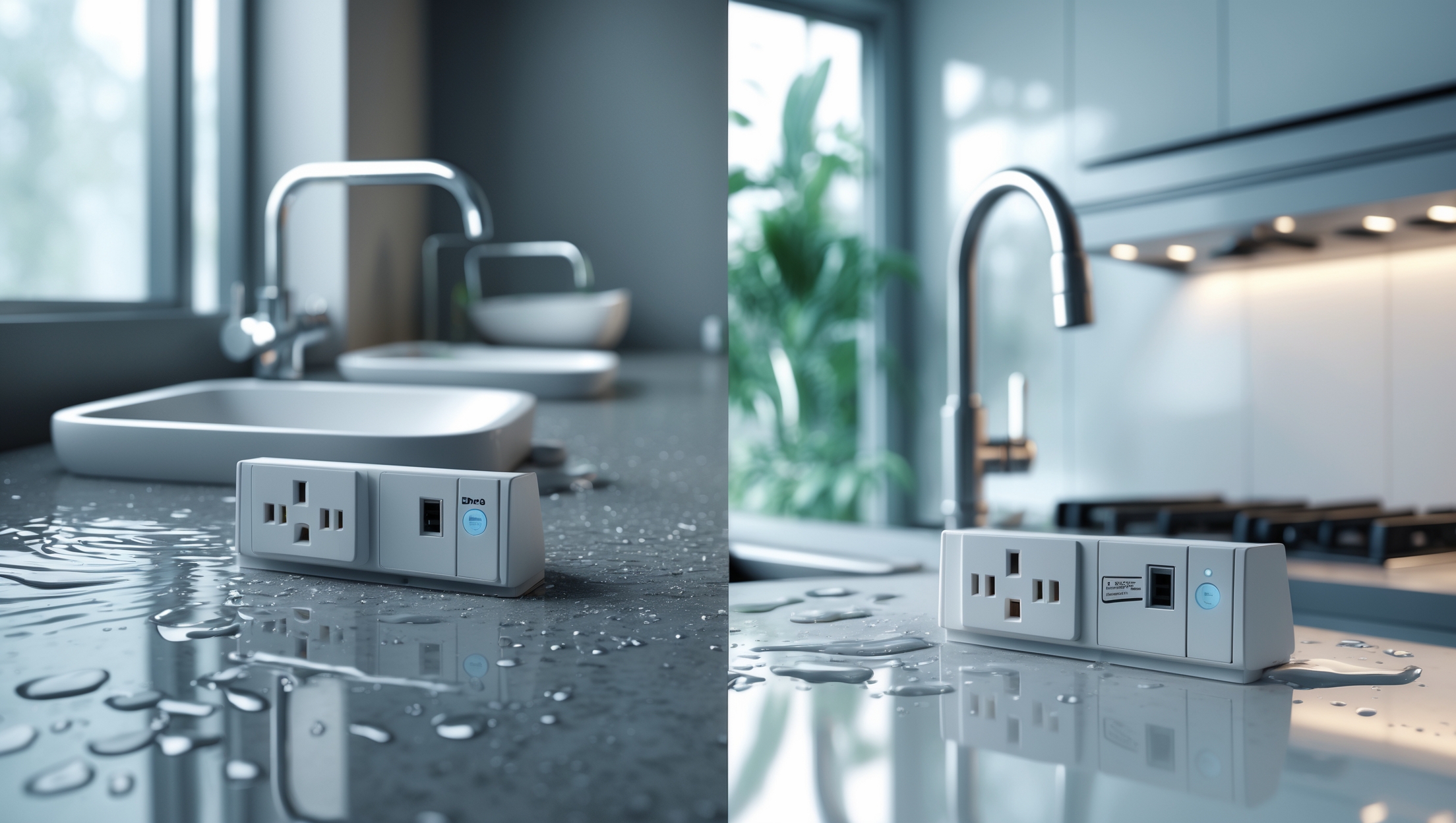
Introduction: Why GFCI Outlets Are Essential in Wet Areas
Electricity and water do not mix—a fact well-known, but too often ignored in home improvement projects. Among the most critical safety features in any modern home are Ground Fault Circuit Interrupter (GFCI) outlets. These specialized devices are designed to instantly shut off power if a ground fault is detected, reducing the risk of electric shock, burns, or even fatal electrocution. Kitchens, bathrooms, laundry rooms, garages, basements, and outdoor areas are all considered “wet” or “damp” locations by national and local electrical codes. Installing GFCI outlets in these spaces is not only a legal requirement in most jurisdictions, but a crucial safety measure that protects everyone in your home. In this guide, we’ll cover where GFCI outlets must be installed to meet the latest code, how to avoid common placement errors, practical tips for upgrading existing outlets, the ins and outs of compliance, and how to troubleshoot issues when your GFCI outlets trip—or fail to work at all. Whether you’re planning a renovation, prepping your home for sale, or simply aiming to improve safety, understanding GFCI outlet placement and maintenance is key to a safer, code-compliant home.
Understanding GFCI Technology: How and Why It Works
GFCI outlets constantly monitor the balance of electrical current flowing in and out. If the current flowing out of the hot side differs from the return on the neutral by even a tiny amount (as little as 4-6 milliamps), the GFCI will interrupt power in fractions of a second. This helps prevent shocks that could occur if electricity is diverted through water or a person’s body. GFCI protection is required by the National Electrical Code (NEC) in areas where water is likely to be present, but not all outlets in a home need GFCI protection. Knowing which outlets require this safety feature and how to install them is crucial for both compliance and safety.
Where GFCI Outlets Are Mandatory: NEC and Local Code Requirements
Kitchens
Any outlet serving countertop surfaces, within six feet of a sink, or installed in an island/peninsula must be GFCI-protected. This includes outlets behind appliances like dishwashers, if they’re within six feet of the sink.
- All countertop outlets
- Outlets for dishwashers (since 2014 NEC)
- Refrigerators (if within six feet of a sink or in unfinished basements/garages)
Bathrooms
Every outlet in a bathroom, regardless of its location, must be GFCI-protected. This includes outlets inside cabinets and behind mirrors.
Laundry Rooms
All outlets must be GFCI-protected, including those for washing machines and utility sinks.
Garages and Unfinished Basements
All outlets in garages and unfinished basements require GFCI protection. Finished basements must have GFCI outlets in wet bars or within six feet of a water source.
Outdoor Areas
Every outdoor outlet must have GFCI protection, regardless of its proximity to water. Weather-resistant covers are also required.
Other Mandatory Locations
- Boathouses
- Utility sinks (within six feet)
- Crawl spaces
- Hot tubs and pools (special GFCI requirements apply)
Common Placement Mistakes and How to Avoid Them
1. Ignoring the “Six Foot Rule”
Many DIYers mistakenly believe only outlets directly next to a sink require GFCI protection. In reality, NEC mandates GFCI for all outlets within six feet of any water source. Measure carefully and err on the side of safety.
2. Overlooking Hidden Outlets
It’s easy to miss outlets tucked inside cabinet bases, behind appliances, or inside vanities. These must be assessed and upgraded if they fall within the defined zones.
3. Failing to Provide “Downstream” Protection
GFCI outlets can protect standard outlets further down the same circuit (“downstream”). If wired incorrectly, downstream outlets may lack protection, leaving you non-compliant and at risk. Always test with a GFCI tester.
4. Using Standard Outlets in Outdoor or Damp Locations
Standard outlets are not weather-resistant or safe for outdoor use. Outdoor GFCI outlets must be weather-resistant (marked “WR”) and have an in-use cover.
5. Skipping Permit and Inspection Requirements
Most jurisdictions require a permit for any electrical work, including GFCI upgrades. Skipping this step can lead to failed inspections, insurance claim issues, or even fines.
Step-by-Step: Upgrading to GFCI Outlets in Wet Areas
Tools and Materials You’ll Need
- GFCI outlet(s) rated for the amperage of your circuit (usually 15A or 20A)
- Weather-resistant and tamper-resistant GFCI outlets for outdoor/child-accessible locations
- In-use covers for outdoor installations
- Voltage tester or multimeter
- Flathead and Phillips screwdrivers
- Wire strippers/cutters
- Electrical tape
- GFCI receptacle tester
- Insulated gloves (for added safety)
Installation Steps
- Turn Off Power: Locate your breaker panel and turn off the circuit serving the outlet you’ll be replacing. Verify power is off with a voltage tester.
- Remove Existing Outlet: Unscrew the outlet cover plate and outlet from the box. Gently pull the outlet out, taking note of wire locations.
- Identify Line and Load Wires: The “line” wires bring power in; “load” wires carry power to other outlets. GFCI outlets must be wired correctly to provide downstream protection.
- Connect Wires: Attach hot (black) and neutral (white) wires to the “line” terminals. If you’re protecting downstream outlets, attach those wires to the “load” terminals.
- Attach Ground: Connect the bare copper or green ground wire to the green screw on the GFCI.
- Install GFCI: Carefully tuck wires into the box and screw in the new GFCI outlet. Add the cover plate.
- Restore Power and Test: Switch the breaker back on. Use the “test” and “reset” buttons on the GFCI, and check with a GFCI tester to confirm proper operation.
Compliance and Permit Essentials
Local code requirements may exceed the minimum NEC standards. Always check with your local building department before starting any electrical project. Permits ensure work is inspected for safety and compliance—critical for insurance and resale value. In some cases, only licensed electricians are allowed to perform electrical upgrades. DIYers should never attempt work they’re uncomfortable with; improper installation can nullify insurance or cause serious injury.
- Pull appropriate permits for your jurisdiction
- Schedule inspections as required
- Document all upgrades for future homeowners or insurance claims
Troubleshooting GFCI Outlets: Common Issues and Solutions
Frequent Tripping
- Moisture Intrusion: Outdoor or bathroom GFCIs may trip due to water inside the box. Inspect for leaks, condensation, or faulty seals.
- Appliance Faults: Faulty appliances or devices plugged into the protected outlet can cause nuisance tripping. Unplug everything and test the outlet alone.
- Wiring Errors: Incorrect line/load wiring or shared neutrals can cause unpredictable tripping. Double-check wiring diagrams.
GFCI Won’t Reset
- Open Ground: No ground connection can prevent resetting. Verify ground wire is present and properly connected.
- Faulty Outlet: GFCI mechanisms wear out over time. Replace if necessary.
- Ongoing Fault: If a ground fault persists (e.g., water in a box), the GFCI will not reset until the issue is resolved.
GFCI Not Protecting Downstream Outlets
- Incorrect wiring (line/load swapped) is the most common cause. Use a tester to verify protection on all outlets downstream.
GFCI Buzzes or Feels Warm
- Loose wiring or an overloaded circuit can cause heat or noise. Turn off power and inspect connections.
Maintenance Best Practices for GFCI Outlets
- Test Monthly: Press the “test” button; the outlet should shut off. Press “reset” to restore power.
- Inspect for Damage: Check for cracked covers, loose outlets, or signs of moisture intrusion.
- Replace Every 10 Years: GFCI mechanisms can degrade. If in doubt, replace older outlets proactively.
- Label Protected Outlets: Mark regular outlets protected by a GFCI upstream for clarity.
Case Study: GFCI Upgrades in a 1970s Home
In a recent renovation of a 1970s split-level home, the owners discovered that only a handful of kitchen and bathroom outlets were GFCI-protected. After reviewing the NEC and local codes, they identified 11 additional outlets—near laundry, utility sinks, and outdoors—that required upgrading. With a permit in place, they replaced outdated two-prong outlets with modern GFCI models, installed weather-resistant covers outside, and labeled all protected outlets. An inspection confirmed compliance, and their insurance company offered a small premium reduction for the documented safety upgrade. The family now tests outlets monthly and feels secure knowing their wet-area circuits are far safer than before.
Conclusion: Investing in Electrical Safety and Peace of Mind
GFCI outlets are a simple yet powerful defense against electrical hazards in any home—especially where water is present. By understanding current code requirements, identifying all the locations where GFCI protection is necessary, and following best practices for installation, maintenance, and troubleshooting, homeowners can dramatically reduce the risk of electric shock and fire. While it’s tempting to skip upgrades in hard-to-reach or rarely used outlets, doing so can leave you vulnerable to accidents and code violations. Remember that compliance is not just about passing inspections—it’s about ensuring the safety of your family, guests, and property.
Take the time to review your home’s wet and damp areas, perform regular GFCI testing, and don’t hesitate to consult a licensed electrician for complex or unfamiliar installations. The investment in proper GFCI coverage is relatively small, but the peace of mind and protection it provides are priceless. Whether you’re renovating, selling, or simply maintaining your home, prioritizing electrical safety in wet areas is one of the smartest decisions you can make.
The article talks about GFCI outlets shutting off instantly if a fault is detected, but what should I do if my GFCI outlets keep tripping for no clear reason, especially in damp areas? Are there common troubleshooting steps a homeowner can try before calling an electrician?
If your GFCI outlets keep tripping without a clear cause, first unplug all devices from the circuit and try resetting the outlet. Check for moisture or water around the outlet and let it fully dry if needed. Inspect cords and appliances for damage. If the GFCI still trips, there may be a wiring issue or persistent moisture. In that case, it’s safest to contact an electrician.
If I’m upgrading the outlets in my older house, do I need to replace every single one in a kitchen or just the ones nearest to the sink to meet the current code for GFCI placement?
You only need to replace outlets in the kitchen that are serving countertop surfaces with GFCI outlets, not every outlet in the kitchen. This includes any outlet within 6 feet of a sink or used for countertop appliances. Outlets behind appliances like a refrigerator or in other non-countertop locations typically don’t require GFCI protection unless local codes specify otherwise.
The article says GFCI outlets can trip or even stop working. What are the most common reasons they fail in places like bathrooms, and are there any DIY troubleshooting steps I should try before calling an electrician?
GFCI outlets in bathrooms can trip or fail due to moisture getting inside, wiring issues, or wear and tear over time. Before calling an electrician, try pressing the reset button on the outlet. If it doesn’t reset, unplug all devices and try again. Check for signs of water around the outlet and let it dry if needed. If it still won’t work or trips repeatedly, it’s safest to contact a professional.
You mention troubleshooting when a GFCI outlet keeps tripping. What are the most common causes for GFCIs to trip in places like basements or garages, and how can I figure out if it’s a wiring problem or just nuisance tripping?
GFCI outlets in basements and garages often trip due to moisture, faulty appliances, or overloaded circuits. To check if it’s a wiring issue, unplug everything from the outlet and reset it. If it stays on, plug items back in one by one to see if a particular device causes the trip. If it trips with nothing plugged in, there may be a wiring problem or moisture in the box, which a licensed electrician should address.
I noticed you mentioned troubleshooting when GFCI outlets trip or don’t work at all. What’s the first thing you should check if a GFCI outlet won’t reset after tripping, and when is it best to call a professional?
If a GFCI outlet won’t reset after tripping, the first thing to check is whether there is power to the outlet. Make sure the circuit breaker hasn’t tripped and that other outlets on the same circuit are working. If the outlet still won’t reset after confirming power, or if it trips repeatedly, it’s a good idea to call a licensed electrician, as there could be a wiring issue or a ground fault that needs professional attention.
I’m planning to update the outlets in my garage, but the article mentions avoiding common placement errors. Could you give a few examples of the most frequent mistakes people make with GFCI outlet placement in wet areas?
Some common mistakes with GFCI outlet placement in wet areas include installing them too far from where they’re needed, such as not having them close to sinks or outdoor entry points. Another frequent error is placing outlets in locations where they can be easily splashed or exposed directly to water, instead of higher up or protected by a cover. People also sometimes forget to use weather-resistant or tamper-resistant models when required by code.
The article mentions that not every outlet in a house needs GFCI protection. How do you figure out exactly which outlets in a kitchen or bathroom are required to have GFCI, especially in older homes that might not be up to the latest code?
To determine which outlets in a kitchen or bathroom need GFCI protection, focus on those near water sources—usually within 6 feet of a sink or tub. In older homes, check if existing outlets near these areas already have GFCI; if not, updating them is recommended for safety. Consulting the latest local electrical codes or a licensed electrician can help ensure full compliance, as requirements may have changed since your home was built.
If a GFCI outlet in my garage keeps tripping, is it more likely due to a wiring issue or could moisture in the area be the main cause? I saw troubleshooting tips mentioned and would appreciate some guidance on finding the root problem.
Both wiring issues and moisture can cause a GFCI outlet in your garage to trip repeatedly. Start by checking for visible signs of moisture, such as dampness near the outlet or condensation on the cover. If the area is dry, the problem might be faulty wiring, loose connections, or a device plugged into the outlet. Try unplugging everything, reset the GFCI, and see if it holds. If it still trips, it’s wise to consult a licensed electrician to inspect the wiring and the outlet itself.
You talk about troubleshooting GFCI outlets if they keep tripping. Are there certain appliances in laundry rooms or kitchens that are known to cause frequent trips, and what should someone check first to find the root of the problem?
Yes, certain appliances in kitchens and laundry rooms can cause GFCI outlets to trip more often. Common culprits include washing machines, dishwashers, refrigerators, coffee makers, and toasters—especially if they have internal leaks or faulty wiring. To find the root of the problem, try unplugging all appliances from the GFCI outlet. Then, plug them back in one by one to see which one causes the trip. Check each appliance’s cord and plug for damage, and if an appliance repeatedly trips the GFCI, it may need servicing or replacement.
If a GFCI outlet keeps tripping in my basement but there’s no visible moisture or water nearby, what are some potential causes and troubleshooting steps I should look into before calling an electrician?
A GFCI outlet can trip for reasons besides visible moisture. Common causes include faulty appliances plugged into the circuit, wiring issues, overloaded circuits, or an old or defective GFCI outlet. Try unplugging all devices, then reset the outlet. Plug in devices one by one to see if any cause it to trip again. If it still trips with nothing plugged in, the outlet or wiring may be at fault. In that case, it’s best to call an electrician.
You mentioned GFCI outlets are legally required in most wet or damp areas like kitchens and laundry rooms. Is it possible to install just one GFCI at the breaker panel to cover multiple outlets, or do I really need to replace each individual outlet?
You can install a single GFCI device at the breaker panel or as the first outlet on a circuit to protect all downstream outlets. This is often called ‘GFCI protection at the source.’ However, make sure every outlet you want protected is downstream of that GFCI. You don’t need to replace every individual outlet unless local code specifically requires individual GFCI outlets.
When troubleshooting GFCI outlets that keep tripping in kitchens or bathrooms, is there a typical order you suggest for checking possible issues, like faulty appliances versus wiring problems? Sometimes it’s hard to tell if the outlet itself is bad or if it’s something downstream.
When a GFCI outlet keeps tripping, start by unplugging all appliances connected to the circuit, then reset the outlet. If it holds, plug in each appliance one at a time to see if a particular device causes the trip. If the outlet trips with nothing plugged in, check for moisture around the outlet, then inspect wiring connections. If those steps don’t resolve it, the GFCI itself might be faulty and may need replacement.
You mentioned that GFCI outlets are required in places like kitchens and bathrooms. If we have an older home where some of these outlets aren’t GFCI yet, is it necessary to replace every single one immediately, or are there exceptions under the code for existing wiring?
If your home was built before GFCI requirements were in place, you aren’t usually required to upgrade existing outlets unless you remodel or make significant electrical changes. However, for safety, it’s highly recommended to upgrade outlets in kitchens, bathrooms, and other wet areas whenever possible. Local codes may vary, so checking with a licensed electrician or your local building department can clarify specific requirements for your situation.
We have an older home, and I’m worried about compliance if we decide to sell. Besides kitchens and bathrooms, are there any less obvious places, like basements or garages, where GFCI outlets are legally required now?
Yes, in addition to kitchens and bathrooms, current electrical codes require GFCI outlets in garages, unfinished basements, laundry areas, crawl spaces, and outdoor locations. If your home was built before these rules, you may not be required to upgrade, but adding GFCIs can increase safety and help with resale. It’s always a good idea to check local code requirements or consult an electrician before selling.
If I’m upgrading older outlets in my garage and basement to GFCI, does it matter if I use the outlet type versus installing a GFCI breaker at the panel? Is one method safer or more reliable when it comes to troubleshooting nuisance trips?
Both GFCI outlets and GFCI breakers offer the same level of shock protection. Using GFCI outlets allows you to protect specific locations and makes it easier to identify and reset trips at the outlet itself. A GFCI breaker protects the entire circuit from the panel, but pinpointing the cause of nuisance trips can be harder since any device on the circuit could be responsible. For ease of troubleshooting, GFCI outlets are often more convenient.
Sometimes my GFCI outlets in the kitchen trip for no obvious reason, even when nothing seems wet. Are there common causes for this kind of nuisance tripping, and are there practical steps I can take to troubleshoot before calling an electrician?
Nuisance tripping of GFCI outlets can happen for several reasons beyond moisture. Common causes include faulty appliances, overloaded circuits, or wiring issues. Try unplugging all devices from the affected outlet, then reset the GFCI. Plug devices back in one at a time to see if a specific appliance is causing the trip. If the outlet still trips with nothing plugged in, the issue may be with the wiring or the GFCI itself. In that case, it’s safest to have an electrician inspect it.
In the troubleshooting section, you mention what to do if a GFCI outlet trips or doesn’t work. Can ongoing nuisance tripping be caused by faulty appliances, or is it more likely a wiring issue in the kitchen or bathroom?
Ongoing nuisance tripping of a GFCI outlet can be caused by both faulty appliances and wiring issues. Appliances with internal leaks or defects often trigger GFCIs, especially in kitchens and bathrooms. However, old or damaged wiring, moisture inside outlet boxes, or incorrect installations can also cause frequent trips. Try unplugging all appliances and see if the outlet still trips; if it does, wiring may be the cause. Otherwise, test appliances one by one to identify the culprit.
I’m planning a home renovation and want to make sure I’m fully code-compliant with GFCI requirements in wet areas. How often do these regulations change, and is there a way to easily check regional or local code updates beyond the national NEC guidelines?
GFCI requirements are updated every three years when the National Electrical Code (NEC) is revised, but local jurisdictions may adopt these updates on their own schedules or add extra rules. To check for the most current local regulations, contact your city or county building department directly. They can provide the exact GFCI requirements for your area to ensure your renovation meets all codes.
Could you clarify whether the GFCI outlets installed in unfinished basements need to be tamper-resistant as well as weather-resistant, or does code only require weather resistance in outdoor locations? I want to make sure my upgrades are fully compliant.
In unfinished basements, GFCI outlets are required for safety, but they do not need to be weather-resistant—those are only necessary for outdoor locations or areas exposed to moisture like crawl spaces. However, tamper-resistant outlets are generally required in all locations, including unfinished basements, to protect against accidental shocks. So, for full compliance, use tamper-resistant GFCI outlets in your unfinished basement.
I’m planning to update the outlets in my older bathroom, but I’m a little confused about how far from the sink the GFCI outlet actually needs to be to stay compliant with the latest code. Can you clarify the minimum or maximum distance required?
According to the latest electrical codes, there is no maximum distance, but a GFCI outlet must be installed within 3 feet (about 0.9 meters) of the outside edge of each sink in a bathroom. This ensures proper protection from electrical hazards. Just make sure any outlet you install within this range is GFCI-protected to stay compliant.
If my laundry room has just a standard two-prong outlet near the washing machine, do I need to upgrade it to a GFCI outlet to meet current codes, or is this only necessary if I’m doing a renovation?
If your laundry room outlet is a standard two-prong type and not grounded, current electrical codes typically require a GFCI outlet in laundry areas, especially if you’re making renovations or changes. Even if you’re not renovating, upgrading to a GFCI outlet enhances safety and is strongly recommended. It’s best to consult a licensed electrician to ensure the upgrade meets code and is installed safely.
If I have an older home and some of my kitchen and bathroom outlets aren’t GFCI, do I need to replace every single one to meet code, or can I just update certain outlets to be compliant?
You don’t need to replace every single outlet with a GFCI receptacle. According to code, only outlets in specific locations—like those near sinks in kitchens and bathrooms—need GFCI protection. If one GFCI outlet is installed at the start of a circuit, it can protect all downstream outlets on that same circuit. However, it’s important to confirm proper wiring to ensure downstream protection works as intended.