

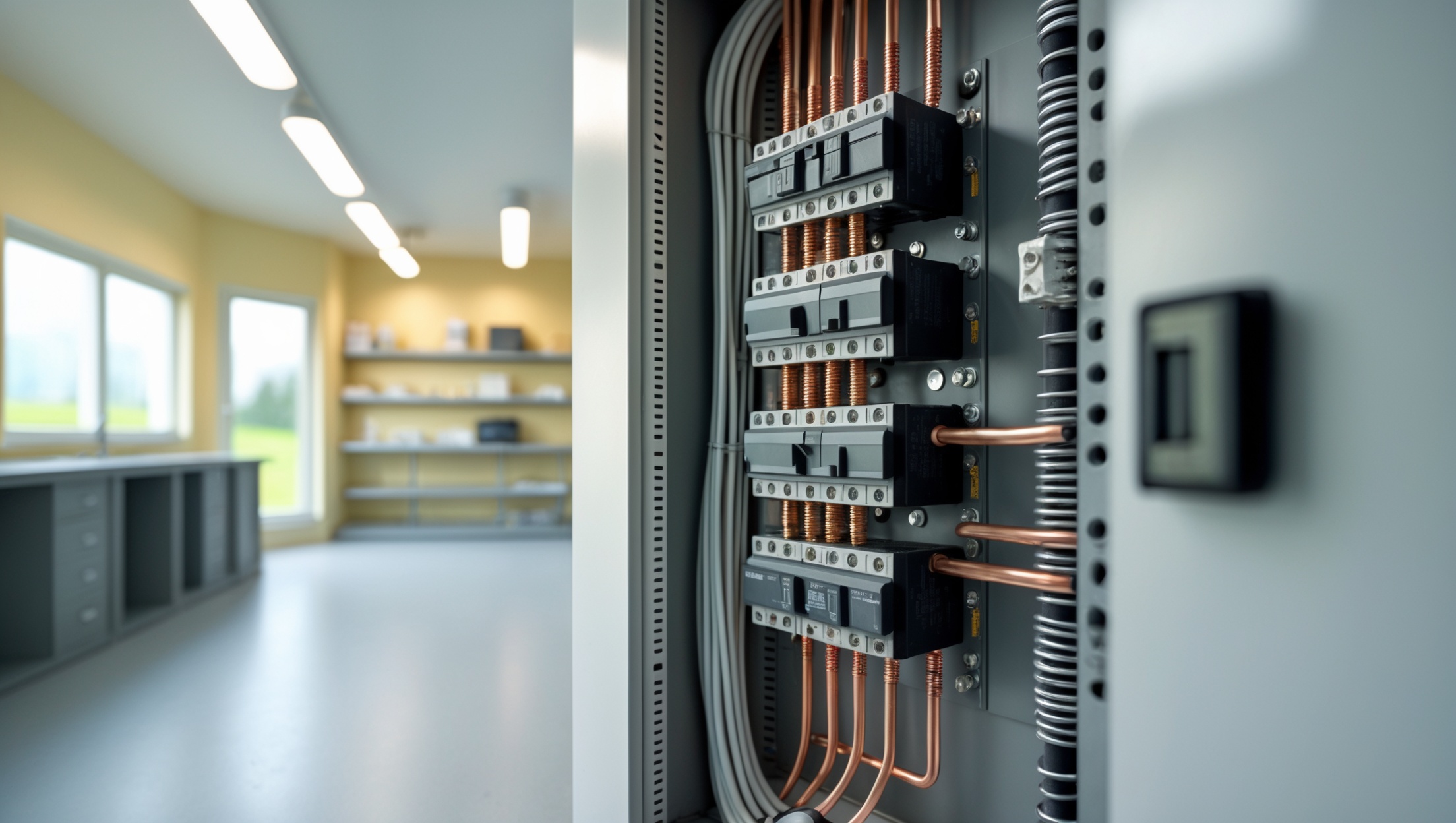
Introduction: Why Electrical Grounding Is the Hidden Hero of Home Safety
Electrical grounding is one of the most overlooked yet critical aspects of any home’s electrical system. While outlets, switches, and lighting fixtures get plenty of attention during renovations or repairs, the grounding system quietly does its job, protecting occupants and property from the invisible dangers of electrical faults. When grounding is neglected, improperly installed, or misunderstood, the risks range from frequent nuisance tripping and appliance damage to catastrophic electric shock or fire. In this comprehensive guide, we’ll dive deep into the purpose and mechanics of electrical grounding, outline common homeowner and contractor mistakes, and provide actionable guidance to identify, remedy, and maintain proper grounding for a safer, more reliable home.
Whether you’re upgrading an older property, DIY-ing small projects, or simply want to understand what’s behind your breaker panel, this article will help you recognize grounding issues, avoid costly pitfalls, and ensure every circuit in your home is as safe as possible. Let’s demystify grounding, starting with the basics and moving all the way through troubleshooting and maintenance.
Understanding the Basics: What Is Electrical Grounding and Why Does It Matter?
The Purpose of Grounding
Grounding provides a low-resistance path for electrical current to safely return to the earth in case of a fault or surge. This crucial function protects people from shock, prevents electrical fires, and safeguards appliances from damage due to voltage spikes. In a properly grounded system, any stray current flows harmlessly to the ground, rather than through you or your devices.
Key Components of a Home Grounding System
- Ground Rod: A copper or galvanized steel rod driven into the earth, typically near the main electrical panel.
- Grounding Electrode Conductor (GEC): A thick copper or aluminum wire that connects the panel’s ground bus to the ground rod.
- Bonding: Metal water pipes, gas pipes, and other conductive systems bonded to the ground to ensure a unified grounding potential.
- Equipment Grounding Conductors (EGCs): The bare or green-insulated wires running with branch circuits to outlets, fixtures, and appliances, connecting all exposed metal parts to ground.
How Modern Codes Define Grounding
National and local electrical codes (like the NEC in the U.S.) strictly regulate grounding requirements. Updates over the past decades have refined grounding practices, especially in response to changes in building materials, appliance loads, and the introduction of sensitive electronics. Older homes may not meet current standards, which can lead to hazards or non-compliance when selling or renovating.
Common Grounding Mistakes: What Homeowners and DIYers Get Wrong
1. Relying on Water Pipes as the Only Ground
In many older homes, metal water pipes were once used as the primary grounding electrode. However, with the increasing use of plastic piping, this method is no longer reliable or code-compliant. Relying solely on water pipes can create an incomplete or interrupted ground path, especially if portions of the plumbing are replaced with PVC.
2. Missing or Disconnected Ground Wires at Outlets
During renovations or hasty repairs, it’s common for ground wires to be left unattached, cut short, or simply omitted. Outlets without a connected ground cannot safely divert fault current, rendering safety features like GFCIs and surge protection less effective.
3. Using Bootleg Grounds
A “bootleg ground” is when the ground terminal of an outlet is connected to the neutral wire, rather than a true equipment grounding conductor. While this may allow a tester to show a “grounded” outlet, it creates serious shock and fire hazards and is strictly prohibited by code.
4. Insufficient Ground Rod Depth or Placement
Ground rods must be driven to a minimum depth (typically 8 feet) and placed in undisturbed soil, away from foundations or rocky fill. Shallow or poorly located rods result in high resistance, reducing their effectiveness and increasing the likelihood of dangerous voltage buildup during a fault.
5. Failing to Bond Metal Systems
All metallic systems—water pipes, gas lines, structural steel—must be bonded to the grounding system. Unbonded metal can carry stray voltage, posing shock risks to anyone who touches plumbing fixtures during a ground fault.
6. Neglecting Grounding During Service Upgrades
Upgrading your service panel without updating the grounding system is a common (and dangerous) shortcut. Older panels may have undersized or deteriorated ground conductors. New appliances and electronics demand robust grounding for sensitive internal circuitry and surge protection.
7. Ignoring Ground Resistance Testing
Even if a ground rod is present, its effectiveness can degrade over time due to soil conditions, corrosion, or disturbance. Failing to test ground resistance after installation or periodically during maintenance leaves your system vulnerable to undetected problems.
Spotting Grounding Issues: Warning Signs and How to Check
Visual Inspections
- Look for disconnected, loose, or corroded ground wires inside breaker panels and at outlets. Ground wires should be securely attached to the ground bus or outlet ground terminals.
- Inspect for missing or broken ground rods outside the home. The rod should be visible just above ground level, with the GEC securely clamped.
- Check bonding jumpers between metallic water or gas pipes and the panel’s ground bus.
Using a Simple Outlet Tester
Plug-in testers indicate common wiring errors, including missing grounds. These inexpensive devices can quickly reveal outlets that are ungrounded or miswired, but they cannot detect “bootleg” grounds or measure ground resistance.
Continuity and Resistance Testing
- Continuity Test: With the power off, use a multimeter to check for continuity between outlet ground terminals and the panel’s ground bus. Lack of continuity indicates a broken or missing ground connection.
- Ground Resistance Test: Specialized testers (often used by pros) measure the resistance between your ground rod and earth. Readings above 25 ohms typically require corrective action (check your local code).
Unusual Electrical Symptoms
- Frequent tripping of GFCI or AFCI breakers
- Unexplained shocks when touching appliances or fixtures
- Visible sparks or burning smells near outlets or panels
- Electronics or appliances that fail prematurely or behave erratically
Any of these symptoms could indicate a grounding problem and warrant immediate investigation.
How to Fix Grounding Problems: Step-by-Step Solutions
Step 1: Assess the Existing System
- Identify the age of your electrical system and which grounding methods are in use (rod, pipe, Ufer, etc.).
- Check for visible ground wires at the main panel and major appliance circuits.
- Document any ungrounded outlets or missing bonding connections.
Step 2: Upgrade or Install Ground Rods
- Drive an approved ground rod at least 8 feet into undisturbed earth (or as specified by local code).
- Use a listed ground clamp to attach a continuous GEC from the rod to the panel’s ground bus. Avoid splices if possible; if needed, use an irreversible compression connector.
- If resistance remains high, a second rod may be required, spaced at least 6 feet apart.
Step 3: Correct Outlet and Circuit Grounding
- Install or reconnect ground wires at every outlet and fixture box. Use grounding pigtails and approved green screws for metal boxes.
- Replace old two-prong outlets with three-prong grounded outlets only if a true EGC is present. Otherwise, install GFCI outlets labeled “No Equipment Ground.”
- Eliminate any bootleg grounds by disconnecting improper neutral-to-ground jumpers.
Step 4: Bond All Metal Systems
- Install bonding jumpers from the main panel’s ground bus to metal water and gas pipes within 5 feet of entry to the structure.
- Ensure continuity between all metal systems and the grounding network.
Step 5: Test and Document
- After repairs, use outlet testers and a multimeter to verify proper grounding at all outlets.
- If available, conduct a ground resistance test at the electrode(s).
- Keep a written record of upgrades, test results, and the locations of all ground rods and bonding connections for future reference and inspections.
Major grounding upgrades may require permits and inspections—check with your local authority before starting work.
Pro Tips for Long-Term Grounding Maintenance
- Periodic Visual Checks: Inspect ground rods, clamps, and connections annually for corrosion or damage, especially after landscaping or severe weather.
- Test After Major Work: Anytime you add circuits, replace the panel, or make plumbing changes, verify that all grounding and bonding connections are intact.
- Address Rod Corrosion: Replace ground rods or clamps if significant rust or pitting is observed. Use only listed, corrosion-resistant materials.
- Label Everything: Clearly label ground wires and bonding jumpers in the panel for future troubleshooting.
- Hire a Licensed Electrician for Major Upgrades: DIY is possible for some repairs, but service upgrades or extensive rewiring should be handled by a professional.
Compliance, Permits, and Insurance Considerations
Permitting and Code Requirements
Most jurisdictions require permits for substantial electrical work, especially service upgrades or rewiring. Grounding must meet current code even in older homes. Failing to upgrade grounding during permitted work can delay inspections, result in fines, or force expensive rework. Always obtain the necessary permits and schedule inspections for peace of mind and legal compliance.
Insurance Implications
Improper or missing grounding can void homeowners insurance claims in the event of fire or electrical damage. Insurance adjusters look for evidence that electrical systems were up to code at the time of the incident. Upgrading your grounding system and keeping records of work performed can protect your coverage and streamline future claims.
Frequently Asked Questions About Home Grounding
Can I ground outlets in an old home without rewiring everything?
Yes, you can upgrade individual outlets by running a separate ground wire to the panel or by installing GFCI outlets (with proper labeling) for shock protection, even if a true equipment ground isn’t present. However, for full compliance and safety, rewiring may ultimately be necessary.
How often should I test my ground rod?
Ground rods should be tested during installation and every 3–5 years thereafter, or after major electrical work or landscaping that may disturb the soil.
Is a ground rod enough to protect sensitive electronics?
A ground rod is essential but not sufficient. Use point-of-use surge protectors or whole-house surge protection to guard against internal and external surges. Proper grounding ensures these devices function correctly.
Do I need to bond my gas pipes?
Yes. Metallic gas pipes must be bonded to the grounding system to prevent dangerous voltage buildup in the event of a fault. This is a universal code requirement.
Conclusion: Making Grounding a Priority for Home Safety and Efficiency
Proper electrical grounding is not just a box to check on a code inspection—it’s a foundational element of every safe and efficient home. Too often, homeowners and even contractors overlook grounding or make critical mistakes that leave people and property at risk. Whether you’re living in a new build or a century-old bungalow, understanding the principles of grounding, recognizing common issues, and taking proactive steps to upgrade and maintain your system can prevent electrical hazards, reduce insurance headaches, and extend the lifespan of your appliances and electronics.
By following the best practices outlined in this guide—avoiding outdated methods, testing regularly, bonding all metal systems, and keeping thorough records—you’ll be well-equipped to spot and address grounding issues before they become major problems. Don’t wait for a shock, a failed inspection, or a costly appliance meltdown to make grounding a priority. When in doubt, consult with a licensed electrician, especially for major upgrades or troubleshooting hard-to-find issues. Your investment in grounding pays dividends in peace of mind, safety, and the long-term value of your home. Make grounding the foundation of your electrical safety strategy today.
I see you listed the ground rod and the grounding electrode conductor as key components, but what about grounding through the water pipe system? Is that still considered safe and code-compliant, or should homes rely solely on dedicated ground rods nowadays?
Water pipe grounding was commonly used in the past, but current electrical codes generally require a dedicated ground rod or other approved electrodes, even if water pipes are also used. Metal water pipes can supplement grounding, but can’t be the only means because plastic sections or repairs may break the grounding path. For safety and compliance, it’s best to rely on a proper ground rod as your primary grounding method.
You mention common homeowner and contractor mistakes with grounding—what are some warning signs in an older home that the grounding system might not be up to current safety standards? I want to know what to look for before starting any electrical updates.
In older homes, warning signs that grounding may not meet current standards include two-prong outlets (instead of three), outlets that feel warm or spark when used, frequent tripped breakers or blown fuses, and visible corrosion or damaged wiring near your electrical panel or outlets. You might also notice a lack of ground wires when opening an outlet box. If you see any of these signs, it’s wise to have a qualified electrician inspect your system before making updates.
When installing a new ground rod, does the distance from the main electrical panel make a big difference? I want to make sure I follow code and also avoid future maintenance headaches. Are there best practices for placement and connection that homeowners often overlook?
The distance from the main electrical panel to the ground rod does matter, but code typically requires the rod to be as close as practical to where the panel is located. A shorter ground wire reduces resistance and is less vulnerable to damage. Use a continuous, unspliced copper wire of appropriate gauge, and make sure all connections are secure and protected from corrosion. Homeowners sometimes overlook the need for proper clamps and the requirement to drive the rod fully into the ground, leaving only a few inches exposed.
When troubleshooting grounding issues in a house that was built before modern codes, what’s the safest way to identify whether the grounding electrode conductor is properly sized and installed without opening up all the walls?
To check if the grounding electrode conductor is properly sized and installed in an older home, start by locating the main electrical panel and look for the grounding wire that typically runs from the panel to a ground rod or water pipe. You can measure its gauge where it’s accessible. Compare the wire size to the main breaker amperage using standard code charts. If the wire is accessible and appears continuous with proper connections, that’s a good sign. For hidden areas, a licensed electrician can use continuity testers and visual inspections without major wall removal.
If a homeowner notices frequent nuisance tripping like the article describes, what are the first troubleshooting steps you’d recommend to check if improper grounding is the cause before calling an electrician?
First, check for any loose or disconnected ground wires in your outlets and breaker panel, making sure power is off before inspecting. Look for signs of corrosion or damage around ground connections. Test outlets with a simple plug-in circuit tester to identify grounding problems. If everything appears secure but nuisance tripping continues, it’s safest to consult an electrician to avoid safety risks.