

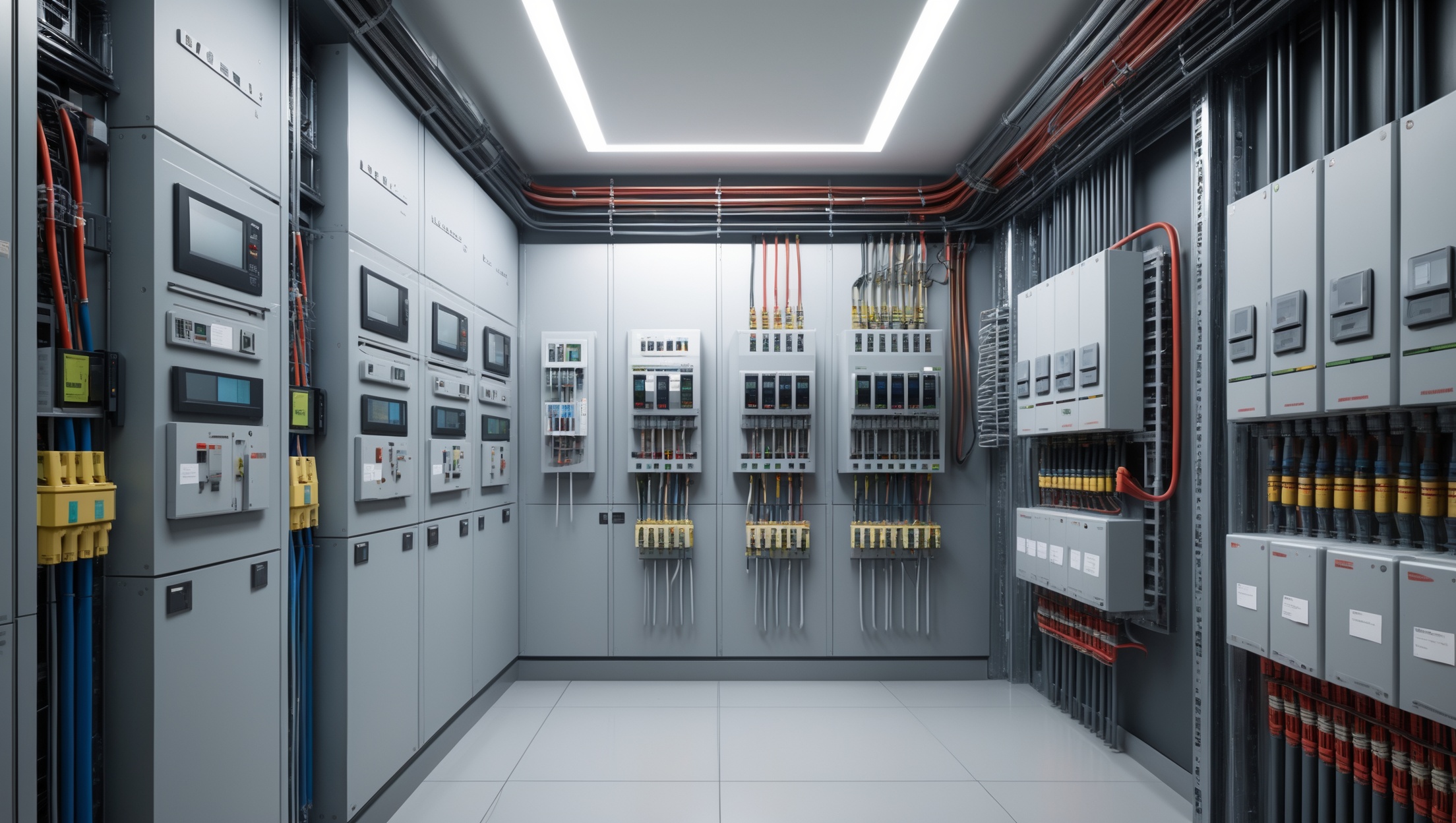
Introduction: Why Electrical System Maintenance Matters in Multi-Unit Buildings
Multi-unit buildings—from apartment complexes to condominiums and mixed-use properties—present unique challenges and responsibilities when it comes to electrical system maintenance. Unlike single-family homes, these buildings feature interconnected wiring, higher load demands, and shared infrastructure, making safety and reliability absolutely critical. Electrical failures in such environments can affect dozens or even hundreds of residents, disrupt daily life, and lead to significant financial and legal repercussions for property managers and owners.
Proactive, routine maintenance is not just about compliance—it is a strategic investment. Well-maintained electrical systems lower the risk of fires, reduce unplanned outages, extend equipment lifespan, and optimize energy use. They can also enhance property value and resident satisfaction. Yet, many building managers struggle to develop effective maintenance plans due to the complexity of these systems, budget constraints, and evolving regulations.
This comprehensive guide outlines actionable strategies for maintaining electrical infrastructure in multi-unit buildings. We will cover routine inspections, preventive measures, cost management, energy efficiency upgrades, and emergency preparedness. Whether you are a property manager, building owner, or facilities professional, you’ll find practical checklists, expert insights, and best practices to keep your building’s electrical systems safe, efficient, and compliant.
Understanding the Electrical System in Multi-Unit Buildings
Key Components
- Main Service Entrance: Central point where electricity enters the building from the utility.
- Distribution Panels: Panels that distribute power to different units and common areas.
- Metering Equipment: Tracks individual unit and common area consumption.
- Branch Circuits: Wiring networks feeding outlets, lighting, and appliances throughout each unit.
- Common Area Systems: Includes lighting, elevators, fire alarms, security systems, and HVAC controls.
Unique Challenges
- Shared Infrastructure: Faults in common systems can affect multiple tenants.
- Load Balancing: Ensuring demand does not exceed supply, especially during peak periods.
- Access and Scheduling: Coordinating maintenance without disrupting residents.
- Regulatory Compliance: Adhering to local codes, safety standards, and inspection schedules.
Routine Inspection and Preventive Maintenance Schedules
Inspection Frequency
- Monthly: Visual checks of common area lighting, breaker panels, and emergency systems.
- Quarterly: Testing of GFCIs, smoke detectors, carbon monoxide alarms, and backup generators.
- Annually: Professional inspections of distribution panels, main service entrance, and surge protection devices. Thermographic scans to detect hot spots.
- Every 3-5 Years: Comprehensive electrical safety audit by a licensed electrician, including load analysis and code compliance verification.
What to Inspect
- Panels and Breakers: Look for corrosion, loose connections, burnt smells, and overheating.
- Wiring: Inspect visible wiring for damage, wear, and secure mounting.
- Outlets and Switches: Check for discoloration, looseness, or unusual warmth.
- Emergency Systems: Ensure exit signs, emergency lighting, and alarms function properly.
- Mechanical Rooms: Inspect HVAC electrical controls, pumps, and elevator systems for issues.
Documentation and Record-Keeping
Maintain detailed maintenance logs, inspection results, and repair records. This not only supports compliance and insurance claims but also helps plan future upgrades and track recurring issues.
Preventive Measures for Safety and Reliability
Load Management
- Monitor usage trends with smart meters and submetering.
- Balance loads across phases to prevent overloading circuits.
- Upgrade panels and transformers if demand consistently approaches capacity.
Arc Fault and Ground Fault Protection
- Install AFCIs in living areas and GFCIs in kitchens, bathrooms, laundry, and outdoor spaces.
- Test protection devices quarterly and replace immediately if they fail validation.
Lighting and Emergency Systems
- Switch to LED lighting for efficiency and longer lifespan.
- Test emergency lighting and exit signs monthly, replacing batteries and bulbs as needed.
- Ensure fire alarm systems are regularly tested and maintained by qualified technicians.
Surge Protection
- Install building-wide surge protection to safeguard sensitive equipment (elevators, security systems, HVAC).
- Inspect and replace surge protection devices according to manufacturer recommendations.
Weatherproofing and Environmental Controls
- Seal outdoor outlets and panels against moisture and pests.
- Install climate control in electrical rooms to avoid overheating and condensation.
Energy Efficiency Upgrades That Pay Off
Common Area Lighting Retrofits
Replace outdated fluorescent or incandescent lighting with high-efficiency LEDs and occupancy sensors in hallways, stairwells, and parking garages. This can reduce energy costs by up to 60% and lower maintenance frequency.
Appliance and Equipment Upgrades
- Replace aging HVAC, water heating, and laundry equipment with ENERGY STAR-rated models.
- Install variable frequency drives (VFDs) for elevators and pumps to modulate power use based on demand.
Smart Controls and Automation
- Implement centralized control systems for lighting, HVAC, and access control to optimize schedules and energy use.
- Use building management systems (BMS) to monitor critical electrical loads in real time.
Incentives and Rebates
Research local utility rebates and government incentives for energy-efficient upgrades. These programs can offset upfront costs and accelerate payback periods.
Cost Management: Budgeting and Planning for Maintenance
Cost Breakdown
- Routine Inspections: $1,000–$5,000/year depending on building size and frequency.
- Preventive Repairs: $2,000–$10,000/year for parts and labor.
- Capital Upgrades: $10,000–$100,000+ for major projects (panel upgrades, rewiring, lighting retrofits).
- Emergency Repairs: Set aside 10–15% of annual maintenance budget for unexpected failures.
Budgeting Tips
- Schedule large upgrades during planned capital improvement cycles to minimize disruptions and maximize efficiency.
- Solicit multiple bids from qualified contractors to ensure competitive pricing.
- Include inspection and maintenance requirements in vendor contracts for major equipment (elevators, HVAC, fire alarms).
Long-Term Planning
Create a multi-year maintenance plan tracking expected service life of panels, wiring, and major equipment. This enables proactive budgeting and prevents deferred maintenance, which can lead to higher costs and safety risks.
Compliance, Permits, and Regulatory Considerations
Local Codes and Standards
- Follow National Electrical Code (NEC) and local amendments for all maintenance and upgrades.
- Stay current with evolving code requirements—especially for AFCIs, GFCIs, and energy efficiency standards.
Permitting Requirements
- Obtain permits for major electrical work, including panel replacements, rewiring, or load increases.
- Schedule required inspections with municipal authorities before closing walls or energizing new installations.
Safety Certifications and Documentation
- Maintain up-to-date records of all inspections, repairs, and equipment warranties.
- Ensure emergency systems have valid certifications and are inspected per local fire codes.
Emergency Preparedness and Response Planning
Developing an Emergency Plan
- Identify critical systems (elevators, fire alarms, lighting) and outline response protocols for power outages or electrical failures.
- Establish clear communication channels with residents and staff for outage notifications and evacuation procedures.
- Maintain a list of emergency contacts, including qualified electricians and utility providers.
Backup Power Systems
- Install and regularly test backup generators or battery systems for essential loads.
- Train staff on manual override procedures for elevators and security systems during outages.
Routine Drills and Training
- Conduct annual emergency response drills for building staff and residents.
- Provide training on how to recognize and report electrical hazards.
Maintenance Best Practices: Practical Checklist
- Schedule and document all routine inspections.
- Test GFCI/AFCI devices quarterly.
- Verify emergency lighting and alarms monthly.
- Check for loose or overheated panel connections.
- Replace worn or damaged outlets and switches promptly.
- Upgrade lighting to LEDs and install occupancy sensors.
- Seal outdoor panels and outlets against weather and pests.
- Maintain detailed records of repairs and upgrades.
- Review and update emergency procedures annually.
Conclusion: Protecting Your Investment and Community
Electrical system maintenance in multi-unit buildings is not just a box to check—it’s a critical, ongoing responsibility that protects lives, property, and your bottom line. By implementing a structured maintenance plan, staying up to date with inspections, and investing in targeted upgrades, you ensure reliability and safety for everyone who lives or works in your building.
Prioritizing preventive maintenance reduces the likelihood of disruptive outages and costly emergency repairs. It also supports compliance with evolving electrical codes, which can help you avoid fines and legal issues. Upgrades to energy-efficient equipment and smart controls pay dividends through lower operating costs and increased property value, while robust emergency planning ensures you’re prepared for the unexpected.
Remember, the most effective maintenance programs are proactive, data-driven, and documented. Engage qualified professionals for inspections and major work, and provide ongoing training for your staff. With these strategies in place, you’ll create a safer, more efficient, and resilient environment for your residents—one that stands out in a competitive housing market and delivers long-term peace of mind.
When planning routine inspections for a multi-unit building, are there specific components like metering equipment or branch circuits that should be prioritized, especially in older properties? I’d like to understand what areas are most critical to address first for safety and compliance.
In older multi-unit buildings, it’s important to prioritize inspections of main switchgear, metering equipment, and branch circuits. These components are more likely to show wear or outdated configurations that could pose safety risks or compliance issues. Also focus on panelboards, grounding systems, and any visible wiring in common areas. Addressing these areas first helps catch potential hazards early and ensures your building meets current safety standards.
Could you elaborate on emergency preparedness recommendations? Specifically, what steps should facilities professionals take to ensure electrical systems are ready for severe weather events, and are there common oversights you see in multi-unit buildings when it comes to backup power planning?
Facilities professionals should regularly inspect and test backup generators and uninterruptible power supplies to ensure they’re functional before severe weather hits. Keep updated records of all maintenance, and confirm fuel supplies for generators are sufficient. One common oversight is failing to clearly label emergency circuits and transfer switches, which can cause confusion during outages. Another is neglecting to train staff on manual switching procedures and not conducting periodic emergency drills, both of which are vital for efficient response in real situations.
Could you elaborate on what preventive measures are most effective for addressing the unique wiring and higher load demands in older multi-unit buildings? I am especially interested in practices that go beyond standard routine inspections.
For older multi-unit buildings, effective preventive measures include thermal imaging scans to detect hidden wiring issues, load balancing assessments to prevent circuit overloads, and regular testing of grounding and bonding systems. Upgrading electrical panels and using arc-fault or ground-fault circuit interrupters can also address higher load demands and outdated wiring. Additionally, developing a schedule for phased rewiring or the replacement of deteriorated components can help prevent failures beyond what routine inspections might catch.
The article mentions proactive maintenance extending equipment lifespan. How often should key components like distribution panels and metering equipment be checked, and are there industry standards for this in multi-unit buildings?
Key components like distribution panels and metering equipment in multi-unit buildings should typically be inspected at least once a year. However, some industry standards and local regulations may require more frequent checks, especially in older buildings or those with higher occupancy. The National Fire Protection Association (NFPA) and other building codes often recommend annual inspections, but always check local guidelines to ensure compliance. Regular maintenance helps catch issues early, improving safety and extending equipment lifespan.
When considering energy efficiency upgrades for an older apartment complex, which improvements tend to offer the quickest return on investment without disrupting tenants? I’d like to prioritize upgrades that balance cost savings and minimal resident inconvenience.
Upgrades like switching to LED lighting in common areas, installing smart thermostats in shared spaces, and sealing gaps to improve insulation often provide quick returns with little disruption to tenants. These improvements lower energy bills and can usually be done without entering individual units, making them cost-effective and minimally intrusive for residents.
The article mentions that electrical system failures can lead to legal and financial repercussions for property managers. Can you give examples of what kind of legal issues might arise if regular maintenance is neglected?
Neglecting regular electrical maintenance can expose property managers to several legal problems. For example, if faulty wiring causes a fire or injury, you could face liability lawsuits from tenants or visitors. Local authorities may also fine you for not complying with safety codes and regulations. In severe cases, negligence could result in criminal charges if it’s proven that unsafe conditions were ignored.
The section about energy efficiency upgrades caught my eye. Are there particular upgrades you recommend for older multi-unit buildings that can help with cost savings without requiring a huge upfront investment?
For older multi-unit buildings, some effective and affordable energy efficiency upgrades include swapping out incandescent or fluorescent lighting for LED bulbs, installing programmable thermostats in common areas, and sealing gaps around windows and doors to prevent drafts. Upgrading to high-efficiency appliances in shared spaces or adding motion sensors for hallway lighting can also make a noticeable difference without a large upfront cost.
You mentioned that budget constraints can make it hard to implement comprehensive maintenance plans. Could you share specific strategies or examples for balancing cost management with the need to upgrade for energy efficiency in older multi-unit properties?
One practical approach is to prioritize upgrades with the fastest payback, such as replacing common-area lighting with LEDs or installing smart thermostats. Bundling several small projects can also attract better contractor pricing. Another strategy is to apply for local rebates or utility incentives, which can offset the initial investment. Phased upgrades, where improvements are made over several years, help spread out costs while still moving toward greater efficiency.
When it comes to energy efficiency upgrades mentioned in the guide, are there any specific upgrades that are especially effective in older apartment complexes versus newly constructed buildings?
In older apartment complexes, upgrading to LED lighting, installing programmable thermostats, and replacing outdated electrical panels can make a significant difference in energy efficiency. Insulating wiring and sealing gaps around outlets also help reduce energy loss. In contrast, new buildings often already have these features, so additional gains may come from advanced smart systems and high-efficiency appliances. Tailoring upgrades to the building’s age ensures the best results.
When dealing with limited budgets, which preventive maintenance tasks would you prioritize first to maximize safety and minimize the risk of electrical failures in multi-unit properties?
With a limited budget, it’s best to focus first on tasks that address major safety concerns and common failure points. Prioritize scheduled inspections of electrical panels, testing of circuit breakers, and checking for loose or corroded connections. Regularly inspect and test emergency and exit lighting, as well as smoke and carbon monoxide detectors. These steps help catch issues early and reduce the risk of dangerous outages or fire hazards.