

Introduction: Why Surge Protection Matters for Modern Homes
In today’s tech-driven world, the average home is filled with sensitive electronics—from smart TVs and computers to kitchen appliances and security systems. These devices, along with your home’s electrical infrastructure, are vulnerable to power surges—sudden increases in voltage that can be caused by lightning strikes, utility grid switching, faulty wiring, or even the cycling of large appliances. A single surge can fry circuit boards, damage wiring, and cause data loss, leading to costly repairs and replacements. Even smaller, unnoticed surges can gradually degrade electronics, shortening their lifespan and reliability.
Many homeowners are unaware of the variety of surge protection options available and how layered strategies can provide comprehensive defense. This guide dives deep into practical surge protection solutions, explaining how to implement whole-house and point-of-use devices, assess vulnerabilities, and maintain protection over time. You’ll learn how to budget for surge protection, what features truly matter, and how to avoid common mistakes that leave your home at risk. Whether you’re upgrading your system or building new, these strategies will help you protect your investments and maintain electrical safety.
Understanding Power Surges: Sources and Risks
Types of Power Surges
- Internal Surges: Often caused by cycling motors in refrigerators, HVAC units, or power tools. These represent up to 80% of surges in a typical home.
- External Surges: Triggered by lightning strikes, downed power lines, or utility switching events. Though less frequent, these surges are usually more severe.
Potential Damage from Surges
- Immediate failure of sensitive electronics (TVs, computers, routers, etc.)
- Hidden damage to appliances, leading to early breakdown
- Degradation of electrical wiring and connections
- Fire hazards if the surge causes overheating
- Voided warranties on electronics damaged by voltage spikes
Assessing Your Home’s Surge Vulnerability
Key Risk Factors
- Geographic location with frequent thunderstorms
- Older homes with outdated wiring
- High concentration of sensitive electronics
- Homes with outbuildings, pools, or external lighting systems
- Frequent utility service interruptions
Walk through your home, making a list of all critical electronics and appliances. Note areas where extension cords or power strips are used, as these can become weak points if not surge-protected. If you have a home office, smart home hub, or home theater, these zones should be prioritized for additional protection.
Surge Protection Devices: Types and How They Work
Whole-House Surge Protective Devices (SPDs)
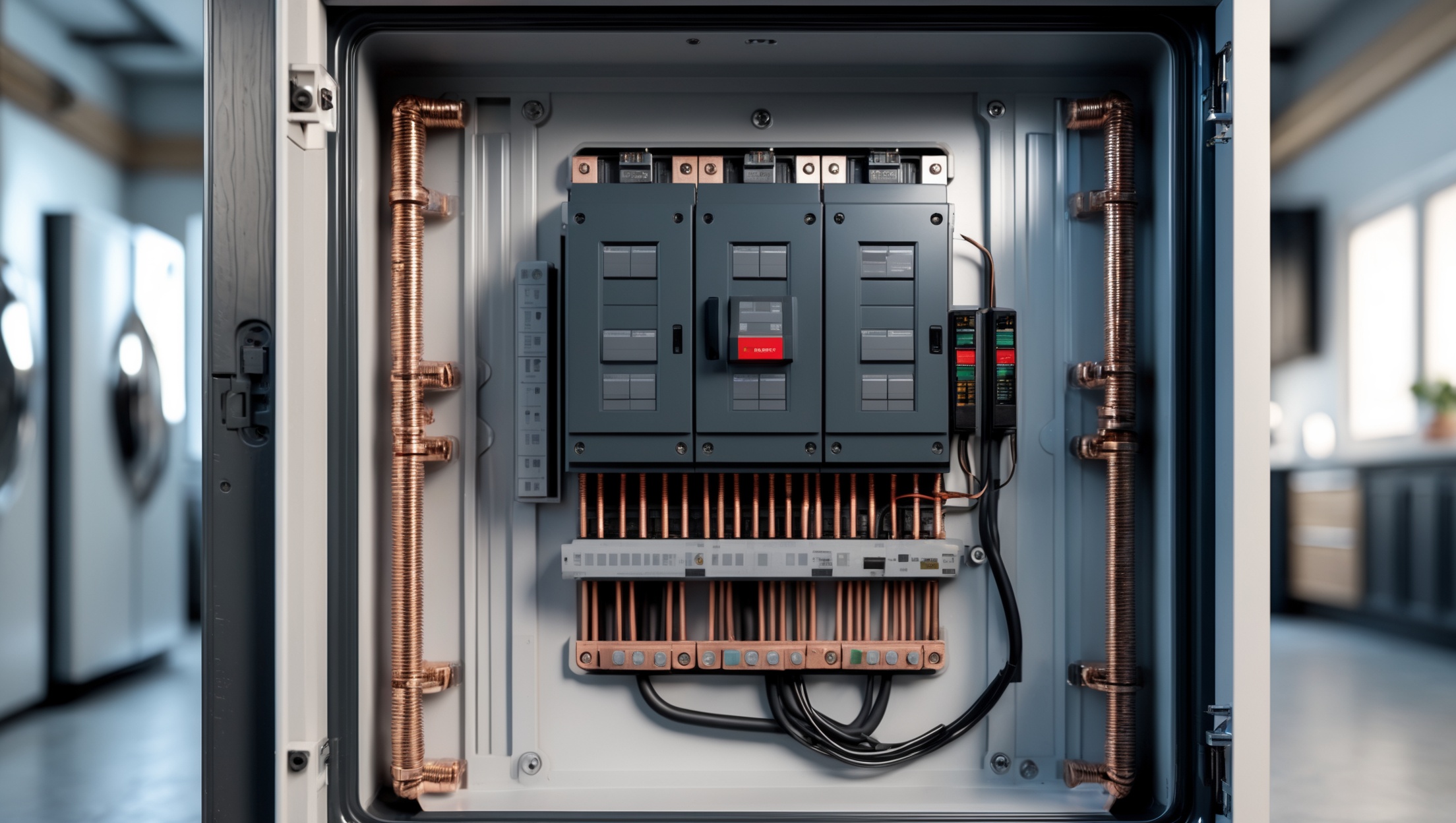
Installed at your main electrical panel, whole-house SPDs are designed to stop large surges at the source before they can spread through your wiring. Modern SPDs use metal oxide varistors (MOVs) or similar technology to shunt excess voltage safely to ground. These units typically protect all branch circuits and are the foundation of a layered protection strategy.
Point-of-Use Surge Protectors
These are the familiar plug-in strips or wall units placed between wall outlets and your electronics. They provide localized defense against both internal and smaller external surges. Quality matters—look for UL 1449 certification, clamping voltage ratings under 400V, and energy absorption ratings (joules) suitable for the devices being protected.
Specialty Surge Devices
- Telephone/Data Line Protectors: Prevent surges from entering your home via phone or Ethernet lines.
- Coaxial Surge Protectors: Protect TVs, cable modems, and home theaters connected to satellite or cable lines.
- Outdoor/Weatherproof Surge Protectors: Essential for landscape lighting, pool equipment, or exterior power outlets.
Planning and Budgeting for Surge Protection
Cost Breakdown
- Whole-House SPD: $100–$400 (device only), plus $150–$400 for professional installation (required in most cases due to connection at the main panel).
- Point-of-Use Protectors: $20–$70 each for high-quality, multi-outlet units. Specialty data/phone/cable protectors usually range $15–$50.
- Annual Maintenance/Replacement: Budget $50–$100 per year for replacing worn point-of-use units or inspecting the SPD.
Prioritizing Investments
- Install a whole-house SPD first for broad protection.
- Protect high-value and high-sensitivity electronics with point-of-use protectors.
- Don’t neglect cable, satellite, and data lines if these connect to your main system.
- Upgrade surge protection when adding new expensive appliances or electronics.
Step-by-Step Setup: Implementing Layered Surge Protection
Step 1: Install a Whole-House Surge Protector
Note: This work should be performed by a licensed electrician, as it involves direct connection to your main service panel.
- Choose a unit rated for your panel’s voltage and current load (usually 120/240V residential service).
- Look for UL 1449 4th Edition certification.
- Have the electrician install the SPD on a dedicated breaker as close as possible to the panel’s neutral/ground bus for maximum effectiveness.
Step 2: Identify Critical Zones for Additional Defense
- Home offices (computers, modems, printers)
- Home theaters (TVs, receivers, gaming consoles)
- Kitchen (smart refrigerators, microwaves, coffee machines)
- Bedrooms (charging stations, smart devices, medical equipment)
Step 3: Deploy Point-of-Use Surge Protectors
- Choose devices with appropriate joule ratings and clamping voltages.
- Plug only compatible electronics into each surge protector.
- Never daisy-chain surge protectors (plugging one into another).
- Replace any surge protector that shows signs of damage or has exceeded its lifespan (typically 3–5 years).
Step 4: Protect Data and Communication Lines
- Install surge protectors rated for phone, Ethernet, and coaxial lines at the entry point to your home.
- Use weatherproof versions for outdoor connections.
- Ensure grounding is consistent between electrical and communication line protectors.
Step 5: Special Considerations for Outbuildings and Exterior Circuits
- Install dedicated surge protectors at subpanels in garages, sheds, or workshops.
- Use weather-resistant devices for outdoor circuits.
- Protect pool equipment, landscape lighting, and irrigation controls with appropriate SPDs.
Maintenance and Best Practices for Ongoing Protection
Regular Inspection
- Check indicator lights on whole-house and point-of-use SPDs monthly; replace units if the protection indicator is off.
- Inspect surge protectors for physical damage, scorch marks, or loose connections.
- Review manufacturer recommendations for lifespan and replacement frequency.
Responding After a Major Surge Event
- After a lightning storm or major outage, inspect all surge protection devices.
- Replace any unit that has absorbed a significant surge, even if it appears functional—protective components degrade with use.
- Document surge events and replacements in your home maintenance log.
Other Best Practices
- Ensure all surge protectors are plugged into properly grounded outlets.
- Don’t overload surge strips—stay within rated amperage.
- Register high-value electronics and consult warranties regarding surge damage coverage.
Compliance, Installation, and Permit Considerations
Most local codes and the National Electrical Code (NEC 2020, Article 230.67) now require surge protection for new or replaced services in one- and two-family dwellings. Always consult your local permitting office and have whole-house SPDs installed by a licensed electrician. For DIY installation of point-of-use protectors, ensure devices are UL-listed and follow manufacturer guidelines to maintain insurance coverage and warranty protections.
Common Myths About Surge Protection
- Myth: “Power strips always provide surge protection.”
Fact: Many power strips offer no surge protection at all. Always check for a UL 1449 listing and surge suppression specs. - Myth: “Surge protectors last forever.”
Fact: Protective components degrade with repeated surges. Replace units according to manufacturer recommendations or after a major event. - Myth: “If I have a whole-house protector, I don’t need anything else.”
Fact: Layered protection is essential. Whole-house SPDs blunt large surges, but smaller surges can still reach sensitive electronics.
Case Study: Layered Surge Protection in Action
Consider a suburban home in a thunderstorm-prone area. After installing a whole-house SPD at the main panel, the homeowner added point-of-use surge protectors in the office, home theater, and nursery. When a severe summer storm caused a power surge, the whole-house SPD safely diverted the initial voltage spike. However, a secondary, smaller surge from a nearby lightning strike tripped the office point-of-use protector, which sacrificed itself to save a $2,000 computer workstation. The homeowner’s minimal annual investment in surge protection avoided thousands in potential losses and downtime.
Conclusion: Protecting Your Home’s Electronics and Peace of Mind
Electrical surges are an inevitable reality, but their consequences don’t have to be. With the increasing value and sensitivity of home electronics, layered surge protection is not a luxury—it’s a necessity. By combining a professionally installed whole-house surge protector with targeted point-of-use devices, you can drastically reduce the risk of costly damage, data loss, and downtime. Regular maintenance, careful selection of devices, and attention to compliance ensure that your protection remains effective year after year.
Don’t wait until a surge event leaves you facing expensive repairs or lost memories. Assess your home’s vulnerabilities, prioritize high-risk and high-value zones, and invest in quality surge protection solutions. Consult a licensed electrician for whole-house installations, and make surge protection a permanent part of your home’s safety and efficiency strategy. With the right approach, you’ll safeguard not just your electronics, but your comfort, productivity, and peace of mind.