

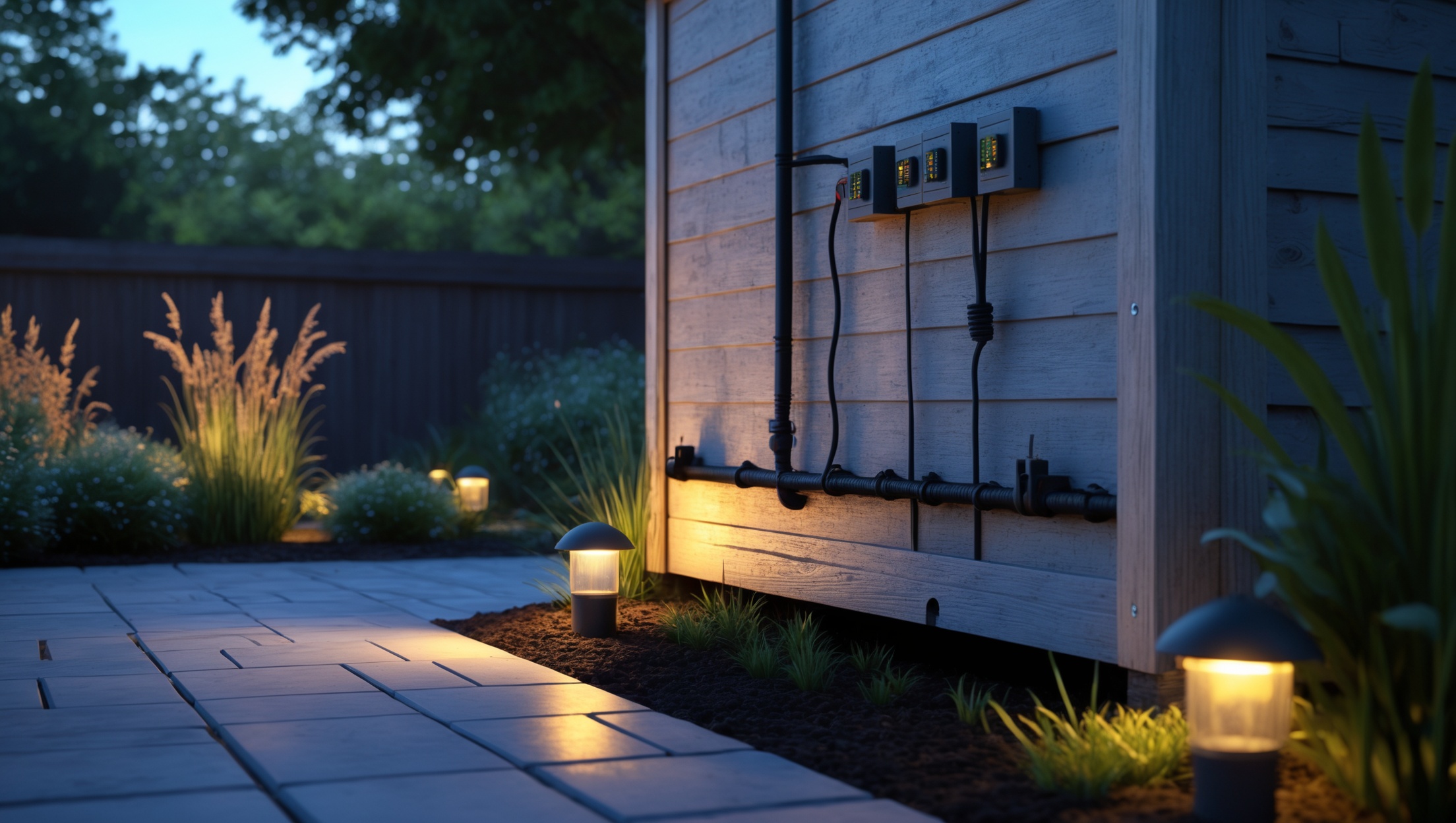
Introduction: Why Outdoor Electrical Safety Matters
The great outdoors is an extension of your living space, whether you’re entertaining on a patio, tending to a garden, or working in a backyard shed. With increased reliance on outdoor power for lighting, entertainment, and equipment, safe electrical planning is crucial. Outdoor electrical hazards can lead to serious injuries, property damage, and even fires—especially when moisture, weather, and improper installations are involved. Many homeowners overlook the unique risks that accompany outdoor outlets, extension cords, lighting fixtures, and power tools. In this comprehensive guide, you’ll learn industry best practices for safe, efficient, and code-compliant outdoor electrical systems. Discover how to plan, install, and maintain electrical solutions that stand up to the elements and keep your family and property secure.
Understanding Outdoor Electrical Risks
Unique Hazards Outside the Home
Outdoor environments present challenges not found indoors. Rain, snow, humidity, and temperature swings can degrade wires, outlets, and fixtures. Soil movement, pests, and accidental impacts (like lawnmowers or tools) pose additional threats. Water is the most obvious risk: when it infiltrates electrical components, it can cause shorts, shocks, or fires. Even minor mistakes—such as using the wrong extension cord or failing to install a GFCI—can have severe consequences outside.
- Moisture Intrusion: Water finds its way into unsealed outlets, connectors, and boxes, increasing shock and corrosion risks.
- UV Exposure: Sunlight breaks down unprotected wire insulation and plastic enclosures over time.
- Physical Damage: Lawnmowers, pets, and garden tools can nick or cut exposed cables.
- Improper Equipment: Using indoor-rated cords or fixtures outdoors can lead to premature failure and danger.
Planning Outdoor Electrical Installations
Site Assessment and Load Planning
Before adding any new circuits or fixtures outdoors, evaluate your needs and the location. List all devices and lighting you want to power, such as:
- Patio heaters and string lights
- Garden pumps, fountains, or irrigation controllers
- Power tools in a shed or workshop
- Security lighting and cameras
- Pond or pool equipment
Calculate the load to ensure your home’s panel can safely support the additional demand. Consult a qualified electrician if you’re unsure about load calculations or panel capacity.
Location and Accessibility
Always plan for convenience and safety. Place outlets where you’ll use them most, but never within reach of standing water or where they may be submerged. Consider future needs: it’s easier to add extra outlets or wiring now than to retrofit later.
Choosing the Right Outdoor Electrical Equipment
Weatherproof Outlets and Covers
All outdoor outlets must be protected by weather-resistant (WR) GFCI receptacles and in-use (bubble) covers, as required by code. These covers keep outlets dry even when cords are plugged in, providing ongoing protection from rain and splashes.
- GFCI (Ground Fault Circuit Interrupter): Required for all outdoor outlets. Instantly cuts power if it detects ground faults, reducing shock risk.
- Weatherproof Covers: Must be labeled “in-use” and seal tightly around cords.
- Corrosion-Resistant Hardware: Screws and boxes should be rated for outdoor use to prevent rust and failure.
Cables, Conduit, and Boxes
Use only outdoor-rated cables—like UF (underground feeder) or direct-burial wire—for any wiring that runs outside or underground. Exposed runs must be protected by conduit (PVC or metal) that’s designed for outdoor environments. Junction boxes and fixtures must be weatherproof and installed above ground level to prevent water entry.
Safe Outdoor Lighting Solutions
Patio and Landscape Lighting
Modern outdoor lighting can transform your backyard, but safety comes first. Use fixtures rated for wet or damp locations. Low-voltage lighting (12V) is ideal for gardens and paths, minimizing shock hazards and simplifying installation. Transformers should be mounted in a dry, accessible place, and all connections must be waterproof.
- Install fixtures away from areas prone to flooding or pooling water.
- Use LED bulbs for efficiency and longevity.
- Bury low-voltage cables 6 inches deep, and mark their location to avoid accidental damage.
Security and Motion-Sensor Lights
Install motion-sensor lights at entryways, garages, and dark corners. Ensure fixtures are sealed against rain and have no exposed conductors. Position lights to avoid glare that could blind visitors or neighbors.
Powering Sheds, Workshops, and Garden Structures
Running Power Safely
Bringing electricity to a detached structure requires careful planning and code compliance. Use direct-burial cable or conduit for underground runs, and ensure the circuit is protected by a GFCI at the source. All outlets and switches in sheds must be weatherproof if the structure isn’t fully insulated and sealed.
- Minimum burial depth for UF cable: 24 inches (check your local code for specifics).
- Use a dedicated circuit for high-demand tools or appliances.
- Install a subpanel in larger workshops for future expansion.
Ventilation and Moisture Control
Outdoor structures accumulate humidity, especially if unheated. Install vents and ensure electrical boxes are sealed. If condensation is a concern, use vapor-tight fixtures and corrosion-resistant materials.
Outdoor Extension Cords and Temporary Power
Choosing and Using Extension Cords
Not all extension cords are created equal. For outdoor use, select cords labeled “Outdoor” or “W” (weather-resistant). Check the amp rating—never overload a cord, and avoid daisy-chaining multiple cords.
- Avoid permanent use: Extension cords are for temporary setups only.
- Inspect before each use: Replace if the jacket is cracked or damaged.
- Keep connections off the ground: Use cord organizers to prevent water pooling at the plug.
Safe Use of Outdoor Power Tools
Power tools used outdoors should be double-insulated or equipped with a GFCI. Always unplug tools when not in use and store them in a dry location. Never use power tools in wet weather.
Compliance, Permits, and Inspection
Understanding Codes and Standards
The National Electrical Code (NEC) sets strict requirements for outdoor wiring and fixtures. Local building codes may add further restrictions. Permits are often required for new circuits, outlets, or lighting installations outside. Inspections ensure all work meets safety standards and is free of hazards.
- Always check local regulations before starting any project.
- Hire a licensed electrician for complex work or if you’re unsure about code requirements.
- Document all installations for future reference and insurance claims.
Routine Maintenance and Inspection Checklist
Preventive Steps for Long-Term Safety
Outdoor electrical systems require regular attention to remain safe and efficient. At least twice a year, perform a thorough inspection using this checklist:
- Test all GFCI outlets for proper operation.
- Check weatherproof covers for cracks or loose seals.
- Inspect cables and conduit for UV damage, nicks, or animal interference.
- Examine light fixtures for water intrusion or corrosion.
- Verify that extension cords are properly rated and stored when not in use.
- Look for signs of overloading (warm outlets, tripped breakers, flickering lights).
Promptly address any issues to prevent accidents and extend the life of your system.
Smart Upgrades for Outdoor Electrical Systems
Adding Automation and Remote Control
Smart plugs, timers, and Wi-Fi switches can make outdoor lighting and equipment more convenient to control. Choose devices rated for outdoor use and install them in protected locations. Automate landscape lighting or holiday displays for efficiency and security.
Energy Efficiency Outdoors
Use LED fixtures, solar-powered lights, and motion sensors to reduce energy waste. Install programmable timers for irrigation pumps or garden features to avoid unnecessary run times. Regularly review your outdoor energy use and look for additional savings opportunities.
Conclusion: Creating a Safe, Enjoyable, and Efficient Outdoor Space
Outdoor living spaces are more enjoyable—and far safer—when you give electrical safety the attention it demands. From patios and decks to sheds and garden paths, the right planning and equipment make all the difference. By following best practices—using weatherproof components, GFCI protection, and outdoor-rated wiring—you dramatically reduce the risks posed by moisture, UV, and accidental damage. Regular maintenance and inspections keep your systems in top shape for years to come.
Remember, cutting corners on outdoor electrical projects is never worth the risk. Whenever you’re in doubt, consult a licensed electrician who can ensure your installations are up to code and built to last. With smart upgrades and efficient design, your outdoor areas can be both beautiful and functional, supporting everything from backyard gatherings to productive workshop sessions without sacrificing safety. Take these guidelines to heart, invest in quality materials, and enjoy your outdoor spaces with true peace of mind.