

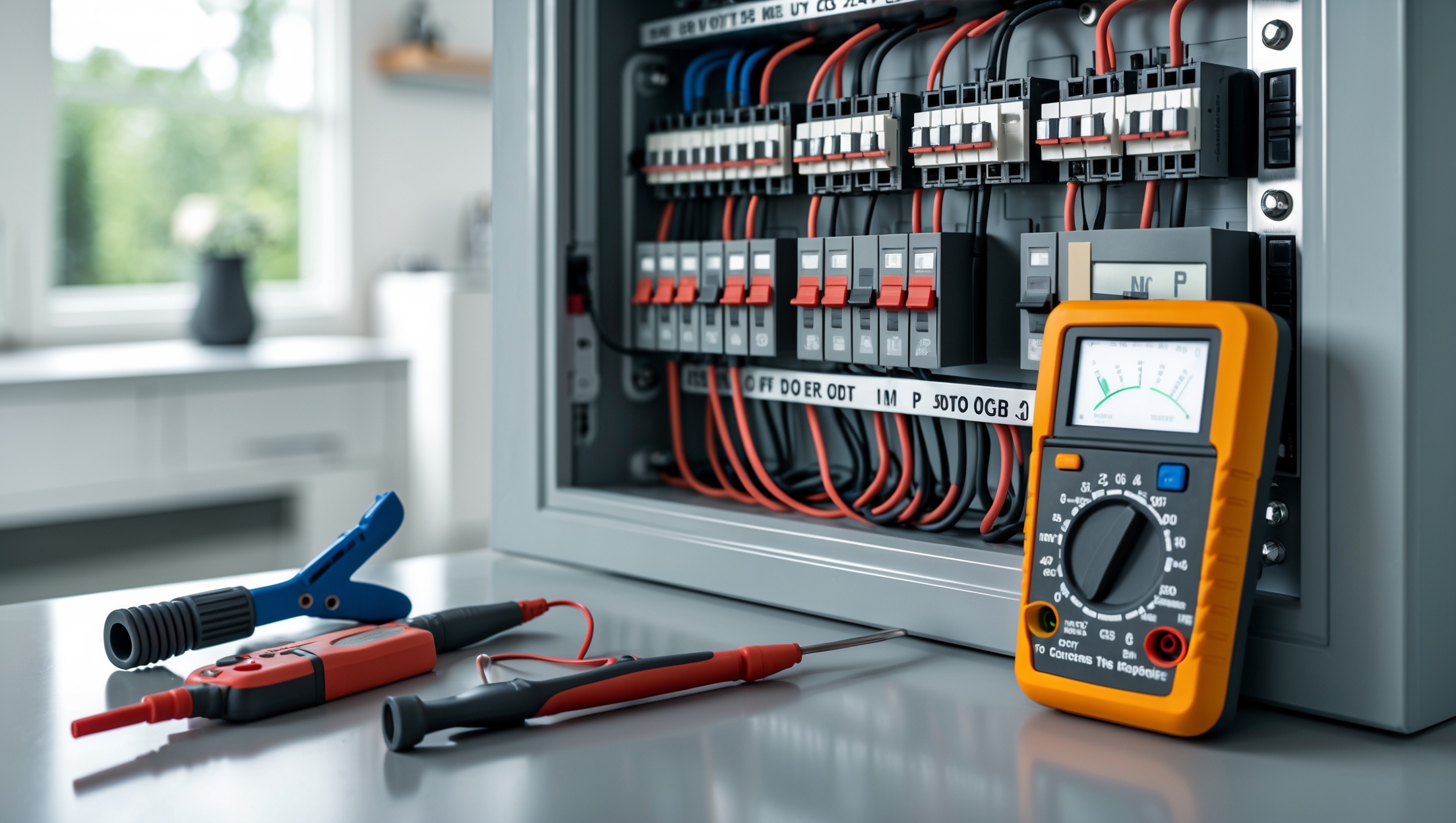
Introduction: Understanding the Frustration of Repeated Breaker Trips
Few household issues are as alarming and inconvenient as a circuit breaker that keeps tripping. One moment you’re comfortably using your appliances, the next, the lights flicker and you’re left in the dark. Although circuit breakers are designed as a crucial safety mechanism—protecting your home from electrical fires and damage—persistent trips are a clear sign that something isn’t right. Ignoring the issue can result in costly repairs, compromised safety, and even insurance headaches if damage occurs. This comprehensive guide explains what causes frequent breaker trips, how to safely diagnose and resolve the issue at its source, and which steps you can take to prevent future trouble. Whether you’re a homeowner ready to troubleshoot or a property manager seeking reliable solutions, this guide will help you regain control of your home’s electrical reliability and safety.
How Circuit Breakers Work: The Basics Every Homeowner Should Know
Understanding why a breaker trips starts with knowing its role. A circuit breaker is a switch that automatically interrupts electrical flow when it detects an overload or fault. Here are the core types of trips and their causes:
- Overload: Too many devices or appliances draw more current than the circuit is rated for.
- Short Circuit: Hot and neutral wires touch or a wire is damaged, causing a surge.
- Ground Fault: Hot wire comes into contact with a ground wire or grounded surface, often in wet areas.
- Arc Fault: Loose connections or damaged wires create electrical arcs, detected by special breakers (AFCIs).
Recognizing which type of fault causes your breaker to trip is the first step to a lasting fix.
Common Reasons for Frequent Breaker Trips
Not all breaker trips are created equal. Here’s a detailed breakdown of the most frequent culprits behind repeated tripping:
- Overloaded Circuits: Plugging too many high-draw devices (like space heaters, microwaves, hair dryers) into the same circuit.
- Faulty Appliances: Older or damaged appliances can develop internal shorts or draw excessive current.
- Wiring Issues: Aging wires, loose connections, or DIY mistakes can cause shorts, ground faults, or arcing.
- Moisture Intrusion: Water in outlets, especially in basements, kitchens, or bathrooms, can create hazardous faults.
- Breaker Wear or Damage: Breakers themselves can become less reliable over time and trip prematurely.
- Temporary Surges: Lightning strikes or utility company issues can momentarily overload circuits.
Determining which scenario fits your situation is key to resolving the problem for good.
Step-by-Step Diagnosis: How to Find the Source of Repeated Trips
Follow this systematic approach to pinpoint the problem safely and efficiently:
Step 1: Identify the Tripping Circuit
- Open your main electrical panel and note which breaker is tripping.
- Check the labeling to see which rooms or outlets are affected.
- If labels are unclear, turn off all breakers, then switch them on one at a time to see which area loses power when the problem breaker trips.
Step 2: Unplug Everything on the Circuit
- Remove all devices and appliances from outlets served by the tripping breaker.
- Reset the breaker. If it stays on, the issue may be with something plugged in. If it trips immediately, wiring or breaker faults are likely.
Step 3: Test Appliances and Devices
- Plug in each device one at a time, resetting the breaker after each.
- If the breaker trips when a specific device is plugged in, that device likely has an internal short or fault and should be repaired or replaced.
Step 4: Inspect Outlets and Switches
- Turn off the breaker and remove the cover plates from outlets and switches on the affected circuit.
- Look for signs of burning, discoloration, or moisture.
- Use a voltage tester to check for unusual readings or stray voltage.
Step 5: Evaluate for Overload
- Check what’s normally plugged in to the circuit. High-wattage devices like portable heaters, window ACs, or kitchen appliances often overload standard 15 or 20 amp circuits.
- Calculate total load: Add up the wattage of all devices to ensure it does not exceed the breaker’s rating (e.g., 15A x 120V = 1800W).
Step 6: Check for Moisture or Corrosion
- Use a flashlight to inspect outlets in damp areas. Look for greenish corrosion, rust, or water stains.
- Replace affected outlets and address the source of moisture.
Step 7: Inspect the Breaker Itself
- With power off, remove the panel cover and inspect the breaker for signs of wear, burning, or looseness.
- Try swapping the breaker with another of the same rating. If the problem moves, the breaker is faulty.
Step 8: Call a Licensed Electrician for Persistent or Mysterious Trips
- If you cannot locate the cause, or if the breaker trips instantly with nothing plugged in, consult a professional. Hidden wiring faults can pose serious fire risks.
Repair and Prevention Strategies
Once you’ve identified the issue, here’s how to fix it and prevent future trouble:
Resolving Overloads
- Redistribute Appliances: Move high-wattage devices to different circuits.
- Upgrade Circuit: If demand is permanent (e.g., new appliances), have an electrician run a dedicated circuit and upgrade the breaker and wiring as needed.
Fixing Faulty Appliances
- Repair or Replace: Unplug and test appliances on a different circuit. Replace if they trip other breakers.
- Routine Maintenance: Clean lint filters, check wiring, and service appliances per manufacturer guidelines.
Addressing Wiring Issues
- Tighten Connections: With the power off, check screw terminals and wire nuts for looseness.
- Replace Damaged Wires: Any burnt, cracked, or frayed wiring should be replaced by a licensed electrician.
- Correct DIY Errors: Remove and rewire amateur repairs that don’t meet code standards.
Combating Moisture Problems
- Seal Gaps: Use caulk or spray foam around exterior outlets and junction boxes.
- Install GFCIs: Replace standard outlets with Ground Fault Circuit Interrupters in bathrooms, kitchens, laundry rooms, and outdoors.
- Dehumidify: Use a dehumidifier in damp basements or crawl spaces to reduce moisture risk.
Replacing a Faulty Breaker
- Breaker Replacement: Always turn off the main breaker before replacing. Use the exact replacement type and rating.
- Professional Help: Never attempt panel work if you’re unsure—incorrect installation can be dangerous.
Preventing Future Trips
- Label Your Panel: Clear, accurate labels help you quickly identify problem circuits.
- Schedule Electrical Inspections: Have your system professionally inspected every few years, especially in older homes.
- Upgrade Outdated Panels: Panels over 30 years old may not support modern electrical demands or safety standards.
- Install AFCI and GFCI Protection: These advanced breakers detect faults earlier than standard breakers, boosting safety.
Tools and Safety Gear for Troubleshooting Breaker Trips
Troubleshooting electrical problems requires the right tools and a focus on safety. Here’s what you should have on hand:
- Non-contact voltage tester: Quickly checks for live wires.
- Multimeter: Measures voltage, current, and resistance to diagnose faults.
- Insulated screwdrivers: Reduces shock risk during outlet or panel work.
- Flashlight or headlamp: Essential when power is out.
- Electrical gloves: Insulated for added protection.
- Label maker or marker: For circuit identification.
Always turn off the main breaker before opening the panel or working on wiring. If you’re not 100% confident, contact a licensed electrician.
Safety Checklist: Avoiding Injury During Electrical Diagnosis
- Turn off the main breaker before handling wiring or changing breakers.
- Use only insulated tools and wear rubber-soled shoes.
- Keep your workspace dry; never work with wet hands or when standing in water.
- Never force a breaker to stay on—this can cause wires to overheat and start a fire.
- If you sense burning smells, see smoke, or feel heat at outlets or the panel, stop immediately and call a professional.
- For homes with aluminum wiring, always defer to a qualified electrician—special connectors and techniques are required.
When to Upgrade: Signs Your Home Needs an Electrical Panel Replacement
Sometimes, frequent breaker trips are a sign that your entire panel or wiring system is outdated. Consider an upgrade if you notice:
- Multiple breakers trip regularly, even after troubleshooting devices and loads.
- Your panel feels hot, hums, or shows rust and corrosion.
- You have a fuse box or a panel more than 30-40 years old.
- Lights dim or flicker when large appliances turn on.
- You frequently use extension cords or power strips due to a lack of outlets.
Modern electrical panels provide better safety, accommodate more circuits, and support today’s high-demand appliances and electronics.
Conclusion: Restore Peace of Mind and Lasting Electrical Safety
Repeated breaker trips are a warning sign you should never ignore. While circuit breakers protect your home by cutting power during dangerous events, frequent tripping usually signals a deeper problem—overloads, faulty appliances, wiring issues, or moisture intrusion. By following a step-by-step diagnostic routine—starting with unplugging devices, inspecting outlets, checking for overloads, and testing appliances—you can often identify and resolve the root cause. Remember, safety always comes first: use proper tools, turn off power before working, and never hesitate to call a professional for persistent or unexplained issues.
Addressing frequent breaker trips not only restores the convenience of uninterrupted power, but also protects your home from fire and electrical hazards. In many cases, simple fixes—redistributing appliance loads, replacing a faulty device, or tightening loose connections—solve the problem. For persistent trips, panel upgrades or professional rewiring may be necessary. By staying proactive and informed, you can ensure your home’s electrical system remains safe, efficient, and reliable for years to come.
If you experience frequent breaker trips and aren’t sure where to start, use this guide as your trusted reference. And remember: when in doubt, always seek help from a licensed electrician—you and your home deserve nothing less than total electrical peace of mind.