

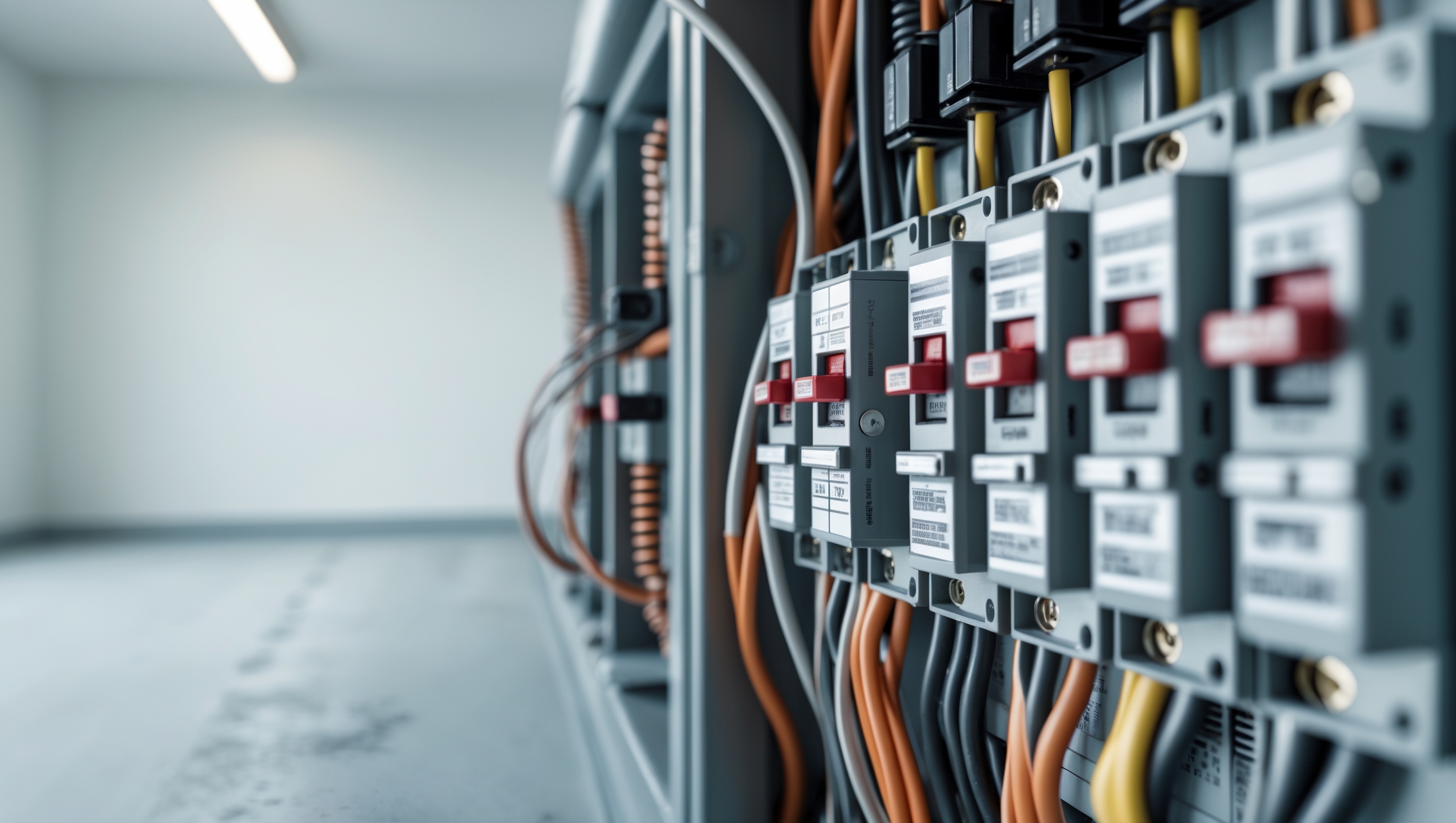
Introduction: Why Choosing the Right Circuit Breaker Matters
Whether you’re planning a renovation, expanding your home’s electrical system, or just replacing a faulty breaker, selecting the right circuit breaker is critical for both safety and efficiency. Circuit breakers are the backbone of electrical protection: they prevent fires, safeguard appliances, and ensure that your wiring can handle the demands of modern living. Yet, with so many types, ratings, and features on the market, homeowners and even some professionals often make missteps—leading to nuisance tripping, under-protection, or even dangerous conditions. This guide will walk you through everything you need to know to confidently choose, size, and apply the correct circuit breaker for any residential project. We’ll cover the main types, how to read and use ratings, application-specific advice, and practical tips for installation and maintenance. By the end, you’ll understand not just what to buy, but why—and how to avoid common and costly mistakes.
Understanding Circuit Breaker Basics
What Is a Circuit Breaker?
A circuit breaker is an automatic switch designed to protect an electrical circuit from damage caused by overload or short circuit. Its basic function is to interrupt the flow of electricity when a fault is detected, preventing overheating and fire.
How Circuit Breakers Work
Breakers use either thermal, magnetic, or combined mechanisms to sense excessive current. When a fault occurs, the breaker “trips,” breaking the circuit and stopping electricity flow. Resetting the breaker restores power, but only after the underlying issue is addressed.
Main Types of Circuit Breakers and Their Applications
Standard (Thermal-Magnetic) Circuit Breakers
These are the most common breakers found in residential panels. They protect against both overloads (sustained overcurrent) and short circuits (sudden, massive current surges). Available in single-pole (120V) and double-pole (240V) configurations.
- Best for: General lighting and outlet circuits, standard appliances
- Not suitable for: Wet areas or circuits requiring ground fault protection
Ground Fault Circuit Interrupter (GFCI) Breakers
GFCI breakers protect against ground faults—when current leaks to ground, often through water or conductive surfaces. They are essential for circuits in kitchens, bathrooms, garages, unfinished basements, and outdoor locations.
- Best for: Areas where water is present; outdoor circuits
- Required by code: Most modern building codes require GFCI protection in specific locations
Arc Fault Circuit Interrupter (AFCI) Breakers
AFCI breakers detect dangerous electrical arcs, which can ignite fires in wiring hidden behind walls. They are now required by code for most living spaces, including bedrooms and family rooms.
- Best for: Bedrooms, living rooms, dens, and other habitable spaces
- Not suitable for: Heavy-duty appliances, unless specified by manufacturer
Dual Function (GFCI/AFCI) Breakers
Combining both GFCI and AFCI protection, these breakers offer comprehensive safety where both ground fault and arc fault hazards exist.
- Best for: Modern renovations, kitchens, laundry rooms, and areas with both water and living space requirements
- Cost: Typically more expensive, but can simplify panel design
Specialty Breakers
- High-Intensity Discharge (HID) Lighting Breakers: For specialty lighting loads in garages or workshops
- Combination Breakers: For unique appliance or HVAC circuits with specific needs
Breaker Ratings: Understanding Amperage, Voltage, and Interrupting Capacity
Amperage (Current) Rating
The amperage rating (e.g., 15A, 20A, 30A) determines how much current a breaker can handle before tripping. It must match the wire size and the load connected to the circuit.
- 15A: Standard lighting and outlet circuits (using 14-gauge wire)
- 20A: Kitchens, bathrooms, laundry (using 12-gauge wire)
- 30A+: Dedicated appliances like dryers, water heaters (using 10-gauge or thicker)
Voltage Rating
Residential breakers are typically rated for 120V (single-pole) or 240V (double-pole). Always match the breaker to the circuit voltage.
Interrupting Capacity (AIC Rating)
This rating specifies the maximum fault current the breaker can safely interrupt. Most residential breakers are rated for 10,000 AIC, but homes with large service panels or close proximity to a transformer may require higher ratings for safety compliance.
How to Select the Right Breaker for Each Application
Step 1: Identify Your Circuit Type and Load
- Lighting and General Outlets: Typically 15A or 20A single-pole
- Kitchen, Laundry, Bathroom: 20A GFCI or dual-function
- Major Appliances: Refer to manufacturer specs—often 30A or higher double-pole
- HVAC or Water Heaters: May require specialty or higher AIC breakers
Step 2: Match Breaker to Wire Size and Panel Compatibility
Never install a breaker with a higher amperage rating than the wire can safely handle. Use the following basic chart:
- 14 AWG wire: 15A max
- 12 AWG wire: 20A max
- 10 AWG wire: 30A max
Also, ensure the breaker is compatible with your electrical panel brand and model. Using off-brand or non-listed breakers can compromise safety and may void your insurance.
Step 3: Consider Code Requirements and Local Regulations
Modern codes (NEC 2023 and beyond) require GFCI, AFCI, or dual-function protection in many areas. Always check the latest local amendments and permit requirements before purchasing or installing a breaker.
Popular Brands and Compatibility Issues
Not all breakers fit all panels. Major brands (Square D, Siemens, Eaton, GE, Murray, etc.) manufacture proprietary designs. Using the wrong brand or a “universal” breaker can cause poor contact, unreliable tripping, or void warranties. Always check your panel’s label and documentation for compatible models.
Budgeting for Breaker Replacement or Upgrade
Typical Costs
- Standard (15A/20A) breaker: $5–$20 each
- GFCI or AFCI breaker: $35–$55 each
- Dual-Function breaker: $40–$65 each
- Specialty breakers: $50–$100+
Labor costs (if hiring an electrician) typically range from $100–$300 for basic replacements or upgrades, and more if panel modifications are needed.
Saving Tips
- Buy breakers from reputable suppliers to avoid counterfeits
- Consider upgrading to dual-function breakers for future-proofing
- Request quotes from multiple licensed electricians for installation
Common Mistakes to Avoid When Choosing Breakers
- Oversizing breakers “just in case”—this defeats the purpose of protection and is a major fire hazard
- Mixing brands or using unlisted breakers
- Ignoring code-required GFCI or AFCI protection
- Assuming wire size is adequate without verification
- Neglecting to check for panel slot availability
Step-by-Step: Replacing or Installing a Circuit Breaker
Warning
Electrical panel work is dangerous. If you are not comfortable or do not have experience, always hire a licensed electrician. Incorrect installation can result in severe injury or property damage.
Tools You’ll Need
- Insulated screwdriver set
- Voltage tester
- Flashlight or headlamp
- Replacement breaker (correct type and rating)
- Personal protective equipment (gloves, safety glasses)
Installation Steps
- Turn off the main breaker to de-energize the panel
- Remove the panel cover
- Test to confirm all circuits are de-energized
- Remove the faulty breaker by gently pulling it out
- Inspect wiring for any signs of overheating or damage
- Connect the circuit wire to the new breaker’s terminal
- Firmly seat the new breaker into the correct slot
- Replace the panel cover and turn power back on
- Test the new circuit for proper operation
Breaker Maintenance and Safety Best Practices
- Periodically test GFCI and AFCI breakers using their test buttons
- Keep the panel area clear and dry
- Label all breakers accurately for quick identification
- Schedule professional inspections every 3–5 years, or after major electrical work
- Never ignore frequent breaker tripping—this signals a problem with the circuit or connected appliances
FAQs: Circuit Breaker Selection and Troubleshooting
Can I upgrade a 15A breaker to 20A if I want to plug in more devices?
No. Upgrading to a higher amperage breaker without changing the wire size creates a fire hazard. The wire must be rated for the higher current.
Do I need a permit to replace a breaker?
In many areas, yes. Always check local requirements. Permits ensure the work is inspected and up to code.
Is it safe to buy breakers online?
Yes, but only from reputable retailers. Avoid suspiciously cheap or “universal” breakers, as counterfeits are common.
Why does my new breaker keep tripping?
This usually indicates an overloaded circuit, a short, or a ground fault. Troubleshoot appliances, wiring, and connections before resetting repeatedly.
Conclusion: Making Smart Choices for Long-Term Electrical Safety
Choosing the right circuit breaker is a foundational step in building a safe and reliable home electrical system. By understanding the differences between breaker types, correctly matching ratings to your wiring and appliances, and respecting both code requirements and manufacturer compatibility, you can avoid common mistakes that lead to nuisance tripping, fire hazards, and expensive repairs. Always prioritize safety: when in doubt, consult a licensed electrician and never cut corners—breaker selection and installation is not the place for guesswork or shortcuts. With the right approach, you’ll ensure your home is protected against electrical faults, your appliances run efficiently, and you remain compliant with the latest standards. Use this guide as a reference whenever tackling electrical upgrades or troubleshooting, and you’ll be well on your way to a safer, smarter, and more energy-efficient home.
I noticed the article talks about both single-pole and double-pole circuit breakers. Is there an easy way to tell which one I need for adding a new appliance in my kitchen, or do I need to consult a professional first?
To figure out whether your new kitchen appliance needs a single-pole or double-pole circuit breaker, check the appliance’s power requirements. Most standard kitchen appliances like microwaves use a single-pole breaker (120 volts), while larger appliances like ovens or electric ranges usually require a double-pole breaker (240 volts). If you’re unsure or the wiring seems complex, it’s safest to consult a licensed electrician before installation.
You mention that choosing the wrong breaker can lead to nuisance tripping. Are there any particular features or types to look for to minimize false trips, especially in older homes with unpredictable loads?
To minimize nuisance tripping in older homes, look for circuit breakers with a higher tolerance for inrush currents, such as Type C or Type D breakers. These are less sensitive to momentary surges from appliances like refrigerators or power tools. Also, consider breakers with adjustable trip settings if your panel supports them, as they allow you to fine-tune sensitivity based on your home’s actual load characteristics.
The guide talks about choosing the right breaker to avoid nuisance tripping. What are the most common reasons people accidentally pick a breaker that trips too often, and how can I make sure I avoid that mistake when replacing one in an older house?
People often pick breakers with ratings that are too low for the actual load, or they use the wrong type (like a standard breaker instead of a time-delay type for appliances with high start-up currents). To avoid nuisance tripping in an older house, carefully calculate the total load on each circuit, consider any high-start appliances, and match the breaker’s amperage and type to both the wiring and intended use.
If I’m upgrading my home’s panel and want to add surge protection, should I look for breakers with built-in surge protection or install a separate device? Are there pros and cons to integrating this feature into the breakers versus having it as a standalone unit?
Choosing between breakers with built-in surge protection and a standalone surge protection device depends on your needs. Built-in surge breakers save panel space and can be easier to install, but they typically protect only the circuits they’re installed on. A standalone whole-house surge protector, installed at the panel, offers broader protection for all circuits. Standalone units can also be easier to upgrade or replace later. Consider your budget, space, and level of protection needed.
I noticed you mentioned both single-pole and double-pole breakers for residential panels. How do I determine which one is needed for different appliances or parts of my home, and are there any safety concerns if I choose the wrong type?
Single-pole breakers are typically used for standard 120-volt circuits, such as lighting and most outlets. Double-pole breakers handle 240-volt appliances like electric dryers, ovens, and water heaters. Always match the breaker type to the appliance’s voltage and amperage requirements. Using the wrong type can lead to inadequate protection, increased fire risk, or equipment damage, so check your appliance manuals and consult an electrician if unsure.
I’m expanding my workshop and need to add new circuits. Can you offer more details on how to figure out the right amp rating for these new breakers to avoid both overloading and nuisance tripping as mentioned in your guide?
To determine the right amp rating for new breakers, start by adding up the expected load (in amps) for all devices and tools that will run on each circuit. Choose a breaker rated 25-30% higher than your calculated load to prevent nuisance tripping, but never exceed the wire’s rated capacity. For example, if your equipment totals 12 amps, a 15-amp breaker is appropriate when paired with the correct gauge wire. Always follow local electrical codes for safety.
The article mentions both single-pole (120V) and double-pole (240V) breakers for residential panels. Can you clarify situations where it’s necessary to use a double-pole breaker instead of two single-pole ones, especially when dealing with renovations or upgrades?
Double-pole breakers are required when you need to supply 240V appliances or circuits, such as electric ranges, dryers, water heaters, or HVAC units. They connect to both hot bus bars in the panel to deliver 240V. Using two single-pole breakers separately won’t provide the correct voltage or the linked safety mechanism—double-pole breakers trip both legs together, ensuring full circuit protection. Always use a double-pole breaker for 240V circuits, particularly during renovations or upgrades.
I understand that there are both single-pole and double-pole configurations for standard breakers. How do I determine which type is needed for a particular appliance or part of my home’s wiring? Are there risks if I accidentally choose the wrong kind?
Single-pole breakers are typically used for standard 120-volt circuits, like lights and outlets. Double-pole breakers are needed for 240-volt appliances, such as dryers, ovens, or water heaters. Choosing the wrong type can lead to inadequate protection or even electrical hazards. Always check your appliance’s voltage and current requirements, and if you’re unsure, consult an electrician to ensure safety and code compliance.
When replacing a faulty breaker, are there certain installation or maintenance tips from your guide that are particularly important for homeowners to follow to avoid common mistakes or code violations?
Yes, there are a few key points homeowners should keep in mind. Always turn off the main power before working in the panel to ensure safety. Make sure the replacement breaker matches the type and amperage rating specified for your panel. Tighten all connections securely, but do not overtighten. After installation, double-check that wires are seated properly and that there is no exposed copper. If you’re unsure, it’s always wise to consult a licensed electrician to avoid code violations or safety hazards.
You mentioned that choosing the wrong circuit breaker can lead to nuisance tripping and under-protection. In a retail space where I have multiple refrigerators and point-of-sale equipment running, how do I size breakers to avoid unexpected downtime?
To prevent downtime in your retail space, first check the total amp draw of each refrigerator and POS device, then add up the loads on each circuit. Choose a breaker rated at least 125% of the continuous load to handle startup surges, especially for refrigerators. Ensure you don’t overload circuits and use separate breakers for high-demand appliances if possible. Always match breaker type to your equipment and wiring.
If I’m planning a panel upgrade and want to future-proof my system for potential new appliances, is it better to oversize the breakers slightly or to stay exactly within the current load calculations? I’m trying to avoid common mistakes you mentioned in the introduction.
It’s safer to size your breakers based on accurate load calculations, not by oversizing them. Installing breakers that are too large for your wiring can create safety hazards, as the breaker may not trip when it should. If you anticipate adding appliances, consider upgrading the panel’s overall capacity and adding spare circuits, but always match breakers to the wire gauge and current load for each circuit.
I’m trying to figure out if I need a single-pole or double-pole breaker for a new kitchen appliance. The article mentions both types, but I’m not sure how to know which voltage my appliance requires or how to match that to the right breaker. Could you explain how to determine that?
To figure out whether you need a single-pole or double-pole breaker, start by checking your appliance’s label or manual for its voltage requirement. If it says 120V, you need a single-pole breaker (typically used for standard outlets or smaller appliances). If it says 240V, you need a double-pole breaker, which is required for larger appliances like ovens or ranges. Matching the breaker type to the appliance voltage is important for both safety and functionality.
I noticed you mentioned standard thermal-magnetic circuit breakers for residential panels. How do I know if my home requires a double-pole 240V breaker instead of a single-pole 120V one, especially when adding new appliances?
To determine if you need a double-pole 240V breaker, check your new appliance’s voltage requirement. Appliances like electric ranges, dryers, and some water heaters typically need 240V and therefore require a double-pole breaker. Smaller devices, lights, and outlets usually use 120V and only need a single-pole breaker. Always review the appliance’s specifications or label before choosing the breaker type.
The guide mentions standard thermal-magnetic breakers being common for residential use, but how do I determine when a more specialized breaker, like AFCI or GFCI, is required by code or better suited for protecting specific circuits in my home?
AFCI (Arc Fault Circuit Interrupter) breakers are required by code in most bedroom circuits and other living areas to protect against electrical fires caused by arc faults. GFCI (Ground Fault Circuit Interrupter) breakers are required in areas with higher moisture, like bathrooms, kitchens, garages, and outdoor outlets, to prevent shock hazards. Always check your local electrical codes, as they may have additional requirements for when these breakers are needed.
You discuss nuisance tripping as one of the common mistakes when choosing circuit breakers. Are there particular types of breakers that are less prone to nuisance tripping, especially in homes with older wiring?
Yes, certain types of circuit breakers can help reduce nuisance tripping, especially in homes with older wiring. For example, ‘time-delay’ or ‘slow-blow’ breakers are designed to tolerate temporary surges, such as those from motor startups, without tripping immediately. These are less sensitive to brief spikes, which helps prevent unnecessary trips in older electrical systems. However, always consult a qualified electrician before making changes to ensure compatibility and safety.
When choosing between single-pole and double-pole breakers for a home upgrade, how do you determine which appliances or circuits require the 240V double-pole option? Are there specific codes or guidelines that help homeowners make this decision?
Double-pole breakers are used for appliances that require 240 volts, such as electric ranges, dryers, water heaters, or central air conditioning units. Single-pole breakers handle standard 120-volt circuits for lights and outlets. The National Electrical Code (NEC) specifies which appliances need 240V circuits, so checking your appliance manuals and local code requirements is essential before upgrading. If in doubt, consult a licensed electrician for guidance.
I’m a little confused about the difference between single-pole and double-pole circuit breakers mentioned in the article. When would you choose one over the other in a typical home setup, like for the kitchen or laundry?
Single-pole breakers are usually used for standard 120-volt circuits, like lights and most outlets. Double-pole breakers are needed for 240-volt appliances that use more power, such as electric ranges, dryers, or large AC units. In a kitchen, a standard outlet or light would use a single-pole breaker, but an electric oven would require a double-pole. For laundry, a washer uses a single-pole, while a dryer often needs a double-pole breaker.
You mentioned that there are both single-pole (120V) and double-pole (240V) breakers for residential panels. Could you explain how to decide which type is right for different appliances or rooms in a home?
Single-pole breakers (120V) are used for most standard circuits in a home, like lighting, outlets, and small appliances. Double-pole breakers (240V) are necessary for high-power appliances that require more voltage, such as electric ovens, dryers, water heaters, and some large air conditioners. When deciding, check the appliance’s voltage requirement—if it needs 240V, use a double-pole breaker; otherwise, a single-pole breaker is sufficient.
I noticed you said that nuisance tripping can happen if the wrong breaker is chosen. Are there any signs I should watch for besides tripping itself that would indicate the breaker isn’t the right fit, or is that the only symptom I’d see?
Besides the breaker frequently tripping, you might notice lights dimming, flickering, or outlets not working as expected when certain appliances are used. Sometimes, breakers that are too sensitive might feel warm or make buzzing noises. However, tripping is the main sign. If any of these symptoms occur, it’s a good idea to double-check your breaker’s rating and compatibility with your electrical load.
The article states that correct sizing is crucial to prevent nuisance tripping or under-protection. Could you explain what steps or calculations a homeowner should follow to determine the right amp rating when adding a new circuit to serve modern high-demand appliances?
To determine the right amp rating, start by checking the appliance’s wattage or amperage listed on its label. Divide the wattage by your home’s voltage (typically 120 or 240 volts) to find the current draw in amps. Add up the expected loads if more than one appliance is on the circuit. Choose a breaker with an amp rating 25% higher than the expected load, but never exceed the wire’s capacity. When in doubt, consult electrical codes or a licensed electrician.
You mentioned that nuisance tripping can happen if you pick the wrong circuit breaker. My current breaker trips a lot when I use my microwave and toaster at the same time. Is this a sign I have the wrong type, or is something else going on?
Frequent tripping when using your microwave and toaster together usually means that the combined load exceeds your breaker’s rated capacity, rather than an issue with the breaker type. It’s likely the circuit is overloaded. You might consider moving one appliance to a different circuit or consulting an electrician to see if your kitchen wiring can be adjusted to handle higher loads safely.
I’m a little confused about when to use a single-pole versus a double-pole breaker in a home project. Is it only based on voltage, or are there other factors I should consider when choosing between the two types?
Single-pole breakers are typically used for standard 120-volt circuits, like lighting and most outlets, while double-pole breakers are for 240-volt appliances like dryers or ovens. Besides voltage, you should consider the amperage requirements of the device, wiring configuration, and whether the appliance specifically requires a double-pole breaker for safety. Always check the manufacturer’s recommendations and local electrical codes before choosing.
I’m in the process of updating some of the breakers in my main panel and noticed you mentioned nuisance tripping as a common mistake. Could you explain what causes this, and how I can avoid choosing a breaker that trips too easily for typical household appliances?
Nuisance tripping happens when a breaker trips even though there’s no real electrical fault, often because its rating is too low for the normal current your appliances draw. To avoid this, check the typical load of your appliances and select a breaker with an appropriate amperage rating—usually 15A or 20A for most household circuits. Also, avoid oversensitive breaker types, like ground fault or arc fault, unless they’re required for safety in certain rooms.
You mention nuisance tripping as a common issue with incorrect breaker selection. Can you share some troubleshooting tips if a breaker keeps tripping, even though the total load is well within rating? Could this be due to a wiring or installation problem?
If a breaker keeps tripping despite being sized correctly for the load, several issues could be at play. Loose or damaged wiring, faulty outlets, or poor connections can all cause unintended tripping. Check for signs of corrosion or overheating at connections, and inspect appliances for internal faults. Ground faults or short circuits are also possible culprits. If you’re unsure, consult a qualified electrician to examine the installation carefully.
If I’m replacing a faulty breaker in my panel, is it okay to switch to a different brand or should I stick with the exact one already installed? Are there compatibility concerns or safety regulations to look out for?
It’s important to use a breaker that’s specifically listed as compatible with your panel, which often means sticking to the same brand and model series. Panels are tested and certified with certain breakers, and using others can violate safety codes and potentially be unsafe. Always check the panel’s labeling or documentation for approved breaker types and consult a licensed electrician if you’re unsure.
You talked about avoiding nuisance tripping and under-protection, but how do I actually figure out the right amperage rating for a breaker if I’m adding a new circuit for my garage workshop?
To choose the right amperage rating for your garage workshop circuit, first add up the wattage of all equipment you might use at the same time. Divide the total wattage by your supply voltage (usually 120V or 240V) to get the required current in amps. Then, choose a breaker rated for 125% of that current to allow for safe operation and avoid nuisance tripping. For a typical small workshop, a 20-amp or 30-amp breaker is common, but check your local electrical codes to confirm.
When choosing between single-pole and double-pole breakers for a home renovation, how do I determine which areas or appliances require the 240V double-pole version versus the standard 120V single-pole? Are there guidelines or common mistakes people should watch out for?
Single-pole breakers are typically used for standard 120V circuits, such as lighting and most outlets. Double-pole breakers provide 240V and are required for larger appliances like electric dryers, ranges, water heaters, and some HVAC units. Always check each appliance’s voltage and amperage requirements. A common mistake is using a single-pole breaker for a 240V appliance, which is unsafe. When in doubt, consult the manufacturer’s specs or a licensed electrician.
When selecting between single-pole and double-pole breakers for different home upgrades, are there best practices for deciding which appliances or rooms really need the added protection of a double-pole breaker?
Double-pole breakers are best for appliances or rooms that require 240 volts, such as water heaters, electric dryers, ovens, and central air conditioning units. Single-pole breakers are suitable for general lighting and outlets, which only need 120 volts. Always check the appliance’s voltage and amperage requirements, and if in doubt, consult an electrician to make sure you’re meeting safety codes.
For someone planning to expand their home’s electrical system, at what point should a professional be consulted rather than relying on guides like this? Are there specific scenarios or warning signs that indicate DIY breaker selection could be risky?
It’s best to consult a professional if you’re not fully confident in your understanding of your home’s wiring, or if the project involves major changes like adding new circuits, upgrading the panel, or working near water. Warning signs to watch for include complicated wiring, uncertainty about breaker compatibility, overloaded panels, or outdated electrical systems. In these cases, DIY work could be unsafe and a licensed electrician should be involved.
The article mentions both single-pole (120V) and double-pole (240V) breakers. Can you clarify in which residential scenarios each type should be used, and what mistakes homeowners commonly make when choosing between them?
Single-pole (120V) breakers are typically used for standard household circuits, such as lighting and most outlets. Double-pole (240V) breakers are needed for high-power appliances like electric dryers, ovens, and water heaters. A common mistake is using a single-pole breaker for a 240V appliance, which can be unsafe. Always match the breaker type to the appliance voltage and check manufacturer recommendations.
If a breaker is constantly tripping, besides overload or short circuit, are there other common causes homeowners overlook? I’m wondering whether replacing the breaker alone always solves the problem, or if I should be checking for other issues too.
Besides overloads and short circuits, breakers can trip due to loose wiring, faulty appliances, or ground faults. Sometimes, moisture or corrosion inside the panel causes tripping as well. Simply replacing the breaker might not fix the root issue. It’s a good idea to inspect outlets, wiring connections, and any devices on that circuit to ensure there isn’t an underlying problem before replacing the breaker.
If I’m replacing an old standard breaker in my panel, how do I know for sure if I should use a single-pole or double-pole breaker? The article mentions both 120V and 240V but I’m not sure how to check what I need for specific appliances.
To determine if you need a single-pole or double-pole breaker, check the voltage and wiring of the circuit. Single-pole breakers are used for 120V circuits (typically lighting and outlets) and take up one slot in your panel. Double-pole breakers are for 240V appliances (like dryers or water heaters), use two slots, and have two connected handles. Check your appliance’s label or manual for its voltage requirement, and look at your old breaker to see if it’s a single or double slot wide.
When installing a new circuit breaker, are there recommended maintenance steps to ensure its ongoing reliability, especially in a residential setting? The article mentions practical tips, but I’d love a bit more detail about that aspect.
To keep your new circuit breaker reliable, periodically check for any signs of overheating or discoloration around the breaker or panel. Ensure the panel stays free of dust and moisture, and tighten any loose connections while the power is off. Test the breaker function by switching it on and off a few times each year. If you notice tripping without clear cause or visible wear, consider contacting a licensed electrician for a thorough inspection.
When you mention nuisance tripping due to picking the wrong type of breaker, what are some common mistakes people make? Are there certain appliances or setups that you see causing this issue the most often?
Nuisance tripping often happens when people choose breakers that are too sensitive for the device they’re protecting. For example, using a standard breaker instead of a motor-rated or slow-blow breaker with appliances like refrigerators, air conditioners, power tools, or pumps can cause trips during startup surges. Another common mistake is using AFCI or GFCI breakers where they aren’t needed, which can lead to unnecessary tripping with certain electronics. Always match the breaker’s characteristics to the equipment’s typical current draw and startup requirements.
You mentioned both thermal and magnetic mechanisms in circuit breakers. How can a homeowner tell which type is best suited for their home, especially if they’re dealing with older wiring or updated appliances?
When choosing between thermal and magnetic circuit breakers, homeowners should consider their home’s wiring and typical appliance use. For older wiring, thermal breakers are often preferred because they respond well to prolonged, moderate overloads, which can help prevent overheating. If your home has many modern appliances that might cause short, high-current surges, a breaker with both thermal and magnetic protection (a thermal-magnetic breaker) offers the best balance. Always match the breaker’s specifications to your panel and consult an electrician if unsure.
You mention that there are many types and ratings of circuit breakers available. For a homeowner on a tight budget, are there features or specifications that can be safely prioritized to avoid unnecessary overspending but still maintain safety?
For homeowners on a budget, it’s best to focus on the essential specifications: select a breaker that matches your electrical panel type, amperage, and voltage needs, and ensure it’s UL-listed for safety. You usually don’t need advanced features like AFCI or GFCI breakers everywhere—use those only where code requires, such as kitchens or bathrooms. This approach keeps costs down while meeting safety standards.
You mentioned that nuisance tripping can be a problem if the wrong breaker is chosen. Can you give some practical tips for figuring out if a breaker has been sized correctly for older homes with mixed wiring?
For older homes with mixed wiring, check the wire gauge and compare it to the breaker’s amp rating—never use a breaker with a higher amp rating than the wire supports. Also, monitor for frequent tripping when using normal appliances, as this may suggest an undersized breaker. Consulting an electrician to inspect your wiring and load needs is wise, especially since older homes may have unique challenges.
For homeowners on a tight budget doing small-scale upgrades, what are the key features or ratings you would prioritize when choosing a breaker, and are there any common compromises that can be made safely without sacrificing essential protection?
For small home upgrades on a budget, focus on matching the breaker’s amperage rating to your wiring and the load it will protect. Always choose breakers with the correct voltage and ensure they are compatible with your electrical panel brand. Never compromise on safety features like short-circuit and overload protection. While you might opt for standard breakers over specialty types, avoid used or unlisted brands to maintain essential protection.
When replacing an old breaker, is it always necessary to match the amperage and type exactly, or are there situations where upgrading to a different type or higher rating is advisable for better protection or modern appliances?
You should always match the amperage and type of the old breaker unless a qualified electrician has assessed your wiring and load requirements. Using a higher rating without upgrading the wiring can be unsafe and lead to fire risks. Sometimes, upgrading to a different breaker type (like AFCI or GFCI) is advisable for improved protection, but you should confirm compatibility with your panel and local codes before making changes.
When swapping out a faulty breaker, is it safe to simply match the new breaker’s rating and type to the old one, or are there additional steps I should take to ensure the replacement isn’t just repeating a prior mistake? I want to avoid nuisance tripping or under-protection.
Matching the rating and type is a good starting point, but it’s wise to check why the original breaker failed. Inspect the circuit for any underlying issues like overloaded wiring, loose connections, or equipment faults. Also, make sure the new breaker is compatible with your panel brand and model. If in doubt, consulting an electrician helps ensure safety and proper protection.
You talked about nuisance tripping as a common mistake. If my circuit keeps tripping but I don’t see any obvious overload, what troubleshooting steps should I follow before replacing the breaker itself?
If your circuit keeps tripping without any clear overload, start by unplugging all devices on that circuit. Then, reset the breaker. Plug in and turn on each device one at a time to see if any particular item causes the trip. Also, check for damaged cords, outlets, or any signs of moisture. If none of these reveal the issue, it could be a wiring fault or an aging breaker, and consulting a licensed electrician before replacing the breaker is recommended.
If I’m renovating and want to avoid nuisance tripping, what are some of the most common sizing mistakes DIYers make when choosing a breaker based on their wiring and expected load? Are there warning signs before tripping gets dangerous?
A common mistake is choosing a breaker that matches the appliance size but not the wire gauge—using a 20-amp breaker on a 14-gauge wire, for example, is unsafe. Another error is not considering the total expected load on the circuit, leading to overloads. Warning signs before tripping becomes hazardous include warm outlets, flickering lights, and frequent resetting. Always match the breaker to both the wire size and the anticipated load.
I’m planning to replace a few old breakers during a home renovation. Are there any installation tips or typical mistakes homeowners make during the swap, especially when dealing with different breaker brands or panel types?
When replacing breakers, always turn off main power first and double-check compatibility between your panel and the new breakers—different brands or models may not fit or function safely. Avoid forcing breakers into the panel, and never mix brands unless the manufacturer lists them as compatible. Tighten connections securely but don’t overtighten, and ensure each wire is in the correct terminal. If in doubt, consult the panel’s labeling or a licensed electrician.
I’m planning to upgrade the electrical panel in my shop and noticed the article mentioning both single-pole and double-pole breakers. How do I determine when it’s necessary to use a double-pole breaker versus just sticking with single-pole options?
A double-pole breaker is needed when you have equipment or circuits that require 240 volts, such as large power tools, dryers, or HVAC units. Single-pole breakers are for standard 120-volt circuits, like outlets and lights. Check the voltage and amperage requirements of your equipment—if it calls for 240 volts, you’ll need a double-pole breaker; otherwise, single-pole should suffice.
When choosing between single-pole and double-pole breakers for a home renovation, are there key signs in an existing panel setup that would tell me which is needed for a specific appliance, like a dryer versus regular outlets?
Yes, you can usually tell from your panel setup which breaker type an appliance needs. Dryers and other large appliances typically require double-pole breakers because they use 240 volts, and you’ll see they’re connected to two slots in the panel. Regular outlets and lights use single-pole breakers, which occupy one slot and supply 120 volts. Also, check the wiring: double-pole breakers have two hot wires (often black and red), while single-pole breakers have just one.
The guide mentions nuisance tripping as a common mistake. Could you elaborate on what causes nuisance tripping most often and how to make sure you’re sizing or selecting your breakers to avoid this in everyday residential setups?
Nuisance tripping usually happens when a breaker is either undersized for the circuit load or when sensitive breakers are used where they’re not needed. Common causes include using too many appliances on one circuit, or selecting a breaker with a lower trip rating than required. To avoid this, calculate the normal load for each circuit, add a margin for occasional surges, and select a breaker rated for at least 125% of the continuous load. Always match the breaker’s type and rating to the wire size and application.
If I’m replacing an old breaker, are there specific installation or compatibility checks I should do before buying a new one, or do most residential panels accept any standard thermal-magnetic breaker?
It’s important to check both compatibility and installation requirements before buying a replacement breaker. Not all residential panels accept any standard breaker; you need to match the brand and model series specified by your panel’s manufacturer. Also, verify the amperage and voltage ratings, and make sure the new breaker type (such as thermal-magnetic) matches your panel’s requirements. Always turn off power and follow safety guidelines during installation.
The guide talks about standard thermal-magnetic breakers, but are there situations in a typical home where a different type, like an AFCI or GFCI breaker, would be required instead? If so, how do I know when to use which?
Yes, certain areas in a home require specialized breakers for safety. AFCI (Arc Fault Circuit Interrupter) breakers are typically required in bedrooms, living rooms, and other living areas to protect against electrical fires from arc faults. GFCI (Ground Fault Circuit Interrupter) breakers are required in locations with water exposure, such as bathrooms, kitchens, garages, and outdoor outlets, to prevent electric shock. Local electrical codes or the National Electrical Code (NEC) specify where each type is needed, so it’s best to check those when planning your project.
Can you explain a bit more about nuisance tripping? I want to avoid picking a breaker that trips too easily, but also don’t want to risk under-protection in my home. Is there a balance or rating I should look for when choosing residential circuit breakers?
Nuisance tripping happens when a circuit breaker trips even though there isn’t a real electrical fault, often due to a breaker being too sensitive or mismatched for the device loads. For residential use, look for breakers with the standard ‘Type B’ or ‘Type C’ tripping characteristics. Type B is common for most home circuits and trips at 3-5 times the rated current, while Type C is a bit less sensitive (5-10 times) and is good if you have equipment with higher starting currents. Choosing the right type helps balance protection and avoids unnecessary trips.
You talk about nuisance tripping being a common problem. If I’m getting frequent trips on a standard thermal-magnetic breaker, what steps should I take to rule out if it’s a sizing issue versus an actual wiring or appliance fault?
To figure out if nuisance tripping is due to an undersized breaker or a wiring/appliance problem, start by checking the total load on the breaker and compare it to its rated capacity. If loads are under the rating, unplug or disconnect appliances one at a time to see if the tripping stops, which could indicate a faulty device. If tripping persists with minimal or no load, there may be a wiring issue or a faulty breaker itself.
Can you give some advice on choosing a reliable circuit breaker brand that won’t break the bank? I want to make sure I get solid protection without overspending, especially since the guide says there are a lot of options on the market.
When looking for a dependable yet affordable circuit breaker brand, consider names like Square D, Siemens, and Eaton. These brands are widely available, UL-listed, and have good reputations for safety and reliability. Compare prices at local hardware stores and reputable online retailers. Look for warranties and customer service ratings to ensure support if needed. Remember, always match the breaker specifications to your application and local electrical codes.
You noted that choosing the wrong circuit breaker can lead to nuisance tripping or under-protection. Can you expand a bit on the common signs that a breaker is incorrectly sized for its circuit, and what steps should be taken if someone suspects this is the case in their home?
Common signs of an incorrectly sized circuit breaker include frequent tripping when normal appliances are used (indicating a breaker that’s too small), or circuits that never trip even when overloaded (possibly a breaker that’s too large, risking under-protection). If you suspect improper sizing, avoid using the circuit for high loads and contact a licensed electrician. They can assess wire size, expected load, and breaker rating to ensure your system is safe and up to code.
I noticed you mentioned both single-pole and double-pole breakers. If I’m just replacing one breaker in my panel, how can I tell which type I need, and are there any risks if I choose the wrong one for a 120V appliance?
To determine which breaker you need, look at the one you’re replacing: single-pole breakers take up one slot and have one switch, while double-pole breakers take up two slots and have a linked switch. For a 120V appliance, you almost always need a single-pole breaker. Using a double-pole breaker for a 120V appliance can be unsafe and may damage your device, so always match the new breaker to the old one and the appliance requirements.
Can you give some practical tips for figuring out the right amperage rating for breakers when I don’t have the exact specs for every device in the house? I want to avoid nuisance tripping, but I’m also worried about under-protection.
When you don’t have exact specs, estimate the total current by listing major appliances and using their average wattages, then divide total watts by voltage (usually 120V or 240V) to get amps. Add an extra 25% for safety. Choose a breaker that matches or slightly exceeds this number, but never oversize it too much—wiring must support the breaker size. For general circuits, 15A or 20A breakers are typical, but always match the breaker to the smallest wire size in the circuit.
If I’m replacing an old breaker that keeps tripping, how do I make sure the new one has the correct rating and isn’t just masking a wiring issue? What should I look for during installation to avoid making things worse?
To ensure safety, always match the new breaker’s amperage and voltage rating with the old one and the circuit’s wire gauge. Do not upgrade to a higher rating, as this can hide deeper wiring problems and create fire risks. Before replacing, check for signs of damaged wires or loose connections in the panel. If the breaker keeps tripping, it’s wise to inspect the circuit for overloaded outlets or faulty appliances—fixing the root cause is safer than just swapping breakers.
When choosing the right breaker size, the guide talks about preventing nuisance tripping and under-protection. Could you explain how to calculate the correct amperage rating if my shop occasionally runs multiple power-hungry devices at once?
To calculate the correct breaker amperage, add up the current (in amps) each device will draw when in use at the same time. Then, multiply the total by 1.25 (or add 25%) to account for continuous use and avoid nuisance tripping. The resulting number is the minimum breaker size you should choose, but never exceed the safe ampacity of your wiring.
You mentioned nuisance tripping as a common issue if the wrong breaker is selected. Can you explain what causes nuisance tripping and how to avoid it, especially in older homes with mixed wiring and new appliances?
Nuisance tripping happens when a circuit breaker trips even though there isn’t an actual electrical fault. This often occurs if the breaker’s rating is too low for the devices plugged in, or when newer appliances with higher start-up currents are used on older wiring. In older homes, mismatched wiring and modern appliances can make this worse. To avoid nuisance tripping, choose a breaker that matches the circuit’s wire gauge and expected load, and consider consulting an electrician to check if your wiring and breaker choices are suitable for your current appliances.
If I’m swapping out an old breaker in my panel, are there steps I should take to make sure the new one is fully compatible beyond just matching voltage and amperage? I’ve heard about nuisance tripping and want to avoid making a mistake.
Matching voltage and amperage is essential, but compatibility also depends on the breaker’s type (such as standard, AFCI, or GFCI), the manufacturer, and the breaker’s physical fit with your panel model. Ensure the new breaker is listed for use with your specific panel brand and model, as using an unlisted breaker can lead to nuisance tripping or safety issues. Also, consider the trip curve—certain appliances need a breaker with a delayed or instantaneous trip characteristic. Always turn off power and, if unsure, consult a qualified electrician.
Could you elaborate on how to determine the correct amperage rating for a breaker when adding new appliances to an existing panel, especially if you’re not sure about the total current draw? I’m worried about accidentally under-sizing or over-sizing the breaker.
To determine the right amperage for a breaker, first check the wattage or amperage rating of each new appliance. Add up the total current draw (in amps), then ensure the breaker rating is at least 125% of this load for safety. Never guess—if you’re unsure, use a clamp meter to measure actual current, or consult an electrician. Over-sizing risks fire, while under-sizing causes nuisance trips.
If I want to replace a faulty breaker myself, are there any important safety steps or tools you recommend before I start, especially for someone who hasn’t done much electrical work before? I want to avoid any costly or dangerous mistakes.
Before attempting to replace a breaker, always turn off the main power at your electrical panel to prevent electric shock. Use insulated screwdrivers and wear rubber-soled shoes for extra protection. Double-check that power is off using a voltage tester. If you’re unsure about any step or feel uncomfortable, it’s safest to contact a licensed electrician, as mistakes can be hazardous.
Could you clarify how to size a breaker for an old building with mixed wiring? I’m concerned about installing something too powerful or not powerful enough and want to avoid both under-protection and frequent breaker resets.
To size a breaker for an old building with mixed wiring, first confirm the wire gauge for each circuit, since the breaker size must not exceed what the smallest wire can safely handle. For example, 14-gauge wire is rated for 15 amps, while 12-gauge handles 20 amps. Always match the breaker to the weakest link in the wiring, not just the devices you plan to run. If unsure, consult an electrician to verify wire types and conditions before installing a new breaker.
You mentioned that nuisance tripping can happen if someone picks the wrong breaker type. In your experience, is this usually because of oversizing or undersizing the breaker, or is it more about matching the right type to the specific appliance or circuit?
Nuisance tripping usually happens when the breaker type isn’t matched correctly to the appliance or circuit characteristics, rather than simply being oversized or undersized. For example, using a standard breaker on a motor load can cause trips during startup surges. While sizing matters, choosing the right type—like a Type C for inductive loads—often makes a bigger difference in preventing unwanted trips.
When replacing an older circuit breaker panel, how do you determine if your existing wiring is compatible with newer breaker types, especially if you’re considering upgrading to breakers with advanced protection features?
To determine if your existing wiring is compatible with newer circuit breakers, check the wire gauge and insulation type to ensure they meet current electrical codes and the requirements of the new breakers. Advanced breakers like AFCI or GFCI may need compatible neutral wires. It’s also important to verify that your panel accepts the specific breaker brand and type. Consulting a licensed electrician can help ensure safety and compliance.
If I’m planning to upgrade some appliances in my kitchen, how do I know if my existing breakers are rated correctly for the new load, or if I need to replace them with a different type? Are there signs I should look for besides nuisance tripping?
To check if your existing breakers are rated properly for your new appliances, add up the wattages of the appliances you plan to use together and divide by your home’s voltage (typically 120V or 240V) to determine the needed amperage. Compare this with the current breaker’s rating. Besides nuisance tripping, signs that a breaker may be insufficient include overheating at the panel, discolored breaker switches, or humming noises. If you’re unsure, consult an electrician to ensure safety and compliance.
You mentioned ratings and sizing, but I’m still confused about how to read the numbers on a breaker label. Is there a simple way to match breaker ratings to the amount of power my new circuit will actually use?
To match breaker ratings with your circuit, focus on the amperage (A) listed on the breaker label—that’s the maximum current it can safely handle. Estimate your circuit’s total load in amps by dividing the total wattage of connected devices by your supply voltage (for example, 1200W on 120V equals 10A). Choose a breaker rated at least 25% higher than your calculated load for safety, but never exceed what your wiring supports.
Could you explain how to match a circuit breaker’s amp rating to the existing wiring in my home? I’m replacing some old breakers and want to make sure I don’t accidentally choose the wrong size.
To match a circuit breaker’s amp rating to your home wiring, first check the wire gauge used in each circuit. For example, 14-gauge wire pairs with a 15-amp breaker, and 12-gauge wire with a 20-amp breaker. Never use a breaker with a higher amp rating than the wire supports, as this could allow dangerous overheating. Always confirm both the wire size and breaker rating before replacement.
If I’ve had breakers frequently trip after adding new equipment to my shop, is it usually a sign I have the wrong type of breaker installed, or could it be related to the overall panel capacity? How do I start diagnosing this?
Frequent breaker trips after adding equipment usually suggest that your new setup is drawing more current than the breaker or panel can handle. Start by checking each breaker’s current rating versus the actual load from your new equipment. If the breaker is undersized for the load, upgrading to the right capacity may help, but only if your panel’s total capacity can safely support it. If in doubt, consult a licensed electrician to review your entire panel and verify both breaker type and overall system capacity.
You mention that nuisance tripping can result from choosing the wrong breaker. Are there particular signs in everyday use that indicate I may have picked a breaker with the wrong rating or type, and if so, what should I do to fix it?
Frequent or unexpected trips when using normal appliances are common signs that your breaker may have the wrong rating or type. You might also notice that the breaker trips even when you’re not overloading the circuit. To fix this, check the total load and compare it to your breaker’s rating. If unsure, consult an electrician to reassess your needs and, if necessary, replace the breaker with one that matches your circuit’s requirements.
If I’m replacing an old breaker, is it always necessary to match the same brand and model, or are different brands compatible as long as the type and rating are the same? I’d like to avoid unnecessary trips to the store.
It’s important to match the breaker brand and model to your panel, not just the type and rating. Most breaker panels are designed to work with specific brands and models due to differences in fit and connection. Using a different brand may cause poor connections or void electrical codes. Always check your panel’s compatibility list or consult the manufacturer before substituting brands.
I’m planning a renovation and want to avoid nuisance tripping. Are there particular features or tips you recommend for installation and maintenance that help minimize accidental trips in a busy household?
To minimize nuisance tripping, choose circuit breakers with the correct amperage for your circuits and consider using breakers with a time-delay (or ‘slow-blow’) feature, which can handle temporary surges from appliances. Make sure each circuit isn’t overloaded and distribute high-demand devices across multiple circuits. During installation, secure all wiring and connections tightly, and periodically check for loose terminals, corrosion, or signs of wear to keep everything running smoothly.
You mentioned nuisance tripping being a common issue with breaker selection. What are some of the main mistakes to avoid so I don’t end up with unwanted shutdowns for my appliances and equipment during business hours?
To avoid nuisance tripping, make sure you’re not choosing a breaker with too low an amperage rating for your equipment’s load. Avoid using a standard breaker where a time-delay (slow-blow) type is needed for devices with high startup currents, like motors. Also, check that the breaker’s trip curve matches your application and always factor in any potential inrush currents or frequent cycling in your equipment.
When you mentioned standard thermal-magnetic breakers being used in residential panels, how can I determine if my electrical panel already uses these or if I should consider upgrading to a different type for better protection?
To check if your panel uses standard thermal-magnetic breakers, open the panel door and look for the manufacturer labels on the breakers. Most residential panels list the type on the breaker itself. If your panel is relatively modern and serves a typical home, it likely uses thermal-magnetic breakers. For special needs, like sensitive electronics or arc fault protection, consider consulting an electrician about upgrading to breakers with added features such as AFCI or GFCI.
You mention nuisance tripping as a common problem if the wrong breaker is used. Are there specific warning signs before installation that indicate whether a particular breaker is likely to cause this issue in my electrical panel?
Before installation, check if the breaker’s current and trip characteristics match both your circuit’s expected load and the type of devices you’ll use. If the breaker’s rating is too close to your normal operating current, it’s more likely to nuisance trip. Also, if your equipment has high inrush currents, such as motors or compressors, choose a breaker designed for those loads. Always compare manufacturer guidance and consult your panel’s documentation.
When selecting between single-pole and double-pole breakers for a residential panel, what specific factors should I consider besides voltage, such as load types or future expansion needs?
Besides voltage, consider what appliances or circuits the breaker will serve. Single-pole breakers are best for standard 120V circuits like lighting and outlets, while double-pole breakers handle 240V loads such as dryers, water heaters, or HVAC units. Also, think about your future needs—installing a double-pole breaker slot now can make it easier to add high-powered appliances later. Always ensure the panel has enough space and capacity for expansion.
When replacing a faulty breaker, is it okay to swap in a different brand as long as the amp rating matches, or could that pose safety issues? I noticed your guide covers ratings, but do manufacturers’ compatibility and panel design matter in residential setups?
It’s important to use a breaker that’s listed by the panel manufacturer as compatible, not just one with the same amp rating. Breakers are designed to fit specific panels, and using an unlisted brand can lead to poor connections or even fire risks. Always check your panel’s label or manual for approved brands and models before making a replacement.
You talked about nuisance tripping being a common issue. If a breaker keeps tripping but I can’t find an obvious problem, what should I check before calling an electrician? I’d love some troubleshooting tips that a non-expert can safely handle.
If your breaker keeps tripping, try unplugging all devices on that circuit and see if it still trips when you reset it. If not, plug items back in one at a time to spot a possible faulty appliance. Also, check for overloaded outlets or extension cords. Never open the electrical panel or touch wiring—those are jobs for professionals. If the problem continues after these checks, it’s safest to call an electrician.
I noticed the article said nuisance tripping could be caused by choosing the wrong breaker. Can you give some examples of specific appliances or circuits in a house that commonly cause this, and how to avoid picking a breaker that trips too easily?
Nuisance tripping often happens with appliances that have high startup currents, like refrigerators, air conditioners, and power tools. These can momentarily draw more current than their running rate, causing a standard breaker to trip. To avoid this, choose a breaker with the correct amperage for the circuit and consider ‘time-delay’ or ‘slow-blow’ breakers for circuits serving such appliances, as they tolerate brief surges without tripping.
If a circuit breaker keeps tripping after I’ve reset it and checked the plugged-in devices, what should my troubleshooting steps be before deciding to replace the breaker, especially given the types and ratings you described?
If the breaker keeps tripping after you’ve verified that all devices are safe and functioning, check for any loose or damaged wiring in the circuit, as well as possible short circuits or ground faults. Make sure the breaker matches the correct type and current rating for your application. If everything looks correct and the problem persists, consult a licensed electrician before replacing the breaker, as the issue may be with the wiring or connected fixtures.
You mentioned nuisance tripping can be a problem if the wrong breaker is selected. What are the main causes of nuisance tripping in a commercial space, and how can I avoid them when choosing breakers for my small retail store?
Nuisance tripping in commercial spaces often happens when breakers are too sensitive for normal equipment startup surges or when their ratings don’t match the actual load. Common causes include selecting a breaker with too low an amp rating, using a standard breaker for motor loads, or not accounting for peak currents from devices like refrigerators or air conditioners. To avoid this, choose breakers with the correct amp rating for your equipment, consider using time-delay (slow-blow) breakers for inductive loads, and double-check your load calculations before installation.
For an older home with a mix of updated and original wiring, how do you decide between standard thermal-magnetic breakers and more advanced types like AFCIs or GFCIs, especially if you’ve had nuisance tripping in the past?
When dealing with older homes, it’s important to match breaker type to the area and use. Standard thermal-magnetic breakers can work for basic circuits, but AFCIs are now often required for bedrooms and living spaces to guard against arc faults. GFCIs are key for kitchens, bathrooms, and outdoor areas to protect against shock. If you’ve had nuisance tripping, first check for wiring or appliance issues that could trigger false alarms, then consider breakers with adjustable sensitivity or consult an electrician for the best fit.
The article says circuit breakers come in both single-pole and double-pole versions. For typical home renovation projects, how do I determine which type is necessary for a particular circuit or room?
To choose between single-pole and double-pole breakers, check the circuit’s voltage and the appliances you plan to use. Single-pole breakers are typically used for 120-volt circuits like lights and outlets in most rooms. Double-pole breakers are needed for 240-volt appliances such as dryers, ovens, or central air units. Review your electrical panel and the devices in each room to match the correct breaker type.
I see you mentioned standard thermal-magnetic breakers come in single-pole and double-pole types. For a typical home renovation where I might need to add a new laundry area, how do I decide which one to use, and do the voltage differences affect what appliances I can run safely?
For a laundry area, the type of breaker you need depends on the appliance requirements. Standard washers usually use single-pole breakers (120V), while electric dryers typically need double-pole breakers (240V). Always check the appliance label for voltage and current ratings. Using the correct breaker ensures safe operation and prevents electrical hazards. If you’re unsure, consult with a licensed electrician to match the breaker to your appliances and local code.
I noticed you mention both single-pole and double-pole breakers for 120V and 240V. Is it possible to accidentally pick the wrong one for a project? What are the signs I might have installed the wrong breaker in my panel?
Yes, it is possible to choose the wrong breaker type if you’re not careful. Single-pole breakers are meant for 120V circuits, while double-pole breakers handle 240V loads. Signs of an incorrect breaker can include tripped breakers, outlets or appliances that don’t work, or even buzzing or overheating at the panel. Always match the breaker’s pole count and amperage to your circuit’s needs, and consult an electrician if unsure.
When you mention both single-pole and double-pole breakers in the article, how do I determine which one I actually need for a home workshop with a mix of power tools and standard outlets?
For your home workshop, single-pole breakers are typically used for standard 120V outlets and smaller power tools. Double-pole breakers are needed if you have any equipment that requires 240V, like large table saws or air compressors. Check each tool’s voltage and amperage requirements—use single-pole for 120V and double-pole for 240V tools. Always ensure the total load on each breaker doesn’t exceed its rating.
In my shop, I sometimes get nuisance tripping when using multiple power tools at once. From your breakdown, it sounds like choosing the right amp rating and type is critical. How do I calculate the right size breaker if my equipment has different wattages and runtimes?
To find the right breaker size, add up the wattages of all tools you might use simultaneously. Divide that total by your shop’s voltage (usually 120V or 240V) to get the total amps. Choose a breaker rated 125% of that number to handle brief spikes. Make sure the breaker type matches your tools—some power tools with motors may need a breaker designed for higher inrush currents.
You mention thermal and magnetic mechanisms in circuit breakers. For basic home use, is there a situation where one type is better than the other, or do most residential panels already have the right kind installed?
Most residential panels already use the right type of circuit breaker, which usually combines both thermal and magnetic mechanisms in a single device. This combination covers both overloads (thermal) and short circuits (magnetic), making them ideal for home use. Unless you have a very specific need, you typically don’t need to worry about choosing between the two for basic home installations.
I see the guide covers both single-pole (120V) and double-pole (240V) breakers. How do I know which type is appropriate if I’m installing new appliances that use different voltages in the same home renovation project?
To choose the right breaker type, check each appliance’s voltage requirements. Appliances labeled for 120V need a single-pole breaker, while those rated for 240V require a double-pole breaker. It’s common to use both types in a home. Review the manufacturer’s specs for each appliance before wiring and make sure your panel supports the needed breakers.
You mention nuisance tripping as a common mistake. What are some telltale signs that my circuit breaker is tripping too easily from overload versus a real short circuit, and how should I troubleshoot or select a better-suited breaker?
If your breaker trips during normal appliance use—like when several devices run together—it may be nuisance tripping from overload, not a real short circuit. Short circuits usually cause sudden, immediate tripping even with minimal load, often with a burning smell or visible damage. To troubleshoot, unplug some devices and reset the breaker; if it holds, it’s likely overload. Consider checking your load ratings and choose a breaker with appropriate amperage, but never exceed what your wiring safely supports.
I noticed you mention both single-pole and double-pole breakers for home use, but is there a simple way for a homeowner to figure out which one is actually needed for something like a kitchen remodel?
For a kitchen remodel, the main difference is the appliance or circuit’s voltage and amperage needs. Single-pole breakers are used for standard 120-volt circuits—think lights and most outlets. Double-pole breakers are needed for 240-volt appliances, such as electric ranges or ovens. Check the appliance specs or consult your remodel plans; if it calls for 240 volts, you’ll need a double-pole breaker. Otherwise, single-pole is usually sufficient.
I noticed you mentioned that choosing the wrong breaker can lead to nuisance tripping or under-protection. Are there specific warning signs homeowners should look for when a breaker is not properly matched to the circuit’s demands?
Yes, there are some clear warning signs that a breaker may not be properly matched to your circuit. These include frequent or unexplained tripping, breakers that feel warm or hot to the touch, flickering lights, or buzzing sounds from your electrical panel. If you notice any of these, it’s a good idea to have a qualified electrician inspect your system to ensure you have the right breaker for your needs.
I see you mention thermal, magnetic, and combined mechanisms in circuit breakers—could you explain situations where one type would be better than the others, especially in a typical home renovation project?
In most home renovation projects, thermal circuit breakers are commonly used because they respond well to overloads, which are typical in household settings. Magnetic breakers are more suited for environments where short circuits are a bigger concern, like workshops with heavy machinery. Combined (thermal-magnetic) breakers offer protection against both overloads and short circuits, making them ideal for general home use, as they cover both kinds of faults you might encounter.
If I’m replacing an old breaker, are there certain ratings or features I absolutely need to match with the new one, or is there some flexibility as long as it fits my panel?
When replacing a circuit breaker, it’s crucial to match the amperage and voltage ratings, as well as the type (like single or double pole) with your old breaker. The new breaker must also be compatible with your panel’s brand and model. There’s very little flexibility in these areas—using the wrong type or rating can be unsafe. Always double-check the panel label or consult a professional if you’re unsure.
Could you explain how to choose the correct amperage rating if I’m adding high-demand appliances during a renovation? I want to avoid nuisance tripping but also make sure I’m not over-sizing.
To select the right amperage rating for your circuit breaker during a renovation, first add up the total wattage of all appliances you plan to connect to the circuit. Divide that number by your supply voltage (typically 120V or 240V) to get the required amperage. Choose a breaker rated at or just above this calculated amperage, but never higher than the wire size safely allows. This prevents nuisance tripping while avoiding the risks of an oversized breaker.
I noticed you talked about single-pole and double-pole breakers for 120V and 240V circuits. Could you explain how to decide which one I need if I’m adding new appliances during a home renovation?
When adding new appliances, check each appliance’s voltage and amperage requirements. Use a single-pole breaker (120V) for standard outlets, lights, and most small appliances. Reserve double-pole breakers (240V) for larger appliances like ovens, dryers, or water heaters that require more power. Always match the breaker’s amperage to the appliance’s needs, and consult a licensed electrician if you’re unsure.
You talked about avoiding nuisance tripping and under-protection when choosing breakers. If I’m frequently experiencing tripped breakers in my home, is it more likely that I have the wrong type or rating installed, or could it be an issue with my wiring?
Frequent tripping can be caused by either an incorrectly rated or typed breaker, or by issues in the wiring such as overloaded circuits, short circuits, or faulty appliances. It’s important to first check if your breakers are properly rated for the circuit load. However, repeated tripping could also signal a wiring problem, so having a qualified electrician inspect your system is recommended to ensure safety.
Could you elaborate on how to determine the correct amperage rating for a circuit breaker when upgrading older wiring in an older home? I want to make sure I avoid nuisance tripping but also don’t under-protect the circuit.
To determine the correct amperage rating when upgrading older wiring, first check the wire gauge used in each circuit—this dictates the maximum safe current. For example, 14-gauge wire matches with a 15-amp breaker, while 12-gauge suits a 20-amp breaker. Never install a breaker with a higher rating than the wire supports, as this risks overheating. Also, consider the types of devices and typical loads on each circuit to avoid nuisance tripping.
If I’m replacing a faulty breaker but unsure if previous installations followed correct sizing procedures, what are the most common mistakes to watch out for during selection and installation to avoid nuisance tripping or under-protection?
When replacing a breaker, check that its ampere rating matches both the wire gauge and the load requirements—using a breaker that’s too large can under-protect against overloads, while one that’s too small can cause unwanted tripping. Also, make sure the breaker type matches the panel and application (standard, GFCI, or AFCI), and that connections are secure without over-tightening. Avoid reusing old or damaged breakers.
Could you explain how to tell if a nuisance tripping issue is caused by picking the wrong type of circuit breaker, or if it’s actually a wiring or appliance problem? The article mentions both scenarios and I’m not sure how to differentiate between them.
To tell if nuisance tripping is due to the breaker type, check if the trips occur during normal appliance use—especially with devices that have motors or cause surges. If the breaker is too sensitive or the wrong type (like using a standard breaker where a time-delay is needed), it may trip unnecessarily. Wiring or appliance problems usually cause tripping even with the correct breaker type, and are often accompanied by signs like burning smells, visible damage, or the breaker tripping immediately when something is plugged in. Try different appliances or consult an electrician if unsure.
If a breaker keeps tripping even after I’ve checked for obvious overloads or shorts, what are some less obvious issues with sizing or type selection that homeowners often overlook, especially in older houses with mixed wiring?
If your breaker keeps tripping, it could be due to issues like an underrated breaker compared to actual appliance loads, or using the wrong type, such as a standard breaker where an AFCI or GFCI is needed. In older homes, mixed aluminum and copper wiring can lead to loose connections or overheating, causing nuisance trips. Also check for tandem breakers overloaded beyond their intended circuit count or outdated breaker panels no longer matching modern safety codes.
Could you elaborate more on the differences in installation or maintenance between thermal, magnetic, and combined mechanism breakers? Are there distinct troubleshooting steps depending on the type if a breaker keeps tripping?
Thermal breakers often require a cool-down period after tripping, while magnetic breakers reset almost instantly. Combined types may need checks for both thermal and magnetic issues. For installation, thermal units should be placed away from excess heat, as ambient temperature affects their function. Troubleshooting thermal breakers involves looking for overloads or heat sources; with magnetic types, sudden surges are the usual cause. Combined breakers may trip from either issue, so check both load patterns and possible shorts.
I understand the importance of matching ratings and features, but if my home’s electrical panel is quite old, are there compatibility concerns to watch out for when replacing a faulty breaker with a new model?
Yes, with older electrical panels, compatibility can be a concern. Not all new breakers will physically fit or function correctly in older panels, especially if the panel brand or model is discontinued. Always check the panel’s make and model and look for breakers specifically rated as compatible. If in doubt, consult a licensed electrician to ensure both safety and code compliance.
You mentioned application-specific advice—when choosing a circuit breaker for something like a kitchen remodel, are there particular features or ratings I should prioritize to ensure both safety and energy efficiency, especially if I want to stay within a tight budget?
For a kitchen remodel, prioritize circuit breakers with the correct amp rating—typically 20 amps for countertop outlets and 15-20 amps for lighting, but always check local codes. Ground Fault Circuit Interrupter (GFCI) breakers are crucial for outlets near water sources. Look for breakers with good interruption ratings to handle potential surges from appliances. For energy efficiency on a budget, focus on proper sizing and newer breakers, which are generally more reliable. Avoid oversizing, as matching the breaker to your wire gauge and expected load is key for safety.
When choosing between single-pole and double-pole thermal-magnetic breakers for a home renovation, is there a rule of thumb for which appliances or circuits specifically require the double-pole option beyond just major ones like electric ranges or dryers?
Double-pole breakers are generally needed for any 240-volt circuits. Besides electric ranges and dryers, this includes water heaters, central air conditioners, well pumps, and some large electric heaters. If a device or appliance specifies 240V or has two hot wires (often black and red), it typically requires a double-pole breaker. All standard 120V circuits, like outlets and lights, use single-pole breakers.
In your section on sizing circuit breakers, do you have any tips for figuring out the right amp rating when adding new appliances, especially ones with high startup currents like air conditioners? I want to make sure I’m not oversizing or risking nuisance trips.
When sizing a breaker for appliances with high startup currents, like air conditioners, check the appliance’s nameplate for both running and startup (inrush) amps. Typically, choose a breaker rated 125% of the continuous load, but ensure it can handle the brief inrush without tripping. Avoid oversizing—if in doubt, consult manufacturer guidelines to match the recommended breaker size and ensure proper wire gauge.
Could you give more practical tips on how to avoid under-protection when expanding my electrical panel at my shop? I want to make sure I’m picking circuit breakers that will keep up as we add more equipment, but I’m concerned about future-proofing without overspending.
When expanding your panel, first list all current and planned equipment, noting their wattage and startup (surge) demands. Use this to calculate total load and select breakers rated slightly above peak usage, but never exceeding panel limits. Choose breakers that match wire size to avoid fire risk. Leave a margin for future additions, and consider modular panels that allow easy upgrades. Consulting with a licensed electrician is crucial for safety and to ensure code compliance.
The article talks about breaker ratings and sizing for safety but I’m still a bit unsure—if my home’s wiring is older and I’m not sure about the exact load, is it better to size the breaker based on the wiring gauge or the intended devices?
When dealing with older home wiring, it’s safest to size the breaker according to the wiring gauge, not just the intended devices. Breakers protect your wiring from overheating and potentially causing fires. If you’re unsure about the wire size or load, consider having a qualified electrician inspect your setup before replacing or upgrading breakers.
When selecting a new circuit breaker for an older home, are there compatibility concerns with existing wiring or panels that I should know about, especially regarding newer breaker features or ratings?
Yes, compatibility is important when upgrading circuit breakers in an older home. You need to ensure the new breaker matches the panel manufacturer and model, as not all breakers fit all panels. Also, check that the amp rating and type are suitable for your existing wiring, since older wiring might not handle higher-rated breakers or advanced features like AFCI or GFCI. If unsure, it’s wise to consult an electrician to confirm compatibility and safety.
You mentioned that choosing the wrong breaker can lead to nuisance tripping or dangerous conditions. If I’m just replacing a single faulty breaker and don’t know exactly why it failed, what steps should I take to ensure the replacement is safe and appropriate for my setup?
When replacing a faulty breaker, first match the new breaker’s type, amperage, and voltage rating to the old one and your panel specifications. Inspect the circuit for signs of overload, short circuits, or damage that may have caused the original failure. If you’re unsure about the cause or compatibility, it’s safest to consult an electrician before installing the new breaker.
You explained that nuisance tripping can happen if the wrong breaker is chosen. Are there any installation tips or considerations for DIYers to help avoid choosing a breaker that trips too often for normal household use?
Absolutely, to avoid nuisance tripping, make sure to match the circuit breaker’s amperage rating to the wire size and the expected load of the circuit. For most household circuits, 15 or 20-amp breakers are typical. Avoid oversizing the breaker just to prevent trips, as this can be unsafe. Also, install breakers of the correct type (standard, GFCI, or AFCI) as required by local code, and double-check all connections for tightness and proper placement.
When selecting a new circuit breaker, how should someone weigh features like combined thermal-magnetic protection versus standard thermal only, especially if their home has older wiring or appliances?
If your home has older wiring or appliances, combined thermal-magnetic circuit breakers are generally a safer option. Thermal-magnetic breakers protect against both overloads and short circuits, which is beneficial for older systems that may be more prone to faults. Standard thermal-only breakers protect just against overloads. Choosing combined protection helps ensure both your wiring and appliances are better shielded from a range of electrical issues.
In the section about standard thermal-magnetic circuit breakers, you mention both single-pole and double-pole options. Could you explain how to determine when a double-pole breaker is necessary in a residential setting versus sticking with single-pole breakers?
A double-pole breaker is needed when you have appliances or circuits that require 240 volts, such as electric dryers, ovens, or water heaters. Single-pole breakers are used for standard 120-volt circuits—like most outlets and lighting. So, choose a double-pole breaker whenever an appliance or part of your home’s wiring calls for both legs of your electrical panel (240V), and stick with single-pole for typical household circuits.
When choosing between single-pole and double-pole breakers for a home renovation, how do I determine which circuits actually require 240V double-pole breakers versus sticking with the standard 120V single-pole ones? Are there common mistakes people make when making this decision?
To determine which circuits need 240V double-pole breakers, check if the appliances or equipment require 240 volts—these typically include electric ranges, dryers, water heaters, and central air conditioners. Standard outlets and lighting generally use 120V single-pole breakers. A common mistake is using a single-pole breaker for a 240V appliance or vice versa, which can be unsafe. Always match the breaker type to the voltage and current requirements of each circuit.
If I’m replacing a faulty breaker, is it safe to assume the existing breaker rating and type are correct, or should I double-check for possible past mistakes? Any tips for verifying compatibility before purchasing a new one?
It’s always best to double-check the breaker rating and type before buying a replacement. Previous installations can sometimes be incorrect. Compare the old breaker’s specs (amperage, voltage, type) with your panel’s labeling and the wiring size. If you’re unsure, consult your panel’s documentation or a licensed electrician to confirm you have the right match for safety.
If I am planning to add several high-demand appliances during a renovation, what are the key ratings I should be looking at to avoid nuisance tripping, and are there tips for calculating the right size breaker for a whole-home panel upgrade?
For high-demand appliances, pay close attention to the circuit breaker’s amperage rating, voltage rating, and interrupting capacity. To size breakers for a panel upgrade, add up the expected load (in amps) from all appliances—usually by dividing their wattage by the voltage (Amps = Watts/Volts). The breaker should be rated at 125% of the continuous load. It’s also wise to consult local codes or a licensed electrician to ensure proper sizing and safety.
When it comes to selecting the right amperage rating for a breaker, how do you account for modern homes with a lot of electronics and potential future upgrades? Is there a recommended margin to ensure you don’t have issues with nuisance tripping?
When choosing a breaker amperage for a modern home, add up the total expected load (in amps) for all devices and appliances on the circuit, then add a safety margin of about 20–25% for future upgrades and to prevent nuisance tripping. Breakers should generally be loaded to no more than 80% of their rated capacity, especially for continuous loads like electronics. This approach allows flexibility for new devices while keeping the system safe.
You describe that circuit breakers are available with thermal, magnetic, or combined sensing mechanisms. In a home with frequent power fluctuations, would one type be more reliable at preventing unwanted outages or equipment damage, or does the application matter more than the sensing mechanism?
In a home with frequent power fluctuations, a breaker with combined thermal-magnetic sensing is usually the best choice. The thermal part responds to prolonged overloads, while the magnetic part quickly reacts to short circuits. This combination provides the most balanced protection for household applications, reducing unwanted outages and protecting your equipment more reliably than using only thermal or only magnetic types.
Is there a recommended way to estimate the right breaker size if I’m adding more devices to a circuit but don’t want to risk overloading the wiring or constant tripping? Should I also be considering any updated code requirements besides just matching the amp rating?
To estimate the right breaker size, first add up the wattage of all devices on the circuit, then divide by the circuit voltage to get the total current draw. Choose a breaker rated for no more than 80% of the wire’s ampacity to avoid overloading. Besides matching amp ratings, always check for updated code requirements, like AFCI or GFCI protection, as these may now be needed in certain areas.
You explained how breakers help prevent fires and protect appliances, but what are some signs that my current breaker is under-protecting my electrical system, and should I worry about nuisance tripping if I upgrade?
Some signs your breaker may be under-protecting your system include frequent overheating of wires, a burning smell near the panel, or appliances that seem unusually warm or lose power unexpectedly. If you upgrade to a properly rated breaker, nuisance tripping shouldn’t be a problem. Nuisance tripping usually happens if the breaker is undersized or if there are issues with the circuit, so choosing the correct type and rating is key.
If I’m adding a couple of high-powered appliances to my kitchen, do I need to upgrade my main panel as well as choose new breakers, or would picking the correct breaker type and rating be enough to prevent nuisance tripping?
Selecting the correct breaker type and rating is important for each new appliance, but if your main panel is already close to its capacity, adding high-powered appliances might overload it. It’s a good idea to check your panel’s total amperage rating and see if it can handle the additional load. If not, you may need to upgrade the main panel to avoid safety risks and nuisance tripping.
In your guide, you mention both single-pole and double-pole breakers for residential applications. Could you clarify what specific scenarios would require a double-pole breaker over a single-pole one? For example, are there common appliances or setups where using the wrong type could pose a risk?
Single-pole breakers are typically used for standard 120-volt circuits, like lighting and most outlets. Double-pole breakers, on the other hand, are needed for 240-volt appliances such as electric ranges, water heaters, dryers, and central air conditioning units. Using a single-pole breaker for a device that requires a double-pole breaker could lead to improper protection and potential safety hazards, so always match the breaker type to the appliance’s voltage and amperage requirements.
You mentioned thermal-magnetic breakers for most home panels, but how do I know if one of the newer breaker types would actually offer better safety or efficiency for certain high-demand rooms like my kitchen or laundry area?
Thermal-magnetic breakers are standard and reliable for most home uses, but for high-demand areas like kitchens or laundry rooms, you might consider breakers with advanced protection, such as arc-fault or ground-fault circuit interrupters (AFCI or GFCI). These offer extra safety against electrical fires and shock. Check your appliances’ requirements and local electrical codes—some rooms may mandate these newer breaker types for added protection.
I see you mention both single-pole (120V) and double-pole (240V) breakers being used in residential panels. How can I tell which type I need for adding a new circuit in my garage, and is there a risk if I pick the wrong one?
To choose between single-pole and double-pole breakers, check what your new garage circuit will power. Single-pole breakers (120V) are typical for standard outlets or lights, while double-pole breakers (240V) are needed for heavy equipment like air compressors or EV chargers. Using the wrong type can cause equipment to not work correctly or even create safety risks, so always match the breaker to the voltage and load of your intended devices.
If my breaker keeps tripping but I’m pretty sure there isn’t a short circuit, could it be a case of picking the wrong size or rating? How do I avoid nuisance tripping without under-protecting my wiring?
Yes, using a breaker with the wrong size or rating can cause it to trip even if there’s no short circuit. If the breaker is rated lower than the actual load, it will trip frequently. To avoid nuisance tripping, make sure to match the breaker’s rating to your wiring and the expected load. Check the total current your appliances draw, and ensure your wire gauge can safely handle the chosen breaker’s rating. Always avoid oversizing, as that can compromise safety.
The article mentions choosing between single-pole and double-pole circuit breakers for different voltages. How do I know when I should use a double-pole breaker instead of just sticking with single-pole for my home renovation project?
Use a double-pole breaker when you need to supply 240 volts to appliances like electric water heaters, dryers, or ranges. Single-pole breakers are for 120-volt circuits, such as standard outlets and lights. Check the voltage requirement of each appliance; if it needs 240 volts, you’ll need a double-pole breaker. Always confirm with local electrical codes or consult a licensed electrician if you’re unsure.
When replacing an old breaker, how can I be certain the new one will match the existing wiring and panel capacity? Your guide covered choosing the right rating, but are there any compatibility issues I should watch out for in older homes?
When replacing a breaker in an older home, it’s essential to match not just the amperage, but also the breaker type and brand with your panel. Older panels may be compatible only with specific breaker models, so check for manufacturer labels inside the panel. Also, verify the existing wiring gauge supports the breaker rating. Consult a licensed electrician if there’s any uncertainty, as using an incompatible breaker can create safety hazards.
The article talks about the importance of matching circuit breaker ratings to your wiring and electrical load. If I’m planning to add a few outlets in my garage, is it better to upgrade the breaker or just stick with what’s currently installed as long as I’m under the amp rating?
If your total expected load with the new outlets stays under the existing breaker’s amp rating and your wiring is also rated for that load, you can usually keep your current breaker. However, avoid upgrading to a higher-amp breaker unless your wiring can safely handle the increased current; otherwise, this poses a fire risk. Always check both the breaker and wire ratings or consult an electrician to be sure.
When replacing a faulty breaker, how do I make sure the new one is rated correctly for both the appliances and the wiring already in my house? Are there key numbers or markings I should be looking for on the old and new breakers?
To match a replacement breaker, check the amp rating (like 15A or 20A) and voltage marked on the old breaker. Make sure the new one matches these numbers exactly and is the same type (such as single-pole or double-pole). Also, confirm the new breaker’s brand and model are compatible with your panel, as not all breakers fit all panels. The wire size should match the breaker’s rating—don’t increase the amp rating unless your wiring supports it.
If I’m replacing breakers during a renovation, are there any newer safety features or technologies I should look for beyond the standard thermal-magnetic kind mentioned in the article?
Yes, there are several newer options worth considering. Arc fault circuit interrupters (AFCIs) help prevent fires by detecting dangerous electrical arcs, while ground fault circuit interrupters (GFCIs) protect against shock in wet areas. Some breakers now offer combination AFCI/GFCI protection. There are also smart breakers that allow remote monitoring and control. Be sure to choose breakers compatible with your panel and local code requirements.
If I want to replace a faulty breaker myself, are there any specific installation tips or safety checks homeowners should follow before restoring power, especially to avoid damaging appliances?
Before restoring power after replacing a breaker, double-check that the replacement matches the original type and amperage. Ensure all connections are secure and there are no exposed wires. Make sure the main power is off during installation, and only turn it back on once the panel cover is securely in place. After restoring power, check your appliances and outlets for proper operation. If anything seems unusual, turn the power off and consult a professional.
You mention nuisance tripping as a common mistake. If my breaker trips often but there’s no obvious overload, could the problem just be that the breaker isn’t sized correctly, or should I have an electrician check for wiring issues first?
Frequent breaker tripping without an apparent overload can be caused by an undersized breaker, but it’s wise not to assume that’s the only issue. Sometimes, wiring problems, loose connections, or faulty appliances can also cause trips. If you’re unsure, it’s safest to have an electrician inspect your system before simply replacing the breaker with a higher-rated one.
If I’m replacing a breaker because it keeps tripping, should I be choosing a higher amp rating, or does that risk under-protecting my wiring? The article mentions nuisance tripping but I’m not sure how you decide if it’s the breaker or a real wiring problem.
You should not automatically choose a higher amp rating when replacing a breaker, as this can put your wiring at risk by allowing too much current to flow. First, check if the tripping is due to an overloaded circuit, a faulty breaker, or a wiring issue. If the existing breaker matches the wire size and intended load, replacing it with the same rating is safest. If you’re unsure, consult a qualified electrician to diagnose the cause before making any changes.
You mentioned that standard thermal-magnetic circuit breakers come in single-pole and double-pole options for 120V and 240V use. How do I determine which configuration is appropriate for specific appliances or circuits in my home, and are there risks if I choose the wrong type?
To choose between single-pole and double-pole circuit breakers, check the voltage and current rating required by each appliance or circuit. Single-pole breakers are used for 120V circuits, typically for lights and outlets. Double-pole breakers are needed for 240V appliances like electric dryers or ovens. Using the wrong type could result in inadequate protection, equipment damage, or potential safety hazards. Always match the breaker’s configuration to your appliance’s voltage and your electrical panel’s design.
You mentioned that incorrect circuit breaker choices can lead to nuisance tripping or even dangerous situations. Could you give a few real-world examples of what might happen if I accidentally install an underrated breaker in my shop?
If you install an underrated breaker in your shop, it might trip frequently even under normal use, interrupting your work unnecessarily. For example, running a saw or compressor could overload the breaker, cutting off power mid-task. In more serious cases, if the breaker is too small for your wiring and equipment, it could prevent you from safely running all your tools, or worse, the wires themselves might overheat and pose a fire risk if the breaker isn’t matched to the load.
The article talks about nuisance tripping and under-protection—if a breaker keeps tripping even after double-checking the connected devices, how do you know if it’s mismatched sizing versus a real wiring problem? Are there practical steps a homeowner can use to diagnose the issue?
If your breaker keeps tripping, first check if the total load (the combined wattage of your devices) is below the breaker’s rated amperage. If the load is within limits and it still trips, mismatched sizing could be the cause. However, persistent tripping may also point to wiring problems like shorts or ground faults. Homeowners can try unplugging everything on the circuit to see if it still trips—if so, it’s likely a wiring issue. In that case, it’s safest to call a licensed electrician to investigate further.
The article mentions both standard thermal-magnetic breakers and those with combined mechanisms. How would I know if my home’s electrical panel uses one or the other, and is it advisable to upgrade if mine are outdated?
To find out which type your panel uses, open the panel door and check the breaker labels or model numbers—manufacturers often indicate if they’re thermal-magnetic or have additional features. If the breakers are older, show signs of wear, or don’t meet current safety codes, upgrading can improve safety and reliability. An electrician can inspect your panel and recommend suitable replacements if needed.
You said nuisance tripping can be caused by picking the wrong breaker. Can you explain some common reasons why a properly installed breaker might keep tripping, and how to figure out if it’s the breaker or something else in the system?
A properly installed breaker may keep tripping due to overloaded circuits, short circuits, or ground faults. Overloading happens if too many devices draw more current than the breaker’s rating. Short circuits and ground faults often point to wiring problems or faulty devices. To figure out the cause, unplug everything on the circuit and reset the breaker. If it still trips with nothing plugged in, it’s likely a wiring or breaker issue. If it only trips when certain devices are used, those devices or their outlets may be the culprits.
I’m renovating an older building, and some of the circuits have mixed loads, like lights and outlets on the same breaker. Are there specific types or ratings of breakers you recommend for these scenarios, or should I split the circuits before upgrading the breakers?
In situations with mixed loads like lights and outlets on the same breaker, it’s important to ensure the breaker matches the total load and wiring size. Standard breakers can be used, but separating the circuits is usually safer and meets most modern codes. If rewiring isn’t possible, use a breaker with the correct amp rating for the wire gauge, and avoid overloading it. Always check local code requirements before making changes.
Can you explain more about nuisance tripping? What are the most common causes and how can I avoid picking a breaker that trips too easily for things like power tools or window AC units?
Nuisance tripping happens when a circuit breaker shuts off power even though there isn’t an actual overload or fault. The most common causes are breakers with too low an amp rating for the devices used, or breakers that are too sensitive to momentary surges from equipment like power tools or AC units. To avoid this, choose a breaker with the correct rating for your circuit’s expected load and consider one with a higher inrush current tolerance if your devices create brief startup surges.
You mention that nuisance tripping is a common issue if the wrong breaker is chosen. Can you explain some of the most typical causes of nuisance tripping in a residential setting, and how I can tell if I might be selecting a breaker that’s too sensitive for my home’s needs?
Nuisance tripping in homes often happens if a breaker is too sensitive for your appliances or wiring. Common causes include using a breaker with a lower amperage rating than needed, or selecting one with an instant trip response, like certain AFCIs or GFCIs. Signs your breaker may be too sensitive include frequent trips during normal appliance use or when multiple devices start at once. Make sure the breaker’s amp rating matches your circuit’s load, and consider whether you need specialty breakers for specific rooms or appliances.
You mention that choosing the wrong breaker can cause nuisance tripping or under-protection. Are there any specific signs I should watch for in my current setup to know if my existing breakers are mismatched or inadequate?
Yes, there are a few signs you can look out for. Frequent nuisance tripping is a clear indicator that your breaker may be rated too low for the circuit load. On the other hand, if you notice wiring or breaker components are warm or have a burnt smell, your breaker might be too large and not offering enough protection. Also, inspect for buzzing sounds or visible damage around the breaker, which can signal mismatches or inadequacy.
Could you clarify what steps to take if nuisance tripping keeps occurring even after choosing a breaker that matches the load rating? Are there common installation mistakes or factors beyond the breaker selection that should be checked?
If nuisance tripping continues even with a properly rated breaker, check for loose or corroded connections, as poor wiring can cause overheating. Look for shared neutral wires or overloaded neutral circuits, ground faults, or short circuits. Ensure that appliances and wiring are in good condition and not drawing intermittent surges above the breaker’s rating. It’s also wise to verify that the breaker itself isn’t faulty or aged. Consulting a qualified electrician can help identify hidden wiring or installation issues.
I’m updating the wiring in my basement and see that there are both single-pole and double-pole breakers mentioned for different voltages. How do I know when to use a double-pole breaker instead of a single-pole, especially for things like dryers or workshops?
A double-pole breaker is needed when you have appliances or equipment that require 240 volts, such as electric dryers, large power tools, or workshop equipment. Single-pole breakers are for standard 120-volt circuits, like lighting and regular outlets. Check your appliance’s voltage requirements—if it needs 240 volts, choose a double-pole breaker; otherwise, a single-pole breaker will work.
When choosing a breaker for a new appliance, is it more important to focus on matching the amperage or the voltage rating, or should both always be exact? For example, if an appliance has a 15A rating but is wired for 240V, is a double-pole 15A breaker always the way to go?
Both amperage and voltage ratings are important when choosing a breaker. The breaker must match or slightly exceed the appliance’s amperage rating and be rated for the correct voltage. For a 15A, 240V appliance, a double-pole 15A breaker designed for 240V is typically required. Never use a breaker with a lower amperage rating or one not rated for the right voltage, as this could be unsafe.
When you mention nuisance tripping as a common issue, are there certain brands or types of breakers that are less prone to this problem? I want to avoid constantly resetting my breakers, especially with the amount of electronics my kids use.
Nuisance tripping often depends on both the quality of the breaker and making sure it’s matched to your circuit’s actual load. Brands like Square D, Eaton, and Siemens are generally known for reliable performance. Look for breakers labeled as ‘high inrush tolerant’ or ‘arc fault’ if you have sensitive electronics. Also, make sure your breaker’s amperage rating matches your household needs to reduce unnecessary trips.
If I have an older home with an existing panel, what are the most important things to look for when replacing faulty breakers? Are there compatibility issues with new breakers and old panels, or is it usually a straightforward swap?
When replacing breakers in an older panel, it’s essential to match the new breaker’s brand, type, and amperage with the originals. Not all modern breakers are compatible with older panels—different manufacturers and models may use unique mounting or busbar designs. Always check the panel label for approved breaker types, and avoid mixing brands unless specifically listed as compatible. If unsure, consulting a licensed electrician is the safest way to ensure both compatibility and safety.
Can you explain a bit more about ‘nuisance tripping’? I get that the wrong breaker can trip too often, but how do I tell if my current breaker is undersized or if there’s another issue in the wiring or with my appliances?
Nuisance tripping happens when a breaker trips repeatedly without a real overload or short circuit. If your breaker trips even though you’re using typical household devices well below its rating, it might be undersized. However, frequent tripping could also mean a wiring fault or a problematic appliance. Try unplugging devices one by one to see if a specific appliance causes the trip. If the problem persists, consider consulting an electrician to check for wiring or breaker sizing issues.
As a small business owner running equipment in a converted garage, what’s the best way to figure out the right amperage rating for breakers to avoid nuisance tripping but still keep things safe?
To determine the correct breaker amperage, first check the equipment’s nameplate or manual for its current draw in amps. Add up the total expected load on the circuit, then choose a breaker rated at 125% of that load if it’s for continuous use. Never exceed the wire’s ampacity—check the wire gauge as well. Consulting an electrician is recommended to ensure safety and code compliance.
Can you clarify how to figure out the right amperage rating for a replacement breaker if I don’t have the original specs on hand? I want to avoid under- or over-protecting the wiring in my older home.
To determine the correct amperage rating for a replacement breaker without original specs, you’ll need to check the gauge (thickness) of the circuit wiring. For example, 14-gauge wire usually pairs with a 15-amp breaker, 12-gauge with 20 amps, and 10-gauge with 30 amps. Never install a breaker rated higher than the wire can safely handle, as this could lead to overheating and fire risks. If you’re unsure, consulting a licensed electrician is the safest option.
I’m planning to expand my workshop’s electrical setup, and the article talks about nuisance tripping. What are some specific mistakes that lead to that, and how can I avoid them when choosing my circuit breakers?
Nuisance tripping often happens if the circuit breaker’s rating is too close to the normal operating current, or if you choose the wrong breaker type—for example, using a standard breaker instead of a delayed or motor-rated one for machines with high startup currents. To avoid this, calculate your equipment’s running and peak currents carefully, and select a breaker rated just above your typical load, considering equipment with inrush currents might need a specific breaker type to avoid unnecessary trips.
When installing a new breaker, do I need to match the brand to my electrical panel, or can I use any brand as long as the ratings match what you described in the guide?
It’s important to match the breaker brand to your electrical panel. Most panels are designed and UL-listed for specific breaker brands and models. Using a different brand, even with matching ratings, may not fit properly or could be unsafe, potentially voiding your warranty or affecting insurance. Always check your panel’s labeling or manual to see which brands are approved for use.
You talk about nuisance tripping being a common mistake. Are there practical steps or checks I can do myself to prevent buying a breaker that’s too sensitive or not sensitive enough for my needs?
To avoid nuisance tripping, first calculate the total load on the circuit and select a breaker with an amperage rating 125% of that load. Check your appliances for starting surges—if some have high startup currents, pick a breaker designed for those spikes. Also, choose the right trip curve (B, C, or D curve) based on whether your load is mostly resistive or inductive. These steps help match breaker sensitivity to your needs.
In the section about standard thermal-magnetic breakers, you mention both single-pole and double-pole configurations. How can I determine which one is appropriate for a specific appliance or area in my home, and are there any common mistakes homeowners make when choosing between them?
To choose between single-pole and double-pole breakers, check the appliance or circuit’s voltage and amperage requirements. Single-pole breakers are typically used for standard 120V circuits, like lights and outlets. Double-pole breakers are needed for 240V appliances, such as dryers or water heaters. A common mistake is using a single-pole breaker for a 240V appliance, which is unsafe. Always match the breaker’s specifications to your load requirements and consult the appliance manual if unsure.
If I’m just replacing a faulty breaker in my panel, do I have to stick with the exact same type and rating, or is it possible to upgrade to a newer style or higher rating for extra safety?
When replacing a faulty breaker, you should use the exact same type and rating as the original. Changing to a higher rating can be unsafe and may not protect your wiring properly, while switching to a different style might not be compatible with your panel. For upgrades or different features, consult a licensed electrician to ensure safety and code compliance.
Your article briefly explains how breakers work, but I’m curious about maintenance. What practical steps should a small business owner take to regularly check that their breakers and panel are still in good working condition, especially in an older building?
Regular maintenance is important, especially in older buildings. Start by visually inspecting the panel for any signs of rust, discoloration, or a burnt smell. Make sure breakers aren’t warm to the touch or making buzzing noises. Test the breakers by switching them off and on to ensure they move smoothly. Keep the panel area clean and dry, and have a licensed electrician perform a detailed inspection every year to check for loose connections and proper breaker operation.
I get the basics of circuit breakers and sizing, but I’m still a bit confused about matching the amperage and voltage, especially in an older home where circuits have been added over the years. Any tips on safely identifying the right replacement if the original labels are missing?
In older homes with missing labels, start by turning off power and carefully inspecting the wire gauge connected to the breaker; for example, 14 AWG wire typically matches a 15A breaker, while 12 AWG suits 20A. Also, check the existing breaker type (brand, mounting style) to ensure compatibility. For voltage, most home circuits are 120V or 240V—match the new breaker’s rating to the circuit’s intended voltage. If you’re unsure, consider having a licensed electrician confirm your findings before replacing anything.
If you’re replacing a faulty breaker, is it always best to stick with the same brand and model, or are there compatibility or safety issues to watch out for when considering different brands or newer breaker types?
When replacing a faulty breaker, it’s usually safest to use the same brand and model as your panel was designed for. Circuit breakers are tested and listed for specific panels, and mixing brands can lead to poor fit or even safety issues. If you want to try a different brand or a newer breaker type, always check that it’s officially listed as compatible with your panel by the manufacturer.
When choosing between single-pole and double-pole circuit breakers for a home renovation, what key factors should I consider beyond just voltage requirements? Is there any guidance on when one is safer or more appropriate than the other for specific household appliances?
Beyond voltage, consider the amperage requirements of your appliances, the wiring in your home, and the appliance type. Single-pole breakers are typically used for standard 120V outlets and lights, while double-pole breakers are needed for high-demand 240V appliances like water heaters or dryers. Double-pole breakers can handle more current and can be safer for large appliances, but using the correct size and type for your specific load is most important. Always match the breaker to the appliance manufacturer’s recommendations and follow local electrical codes.
When choosing between single-pole and double-pole circuit breakers for a home renovation, how do I determine which rooms or appliances really need the double-pole 240V protection? Are there common mistakes homeowners make here?
Double-pole 240V breakers are typically required for appliances that demand more power, such as electric ranges, dryers, water heaters, and central air conditioners. Single-pole breakers usually suffice for standard 120V circuits like lighting and outlets. A common mistake is using single-pole breakers for high-power appliances, which can be unsafe. Always check each appliance’s voltage and amperage requirements, and consult local electrical codes or a licensed electrician if unsure.
You explain how breakers trip for safety, but if a breaker keeps tripping even after I unplug everything on that circuit, does that mean I definitely have a faulty breaker, or could it be something else in the wiring?
If your breaker keeps tripping even after everything is unplugged, it could indicate a faulty breaker, but it’s also possible there’s an issue with the wiring itself, like a short circuit or ground fault. It’s best to have a qualified electrician inspect both the breaker and the circuit wiring to diagnose and fix the problem safely.
What steps would you recommend for safely replacing a faulty breaker myself, as you outlined, while making sure I don’t accidentally install the wrong type or rating? Are there tools or checks a homeowner should absolutely use during this process?
To safely replace a faulty breaker, turn off the main power first. Before removal, note the existing breaker’s type, brand, and amp rating printed on its handle or label. Take a clear photo for reference. Always use an insulated screwdriver and voltage tester to confirm the power is off. Only buy a replacement that exactly matches the original specifications. Double-check fit and connections before restoring power. If unsure at any step, consult a licensed electrician.
I noticed you mentioned both single-pole (120V) and double-pole (240V) breakers for residential panels. How do I determine which one I need if I’m adding a few new kitchen appliances? Are there specific wattage or amperage thresholds that require a double-pole breaker?
To decide between single-pole and double-pole breakers, check the voltage and power needs of your new appliances. Most standard kitchen outlets and smaller appliances use single-pole (120V) breakers. Double-pole (240V) breakers are needed for high-power appliances like ovens, ranges, or some large microwaves. If an appliance label lists 240V, it requires a double-pole breaker. Also, if the amperage exceeds what a single circuit can safely handle (typically 15 or 20 amps at 120V), a double-pole breaker may be needed.
You mention nuisance tripping as a common misstep. What are the typical causes of nuisance tripping in residential setups, and are there certain features or types of breakers that help prevent it?
Nuisance tripping in residential setups often happens when breakers are overloaded by things like too many appliances on one circuit, or when sensitive breakers react to harmless surges, such as motor startups or lightning nearby. Arc fault and ground fault breakers can sometimes be set off by normal appliance operation if not installed correctly. To help prevent nuisance tripping, consider breakers with adjustable trip settings or those designed with better filtering for brief surges. Ensuring circuits are properly balanced and breakers are matched to the load also helps a lot.
When choosing between single-pole and double-pole breakers for a home renovation, how do I know which areas or appliances in my house need the 240V double-pole option versus just using standard 120V single-pole breakers?
You’ll need double-pole breakers (240V) for major appliances that require more power, such as electric ranges, dryers, water heaters, central air conditioners, and some large workshop equipment. Single-pole breakers (120V) are used for most standard outlets, lighting, and small appliances. Check the voltage and amperage requirements on each appliance’s label or manual—if it says 240V, use a double-pole breaker; if it says 120V, a single-pole is sufficient.
When sizing a new breaker for a home renovation, how do you recommend factoring in potential future increases in electrical demand without oversizing and risking insufficient protection?
To accommodate future increases in electrical demand, calculate your current load and reasonably estimate any likely additions, such as new appliances or outlets. Choose a breaker size that matches the total projected load, but never exceed the wire’s safe ampacity. Avoid oversizing by ensuring the breaker rating is just enough for your maximum anticipated load, preserving both protection and flexibility.
You mention both single-pole and double-pole breakers for 120V and 240V applications. How can a homeowner determine which one is required for specific appliances like dryers or ovens, and are there common mistakes to avoid when selecting between them?
To determine the right breaker, check your appliance’s manual or nameplate: dryers and ovens usually require 240V and thus a double-pole breaker, while most standard outlets and lights use 120V with a single-pole breaker. A common mistake is using a single-pole breaker for a 240V appliance, which is unsafe. Always match the breaker type and amperage to both the appliance’s requirements and local electrical codes.
If I’m planning to add a few more kitchen appliances during a renovation, how do I know when to upgrade to a double-pole 240V breaker instead of sticking with standard single-pole 120V? The article mentions both types, but I’m not sure when each is needed.
You’ll need a double-pole 240V breaker if any of your new kitchen appliances require 240V power—common for ovens, cooktops, or some larger microwaves. Check each appliance’s voltage rating in its manual or on its label. If they need only standard 120V, a single-pole breaker is sufficient. Always consult an electrician if you’re unsure about your home’s wiring or breaker requirements.
When determining the proper breaker size for expanding a home office circuit, how do you balance between avoiding nuisance tripping and ensuring there’s enough protection for sensitive electronics like computers?
To balance between avoiding nuisance tripping and protecting sensitive electronics, calculate the total expected load and choose a breaker rated at 125% of that load, as per code. Use a breaker type with fast response, like a Type B or AFCI, to protect electronics from surges. Avoid oversizing the breaker, as this could compromise safety for your equipment.
After installing the right kind of circuit breaker, what regular maintenance steps do you recommend to make sure everything stays safe and functional long-term? Is this something a homeowner can do or should it always be a professional?
To keep your circuit breakers safe and working well, check for signs of overheating or burning around the panel, listen for any buzzing noises, and test the breakers by flipping them on and off once or twice a year. Homeowners can handle these basic checks, but any repairs, panel openings, or deeper issues should only be handled by a licensed electrician for safety reasons.
If I am expanding my home’s electrical system, are there certain ratings or features I should prioritize to future-proof my breaker selection, or is it better to stick with what the rest of the panel uses?
When expanding your electrical system, it’s wise to consider both compatibility and future capacity. Stick with the same type and brand as your existing panel for safety, but choose breakers with ratings that leave room for future additions—like opting for slightly higher amperage if your wiring allows. Always ensure new breakers meet code requirements and match your panel’s specs.
Can you clarify how to choose the correct size and rating for a breaker if I’m adding some new lighting and outlets in an older building? I want to avoid overloading but also keep costs reasonable. Any tips for figuring out the right balance?
To choose the right breaker size, start by adding up the total wattage of all new lighting and outlets you plan to install. Divide this number by your supply voltage (usually 120V or 240V) to get the total current in amps. Select a breaker rated 125% of this calculated current, but never above the wire’s maximum ampacity. For lighting and outlets, 15 or 20 amp breakers are typical, but always check your local code and the wire size. This approach helps prevent overloads while keeping your installation safe and cost-effective.
You mentioned that choosing the wrong breaker can lead to nuisance tripping or even dangerous situations. If my existing breaker keeps tripping but I don’t see any obvious issue, could it just be the wrong type or size? How can I check or calculate what I really need?
If your breaker keeps tripping and there’s no clear problem like an overloaded circuit or faulty appliance, it’s possible the breaker isn’t the right type or rating for your setup. To check, look at the breaker’s amperage (printed on its handle) and compare it to the total load on the circuit. Also, confirm the breaker type matches your application (standard, GFCI, AFCI, etc.). If in doubt, consult an electrician to accurately assess your wiring, circuit demand, and the correct breaker size.
Could you explain a bit more about the difference between thermal, magnetic, and combined breakers in terms of their typical use cases? For example, when would it make sense to choose one mechanism over the others for a home renovation?
Thermal breakers respond to prolonged overcurrent caused by things like overheating wires, making them a good fit for most household circuits. Magnetic breakers trip instantly with sudden high currents, such as short circuits, so they’re often used where fast protection is needed. Combined thermal-magnetic breakers offer both protections and are standard for home renovations because they handle both gradual overloads and sudden faults, making them a versatile and safe choice for residential wiring.
The article explains how circuit breakers use thermal, magnetic, or combined mechanisms to detect faults. Could you clarify if certain mechanisms are better suited for specific applications, or are there situations where one type should be preferred over the others in residential settings?
In residential settings, thermal-magnetic circuit breakers are most commonly used because they provide reliable protection against both overloads (thermal) and short circuits (magnetic). Purely thermal breakers are mainly suited for applications where only overload protection is needed, while magnetic-only breakers are typically used in industrial settings with high, sudden surge currents. For home use, a combined thermal-magnetic breaker is generally the best choice, balancing safety and performance.
You mentioned nuisance tripping and under-protection as common mistakes. If my breaker keeps tripping when I run multiple appliances, does that mean I need a higher-rated breaker, or is it a wiring issue? How do I figure this out safely?
If your breaker trips when running multiple appliances, it usually means you’re drawing more current than the breaker is rated for. Don’t just install a higher-rated breaker, as this could be unsafe if the wiring can’t handle the extra load. First, check the total wattage of your appliances and compare it to the breaker’s rating. If you’re unsure, or if the wiring gets warm, it’s best to have a licensed electrician inspect your setup to ensure both the breaker and wiring are suitable.
I’m planning to add a couple of new outlets during my renovation. Based on your guide, should I size my circuit breaker for my current needs or should I leave some margin for future appliances? How much margin is safe without oversizing?
It’s wise to leave a small margin when sizing your circuit breaker to allow for future appliances, but avoid oversizing as this can compromise safety. Aim for a breaker rated about 125% of your expected continuous load. For example, if you expect a consistent 12 amps, a 15-amp breaker is suitable. Always make sure the wiring matches the breaker size and follow your local electrical codes.
When you talk about avoiding nuisance tripping, does that mostly depend on picking the right amp rating, or are there other features in modern breakers that help with that? I’ve had issues with breakers tripping randomly and want to prevent that in my next project.
Avoiding nuisance tripping does depend on selecting the correct amp rating, but there are other important factors too. Breaker trip curves (like type B, C, or D) determine how a breaker responds to brief surges or inrush currents. Some modern breakers also have features like adjustable trip settings or built-in surge protection. Make sure to match the breaker’s characteristics to your load type for best results.
You mention that nuisance tripping can result from choosing the wrong breaker. Can you explain what common situations cause nuisance tripping in a typical home, and what features I should look for to help prevent it when picking a breaker?
Nuisance tripping in a home often happens when a breaker is too sensitive or underrated for the connected devices, like when high-startup appliances (vacuums, refrigerators, or power tools) momentarily exceed the breaker’s capacity. Other causes include shared circuits with too many devices or electrical noise from electronics. To help prevent this, look for breakers matched to your appliance loads, consider ‘time-delay’ (or ‘slow-blow’) breakers for motor-driven devices, and make sure the breaker is rated for your circuit’s expected load and type.
When it comes to reading breaker ratings, you mention both overload and short circuit protection. Is there an easy way for a beginner to figure out the right amp rating for a specific room or appliance, or should I always consult a professional?
For most home projects, you can estimate the right breaker amp rating by checking the total wattage of all devices in the room, dividing that by your voltage (usually 120V or 240V), and then choosing a breaker that handles at least 125% of that current. However, if you’re unsure or the setup seems complicated, it’s safest to check with a licensed electrician to avoid safety risks.
If I’m just replacing a broken breaker in my existing panel, is it safe to just match the type and rating that’s already there, or are there other checks I should do to make sure I’m not missing something important?
If you’re replacing a breaker, matching the exact type, amperage, and brand/model as the existing one is usually safe. However, double-check that the new breaker is listed for use with your panel, as some panels only accept certain brands or models. Also, inspect the wiring and connections for any signs of damage or overheating before installing the new breaker.
The article says standard thermal-magnetic breakers are common in residential panels. Are there specific situations at home where I should consider a different type of breaker, like an AFCI or GFCI, instead of a standard one?
Yes, there are specific situations where you should use other breaker types at home. AFCI breakers are often required in bedrooms and living areas to protect against electrical fires from arc faults. GFCI breakers are recommended or required in areas with water exposure, like kitchens, bathrooms, garages, and outdoor outlets, to prevent shock hazards. These breakers add important safety features beyond what standard thermal-magnetic breakers provide.
If I’m expanding my house and adding a new subpanel, are standard thermal-magnetic breakers still the best choice, or would another type be safer or more future-proof? Hoping to make the right call and avoid upgrading again soon.
Standard thermal-magnetic breakers are reliable and commonly used for most residential subpanels. However, if you plan to add sensitive electronics or expect changes in electrical codes, you could consider using combination AFCI breakers or dual-function AFCI/GFCI breakers for added safety and future compliance. These types provide better protection against arc faults and ground faults, making your new subpanel both safer and more adaptable to future needs.
If my house has mostly standard thermal-magnetic breakers, is it safe to just replace a faulty one with any new breaker of the same amp rating, or do I need to check for specific compatibility with my panel or wiring?
When replacing a circuit breaker, it’s important to match more than just the amp rating. You should also make sure the new breaker is compatible with your panel’s brand and model, as different panels require specific breakers for safe and proper fit. Also, verify the wiring is in good condition and suitable for the breaker’s amp rating. If in doubt, consult your panel’s documentation or a licensed electrician.
The guide emphasizes avoiding common mistakes, but what are the top signs that a homeowner has selected the wrong breaker for their panel? Are there simple ways to check compatibility before installation to prevent nuisance tripping or safety hazards?
Some key signs a homeowner has selected the wrong breaker include frequent nuisance tripping, breakers that don’t fit securely in the panel, mismatched manufacturer brands between breaker and panel, and overheating or buzzing sounds. To check compatibility before installation, always match the breaker type and amp rating to your panel’s label, use only approved brands, and refer to the panel’s documentation. If unsure, consult a qualified electrician to avoid safety hazards.
When you talk about nuisance tripping, does that mostly happen when someone installs a breaker with too low of an amp rating, or are there other factors like breaker quality or wiring issues that can cause it too? I’m trying to figure out what I should double-check if my breaker trips more often than it should.
Nuisance tripping often happens when a breaker is rated lower than the actual current draw, but other factors can contribute too. Poor breaker quality, loose or damaged wiring, and faulty connected devices can also cause unnecessary trips. Double-check your breaker’s amp rating, ensure all wiring is secure and undamaged, and make sure no appliances are malfunctioning on that circuit.
I’m curious about nuisance tripping you mentioned as a potential pitfall. Are there certain types or ratings of breakers that are more prone to this issue in older homes with mixed wiring, and what precautions would you suggest to avoid frequent resets?
Nuisance tripping often happens in older homes due to mixed wiring and higher sensitivity in certain breakers, like AFCIs or GFCIs. These are designed for safety but may react to wiring irregularities. Standard breakers with lower amp ratings can also trip if circuits are overloaded. To reduce nuisance tripping, ensure wiring is inspected and safely updated, match breaker ratings to your circuit loads, and avoid plugging too many devices into a single circuit.
When choosing between single-pole and double-pole breakers for home renovations, are there certain appliances or room types that definitely require double-pole breakers rather than just a higher-amp single-pole unit?
Yes, double-pole breakers are required for appliances or circuits that need 240 volts, such as electric ranges, water heaters, dryers, and central air conditioners. Single-pole breakers, even at higher amperage, only supply 120 volts and are suitable for standard outlets and lighting circuits. Kitchens, laundry rooms, and garages often have circuits that need double-pole breakers for these heavy-duty appliances.
When sizing a new circuit breaker for a home expansion, are there specific calculations or rules I should follow to make sure I don’t under- or over-protect the circuit? Are there common mistakes people make in this step that I should watch out for?
When sizing a new circuit breaker, start by calculating the total expected load in amps for the circuit, then choose a breaker rated at 125% of the continuous load as per the NEC. Make sure the wire gauge matches the breaker’s rating. Common mistakes include oversizing the breaker, which can be unsafe, or undersizing, causing nuisance tripping. Also, never use a breaker with a higher rating than the wire can safely handle.
I’m planning to upgrade a few appliances in my house, and I’m confused about whether I need a double-pole or single-pole breaker for something like a new electric dryer. Can you explain how to pick the right one for specific appliances?
For appliances like an electric dryer, you’ll typically need a double-pole breaker because these devices usually require 240 volts. Double-pole breakers are used for high-voltage appliances such as dryers, ovens, and water heaters. Single-pole breakers, on the other hand, are for standard 120-volt circuits like lights and outlets. Always check the appliance’s voltage and amperage requirements to choose the correct breaker size and type.
When replacing a circuit breaker for a faulty washing machine hookup, should I just match the amperage and type of the old one or are there recent codes or new features I should be aware of before installing?
When replacing a circuit breaker, matching the amperage and type is important, but it’s also wise to check for any updates to local electrical codes. Some areas now require AFCI or GFCI protection for laundry circuits to enhance safety. Consider checking your local code or consulting a licensed electrician to make sure you’re installing a breaker that meets current safety standards and offers the latest protection features.
If I’m upgrading my home’s electrical panel and trying to balance cost with safety, which features or ratings of circuit breakers are essential, and are there any that are more of a nice-to-have rather than a necessity?
When upgrading your panel, essential circuit breaker features include the correct amperage rating for each circuit, proper voltage compatibility, and UL or equivalent certification for safety. Ground fault (GFCI) and arc fault (AFCI) breakers are required by code in certain areas like kitchens and bedrooms. Extras such as smart breakers or remote monitoring are nice to have for convenience, but not necessary for core safety or code compliance.
The article mentions nuisance tripping can happen with the wrong breaker choice. Can you explain how to figure out whether the tripping in my home is due to an overloaded circuit or if I might just have the wrong type of breaker installed?
To tell if your breaker is tripping from an overload or the wrong breaker type, try unplugging some devices from the affected circuit and see if the problem stops. If the breaker still trips with minimal load, it could be the wrong type or a faulty breaker. If it only trips when several appliances run at once, the circuit is likely overloaded. If you’re unsure, consulting a qualified electrician is safest.
You mention that circuit breakers can use thermal, magnetic, or both mechanisms to detect faults. Is one type better than the other for preventing fire hazards, or do they basically offer the same level of safety?
Thermal and magnetic circuit breakers each respond to different types of faults—thermal for overloads and magnetic for short circuits. For fire hazard prevention, a breaker that combines both mechanisms (thermal-magnetic type) generally offers better protection because it quickly reacts to both overheating and sudden surges. This dual action helps minimize fire risks more effectively than using a breaker with only one detection method.
If I’m upgrading my home’s electrical panel and adding new appliances, how do I determine whether I need to switch from single-pole to double-pole breakers? Are there typical warning signs that my existing breakers are under-protecting my system?
You’ll need double-pole breakers if the new appliances require 240 volts, such as electric dryers, ovens, or large HVAC units—these typically can’t run on single-pole (120-volt) breakers. Check your appliances’ specifications for voltage requirements. Warning signs that your current breakers may be under-protecting include frequent tripping, buzzing sounds, or breakers feeling hot. If you notice these, or if your panel looks outdated, it’s wise to consult a licensed electrician.
Is there a significant price difference between standard thermal-magnetic breakers and other types, and should budget-minded homeowners always go for the most basic option if their wiring is fairly modern?
Thermal-magnetic breakers are usually the most affordable and common choice for residential use. Other types, like AFCI or GFCI breakers, generally cost more due to added safety features. If your home’s wiring is modern and meets code, standard breakers are typically sufficient and budget-friendly. However, consider any local code requirements or added safety needs before choosing only on price.
Could you clarify if there are specific installation tips or considerations for replacing a standard single-pole circuit breaker in an older home that might still have original wiring? I want to make sure I’m not overlooking anything related to compatibility or safety.
When replacing a single-pole breaker in an older home, check if your wiring is copper or aluminum, as older homes sometimes used aluminum, which requires breakers rated specifically for aluminum wire. Ensure your new breaker matches the brand and type approved for your panel to maintain compatibility and safety. Also, look for any signs of deteriorated insulation or other wear on the wiring and address those issues before reinstalling. If in doubt, consulting a licensed electrician is always safest.
If I’m expanding my home’s electrical system, are there any installation or maintenance tips that would help avoid common mistakes, like nuisance tripping or under-protection, especially during the initial setup?
To avoid nuisance tripping or under-protection when expanding your electrical system, ensure you match the circuit breaker type and amp rating to the specific circuit load. Double-check all connections for tightness and proper wire gauge. Label all new breakers accurately for easy identification. After installation, test each circuit to confirm it handles expected loads without tripping. Regularly inspect your panel for loose wires or signs of overheating in the first few weeks.
You say nuisance tripping can happen if you choose the wrong breaker. If I have a room that keeps tripping even after replacing the breaker, could the problem be with the type or rating, or should I look for issues elsewhere in my wiring?
If your room keeps tripping after replacing the breaker, it could still be an issue with the breaker’s type or rating—using one that’s too sensitive or underrated for the load can cause nuisance tripping. However, you should also check for wiring issues, overloaded circuits, or faulty appliances, as these are common causes. If you’re unsure, having a qualified electrician inspect the circuit can help pinpoint the exact problem.
With so many types, ratings, and features available, what’s the most cost-effective approach for a homeowner who wants to upgrade breakers to handle newer, higher-demand appliances without over-investing in features that might not be necessary?
For a homeowner, the most cost-effective approach is to match the breaker size and type to your actual appliance needs without opting for advanced features meant for commercial use. Check your appliances’ power requirements, choose standard breakers with the correct amperage rating, and only consider features like AFCI or GFCI where they’re required by code or offer clear safety benefits for your home.
The article mentions that nuisance tripping can be a result of choosing the wrong circuit breaker. What are some common signs that a breaker has been incorrectly sized or selected, and how can I figure out if this is why my breaker keeps tripping?
If your breaker trips frequently even when you’re not overloading your devices, it could be incorrectly sized. Common signs include tripping during normal appliance use, breakers that feel hot, or trips when starting motor-driven appliances like air conditioners. To check if sizing is the issue, compare the breaker’s amp rating to the load current of your circuit and the wire gauge. It’s also wise to consult an electrician to ensure the breaker type matches your application and wiring.
As a small business owner who occasionally upgrades old wiring, how can I tell if a circuit breaker is under-protecting my equipment versus just being overly sensitive and causing nuisance trips, as mentioned in your introduction?
To determine if a circuit breaker is under-protecting your equipment, check if it allows frequent overheating, burning smells, or equipment damage before it trips—these are signs it’s not reacting soon enough. If it trips often without any clear overloads or faults, it’s likely too sensitive for your setup. Ideally, the breaker should only trip during genuine overloads or faults. If in doubt, consult the equipment’s recommended breaker rating and compare it to your installed breaker.
I’m curious about nuisance tripping you referenced—what are the most common causes when using the recommended breaker sizes, and is there a reliable way to distinguish whether it’s a breaker issue or a wiring problem during troubleshooting?
Nuisance tripping can happen even with properly sized breakers. The most common causes are overloaded circuits from too many devices, short circuits, or ground faults. Sometimes, sensitive breakers can also trip due to momentary surges. To distinguish the cause, try unplugging devices and see if the breaker still trips. If it does, the issue might be with the wiring or the breaker itself. An electrician can use a multimeter to check for wiring faults or replace the breaker to see if that resolves the problem.
You talked about thermal, magnetic, and combined mechanisms in breakers. Is there a practical difference in lifespan or maintenance between these types, especially for someone upgrading an older breaker panel on a budget?
Thermal breakers generally have a longer lifespan and require less maintenance because of their simpler design, but they can be sensitive to ambient temperature changes. Magnetic breakers are more rugged against short circuits, but moving parts may wear out faster in high-use environments. Combined thermal-magnetic types offer both protections and are standard in most modern panels, balancing reliability and cost. For budget upgrades, thermal or thermal-magnetic breakers are usually the best choice for typical home use and low maintenance.
You mention there are lots of circuit breaker features on the market. Are there any affordable options for busy families who want extra safety, but don’t necessarily need smart or premium models? I’m trying to keep costs reasonable while making sure our home is protected.
You don’t need to go for smart or high-end circuit breakers to boost safety at home. Look for standard breakers that offer AFCI (Arc Fault Circuit Interrupter) or GFCI (Ground Fault Circuit Interrupter) features. These are widely available, provide extra protection against electrical fires and shocks, and are usually quite affordable compared to smart models. Many brands offer value lines specifically designed for home use, so you can stay within budget while improving safety.
When choosing between single-pole and double-pole breakers for a home, how can I figure out which outlets or appliances require one over the other? Are there clear signs in the wiring or panel I should look for?
Single-pole breakers typically serve standard 120-volt outlets and lights, while double-pole breakers are used for 240-volt appliances like ovens, dryers, or water heaters. In your panel, double-pole breakers are usually twice as wide as single-pole ones. You can also check the wiring—double-pole circuits often use thicker wires and have two hot wires, while single-pole circuits have just one. Always consult a licensed electrician if you’re unsure.
If I’m upgrading my home’s electrical panel and want to choose breakers that won’t require frequent replacement, what should I look for in terms of ratings or features? Is it always better to go for more expensive models, or do affordable options work just as well?
When choosing breakers for your home panel, look for breakers with the correct current and voltage ratings for your circuits, and consider reputable brands known for durability and safety. Features like thermal-magnetic trip mechanisms are reliable for most homes. Expensive models aren’t always necessary; affordable breakers from trusted manufacturers usually perform very well if they meet safety standards and are properly rated for your system.
You mention that choosing the wrong circuit breaker can lead to nuisance tripping or under-protection. How can I tell if my current panel is sized correctly for my shop’s newer equipment, or if I need to upgrade the breakers or panel?
To check if your panel is sized correctly, compare the equipment’s current draw (in amps) to the circuit breaker’s rating and the panel’s total capacity. Each new machine should have a dedicated breaker with a rating just above its operating current, but not too high. If your total load approaches or exceeds the panel’s rating, or if breakers trip frequently, it’s time to consult an electrician about upgrading your breakers or panel.
You explained that choosing the wrong circuit breaker can lead to nuisance tripping or under-protection. What are some common signs I might notice at home if my current breaker isn’t sized properly for my appliances?
If your circuit breaker isn’t sized correctly, you might notice frequent breaker trips when using appliances, even if they’re in good condition. Lights could flicker or dim when large appliances start up. You may also feel outlets or the breaker panel getting unusually warm. In some cases, appliances may not operate efficiently or could stop working altogether. These are signs that your breaker might be too small or too large for your home’s electrical needs.
When choosing between different breaker types and ratings, is there a big price difference I should consider for standard versus more advanced breakers, and is it ever worth spending extra for features beyond basic protection in a typical home setting?
Standard breakers are usually much less expensive than advanced models like AFCI or GFCI breakers, which offer extra protection against electrical faults and shocks. In most homes, standard breakers meet basic needs, but spending more on advanced breakers can be worthwhile in areas prone to electrical hazards, such as kitchens, bathrooms, or bedrooms. Code requirements may also dictate where these advanced breakers are needed, so it’s best to balance safety and budget with your home’s specific needs.
When shopping for breakers, I’ve noticed several brands and price points. Are there certain features in breakers for residential use that genuinely improve safety, or is it alright to go with more affordable, basic models as long as the rating matches?
For residential use, the main safety features to look for are breakers with arc-fault (AFCI) or ground-fault (GFCI) protection, which help prevent electrical fires and shock hazards. While basic breakers are fine if they meet code and the correct ratings, some newer models offer enhanced safety features. Always check if your local electrical code requires AFCI or GFCI in certain rooms. Otherwise, as long as the breaker is listed by a recognized agency and matches your panel, a budget-friendly option is usually safe.
When considering circuit breaker ratings and features, how should a homeowner balance safety requirements with budget concerns? Are there essential features that should never be compromised on, even for more basic installations?
When selecting a circuit breaker, safety should always be the top priority. Essential features like the correct amperage rating, proper voltage compatibility, and approval from recognized safety organizations should never be compromised, even for basic setups. While budget options exist, avoid sacrificing these key protections. Extras such as advanced diagnostics or smart connectivity can be skipped if cost is a concern, but core safety standards must be met to protect your home.
When it comes to the thermal-magnetic breakers described here, is there any advantage to choosing combined mechanisms over strictly thermal or magnetic types for a typical US residential setup, or is it mainly determined by availability and code requirements?
For most US residential setups, thermal-magnetic breakers are preferred because they offer protection against both overloads (thermal) and short circuits (magnetic) in a single device. This dual action adds an extra layer of safety compared to using just thermal or just magnetic breakers. While code requirements usually dictate their use, their broad availability and reliable all-in-one protection make them the standard choice for homes.
The guide talks about avoiding nuisance tripping and under-protection. Could you elaborate a bit on how to match the breaker’s rating to specific home appliances, especially ones that have high startup currents like air conditioners or refrigerators?
To match a breaker’s rating to appliances with high startup currents, such as air conditioners or refrigerators, consider their ‘inrush current’—the surge when they start. Choose a breaker with a rating just above the appliance’s full-load current, but also check if a ‘slow-blow’ or ‘time-delay’ breaker is suitable. These breakers can handle brief surges without tripping, preventing nuisance interruptions while still offering protection during real faults.
If I’m replacing an older breaker that trips frequently but matches the listed ratings for my circuit, what troubleshooting steps do you recommend before assuming I need a different type or size of breaker?
Before replacing your breaker with a different type or size, first check for any loose or corroded connections at the breaker and outlets. Inspect the circuit for overloaded conditions or faulty appliances that could be causing frequent trips. Also, look for signs of damaged wiring or moisture in electrical boxes. If everything seems in order, consider having an electrician test the breaker and circuit to ensure the issue isn’t with the wiring or load rather than the breaker itself.
I’m expanding my workshop and have some specialty power tools coming in. The article mentions ratings and application-specific advice, but could you clarify how to determine if I need to upgrade from standard thermal-magnetic breakers to something more specialized for high-torque equipment?
For high-torque or heavy-duty power tools, check each tool’s motor specs, especially the starting (inrush) current. Standard thermal-magnetic breakers might trip unintentionally due to high inrush. You may need breakers with higher instantaneous trip ratings or even motor circuit protectors (MCPs) designed for this purpose. If your equipment includes variable frequency drives or sensitive electronics, specialized breakers with adjustable trip curves can help prevent nuisance trips while still offering protection.
When renovating on a budget, are there any safe ways to identify which features or ratings are essential in a circuit breaker versus which ones are more optional for homeowners? Or is it risky to try to save money by going with a more basic model?
When renovating on a budget, focus on essential safety features: make sure the circuit breaker matches your home’s voltage and amperage requirements, and always choose a model with the correct interrupting capacity. Optional features, like smart monitoring or advanced arc-fault protection, can be skipped if they’re not required by code. However, never compromise on the core safety ratings—going too basic can be risky and may violate electrical codes.
I understand that nuisance tripping can be an issue if the wrong type of breaker is chosen, as the article points out. Could you clarify what specific factors in my home or shop’s wiring might cause this, and how I could avoid it when selecting a breaker?
Nuisance tripping often happens when a breaker is too sensitive for the normal electrical activity in your wiring. Common factors include inrush currents from motors or power tools, shared neutral wires, or circuits with frequent switching. To avoid this, choose a breaker with the correct amp rating and consider the breaker type—standard, AFCI, or GFCI—matching it to the devices and expected usage in each circuit. Consulting with an electrician can also help ensure compatibility with your existing wiring.
When you talk about nuisance tripping as a common misstep, does that usually mean the breaker is too sensitive for the appliances plugged into it, or could there be something wrong with my wiring? How can I figure out the real cause before replacing my breaker?
Nuisance tripping can happen if the circuit breaker rating is too low for the appliances on that circuit, making it seem overly sensitive. However, it might also signal issues like faulty wiring, loose connections, or a ground fault. To pinpoint the cause, try unplugging devices one at a time to see if tripping stops. If it continues, or you notice signs like burning smells or flickering lights, it’s wise to have a qualified electrician inspect your wiring before replacing the breaker.
The article mentions nuisance tripping if you choose incorrectly. If my breaker keeps tripping but there’s no obvious overload, is there a specific type or rating I should look into, or could something else be causing this problem?
Frequent tripping without a clear overload could point to several issues. It might be a sign the breaker’s rating is too low for your normal load, or the type isn’t suited for the application—for example, some breakers are more sensitive to surges. However, wiring faults, loose connections, or a failing breaker can also cause nuisance tripping. It’s wise to check the connected devices and consult an electrician before replacing the breaker with a higher rating to ensure safety.
If I’m replacing a faulty breaker in my panel, do I need to match just the amp rating, or are there other factors, like the brand or thermal-magnetic design, that could impact safety or compatibility during installation?
When replacing a breaker, it’s important to match more than just the amp rating. You should also ensure the new breaker is the same brand and model series as your panel, since breakers are designed to fit specific panels. Matching the type, such as thermal-magnetic or otherwise, is also crucial for proper protection and code compliance. Always double-check compatibility to ensure safe installation.
The article mentions that nuisance tripping can be an issue if the wrong type of breaker is chosen. Could you explain what common causes of nuisance tripping are and how to avoid them when selecting a breaker?
Nuisance tripping happens when a breaker trips even though there isn’t a dangerous overload or short circuit. Common causes include choosing a breaker with too low a current rating, or using a standard breaker with devices that have high inrush currents, like motors or compressors. To avoid nuisance tripping, match the breaker’s type and rating to your circuit’s expected loads and startup currents. For example, use a Type C or D breaker for circuits with motors or transformers since they tolerate higher inrush currents before tripping.
The article talks about reading and using ratings on breakers. Could you go into more detail about which ratings are most important for older homes with possibly outdated wiring, and how to balance safety with keeping costs reasonable when upgrading breakers?
For older homes, focus on the breaker’s current rating (amperage), voltage rating, and the interrupting (AIC) rating. Make sure the amp rating matches your wiring to prevent overheating or fire risks. The interrupting rating should handle potential surges in older systems. Balancing safety and cost means getting breakers that fit your home’s wiring capacity, not just the largest possible. Consulting a licensed electrician can help you select the safest, code-compliant options without unnecessary upgrades.
When trying to size a circuit breaker for a home renovation, how do you figure out the correct amperage if you have a mix of old and new appliances? Is there a calculation or rule of thumb you recommend for avoiding both nuisance tripping and under-protection?
To size a circuit breaker for mixed old and new appliances, add up the amperage of all devices that might run simultaneously on the circuit. Multiply the total by 1.25 (for 80% maximum continuous load per NEC), and choose the next standard breaker size above that result. This helps prevent nuisance tripping while ensuring protection. Always check appliance labels for their actual amperage, and consult an electrician if unsure.
Could you clarify how to choose between single-pole and double-pole thermal-magnetic breakers for a home workshop? I want to run some heavy-duty tools and am not sure if a 240V double-pole is always necessary.
To choose between single-pole and double-pole thermal-magnetic breakers, check the voltage and current needs of your tools. Single-pole breakers are for 120V circuits and work for most standard power tools. Double-pole breakers supply 240V and are required for heavier tools like large table saws or air compressors that list 240V on their labels. Use double-pole only if your equipment specifically needs 240V; otherwise, single-pole is sufficient.
For someone on a tight budget who’s upgrading their electrical panel, is there any risk in choosing a less expensive circuit breaker as long as the amp rating matches the wiring, or are there other safety or durability factors to watch out for beyond just matching the numbers?
Matching the amp rating to your wiring is essential, but there are other safety and durability considerations as well. Cheaper circuit breakers might not meet the same quality or certification standards, which can affect long-term reliability and protection. It’s important to ensure any breaker you purchase is UL-listed (or approved by a recognized safety authority) and compatible with your specific panel brand to avoid malfunction or safety hazards.
If I have appliances that sometimes cause short power surges when turning on, would a standard thermal-magnetic breaker handle these best or should I look into a more specialized type? The article mentioned nuisance tripping and I’d like to avoid that.
If your appliances create short, harmless surges when starting up, a standard thermal-magnetic breaker might trip unnecessarily and cause nuisance interruptions. In these cases, you might want to consider a breaker with a ‘time-delay’ or ‘slow-blow’ feature, which allows brief surges without tripping. These are especially helpful for devices like refrigerators or power tools that draw extra current at startup.
After reading about standard (thermal-magnetic) breakers, I wondered if there are certain home upgrades or applications where it actually makes more sense to invest in something more specialized, or are standard breakers usually sufficient for most residential projects?
Standard thermal-magnetic circuit breakers are suitable for most typical residential applications, like lighting and standard outlets. However, for specific upgrades such as adding electric vehicle chargers, home workshops with sensitive equipment, or high-end electronics, you might benefit from specialized breakers like AFCI (Arc Fault Circuit Interrupters) or GFCI (Ground Fault Circuit Interrupters). These offer extra protection against electrical faults and may even be required by code in certain areas of your home.
You mentioned nuisance tripping can happen if the wrong circuit breaker is installed. What are some specific signs that a breaker is undersized or not suited for its application, and how can I troubleshoot if this starts happening in my store?
If a breaker is undersized or not suited for its application, you might see frequent tripping even with normal equipment use, dimming lights, or loss of power to certain areas. To troubleshoot, first check the total current draw of devices on that circuit and compare it to the breaker’s rating. Make sure no new high-power equipment was added. If the load matches the breaker rating or is below, but tripping continues, the breaker may be faulty or not intended for the type of load (like motors). Consult an electrician before replacing the breaker.
When you mention that standard thermal-magnetic breakers come in single-pole and double-pole types, how do I know which one I need for something like a kitchen renovation? Are there certain appliances or circuits that always require double-pole breakers?
For a kitchen renovation, single-pole breakers are usually used for standard outlets and lighting, as they handle 120V circuits. Double-pole breakers are needed for 240V appliances like electric ranges, ovens, or some large microwaves. Check the voltage and amperage requirements of each appliance—if it specifies 240V, you’ll need a double-pole breaker. Always consult local electrical codes or an electrician to ensure safety and compliance.
You mentioned nuisance tripping as a common misstep. If we keep tripping a breaker just from running the microwave and toaster at once, does that mean our circuit breaker is undersized or should I look at rewiring the kitchen instead?
Frequent tripping when using your microwave and toaster together usually means the circuit is overloaded, not necessarily that the breaker is undersized. Most kitchen appliances draw significant power, and many kitchens are wired with dedicated circuits for this reason. You might need to add a separate circuit for one of the appliances to avoid overloading. Upgrading just the breaker without addressing the wiring could be unsafe.
For a small retail space renovation, are the standard thermal-magnetic breakers usually sufficient, or would it be safer to invest in more specialized breakers given the constant use of lighting and POS systems? I’m trying to balance safety with my budget.
For most small retail spaces, standard thermal-magnetic breakers are generally sufficient and provide reliable protection for lighting and POS systems. They are designed to handle typical circuit overloads and short circuits. However, if your POS systems are especially sensitive or you expect frequent power fluctuations, you might consider specialized breakers like AFCIs or surge protection devices for extra safety. Otherwise, balancing safety and budget, thermal-magnetic breakers should meet your needs.
I noticed the article mentions nuisance tripping as a problem with the wrong breaker choice. Could you explain some typical scenarios that cause nuisance tripping in residential settings and what factors I should consider to avoid this when selecting a breaker?
Nuisance tripping often happens when a breaker is rated too low for the circuit’s normal load, or if sensitive breakers are used where brief surges are common, such as with refrigerators or power tools. To avoid this, consider the total expected load, any high-starting appliances, and use the correct type (like a Type C breaker for circuits with moderate surges). Always match the breaker to the wire size and application for reliable protection without unnecessary trips.
I’m trying to budget for a small kitchen renovation, and I want to make sure I’m choosing circuit breakers that are safe but not overkill. Are there affordable options that still offer reliable protection, especially for standard kitchen outlets and appliances?
For a small kitchen renovation, you can find reliable circuit breakers at reasonable prices from major brands. For standard outlets and most kitchen appliances, 15 or 20 amp breakers are typically sufficient, but make sure to match the breaker to the wire size and appliance requirements. Look for breakers labeled as UL-listed or meeting national safety standards; these offer solid protection without unnecessary expense.
When replacing an old breaker, is it best practice to upgrade to a more advanced type like AFCI or GFCI, or should you just match what was originally installed? What if my existing panel only has standard thermal-magnetic breakers?
When replacing a breaker, it’s best to consider both code requirements and safety. If your local code now requires AFCI or GFCI protection in certain areas (like bedrooms for AFCI or kitchens for GFCI), upgrading is a good idea. However, if your panel only supports standard thermal-magnetic breakers, you may need to upgrade the panel or use breaker types compatible with it. Always consult an electrician to ensure compatibility and compliance.
You talk about nuisance tripping and under-protection as common issues with incorrect breaker selection. What are some warning signs that a homeowner might have chosen the wrong type or rating of breaker after installation?
Some warning signs of an incorrect breaker include frequent or unexplained tripping (which may indicate nuisance tripping), breakers that never trip even when outlets or devices overheat, lights flickering, buzzing sounds from the panel, or circuits that seem overloaded despite normal use. These can signal the breaker is either too sensitive or not providing enough protection. If you notice any of these, it’s wise to consult a qualified electrician.
When trying to select breakers for both general office equipment and a couple of larger machines, how do I balance safety and efficiency? Should I use different types of breakers for different circuits as suggested in the article?
For general office equipment, standard breakers with appropriate amp ratings usually work well, as these devices have moderate and predictable loads. For larger machines, you should consider breakers designed for higher currents and possibly those with motor protection features. Using different breakers for different circuits is recommended, as it ensures each type of load is protected safely and efficiently. Always match the breaker to the specific equipment and its requirements.
When sizing circuit breakers for a home renovation, how do you factor in appliances that have a high startup surge, like air conditioners or sump pumps? Does the article suggest a margin above the usual amperage rating to prevent nuisance tripping?
The article explains that for appliances with a high startup surge—such as air conditioners or sump pumps—you should consider their inrush current, which is the brief spike in amperage when they start. It recommends using a circuit breaker rated to handle the normal operating current plus an additional margin for these surges, often about 125% of the continuous load. This helps prevent nuisance tripping while ensuring safe operation.
I’m planning a renovation and want to avoid nuisance tripping. Are there specific features or ratings I should look for in a circuit breaker to reduce the chances of that happening in a home with a lot of electronics?
To minimize nuisance tripping in a home with many electronics, choose circuit breakers with a ‘C’ trip curve, as they handle short-term surges typical of electronic devices without tripping unnecessarily. Also, make sure the breaker’s amperage matches your circuit’s load, and consider breakers with AFCI (Arc Fault Circuit Interrupter) or surge protection for added safety and stability.
I’m curious about the differences between single-pole and double-pole breakers in real-world applications. In which scenarios would choosing a double-pole breaker be necessary or more beneficial than using two single-pole breakers?
Single-pole breakers are typically used for standard 120-volt circuits found in lighting and outlets. Double-pole breakers, on the other hand, are needed for 240-volt appliances like water heaters, dryers, or ovens. A double-pole breaker connects to both bus bars in your panel, allowing it to handle higher voltages and provide simultaneous disconnection of both wires for safety. Using two single-pole breakers for a 240-volt appliance isn’t safe or code-compliant, so double-pole breakers are necessary in those cases.
When deciding between single-pole and double-pole breakers for a home renovation, what factors should I prioritize? I know the article says single-pole is for 120V and double-pole is for 240V, but are there other considerations I might be missing?
Beyond voltage, you should consider the specific appliances and circuits you’ll be powering. Single-pole breakers are typically used for standard outlets and lighting, while double-pole breakers handle larger appliances like dryers or ovens that require more current. Also, check your home’s wiring and panel capacity to ensure compatibility, and always follow local electrical codes or consult a licensed electrician for safety and compliance.
When sizing a circuit breaker for home renovations, are there specific guidelines for factoring in future increases in electrical load, or should I only size for current usage? I want to avoid both nuisance tripping and under-protection as mentioned in the article.
When sizing a circuit breaker for home renovations, it’s wise to factor in potential future increases in electrical load, not just your current usage. Estimate any planned additions or appliances, and choose a breaker with a slightly higher capacity, but never exceed the safe limits of the wiring and panel. Always follow the National Electrical Code guidelines to maintain safety and avoid nuisance tripping or under-protection.
If I’m upgrading my panel and need to add more circuits for a home workshop, is it better to use all double-pole breakers for 240V tools or is it okay to mix in single-pole breakers for smaller equipment and outlets? How does this affect overall safety and load balance?
You can absolutely mix single-pole and double-pole breakers in your panel. Use double-pole breakers for 240V tools, and single-pole breakers for standard 120V outlets and smaller equipment. This setup is common and safe as long as circuits are properly wired and loads are balanced across both legs of the panel. Just ensure your total panel capacity isn’t exceeded and always follow local electrical codes.
I’m planning to add a few high-powered appliances to my kitchen and saw you mention single-pole and double-pole breakers. How do I determine which one I need if I’m not sure about the specific voltage requirements? Should I consult appliance specs, or is there a general rule of thumb?
To choose the right breaker, it’s important to check the voltage and amperage listed on each appliance’s specification label or manual. Typically, standard kitchen outlets use single-pole breakers for 120V appliances, while large appliances like ovens or cooktops often require double-pole breakers for 240V. When in doubt, always refer to the appliance specs or consult an electrician to ensure safety and compliance with local codes.
You mention that picking the wrong breaker can cause nuisance tripping or under-protection. If my breaker trips occasionally but everything seems fine, does that definitely mean I have the wrong type or size, or could it be another issue in my home’s wiring?
Occasional tripping doesn’t always mean you’ve chosen the wrong breaker; it can also result from issues like overloaded circuits, faulty appliances, or wiring problems. Before changing the breaker, check for loose connections, damaged wires, or appliances causing surges. If the problem persists, consider consulting an electrician to pinpoint the exact cause and ensure your home’s safety.
Can you explain how to determine if my home renovation project requires single-pole or double-pole breakers? I’m planning to add a few new kitchen outlets and want to make sure I choose the right type for appliances.
To decide between single-pole and double-pole breakers, consider the voltage and appliance type. Standard kitchen outlets for small appliances usually need single-pole breakers, which are for 120-volt circuits. If you plan to install outlets for larger appliances like ovens or cooktops that require 240 volts, you’ll need double-pole breakers. Check the appliance specifications and local electrical codes to ensure you select the right breaker type for each outlet.
You mentioned that nuisance tripping can happen if you pick the wrong circuit breaker. What are the typical signs that the breaker I chose isn’t suitable, and are there any simple fixes before I consider replacing it altogether?
If your circuit breaker trips often, especially during normal appliance use or when starting up devices like motors, it might not be the right type or rating for your needs. Other signs include breakers feeling unusually warm or buzzing. Before replacing the breaker, try redistributing the load across different circuits or unplugging high-draw devices to see if the problem improves. If nuisance tripping continues, a replacement suited to your specific load type may be necessary.
If my house still has a few older circuit breakers that don’t mention whether they’re thermal-magnetic or just thermal, is it important to upgrade them, and how can I tell what type they are without opening up the whole panel?
Older breakers without clear labeling can make it tricky to know their type. Usually, thermal-magnetic breakers are standard in most homes built or renovated since the 1960s, but some purely thermal breakers exist in older installations. Upgrading isn’t always essential unless you have nuisance tripping, signs of wear, or are making electrical changes. To check the type, look for a model number or brand on the breaker face—manufacturers often have specs online. If in doubt, an electrician can safely identify them without fully opening the panel.
You mentioned nuisance tripping and under-protection as common mistakes. What are some specific signs that I might have chosen the wrong breaker type or rating for my project, and are there quick ways to troubleshoot this before calling an electrician?
Common signs of the wrong breaker include frequent, unexplained trips (nuisance tripping) or a breaker that never trips even during obvious overloads (under-protection). You might also notice overheating at outlets, dimming lights, or buzzing from the panel. As a quick check, compare your breaker’s amp rating to your circuit’s load—if it’s too high or low, that’s a red flag. Always ensure your breaker matches the wire gauge and appliance needs before making changes.
You mentioned that nuisance tripping can be a problem if you pick the wrong breaker. What are some common reasons this happens in a typical home setup, and are there ways to tell if it’s the breaker type or something else causing it?
Nuisance tripping in homes often happens when a breaker is too sensitive for the load or type of appliance connected. Common causes include using a breaker with a lower current rating than needed, connecting devices with high startup currents, or having ground faults. To tell if the breaker is at fault, try plugging the appliance into a different circuit or using another breaker of the correct type and rating. If tripping still occurs, it could be an appliance issue rather than the breaker.
When shopping for breakers, how important is it to match the brand of the breaker with the electrical panel? Are there risks with mixing brands, or are most breakers fairly interchangeable as long as the ratings match?
It’s very important to match the brand of the circuit breaker to your electrical panel. Panels are tested and listed by UL (or similar agencies) for use with specific breaker brands and models. Mixing brands, even if the ratings match, can lead to poor connections, void warranties, or create safety hazards. Always use breakers listed as compatible by the panel manufacturer.
You mention that nuisance tripping can happen if the wrong circuit breaker is chosen. What are the most common causes of this in residential settings, and is there a way to avoid it without overspending on higher-rated breakers?
Nuisance tripping in homes usually happens when a circuit breaker is rated too close to the normal operating load, or when sensitive breakers like AFCIs or GFCIs react to harmless surges from appliances. Common causes include high-startup devices like vacuum cleaners or microwaves. To prevent this, calculate your typical load accurately and choose a breaker rated about 125% of that load. Avoid oversizing, as this can be unsafe—instead, make sure your loads are balanced across circuits and use breakers matched to your actual needs.
After replacing a faulty breaker as mentioned in the introduction, are there any recommended tests or checks to ensure the new breaker is working as intended, beyond simply resetting it and seeing if power is restored?
Yes, there are a few additional checks you can perform after replacing a faulty breaker. First, use a voltage tester or multimeter to confirm that the correct voltage is present at the breaker terminals when it is on. You should also check that all connected devices are working properly without tripping the breaker. Finally, inspect for any signs of overheating or loose connections at the breaker and panel.
You mention that standard thermal-magnetic breakers are most common for residential use. Are there specific scenarios where using a specialized breaker, like an AFCI or GFCI, would be mandatory or strongly recommended beyond just following code?
Yes, even beyond strict code requirements, using AFCI or GFCI breakers is strongly recommended in areas with higher risks. For example, GFCIs add important shock protection in kitchens, bathrooms, and outdoor outlets where moisture is present. AFCIs help prevent electrical fires in bedrooms and living spaces by detecting arc faults. These upgrades provide an added layer of safety for you and your family, even if not specifically required by local code.
When renovating on a limited budget, how do I balance safety with cost when selecting circuit breaker types and ratings? Are there certain features I can prioritize or skip in a typical residential setting without compromising protection?
When working with a tight budget, prioritize circuit breakers that meet the basic safety requirements for your home’s wiring and appliances. Stick to reputable brands and ensure the breaker matches the correct amperage rating for each circuit. You can usually forgo advanced features like smart monitoring or arc fault protection in standard areas, but never skip essential protections like ground fault circuit interrupters (GFCIs) in kitchens and bathrooms. Always follow local electrical codes for safety.
When sizing a breaker for a new circuit in my garage, should I be mainly concerned with the amperage of the tools I’ll use or should I also factor in potential future upgrades? Any practical tips for avoiding under-protection but not overdoing it?
When sizing a breaker, you should consider both the current needs of your tools and possible future upgrades. Start by totaling the amperage of all tools you may use simultaneously. Choose a breaker that matches or slightly exceeds this total, but never oversize just to ‘be safe’—that can reduce protection. Always use wire that matches the chosen breaker size, and if you anticipate adding more equipment soon, size up within safe code limits.
The article explains how circuit breakers prevent overloads and short circuits, but could you clarify how to match the correct amperage rating to a circuit when adding a new high-powered appliance like a dryer or EV charger?
To match the correct amperage rating for a new appliance like a dryer or EV charger, check the manufacturer’s specifications for its required amperage. The circuit breaker should have a rating equal to or slightly above the appliance’s draw, without exceeding the circuit wiring’s capacity. For example, a dryer might need a 30-amp breaker with 10-gauge wire, while an EV charger could require a 40- or 50-amp breaker with matching wire. Always ensure both breaker and wire are sized together for safety.
You mentioned standard thermal-magnetic circuit breakers are the most common for homes, but can you explain when a homeowner might need to consider something different, like an AFCI or GFCI breaker instead?
A homeowner should consider an AFCI (Arc Fault Circuit Interrupter) breaker for areas where electrical arcing is a risk, such as bedrooms and living rooms, to help prevent fires. GFCI (Ground Fault Circuit Interrupter) breakers are needed in places with moisture like bathrooms, kitchens, and garages, as they protect against electric shock from ground faults. Local electrical codes often specify where each type is required.
Could you provide more practical guidance on matching breaker ratings to older homes where the wiring might not be up to current standards? I’m worried about safety but also avoiding unnecessary panel upgrades if possible.
In older homes, it’s important to match the breaker rating to the weakest part of the circuit—usually the wire size and its insulation. For example, if your wiring is 14 AWG, use 15-amp breakers; for 12 AWG, use 20-amp breakers. Avoid installing higher-rated breakers, even if your panel allows it, to prevent overheating the wires. If you’re unsure about your wiring’s condition, consider having a qualified electrician inspect it before making any changes.
You mention reading breaker ratings, but I always get confused by the amp and voltage markings on the packaging. Can you break down what those ratings mean in plain terms and what happens if I choose a breaker that’s rated too high or too low?
Absolutely, the amp rating on a breaker tells you the maximum current it can safely handle before shutting off to prevent overheating or fire. The voltage rating shows the maximum circuit voltage it can be used with. If you pick a breaker rated too high for your wiring, it might not trip when there’s a problem, risking fire. If it’s rated too low, it’ll trip too easily, even under normal use. Always match both ratings to your circuit’s requirements for safety and performance.
If I’m replacing an old breaker in my shop, how can I tell if I need a standard thermal-magnetic breaker or if there’s a more specialized type I should consider for power tools and equipment?
To decide if a standard thermal-magnetic breaker is right, check the requirements of your power tools and equipment. For most general loads, thermal-magnetic breakers work well. However, if you use equipment with motors, welders, or sensitive electronics, a specialized breaker—like a motor circuit protector or a breaker with adjustable trip settings—might be better. Always match the breaker’s type and rating to your equipment’s specs and follow local electrical codes.
Could you explain a bit more about how to determine the right breaker size based on the type of wiring and electrical load in an older house? I’m worried about nuisance tripping or potential safety issues if I get the rating wrong.
To choose the correct breaker size for an older home, first identify the gauge of your wires—commonly, 14-gauge wires match with 15A breakers, and 12-gauge wires with 20A breakers. Next, calculate the expected load on each circuit; as a rule, a breaker should only handle up to 80% of its rated capacity for continuous loads. Never use a breaker size larger than what the wiring supports, as this risks overheating and fire hazards. If in doubt, consult an electrician to assess your wiring and load needs safely.
You talked about avoiding common and costly mistakes when choosing circuit breakers. Could you give an example of what might happen if you pick the wrong amperage rating—like, will it only trip too often, or could it actually create a safety hazard?
Selecting a circuit breaker with the wrong amperage rating can definitely lead to safety hazards. If the breaker is rated too low, it may trip frequently, interrupting power unnecessarily. But if it’s rated too high, it might not trip when there’s an overload, allowing wires to overheat and increasing the risk of electrical fires. So, matching the breaker to your circuit’s needs is crucial for both safety and proper function.
Can you explain more about how to determine the right amp rating for a breaker when expanding a home’s electrical system? I get that safety is important, but how do I calculate what’s safe versus what might cause nuisance tripping?
To determine the right amp rating, start by adding up the wattage of all devices and appliances on the new circuit. Divide the total watts by your home’s voltage (usually 120V or 240V) to get the required amps. Choose a breaker rated for 125% of that load to prevent nuisance tripping, but never exceed the wire’s maximum ampacity. This keeps the system both safe and reliable.
When choosing between single-pole and double-pole breakers, how do you determine what appliances or areas of the house require the 240V double-pole option versus the 120V single-pole? Are there any common mistakes people make when making this choice?
Single-pole breakers (120V) are generally used for lighting, outlets, and small appliances, while double-pole breakers (240V) are required for high-power appliances like electric dryers, ranges, water heaters, and central air conditioners. A common mistake is using a single-pole breaker for a device that actually needs 240V—this can lead to underpowering or even damage. Always check the appliance’s voltage and amperage requirements on its label before choosing the breaker type.
I sometimes see nuisance tripping in my panel even though everything is supposedly sized correctly. Do you have any troubleshooting tips or common mistakes to double-check during installation that might prevent this?
Nuisance tripping can be frustrating, even when breakers are sized correctly. Double-check for loose connections, as these can cause heat and unwanted tripping. Make sure all neutrals and grounds are properly separated in subpanels, and look for shared neutrals on circuits where they shouldn’t be. Also, inspect for any appliances or devices with inrush currents that might momentarily exceed breaker limits. Verifying that AFCI and GFCI breakers are installed only where needed can also prevent unnecessary trips.
Can you give some practical tips on how often I should check or replace circuit breakers in an older home? I’m worried about wiring issues and want to know how proactive I should be about maintenance beyond just replacing faulty breakers.
In an older home, it’s wise to visually inspect your circuit breakers at least once a year for signs of overheating, corrosion, or physical damage. Test the breakers by tripping and resetting them to ensure they respond properly. Consider having a licensed electrician do a comprehensive panel and wiring check every 3-5 years, especially if you notice flickering lights or frequent trips. Proactive checks can help catch problems before they become hazards.
Are there any budget-friendly tips for homeowners trying to upgrade their breaker panels without compromising on safety? I’d like to avoid common mistakes but also keep costs reasonable during a renovation.
Absolutely, you can upgrade your breaker panel on a budget while still keeping safety a top priority. First, always consult a licensed electrician for the final installation, but you can save by getting multiple quotes and buying quality breakers yourself from reputable retailers—avoid used or off-brand components. Plan your panel size and future needs carefully to avoid unnecessary upgrades later. Avoid DIY electrical work beyond basic prep like clearing the area and labeling circuits, as mistakes here can be costly and dangerous.
If my shop has a mix of older wiring and newer high-demand equipment, how do I decide between single-pole and double-pole breakers for each section? Does the age of my wiring affect which type I should install?
The choice between single-pole and double-pole breakers depends mainly on the voltage and current requirements of each circuit, not the age of your wiring. Single-pole breakers are typically used for 120V circuits, while double-pole breakers handle 240V and higher loads. However, older wiring may have lower ampacity or insulation ratings, so it’s important to check your wiring’s condition and capacity before installing new high-demand equipment. Upgrading older wiring may be necessary for safety and code compliance.
You mentioned that choosing the wrong circuit breaker can lead to nuisance tripping or even dangerous conditions. If I am upgrading my kitchen appliances and they have higher power demands, how do I determine whether my current breaker size is sufficient or if I need to replace it with a higher-rated one?
When upgrading to higher-powered kitchen appliances, first check the wattage or amperage rating of your new appliances. Divide the total wattage by your supply voltage (usually 120V or 240V) to get the required current draw. Your circuit breaker should be rated at least 125% of this continuous load, but never exceed the wire size capacity. If the calculated load is too close or over your breaker’s rating, it’s best to upgrade the breaker and possibly the wiring to ensure safety.
Could you clarify how to determine whether a single-pole or double-pole breaker is more appropriate for a specific type of appliance, like a clothes dryer or an oven? The article mentions both types, but I’m still unsure when each should be used in a residential setting.
A single-pole breaker is usually used for standard 120-volt circuits, which are typical for lights and small appliances. Double-pole breakers are meant for 240-volt circuits, which power larger appliances like clothes dryers and ovens. In most homes, both dryers and ovens require double-pole breakers because they need higher voltage to operate safely and efficiently.
If I’m adding a few new outlets in my garage for power tools, how do I know whether to choose a single-pole or double-pole circuit breaker? Is this determined by the total voltage or the number of outlets I want to install?
The choice between a single-pole and double-pole breaker is based on the voltage required by your tools, not the number of outlets. Single-pole breakers are for 120V circuits, suitable for most standard outlets. Double-pole breakers provide 240V, needed for heavy-duty tools like large air compressors or table saws. Check each tool’s voltage requirements to decide which breaker is appropriate.
I’m a little confused about how to figure out the right breaker size for my kitchen renovation. The article mentions ratings and sizing, but do you have a practical example for figuring out the correct amps for something like a microwave circuit?
To size a breaker for a microwave circuit, first check the microwave’s wattage (usually listed on the appliance). Divide the wattage by 120 (for standard US voltage) to get the amps. For example, a 1200-watt microwave uses 10 amps (1200 ÷ 120 = 10). Then, add 25% extra capacity for safety—so a 15-amp circuit breaker is often recommended for a dedicated microwave circuit.
You mentioned that standard circuit breakers are thermal-magnetic and are common in residential panels. How do I figure out if my current breakers use this type, and is there an easy way to tell if they’re still reliable after years of use, or should I proactively replace them?
To check if your current breakers are thermal-magnetic, look for labeling on the breaker itself—most modern residential breakers are this type, and the label may mention ‘thermal-magnetic.’ If that’s unclear, the model number can be looked up online. For reliability, visual signs like discoloration, cracks, or a breaker that trips frequently can indicate issues. Breakers generally last decades, so if there are no problems, replacement isn’t usually necessary. However, if you’re unsure or if your panel is very old, having an electrician inspect them is a good idea.
Since choosing the right breaker is important for both safety and efficiency, do you have any advice on how to balance cost with protection level? For instance, are there situations where opting for a more advanced breaker type is worth the extra investment for a typical residential project?
Balancing cost and protection is all about understanding your home’s specific needs. For most residential projects, standard breakers (like thermal-magnetic types) are sufficient and cost-effective. However, if your home has sensitive electronics, frequent power surges, or safety concerns, investing in more advanced breakers—such as AFCI or GFCI—can provide extra protection. While they cost more upfront, they help prevent electrical fires and shocks, making the investment worthwhile in high-risk areas like kitchens, bathrooms, or bedrooms.
You mention nuisance tripping can be a problem if the wrong circuit breaker is picked. Can you explain how to tell if repeated tripping is caused by the wrong type of breaker, or if there might be an underlying wiring issue?
Repeated tripping may be due to the wrong breaker if it happens even with normal appliance use and the total load is below the breaker’s rating. If tripping only occurs when certain devices start up or during high inrush, a different breaker type could be needed. If tripping happens at random times or with no apparent load, it could signal wiring faults like shorts or ground issues. In that case, an electrician should inspect the wiring.
Do you have any recommendations for reliable brands or specific features to look for when replacing a faulty breaker, especially for those of us on a tight budget but concerned about safety and code compliance?
When replacing a faulty breaker, look for reputable brands like Square D, Siemens, Eaton, and GE, as these are widely used and meet code requirements. For budget-conscious buyers, focus on UL-listed or ETL-certified breakers to ensure safety and compliance. It’s important to match the amperage, voltage, and type (such as single- or double-pole) to your panel. Avoid no-name or counterfeit products, even if they seem cheaper.
If I’m upgrading my basement and planning to add a few more outlets and lights, how do I figure out if my current panel can handle the extra circuits, or if I might need a larger capacity breaker panel?
To determine if your current panel can support more circuits, check its amperage rating (often labeled inside the panel door) and count the total number of breaker spaces available versus used. Add up the total amperage of all installed breakers. If you’re nearing or exceeding the panel’s limit, or if you have no spare slots left, you may need a larger panel. Consulting an electrician is a good idea to assess your exact load requirements safely.
When choosing a breaker, you talk about ratings and matching them to the wiring and appliances. How do I figure out what amperage my existing wiring can actually handle, especially in an older house where I’m not sure what was originally installed?
To determine what amperage your existing wiring can safely handle, you’ll first need to identify the wire gauge (thickness). Check any visible sections of wire in your panel or outlets—wire markings often list the gauge number (like 14 AWG or 12 AWG). Each gauge has a standard ampacity: for example, 14 AWG is typically rated for 15 amps, and 12 AWG for 20 amps. If you’re unsure or can’t identify the wire, it’s wise to consult a licensed electrician, especially in older homes.