

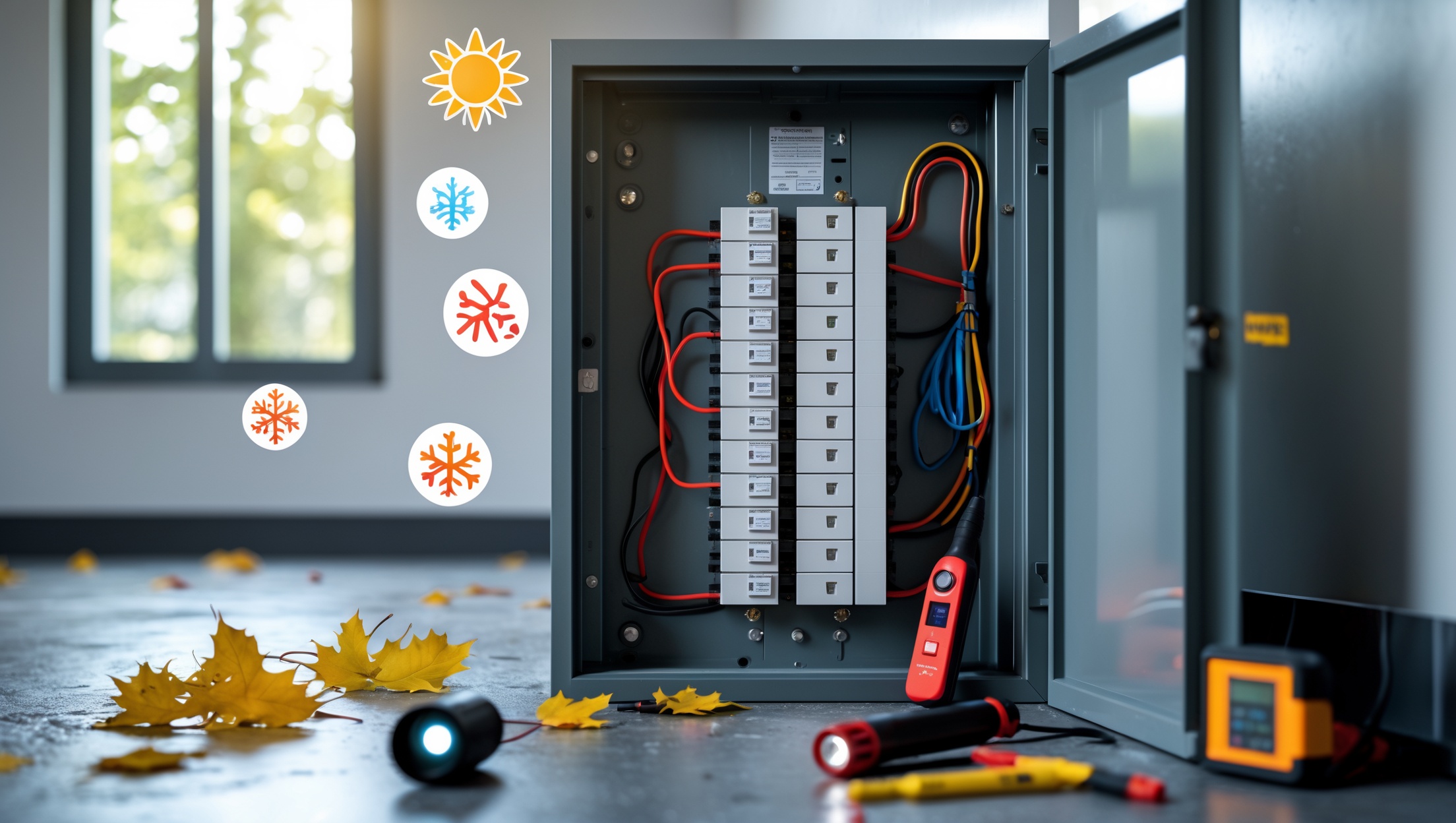
Introduction: Why Seasonal Electrical Inspections Matter
Many homeowners wait until something goes wrong before checking their electrical systems. Yet, proactive seasonal inspections can prevent fires, lower energy bills, and extend the lifespan of your home’s wiring and devices. Each season brings unique electrical challenges—think heavy holiday loads in winter, storms in spring, or air conditioner demand in summer. By conducting thorough inspections at key points throughout the year, you can catch hazards early, ensure compliance with safety codes, and maximize efficiency. This guide offers a comprehensive, step-by-step seasonal checklist, with actionable pro tips to empower you as a safety-conscious homeowner. You’ll learn what to look for, which tools to use, and how to address issues before they escalate—saving money and safeguarding your family. Whether you’re a DIY enthusiast or simply want to be an informed homeowner, this guide will help you navigate the essentials of electrical system inspections, season by season.
Seasonal Inspection Overview: The Four-Point Approach
Every season influences your home’s electrical system differently. By breaking inspections into four seasonal checkpoints, you can address weather-specific risks and maintain year-round safety and efficiency. Here’s a quick overview before we dive into each season’s detailed checklist:
- Spring: Focus on moisture intrusion, storm preparation, and surge protection.
- Summer: Address cooling loads, outdoor outlets, and extension cord safety.
- Autumn: Prepare for heating season, holiday lighting, and rodent activity.
- Winter: Ensure safe heating device use, inspect for overloads, and check emergency power options.
Let’s break down each season’s checklist and explore the essential inspection steps in detail.
Spring Electrical Inspection Checklist
1. Inspect for Moisture and Water Intrusion
Spring rains can introduce moisture to vulnerable locations. Check your basement, crawl spaces, and garage for water near outlets, junction boxes, or wiring. Signs of trouble include corrosion, discoloration, or a musty odor near electrical points.
- Test all GFCI outlets, especially those near water sources.
- Examine outdoor receptacles for weatherproof covers and intact gaskets.
- Look for rust or debris inside breaker panels.
2. Prepare for Surge Events
Spring storms can cause dangerous voltage spikes. Confirm that whole-house surge protectors and point-of-use surge suppressors are installed and operational. Replace any that are more than 5 years old or show signs of damage.
- Verify that surge protectors’ indicator lights are green or “protected”.
- Unplug sensitive electronics during thunderstorms.
3. Clear and Inspect Outdoor Circuits
After winter, outdoor outlets, lighting, and extension cords may have suffered damage. Inspect for cracking, frayed insulation, or animal chew marks.
- Replace damaged extension cords or outdoor lights immediately.
- Trim vegetation away from outdoor electrical equipment.
4. Test Smoke and Carbon Monoxide Detectors
Spring is an ideal time to test all detectors and change batteries, even in hardwired units. Press test buttons and make sure alarms sound properly.
Summer Electrical Inspection Checklist
1. Assess Cooling System Circuits
Air conditioners and fans place heavy loads on circuits. Inspect wiring, outlets, and circuit breakers dedicated to HVAC equipment. Listen for buzzing sounds or warm outlets, which may indicate overloads.
- Vacuum HVAC electrical components to remove dust and debris.
- Confirm that dedicated circuits for large appliances are labeled and functioning.
2. Inspect Outdoor Lighting and Outlets
Summer brings increased outdoor activity. Check all patio, deck, and pool area outlets for signs of wear. Ensure that GFCI protection is present and working.
- Test each outdoor GFCI outlet using the built-in test/reset buttons.
- Replace cracked or faded outlet covers.
3. Extension Cord and Power Strip Safety
Temporary extension cords are often used for summer parties, gardening tools, or pool equipment. Inspect every cord before use and never exceed manufacturer ratings.
- Avoid “daisy-chaining” multiple power strips or cords.
- Use only outdoor-rated cords for exterior applications.
4. Inspect Ceiling Fans and Portable Units
Check for wobbling, unusual noises, or flickering lights in ceiling fans. Tighten loose mounting screws and clean fan blades to prevent dust buildup and imbalance.
Autumn Electrical Inspection Checklist
1. Prepare Heating System Circuits
As temperatures drop, electric heaters and baseboards are put to use. Inspect circuits serving heating devices for any signs of wear or overload. Make sure no outlets are warm to the touch.
- Check thermostat wiring for any exposed conductors.
- Test heating device plugs and cords for fraying or bends.
2. Holiday Lighting Safety Check
Before stringing up holiday lights, inspect all cords and connections for damage. Use only UL-listed indoor or outdoor-rated products as appropriate.
- Never plug more than three light strings into a single outlet.
- Set timers to avoid overnight overuse.
3. Rodent and Pest Inspection
Cooler weather can drive rodents indoors, where they may chew through wires. Inspect attics, basements, and crawl spaces for gnawed insulation or droppings near electrical runs.
- Seal entry points around conduits or service panels.
- Schedule professional pest control if evidence is found.
4. Inspect Switches and Dimmers
Test all wall switches and dimmers for smooth operation and proper function. Flickering, buzzing, or excessive heat can indicate wiring issues or incompatible bulbs.
Winter Electrical Inspection Checklist
1. Check Space Heater and Holiday Appliance Circuits
Portable heaters, heated blankets, and kitchen gadgets see heavy use in winter. Inspect cords and outlets for heat, discoloration, or burning smells.
- Never use extension cords with space heaters.
- Keep flammable materials away from all heat sources.
2. Emergency Power and Generator Readiness
Power outages are more common in winter. Test standby generators or portable units, ensuring fuel is fresh and transfer switches operate smoothly.
- Run the generator for 10–15 minutes monthly, per manufacturer guidelines.
- Check that carbon monoxide detectors near generators are operational.
3. Inspect Circuit Breaker Panel
Winter loads can push your main panel to its limits. Open the cover (with dry hands) and look for tripped breakers, corrosion, or any humming sounds.
- Label any unmarked circuits for quick identification.
- Call a licensed electrician if breakers frequently trip or if you see rust.
4. Check for Overloaded Outlets
Holiday decorations, heaters, and electronics often share outlets. Use a non-contact voltage tester to ensure outlets are live and safe, and look for warmth or discoloration.
Pro Tips for Effective Home Electrical Inspections
1. Use the Right Tools
- Non-contact voltage tester: Safely check for live wires and outlets.
- GFCI tester: Quickly test ground fault circuit interrupters.
- Flashlight: Essential for dark panels and crawl spaces.
- Insulated screwdriver: For tightening loose screws (power off first).
- Notebook or digital device: Record findings and maintenance reminders.
2. Know When to Call a Professional
While many inspection steps are DIY-friendly, certain problems require a licensed electrician:
- Frequent breaker trips or blown fuses.
- Burnt smells, charred outlets, or visible arcing.
- Aluminum or knob-and-tube wiring in older homes.
- Major appliance or panel upgrades.
3. Keep Good Records
Document each inspection with dates, locations, and any repairs made. This helps track recurring issues and can be invaluable for insurance claims or home resale.
4. Educate Family Members
Share inspection checklists with everyone in your household. Ensure all adults and older children know how to reset breakers, test GFCIs, and recognize electrical hazards.
Common Issues Uncovered During Seasonal Inspections
- Loose outlets or switches: Can lead to arcing and fires if ignored.
- Overloaded circuits: Identified by warm wall plates or frequent trips.
- Unprotected outdoor outlets: Risk electrocution and moisture damage.
- Improper extension cord use: Especially common during holidays and outdoor events.
- Pest-damaged wiring: Often hidden in attics or crawl spaces.
- Outdated or missing GFCI/AFCI protection: Essential for modern safety codes.
Preventative Maintenance Tips
- Vacuum around electrical panels and outlets to prevent dust buildup.
- Replace light bulbs and fixtures with energy-efficient LED options.
- Keep at least three feet of clearance around the electrical panel.
- Never paint over outlets, switches, or electrical covers.
- Schedule professional inspections every 5–10 years, or before selling your home.
Conclusion: Make Seasonal Electrical Inspections a Habit
Staying proactive with seasonal electrical inspections isn’t just about preventing inconvenience—it’s about protecting your home, your loved ones, and your investment. Each season brings new stresses to your electrical system, from spring storms to winter heating loads. By following this comprehensive checklist, you can spot hazards early, address minor issues before they escalate, and ensure your home meets the latest safety standards.
Don’t view inspections as a chore, but rather as a cornerstone of responsible homeownership. Invest a few hours each season to review your electrical system, document your findings, and make necessary repairs. Not only will this help you avoid costly emergency calls and insurance headaches, but it will also give you peace of mind knowing your home is safe, efficient, and ready for whatever the year brings.
Remember, when in doubt, consult a licensed electrician—some tasks are best left to professionals. But by mastering seasonal inspections, you’ll become a more informed, empowered homeowner, capable of keeping your electrical system in top shape all year long.
For the seasonal checklists, do you have recommendations on which inspection tasks are best handled by a licensed electrician as opposed to a DIY-oriented homeowner? I want to make sure I’m not taking on anything that could compromise safety or violate code.
You’re right to want to stay safe and within code. Homeowners can typically handle tasks like checking for loose outlet covers, testing GFCIs, or replacing batteries in smoke detectors. However, anything involving the electrical panel, rewiring, replacing outlets or switches, or troubleshooting persistent electrical issues should be left to a licensed electrician. This ensures both safety and code compliance.
As a small business owner, I’m curious about surge protection—do you recommend installing whole-home surge protectors, or are individual outlet models enough for seasonal storms mentioned in the spring checklist?
For small businesses, installing a whole-home surge protector is usually more reliable than just using individual outlet models. Whole-home units protect all your electrical devices from large voltage spikes caused by storms, while outlet surge protectors only shield what’s plugged into them. For the best protection, especially during seasonal storms, consider using both—a whole-home system for overall defense and outlet models for sensitive equipment.
For the spring inspection, you mention checking for moisture and water intrusion in basements and crawl spaces. If I find signs of moisture near electrical outlets, what’s the safest first step to handle it before calling in a professional?
If you notice moisture near electrical outlets, the safest first step is to avoid touching the outlet or any nearby electrical devices. Turn off power to that area at your circuit breaker to prevent electrical hazards. After ensuring the power is off, you can try to carefully dry the area, but do not use the outlet until a professional has inspected and cleared it for safe use.
You mentioned inspecting for overloads during winter. How can I tell if my home’s wiring is at risk of being overloaded, especially with extra holiday lights and space heaters running?
To check if your wiring might be overloaded, pay attention to warning signs like frequently tripped circuit breakers, flickering or dimming lights when devices run, or outlets and cords that feel warm to the touch. Try not to plug too many high-wattage devices like space heaters and lots of lights into one circuit. If you notice any of these issues, it’s wise to have a licensed electrician assess your system.
Could you clarify which tools are essential for a homeowner to safely conduct these seasonal electrical inspections? I want to make sure I have the basics covered before attempting anything beyond a visual check.
For safe seasonal electrical inspections at home, you’ll want a few basic tools: a non-contact voltage tester to check if wires or outlets are live, an outlet tester to spot wiring issues, a flashlight for clear visibility, and insulated screwdrivers for checking fixtures or outlet covers. Always make sure to turn off the circuit breaker before touching anything, and only go beyond visual checks if you feel confident and safe.