

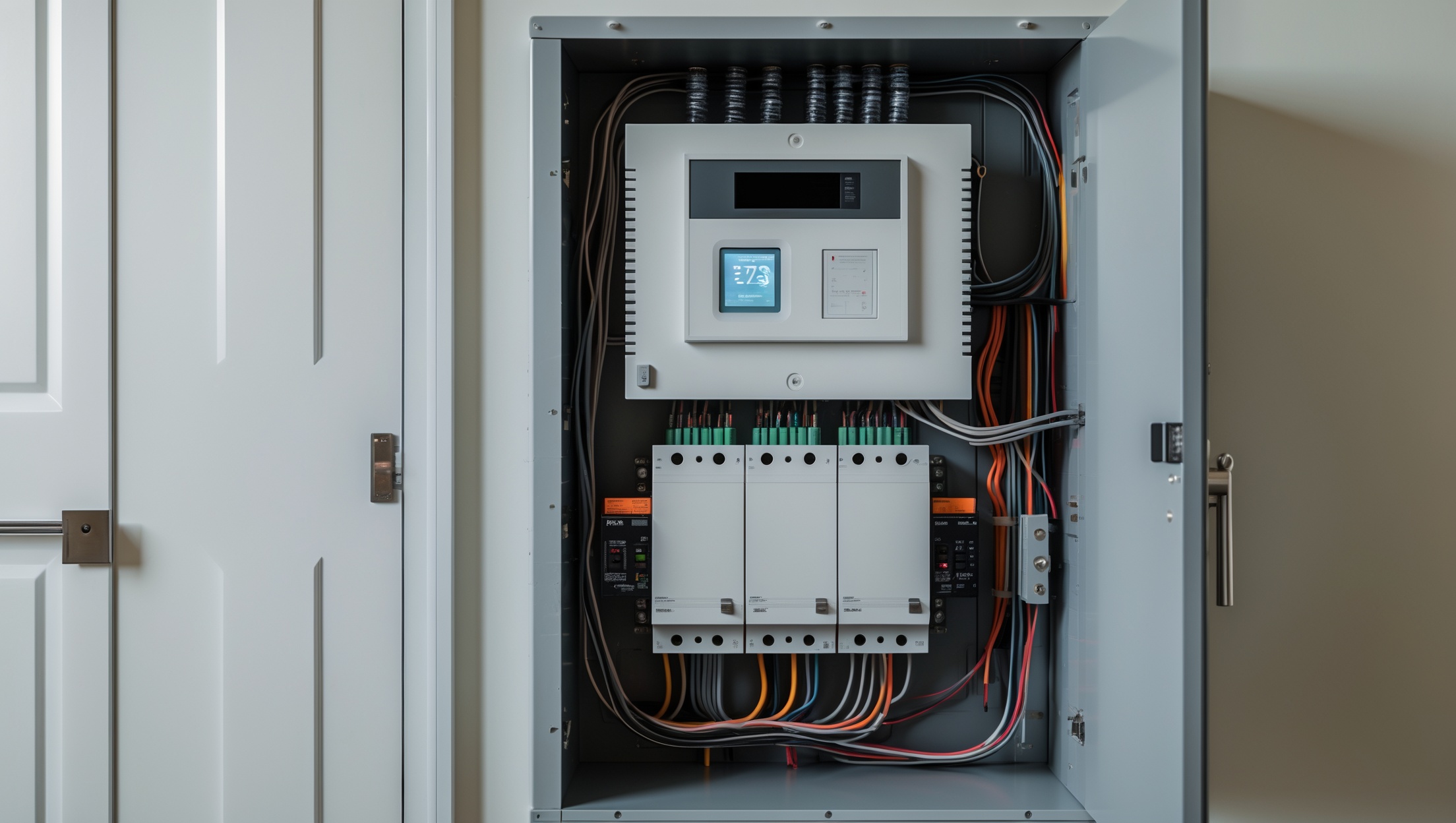
Introduction: The Smart Electrical Panel Revolution
The electrical panel is the nerve center of any home’s power system, quietly directing electricity to every outlet, appliance, and device. For decades, traditional circuit breaker panels have served their purpose—reliably, but with limited visibility and control. Today, as homes become more complex and energy demands grow, a new solution has emerged: the smart electrical panel. These innovative systems combine advanced monitoring, remote control, automation, and enhanced safety features, transforming the way homeowners interact with and manage their electrical infrastructure. But what does it really take to upgrade to a smart panel? How much does it cost, and what should you expect from the process? And most importantly, what are the genuine, long-term benefits beyond the buzzwords? This comprehensive guide breaks down everything you need to know about upgrading to a smart electrical panel, from cost analysis and installation steps to real-world advantages such as energy savings, future-proofing, and improved safety. Whether you’re planning a renovation, integrating solar power, or simply seeking more control over your home’s energy use, understanding smart panels can help you make a confident, informed decision.
What Is a Smart Electrical Panel?
Key Features and Capabilities
Unlike traditional breaker panels, smart electrical panels are equipped with digital sensors, communication modules, and software that enable real-time monitoring and remote management of your home’s electrical circuits. Core capabilities include:
- Real-Time Energy Monitoring: See exactly how much power each circuit or appliance is using.
- Remote Control: Turn circuits on or off via a smartphone app or web dashboard—even when away from home.
- Automated Load Management: Prioritize essential loads during peak times or outages, especially useful with generators or solar + battery systems.
- Advanced Alerts: Receive notifications for tripped breakers, abnormal usage, or potential faults.
- Integration: Seamless compatibility with smart home systems, solar inverters, battery storage, and electric vehicle (EV) chargers.
Who Should Consider Upgrading?
Smart panels are ideal for homeowners who:
- Want granular control and visibility over energy usage.
- Plan to add solar, battery backup, or EV charging.
- Own larger homes or rental properties needing remote management.
- Desire enhanced safety and future-proofing against evolving electrical codes.
Cost Breakdown: What to Expect
Panel Hardware Costs
Smart electrical panels are a premium investment compared to conventional breaker panels. As of 2024, here’s a typical price range:
- Base Smart Panel (100–200 amp): $1,500–$4,500, depending on brand, capacity, and features.
- Individual Smart Breakers: $60–$150 each, often required if you want circuit-level monitoring and control.
- Expansion Modules/Accessories: $100–$600 for add-ons like Wi-Fi bridges, energy management modules, or integrations.
Professional Installation Costs
Installation must be performed by a licensed electrician due to the complexity and code requirements. Costs vary by region and project scope:
- Labor: $1,000–$2,500 for straightforward panel swaps; more for complex projects or upgrades from fuse boxes.
- Permitting and Inspection: $100–$500, depending on local regulations.
- Upgrades: Additional electrical work (rewiring, service upgrades) can add $500–$3,000+.
Total Typical Cost: $2,600–$7,500+, depending on system size, location, and additional work required.
Potential Incentives and Rebates
Some utilities and state programs offer rebates for smart panel upgrades, especially when paired with solar, batteries, or demand response programs. Check with your local utility or energy office for current offers.
Step-by-Step Installation Process
1. Assessment and Planning
Before any hardware is ordered, a licensed electrician will:
- Evaluate your current electrical system’s condition and compatibility.
- Determine load requirements and panel size (amperage).
- Discuss integration needs (solar, EV, smart home).
- Obtain necessary permits.
2. Selecting the Right Smart Panel
Major brands include Span, Leviton, Schneider Square D, and Eaton. Consider:
- Capacity: 100A, 150A, 200A, or larger—match your home’s service.
- Compatibility: With existing wiring, smart breakers, and future upgrades.
- Features: Circuit-level control, app interface, integration options.
3. Pre-Installation Preparation
On installation day:
- Power to the home is shut off at the utility meter.
- Old panel is carefully removed—labeling wires is crucial for correct reconnection.
- Wiring is inspected for code compliance and safety.
4. Installing the Smart Panel
- New smart panel is mounted and secured.
- All circuits are connected as per manufacturer instructions.
- Smart breakers and modules are installed.
- Panel is grounded and bonded according to code.
5. Configuration and Integration
- Panel is powered on and initial system checks are performed.
- Wi-Fi or Ethernet is connected for cloud/app access.
- App setup: Homeowner creates an account, pairs the panel, and configures notifications and automations.
- Integrate with solar, batteries, or smart home systems if applicable.
6. Inspection and Final Walkthrough
- Local inspector reviews work for code compliance.
- Electrician demonstrates panel features and app usage.
- Old panel and debris are removed; home power is restored.
Long-Term Benefits of Smart Electrical Panels
1. Enhanced Safety and Fire Prevention
Smart panels can detect unusual electrical patterns, persistent ground faults, or overheating circuits—often before a standard breaker would trip. Automatic alerts and remote shutoff reduce the risk of electrical fires or equipment damage, especially in vacation homes or rental properties where issues might otherwise go unnoticed.
2. Real-Time Energy Management and Savings
With circuit-level monitoring, you can identify which appliances or rooms are driving up your electric bill. Many panels offer actionable insights and usage history, making it easy to spot waste, schedule high-demand appliances during off-peak hours, and optimize for time-of-use rates. Over time, this can yield measurable savings—especially when paired with energy-efficient upgrades.
3. Seamless Solar, Battery, and EV Integration
Smart panels are designed for easy integration with solar power systems, home batteries, and EV chargers. They can automatically shift loads during grid outages, prioritize critical circuits, or maximize self-consumption from solar. Some panels even allow you to enroll in utility demand response programs for additional savings or incentives.
4. Future-Proofing Your Home
As electrical codes and energy technologies evolve, smart panels offer unparalleled adaptability. Remote software updates, modular breaker designs, and broad compatibility mean your panel is ready for tomorrow’s needs—whether that’s more EVs, home automation, or new safety standards.
5. Peace of Mind and Convenience
Receive instant alerts for tripped breakers or issues—even if you’re thousands of miles away. Many panels allow you to check system status, cycle power, or shut off circuits remotely, providing security and flexibility that traditional panels simply can’t match.
Common Challenges and How to Overcome Them
Compatibility With Older Homes
Older homes may need electrical service upgrades, rewiring, or additional grounding to support a new smart panel. A thorough pre-installation assessment is critical. Budget for potential upgrades if your home’s service is less than 100 amps or if wiring is not up to current code.
Initial Cost vs. Long-Term Value
The upfront investment can be significant, but many homeowners find that energy savings, increased home value, and peace of mind offset the cost over time. Consider the full lifespan (25+ years) and potential insurance benefits.
Wi-Fi and App Reliability
Smart panels rely on a stable internet connection for remote features. Ensure your home Wi-Fi is robust in the utility area, or opt for Ethernet-capable models. Regularly update firmware through the app for security and reliability.
Maintenance Best Practices for Smart Panels
- Periodically update software: Use the manufacturer’s app to install the latest features and security patches.
- Visually inspect the panel: Look for signs of overheating, corrosion, or rodent intrusion at least once a year.
- Test remote features: Occasionally toggle breakers or receive alerts to ensure the system is communicating properly.
- Schedule professional inspections: Have a licensed electrician review your panel every 3–5 years or after major home upgrades.
FAQs: Smart Electrical Panel Upgrades
Do I need a smart panel if I already have solar?
While not required, a smart panel maximizes solar value by letting you control, monitor, and automate energy flows. It’s also essential for advanced features like battery backup management.
Can I install a smart panel myself?
No. Panel upgrades are complex, dangerous, and require permits. Always use a licensed electrician.
Will my insurance rates change?
Some insurers may offer discounts for advanced electrical safety features. Check with your provider and provide documentation of the upgrade.
How does a smart panel affect home resale value?
Modern electrical upgrades are a strong selling point, especially for tech-savvy buyers or those planning future energy improvements.
Conclusion: Is a Smart Electrical Panel Worth It?
Upgrading to a smart electrical panel is an investment in the safety, efficiency, and future-readiness of your home. While the initial costs are higher than a standard panel, the long-term advantages—from greater energy savings and enhanced protection to seamless integration with solar, batteries, and EV charging—make it a compelling choice for many homeowners. The ability to monitor and manage every circuit, receive instant alerts, and remotely control your electrical system provides peace of mind that simply wasn’t possible a decade ago. For those planning major home upgrades, adopting renewable energy, or simply seeking more control over utility costs, a smart panel lays the foundation for a flexible, resilient, and modern home energy system. As technology advances and utility programs evolve, the smart panel’s capabilities are only set to expand—ensuring your investment continues to deliver value for years to come. Consult a qualified electrician, weigh your household’s needs, and consider the broader benefits as you plan your next electrical upgrade. The future of home energy management is smart, connected, and ready—are you?
The real-time energy monitoring sounds super helpful, but I’m wondering if there are any compatibility concerns with older homes. Are there certain wiring setups or existing breaker types that might make upgrading more challenging, or is it pretty universal?
Upgrading to a smart electrical panel in older homes can sometimes present challenges, especially if your wiring is outdated or if you have non-standard breaker types. Knob-and-tube or aluminum wiring, for example, might require additional upgrades. It’s not always universal, so it’s a good idea to have a licensed electrician assess your current setup to identify any needed changes before installation.
Could you explain how the installation process for a smart electrical panel compares to replacing a traditional panel? For example, do smart panels typically involve more complex wiring or require additional components that might extend the installation time or cost?
Installing a smart electrical panel is generally similar to replacing a traditional panel, but there are a few additional considerations. Smart panels may require extra wiring for sensors, communication modules, or network connectivity. This can add some complexity and may take more time, especially if your home needs upgrades for Wi-Fi or Ethernet connections. Also, some smart panels require specific circuit breakers or monitoring devices, which can increase both installation time and overall cost compared to standard panels.
The article mentions advanced alerts and remote management features. For a small business, are there specific maintenance or monitoring tasks I should plan on once a smart panel is installed, or is most of it automated after setup?
Once a smart electrical panel is installed, most monitoring and routine maintenance tasks are automated, including real-time alerts and energy tracking. However, it’s wise to periodically review system notifications and software updates, and schedule an annual inspection by a qualified electrician. This helps ensure everything stays in optimal condition and that your business takes full advantage of all the smart features.