

Introduction: The Overlooked Link Between Electrical Upgrades and Home Insurance
Upgrading your home’s electrical system is a smart investment in safety, efficiency, and property value. Whether you’re swapping out an old fuse box for a modern breaker panel, installing a new circuit for your kitchen renovation, or embracing the latest in home automation, electrical improvements can transform your everyday living experience. However, many homeowners are unaware that certain electrical upgrades must be disclosed to their insurance provider. Failing to do so may leave you exposed to coverage gaps, denied claims, or even policy cancellation. These risks are not theoretical—insurance companies increasingly scrutinize claims related to electrical work, especially as aging infrastructure and DIY projects become more common.
This guide provides a practical, detail-rich roadmap to understanding which electrical upgrades need to be reported, how disclosure impacts your premiums and policy, what documentation to keep, and how to avoid common insurance pitfalls. You’ll also find real-world examples, a homeowner’s disclosure checklist, and actionable tips for communicating with your insurer. By the end, you’ll be empowered to make informed decisions that protect both your home and your financial future.
Why Disclosure Matters: Insurance Policies and Electrical Work
Insurance Underwriting Basics
Home insurance is designed to cover unexpected losses, but the policy’s terms are based on your home’s condition at the time of underwriting. Significant changes—especially those affecting fire risk, like electrical upgrades—can alter your risk profile. If you don’t notify your insurer of these changes, you risk invalidating parts of your policy.
Consequences of Non-Disclosure
- Denied Claims: If an electrical fire or damage occurs and the insurer discovers unreported upgrades, your claim may be denied.
- Policy Cancellation: Repeated or significant non-disclosures can result in your policy being voided.
- Uninsured Losses: You may be forced to pay out-of-pocket for repairs or liability claims.
Examples from Real Claims
Consider a homeowner who replaced knob-and-tube wiring with modern Romex but failed to inform their insurer. When a fire occurred in the attic (unrelated to the new wiring), the insurer denied the claim on the grounds that the home’s risk profile had changed without disclosure. In another case, a homeowner installed a subpanel to support a basement workshop. The insurer later required a formal inspection and increased the premium based on the added circuits and load.
Which Electrical Upgrades Require Disclosure?
Major System Overhauls
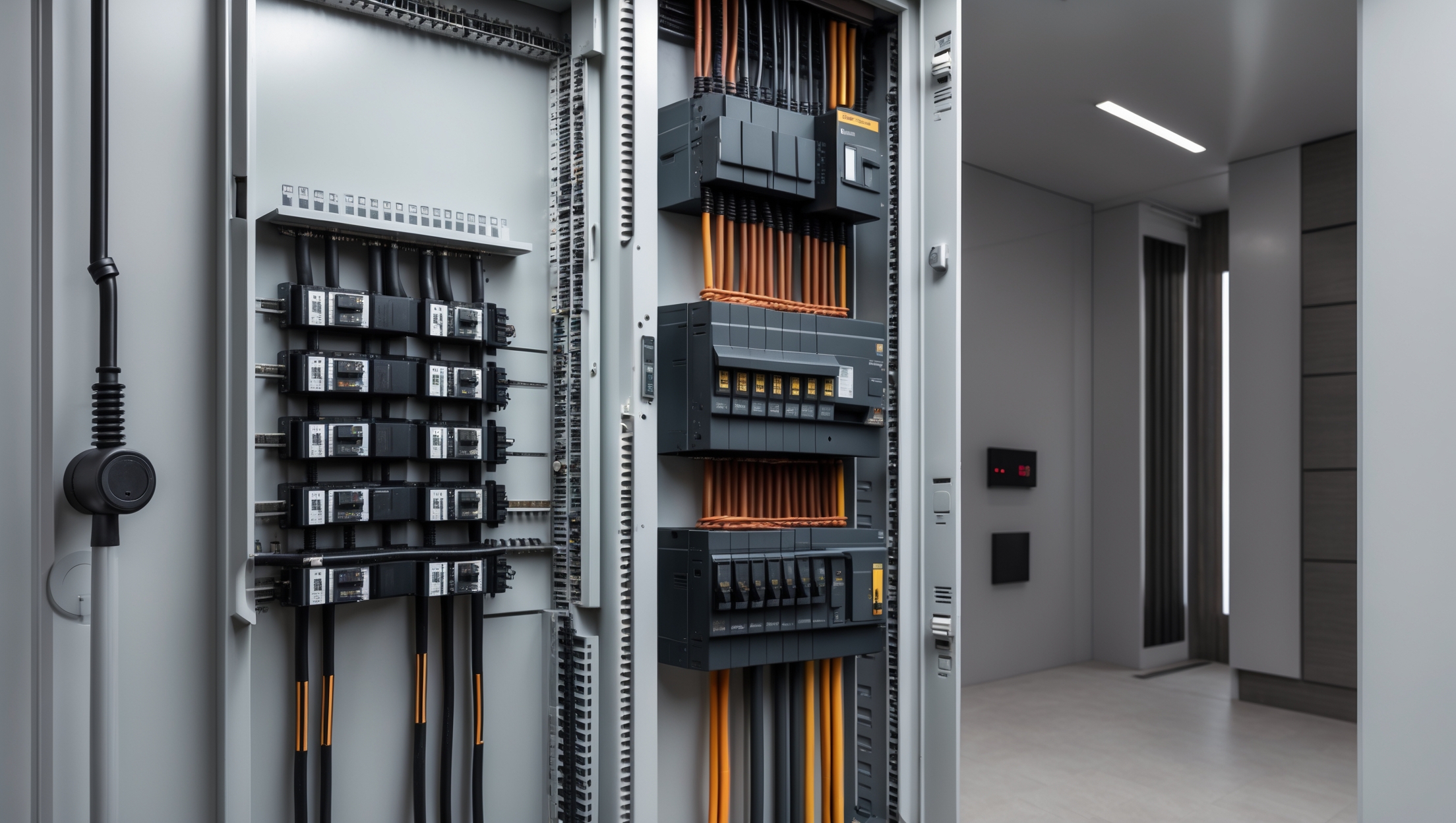
- Main Panel Replacement: Upgrading from fuses to breakers, increasing amperage (e.g., from 100A to 200A), or relocating the main panel.
- Whole-House Rewiring: Replacing outdated wiring types (aluminum, knob-and-tube, cloth-insulated) with modern copper or aluminum wiring.
Significant Additions or Circuitry Changes
- New Subpanels: Adding subpanels for additions, garages, or workshops.
- Dedicated Circuits: Installing circuits for high-power appliances (EV chargers, hot tubs, HVAC, electric ranges).
Upgrades Impacting Fire or Liability Risk
- Surge Protection: Whole-home surge protector installations may qualify for discounts but must be disclosed.
- Smart Home Devices: Adding smart circuit breakers or remote monitoring systems that affect system behavior.
- Renewables Integration: Solar panel integration, battery backups, or generator transfer switches.
Permitted vs. Non-Permitted Work
Most insurers specifically require notification of permitted electrical work. If you secure a permit for the upgrade, that’s a clear indicator to disclose. Work done without a permit is even riskier—if a loss occurs, unpermitted work can be grounds for denial, and in some cases, investigation by local authorities.
What Doesn’t Usually Need Disclosure?
- Minor Fixture Replacements: Swapping out light fixtures, switches, or outlets (unless it reveals major rewiring).
- Plug-and-Play Devices: Installing smart plugs, Wi-Fi outlets, or non-wired surge protectors.
- Small Appliance Additions: Adding lamps, countertop appliances, or similar low-load devices.
If you’re ever unsure, err on the side of caution. A quick phone call to your insurer can clarify your obligations.
How to Disclose Electrical Upgrades: A Step-by-Step Guide
Step 1: Review Your Policy
Locate the section of your homeowner’s policy that details “material changes,” “renovations,” or “alterations.” This section outlines your duty to inform the insurer of updates that may impact risk.
Step 2: Gather Documentation
- Permits and inspection reports
- Invoices and contractor details
- Photos before and after the upgrade
- Descriptions of new equipment (model numbers, capacity, locations)
Step 3: Contact Your Insurance Agent or Provider
Use your insurer’s preferred communication method (phone, online portal, or email). Provide a written summary of the work, including:
- Nature of the upgrade
- Date(s) of work
- Permitting and inspection status
- Any supporting documents
Step 4: Request Written Confirmation
After your conversation, ask for written confirmation that your disclosure has been received and documented in your file. Save all correspondence in a secure location.
Step 5: Update Your Inventory
If your electrical upgrade involves new major appliances (EV chargers, HVAC, etc.), update your home inventory for insurance purposes.
The Impact of Electrical Upgrades on Insurance Premiums
Possible Premium Increases
Some upgrades, such as adding high-power circuits or integrating a home workshop, may increase your risk profile and, by extension, your premiums. The insurer may request:
- Re-inspection of the premises
- Updated replacement cost valuation
- New photographs or documentation
Potential Premium Discounts
Upgrades that reduce fire or loss risk can sometimes lower your premiums. Examples include:
- Removing old, hazardous wiring
- Installing arc-fault or ground-fault protection
- Adding whole-house surge protection
Ask your provider about available credits or discounts for loss-mitigation upgrades.
Common Homeowner Mistakes with Insurance Disclosure
- Assuming Small Jobs Don’t Matter: Even seemingly minor upgrades can impact your policy if they affect your risk profile.
- Failing to Report DIY Work: Work done without permits or professionals is especially high-risk from an insurance perspective.
- Not Keeping Documentation: Without proof of proper installation, insurers may question the quality or legality of your upgrades.
- Delaying Notification: Waiting until renewal time can be too late—disclose upgrades as soon as they’re complete.
Case Study: Disclosure Makes a Difference
Sarah, a homeowner in a 1960s ranch, hired a licensed electrician to replace her outdated 60-amp panel with a 200-amp breaker panel and added AFCI/GFCI protection throughout. She submitted copies of the permit, inspection report, and a brief summary to her insurer. Not only was her policy updated to reflect the safer electrical system, but she also qualified for a small discount on her premium by removing the fire risk associated with the old panel. A year later, when a power surge damaged several major appliances, her claim was processed smoothly because all upgrades were on file.
Contrast this with a neighbor who had similar upgrades performed “under the radar.” When a small electrical fire broke out in a newly finished basement, the claim was delayed for months as the insurer investigated unpermitted work. Ultimately, the neighbor had to pay for repairs out-of-pocket.
Homeowner’s Electrical Upgrade Disclosure Checklist
- Confirm if electrical work requires a permit.
- Hire licensed professionals for major upgrades.
- Collect all permits, inspection certificates, and receipts.
- Document the work with before-and-after photos.
- Notify your insurer as soon as the work is completed.
- Ask for written confirmation of your disclosure.
- Review your updated policy for changes in coverage or cost.
- Update your home inventory for new appliances or systems.
- Store all documentation securely for future reference.
Frequently Asked Questions: Electrical Upgrades and Insurance
Will my premium always go up if I disclose electrical upgrades?
Not necessarily. Upgrades that decrease risk (like replacing outdated wiring or adding AFCIs) may qualify for discounts. However, additions that increase electrical load or risk (workshops, EV chargers) could increase your premium.
What if I did small upgrades myself?
If the work didn’t require a permit and doesn’t impact overall system safety or risk, you likely don’t need to disclose. When in doubt, contact your insurer for guidance.
How do I prove upgrades were done professionally?
Keep copies of contracts, invoices, permit documents, and inspection approvals. Photos with timestamps can add further proof of compliance.
Do smart home electrical devices need to be disclosed?
Only if they require hardwired installation or impact your home’s electrical safety profile. Plug-and-play devices usually don’t need disclosure.
Conclusion: Proactive Disclosure Protects Your Home and Wallet
Electrical upgrades are essential steps toward a safer, more efficient, and modern home. Yet the benefits of these improvements can be quickly undone if you overlook your obligations as a policyholder. Insurance is a contract based on transparency—your provider needs to know about significant changes to accurately assess risk, set premiums, and ensure you have the right coverage. Disclosing upgrades isn’t just about preventing denied claims; it’s about peace of mind, knowing your investment is protected under all circumstances.
Proactive communication with your insurer, thorough documentation, and understanding the difference between minor repairs and major upgrades are key. If you’re planning electrical work, start by reviewing your insurance policy and speaking with your provider. Don’t leave anything to chance—surprises during a claim are stressful and costly. By following the steps and checklist outlined in this guide, you’ll avoid common pitfalls, potentially unlock premium discounts, and ensure your home remains fully protected as it evolves with your needs.
Remember: When it comes to insurance and electrical upgrades, it’s always better to over-communicate. Take the time to document, disclose, and confirm. Your future self—and your home—will thank you.
If I’ve already completed some minor electrical improvements myself, like installing smart switches, would not disclosing these potentially affect my policy, or is the insurer mainly concerned about major upgrades impacting fire risk?
Insurers are mainly interested in major electrical upgrades that could significantly affect fire risk, such as rewiring or panel replacements. Minor improvements like installing smart switches typically don’t need to be disclosed, as long as they were installed safely and according to code. However, if you’re unsure or your insurer specifically asks about any electrical work, it’s wise to mention all changes for full transparency.
If I recently upgraded just one circuit as part of a kitchen remodel, would I be required to disclose that to my insurance company, or are only major, whole-home electrical upgrades typically reportable?
For most insurance policies, only significant electrical upgrades, like a full panel replacement or rewiring of the whole home, generally require disclosure. Upgrading just one circuit during a kitchen remodel is usually considered a minor improvement and typically doesn’t need to be reported. However, it’s always wise to check your specific policy or ask your agent to be certain.
The article mentions that installers should provide documentation for electrical upgrades. What specific paperwork or details do insurers usually require as proof, and does it matter if the work was done by a licensed electrician versus a DIY job?
Insurers typically want to see a copy of the electrician’s invoice or receipt, a detailed work order describing the upgrades, and a completion certificate if one was issued. They may also ask for permits or inspection approvals, especially for major work. If a licensed electrician did the job, proof of their license or business credentials might be needed. DIY work can be problematic, as insurers often require professional installation for coverage and may not accept self-performed upgrades as valid proof.
You mentioned that not reporting electrical upgrades might affect my premiums or even cause policy cancellation. How soon after an upgrade should I notify my insurer, and what kind of documentation do they typically ask for?
It’s best to notify your insurer as soon as your electrical upgrade is complete—ideally within a few days to a week. Most insurers will ask for documentation like receipts or invoices from licensed electricians, permits, and sometimes before-and-after photos of the work. Giving prompt notice helps ensure your coverage remains valid and up-to-date.
I get that certain electrical upgrades can impact premiums, but are there any types of upgrades or repairs that typically don’t need to be disclosed to insurers? For example, does just adding a new outlet or replacing old light fixtures trigger any reporting requirements?
Minor electrical work like adding a new outlet or replacing old light fixtures usually doesn’t need to be reported to your insurer. Insurers are mainly interested in major upgrades, such as panel replacements or rewiring, because these affect your home’s overall risk. For small repairs or upgrades that don’t significantly change your electrical system, disclosure typically isn’t necessary.
If I upgraded some outlets and added a few circuits myself for a kitchen reno, how do I figure out whether those are considered ‘significant changes’ that would impact my insurance, or if they’re minor enough not to require disclosure?
Upgrading outlets and adding circuits, especially in a kitchen, can be considered significant electrical changes by many insurers. It’s best to check your policy details or call your insurance provider to confirm what they classify as ‘significant.’ Generally, any work that increases electrical capacity or modifies wiring should be disclosed, particularly if done without a licensed electrician or permit.
If I had a licensed electrician upgrade my breaker panel last year but didn’t notify my insurer at the time, what are the recommended steps to update my policy now, and could this affect my current coverage or premiums?
To update your policy, contact your insurance provider and inform them about the breaker panel upgrade, providing details and any documentation from your licensed electrician. They may want to inspect or verify the work. Upgrades like this can sometimes improve safety and may even lower your premiums, but failing to notify them could affect a future claim. It’s best to update your insurer as soon as possible to ensure your coverage accurately reflects your home’s current condition.
If I upgraded my fuse box to a breaker panel a few years ago but never told my insurance company, what should I do now? Would they still cover me if nothing has happened yet, or is it too late to disclose?
It’s important to let your insurance company know about any electrical upgrades, even after the work is done. Contact them as soon as possible to update your policy details. Generally, insurers appreciate being kept informed and may adjust your coverage if needed, but it’s unlikely they would deny coverage just for a late disclosure unless a claim arises and the omission is significant. Disclosing now helps avoid potential complications in the future.
Can you give an example of how much premiums might go up after reporting an electrical upgrade? I want to make my home safer, but I’m worried that disclosure could make my insurance a lot more expensive.
Upgrading your electrical system typically makes your home safer, and most insurers actually view this as a positive change. In many cases, premiums stay the same or may even decrease slightly because the risk of electrical fires drops. Occasionally, if you add high-value equipment or significantly increase your home’s replacement value, premiums could rise, but this is usually modest—often around 1–3% of your current premium. It’s always a good idea to check with your insurer for exact figures.
Are there specific types of electrical upgrades that usually lead to increased premiums, or does any change have the potential to impact my insurance costs?
Not every electrical upgrade will automatically increase your premiums. Upgrades that add higher-risk features, like installing a new circuit for a hot tub, outdoor kitchen, or high-capacity workshop equipment, might lead to higher costs. However, replacing old wiring or upgrading your panel for safety reasons could even lower your premium. Always let your insurer know about upgrades so they can assess the impact based on the specifics.
Is there a specific threshold for what counts as a ‘significant’ electrical upgrade that must be disclosed to the insurance company, like only major rewiring or panel replacements, or do smaller projects like adding a new outlet or circuit also need to be reported?
Insurance companies generally expect you to disclose major electrical upgrades such as full rewiring, electrical panel replacements, or significant changes to your home’s electrical capacity. Smaller projects like adding a single outlet or a simple new circuit usually don’t need to be reported. However, if an upgrade substantially changes your home’s safety or value, it’s wise to inform your insurer. When in doubt, check your policy or ask your agent to be sure.
I see that documentation is important when reporting electrical improvements to your insurer. What kind of paperwork or proof do most insurance companies expect homeowners to provide, especially for completed upgrades or renovations that were partly DIY?
Most insurance companies will want documents like permits pulled for the work, receipts for materials or contractor services, before-and-after photos, and inspection reports if applicable. For DIY projects, saving purchase receipts and detailed notes about the work can help. If any part of the upgrade was inspected or approved by a licensed electrician or your local authority, that documentation is especially valuable to verify safety and compliance.
How do insurance companies typically react to homeowners who upgrade their electrical systems with DIY projects versus hiring certified professionals? Does it make a difference in premiums or their willingness to renew a policy?
Insurance companies usually prefer electrical upgrades to be completed by licensed professionals instead of DIY work. If you do the work yourself, insurers may see it as a higher risk, which can affect your premiums or even your eligibility for renewal. Professional upgrades with proper documentation often make insurers more comfortable, sometimes leading to better rates or easier policy renewals.
How might notifying my insurer about a breaker panel upgrade affect my premiums? Does reporting electrical improvements always raise rates, or is there a chance it could actually lower them if the upgrades improve safety?
Notifying your insurer about a breaker panel upgrade can sometimes benefit you. If the upgrade improves your home’s electrical safety and reduces risk, some insurers may offer a premium reduction or keep your rates stable. It doesn’t automatically mean your premiums will rise. It’s always worth checking with your insurance provider, as each company evaluates upgrades differently and some reward safety improvements.
How quickly after an electrical upgrade do I need to notify my insurance provider? For example, if I finish a kitchen renovation and add circuits, should I call right away or wait until my annual renewal?
It’s best to notify your insurance provider as soon as the electrical upgrade is complete, rather than waiting until your annual renewal. Prompt notification ensures your coverage accurately reflects your home’s current condition and reduces the risk of any coverage issues should you need to file a claim. Simply call your provider or update them online once the renovation work is finished.
If I added a couple of new outlets and swapped out some light fixtures myself, do I need to tell my insurance company about these smaller upgrades, or are they only interested in bigger changes like replacing the entire breaker panel?
For small upgrades like adding outlets or changing light fixtures, most insurance companies aren’t usually concerned unless the work significantly changes your home’s risk profile. They’re typically more interested in major electrical updates, like panel replacements or rewiring. Still, if you did the work yourself and it wasn’t inspected, it’s wise to check your policy or ask your insurer to be sure you’re fully covered.
If I upgraded only a few outlets and light fixtures myself, do I still need to tell my insurance company, or does this mainly apply to bigger changes like replacing the breaker panel? I want to make sure I don’t run into any coverage problems but am unsure where the line is.
For most insurers, minor upgrades like changing a few outlets or light fixtures usually aren’t required to be reported, as they’re considered routine maintenance rather than major electrical work. Disclosure is mainly important for larger changes, such as replacing your breaker panel or rewiring. Still, if you’re unsure or your policy isn’t clear, it’s best to check with your insurance company to confirm their guidelines and avoid any future issues.
You mentioned that insurance providers look closely at claims related to electrical work. What kind of documentation should I keep on hand to prove upgrades were done properly, especially if I did the work myself?
If you completed the electrical upgrades yourself, keep detailed records such as before-and-after photos, receipts for materials, a written description of the work performed, and any permits or inspections required by local authorities. If you consulted with a licensed electrician for advice or a final inspection, keep that documentation as well. This evidence can help satisfy your insurer’s requirements if you ever need to make a claim.
If I had my kitchen rewired last year by a licensed electrician but didn’t tell my insurance company at the time, would that count as non-disclosure? Is it possible to update them now without risking cancellation?
If your policy requires disclosure of major electrical upgrades, not informing your insurer when you rewired your kitchen could be considered non-disclosure. However, many insurance companies appreciate when homeowners are proactive. You can contact your provider now to update your records. This usually won’t result in cancellation, especially for safety improvements done by a licensed electrician, but your premium or coverage might be adjusted.
After reading about policy cancellations for non-disclosure, I’m wondering how frequently insurers actually check for electrical upgrades during claims. Is there a standard process, or does the level of scrutiny depend on the type of claim or insurer?
Insurers typically check for electrical upgrades during claims if the claim relates to electrical issues, fire, or anything that might be linked to your home’s wiring. There’s no universal process—scrutiny often depends on the insurer and the specifics of the claim. For minor water damage, they might not check, but for fire claims, inspections and a review of disclosed upgrades are common. Being proactive with disclosure helps avoid problems later.
When it comes to upgrading from an old fuse box to a breaker panel, is there a specific threshold of work or cost that triggers the obligation to report to my insurance provider, or do all electrical improvements need to be disclosed regardless of scale?
All major electrical upgrades, like replacing a fuse box with a breaker panel, should be disclosed to your insurance provider regardless of the cost or scale. Insurers typically want to know about any significant changes that impact your home’s safety and risk profile. Even if there’s no set cost threshold, it’s best to report the upgrade to ensure your coverage remains valid and accurately reflects your home’s current condition.
I noticed the article mentioned that failing to report electrical upgrades could lead to denied claims or even policy cancellation. If a homeowner completes a DIY electrical project and later discloses it, does that typically impact their premiums, or will insurers treat those upgrades differently than ones done by licensed electricians?
When you disclose a DIY electrical upgrade, insurers usually look at whether the work was done safely and meets local codes. If it wasn’t completed by a licensed electrician, the insurer might require an inspection or additional documentation. This could impact your premiums or even eligibility, depending on their findings. Upgrades done by licensed electricians are generally more readily accepted by insurers.
If I upgraded just a few outlets in my kitchen to GFCI and swapped out some old light fixtures myself, do I still need to report those minor changes to my insurance company, or is disclosure only necessary for bigger projects like panel upgrades?
For small updates like adding GFCI outlets or replacing light fixtures, most insurance companies don’t require you to report these minor changes. Disclosure is typically only necessary for more significant electrical work, such as full rewiring or panel upgrades. If you’re ever unsure, though, it’s a good idea to check your policy or contact your insurer for clarification.
How detailed does the documentation for electrical upgrades have to be for insurance purposes? Do I need to submit permits and receipts, or is a written description enough if I did the work myself?
Insurance companies usually prefer detailed documentation for electrical upgrades, especially if a claim ever comes up. If you hired a contractor, providing permits and receipts is best. If you did the work yourself, a thorough written description should be included, along with photos of the project before, during, and after completion. Some insurers may still ask for permits or proof that the work meets local codes, so check their requirements to be sure.
Is there typically a window of time after finishing electrical upgrades during which homeowners must notify their insurance company to avoid coverage gaps, or does it vary significantly depending on the insurer?
The time frame for notifying your insurance company about electrical upgrades can vary by insurer and policy. Some require notification immediately or within a set number of days, while others may allow more flexibility. It’s best to review your specific policy or contact your insurer directly to make sure you meet any required deadlines and avoid potential gaps in coverage.
If I recently upgraded my breaker panel but did all the work with licensed electricians and have the permits, what specific documentation should I provide to my insurance company to make sure I’m fully covered?
To ensure your new breaker panel upgrade is fully recognized by your insurance company, provide copies of the electrical permit, the final inspection approval, and invoices or receipts from the licensed electricians who performed the work. These documents clearly show the upgrade was done professionally and to code, which helps prevent any coverage issues in the future.
I’m planning a kitchen renovation and will be adding new circuits. What kind of documentation should I keep to make sure I’m covered if I need to report these changes to my insurer later on?
It’s wise to keep all permits related to the electrical work, including inspection approvals and any certifications from licensed electricians. Also, hold onto itemized invoices or receipts detailing the upgrades made. These documents will help you clearly show your insurer what changes were completed, who did the work, and that everything meets local code requirements.
If I upgraded my panel a few years ago but didn’t notify my insurance company at the time, is it too late to disclose that now? What kind of documentation would I need to show if they ask for proof of the upgrade?
It’s definitely not too late to inform your insurance company about your panel upgrade. In fact, updating them now could help ensure your coverage remains accurate. If they’re interested in proof, they may ask for documentation like a copy of the electrician’s invoice, the permit, or a certificate of inspection from your local building authority. Having any of these documents on hand should help the process go smoothly.
If I recently swapped out an old fuse box for a new breaker panel myself, how do I know exactly what documentation my insurance company will want to see? Is an electrician’s permit required even if I did the work on my own?
Insurance companies usually want to see proof that any electrical work meets local codes, which often includes permits and inspection reports. Even if you did the upgrade yourself, most jurisdictions still require a permit and a final inspection by a licensed inspector. It’s a good idea to check with your local building department for their requirements, then ask your insurer if they need copies of the permit and inspection approval.
How detailed do I have to be when reporting electrical upgrades to my insurance? For example, do smaller projects like adding outlets in a renovated room need to be disclosed, or is it just for major changes like a new breaker panel?
When reporting electrical upgrades to your insurance company, focus on significant changes that impact your home’s safety or electrical capacity, such as a new breaker panel, rewiring, or major service upgrades. Small projects like adding a few outlets typically don’t need to be reported unless your insurer specifically asks for all electrical work. If unsure, check your policy or contact your insurer for guidance on what they require.
I’m planning to add a new circuit for my basement workshop in addition to some smart home devices. Are both of these types of upgrades something insurers want to know about, or just larger electrical changes like a full panel replacement?
Insurers generally want to know about any electrical upgrades that might affect your home’s safety and risk profile. Adding a new circuit for your workshop is something you should disclose, as it changes your home’s wiring. Smaller projects, like installing smart home devices, usually don’t require disclosure unless they involve significant electrical work. It’s always best to inform your insurer about any new circuits or notable electrical modifications.
If I hire a licensed electrician to update my breaker panel, do I still need to notify my insurer, or is professional installation enough to keep my policy valid?
Hiring a licensed electrician is a smart move, but most insurers still require you to notify them about major electrical upgrades like a new breaker panel. This ensures your policy accurately reflects your home’s current risk and improvements, and prevents issues if you need to file a claim later. Contact your insurer directly to update your records after the work is completed.
If I hired a licensed electrician to upgrade my breaker panel last year, but I didn’t tell my insurer right away, is it too late to disclose now? What kind of documentation would they want at this point?
You can still disclose the electrical upgrade to your insurer, even if some time has passed since the work was done. Insurers generally appreciate being updated as soon as possible, but late disclosure is usually better than not mentioning it at all. They may ask for documentation such as the electrician’s license details, permits, an invoice or receipt for the work, and possibly an inspection report proving the upgrade was completed safely and to code.
If I upgraded my kitchen outlets and installed a new breaker panel last year, but didn’t tell my insurance company because I didn’t realize it was required, is it too late to disclose it now? Could that affect my current policy or just future claims?
You can still contact your insurance company to disclose the electrical upgrades you made, even if some time has passed. Updating them now should help keep your policy accurate and may even be beneficial. Not reporting upgrades right away usually doesn’t affect your current policy, but it could cause issues if you need to make a related claim later. It’s best to update your insurer as soon as possible to avoid any complications.
Could failing to mention a small DIY electrical improvement really cause my entire homeowner’s policy to be canceled, or would it just affect a claim related to electrical issues? I want to make sure I balance transparency with not over-reporting minor fixes.
Not disclosing a minor DIY electrical improvement typically wouldn’t result in your whole policy being canceled, but it could affect a claim if a future issue is linked to the work you did. Insurers are mainly concerned with changes that impact safety or risk. If your improvement didn’t alter wiring significantly or wasn’t required to be permitted, you may not need to report it. For peace of mind, you could check with your insurer about what kinds of upgrades need to be disclosed.
Regarding documentation, do insurance providers typically require copies of permits and receipts for electrical upgrades, or is a written description enough? Also, does the threshold for what needs to be reported differ depending on the nature of the upgrade, like minor repairs versus a full panel replacement?
Insurance providers usually prefer official documentation such as permits and receipts, especially for major upgrades like a panel replacement. A written description alone may not be sufficient for significant work. For minor electrical repairs, detailed documentation might not be required, but it’s always wise to check your policy or ask your provider what they specifically need. Reporting requirements can vary based on the scope of the upgrade and the insurer’s guidelines.
If I recently had my electrician install a new breaker panel and add a few circuits for my home office, what kind of documentation should I provide to my insurance company, and does the timing of when I tell them affect my coverage?
You should provide your insurance company with documentation such as the electrician’s invoice, a copy of any permits pulled for the work, and proof that the work was inspected and approved if required by local codes. Letting your insurer know about upgrades as soon as possible is important—delaying disclosure might affect your coverage if you need to file a claim related to electrical issues. Timely updates help ensure your policy accurately reflects your home’s current condition.
If I hire a licensed electrician for a panel upgrade and get all the proper permits, is there still additional paperwork or documentation my insurer might ask for when I disclose the upgrade?
When you disclose your panel upgrade, most insurers will want to see proof that the work was completed to code. This usually means a copy of the signed permit, the final inspection approval, and sometimes the electrician’s invoice or license number. It’s a good idea to keep these documents handy in case your insurer requests them to update your policy or verify the upgrade.
If I recently had an electrician upgrade the breaker panel in my home, do I need to submit the contractor’s receipt or permit documents to my insurance company, or is it enough just to notify them of the work?
Notifying your insurance company about the breaker panel upgrade is essential, but each insurer has different requirements for documentation. Some may ask for a copy of the contractor’s receipt or the permit to confirm the work was done professionally and safely. It’s a good idea to check with your insurance agent to see exactly what they need, so your policy remains up to date and fully accurate.
Could you clarify which kinds of electrical improvements absolutely require disclosure to your insurer? For example, does simply adding a new outlet or light fixture count, or do only major upgrades like a new breaker box need to be reported?
You generally need to disclose major electrical upgrades to your insurer, such as replacing the entire electrical panel or rewiring your home. Routine additions like installing a new outlet or light fixture usually don’t require reporting. However, if your upgrade substantially changes your home’s electrical system or safety profile, it’s best to inform your insurer to ensure your coverage remains valid.
You explained that failing to disclose electrical improvements can lead to denied claims or canceled policies. If someone is planning a home renovation that includes wiring upgrades, should they notify their insurer before starting work or after everything is completed?
It’s best to notify your insurer before starting any electrical upgrades. This ensures your project meets their requirements and helps prevent potential coverage issues later. Some insurers may want to approve the plans or confirm that licensed professionals are doing the work. Early communication gives you time to address any concerns and keeps your policy in good standing.
After disclosing an electrical upgrade to my insurer, how quickly should I expect my policy to be updated and could this impact my premium immediately, or does it usually wait until the annual renewal?
Once you disclose your electrical upgrade, most insurers will review and update your policy details within a few days to a couple of weeks. Any premium adjustment can take effect right away if the change is significant, but some insurers might wait until your policy’s annual renewal. It’s best to check directly with your insurer, as practices can vary.
You mentioned that failing to disclose electrical improvements can lead to denied claims or even policy cancellation. Is there a standard process or specific documentation that insurers typically expect when you report these upgrades?
Insurers usually want detailed information about any electrical upgrades you make, such as the date of the upgrade, what work was done, and who performed it. They often ask for copies of permits, inspection reports, and receipts from licensed electricians. It’s best to notify your insurer before or immediately after the work is completed, following their preferred method—usually a phone call or email.
I’m planning a kitchen renovation soon and might add some new circuits. Is it better to notify my insurer before work starts, or should I wait until everything is completed and inspected?
It’s best to notify your insurer before starting the renovation, especially since adding new circuits changes your home’s electrical system. Some insurance policies require advance notice for major upgrades. Informing them early ensures you’re covered during the work and they can advise if any additional documentation or inspections are needed once the project is complete.
You mention that insurance premiums might change after disclosing electrical improvements. Have you seen cases where premiums actually go down because homeowners upgraded to safer electrical systems, or do rates always go up?
Premiums don’t always go up after disclosing electrical upgrades. In many cases, if you upgrade to safer, modern electrical systems—especially if replacing outdated wiring or panels—some insurers may actually offer lower premiums or discounts. The logic is that reduced risk of electrical fires or failures can mean fewer potential claims. It’s a good idea to check with your insurer, as each company has its own policies.
If I recently replaced my old fuse box with a modern breaker panel but didn’t notify my insurance company right away, is there a grace period for reporting upgrades, or could my policy be at risk immediately?
Insurance companies typically expect homeowners to report significant electrical upgrades like replacing a fuse box with a breaker panel as soon as possible. While some insurers may offer a short grace period, others might require immediate notification. Not reporting upgrades promptly could potentially affect your coverage, especially if a claim arises related to electrical systems. It’s best to contact your insurer right away to update your policy and ensure continuous protection.
If I upgrade just part of my electrical system, like adding a new circuit for a kitchen appliance, do I still need to disclose that to my insurance, or is it only for major overhauls like replacing the entire breaker panel?
You should let your insurer know about any electrical upgrades, even if it’s just adding a new circuit for an appliance. Insurers often want to be aware of any changes that might affect risk, safety, or coverage, not just major overhauls. It’s always safest to disclose upgrades so your policy stays accurate and you avoid future issues with claims.
If I upgraded my breaker panel myself without hiring a licensed electrician, do I need to disclose that DIY work to my insurance company, or does it only matter if I used a professional? I want to make sure I’m covered in case anything happens.
You should disclose any electrical upgrades to your insurance company, including DIY work. Insurers often require details about who completed major electrical jobs because unlicensed work can affect your coverage or claims. Not mentioning the DIY panel upgrade could result in denied claims if an issue arises, so it’s best to be upfront with your insurer.
The article mentions that documentation is important when reporting upgrades. What specific documents do insurers typically ask for—are contractor receipts and city inspection reports both necessary, or would one be sufficient?
Insurers usually prefer both contractor receipts and city inspection reports if possible. Contractor receipts prove the work was done and by whom, while inspection reports confirm the upgrades meet local codes and standards. Some insurers may accept just one, but providing both helps avoid delays or questions during the claims process. It’s a good idea to check with your insurer to see exactly what they require.
If I replaced my old fuse box with a modern breaker panel last year but didn’t notify my insurance company, is it still possible to update them now without risking problems with my current policy or future claims?
Yes, you can still update your insurance company about the electrical upgrade. In fact, it’s a good idea to inform them as soon as possible. Most insurers appreciate when homeowners proactively disclose improvements, especially upgrades that reduce risk. Simply contact your provider and provide details about the new breaker panel and when it was installed. Updating this information should not negatively affect your current policy or future claims, and it may even qualify you for a discount.
If I had some minor electrical work done, like adding an extra outlet in the living room, would that count as an upgrade that needs to be disclosed to my insurance provider, or is there a certain threshold of work or cost that triggers the requirement?
For minor electrical work like adding an extra outlet, most insurance providers don’t require you to report it, as it usually doesn’t significantly affect your home’s risk profile. However, if the work involved major rewiring or substantial upgrades, disclosure would be necessary. It’s always a good idea to check your policy or contact your insurer directly, as requirements can vary.
If my electrician provided me with permits and inspection documents after a panel upgrade, is that all I need to show my insurance provider, or are there other specific forms or paperwork insurers typically ask for during the disclosure process?
Your permits and inspection documents are usually the main paperwork insurers want to see after an electrical panel upgrade. However, some insurance providers may also request a copy of your electrician’s license or a detailed invoice for the work completed. It’s a good idea to ask your insurer directly if they require any additional forms or documentation for their records.
The article mentions that failing to disclose electrical upgrades can result in denied claims or even policy cancellation. Are there particular types of upgrades, like adding a new breaker panel versus just replacing an outlet, that are more likely to require disclosure to the insurer?
Yes, major electrical upgrades like installing a new breaker panel, rewiring parts of your home, or adding new circuits are much more likely to require disclosure to your insurer compared to minor tasks like simply replacing an outlet or light switch. Insurers are most concerned about changes that could affect your home’s safety or risk profile, so it’s best to inform them about significant modifications to your electrical system.
The article mentions that not disclosing electrical upgrades can lead to denied claims or policy cancellation. Could you clarify if all electrical improvements must be reported, or only those that impact fire risk and safety?
You should report any electrical upgrades that could affect the safety or risk profile of your home, especially those related to wiring, circuit panels, or major system changes. Minor improvements, like replacing a light fixture, typically don’t need to be disclosed, but anything that impacts fire risk or overall electrical safety should be shared with your insurer to avoid claim issues.
I’m planning on adding some smart home features and updating my old kitchen circuits soon. At what point in the process should I notify my insurer—before I start the work, or after it’s all finished and inspected?
You should notify your insurer after the electrical upgrades and smart home installations are completed and have passed all required inspections. This ensures you can provide accurate details and documentation about the work, which your insurer may need to update your policy or confirm continued coverage.
The article mentions that insurance companies are scrutinizing claims related to electrical work more closely. Are there particular types of electrical upgrades, such as replacing knob-and-tube wiring versus installing smart home devices, that have a bigger impact on premiums or coverage eligibility?
Yes, insurers generally pay more attention to major safety-related upgrades like replacing knob-and-tube or aluminum wiring, as these can significantly reduce fire risk and may lower your premiums or improve eligibility. In contrast, installing smart home devices usually has less impact—though some insurers may offer discounts for smart smoke detectors or security systems. It’s always best to notify your insurer about any substantial upgrade to get accurate information about how it might affect your policy.
If I recently hired a licensed electrician to upgrade the wiring in my house, what kind of documentation should I hold onto or submit to my insurance company to make sure my coverage stays valid?
You should keep a copy of the electrician’s license, the detailed invoice or contract outlining the work completed, and any inspection reports or permits related to the upgrade. Insurance companies may require proof that the work was done to code, so having these documents ready to share with your insurer can help ensure your coverage remains valid and up to date.
Suppose my insurance premiums go up after disclosing a major electrical overhaul. Are there steps I can take or documentation I can provide to help offset that increase, like proof of improved safety features?
You can definitely try to offset higher premiums by providing documents that show your electrical upgrades improved overall safety. Gather receipts, permits, and inspection reports, as well as details on the new equipment or features that meet current safety standards. Sharing this information with your insurer may help demonstrate reduced risk, which could make you eligible for discounts or a review of your premium increase.
If I had a licensed electrician upgrade my panel a few years ago, but never told my insurance company, is it too late to disclose that now? Will they penalize me for the late notification or could it just affect my premiums going forward?
You can still notify your insurance company about the electrical panel upgrade, even if some time has passed. Most insurers prefer to have updated information, and they typically will not penalize you for a late disclosure if there hasn’t been a related claim. It may affect your premiums going forward, but it’s unlikely to result in retroactive penalties. Just provide proof of the work, like receipts or permits, when you contact them.
I’m planning to tackle some small electrical updates to cut costs, but I’m worried about unintentionally leaving coverage gaps. Are there situations where DIY electrical projects are actually covered, or do insurance companies always require proof a licensed electrician did the work?
Insurers usually expect electrical work to be done by a licensed electrician, and DIY projects can sometimes create coverage issues if you ever need to file a claim. Some policies might cover minor DIY work if it follows local codes and regulations, but many require proof of professional installation for electrical upgrades. It’s a good idea to check your policy details or speak with your insurance agent before starting any electrical work yourself.
If I hired a licensed electrician for my kitchen remodel and they provided all the right permits and documentation, do I still need to contact my insurer, or does having official paperwork automatically keep me covered?
Even with proper permits and documentation from a licensed electrician, it’s important to notify your insurer about the electrical upgrades. Official paperwork helps prove the work was done safely and legally, but your policy may require you to report renovations to maintain or adjust your coverage. Contacting your insurer ensures your updated kitchen is fully covered and avoids any issues if you need to file a claim later.
Can you clarify if insurers require documentation for all electrical upgrades, even minor ones like replacing a few outlets, or is disclosure only necessary for major changes like a new breaker panel?
Insurers typically require disclosure and documentation for major electrical upgrades, such as installing a new breaker panel, rewiring, or adding significant circuits. Minor updates like replacing a few outlets or fixtures usually don’t require formal documentation, but it’s wise to keep records just in case. Always check your specific policy or ask your insurer directly to be sure, as requirements can vary.
If I just added a new dedicated circuit in my garage for a workshop, is notifying my insurance required right away, or can it wait until my next renewal? Does it matter if the work was done professionally versus DIY?
It’s best to check your policy, but most insurers prefer to be notified about electrical upgrades—especially if they’re significant—soon after the work is done rather than waiting until renewal. Notifying them promptly can prevent issues with future claims. Whether the upgrade was done professionally or DIY does matter; work done by licensed electricians is generally viewed more favorably by insurers, and DIY work could raise concerns about safety or compliance. Always keep documentation of any electrical work you do.
The article mentions that failing to disclose certain electrical upgrades can lead to denied claims or even policy cancellation. Could you clarify which specific types of upgrades are most commonly required to be reported to insurers, and if there’s a threshold for what counts as significant?
Insurers usually expect homeowners to report major electrical upgrades, such as panel replacements, rewiring, adding new circuits, or installing high-capacity appliances like EV chargers or hot tubs. Minor updates, like changing outlets or light fixtures, typically don’t need to be disclosed. As a general rule, any upgrade that increases your home’s electrical load or changes its safety profile is considered significant and should be reported.
I’m planning a kitchen renovation that includes adding circuits for new appliances. How might reporting these changes impact my premiums and would providing documentation from a licensed electrician help avoid higher insurance costs?
Reporting electrical upgrades like adding circuits for new appliances can sometimes increase your premiums, since updated systems may change your home’s value or perceived risks. However, many insurers view professional upgrades favorably, especially when they enhance safety. Providing documentation from a licensed electrician can show the work meets current codes, which may help you avoid higher costs or even qualify for discounts with some insurers. Always check with your provider before starting renovations.
You mentioned that some electrical upgrades might actually affect insurance premiums. Could you give examples of what types of upgrades might lower versus raise my yearly insurance cost?
Upgrades that improve safety—like installing circuit breakers, upgrading old wiring, or adding surge protectors—can lower your insurance premiums because they reduce fire and electrical risks. On the other hand, adding high-powered fixtures, larger electrical panels for heavy equipment, or DIY wiring not done to code could raise your premiums since they might increase the risk of damage or claims.
I’m currently planning a kitchen renovation that involves adding new circuits and outlets. Based on your explanation about increased fire risk, would these changes likely impact my insurance premiums or policy terms, and what kind of documentation should I keep on hand for my insurer?
Adding new circuits and outlets can affect your insurance since it changes your home’s risk profile. Insurers may want to review the electrical work to ensure it’s done to code. You should keep permits, inspection reports, and receipts from licensed electricians. Contact your insurer before starting the renovation to check if they’ll need updated documentation or if your premium or coverage might change.
You mentioned that not disclosing electrical upgrades could impact coverage or cause denied claims. What specific types of electrical projects usually require disclosure, and are minor changes like installing a few light fixtures considered a risk for insurance?
Insurers typically want to know about major electrical upgrades, such as rewiring the home, upgrading the electrical panel, or adding new circuits. These changes can affect the safety and risk profile of your property. Minor updates like replacing light fixtures or outlets usually don’t need to be reported, as they’re not seen as significant risks. Always check your policy or ask your insurer if you’re unsure about a particular project.
If I recently had my kitchen rewired during a renovation, does simply updating my insurer over the phone suffice, or do they usually require permits and contractor documentation as proof for electrical upgrades?
When you inform your insurer about your kitchen rewiring, they’ll often ask for more than just a verbal update. Most insurers require documentation such as permits and proof that a licensed contractor did the work. This helps them verify the upgrade meets safety standards. It’s a good idea to have copies of permits and contractor invoices ready in case your insurer asks for them.
If I hire a licensed electrician to upgrade my breaker panel, does that always need to be reported to my home insurance company, or are there certain upgrades that are considered minor enough not to impact my policy?
Upgrading your breaker panel is generally considered a significant electrical improvement, so most insurance providers do want to know about it. Even if the work is done by a licensed electrician, it’s best to report these upgrades, as they could impact your coverage or premiums. Minor repairs or replacing an outlet usually don’t require reporting, but anything that changes your home’s electrical capacity or safety should be disclosed to your insurer.
If I’m adding new outlets or switches during a kitchen remodel, do I have to disclose that to my insurance company, or is disclosure only necessary for bigger projects like panel upgrades?
For most insurance policies, you’re generally required to disclose major electrical work, such as panel upgrades or complete rewiring, rather than minor changes like adding new outlets or switches. However, it’s a good idea to review your policy or contact your insurer, as requirements can vary. Proactive communication ensures your coverage stays valid and up to date.
If I recently upgraded my breaker panel and added outlets during a renovation, what kind of documentation should I keep on file in case my insurance company requests proof later? Are inspection reports or contractor invoices usually enough?
You should keep detailed documentation such as permits, inspection reports, and contractor invoices for any electrical upgrades. Insurance companies typically look for official inspection reports and proof that a licensed professional did the work. Invoices from contractors and any permits pulled for the project are also important, as they demonstrate the work was done to code. Keep these records together in a safe place for future reference.
The article mentions that insurers are focusing more on claims related to electrical work as aging infrastructure becomes more common. If I recently upgraded just a single circuit in my home, do I still need to disclose that, or is there a threshold for the type of upgrades insurers care about?
If you upgrade even a single circuit, it’s wise to disclose it to your insurer. While some insurers may be more interested in major electrical work, any modification to your electrical system could potentially affect your coverage or future claims. It’s best to give your insurer all the details, even for smaller upgrades, so your policy accurately reflects your home’s current condition.
The article mentions that failing to report upgrades like a new breaker panel can lead to denied claims or policy cancellation. Are there specific documents or proof I should keep on file in case my insurance company asks for details later on?
It’s a good idea to keep copies of receipts, invoices, and any permits related to your electrical upgrades. If a licensed electrician did the work, hold onto their certification details and any inspection reports. These documents can help you prove that the upgrades were done properly and disclosed if your insurance company asks for verification in the future.
The article mentions keeping documentation for electrical upgrades—do insurance companies require official permits, or would a contractor’s invoice be enough if I ever need to file a claim?
Insurance companies usually prefer official permits because they show the work was approved by your local building authority, which helps confirm it meets safety standards. However, a contractor’s invoice can also be helpful, especially if it clearly describes the work done and who performed it. If you ever need to file a claim, having both the permit and the invoice gives you the strongest documentation. It’s a good idea to check with your insurer to see exactly what they require.
Could you clarify if minor electrical improvements, like replacing outlets or light switches myself, also need to be disclosed to my home insurance, or is disclosure only necessary for major changes like panel upgrades?
Minor electrical improvements, such as replacing outlets or light switches, typically do not need to be disclosed to your home insurance provider. Disclosure is usually required for major electrical work like panel upgrades, rewiring, or significant system changes. However, it’s always good to check your specific policy to be sure, as requirements can vary between insurers.
You mention that failing to disclose electrical upgrades can lead to policy cancellation or denied claims. Are there specific types of upgrades, like adding outlets or upgrading wiring, that are most likely to trigger these issues, or do even minor changes need to be reported to insurers?
Insurers are mainly concerned with significant electrical upgrades that could impact the safety or risk profile of your home, such as rewiring, upgrading your electrical panel, or adding major new circuits. Minor changes, like adding a single outlet or replacing a light fixture, typically don’t require disclosure. However, if you’re unsure, it’s always wise to check with your insurer to see what they require.
Could you clarify what kind of documentation my insurance provider might need if I update the wiring throughout my house? Is an invoice from the contractor sufficient, or do they typically ask for inspection records too?
When you upgrade your home’s wiring, most insurance providers will want to see proof that the work was done professionally and safely. An invoice from a licensed contractor is a good start, but insurers often also request inspection records or a certificate of compliance from your local building authority. This assures them that the new wiring meets safety codes. It’s best to keep both the contractor’s documentation and any official inspection reports on hand when notifying your insurer.
If I had my old fuse box swapped out for a modern breaker panel a couple of years ago but never told my insurance company, what steps should I take now to make sure my coverage is still valid?
You should contact your insurance provider as soon as possible to disclose the upgrade. Let them know when the fuse box was replaced with a breaker panel and provide any documentation, such as invoices or inspection reports. This update could even benefit your policy, as modern electrical systems are generally safer. Doing this ensures your coverage remains valid and up to date.
If I’m planning to add a new circuit in my kitchen but doing the work myself, would that be considered something I have to tell my insurance company? Or does disclosure only apply when you hire a licensed electrician for bigger upgrades?
You should disclose any electrical upgrade to your insurance company, regardless of whether you hire a licensed electrician or do the work yourself. Insurers generally want to know about changes that could affect your home’s risk profile, including new circuits. Not disclosing DIY work could impact your coverage if there’s ever a related claim. It’s always best to inform your insurer about these updates.
Could you clarify what specific types of electrical upgrades insurance companies typically require homeowners to disclose? For example, does replacing outlets or adding external lighting count, or is it just major changes like breaker panel upgrades?
Insurance companies are mainly concerned with significant electrical upgrades that impact your home’s safety, such as replacing or upgrading the main breaker panel, adding new circuits, or completely rewiring parts of the house. Minor updates like swapping out outlets or installing external lighting usually don’t need to be disclosed, but any major modifications to your electrical system should be reported to your insurer to ensure proper coverage.
With all the talk about possible denied claims and policy cancellations, what steps should a first-time homeowner take before hiring someone for electrical work to make sure they don’t mess up their coverage?
Before hiring anyone for electrical work, check your insurance policy for any requirements about licensed electricians or permits. Always choose a licensed and insured contractor, and request proof of both. Ask if permits are needed for the job and make sure they’re obtained. Once the work is complete, keep records of invoices and permits, and notify your insurer about the upgrade. This helps avoid denied claims or policy issues down the line.
I’m planning a kitchen renovation that requires adding a few new circuits. How do I know which electrical changes are significant enough that my insurer needs to be notified, and could this affect how much I pay for coverage?
When adding new circuits during your kitchen renovation, you’ll generally need to notify your insurer if the work involves upgrading your electrical panel, increasing your home’s total amperage, or changing the wiring type. These are considered significant upgrades. Minor changes, like simply adding outlets to existing circuits, may not require notification. However, erring on the side of caution is best—contact your insurer with details of your planned changes. Significant electrical upgrades can sometimes reduce your premiums by lowering fire risk, but this depends on your provider’s policy.
If I just upgraded a few outlets and switches myself and didn’t touch the main panel or wiring, do I still need to disclose that to my insurance company, or are they mostly concerned with bigger electrical projects?
For minor changes like upgrading outlets and switches without altering main wiring or the main panel, most insurance companies aren’t concerned and typically don’t require disclosure. They’re mainly interested in larger electrical projects that affect your home’s overall safety, such as panel upgrades or major rewiring. Still, if you’re unsure, you can double-check with your provider to be safe.
If a homeowner hires a licensed electrician and keeps all the documentation, but forgets to notify their insurance company about the upgrade, would that still put their policy at risk? Or does professional installation make a difference in how insurers handle undisclosed improvements?
Even if a licensed electrician does the work and you keep all documentation, most insurers still expect you to disclose significant electrical upgrades. Not telling them could put your policy at risk, especially if a claim is related to the upgrade. Professional installation helps with safety and code compliance, but disclosure remains crucial for coverage.
If I upgraded my electrical panel a few years ago but never told my insurance company, is it too late to disclose it now, or could that affect my coverage going forward?
You can still inform your insurance company about your electrical panel upgrade, even if it happened a few years ago. It’s a good idea to update them as soon as possible, since having a newer panel could improve your home’s safety profile and might even lower your premium. Waiting too long to disclose upgrades can affect future claims, so it’s best to be proactive and transparent.
You mention denied claims if upgrades aren’t disclosed, but what happens if I bought a house where previous owners did work without telling their insurer—am I still at risk of issues with my own policy now?
If previous owners made upgrades without disclosing them to their insurer, it can potentially affect you, especially if the work wasn’t up to code or not permitted. Insurers might deny claims related to undisclosed or uninspected electrical work. It’s a good idea to have a thorough inspection, document all existing upgrades, and inform your insurer. This helps ensure your policy stays valid and claims aren’t jeopardized.
The article mentions that failing to disclose electrical upgrades could result in a denied claim or even policy cancellation. If I did some DIY electrical work in my home last year, is it too late to report it to my insurance provider now?
It’s not too late to inform your insurance provider about past DIY electrical work. It’s important to update them as soon as possible, as this transparency may help prevent future issues with claims or coverage. Contact your insurer, provide details about the upgrades, and ask if they require inspections or additional documentation to keep your policy in good standing.
For homeowners who take on small DIY projects like adding a smart thermostat or extra outlet, do those types of electrical updates usually need to be disclosed, or is that only required for major work like replacing panels?
Small DIY projects like installing a smart thermostat or adding an extra outlet typically aren’t considered major electrical upgrades and often don’t require disclosure to your insurer. Disclosure is generally expected for significant changes such as panel replacements or major rewiring. However, it’s always wise to check your specific insurance policy or contact your provider, as requirements can vary by company and region.
If I recently upgraded just a few outlets and light fixtures in my home but kept the original fuse box, does that still count as something I need to disclose to my insurance company, or is disclosure only required for more major electrical work?
You should let your insurance company know about any electrical upgrades, even if they’re just to outlets or light fixtures. Some policies require disclosure of any electrical work, not just major renovations. It’s best to check with your insurer to make sure your coverage stays valid and up to date.
For homeowners taking on DIY electrical projects versus hiring a licensed electrician, does the disclosure process or the risk of coverage gaps differ in the eyes of insurance providers?
When homeowners do their own electrical work instead of hiring a licensed electrician, insurance providers typically see this as a higher risk. DIY electrical projects may not meet code, which can lead to a greater chance of coverage gaps or claims being denied. Regardless of who does the work, you must disclose all upgrades, but insurers may ask for proof of permits or professional installation if the work wasn’t done by a licensed electrician.
Do insurance companies in the US treat professional electrical upgrades differently than DIY ones when it comes to possible policy changes or premium increases? I’m concerned about how my own DIY projects might impact my coverage.
Insurance companies usually prefer electrical upgrades done by licensed professionals because these are more likely to meet safety codes and reduce liability. DIY projects can raise concerns about safety and compliance, which may affect your coverage or even lead to higher premiums. It’s important to inform your insurer about any upgrades, and if you’ve done them yourself, they might ask for inspections or certifications to confirm the work meets local codes.
Can you clarify what specific documentation I should keep when I upgrade my electrical system? For example, should I save permits, receipts from electricians, or just proof of inspection for my insurance company?
You should keep all documentation related to your electrical upgrade. This includes copies of the permits, receipts or invoices from the licensed electrician, and any inspection reports or proof that the work passed inspection. Insurance companies often ask for these documents to verify the work was done properly and meets local codes.
Could you clarify what counts as a significant enough electrical upgrade to require disclosure? For example, if I just add an extra outlet or switch in my living room, does that impact my policy or only bigger upgrades like a total panel replacement?
A minor change like adding an extra outlet or switch usually doesn’t require disclosure to your insurance company, as it’s considered routine maintenance. Significant upgrades, such as replacing your entire electrical panel, rewiring large sections of the house, or upgrading to higher-capacity circuits, typically need to be reported. If you’re unsure, it’s a good idea to check your policy or ask your insurer for specific guidance.
What kind of documentation does my insurance company typically require for reported electrical upgrades, and will providing detailed invoices actually help keep my premiums from increasing after an upgrade?
Insurance companies usually ask for itemized invoices, permits, and sometimes inspection reports to verify electrical upgrades. Providing detailed invoices helps prove that licensed professionals did the work and that everything meets safety standards. While submitting thorough documentation can sometimes support a case for stable or even reduced premiums, the final impact depends on your insurer’s policies and how significant the upgrades are in reducing risk.