

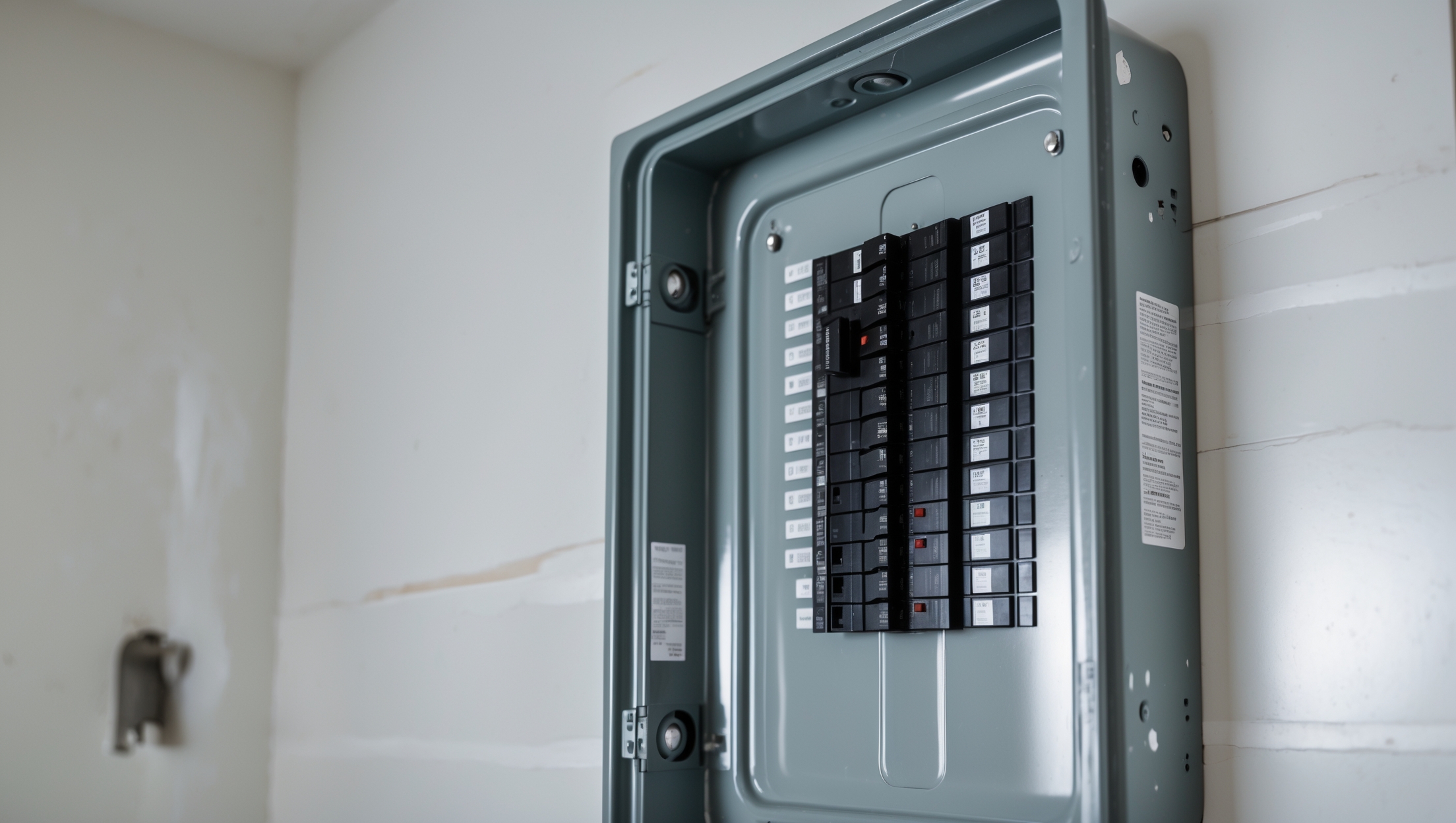
Introduction: The Heart of Your Home’s Electrical Safety
When was the last time you thought about your home’s breaker panel? For most homeowners, the answer is likely “not recently”—unless something has gone wrong. Yet, the breaker panel (also called a service panel or load center) is the unsung hero of your home’s electrical system. It distributes power safely to every room and appliance, prevents overloads, and is the first line of defense against electrical fires. As homes age and our electricity demands rise with new technology, the humble panel can silently become a hazard or a bottleneck. Upgrading your breaker panel isn’t just about adding more circuits; it’s about protecting your home, meeting modern electrical codes, and ensuring energy efficiency. In this comprehensive guide, you’ll learn how to spot the warning signs that your panel needs attention, what the upgrade process involves, how much you can expect to pay, and practical tips for a smooth, code-compliant upgrade. Whether you’re renovating, adding an EV charger, or just want peace of mind, understanding breaker panel upgrades is essential for every homeowner.
Why Breaker Panel Upgrades Matter
The Role of the Breaker Panel
Your breaker panel is the nerve center of your home’s electrical system. It receives power from the utility and routes it to branch circuits throughout your house. Circuit breakers (or, in older homes, fuses) within the panel protect each circuit by shutting off electricity if unsafe conditions or overloads occur. A modern, well-maintained panel is crucial for:
- Electrical Safety: Prevents overloads and reduces fire risks.
- Code Compliance: Meets local and national electrical regulations.
- Power Reliability: Supports the demands of today’s appliances and devices.
- Future-Proofing: Allows for home upgrades like EV charging, solar, or major renovations.
Signs Your Breaker Panel Needs Upgrading
Visible and Functional Warning Signs
- Frequent Tripped Breakers: If you’re resetting breakers often, especially on different circuits, your panel may be overloaded or deteriorating.
- Flickering or Dimming Lights: Lights that flicker when appliances run can indicate panel or wiring issues.
- Rust, Corrosion, or Heat: Visible rust, water damage, or heat coming from the panel are all red flags.
- Burning Smell or Buzzing Sounds: These can signal arcing or overheating, both serious fire hazards.
- Old or Obsolete Equipment: Panels over 25–40 years old, especially those with brand names like Federal Pacific, Zinsco, or fuse boxes, should be evaluated for replacement regardless of visible symptoms.
- Insufficient Power: If you’ve added HVAC, kitchen appliances, or EV charging, your existing panel might not have enough amperage.
Common Scenarios That Demand Upgrades
- Major home renovations or additions
- Installing central air conditioning or heat pumps
- Adding a hot tub, EV charger, or home workshop
- Insurance or home inspection requirements
Breaker Panel Upgrade Options
Panel Amperage: How Much Do You Need?
Most older homes have 60–100 amp panels. Modern homes typically require 150–200 amps, and larger homes or those with high-demand equipment may need 225 amps or more. Your electrician can perform a load calculation to recommend the appropriate size for your needs and future expansion.
Types of Panels
- Main Service Panel: The primary panel that receives power from the utility.
- Subpanel: Secondary panels for garages, additions, or outbuildings, fed from the main panel.
- Combination Meter/Main Panels: Often used in newer homes or upgrades, combines the meter socket and main breaker in one enclosure.
Cost Breakdown: What to Expect
Typical Price Range
Upgrading a breaker panel is a significant but worthwhile investment. Costs vary based on amperage, panel type, home layout, and regional labor rates. Here’s a realistic breakdown:
- 100-Amp Upgrade: $1,500 – $2,500
- 150-Amp Upgrade: $2,000 – $3,500
- 200-Amp Upgrade: $2,500 – $4,500
- 225–400 Amp Upgrade: $4,000 – $8,000+
These ranges include the new panel, breakers, labor, basic wiring, permits, and inspections. Additional costs may arise for:
- Upgrading the meter socket or service mast
- Full rewiring or relocating the panel
- Repairing code violations
- Trenching for underground service
- Drywall or finish repairs after installation
Factors That Affect Costs
- Panel Location: Panels inside finished spaces are costlier to upgrade due to access and repair work.
- Existing Electrical System: Outdated wiring, improper grounding, or lack of space may require additional upgrades.
- Permit and Inspection Fees: Vary by municipality but are essential for a legal, insurable installation.
The Upgrade Process: Step-by-Step
Step 1: Assessment and Load Calculation
A licensed electrician will inspect your current panel, evaluate your power needs, and check for code compliance. They’ll perform a load calculation to determine the necessary amperage and panel size.
Step 2: Obtain Permits and Schedule Utility Shutoff
Permits are mandatory for panel upgrades. Your electrician will coordinate with the local building department and utility company to schedule power shutoff during installation.
Step 3: Remove the Old Panel
After safely shutting off power, the electrician disconnects all wiring and removes the old panel. If needed, they’ll also upgrade the meter socket or service entrance wiring.
Step 4: Install the New Panel
The new panel is mounted, grounded, and connected to the service wires. The electrician reroutes existing branch circuit wires to the new breakers, upgrades grounding, and installs surge protection or AFCIs as required by code.
Step 5: Inspection and Power Restoration
The work is inspected by local authorities to ensure safety and code compliance. Once approved, the utility reconnects power and the electrician tests all circuits.
Step 6: Labeling and Documentation
All circuits are clearly labeled, and documentation is provided for your records and insurance. Proper labeling is crucial for future safety and troubleshooting.
Permits, Codes, and Compliance Essentials
Why Permits Matter
Electrical permits ensure that your upgrade meets the National Electrical Code (NEC) and local amendments. Skipping permits can lead to failed inspections, insurance issues, and costly rework if you sell your home.
Common Code Requirements
- Proper grounding and bonding
- Accessible panel location (not in bathrooms or clothes closets)
- Dedicated working space in front of the panel
- Use of listed and approved equipment
- Surge protection devices (increasingly required in new upgrades)
- Arc-fault and ground-fault protection where required
Insurance Implications
Many insurers require panel upgrades for older homes, especially if unsafe brands or fuses are present. Always notify your insurance provider after a panel upgrade—this may lower your risk profile and premiums.
How to Choose the Right Electrician for Your Panel Upgrade
- Verify Licensing and Insurance: Only use state-licensed, insured electrical contractors.
- Get Multiple Quotes: Detailed, written quotes help you compare scope, brands, and warranty terms.
- Ask About Experience: Choose contractors with experience in residential panel upgrades and knowledge of local codes.
- Check Reviews and References: Look for positive feedback on similar projects.
- Clarify Cleanup and Repairs: Confirm who is responsible for drywall, paint, or finish repairs after the upgrade.
Preparing Your Home for the Upgrade
- Clear the area around your panel for easy access.
- Notify household members about planned power outages.
- Unplug sensitive electronics and reset devices after power restoration.
- Secure pets and children away from the work site.
- Ask your electrician about temporary power solutions if needed (for medical devices, refrigeration, etc.).
After the Upgrade: Maintenance and Safety Tips
Regular Visual Inspections
Check your new panel every 6–12 months for signs of corrosion, moisture, or heat. Keep the area dry and accessible at all times.
Keep Documentation Handy
Store your permit, final inspection report, and panel schedule in a safe place. This will be important for insurance, resale, and future electrical work.
Update Circuit Labels
Whenever you add or modify circuits, update the labels. Accurate labeling is vital for safety and troubleshooting.
Schedule Professional Checkups
Have a licensed electrician perform a full panel inspection every 3–5 years, or if you notice any unusual issues (tripping, buzzing, heat, etc.).
Frequently Asked Questions
Can I upgrade my panel myself?
No—panel upgrades are not DIY projects. They require permits, utility coordination, and strict adherence to code. Always hire a licensed electrician.
Do I need to upgrade my wiring too?
Not always, but if your home has outdated, undersized, or unsafe wiring, your electrician may recommend upgrades for safety and compliance.
How long does a panel upgrade take?
Most projects are completed in 1–2 days, including inspection and power restoration. Complex upgrades may take longer.
Can I add more circuits after upgrading?
Yes, a larger panel provides more spaces for future circuits and appliances. Discuss your plans with your electrician during the design phase.
Conclusion: Investing in Safety and Peace of Mind
Upgrading your breaker panel is a wise investment in your home’s safety, functionality, and value. While it may not be as visible as a kitchen remodel or a new roof, it’s every bit as critical—if not more so. An outdated or overloaded panel can quietly put your home at risk of electrical fires, equipment damage, and insurance issues. By learning to recognize the warning signs, understanding the costs and process, and choosing a qualified professional, you ensure that your home’s electrical system is safe, reliable, and ready for the demands of modern living. Remember, electrical work is not the place to cut corners. Always secure the right permits, follow code requirements, and keep thorough records. If you’re planning renovations, expanding your family, or simply want to enjoy peace of mind, consider evaluating your breaker panel today. With a proactive approach, you can protect your investment, lower your risk, and ensure that your home remains a safe, comfortable place for years to come.
If I’m planning to add an EV charger to my house next year, should I upgrade my breaker panel now or wait until the installation? Are there downsides to waiting, especially if my current panel hasn’t shown any obvious issues yet?
If your current breaker panel is in good shape and hasn’t shown any problems, it’s generally fine to wait until your EV charger installation to upgrade. The electrician will assess your panel’s capacity as part of the installation process. The main downside to waiting is that if your panel can’t handle the extra load, it could delay your EV charger setup since you’d need an upgrade at that point. Planning both projects together can sometimes be more efficient and cost-effective.
I’m trying to budget for a panel upgrade but not sure what factors affect the total cost the most. Is it mostly the size of the new panel, the age of my home, or do things like adding more circuits or rewiring also play a big part in how much I’ll pay?
Several factors can impact the total cost of a breaker panel upgrade. While panel size is important, adding more circuits, rewiring, and the overall condition or age of your home’s wiring can significantly increase the price. Older homes may need additional updates to meet current codes, and extra circuits or new wiring mean more labor and materials. It’s a good idea to get a detailed estimate that covers all these possibilities.
Could you provide a ballpark cost range for a typical breaker panel upgrade, including both labor and materials? Also, are there hidden fees homeowners should watch out for during this process?
A typical breaker panel upgrade can range from $1,500 to $3,500, which covers both labor and materials. The final cost depends on panel size, local codes, and the complexity of your setup. Watch out for extra fees, such as permit costs, necessary electrical repairs, or unexpected wiring issues uncovered during installation. Always ask your electrician for a detailed estimate before work begins.
The article talks about the importance of meeting modern electrical codes with a new panel. Could you clarify whether older homes are required by law to upgrade their panels, or is it more about safety and convenience unless there’s a renovation?
Older homes are generally not legally required to upgrade their electrical panels unless you are doing significant renovations, adding major appliances, or correcting a specific electrical hazard. However, upgrades are strongly recommended for safety, convenience, and to meet increased power demands. Local codes may require updates if you apply for certain permits, but simple age alone usually doesn’t trigger a mandatory panel replacement.
If I’m adding an EV charger in my garage, how do I know if my current breaker panel can handle the extra load, or if I definitely need to upgrade it first?
To determine if your breaker panel can handle an EV charger, check your panel’s amperage rating (usually listed on the main breaker) and compare it to your home’s current electrical use plus the charger’s requirements. Most EV chargers need a dedicated 30-50 amp circuit. If your panel is already near capacity or is rated below 200 amps, you’ll likely need an upgrade. A licensed electrician can calculate your total load and confirm if you need a new panel.
You talked about warning signs like frequent breaker trips, but mine only trip once in a while when I run a few big appliances together. Is that already a clear sign I need an upgrade, or could there be a less expensive fix like rearranging circuits?
If your breakers only trip occasionally when using multiple large appliances at the same time, it doesn’t automatically mean you need a full panel upgrade. You might just be overloading a single circuit. Sometimes, rearranging which appliances are on which circuits or adding a dedicated circuit for high-demand appliances can solve the problem and be more affordable than a full upgrade. A licensed electrician can assess your panel and recommend the best solution.
Could you provide a ballpark price range for a typical breaker panel upgrade, especially for older homes? I want to budget realistically and understand what factors might make the cost higher or lower.
A typical breaker panel upgrade for older homes usually costs between $1,500 and $3,500. The price can increase if your electrical system needs extra work, such as rewiring, bringing things up to code, or upgrading your service capacity. Factors like panel size, local permit fees, and the age or accessibility of your current setup can also affect the total cost. Getting a few quotes from licensed electricians will give you a more precise estimate for your specific situation.
Could you clarify if upgrading a breaker panel usually requires the whole house to be without power for an extended period, or can parts of the home remain operational during the process?
Upgrading a breaker panel typically requires shutting off power to the entire house for safety reasons while the work is being done. Electricians disconnect the main service to replace or upgrade the panel, so all circuits are usually without power during this time. The outage often lasts several hours, but once the upgrade is complete, power is restored to the whole home.
You mention future-proofing for things like EV charging and solar. Are there specific features or types of breaker panels I should look for if I plan to add both in the next few years, or would any standard modern panel work?
If you plan to add both EV charging and solar, look for a breaker panel with higher amperage capacity—ideally 200 amps or more. Choose panels labeled as ‘solar-ready’ or ‘EV-ready’, which often have dedicated spaces or bus bars for these upgrades. Opt for well-known brands with good support for add-ons and ensure the panel has enough physical space for extra breakers. It’s always wise to discuss your exact plans with a licensed electrician before purchasing.
You mention upgrading for things like EV chargers and renovations, but if I’m not planning any big changes, how do I know when my current panel isn’t safe or adequate anymore?
If you’re not planning major upgrades, you should still watch for signs that your breaker panel may need attention. These include frequent tripped breakers, flickering lights, buzzing sounds, burning smells, or if the panel feels hot to the touch. Also, if your panel is over 25-30 years old or still uses fuses, it’s wise to have it professionally inspected for safety.
If I want to add a charging station for an electric vehicle, how do I know if my current breaker panel can handle the extra load, or if I need a full upgrade first?
To find out if your breaker panel can handle an EV charging station, check the panel’s total amperage (often labeled inside the door) and compare it to the combined load of your home’s current circuits plus the charger. Most EV chargers require a dedicated 30-50 amp circuit. If your panel is already near capacity or is older (like 100 amps), consult a licensed electrician—they can calculate your load and advise whether an upgrade or subpanel is needed.
You talk about the importance of a modern breaker panel for safety and energy efficiency. Could you clarify what typical warning signs indicate the panel is not just outdated, but actually unsafe compared to just being older?
An unsafe breaker panel often shows clear signs beyond just age. Watch for frequent circuit breaker trips, flickering or dimming lights, burning smells, scorch marks, or any buzzing or crackling sounds from the panel. Rust, corrosion, or warmth to the touch are also red flags. These issues suggest electrical hazards, not just outdated equipment, and should be checked by a professional electrician right away.
You mentioned that upgrading a panel can help with supporting high-demand appliances. If my breakers trip only occasionally when running things like the microwave and toaster at the same time, is that a definite sign I need an upgrade, or could something else be causing it?
Occasional tripping when using high-demand appliances together doesn’t always mean you need a full panel upgrade. It could be that those appliances are on the same circuit, causing an overload. Rearranging which outlets you use or having an electrician redistribute the circuits might solve the problem. However, if tripping becomes frequent or you plan to add more appliances, an upgrade could be a good idea.
I see you mention both cost expectations and the process for a breaker panel upgrade. Could you break down what specific expenses homeowners should anticipate beyond the panel itself, like permits or rewiring, and give a rough estimate of how long the whole upgrade process usually takes from start to finish?
Beyond the cost of the new breaker panel, homeowners should budget for permits (often $50–$300), electrician labor, possible rewiring, and any necessary upgrades to service lines or grounding. There might also be fees for inspections or utility coordination. Altogether, the upgrade process usually takes about one to two days once scheduled, but planning and permit approval can add a week or two.
If I’m planning to add an EV charger in my garage, does that always require a full breaker panel upgrade, or are there cases where you can just add a subpanel instead? Trying to get an idea of which situations actually require the bigger upgrade.
You don’t always have to upgrade your main breaker panel to add an EV charger. If your existing panel doesn’t have enough capacity or space for a new circuit, a full upgrade might be needed. However, if the panel is in good shape but full, installing a subpanel can be a cost-effective solution. An electrician can assess your setup and help you decide which option fits your needs and budget.
The guide says the panel distributes power and is first line of defense against overloads and fires. What are some early warning signs, besides frequent tripped breakers, that my panel could be too small for our current energy use?
Other early warning signs include lights that flicker or dim when you use appliances, outlets that feel warm or look discolored, a buzzing sound from the panel, or a burning smell near it. If you notice any of these issues, it’s a good idea to have an electrician inspect your panel to ensure it’s handling your home’s energy needs safely.
I see that power reliability is one of the benefits of a modern panel. For homeowners on a tight budget, are there cost-effective ways to improve a breaker panel’s performance without a full replacement, or is a complete upgrade usually the only safe option?
You don’t always need a full replacement to see improvements. An electrician can sometimes add more circuits, replace faulty breakers, or tighten and clean connections to boost reliability. Upgrading certain components, like the main breaker, may also help. However, if your panel is very outdated, unsafe, or has visible damage, a full upgrade is usually the safest choice.
Can you give a ballpark range for what a typical breaker panel upgrade costs in an average-sized house? I’m trying to budget for both the panel itself and any related electrical work.
For an average-sized home, upgrading a breaker panel usually costs between $1,500 and $3,500. This estimate covers both the new panel and related electrical work, such as permits, labor, and any necessary rewiring. If your home has more complex wiring or needs capacity upgrades, costs can be higher, so it’s wise to get a few quotes from licensed electricians for a more specific estimate.
If I’m planning to install an EV charger soon, should I upgrade my breaker panel before making any other changes, or can I wait until I experience issues like tripped breakers mentioned in the article?
If you’re adding an EV charger, it’s a good idea to assess your breaker panel before installation rather than waiting for issues. EV chargers often require significant electrical capacity. Upgrading your panel beforehand helps ensure safety, avoids possible interruptions, and makes the installation smoother for your electrician. Waiting until problems arise could lead to delays or potential hazards.
You mentioned that upgrading ensures code compliance and future-proofs the house. If my home still uses fuses instead of breakers but I haven’t had any problems yet, is it still necessary to upgrade right away, or can I wait until there are warning signs?
Even if you haven’t encountered issues with your fuse panel, upgrading is still highly recommended. Fuse panels are considered outdated and may not meet current electrical codes or handle modern power demands safely. Waiting for warning signs can pose safety risks, such as electrical fires or insurance complications. Proactively upgrading ensures your home stays safe, compliant, and ready for future needs.
If I am planning to add an EV charger in my garage, would a breaker panel upgrade typically involve increasing the overall amperage of the service, or can most panels accommodate this with just additional circuits?
Adding an EV charger often requires a dedicated circuit with higher amperage, which can sometimes exceed your current panel’s capacity. If your existing panel has enough unused capacity for the additional load, you might just need to add a new circuit. However, if your panel is already near its limit, an upgrade to a higher amperage service may be necessary. It’s a good idea to have an electrician evaluate your current panel to determine the best solution.
I’m planning to renovate my shop and noticed you mentioned code compliance as a reason to upgrade the breaker panel. Are there specific electrical code changes in recent years that small business owners should be aware of before starting an upgrade?
Recent electrical code updates focus on safety, energy efficiency, and accommodating modern equipment. For small businesses, important changes include requirements for arc fault circuit interrupters (AFCIs), ground fault circuit interrupters (GFCIs) in more areas, and updated load calculations to handle new appliances or machinery. Always check the latest National Electrical Code (NEC) and your local regulations, as local codes may have additional requirements. Consulting a licensed electrician before upgrading ensures your renovation meets all current standards.
The article mentions that upgrading the panel is important for meeting modern electrical codes. If my home’s panel is about 25 years old but we haven’t had any major issues, is it still likely to be out of code or unsafe?
Even if your 25-year-old panel hasn’t caused problems, it’s possible that it no longer meets current electrical codes. Codes are updated regularly to improve safety, and older panels may lack modern features like arc-fault or ground-fault protection. It’s a good idea to have a licensed electrician inspect your panel to assess its safety and compliance, even if everything seems to be working fine.
The article mentions that upgrading your breaker panel is important for safety and to meet modern electrical codes. How do I know if my current panel actually meets these codes, especially if my house is over 30 years old?
If your home is over 30 years old, your breaker panel may not meet current electrical codes or safety standards. The best way to find out is to hire a licensed electrician to inspect your panel. They’ll check for outdated components, proper grounding, and overall capacity. Signs like frequent breaker trips, flickering lights, or visible rust can also indicate issues. An electrician can advise if an upgrade is necessary to meet today’s codes and ensure your home’s safety.