

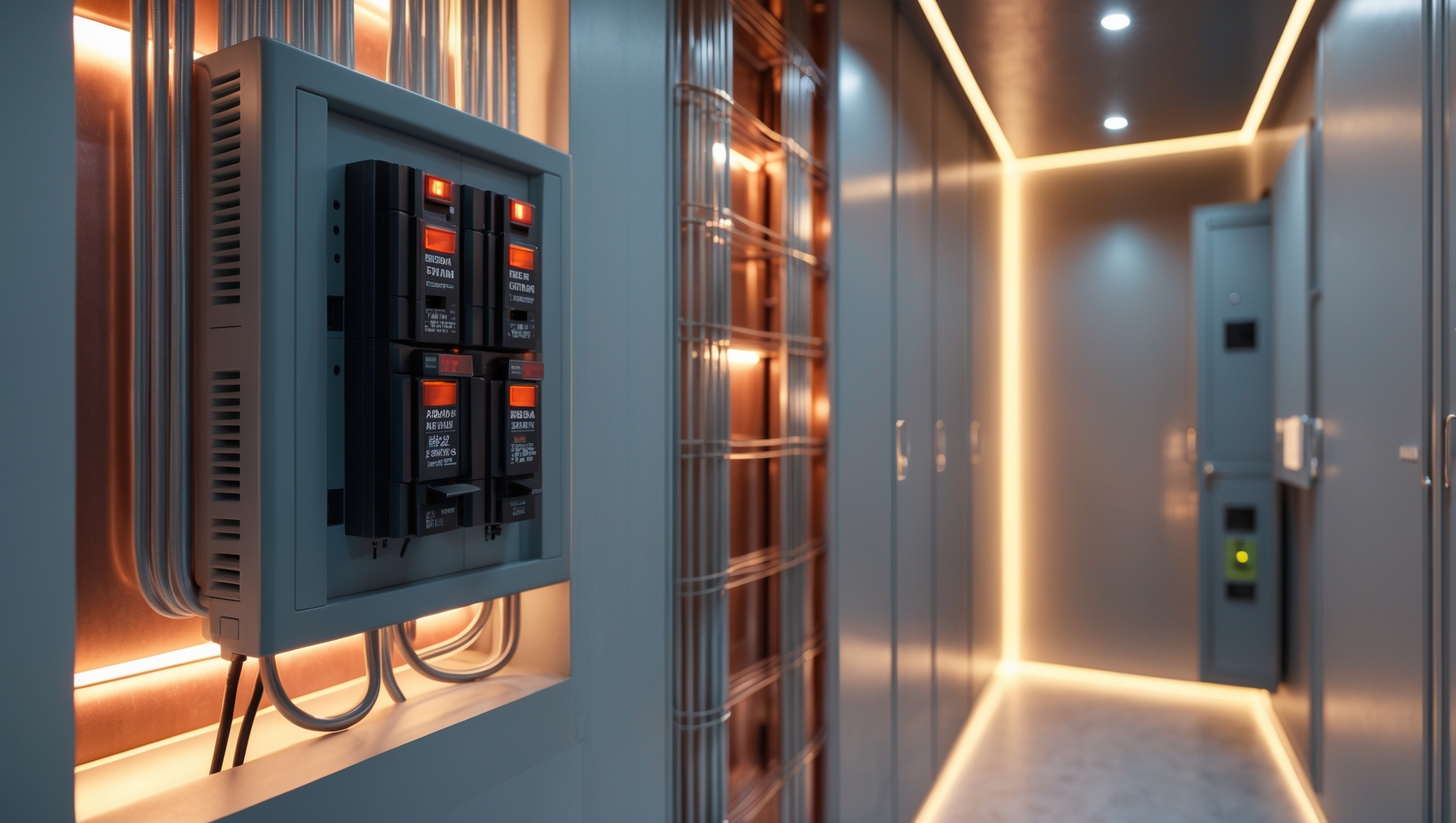
Introduction: The Hidden Danger of Arc Faults in Modern Homes
Electrical safety in the home has advanced significantly over the past few decades, but one of the most overlooked threats remains the arc fault—a hidden hazard responsible for thousands of residential fires each year. While many homeowners are familiar with Ground Fault Circuit Interrupters (GFCIs) that protect against shocks in wet areas, Arc Fault Circuit Interrupters (AFCIs) are less well-known but every bit as essential. These devices are designed to detect dangerous electrical arcs before they can ignite flammable materials, providing a crucial line of defense that standard breakers cannot offer. If your home was built before the mid-2000s, chances are high that AFCI protection is limited or even nonexistent in your electrical system. Understanding what arc faults are, how AFCIs work, and when and why to upgrade is vital for any safety-conscious homeowner. This comprehensive guide will walk you through the ins and outs of AFCIs, from the science behind their operation to practical recommendations for choosing, installing, and maintaining this life-saving technology.
Understanding Arc Faults: What Are They and Why Are They Dangerous?
What Is an Arc Fault?
An arc fault is an unintended electrical discharge caused when current jumps a gap in a damaged or deteriorated wire or connection. This discharge generates intense heat—often exceeding 10,000°F—capable of igniting surrounding materials such as wood framing, insulation, or carpeting within moments. Arc faults can occur from:
- Frayed or cracked insulation on wires
- Loose or corroded connections at outlets or switches
- Pinched or damaged cords (for example, from furniture legs)
- Improperly installed or aging wiring
Arc Faults vs. Other Electrical Hazards
Unlike overloads or short circuits, which are typically detected by standard circuit breakers, arc faults often go unnoticed due to their intermittent, low-current nature. They may not trip a breaker but can smolder for hours, producing enough heat to ignite fires behind walls—out of sight and often with little warning until it’s too late.
What Is an AFCI and How Does It Work?
The Science Behind AFCI Protection
An Arc Fault Circuit Interrupter (AFCI) is a specialized circuit breaker or outlet designed to detect the unique electrical signature of an arc fault and interrupt the circuit before a fire can start. AFCIs continuously monitor the waveform of current flowing through the circuit. When they sense the telltale high-frequency patterns of an arc, they trip the circuit instantly—much faster than a conventional breaker would respond to overloads or shorts.
Types of AFCIs
- Branch/Feeder AFCIs: Installed in the main panel, these protect entire circuits.
- Combination AFCIs: Offer protection against parallel and series arcs, now required by code in most cases.
- Outlet AFCIs: Receptacle-based protection, useful for retrofits where panel changes are impractical.
Where and When Are AFCIs Required?
Current Code Requirements
The National Electrical Code (NEC) has steadily expanded AFCI requirements since 1999. As of the 2020 NEC, AFCI protection is typically required for most 120-volt, 15- and 20-amp branch circuits supplying outlets and devices in:
- Living rooms
- Bedrooms
- Family rooms
- Dining rooms
- Sunrooms
- Hallways
- Closets
- Similar residential spaces
Kitchens, bathrooms, garages, and outdoor circuits may require GFCI or dual-function (AFCI/GFCI) protection depending on local amendments. Always check your local code.
Homes Built Before AFCIs Were Required
Many homes constructed before the mid-2000s lack AFCI protection entirely. Upgrading these homes can dramatically reduce fire risk, especially if the wiring is aging or subject to damage (such as in homes with active children, pets, or frequent DIY projects).
Signs Your Home May Need an AFCI Upgrade
- Frequent breaker trips that can’t be explained by normal usage
- Buzzing or sizzling sounds from outlets, switches, or behind walls
- Burn marks or discoloration around outlets or electrical panels
- Older wiring types, including knob-and-tube, aluminum, or cloth-insulated wiring
- Recent renovation activity that may have disturbed existing wiring
If any of these signs are present, a professional evaluation is strongly recommended. Even if you haven’t noticed issues, upgrading to AFCI protection is a proactive safety measure.
Cost Breakdown: Upgrading to AFCI Protection
Typical Costs
- AFCI Circuit Breakers: $30–$50 per breaker (materials only)
- Outlet AFCIs: $35–$70 per unit
- Labor: $50–$150 per breaker installation (varies by region, accessibility, and electrician rates)
- Panel upgrades: May be required if your panel is outdated or lacks space; costs range from $800–$2,500+
Retrofitting an average home with 6–12 AFCI-protected circuits could cost between $400 and $1,800, depending on the complexity of your electrical system. Outlet-based AFCIs can be a more affordable option for targeted upgrades, especially in older homes where panel access is difficult.
Budgeting Tips
- Prioritize high-risk rooms (bedrooms, living areas, children’s rooms)
- Combine AFCI and GFCI protection in areas where both are needed (dual-function breakers or outlets)
- Plan upgrades during other electrical work or renovations to save on labor costs
Step-by-Step: How to Upgrade to AFCIs
Step 1: Assess Your Current Protection
Locate your main electrical panel and identify existing breakers. Look for labeling such as “AFCI” or “AF”. If unsure, consult your home’s electrical documentation or a licensed electrician.
Step 2: Choose the Right Type of AFCI
- For full circuit protection, opt for combination AFCI breakers.
- For localized upgrades, use AFCI outlets at the first receptacle of a circuit.
- Check for compatibility with your panel—some older panels may not accept AFCI breakers.
Step 3: Shut Off Power and Verify
Always turn off the main breaker before opening the panel. Use a voltage tester to confirm that circuits are de-energized before proceeding.
Step 4: Remove and Replace the Breaker or Outlet
- For breakers: Disconnect the old breaker and connect the new AFCI breaker according to manufacturer instructions.
- For outlets: Replace the first outlet on the circuit with an AFCI receptacle. Follow proper wiring techniques and torque specifications.
Step 5: Test the Installation
- Use the built-in “Test” button on breakers and outlets to verify operation.
- Plug in a listed AFCI tester to ensure the device will trip under simulated arc conditions.
Step 6: Label and Document
- Clearly mark all AFCI-protected circuits at the panel and outlets.
- Update your home’s electrical panel directory.
Note: While experienced DIYers can replace outlets, panel work should be done by a licensed electrician to ensure compliance and safety.
Common AFCI Issues and Troubleshooting Tips
Nuisance Tripping
AFCIs are highly sensitive by design, which means they may sometimes trip in response to harmless conditions, such as:
- Old or faulty appliances (vacuum cleaners, treadmills, etc.)
- Improperly wired circuits (shared neutrals, loose connections)
- Non-compliant dimmers or LED lights
If an AFCI breaker trips repeatedly, unplug all devices and reset. If it trips again with nothing connected, it likely indicates a wiring problem that needs professional attention.
Compatibility Issues
- Check that your panel supports AFCI breakers (consult manufacturer lists).
- For aluminum wiring, use CO/ALR-rated devices and ensure proper connections.
False Sense of Security
AFCIs are a critical safety layer but do not replace the need for sound wiring practices, routine inspections, and proper circuit design. Continue to follow all electrical safety best practices in your home.
Maintenance and Periodic Testing of AFCIs
- Test all AFCI devices monthly using the built-in “Test” button.
- Replace any breaker or outlet that fails the test promptly.
- Keep the panel area dry, accessible, and free of obstructions.
- Schedule a professional electrical inspection every 3–5 years or after major renovations.
Insurance and Compliance Considerations
Insurance Benefits
Some insurers offer reduced premiums or additional coverage for homes with AFCI protection, recognizing the reduced risk of electrical fire. Check with your provider to see if you qualify for savings after upgrading.
Compliance and Home Value
Upgrading to AFCIs not only brings your home closer to current code but also offers a strong selling point if you plan to move. Many buyers and inspectors now expect modern safety features, and a documented AFCI upgrade can enhance both value and peace of mind.
Frequently Asked Questions About AFCIs
- Are AFCIs required in every room? Not everywhere—refer to local code, but most living spaces require them.
- Can I install AFCIs myself? Outlet AFCIs may be a DIY project, but panel work should be left to licensed electricians.
- Do AFCIs replace GFCIs? No. They serve different purposes, but dual-function devices are available for areas requiring both protections.
- How long do AFCI breakers last? Typically 10–15 years, but always test regularly and replace if faulty.
Conclusion: Investing in Peace of Mind With AFCI Upgrades
Electrical safety is about more than just meeting code requirements—it’s about actively protecting your family, property, and future from the devastating effects of hidden hazards. Arc faults represent a real and preventable cause of house fires, and AFCIs are one of the most effective defenses available today. Upgrading your home’s electrical system to include AFCI protection may seem like a significant investment, but the peace of mind it brings is priceless. Not only do AFCIs detect and stop dangerous arcs before they can cause harm, but they also bring your home in line with the latest safety standards and can even enhance your home’s resale value. Whether you live in a classic mid-century house or a more recent build lacking modern protections, take the time to evaluate your current setup and plan for an upgrade. Work with a qualified electrician to ensure proper installation, and commit to regular testing and maintenance for maximum protection. In the long run, AFCIs are a smart, proactive choice that deliver both immediate and long-lasting benefits for any homeowner concerned about electrical safety. Don’t wait for warning signs—make the upgrade and rest easier knowing your electrical system is equipped to guard against one of the leading causes of residential fires.
I’m curious about how AFCIs differ from standard breakers in everyday use. Are there any noticeable changes for homeowners after installation, like more frequent tripping, or do they generally operate in the background without much interference?
AFCIs typically operate quietly in the background, much like standard breakers, so you may not notice any daily difference. However, since AFCIs are designed to detect and trip on dangerous electrical arcs—which standard breakers do not—they can trip more frequently if there are issues like damaged wires or faulty appliances. Most homeowners experience little change unless there’s a problem that AFCIs are meant to protect against.
You mentioned that homes built before the mid-2000s probably don’t have much AFCI protection. If my house was built in 1998 and I haven’t upgraded the electrical panel, does that mean none of my circuits have this protection at all, or is it possible some do?
If your house was built in 1998 and the electrical panel hasn’t been upgraded, it’s very unlikely that you have any AFCI protection. AFCIs only became a requirement in new construction starting in the early 2000s, so homes built before then typically don’t have them unless they’ve been added during renovations or electrical updates.
If my house was built before the mid-2000s and probably does not have AFCIs, do I need to upgrade the entire electrical panel, or are there other options for adding this protection to specific circuits?
You don’t necessarily have to upgrade your entire electrical panel to add AFCI protection. There are AFCI circuit breakers that can replace existing breakers in your panel if it’s compatible, or you can use AFCI outlet receptacles for specific circuits that need protection. It’s a good idea to consult a licensed electrician, who can recommend the best approach based on your panel’s type and your home’s wiring.
If my house was built in the late 1990s and still has its original electrical system, what are the main signs that I might need to consider upgrading to AFCI protection, especially if I have not noticed any electrical issues so far?
Even if you haven’t noticed problems, upgrading to AFCI protection is a good idea if your home has older wiring, frequently used extension cords, or outlets in bedrooms and living areas without extra safety features. AFCIs help prevent fires caused by hidden wiring faults that may not show obvious symptoms. If you’re planning renovations or adding circuits, it’s an excellent time to consider upgrading.
I’m trying to prioritize some home safety upgrades. Is it more urgent to install AFCIs or replace old wiring if I can only do one project right now? Which one will make a bigger impact on reducing fire risk?
If your home has old or deteriorated wiring, replacing it should be your top priority since faulty wiring is a leading cause of electrical fires. While AFCIs provide excellent protection by detecting dangerous arcs, they work best when paired with safe wiring. Upgrading old wiring will have a bigger immediate impact on reducing fire risk, and you can install AFCIs afterward for added safety.
You mention that arc faults are different from overloads and short circuits and that standard breakers usually don’t catch them. If I already have GFCI outlets in the kitchen and bathrooms, does adding AFCIs mean upgrading my main circuit breakers or just adding devices at outlets?
AFCI protection is usually provided at the main circuit breaker panel by replacing standard breakers with AFCI breakers. While there are some AFCI outlet devices, most homes use AFCI breakers to protect entire circuits. Your existing GFCI outlets in kitchens and bathrooms protect against ground faults, not arc faults, so adding AFCI typically means upgrading the breakers, not just the outlets.
Could you clarify whether upgrading to AFCIs is typically a full-home project, or can homeowners selectively add them to high-risk areas like bedrooms and living rooms built before the mid-2000s?
Upgrading to AFCIs does not have to be a full-home project. Homeowners can definitely choose to add AFCIs selectively, especially in high-risk areas such as bedrooms and living rooms. This approach is common in older homes built before the mid-2000s, since these areas are where arc faults are most likely and where newer codes require AFCI protection.
I have a lot of older wiring, and sometimes cords get jammed behind furniture. If I upgrade to AFCIs, will that help prevent problems from these pinched cords, or should I also worry about replacing old wires entirely?
Upgrading to AFCIs can definitely help catch dangerous electrical arcs caused by pinched or damaged cords, giving you an extra layer of protection. However, if your wiring is quite old, it’s still wise to have it inspected. AFCIs help, but they can’t fix issues like deteriorated insulation or other age-related problems in your home’s wiring.
You mention that homes built before the mid-2000s are unlikely to have AFCI protection. For someone considering an upgrade, are there specific signs in older wiring or outlets that indicate a higher immediate risk of arc faults before AFCIs are installed?
Yes, certain signs in older wiring or outlets can signal a higher risk of arc faults before AFCIs are installed. Watch for frequent tripped breakers, outlets or switches that feel warm, buzzing or crackling sounds from outlets, flickering lights, or discolored or scorched outlets. If you notice any of these, it’s a good idea to have a licensed electrician inspect your electrical system promptly.