

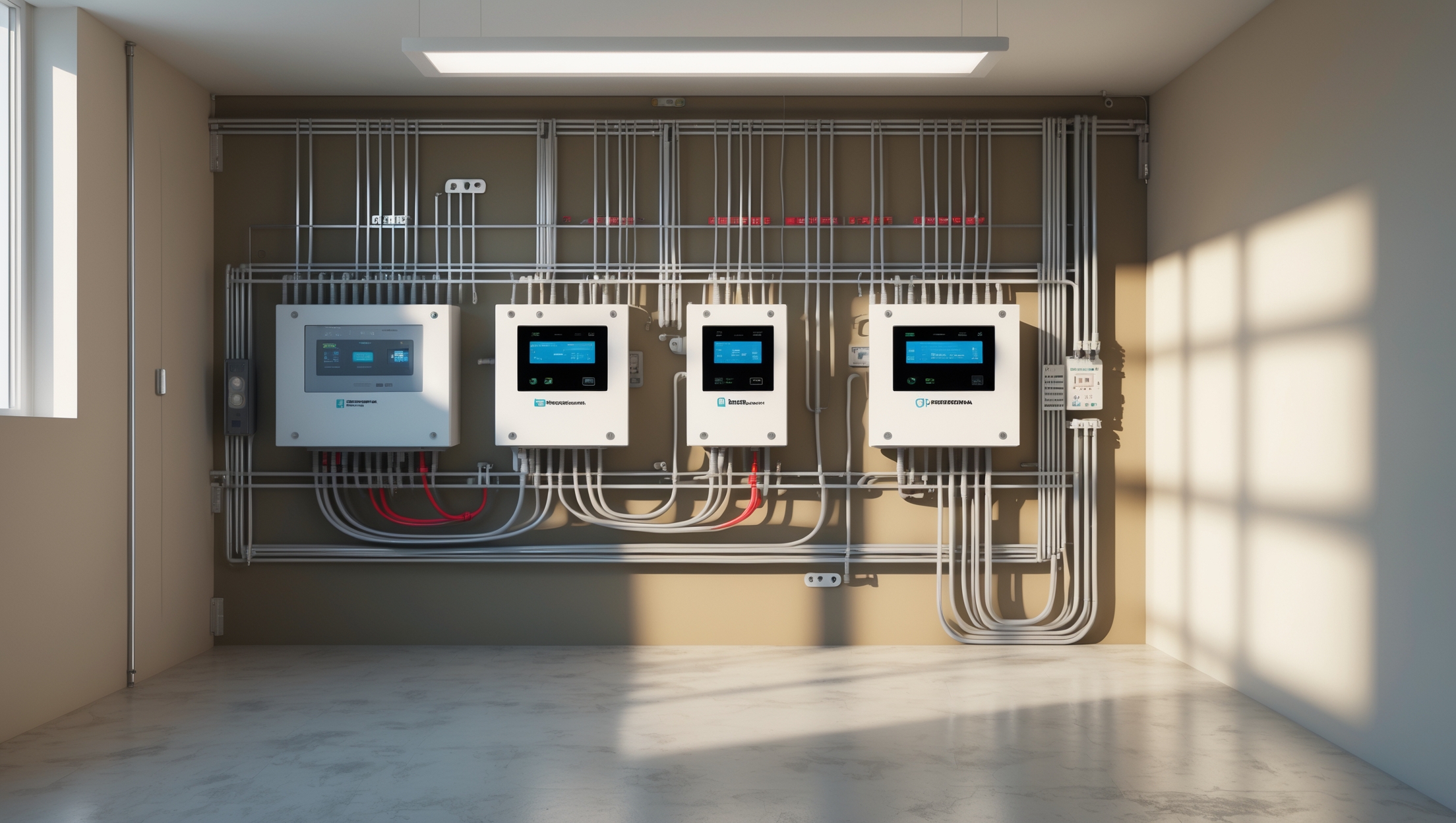
Introduction
Most homeowners are familiar with their main utility meter—the device that measures total electricity usage for billing. But what if you could see exactly how much power your kitchen, workshop, or rental suite consumes? What if you could pinpoint energy hogs and make smarter decisions to lower your bills? Enter electrical submetering: a game-changing solution that gives homeowners visibility and control over individual circuits, rooms, or even major appliances. While submetering has long been standard in multi-family buildings and commercial settings, it’s rapidly gaining traction in homes, especially for those looking to boost energy efficiency, manage costs, or add rental spaces. This comprehensive guide will walk you through the essentials of home electrical submetering—covering real-world costs, detailed setup steps, key benefits, typical pitfalls, and ongoing maintenance needs. Whether you’re a DIY enthusiast, a landlord, or simply want more insight into your home’s energy profile, this post arms you with the practical knowledge to make submetering work for you.
What is Electrical Submetering?
Electrical submetering involves installing additional meters—called submeters—on specific circuits or areas beyond your main utility meter. These devices measure electricity use separately from the total, allowing for granular monitoring and, if needed, individual billing. For homeowners, submetering can clarify which rooms or appliances are driving up energy costs, inform efficiency upgrades, and support fair cost-sharing in rental or co-living situations.
Common Home Applications
- Accessory Dwelling Units (ADUs): Submetering for guest suites or basement apartments to support tenants or short-term rentals.
- Workshops & Garages: Tracking energy-hungry tools, EV chargers, or hobby spaces.
- Major Appliances: Monitoring HVAC systems, water heaters, or pools individually.
- Room-by-Room Monitoring: Identifying high-usage areas to target for upgrades.
Benefits of Home Submetering
Why go beyond the main meter? These are the core advantages that make submetering a savvy investment:
- Pinpoint Efficiency Improvements: Identify which areas or appliances are driving up costs and target them for upgrades.
- Empower Behavioral Change: See the immediate impact of usage habits, making it easier to reduce waste.
- Fair Billing for Tenants: Avoid flat-rate disputes and accurately allocate energy costs in rental scenarios.
- Support for Solar & Battery Integration: Track how specific loads interact with solar panels or backup systems.
- Data-Driven Maintenance: Spot abnormal usage patterns that might signal equipment issues before they become emergencies.
Cost Breakdown: What to Expect
The total investment for home electrical submetering varies based on the number of circuits, meter type, and installation complexity. Here’s a breakdown of typical costs:
1. Equipment Costs
- Single-Circuit Digital Submeter: $60–$150 each
- Multi-Circuit Panel Submeter: $200–$600 (covers 4–24 circuits)
- Wireless/Smart Submeters: $150–$400 per unit (with app integration)
- Current Transformers (CTs): $15–$40 each, sometimes included
2. Installation Costs
- DIY Installation: $0 if you’re qualified; otherwise, not recommended for most homeowners due to safety and code compliance
- Licensed Electrician: $250–$800 per project depending on scope (panel access, wiring, labor time)
- Permit Fees (if required): $50–$200 (varies by locality)
3. Ongoing Expenses
- Data Monitoring Subscriptions: $0–$10/month (for cloud-connected systems)
- Periodic Calibration: $0–$100/year (rarely required for home-grade meters)
Sample Budget Scenarios
- Single-Circuit DIY Setup: $80–$200 total
- Full Panel, Professionally Installed (10–12 circuits): $900–$2,000 total
Plan for 5–10% contingency to cover unexpected wiring or panel issues.
Types of Submetering Systems
Choosing the right submeter depends on your goals, panel layout, and whether you want real-time data. Here are the main options:
1. Mechanical vs. Digital Submeters
- Mechanical (Analog): Rare in modern homes. No remote monitoring; basic usage tracking only.
- Digital: Accurate, often with display screens and remote/app data access.
2. Wired vs. Wireless Systems
- Wired: Directly connect to your home’s network or a data logger. Reliable, but more complex installation.
- Wireless: Communicate via Wi-Fi, Zigbee, or Z-Wave. Easier to install; ideal for DIYers seeking smart home integration.
3. Single-Circuit vs. Multi-Circuit Submeters
- Single-Circuit: Ideal for targeted monitoring (e.g., EV charger, rental suite).
- Multi-Circuit: Monitor several circuits simultaneously—great for whole-panel insight.
Is Submetering Legal? Permits and Compliance
While installing a submeter for your personal use is generally permitted, using one for tenant billing or in rental situations can trigger compliance requirements. Here’s what you need to know:
- Local Electrical Codes: All wiring and meter installations must comply with the National Electrical Code (NEC) and local amendments. Most work inside the panel must be performed by a licensed electrician.
- Permits: Some jurisdictions require permits for any modifications to the main panel or for submeter installation—especially if it impacts billing.
- Tenant Billing: If you plan to charge tenants based on submeter readings, you may be subject to utility commission rules regarding accuracy, meter certification, and disclosure.
Always consult your local building department and utility before starting a submetering project involving rental spaces.
Step-by-Step Setup: Installing a Home Submeter
Ready to tackle a submetering project? Here’s a step-by-step guide to installing a single- or multi-circuit digital submeter. Warning: Working inside electrical panels is dangerous. If you are not experienced, hire a licensed electrician.
1. Planning and Circuit Selection
- Identify which circuit(s) or appliances you want to monitor.
- Check that your panel has enough space for CT clamps and the submeter unit.
- Select a submeter compatible with your panel’s voltage and current ratings.
2. Power Shutoff and Safety Preparation
- Turn off the main breaker. Confirm power is off using a non-contact voltage tester.
- Wear protective gear (insulated gloves, safety glasses).
3. Installing Current Transformers (CTs)
- Locate the target circuit wires inside the panel.
- Snap CT clamps around the hot (live) wire(s) for each circuit to be monitored. Ensure correct orientation for accurate readings.
- Route the CT leads neatly to the submeter unit, avoiding sharp bends or pinching.
4. Mounting and Wiring the Submeter
- Mount the submeter (often outside or adjacent to the panel) using screws or a DIN rail as specified.
- Connect CT leads to the meter’s designated terminals.
- If required, provide a low-voltage power supply for the meter (as per instructions).
- For smart meters, connect to Wi-Fi or your home hub as directed.
5. Final Checks and Power Up
- Double-check all connections for tightness and correct placement.
- Restore power at the main breaker.
- Verify the submeter’s display or app shows real-time data as expected.
Note: For multi-circuit or panel-level submeters, installation may involve more complex wiring and programming. Always defer to the manufacturer’s instructions and local codes.
Data Access: Monitoring and Using Submetered Data
Modern submeters make it easy to track usage via:
- On-device LCD screens
- Smartphone apps and dashboards
- Downloadable CSV reports for spreadsheets
- Home automation platforms (e.g., Home Assistant, SmartThings)
With this data, you can:
- Spot unusual spikes indicating faulty appliances or forgotten devices.
- Compare time-of-use patterns to identify energy-saving opportunities.
- Prepare accurate usage statements for tenants or roommates (if applicable).
- Correlate use with solar production or battery backup cycles.
Common Pitfalls and How to Avoid Them
Submetering is straightforward when planned carefully, but these mistakes can undermine your results:
- Incorrect CT Placement: Placing CTs on the wrong wire or backwards leads to inaccurate readings. Always orient per manufacturer’s arrow.
- Insufficient Panel Space: Overcrowded panels can make CT installation impossible. Assess space before purchase.
- Neglecting Calibration: Periodic checks ensure long-term accuracy. Some units require zeroing after install.
- Poor Data Security: For smart meters, use strong passwords and keep firmware updated to protect your data.
- Ignoring Local Codes: Unpermitted or non-compliant installs can void insurance or resale value. Always check regulations.
Maintenance and Best Practices
Good maintenance ensures your submetering system remains accurate and reliable:
- Annual Inspection: Visually inspect CTs and wiring for signs of wear, heat, or tampering.
- Data Review: Periodically compare submeter readings with the main utility meter to spot anomalies.
- Firmware Updates: For smart units, keep software current for security and new features.
- Battery Checks: If the device has a backup battery, replace it as needed.
- Keep Records: Document installation details and settings for future troubleshooting.
Real-World Case Studies
Case 1: Submetering an ADU for Fair Tenant Billing
Jane converted her basement into a legal rental suite. By installing a wireless submeter on the suite’s subpanel, she was able to accurately track tenant usage. This allowed her to offer a lower base rent plus a fair, usage-based electricity charge—avoiding disputes and saving money when the suite was vacant.
Case 2: Tackling High Workshop Usage
Mike noticed his summer electric bills spiked. After installing a submeter on his garage panel, he discovered his old air compressor was running excessively. Replacing it with a modern, efficient model reduced his garage’s energy use by 40%.
Case 3: Monitoring a Home Office
During remote work, Sarah wanted to know how much her office equipment contributed to the bill. A plug-in submeter revealed her dual monitors and heater were responsible for 15% of her monthly consumption, prompting her to adjust settings for savings.
Who Should Consider Submetering?
- Homeowners with rental units or shared spaces
- DIYers and energy-conscious families
- Anyone installing high-usage equipment (workshops, EV chargers, pools)
- Solar or battery system owners seeking granular monitoring
- Landlords wanting transparent tenant billing
Conclusion
Electrical submetering is one of the most powerful, underused tools for homeowners seeking control over their energy use. By providing circuit-level visibility, submeters transform the way you understand and manage your electricity consumption. Whether you’re aiming to cut costs, allocate fair charges to tenants, or simply get actionable insights for home upgrades, submetering delivers clear, measurable value. While up-front costs and installation complexity can vary, the investment quickly pays for itself in savings and peace of mind. Remember to plan carefully: select the right meter for your needs, ensure your panel can accommodate the hardware, and always follow safety and code requirements. With smart monitoring and regular maintenance, your submetering setup will provide years of reliable service—and might just inspire your next great energy-saving project. If you’ve ever wondered where your energy dollars go, now you can know for sure—and take control, one circuit at a time.
I’m trying to make my garage workshop more energy efficient, so I like the idea of submetering. About how much should I expect to budget for a basic setup that monitors just one or two circuits, including any necessary hardware and installation costs?
For a basic submetering setup that monitors one or two circuits, you can expect hardware costs to range from $100 to $300 depending on the brand and features. If you hire an electrician for installation, labor could add another $150 to $400, depending on your local rates and installation complexity. So, the total budget would likely be between $250 and $700 for a straightforward garage workshop setup.
I have an older home and I’m curious how complex it is to retrofit submetering onto existing circuits, especially if my electrical panel is already pretty full. Are there specific types of submeters that work better for retrofits?
Retrofitting submetering in an older home can be a bit tricky if your panel is already crowded. Look for split-core or clamp-on current transformers (CTs), which can be installed without disconnecting existing wiring. Some wireless submeters are also designed for easy retrofit and minimal panel space. In some cases, you may need a licensed electrician to evaluate if there’s enough room or if any upgrades are needed for safe installation.
I’m curious about ongoing maintenance for home submeters. After installation, what regular upkeep or troubleshooting should homeowners expect, and how often do these devices typically require calibration or replacement?
After installation, home submeters usually require minimal maintenance. It’s a good idea to visually inspect them every few months to check for dust buildup, loose wires, or error messages. Most modern submeters are designed for long-term accuracy and might only need recalibration every 5–10 years, if at all. Replacement is generally only necessary if the device malfunctions or technology standards change. Always refer to the manufacturer’s manual for specific guidance.
After setting up electrical submeters, how challenging is it to integrate the readings with smart home systems or apps for real-time tracking? Are there common compatibility issues with certain brands or models?
Integrating electrical submeters with smart home systems can be straightforward if your submeter supports standard communication protocols like Wi-Fi, Zigbee, or Z-Wave. However, some submeters use proprietary systems, which might limit compatibility with popular apps or hubs. Before purchasing, check if the submeter brand provides an open API or is listed as compatible with your smart home platform. Otherwise, you may need additional gateways or software to bridge the connection.
I’m considering submetering for my basement rental unit but am unsure about ongoing costs and maintenance. Are there specific brands or models you’d recommend for long-term reliability, or is it more about proper installation?
For ongoing costs, expect occasional calibration or servicing, but well-installed digital submeters usually have low maintenance needs. Brands like EKM Metering and Leviton are known for reliability in residential settings. Still, proper installation by a licensed electrician is crucial for accuracy and longevity. Choosing a reputable brand helps, but correct setup and periodic checks are just as important for trouble-free operation.
I see the article mentions submetering for accessory dwelling units and rental suites. How does billing usually work when you want tenants to pay their exact usage? Is it complicated to set up separate statements or integrate with existing bill payment systems?
When you install submeters for accessory dwelling units or rental suites, you can track each tenant’s electricity use separately. Landlords often read the submeter monthly and bill tenants directly based on their actual consumption, using the same rate as the utility. Some property management software can automate statements, but many landlords simply add the usage to rent invoices. Integrating with existing bill payment systems is possible, but it depends on your utility provider and software—sometimes it’s manual, sometimes automated. The setup isn’t overly complicated, but it does require initial organization.
For someone interested in submetering just one or two big appliances like an EV charger and HVAC, is it possible to wire up submeters just for those circuits without touching the whole panel, or does it usually require a full panel installation?
You can definitely submeter just one or two large appliances like an EV charger or HVAC without having to submeter your whole electrical panel. Dedicated submeters can be installed directly on the specific circuits serving those appliances. This approach is common and allows you to track each appliance’s usage individually, but an electrician should handle installation to ensure it’s safe and code-compliant.
I’m interested in submetering my workshop since I have a lot of power tools and want to track their usage. Is it possible to add a submeter just to that one space without having to rewire a bunch of circuits, or would I need to dedicate a separate breaker panel?
You can usually submeter just your workshop without installing a separate breaker panel, as long as the circuits powering the workshop are easily accessible. A submeter can often be installed on the workshop’s supply line, tracking all usage for that space. If your workshop circuits are mixed with the rest of your house, you might need an electrician to help isolate them or do some minor rewiring. No need for a full new panel unless your setup is especially complex.
After setting up a submeter for something like an HVAC system, how is the information usually accessed and tracked? Is there a basic display on the unit, or do I need a separate app or hub to actually see my usage data in real time?
Once you’ve installed a submeter for something like your HVAC system, most modern units give you a few ways to access your usage data. Many have a basic digital display built right on the device, letting you check readings manually. However, for real-time tracking and historical data, a lot of people prefer using a separate app or a smart home hub. Some advanced submeters connect via Wi-Fi or Bluetooth to an app, offering detailed usage reports and alerts. It depends on the submeter model you choose.
You mention maintenance needs with home submetering—what kind of ongoing tasks or costs should a homeowner expect after installation, especially for older homes?
After installing a home submetering system, homeowners should expect periodic tasks like checking for wiring issues, ensuring the meters are reading accurately, and occasionally cleaning the units to prevent dust buildup. For older homes, you may face more frequent inspections due to aging wiring or outdated panels. Budget for occasional professional inspections or recalibrations, and be prepared for potential repairs if the electrical infrastructure is dated. These ongoing costs are usually minor but can add up if your home’s electrical system is older or hasn’t been updated recently.
You mentioned submetering for major appliances like HVAC systems and water heaters. How difficult is it to install submeters specifically on 240V circuits, and are there particular models or brands recommended for this type of setup in a residential setting?
Installing submeters on 240V circuits for appliances like HVAC systems or water heaters is moderately challenging and usually requires some electrical experience. These installations involve working with your main panel, so it’s often best to hire a licensed electrician for safety and code compliance. For residential use, brands like Sense, Emporia, and Efergy offer submeters compatible with 240V circuits. These models come with clamp-on current transformers that make installation easier and often include app-based monitoring.
Could you clarify how difficult the installation process actually is for a homeowner with moderate DIY skills? The article mentions workshops and garages, but I’m wondering if installing a submeter for something like an EV charger is something I could realistically tackle myself or if I’d need to hire an electrician.
If you have moderate DIY skills and are comfortable working with your home’s electrical panel, installing a submeter for an EV charger is possible but involves important safety considerations. You’ll need to identify the correct circuit, safely power down the panel, and install the submeter according to manufacturer instructions. However, working inside the main panel and dealing with high voltages can be risky. If you’re at all unsure, especially with EV chargers that often use higher voltages, it’s safest to consult or hire a licensed electrician.
You mentioned that submetering can help track individual appliances like water heaters and HVAC systems. If I want to monitor both high-voltage and standard circuits, are there specific types of submeters I should look for?
To monitor both high-voltage appliances (such as HVAC systems or electric water heaters) and standard circuits, you’ll want submeters that support multiple circuit types. Look for submeters labeled as ‘multi-circuit’ or ‘split-core’ models, as these can measure both 120V and 240V circuits. Make sure the submeter’s current transformers (CTs) are rated for the amperage of your highest-load appliances. It’s also a good idea to confirm compatibility with your electrical panel and consult an electrician for installation.
I’m curious about the actual installation process for submetering a specific appliance like an HVAC system. Do most homeowners end up hiring a licensed electrician to handle the wiring for these submeters, or is it manageable as a DIY project for someone with basic electrical knowledge?
For submetering a specific appliance like an HVAC system, most homeowners do hire a licensed electrician, mainly because it involves wiring directly into your electrical panel and working with high-voltage circuits. While it’s possible for someone with solid electrical know-how to handle simpler submeter installations, HVAC systems are complex and safety is a big concern. Professional installation also ensures compliance with local electrical codes.
The article mentions using submeters for ADUs and rental suites. If I set one up for a basement apartment, is it possible to use the submeter reading for separate billing, or do utility companies only recognize the main meter for official billing purposes?
Utility companies typically only use the main meter for official billing, so you can’t have them bill your basement tenant directly based on a submeter. However, you can use the submeter readings to calculate your tenant’s share of the utility costs and bill them separately yourself as part of your rental agreement.
If I want to install a submeter just for my garage workshop to see how much juice my power tools and EV charger are using, do I need to run new wiring from my main panel, or can the submeter tap into existing circuits somehow?
You don’t usually need to run all new wiring from your main panel. Most residential submeters are designed to clamp around (or be wired into) the existing circuits you want to monitor, like the ones feeding your garage workshop. However, for accurate results, all the workshop’s power should pass through the circuits you submeter. If your garage has multiple circuits or subpanels, you may need to submeter each one separately or at the subpanel itself.
I’m interested in submetering my home to monitor room-by-room energy usage, but I’m not sure about the costs outlined here. Can you clarify if most of the expenses come from the hardware, the electrician’s labor, or ongoing maintenance?
Most of the expense for residential submetering typically comes from the hardware—the submeters themselves and any associated monitoring equipment. Electrician labor can also be significant, especially if your home’s wiring is complex or you want submeters in many rooms. Ongoing maintenance costs are usually minor unless a device needs repair or replacement, so your upfront costs are mostly hardware and installation.
When setting up a submeter for a rental suite or accessory dwelling unit, what are the typical ongoing maintenance tasks involved? Is it something a homeowner can reasonably handle themselves, or would professional servicing be needed periodically?
Ongoing maintenance for a residential submeter is usually minimal. Tasks include periodically checking the device for dust buildup, ensuring connections remain secure, and verifying that the meter is accurately recording usage. Most homeowners can manage these basics themselves. However, if the meter shows errors, unusual readings, or if there’s a wiring issue, it’s best to call a licensed electrician for inspection and repairs.
You mention room-by-room monitoring for targeting energy upgrades. Are there particular brands or submetering systems recommended for older homes with limited electrical panel space, and how complicated is the installation process for that scenario?
For older homes with limited panel space, look for compact submetering systems like Sense or Emporia Vue, which use clamp-on sensors and fit inside most panels. These brands are popular for retrofits and don’t require extra circuits. Installation usually involves shutting off the main power, attaching sensors to existing wires, and connecting a monitor—often best done by an electrician, especially if your panel is crowded or outdated.
What is a realistic ballpark cost for installing submeters in a standard single-family home, including equipment and any professional installation fees? I want to make sure the energy savings will justify the upfront investment.
For a standard single-family home, installing electrical submeters typically costs between $300 and $800 per submeter, including both equipment and professional installation. The total depends on how many circuits or areas you want to monitor and your local labor rates. It’s important to consider your household’s potential for energy savings—submetering pays off fastest when you have multiple tenants, high energy use, or want to pinpoint inefficiencies. Carefully estimate your expected savings before deciding.
For homeowners considering submetering to manage rental spaces like basement apartments or ADUs, how tricky is it to set up individual billing in practice? Are there legal or utility-related hurdles in the US when it comes to charging tenants based on a submeter’s readings?
Setting up individual billing for spaces like basement apartments or ADUs with submeters is possible, but it can be complex. In many parts of the US, landlords must follow state and local laws regarding submetering and tenant billing. Some utilities require approval or have specific rules about using submeter data for billing. Be sure to check with your local utility and review landlord-tenant regulations in your area before moving forward to avoid legal issues.
You noted that submetering can help identify energy-hungry appliances. Could you explain what a typical submeter setup for a regular home with several big appliances might cost, including both the devices and installation fees?
For a typical home with several large appliances, a submeter setup usually involves installing individual submeters on circuits for things like HVAC, water heaters, or laundry machines. The meters themselves often cost between $50 and $200 each, depending on features. Professional installation fees vary by location and complexity, but expect to pay $300 to $700 for a standard setup with several circuits. So, the total cost could range from $500 to $1,500 for most homes.
For a DIY setup in a single-family home, how challenging is it to install submeters on specific circuits like a workshop and a rental suite? Do I need an electrician, or is this something an average homeowner with basic wiring experience can handle safely?
Installing submeters on specific circuits like a workshop or rental suite can be moderately challenging for a DIYer, depending on your comfort with electrical work. If you have basic wiring experience and are familiar with your home’s electrical panel, you might handle clamp-on current sensors fairly easily. However, anything requiring rewiring or opening the main panel should be left to a licensed electrician for safety and code compliance. Always turn off power at the breaker and check local regulations before starting.
I have a rental suite in my basement and I’m interested in submetering mainly to make splitting utility costs fairer with my tenant. Are there specific types of submeters you recommend for this situation, and is the installation complicated for an older home?
For rental suites, residential split-core current transformer submeters are a practical choice, as they can monitor separate circuits without rewiring the whole panel. Brands like Sense or Eyedro are popular for home setups. In older homes, installation can be a bit more involved due to older wiring layouts, so having a licensed electrician assess your panel and do the installation is usually safest. This ensures accurate readings and compliance with local electrical codes.
You mention that submetering can be used for monitoring major appliances like HVAC or water heaters. Are there certain types of homes or electrical panels where installation would be particularly tricky or not recommended for DIYers?
Yes, installation can be more challenging in certain situations. Homes with older or crowded electrical panels, or panels that lack clear labeling, may not be ideal for DIY submetering. Also, if your panel uses unusual wiring or is located in a difficult-to-access area, it’s safer to have a licensed electrician handle the setup. For newer homes with standard panels and some basic electrical knowledge, DIY might be possible, but always prioritize safety.
The article mentions submetering for workshops and EV chargers. Is there a significant difference in installation cost or complexity between submetering a whole room versus just one major appliance like an EV charger?
Submetering a whole room usually involves connecting the submeter to the room’s dedicated circuit, which can be straightforward if the room has its own breaker. For a single appliance like an EV charger, the submeter is installed on that specific circuit, often making the job simpler and sometimes less expensive since only one connection is needed. Overall, submetering just one appliance tends to be less complex and lower in cost compared to an entire room, unless rewiring is required.
If I wanted to submeter just the kitchen and garage in my house, how complicated is the setup for a typical homeowner, and do I need an electrician for the installation?
Submetering specific areas like the kitchen and garage often involves installing current transformers or individual meters on those circuits in your electrical panel. For most homeowners, this setup can be tricky because it requires safely working inside the main panel and correctly identifying and wiring the right circuits. Unless you have solid experience with electrical work, it’s safest and usually required by code to hire a licensed electrician for installation.
I noticed you mentioned monitoring individual appliances like HVAC systems or pools. Would it be more cost-effective to submeter just those big energy users versus doing a full room-by-room setup? I’m trying to keep my project affordable but still want detailed usage info.
Focusing on submetering just your major energy users like HVAC systems or pool equipment is usually more cost-effective than installing meters for every room. This approach gives you detailed data where it matters most for energy savings, while keeping equipment and installation costs lower. You’ll still get valuable insights without the expense of a full room-by-room setup.
When installing a submeter for a rental suite or ADU, does the wiring need to be completely separated from the main house circuits, or can the submeter just monitor a subset of breakers in my existing panel?
You don’t need to completely separate all wiring for the rental suite or ADU. It’s common to install a submeter that monitors just the specific breakers in your existing panel that supply power to the rental area. Make sure all circuits you want to track are routed through those breakers, and the submeter is connected accordingly. For the most accurate readings, group all rental area circuits together in the panel.
How much does it typically cost to submeter just one appliance, like a water heater, versus submetering several rooms in a house? I’m trying to figure out if it’s worth it for a smaller scale project.
Submetering a single appliance like a water heater usually costs between $30 and $150 for a basic plug-in or clamp-on meter, plus possible installation if you want a hardwired solution. In contrast, submetering several rooms typically ranges from $300 to $1,000 or more due to the need for multiple meters and more complex wiring. For a smaller project, targeting just one high-usage appliance is usually more cost-effective and much simpler to install.
You mentioned submetering for workshops and garages, especially for tracking EV chargers. Are there specific types or brands of submeters that are better suited for high-load circuits like these, and do their installation or ongoing costs differ much from regular submeters?
For high-load circuits such as EV chargers or workshops, it’s best to use submeters rated for higher amperage, typically 100A or 200A. Look for models designed for whole-circuit or heavy-duty applications. Brands like EKM Metering, Emporia, and Sense offer models suitable for this purpose. Installation costs can be a bit higher due to the heavier wiring and sometimes larger enclosures, but ongoing costs are generally similar to regular submeters—mainly limited to monitoring or data fees if applicable.
Could you clarify whether installing a submeter for just a single major appliance, like an HVAC system, typically requires any changes to the main electrical panel? I’m wondering about the complexity of setup in that scenario compared to submetering an entire room.
When installing a submeter for a single major appliance like an HVAC system, some work in the main electrical panel is usually needed. The submeter must be wired to monitor the circuit that powers the appliance, so an electrician will typically connect the submeter’s sensors or wiring at your panel. This is generally simpler than submetering an entire room, since you’re tracking only one dedicated circuit instead of multiple.
If I’m considering submetering a basement rental suite in my house, how much should I expect to spend on equipment and installation compared to just splitting the main utility bill with my tenant?
If you choose to install a submeter for your basement suite, you can generally expect to spend between $200 and $600 for a basic residential submeter, plus $300 or more for professional installation, depending on your local electrician rates. In contrast, splitting the main utility bill doesn’t require any equipment or installation costs, but it may lead to less accurate or fair billing based on actual usage. Submetering is more upfront cost, but it offers precise tracking for each unit.
How complicated is it to install submeters on just a few circuits, like my garage and kitchen, instead of the whole house? Would a DIY route be feasible for someone comfortable working in their breaker panel, or should an electrician always handle it?
Installing submeters on just a few circuits, such as your garage and kitchen, is generally less complex than whole-home submetering. If you are experienced and comfortable working inside your breaker panel, a DIY installation can be feasible with many modern submeters designed for circuit-level monitoring. However, since it involves working with live electrical components, safety is critical. If you have any doubts or local regulations require it, hiring a licensed electrician is the safest choice.
When submetering an accessory dwelling unit or basement apartment for rental purposes, do you need to involve your local utility company or can everything be handled by the homeowner? Also, are there any legal requirements in the US for tenant billing when using submeters?
For an accessory dwelling unit or basement apartment, you usually do not need to involve your local utility company if you’re installing a private submeter to measure tenant usage; homeowners can often handle setup themselves or hire an electrician. However, the legal requirements for tenant billing with submeters vary by state and sometimes by city. Some areas require certification of submeters, clear lease language, or approved billing methods. It’s important to check local and state laws before proceeding.
For homeowners who want to split energy costs fairly in a rental setup like a basement apartment, how accurate and accepted are home-grade submeters for billing tenants? Would utility companies recognize the submeter data if there’s a dispute?
Home-grade submeters can provide reasonably accurate readings for splitting energy costs between tenants, as long as they are properly installed and maintained. However, utility companies usually do not recognize submeter data for official billing or dispute resolution, as they only acknowledge the main utility meter. For legal or billing certainty, it’s best to use submeter data as a reference for private agreements, and clearly communicate with tenants about how the costs are being divided.
I’m interested in installing submeters for a basement apartment I plan to rent out. Can you explain how accurate residential submeters are when it comes to dividing up the bill, and if utilities generally accept these readings for separate tenant billing?
Residential submeters are generally quite accurate, often within 1-2% of actual usage if installed and maintained correctly. However, most utility companies only recognize their own main meter readings for official billing. Typically, landlords use submeter data for internal billing between tenants, not for direct utility company charges. Be sure to check your local regulations, as requirements for tenant billing can vary.
I’m thinking about adding a rental suite in my basement. Does submetering for tenants involve any legal or billing complications with local utility companies, or is it mostly just for tracking usage on my end?
Submetering for tenants can go beyond just tracking usage for your own reference. In many areas, if you plan to bill tenants separately based on their submetered usage, you may need to follow specific local regulations, including utility company rules and landlord–tenant laws. Some utility companies require registration or have restrictions on resale of electricity. It’s wise to check with both your local utility provider and municipal guidelines before proceeding.
The article mentions monitoring specific appliances like HVAC systems and water heaters. Is it difficult to set up a submeter for just a single appliance, and are there any common mistakes first-timers should watch out for during the installation?
Setting up a submeter for just one appliance, like an HVAC system or water heater, is fairly straightforward if you’re comfortable working around electrical panels. The most common mistake is not turning off the power before installation, which is a safety risk. Another pitfall is connecting the submeter to the wrong circuit or wire, so double-check the wiring diagram and labeling. If you’re unsure, it’s best to consult a licensed electrician to make sure everything’s set up safely and accurately.
If I’m mostly interested in tracking the electricity use of just my HVAC and water heater, would I still need to install multiple submeters, or is there a way to monitor those appliances with a single device?
You can monitor both your HVAC and water heater together if they are on the same electrical circuit, but typically these appliances are on separate circuits for safety and efficiency. Most submetering systems require one submeter per circuit, so you would likely need two submeters—one for each appliance. Some smart energy monitors with multiple sensors can track several circuits at once, offering a convenient solution without installing separate standalone submeters for each device.
The article mentions that submetering can pinpoint energy-hungry tools or spaces like workshops and garages. How much should someone budget for a typical multi-circuit submeter setup, and are there any ongoing maintenance costs a homeowner should be aware of?
For a typical multi-circuit submeter setup in a home, you should budget between $300 and $800, depending on the number of circuits and the brand chosen. Installation costs can add another $200 to $500 if you hire an electrician. Ongoing maintenance is minimal—mainly occasional software updates or recalibration, and checking the hardware for any issues. Most systems are designed to be low-maintenance once installed.
I’m curious about long-term maintenance—do home submeters need to be recalibrated or serviced over time to stay accurate, or are they pretty much set-and-forget after installation? Any signs I should watch for that might indicate a problem with a submeter?
Home submeters are generally reliable after installation, but occasional maintenance can help ensure ongoing accuracy. Some models may need recalibration every few years, especially if they’re older or exposed to harsh conditions. Watch for issues like sudden changes in readings, persistent zero readings, or error codes on the display—these can signal a problem. Regularly checking your submeter’s performance is a good way to catch any issues early.
You mentioned ongoing maintenance for submeters. What kind of maintenance is typically needed, and how often should homeowners expect to deal with repairs or calibration?
Submeters generally require minimal maintenance, but it’s good practice to visually inspect them a couple of times a year for dust, moisture, or loose wiring. Calibration is rarely needed for most residential models, but you might want to have them checked every 3 to 5 years to ensure accuracy. Repairs aren’t frequent, but if you notice irregular readings or connectivity issues, it’s best to contact a qualified electrician.
For landlords using submetering with rental suites, how accurate are these submeters when it comes to dividing utility costs fairly? Have you run into issues with tenants questioning the readings, and are there standards for meter certification in the US?
Submeters used in residential settings are generally very accurate if installed and maintained properly. In the US, submeters should meet ANSI (American National Standards Institute) and UL (Underwriters Laboratories) certification standards. Most disputes with tenants arise from misunderstandings about what’s measured rather than inaccuracy, so clear documentation and regular meter checks help prevent issues. Always use certified devices and keep records of readings to address any concerns.
After installing a submeter, do most homeowners need to do regular maintenance or recalibration to keep the readings accurate, or are modern submeters mostly set-and-forget once installed?
Most modern electrical submeters are designed to be set-and-forget after installation, requiring minimal ongoing maintenance. However, it’s wise to inspect them occasionally for dust buildup, loose wires, or signs of wear. While recalibration is rarely needed for residential use, if you notice any irregular readings or system issues, it’s a good idea to consult the manufacturer’s guidelines or a qualified electrician.
If I start submetering specific circuits in my home, are there any common mistakes or issues people run into during the setup that I should watch out for, especially when it comes to ongoing maintenance?
When submetering specific circuits, a common mistake is misidentifying or incorrectly labeling which circuits are being monitored, leading to confusing data. Double-check wiring connections to avoid safety issues. For ongoing maintenance, ensure the submetered hardware stays clean, dry, and accessible, and periodically check for loose connections or firmware updates. Also, make sure all readings are being properly recorded and backed up, as data loss can happen if there’s a power outage or device reset.
The article mentions monitoring HVAC systems or water heaters individually. Would separate submeters for these big appliances show savings quickly, or is it typically more useful for tracking things like an ADU or rental suite?
Installing submeters for large appliances like HVAC systems or water heaters can help you pinpoint how much energy they consume and identify inefficiencies, but the savings may not be immediately dramatic unless there’s an issue or usage pattern you can change. Submetering is often more impactful for tracking usage in separate spaces like an ADU or rental suite, where you can assign costs directly to tenants or monitor distinct areas, potentially leading to clearer and quicker savings.
If I wanted to install submeters just for my kitchen and HVAC system, do I need to hire an electrician, or is this something a handy homeowner could take on safely? Also, is there any way to connect these submeters to a smart home system for real-time tracking?
Installing submeters for specific circuits like your kitchen and HVAC usually involves working with your home’s electrical panel, which can be risky if you’re not experienced. For safety and code compliance, it’s strongly recommended to hire a licensed electrician. Many modern submeters do offer smart features or can connect to smart home hubs for real-time energy monitoring. Look for models with Wi-Fi or compatible protocols, and your electrician can help integrate them during installation.
Does adding submeters to appliances like HVAC systems or water heaters require shutting off power or rewiring at the main panel? I want to get more insight into energy usage but am worried about possible disruptions or complications during installation.
Installing submeters for appliances like HVAC systems or water heaters often requires some rewiring at either the main panel or at the appliance’s electrical junction. For safety, the power usually needs to be shut off during installation. The extent of disruption depends on your home’s setup and which appliances you’re metering, but a licensed electrician can typically complete the work with minimal downtime and ensure everything is properly connected.
For homeowners looking to add a submeter to a basement apartment for rental purposes, what should be considered in terms of local permitting and utility regulations? Are there common pitfalls with legality or billing that people overlook?
When adding a submeter for a rental unit, check with your local building department first, as many areas require permits and inspections to ensure the installation is safe and code-compliant. Also, confirm with your utility provider whether they allow submeters for rental billing; some utilities prohibit separate billing or have strict guidelines. Common pitfalls include not following legal requirements or failing to provide clear billing statements to tenants, which can lead to disputes. Always document usage and charges carefully and consult local laws to avoid issues.
Does submetering individual appliances or rooms actually make a noticeable difference on monthly electric bills, or is it more about just having detailed data? I’d love to hear if people saw real savings after making changes based on their submeter readings.
Submetering gives you detailed data about how much electricity each appliance or room uses, which often reveals unexpected energy hogs. People who act on these insights—like unplugging devices, upgrading appliances, or adjusting usage—typically see noticeable reductions in their electric bills. The key is using the data to change habits or make improvements. Many users report real savings after targeting high-use areas identified by their submeters.
If I want to submeter just our basement rental suite and not the whole house, do I need to hire a licensed electrician, or is it realistic for a handy homeowner to set up a submeter for one area themselves?
For submetering only your basement rental suite, a licensed electrician is highly recommended. Installing a submeter involves working with the main electrical panel and wiring, which can be dangerous and must comply with local electrical codes. Even for handy homeowners, this isn’t a typical DIY job. An electrician will ensure the setup is safe, accurate, and meets legal requirements.
For a small rental unit attached to my home, what kind of upfront costs should I expect for purchasing and installing a basic submeter system? I want to make sure I budget realistically, including any ongoing maintenance.
For a small rental unit, a basic electrical submeter typically costs between $50 and $200, depending on the features and brand. Professional installation by a licensed electrician can range from $200 to $500, depending on your local rates and the complexity of your electrical setup. For ongoing maintenance, costs are usually minimal—just occasional checks for proper operation or, if digital, replacing batteries. You may want to budget a small annual amount for unexpected repairs or calibration.
In the article, you mention ongoing maintenance for submeters. What kind of upkeep or troubleshooting should homeowners realistically expect over the first few years after installation?
Homeowners can expect fairly minimal maintenance for submeters, but it’s wise to check them occasionally for accuracy and physical condition. Every year or so, inspect for loose wires, moisture, or dust buildup around the unit. If readings seem off or the display fails, a quick reset or, rarely, professional calibration may be needed. Most issues are minor, but prompt attention helps ensure ongoing reliability and accurate energy tracking.
If I wanted to install submeters just for my workshop and an EV charger in the garage, how complicated is the wiring process for a typical homeowner? Would this usually require a licensed electrician, or can a handy person manage it safely?
Installing submeters for your workshop and EV charger involves working directly with your home’s electrical panel and circuits. This process typically requires turning off power, connecting the submeter to the correct circuit, and ensuring all wiring meets safety codes. For most homeowners—even handy ones—this is considered advanced electrical work. It’s safest and often required by code to hire a licensed electrician, who can ensure proper installation and prevent safety hazards.
When figuring out real-world costs of submetering for things like HVAC or water heaters, what’s the usual price range for the submeters themselves and any required professional setup? Are there monthly fees involved after installation?
For individual submeters, prices usually range from $50 to $200 each, depending on features and whether they’re for electrical panels or specialized equipment like HVAC or water heaters. Professional installation can add $100 to $500 per unit, mainly based on wiring complexity and local labor rates. Most basic submeters have no monthly fees, but if you want app connectivity or cloud data services, there may be subscription costs around $5 to $15 per month.
How significant are the maintenance needs after initial submeter installation? I am trying to estimate ongoing costs or potential hassles before deciding whether this setup is worth it for my home.
After the initial installation, maintenance needs for residential electrical submeters are generally minimal. Most modern submeters are designed for durability and require little attention beyond periodic checks to ensure they’re functioning and reading accurately. Occasionally, you might need to recalibrate or have a professional inspect the system, but these are not frequent or costly tasks. Overall, ongoing expenses and potential hassles are quite low for homeowners.
You mention using submeters for things like ADUs and major appliances. Does the cost of buying and installing submeters usually pay off in energy savings pretty quickly, or is this more of a long-term investment for a typical homeowner?
For most homeowners, the upfront cost of buying and installing submeters is typically a long-term investment rather than something that pays for itself quickly through immediate energy savings. Submeters provide valuable information that can help identify and reduce waste, but the actual payback period depends on how much you can change your usage habits based on the data. If you’re billing tenants separately in an ADU, submeters can make financial sense sooner. For simply tracking appliance use, though, expect the payoff to take several years.
We’re considering adding a submeter for a basement rental suite. For budgeting purposes, what kind of ongoing maintenance costs should we expect after the initial setup, and are there common issues that tend to crop up over time?
After the initial installation of a submeter, ongoing maintenance costs are usually low. You might need to budget for occasional inspections, especially to ensure the meter is accurate and connections remain secure—this could be once every year or two. Common issues include display malfunctions, wiring loosening over time, or rare calibration drift. If your submeter is a smart model, software updates or battery replacements may also be needed. Most problems are minor and easily handled by a qualified electrician.
Once the submeters are installed, how easy is it to monitor each circuit’s energy use in real-time? Is special software usually required, or can most submeters be tracked through a smartphone app?
After installation, most modern electrical submeters allow you to monitor each circuit’s energy use in real time through a smartphone app or a web dashboard. Many models are designed with user-friendly interfaces and wireless connectivity, so you typically won’t need special software beyond the app provided by the manufacturer. Just make sure to check that your chosen submeter supports remote monitoring before purchase.
The article mentions that submetering is common in multi-family buildings but is gaining popularity in homes. Are there major differences in setup complexity, or utility company requirements, that homeowners should be aware of before starting a submetering project?
Yes, there are some differences to keep in mind. Setting up submetering in single-family homes is usually less complex than in multi-family buildings, since you’re often just monitoring different circuits or major appliances. However, homeowners should check with their local utility company first; some have specific rules or may require permits for any modifications to the main electrical system. It’s also wise to consult a licensed electrician for proper installation and safety compliance.
For a landlord with an accessory dwelling unit, what does the ongoing maintenance of submeters involve? Are there specific issues or costs that tend to come up over time after the initial setup?
Ongoing maintenance for submeters is generally minimal. You’ll need to make sure the devices stay clean and free from obstructions and check for loose wiring or signs of wear occasionally. Over time, issues can include malfunctioning displays, sensor inaccuracies, or communication problems if the meters are networked. Costs mainly come from periodic inspections, repairs, or, in rare cases, replacing faulty meters. Budgeting a small annual amount for these contingencies is a good idea.
For homeowners considering installing submeters for things like a rental basement or a garage workshop, is this something that typically requires hiring a licensed electrician, or can it be done safely as a DIY project? Any points on permits or code compliance would also be helpful.
Installing electrical submeters usually involves working directly with your home’s electrical panel, which can be complex and potentially hazardous. Most regions require a licensed electrician for this type of work to ensure safety and code compliance. Permits may be needed depending on your local regulations, so it’s important to check with your city or county before starting any installation. Doing it yourself is generally not recommended unless you have professional electrical experience.
The article mentions DIY installs, but I’m curious how complex the initial wiring is if I want to monitor several individual appliances. Would this typically require a professional electrician for safety and code compliance, or are some systems really beginner-friendly for homeowners?
Monitoring several individual appliances usually involves installing current transformers or sensors on each appliance’s circuit, which often requires opening your main electrical panel or wiring directly to circuits. This can be risky and may violate local codes if not done correctly. While some plug-in submeters are homeowner-friendly and just plug into outlets, anything involving panel work is best handled by a licensed electrician for safety and compliance.
You touched on the potential benefits of monitoring major appliances like water heaters or HVAC systems. How invasive is the installation process for these, and is it something a homeowner with intermediate DIY skills could typically handle, or would you advise hiring a licensed electrician?
Installing submeters for major appliances like water heaters or HVAC systems often involves working directly with your home’s electrical panel and wiring. For someone with intermediate DIY skills, basic clamp-on current sensors might be manageable, as these typically don’t require rewiring. However, full submeter installations usually involve turning off circuit breakers, handling wiring, and ensuring compliance with electrical codes. For safety and accuracy, hiring a licensed electrician is strongly recommended unless you have specific experience with electrical installations.
Could you clarify whether homeowners typically need to hire a licensed electrician to install submeters on individual circuits, or are there reliable solutions suitable for a skilled DIYer? I’m trying to understand which options are practical for someone without professional electrical experience.
For most circuit-level submeter installations, hiring a licensed electrician is recommended, especially if it involves working inside the main panel or connecting to high-voltage wires. However, there are some clamp-on or plug-in style submeters that can be installed by skilled DIYers without touching live wiring. These are best for monitoring individual appliances or circuits outside the panel. If you’re not comfortable working with electrical systems, professional installation is the safest and often required by local codes.
For homeowners interested in submetering their basement apartments or ADUs for rental purposes, do you have any recommendations on affordable submeters that also make billing tenants straightforward? Are there specific models that work well with typical US electrical panels?
For submetering basement apartments or ADUs, look for revenue-grade submeters like the EKM Omnimeter or DENT PowerScout. These models are commonly used in the US, fit standard panels, and offer Wi-Fi or web-based platforms to help with easy tenant billing. Always check the amperage and phase compatibility with your panel. Installation is usually straightforward for an electrician. Some models even provide automated reports to make monthly billing simpler for landlords.
Can you explain what the installation process for a submeter looks like for a typical single-family home, especially if I want to track just one appliance like my HVAC system? Is this something a homeowner can realistically tackle on their own, or does it require an electrician?
To submeter just your HVAC system, the process involves installing a dedicated submeter on the electrical circuit powering that appliance. This usually means identifying the correct circuit in your breaker panel and wiring the submeter in line with it. Since this work requires opening the panel and handling high-voltage wiring, it’s generally recommended to hire a licensed electrician for safety and compliance reasons, unless you have strong experience with electrical work.
I’m trying to get an idea of what the upfront and ongoing costs look like for a typical home submetering setup, especially for room-by-room monitoring. Could you share some ballpark figures or typical budgets homeowners should expect?
For a typical home with room-by-room submetering, upfront costs usually range from $50 to $150 per circuit or room, depending on the system and features. For a full house (6–10 rooms), expect $400–$1,500 for equipment and installation. Ongoing costs are often low, around $0 to $10 monthly if you use cloud-based apps or monitoring services. Most systems require minimal maintenance beyond occasional software updates.
I’m considering submetering a basement apartment for rental purposes. Are there any legal or utility company restrictions in the US I should be aware of before installing a submeter for separate billing?
Before installing a submeter for a basement apartment, check your local and state regulations, as rules about submetering for rentals can vary widely in the US. Some areas require landlord registration, tenant disclosures, or minimum billing standards. Your utility company may also need to approve the installation, and some restrict resale of electricity. Consulting with both your local housing authority and your power provider is important to ensure you’re compliant.
Could you elaborate on typical submeter options for tracking individual appliances like EV chargers versus whole-room monitoring? I am curious if the setup or hardware costs differ significantly depending on what you want to measure.
When tracking individual appliances like EV chargers, you’ll usually use plug-in submeters or dedicated circuit-level submeters. These are generally less expensive and easier to install than whole-room or whole-home submeters, which often require panel-based systems and more complex wiring. Whole-room monitoring covers all devices in that space, so the hardware tends to be pricier and setup is more involved. Appliance-level metering is typically cheaper, especially if you only need to monitor a few high-usage devices.
If I submeter my basement apartment for a tenant, how does the ongoing maintenance typically compare to just using the main utility meter? Are there extra costs or troubleshooting issues I should expect over time?
Submetering your basement apartment can mean a bit more ongoing maintenance compared to just using the main utility meter. While submeters are generally reliable, you might need to occasionally check for calibration accuracy, reset devices if there are power issues, and handle billing questions from tenants. There may be minor extra costs for periodic inspections or repair if the submeter malfunctions, but these are typically infrequent. Overall, maintenance is usually straightforward, but you’ll have a bit more responsibility than with a single main meter.
If I want to put a submeter on just my garage workshop circuits so I can track tool and EV charger energy use separately, does that require wiring changes at my main panel, or can I install it right at the garage? I’m new to this and hoping for minimal disruption.
You can often install a submeter right at the garage if all the circuits you want to monitor run through a single subpanel there. If the circuits are fed directly from the main panel, you’d need to access those wires, which usually means some work at the main panel. A licensed electrician can help assess your setup and recommend the least disruptive solution.
When submetering an accessory dwelling unit in a single-family home, do utility companies in the US usually accept submeter readings for billing separate tenants, or is this just for internal tracking? Any advice if a landlord wants to split bills fairly based on these readings?
Utility companies in the US typically do not accept submeter readings for separate tenant billing; they usually only bill the main meter account holder. Submeters are most often used for internal tracking and helping landlords allocate costs fairly between tenants. If you want to split bills, clearly outline the process in the lease, use submeter data for calculation, and share detailed usage reports with tenants to maintain transparency.
If I want to install submeters mainly to track my HVAC system and garage workshop, do I need to hire a licensed electrician or are there any reliable DIY kits that a homeowner can safely set up on their own?
For most HVAC systems and garage workshops, installing submeters involves working directly with your home’s electrical panel, which typically requires a licensed electrician for safety and code compliance. While there are some DIY energy monitor kits available, they usually provide general circuit monitoring and may not meet the accuracy or safety standards for true submetering. For precise tracking and safe installation, it’s best to consult a professional.
I’m curious about cost control—what is a realistic budget range a homeowner should expect if they want to submeter a basement apartment for rental purposes, including both hardware and professional installation?
For submetering a basement apartment, homeowners can typically expect to spend between $300 and $800. This estimate covers both the cost of a residential-grade submeter (usually $100 to $400) and professional installation by an electrician, which can range from $200 to $400 depending on your location and the complexity of your panel. Always get a few quotes to ensure you’re getting a fair price.
The article mentions using submeters for energy-hungry appliances like EV chargers and HVAC systems. Are there specific models or brands you recommend for those applications, especially ones that offer easy integration with smart home apps?
For monitoring high-load appliances such as EV chargers and HVAC systems, many people find the Sense Energy Monitor and Emporia Vue popular because they’re reliable and user-friendly. These models support real-time tracking, have clamp-on sensors for easier installation, and offer integration with smart home apps like Alexa and Google Home. For more advanced needs, the Schneider Electric Wiser Energy system is also worth considering. Just make sure the submeter you choose is rated for your appliance’s voltage and current requirements.
Can you provide a ballpark estimate, including installation costs, for submetering a workshop that runs power tools and an EV charger? I’m trying to figure out if the energy insights would be worth the upfront investment before making a decision.
For a typical workshop with power tools and an EV charger, installing a submeter usually costs between $300 and $800, including the meter and professional installation. More complex setups or higher-capacity panels may push costs above $1,000. Submetering can reveal exactly how much energy your workshop and EV charger use, helping you spot savings opportunities or justify upgrades. If you’re running equipment regularly, the detailed data can be quite valuable over time.
You mentioned that submetering can help landlord situations or shared homes split costs more fairly. Does that mean tenants get a separate bill from the submeter, or is it more of an informational tool unless you go through the utility company?
Submeters typically provide detailed energy usage data, but they don’t automatically generate separate utility bills for tenants unless you set up additional billing software or services. Most of the time, landlords use submeter readings to accurately divide the main bill among tenants, rather than tenants receiving official separate bills from the utility company. For true separate utility bills, each unit would usually need its own utility meter.
If I’m mainly interested in tracking my HVAC system and electric vehicle charger separately, would I need two separate submeters, or can one device monitor multiple circuits? Are there any challenges with combining different types of loads in a submeter setup?
Many modern submeters are designed to monitor multiple circuits at once, so you likely won’t need two completely separate devices. Instead, you can choose a submeter with multiple channels, assigning one to your HVAC system and another to your EV charger. Be sure the submeter supports the amperage and wiring type of each load. Mixing different types of loads is generally fine, but ensure your electrician installs the sensors correctly and that the submeter’s software distinguishes between the circuits for accurate tracking.
For someone planning to submeter a basement apartment for a tenant, are there any code compliance or permitting issues specific to residential setups that homeowners should be aware of before starting the installation?
Yes, before installing a submeter for a basement apartment, you’ll need to check local building codes and electrical regulations. Many areas require permits for electrical work, and some may only allow licensed electricians to perform the installation. Also, make sure the submeter is approved for residential use and that the setup meets utility company requirements if you’re billing tenants directly. It’s a good idea to consult your local building department to ensure compliance before starting.
The article mentions monitoring major appliances like HVAC systems separately. For an older home with outdated wiring, are there any compatibility issues or extra costs I should expect when installing submeters on individual circuits?
In older homes with outdated wiring, installing submeters on individual circuits can pose some challenges. You may encounter compatibility issues if your electrical panel or wiring doesn’t meet current safety standards, which could require upgrades. Additional costs might include hiring a licensed electrician to assess and possibly rewire circuits or replace panels to ensure safe and accurate submeter installation.
If I want to add a submeter just for my basement apartment that’s occasionally rented out, how complicated is the setup for a non-electrician? Are there specific brands or models that are best for this kind of situation?
Installing a submeter for your basement apartment can be tricky for someone without electrical experience. It usually involves working inside your main panel, which can be dangerous and may require permits. For safety and accuracy, hiring a licensed electrician is strongly recommended. For rental units, look for submeters designed for residential use that support individual circuit monitoring; brands like EKM Metering and Leviton are often recommended by property owners for reliability and ease of reading.
You mentioned using submeters for ADUs or rental suites—how accurate are these devices for billing tenants separately? Are there any local (US) codes or utility company rules that homeowners should be aware of before setting this up for rentals?
Submeters are generally accurate if installed and maintained properly, especially when you choose revenue-grade models designed for billing. However, local rules can vary—some cities or states require specific meter certifications, and certain utility companies may not allow separate billing unless the submeter is approved. It’s important to check with both your local building department and utility provider before installing submeters for rentals to ensure compliance.
If I wanted to install a submeter just for my garage workshop to keep track of power tools and an EV charger, would I need a separate electrical panel or can a submeter be added to an existing circuit? Also, is this something an average DIYer can safely tackle?
You can usually add a submeter to an existing circuit that feeds your garage workshop, as long as all the equipment you want to monitor is on the same circuit. However, if your power tools and EV charger are on different circuits, a small subpanel might make things easier. Submeter installation involves working inside your electrical panel, which can be risky. Unless you have solid electrical experience, it’s safer to hire a licensed electrician for this job.
You mentioned using submeters for tracking major appliances like HVAC systems. Any tips for choosing between circuit-level monitors and plug-in style submeters for this purpose? I’m trying to balance cost with the level of detail I want.
For tracking major appliances like HVAC systems, circuit-level monitors are usually more suitable because they integrate directly with your electrical panel and can handle high loads safely. Plug-in submeters are easier to install and cheaper, but they typically only work with appliances that use standard outlets, not hardwired systems like most HVAC units. If you want detailed, appliance-specific tracking for something like HVAC, circuit-level monitoring is a better, though costlier, choice.
You mention that submetering is useful for accessory dwelling units and rental spaces. Are there any legal considerations or specific standards in the US that homeowners should be aware of before using submeters for tenant billing?
Yes, there are important legal considerations. In the US, submetering for tenant billing is regulated at the state and sometimes local level. Homeowners should check their state’s utility commission rules, as some require specific types of meters, certification, or tenant disclosure. It’s also important to ensure submeters meet ANSI or UL standards and to provide clear billing statements. Consulting with a local attorney or utility authority before billing tenants is highly recommended.
You mentioned using submeters for rental suites like an ADU. How hard is it to set things up so the tenant sees their own energy use in real time? Are there wireless options, or do these systems usually require running extra wires?
Setting up real-time energy tracking for a tenant is pretty straightforward with the right submeter. Many modern submeters are wireless and allow tenants to view their usage through an app or web portal, so you often don’t need to run extra wires between the submeter and display. Just make sure the submeter is installed in the right spot on the electrical panel, ideally by a licensed electrician for safety and accuracy.
You mention using submeters for ADUs and major appliances, but are there any particular brands or models that work well for tracking something like an EV charger versus a central HVAC system?
For tracking EV chargers, look for submeters that handle high amperage and support real-time monitoring, such as those from Sense or Emporia. For central HVAC systems, models like Efergy or Schneider Electric’s Wiser Energy work well, as they can handle whole-circuit monitoring. Just make sure the submeter’s specs match your amperage and voltage needs for each application.
Do you have advice on choosing the right type of submeter for tracking electricity use in something like a workshop with a 240V circuit? Are there specific features I should look for, especially related to safety or compatibility with a US home panel?
For a workshop with a 240V circuit, look for a submeter rated for the appropriate voltage and amperage, typically 240V and at least 30-50 amps. Make sure the meter is UL-listed for safety and compatible with split-phase panels common in US homes. Features like clear digital displays, easy installation, and support for both line-to-line and line-to-neutral measurements are helpful. Some models also offer remote monitoring, which can be useful for tracking usage over time.
I have a basement apartment that I’m planning to rent out, and I’m interested in using a submeter for fair billing. Are there any common issues or mistakes first-time DIYers make when installing submeters for rental spaces that I should watch out for?
DIYers sometimes overlook local code requirements or necessary permits when installing submeters, which can cause issues down the line. Common mistakes include incorrect wiring, choosing a submeter incompatible with the existing electrical panel, and failing to clearly label circuits. Also, ensure the submeter is accessible for readings and maintenance. If you’re unsure about any step, it’s wise to consult a licensed electrician to guarantee safety and compliance.
Could you provide some ballpark figures on the initial installation costs for electrical submetering in a single-family home, especially if I’m looking to monitor a basement rental suite? I’m trying to budget for both the equipment and professional installation.
For a single-family home with a basement rental suite, you can expect to pay between $300 and $800 for quality submetering equipment suitable for residential use. Professional installation typically ranges from $400 to $1,000, depending on your electrical panel’s accessibility and local labor rates. Altogether, budgeting around $700 to $1,800 should cover both the hardware and installation for most setups.
When setting up submeters for a rental suite like an ADU, are there any legal or billing requirements homeowners should know about to make sure tenants are billed fairly, or is it just for tracking usage?
Submetering an ADU or rental suite can be more complex than just tracking usage. In many areas, there are legal requirements about how you bill tenants for utilities, including providing transparent and accurate billing based on actual usage. Some regions require that submeters are certified and that tenants have access to meter readings. It’s important to check your local regulations or consult your utility provider to ensure you’re compliant and billing tenants fairly.
You mentioned submetering for ADUs and rentals—for those situations, do you know if most utility companies in the US accept submeter data for billing tenants, or is it mainly just for owner-managed tracking and cost sharing?
Most utility companies in the US do not accept submeter data for directly billing tenants. Instead, the main utility meter is used for official billing. Submetering is typically used by property owners or managers to track individual usage and fairly divide costs among tenants, especially in ADUs or rentals. If you want tenants to receive separate utility bills from the utility company, each unit usually needs its own official meter installed by the utility.
Could you give a ballpark figure on what the installation and ongoing maintenance costs tend to look like for a standard home setup? I’m curious if the savings from identifying energy hogs typically offset the initial investment over a year or two.
For a typical home, installing electrical submeters usually costs between $300 and $800, including equipment and professional installation. Ongoing maintenance is minimal, often limited to occasional checks or software updates, costing under $50 per year. Many homeowners find that identifying and managing high-energy appliances can lead to savings of 10–20% on their electricity bills, so it’s common to recoup the initial investment within one to two years if you actively use the insights to adjust your usage.
I’m curious about the typical costs you mentioned for a DIY home submetering setup. Could you give a ballpark figure for the equipment and any tools needed? Also, are there any recurring fees or subscription costs with most submeter systems?
For a DIY home submetering setup, expect equipment costs to range from about $100 to $300 per submeter, depending on the brand and features. You’ll need basic tools like a screwdriver, wire strippers, and possibly a drill. Most basic submeter systems don’t have recurring fees, but some smart models with detailed data tracking may charge monthly subscriptions, typically between $5 and $15, if you want advanced app features.
When setting up submetering for something like a basement rental or ADU, do you need a licensed electrician for the whole process or just certain steps? I’m comfortable with light electrical work but want to make sure I’m staying within code in the US.
For submetering a basement rental or ADU, a licensed electrician is generally required for any work involving your main electrical panel or permanent wiring changes to stay within code in the US. You can usually handle simple tasks like installing plug-in submeters, but for anything wired directly into circuits or affecting building wiring, it’s safest and often required to hire a pro. Always check your local building codes, as requirements can vary by jurisdiction.
You mentioned that submetering is becoming more popular in homes for things like rental suites and workshops. What does the ongoing maintenance for home submeters typically involve, and are there any common issues or pitfalls homeowners should watch out for after installation?
Ongoing maintenance for home submeters is usually straightforward—mainly checking that the devices are recording accurately and that wiring stays secure. Homeowners should occasionally inspect for dust, corrosion, or moisture, which can affect meter performance. Common issues include incorrect readings from loose connections or software glitches if you’re using smart meters. It’s also wise to periodically review your energy data to spot any unusual spikes, which might indicate a problem needing attention.
Can you provide some real-world examples of the typical upfront costs for submetering just a few major appliances versus installing a system for the whole house? I want to budget before deciding how extensive to go with the setup.
For just a few major appliances, like an HVAC unit and water heater, you can expect upfront costs to range from $150 to $400 per appliance, depending on the brand and features. Whole-house submetering systems typically start around $700 and can go up to $2,000 or more, including professional installation. These estimates cover equipment plus basic installation but may vary by location and system complexity.
The article mentions submetering being helpful for tracking energy use in rental suites. If I want to use this setup for billing a tenant in my basement apartment, are there any legal or utility company issues I should know about in the US?
When using submetering to bill a tenant, you’ll need to check both your state’s landlord-tenant laws and your local utility company’s policies. Some areas require that submeters meet certain accuracy standards or that you disclose billing methods in the lease. Utilities may also have rules about resale of electricity. It’s a good idea to consult your utility and local housing authority before setting up tenant billing, to ensure compliance and transparency.
For a homeowner with an older property, are there any special challenges or safety concerns when adding submeters to existing circuits, especially in older breaker panels?
In older homes, adding submeters to existing circuits can bring specific challenges. Wiring in older panels may not meet modern codes, and insulation could be brittle or degraded, increasing fire or shock risks. Some older breaker panels might also lack space or proper grounding. It’s strongly recommended to have a licensed electrician inspect your panel and wiring before installation to ensure safety and compliance with local electrical codes.
If I wanted to submeter my detached garage to keep track of tool and EV charger usage separately, does installation require a professional electrician, or could a careful DIY homeowner handle it safely? Are there specific safety codes I should be aware of?
Installing a submeter for your detached garage often involves working with your home’s electrical panel and wiring. For safety and compliance, it’s generally recommended to hire a licensed electrician, since improper installation can pose fire or shock risks. Electrical codes, such as the National Electrical Code (NEC), set standards for submeter installation, grounding, and wiring methods. If you choose to DIY, be sure to research and strictly follow local codes and permitting requirements, but professional installation is the safest approach.
For homeowners looking to do a DIY submetering setup, what should we watch out for in terms of permitting or code compliance in the US? Are there any common pitfalls when trying to install submeters ourselves, especially for ADUs or rental spaces?
When setting up electrical submeters yourself, always check your local building codes and permitting requirements, as these vary by city and state. Many areas require permits and sometimes licensed electricians for meter installation, particularly for ADUs or rental units. Common pitfalls include improper wiring, not meeting panel access rules, or using non-listed equipment. If in doubt, consult your local building department before starting to avoid costly corrections later.
For a homeowner interested in submetering just the kitchen and HVAC, what does the typical installation process look like? Is it something a licensed electrician needs to do, or could a knowledgeable DIYer handle it safely?
Installing electrical submeters for your kitchen and HVAC usually involves working inside your home’s breaker panel to connect the submeter to the relevant circuits. Because this requires handling high-voltage wiring, it’s recommended that a licensed electrician does the installation for safety and compliance with local codes. While a skilled DIYer might manage it, most manufacturers and local regulations advise against DIY installation due to electrical hazards.
Could you provide more details on the installation process for a DIY homeowner? I’m curious how complex the wiring and setup usually is, and whether I’d need to shut off the main power during the submeter installation.
Installing an electrical submeter as a DIY project does require some electrical knowledge and careful attention to safety. You will need to shut off the main power at the breaker panel before starting, since you’ll be connecting the submeter to the main service wires or to individual circuits. The process involves mounting the submeter near the panel, connecting the current transformers (CTs) around the relevant wires, and wiring the meter itself according to the manufacturer’s instructions. If you’re not comfortable working inside your main panel, hiring a licensed electrician is recommended.
For someone on a tight budget, what are the typical up-front costs of setting up basic submetering just for one or two rooms? Are there any ongoing fees or maintenance expenses I should be aware of after the initial installation?
Setting up basic submetering for one or two rooms can cost around $50 to $200 per submeter, depending on the brand and features. If you install digital plug-in meters for individual outlets, the low end is more likely. After installation, ongoing expenses are minimal—there are typically no subscription fees, but you might occasionally need to replace batteries or recalibrate the meter. Professional installation will add to the up-front cost if you need an electrician.
Are there any specific brands or types of submeters that you recommend for tracking energy in a garage workshop? I’m hoping to avoid common pitfalls mentioned and would prefer something reliable but not overly expensive.
For a garage workshop, look for single-circuit submeters that are known for reliability and ease of use. Brands like EKM Metering and Emporia Vue are popular choices among homeowners for monitoring dedicated circuits like those in workshops. These models often come with user-friendly interfaces and app support. Make sure the submeter is rated for the amperage of your workshop circuit, and consider whether you want WiFi connectivity for real-time tracking. Professional installation is recommended to ensure safety and accuracy.
How complicated is the installation process for submetering individual major appliances like an HVAC system or water heater? Would this be a suitable DIY project for someone with basic electrical skills, or should I definitely hire a licensed electrician?
Installing submeters for individual appliances like HVAC systems or water heaters typically involves working with high-voltage wiring and connecting meters to dedicated circuits. While someone with basic electrical skills may be comfortable with simpler electrical tasks, submetering usually requires more advanced knowledge and strict adherence to safety codes. For most homeowners, it’s safer and more reliable to hire a licensed electrician for this job, especially to avoid risks and ensure accurate meter readings.
I’m interested in submetering my detached garage workshop to track tool usage separately, but I’m wondering what kind of installation challenges I might face with an outbuilding like this. Are there specific types of submeters or wireless options that work better for remote spaces?
Submetering a detached garage workshop can be a bit more involved than doing so inside your main house. You’ll need to ensure the submeter is compatible with your garage’s electrical panel, and wiring may require trenching if no conduit exists. For remote locations, wireless submeters are a good option—they use radio frequency or Wi-Fi to transmit data, eliminating the need for long data cables. Choose a weatherproof submeter rated for outdoor use if your panel is exposed. Professional installation is recommended to ensure accuracy and safety.
If submeters help pinpoint high-usage areas, how often do you find that the information leads to meaningful energy savings versus just confirming existing suspicions? Are there any common pitfalls that might prevent a homeowner from seeing real cost reduction after installing submeters?
Submeters often confirm what homeowners suspect—like a pool pump or old fridge using lots of power—but they can also reveal unexpected sources of high usage. Whether this leads to real savings depends on whether the homeowner acts on the information. Common pitfalls include not following up with changes, underestimating the impact of small loads, or being limited by essential appliances. To achieve cost reductions, it’s important not just to identify issues but to take practical steps to address them.
For someone considering submetering a rental suite in their home, what are the ongoing maintenance tasks or potential issues to watch out for after the initial setup? Are there any common problems with submeters losing accuracy over time?
After installing a submeter in a rental suite, you’ll want to periodically check that it’s recording usage accurately and that the display or communication features are functioning. Dust and moisture can sometimes affect electronic meters, so keeping the area clean and dry helps. Over time, some submeters may lose calibration or have connectivity issues, especially if they’re older or exposed to power surges. It’s a good idea to test the meter’s readings against your main utility meter occasionally and contact the manufacturer for recalibration or support if you notice discrepancies.
I see you mention using submeters to monitor individual appliances like HVAC or water heaters. Are there specific types of submeters designed for just one appliance, or would I need a full circuit submeter for each one?
There are submeters specifically designed to monitor individual appliances, often called point-of-use or dedicated circuit submeters. These are typically installed on the circuit serving just that appliance, such as your HVAC or water heater. You don’t need a full panel submeter; a single-circuit submeter is enough for each appliance you want to monitor.
After installing submeters to monitor certain rooms or appliances, how often do they need to be calibrated or maintained to stay accurate? Is this something a DIYer can handle, or does it require hiring an electrician regularly?
Most residential electrical submeters are designed to remain accurate for several years without frequent calibration. Generally, it’s recommended to have them checked every 2–5 years, but always follow the manufacturer’s instructions for your specific model. Basic maintenance like inspecting for dust or loose connections can be DIY, but calibration and any electrical work are best handled by a licensed electrician to ensure safety and compliance.
If I’m interested in adding a submeter just for my garage to track EV charging, how complicated is the installation process and can it be done without hiring an electrician? Or is it usually required to bring in a professional for safety reasons?
Installing a submeter for your garage, especially for something like EV charging, usually involves working with your main electrical panel and running new wiring. This process can be complex and may involve safety risks, so it’s strongly recommended to have a licensed electrician handle the installation. Doing it yourself is generally not advised unless you have professional electrical experience.
Could you provide an idea of how much the installation of electrical submeters typically costs for homeowners, especially if I want to monitor both an ADU and some major appliances separately? Are there ongoing expenses outside of the initial setup I should factor in?
For homeowners, installing electrical submeters usually costs between $300 and $1,000 per unit, depending on whether you want basic units or smart meters with app integration. Monitoring both an ADU and specific appliances would likely require multiple meters, so your total could range from $1,000 to $2,500 including installation. Ongoing expenses are minimal—mainly occasional maintenance or potential software subscription fees if you use advanced monitoring apps.
Are there specific electrical code requirements or permits homeowners need to be aware of when adding submeters to rental suites or garages? I want to make sure I’m compliant, especially if I’m using this setup for tenants.
Yes, installing electrical submeters for rental suites or garages usually requires compliance with local electrical codes and, in many areas, a permit. You’ll likely need the work done or inspected by a licensed electrician to ensure everything meets safety standards. If submeters are used for tenant billing, there may be additional regulations about meter accuracy and tenant notification. It’s wise to check with your local building department or electrical authority before starting the project.
Does submetering require any major changes to the existing electrical panel, or can submeters be added to most home setups pretty easily? I’m especially wondering about older houses that might not have up-to-date wiring.
Submeters can often be added to most home electrical systems without major panel changes, especially if there’s enough space and access to the wiring you want to monitor. However, in older homes with outdated or crowded panels, installation may be trickier and could require upgrades or modifications to meet safety standards. It’s a good idea to have a licensed electrician assess your setup first to determine the best approach for your specific house.
If I were to put in a submeter specifically for an accessory dwelling unit to bill renters separately, are there any legal or utility company requirements I should know about before getting started?
Before installing a submeter for an accessory dwelling unit to bill renters, you should check local and state regulations, as some areas require specific types of meters or certification for billing tenants. Utility companies may also have their own requirements or approval processes. It’s a good idea to contact your local utility provider and research local laws regarding submetering and tenant billing to ensure compliance before moving forward.
The article mentions maintenance for submeters. What kind of ongoing maintenance or troubleshooting is typically required with home submetering systems, and are there common issues homeowners should be prepared for after installation?
Ongoing maintenance for home submetering systems usually involves checking for loose wiring, ensuring the devices are clean and free from dust, and verifying that data is being recorded correctly. Homeowners may occasionally need to reset the system if readings seem inaccurate or if there is a loss of connectivity. Common issues after installation can include faulty sensors, tripped breakers, or communication errors with the data interface. Periodic inspections help catch any wiring wear or device malfunctions early.
I have a basement apartment I’m planning to rent out, and I’m interested in submetering to track just that unit’s usage. Could you explain if it’s possible to do this without rewiring the whole panel, and what kind of disruption or cost I should expect for this specific setup?
You can often submeter a basement apartment without completely rewiring the main panel, but it depends on how the existing circuits are set up. If all the apartment’s circuits are already grouped together, a submeter can usually be installed at their breaker with minimal disruption. However, if circuits are mixed with the main house, some rewiring may be needed to separate them. For a straightforward install, expect a few hundred dollars in equipment and labor, but costs increase if rewiring is required. A licensed electrician can assess your specific setup and provide a detailed estimate.
For landlords who want to use submetering to fairly split electricity bills with tenants, what are some common pitfalls you’ve seen, especially around accuracy or maintenance? Any tips to avoid disputes or errors down the road?
A common pitfall is installing submeters incorrectly or choosing models that aren’t certified for accuracy, which can lead to billing disputes. Meters not regularly checked for calibration can drift over time. To avoid issues, use certified meters, hire a licensed electrician for installation, and keep clear records of readings. It’s also wise to document and share meter readings transparently with tenants each billing cycle to prevent misunderstandings.
Does installing electrical submeters require hiring a licensed electrician, or are there reliable DIY options that are safe for homeowners? I am interested in understanding what the typical installation process looks like and any potential challenges.
Installing electrical submeters usually involves working directly with your home’s electrical panel, so hiring a licensed electrician is strongly recommended for safety and to meet most local code requirements. While there are some DIY kits on the market, most reliable submeters require professional installation. The typical process includes shutting off power, installing the meter in the panel, wiring it correctly, and setting up monitoring software. Challenges can include navigating tight panel spaces and ensuring code compliance.
When you’re submetering for something like a basement apartment or ADU, how difficult is it to set up billing separately for a tenant? Are there best practices for making sure it’s fair and accurate, especially if some shared circuits are involved?
Setting up separate billing for tenants in a basement apartment or ADU is easier if all their circuits are isolated and measured by the submeter. If shared circuits exist, things get trickier. For fairness, try to minimize shared circuits or document the shared usage and agree on a reasonable split with your tenant. It’s also helpful to use submeters with clear, tamper-resistant readings and to keep regular records. Communication and transparency about shared costs are key to avoiding disputes.
I’m curious about typical installation costs for submetering specific rooms versus just monitoring individual appliances. Is there a substantial price difference, and are there scenarios where one approach makes more sense for saving on energy bills?
Installing submeters for specific rooms usually costs more than adding appliance monitors, since room submetering often requires professional electrical work and possibly rewiring. Appliance-level monitors are generally less expensive and easier to set up yourself. Room submetering may make sense if you want to track usage for tenants or large spaces, while appliance monitoring is great for identifying individual energy hogs. The best choice depends on whether you want detailed billing by space or just want to pinpoint savings opportunities.
When installing submeters for something like a basement apartment or an ADU, do I need to hire an electrician or is it possible for a handy homeowner to do it safely? And are there common code requirements I should watch out for?
Installing submeters involves working with your home’s main electrical panel, so hiring a licensed electrician is strongly recommended for safety and to ensure code compliance. Electrical codes often require specific meter types, proper grounding, and approved panel installations, which vary by location. Local building permits and inspections are usually needed. Even if you’re handy, professional installation helps prevent hazards and legal issues.
You mentioned submeters are used a lot in ADUs for rental purposes. If I want to add one just for my basement suite, what kind of ongoing maintenance should I expect once the submeter is installed?
Once the submeter for your basement suite is installed, ongoing maintenance is generally minimal. You’ll want to check it periodically to make sure it’s functioning and readings are accurate. Occasionally, you may need to clean dust from the unit or reset it if there’s a power outage. It’s also a good idea to have an electrician inspect the submeter during regular electrical maintenance to catch any wiring or connection issues early.
I’m curious about ongoing maintenance for home submeters. How often do these devices need to be checked or recalibrated, and what are some common issues homeowners run into after the initial installation?
Home submeters typically require minimal maintenance, but it’s a good idea to check their accuracy every one to two years, especially if you notice unexpected readings. Recalibration is rarely needed for residential models, but visual inspections for loose wires, dust, or moisture are helpful. Common issues after installation include connectivity problems with smart submeters, software glitches, or incorrect wiring, which can affect readings.
If I want to submeter both my garage workshop and a rental suite, do I need multiple devices, and do the costs add up significantly with each additional monitored area? I’m trying to estimate what a realistic total installation budget would look like for two zones.
Yes, you’ll need a separate submetering device for each area you want to monitor, so one for the garage workshop and another for the rental suite. The overall cost will increase with each additional zone, as you’ll be paying for extra hardware and installation. For two zones, you should budget for the price of two submeters, plus installation fees, which can range from a few hundred to over a thousand dollars depending on complexity and local rates.
You mention that submetering is becoming more common in homes, especially where there are rental suites or shared spaces. How complicated is the process of getting the submeters approved or recognized for individual billing with the main utility company in these residential setups?
Approval of submeters for individual billing by the main utility company can vary in complexity depending on your location and local regulations. Many utilities require submeters to meet certain standards and be installed by licensed electricians. Some may need inspections or certifications before they’ll recognize individual readings for billing. It’s a good idea to check directly with your local utility company to understand their specific process, as some may only allow submetering for informational purposes rather than official billing.
For budgeting purposes, what are the usual price ranges for a standard home submetering installation, especially if you’re looking to track just one or two circuits? I’d like to know if there are any ongoing fees for maintenance or data monitoring as well.
For a standard home submetering setup tracking one or two circuits, you can expect equipment and installation costs to range from $150 to $500, depending on the system and electrician fees. Some submeters offer free basic data access, but more advanced data monitoring services might charge a monthly fee, typically around $5 to $15. Maintenance costs are usually minimal unless repairs or recalibration are needed.
The article mentions monitoring individual appliances like water heaters or HVAC systems. How reliable are these submeters at reporting accurate usage for just one appliance, and are there any common issues with misreading the data or installation mistakes I should watch out for?
Submeters are generally quite accurate for monitoring individual appliances, especially if they’re installed properly and are of good quality. However, accuracy can suffer if the submeter is not matched to the appliance’s load, or if wiring is done incorrectly. Common issues include incorrect placement, loose connections, or using a submeter that’s not rated for your appliance’s voltage or amperage. Hiring a qualified electrician for installation can help avoid these problems and ensure reliable readings.
You mention submetering for ADUs and rentals—are there any legal considerations or utility regulations I should be aware of before billing a tenant separately for their electricity usage in a single-family home?
Yes, there are important legal and utility regulations to consider. In many areas, you must comply with local and state laws regarding utility billing for tenants, including requirements for accurate metering and disclosure. Some states require landlord registration or prohibit separate billing unless certain conditions are met. Utility companies may also have specific rules. It’s a good idea to check with your local housing authority and utility provider before installing submeters and billing tenants separately.
I’m interested in tracking major appliances like HVAC systems and water heaters separately. Is DIY installation realistic for a homeowner with basic electrical skills, or should I plan on hiring a professional for safety and code compliance?
If you have basic electrical skills, installing submeters for major appliances is possible, but working with high-voltage circuits like HVAC and water heaters does carry risks. For safety and to ensure you meet electrical codes, hiring a licensed electrician is often the best choice, especially if your local regulations require permits or inspections. This also helps prevent potential issues with insurance or resale down the line.
The article talks a lot about energy insights, but I’m wondering if there’s a significant upfront cost for submetering a single appliance like an HVAC system. How much should I realistically budget for equipment and installation if I don’t want to pay for a whole-house monitoring system?
Focusing on submetering just your HVAC system is usually more affordable than installing a whole-house setup. For a single-appliance submeter, you can expect to spend anywhere from $100 to $300 for the hardware. Professional installation might add another $150 to $400, depending on your local rates and the complexity of your system. So, budgeting between $250 and $700 in total is a realistic range for most homes.
How much can I expect to spend on basic submeters if I want to monitor just my garage and one rental suite separately? Are there affordable options for a simple setup, or do most systems require a significant upfront cost?
For basic monitoring of your garage and one rental suite, you can expect to spend around $50 to $200 per submeter, depending on the brand and features. There are affordable options available that offer simple setups, especially if you choose plug-and-play or clamp-on models. Most basic systems don’t require a large upfront investment, but you’ll want to factor in any installation costs if you need an electrician.
For budgeting purposes, what are the typical upfront and ongoing maintenance costs homeowners should expect with submetering, and do these costs vary significantly depending on whether you submeter by room, by appliance, or for an entire accessory unit?
Upfront costs for home submetering can range from $100 to $500 per meter, depending on the system’s complexity. Submetering by room or appliance usually costs more due to the need for multiple meters and extra wiring, while submetering an entire accessory unit is often simpler and cheaper. Ongoing maintenance is generally low, about $50 to $150 per year, but can vary if you have many meters or more advanced systems.
You mention submetering for things like ADUs and workshops—how do ongoing maintenance and troubleshooting usually work for these setups? Is there a lot of extra work keeping the submeters accurate and functional over time?
Ongoing maintenance for residential submeters like those used in ADUs or workshops is generally minimal. Most modern submeters are designed to be reliable and require only occasional visual checks for damage or loose wires. Accuracy issues are uncommon if the submeter is installed correctly, but it’s wise to periodically compare readings with your main utility meter. If any issues appear, such as inconsistent readings or loss of data, contacting a licensed electrician or the device manufacturer is usually enough to resolve them.
For a homeowner in the US looking to submeter just a workshop and a basement rental unit, do most people install hardwired submeters themselves, or is it safer (and required) to have an electrician handle these? Any tips for keeping installation costs reasonable?
For most homeowners in the US, it’s both safer and often required by electrical codes to have a licensed electrician install hardwired submeters. Working inside electrical panels carries risks and requires proper permitting in many areas. To keep costs reasonable, you can get multiple quotes, clearly specify which circuits need monitoring, and consider having the work done at the same time as any other electrical upgrades to save on labor charges.
The article mentions using submetering in rental situations like ADUs. If I wanted to install a submeter for a basement apartment, are there special legal or billing steps I should be aware of to keep things legit with my utility company or tenants?
If you plan to submeter a basement apartment, first check local and state laws about submetering rentals, as some regions have strict rules. You may need to notify your utility company and get their approval if you want the submeter to be recognized for billing. For tenants, be transparent in the lease about how utility costs are calculated, and follow any required disclosure or billing practices to avoid disputes.
For someone planning to submeter just a workshop and a couple of big appliances like an EV charger and HVAC, is it usually more cost-effective to go with multiple small submeters or is there a system that can handle several circuits at once? Also, do these typically require a licensed electrician for installation?
For your setup, a multi-circuit submetering system is often more cost-effective and convenient than installing multiple single-circuit submeters. These systems can monitor several circuits at once, simplifying installation and centralizing data. Most submetering devices, especially those installed at the panel, do require a licensed electrician for safe and code-compliant installation. Always check your local regulations, but professional installation is highly recommended for accuracy and safety.
When submeters are installed for individual rooms or appliances, do they need to be certified or approved by the utility company for accuracy, especially if I want to use them for billing tenants or splitting costs in an ADU?
If you plan to use submeters to bill tenants or split costs in an ADU, it’s important to know that most local regulations require submeters to be certified for accuracy, especially if they’re used for billing. Utility companies themselves usually don’t approve the meters, but certain legal standards or weights and measures authorities may require that you use certified or ‘legal-for-trade’ meters. It’s a good idea to check your local or state regulations to ensure compliance before using submeters for tenant billing.
For budgeting purposes, what are the typical up-front costs for a DIY submetering setup in a workshop or garage, including both equipment and installation supplies? Does the article cover any recurring fees for software or cloud monitoring afterwards?
For a DIY submetering setup in a workshop or garage, the article mentions typical upfront costs ranging from $100 to $400. This covers the submeter device itself, a compatible current transformer, basic wiring, and possibly a junction box. Tools you already have may help keep costs down. The article also notes some smart submeters may have optional recurring fees for cloud monitoring or advanced energy analytics, but many allow local monitoring at no extra charge.
After installing submeters, how do you actually view and interpret the energy data? Do most submeters come with a mobile app, or would I need additional equipment to track usage in real time?
Most modern submeters come with either a built-in display or offer connectivity to a mobile app or web portal, making it easy to view real-time and historical energy usage. In many cases, you’ll be able to track your consumption directly from your phone or computer. However, some basic models might only provide readings on a small screen and won’t support remote access. Be sure to check the features of your specific submeter model to see if a mobile app or extra interface equipment is needed for real-time tracking.
You mention that submetering can help identify high-usage areas for upgrades. After getting the data, what are some recommended first steps to actually reduce energy consumption based on what the submeters show?
Once your submetering data highlights high-usage areas, start by targeting the biggest energy consumers. For example, if heating or cooling stands out, check for insulation gaps and consider upgrading thermostats or HVAC units. For appliances, look into replacing older models with energy-efficient ones. Simple steps like switching to LED lighting or using smart plugs to manage standby power can also make a difference. Regularly review your submeter data to measure progress and adjust your strategies as needed.
If I want to submeter my HVAC system and a rental suite, roughly what should I budget for the hardware and installation in the US? Are there certain brands or features that are worth paying extra for in a residential setting?
For submetering your HVAC and a rental suite, hardware costs typically range from $200 to $600 per submeter, plus $300 to $700 for installation by a licensed electrician. Spending more for features like Wi-Fi connectivity, app support, and real-time monitoring can be worthwhile. Brands like Sense, Emporia, and EKM Metering are popular for residential use. Look for UL-listed meters and check if utility-grade accuracy is important for your needs.
With submetering becoming more popular in homes now, about how much should I expect to budget for a basic setup that covers a garage EV charger and a guest suite? Are there any recurring fees or just upfront equipment and installation costs?
For a basic home submetering setup covering a garage EV charger and a guest suite, you should typically budget around $300 to $800 for the meters themselves, plus $200 to $500 for professional installation. Most residential submeters do not have recurring fees unless you use a cloud-based monitoring service, which could add a small monthly charge. In most cases, the main expenses are the equipment and installation.
I’d like to submeter my detached garage, mainly to track the energy use of my EV charger and tools. Any ballpark on what I should budget for the equipment and a typical professional installation?
For a detached garage setup focused on your EV charger and tools, you can expect submeter equipment to cost between $200 and $500, depending on whether you choose a basic or smart meter with app integration. Professional installation fees usually range from $300 to $700, depending on local rates and the complexity of your garage’s wiring. Overall, budgeting around $500 to $1,200 should cover most scenarios.
Can you clarify whether installing submeters on specific appliances, like an HVAC system or hot water heater, typically requires a licensed electrician, or are there safe DIY options for homeowners with electrical experience?
Installing submeters on high-power appliances like HVAC systems or hot water heaters usually involves working with high-voltage wiring. For safety and to comply with electrical codes, it’s generally recommended to have a licensed electrician handle the installation. While there are some plug-in or clamp-on submeter options for lower power devices that DIYers can use, most whole-home or appliance-specific installations are not suitable as DIY projects unless you have professional training.
When installing submeters for major appliances like water heaters or HVAC systems, are there any specific safety certifications or code requirements homeowners should be aware of? I want to make sure I comply with local regulations before getting started.
Yes, when installing submeters for appliances like water heaters or HVAC systems, homeowners should ensure the devices are UL (Underwriters Laboratories) or ETL (Intertek) listed, which confirms they meet safety standards. All electrical work should comply with the National Electrical Code (NEC), and some localities may require permits or inspection by a licensed electrician. It’s a good idea to check with your local building department for any regional regulations or additional requirements before starting the installation.
Could you elaborate on the potential maintenance needs for home submeters that you mentioned? Are there recurring costs or specific issues that homeowners should be aware of, especially compared to simply using smart plugs or energy monitors?
Home submeters generally require less frequent maintenance than smart plugs, but some upkeep is needed. You might need periodic calibration to ensure accurate readings, occasional firmware updates if they’re smart models, and professional inspection if issues arise. Compared to smart plugs or energy monitors, submeters are more robust but can incur higher one-time installation costs and, in some cases, small ongoing monitoring or service fees. Also, if a submeter stops working, repairs are usually more complex than simply replacing a plug-in monitor.
You talk about the costs involved with submetering, but can you give a ballpark estimate for the total expense if I wanted to monitor my garage and kitchen separately? I’d like to know what budget range I should expect for parts and installation.
For monitoring your garage and kitchen separately, expect to spend between $300 and $800 in total. This includes submeter hardware, which usually costs $100 to $300 per unit, plus installation by a licensed electrician, which may run $150 to $250 per meter, depending on your wiring complexity and local rates. Some systems or advanced features could raise costs a bit more.
For someone managing ongoing maintenance, what are the common problems or failures you’ve seen with residential submetering systems? Are there signs to watch for indicating a submeter needs repair or replacement before it impacts energy monitoring accuracy?
Residential submetering systems can experience issues like faulty sensors, loose wiring, or communication failures between meters and the central system. Common warning signs include inconsistent or missing readings, sudden spikes or drops in usage data, and error messages from monitoring software. Regularly checking meter readouts and ensuring all connections are secure can help catch problems early, minimizing downtime and ensuring accurate energy monitoring.
For a homeowner on a tight budget, what are the typical upfront and ongoing costs to set up submetering just for a workshop or garage? I’m trying to figure out if the potential savings justify the investment.
For a single workshop or garage, a basic submeter can cost between $50 and $150 upfront, plus $100 to $300 for professional installation if you’re not doing it yourself. Ongoing costs are usually minimal, maybe a few dollars a year for maintenance or monitoring fees if you use a smart meter. Submetering is most cost-effective if your workshop uses a lot of power—otherwise, savings may take a few years to offset the initial expense.
For someone interested in submetering a rental basement suite, do you have an idea of the typical cost range for equipment and installation, and do utility companies ever have rules about using submeters for tenant billing?
For a rental basement suite, the cost of submetering equipment usually ranges from $150 to $500, depending on the type and features. Professional installation can add another $200 to $600. Utility companies often have rules about submetering—some require that only the main meter is used for billing tenants, while others allow submetered billing if certain standards are met. It’s important to check local utility regulations and rental laws before installing and billing tenants based on a submeter.
Do you have a ballpark estimate for how much it would cost to submeter a typical kitchen or workshop? I’m trying to figure out if the energy savings make up for the upfront investment, especially if I’m just looking to monitor a few circuits.
For a typical kitchen or workshop, installing a few circuit-level submeters usually costs between $150 and $400 per circuit, depending on the brand and whether you hire an electrician. If you’re just monitoring two or three circuits, expect a total upfront investment of around $300 to $1,200. Your potential energy savings would depend on identifying and reducing high-usage appliances or habits, so the payback period varies, but many users see noticeable savings over time.
For a homeowner interested in submetering a basement rental suite, what kind of installation costs and maintenance needs should we realistically budget for? Are there specific brands or models you recommend that make sense for a smaller living space?
For a basement rental suite, installation costs for a residential submeter typically range from $300 to $800, depending on electrical panel access and local labor rates. Ongoing maintenance is minimal—mostly occasional checks and ensuring the meter is functioning. Brands like EKM Metering and Leviton offer reliable models suitable for smaller spaces, with digital readouts and easy installation. Make sure your chosen model meets local code and can be installed by a licensed electrician.
If I want to install submeters mainly for a workshop and a basement apartment, would I need separate hardware for each area, or can a single submeter track multiple spaces accurately? Also, are there specific brands or models better suited for these different uses?
For accurate tracking, each distinct area like your workshop and basement apartment should have its own submeter. This ensures you get precise usage data for each space. Some advanced submeters can monitor multiple circuits, but for clear separation and billing, individual units are recommended. Brands like E-Mon, Siemens, and Schneider Electric offer reliable options; you might choose based on features like wireless monitoring or ease of installation depending on your needs.
For homeowners mainly interested in tracking major appliances such as HVAC or water heaters, is it generally more cost-effective or easier to use smart plugs or energy monitoring systems instead of installing dedicated submeters? I’m curious how the installation complexity compares.
If you’re only looking to monitor major appliances like HVAC units or water heaters, smart plugs or whole-home energy monitors are usually more cost-effective and easier to install than dedicated submeters. Smart plugs are simple: just plug them in and connect to your Wi-Fi. Dedicated submeters require an electrician for installation and panel access, which raises both cost and complexity. For most homeowners, smart plugs or energy monitors offer a practical, user-friendly alternative.
You mention using submeters to monitor things like water heaters and EV chargers separately. Can these submeters be integrated with smart home systems for real-time tracking, or does it usually require checking each device manually?
Many modern electrical submeters can be integrated with smart home systems and provide real-time tracking through apps or web dashboards. Some models connect via Wi-Fi or Zigbee and sync with platforms like Home Assistant or SmartThings. However, basic submeters may only offer manual readings. For seamless integration and real-time monitoring, look for submeters that specifically mention smart home compatibility or cloud connectivity.
For people considering submetering in a home with a rental suite, how do the ongoing maintenance needs compare to just using the main utility meter? Are there common issues that pop up over time that landlords should factor into their budget?
Submetering does add some ongoing maintenance compared to just using the main utility meter. Landlords should budget for occasional meter calibration, periodic inspections to ensure accuracy, and potential repairs or replacements for worn devices. Technical issues like faulty readings or communication glitches can happen, though most modern submeters are reliable. Unlike the main meter, you’re responsible for upkeep, so allocating a small annual budget for maintenance and unexpected repairs is a good idea.
If I’m planning to rent out a basement apartment, is it possible to use submetering to bill the tenant separately, or would I still have to go through the main utility company for official billing? How do most homeowners handle this?
You can use submetering to track the basement apartment’s electricity use and bill your tenant separately, but most utility companies won’t bill tenants directly unless there’s a separate official meter. Typically, homeowners read the submeter themselves and include the tenant’s usage as part of the monthly rent or as a separate charge in the lease agreement. Be sure to check local regulations, as some areas have specific rules about utility billing for rentals.
You mention using submeters for accessory dwelling units and rentals—does this require approval from the utility company, or is it something homeowners can set up on their own to track tenant usage? I’m considering this for a future basement suite and want to plan ahead.
You usually don’t need utility company approval if you’re just installing submeters for your own tracking and billing tenants directly. Submeters let you monitor individual usage, but the main utility meter remains the official billing point. Just make sure to check local regulations and codes—some areas may have specific requirements about metering or tenant billing. It’s also wise to mention submetering clearly in your rental agreements.
If I decide to use submetering to monitor an accessory dwelling unit for a rental, are there specific legal or billing considerations I should be aware of in most US states, or is it mainly a technical setup issue?
When using submetering for a rental accessory dwelling unit, it’s important to check your state and local regulations. Many areas have rules about how landlords bill tenants for utilities, including requirements for transparency, separate billing, and sometimes even specific meter types. It’s not just a technical setup—legal compliance is key to avoid disputes or penalties. Consulting your local housing authority or a legal advisor can help clarify your obligations.
You mention monitoring individual appliances—are there any limitations to be aware of when submetering major systems like HVAC or electric vehicle chargers, especially in terms of equipment compatibility or data accuracy?
When submetering major systems like HVAC units or EV chargers, there can be some limitations. Not all submeters are compatible with high-voltage or high-current equipment, so it’s important to check the meter’s specifications before purchase. Additionally, certain systems with variable frequencies or loads may affect data accuracy unless you use meters designed for those conditions. Professional installation is often recommended to ensure both safety and reliable data collection.
I have a rental suite in my basement that’s currently billed as part of my home’s main meter. Does submetering allow me to legally bill my tenant for their exact usage, or are there local rules I need to watch out for before installing a submeter and charging separately?
Submetering can help you track your tenant’s actual electricity usage, but local regulations often determine whether you can legally bill tenants separately. Some regions require certified utility meters, landlord-tenant agreement updates, or even prohibit separate billing altogether. Before installing a submeter and charging your tenant, check with your local utility provider or municipal bylaws to ensure you’re in compliance with all relevant rules.
When it comes to ongoing maintenance after the initial setup, what should a homeowner realistically expect? Do submeters for places like garages or rental suites need regular calibration or inspection to make sure the readings stay reliable over time?
After installation, most residential submeters require minimal ongoing maintenance. It’s a good idea to visually inspect the submeters occasionally for damage or loose wiring, especially in garages or rental suites where conditions may vary. Regular calibration typically isn’t necessary for modern digital submeters, but checking readings once or twice a year can help catch any discrepancies early. If you notice unusual readings, consult the manufacturer’s guidelines or a qualified electrician for troubleshooting.
For a landlord adding a rental suite, are there particular submeters you recommend to make tenant billing straightforward? I’m curious if there are models that integrate smoothly with existing utility accounts or if it’s all manual tracking.
For landlords, look for submeters that offer remote monitoring and automated billing features. Models like EKM Omnimeter or Leviton submeters often come with software or web portals for tracking usage by unit. Some utility companies may support third-party submeter integration, but more commonly, landlords use these systems to generate individual usage reports, which can then be shared with tenants. Most billing remains manual unless your local utility offers specific programs for submetered properties.
I’m planning to track my workshop and garage separately because of EV charging and heavy tools, as you suggested. What’s the typical upfront and ongoing maintenance cost for a setup like this compared to just using a smart home energy monitor?
Submetering your workshop and garage involves higher upfront costs than a single whole-home energy monitor, mainly due to buying multiple submeters and professional installation, which can range from $300 to $800 per area. Maintenance is minimal—typically just occasional software updates or rare hardware checks. In contrast, smart home energy monitors usually cost $200–$400 and are easier to install, but they estimate usage for each area rather than giving precise circuit-level data. Submetering provides more accurate tracking, especially for high-load activities like EV charging.
You mentioned that submetering is gaining popularity for energy efficiency. Are there any potential pitfalls I should be aware of for a DIY submeter installation, especially when dealing with older electrical panels?
When installing a submeter yourself, especially in homes with older electrical panels, safety is a major concern. Outdated wiring, lack of grounding, or crowded panels can pose risks. You might find compatibility issues with modern submeters or insufficient space for installation. Always ensure the power is off before working, and consider consulting a licensed electrician if you’re unsure about your panel’s condition. Improper installation can lead to inaccurate readings or electrical hazards.
The article mentions submetering major appliances like HVAC systems or water heaters. Does this require running completely new wiring, or can I install a submeter onto existing circuits without a lot of extra electrical work?
You usually don’t need to run completely new wiring to submeter major appliances. Most submeters are designed to be installed onto existing circuits by connecting to the wires in your electrical panel that serve those appliances. However, installation may require accessing the panel and possibly turning off power, so it’s a good idea to have a qualified electrician handle the job to ensure safety and proper setup.
Could you clarify what kind of ongoing maintenance submeters require? You mentioned maintenance needs, but I’m not sure if that’s just occasional calibration or if there are parts that might wear out over time.
Submeters generally require minimal ongoing maintenance. Occasional calibration ensures accurate readings, especially if you notice unusual energy data. Most modern submeters have few moving parts, so there isn’t much that wears out, but it’s wise to periodically check for loose wiring, dust buildup, or moisture that could affect performance. If your submeter communicates wirelessly, keeping firmware updated is also helpful for reliability.
I’m interested in submetering our finished basement, which we rent out as an ADU. Is there a preferred type of submeter for tracking rental energy use separately, and does it require any special approvals from our utility company?
For tracking energy use in a rented ADU, a revenue-grade kWh submeter is typically recommended because it’s accurate and designed for tenant billing. Most models are installed on the electrical panel serving the basement. In many areas, if the submeter is only for your own tracking and billing—not for official utility billing—you don’t need special approval from the utility. However, always check your local utility’s and municipality’s rules to be sure.
If I install submeters for a rental suite in my house, how accurate are these devices for billing tenants separately? Are there common pitfalls with accuracy or disputes, and is there a recommended way to handle them?
Submeters designed for residential use are generally quite accurate, especially modern digital models certified to national standards. However, accuracy depends on correct installation and regular maintenance. Common pitfalls include wiring errors, using low-quality devices, or failing to account for all circuits serving the suite. To avoid disputes, choose certified meters, have them professionally installed, and keep clear records of readings and billing. Providing tenants with regular usage reports can also promote transparency and trust.
I’m curious about maintenance—once submeters are installed for a rental suite or ADU, what ongoing upkeep is typically required, and are there common issues to watch out for that might impact accuracy or billing?
Once submeters are installed, ongoing maintenance is usually minimal—mainly periodic inspections to ensure the meters are functioning and reading accurately. It’s wise to check for dust, moisture, or pests that might interfere with the equipment. Occasionally, submeters may need recalibration, especially if you notice unexpected changes in readings. Watch for loose wiring or display errors, as these can affect accuracy and billing. Keeping clear records and scheduling annual checks can help catch issues early.
You mentioned that submetering can help identify energy hogs in different rooms. Once you find a room that’s consuming a lot, what are the most practical next steps to actually reduce that usage? Are there common fixes that make the biggest impact?
Once you’ve identified a room using a lot of energy, start by checking what appliances or devices are running there, especially things like space heaters, old refrigerators, or entertainment systems. Unplug or replace inefficient items, switch to LED lighting, and add smart power strips to cut standby power. Adjusting thermostat settings or improving room insulation can also make a noticeable difference. Small changes in everyday habits, such as turning off lights and electronics when not in use, often lead to solid savings.
I’m curious about the real-world costs mentioned in the article. For a DIY install to monitor a couple of rooms and maybe my HVAC, what’s a reasonable budget to expect for equipment and any tools I might not already have?
For a DIY submetering setup covering a few rooms and your HVAC, you can expect to spend about $150 to $400 on equipment like current transformer (CT) clamps and a main submeter unit. If you don’t already have tools like a voltage tester, wire strippers, and screwdrivers, budget an extra $40 to $70. Altogether, a reasonable estimate is $200 to $470, depending on your choices and what you already own.
If I set up submetering to monitor each room, how often do these systems need to be maintained or recalibrated to ensure accurate readings, and are there specific issues that tend to cause faulty data over time?
Submetering systems generally need to be maintained or recalibrated every 1 to 3 years, but it’s a good idea to check the manufacturer’s recommendations for your specific model. Over time, issues like loose wiring, dust accumulation, or power surges can affect accuracy. Regularly inspecting connections, cleaning the hardware, and staying alert for unexpected spikes or drops in readings can help ensure reliable data.
For someone on a tight budget who mainly wants to spot energy hogs in certain rooms, what are the most affordable submetering options that still provide detailed enough insights? Are there any low-cost systems you’d recommend starting with, or would DIY builds be too risky?
For budget-conscious users, plug-in energy monitors are a practical starting point. These devices are affordable, easy to use, and can help you track the energy usage of specific appliances by simply plugging them into outlets. While full submetering systems offer more comprehensive data, DIY solutions can be risky due to electrical safety concerns unless you have experience. Stick with reputable, standalone plug-in monitors or smart plugs for a safe, low-cost way to identify energy hogs.
I noticed the article mentions monitoring individual appliances like HVAC systems or water heaters. Are DIY submetering kits accurate and safe enough for these uses, or would hiring a licensed electrician always be necessary for installing these types of submeters?
DIY submetering kits can be accurate for monitoring individual appliances if you choose reputable brands and follow the instructions carefully. Many kits are designed for safe, non-invasive installation, especially clamp-on current sensors. However, for hardwired or high-voltage appliances like HVAC systems or water heaters, it’s usually safer and sometimes required by code to have a licensed electrician handle the installation to ensure safety and compliance.
For rental situations like a basement apartment, is it usually better to go with a wireless submeter instead of a wired one? I’m concerned about both the up-front cost and the hassle of installation, so I’d love to know what most homeowners choose in practice.
In rental setups like basement apartments, wireless submeters are often preferred because they’re much easier and less invasive to install—no need to run new wires through finished walls or ceilings. While wireless systems can sometimes cost a little more up front, most homeowners find the convenience and lower installation hassle worth it, especially when retrofitting an existing space.
What kind of ongoing maintenance do these home submeters require? For example, do they need recalibration over time, or is there a risk of inaccurate readings if the power supply fluctuates or after a power outage?
Home submeters generally require minimal ongoing maintenance. Most digital submeters are designed to retain their calibration for years, but it’s a good idea to check accuracy every couple of years, especially if you notice unusual readings. Power supply fluctuations or outages rarely cause lasting issues, though it’s wise to verify data after major events. Keep the units clean and ensure connections remain secure for best performance.
For homeowners interested in submetering to support an ADU or rental space, are there specific submeters or brands that work well with utility billing or tenant cost-sharing? I’d like to know if there are units that integrate particularly easily with existing electrical panels.
For homeowners adding submeters for ADUs or rentals, look for brands like EKM Metering, Sense, or Leviton. These offer residential-grade submeters that integrate with most existing electrical panels. Many models provide digital tracking and reporting, making tenant cost-sharing straightforward. Some even offer software or app support to help with billing, but always check your local utility requirements before purchasing to ensure compatibility.
For homeowners mainly interested in tracking high-usage appliances like HVAC systems or an EV charger, is it more cost-effective to use individual submeters instead of a whole-home energy monitor?
If your main goal is to monitor specific high-usage appliances like an HVAC system or EV charger, installing individual submeters just for those circuits can be more cost-effective than a whole-home energy monitor. This approach lets you focus spending on the appliances that matter most, without monitoring every circuit in your home. Individual submeters are typically less expensive per unit and easier to install for just a few circuits.
You mentioned that submetering can be useful for rental suites or ADUs. Is it possible to use submeters for individual billing if my utility provider doesn’t recognize them for official billing purposes, or would the process only be for tracking and estimating costs?
If your utility provider does not officially recognize submeters, you won’t be able to use them for formal utility billing. However, you can still use submeters to track energy use in rental suites or ADUs, and estimate what each tenant owes based on their consumption. This makes it easier to divide utility costs fairly, but any billing would be handled privately between you and your tenants, not through the utility company.
Can you elaborate on the potential ongoing maintenance needs for home electrical submeters? Are there common issues homeowners encounter over time, or do most systems just need occasional checks?
Most home electrical submeters are designed for low maintenance and require only occasional checks to ensure they’re recording data accurately. Over time, issues that might arise include loose wiring connections, dust buildup, or problems with the display or communication module. It’s a good idea to inspect the unit annually, clean it if needed, and confirm readings match your main meter. If the submeter is part of a wireless system, you may also need to check for software updates or replace batteries as needed.
I’m curious about how hard it is to install a submeter on just one appliance, like an HVAC system. Do most homeowners do this themselves, or is it safer to hire an electrician? Also, how disruptive is the installation to normal household routines?
Installing a submeter on a specific appliance like an HVAC system usually involves accessing your home’s main electrical panel and wiring the submeter to the HVAC circuit. This process can be risky and often requires knowledge of electrical safety and codes, so most homeowners choose to hire an electrician. Professional installation minimizes risk and ensures accurate readings. The installation is generally not highly disruptive and is often completed within a few hours, with minimal impact on daily routines.
When you talk about monitoring big appliances like HVAC systems or water heaters, does that mean I’d need a separate submeter for each one, or can a single device track multiple appliances? Curious about the most cost-effective setup for a typical house.
To monitor specific big appliances like an HVAC system or a water heater, you generally need a dedicated submeter for each appliance’s circuit. However, some advanced submeters can track multiple circuits if installed at your electrical panel. For most homes, the best balance of cost and detail is usually one submeter per major appliance you want to monitor closely.
For someone wanting to submeter just one high-energy appliance like an HVAC system, do you typically need to update your main panel, or can you install a submeter directly on that circuit without major electrical work?
You can usually install a submeter directly on the circuit feeding your HVAC system without needing to update your main panel, provided there’s enough space and the wiring is accessible. However, the installation still involves working with high-voltage circuits, so it’s recommended to have a licensed electrician handle it to ensure safety and code compliance. Major panel upgrades are typically not necessary for a single-appliance submeter.
I’m interested in adding submeters for just my garage and workshop to track those circuits individually. Do you need a licensed electrician for that, or is it feasible as a DIY project if I’m comfortable working inside the breaker panel? Any major safety pitfalls to watch out for?
If you’re comfortable and experienced working inside a breaker panel, installing submeters can be a feasible DIY project. However, you must ensure the power is completely off before starting, double-check all wiring, and use proper safety gear. Major pitfalls include accidental contact with live wires and incorrect wiring that could lead to fire hazards or inaccurate readings. If you have any doubts or if local codes require it, hiring a licensed electrician is the safest route.
You mentioned submetering being useful for rental spaces like basement apartments. Is there a way to set this up so my tenants can view their usage in real time, or is it only visible to the homeowner?
Yes, many modern electrical submeters come with features that let tenants view their usage in real time. Some submeters include a digital display in the unit, while others connect to apps or online dashboards accessible by both homeowners and tenants. When choosing a submetering system, look for models that support tenant access and consider how you’d like them to receive updates—through a physical display, a smartphone app, or web access.
If I wanted to submeter just one appliance, like my water heater, would I need to hire an electrician or is that something a careful DIYer could handle based on your setup steps?
Submetering a single appliance like a water heater can sometimes be a DIY project if you’re comfortable working with electrical wiring and following safety precautions. However, because water heaters usually operate on high voltage circuits, many people choose to hire a licensed electrician to ensure everything is installed safely and up to code. If you’re not experienced with electrical work, it’s best to consult a professional.
I’m interested in the setup costs you mentioned. For someone just wanting to monitor a couple of rooms, what would a realistic starting budget look like, including equipment and possible installation fees? Is there much difference if you DIY versus hiring a professional?
If you want to monitor just a couple of rooms, a basic submeter setup can start around $100–$200 per room for the hardware. If you DIY, you might only pay for the meters themselves. Hiring an electrician could add $150–$300 per meter for installation, depending on your home’s wiring. DIY is more affordable if you’re comfortable with electrical work, but professional installation is safer and ensures code compliance.
For a homeowner looking to submeter just a few specific circuits, like an EV charger and a basement apartment, do you recommend installing DIY clamp-on meters or going with a panel-integrated solution? Wondering what the installation complexity and accuracy tradeoffs might be.
If you only need to monitor a couple of circuits, clamp-on meters can be a practical DIY option—they’re typically easier to install since they don’t require working inside the main panel. However, panel-integrated solutions are generally more accurate and reliable, especially for long-term monitoring. Clamp-on meters might have minor accuracy limitations depending on placement and quality. If you’re comfortable working safely around your panel and want professional-level detail, a panel-integrated system is worth considering, but it’s more complex to install and may require an electrician.
You mention submeters are useful for ADUs and rental suites. How accurate are these submeters for billing tenants separately, and are there any special features or certifications I should look for to make sure they’re accepted by local rental laws?
Most modern electrical submeters designed for tenant billing are quite accurate, typically within 1% of true energy use. For legal compliance, look for submeters certified as ‘revenue-grade’ or with UL or ANSI standards. Some areas require meters to be sealed or approved by a state weights and measures agency, so it’s smart to check your local regulations before purchasing or installing a submeter for tenant billing.
For a homeowner thinking about adding a submeter to just the HVAC system, is it realistic to install this as a DIY project, or does it usually require a licensed electrician? Are there reliability or safety concerns to watch for in that kind of single-circuit setup?
Installing a submeter on your HVAC system often involves working with high-voltage wiring, which can be hazardous if you’re not experienced. For safety and code compliance, most homeowners should hire a licensed electrician. Incorrect installation can lead to inaccurate readings or electrical hazards. While some submeters are marketed as DIY-friendly, reliable, long-term performance and safety are best ensured by professional installation, especially for single high-load circuits like HVAC.
When setting up submeters for an accessory dwelling unit or basement apartment, are there specific brands or features you recommend to simplify billing and long-term maintenance for landlords?
For accessory dwelling units or basement apartments, look for submeters with built-in remote reading and digital data storage, as these simplify billing. Brands like EKM Metering, Leviton, and Siemens are often chosen for their reliability and easy integration with online monitoring tools. Opt for models with wireless data transfer or app support so you can track usage without physically accessing the meter, making long-term maintenance easier for landlords.
For someone considering submetering their major appliances, could you give more detail on what installation usually involves? Is this a DIY job for a homeowner with basic electrical skills, or is it strongly recommended to hire a licensed electrician?
Installing submeters for major appliances usually requires working inside your main electrical panel and connecting the submeter to specific appliance circuits. This often involves handling live wires, mounting the device, and ensuring accurate connections for safe operation. While a homeowner with solid electrical skills might manage a plug-in energy monitor for certain appliances, hardwired submeters are best installed by a licensed electrician. This helps guarantee safety, compliance with electrical codes, and correct meter readings.
Could you elaborate on the typical setup process for submetering a detached garage or workshop? I’m particularly interested in whether it usually requires running new wiring from the main panel or if submeters can often be added to existing circuits without major electrical work.
For a detached garage or workshop, submetering usually depends on your existing wiring. If your garage is already powered from a dedicated circuit or subpanel, a submeter can typically be installed at that point with minimal changes. However, if multiple circuits or a mix of loads are involved, or if there’s no dedicated line, you may need to run new wiring from the main panel to properly isolate and monitor usage. Consulting a licensed electrician is recommended to ensure safety and code compliance.
Could you explain what the typical installation process looks like for a DIY homeowner versus hiring an electrician? Are there certain situations where it’s not recommended to try setting up submeters myself?
For a DIY homeowner, installing a submeter usually involves mounting the device, wiring it to the correct circuits, and possibly configuring software. This can be complex and requires knowledge of electrical systems. An electrician handles these steps safely and ensures everything meets local codes. DIY installation isn’t recommended if your home has older wiring, complicated panels, or if you’re uncomfortable working with electricity. In these cases, hiring a licensed electrician is the safer choice.
If I wanted to install a submeter just for my basement workshop, do I need to hire a licensed electrician, or is it something a careful DIYer can handle safely? Are there any code requirements I should be aware of for home submetering?
Installing a submeter for your basement workshop usually involves working with your home’s electrical panel, which can be risky and is subject to local electrical codes. In most areas, electrical work must be done by a licensed electrician to meet safety and code requirements. Even if you’re a skilled DIYer, hiring a professional is the safest way to ensure the installation is compliant and safe.
I’m considering submetering my finished basement since I rent it out as an ADU, but I’m not sure if it’s possible to add a submeter just to that space without rewiring the whole panel. Does your guide cover whether this can be done without major electrical work?
Our guide does touch on this scenario. In many cases, if your basement’s circuits are grouped together in your main panel, you can have a submeter installed on just those circuits, which usually avoids major rewiring. However, if the basement’s wiring is split across different breakers mixed with the rest of the house, some electrical work may be needed to consolidate them. An electrician can assess your setup to see which option applies.
If I wanted to monitor my central AC and water heater separately, do you recommend putting submeters directly on each appliance’s circuit, or is it better to track the whole HVAC panel? Also, does adding a submeter impact the main panel’s warranty or insurance in any way?
For the most detailed monitoring, installing submeters directly on each appliance’s circuit is best. This lets you track the exact energy use of your AC and water heater individually. Monitoring the whole HVAC panel gives a broader picture but may lump several devices together. As for warranty or insurance, adding a submeter typically doesn’t affect your main panel’s warranty or insurance, but it’s a good idea to check with your panel manufacturer and insurer to be sure.
What kind of maintenance do submeters usually require over time? You touched on ongoing maintenance needs, but I’m curious if they need to be recalibrated or replaced frequently, or if there are common issues that come up after installation.
Submeters are generally low-maintenance, but it’s wise to periodically check them for accuracy and signs of wear. Most models don’t need frequent recalibration, though some providers recommend recalibration every few years, especially in multi-unit setups. Common issues can include faulty wiring, display malfunctions, or communication errors with the main system. Replacement is rarely needed unless there’s physical damage or persistent accuracy problems.
You mention ongoing maintenance for submeters—what are some common issues homeowners might run into over time? Are there specific brands or models that tend to be easier to maintain or more reliable for residential use?
Some common issues with submeters over time include faulty readings due to sensor wear, wiring problems, or software glitches in smart models. Occasionally, dust or moisture can affect outdoor units. When it comes to reliability and ease of maintenance, brands like EKM Metering and Leviton are generally well-regarded for residential use, as their meters have clear displays and accessible parts. Choosing models with good customer support and easy access to replacement parts can make ongoing maintenance simpler.
I’m curious about the ongoing maintenance part you mentioned. What kind of upkeep do home submeters actually require, and are there any common issues I should watch out for after setup?
Home submeters generally require little ongoing maintenance beyond occasional visual inspections to check for damage, dust, or loose connections. It’s a good idea to regularly verify the meter readings to ensure they match your utility bills. Common issues to watch for include inaccurate readings due to wiring problems, software glitches if you use smart submeters, or loss of wireless connectivity. Addressing these promptly can help you get accurate energy data over time.
If I wanted to submeter just my kitchen and garage, do most meters let you track those areas separately in real-time, or do I need a specific type of device for each circuit? Curious if there are any compatibility issues when mixing brands of submeters within the same home.
To monitor your kitchen and garage separately in real time, you’ll typically need submetering devices designed to track individual circuits. Many modern submeters can do this, but you usually need one sensor per circuit you want to monitor. Mixing brands is possible, but keep in mind that their apps or data platforms may not integrate smoothly, so you might have to use separate interfaces for each brand.
If I use submetering to track energy use in a rental suite, how often do people run into issues with tenants disputing their usage or billing? Are there recommended best practices to avoid conflicts over electricity costs?
Disputes over submetered electricity bills can happen, especially if tenants feel the readings are inaccurate or the billing isn’t transparent. To minimize conflicts, it’s best to use certified meters, provide clear documentation, and review readings regularly with tenants. Including submetering details in the lease and sharing usage reports can also help build trust and avoid misunderstandings.
For parents with kids constantly using electronics in different rooms, would room-by-room submetering give enough detail to identify which devices or habits are causing spikes in our energy bill, or would appliance-level monitoring be better for that?
Room-by-room submetering can show you which areas of your home are using the most electricity, so you could see if, for example, your kids’ bedrooms are driving up usage. However, it won’t pinpoint specific devices. Appliance-level monitoring is more precise if you want to see exactly which gadgets or habits are causing those spikes. For detailed tracking of individual devices, appliance-level monitoring is the better choice.
I’m interested in submetering my workshop and garage to track EV charging and tool usage separately. Do you have any recommendations on the most accurate types of submeters for these kinds of loads, or brands that are reliable for residential setups?
For monitoring workshop and garage loads like EV charging and power tools, look for submeters that support split-phase systems and handle higher amperages. Brands such as Emporia, EKM Metering, and Sense are well-regarded for residential accuracy and reliability. Clamp-on current transformers (CTs) are ideal for non-invasive installation. Make sure the meter you choose is UL-listed and offers app-based monitoring for easier tracking of your separate loads.
If I wanted to install a submeter just for my HVAC system to track its energy use, is this something I could do myself as a homeowner, or would I need to hire a licensed electrician for safety and code reasons?
Installing a submeter for your HVAC system usually involves working with high-voltage wiring, which can be dangerous and may require compliance with local electrical codes. For safety and code compliance, it’s strongly recommended to hire a licensed electrician rather than attempting this as a DIY project. An electrician can ensure proper installation and accurate readings.
You talk about ongoing maintenance needs for submetering systems. Could you clarify what kind of routine checks or potential issues homeowners should expect after installation, especially in older houses with dated electrical panels?
After installing a submetering system, homeowners should regularly check for loose wiring connections, inspect the submeter for signs of wear or damage, and ensure the device readings are accurate. In older homes, pay special attention to corrosion or outdated panels, as these can affect submeter performance. It’s also wise to schedule periodic professional inspections, especially if you notice flickering lights, breaker trips, or inconsistent meter readings.
If I were to add submeters just for my HVAC system and water heater, would that require hiring an electrician, or is it possible as a DIY project for someone with basic wiring knowledge? Are there specific safety codes I should be aware of?
Installing submeters for your HVAC system and water heater often involves working with high-voltage circuits, so local electrical codes may require that a licensed electrician does the work, especially for permanent installations. If you have only basic wiring knowledge, it’s safer to consult a professional. Always check your local electrical safety codes, as improper installation can be dangerous or even void insurance coverage.
I’m curious about the real-world costs you alluded to in the article. For a standard home looking to submeter a few key circuits like a workshop and a rental suite, what kind of upfront and ongoing expenses should be expected, including installation and maintenance?
For a typical home, submetering a few circuits like a workshop and rental suite usually involves upfront costs of $200 to $500 per circuit for quality submeters. Installation by a licensed electrician often ranges from $300 to $600, depending on panel access and complexity. Ongoing expenses are minimal, mostly limited to occasional calibration or maintenance every few years, which could cost $50 to $100 per visit. Most digital submeters have very low ongoing costs unless repairs or software updates are needed.
Can you provide a ballpark on how much it typically costs to set up submetering for just a couple of major appliances versus installing submeters for every room? I’m curious about initial investment before jumping in.
Setting up submetering for just a couple of major appliances (like your HVAC or water heater) typically costs between $150 and $400 per appliance, depending on the equipment and installation complexity. Submetering every room is more involved and can run $1,000 to $3,000 or more for a whole house, since you’ll need a submeter for each circuit or room and possibly rewiring. The initial investment depends on how many points you want to monitor.
Regarding ongoing maintenance, how often do these home submeters need to be checked or calibrated to stay accurate, and are there common issues that homeowners encounter after the initial setup?
Home submeters generally require minimal maintenance. It’s recommended to check their readings and condition annually to ensure accuracy, but most modern digital submeters hold their calibration for years. Common issues after setup can include loose wiring connections, software glitches, or communication errors if they’re smart meters. Regular visual checks and occasional firmware updates can help prevent most problems.
I have a small rental unit in my basement and like the idea of submetering for fair billing, but I’m wondering about typical installation costs and whether tenants ever run into disputes over readings or maintenance.
Installation costs for residential submetering typically range from $300 to $800 per unit, depending on your electrical setup and the type of submeter used. Disputes over readings can happen, but they’re rare with modern digital submeters, which offer accurate, easy-to-read displays. Regular maintenance is minimal, but it’s a good idea to clarify responsibilities and reading procedures in your rental agreement to avoid misunderstandings.
When setting up home submetering, what are some common mistakes DIYers should watch out for during installation? I’m planning to do it myself and want to avoid any pitfalls that could mess with the main meter or create electrical hazards.
When installing home submeters, be sure to turn off all power at the panel before starting any work. Common mistakes include misidentifying circuits, failing to use proper enclosures, and not tightening connections securely, which can lead to inaccurate readings or even fire risks. Always use appropriately rated equipment and double-check wiring diagrams. If anything seems unclear, it’s best to consult a licensed electrician to avoid damaging your main meter or creating unsafe conditions.
How accurate are these residential submeters compared to the main utility meter, and have you run into any issues with ongoing maintenance? I’m wondering if they’re reliable enough for tracking tenant usage in a rental suite.
Residential submeters are generally quite accurate, often within 1–2% of the main utility meter if installed and calibrated properly. They are widely used for tenant billing and tracking usage. Maintenance is usually minimal, mostly limited to occasional inspections and ensuring connections stay secure. Most users report reliable performance, though it’s important to choose reputable brands and have a qualified electrician handle installation for the best results.
For homeowners interested in using submetering mainly to identify energy hogs before investing in upgrades, what is the general timeframe to see meaningful patterns or savings? Is data from a few weeks enough, or do you recommend tracking usage over several months?
A few weeks of submetering can highlight major energy hogs, especially if you monitor usage during typical routines. However, for a more complete picture—like spotting seasonal patterns or unusual spikes—several months of data is more reliable. If you want to make well-informed upgrade decisions, aim for at least one to three months of tracking before acting on the results.
For someone considering submetering to fairly split costs in a rental suite or ADU, are there any common legal or billing issues to watch out for in the US, especially regarding utility company policies?
Yes, there are a few important considerations. In many states, only regulated utilities can resell electricity, so you may be limited to using submeters for usage tracking, not direct billing. Some areas require disclosure to tenants if submeters are used, and local laws may regulate how costs are split and billed. It’s wise to check both state utility commission rules and municipal ordinances before installing submeters in rental units.
What kind of ongoing maintenance do these submeters require, especially if they’re used in workshops or garages with a lot of power tools? Are there common issues people should watch out for over time?
Submeters in workshops or garages should be checked periodically for dust buildup, as debris from power tools can affect performance and cooling. It’s wise to inspect wiring connections and make sure the display or data logger is working correctly. Over time, vibration from tools can loosen connections, so tightening terminals annually is recommended. Also, verify calibration every few years to ensure readings stay accurate.
You mentioned that submetering can help spot ‘energy hogs.’ Once you identify these, what are some practical steps to actually reduce their consumption? Is it usually a matter of upgrading appliances, changing habits, or something else?
Once you identify which appliances are using the most energy, you can take several practical steps. Upgrading to newer, energy-efficient models is often effective, especially for old refrigerators or HVAC systems. In other cases, simple habit changes like turning devices off when not in use, adjusting thermostat settings, or using smart plugs and timers can make a noticeable difference. Sometimes, regular maintenance—like cleaning filters or coils—also improves efficiency. The best approach often combines equipment upgrades with smarter daily usage.
What kind of ongoing maintenance do home submeters usually need? The article mentions maintenance, but I’m wondering if there are common issues to watch out for, like calibration problems or connectivity with monitoring apps.
Home submeters generally need minimal upkeep, but there are a few things to keep an eye on. Periodic calibration checks are important to ensure readings stay accurate. Dust or debris can affect device performance, so keeping the area clean helps. For smart submeters, app connectivity issues can sometimes occur if your Wi-Fi signal is weak or if there are software updates needed. Checking cables for wear and making sure the system firmware is current can also help prevent problems.
I noticed you mention room-by-room monitoring for pinpointing energy hogs. How complicated is the wiring for that type of setup in an older home, and would it require opening up a lot of walls, or can most submeters be installed at the panel?
Room-by-room submetering in older homes can be more involved, especially if separate circuits for each room aren’t already in place. Typically, most submeters are installed at the main electrical panel, allowing you to monitor specific circuits without opening up walls. However, if you want to submeter areas that share circuits, some rewiring may be needed, which could require wall access. An electrician can assess your panel to suggest the least invasive approach.
If I want to install submeters just for my HVAC system and maybe my kitchen, does that require changes to my main electrical panel, or can it be done at the breaker level without hiring a full-service electrician?
Installing submeters for specific areas like your HVAC system or kitchen often means wiring the submeters to monitor only those circuits. This usually requires accessing your main electrical panel to connect the submeters directly to the circuit breakers for those zones. While it may not require a total panel overhaul, working inside the panel is complex and can be hazardous. For safety and code compliance, a licensed electrician is typically recommended, even if a full-service one isn’t strictly necessary.
For homeowners interested in submetering specific appliances like HVAC systems or water heaters, do most submeters require rewiring at the main panel, or can they be added inline closer to the appliance itself? I’m trying to gauge the installation complexity for a few targeted circuits.
Most submeters for individual appliances like HVAC systems or water heaters do require access to the circuit wiring, but they don’t always have to be installed at the main panel. Many models can be installed inline near the appliance, provided there’s enough space and safe access to the circuit. However, installation typically involves working with live electrical wires, so professional help is strongly recommended to ensure safety and compliance with local codes.
The article mentions that submetering can help with fair cost-sharing in co-living situations. Could you share some best practices or potential pitfalls when it comes to actually dividing utility bills using data from these home submeters?
When dividing utility bills with submeters, it’s smart to set clear agreements upfront about how costs are split, especially for shared spaces like kitchens or living rooms. Regularly share submeter readings with everyone involved and keep a record for transparency. Avoid disputes by agreeing on how to handle discrepancies or maintenance downtime in advance. Also, double-check that your submeters are properly installed and calibrated for accurate tracking.
If I want to install submeters just for my HVAC and water heater, do I need to have an electrician rewire those circuits, or can submeters be added without major electrical work? Would this require shutting off power to the whole house during installation?
For installing submeters on specific circuits like HVAC and water heater, an electrician usually needs to access your main electrical panel to connect the submeters to those dedicated circuits. This often doesn’t require rewiring, but some adjustments may be needed. The electrician will likely shut off power to just those circuits, not the entire house, though a brief total shutdown could be needed for safety during installation.
If I start with submetering my garage for EV charging, how easy is it to expand the system later to monitor additional circuits or rooms? Are there brands or systems that make it easier to scale up as my needs change?
Expanding a submetering system after starting with your garage is usually quite manageable, especially if you choose a modular system. Brands like Sense, Emporia, and Leviton offer solutions where you can add more sensors or modules to monitor additional circuits or rooms as your needs grow. When selecting a system, look for ones that support multiple circuit monitoring from a single hub or app, making future upgrades straightforward.
You mention submetering is popular for ADUs and rental spaces—does this approach allow landlords to bill tenants directly, or does it just provide usage insights? Are there specific legal or utility requirements to be aware of when using submeters for tenant billing in the US?
Submetering can enable landlords to bill tenants directly for their individual electricity use, but it’s important to follow local laws and utility regulations. In many US states, there are specific requirements for meter accuracy, disclosure, and sometimes registration or certification of submeters. Always check with your state or city housing authority and your utility provider before billing tenants, as rules vary widely and non-compliance can lead to penalties.
For someone looking to submeter just a couple of appliances, like an HVAC system or a water heater, do you recommend wireless smart submeters or hardwired ones? Are there trade-offs in terms of accuracy or long-term reliability that homeowners should know about?
If you’re submetering just a few appliances, wireless smart submeters are usually easier to install and offer convenient remote monitoring. However, hardwired models tend to be slightly more accurate and are less prone to interference or connectivity issues over time. For applications like HVAC or water heaters where accuracy and long-term reliability matter, hardwired submeters are often the preferred choice, but wireless ones can still be a good fit for ease of installation and flexibility.
Since you talk about detailed setup steps and common pitfalls, could you elaborate on any licensing or permit requirements homeowners should be aware of when installing their own submeters, especially for DIY projects?
Homeowners planning to install their own electrical submeters should check local electrical codes, as many areas require permits for any electrical work. In some regions, only licensed electricians are allowed to install submeters, especially if any wiring changes are involved. Even if DIY installation is allowed, inspections may be necessary to ensure safety and compliance. Always verify requirements with your local building authority before starting the project.
Could you clarify whether installing submeters on specific appliances, like HVAC systems or water heaters, requires any special wiring or electrical panel modifications? I’m considering monitoring just a few high-usage devices and want to understand if the setup is simpler than whole-house submetering.
Installing submeters on specific appliances like HVAC systems or water heaters is generally simpler than whole-house submetering, but it may still require some electrical work. For dedicated circuits, you often need to access the wiring at the main panel or a subpanel to install current transformers (CTs) around the appropriate wires. In some cases, minor panel modifications may be needed to safely accommodate the submeter. It’s usually less invasive than metering the entire home, but a licensed electrician is still recommended for safety and code compliance.
For someone considering adding a submeter to a basement apartment in an older home, are there common wiring or code issues to watch out for during installation? I’m especially concerned about integrating with existing panels safely.
When adding a submeter to a basement apartment in an older home, you might encounter outdated wiring, ungrounded circuits, or overloaded panels. It’s important to verify that the panel has enough space and capacity for the submeter. Also, older homes may not meet current electrical codes, so you should have a licensed electrician assess the setup. This helps ensure safe integration and compliance with local regulations.
If I want to monitor just my HVAC system and maybe my basement workshop, can I install submeters on those specific circuits myself, or would I need an electrician for that part of the setup?
You can install submeters on specific circuits like your HVAC system and basement workshop, but it often requires working inside your electrical panel. This involves handling live wires and ensuring correct connections, so unless you have experience and feel comfortable with electrical work, it’s safest to hire a licensed electrician. This helps ensure both your safety and accurate meter installation.
I’m interested in the potential cost savings mentioned—do you have any real-world examples or ballpark figures on how much homeowners typically save after identifying and addressing high-usage circuits or appliances with submetering?
Homeowners who use submetering often see savings ranging from 5% to 20% on their electricity bills, depending on the issues they find and fix. For instance, if a high-usage appliance like an old refrigerator is replaced or usage habits change after monitoring, monthly savings can be anywhere from $15 to $50 or more. Actual savings depend on the home’s energy profile and how actively changes are made.
If I want to monitor just my HVAC system and water heater separately from the rest of the house, do I need a full submetering system for each, or are there simpler solutions that just track those appliances?
You don’t necessarily need a full submetering system for each appliance. There are simpler solutions called circuit-level energy monitors or smart circuit breakers that can be installed directly on the circuits powering your HVAC system and water heater. These devices measure the energy use of just those appliances and are more affordable and easier to install compared to whole-home submetering systems.
How much should I realistically budget for a basic submetering setup in a single-family home if I just want to monitor a workshop or garage? Does the cost mainly come from equipment, installation, or ongoing maintenance?
For a basic setup to monitor just a workshop or garage, you should expect to budget around $150 to $400. Most of this cost comes from the submeter equipment itself and the professional installation, which is recommended for safety and code compliance. Ongoing maintenance costs are usually minimal unless you need periodic calibration or repairs.
For those who have installed submeters on major appliances like HVAC systems or water heaters, have you noticed a big change in your energy bills or habits? I’m wondering how much impact the extra monitoring really has over time.
Many homeowners who install submeters on major appliances report that the more detailed breakdown helps them spot inefficiencies and adjust usage, sometimes leading to noticeable savings. It often makes people more aware of when and how they use energy, which can encourage small changes like lowering thermostat settings or reducing hot water use. The overall impact can vary, but increased monitoring typically leads to more informed decisions and greater control over energy habits.
I have a workshop with several power tools and I’m interested in submetering that area. Any idea what the ballpark costs are for equipment and installation just for a single circuit, and are there affordable options that still provide detailed usage data?
For submetering a single circuit in your workshop, equipment costs typically range from $50 to $200, depending on the brand and features. Installation by an electrician might add another $100 to $250, but some clamp-on smart submeters are designed for easy DIY setup. Many affordable options, like Sense or Emporia monitors, offer detailed, real-time usage data and easy app integration.
Could you give some real-world examples of the actual installation costs homeowners might face when adding submeters to just a few circuits, like a workshop and an HVAC system? I’m trying to figure out if this is doable on a moderate budget.
For adding submeters to just a couple of circuits like a workshop and HVAC, homeowners often pay around $200 to $400 per circuit for basic submeters, plus about $200 to $500 for professional installation, depending on local electrician rates. So, for two circuits, total costs might range from $600 to $1,800. If you’re comfortable with DIY electrical work, you could save on labor, but safety is key. This is generally doable for many moderate budgets, especially if you opt for simpler meter models.
When setting up a submeter for an ADU or rental suite, are there any specific code requirements or potential pitfalls homeowners should keep in mind to avoid issues with local building inspections?
When installing a submeter for an ADU or rental suite, it’s important to follow your local electrical and building codes, which often require that work is performed by a licensed electrician and inspected by local authorities. Common pitfalls include using uncertified equipment, failing to secure permits, or improper panel wiring. Always check with your city or county building department for specific requirements to avoid delays or costly corrections during inspections.
I’m curious how the ongoing maintenance for home submeters works. Are there specific issues to watch out for with residential setups, like calibration or connectivity problems? And does maintenance differ depending on whether I submeter just appliances versus whole rooms?
Ongoing maintenance for home submeters usually involves checking for proper calibration to ensure accurate readings, as well as making sure the devices stay connected to your monitoring system, especially if they’re wireless. Calibration issues can cause incorrect usage data, while connectivity problems could interrupt data collection. Maintenance is generally similar for both appliance-level and room-level submeters, but appliance submeters may be more prone to connectivity issues if they’re installed in hard-to-reach spots. Regularly reviewing readings and performing periodic checks can help catch problems early.
For homeowners interested in submetering an individual appliance like an HVAC system, are there specific challenges or code considerations to watch out for during installation? The article mentions DIY possibilities, but I wonder if certain setups require professional help due to safety or compliance issues.
Submetering an individual appliance like an HVAC system can present unique challenges. Since HVAC units often use higher voltages and dedicated circuits, installation may involve working inside the main panel or handling heavy wiring. This carries safety risks and may be subject to local electrical codes that require a licensed electrician. Always check your area’s permitting rules and consider professional help for complex or high-voltage installations to ensure compliance and safety.
When submetering major appliances like a water heater or HVAC, how quickly do homeowners typically see enough savings or insights to justify the initial cost? Any general payback period estimates based on your experience?
Homeowners usually start seeing actionable energy insights within the first few billing cycles after submetering major appliances. The payback period can vary, but generally ranges from 1 to 3 years, depending on energy rates, appliance usage, and how actively changes are made based on the data. If you use the information to adjust habits or upgrade inefficient systems, savings may appear even sooner.
For a DIY homeowner looking to add submeters to both a workshop and an accessory dwelling unit, what kind of budget range should I plan for? Are there big differences in cost depending on the number of circuits or areas I want to monitor?
For a DIY homeowner, you can expect basic submetering setups to start around $150–$300 per area if you install them yourself, not including any electrical work you can’t do on your own. The cost increases if you want to monitor multiple circuits separately—each circuit monitored usually adds $30–$100, depending on the submetering brand and whether you want app-based tracking. Monitoring whole panels versus just a few circuits can make a noticeable difference in total price.
If I want to set up submetering just for my workshop and possibly my HVAC system, does this usually require hiring a licensed electrician, or are there reliable DIY options that a homeowner with some electrical experience could safely install?
For submetering your workshop and HVAC, many submetering kits are available that cater to DIY users, especially models with split-core current transformers that don’t require disconnecting wires. If you’re comfortable working safely in your electrical panel, you might manage the installation yourself. However, for hardwired meters or if your local codes require it, hiring a licensed electrician is recommended to ensure safety and compliance.
I’m trying to get a ballpark idea of the upfront cost for setting up submetering on a few circuits in my home, like HVAC and water heater. What kind of price range should I expect, and are there any ongoing fees besides initial installation?
For home submetering on a few circuits like HVAC and a water heater, expect upfront costs to range from $200 to $600 per circuit, depending on equipment and electrician rates. Some smart submeters may require a separate gateway or hub, which can add to the total. Beyond installation, ongoing fees are generally minimal unless you choose a system with a subscription-based app or cloud monitoring, which might cost $5 to $15 per month. Basic monitoring systems often have no recurring fees.
Is it possible to install submeters just for a specific set of circuits like a workshop and an EV charger, or does it make more sense to submeter the whole garage as one unit? I’m trying to figure out which approach gives clearer insights for tracking my energy use without getting overly complicated.
You can absolutely install submeters for just specific circuits like your workshop and EV charger. This targeted approach gives you detailed insights into exactly how much energy each area uses, which is helpful if you want to track them separately. Submetering the entire garage is simpler but won’t show individual usage. It depends on whether you want specific circuit data or a general overview for the whole garage.
When submetering specific rooms or appliances, are there recommended brands or features to look for in a home setting, especially for someone who wants to DIY the installation?
For DIY submetering at home, look for brands like Sense, Emporia, or Aeotec, which offer user-friendly devices suitable for monitoring rooms or specific appliances. Key features to consider include wireless connectivity, real-time energy monitoring, compatibility with your electrical panel, and app-based data visualization. Make sure the system can handle your home’s voltage and amperage, and always follow safety guidelines or consult an electrician if you’re unsure about installation.
I’m curious about the installation process for submetering a workshop or garage, especially when it comes to integrating it with existing electrical panels. Are there specific types of submeters that work better for these high-load areas, and do they require professional installation or can this be a DIY project?
For workshops or garages with high-load equipment, you’ll want a submeter rated for higher amperage, typically 100 amps or more. Many submeter models can handle these loads, but choosing one with clear load monitoring features is helpful. Integrating a submeter into an existing panel involves working with live circuits, so professional installation is strongly recommended for safety and compliance with electrical codes. DIY installation is possible for experienced individuals, but for most homeowners, hiring a licensed electrician is the safest option.
The article mentions that submetering can help identify high-usage rooms for efficiency upgrades. Can you share examples of common pitfalls homeowners face when interpreting submeter data, so I know what to watch out for before making upgrades?
When reviewing submeter data, homeowners sometimes misinterpret normal spikes from occasional appliance use as constant high usage, leading to unnecessary upgrades. Another common pitfall is overlooking shared circuits, where one meter covers multiple rooms or devices, making it hard to pinpoint a single culprit. Also, seasonal changes and occupancy patterns can skew data, so it’s important to analyze usage over a few months before deciding on upgrades.
I’m curious about the real-world costs for submetering a single major appliance, like an HVAC system. Are there affordable options for just one circuit, and roughly how much should I budget for equipment and any professional help if needed?
For submetering a single appliance like an HVAC system, you can find dedicated circuit submeters that cost between $50 and $200, depending on features. If you’re comfortable with electrical work, some models are DIY-friendly, but hiring a professional electrician for installation adds about $100 to $300. In total, budgeting $150 to $500 should cover equipment and installation for one circuit.
Can you give an idea of the average up-front cost to submeter a basement apartment for a long-term tenant? I’m weighing whether it would actually save money over time since I’d need to install and maintain the extra meter.
For a basement apartment, the up-front cost to install a dedicated submeter typically ranges from $250 to $700, depending on the local electrician rates and the type of meter you choose (basic or smart). Keep in mind, you’ll also need to consider ongoing maintenance and possible meter reading or software fees. While it can help ensure tenants pay for their actual energy use, the payback depends on how much energy use varies and your local utility rates.
I have a rental suite in my basement and was thinking about installing a submeter just for that area. In practice, how accurate are these submeters for billing tenants separately, and are there any specific brands or features you would recommend for residential split setups?
Submeters designed for residential use are generally accurate enough for fair tenant billing, often within 1–2% of actual usage if installed correctly. Look for submeters with MID or ANSI certification to ensure accuracy and compliance. Brands like EKM, Leviton, and Siemens are popular for home split setups, and models with digital displays and remote monitoring make readings and billing much easier. Be sure to have a licensed electrician handle the installation for both safety and reliability.
You mentioned submetering is especially useful for ADUs and rental spaces. How do the upfront and ongoing costs compare between installing a submeter versus just estimating usage with smart plugs or circuit-level energy monitors for tenants?
Submetering typically has higher upfront costs, as it requires professional installation of dedicated meters and sometimes permits. Ongoing costs are minimal, mainly maintenance or occasional calibration. In contrast, smart plugs and circuit-level monitors are cheaper to install and can be DIY, but they may not be as accurate, especially for whole-unit billing, and need more active management. For tenants, submeters provide precise, reliable data for cost-sharing, while smart devices are better for rough estimates or tracking specific appliances.
The article mentions that submetering can help identify energy hogs and support fair cost-sharing for rentals. For homeowners who want ongoing accuracy, how often should submeters be calibrated or checked for maintenance issues?
For homeowners aiming for ongoing accuracy, it’s a good idea to have submeters calibrated and checked for maintenance at least once every one to two years. If your submeters are in a harsh environment or show unusual readings, inspect them more frequently. Routine checks can help catch drift or any technical issues early, ensuring your energy data stays reliable.
If I wanted to set up submetering just for my basement rental unit, does that usually require rewiring, or can a submeter be added onto the existing breaker for that area? I’m trying to figure out how invasive the setup is.
For a basement rental unit, if all its circuits are already on a dedicated breaker panel, a submeter can often be installed with minimal disruption by connecting it to that panel. However, if the circuits are spread throughout the house, some rewiring might be needed to consolidate them. The invasiveness depends on your current setup, so a quick check of your electrical panel layout will help clarify what’s required.
For homeowners considering submetering specifically to track energy use in a rental suite or ADU, are there any legal or billing considerations that differ from submetering a workshop or appliance? Curious if there’s anything special to know before setting this up for tenant cost-sharing.
When submetering for a rental suite or ADU, there are often legal and billing rules that differ from tracking energy use for personal spaces like a workshop. Many local and state regulations require landlord-tenant billing to follow strict guidelines, including transparency, accuracy, and sometimes certified meters. You may need to disclose the billing method in the lease and provide tenants with detailed usage information. Check your local utility and housing laws before proceeding, as unauthorized cost-sharing or improper metering could lead to disputes or penalties.
Could you explain more about the setup process for submetering specific appliances, like an HVAC system or a water heater? I’m curious if this is something a homeowner with basic electrical skills can do themselves or if it usually requires hiring a professional.
Submetering specific appliances like an HVAC system or water heater usually means installing a dedicated submeter on the circuit powering that appliance. This involves working inside your main electrical panel to properly connect the submeter, which can be complex and potentially hazardous. While someone with solid electrical skills might manage simpler installations, most experts recommend hiring a licensed electrician to ensure safety, accuracy, and code compliance, especially for high-voltage systems like HVAC.
If I wanted to add a submeter just for my workshop since I run several high-powered tools, is it possible to install a submeter only on that specific circuit, or would I need to rewire anything at the panel?
You can install a submeter just for your workshop by placing it on the specific circuit that supplies your workshop. Usually, this doesn’t require major rewiring if your workshop already has its own dedicated circuit in the panel. The submeter would be installed between the circuit breaker and the workshop wiring. For safety and accuracy, it’s best to have a licensed electrician handle the installation.
When it comes to maintenance, what are some common issues homeowners run into with submeters? The article mentions ongoing maintenance needs but I’d love more detail so I know what to expect after installing a system.
Homeowners with submeters sometimes encounter issues like loose wiring connections, occasional sensor misreadings, or display malfunctions. Dust or moisture can affect some units, so keeping the area clean and dry helps. It’s also good to check for software updates if your system is digital. Annual professional inspections are recommended to make sure everything is operating safely and accurately.
I’m considering adding a submeter for a rental space in my basement. Do utility companies in the US typically allow you to split bills officially, or is submetering strictly for internal monitoring and cost-sharing within the household?
Utility companies in the US typically require each legally separate dwelling unit to have its own utility meter for direct billing. Submetering in a single legal residence, like a basement rental, is generally for internal monitoring and cost-sharing, not for official utility billing. You can use a submeter to track usage and split costs with your tenant, but the main account holder remains responsible for the utility bill.
The article mentions submetering is useful for rental suites like basement apartments. If I install submeters to monitor tenant energy use separately, is it possible to use them for official billing, or would this require approval from my local utility company?
While submeters are excellent for tracking individual tenant energy use, using them for official billing usually requires meeting specific regulations. In most areas, you can’t bill tenants directly for electricity based solely on submeter readings unless the submeters are utility-approved and properly certified. You should check with your local utility company or energy regulator to find out their requirements and whether you need their approval for legal billing.
If I install a submeter in my garage to track tool usage, is there any ongoing maintenance I need to be aware of? Also, how often do these submeters need to be calibrated to make sure the readings stay accurate?
Once you’ve installed a submeter in your garage, ongoing maintenance is usually minimal. It’s a good idea to check the device occasionally for dust or moisture buildup and ensure the connections remain secure. Submeters generally hold their calibration for several years, but it’s recommended to have them checked or recalibrated every 2 to 5 years, depending on the manufacturer’s instructions and your local electrical standards.
For someone interested in submetering just their workshop or garage, are there specific types of submeters that work best for areas with high-powered tools or EV chargers, or do most homeowners use the same equipment across all applications?
For high-powered tools or EV chargers in a workshop or garage, it’s best to choose a submeter rated for higher amperage, typically 100A or 200A, depending on your load. Look for submeters designed for single circuits or subpanels, which can handle spikes from heavy equipment. Most homeowners use standard submeters for general circuits, but specialized models are available for areas with higher electrical demands.
The article mentions DIY enthusiasts might consider installing submeters themselves. How complex is the actual installation for a typical home, especially if I want to monitor major appliances separately? Should I expect this to require hiring a licensed electrician or is it feasible for someone with basic electrical skills?
Installing electrical submeters, especially to monitor individual appliances, often requires working inside your main electrical panel and routing wires to specific circuits. This can be complex and carries safety risks if you’re not experienced with household wiring. For most homeowners, it’s safer and more reliable to hire a licensed electrician, though someone with advanced DIY electrical skills and proper safety precautions might handle simpler whole-home installations.
If I wanted to install submeters just for my kitchen and rented basement suite, do I need to hire a licensed electrician, or is this something a homeowner with basic electrical knowledge could safely do themselves?
Installing electrical submeters typically involves working inside your home’s main electrical panel and connecting to branch circuits, which can be hazardous if not done correctly. For safety and code compliance, it’s strongly recommended to hire a licensed electrician for this type of installation, especially when separate living spaces like a basement suite are involved. This helps ensure accurate setup, avoids potential hazards, and may be required by local electrical codes.
If I wanted to install a submeter just for my workshop and garage like you mentioned, would that require hiring an electrician every time I want to add or remove circuits being measured, or is it possible to adjust what’s tracked on my own?
If your submeter system uses clamp-on current transformers, you might be able to add or remove circuits yourself by attaching or detaching the clamps around the appropriate wires. However, this still involves working inside your electrical panel, which can be risky if you’re not familiar with electrical work. For most changes, especially anything involving rewiring or new circuits, hiring a licensed electrician is the safest approach.
About the typical costs you mentioned for submetering, could you break down what the upfront expenses usually include? I’m wondering if DIYers should expect to pay more for the meters themselves or for hiring an electrician for installation.
The upfront costs for submetering typically include the price of the submeter itself and the installation fees. Submeters can range from $50 to $200 each, depending on features. If you hire an electrician, installation might add $100 to $300 per meter. DIYers will save on labor costs but should ensure they’re comfortable working with electrical systems since safety and code compliance are important.
Could you provide a ballpark figure for the total cost to install submetering for just a couple of specific rooms, like a workshop and a guest suite? I’m curious how much prices can vary depending on how many areas I’d want to monitor.
Installing submeters for specific rooms like a workshop and guest suite typically costs between $300 and $700 per area, depending on the type of meter and ease of access to wiring. Prices can be lower if installation is straightforward, but custom wiring or complex setups can increase the cost. The more areas you monitor, the higher the total, but some electricians may offer a discount for multiple meters installed at once.
If I wanted to set up submetering just for my workshop and an ADU, is it possible to monitor both spaces with one system, or would I need separate submeters for each? Also, how complicated is the installation for a workshop with lots of big tools?
You can monitor both your workshop and ADU with a single submetering system if you choose a system that supports multiple circuits or zones. However, each space will need its own individual submeter to track their energy use separately. For a workshop with many large tools, installation can be a bit more complex, as each high-powered tool or circuit may require its own dedicated sensor or breaker monitoring. It’s often best to consult an electrician to ensure safe and accurate setup.
If I wanted to monitor high-usage appliances like my HVAC or pool, how often would the submeters need maintenance or calibration to stay accurate? Have you seen common issues with these setups in single-family homes?
For most residential submeters, maintenance or calibration is minimal—typically, a check every 2 to 3 years is sufficient to ensure accuracy. Issues in single-family homes are uncommon but can include loose wiring, improper installation, or power surges affecting readings. It’s a good idea to visually inspect the equipment annually and consult the manufacturer’s recommendations for any specific calibration needs.
For homeowners who aren’t super experienced with electrical work, how difficult is the actual process of installing submeters on specific circuits, like for a kitchen or a workshop? Would hiring a professional electrician usually be required, or are there submetering kits designed for safe DIY installation?
Installing submeters on specific circuits generally involves working inside your electrical panel, which can be risky if you’re not experienced with electrical work. While some submetering kits are marketed for DIY installation and come with step-by-step instructions, most homeowners will find it safer and easier to hire a licensed electrician. This ensures everything is installed correctly and up to code, especially for high-load areas like kitchens or workshops.
The article talks about submetering being useful for tracking high-usage areas like workshops or garages. Could you share a ballpark estimate of upfront costs I should expect for submeters and installation, and how much ongoing maintenance is really involved?
For most homes, a single submeter typically costs between $80 and $250, depending on features and brand. Professional installation can add another $150 to $400 per unit, especially if wiring is involved. Ongoing maintenance is minimal—submeters usually just need an occasional check for accuracy, and most don’t require regular servicing unless an issue arises.