

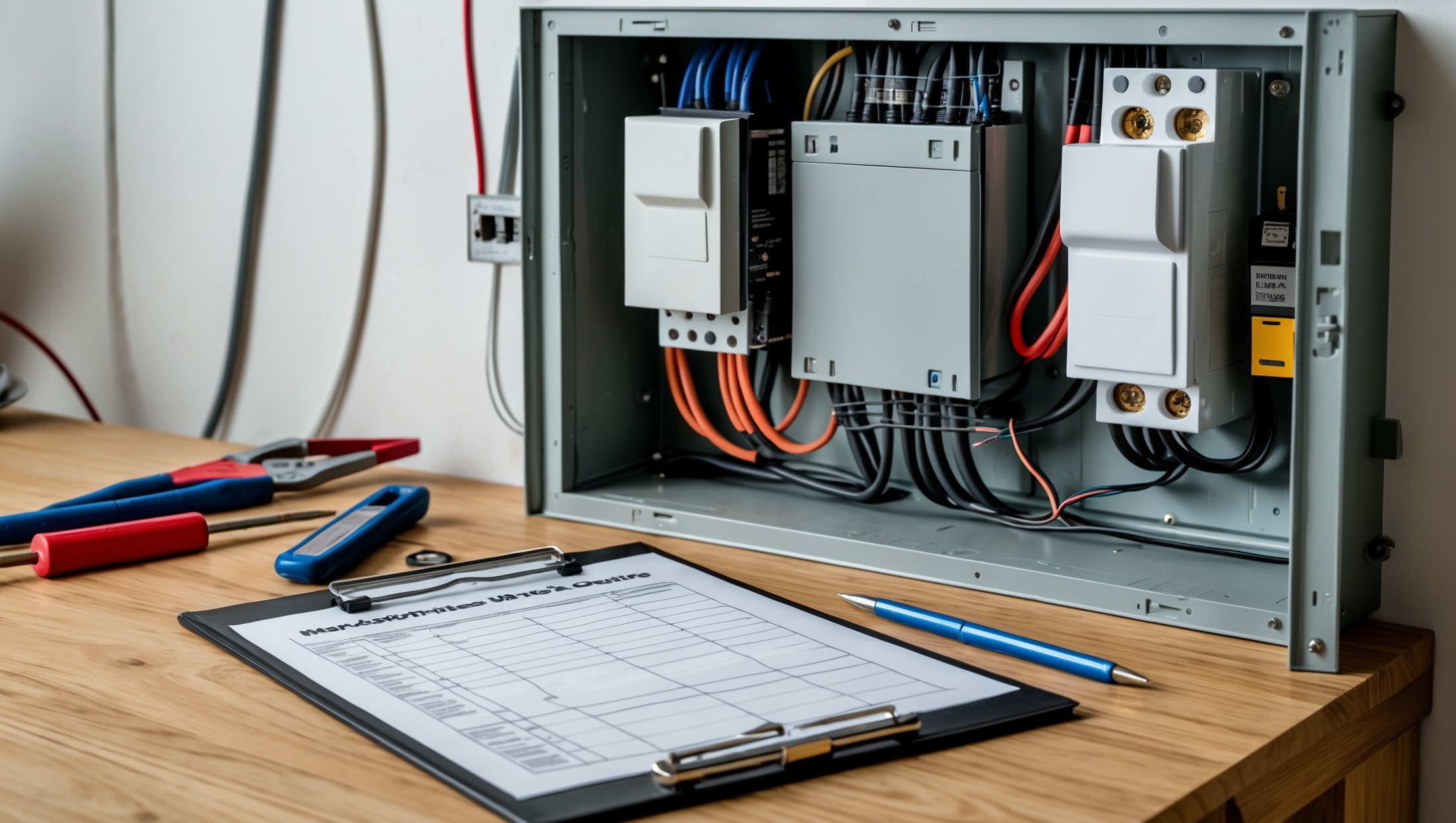
Introduction: Why Every Home Needs an Electrical Maintenance Log
Keeping your home’s electrical system safe, efficient, and compliant isn’t just about occasional fixes or upgrades—it’s about proactive oversight. One of the most overlooked tools for achieving this is a dedicated electrical maintenance log. Whether you’re a seasoned DIYer or a homeowner who prefers to call in the pros, tracking your system’s history and upkeep is invaluable for safety, efficiency, and even property value.
Imagine being able to pinpoint the last time your breaker panel was inspected, trace the date and reason for every outlet replacement, or provide an electrician with a detailed record of all modifications before they start work. A well-maintained logbook does all this and more. It helps prevent costly mistakes, streamlines troubleshooting, ensures compliance with local codes, and can even lower insurance premiums. In this guide, you’ll learn step-by-step how to create a comprehensive home electrical maintenance log, what to include, how to keep it up-to-date, and expert tips for maximizing its value. With a little organization and commitment, you’ll turn your electrical system into a model of safety and efficiency.
What Is a Home Electrical Maintenance Log?
An electrical maintenance log is a structured record-keeping system that tracks all inspections, repairs, upgrades, and routine maintenance tasks related to your home’s electrical infrastructure. It can be a physical notebook, a digital spreadsheet, or a combination of both. The key is consistency and detail.
- Documentation: Record service dates, types of work performed, parts replaced, and contractors involved.
- Reference: Provide an at-a-glance history for future troubleshooting or professional visits.
- Compliance: Demonstrate adherence to code requirements and insurance needs.
- Planning: Forecast upcoming maintenance based on past intervals.
Benefits of Maintaining a Detailed Electrical Log
- Enhanced Safety: Stay ahead of potential hazards by tracking recurring issues and overdue maintenance.
- Increased Efficiency: Reduce downtime and energy waste by proactively scheduling inspections and upgrades.
- Streamlined Troubleshooting: Help electricians quickly pinpoint issues with a clear history.
- Insurance & Compliance: Satisfy insurer or code requirements with documented maintenance and upgrades.
- Property Value: Provide buyers with proof of responsible system care.
Step 1: Decide on a Log Format
Paper vs. Digital: Which Is Right for You?
There’s no one-size-fits-all solution. Consider your preference, tech comfort, and household needs.
- Paper Logbook: A dedicated notebook or printable forms. Easy for quick notes, no tech required, but vulnerable to loss or damage.
- Digital Spreadsheet: Excel, Google Sheets, or similar. Searchable, easily backed up, and shareable with professionals.
- Hybrid Approach: Keep a paper log for quick entries and photograph it periodically for digital backup.
Template Essentials
Whichever method you choose, start with a clear template. Include columns or sections for:
- Date of entry
- Description of work or inspection
- Location (room, circuit, panel, etc.)
- Parts or equipment involved
- Service provider (if applicable)
- Results or findings
- Next steps or recommendations
- Follow-up date
Step 2: Catalog Your Electrical System
Before logging individual events, document your home’s baseline. This master record helps orient future entries and is invaluable during emergencies or upgrades.
What to Include in the Baseline Inventory
- Main Service Panel: Location, amp rating, manufacturer, installation date.
- Subpanels: Same details as above.
- Major Circuits: List room or appliance served, breaker size/type, and any dedicated circuits (e.g., HVAC, EV charger).
- Outlet and Switch Types: Note GFCI, AFCI, tamper-resistant, smart switches, or dimmers.
- Lighting Circuits: Identify areas with high wattage or specialty fixtures.
- Major Fixed Appliances: Document hardwired appliances like water heaters, ovens, and HVAC equipment.
- Safety Devices: Locations and test dates for smoke/CO detectors, surge protectors, and ground rods.
Creating an Electrical Map
Attach or reference a simple home diagram showing panel locations and major circuits. Even a hand-drawn sketch helps future work or emergency responders.
Step 3: Logging Common Electrical Tasks
Once your system is cataloged, begin recording all maintenance, repairs, and inspections. Use the following categories as a checklist for routine log entries:
- Annual Inspections: Panel checks, GFCI/AFCI testing, visual inspection of visible wiring and connections.
- Upgrades: Panel/service upgrades, new circuits, smart device installations.
- Repairs: Outlet/switch replacements, breaker swaps, wire repairs.
- Incident Reports: Power outages, tripped breakers, electrical smells, visible arcing or sparks.
- Professional Visits: Inspections, code compliance checks, or emergency calls.
- DIY Projects: Document scope, products used, and testing outcomes.
Sample Log Entry Format
Date: 2024-04-15
Description: Replaced outdoor GFCI outlet
Location: Back porch
Parts: Leviton 15A GFCI
Service Provider: Self
Results: Outlet tested OK, breaker did not trip
Next Steps: Retest during next monthly inspection
Follow-up: 2024-05-15
Step 4: Organizing and Storing Your Log
Best Practices for Paper Logs
- Use a weather-resistant, bound notebook with pre-formatted pages.
- Store near your main electrical panel, but away from direct moisture or heat.
- Number each page and include a table of contents for quick reference.
- Attach key receipts, permits, and circuit maps in a folder or envelope inside the log.
Best Practices for Digital Logs
- Keep files in secure, cloud-based storage (Google Drive, Dropbox, OneDrive).
- Use consistent file naming (e.g., “ElectricalLog_2024.xlsx”).
- Scan and upload supporting documents (permits, receipts, inspection reports).
- Consider a backup on a USB drive stored in a fire-safe box.
- Set reminders for scheduled follow-ups or inspections.
Step 5: Using Your Log for Proactive Maintenance
A logbook isn’t just for record-keeping—it’s a living tool. Here’s how to use it to stay ahead of issues:
- Track Trends: Notice if a specific circuit trips repeatedly or if outlets in one room degrade faster than others.
- Schedule Routine Checks: Use the log to plan annual panel inspections, outlet tests, and smoke/CO detector maintenance.
- Flag Recurring Issues: Recurring problems may indicate underlying faults needing professional intervention.
- Plan Upgrades: Use notes about overloaded circuits or outdated equipment to prioritize future improvements.
Step 6: Sharing and Updating Your Log
When to Share
- With Electricians: Provide your log before service visits to help pros diagnose issues faster and more accurately.
- During Home Sales: Include a copy in your home’s disclosure documents to reassure buyers.
- For Insurance Claims: Document damage, repairs, and maintenance to streamline claims and prove compliance.
How to Keep Your Log Current
- Update after every inspection, repair, or upgrade—no matter how small.
- Set digital reminders for periodic reviews (quarterly or annually).
- Review the baseline inventory once a year, updating as the system changes.
- Remove outdated or irrelevant entries, archiving them for reference if needed.
Pro Tips for a Highly Effective Electrical Log
- Photos Add Value: Attach before-and-after photos of work or problem areas for visual reference.
- Include Permit Numbers: Record permit numbers and inspection results for all major work.
- Note Product Models: Log model numbers and warranty info for parts and appliances.
- Safety Reminders: Include a checklist of annual safety tasks at the front or back of the log.
- Emergency Contacts: Add numbers for your electrician, local code office, and utility provider.
Common Pitfalls and How to Avoid Them
- Inconsistent Updates: Set a calendar reminder to update the log after every event.
- Missing Documentation: Keep all receipts, permits, and inspection tags with your log.
- Overcomplicating Entries: Use simple, clear language—don’t get bogged down in technical jargon unless you’re comfortable with it.
- Neglecting Digital Backups: Always have a digital copy in case of fire, flood, or loss.
Beyond the Basics: Advanced Log Features
Integrating with Home Automation
If you have smart panels or connected breakers, look for ways to export logs or alerts into your maintenance record. Many smart systems can send automated maintenance reminders or alert you to system faults—integrate these into your log for a complete picture.
Using QR Codes
Attach QR codes to your electrical panel or logbook that link to your digital maintenance log, so anyone servicing your home can access the latest records instantly.
Setting Up Maintenance Schedules
Use calendar or reminder apps to schedule regular entries—annual inspections, smoke detector battery changes, and panel cleaning. Sync these with your log to ensure nothing falls through the cracks.
Conclusion: Lasting Benefits of a Home Electrical Maintenance Log
Creating and maintaining a home electrical maintenance log is a powerful, proactive step that transforms how you care for one of your home’s most critical systems. It’s not just about keeping tidy records—it’s about taking ownership of your home’s safety, efficiency, and long-term value. With a well-organized log, you’ll spot issues before they become emergencies, plan smarter upgrades, and provide valuable documentation for professionals, insurers, and future buyers.
Unlike memory—which can fade or muddle details—the written record is precise, reliable, and accessible. It streamlines communication with professionals, ensures compliance with evolving codes, and provides peace of mind that comes from knowing your home’s electrical system is under watchful care. Start with a simple template, tailor it to your home, and commit to regular updates. In a matter of months, you’ll wonder how you ever managed without it.
Remember: Every entry, no matter how small, is a step toward a safer, smarter, and more secure home environment. Take charge today—your future self, and everyone who lives under your roof, will thank you.
For someone who isn’t very tech-savvy, do you recommend using a physical notebook or trying to set up a digital spreadsheet for the electrical maintenance log? I’m worried I might lose track of things if I choose the wrong method.
If you’re not very comfortable with technology, a physical notebook is a great option for your electrical maintenance log. It’s simple to use and easy to keep in a handy spot at home. Just make sure to label it clearly and store it where you’ll remember. If you ever feel ready to go digital later, you can always transfer your notes into a spreadsheet.