

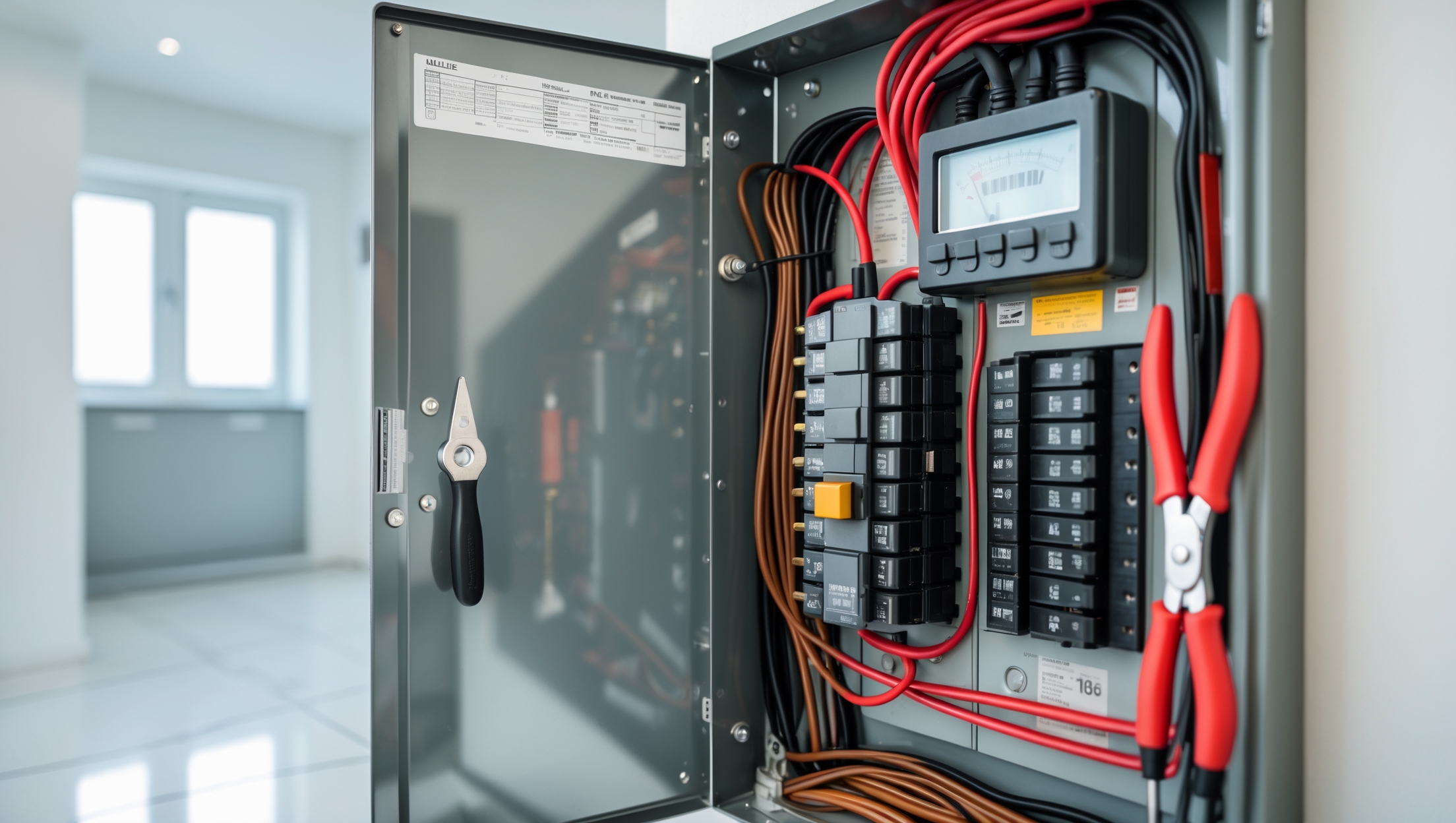
Introduction: Why Recurring Breaker Trips Deserve Immediate Attention
If your home’s circuit breakers are frequently tripping, you’re not alone—but you are right to be concerned. Breakers are vital safety devices designed to protect your wiring and electrical devices from overloads, short circuits, and faults. When a breaker trips once, it may be a fluke; when it trips repeatedly, there’s an underlying issue that demands attention. Ignoring it can lead to inconvenient power outages, loss of appliance function, or, in the worst cases, fire and shock hazards. Understanding the root causes of these electrical interruptions is more than a matter of convenience—it’s about ensuring your home’s safety and maintaining the reliability of your electrical system.
This guide is tailored for homeowners, DIY enthusiasts, and anyone interested in maintaining a safe and functional electrical system. You’ll learn how to methodically diagnose the cause of recurring breaker trips, implement practical solutions, and know when it’s time to call in a licensed electrician. We’ll cover the most common culprits, from overloaded circuits and faulty appliances to wiring issues and ground faults, along with step-by-step troubleshooting and repair strategies. By the end, you’ll have a clear, actionable plan to restore peace of mind—and power—to your home.
Understanding Circuit Breakers and Their Role in Home Safety
How Circuit Breakers Work
A circuit breaker monitors the flow of electricity through your home’s wiring. If the current exceeds safe levels—due to too many devices operating at once, a short circuit, or a ground fault—the breaker “trips,” cutting off power to prevent overheating and potential fire.
- Standard Breakers: Protect against overloads and short circuits.
- GFCI Breakers: Detect ground faults, commonly used in kitchens, bathrooms, and outdoor outlets.
- AFCI Breakers: Detect arc faults, often required in bedrooms and living spaces.
Why Frequent Tripping is a Red Flag
Repeated tripping is not normal. It’s a sign that your system is regularly encountering unsafe conditions. Each trip is a warning—ignore it, and you risk damaging appliances, wiring, or worse, causing a house fire.
Common Causes of Recurring Breaker Trips
1. Circuit Overload
The most frequent cause. Too many electrical devices drawing power from the same circuit can push it past its designed limit.
- Symptoms: Breaker trips when multiple appliances or devices are in use. Outlets feel warm, or lights dim when large devices turn on.
- Examples: Running a microwave and toaster oven on the same kitchen circuit. Plugging in multiple space heaters.
2. Short Circuits
Occurs when a hot wire comes into contact with a neutral or ground wire, causing a sudden surge of current.
- Symptoms: Breaker trips immediately when you turn on a device or appliance. You may smell burning or see scorch marks near outlets.
3. Ground Faults
Happen when electricity escapes its intended path and travels to ground, often through moisture or faulty wiring.
- Symptoms: Breaker (especially GFCI) trips when using outlets near water sources, such as bathrooms or outdoors.
4. Faulty Appliances or Devices
Malfunctioning appliances can draw more current than they should, or have internal short circuits.
- Symptoms: Breaker trips only when a particular device is plugged in or turned on.
5. Wiring Problems
Damaged, aging, or poorly installed wiring can cause intermittent shorts or overloads.
- Symptoms: Breaker trips seemingly at random, especially after recent renovations or in older homes.
6. Breaker Age or Failure
Over time, breakers can wear out or become overly sensitive, tripping even under normal conditions.
- Symptoms: Breaker trips with minimal load, feels hot to the touch, or won’t reset.
Step-by-Step Diagnosis: Find the Root Cause
Step 1: Identify the Tripping Circuit
Start by noting which breaker is tripping. Check your panel’s labels. If unlabeled, trace which outlets, lights, and appliances lose power after a trip.
Step 2: Assess What’s Plugged In
- Unplug all devices on the affected circuit.
- Reset the breaker. If it stays on, plug in and power on devices one by one.
- Watch for which device causes the trip.
This isolates overloaded circuits or faulty appliances.
Step 3: Check for Obvious Signs of Damage
- Inspect outlets, switches, and cords for burn marks, melting, or a burnt smell.
- Look for loose plugs or damaged wires.
Any sign of burning or melting is a fire hazard. Do not use these outlets—call a professional.
Step 4: Evaluate Circuit Load
- List all devices on the circuit. Check their wattage (usually found on device labels).
- Add up total wattage. Standard 15-amp circuits support up to 1,800 watts; 20-amp circuits, 2,400 watts.
If your total exceeds these values, redistribute devices to other circuits.
Step 5: Test for Short Circuits or Ground Faults
- With all devices unplugged, reset the breaker. If it trips instantly, you likely have a wiring issue.
- For GFCI breakers, test with the reset and test buttons. If the breaker won’t reset, there may be a persistent ground fault.
These issues require a qualified electrician to safely diagnose and repair.
Step 6: Inspect the Breaker Itself
- Does the breaker reset easily, or is it difficult to move?
- Is the breaker hot to the touch?
- Is it an older brand/model known for reliability issues?
If so, the breaker may need replacement.
Practical Solutions: Fixing the Underlying Issue
Reducing Circuit Load
- Distribute high-wattage appliances (like space heaters, microwaves, or air conditioners) across different outlets on separate circuits.
- Use surge protectors with built-in overload protection for electronics.
- Consider adding dedicated circuits for heavy appliances (e.g., window AC, fridge, workshop tools).
Replacing Faulty Appliances
- Remove any appliance that trips the breaker repeatedly, even when used alone.
- Have the appliance inspected or replaced. Sometimes a worn-out heating element or internal short is to blame.
Addressing Wiring Issues
- For visible wiring damage, burned outlets, or persistent trips with all devices unplugged, shut off power and call a licensed electrician.
- Don’t attempt DIY repairs inside your electrical panel unless you are trained and qualified—serious shock and fire hazards exist.
Replacing or Upgrading Breakers
- If the breaker itself is faulty, have it replaced with a new, properly rated unit.
- In older homes, consider upgrading to modern AFCI or GFCI breakers for added protection.
Eliminating Ground Faults
- Check for water leaks near outlets, especially in bathrooms, kitchens, and basements.
- Upgrade to weatherproof, outdoor-rated outlets and covers where necessary.
When to Call a Professional
While many causes of breaker tripping can be diagnosed by homeowners, certain scenarios require expert intervention:
- Breaker trips instantly with nothing plugged in.
- Visible signs of burning, melting, or arcing at outlets or electrical panel.
- Repeated breaker failures after attempted DIY fixes.
- Older panels with outdated breakers (e.g., Federal Pacific, Zinsco) known for safety issues.
Qualified electricians have specialized tools (like megohmmeters, clamp meters, and circuit analyzers) to safely pinpoint and repair hidden wiring faults or replace hazardous components.
Preventing Future Breaker Trips: Maintenance and Upgrades
Routine Maintenance Tips
- Test GFCI and AFCI outlets monthly using their built-in test buttons.
- Keep appliances and devices in good working order—replace frayed cords and worn plugs immediately.
- Periodically inspect your electrical panel for loose wires, corrosion, or signs of overheating.
Home Electrical Upgrades to Consider
- Upgrade old panels to modern units with AFCI and GFCI protection.
- Install additional circuits in rooms with high power demands (kitchen, laundry, workshop).
- Replace two-prong, ungrounded outlets with three-prong, grounded models.
- Label your electrical panel clearly—this makes troubleshooting much faster in the future.
Educate Household Members
- Explain the dangers of overloading outlets with power strips and extension cords.
- Set guidelines for appliance use, especially in shared spaces.
Conclusion: Restore Safety and Reliability to Your Home’s Electrical System
Recurring breaker trips are more than an inconvenience—they’re urgent signals from your home’s electrical system. Left unaddressed, these issues can escalate into costly repairs, damaged electronics, or even catastrophic fires. By taking a systematic approach to diagnosis, you can often identify whether the culprit is an overloaded circuit, a faulty appliance, or a deeper wiring problem. For simple overloads, redistributing your devices or adding new circuits may be all that’s needed. For more complex or persistent issues, especially those involving wiring or panel components, professional help is your best safeguard.
Regular maintenance and sensible upgrades not only prevent future breaker trips but also improve the safety and efficiency of your entire home. Pay attention to the warning signs, keep your electrical system in top condition, and educate your household—these proactive steps will give you peace of mind and uninterrupted comfort for years to come. Remember, when it comes to electricity, there’s no such thing as being too cautious. If in doubt, always consult a licensed electrician. Your home—and everyone in it—deserves nothing less than the highest standard of electrical safety.
Could you elaborate on how to distinguish between problems that can be safely addressed as a DIY homeowner versus issues where bringing in a professional is essential? For small businesses like mine, knowing when expert help is necessary can impact both safety and costs.
As a homeowner or small business owner, you can safely handle tasks like resetting a tripped breaker, unplugging appliances to identify a faulty device, and replacing easily accessible fuses. However, if breakers trip repeatedly, there are signs of burning, buzzing noises, or you need to access wiring or breaker panels, it’s essential to call a licensed electrician. Attempting complex repairs without proper training can risk fire and injury, so prioritize safety whenever you’re unsure.
You mentioned GFCI and AFCI breakers being used in different areas of the home. If my bedroom outlets trip frequently, should I be looking for different troubleshooting steps compared to a tripping GFCI in the bathroom?
Yes, troubleshooting steps can differ. Bedrooms typically have AFCI breakers, which trip due to arc faults from wiring issues or faulty devices, so check for damaged cords or overloaded power strips. Bathrooms use GFCI breakers, which trip when they detect ground faults, often from moisture or faulty appliances. For a bedroom, focus on plugging devices in one at a time to identify a problem, while in a bathroom, ensure outlets stay dry and test with different appliances.
You mentioned overloaded circuits and faulty appliances as common reasons for breaker trips. Could you explain how to tell if it’s the breaker itself that’s faulty rather than something plugged in or the wiring?
To figure out if the breaker itself is faulty, first unplug everything on the affected circuit. Reset the breaker. If it still trips immediately with nothing plugged in, that suggests the breaker might be the issue rather than an appliance or wiring problem. Also, if the breaker feels hot, is difficult to reset, or won’t stay in the ON position, those are signs it could be faulty and may need replacing.
The article talks about GFCI and AFCI breakers for added protection in certain areas. If my home was built in the 1980s and only has standard breakers, is it worth upgrading to these newer types even if I haven’t had many trips, or should I just focus on fixing my current issue?
Even if your home hasn’t had many breaker trips, upgrading to GFCI and AFCI breakers can increase safety by protecting against electrical shock and fire hazards, especially in kitchens, bathrooms, and bedrooms. However, it’s also important to address any current electrical issue first to ensure there’s no underlying problem. After resolving the immediate concern, consider upgrading for added peace of mind and compliance with modern safety standards.
Can you explain a bit more about the difference between GFCI and AFCI breakers? How can I tell which type I actually need to install in a particular part of my house if I’m trying to upgrade for safety?
GFCI (Ground Fault Circuit Interrupter) breakers protect you from electrical shock by shutting off power if they detect a ground fault, which is useful in areas with water like kitchens, bathrooms, and outdoors. AFCI (Arc Fault Circuit Interrupter) breakers protect against fires by detecting dangerous electrical arcs, common in bedrooms and living areas. Check your local electrical codes or consult a licensed electrician to decide which is required for each area, since newer codes often specify AFCI or GFCI depending on room use.
I noticed you talked about different types of breakers like GFCI and AFCI. If I’m getting recurring trips on a standard breaker in my shop area, should I consider upgrading to one of these newer types, or is that only recommended for certain parts of the house?
Recurring trips on a standard breaker usually point to an issue like an overload, short circuit, or faulty wiring rather than the need to upgrade the breaker itself. GFCI and AFCI breakers are typically recommended for specific areas—GFCI for wet locations and AFCI for bedrooms or living spaces. It’s best to first identify and fix the cause of the trips before considering an upgrade.
The article talks about GFCI and AFCI breakers, but are there situations where upgrading to these newer breakers can prevent future nuisance trips, or should you only consider them if the code requires it in specific rooms like bedrooms or kitchens?
Upgrading to GFCI or AFCI breakers can help protect against electrical hazards, but it doesn’t always prevent nuisance trips. These breakers are designed to trip when they detect specific problems, not just overloads. If you’re experiencing nuisance trips, upgrading may help if the current breakers are faulty or outdated. However, for most homes, it’s best to follow local code requirements and only install GFCI or AFCI breakers in the recommended areas unless an electrician suggests otherwise.
If I have a breaker that trips mainly when I use my microwave and toaster at the same time, is this always just an overload issue, or could there be wiring problems too? How do I know if I should check the wiring or try moving appliances to different outlets first?
When a breaker trips mainly when you use the microwave and toaster together, it’s usually due to an overload—those appliances draw a lot of power. Try plugging one of them into a different circuit and see if the breaker still trips. If it does, or if you notice flickering lights, burning smells, or warm outlets, it could indicate a wiring issue and you should have an electrician check it out.
If my breaker keeps tripping in just one room, does that mean it’s probably a wiring issue in that area, or could a single faulty appliance cause that too? The article mentions both, so I’m trying to figure out where to start.
Both a wiring issue in that room or a single faulty appliance could cause the breaker to trip repeatedly. To start narrowing it down, try unplugging all appliances in the affected room and then reset the breaker. If it stays on, plug each appliance back in one at a time. If the breaker trips when a specific appliance is plugged in, that’s likely the culprit. If it still trips with everything unplugged, the wiring or outlets might be the issue.
After following the step-by-step troubleshooting, how do you know when it’s time to give up on DIY fixes and call in a licensed electrician? Are there specific warning signs during the process that mean it’s unsafe to continue?
If breakers keep tripping even after you’ve checked for overloaded circuits, faulty appliances, and loose connections, it’s best to call a licensed electrician. Warning signs to stop DIY include visible sparking, burning smells, scorch marks, or breakers that won’t reset. Also, if you discover damaged wiring or feel unsure at any step, don’t continue troubleshooting yourself, as these situations can be hazardous.
If I rule out overloaded outlets and faulty appliances, but my breaker still trips every few days, does that definitely mean there’s a wiring issue behind the walls? At that point, is it possible for a DIYer to investigate further, or is it always best to call an electrician?
If you’ve already ruled out overloaded outlets and faulty appliances, persistent breaker trips could indeed point to a wiring problem—like loose connections, damaged insulation, or moisture. Investigating wiring behind walls can be risky without proper training or tools, and mistakes could be dangerous. It’s usually safest and most effective to call a licensed electrician for further diagnosis and repair in this situation.
When it comes to addressing wiring issues that might cause frequent breaker trips, what can homeowners realistically check themselves before professional help becomes necessary? I’m trying to get a sense of what falls within safe DIY territory versus what should be left to a licensed electrician.
Homeowners can safely check for overloaded circuits by unplugging appliances and seeing if the breaker still trips. You can also look for obvious signs like burnt outlets, loose plugs, or frayed cords. Testing with one device at a time helps pinpoint a faulty appliance. However, if you suspect an internal wiring problem, notice burning smells, or see scorch marks, it’s best to call a licensed electrician. Avoid opening electrical panels or attempting rewiring yourself, as this poses serious risks.
If a breaker keeps tripping even after unplugging all visible appliances, could wiring issues inside the walls be the likely cause, and is there a safe way to identify that without opening up drywall myself?
If your breaker keeps tripping after unplugging all appliances, hidden wiring issues like damaged insulation or loose connections could be the cause. You shouldn’t open drywall yourself, but you can check for burnt smells, discoloration on outlets, or buzzing sounds as warning signs. For safety, it’s best to contact a licensed electrician who can inspect circuits using specialized tools without invasive work.
In the article, you mention both GFCI and AFCI breakers. If my breaker panel doesn’t have these, should I consider upgrading, or are standard breakers usually sufficient for most homes?
Standard breakers provide basic protection against overloads and short circuits, but GFCI and AFCI breakers offer extra safety. GFCIs protect against electrical shock in areas with moisture, like kitchens and bathrooms, while AFCIs help prevent electrical fires from arc faults. Upgrading is especially worth considering in older homes or if you’re renovating, but for many standard applications, basic breakers are still commonly used. Local codes may also require these upgrades in certain areas.
If I troubleshoot and find out that overloading is causing my breaker to trip, is it usually safe to just move a few appliances to different outlets, or are there situations where that’s not enough and an electrician is still needed?
Moving appliances to different outlets on separate circuits can often solve breaker tripping caused by overloading. However, if outlets are on the same circuit or you’re unsure which outlets share a breaker, this may not help. If the problem continues after redistributing appliances, or if there are signs of wiring issues like buzzing or hot outlets, it’s important to consult an electrician for safety.
After reading about the risk of wiring issues and overloads, is there an easy way for a beginner to distinguish between an overloaded circuit and a short circuit before deciding to call an electrician? Any simple troubleshooting steps would be helpful.
A simple way to tell the difference: If your breaker trips when you plug in or turn on multiple devices, it’s likely an overload. Try unplugging some items and reset the breaker to see if it holds. A short circuit, on the other hand, usually causes an immediate trip even with just one device plugged in and may be accompanied by a burning smell or scorch marks. If you suspect a short, or if the breaker won’t reset at all, it’s safest to call an electrician.
The article mentions GFCI breakers being used in kitchens and bathrooms, but how can I tell if my outlet or breaker is actually a GFCI type if it’s not labeled clearly?
If your outlet has two small buttons labeled ‘Test’ and ‘Reset,’ it’s a GFCI outlet. If you don’t see these buttons, check your breaker panel for breakers with a ‘Test’ button; these are GFCI breakers. Outlets and breakers without these features are likely standard, not GFCI. If you’re still unsure, a licensed electrician can verify the type for you.
You mention GFCI and AFCI breakers in the article—if I have older standard breakers, is it worth upgrading for better safety, or should I just focus on fixing the immediate tripping issue?
Upgrading to GFCI and AFCI breakers does add an extra layer of protection against shocks and electrical fires, especially in areas like kitchens, bathrooms, and bedrooms. However, if you’re currently experiencing breaker trips, it’s important to first find and fix the root cause—this could point to a wiring or appliance issue that needs attention regardless of breaker type. After resolving the immediate problem, consider upgrading for long-term safety.
If I follow the diagnostic steps and still can’t pinpoint why a breaker keeps tripping, is there any risk to continuing to reset it while waiting for a licensed electrician to take a look? Or does frequent resetting pose additional hazards?
Frequent resetting of a tripping breaker is not safe and can actually increase the risk of electrical fires or damage to your wiring and appliances. If you’ve tried the steps and can’t identify the cause, it’s best to leave the breaker off until a licensed electrician can inspect it. This helps prevent potential hazards while you wait for professional help.
Could you explain how to tell if a tripping breaker is due to an overloaded circuit versus a faulty appliance? I’m not sure how to identify which issue is more likely in my situation, especially when multiple appliances are plugged into the same outlets.
To figure out if the trip is from an overloaded circuit or a faulty appliance, unplug all appliances on that circuit first. Reset the breaker, then plug each appliance back in one at a time, turning them on as you go. If the breaker trips when a particular item is plugged in, that appliance is likely faulty. If it only trips when several are running together, it’s probably an overloaded circuit.
You mentioned that GFCI and AFCI breakers serve different purposes in home safety. Is it possible for a single breaker to perform both functions, or would I need to install separate breakers if I want protection against both ground faults and arc faults in the same circuit?
You can actually get breakers called dual-function or combination breakers that provide both GFCI (ground fault) and AFCI (arc fault) protection in one device. If your electrical panel supports them, you won’t need two separate breakers for the same circuit. Check with a licensed electrician to make sure your panel is compatible before upgrading.
If a breaker keeps tripping but I don’t have the budget to replace any wiring right now, are there any temporary solutions to manage the problem safely until I can afford a full repair?
You can reduce the risk of trips by unplugging non-essential devices on the affected circuit and spreading out your appliance usage across different outlets. Avoid using high-wattage devices together. Reset the breaker only after addressing overloads, and never use oversized breakers as a workaround. If the issue persists, especially with burning smells or hot outlets, stop using the circuit and consult an electrician as soon as possible for safety.
The article talks about standard, GFCI, and AFCI breakers. How can I figure out which type is currently installed in my panel, and should I consider upgrading any of them to improve safety in an older home?
To identify your breakers, open your panel and look closely at the labels or markings on each breaker. Standard breakers usually just say ’15’ or ’20’ amps. GFCI breakers have a ‘Test’ and ‘Reset’ button, while AFCI breakers typically have a ‘Test’ button and may say ‘AFCI’ on the handle. For older homes, upgrading to GFCI breakers in kitchens, bathrooms, and outdoor circuits, and AFCI breakers in bedrooms and living spaces, is a good safety improvement. Always consult a licensed electrician before making changes.
Are there any differences in diagnosing trips caused by standard breakers versus GFCI or AFCI breakers, especially in places like the kitchen or bedrooms?
Yes, diagnosing trips from standard breakers is a bit different than with GFCI or AFCI breakers. Standard breakers mainly trip from overloads or short circuits, while GFCI breakers react to ground faults (like moisture or leakage to ground, common in kitchens and bathrooms), and AFCIs trip due to arc faults (often from damaged wires, common in bedrooms). When diagnosing, consider the area and the type of breaker to help pinpoint the cause.
About troubleshooting overloaded circuits, do you have any tips for balancing appliances or electronics more effectively? I’m trying to avoid running heavy extension cords but still need to use everything in my home office.
To balance appliances and electronics more effectively, try plugging high-wattage devices (like heaters or printers) into outlets on different circuits, if possible. Avoid daisy-chaining power strips, and check your breaker panel to see which outlets are grouped together. If your office shares a circuit with other rooms, consider rearranging some devices elsewhere. For a long-term fix, ask an electrician about adding a dedicated circuit for your home office.
When diagnosing recurring breaker trips, is there a way to tell whether the issue is with the breaker itself or if it’s more likely a wiring problem? The article mentions both but I’m not sure how to distinguish between them as a homeowner.
To distinguish between a faulty breaker and a wiring issue, try plugging appliances into different outlets on the same circuit. If the breaker trips with nothing plugged in, or after swapping in a new breaker it still trips, wiring is more likely the issue. If a new breaker resolves it, the breaker was probably at fault. For safety, consult a licensed electrician before handling electrical panels.
If I keep having a breaker trip in one room even after moving some appliances to other outlets, does that suggest a wiring issue inside the walls? At what point should I stop troubleshooting myself and call an electrician?
If your breaker keeps tripping in the same room even after reducing the load, it’s possible there’s a wiring issue, like a loose connection or damaged wire, inside the walls. If basic steps like unplugging devices don’t solve the problem, or if you notice burning smells, buzzing, or scorch marks, it’s safest to stop troubleshooting and call a licensed electrician right away.
I see you mentioned both GFCI and AFCI breakers in the article. How can I tell which type I have in my panel, and would switching out a standard breaker for one of these specialty ones help with recurring trips in certain rooms?
To identify GFCI or AFCI breakers in your panel, look for labels or markings on the breaker itself—GFCIs usually have a test and reset button labeled ‘GFCI,’ while AFCIs often display ‘AFCI’ or ‘Arc Fault.’ Replacing a standard breaker with these specialty ones can improve protection, but it won’t solve recurring trips if there’s an underlying wiring or appliance issue. It’s best to diagnose the cause first before upgrading breakers.
When you talk about overloaded circuits, what’s the safest way for a beginner to figure out which devices are drawing too much power without special tools? Is it as simple as unplugging things one by one, or do I need to measure something more technical?
You don’t need special tools to check for an overloaded circuit. The simplest and safest way is to unplug devices from the affected circuit one at a time, then reset the breaker after each step. If the breaker stops tripping, the last device you unplugged is likely drawing too much power. Make sure high-wattage devices like heaters or microwaves aren’t all plugged into the same circuit.
You mention standard, GFCI, and AFCI breakers—if I have recurring trips in my retail shop, how can I tell which type is most likely causing the issue, and does it change how I should approach troubleshooting?
To identify which breaker type is tripping, check the labeling on your electrical panel; standard breakers usually have a simple switch, GFCI breakers have a “Test” and “Reset” button, and AFCI breakers are often labeled as such. Troubleshooting does differ: GFCIs trip due to ground faults, often from moisture or damaged wiring, while AFCIs detect arc faults from loose connections. Standard breakers respond to overloads or short circuits. Understanding which type trips will guide you—GFCI issues often relate to outlets near water, AFCIs to wiring problems, and standard breakers to overloaded circuits.
I see you talked about overloaded circuits being a common reason for trips. How do you know if your circuit is overloaded versus having a wiring issue, especially in older homes?
To tell if your circuit is overloaded, try unplugging some devices or moving them to other outlets on different circuits. If the breaker stops tripping, overload is likely the cause. If trips continue even with minimal devices plugged in, or if you notice flickering lights, burning smells, or hot outlets, you might have a wiring issue—especially in older homes. In that case, it’s safest to have a licensed electrician inspect the wiring.
If I’ve already unplugged all my appliances and my breaker keeps tripping, does that usually indicate a wiring issue behind the walls? At what point should I stop troubleshooting and call a licensed electrician as you suggest in the article?
If your breaker keeps tripping even after unplugging all appliances, it’s possible there’s a wiring issue or a faulty breaker. At this point, it’s safest to stop troubleshooting yourself, especially if you notice burning smells, scorch marks, or if the breaker won’t reset. Contact a licensed electrician to inspect the circuit and address any hidden problems to avoid safety risks.
You mentioned that overloaded circuits and faulty appliances are some of the main causes behind breakers tripping repeatedly. Is there an easy way to figure out which specific appliance or device might be causing the problem before calling an electrician?
You can try unplugging all appliances on the affected circuit, then plug them back in one at a time while resetting the breaker after each. If the breaker trips after plugging in a particular device, that item may be the culprit. This process can help pinpoint the problem appliance before you decide if you need a professional’s help.
When working through the guide’s step-by-step troubleshooting for recurring trips, is there any specific equipment or tool you recommend for DIYers that’s relatively affordable and beginner friendly?
A basic non-contact voltage tester is a great, budget-friendly tool for beginners checking for live wires during troubleshooting. A simple plug-in outlet tester can also help you quickly spot wiring issues in outlets. Both are affordable, easy to use, and increase safety as you work through the steps in the guide.
When you mention calling a licensed electrician if needed, are there specific warning signs or situations during troubleshooting that signal it’s unsafe to keep going on my own? Just trying to figure out at what point DIY becomes too risky.
Absolutely, there are definite warning signs you should watch for. If you notice a burning smell, see scorch marks, find melted wires or outlets, or if the breaker trips immediately after resetting every time, it’s best to stop and call a licensed electrician. Also, if you feel uncertain or uncomfortable about working with electrical panels, it’s safer to get professional help.
You mention GFCI and AFCI breakers for different parts of the house—if I’m having frequent trips in my bedroom, should I ask an electrician to check for arc faults first, or would overloads be more likely?
If your bedroom breaker is tripping often, it’s more common for overloads to be the cause—like too many devices plugged in or a faulty appliance. However, if your home has AFCI breakers, arc faults are also possible. Let your electrician know about the frequency and what you’re running when it trips, so they can check for both overloads and arc faults.
How can I safely figure out if a tripping breaker is being caused by a faulty appliance versus something more serious with the wiring? I want to avoid calling in an electrician right away if I can rule out the simpler issues myself.
To check if an appliance is causing the breaker to trip, unplug all devices from outlets on the affected circuit. Reset the breaker, then plug in each appliance one at a time, waiting to see if the breaker trips again. If it trips when a specific appliance is plugged in, that’s likely the culprit. If the breaker still trips with everything unplugged, the problem may be with the wiring, and it’s best to consult an electrician.
If my breaker keeps tripping but it only happens when using my microwave and toaster together in the kitchen, does that definitely mean the circuit is overloaded? Or could there be another underlying issue I should look for before calling an electrician?
If your breaker trips only when both the microwave and toaster are used together, it’s likely that the circuit is overloaded, since these appliances draw significant power. However, if the breaker trips with just one appliance, or you notice burning smells, buzzing, or warm outlets, there could be a wiring or breaker issue. Monitor for these signs, but if in doubt, consulting an electrician is a good idea for safety.
For homeowners on a tight budget, are there specific diagnostic steps or affordable tools you recommend trying before involving a licensed electrician to fix repeated breaker trips?
Homeowners can start by unplugging all devices from the affected circuit and resetting the breaker to see if it still trips, which helps identify if an appliance is the cause. Test each device one by one by plugging them back in. An affordable outlet tester or a basic multimeter can help spot wiring issues or overloaded outlets. If you notice burning smells, frequent trips with no appliances plugged in, or visible wire damage, it’s safest to call an electrician.
When it comes to budgeting for potential repairs, which of the common culprits you listed—overloaded circuits, faulty appliances, or wiring issues—tend to be the most expensive to fix for homeowners?
Wiring issues are usually the most expensive to fix because they can require opening up walls, replacing old wiring, and making sure everything meets safety codes. Overloaded circuits and faulty appliances are generally less costly, since fixing them often means adding a new circuit, moving devices, or replacing a single appliance. Exact costs can vary, but wiring repairs tend to have the highest price tag.
The article mentions that overloaded circuits and faulty appliances are common reasons for breaker trips, but how can I tell whether the problem is with the wiring itself versus just too many devices plugged in? Are there specific symptoms or tools recommended for checking this before calling an electrician?
To differentiate between overloaded circuits and wiring issues, first unplug some devices from the affected circuit and see if the breaker still trips. If the breaker stops tripping, it’s likely an overload. Persistent tripping even with minimal devices could point to wiring or breaker problems. You can use a circuit tester or outlet tester to check for wiring faults like loose connections or grounding issues. If unsure or if you notice burning smells or warm outlets, it’s best to consult an electrician.
You mention GFCI and AFCI breakers being used in different areas of the home. Is it possible for a regular breaker to be replaced with one of these, and if so, how do I know which type is appropriate for my situation?
Yes, you can usually replace a standard breaker with a GFCI or AFCI breaker, but you need to match the breaker type to your wiring and local electrical code requirements. GFCI breakers are typically used for bathrooms, kitchens, garages, and outdoor areas to protect against shock, while AFCI breakers are required in most living and sleeping areas to guard against electrical fires. For the safest outcome, check your local code or consult a licensed electrician before making changes.
If I’ve already unplugged most of my appliances and the breaker keeps tripping, what is the next step in troubleshooting before calling in an electrician? Is there a safe way to check for wiring issues myself?
If your breaker still trips after unplugging appliances, turn off all lights and devices on that circuit. Reset the breaker. If it trips immediately, there may be a wiring issue such as a short or ground fault. While you can visually inspect outlets and switches for signs of damage or burning, avoid opening panels or handling wires unless you have electrical experience. If you spot any damage or can’t identify the problem, it’s safest to contact a licensed electrician.
The article mentions that GFCI breakers are commonly used in kitchens, bathrooms, and outdoor outlets to detect ground faults. If a breaker in one of these areas keeps tripping even after nothing new has been plugged in, should the homeowner suspect a wiring issue or focus first on testing appliances?
If a GFCI breaker keeps tripping without any new appliances being plugged in, it’s smart to first unplug everything from the affected circuit and reset the breaker. If it still trips, that could point to a possible wiring issue, such as moisture or a damaged wire. Start by testing appliances one by one, but if the problem continues with nothing plugged in, it’s time to inspect the wiring or contact an electrician.
What troubleshooting steps can I safely take if I suspect a faulty appliance is causing my breaker to trip repeatedly, but I’m on a tight budget and want to avoid calling an electrician unless absolutely necessary?
You can start by unplugging all appliances on the affected circuit. Reset the breaker and plug each appliance back in one at a time, waiting a few minutes between each. If the breaker trips after plugging in a specific item, that appliance is likely the culprit. Avoid using faulty appliances and consider replacing or repairing them. If the issue persists with all appliances unplugged, the wiring may be at fault, and professional help is safest.
When I start troubleshooting a recurring breaker trip like the guide suggests, what are some signs that it’s time to stop and call a professional electrician instead of continuing to diagnose things myself? I’m worried about missing something critical.
If you notice any burning smells, scorch marks, buzzing sounds from outlets or the breaker box, or if a breaker won’t reset or trips immediately after resetting, it’s best to stop and call a licensed electrician. Also, if you suspect damaged wiring or feel overwhelmed by complex circuits, getting professional help ensures your safety and prevents possible hazards.
You outline when to call a licensed electrician, but is there a point during the step-by-step troubleshooting where attempting a DIY fix becomes unsafe or out of code for a homeowner? I want to be sure I do not overstep any legal or safety boundaries.
It’s smart to be cautious. Once you narrow the issue down to faulty wiring, repeated breaker trips after resetting, or issues inside your breaker panel, that’s the point to stop DIY troubleshooting. Opening the panel, rewiring circuits, or replacing breakers typically requires a licensed electrician for both safety and code compliance. Testing outlets and unplugging appliances are fine, but anything more advanced should be left to professionals.
When troubleshooting frequent trips, how can you tell if you’re dealing with an overloaded circuit versus a ground fault, especially if you don’t have any obvious heavy appliances plugged in? Are there any simple tests or tools you’d recommend before calling in a pro?
To distinguish between an overloaded circuit and a ground fault, try unplugging all devices on the affected circuit and then resetting the breaker. If it still trips with nothing plugged in, a ground fault may be likely. You can use an inexpensive outlet tester to check for wiring issues or a plug-in circuit analyzer for more info. If the breaker holds when everything is unplugged but trips after plugging in multiple devices, overloading is the likely cause. If you’re unsure, it’s best to call a professional for safety.
After troubleshooting with your guide, if I still can’t find the cause of why a breaker keeps tripping, what kind of information or records should I have ready for the electrician to help them diagnose the problem efficiently?
It’s helpful to have a list of which outlets, lights, or appliances are affected when the breaker trips and what was in use at the time. Note any unusual sounds, smells, or visible issues, and how often the tripping happens. Also, provide details about any recent electrical work or changes in the home. This information will help the electrician quickly narrow down possible causes.
The article mentions AFCI and GFCI breakers in different areas of the home. Is there a clear way for a homeowner to identify which type is installed in each breaker slot, and does the troubleshooting process differ for each?
You can usually identify AFCI and GFCI breakers by looking at the labels on the breakers themselves—AFCI breakers are often labeled ‘AFCI’ or ‘Arc Fault’, and GFCI breakers as ‘GFCI’ or ‘Ground Fault’. Some may be color-coded. The troubleshooting process does differ: GFCIs respond to ground faults (like moisture), while AFCIs detect arc faults (such as wiring issues). Check the breaker’s label and consult your panel’s diagram if available to confirm which type is in each slot.
Can you explain the difference between what a standard breaker and a GFCI breaker are protecting against in terms of real-life risks? I’m trying to figure out if I need to upgrade any breakers in older parts of my house.
A standard breaker protects against overloads and short circuits, which means it stops the flow of electricity if a circuit is drawing too much current or if wires touch in a way that could cause a fire. A GFCI breaker, on the other hand, is designed to protect people from electric shocks by shutting off power if it detects current leaking to ground, which often happens when water is involved. For older parts of your home, especially bathrooms, kitchens, or outdoor areas, upgrading to GFCI breakers adds important protection against shocks.
Once I’ve ruled out overloaded circuits and unplugged all appliances, what’s the next troubleshooting step if my breaker still trips? At what point should a DIYer stop and call a licensed electrician, especially if I’m not sure about checking wiring myself?
If your breaker keeps tripping after unplugging all appliances and ruling out an overload, the next step is to check for signs of damaged outlets, switches, or visible wiring issues like burn marks or a burning smell. If you’re not comfortable inspecting wiring or if you find anything suspicious, it’s best to stop and call a licensed electrician. Safety is crucial—if you’re unsure about any electrical checks or repairs, professional help is the safest choice.
You mention overloaded circuits as a common problem—does that mean I would need to upgrade my home’s wiring or add more circuits, or are there budget-friendly fixes I can try first before taking on bigger electrical work?
You don’t necessarily need to upgrade your wiring or add new circuits right away. First, try redistributing appliances and devices so high-power items aren’t all on the same circuit. Unplug unused devices and consider using power strips with built-in overload protection. If simple changes like these reduce or stop the tripping, larger upgrades may not be needed. If the issue continues, it might be time to consult an electrician.
When you say we should ‘know when it’s time to call in a licensed electrician,’ what are some clear signs that DIY troubleshooting is no longer safe or effective and professional help is absolutely necessary?
If you notice burning smells, scorch marks, buzzing sounds from your breaker panel, or breakers that trip immediately after resetting, it’s time to call a licensed electrician. Also, if you’ve checked for overloaded circuits and faulty appliances but the issue continues, or if you’re unsure about handling electrical panels safely, professional help is necessary. These situations can indicate deeper wiring or electrical system problems that require expert attention.
The article mentions GFCI and AFCI breakers being needed in specific rooms. If I only have standard breakers in my electrical panel, do I risk missing some of these safety protections, or can I just replace regular breakers with GFCI or AFCI types myself?
Standard breakers mainly protect against overloads and short circuits, but they don’t guard against ground faults or arc faults like GFCI and AFCI breakers do. Upgrading to GFCI or AFCI breakers adds important safety features. However, installing them isn’t always a simple swap—panel compatibility and local codes matter, so it’s wise to consult a licensed electrician before replacing breakers yourself.
I have a breaker in my kitchen that trips every time I use more than one appliance, like the microwave and toaster together. The article says this could be an overloaded circuit, but how do I figure out which outlets are on that same circuit without special tools?
You can find out which outlets are on the same circuit by first turning off the breaker in question at your main panel. Then, walk around your kitchen and nearby rooms to see which outlets or lights have lost power. Make a list of all the spots that are no longer working—these are all on the same circuit. This can help you avoid overloading it in the future.
The article lists GFCI and AFCI breakers along with standard ones. Could you clarify how troubleshooting steps differ for each type, especially when determining whether the problem is an appliance, wiring, or the breaker itself?
Troubleshooting differs because GFCI breakers protect against ground faults, AFCI breakers detect arc faults, and standard breakers guard against overloads and short circuits. For a GFCI trip, unplug appliances and reset; if it keeps tripping, check for moisture or wiring issues. With AFCI trips, look for damaged cords or loose connections that might cause arcing. Standard breakers mainly require checking for overloaded circuits or obvious shorts. If the breaker trips even with no load, the breaker itself might be faulty.
You mentioned AFCI and GFCI breakers for different parts of the house. If I’m experiencing tripping only in my kitchen and bathroom, should I assume a ground fault is more likely, or could it still be an overload or wiring issue?
If your kitchen and bathroom breakers are tripping, a ground fault is definitely a common cause since GFCI protection is standard in those areas. However, it’s also possible that an overload or wiring issue is to blame, especially if several appliances are used at once or there’s a wiring fault. It’s best to unplug devices and reset the breaker to see if the problem persists. If it does, consulting a licensed electrician is recommended.
When troubleshooting frequent breaker trips, is there a reliable way for a homeowner to tell if the issue is actually with the house wiring versus a single faulty appliance, especially before calling in a licensed electrician?
One practical way to narrow down the source is to unplug all appliances on the affected circuit and reset the breaker. If the breaker stays on, plug in each appliance one at a time. If it trips when a specific device is plugged in, that appliance is likely the problem. If the breaker still trips with everything unplugged, it’s more likely an issue with the house wiring and you should contact a licensed electrician.
I noticed the article mentions both GFCI and AFCI breakers—if I’m only seeing trips with my standard breakers and not the GFCIs, does that narrow down what the cause might be? Should I consider upgrading or replacing any of my breakers as a precaution?
If only your standard breakers are tripping and not the GFCIs, it’s likely the issue is due to an overload or short circuit rather than a ground fault or arc fault, which GFCI and AFCI breakers are designed to detect. Upgrading to AFCI or GFCI breakers is generally a good safety measure, especially in older homes, but if your current breakers are working properly and up to code, replacement isn’t always necessary unless they’re malfunctioning or the wiring has been updated.
The guide talks about GFCI and AFCI breakers in different parts of the house. If I’m planning a remodel and need to update my electrical panel, how do I know whether to install standard, GFCI, or AFCI breakers for each room, and is there a big cost difference between them?
When remodeling, the type of breaker you need depends on the room and local building codes. GFCI breakers are typically required in kitchens, bathrooms, garages, and outdoor areas for protection against ground faults. AFCI breakers are usually needed in bedrooms, living areas, and sometimes throughout the house to guard against arc faults. Standard breakers are used where neither is required. GFCI and AFCI breakers do cost more than standard ones, with combination AFCI/GFCI options being the most expensive. Always check current local code requirements before buying.
You talk about GFCI and AFCI breakers for specific rooms and issues. If my breaker keeps tripping only in my bedroom, is it more likely to be an arc fault, or could it still be a ground fault or overload?
If your bedroom breaker keeps tripping, it could be due to an arc fault, especially if an AFCI breaker is installed, since bedrooms often require them by code. However, it’s still possible for a tripping breaker to be caused by a ground fault (if a GFCI is present) or an overload from too many devices. Check what type of breaker protects your bedroom, and consider what’s plugged in and any recent changes to help narrow it down.
I understand frequent breaker trips are a red flag, but how urgent is it to address this if it’s only happening every couple of weeks? Is there a risk in waiting a bit, or should action be immediate?
Even if your breaker is only tripping every couple of weeks, it’s important to address the issue soon. Recurring trips can be a sign of overloaded circuits, faulty wiring, or failing appliances—all of which carry safety risks like fire or shock. It’s best not to wait, as problems can worsen unexpectedly. Scheduling an inspection with a qualified electrician is the safest approach.
The article talks about various types of breakers like standard, GFCI, and AFCI. Is there a big difference in cost or maintenance between these types if I need to replace one? I’m curious if upgrading offers extra safety or if it’s just more expensive.
There is a noticeable difference in both cost and safety features. Standard breakers are generally the least expensive, while GFCI and AFCI breakers cost more because they offer extra protection—GFCI for ground faults (mainly in wet areas) and AFCI for detecting electrical arcs (helpful in preventing fires). Maintenance needs are similar, but GFCI and AFCI breakers add significant safety, especially in newer or renovated homes.
If I keep having the same breaker trip in my kitchen every time I run the toaster and microwave together, should I focus on redistributing those appliances to different outlets or is it more likely there’s a wiring issue behind the wall?
If your breaker trips only when using the toaster and microwave together, it’s more likely that both appliances are overloading the circuit, especially if they’re high-wattage and share the same breaker. Try plugging one appliance into a different circuit in another room. If the problem continues even with only one running or at random times, then a wiring issue could be the cause and you should consult a licensed electrician.
If my breaker has been tripping on and off for a few weeks, how urgent is it to get it checked out? Are there any temporary steps I can safely take to reduce the risk of something dangerous happening before I can get a professional to look at it?
If your breaker keeps tripping, it’s important to address it as soon as you can because it could signal a wiring issue or potential fire hazard. In the meantime, unplug any unnecessary devices from the affected circuit and avoid using high-wattage appliances there. Don’t try to reset the breaker repeatedly or open the panel yourself. If you notice any burning smells, buzzing, or heat, stop using the circuit entirely until a professional can inspect it.
You mentioned GFCI and AFCI breakers in the article. Is there a way to tell which type I have on each circuit without taking the panel apart, and could having the wrong type be a reason for frequent trips?
You can usually identify GFCI and AFCI breakers by looking at the labels or markings on the breaker switch itself in your panel. GFCIs are often labeled ‘GFCI’ or have a test button, while AFCIs might be marked ‘AFCI’ or ‘Arc Fault’ with their own test button. Using the wrong type typically doesn’t cause trips on its own, but each type protects against different hazards, so using the correct one for each location helps prevent nuisance tripping and ensures safety.
I noticed you referenced GFCI and AFCI breakers for different areas of the home. If my breaker keeps tripping in a bedroom, should I specifically check for AFCI-related issues, and are there any particular tests a homeowner can safely perform before calling an electrician?
If your bedroom breaker keeps tripping, it’s often due to an AFCI (Arc Fault Circuit Interrupter) as these are commonly required in bedrooms. You can unplug all devices, then reset the breaker—if it holds, plug items back in one at a time to identify a faulty appliance. Also, check outlets for burnt smells or visible damage. If the breaker trips with nothing plugged in, it could be a wiring issue and is best handled by an electrician.
The guide mentions both GFCI and AFCI breakers as important for certain areas of the house. If I’m experiencing frequent trips in my kitchen, should I consider upgrading my standard breakers to GFCI models, or is that only necessary if outlets are already protected?
If your kitchen outlets aren’t already protected by GFCI breakers or GFCI outlet receptacles, upgrading to GFCI is a good idea for safety, as kitchens are prone to moisture. However, if GFCI outlets are already installed and working properly, upgrading the main breaker may not be necessary. Frequent trips may also point to an appliance issue or wiring fault, so it’s wise to check those as well.
The guide touches on when to call a licensed electrician but are there certain troubleshooting steps that are truly safe for a homeowner to attempt before bringing in a professional? I want to avoid making things worse but also keep repair costs down if possible.
Absolutely, there are a few basic steps you can safely try before calling a professional. First, unplug all devices on the affected circuit and reset the breaker. If it stays on, plug in devices one at a time to see if a specific appliance causes the trip. Check for obvious signs of damage like frayed cords or scorch marks. If the breaker trips immediately with nothing plugged in, or you notice burning smells, it’s best to call an electrician.
I noticed you mentioned both GFCI and AFCI breakers for different parts of the house. How can I tell if my older home actually has these types installed, and is it worth upgrading if recurring trips are only on regular breakers?
To check if your home has GFCI or AFCI breakers, look at your electrical panel. GFCI breakers typically have a ‘Test’ and ‘Reset’ button, and AFCI breakers are labeled as such. If you only see standard breakers, your home likely doesn’t have these. Upgrading to GFCI or AFCI can improve safety, but if trips are only happening on regular breakers, the underlying issue should be diagnosed first before upgrading.
You mention both GFCI and AFCI breakers as important for specific rooms. If I’m experiencing recurring trips, how can I tell whether the problem is related to the type of breaker, and should older homes consider upgrading to these newer breaker types?
If your breaker keeps tripping, first check the label or imprint on the breaker handle to see if it’s a GFCI or AFCI model. GFCI breakers usually protect kitchens, bathrooms, and outdoor circuits, while AFCI breakers are found in bedrooms and living areas. If the trips seem to be caused by specific appliances or wiring issues, it could be related to the type of breaker. Older homes often lack these safety devices, so upgrading can improve protection against electrical shocks and fires. Consulting an electrician is the safest way to assess your current setup and discuss possible upgrades.
Could you clarify the difference between GFCI and AFCI breakers you mentioned in the article? How do I know which one is required in certain rooms, and does using the wrong type cause more frequent trips?
GFCI (Ground Fault Circuit Interrupter) breakers protect against electrical shock by shutting off power if they detect a ground fault, often required in kitchens, bathrooms, garages, and outdoor areas. AFCI (Arc Fault Circuit Interrupter) breakers protect against fires caused by arcing faults and are usually required in bedrooms and living areas. Using the wrong type doesn’t typically cause more trips, but it might not provide the right protection for the room’s risks. Local codes specify where each type is needed, so checking those or consulting an electrician is important.
As a small business owner with limited downtime, what are the most efficient first steps I should take before calling in a licensed electrician if our office circuit breaker keeps tripping?
If your office circuit breaker keeps tripping, start by unplugging all devices on the affected circuit to see if overloading is the cause. Reset the breaker and plug in devices one at a time, checking for the trip. Also, inspect for damaged cords or obvious signs of electrical faults. If the breaker still trips with minimal load, it’s best to contact a licensed electrician, as this could indicate a serious wiring issue.
The guide covers when to call a licensed electrician, but if the tripping only happens during certain times of day or when multiple devices are on, is there a way to pinpoint whether it’s an overload versus a short circuit without special tools or training?
You can get some clues without special tools. If the breaker trips mainly when several devices are running at once—like a toaster, microwave, and coffee maker—it’s probably an overload. Try running fewer devices and see if the tripping stops. A short circuit is more likely if the breaker trips immediately after turning something on, even with only one device, or you notice burning smells or sparks. In those cases, stop using the circuit and call an electrician.
You mention both overloaded circuits and faulty appliances as possible causes for breaker trips. How can I tell the difference between these two issues when doing my own troubleshooting at home?
To tell the difference, start by unplugging all appliances on the affected circuit and see if the breaker still trips when reset. If it stays on, plug in each appliance one at a time. If the breaker trips after plugging in a specific appliance, that item is likely faulty. If the breaker trips even with nothing plugged in, or only when several devices are running together, the circuit may be overloaded.
You mentioned GFCI and AFCI breakers—how can I figure out which type I have in my electrical panel at home? Does it make a difference in the kind of troubleshooting steps I should try first when the breaker keeps tripping?
To identify your breaker type, look for labels or test buttons: GFCI breakers usually have a ‘Test’ and ‘Reset’ button and are marked ‘GFCI’; AFCI breakers often say ‘AFCI’ and have a test button as well. It does matter for troubleshooting—GFCI trips often relate to moisture or ground faults, while AFCI trips are usually due to arc faults from damaged wiring or loose connections. Start by checking for sources relevant to your breaker type.
The article mentions GFCI and AFCI breakers being required in different parts of the home. If I keep having trips in my bedroom and living room, how can I tell if it’s an AFCI issue versus just a standard overload, and do the troubleshooting steps differ?
To tell if it’s an AFCI issue, check your breaker panel: AFCI breakers are often labeled as such and may have a ‘TEST’ button. If the breaker trips with no high-load devices running or after plugging in devices that spark, it could be an AFCI trip from detecting arc faults. Standard overload trips typically occur when too many devices are used at once. Troubleshooting for AFCI involves unplugging devices and checking for wiring issues, while overload issues are resolved by redistributing electrical loads.
If a breaker in my apartment keeps tripping even after I unplug all the appliances in that room, does that suggest it’s a wiring problem or could it still be a faulty breaker? Would the troubleshooting steps differ in that scenario?
If your breaker keeps tripping even after unplugging all appliances, it could indicate an issue with the wiring, such as a short circuit or ground fault. However, a faulty breaker is still possible. In this scenario, troubleshooting should include checking the breaker itself and inspecting the wiring for damage. It’s best to consult a licensed electrician, as working with wiring can be hazardous.
The article mentions GFCI and AFCI breakers for added protection, but I’m not sure when I’m required to install them by code in a commercial space like mine. Could you clarify if they’re just for homes or also necessary in small businesses?
GFCI and AFCI breakers aren’t just for homes—certain commercial spaces do require them too. GFCIs are typically needed in areas with water, like bathrooms, kitchens, and break rooms, regardless of whether it’s residential or commercial. AFCIs are less commonly required in commercial settings, but local codes can vary. For the most accurate answer, it’s best to check your local electrical code or consult a licensed electrician.
If I keep having breaker trips in just my kitchen, does that usually point to an appliance problem, or could it be a wiring issue behind the walls? The article mentioned both possibilities, but I’m not sure where to focus my troubleshooting first.
If your breaker trips only in the kitchen, start by unplugging all appliances and see if the breaker still trips. If it stops tripping, one of the appliances is likely the cause. Plug them back in one at a time to find the culprit. If the breaker keeps tripping even with everything unplugged, there may be a wiring issue, and it’s best to call a qualified electrician for further inspection.
What are some signs that I definitely need to call a licensed electrician instead of trying to fix the breaker trips myself? The article talks about knowing when to bring in a pro, but I’m not sure where that line is.
If you notice burning smells, see scorch marks on outlets or your breaker box, hear buzzing noises from your panel, or the breaker trips immediately after resetting, it’s best to call a licensed electrician. Also, if breakers trip even when you’re not using many devices, or if you’ve tried basic fixes without success, professional help is important for safety.
If I’m just renting and my breaker trips regularly, are there any safe troubleshooting steps I can try on my own, or should I immediately contact my landlord or a professional? I want to avoid messing with the electrical system but still address the problem quickly.
If your breaker trips often while renting, you can start by unplugging devices from the affected circuit to see if one might be causing the issue. Try resetting the breaker once everything is unplugged. If it trips again or you can’t identify the source, it’s best to contact your landlord right away. Avoid opening electrical panels or attempting repairs yourself for safety reasons.
Is there a safe way for a beginner to figure out if their breaker is tripping from an overloaded circuit versus a wiring problem before calling an electrician? I want to diagnose as much as possible myself first.
You can try unplugging all devices from the affected circuit, then reset the breaker. If the breaker stays on, plug in and turn on each device one by one. If it trips only when a certain device is plugged in, it’s likely an overload or faulty appliance. If the breaker trips with everything unplugged, wiring issues may be the cause. In that case, it’s best to call an electrician for safety.
I see you mentioned GFCI and AFCI breakers for different areas of the house. Is there an easy way to tell if my existing breaker panel already has those types installed, or would I need an electrician to check that for me?
You can often identify GFCI or AFCI breakers yourself by looking at your breaker panel. GFCI breakers usually have a test and reset button on the breaker itself, often labeled as such. AFCI breakers also have a test button and may be labeled ‘AFCI.’ If your breakers just have switches with no extra buttons, they are likely standard breakers. If you’re unsure or want to be certain, an electrician can confirm for you.
How often do wiring issues cause repeated breaker trips compared to overloaded circuits or faulty appliances? I’m trying to figure out if I should focus my troubleshooting on devices I’m plugging in or if I should be more concerned about the wiring itself.
Repeated breaker trips are most commonly caused by overloaded circuits or faulty appliances. Wiring issues do cause breaker trips, but they are less frequent than problems with devices or too many items plugged into one circuit. It’s usually best to start by unplugging recent additions or suspected appliances. If that doesn’t solve the issue, then consider having the wiring inspected by a professional.
You mentioned both GFCI and AFCI breakers in the context of home safety—if I’m trying to troubleshoot recurring trips in just one bedroom outlet, how do I know if it’s an arc fault versus a ground fault causing the issue? Are there simple tests a homeowner can do without specialized tools?
To tell if it’s an arc fault or a ground fault, check your breaker panel labeling: GFCI breakers protect against ground faults, while AFCI breakers guard against arc faults. If the tripping outlet is protected by a GFCI, pressing the ‘test’ and ‘reset’ buttons can help confirm if it’s working. For AFCI, unplug all devices and reset the breaker—if it still trips with nothing plugged in, it might be a wiring issue. For either type, if the breaker continues to trip after these checks, it’s best to call a qualified electrician.
You mentioned GFCI and AFCI breakers in different parts of the house. If my bedroom breaker keeps tripping, should I be looking for an arc fault or just a regular overload, and is it worth upgrading to AFCI breakers if I don’t have them already?
If your bedroom breaker keeps tripping, you should check what type of breaker you have. If it’s an AFCI breaker, it could be detecting arc faults from damaged wires or loose connections. If it’s a standard breaker, overloads or short circuits are more likely. Upgrading to AFCI breakers is recommended for bedrooms by modern electrical codes, as they offer extra protection against electrical fires caused by arcs.
If my breaker keeps tripping but I’ve already unplugged most of the devices on that circuit, could it be a wiring issue or something to do with the type of breaker itself? How do I tell the difference between an overloaded circuit and a faulty breaker?
If your breaker still trips after you’ve unplugged most devices, it could point to a wiring issue or a faulty breaker rather than an overloaded circuit. An overloaded circuit typically trips when too many devices are in use. If the breaker trips even with little or nothing plugged in, try resetting the breaker. If it still trips, a faulty breaker or wiring problem is likely. In this case, it’s safest to consult a qualified electrician for an inspection.
When dealing with overloaded circuits as a cause for breaker trips, how can someone accurately determine which appliances or device combinations are pushing things over the limit? Are there specific tools or calculators you suggest for tracking usage in individual circuits?
To pinpoint which appliances or combinations are overloading a circuit, you can use a plug-in energy monitor to measure each device’s wattage as you use them. Compare the total wattage to the circuit’s rated capacity (usually 15 or 20 amps). Some online circuit load calculators can help you tally up your usage. If you want to get even more accurate, an electrician can install a circuit-level energy monitor to track real-time usage for each circuit in your panel.
I noticed you discussed GFCI and AFCI breakers in the article. How can I figure out which type I actually have in my older home, and do methods for troubleshooting trips differ depending on the breaker type?
To identify your breaker type, look at the label or test button—GFCI breakers usually say ‘GFCI’ and have a test/reset button, while AFCI breakers are labeled ‘AFCI’ and also have a test button. Troubleshooting does differ: GFCI trips often relate to moisture or ground faults, especially around kitchens or bathrooms, while AFCI trips are linked to arc faults, such as damaged wires. Knowing the type helps target the likely cause.
I see you refer to overloaded circuits as one of the possible reasons for breaker trips. Is there a simple way for a DIYer like me to figure out which appliances or devices are overloading a specific breaker, or do I need special equipment?
You don’t need special equipment to identify overloaded circuits. Start by unplugging everything on the affected circuit, then plug in and turn on each device one at a time. If the breaker trips after plugging in a particular device, it’s likely contributing to the overload. Also, check if too many high-wattage appliances (like heaters or microwaves) are running at the same time on that circuit.
Once you’ve done the basic troubleshooting steps and still can’t find the cause of the recurring trips, how do you know whether it’s a wiring issue or a problem inside the breaker itself? Are there any warning signs that help tell the difference?
If basic troubleshooting hasn’t revealed the cause, some clues can help. Wiring issues often come with signs like discolored outlets, burning smells, or buzzing sounds. If those aren’t present and the breaker feels hot, trips even when nothing is plugged in, or resets only briefly, the breaker itself may be faulty. At this stage, it’s safest to have an electrician inspect the panel and wiring to pinpoint the issue.
I noticed you mentioned GFCI and AFCI breakers for certain rooms. If a breaker in my bedroom keeps tripping, is there a way to tell whether it’s because of an arc fault versus just a regular overload or a faulty appliance?
If your bedroom breaker keeps tripping and you’re unsure whether it’s from an arc fault, overload, or a faulty appliance, check the type of breaker installed. AFCI breakers are designed to detect arc faults and usually have a test button labeled ‘AFCI.’ When tripped, they may flash a specific pattern of lights; consult your breaker panel’s manual for details. For overloads or appliance issues, try unplugging all devices and resetting the breaker—if it holds, plug in devices one at a time to identify the culprit.
I’m curious about troubleshooting steps—if a breaker keeps tripping but doesn’t seem to be overloaded, is there a safe way for a homeowner to narrow down whether the problem is a wiring issue or a faulty appliance before calling an electrician?
You can safely start by unplugging all appliances and devices from outlets on the affected circuit. Reset the breaker; if it stays on, plug in and test each item one by one. If the breaker trips when a specific device is plugged in, that appliance is likely the cause. If it trips even with everything unplugged, the issue may be with wiring or the breaker itself—at that point, it’s best to consult a licensed electrician.
The article mentions GFCI and AFCI breakers as important safety measures in certain areas of the home. If I keep experiencing trips on a standard breaker in my kitchen, would upgrading to a GFCI or AFCI offer any advantages in terms of protection and troubleshooting?
Upgrading to a GFCI breaker in your kitchen can improve safety by protecting against ground faults, which are common in areas with water. An AFCI breaker protects against arc faults that could lead to electrical fires. While these breakers enhance protection, frequent tripping could indicate a real wiring or appliance issue, so it’s wise to address the underlying cause as well as consider upgrading.
The article mentions GFCI and AFCI breakers for different parts of the house. How can I tell if my current breakers are the right type for each room, and is it difficult to upgrade them myself if they’re not?
To check your breakers, look for labels on the breaker handles—GFCI breakers usually say ‘GFCI’, and AFCI say ‘AFCI’. GFCIs are typically used in bathrooms, kitchens, and outdoor areas, while AFCIs are for bedrooms and living spaces. Upgrading breakers involves working inside your electrical panel, which can be dangerous if you’re not experienced. For safety, it’s best to have a licensed electrician handle upgrades or changes.
You mentioned knowing when it’s time to call a licensed electrician. What would be the main warning signs from your troubleshooting steps that mean it’s definitely not safe to try fixing the problem myself?
Some key warning signs you should watch for include the smell of burning or seeing scorch marks near outlets or the breaker panel, breakers that trip immediately after resetting, a buzzing or crackling sound from the panel, or if you notice sparking or melted wires. Also, if multiple circuits are affected at once, or if you ever feel unsure, it’s safest to call a licensed electrician right away.
This guide talks about both GFCI and AFCI breakers, but how can I tell which type is installed on each circuit in my panel? Are there specific markings or test buttons I should look for when diagnosing frequent trips?
You can usually identify GFCI and AFCI breakers by their labels and buttons. GFCI breakers are often marked with ‘TEST’ and ‘RESET’ buttons and may say ‘GFCI’ on the breaker itself. AFCI breakers typically have a ‘TEST’ button as well, but are labeled ‘AFCI.’ Sometimes, breakers may be dual-function, labeled as ‘GFCI/AFCI.’ Checking these markings should help you determine which type is installed on each circuit.
The article mentions AFCI and GFCI breakers for different areas of the house. Is it possible to upgrade a regular breaker to one of these myself as a DIY project, or do I need a professional to do that? Would it help with recurring trips?
Upgrading a regular breaker to an AFCI or GFCI breaker is technically possible for a knowledgeable DIYer, but it involves working inside your electrical panel, which can be dangerous if you’re not experienced. For safety and to ensure code compliance, it’s strongly recommended to hire a licensed electrician. Upgrading could help reduce nuisance trips if the new breaker is more appropriate for the circuit’s needs, but if there are underlying wiring issues, those should be addressed as well.
You mentioned different types of breakers like standard, GFCI, and AFCI. If a breaker keeps tripping in a bedroom, would upgrading to an AFCI breaker make a difference, or should I try to find the root cause first before switching breaker types?
Before upgrading to an AFCI breaker, it’s important to investigate why your current breaker is tripping. Recurring trips could indicate wiring issues, overloaded circuits, or a faulty appliance. Simply switching to an AFCI without addressing the underlying cause might not solve the problem and could even mask a serious electrical issue. Start by identifying and fixing the root cause, and consult a qualified electrician if needed.
I noticed you mentioned both GFCI and AFCI breakers. If someone is experiencing frequent trips, is there a good way to tell if the problem is more likely caused by a ground fault versus an arc fault without special tools?
It’s possible to get some clues based on what’s happening when the breaker trips. GFCI breakers usually trip when there’s moisture or a faulty appliance causing a ground fault, often in kitchens, bathrooms, or outdoors. AFCI breakers tend to trip from damaged wires, loose connections, or old outlets that create arcs, and are common in bedrooms or living spaces. If trips happen after plugging something in or during storms, it might point to an arc fault. However, without special testers, it’s not always clear-cut, so if the cause isn’t obvious, consider consulting an electrician.
I saw the article touches on GFCI and AFCI breakers in addition to standard ones. If a specific breaker keeps tripping in my bedroom, how can I tell if it’s an arc fault issue versus a regular overload, and are there different troubleshooting steps for each?
If your bedroom breaker is labeled AFCI, it’s designed to detect dangerous electrical arcs, not just overloads. Arc fault trips often happen when cords are damaged or there’s a loose connection. Overload trips usually occur when too many devices draw power at once. For overload, unplug some items and reset the breaker. For suspected arc faults, unplug everything, reset, then plug in and test each device one at a time. If it trips even with nothing plugged in, the issue may be in the wiring and a professional should check it.
The article mentions knowing when it’s time to call a licensed electrician. Are there specific warning signs during troubleshooting, such as a burning smell or heat from outlets, that should prompt immediate professional help rather than further DIY attempts?
Yes, certain warning signs mean you should stop troubleshooting and contact a licensed electrician right away. These include a burning smell, unusual heat or discoloration around outlets or switches, visible sparks, buzzing noises from electrical panels, or any signs of melting plastic or wiring. If you notice any of these issues, it’s safest to avoid further DIY attempts and seek professional help immediately to prevent fire or serious injury.
If a breaker keeps tripping when I use my microwave and toaster together in the kitchen, could this be an overloaded circuit or should I be worried about a more serious wiring issue? How can I tell the difference before calling an electrician?
When a breaker trips as soon as you use the microwave and toaster together, it’s often an overloaded circuit since both appliances draw a lot of power. To check, try running them separately—if the breaker only trips when both are used, overload is likely. If it trips with just one appliance or randomly, there could be a wiring issue or a faulty breaker, and it’s wise to consult an electrician.
I see you brought up GFCI and AFCI breakers. If a GFCI breaker keeps tripping in my bathroom, would the diagnostic steps differ from troubleshooting a standard breaker in my living room?
Yes, troubleshooting a GFCI breaker in your bathroom will involve some additional steps compared to a standard breaker. With a GFCI, you’ll want to check for ground faults, moisture, or faulty appliances plugged into the bathroom outlets. For a standard breaker in your living room, you’d focus more on circuit overloads or short circuits. Always check for moisture and test the GFCI reset button, and consider unplugging everything before resetting to help isolate the problem.
If someone suspects a faulty appliance is triggering repeated trips, what’s the recommended way to safely test each device? Is it better to unplug everything first or isolate one appliance at a time? I want to avoid unnecessary downtime in the house.
To minimize downtime while safely testing appliances, start by unplugging all devices connected to the affected circuit. Then, plug them back in one at a time, turning each on and checking if the breaker trips. This method helps pinpoint the problematic device quickly. Avoid testing several at once, since it makes isolating the culprit harder and could be unsafe.
When trying to troubleshoot recurring breaker trips, how can I tell if the problem is with my wiring versus a faulty appliance? Are there any signs I should look for before calling an electrician?
To tell if your wiring or an appliance is causing breaker trips, unplug all appliances on the circuit, then reset the breaker. If it holds, plug in and turn on each appliance one by one. If the breaker trips after plugging in a specific item, that appliance may be the culprit. If the breaker still trips with everything unplugged, the issue might be with your wiring, and it’s wise to call an electrician. Signs of wiring problems include burning smells, buzzing outlets, or visible scorch marks.
If I have a breaker that keeps tripping only when I use my microwave and toaster at the same time in the kitchen, does that mean it’s purely an overload issue, or could it also signal some wiring problems that need professional attention?
When your breaker trips specifically when using the microwave and toaster together, it’s most likely due to an overload, as both appliances draw a lot of power. However, if you notice signs like burning smells, buzzing sounds, or the breaker trips even with just one appliance, there could be a wiring issue. If you’re unsure or see these warning signs, it’s wise to consult an electrician.
Can you share more detail about how to safely check for wiring issues as a homeowner? I feel comfortable unplugging appliances to test, but I’m not sure how far I can go before I should definitely call in a licensed electrician.
After unplugging appliances, you can safely inspect visible outlets and switches for signs of damage, scorching, or loose connections, but avoid opening electrical panels or working with exposed wiring. If you notice buzzing sounds, burning smells, frequent tripping after unplugging devices, or if you feel unsure at any point, it’s best to contact a licensed electrician for a thorough inspection.
I see you mentioned both GFCI and AFCI breakers as protection against different types of faults. If I’m experiencing frequent trips in an older home with standard breakers, should I consider upgrading to these newer breaker types, and could that help prevent ongoing issues?
Upgrading to GFCI and AFCI breakers can improve safety by detecting specific faults like ground faults and arc faults that standard breakers might miss. However, if you’re experiencing frequent trips, it’s important first to diagnose the underlying issue, such as faulty wiring or overloaded circuits. Upgrading breakers won’t fix existing problems but can add an extra layer of protection once those issues are resolved.
You mentioned GFCI and AFCI breakers being required in different parts of the house. How can I tell what type of breaker I have, and does the troubleshooting process change depending on which one is tripping?
To identify your breaker type, look for labels—GFCI breakers often have a ‘Test’ and ‘Reset’ button, while AFCI breakers may be labeled ‘AFCI’ and sometimes have a test button too. The troubleshooting process does vary: GFCI trips usually relate to moisture or ground faults, while AFCI trips are often due to wiring issues or arc faults. Always check the cause based on the breaker type and location.
If I’ve already tried unplugging appliances and reducing load on the affected circuit but the breaker still keeps tripping, should I start suspecting faulty wiring, or is it more likely a problem with the breaker itself? How do I tell the difference before calling an electrician?
Since you’ve ruled out overloaded circuits and appliance issues, both faulty wiring and a bad breaker are possible causes. If the breaker feels unusually hot, is hard to reset, or seems loose, the breaker itself may be the problem. However, if there are any signs of burning, buzzing sounds, or a burning odor near outlets or the panel, suspect wiring issues. In either case, for safety, it’s best to have a licensed electrician inspect the system.
You talked about GFCI and AFCI breakers and where they’re typically installed. If I only have standard breakers at home, should I consider upgrading certain rooms to GFCI or AFCI for better safety, or is that only necessary if I’m already having breaker issues?
Upgrading to GFCI or AFCI breakers is a good safety measure, even if you aren’t currently experiencing breaker issues. GFCI breakers are recommended for areas with moisture, like kitchens, bathrooms, and garages, as they help prevent electric shock. AFCI breakers are typically used in bedrooms and living spaces to protect against electrical fires. Making these upgrades can provide extra protection and bring your home closer to modern electrical safety standards.
In terms of potential repair costs, how does the expense of fixing faulty wiring that causes breaker trips compare to simply replacing a troublesome appliance? I’m trying to figure out which solution is more budget friendly for homeowners.
Repairing faulty wiring can often be more expensive than replacing a single problematic appliance. Wiring repairs may involve labor-intensive work, wall access, and safety code updates, which drive up costs. On the other hand, replacing an appliance usually only means purchasing a new unit. However, if multiple appliances are affected, or if the wiring issue poses a safety risk, addressing the wiring becomes more necessary despite the higher upfront cost.
I get that overloaded circuits can cause trips, but how do I figure out which appliances are actually pushing it over the edge? Is there a straightforward way to test which combination of devices is safe to use on one breaker?
To identify which appliances are overloading a circuit, try unplugging everything on that breaker and then plug items back in one at a time, turning each on as you go. When the breaker trips, you’ve found the limit. For a more precise approach, check the wattage on each device, add them up, and make sure the total doesn’t exceed your breaker’s amp rating (usually 15 or 20 amps).
You mentioned overloaded circuits and ground faults as common causes—how can I tell the difference between those in my home without specialized tools? Are there easy signs to look for before I start turning everything off and on again?
To tell the difference, look for patterns. If the breaker trips when several appliances are running at once, it’s likely an overloaded circuit. If it trips even with just one appliance plugged in or immediately after plugging something in, a ground fault may be to blame. Burnt smells, discoloration near outlets, or buzzing sounds can also suggest a ground fault. Always unplug recent additions before resetting the breaker, and proceed cautiously.
The guide talks about GFCI and AFCI breakers for specific locations in the house. If I keep having trips in a bedroom with an AFCI breaker, does that suggest a different problem than if it was happening in a kitchen with a GFCI? How should I approach diagnosing each type?
AFCI breakers in bedrooms mainly protect against arc faults, which can be caused by damaged wiring, loose connections, or faulty devices. GFCI breakers in kitchens protect against ground faults, often due to moisture or faulty appliances. For AFCI trips, check for frayed cords, damaged outlets, or loose plugs in the bedroom. For GFCI trips in the kitchen, look for water exposure or defective appliances. In both cases, unplug devices one at a time to identify the culprit and consult an electrician if trips persist.
If I check for things like overloaded outlets and unplug a few devices but the breaker still trips, is it safe to try replacing the breaker myself, or is that something that always needs a professional? Just wondering how much a DIYer can realistically tackle before calling in an electrician.
It’s a good idea to check for overloaded outlets and unplug devices, but if the breaker still trips, it’s usually best to call a licensed electrician before replacing the breaker yourself. Breaker replacement involves working directly with your home’s electrical panel, which can be dangerous if you’re not trained. DIY troubleshooting like unplugging devices is fine, but for any panel work, safety and proper diagnosis are top priorities.
The guide says overloaded circuits are a common culprit, but how can I figure out the safe load limit for a particular circuit in an older home? I have no idea how much is too much and want to avoid guessing.
To determine your safe load limit, first check the amperage rating on your circuit breaker, usually marked on its switch (for example, 15 or 20 amps). Multiply that number by your home’s voltage (typically 120 volts) to get the maximum wattage for that circuit. For a 15-amp breaker, that’s 1,800 watts. It’s safest to stay under 80% of that limit, so try not to exceed about 1,440 watts on a 15-amp circuit. If you’re unsure, consider consulting an electrician.
You mentioned how GFCI breakers are especially important in kitchens and bathrooms. What’s the best way to tell if a recurring trip in those areas is actually from a ground fault, or if it could be caused by something else, like appliance overload?
To tell if a recurring trip is due to a ground fault, unplug all appliances from the affected circuit and reset the GFCI breaker. If it trips again with nothing plugged in, it’s likely a wiring issue or a true ground fault. If it stays on, plug appliances back in one by one. If it trips after plugging in a specific appliance, that appliance may be overloading the circuit or has a fault. This step-by-step approach helps pinpoint the cause.
You talked about GFCI and AFCI breakers being used in different parts of the house. If a bedroom breaker actually trips a lot, does that usually suggest an arc fault, or could it still be an overload or something else?
Frequent tripping of a bedroom breaker could be caused by several issues. If it’s an AFCI breaker, arc faults from damaged cords or wiring are a common reason, but overloads from plugging in too many devices, or even a short circuit, can also trip it. It’s important to check for overloaded outlets, faulty devices, or visible wiring damage and consult an electrician if the problem persists.
Can you explain the difference between GFCI and AFCI breakers when it comes to preventing recurring trips? I have both types installed in different rooms, and I’m curious if troubleshooting strategies differ for each.
GFCI breakers protect against ground faults, which happen when electricity escapes to the ground, often due to moisture or damaged wiring—common in kitchens and bathrooms. AFCI breakers, on the other hand, detect arc faults caused by damaged or deteriorating wires, more typical in bedrooms or living areas. When troubleshooting trips, check for moisture or faulty appliances with GFCIs, while AFCIs may trip from frayed cords or poor connections. Each type responds to different hazards, so tailor your checks accordingly.
I’m curious about how AFCI and GFCI breakers are different when it comes to preventing electrical hazards. Is there a situation where both types should be used together in the same part of the house, or is one usually enough?
AFCI breakers are designed to detect and stop arc faults, which are dangerous electrical arcs that can cause fires. GFCI breakers protect against ground faults, which can lead to electric shocks. In some areas, like bedrooms with nearby bathrooms or kitchens, both types of protection may be required by code—either via separate devices or a combination breaker offering both AFCI and GFCI functions. It depends on the local electrical code and the specific risks in each area.
When troubleshooting recurring breaker trips as suggested, are there any budget-friendly steps or tools you recommend before hiring a licensed electrician?
Yes, there are a few budget-friendly steps you can try. Unplug devices one by one to see if a specific appliance is causing the trip. Check for obvious signs like damaged cords or overloaded outlets. A simple outlet tester or a basic multimeter (usually inexpensive) can help identify faulty outlets or circuits. If these steps don’t solve the problem, it’s best to call a licensed electrician for safety.
You mentioned step-by-step troubleshooting for recurring breaker trips. Can you outline what the safest first steps would be for a homeowner who isn’t comfortable opening up an electrical panel, especially if GFCI or AFCI breakers are involved?
If you’re not comfortable opening the electrical panel, start by unplugging all devices on the affected circuit. Then, reset any tripped breakers by fully switching them off and back on—most GFCI or AFCI breakers have a test and reset button you can use without opening the panel. If the problem continues, it’s best to call a licensed electrician rather than attempting further troubleshooting yourself.
I’m curious about GFCI and AFCI breakers that you mentioned. If my older home mostly has standard breakers, would upgrading to these newer types help reduce the risk of future trips, or is it more important to address the wiring and appliance issues first?
Upgrading to GFCI and AFCI breakers can provide extra protection against electrical hazards like shocks and fires, but they may still trip if there are underlying wiring or appliance problems. It’s usually best to address any existing wiring or appliance issues first. Once those are resolved, upgrading breakers can add another valuable layer of safety.
I understand that overloading a circuit is a common cause of trips, but can frequent short circuits or arc faults be a sign of aging wiring in an older home? Should replacing wiring be considered a priority if these issues keep happening, even after troubleshooting appliances?
Yes, frequent short circuits or arc faults, especially in an older home, can indicate aging or deteriorating wiring. If you’ve already checked and ruled out appliances as the cause, recurring electrical faults are a strong sign that the wiring might be unsafe. In this case, replacing or upgrading the wiring should be considered a priority to prevent potential hazards like electrical fires.
Can you give more details on what a DIYer can safely repair versus when it becomes a code violation or safety hazard that really needs a licensed electrician?
A DIYer can safely reset tripped breakers, replace blown fuses, and check for obvious issues like overloaded outlets or faulty appliances. You can also replace faceplates and test outlets with a simple tester. However, anything involving electrical panel work (wiring, breaker replacement), rewiring circuits, or correcting code violations requires a licensed electrician, as these jobs can be dangerous and are regulated by electrical codes for safety.
If an older building only has standard breakers and not GFCI or AFCI ones, how urgent is it to upgrade them after experiencing repeated trips, and are there budget-friendly ways for a small business to prioritize electrical safety?
If your older building is experiencing repeated breaker trips, it’s a sign of underlying electrical issues that shouldn’t be ignored. While upgrading to GFCI or AFCI breakers does improve safety, start by having a qualified electrician inspect for overloaded circuits, faulty wiring, or damaged outlets. Prioritize high-risk areas like kitchens and bathrooms for GFCI upgrades first, which can be more budget-friendly than a full panel replacement. Addressing the root causes and upgrading in phases helps balance safety and cost.
If a breaker in my living room keeps tripping even after I unplug most of the electronics, does that mean there could be a wiring issue inside the walls? How can I tell if the problem is really with the breaker or my wiring before calling an electrician?
If your living room breaker keeps tripping even after you’ve unplugged most electronics, it’s possible there’s an issue with the wiring, like a loose connection or damage inside the walls. To narrow it down, you can try resetting the breaker after unplugging everything. If it still trips with no load, the breaker itself could be faulty or there’s a wiring problem. If you’re not comfortable investigating further, it’s safest to call an electrician.
If a breaker keeps tripping only when using the microwave and toaster at the same time in my kitchen, does that always mean I need to upgrade my wiring, or could it just be a matter of rearranging which outlets I use?
If the breaker trips only when the microwave and toaster are both running, it’s most likely because they’re drawing more power than the circuit can handle. You may not need to upgrade your wiring. Try plugging one of the appliances into a different outlet that’s on a separate circuit, or avoid using them at the same time. If the issue continues even when used separately, then further investigation into your wiring might be necessary.
You mentioned both GFCI and AFCI breakers in the article. If someone is dealing with recurring trips in their kitchen, how can they tell which type of breaker they have, and does that affect how they should troubleshoot the problem?
To identify the breaker type, check the label on the breaker itself—GFCI breakers usually have a ‘Test’ and ‘Reset’ button, while AFCI breakers are often labeled ‘AFCI’ and also have a test button. For kitchens, GFCI is most common due to water exposure. Troubleshooting GFCI involves checking for moisture or faulty appliances, while AFCI trips often point to wiring issues or arc faults. Knowing the type helps you focus your troubleshooting on either appliances (for GFCI) or wiring and connections (for AFCI).
The article describes different types of breakers like GFCI and AFCI. If a breaker keeps tripping in my bedroom, how do I know whether I have a standard or special breaker, and does that affect how I should troubleshoot?
Check your breaker panel for labels or markings—GFCI breakers usually have a test and reset button, while AFCI breakers are often labeled with ‘AFCI.’ Standard breakers lack these features. If your bedroom breaker is AFCI, tripping could be due to wiring issues or faulty devices, not just overloads. Knowing the type will guide your troubleshooting steps, so always identify it before proceeding.
The article mentions GFCI and AFCI breakers are needed in certain areas of the home. If older homes only have standard breakers, is it worth upgrading to GFCI or AFCI to help prevent these recurring trips, or do these just protect against specific fault types?
GFCI and AFCI breakers are designed to protect against specific hazards—GFCIs guard against shock from ground faults, while AFCIs help prevent electrical fires from arc faults. Upgrading to these breakers won’t necessarily stop nuisance trips caused by overloaded circuits or faulty appliances, but they do add important safety features. If your recurring trips are due to standard overloads, addressing the source is key. Still, upgrading to GFCI and AFCI breakers is a smart safety improvement for older homes.
You mention overloaded circuits as a common culprit. How can I tell which devices or appliances are causing the overload, and is there a safe way for me to test this at home before calling someone in?
To find out which devices might be overloading a circuit, start by unplugging everything on that circuit. Then, plug items back in one at a time, turning them on as you go. If the breaker trips after plugging in a certain device, that one could be the cause. Always use caution—avoid extension cords and never overload power strips. If the breaker keeps tripping even with minimal devices, it’s safest to consult a qualified electrician.
I’m trying to figure out what might be overloading one of my circuits but I’m on a pretty tight budget. Are there any affordable tools or step-by-step methods you recommend for pinpointing which appliance or device might be causing the breaker to trip repeatedly?
You can start by unplugging all devices on the problematic circuit, then plugging them back in one at a time and turning them on. When the breaker trips, you’ll know which device is the culprit. An affordable outlet tester can also help spot wiring issues. If you’re interested in tracking power use, a plug-in energy monitor (like a Kill-A-Watt meter) is quite budget-friendly and lets you see how much electricity each device draws.
You talked about the dangers of ignoring frequent breaker trips. How urgent is it to address minor but recurring trips if I’m not seeing any obvious signs of damage or burning? Can waiting a couple of weeks make things worse, or is it safe to monitor for a while?
Even if you don’t see visible damage or burning, recurring breaker trips should be taken seriously. These trips can signal hidden electrical problems that may worsen over time or pose a risk of fire. It’s best not to wait weeks—schedule a professional inspection soon to identify the cause. Monitoring without action might allow a small issue to become a bigger, more dangerous one.
Can you go into a bit more detail about what to look for with wiring issues as a cause for recurring trips? What kind of visible signs or symptoms should a homeowner check for before calling in an electrician?
When checking for wiring issues, look for signs like discolored or scorched outlets, a burning smell near switches or outlets, buzzing or crackling sounds, or loose-fitting plugs. Also, inspect for frayed or exposed wires, especially around appliances that frequently trip the breaker. If you notice any of these symptoms, it’s best to stop using the circuit and call a licensed electrician to prevent potential hazards.
Can you explain the difference between a standard breaker tripping due to an overload and a GFCI or AFCI breaker tripping? How can a homeowner tell which type of issue they might be dealing with based on the way the breaker reacts?
A standard breaker trips when there’s too much electrical load on a circuit, usually from plugging in too many devices. A GFCI trips when it detects a ground fault, like moisture or current leakage, while an AFCI trips on detecting arc faults, which can indicate damaged wiring. If your breaker trips instantly after plugging something in, it may be a GFCI or AFCI responding to a specific fault; if it trips only after running several devices, it’s likely an overload. Also, GFCI and AFCI breakers often have a test/reset button, which standard breakers do not.
Before I start troubleshooting as a DIY beginner, are there any simple checks I can do to rule out faulty appliances before I have to call in a licensed electrician? I want to make sure I cover all the easy fixes mentioned in the guide.
Absolutely, there are a few easy checks you can try first. Unplug all appliances on the circuit that keeps tripping. Then, reset the breaker and plug in each device one by one, waiting a few minutes for each. If the breaker trips after plugging in a particular appliance, that item might be faulty. Also, check for frayed cords or visible damage. If the breaker still trips with everything unplugged, it’s time to call a professional.
The article mentions that overloaded circuits are a common culprit, but how do I determine if the circuit is actually overloaded versus having a faulty appliance? Are there specific steps or tools you’d suggest for a DIYer to pinpoint the difference?
To figure out if your circuit is overloaded or if you have a faulty appliance, start by unplugging every device on the affected circuit. Reset the breaker, then plug in and turn on each appliance one by one. If the breaker trips only when you add a certain appliance, that item is likely faulty. If it trips after several are plugged in, the circuit may be overloaded. A basic outlet tester or clamp meter can help, but these steps usually suffice for most DIYers.
You mention GFCI and AFCI breakers for different rooms. Do those require different troubleshooting steps if they’re the ones tripping often, or should I just follow the same process you outline for regular breakers?
GFCI and AFCI breakers do need a few extra troubleshooting steps compared to standard breakers. For GFCIs, check for moisture or faulty appliances plugged into the circuit. With AFCIs, look for loose wiring or devices that could cause arc faults. Start with the basic steps for regular breakers, but pay close attention to these specific causes for GFCI and AFCI trips.
I noticed you listed AFCI, GFCI, and standard breakers. How can I tell what type I have in my breaker box, and do different trip patterns suggest different underlying issues with each type?
You can usually identify the type of breaker by looking at the labels or markings on the breaker itself. AFCI breakers often have a test button labeled ‘AFCI’, GFCI breakers have a ‘GFCI’ label and test/reset buttons, and standard breakers typically lack these features. Different trip patterns can indicate specific problems: GFCIs trip with ground faults (like moisture), AFCIs trip with arc faults (wiring issues), and standard breakers trip due to overloads or short circuits.
I’m a bit nervous about working with electrical panels myself. You mentioned step-by-step troubleshooting—are there any specific safety precautions I should always take before I start checking for overloaded circuits or faulty appliances?
Absolutely, safety is key when dealing with electrical panels. Always turn off the main breaker before opening the panel or inspecting wiring. Use insulated tools and wear rubber-soled shoes. Make sure your hands are dry and you’re standing on a dry surface. If you’re not confident or notice any burning smells or visible damage, stop immediately and contact a licensed electrician.
In the guide, you discuss standard, GFCI, and AFCI breakers. If a breaker keeps tripping and I have all three types in my home, are there different diagnostic steps I should follow depending on which breaker is affected?
Yes, the diagnostic steps can vary based on the breaker type. For standard breakers, check for overloaded circuits or obvious faults like frayed wires. With GFCI breakers, look for ground faults caused by moisture or faulty appliances. For AFCI breakers, focus on identifying arc faults from damaged or loose wiring. Always reset the breaker and unplug devices one by one to help isolate the issue. If the problem persists, consider consulting a licensed electrician.
When diagnosing recurring breaker trips, is there a recommended order to check for issues between overloaded circuits, faulty appliances, and wiring problems? I’m unsure where to start and how to distinguish between these causes as a homeowner.
Start by unplugging all devices on the affected circuit, then reset the breaker. If it holds, plug in each appliance one by one. If the breaker trips when a specific device is plugged in, that appliance is likely the issue. If no appliance causes the trip, the circuit may be overloaded or there could be a wiring problem. At that point, reduce the number of devices or consult an electrician to inspect the wiring.
I noticed the article mentions both GFCI and AFCI breakers as ways to detect specific types of faults. If a room regularly trips its breaker but doesn’t contain water sources or kitchen appliances, how do I tell if I need an AFCI replacement or a different approach?
If the room doesn’t have water sources or kitchen appliances, it’s less likely you need a GFCI, which mainly protects against ground faults near moisture. AFCI breakers guard against arc faults from wiring issues or damaged cords, which can happen anywhere. If your breaker is tripping in a standard room, have an electrician check for wiring problems or overloaded circuits before replacing the breaker with an AFCI. Identifying the cause first helps ensure the right fix.
You mentioned GFCI and AFCI breakers in the article. If my breaker keeps tripping in my bedroom, should I look for an AFCI issue first, or could it still be a problem with overload or wiring? What steps do I take to narrow it down?
If your bedroom breaker keeps tripping and it’s an AFCI, both wiring faults (like loose connections or damaged wires) and overloads can be causes. Start by unplugging all devices and resetting the breaker. If it stays on, plug items in one at a time to see if a specific device triggers the trip. If it still trips with nothing plugged in, there could be a wiring issue, and it’s best to call an electrician.
After following the troubleshooting steps and unplugging all devices but the breaker still trips, what is the typical cost range for having a licensed electrician inspect or replace a faulty breaker or section of wiring in a standard home?
If the breaker keeps tripping after you’ve unplugged everything, hiring a licensed electrician is a smart move. Inspection fees typically range from $100 to $200, depending on your location. If the breaker needs replacing, costs usually run $150 to $300. Repairing or replacing a faulty section of wiring could range from $200 to $800 or more, depending on the complexity. Always get a detailed estimate from your electrician before work begins.
If a breaker in our kitchen keeps tripping and I’ve unplugged most appliances, does that automatically mean the issue is with my wiring or could something like a faulty outlet cause this? The article mentioned ground faults in kitchens, but I’m unsure where to start troubleshooting.
A breaker that keeps tripping even after unplugging most appliances can be caused by issues like a faulty outlet, a ground fault, or damaged wiring. It’s a good idea to check each outlet for signs of damage or burning. If you have GFCI outlets, try resetting them. If the breaker still trips, it’s safest to have a qualified electrician inspect the circuit, as persistent tripping can point to hidden wiring problems or a faulty breaker.
You mentioned standard, GFCI, and AFCI breakers and their roles in home safety. How can I tell which type I have if my breaker panel isn’t clearly labeled, and does the troubleshooting process differ depending on the breaker type?
To identify your breaker type, look for markings: GFCI breakers often have a test and reset button on the breaker itself, usually labeled. AFCI breakers also have a test button, often marked ‘AFCI’ or ‘Arc Fault.’ Standard breakers usually lack these buttons. Troubleshooting does differ—GFCI and AFCI trips can be caused by different issues like ground faults or arc faults, while standard breakers mainly trip from overloads or short circuits.
When diagnosing a breaker that keeps tripping, how can I tell if the issue is coming from faulty wiring inside the walls versus just having too many devices plugged in? Are there specific symptoms I should watch for in each case?
If a breaker trips only when many devices are running on one circuit, it’s usually due to circuit overload. Try unplugging some devices and see if the breaker stays on. If the breaker trips even with minimal or no load, or you hear buzzing, see scorch marks, or smell burning, this points to faulty wiring. Persistent tripping after unplugging everything is a sign to call an electrician to inspect the wiring.
If I methodically disconnect devices from the circuit and the breaker still trips, does that point more to a wiring issue inside the walls? How urgent is it to get that checked, and is it usually an expensive fix for a small business location?
If disconnecting all devices still results in the breaker tripping, it’s likely there’s a wiring problem such as a short circuit or damaged insulation in the walls. This should be checked promptly, as it can pose a fire risk. For a small business, costs can vary depending on the extent and location of the issue, but addressing it soon may help prevent more expensive repairs or business interruptions later.
Can you give any tips for figuring out whether the cause of a recurring breaker trip is in the wiring itself versus something plugged into an outlet? I want to avoid unnecessary repairs if it’s just a bad appliance.
To narrow down the source, unplug all devices and appliances from outlets on the tripping breaker circuit. Then, reset the breaker. If it stays on with nothing plugged in, the problem likely lies with an appliance. Plug items back in one at a time, testing after each. If the breaker trips only when a specific item is plugged in, that’s your culprit. If it trips with everything unplugged, the wiring or the breaker itself could be at fault.
The article talks about DIY troubleshooting, but at what point should a homeowner stop and call a licensed electrician? Are there specific signs or results during troubleshooting that mean it’s no longer safe to continue diagnosing on my own?
If you smell burning, see scorch marks, feel outlets or breakers that are hot, or if the same breaker keeps tripping even after unplugging all devices, it’s time to stop and call a licensed electrician. Also, if you find damaged wiring or don’t feel confident working inside the breaker box, it’s safest to let a professional handle it. Your safety should come first.
Can you give examples of common appliances or situations that most often cause ground faults in kitchens or bathrooms? I’m wondering if there are specific things I should unplug first when a GFCI breaker keeps tripping.
In kitchens, common culprits for ground faults include coffee makers, toasters, blenders, and dishwashers, especially if they have worn cords or water exposure. In bathrooms, hair dryers, curling irons, electric razors, and even heated towel racks are frequent causes. If your GFCI breaker keeps tripping, try unplugging these appliances one at a time to see if the problem stops. Also check for any moisture near outlets, as water can trigger ground faults too.
You talked about faulty appliances being a common cause. Is there a recommended way to figure out which specific device might be causing the breaker to trip, especially if I have a lot plugged in on that circuit?
One effective way to identify the faulty appliance is to unplug everything from the affected circuit, then plug each device back in one at a time, turning them on as you go. If the breaker trips after plugging in a particular item, that’s likely your culprit. Make sure to test each device separately to pinpoint the source of the problem.
For someone on a tight budget, are there any safe and reliable DIY steps you’d suggest before calling an electrician for a breaker that keeps tripping in a specific room?
If a breaker keeps tripping in one room, start by unplugging all devices in that area, then reset the breaker. Plug items back in one by one to see if a particular appliance causes the trip. Also, check for obvious signs of damage on cords or outlets. Avoid using extension cords or power strips. If the breaker still trips with nothing plugged in, it’s best to call a professional for safety.
You mention both GFCI and AFCI breakers for different parts of the home. If someone is experiencing recurring trips, how can they tell which type of breaker is installed, and does the troubleshooting process differ depending on the breaker type?
To identify your breaker type, check the label or imprint on the breaker switch—GFCI (Ground Fault Circuit Interrupter) breakers often have a test and reset button, while AFCI (Arc Fault Circuit Interrupter) breakers are usually labeled ‘AFCI’. Troubleshooting can differ: for GFCI, look for ground faults, like moisture or faulty appliances; for AFCI, investigate for wiring issues or sparking outlets. Address the specific risks each breaker is designed to detect.
As a small business owner working from home, electrical downtime is really disruptive. What troubleshooting steps from your guide would you recommend trying first before bringing in a professional, especially when time and budget are tight?
Start by unplugging devices on the affected circuit to see if an overloaded outlet or faulty appliance is causing the trip. Then, reset the breaker and plug items back in one at a time to identify any problem equipment. If the breaker keeps tripping with nothing plugged in, avoid using that circuit and call a professional, as this could indicate a wiring fault.
When troubleshooting recurring breaker trips, are there any signs that tell you it’s a wiring issue rather than just an overloaded circuit? It seems hard to tell when it’s serious enough to call an electrician.
Yes, some signs can point to wiring issues instead of just an overloaded circuit. If breakers trip even when you’re not using many devices, or you notice buzzing sounds, burning smells, or discolored outlets, these may indicate wiring problems. Flickering lights or outlets that feel warm to the touch are also warning signs. If you see any of these, it’s definitely time to call an electrician for safety.
If my breaker keeps tripping but it seems to be mostly happening when I use my microwave and toaster at the same time, does that always mean the circuit is overloaded or could there be a wiring issue too?
If your breaker trips mainly when using the microwave and toaster together, it’s likely an overloaded circuit since both appliances draw a lot of power. However, wiring issues can also cause tripping, especially if the problem happens even when only one appliance is in use. If you’re unsure or the breaker trips unexpectedly, it’s wise to have an electrician inspect your wiring for safety.
If a circuit breaker in my home keeps tripping, is there a way to tell if the issue is with a specific appliance versus something wrong with the wiring itself? I want to make sure I address the real cause before calling in an electrician.
To narrow down the cause, unplug all appliances on the affected circuit, then reset the breaker. If it stays on, plug in each appliance one at a time and watch for trips—this can help identify a faulty device. If the breaker trips with nothing plugged in, the wiring or breaker itself may be the issue, and it’s best to consult an electrician.
I noticed you covered both GFCI and AFCI breakers—if I’m constantly getting trips in my workshop area, how do I figure out if the issue is related to a ground fault or arc fault, and would the troubleshooting steps be different?
To tell if your breaker trips are due to a ground fault (GFCI) or an arc fault (AFCI), check which type of breaker is installed—GFCI breakers protect against moisture-related shocks, while AFCI breakers guard against wiring arcs. For GFCI trips, unplug all devices and reset the breaker, then test each device one at a time. For AFCI trips, look for frayed wires, loose connections, or damaged cords. Troubleshooting differs slightly: GFCIs focus on moisture and faulty appliances, while AFCIs require you to check for damaged wiring or sparking outlets.
You mentioned knowing when to call a licensed electrician, but how can I tell if a recurring trip is something I can troubleshoot myself versus being potentially dangerous or too complex for DIY?
If a breaker trips occasionally from too many devices on one circuit, you can try unplugging some appliances and resetting the breaker. However, if trips happen often, are unpredictable, or are accompanied by burning smells, sparks, buzzing sounds, or heat from outlets or the panel, it’s best to call a licensed electrician. These signs can indicate wiring issues or other hazards that require professional expertise.
The guide talks about AFCI and GFCI breakers. If I have an older home with standard breakers, is it worth upgrading to these newer types for better safety, or would that mostly help with nuisance trips and not actual hazards?
Upgrading to AFCI and GFCI breakers in an older home does improve safety, not just convenience. AFCIs help prevent electrical fires by detecting arc faults, while GFCIs protect against electric shocks in wet areas. They’re designed to address real hazards, not just nuisance trips, so switching to these breakers increases your home’s protection against electrical accidents.
The article mentions AFCI and GFCI breakers for different parts of the house. If my older home only has standard breakers and I’m dealing with trips in a bedroom, is it worth upgrading to AFCI breakers or should I focus on finding the root cause first?
It’s best to focus on finding the root cause of the tripping first—such as overloaded circuits, faulty wiring, or a bad device—before upgrading to AFCI breakers. While AFCI breakers add extra protection against electrical fires, simply upgrading won’t solve an existing issue. Once the cause is identified and fixed, upgrading to AFCI breakers in bedrooms can boost safety, as they’re now required by code in new homes.
You mentioned that overloaded circuits are a common cause of breaker trips. Is there an easy way for a beginner to figure out if their circuit is overloaded, or should I just unplug things and try again? Any simple tips before I have to call an electrician?
You can start by turning off or unplugging devices from the affected circuit, then resetting the breaker. If it stays on, gradually plug items back in one by one to see if a specific device triggers the trip. Avoid using too many high-wattage appliances on the same circuit. If the breaker still trips with only a few things plugged in, it might be time to consult an electrician.
I noticed you covered GFCI and AFCI breakers—how can I tell if my particular tripping issue is due to a ground fault, arc fault, or just standard overload? Are there signs or symptoms that point to one type over the others?
You can often tell the cause by looking at the circumstances of the trip. Overloads usually happen when too many devices are plugged in and draw too much current—try unplugging a few and resetting. GFCI trips are often caused by moisture or faulty appliances, especially in kitchens or bathrooms. AFCI trips often happen with old wiring or when plugs are loose, indicating arcing. Some breakers have indicator lights or labels that help identify the fault type, so check your breaker panel for clues.
You mentioned GFCI and AFCI breakers—how do I know which type I have in my house, and does the troubleshooting process differ depending on the breaker type?
To identify your breakers, look for labels on each breaker in your panel—GFCI breakers often have a test and reset button, while AFCI breakers are usually labeled as ‘AFCI’ and also have a test button. Troubleshooting is similar but not identical: GFCIs protect against ground faults (moisture issues, faulty appliances), while AFCIs respond to arc faults (wiring problems). If a breaker keeps tripping, address the type of fault each breaker is designed to detect.
The article mentions both GFCI and AFCI breakers. How do I know which type is installed in my panel, and do the troubleshooting steps differ depending on the type of breaker that’s tripping?
You can identify GFCI and AFCI breakers by looking at their labels and test buttons. GFCI breakers usually have a ‘TEST’ and ‘RESET’ button and are labeled GFCI, while AFCI breakers are marked AFCI or Arc Fault and also have a test button. Troubleshooting steps are similar, but GFCI trips often relate to moisture or ground faults, while AFCI trips can be caused by wiring issues or arcing. Check the breaker label to guide your approach.
After trying the step-by-step troubleshooting methods and still having frequent breaker trips, what are the main signs that indicate it’s time to call a licensed electrician instead of continuing to troubleshoot on your own?
If you’ve followed all the troubleshooting steps and your breaker still trips often, there are certain signs that mean it’s time to call a licensed electrician. These include breakers that won’t reset, burning smells, visible scorch marks on outlets or panels, buzzing noises from the electrical panel, or multiple circuits affected at once. Also, if you’re unsure or uncomfortable continuing, it’s safest to get professional help.
You mentioned overloaded circuits as a major cause of breaker trips. Is there a safe DIY way to determine exactly which outlets or appliances are pulling too much current, or is it best to use a specific tool or call a pro for that part?
You can start by unplugging all devices on the affected circuit, then plug them back in one at a time while checking if the breaker trips. This helps identify which appliance might be overloading the circuit. For a more precise check, a plug-in watt meter can measure the current drawn by each device. If you’re unsure or the problem persists, it’s wise to consult a licensed electrician for safety.
Are there any basic tools you recommend for a first-timer to safely check for overloaded circuits or faulty appliances as described in your troubleshooting steps? I want to try fixing the issue myself, but I’m not sure what I actually need on hand.
For a first-timer, a basic digital multimeter is very handy for checking voltage and continuity. An inexpensive outlet tester can also help identify wiring issues. A non-contact voltage tester lets you safely check if outlets or wires are live before touching them. Additionally, have a flashlight and insulated screwdriver for safety. These tools will let you follow most troubleshooting steps safely, but always turn off the breaker before inspecting anything.
Does diagnosing recurring breaker trips usually require buying any special tools, or can most issues be solved with simple steps and household items? Just trying to get a sense of the potential costs and effort involved before starting.
Most recurring breaker trips can be investigated with simple steps and basic household items, like unplugging appliances and visually inspecting outlets or cords. For tasks like checking for overloaded circuits or identifying a faulty appliance, you usually don’t need special tools. However, if you suspect a wiring issue or can’t resolve the trips after these checks, a basic outlet tester or multimeter may help—and they’re relatively inexpensive. For anything involving panel work or persistent problems, it’s safest to call a licensed electrician.
The article mentions that AFCI breakers are often used in bedrooms and living spaces. If I keep having breaker trips in my bedroom, does that mean I might have an arc fault, or could it just be an overloaded circuit? How do I tell the difference before calling an electrician?
If your bedroom AFCI breaker keeps tripping, it could be due to either an arc fault or an overloaded circuit. An arc fault is often caused by damaged cords or loose connections, while an overload happens when too many devices are plugged in. Try unplugging some devices to see if the breaker still trips. If it does, or if you notice buzzing outlets or a burning smell, it may be an arc fault and you should call an electrician.
In the troubleshooting section, do you have advice on distinguishing whether a recurring trip is caused by an overloaded circuit versus a wiring issue, especially if the breaker serves multiple rooms with different appliances?
To tell if trips are due to an overloaded circuit, try unplugging or turning off some appliances in each room served by the breaker, then reset it. If the breaker holds, it’s likely an overload. If it still trips with most things unplugged, wiring or a faulty breaker may be the problem. Also, note if trips happen when specific appliances run, which points to overload. Random trips often mean a wiring issue.
If I want to troubleshoot recurring breaker trips myself to avoid downtime in my business, are there specific steps or tools you recommend for safely identifying whether I have a ground fault or an overloaded circuit?
To safely troubleshoot breaker trips, start by unplugging all devices on the affected circuit, then reset the breaker. Gradually plug devices back in, one at a time, to see if any cause the trip—this helps identify overloads. For ground faults, a plug-in outlet tester with a GFCI test button can help spot wiring issues. Always ensure you’re working with dry hands and avoid opening electrical panels beyond flipping breakers. If you can’t find the cause or feel unsure, it’s best to consult a licensed electrician.
The article mentions both GFCI and AFCI breakers, and I know I have some regular breakers and some GFCIs in my panel. If I’m having recurring trips, how can I figure out whether it’s an overload issue, a ground fault, or something else specific to the breaker type?
To narrow down the cause, first check which breaker is tripping. If it’s a regular breaker, it usually trips due to overload or a short circuit. GFCI breakers trip when they detect a ground fault, often from moisture or damaged wiring. AFCI breakers trip if they sense dangerous electrical arcs. Noting the exact type of breaker and the appliances or outlets affected can help you identify the likely cause and guide your next troubleshooting steps.
Could you explain the main difference between AFCI and GFCI breakers? The article mentions they both protect against different electrical faults, but I’m not sure when I should have one versus the other in my house.
AFCI (Arc Fault Circuit Interrupter) breakers are designed to prevent fires by detecting dangerous arcing faults, which can happen from damaged or frayed wiring. GFCI (Ground Fault Circuit Interrupter) breakers are intended to protect people from electric shock by sensing when current leaks to ground, usually in wet areas. Use AFCIs mainly in living rooms, bedrooms, and general living spaces, and GFCIs in kitchens, bathrooms, laundry rooms, and outdoors where water is present.
I have a GFCI breaker in my bathroom that keeps tripping even when nothing is plugged in. The article mentions ground faults and faulty wiring as possible causes. How can I tell if it’s an appliance, wiring issue, or the breaker itself that’s going bad?
If your GFCI breaker keeps tripping with nothing plugged in, it’s likely not an appliance issue. To narrow it down, try resetting the breaker and see if it trips again immediately. If it does, the problem is likely in the wiring or the breaker itself. Inspect outlets for moisture or damage, and if you’re comfortable, look for signs of corrosion or loose wiring. If everything looks fine, the breaker itself may be faulty. For safety, consider calling a licensed electrician to test the circuit and breaker.
The guide talks about different types of breakers like GFCI and AFCI. For someone who has mostly standard breakers, is it worth upgrading to these newer types if I’ve been dealing with frequent trips, or should I first focus on finding the root problem with my current setup?
It’s definitely best to start by identifying the root cause of your frequent breaker trips before upgrading. Standard breakers can trip due to overloads, short circuits, or wiring issues, and simply upgrading to GFCI or AFCI breakers won’t solve these underlying problems. Once you’ve fixed any faults or overloads, then you can consider upgrading for added safety.
If I’ve already unplugged all the devices on a particular circuit and the breaker still trips, does that mean it’s definitely a wiring issue? At what point should I stop troubleshooting myself and call a licensed electrician, according to your guide?
If the breaker keeps tripping even after you’ve unplugged everything on that circuit, it’s likely a wiring issue or a faulty breaker itself. According to the guide, once you’ve ruled out all the appliances and still face trips, it’s best to stop troubleshooting and contact a licensed electrician. Electrical issues inside the walls can be dangerous, so professional help is recommended at this stage.
Could you clarify when exactly it’s necessary to call a licensed electrician, as opposed to handling breaker issues as a DIY project? I’m comfortable with basic troubleshooting, but not sure at what point it’s unsafe for a homeowner to continue.
You can safely handle basic tasks like resetting a tripped breaker, unplugging devices, or looking for obvious overloads. However, if the breaker keeps tripping after these steps, if you notice burning smells, scorch marks, buzzing sounds, or if you’re unsure about wiring or panel safety, it’s time to call a licensed electrician. Any work that involves opening the electrical panel or handling wiring should always be left to professionals for your safety.
If a breaker keeps tripping on a circuit that only seems lightly loaded, could this point to a wiring issue or a faulty breaker itself? Are there easy ways to tell the difference before I call an electrician?
If your breaker keeps tripping even with a light load, both a wiring issue and a faulty breaker are possible causes. To narrow it down, try moving the same appliances to another circuit—if they work there, the issue is likely with your original breaker or its wiring. If resetting the breaker doesn’t help or it feels unusually warm, the breaker itself may be faulty. Any signs of burning smells, scorch marks, or buzzing sounds mean you should stop troubleshooting and call an electrician.
You mentioned that sometimes breaker trips can be caused by a fluke. At what point should I be worried that it’s a recurring problem and not just a one-time thing? Is there a rule of thumb for how many times is too many before I should investigate further?
If a breaker trips just once and resetting it solves the issue, it’s often just a fluke. However, if the same breaker trips again within a short period, like more than twice in a month, it’s a good idea to investigate further. Repeated trips suggest an underlying electrical problem that should be checked by a qualified electrician.
If I suspect a specific appliance is causing my breaker to trip repeatedly, is it safe to try plugging it into a different outlet on another circuit, or could that risk damaging my wiring? I want to make sure I’m troubleshooting responsibly.
If you suspect an appliance is causing breaker trips, it’s generally okay to plug it into a different outlet on another circuit as a troubleshooting step. Just make sure the appliance isn’t faulty or showing signs of damage, like frayed cords or overheating. If it trips the new circuit too, stop using it right away and have it checked or replaced. This method won’t damage your home’s wiring if done cautiously.
Can you explain how to tell the difference between a GFCI and an AFCI breaker visually? I want to make sure I’m checking the right kind of breaker in our panel before troubleshooting.
You can tell GFCI and AFCI breakers apart by the labeling and test/reset buttons on the breaker itself. A GFCI breaker usually has a test button labeled ‘TEST’ and often says ‘GFCI’ on it. AFCI breakers also have a test button but are labeled ‘AFCI.’ Sometimes, the AFCI breaker has an arc symbol or says ‘ARC FAULT.’ Always check for these labels to make sure you’re inspecting the correct type.
If I suspect overloading is the cause of my breaker tripping, would adding up the wattages of gadgets on the circuit be enough to diagnose it, or are there other factors I should consider in figuring out if the circuit is really overloaded?
Adding up the wattages of all devices on the circuit is a great way to start, as exceeding the circuit’s rated wattage can definitely cause tripping. However, you should also consider whether all those devices are likely to be running at the same time, and check for any appliances with high startup surges, like refrigerators or power tools. Also, ensure the breaker itself is correctly rated for the circuit.
When you talk about overloaded circuits as a common cause, how do I figure out which devices are too much for the same breaker? Is there a step-by-step method for deciding what to unplug or move?
To find out which devices are overloading a circuit, start by unplugging everything on that breaker. Then, plug in and turn on one device at a time, waiting a few minutes between each. If the breaker trips after a specific device is added, that device is likely the culprit. Compare the wattage of all devices on the circuit to the breaker’s rated capacity—if their total is close to or above the breaker limit, move some devices to another circuit.
After following the step-by-step troubleshooting guide, when is it necessary to stop DIY repairs and call a licensed electrician? Are there clear warning signs that the issue is more serious than a simple overload?
If your breaker keeps tripping after you’ve unplugged extra devices and checked for obvious faults, it’s time to call a licensed electrician. Warning signs of a bigger issue include burning smells, scorch marks, buzzing from the panel, hot outlets or breakers, or if the breaker trips as soon as you reset it. These symptoms suggest hidden wiring problems or faulty components that need professional attention.
If my breaker keeps tripping but I’ve already unplugged a bunch of things from the outlets, how do I figure out if the problem is a wiring issue or if I still have a hidden overload? The article mentions step-by-step troubleshooting, but I’m not sure how deep I should go before calling an electrician.
After unplugging appliances, try resetting the breaker. If it still trips with little or nothing plugged in, that could indicate a wiring issue or a faulty breaker. Check for obvious signs like burning smells or outlets that don’t work. If you’re not comfortable testing outlets with a voltage tester or opening panels, it’s best to call a licensed electrician at this point for safety.
You talk about knowing when it’s time to call a licensed electrician for recurring breaker trips. Are there any warning signs or patterns that definitely mean it’s beyond safe DIY troubleshooting?
Yes, there are definite warning signs that indicate you should stop DIY efforts and call a licensed electrician. These include a burning smell near outlets or your panel, visible scorch marks, warm or buzzing breakers, frequent tripping even after unplugging devices, or if the main breaker trips. Also, if you notice flickering lights throughout the house or hear crackling noises, it’s time to get a professional involved immediately.
The article mentions both GFCI and AFCI breakers for detecting different fault types. Is there a practical way to determine if my recurring trips are caused by ground faults or arc faults without any special equipment, or do I need to replace the breaker to find out?
You can try to narrow down the cause by observing when the breaker trips. GFCI breakers usually trip when there’s moisture or something plugged in that’s leaking current to ground, while AFCI breakers often trip when certain appliances are turned on or if there’s damaged wiring causing sparking. However, without special tools, it’s tough to be certain. You don’t need to replace the breaker just to diagnose—careful observation and unplugging devices one by one can help you isolate the issue before calling an electrician.
If appliances seem to work fine individually but the breaker still trips when several are used together, does that always mean my circuit is overloaded, or could faulty wiring also play a role? How should I narrow down the cause?
If your appliances work fine alone but trip the breaker when used together, it’s often due to circuit overload—meaning the combined electrical demand exceeds what the circuit can handle. However, faulty wiring or loose connections can also cause tripping. To narrow it down, try using fewer appliances at once to see if it still trips. If it does, or if you notice flickering lights or burning smells, have a licensed electrician inspect your wiring for safety.
When you talk about overloaded circuits as a common reason for breaker trips, do you have advice on how to figure out which appliances or devices might be causing the overload? Is there a simple way for a non-electrician to track down the source?
To find which appliances might be overloading a circuit, unplug everything on the affected circuit, then reset the breaker. Plug items back in one at a time and turn them on. If the breaker trips again after plugging in a certain device, it’s likely the cause. High-wattage items like heaters, microwaves, or hairdryers often contribute to overloads. Avoid running too many of these on the same circuit.
How urgent is it to address a breaker that trips about once every week or two, not daily? The article talks about immediate attention, but I’m trying to figure out if I should schedule an electrician right away or try some troubleshooting steps first.
A breaker that trips every week or two still needs attention, even if it’s not a daily issue. It could indicate a developing problem like an overloaded circuit or a faulty appliance. You can start by unplugging devices on that circuit to see if the trips stop, but if you can’t find an obvious cause or if the breaker continues to trip, it’s wise to schedule an electrician soon to prevent potential hazards.
The article talks about GFCI and AFCI breakers being used in different parts of the house. Is there an easy way for a beginner to identify which type of breaker I have, or do I need special tools for that?
You don’t need special tools to tell GFCI and AFCI breakers apart. Simply open your main electrical panel and look for reset buttons: GFCI breakers usually have a TEST and RESET button, often labeled as such. AFCI breakers also have a TEST button but may be labeled ‘AFCI.’ The labeling on the breaker itself typically indicates which type it is, so a visual check is usually enough.
When you mention overloaded circuits as a common cause for breaker trips, how do you figure out which specific outlets or devices are contributing most to the overload? Are there tools or steps you recommend for pinpointing the exact problem area?
To determine which outlets or devices are overloading a circuit, start by unplugging everything on that circuit. Then, plug items back in one at a time while monitoring if the breaker trips again. Pay attention to high-wattage devices like heaters or microwaves. A tool like a clamp meter can measure current draw at each outlet, helping you identify which devices or combinations are using the most power and causing the overload.
When troubleshooting a circuit that trips often, is it safe to reset the breaker multiple times while unplugging things one at a time, or does that increase the risk of damage? The article talks about step-by-step troubleshooting, but I’m worried about doing something wrong.
It’s understandable to be cautious. Resetting the breaker a couple of times during troubleshooting is generally safe, as long as you unplug appliances before each reset. However, repeatedly resetting a breaker without finding the cause can risk damaging the breaker or wiring. If the breaker trips immediately after resetting, stop and call a qualified electrician, as this points to a more serious issue.
I noticed you talked about different breakers, like GFCI for kitchens and AFCI for bedrooms. If I keep having trips in a bedroom, should I be looking for different issues than in the kitchen, or is the troubleshooting process basically the same?
You’re right that different breakers protect against different hazards. In bedrooms, AFCI breakers look for arc faults from damaged wires or loose connections, so you’d check for things like frayed cords or outlets that spark. In kitchens, GFCI breakers respond to ground faults, often from moisture or faulty appliances. While the basic steps—unplugging devices and checking outlets—are similar, focus on arc faults in bedrooms and ground faults in kitchens for more effective troubleshooting.
I’m interested in the differences between GFCI and AFCI breakers you mentioned. Are there certain rooms where I should absolutely replace my older breakers with one of these types for better safety?
GFCI breakers protect against ground faults, which are electrical leaks that could cause shock, and are most important in areas with water like bathrooms, kitchens, garages, and outdoor circuits. AFCI breakers guard against arc faults, which can lead to fires, and are recommended for bedrooms, living rooms, and common areas. Upgrading to these breakers in the suggested rooms can greatly improve your home’s electrical safety.
If I notice one particular breaker keeps tripping, even after moving appliances off that circuit, how do I determine if it’s a wiring issue or something wrong with the breaker itself? The article talks about diagnosing root causes, but I’m not sure how to tell the difference.
If the breaker trips even when nothing is plugged in, it could point to a wiring problem like damaged insulation or a loose connection. If the wiring checks out or a qualified electrician finds no issues, the breaker itself might be faulty. Swapping the breaker with a new one (done by a professional) can confirm if the breaker is the problem.
You mentioned GFCI and AFCI breakers for certain parts of the house. If a standard breaker keeps tripping in a bedroom, should I consider upgrading to an AFCI breaker, or is that only necessary for new construction? I’m hoping to prevent future issues.
Upgrading to an AFCI breaker in your bedroom can be a proactive step, as AFCIs help prevent electrical fires by detecting arc faults, not just overloads. While code may require AFCIs only in new construction or renovations, you can still install one in an older home for added safety. Just ensure your panel is compatible, and consult an electrician if you’re unsure.
If I have already unplugged the obvious appliances and my circuit breaker still keeps tripping, is it more likely an overloaded circuit or a sign of something more serious like a wiring fault? At what point should I stop DIY attempts and call a professional?
If your breaker continues to trip after unplugging appliances, it could be a sign of a wiring fault or a damaged outlet, not just an overloaded circuit. If resetting the breaker only provides a temporary fix or you notice burning smells, buzzing, or discoloration around outlets, it’s time to stop DIY attempts and call a licensed electrician to prevent potential hazards.
The article mentions GFCI and AFCI breakers for different parts of the home. If I’m having recurring trips in a bathroom, how do I determine if upgrading to a newer type of breaker could solve the issue, or should I focus on finding a wiring problem instead?
If you’re experiencing recurring trips in your bathroom, it’s important to first identify what’s causing them. Bathrooms should have GFCI protection, as moisture increases shock risk. Check if your breaker is already a GFCI; if not, upgrading could improve safety. However, if trips persist even with a GFCI, you likely have a wiring issue, faulty appliance, or overloaded circuit. Troubleshooting the wiring or having an electrician inspect the bathroom is recommended before considering a breaker upgrade.
You mention GFCI and AFCI breakers for specific rooms—if my recurring trips seem to happen mostly in the kitchen, should I focus on replacing my existing breaker with a GFCI, or is troubleshooting the appliances a better first step?
If you’re experiencing frequent trips in the kitchen, start by unplugging all appliances and plugging them back in one at a time to see if a specific device causes the breaker to trip. Kitchen circuits are usually required to have GFCI protection, so check if yours already does. Only consider replacing the breaker if it’s not a GFCI or if troubleshooting the appliances doesn’t resolve the issue.
If my breaker keeps tripping only when I use my microwave and toaster at the same time, does that mean the circuit is overloaded, or could there be a wiring issue too? How do I tell the difference before calling an electrician?
If your breaker trips only when you run your microwave and toaster together, it’s most likely an overloaded circuit—both appliances draw a lot of power. To check, try using each appliance alone; if they work fine separately, overload is the issue. If the breaker still trips with just one appliance, there could be a wiring fault. In that case, or if you’re unsure, it’s safest to call an electrician.
You mentioned overloaded circuits and faulty appliances as common reasons for breakers tripping. If I suspect a wiring issue but don’t see any obvious damage, what are some safe first steps I can take before calling an electrician?
If you think there may be a wiring issue but nothing looks damaged, start by unplugging all devices from the affected circuit. Reset the breaker and see if it trips again while everything is unplugged. Avoid opening outlets or panels yourself. If the breaker still trips with nothing plugged in, or you notice any burning smells or buzzing sounds, it’s safest to stop troubleshooting and call a qualified electrician.
How realistic is it for a homeowner with minimal electrical experience to fix a recurring breaker trip on their own, or are most solutions likely to require professional help and a big budget?
For homeowners with minimal electrical experience, simple fixes like unplugging overloaded devices or resetting the breaker are realistic and safe. However, if the breaker keeps tripping after basic steps, it may indicate wiring issues or faulty breakers, which should be handled by a licensed electrician. Most professional repairs are not excessively expensive, but safety should always come first.
If I find that one particular room is causing frequent trips, could rewiring just that room be a practical DIY fix, or would I likely need a pro to check the whole house for possible hidden wiring issues?
If one room is repeatedly tripping the breaker, it’s possible the issue is limited to that area’s wiring or overloaded circuits. While minor fixes like replacing outlets or switches may be DIY-friendly, rewiring a room is complex and can be dangerous without proper experience. It’s best to have a licensed electrician inspect both the room and your panel to identify any larger, hidden problems and ensure your home’s safety.
If I find that a certain outlet causes my breaker to trip every time I plug something in, is it safe to try changing the outlet myself, or should I leave that part to a professional? I’m comfortable with basic DIY repairs but haven’t worked with wiring.
Since you haven’t worked with wiring before, it’s safer to let a licensed electrician handle changing the outlet. Electrical work carries risks like shock or fire if not done correctly, especially when a recurring breaker trip could signal a bigger issue. Even if you’re comfortable with basic DIY, in this case, professional help is the safest option.
Could you provide more insight on how to safely troubleshoot a GFCI breaker that keeps tripping in a bathroom, as opposed to a standard breaker? Are the steps significantly different or should I check for similar issues in both cases?
When troubleshooting a GFCI breaker in a bathroom, you should check for similar issues as with a standard breaker, such as overloaded circuits or faulty appliances. However, GFCI breakers are specifically designed to detect ground faults, so pay extra attention to any moisture, damaged wiring, or faulty devices near water sources. Always turn off the power before inspecting outlets and devices. If you can’t find the cause or if the breaker keeps tripping after your checks, it’s safest to consult a licensed electrician.
If my breaker keeps tripping but I’ve already tried unplugging some devices, how can I tell if the problem is a faulty appliance versus an issue with the wiring itself? What’s a safe way to test this before calling in an electrician?
To figure out if a faulty appliance or the wiring is the problem, unplug everything from the circuit and reset the breaker. If it still trips with nothing plugged in, the wiring may be at fault. If it holds, plug in and test each device one at a time, resetting the breaker after each. If one appliance causes it to trip, that’s likely the culprit. If the breaker trips with nothing connected, avoid further testing and call an electrician, as that points to a wiring issue.
Suppose I suspect a faulty appliance is causing the repeated tripping, but I’m not sure which one. What’s the safest way to methodically test each device without risking electrical shock or damage?
To safely identify a faulty appliance, unplug all devices from the affected circuit. Reset the breaker, then plug in appliances one at a time, turning each on to see if the breaker trips. If tripping occurs after plugging in a specific device, that appliance is likely the culprit. Always handle plugs with dry hands and avoid testing damaged cords. If you’re unsure, consult a licensed electrician.
The article mentions step-by-step troubleshooting, but is there a way to temporarily prevent nuisance trips while I save up for a full repair? I’m a renter, so I want to avoid big costs but still stay safe.
If you’re experiencing nuisance breaker trips, you can reduce the load on the affected circuit by unplugging or turning off some devices, especially high-wattage ones like heaters or microwaves. This may help prevent trips while you save for repairs. Also, avoid using extension cords or daisy-chaining power strips. Always prioritize safety—if the breaker trips repeatedly even with a light load, contact your landlord or a qualified electrician.
You suggested looking out for wiring issues or ground faults if breakers trip repeatedly. How complicated is it for someone with basic DIY skills to check for these problems safely, or is that always a job for a professional?
If you have basic DIY skills, you can do some initial checks like unplugging appliances to see if a specific device is causing the trips or inspecting for obvious signs of damage such as frayed wires or burnt outlets. However, diagnosing wiring issues or ground faults inside walls or breaker panels involves risks of shock or fire, so anything beyond surface checks should be left to a licensed electrician for safety.
If my breaker keeps tripping even after I unplug everything from the circuit, could it still be an overloaded circuit, or does this point more towards a wiring issue or a faulty breaker as described in the article?
If your breaker continues to trip even after you’ve unplugged everything from the circuit, it’s unlikely to be an overload issue. This situation usually points to a wiring problem, such as a short circuit, or possibly a faulty breaker. At this stage, you should consider having a licensed electrician inspect the wiring and the breaker to ensure safety and proper repair.
If I keep having breaker trips in just one room, is it more likely a wiring issue behind the walls or could a single faulty appliance be causing it? I want to narrow things down before I call an electrician.
If the breaker trips only when something is plugged in or used in that room, a faulty appliance could be the cause. Try unplugging all devices, then reset the breaker. If it stays on, plug items back in one at a time. If the breaker still trips with everything unplugged, the issue is more likely with the wiring or outlets, and you should get an electrician to check it.
If I find that my circuit trips mostly when I use multiple appliances in the kitchen, is it safe to just avoid running them at the same time, or does that indicate a wiring issue that needs professional repair no matter what?
If your circuit only trips when using several kitchen appliances at once, it’s likely just overloaded, which can be avoided by not running them simultaneously. However, if the circuit trips even with just one appliance or if you notice other issues like buzzing outlets or warm switches, there could be a wiring problem that requires a professional’s attention. Staying alert to persistent or unusual tripping is important for your safety.
If a breaker in my kitchen keeps tripping but only when I use the toaster and microwave together, could that mean the circuit is just overloaded, or should I be worried about faulty wiring? The article mentions overloaded circuits as a common problem but I’m not sure when it crosses into being dangerous.
If your breaker trips only when running the toaster and microwave together, it likely means the circuit is overloaded, as both appliances draw significant power. This is usually not dangerous, but you should avoid using high-wattage devices on the same circuit simultaneously. If the breaker trips even when using one appliance at a time or shows signs of damage (like burning smells or scorch marks), then you should have an electrician inspect for possible wiring issues.
If a breaker keeps tripping only when certain appliances are running together, would you say it’s usually an overloaded circuit, or could it also be a wiring issue? How can I tell the difference before calling in an electrician?
If your breaker trips only when specific appliances run together, it’s most often an overloaded circuit—meaning those devices together draw more power than the circuit can handle. To check, try plugging in and running each appliance separately; if they work fine alone but trip together, overloading is likely the cause. However, if a single appliance or outlet trips the breaker, or if you notice burning smells, buzzing, or hot outlets, wiring issues could be involved. If in doubt, consult an electrician for safety.
You mention that overloaded circuits and faulty appliances are common reasons behind recurring breaker trips. If I suspect one of my appliances might be the culprit, is there a safe way to test each one individually before calling an electrician, or would you recommend a different approach?
You can safely check each appliance by unplugging all devices on the affected circuit, then plugging them back in one at a time and turning them on. If the breaker trips when a specific appliance is powered, it’s likely the source of the problem. Always ensure your hands are dry, and if you notice sparks, burning smells, or damaged cords, stop immediately and contact an electrician.
When dealing with a breaker that keeps tripping, would it be more prudent to upgrade to a breaker with a higher amp rating, or is that potentially dangerous without addressing the root issue mentioned in the guide? What’s the safest way to approach this situation?
Upgrading to a breaker with a higher amp rating without resolving the underlying problem can be dangerous and increase fire risk. The safest approach is to first identify and fix the cause of the repeated tripping, such as overloaded circuits, faulty appliances, or wiring issues. Always match the breaker size to the wiring capacity, and if you’re unsure, consult a licensed electrician before making changes.
If wiring issues are suspected as the root cause of recurring trips, how urgent is it to address them, and what should I expect in terms of repair costs or disruption to daily operations while the work gets done?
If you suspect wiring issues are causing your breaker to trip repeatedly, it’s important to address them as soon as possible to prevent fire hazards or damage to appliances. Repair urgency is high. Costs can range from minor repairs at a few hundred dollars to more extensive rewiring costing over a thousand. Disruption depends on the issue’s location; you may lose power to certain rooms or circuits while work is done, but a licensed electrician can usually minimize downtime.
When trying to figure out why my breaker keeps tripping, is it safe to reset it a few times during troubleshooting, or could that cause more damage if there’s an underlying wiring issue?
It’s generally okay to reset a breaker once or twice to see if it was a temporary overload, but repeatedly resetting it can be unsafe if there’s an underlying issue. If the breaker keeps tripping after a reset, avoid further attempts and contact a qualified electrician, as persistent tripping may indicate a wiring problem or faulty appliance that could pose a fire risk.
I’ve noticed my bedroom breaker trips whenever I run the air purifier and heater together. Is this an overload situation or could it be an arc fault since you mentioned AFCI breakers are required there? What’s the safest way to check without risking damage?
When your breaker trips while running both the air purifier and heater, it’s likely due to an overload—these devices together may draw more current than the circuit can handle. To test safely, run each appliance separately to see if either causes a trip. If both work alone but trip together, it’s an overload. If either one trips the breaker alone, or you hear buzzing or see sparks, there could be an arc fault. If unsure, consult a licensed electrician before further testing.
The article mentions AFCI and GFCI breakers in different parts of the house. How do I know which kind I have, and do they trip for different reasons? I’m not sure if my recurring trips are because of a fault or just too many things plugged in.
You can identify AFCI and GFCI breakers by looking at your electrical panel. GFCI breakers usually have a ‘Test’ and ‘Reset’ button and are often labeled ‘GFCI.’ AFCI breakers are labeled ‘AFCI’ and may also have a test button. GFCIs trip due to ground faults, while AFCIs respond to arc faults, which means they trip for different issues. Overloading a circuit can trip either type, but frequent trips may suggest a wiring problem or too many devices plugged in.
If my breaker keeps tripping even after I unplug appliances and reset it, does that point more toward a problem with my house’s wiring itself, or could it still be a faulty appliance I missed?
If the breaker still trips after you’ve unplugged all appliances and reset it, that’s a strong sign the issue could be with your home’s wiring, the breaker itself, or the circuit. While it’s possible you missed an appliance, repeated tripping usually suggests a problem like a wiring fault, a short circuit, or a faulty breaker. At this stage, it’s a good idea to consult a licensed electrician to safely diagnose the issue.
You mentioned AFCI and GFCI breakers in different parts of the house. If a breaker in my bedroom keeps tripping, is there a way to know if it’s an arc fault or just a regular overload—and would the troubleshooting steps be different?
To tell if your bedroom breaker is an AFCI or a standard breaker, look for a TEST button labeled ‘AFCI’ or ‘GFCI’ on the breaker in your panel. If it’s AFCI, it trips due to arc faults like damaged wires; if it’s standard, it’s likely an overload. Troubleshooting starts the same—unplug devices and reset the breaker. If it’s AFCI and keeps tripping with nothing plugged in, you might have a wiring issue and should contact an electrician.
With a busy family and a lot of devices running, how do I figure out if we’re just overloading a circuit or if there’s a deeper problem that means we should call an electrician right away? Are there signs to watch for beyond just the breaker tripping?
If a breaker trips only when you use lots of devices at once on the same circuit, overloading is likely. Try unplugging a few and see if the problem stops. However, if you notice burning smells, buzzing sounds, hot outlets, scorch marks, or if the breaker won’t reset, these could signal wiring or equipment issues and you should call an electrician right away.
If a breaker only trips when I use several devices at once, but works fine otherwise, does that always mean the circuit is overloaded? Or could there still be a more serious underlying issue that’s not immediately obvious?
If your breaker only trips when multiple devices are running at the same time, overload is the most likely reason. However, it’s still possible there could be other issues, like a loose connection or a wiring fault, especially if the breaker trips at lower-than-expected loads or you notice flickering lights or burning smells. If you’re unsure or if the problem persists, it’s a good idea to have an electrician inspect the circuit.
You mention that overloaded circuits are a common cause of repetitive breaker trips. If I want to add another outlet in my living room to spread out the load, are there budget-friendly methods or important safety tips for a DIYer to avoid making things worse?
Adding another outlet can help balance your electrical load, but safety comes first. Always turn off the power at the breaker before starting any work. Use proper gauge wire matching the existing circuit and never exceed the circuit’s amperage rating. If you’re not sure how your home’s wiring is laid out, or if outlets are on separate circuits, it’s wise to use a circuit tester. Hiring an electrician for a quick consult can be cost-effective and prevent costly mistakes.
If a breaker in my kitchen keeps tripping but only when I use my microwave and toaster at the same time, is it enough to just stop using both together, or should I be more concerned about potential wiring issues as mentioned in the article?
If your breaker only trips when both the microwave and toaster are used together, it’s likely the circuit is simply overloaded, which is common in kitchens. Avoiding simultaneous use can prevent trips. However, if you notice burning smells, buzzing sounds, or if the breaker trips even when only one appliance is used, it could signal a wiring issue and you should have an electrician inspect it.
You explained that GFCI and AFCI breakers are needed in certain areas of the house. If my breaker that keeps tripping is a regular one in the living room, should I consider upgrading it to an AFCI, or is that only necessary if the wiring is new?
AFCI breakers are now required by code in most living room circuits, regardless of whether the wiring is old or new. Upgrading to an AFCI can improve safety by protecting against arc faults, which are a common fire risk. However, before upgrading, it’s important to address the root cause of the tripping, as persistent breaker trips can signal underlying electrical issues that need attention.
If I’ve already unplugged all my appliances and the breaker still trips, does that definitely point to a wiring issue, or could it still be something else? At what point is it unsafe to keep troubleshooting on my own?
If your breaker keeps tripping even after all appliances are unplugged, it’s likely a wiring issue or a problem with the breaker itself. There’s still a slim chance the breaker is faulty rather than the wiring. If you’ve ruled out appliances and simple resets, it’s best to stop troubleshooting yourself—especially if you notice burning smells, scorching, or hear buzzing. At that point, call a licensed electrician to avoid safety risks.
Can you explain a bit more about the situations that require upgrading from a standard breaker to a GFCI or AFCI breaker? I noticed they’re mentioned for different rooms, but is it worth replacing old breakers throughout a house built in the 1980s?
GFCI breakers are needed in areas where water is present, like kitchens, bathrooms, garages, and outdoor outlets, to protect against electric shock. AFCI breakers help prevent fires by detecting dangerous electrical arcs, and are often required in bedrooms and living spaces. For a home built in the 1980s, upgrading to GFCI or AFCI can improve safety, especially if you’re renovating or if local codes have changed. It’s not always mandatory to update every breaker, but it’s wise to prioritize high-risk areas or if your old breakers are failing.
Is there a typical cost range for fixing recurring breaker trips if it turns out to be a wiring problem rather than just an overloaded circuit? I want to know what kind of budget to expect before calling in an electrician like you suggest in the guide.
If the issue is faulty wiring rather than a simple overload, repair costs can vary quite a bit depending on the extent of the problem. Minor wiring fixes might be around $150 to $400, while more extensive rewiring or repairs can run $500 to $2,000 or more. It’s a good idea to get a few quotes from local electricians, as prices can differ depending on your home’s age and layout.
At what point should a homeowner stop troubleshooting on their own and call in a licensed electrician? Are there any specific signs or situations, based on your guide, where DIY fixes might be dangerous?
Homeowners should call a licensed electrician if breakers trip repeatedly even after unplugging appliances or if they notice burning smells, scorch marks, buzzing sounds from panels, or any sign of melted wires. Also, if resetting the breaker doesn’t solve the problem or the panel feels hot, avoid further DIY and get professional help. These are signs of potentially serious electrical issues that can be dangerous to handle without the right training.
The article mentions GFCI and AFCI breakers for specific rooms like kitchens and bedrooms. If I’m having frequent trips only in my living room, should I consider upgrading to an AFCI breaker there, or would that be overkill compared to a standard breaker replacement?
Upgrading to an AFCI breaker in your living room can be a smart move, not overkill. Modern electrical codes often require AFCI protection in living areas because they help prevent fires from arc faults. If frequent trips are happening, an AFCI could both improve safety and help pinpoint wiring issues. Just make sure to identify and address any underlying problems before replacing or upgrading the breaker.
I noticed the article mentions overloaded circuits as a common cause of breakers tripping. How can I figure out if my problem is overload versus something like a ground fault or wiring issue—are there specific signs I should look for before I try troubleshooting?
To distinguish an overload from a ground fault or wiring issue, start by observing when the breaker trips. Overloads often happen when several appliances run at once on the same circuit—try unplugging a few and see if it helps. If the breaker trips immediately after resetting or even with little plugged in, you may have a ground fault or wiring problem. Also, burning smells or buzzing from outlets can point to wiring issues. If you’re unsure, it’s safest to call an electrician.
You mention GFCI and AFCI breakers in different rooms. Is there an easy way for me to tell the difference between these types in my breaker box before I start troubleshooting?
Yes, you can usually tell GFCI and AFCI breakers apart by looking at their labels and test buttons. GFCI breakers are typically labeled ‘GFCI’ and often have a white or yellow test button. AFCI breakers are labeled ‘AFCI’ and usually have a blue or green test button. Check the side or the front of each breaker for these markings before you begin troubleshooting.
You mentioned both GFCI and AFCI breakers for different parts of the house. If I have recurring trips in a bedroom, should I be looking for an arc fault issue specifically, or could it still be a ground fault?
In bedrooms, it’s most common to have AFCI (arc fault circuit interrupter) breakers, so recurring trips there often point to arc faults like damaged cords or loose connections. However, if your bedroom outlets are protected by combination AFCI/GFCI breakers, a ground fault could also be the cause. Check your breaker type—if it’s only AFCI, focus on arc faults; if it’s a combo breaker, consider both possibilities.
When diagnosing recurring electrical trips as described here, are there any specific warning signs in the wiring itself that should prompt me to call an electrician right away, rather than continuing DIY troubleshooting?
Absolutely, there are a few wiring issues that mean you should stop troubleshooting and call an electrician immediately. These include visible burn marks or charring on outlets, switches, or wires, a persistent burning smell, buzzing or crackling sounds from electrical panels or outlets, or any signs of melted insulation. Also, if you notice outlets or switches that feel hot to the touch, that’s a serious warning sign.
If a breaker in my home is tripping occasionally but not every time I use a certain appliance, does that suggest the appliance itself is faulty, or could there be a deeper wiring issue that isn’t obvious?
If your breaker only trips occasionally when using a specific appliance, it could be due to a problem with the appliance, such as a loose wire or intermittent short. However, it’s also possible that the circuit is overloaded or there’s a loose connection in the wiring. If the issue persists, try plugging the appliance into a different outlet on another circuit. If the problem follows the appliance, it’s likely faulty. If not, you may have a wiring issue that an electrician should investigate.
The article mentions that frequent breaker trips could mean hidden faults. If I try unplugging everything on the circuit and the breaker still won’t reset, should I be worried about a potential fire hazard even if I don’t see any obvious signs of damage?
Yes, if your breaker still won’t reset after unplugging everything, there could be a hidden electrical fault, such as damaged wiring or a faulty outlet. Even without visible damage, this can pose a fire hazard. It’s best to avoid using the circuit and contact a licensed electrician to inspect and address the issue as soon as possible.
Could you explain when it’s safe for a business owner like me to try troubleshooting a recurring breaker trip on our own, and at what point should we stop and call an electrician, especially if we run into ground fault indicators?
You can safely check for simple issues like overloaded circuits—unplugging some equipment and resetting the breaker. If the breaker keeps tripping, or if you notice ground fault indicators, burning smells, or hot outlets, it’s time to stop and call an electrician. Ground faults can signal hidden wiring problems that require professional attention to prevent hazards.
When trying to troubleshoot recurring breaker trips, what is a reasonable order to disconnect and test appliances without risking damage or safety? Is there an efficient way to narrow down potential problem devices before moving on to more complex wiring inspections?
To safely identify a problematic appliance, first unplug everything on the affected circuit. Reset the breaker. Then, plug in and turn on each device one at a time, waiting a few minutes between each to see if the breaker trips. Start with larger appliances, as they are more likely to cause issues. If the breaker trips after plugging something in, that device may be faulty. Only consider wiring problems if none of the appliances trigger the trip.
I’m planning to try some DIY troubleshooting before calling an electrician, but I’m worried about accidentally making things worse or violating code. Are there basic fixes, like unplugging certain devices or replacing outlets, that are generally safe for a beginner to attempt?
It’s smart to be cautious. Unplugging appliances from the affected circuit and seeing if the breaker stays on is generally safe and helpful. However, replacing outlets or opening electrical panels can be risky without experience and might violate local codes. Stick to unplugging devices and checking for obvious issues like damaged cords. If the problem continues, it’s best to consult a licensed electrician.
The article mentions ground faults and arc faults as common causes of breaker trips. How can I tell the difference between a ground fault and an arc fault at home, and do I need special equipment to test for these safely?
To tell the difference, ground faults usually happen when electricity unintentionally flows to ground, often due to moisture or damaged insulation, while arc faults involve sparking from loose or damaged wiring. Modern breakers are often labeled as GFCI (for ground faults) or AFCI (for arc faults). Testing safely does require special testers made for GFCI and AFCI outlets or breakers. For accurate diagnosis and safety, it’s best to consult a licensed electrician, especially if you’re unsure.
When dealing with frequent trips in older homes, are there specific upgrades or preventative measures you recommend for improving safety without requiring a complete electrical overhaul? I’m trying to balance safety with budget limitations.
For older homes, upgrading to arc fault and ground fault circuit interrupters (AFCIs and GFCIs) in key areas like kitchens, bathrooms, and bedrooms is a cost-effective safety improvement. Replacing old outlets and switches, ensuring the breaker panel is in good condition, and reducing reliance on extension cords or overloaded circuits can also help. If possible, have an electrician inspect and tighten connections and label circuits clearly for easy troubleshooting.
If most of the tripping happens when I use my microwave and toaster at the same time in the kitchen, does that mean I need new breakers or is it more likely I just have too many things on one circuit? How do I figure out if I should call an electrician or try rearranging my appliances first?
If your breaker trips mainly when using your microwave and toaster together, it’s likely the circuit is overloaded rather than the breaker being faulty. Try using these appliances on separate outlets or at different times to see if that prevents tripping. If the problem stops, rearranging your appliances solves it. If the breaker still trips, or you’re unsure about your home’s wiring, it’s wise to consult an electrician for safety.
Can you clarify the difference between what a homeowner should try versus when exactly it’s unsafe and best to stop and call a licensed electrician? Sometimes it’s hard to judge at what point troubleshooting could become hazardous.
Homeowners can safely check for obvious causes like unplugging appliances from the tripped circuit, resetting the breaker, and looking for visible signs of damage. If breakers trip repeatedly, there are sparks, burning smells, buzzing noises, or if you’re unsure about wiring or repairs, it’s time to stop and call a licensed electrician. Never open panels or attempt wiring repairs unless you are fully trained.
After unplugging a few appliances from the problem circuit, my breaker stopped tripping temporarily but started again a week later. Does that mean my appliances are fine, or should I still suspect a faulty device versus something wrong in the walls? What’s the next step in troubleshooting?
Since the breaker stopped tripping after you unplugged appliances but started again later, it’s possible that one of the devices is faulty, but you might also have a wiring issue. Try plugging in and testing each appliance one by one to see if a specific one causes the trip. If the problem persists with all appliances unplugged, you likely have an issue with wiring or the breaker itself. At that point, it’s safest to call a licensed electrician for further inspection.
After walking through the troubleshooting steps and still having recurring trips, at what point should a homeowner call a licensed electrician instead of continuing DIY repairs, and are there any signs that indicate an urgent professional inspection is needed?
If your breaker keeps tripping even after basic troubleshooting, it’s time to call a licensed electrician. Urgent signs include burning smells, scorch marks on outlets or panels, buzzing sounds, or if the breaker won’t reset at all. Also, if multiple circuits are affected or you suspect wiring issues, don’t delay professional help. Electrical problems can be serious, so it’s safest to have an expert inspect and repair them.
In the article, it mentions diagnosing overloaded circuits as a common cause for breaker trips. How can you figure out which specific appliances or parts of your home might be overloading a particular circuit, especially if everything seems to be running fine until the breaker suddenly trips?
To pinpoint what’s overloading a circuit, try to note which appliances are in use right before the breaker trips. Unplug or switch off everything on that circuit, then turn items back on one by one. When the breaker trips again, the most recently powered device is likely the culprit. Pay attention to combinations of devices, too—sometimes it’s not one item, but several running together that push the circuit over the limit.
When diagnosing recurring breaker trips, how do I figure out if an overloaded circuit is the culprit versus a faulty appliance? Is there a method to prioritizing what to check first so I don’t waste time or money?
To distinguish between an overloaded circuit and a faulty appliance, start by unplugging all devices on the affected circuit. Reset the breaker, then plug in each appliance one at a time, waiting to see if the breaker trips. If it trips only with a specific appliance, that device may be faulty. If it trips after several devices are plugged in, the circuit is likely overloaded. This method helps you identify the problem efficiently.
I’m curious about overloaded circuits versus wiring problems. How can a homeowner tell if recurring trips are due to simply having too many devices plugged in, or if it’s something more serious with the wiring that requires a professional?
If your breaker trips when you use several devices at once on the same circuit, it’s likely an overload. Try unplugging some items and see if the problem stops. However, if trips occur even with minimal usage, or you notice buzzing outlets, burning smells, or discolored switches, wiring issues could be the cause. For these warning signs, it’s safest to call a licensed electrician for an inspection.
If my breaker keeps tripping in just one room, does that mean I probably have a faulty appliance plugged in, or could it be a wiring problem inside the wall? How can I narrow it down without spending a lot on unnecessary repairs?
If the breaker trips only in one room, it could be caused by a faulty appliance or an issue with the wiring. To narrow it down, unplug everything in that room and reset the breaker. If it stays on, plug in and test each appliance one at a time. If the breaker trips with nothing plugged in, the wiring or outlets may be the issue, and an electrician should check it.
If my breaker only trips sometimes when I use my microwave and toaster at the same time, does that mean it’s definitely an overloaded circuit, or could there be other problems like faulty wiring? How do I tell the difference before calling an electrician?
If your breaker trips only when you run the microwave and toaster together, it’s likely an overloaded circuit—they draw a lot of power. However, there could still be issues like loose wiring or a weak breaker. To check, run each appliance alone to see if the breaker trips. If it only trips with both, it’s overload; if it trips with just one, there might be a wiring or breaker problem. If you’re unsure, it’s safest to call an electrician.
When you mention troubleshooting for ground faults and short circuits, are there any simple at-home tests I can safely do before calling an electrician, especially if I suspect a specific outlet or appliance?
You can try unplugging all devices from the suspected outlet and then resetting the breaker to see if it still trips. If it doesn’t trip, plug in each appliance one by one to identify if any cause the trip. For ground faults, you can use a plug-in outlet tester, which is inexpensive and helps spot wiring issues. Always avoid opening electrical panels or outlets yourself; for anything beyond these basic checks, it’s safest to call a licensed electrician.
If a breaker keeps tripping but I’ve already unplugged most of my appliances from that circuit, does that point more towards a wiring issue inside the walls? How can I safely figure out if it’s the wiring or something else before calling an electrician?
If your breaker keeps tripping even after unplugging most appliances, it’s possible there’s a wiring issue or a problem with the breaker itself. To narrow it down, turn off the breaker, unplug everything from the circuit, then turn the breaker back on. If it still trips with nothing connected, the wiring or the breaker is likely at fault. At this point, it’s safest to contact a licensed electrician to inspect it, as further troubleshooting inside the walls can be dangerous.
As a small business owner, I’m wondering how different the troubleshooting process is for commercial properties versus the homeowner steps you outlined. Are there additional considerations or types of breakers I should be aware of for my shop?
Troubleshooting breaker trips in a commercial property does involve some extra considerations compared to a home. Commercial setups often use three-phase power, larger panels, and specialized breakers such as GFCIs and AFCIs designed for heavier loads. You’ll also need to comply with stricter electrical codes, and some issues may require a licensed electrician. Pay attention to equipment loads, wiring size, and the age of your electrical system when diagnosing problems.
I noticed the article mentions GFCI and AFCI breakers in different parts of the house. If I’m dealing with recurring trips in a bedroom, does that always mean an arc fault, or could it be something else? When should I consider replacing the breaker versus checking wiring or appliances?
Recurring trips in a bedroom aren’t always caused by arc faults, even if it’s an AFCI breaker. It could be overloaded circuits, faulty wiring, or a problematic appliance. Start by unplugging devices and seeing if the breaker still trips. If it does, check for damaged outlets or wiring. Only consider replacing the breaker after ruling out these other causes, or if the breaker itself appears faulty.
You mention that GFCI breakers are common in places like kitchens and bathrooms. If a GFCI breaker keeps tripping but the outlets seem dry and appliances are unplugged, are there specific steps I should try before replacing the breaker itself?
If your GFCI breaker still trips with outlets dry and appliances unplugged, try resetting the breaker first. Check for any hidden moisture in outlets or junction boxes, and inspect for loose wires or corrosion. If possible, disconnect each outlet on the circuit one at a time to isolate the fault. Persistent tripping may indicate a wiring problem rather than a faulty breaker, so investigating these issues first can save unnecessary replacement.
Is it possible for a GFCI breaker in my bathroom to keep tripping because of humidity or moisture, or is it more likely that there’s a wiring problem? The article talked about GFCI breakers in kitchens and bathrooms and I’m wondering how sensitive they are.
Humidity and moisture can definitely cause a GFCI breaker in your bathroom to trip, especially if water gets into outlets or electrical boxes. GFCIs are quite sensitive and designed to detect even small leaks of current. However, repeated tripping can also point to wiring problems or faulty appliances. If the breaker continues to trip after things dry out, it’s wise to have an electrician inspect the wiring.
When diagnosing the cause of a recurring breaker trip, how can homeowners tell the difference between an overloaded circuit and a wiring issue without professional tools? Are there signs specific to each problem that you recommend looking for during the troubleshooting process?
Homeowners can often distinguish between an overloaded circuit and a wiring issue by observing what triggers the trip. If the breaker trips only when multiple high-power devices (like a vacuum and microwave) are used at once, it’s likely an overload. On the other hand, if the breaker trips with light usage or when certain outlets or appliances are plugged in, it could point to a wiring problem. Signs of wiring issues include burning smells, scorch marks, buzzing outlets, or flickering lights. If you notice these, it’s best to consult a licensed electrician.
Can you clarify the best way to figure out if the problem is an overloaded circuit versus a faulty appliance? I’m not sure where to start with the step-by-step troubleshooting process you mentioned.
To tell if the issue is an overloaded circuit or a faulty appliance, first unplug everything on the tripping circuit and reset the breaker. Plug in one device at a time, turning each on to see if the breaker trips. If it trips as you add more devices, it’s likely overloaded. If it trips with just one appliance, that item is probably faulty.
I see you mentioned AFCI and GFCI breakers specifically for bedrooms and bathrooms. If I have recurring trips in my living room, how do I figure out whether I need to upgrade to one of these breaker types for better safety, or is that only needed if there’s an obvious wiring issue?
AFCI breakers are now commonly required for most living area circuits, including living rooms, to protect against electrical fires caused by arc faults. GFCI breakers are mainly for wet areas. If your living room breaker keeps tripping, check if it’s already an AFCI. If not, upgrading improves safety even if you don’t notice wiring issues. However, persistent tripping should be inspected by an electrician to rule out underlying problems.
With AFCI and GFCI breakers being used in different parts of the house, do you recommend upgrading older standard breakers in bedrooms or kitchens, or should I just focus on fixing the circuits that keep tripping?
Upgrading to AFCI breakers in bedrooms and GFCI breakers in kitchens is recommended, as current electrical codes require these for better safety against fires and shocks. However, if you have recurring trips, it’s important to first diagnose and fix the underlying circuit issues before upgrading, since persistent tripping may signal a wiring or appliance problem that needs attention regardless of breaker type.
If my breaker is only tripping when I use certain appliances like my toaster and microwave at the same time, does that point more toward an overloaded circuit or could it still be a wiring issue? How do I know when it’s safe to just rearrange what I plug in versus calling an electrician?
When your breaker trips specifically when using high-power appliances together, it’s most likely an overloaded circuit rather than a wiring problem. You can safely rearrange by plugging those appliances into outlets on different circuits or using them one at a time. However, if the breaker trips even when just one appliance is used or you notice any buzzing, sparking, or burning smells, call an electrician right away.
You mention overloaded circuits as a common culprit for breaker trips. Do you have any tips specifically for businesses that run several devices during peak hours, but can’t afford to upgrade the whole panel right now?
For businesses facing frequent breaker trips but unable to upgrade the panel, try staggering the use of power-hungry devices to avoid peak loads at the same time. Use dedicated circuits for major equipment if possible, unplug devices not in use, and consider energy-efficient alternatives. Regularly check for faulty cords or connections, and consult a licensed electrician to identify possible circuit redistribution without a full panel upgrade.
You talk about repairing some issues yourself versus calling a licensed electrician. For a small business owner on a tight budget, how can I determine which fixes are genuinely safe to do myself and when it becomes risky or non-compliant with local codes?
It’s important to handle only very basic tasks yourself, such as resetting a tripped breaker, replacing a blown fuse, or tightening obvious loose screws—anything beyond this can be risky or even illegal without a license. If the problem involves wiring, repeated trips, burning smells, or you’re unsure about your codes, it’s safest to call a licensed electrician. You can also check your local regulations or consult your business’s insurance provider for specific guidance.
In the step-by-step troubleshooting section, do you outline any safe DIY tests for homeowners before they contact a pro? I want to avoid unnecessary expenses if possible but still keep safety a priority.
Yes, the step-by-step troubleshooting section includes several safe DIY checks for homeowners. These include unplugging all appliances from the affected circuit, resetting the breaker, and then plugging items back in one by one to identify potential faulty devices. The article also reminds readers not to open electrical panels or attempt repairs beyond basic checks, emphasizing when it’s time to call a professional for safety.
You mention overloaded circuits as a common reason for breakers tripping. For a small retail space with older wiring, is investing in new circuits or panel upgrades usually a significant expense, or are there more budget-friendly solutions to prevent recurring trips?
Upgrading circuits or panels in a small retail space with older wiring can be a significant investment, especially if extensive rewiring is needed. However, there are more budget-friendly steps you can try first, such as redistributing electrical loads by moving equipment to different circuits, unplugging non-essential devices, or using energy-efficient appliances. If those measures don’t resolve the issue, consulting an electrician for targeted upgrades might be necessary.
Can you explain how to tell whether a recurring breaker trip is more likely caused by a faulty appliance versus a wiring problem? The guide mentions both, but I’m not sure how to distinguish the two during troubleshooting.
To tell if a breaker is tripping due to a faulty appliance, unplug all devices from the affected circuit and reset the breaker. If it stays on, plug in appliances one by one, testing after each. If it trips again when a certain device is plugged in, that appliance is likely the problem. If the breaker still trips with everything unplugged, a wiring issue is more likely and it’s best to contact an electrician.
If a breaker keeps tripping but I can’t figure out which appliance might be causing it, is there a safe way to isolate the problem myself before I call an electrician? The guide mentioned step-by-step troubleshooting, but I’m worried about missing something important.
You can try unplugging all devices on the affected circuit, then reset the breaker. Plug in and turn on each appliance one at a time, waiting to see if the breaker trips. If it trips after a specific device is plugged in, that device may be the culprit. If you still can’t find the cause, or if the breaker trips with no appliances connected, it’s safest to call an electrician.
If a standard breaker keeps tripping in my shop but I’ve already unplugged most of the equipment, could this be a sign of a wiring issue rather than just an overload? How do I tell the difference before calling an electrician?
If your breaker still trips after unplugging most equipment, it could point to a wiring issue such as a short circuit or ground fault, rather than just overloading. To help tell the difference, try unplugging everything on that circuit and then reset the breaker. If it trips again with nothing plugged in, the problem is likely in the wiring or outlets. At that point, calling an electrician is the safest next step.
After trying some basic troubleshooting, my breaker still trips every time I plug in my vacuum cleaner. Is this a sign that there’s something wrong with my outlet or the appliance itself, or should I be worried about a bigger wiring issue?
If your breaker only trips when you plug in your vacuum cleaner, it could indicate a problem with the vacuum itself, such as a short or internal fault. However, if other high-powered devices also cause the breaker to trip on that outlet, it might be an overloaded circuit or a faulty outlet. If you’re unsure or if other appliances cause the same issue, it’s wise to consult an electrician to rule out any wiring concerns.
When should I stop troubleshooting on my own and bring in a licensed electrician, especially if I’ve already unplugged devices and the breaker still trips? Also, are there typical repair costs I should expect for common causes like wiring faults?
If your breaker keeps tripping even after unplugging all connected devices, it’s time to call a licensed electrician. This could indicate deeper issues like wiring faults or problems in the breaker panel, which aren’t safe to handle on your own. For common repairs such as fixing loose connections or replacing faulty breakers, costs typically range from $150 to $500, but more extensive wiring issues may be higher.
You mentioned overloaded circuits as a common reason for breakers tripping, but are there any tips on how a business owner like me can determine which appliances are drawing the most power without hiring a professional right away?
You can start by unplugging all appliances and then plugging them in one at a time while monitoring which one causes the breaker to trip. Another helpful tool is a plug-in power meter, which you can buy at most hardware stores—this device lets you see how much electricity each appliance uses. Make a list of the wattages or check the appliance labels to estimate their combined load and compare it to your circuit’s capacity.
You mentioned both GFCI and AFCI breakers—if I keep having trips in my kitchen, does it matter which one I should look at first, or should they be inspected differently?
If tripping mainly happens in your kitchen, start by checking GFCI breakers or outlets, since kitchens are wet areas and GFCI protection is typically required there. GFCIs protect against ground faults, which are common with appliances near water. AFCIs, on the other hand, detect arc faults and are usually required in other parts of the home. Inspect the GFCI outlets first for reset buttons and signs of tripping, but it’s also wise to look at both if you’re unsure which is installed.
Could you clarify when it’s safe for a homeowner to try troubleshooting themselves versus when it’s imperative to call a licensed electrician, specifically for ground faults or suspected wiring issues?
It’s generally safe for homeowners to check for obvious causes like overloaded outlets or reset a tripped breaker once. However, if you suspect a ground fault, notice burnt smells, buzzing sounds, scorch marks, or if the breaker keeps tripping repeatedly without a clear reason, it’s best to call a licensed electrician. Suspected wiring issues or persistent ground faults can be dangerous and should always be handled by professionals.
If my breaker keeps tripping only when I use the microwave and toaster at the same time, does that definitely mean my circuit is overloaded, or could it be a wiring issue? Should I try rearranging my appliances or call an electrician right away?
If your breaker only trips when the microwave and toaster are used together, it’s most likely a circuit overload—both appliances draw a lot of power. Try plugging one appliance into a different circuit if possible. If that’s not an option or the breaker keeps tripping even when using just one appliance, there could be a wiring issue, and you should call an electrician to investigate.
The article mentions both GFCI and AFCI breakers as important safety devices for different areas of the home. How can I tell which type of breaker is installed in my panel, and do the troubleshooting steps differ depending on the breaker type?
You can identify GFCI and AFCI breakers by looking for labels or markings on the breaker handle—GFCI breakers usually say ‘GFCI,’ and AFCIs say ‘AFCI.’ Some breakers might have test buttons (GFCI often has a white button, AFCI a blue one), but labels are the most reliable way. Troubleshooting basics, like unplugging devices, apply to both; however, GFCI trips often involve moisture, while AFCI trips are usually caused by arc faults, like damaged wires. Always reset carefully and consider an electrician if trips continue.
The article mentions both GFCI and AFCI breakers being used in different parts of the home. If a breaker keeps tripping in a bedroom, how can I tell if it’s due to an arc fault versus a regular overload?
If a bedroom breaker keeps tripping, check the label on the breaker itself—AFCI breakers are usually marked with ‘AFCI.’ An AFCI trip is often triggered by damaged wires, loose connections, or faulty devices that create arcs or sparks. Overloads typically occur when too many devices are plugged in. To narrow it down, unplug devices and reset the breaker. If it still trips with minimal load, an arc fault is likely; otherwise, it’s probably an overload.
In the troubleshooting steps you mentioned, do you have any tips for safely narrowing down whether the problem is an overloaded circuit versus a single faulty appliance? Sometimes it’s hard to tell which is causing the trip when there are a bunch of things plugged in.
To help pinpoint the issue, first unplug everything on the circuit, then reset the breaker. Plug in and turn on each appliance one at a time, waiting a few minutes between each. If the breaker trips after adding a specific device, that appliance may be faulty. If it trips only after several are plugged in, the circuit is likely overloaded. Always use dry hands and avoid working near water when handling plugs or breakers.
You mentioned GFCI and AFCI breakers for specific areas like kitchens and bedrooms. If my old home doesn’t have these, is it worth proactively upgrading, or should I only replace them if I start having frequent trips in those rooms?
Upgrading to GFCI and AFCI breakers is worth considering even if you haven’t had frequent trips. These breakers add an important layer of protection against shocks and electrical fires, especially in kitchens, bathrooms, and bedrooms. While it’s not strictly required unless you remodel or have issues, proactively upgrading can greatly improve safety in older homes.
The article mentions GFCI and AFCI breakers for specific areas of the home. If I have recurring trips in my bedroom and it’s an older home, should I consider upgrading to AFCI breakers, and is that something I can do myself safely?
If your bedroom is experiencing recurring trips and your home is older, upgrading to AFCI breakers could enhance safety since they help protect against electrical fires caused by arc faults. However, replacing breakers involves working inside your electrical panel, which can be risky if you’re not familiar with electrical work. It’s usually best to hire a licensed electrician for this upgrade to ensure the installation is done safely and up to code.
I noticed you talked about both GFCI and AFCI breakers being used in certain rooms. If I have recurring trips in an older home without these specialized breakers, should I consider upgrading, or is it better to first address potential overloads and wiring issues?
It’s wise to start by addressing any overloads or wiring issues, especially in an older home. Fixing underlying electrical problems is essential for safety and may resolve the tripping. However, upgrading to GFCI and AFCI breakers can add another layer of protection, particularly in areas like kitchens, bathrooms, and bedrooms. Consulting a licensed electrician can help you determine the best sequence for repairs and upgrades.
You mentioned AFCI and GFCI breakers being required in different parts of the home. If my recurring trips happen only in the living room, should I consider upgrading my breakers, or is there something else I should check first?
If your breaker is tripping only in the living room, first check for overloaded circuits, faulty appliances, or damaged wiring in that area before considering an upgrade. Make sure outlets and cords aren’t damaged and unplug devices one by one to see if a specific item is causing the problem. If the issue persists after these steps, consulting an electrician is a good idea. Upgrading to AFCI breakers may increase protection, but it’s best to address any underlying fault first.
If a homeowner suspects an overloaded circuit is causing repeated trips, are there any practical short-term solutions, such as redistributing appliances, that are safe to implement while waiting for a permanent electrical upgrade?
Yes, redistributing appliances is a safe and practical short-term solution. Try unplugging or moving some devices to different circuits that aren’t overloaded, especially high-wattage items like space heaters, microwaves, or hair dryers. Avoid using extension cords or power strips to bypass the issue, as this can create new hazards. If trips continue, stop using the affected circuit until an electrician evaluates it.
You mentioned both GFCI and AFCI breakers for different areas of the house. If I’m having tripping issues in my kitchen, should I be looking for a ground fault or could it be something else specific to that type of breaker?
In your kitchen, GFCI breakers are most common because they protect against ground faults, especially near sinks or wet areas. If your GFCI breaker keeps tripping, a ground fault is likely, such as a faulty appliance or moisture in an outlet. However, some kitchens now use combination GFCI/AFCI breakers, which also detect arc faults from damaged wiring. Check the type of breaker you have to see if arc faults could be involved.
The article talks about GFCI and AFCI breakers for different parts of the house. In my experience, some rooms only have standard breakers. Is it worth upgrading older rooms to AFCI or GFCI if I’m already having some tripping issues, or should I focus on troubleshooting first?
If you’re already experiencing tripping issues, it’s best to start by identifying and fixing the root cause, such as overloaded circuits or faulty wiring. Once that’s addressed, upgrading to AFCI or GFCI breakers is a good safety improvement, especially in living areas (AFCI) and wet locations (GFCI). Resolving the underlying issue first ensures that new breakers won’t just trip constantly for the same reason.
If my breaker keeps tripping only when I use my microwave and toaster at the same time in the kitchen, does that mean my circuit is overloaded, or could it be a wiring issue? How do I tell the difference between those two causes?
If your breaker trips only when you use your microwave and toaster together, it’s most likely an overloaded circuit—these appliances draw a lot of power. To confirm, try using them one at a time; if the breaker doesn’t trip, overloading is the issue. If the breaker still trips with just one appliance, it could indicate a wiring problem, and you should consider having an electrician check it out.
When troubleshooting recurring breaker trips, is there an order you recommend for checking potential causes? For example, should I look for overloaded circuits first before inspecting appliances or wiring issues, or does it depend on the symptoms?
When troubleshooting recurring breaker trips, it’s best to start by checking for overloaded circuits—unplug some devices and see if the breaker still trips. If the problem persists, then inspect individual appliances for faults, especially any that were running when the trip occurred. Only after ruling these out should you consider possible wiring issues or faults in outlets or switches. This order helps you quickly identify the most common and easily fixable problems first.
If a breaker in my house keeps tripping even after I’ve unplugged most appliances from that circuit, does that mean it’s more likely an issue with the wiring itself instead of just an overloaded circuit? How can I tell the difference before calling an electrician?
If your breaker continues to trip after unplugging most or all devices, it’s less likely to be simple overload and could point to a wiring issue or a fault in the breaker itself. To check, unplug everything and reset the breaker—if it still trips with nothing connected, that’s a strong sign of a wiring or breaker problem. At this point, it’s safest to consult an electrician to avoid further risks.
If I’ve gone through all the troubleshooting steps for overloads and appliances but my breaker keeps tripping, what would you suggest are the first signs that indicate it’s time to call a licensed electrician versus trying more DIY fixes?
If your breaker keeps tripping after you’ve checked for overloads and faulty appliances, watch for signs like burning smells, buzzing noises from the panel, breakers that feel hot, scorch marks, or repeated tripping with no clear cause. These symptoms suggest a deeper wiring or internal panel issue—at this point, it’s safest to call a licensed electrician rather than attempt more DIY fixes.
Can you clarify how to tell if repeated breaker trips are being caused by a single faulty appliance versus a deeper wiring issue inside the walls? I am not sure when it’s safe to keep troubleshooting myself and when it’s better to call in a pro.
To tell if a single appliance is causing repeated trips, unplug all devices on that circuit, then reset the breaker. If it holds, plug in each appliance one at a time, testing the breaker after each. If the breaker only trips when a specific appliance is plugged in, that appliance is likely the culprit. If the breaker trips even with nothing plugged in or trips unpredictably, it could be a wiring issue, and you should contact a licensed electrician for safety.
Can you give some guidance on how to budget for potential repairs if the recurring trips turn out to be caused by wiring problems versus just overloaded circuits or faulty appliances?
If the trips are due to overloaded circuits or faulty appliances, your costs might be limited to replacing or moving appliances, usually under a few hundred dollars. However, wiring problems can be more expensive—rewiring sections of your home or hiring an electrician may run from several hundred to a few thousand dollars, depending on severity. It’s best to get a professional evaluation and a written estimate before proceeding, so you can set an accurate budget.
When you talk about GFCI and AFCI breakers, if my home is older and only has standard breakers, should I consider upgrading for better protection, and is that something a DIYer can handle or should I call a pro?
Upgrading to GFCI and AFCI breakers does provide better protection against electrical shocks and fire risks, especially in older homes. However, installing these breakers involves working inside your main electrical panel, which can be dangerous if you’re not experienced. For safety and to make sure everything meets code, it’s best to have a licensed electrician handle the upgrade.
The article mentions both GFCI and AFCI breakers for different rooms. How do I know which type of breaker I need to replace if I’m getting frequent trips in spaces like my kitchen versus my living room?
To figure out which breaker to replace, consider the room and its function. Kitchens and bathrooms usually have GFCI breakers because they protect against ground faults in wet areas. Living rooms, bedrooms, and hallways often use AFCI breakers to guard against electrical arc faults. Check your breaker panel—GFCIs usually have a ‘test’ and ‘reset’ button, while AFCIs are labeled as such. Replace the same type currently installed for that circuit.
The article mentions GFCI and AFCI breakers in different parts of the house. Is it possible for older homes to retrofit these types of breakers easily, and are there noticeable benefits to upgrading standard breakers to these newer types?
Retrofitting GFCI and AFCI breakers into older homes is usually possible, especially if your electrical panel is compatible with modern breakers. A licensed electrician can assess your panel and safely install them. Upgrading offers added protection: GFCIs help prevent electric shock in wet areas like kitchens and bathrooms, while AFCIs reduce fire risks from arc faults. Many homeowners notice increased safety and peace of mind after the upgrade.
The troubleshooting steps sound helpful, but how do you safely test if a specific appliance is causing the breaker to trip without risking damage to the device or the wiring? I’m a bit nervous about making things worse if I do it wrong.
To safely test an appliance, first unplug everything else from the affected circuit. Plug in and turn on only the suspect appliance. If the breaker trips, that appliance is likely the cause. Make sure your hands are dry and stand on a dry surface. If you’re ever unsure or uncomfortable, it’s safest to call a licensed electrician rather than risk damage or injury.
If frequent breaker trips are often a sign of something serious, how quickly should you try to resolve the issue before it becomes a real hazard? Is it okay to keep resetting it while troubleshooting, or should you shut off power to that circuit until it’s fixed?
If your breaker keeps tripping, it’s best to address it right away rather than repeatedly resetting it. Frequent trips can signal dangerous problems like overloaded circuits or faulty wiring. Avoid using or resetting the breaker until you’ve identified and resolved the cause. For safety, turn off power to that circuit and contact a qualified electrician to check things over.
You mention calling an electrician if certain issues come up, but for a DIYer on a tight budget, are there safe troubleshooting steps I can take before bringing in a professional? Specifically, what should I avoid doing myself to prevent making things worse?
You can safely start by unplugging all devices from the tripping circuit and resetting the breaker to see if a particular appliance is to blame. Also, check for obvious signs of problems like damaged cords or outlets. Avoid opening your electrical panel or attempting repairs inside it, and don’t try to fix any wiring behind walls or in outlets. Those tasks should always be left to a licensed electrician to avoid serious hazards.
If I’ve already unplugged all appliances and the breaker still trips, what are some safe steps I can take myself before calling a licensed electrician? I want to be cautious but also thorough in my troubleshooting.
If your breaker trips even after unplugging all appliances, check for obvious signs of trouble like burnt smells, scorch marks, or buzzing at outlets and switches. You can also reset the breaker once to see if it holds, but don’t keep trying if it trips again. Avoid opening electrical panels or outlets yourself. If you notice any damage or the breaker won’t stay on, it’s safest to call a licensed electrician.
I see that AFCI and GFCI breakers serve different purposes. If my breaker keeps tripping in a bedroom, would checking for arc faults be more important than looking for a ground fault, or should I consider both possibilities?
In a bedroom, AFCI breakers are usually required because they’re designed to protect against arc faults, which are a common cause of electrical fires in living spaces. If your breaker is tripping in a bedroom, start by checking for arc faults, like damaged wires or loose connections. However, if your breaker is a combination AFCI/GFCI, you should consider ground faults too—especially if there are outlets near water sources. It’s wise to investigate both possibilities.
After identifying a faulty appliance as the possible cause of repeated tripping, what steps should I take to make sure the wiring wasn’t damaged during all those trips? Is it safe to replace the appliance and monitor, or should an electrician inspect the circuit right away?
If the circuit breaker tripped multiple times, it’s wise to have the wiring checked for potential damage, especially if you noticed burning smells, discoloration at outlets, or the breaker is hot to touch. While you could replace the appliance and monitor, consulting an electrician is safer to ensure the wiring and breaker are still in good condition and there are no hidden hazards.
I noticed you mentioned both GFCI and AFCI breakers being important for safety in different parts of the house. Can a problem with one of these specialized breakers cause tripping even if the regular circuit isn’t overloaded, and how would I tell which kind is causing the issue?
Yes, either a GFCI or AFCI breaker can trip even if the circuit isn’t overloaded. GFCIs trip when they detect a ground fault (leakage to ground), usually in areas like bathrooms or kitchens. AFCIs trip when they sense an arc fault, commonly in bedrooms or living areas. To identify which is causing the trip, check your breaker panel—GFCIs often have a ‘Test’ and ‘Reset’ button, while AFCIs usually say ‘AFCI’ or ‘Arc Fault’ on the breaker.
After following your troubleshooting steps, if I still can’t pinpoint the reason for recurring trips, is replacing the breaker itself a reasonable DIY step, or should that always be left to a pro? Wondering about safety and code compliance.
If troubleshooting hasn’t revealed the cause, replacing a breaker can sometimes resolve the issue, but it does involve working inside your electrical panel. For safety and code compliance, it’s generally best to leave breaker replacement to a licensed electrician. This ensures proper installation, reduces risk of shock or fire, and guarantees the work meets local regulations.
If my older building only has standard breakers, should I consider upgrading to GFCI or AFCI breakers to help prevent trips and improve safety? Are there situations where just replacing the current breaker is enough?
Upgrading to GFCI or AFCI breakers can improve safety, especially in areas prone to moisture (GFCI) or where wiring could be a fire risk (AFCI). Standard breakers mainly protect against overloads and short circuits, but GFCI and AFCI add extra protection. If you’re only experiencing nuisance trips and your wiring is in good shape, replacing the current breaker with a new one of the same type may be enough. However, for older buildings, enhanced protection is often a wise investment.
You mention both GFCI and AFCI breakers for specific areas in the house, but how can I tell if my existing breaker panel uses these types or just standard breakers? Are there any visual indicators or labeling I should look for before troubleshooting?
You can usually identify GFCI and AFCI breakers by looking for specific labels or test buttons on the breaker itself. GFCI breakers often have a ‘Test’ and ‘Reset’ button, typically labeled as such. AFCI breakers may have a ‘Test’ button as well, sometimes with ‘AFCI’ printed on the breaker face. Standard breakers generally lack these buttons and extra labeling. Checking for these indicators should help you determine which type you have before troubleshooting.
If the breaker keeps tripping even after unplugging all appliances on that circuit, does that point more towards an issue in the wiring inside the walls? Or could it still be a faulty breaker itself, and how would you tell the difference before calling an electrician?
If the breaker keeps tripping even when nothing is plugged in, it could be an issue with the wiring, like a short circuit or damaged insulation inside the walls. However, a faulty breaker is also possible. You can try swapping the breaker with another of the same rating to see if the problem follows the breaker or stays with the circuit. If you’re unsure or uncomfortable working with your panel, it’s safest to call a licensed electrician.
If a breaker in my house keeps tripping and I’ve unplugged most of my devices already, how do I know if the issue is actually the wiring rather than a faulty appliance?
If your breaker keeps tripping even after you’ve unplugged most or all appliances, it’s possible the wiring or the breaker itself is at fault. Try unplugging everything from that circuit and resetting the breaker. If it still trips with nothing plugged in, it’s likely a wiring fault or a bad breaker. At this point, it’s safest to have a licensed electrician inspect the circuit for damaged wires, loose connections, or a defective breaker.
If I find that only one outlet on a circuit causes trips when I plug something in, does that point more towards a faulty appliance, or should I be worried about a deeper wiring problem behind the walls?
If only one outlet causes the breaker to trip when you use different appliances, it could point to an issue with the outlet or its wiring, rather than the appliances themselves. However, if the same appliance trips the breaker at multiple outlets, the appliance may be faulty. It’s best to test with another device and, if the problem persists at that outlet, consult an electrician to check for wiring or outlet problems.