

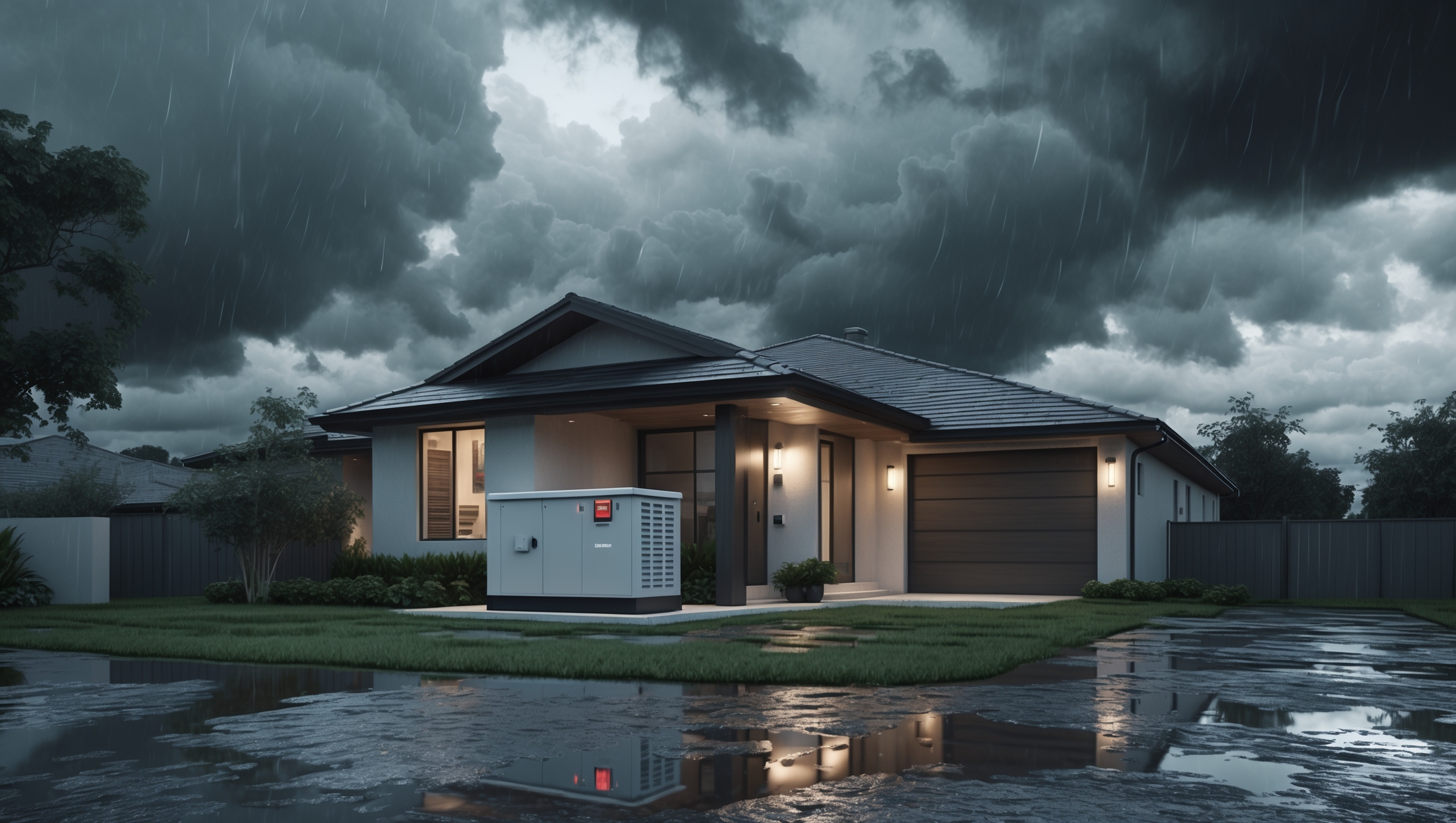
Introduction: Why Storm-Ready Electrical Systems Matter
Every year, countless homeowners face the disruptive aftermath of storms—unexpected power outages, fried electronics, and hazardous conditions caused by surges or downed lines. Unfortunately, many only realize the vulnerabilities in their home’s electrical system when it’s already too late. Whether you live in a hurricane-prone coastal area, the tornado alleys of the Midwest, or regions with frequent thunderstorms, preparing your electrical infrastructure for severe weather is essential. The risks go far beyond the inconvenience of a blackout: storm-induced electrical issues can cause safety hazards, property damage, loss of perishable goods, and expensive repairs. Luckily, with the right knowledge and proactive steps, you can dramatically reduce your risk, protect your investment, and ensure your family’s comfort and safety during even the most severe storms. This in-depth guide will walk you through everything you need to know about storm-proofing your home’s electrical system—covering surge protection, backup power options, critical maintenance, and actionable pre-storm checklists.
Understanding the Threats: How Storms Impact Home Electrical Systems
Common Electrical Risks During Storms
- Power Outages: Downed power lines, blown transformers, and utility disruptions often leave homes without electricity for hours—or even days.
- Power Surges: Sudden spikes in voltage, often caused by lightning or utility switching, can damage or destroy sensitive electronics and appliances.
- Flooding and Water Intrusion: Water entering your home or electrical panel area can cause shorts, corrosion, or fires.
- Wind Damage: High winds can bring down trees onto power lines, damage overhead service drops, and compromise exterior electrical fixtures.
- Backfeed Hazards: Improperly connected generators can send electricity back into lines, endangering utility workers and neighbors.
Long-Term Impacts
- Hidden Damage: Even if your system appears to recover, surges and water can lead to gradual component failure, corrosion, or degraded insulation.
- Insurance Claims: Electrical damage can complicate insurance claims—especially if storm preparation was neglected.
Pre-Storm Electrical System Checklist
1. Inspect and Service Main Electrical Panel
Before storm season, have a licensed electrician inspect your main service panel for corrosion, loose connections, and outdated breakers. Ask them to check for water ingress points and ensure the panel is properly sealed against moisture. If your panel is over 20 years old, consider an upgrade for enhanced safety and surge protection.
2. Test Grounding and Bonding
Proper grounding is your first line of defense against surges. Verify that your ground rod is intact and connections are tight. For homes with older wiring, ensure grounding conductors are present and continuous throughout the system. Poor or missing grounding is a critical vulnerability during lightning storms.
3. Evaluate Outdoor Electrical Equipment
Check exterior outlets, lighting, and service drops for signs of wear, rust, or exposure. Ensure all outdoor outlets are GFCI-protected and have weatherproof covers. Secure any loose conduit or wiring and trim tree branches away from service lines.
4. Inventory and Protect Sensitive Electronics
Make a list of critical electronics—computers, servers, entertainment systems, medical devices—and plan for their protection (see surge protection section below). Unplug non-essential devices before storms.
5. Backup Power Assessment
Assess your need for backup power. Consider which circuits or devices are mission-critical (refrigerators, sump pumps, medical equipment) and plan accordingly.
Surge Protection: Your Storm-Season Shield
Types of Power Surges
- Lightning-Induced: Direct or nearby lightning strikes can send massive surges through power lines and into homes.
- Grid Switching: Utility companies may switch circuits to restore power, causing voltage spikes.
- Internal Surges: Large appliances cycling on/off can also generate damaging surges, though typically smaller.
Surge Protection Strategies
Whole-House Surge Protectors
Installed at your main panel, these devices absorb and divert large surges before they reach your circuits. Choose a UL 1449-certified device rated for at least 40,000 amps. Have an electrician install and test the unit; periodic replacement (every 5–10 years) is recommended.
Point-of-Use Surge Suppressors
Plug-in surge strips protect individual devices from smaller surges. Look for strips with a low clamping voltage (≤400V) and indicator lights that signal protection status. Replace any strip that has absorbed a major surge.
Protection for Hardwired Devices
Major appliances like HVAC units and well pumps often need dedicated surge protectors, wired directly into their circuits.
Tips for Effective Surge Protection
- Do not daisy-chain surge strips.
- Unplug non-essential electronics during severe storms for maximum safety.
- Check and replace surge protectors after major storms or at the end of their rated lifespan.
Backup Power Solutions: Keeping the Lights On
Generator Options
- Portable Generators: Affordable and flexible, but require manual setup and fuel management. Never operate indoors or in garages. Use only with a transfer switch to prevent backfeed.
- Standby Generators: Automatically start when utility power fails. Can run on natural gas or propane and power entire homes or selected circuits. Require professional installation and regular maintenance.
- Battery Backup Systems: Paired with solar or grid power, these provide silent, emission-free backup for essential loads. Ideal for short-term outages or where generator use is restricted.
Transfer Switches & Interlock Kits
Never connect a generator directly to your home wiring without a transfer switch or interlock kit. These devices isolate your circuits from the grid to prevent dangerous backfeed and utility damage. Work with a qualified electrician to choose and install the right solution.
Fuel Storage and Maintenance
- Keep enough fuel on hand for at least 48 hours of generator operation, stored in approved containers.
- Add fuel stabilizer to prevent degradation during storage.
- Test-run your generator monthly and service annually (oil change, spark plug, air filter).
Load Management
- Identify which circuits or devices you’ll power during an outage.
- Never overload a generator; consult the manual for capacity ratings.
- Install labeled transfer switches for easy, safe operation.
Flood and Water Protection for Electrical Systems
Protecting Panels and Outlets
- Relocate electrical panels above known flood levels where possible.
- Use watertight, outdoor-rated boxes and covers for all exterior and basement outlets.
- Seal wall penetrations and conduit entries with weatherproof caulk or expanding foam.
Sump Pumps and GFCI Devices
Install battery-backed sump pumps in flood-prone basements. Ensure all basement and crawlspace outlets are GFCI-protected and test them regularly. Consider Wi-Fi leak detectors for early alerts.
Post-Flood Safety Protocol
- Never enter a flooded area where electrical panels or outlets are submerged.
- Have a licensed electrician inspect and restore service after water intrusion.
- Replace any water-damaged wiring, outlets, or breakers—never attempt to dry out and reuse.
Storm-Related Electrical Maintenance Best Practices
Tree and Landscape Management
- Trim branches away from overhead service lines and exterior panels yearly.
- Remove dead or leaning trees near power lines or your home’s service drop.
Roof and Gutter Checks
- Ensure gutters are clean and direct water away from exterior panels, meter bases, and conduit runs.
- Inspect for loose roofing materials that could expose wiring or cause leaks.
Lightning Rods and Grounding Upgrades
For homes in lightning-prone areas, consult a specialist about installing lightning rods and upgrading your grounding system. These measures provide a safe discharge path for electrical energy, reducing the risk of catastrophic surge damage.
Insurance and Documentation Essentials
Check Your Policy for Storm-Related Electrical Coverage
Not all policies cover surge damage or electrical equipment loss. Review your homeowner’s insurance and add riders or endorsements as needed for full protection.
Document Your System
- Photograph your electrical panel, generator, and surge protectors before storm season.
- Keep receipts for all upgrades and maintenance.
- Maintain a list of serial numbers for major appliances and electronics.
Step-by-Step: What to Do When a Storm Is Approaching
- Charge all mobile devices and portable battery packs.
- Unplug non-essential electronics and appliances.
- Test your generator; confirm fuel and oil levels.
- Move electronics and extension cords off the floor, especially in basements.
- Check sump pump operation.
- Turn off or disconnect rooftop HVAC, satellite, or antenna systems if recommended by manufacturers.
- Close all outdoor outlet covers and secure loose wiring.
- Review your emergency electrical plan with your household.
After the Storm: Inspecting and Restoring Electrical Safety
Visual Inspection
- Look for downed lines, broken meters, or exposed wiring before turning anything back on.
- Do not touch or approach any electrical component if water is present.
Generator Shutdown and Transition
- Wait for utility restoration confirmation before switching off your generator and returning to grid power.
- Follow manufacturer instructions for cool-down and refueling.
System Testing
- Test GFCIs and AFCIs throughout the home.
- Check surge protectors and replace any that indicate failure.
- Schedule a post-storm inspection with an electrician if you notice any flickering lights, unusual smells, or tripped breakers.
Conclusion: Make Storm Preparedness a Year-Round Habit
Storms are an inevitable part of nature, but their impact on your home’s electrical system doesn’t have to be. By proactively inspecting, upgrading, and maintaining your electrical infrastructure, you minimize the risk of outages, surges, and costly damage—even in the face of increasingly severe weather events. From whole-house surge protection and reliable backup power to robust water ingress prevention and smart insurance planning, each step you take strengthens your home’s resilience. Don’t wait for the next weather alert to safeguard your family, electronics, and investment—implement these strategies now and revisit your plan before every storm season. Remember: electrical safety is not a one-time task but an ongoing commitment. Partner with trusted, licensed professionals, document your upgrades, and educate your household on emergency procedures. With preparation and vigilance, you can weather any storm with confidence, comfort, and safety.
You mention the dangers of backfeed hazards with generators during storms. Can you clarify what steps a homeowner should take to ensure their portable generator is connected safely and legally to prevent backfeeding issues?
To prevent backfeed hazards, always use a transfer switch when connecting a portable generator to your home’s electrical system. Hire a licensed electrician to install the switch so it safely isolates your home from the utility grid. Never plug a generator directly into a wall outlet, as this can cause dangerous backfeeding. Also, follow your generator’s manual for proper setup and grounding, and only use heavy-duty extension cords rated for outdoor use if you’re powering appliances directly.
Could you explain more about what should go on a pre-storm checklist for electrical safety? I want to make sure I don’t miss a step, especially regarding shutting off the main breaker or unplugging appliances.
Absolutely, here’s a suggested pre-storm checklist for electrical safety: Unplug sensitive electronics and appliances to guard against surges. Turn off and secure major appliances like air conditioners and computers. If authorities advise, shut off the main breaker to cut power to your entire home. Confirm all flashlights have fresh batteries and know where your circuit breaker panel is located. Keep cell phones and power banks fully charged ahead of the storm. If you have a backup generator, ensure it’s ready and operated outside for safety.
You talk about pre-storm checklists and critical maintenance, but are there any tasks a homeowner can handle themselves safely, versus what absolutely needs a licensed electrician? I’m trying to balance safety with budget and want to be realistic about what I can DIY.
Homeowners can safely handle some tasks like unplugging sensitive electronics, checking for loose outdoor cords, and making sure your circuit breakers are labeled clearly. You can also install surge protectors and trim back branches away from power lines (without touching the lines themselves). Anything involving wiring repairs, panel work, or generator installation should be left to a licensed electrician for both safety and code compliance.
Is there a practical way to protect a basement electrical panel from flooding if I live in an older house? I’m interested in any DIY tips or products that are effective but won’t break the bank.
Absolutely, there are some effective and budget-friendly ways to protect your basement electrical panel from flooding. Consider mounting the panel higher on the wall if possible, or building a simple barrier around it using waterproof materials like PVC sheets. You can also use a sealed plastic enclosure for extra protection. Installing a sump pump and ensuring basement drains are clear can further reduce flood risk. These DIY steps are fairly affordable and can make a big difference.
The article mentions backup power options as part of storm preparation. How do portable generators compare to standby generators in terms of reliability and safety during extended outages, especially if flooding is a risk?
Portable generators are useful for short-term or emergency use but require manual setup and fueling, and they must be operated outdoors to prevent carbon monoxide risks. Standby generators, on the other hand, are permanently installed, start automatically during outages, and offer much greater reliability for extended outages. If flooding is a concern, standby generators should be installed above flood levels, while portable generators should always be kept on high, dry ground during operation to avoid electrical hazards.
You mentioned water intrusion being a risk around the electrical panel. Is there a specific way to seal up the panel area or protect it from floodwater, especially in older homes that might not be up to code?
To protect your electrical panel from water intrusion, especially in older homes, check for gaps or cracks around the panel and use waterproof sealant or weatherproof caulk to seal them. Consider installing a raised platform if the panel is in a basement or flood-prone area. You might also use a weatherproof panel cover. For best results and safety, consult a licensed electrician to ensure any work complies with current electrical codes.
I live in an area prone to both flooding and wind damage. Are there specific electrical system upgrades or maintenance tips you recommend prioritizing when budget is tight and I can’t address everything at once?
When working with a tight budget, focus first on installing whole-home surge protectors and ensuring your main electrical panel is elevated above potential flood levels. Have a licensed electrician check that outdoor outlets and wiring are weatherproof and in good condition. If possible, prioritize adding ground fault circuit interrupters (GFCIs) in areas prone to moisture, as these add important protection against shock and damage during floods.
You mentioned that water entering the electrical panel could cause shorts or even fires. I have my panel in the basement, which sometimes gets a bit damp during storms. Are there specific maintenance steps or products you’d recommend to prevent water intrusion there?
Since your basement gets damp during storms, it’s wise to take extra precautions. First, check that your electrical panel’s cover is tightly sealed and free of rust or gaps. Consider using a dehumidifier to reduce moisture in the area. You might also apply weatherproof caulking around the panel’s edges and check for cracks in nearby walls. If water intrusion is a recurring issue, installing a sump pump or improving basement drainage can help protect your electrical system.
You mentioned backup power options for storm preparation. Is there a particular type of generator or backup system that is safest for families with young kids, and what steps do I need to take to make sure it’s connected safely and not causing backfeed hazards?
For families with young children, a standby generator with automatic transfer switch is the safest choice since it’s permanently installed outside and activates automatically, reducing the need for manual setup. To prevent backfeed hazards, always have a licensed electrician install any generator system. Never use portable generators indoors or connect them directly to your home’s wiring without a transfer switch. Regularly test the system and teach children not to touch the generator or associated equipment.
I noticed you mention improper generator connections causing backfeed hazards. For homeowners who want to use a portable generator during outages, what are the safest options for connecting them to the home’s electrical system?
To safely connect a portable generator to your home’s electrical system, the best option is to have a qualified electrician install a transfer switch. This switch isolates your home from the utility grid, preventing dangerous backfeed and protecting utility workers. Never plug a generator directly into wall outlets. Alternatively, you can use extension cords to power essential appliances directly from the generator, but avoid overloading circuits. Safety should always come first, so professional installation is highly recommended.
The article mentions the risk of improper generator setup causing backfeed hazards. Could you clarify what steps a homeowner should take to safely connect a portable generator during an outage, especially if we’ve never done it before?
To safely connect a portable generator, make sure you never plug it directly into a wall outlet, which can cause dangerous backfeed. Instead, use heavy-duty extension cords to connect appliances directly to the generator, or have a licensed electrician install a transfer switch that safely connects the generator to your home’s electrical panel. Always operate the generator outdoors, away from windows, to prevent carbon monoxide buildup.
When it comes to surge protection, are there notable differences in effectiveness between whole-house surge protectors and individual outlet-based ones? I’m interested in how to prioritize which solution to invest in for storm-prone regions.
Whole-house surge protectors are generally more effective for storm-prone areas, as they block large surges at your electrical panel before reaching any outlets. Individual outlet-based protectors only safeguard the devices plugged into them and may not handle strong surges from lightning as well. For the best protection, investing in a whole-house unit is a smart first step, and you can add outlet protectors for sensitive electronics as an extra layer.
Can you explain what kind of surge protection works best for people who have a lot of sensitive electronics at home? Is a whole-house surge protector really necessary, or will good power strips on each device be enough to prevent storm damage?
If you have many sensitive electronics, a whole-house surge protector offers the best first line of defense by stopping large surges before they reach your wiring. However, using high-quality surge-protecting power strips for each device adds extra protection against smaller surges. For the most comprehensive coverage during storms, it’s best to use both: whole-house protection plus power strips for your important electronics.
If I have a whole-house surge protector already, do I still need individual surge protectors for important devices like computers or refrigerators, especially during thunderstorms? Or is the main panel protection usually enough?
While a whole-house surge protector at your main panel offers strong protection against large surges, it’s still a good idea to use individual surge protectors for sensitive or valuable electronics like computers. Whole-house units may not catch every small surge or spike that can damage delicate devices. Appliances like refrigerators are less sensitive, but if they’re especially valuable or have electronic controls, extra protection doesn’t hurt, particularly during thunderstorms.
The article talks about backup power options—can you explain the pros and cons of portable generators versus standby generators for a typical single-family home? I’m wondering which option offers better value for reliability and long-term upkeep.
Portable generators are usually more affordable upfront and can be moved or stored as needed. However, they require manual setup during outages, need refueling, and typically power only a few essential circuits. Standby generators are permanently installed, start automatically when the power goes out, and can handle most or all home circuits. They cost more initially and need professional maintenance, but they offer greater reliability and convenience long term. For ongoing reliability and ease, standby generators are generally the better value despite higher upfront and maintenance costs.
You mentioned surge protection as a key part of storm preparation. Is installing a whole-house surge protector something a homeowner can do themselves, or does it require a licensed electrician? I’m wondering about the costs and safety implications involved.
Installing a whole-house surge protector is not a typical DIY job—it should be handled by a licensed electrician. The device connects directly to your main electrical panel, and working inside the panel can be dangerous without the right training. Costs vary, but including installation, you can expect to pay roughly $300 to $700. Safety and proper installation are important, so professional help is strongly recommended.
You mentioned that water intrusion near the electrical panel can cause shorts or even fires. Are there specific waterproofing measures or products you recommend for older homes that might have outdated panels or basements prone to flooding?
For older homes, sealing any cracks in basement walls near the panel with hydraulic cement helps keep water out. You can use waterproof panel covers or weatherproof enclosures for extra protection, especially if your panel is in a damp area. Installing a sump pump can also prevent flooding. If the panel is very outdated, you might consider having an electrician upgrade it and verify that all seals and gaskets are intact.
Could you explain a bit more about how to safely use a backup generator during a storm? The article mentions backfeed hazards, and I want to make sure I avoid any dangerous mistakes when connecting a generator to my home’s electrical system.
To safely use a backup generator, always keep it outdoors and away from windows to prevent carbon monoxide buildup. Never plug the generator directly into your home’s wall outlets, as this can cause dangerous backfeed, risking harm to utility workers and damaging your appliances. Instead, use a transfer switch installed by a licensed electrician, which safely connects your generator to your home’s electrical system and isolates it from the grid.
The guide mentions surge protection, but I’m wondering—are whole-home surge protectors worth the investment compared to just plugging critical electronics into individual surge strips? How much ongoing maintenance do whole-home units actually require?
Whole-home surge protectors offer broader protection than individual surge strips, shielding your entire electrical system—including appliances that may not be plugged into strips. This can be especially valuable during severe storms. Maintenance for whole-home units is minimal; usually, a yearly check or after a major surge event is enough. Some units have indicator lights to show when they need replacement, so ongoing upkeep is quite simple.
Could you clarify what type of surge protection is most effective for protecting sensitive electronics during storms? I see you mentioned surge protection in general, but I’m not sure if a whole-house device is always necessary or if point-of-use protectors are enough in most cases.
For the best protection of sensitive electronics during storms, using both a whole-house surge protector and point-of-use protectors is recommended. A whole-house device stops most surges at your main panel, while point-of-use protectors add an extra layer right at the outlet for your valuable devices. Relying on just one type may leave gaps, so combining both gives you the most comprehensive protection.
You mention that improperly connected generators can cause backfeed hazards. Can you explain how a homeowner can safely connect a portable generator, or what kind of professional should be called in for this?
To safely connect a portable generator, it’s important to never plug it directly into a wall outlet, as this can cause dangerous backfeed. Instead, use a transfer switch installed by a licensed electrician. This switch safely isolates your home’s circuits from the utility lines when the generator is running. Always consult a qualified electrician to ensure proper setup and compliance with local codes.
For homeowners in areas with frequent power outages, what would you recommend as the most reliable backup power option: portable generators, standby generators, or battery backup systems? I’m curious about the pros and cons and any safety considerations for each.
Each backup option has unique benefits. Standby generators offer automatic, whole-home coverage and are very reliable but require professional installation and run on natural gas or propane. Portable generators are more affordable and flexible but must be operated outdoors, refueled manually, and connected safely. Battery backup systems are quiet, require little maintenance, and can work seamlessly with solar panels, but typically cover fewer appliances and may have higher upfront costs. Safety is crucial: never operate generators indoors, and always follow manufacturer guidelines.
I live in a pretty old house and I’m worried about hidden damage to the wiring after a big storm. Are there specific signs I should look for after a storm to know if my electrical system needs professional inspection or repairs?
After a major storm, keep an eye out for flickering lights, outlets or switches that no longer work, burning smells, buzzing sounds, discoloration around outlets, or circuit breakers that keep tripping. These can indicate hidden wiring damage. If you notice any of these issues, it’s best to have a licensed electrician inspect your system to ensure your home remains safe.
If I have a portable generator for storm outages, how do I make sure I’m not creating those backfeed hazards you talk about? Are there specific types of transfer switches or installation steps to watch for?
To avoid backfeed hazards when using a portable generator, always use a transfer switch that is installed by a licensed electrician. A manual transfer switch is a common choice for portable generators and safely isolates your home’s circuits from the main power lines. Never plug a generator directly into a wall outlet, as this can cause dangerous backfeed. Make sure to follow all manufacturer instructions and local electrical codes during installation.
You mention surge protection in the article, but I’m still a little unclear about whether whole-house surge protectors are significantly more effective than just using point-of-use surge strips for electronics. Are there situations where one is enough, or should both be in place for full coverage?
Whole-house surge protectors offer broad protection by stopping large surges—like those from lightning or utility spikes—before they reach your home’s wiring. Point-of-use surge strips add another layer of defense for sensitive electronics against smaller, internal surges. For the best protection, it’s recommended to use both: a whole-house protector for the main line and surge strips for valuable devices, especially in areas prone to storms or power fluctuations.
You mention surge protection is important during storm season. Is installing whole-house surge protectors something a DIYer can do safely, or is it best to have an electrician handle that? Also, would power strips still be helpful if I have a whole-house protector?
Installing a whole-house surge protector usually involves working directly with your home’s main electrical panel, which can be dangerous if you’re not experienced with electrical systems. It’s safest to have a licensed electrician handle the installation. Even with a whole-house protector, using power strips with built-in surge protection is still recommended for sensitive electronics, as they add an extra layer of defense against smaller surges that might get through.
I live in an area with frequent thunderstorms and was wondering whether installing a backup generator is worth the cost. Are there more affordable options for short power outages, or should I plan to invest in a whole-house system?
If your outages are usually short, you could consider portable generators or uninterruptible power supplies (UPS) for essential items—these are much more affordable than a whole-house generator. A whole-house system is best if you need uninterrupted power for extended periods or have critical medical equipment. Assess how often and how long your outages last to decide which option fits your needs and budget.
If my home is older and hasn’t been updated recently, should I be worried about hidden damage to the wiring after a storm, even if everything seems to be working? What should I look out for to make sure it’s safe?
It’s smart to be cautious with an older home, as storms can cause hidden wiring issues even if your lights and outlets seem fine. Look out for signs like flickering lights, buzzing outlets, or a burning smell. If you notice any of these, or if your breakers trip more often after a storm, have a licensed electrician inspect your wiring for safety.
Could you explain a bit more about the difference between whole-home surge protectors and those smaller plug-in versions? For someone in a thunderstorm-heavy area, is professional installation of a panel-based protector really necessary, or do the plug-in ones offer decent coverage?
Whole-home surge protectors are installed at your main electrical panel and help shield your entire house from large surges, like those caused by lightning. Plug-in surge protectors only defend the devices plugged into them and don’t protect your home’s wiring or larger appliances. In areas with frequent thunderstorms, a professionally installed whole-home surge protector is highly recommended, as it provides much broader and more reliable protection than plug-in models alone.
You mention the danger of backfeed hazards when using generators. What’s the safest way to set up a portable generator so it doesn’t accidentally send power back into the lines, and is this something a homeowner can do themselves or does it always require a professional electrician?
To prevent backfeed hazards, the safest way to set up a portable generator is by using a transfer switch that isolates your home’s wiring from the utility grid. Installing a transfer switch should always be done by a licensed electrician to ensure safety and compliance with electrical codes. Plugging a generator directly into your home’s outlets or panel is very dangerous and should never be attempted by homeowners without professional assistance.
You mentioned that improperly connected generators can backfeed electricity and create hazards. Are there specific types of generator transfer switches or installation methods that best prevent this issue for homeowners?
Yes, using a professionally installed transfer switch is the best way to prevent dangerous backfeeding when connecting a generator. There are two main types: manual and automatic transfer switches. Both ensure that when your generator is running, it isolates your home’s wiring from the main utility lines, keeping utility workers and your equipment safe. Always have a licensed electrician handle the installation to ensure everything is up to code and properly configured.
When it comes to preparing before a storm, what are the most critical maintenance tasks I should prioritize for my electrical panel and exterior fixtures, especially if my house is older? I want to make sure I’m not overlooking something important.
For an older home, it’s crucial to inspect your electrical panel for any signs of rust, loose connections, or outdated breakers—these can all increase risk during storms. Make sure all exterior fixtures and outlets are weatherproof and securely mounted. Clear debris away from the panel and exterior outlets, and trim branches near overhead power lines. If you haven’t already, have a licensed electrician check your grounding system and consider installing surge protection. This combination helps ensure your electrical system is as safe as possible before a storm.
The article talks about hidden damage to electrical systems after storms. What are some clear signs to look for that might indicate my home’s wiring or panels have suffered water intrusion or other storm-related issues?
Watch out for discoloration or rust on your electrical panel, flickering lights, outlets or switches that feel warm, buzzing noises from outlets, or a burning smell near your wiring. GFCI outlets that keep tripping can also be a sign. If you notice any of these after a storm, it’s best to have a licensed electrician inspect your system for hidden water damage.
Could you explain what specific maintenance steps should be taken for exterior electrical fixtures before storm season starts, especially in regions prone to high winds and heavy rain?
Before storm season, inspect all exterior electrical fixtures for visible damage or wear, and ensure weatherproof covers are secure and properly sealed. Tighten fittings on lights and outlets to reduce the risk of water intrusion. Trim back nearby branches or debris that could impact fixtures in high winds. If you notice any exposed wiring or corrosion, have a licensed electrician address these issues before storms arrive.
If my area mainly gets a lot of power outages but not much flooding, should I focus more on getting a backup generator or on surge protection? Or do most experts recommend doing both regardless of the type of storm threats?
Since your area experiences frequent power outages but little flooding, investing in a backup generator would be especially useful to keep your home powered. However, most experts still recommend installing surge protection as well, since power restoration can sometimes cause voltage spikes that may damage your electronics. Combining both options offers the best overall protection for your electrical system.
You talked about backup power options—are there more budget-friendly temporary solutions than a full standby generator, just to get us through occasional outages, especially in the Midwest where storms happen but not all the time?
Absolutely, there are more budget-friendly backup power options than a full standby generator. Portable generators are a popular choice for occasional outages—they cost much less and can keep essential appliances like refrigerators, sump pumps, and lights running. You could also consider battery-powered power stations for charging devices or running small electronics. Just remember to always use portable generators outdoors and follow safety guidelines.
Can you explain a bit more about how backfeed hazards occur with generators? I’m not totally clear on what causes the electricity to go back into the lines, and how I can be sure my generator setup is safe for utility workers.
Backfeed hazards happen when a generator is connected directly to your home’s wiring without a transfer switch, causing electricity to travel backward into utility lines. This can endanger utility workers who assume the lines are de-energized. To ensure safety, always use a transfer switch, which isolates your generator from the power grid, or only plug appliances directly into the generator. Never connect a generator to a wall outlet or your home’s panel without proper equipment.
You mentioned backfeed hazards with improperly connected generators. Could you explain the safest way to set up a portable generator during a storm to prevent backfeed and keep utility workers safe? Is there a specific type of transfer switch you recommend for home use?
To safely use a portable generator during a storm and prevent backfeed, always use a transfer switch. A manual transfer switch is commonly installed in homes for this purpose. It connects the generator directly to your home’s electrical panel and isolates your system from the utility lines, protecting utility workers and your appliances. Never plug a generator into a wall outlet. Have a licensed electrician install the transfer switch to ensure everything meets safety codes.
The article talks about water intrusion causing electrical shorts and even fires. If my business is in a basement that sometimes leaks during storms, what specific electrical maintenance or upgrades would you recommend to prevent serious damage or hazards?
If your basement is prone to leaks, it’s important to have a licensed electrician inspect all wiring and outlets for moisture exposure. Consider upgrading to moisture-resistant electrical outlets and junction boxes, and ensure all connections are well-sealed. Elevate any sensitive equipment off the floor and install ground fault circuit interrupter (GFCI) outlets to quickly cut power if water is detected. Regular inspections and quick repairs to any damaged insulation or exposed wiring are also key to preventing shorts or fires.
For homeowners on a tight budget, what are the most cost-effective first steps to take when preparing their home’s electrical system for frequent storms, especially regarding protecting sensitive electronics from power surges?
For homeowners watching their budgets, a great starting point is to use quality surge protector power strips for your most sensitive electronics like computers and TVs. These are affordable and provide basic protection from many surges. Also, unplugging devices during a storm is free and extremely effective. Prioritize protecting expensive or essential electronics if you can’t cover the whole house right away.
You mentioned that power surges can fry electronics during storms. Are whole-home surge protectors worth the investment, or would quality surge strips for key devices offer enough protection for a typical family home?
Whole-home surge protectors offer broader protection by shielding your entire electrical system from surges that can come through the main power line, protecting outlets and hardwired devices like HVAC systems. Quality surge strips are helpful for plug-in electronics but won’t cover everything, especially big appliances. For most families, combining a whole-home protector with surge strips for sensitive electronics is the most comprehensive approach, especially in areas prone to frequent storms.
You mention water intrusion as a risk for causing shorts and electrical fires. If my breaker box is in the basement and we sometimes get minor flooding, what specific steps should I take to keep it safe before storm season?
If your breaker box is in a basement prone to flooding, consider installing a sump pump and ensuring your basement drainage is working well. Place the breaker box on a raised platform if possible and seal any gaps around it to prevent water seepage. Regularly check for signs of moisture or corrosion. You may also want to use a dehumidifier during storm season and consult an electrician about waterproofing or relocating the panel if flooding is frequent.
The article mentions backup power options, but I’m on a pretty tight budget. Are there any affordable backup solutions for outages that still keep the essentials like my fridge and a few lights running?
Absolutely, there are affordable backup options to keep essentials running during an outage. Portable inverter generators are a budget-friendly choice and can power your fridge and some lights. Alternatively, a basic uninterruptible power supply (UPS) can keep smaller devices going for short periods. Prioritize your most essential appliances, and make sure any solution you choose is rated for their combined power needs.
The article mentions backup power options and surge protection, but I’m wondering which is more important to invest in first if I only have room in my budget this season. Is it smarter to start with a whole-home surge protector or a portable generator?
If you have to choose between the two, a whole-home surge protector is typically the smarter first investment. Surge protection helps safeguard your appliances and electrical system from costly damage during storms, which can happen even if you don’t lose power. You can always add a portable generator later for backup power, but stopping surges now could prevent expensive repairs or replacements.
I saw you mentioned the dangers of backfeed hazards from improperly connected generators—do you have any recommendations for specific types of transfer switches, and are they something a homeowner can install themselves or should it always be a licensed electrician?
Manual and automatic transfer switches are both excellent choices for safely connecting a generator and preventing backfeed hazards. Manual switches are more affordable and common for portable generators, while automatic switches are often used with standby models. Although some handy homeowners might feel comfortable with installation, it’s best to have a licensed electrician handle it to ensure safe and code-compliant setup.
When it comes to surge protection, is it better to get a whole-house surge protector installed at the panel, or just use surge strips on my most expensive electronics? How do I know what’s enough for storm situations?
A whole-house surge protector installed at your main panel offers the best overall protection, shielding all circuits from large surges caused by storms. Surge strips are a good additional layer for sensitive electronics, but they can’t stop surges that come through other wiring or appliances. For the strongest defense, combine both: install a whole-house protector and use surge strips on valuable devices for extra peace of mind during storms.
I noticed the article mentions surge protection and backup power options, but I’m curious about the best approach for older homes with outdated wiring. Are there specific risks or extra steps homeowners with these properties should take before storm season?
Older homes with outdated wiring do carry extra risks during storms, such as a higher chance of electrical fires or circuit failures. Before storm season, it’s wise to have a licensed electrician inspect your wiring, upgrade old fuse boxes if needed, and ensure all outlets are grounded. Surge protectors may be less effective if the home’s grounding isn’t up to code, so addressing this first is crucial for your safety.
When it comes to protecting outdoor electrical fixtures from wind and water damage, are there specific preventative maintenance tasks or products you suggest before storm season starts, especially for older homes with outdated systems?
For older homes, it’s smart to have a licensed electrician inspect outdoor outlets and fixtures for signs of wear or outdated wiring. Before storm season, use weatherproof covers on all exterior outlets and junction boxes, and make sure any exposed wiring is sealed with appropriate conduit. GFCI outlets are especially important for outdoor areas. Regularly check for corrosion or loose connections, and trim back trees or branches that could damage power lines or fixtures during strong winds.
The article talks a lot about surge protection as a key factor. Are whole-house surge protectors significantly more effective than using individual power strip protectors on sensitive electronics, especially in areas with frequent lightning?
Whole-house surge protectors offer a much broader level of protection than individual power strip protectors. They’re installed at your main electrical panel and can stop large surges—such as those caused by lightning—from reaching any circuit in your home. Power strips only protect the devices plugged directly into them and can be overwhelmed by large surges. In areas with frequent lightning, a whole-house unit is significantly more effective for overall protection.
When it comes to surge protection, is it better to get individual surge protectors for each device or should I consider installing a whole-house surge protector? I’m not sure how much difference it actually makes during storms with lots of lightning.
A whole-house surge protector offers broader protection by stopping large surges at your main electrical panel before they reach your devices, which is especially important during storms with heavy lightning. Individual surge protectors add another layer of defense for sensitive equipment, but they can’t protect against strong surges entering the home’s wiring. For the best safety, many homeowners use both: a whole-house protector plus individual ones for valuable electronics.
You mention that flooding and water intrusion around electrical panels can lead to shorts or fires. What are some specific steps or products you recommend for waterproofing an older basement electrical panel before storm season, especially if raising the panel isn’t realistic?
To help waterproof an older basement electrical panel, start by sealing any cracks in walls or floors near the panel with hydraulic cement or waterproof sealant. Installing a sump pump and a dehumidifier can help control moisture. Mount a waterproof enclosure or cabinet over the panel if possible, making sure it’s rated for electrical use. Additionally, weatherstripping around the panel door and using silica gel desiccant packs inside the enclosure can reduce humidity and condensation risks.
Preparing for outages can get expensive, especially when considering back-up power options. Do you have recommendations for affordable temporary solutions for families who can’t invest in a full generator setup? Are there practical steps we can take on a tight budget before storm season hits?
If a full generator isn’t in your budget, consider investing in a few portable power banks to keep phones and essential devices charged during outages. LED lanterns and battery-powered fans are affordable options for light and comfort. Stock up on extra batteries and surge protectors to help safeguard electronics. Unplug sensitive devices before the storm hits, and have a basic emergency kit with water and non-perishable food ready. These steps can help you stay safe and prepared without significant expense.
With young kids in the house, I worry a lot about safety during storms. Can you explain more about how to safely use a portable generator without risking backfeed hazards? I want to make sure I’m setting it up correctly if we lose power.
To safely use a portable generator and avoid backfeed hazards, always run the generator outside, well away from doors and windows, to prevent carbon monoxide buildup. Never plug it directly into a wall outlet; instead, use heavy-duty extension cords to connect appliances, or have a licensed electrician install a transfer switch. This keeps your home’s wiring safe and protects utility workers from dangerous backfeed. Always turn off the generator and let it cool down before refueling.
The article points out that improper generator connections can create backfeed hazards. Could you clarify what steps homeowners should take to ensure portable generators are set up safely to prevent this, especially for people who aren’t familiar with electrical systems?
To prevent backfeed hazards when using a portable generator, always plug appliances directly into the generator using heavy-duty extension cords instead of connecting the generator to your home’s wiring. Never plug the generator into a wall outlet. If you want to power home circuits, a licensed electrician should install a transfer switch, which safely isolates your home’s circuits from the utility grid. Always follow the generator’s manual for safe operation.
The article talks about backup power options—are portable generators enough for short outages, or should I be looking at something more permanent if I live in an area with frequent storms? What’s the most practical choice for someone on a budget?
Portable generators can be a practical and budget-friendly choice for short outages, especially if you only need to power essential devices. However, if you live in an area with frequent or prolonged storms, a standby generator offers more convenience and reliability since it turns on automatically. For most budgets, a good-quality portable generator paired with proper safety precautions is usually sufficient, but consider your household’s energy needs and frequency of outages before making a decision.
Regarding generators and the risk of backfeed hazards you listed, can you clarify what homeowners need to do to ensure their generator setup is safe for both their household and utility workers? Is a professional installation always required?
To prevent dangerous backfeed when using a generator, homeowners should always use a transfer switch or an interlock device. This ensures your home’s wiring is safely isolated from the main power grid during use. While not legally required everywhere, professional installation is strongly recommended, as an electrician will ensure compliance with codes and proper safety measures for both your household and utility crews.
I just moved into an older home and I’m worried about how water might get into the electrical panel during a storm, as you mentioned water intrusion can cause shorts or fires. Are there specific waterproofing steps or materials I should look for to protect the panel area before storm season?
Water intrusion is a real concern, especially in older homes. First, check that the electrical panel is installed indoors and away from areas prone to leaks. Inspect the area above and around the panel for gaps, cracks, or damaged seals, and use silicone caulk to seal any openings. If the panel is in a basement or garage, consider installing a panel cover rated for moisture resistance. Weatherproof gaskets for conduit entry points are also helpful. If you notice any signs of past water entry, consult a licensed electrician to assess and upgrade the protection as needed.
The article mentions that improper generator setups can cause backfeed hazards for utility workers. How can homeowners ensure their backup generators are installed safely and meet local electrical codes before storm season?
Homeowners should always hire a licensed electrician to install backup generators. The electrician will set up a transfer switch that prevents backfeed, which protects both your home and utility workers. Before storm season, have your system inspected to ensure it meets local electrical codes. Never connect generators directly to your home wiring without proper safeguards.
You mentioned generator backfeed hazards—if I want to install a generator myself, what should I do to make sure I am connecting it correctly and safely? Is this a project for a DIYer or should I definitely hire a pro?
Installing a generator safely, especially to avoid backfeed hazards, usually requires more than basic DIY skills. Correctly connecting a generator to your home’s electrical system involves transfer switches and proper wiring to prevent dangerous situations. Unless you have electrical expertise and understand local code requirements, it’s much safer to hire a licensed electrician for this project. This ensures your installation is safe, legal, and effective during power outages.
You talk about backfeed hazards from generators during storms. Can you explain what safe generator setup should look like, especially for someone who has never used one before? Are there signs that my current setup might be unsafe?
A safe generator setup means running the generator outdoors, away from doors and windows, and never plugging it directly into your home’s outlets or main wiring unless you have a professionally installed transfer switch. Always use heavy-duty extension cords rated for outdoor use. Signs of an unsafe setup include using improvised wiring, running the generator indoors or in a garage, or any electrical cords that feel hot or look damaged. If you’re unsure, have a licensed electrician check your setup.
The article mentions both surge protection and backup power options—do you find that whole-house surge protectors are enough, or should I still use point-of-use protectors on sensitive gear? Also, how do you decide between a portable generator and a standby unit for Midwest storms?
Whole-house surge protectors give broad protection, but point-of-use protectors are still smart for sensitive electronics like computers or TVs, since they add an extra layer for delicate devices. For backup power, standby generators are more convenient and automatic, which is great in Midwest storms with frequent or long outages. Portable generators cost less but require manual setup and refueling. Consider your budget, how often you lose power, and whether you want automatic operation when deciding between them.
Can you explain more about the dangers of backfeed from generators mentioned here? If someone wants to use a portable generator during outages, what’s the safest way to connect it to avoid endangering utility workers or the neighborhood?
Backfeed occurs when a generator sends electricity back into power lines, which can be extremely dangerous for utility workers making repairs and for nearby homes. To prevent this, never plug a generator directly into your home’s outlets. Instead, always use a transfer switch installed by a licensed electrician. This device safely isolates your home from the grid while you use the generator, protecting everyone involved.
I live in an area with frequent thunderstorms and short outages. For someone trying to keep costs down, which backup power options would you recommend prioritizing? Is a portable generator sufficient, or are there more basic steps I can take first to protect essential appliances?
If you’re looking to keep costs low, start with basic surge protectors for essential appliances to guard against sudden voltage spikes. For outages, a portable generator is often sufficient for running key items like the fridge and lights, but even simpler and cheaper are uninterruptible power supplies (UPS) for sensitive electronics like computers or modems. Prioritize these steps before considering more expensive backup power options.
I see flooding and water intrusion are major concerns during severe weather. If my electrical panel is in a lower level that sometimes gets damp, what preventive maintenance or pre-storm actions would you recommend to minimize the risk of shorts or corrosion?
To reduce the risk of shorts or corrosion in a damp lower-level electrical panel, make sure the area stays as dry as possible. Use a dehumidifier, and check for leaks or cracks in walls and floors to seal them before storms. Consider installing a sump pump if flooding is common. Before heavy weather, inspect the panel for signs of rust or moisture and have an electrician apply a moisture-resistant sealant or recommend a panel cover if needed.
As a small business owner, I’m especially worried about protecting expensive equipment from power surges during storms. Do you have any recommendations for the most effective surge protection devices, and should I only focus on my main panel or protect individual outlets too?
For the best protection, consider a two-tiered approach: install a whole-house surge protector at your main panel to guard against large surges, and use point-of-use surge protectors for critical or expensive equipment at individual outlets. This layered setup helps catch surges that might get past the main panel device, offering extra peace of mind for your sensitive business equipment.
How often should surge protectors and other storm-prep electrical equipment be checked or replaced to make sure they’re actually protecting our electronics? Is there a maintenance schedule we should follow before each storm season?
Surge protectors should be inspected every 6 to 12 months and always before the start of storm season. Check for any visible damage or warning lights if your model has them. Generally, surge protectors should be replaced every 3 to 5 years, or sooner if they’ve experienced a major power event. For other storm-prep electrical equipment, refer to manufacturer guidelines, but annual checks are a good practice.
The article mentioned the risks of using improperly connected generators causing backfeed hazards. How can someone make sure their generator setup is actually safe before a big storm hits?
To ensure your generator setup is safe, have a licensed electrician install a transfer switch, which prevents dangerous backfeed into the power grid. Always use outdoor-rated extension cords if connecting appliances directly, and never plug a generator into a wall outlet. Before storm season, test your setup with the electrician present so you know everything works safely.
You highlighted the risk of improperly connected generators causing backfeed hazards. Can you explain the safest way for homeowners to set up a portable generator to avoid this danger, especially if they’re not familiar with electrical systems?
To avoid backfeed hazards, always keep your generator outside and never plug it into a wall outlet. The safest setup is to have a licensed electrician install a transfer switch, which lets you safely connect your generator to your home’s circuits. If you’re not familiar with electrical work, stick to using heavy-duty extension cords from the generator directly to individual appliances.
You mentioned backfeed hazards when using generators during outages. Could you explain what I need to look out for to keep my house safe and avoid creating a danger for workers or neighbors if I use a portable generator?
When using a portable generator, never plug it directly into your home’s wall outlets or main panel without a transfer switch—this can cause dangerous backfeed, sending electricity out to power lines and risking electrical shock to utility workers and neighbors. Always use heavy-duty extension cords to plug appliances directly into the generator, and ensure the generator is placed outdoors in a well-ventilated area to prevent carbon monoxide buildup.
If my home has overhead power lines nearby, what specific steps should I prioritize to prevent wind from causing electrical problems? Is trimming trees enough, or are there electrical upgrades I should consider before storm season?
Trimming trees near overhead power lines is a key step, as branches can cause outages if they fall during storms. However, it’s also wise to have a licensed electrician inspect your service mast, weatherhead, and connections for wear. Consider installing whole-house surge protection to guard against voltage spikes, and check that your grounding system is up to code. These upgrades provide added security beyond regular tree maintenance.
For people living in areas with frequent power outages, is it better to invest in a whole-home generator or are portable generators enough? How do those options compare when it comes to protecting against backfeed hazards that you mentioned?
For frequent outages, a whole-home generator offers more reliable, automatic backup and is usually installed with a transfer switch that prevents backfeed hazards. Portable generators can provide power for essential items, but they require careful setup, often with a manual transfer switch, to avoid dangerous backfeed. If safety and convenience are priorities, a whole-home generator is the better choice, though it is a bigger investment.
For homeowners in areas with both frequent power outages and flooding, what are the best practices to prevent water intrusion in the electrical panel and still maintain access for emergency generator hookups?
To protect your electrical panel from water intrusion in flood-prone areas, consider mounting the panel higher on the wall, above expected flood levels. Use waterproof panel covers and seal all cable entries with approved caulking. For generator hookups, install a transfer switch in a similarly elevated, protected spot, and use outdoor-rated, weatherproof inlet boxes. Regularly inspect seals and connections to ensure continued protection and safe access during emergencies.
What are some affordable backup power options for homeowners who might lose power for just a few hours versus those longer outages that last days? The article talks about backup power, but I’m wondering what makes sense if I’m on a tight budget.
For short outages lasting a few hours, a basic uninterruptible power supply (UPS) can keep essentials like your Wi-Fi router and phone charged and is relatively affordable. For longer outages, consider a portable generator—these come in various sizes and prices, with some lower-cost models able to power key appliances. Solar-powered battery packs are another budget-friendly option for charging small devices. Choose based on your most important needs and how often you expect outages.
When it comes to backup power options, is it safer and more cost-effective to invest in a whole-house generator, or are portable generators sufficient for most homes? How do you decide which is right for your situation?
Choosing between a whole-house and a portable generator depends on your home’s needs and budget. Whole-house generators offer seamless, automatic power and can run most or all appliances, making them safer and more convenient but require a higher upfront investment. Portable generators are more affordable and useful if you only need to power essentials during short outages. Consider factors like the frequency of outages in your area, which appliances you need during an outage, and your budget before deciding.
How often should I schedule professional maintenance for my home’s electrical panel to ensure it’s storm-ready, and are there any signs of hidden storm-related damage I should watch for between inspections?
Scheduling professional maintenance for your electrical panel once a year is a good practice, especially before storm season. Between inspections, look for warning signs like burning smells, unusual buzzing sounds, scorch marks, flickering lights, or breakers that frequently trip. These could indicate hidden storm-related damage and should be checked by an electrician right away.
Could you clarify what kind of surge protection is most effective against lightning strikes specifically? I am wondering if whole-house surge protectors are enough, or if I should be looking at additional protection for some appliances.
Whole-house surge protectors offer strong baseline protection by diverting most surges away from your home’s wiring, but lightning strikes can still overwhelm them. For the best protection, it’s wise to use both whole-house surge protection and individual point-of-use surge protectors for sensitive appliances like computers, TVs, and home theater systems. This layered approach gives your devices an extra line of defense if a surge makes it past your main panel protector.
We sometimes lose power for a day or two during storms. What are some backup power options that are safe and practical for a family home, especially if we don’t have a big budget for a whole-house generator?
For short-term power outages, portable generators are a popular and relatively affordable option. Look for inverter generators, as they are safer for sensitive electronics. Always use generators outdoors to avoid carbon monoxide risks. Battery backup systems, like portable power stations, can keep essential devices running and are safer to use indoors. Also, consider using uninterruptible power supplies (UPS) for computers and medical equipment. With these options, you can maintain some comfort and safety without the high expense of a whole-house generator.
Could you explain more about what a pre-storm electrical checklist should include for someone who has never done this before? I’m not sure what to actually check or turn off before a big storm hits, and I want to avoid expensive repairs.
A pre-storm electrical checklist should start with unplugging electronics and appliances to protect them from surges. Turn off and secure circuit breakers for non-essential areas, especially if you expect long outages. Make sure your surge protectors are in good condition. If you have a generator, confirm it’s ready and has fuel. Test any battery-powered lights and stock up on batteries. Finally, move cords and devices away from windows or areas at risk of leaks or flooding.
Could you give more specifics on surge protection—are whole-house surge protectors enough, or do you recommend protecting individual circuits for critical appliances as well? I’m wondering how much protection is realistic for lightning-prone areas.
Whole-house surge protectors are a solid first line of defense and handle most voltage spikes, but in lightning-prone areas, adding point-of-use surge protectors for especially sensitive or critical appliances is wise. This layered approach helps protect against both large surges and smaller, everyday fluctuations that can still damage electronics. No system can guarantee 100% protection from direct lightning strikes, but combining both types of surge protection gives you much better coverage.
The article mentions backup power options, but I’m not sure if a standby generator or a portable generator is better when it comes to safety and ease of use during severe storms. Could you break down the pros and cons of each based on typical storm scenarios?
A standby generator is permanently installed, turns on automatically during outages, and can power your whole home, making it safer and easier during severe storms since you don’t need to go outside. However, they’re more expensive and need professional installation. Portable generators are more affordable and flexible but must be set up manually, can’t power your whole house, and require careful use to avoid carbon monoxide risks. For frequent, long outages, standby units are more convenient; for occasional, short outages, portables may suffice with proper precautions.
Living in the Midwest, we sometimes go days without power after storms. Do you have any recommendations for affordable backup power options for someone who’s never installed a generator before, and how can I make sure I connect it safely to avoid backfeed hazards?
For an affordable backup option, consider a portable generator, which is generally easier for beginners. Choose one with enough wattage for your essentials. To connect it safely and prevent dangerous backfeed, never plug it into a wall outlet directly. Instead, use heavy-duty extension cords for individual appliances or have a licensed electrician install a transfer switch. Always run generators outdoors, away from windows and doors, to avoid carbon monoxide risks.
Can you explain the difference between whole-home surge protectors and point-of-use surge strips when it comes to protecting sensitive electronics from storm-related power surges? Is one option significantly better than the other for homes in areas with frequent storms?
Whole-home surge protectors are installed at your main electrical panel and protect all circuits in your house from large surges caused by storms, like lightning strikes. Point-of-use surge strips are plugged in at individual outlets and protect only the devices connected to them from smaller surges. For areas with frequent storms, using both together offers the best protection—whole-home units stop big surges before they enter, while surge strips add extra defense for sensitive electronics.
You mentioned that improper generator connection can cause backfeed hazards. Could you explain how to safely connect a portable generator to a home electrical system so this risk is avoided? Are there specific devices or steps homeowners should follow?
To safely connect a portable generator and avoid dangerous backfeed, always use a transfer switch. This device ensures your generator is isolated from utility lines, protecting utility workers and your home. Have a licensed electrician install a manual transfer switch or an interlock kit that meets local codes. Never plug a generator directly into a wall outlet, as this can cause backfeed and serious hazards.
If my budget is tight this year, which one upgrade would you prioritize for storm prep—installing a whole-home surge protector, getting a portable generator, or doing maintenance on the main electrical panel?
If you have to choose just one upgrade on a tight budget, I would prioritize doing maintenance on your main electrical panel. Ensuring your panel is in good shape can prevent faults, improve safety, and help your system handle surges or outages better. Surge protectors and generators are great investments, but regular maintenance addresses existing issues and reduces risk immediately.
If I want to add backup power, like a portable generator, what steps should I take to make sure I don’t risk that backfeed hazard you mentioned? I’m not sure what equipment or setup is safest for a beginner on a tight budget.
To safely use a portable generator and prevent dangerous backfeed, use a transfer switch or generator interlock kit installed by a licensed electrician. These devices ensure your home’s wiring is isolated from the utility lines when the generator is running. Never plug a generator into a wall outlet directly, as this causes backfeed. For budget-friendly options, ask your electrician about the simplest manual transfer switch suited to your needs.
With severe storms causing extended outages, I’m wondering how to prioritize which areas of my home’s electrical system to storm-proof first if I have a limited budget. Are there key upgrades that offer the most protection for the cost?
When working with a limited budget, start by surge-protecting your main electrical panel, as this helps shield your entire home from power surges. Next, consider installing backup battery-powered lights in critical areas like hallways or the kitchen. If possible, prioritize protecting refrigerators and medical devices with dedicated surge protectors or backup power sources to prevent spoilage or health risks during outages.
If there’s minor flooding near my basement electrical panel but no obvious short or sparks, what’s the safest first step to take before calling a professional? Should I turn off the main breaker right away or is that dangerous if there’s standing water?
If there is any standing water near your basement electrical panel, do not attempt to reach or touch the panel or breakers yourself, as this can be extremely dangerous. The safest first step is to stay clear of the area and call a licensed electrician immediately. If you can safely do so from a dry location using a dry stick or tool, you might turn off the main breaker, but never put yourself at risk. Safety comes first.
Our building is in a hurricane zone and I’m worried about power surges damaging our point-of-sale system. The article mentions surge protection, but are there specific types or brands that hold up better during severe storms, especially for small businesses running sensitive equipment?
For small businesses with sensitive equipment like point-of-sale systems, look for surge protectors labeled as industrial-grade or commercial-grade, with a high joule rating (ideally over 2000 joules) and UL 1449 certification. Brands such as APC, Tripp Lite, and Eaton are known for reliability during severe storms. You might also consider a whole-building surge protector installed at your main electrical panel for maximum protection.
For a small business located in an area prone to frequent thunderstorms, what are the most cost-effective surge protection strategies you recommend, especially for sensitive equipment like computers and point-of-sale systems?
For small businesses in storm-prone areas, plug sensitive equipment like computers and point-of-sale systems into quality surge protector power strips or uninterruptible power supplies (UPS). These are affordable and offer both surge protection and battery backup during outages. Make sure to use dedicated surge protectors for your network and phone lines as well, since surges can travel through these. Regularly inspect and replace surge protectors every few years to maintain effectiveness.
Can you provide more details on how to safely connect a portable generator during a storm? I’m concerned about accidentally creating a backfeed hazard like you mentioned.
To safely connect a portable generator, always use a transfer switch or an interlock device installed by a qualified electrician. Never plug the generator directly into a household outlet, as this can cause backfeed, endangering utility workers and your home’s wiring. Keep the generator outdoors, at least 20 feet from any doors or windows, and use heavy-duty extension cords rated for outdoor use. Follow the manufacturer’s instructions closely to ensure safe operation.
You mention backup power options for storms—could you explain the pros and cons between portable generators and permanently installed standby generators for a storefront? I’m also wondering what the installation process and necessary permits would look like if I go with a standby generator.
Portable generators are generally less expensive and can be moved as needed, but they require manual setup and refueling, and typically supply less power—enough for essentials only. Standby generators are permanently installed, turn on automatically during an outage, and can power more equipment, which is ideal for a storefront. However, they cost more and need professional installation. For a standby generator, you’ll need a licensed electrician to handle installation, which includes connecting the unit to your electrical panel and fuel supply. You’ll also need local permits—these requirements vary, so check with your city’s building department before starting.
How often should homeowners do maintenance checks on their electrical panels or outdoor fixtures to make sure they’re storm-ready? Is this something you can do yourself, or do you need to hire a professional electrician each time?
It’s a good idea to inspect your electrical panels and outdoor fixtures at least once a year, especially before storm season. For simple visual checks—looking for corrosion, loose wires, or obvious damage—you can do these yourself. However, for deeper inspections or any repairs, it’s safest to hire a licensed electrician to ensure everything is up to code and safe.
The article mentions backup power options as part of storm preparation. How do you decide between installing a standby generator versus relying on portable generators, especially if you’re on a budget or have limited space?
Choosing between a standby and a portable generator depends on your needs, budget, and space. Standby generators are more costly and need professional installation, but they provide automatic, seamless power during an outage. Portable generators are less expensive and take up less space but must be operated manually and usually power only essential circuits. For tight budgets or limited space, a portable generator is often the practical choice, but remember to use it safely outdoors and never indoors.
You mention backup power options, but for someone on a tight budget, is there a reliable but affordable way to keep essentials like the fridge running during an outage? I’m a bit overwhelmed by the different types of generators out there.
If you’re watching your budget, a portable inverter generator could be a good fit—they’re generally more affordable than standby models and offer enough power for essentials like a refrigerator. Another option is a portable power station, which is quieter but usually provides less runtime. Look for models with enough wattage to handle your fridge and maybe a couple of lights. Prioritize safety and proper ventilation when using any generator indoors or outdoors.
When it comes to surge protection, is it more effective to rely on a whole-home surge protector at the panel, or should each sensitive device have its own point-of-use protector as well? Wondering what’s actually practical and budget-friendly in a typical suburban home.
A whole-home surge protector at your main panel is a solid first line of defense and usually covers most needs for a typical suburban home. However, for especially sensitive or expensive electronics like computers and home theater systems, adding point-of-use protectors offers extra safety. Using both is ideal, but if you need to prioritize, start with a quality whole-home unit and add point-of-use protectors as budget allows.
I’m trying to budget for storm prep, so I’m wondering if investing in surge protection is more important than getting a backup generator, or if both are really necessary. What’s the priority for a typical homeowner who can’t do everything at once?
For most homeowners, surge protection is usually the first priority. It’s generally more affordable than a generator and helps protect your appliances and electronics from sudden voltage spikes during storms. Although a backup generator is great for keeping your power on during an outage, you can often add that later as your budget allows. Start with surge protection to reduce immediate risks, then plan for a generator if extended outages are common in your area.
Could you explain more about how water intrusion near electrical panels is typically handled if a storm causes minor flooding? Are there steps homeowners should take after the storm to prevent long-term electrical issues from hidden water damage?
If water gets near or inside your electrical panel during a storm, it’s important to avoid touching it and to shut off power from the main breaker if safe to do so. After the storm, have a licensed electrician inspect the panel for moisture or corrosion. Even minor water exposure can cause long-term issues, so drying the area thoroughly and checking for lingering dampness is key. If you suspect hidden water, don’t use affected circuits until a professional gives the all-clear.
For businesses located in older buildings, how can I check if our electrical system is vulnerable to water intrusion or wind damage before the next big storm hits? Are there affordable steps we can take now to reduce risks without doing a major electrical upgrade?
For older buildings, start by inspecting your electrical panels, outlets, and wiring for signs of rust, water stains, or loose fittings—these can signal past water intrusion. Make sure outdoor conduits and meter boxes are properly sealed. You can install inexpensive surge protectors and weatherproof covers for outdoor outlets. Having a licensed electrician do a basic safety inspection is a smart investment and doesn’t require a full upgrade.
The article points out that flooding near the electrical panel can be a big risk, especially during heavy storms. For homes with panels in basements, what practical steps can you take to minimize water intrusion, and is it worth moving the panel if you live in a flood-prone area?
To minimize water intrusion in basements, make sure your foundation is sealed, keep gutters and downspouts clear, and think about installing a sump pump or backwater valve. Elevating the panel on a wall or platform can offer extra protection. If your area is prone to severe flooding, moving the panel to a higher floor is often a wise investment for safety and future peace of mind.
What should I look for in terms of signs of hidden damage to my electrical system after a big storm? I want to make sure I catch any issues early before they get worse.
After a big storm, watch for flickering lights, outlets or switches that feel warm or smell unusual, buzzing sounds from electrical panels, or frequently tripped circuit breakers. Also, look for visible damage to wiring, outlets, or your breaker box. If you notice any of these signs, consider having a licensed electrician inspect your system to prevent problems from getting worse.
For homeowners who have already experienced some flooding near their electrical panel in the past, what are the key maintenance steps or inspections you’d suggest before the next storm season starts?
If you’ve had flooding near your electrical panel before, have a licensed electrician inspect the panel and surrounding wiring for signs of corrosion, moisture damage, or rust. Check that the panel cover fits tightly and seals well. Make sure your sump pump is working if you have one, and consider raising the panel or installing a protective barrier if flooding is a frequent issue. Always test your ground fault circuit interrupters (GFCIs) and replace any damaged components before storm season.
You mention that power surges from storms can damage sensitive electronics and appliances. Could you elaborate on the most effective surge protection strategies for older homes that might not have modern electrical panels or whole-house surge protectors?
For older homes without modern panels or whole-house surge protectors, start by using high-quality point-of-use surge protectors for electronics and appliances, especially in areas like the living room, office, or kitchen. Make sure these protectors are UL-listed and offer adequate joule ratings. You can also have an electrician install surge protection devices at the main electrical panel, even if it’s older—many models are designed to retrofit to existing panels. Regularly check and replace surge strips as they lose effectiveness over time.
We live in an area that gets a lot of storms and I’m always worried about losing power for several days. Is there a way to know if my home’s electrical system is truly ready, or should I have someone inspect it before every storm season?
If your area experiences frequent storms, it’s wise to have a licensed electrician inspect your electrical system at least once a year, ideally before storm season. They can check for vulnerabilities, proper grounding, and surge protection. While you can visually check for obvious issues like damaged wires or outlets, a professional assessment provides peace of mind and ensures your system is storm-ready.
We live in an area with frequent thunderstorms and I’ve always worried about power surges ruining our electronics. How effective are whole-house surge protectors compared to just using plug-in surge strips for our expensive appliances?
Whole-house surge protectors offer a much broader level of protection than plug-in surge strips. They’re installed at your main electrical panel and help stop large surges, such as those from lightning, before they enter your home’s wiring. Plug-in strips are still useful for protecting individual devices from smaller surges, but they can’t handle high-energy spikes as effectively. For the best protection, many experts recommend using both—a whole-house protector for overall defense and surge strips for sensitive devices.
When you mention surge protection, are whole-house surge protectors much better than just plugging individual electronics into surge strips, especially during major storms? I’m trying to figure out what makes the biggest impact for protecting appliances on a limited budget.
Whole-house surge protectors offer broader protection because they stop electrical surges before they reach your appliances, covering everything wired into your home. Surge strips only protect the devices plugged directly into them, so things like your fridge or HVAC may still be vulnerable. If you need to prioritize, start with surge strips for your most valuable electronics, but a whole-house protector is the most comprehensive solution if your budget allows.
Is there a practical way to know if my home’s electrical panel is at risk for water intrusion, or should I just assume a professional inspection is always necessary before storm season?
You can start by checking for signs like rust, corrosion, or water stains around your electrical panel, as well as making sure the panel is in a dry, elevated spot away from plumbing or leaks. However, these checks may not reveal hidden issues, so a professional inspection before storm season is still the best way to ensure your panel is truly safe.
I’m curious about the actionable pre-storm checklist mentioned. What specific steps should we do in the 24 hours before a big storm hits, especially if we don’t have a backup generator yet?
In the 24 hours before a storm, unplug sensitive electronics to prevent surge damage, charge all devices and portable power banks, fully charge flashlights, and check that you have fresh batteries. Switch off or unplug major appliances if you think flooding is possible. Move extension cords and power strips off the floor. Also, make sure you have an accessible flashlight in each room and know where your circuit breaker is located in case you need to safely turn off power.
After a big storm, how can I tell if my electrical panel or outlets have suffered hidden damage, even if everything seems to be working fine? Are there common signs to watch for or should I always bring in an electrician for an inspection?
Even if your lights and devices work after a storm, hidden damage can still be present. Watch for signs like outlets that feel warm, have a burning smell, flickering lights, or frequently tripping circuit breakers. If you notice any of these, or if your panel was exposed to water, it’s wise to call an electrician for a safety check, as some issues aren’t visible but can pose serious risks.
I saw that the article mentions surge protection and backup power options for storms. Is it better to go with a whole-house surge protector or individual plug-in ones if I’m on a tighter budget? How much protection do the plug-in ones really offer in big storms?
If you’re on a tighter budget, plug-in surge protectors can still offer decent protection for individual devices like computers or TVs, especially from smaller surges. However, they won’t protect your entire electrical system or hardwired appliances. Whole-house surge protectors provide broader coverage and are more effective against large surges caused by storms, but they do cost more upfront. If you can’t install a whole-house unit right now, focus on using quality plug-in protectors for your most valuable electronics, and consider upgrading later if possible.
When choosing surge protection, is there a difference between whole-house surge protectors and those plug-in strips? I’m on a tight budget and want to prioritize the best option to keep our electronics safe during frequent thunderstorms.
Whole-house surge protectors are installed at the main electrical panel and protect your entire home’s wiring and devices from surges, including those caused by lightning. Plug-in surge strips only protect the devices plugged directly into them. If your budget is tight, start by using quality surge strips for your most sensitive electronics, but consider a whole-house unit when possible for broader protection.
I live in a flood-prone area and saw the mention of water intrusion damaging electrical panels. Are there specific panel enclosures or installation methods recommended for homes where flooding is a concern?
For homes in flood-prone areas, it’s recommended to use NEMA 3R or NEMA 4 rated panel enclosures, which provide protection against rain and splashing water. Installing panels above anticipated flood levels is also key. If possible, have a licensed electrician mount the panel on an interior wall away from likely water entry points, and consider sealing wall penetrations to help prevent water intrusion.
When it comes to preparing backup power, how do I determine if I need a portable generator versus a standby generator? Is there a checklist to help figure out what size and type is appropriate for my home’s needs during longer outages?
To decide between a portable and a standby generator, consider how much power you want during an outage, how quickly you need it to start, and your budget. Portable generators are less expensive and good for essential items, but require manual setup. Standby generators automatically power your whole home and are better for long outages. Make a list of must-have appliances (fridge, heat, medical devices), total their wattages, and use that total to choose the right size. Consulting an electrician can also help match a generator to your home’s needs.
I’m a bit confused about surge protectors. The article mentions surge protection, but are whole-house surge protectors really necessary, or would it be enough to use those plug-in strips for my main electronics?
Plug-in surge protector strips are helpful for individual devices like computers or TVs, but they only protect what’s plugged into them. Whole-house surge protectors, installed at your electrical panel, provide broader protection for all your home’s circuits against larger surges from lightning or power grid issues. If you want to safeguard all your appliances, including those hard-wired, a whole-house unit is the most comprehensive solution.
If I’m just getting started, what are the most important things I should do right away to protect my electronics from power surges during thunderstorm season? Is it enough to use those plug-in surge strips, or do I need a whole-house system?
To start protecting your electronics, plug-in surge strips are a good immediate step—just make sure they’re rated for surge protection and replace them every few years. For stronger, longer-term protection, especially if you have valuable electronics or frequent storms, consider installing a whole-house surge protector. This is typically added to your main electrical panel by an electrician and defends your entire home against larger surges.
Your article mentions the dangers of backfeed hazards from improperly connected generators. Could you clarify what specific steps a homeowner should take to ensure their generator is installed safely and in compliance with local electrical codes?
To ensure safe and code-compliant generator installation, hire a licensed electrician who is familiar with local codes. Always use a transfer switch to prevent backfeed into utility lines, which can endanger utility workers and neighbors. Never connect a generator directly to your home’s wiring without this device. Also, follow the manufacturer’s installation instructions, regularly inspect your setup, and notify your utility company if you install a standby generator.
If someone is on a tight college budget, what would be the most cost-effective first step to protect their home’s electrical system from power surges or outages, especially if they can’t afford backup generators or big upgrades right now?
If you’re on a tight budget, starting with a quality surge protector is the most cost-effective step. Plug your important electronics, like your computer and phone charger, into it to help guard against sudden surges. This won’t protect against outages, but it does reduce the risk of damage from voltage spikes without requiring a major investment.
You mention that power surges can fry sensitive electronics during storms. Is a whole-house surge protector enough to safeguard everything, or should I also use individual plug-in protectors for devices like computers and gaming consoles?
A whole-house surge protector provides strong protection against large surges entering through your electrical panel, but using individual plug-in surge protectors for sensitive devices like computers and gaming consoles offers an extra layer of defense. This combination helps shield your electronics from both major external surges and smaller, internal fluctuations that the whole-house unit might not catch.
You mention surge protection and backup power as ways to prepare—are there affordable options for surge protectors or battery backups that would be effective for an average-sized home? I don’t have a huge budget but want to prevent damage to my electronics.
Absolutely, there are affordable options that can still provide solid protection. For surge protection, look for UL-listed surge protector power strips rated at least 2,000 joules—these are widely available at most hardware stores and often cost under $40. For battery backup, a basic uninterruptible power supply (UPS) that can keep your modem, router, or a few critical devices running during outages is also reasonably priced, usually starting around $60-80. These steps should offer good protection for the average home without breaking the bank.
You mention that surge protection is crucial during storms. Is a whole-house surge protector something a homeowner can install on their own, or is it always best to have a licensed electrician do it? If you do need a pro, about how much does the installation usually cost?
Installing a whole-house surge protector is not a typical DIY project. It involves working directly with your home’s main electrical panel, which can be hazardous without proper training. It’s strongly recommended to hire a licensed electrician for safety and code compliance. Installation costs usually range from $300 to $700, depending on the complexity and local rates.
When it comes to backup power options mentioned in your guide, how can homeowners decide between portable generators and standby systems? Are there considerations beyond just budget, like installation complexity or local regulations?
Choosing between portable generators and standby systems involves more than just budget. Portable generators are less expensive and flexible, but they require manual setup and fueling. Standby generators are installed permanently, start automatically during outages, and can power more of your home, but they need professional installation and may require permits or compliance with local codes. Also consider noise, maintenance needs, and your home’s power requirements when deciding.
If I’m on a tight college budget, which storm-proofing steps should be my priority for protecting my electronics and appliances from power surges or outages, especially since I have expensive tech for school?
If you’re on a tight budget, start by getting at least one quality surge protector to plug in your most important devices, like your laptop and phone. Unplug electronics during storms if you’re home, since this is free and highly effective. Also, save your work frequently and use cloud backups to prevent data loss in case of outages.
About the backup power options discussed, how do you decide between a portable generator and a permanently installed standby generator for storm situations? Are there recommended maintenance routines for either type to avoid backfeed hazards during outages?
Choosing between a portable generator and a standby generator depends on your needs and budget. Portable generators are less expensive and suitable for short, occasional outages, while standby generators are automatic, more powerful, and ideal for longer outages or if you need whole-house coverage. For both types, regular maintenance like checking oil and fuel, testing the generator, and inspecting connections is essential. Always use transfer switches to avoid backfeed risks, and have a professional inspect your setup annually to keep everything safe and compliant.
I noticed you talked about water intrusion causing shorts and fires in electrical systems during storms. What are some practical steps I can take to waterproof or protect my electrical panel if my basement tends to get minor flooding?
If your basement is prone to minor flooding, consider elevating your electrical panel above the typical water line and sealing any gaps or conduits entering the panel with waterproof caulk. Using a weatherproof enclosure around the panel adds extra protection. Also, installing a sump pump and ensuring good drainage around your foundation can help keep water away from electrical components. Regularly inspect for moisture and address any leaks promptly to minimize risks.
When preparing for storm season, how can I balance the cost of backup power options like generators versus battery backups, especially for someone on a tight budget? Are there affordable solutions that still provide reliable coverage during outages?
If you’re on a tight budget, consider a portable generator, which is usually less expensive than whole-house models. Battery backup systems can be more costly upfront, but some small units can power essentials like lights and phones during short outages. Prioritize key appliances, compare costs, and look for refurbished or used equipment. Also, consider simple, low-cost solutions like surge protectors and uninterruptible power supplies for critical electronics.
Our area gets frequent flooding, so I’m worried about water getting near our main electrical panel. Besides elevating the panel, are there any particular maintenance steps or materials that help protect it against water intrusion?
Along with elevating your electrical panel, you can seal any wall penetrations or gaps around the panel with waterproof caulk or expanding foam. Installing a waterproof or NEMA-rated enclosure around the panel adds extra protection. Regularly inspect for signs of moisture or rust, and consider using water alarms nearby as an early warning system. If flooding is a serious risk, consult an electrician about additional moisture barriers or moving the panel to a safer location.
When it comes to choosing between whole-house surge protectors and plug-in surge strips for storm protection, what are the key advantages or drawbacks homeowners should consider? Are both necessary for comprehensive coverage?
Whole-house surge protectors are installed at your electrical panel and shield your entire home from large surges, such as those caused by lightning. Plug-in surge strips, on the other hand, protect only specific devices from smaller surges, like those from appliances cycling on and off. For comprehensive coverage, it’s best to use both: the whole-house protector handles major threats, while surge strips add an extra layer for sensitive electronics.
You mentioned water intrusion as a big risk during storms. Are there specific precautions I should take with my basement outlets or electrical panel if my area is prone to flooding? Would moving the panel be worth considering?
If your basement is prone to flooding, it’s wise to install outlets higher up on the walls, well above expected water levels, and consider using ground fault circuit interrupters (GFCIs) for added safety. For electrical panels, relocating them above flood-prone areas is a strong precaution and can protect your home’s system during severe storms. You may want to consult a licensed electrician to assess your specific risks and plan the best protective measures.
If your home’s electrical panel is in a basement that sometimes gets damp, what are the best steps to minimize water intrusion and prevent shorts or corrosion before storm season hits? Are there specific coverings or sealants that actually work for this scenario?
To protect your electrical panel in a damp basement, start by sealing any wall or floor cracks near the panel with waterproof masonry sealant. Use a dehumidifier to control moisture levels, and consider installing a sump pump if flooding is a concern. For added protection, you can use a NEMA-rated weatherproof enclosure around the panel, but ensure it allows ventilation. Avoid covering the panel with plastic, which can trap condensation. Regularly check for signs of rust or corrosion and address any moisture quickly.
You mentioned backup power options in the guide. For someone without any experience, is it safer to look into portable generators, or should I be saving up for a standby generator? I’m worried about doing something wrong and causing backfeed hazards.
Since you’re concerned about safety and backfeed hazards, a professionally installed standby generator is usually the safest option. It operates automatically and is wired to avoid these risks. Portable generators are more affordable but require careful setup with transfer switches to prevent backfeed. If you’re not comfortable with electrical work, saving up for a standby generator or hiring an electrician to set up a portable one properly is your safest bet.
You mention surge protection quite a bit—do you recommend using whole-house surge protectors in addition to the plug-in ones for electronics, or is one enough for most homes in storm-prone areas?
For homes in storm-prone areas, using both whole-house surge protectors and plug-in surge protectors is the best way to safeguard your electrical system and sensitive electronics. Whole-house units provide broad protection against large surges coming through the main electrical panel, while plug-in protectors add an extra layer for delicate devices. This combination helps cover gaps that either method alone might miss.
You mentioned that surge protection is important for storm-proofing a home’s electrical system, but is a whole-house surge protector enough, or should we still be using individual surge protectors for sensitive electronics during a storm?
A whole-house surge protector offers a strong first line of defense against large surges, like those from lightning strikes or power grid issues. However, it’s still a good idea to use individual surge protectors for sensitive electronics. These add an extra layer of protection against smaller surges that might get through, helping to safeguard valuable devices like computers and TVs during storms.
How far in advance of storm season should we schedule maintenance or electrical inspections? My area gets hit with storms pretty suddenly, and I’m not sure what an actionable pre-storm checklist really looks like for a busy family.
It’s best to schedule electrical maintenance or inspections about 4 to 6 weeks before your typical storm season starts. That way, you’ll have time to address any issues found. For a quick pre-storm checklist: ensure surge protectors are in place, back up important power sources, trim trees near power lines, and store emergency supplies like flashlights and batteries in an easy-to-find spot.
You mention that improper generator connections can cause backfeed hazards during storms. Could you explain what kind of setup or precautions are needed to safely use a portable generator without risking this issue?
To safely use a portable generator and avoid backfeed hazards, always connect it using a transfer switch or an interlock device installed by a licensed electrician. Never plug a generator directly into a wall outlet, as this can send electricity back into the grid and endanger utility workers. Also, use heavy-duty extension cords rated for outdoor use, and keep the generator outside and away from windows for proper ventilation.
The article talks about surge protection and backup power options, but I’m a little confused about where to start as a beginner. Is it more important to install a whole-house surge protector first or invest in a portable generator, or are both necessary right away?
If you’re just starting out, installing a whole-house surge protector is usually a good first step. It helps protect all your home’s electronics from sudden power surges, which are common during storms. A portable generator is useful if you need backup power for outages, but it’s not essential for everyone. You can start with surge protection and consider a generator if your area has frequent, long outages.
You mentioned surge protection as a key step in storm-proofing a home’s electrical system. For a small business that also operates from home, are whole-house surge protectors enough, or should I also invest in individual protectors for sensitive equipment like my computers and POS system?
Whole-house surge protectors are a great first line of defense and can handle most large surges. However, for a small business with sensitive equipment like computers and POS systems, it’s wise to also use individual surge protectors at the outlets. This gives you an extra layer of protection for valuable electronics in case a surge gets past the main protector or comes through phone or data lines.
Do you recommend whole-house surge protectors, or are individual outlet surge strips enough for most situations where power surges are a risk during storms? I have a mix of expensive and budget electronics, so I’m curious about the best value approach.
For the best protection, a whole-house surge protector is highly recommended, especially if you have a mix of valuable and budget electronics. It stops large surges before they reach your home’s wiring, protecting everything inside. For extra sensitive or critical devices, you can still use outlet surge strips as a second layer. This combination offers both broad and targeted protection, providing the best value and peace of mind during storms.
You mention critical maintenance and pre-storm checklists for storm-proofing the electrical system. Are there any affordable DIY steps a college student renting a house can take to help prevent storm damage, or is most of this only possible for homeowners?
There are definitely some affordable DIY steps renters can take. Unplug sensitive electronics before storms to protect them from surges. Use surge protector power strips for your devices. Keep a flashlight and spare batteries handy in case of outages. If safe to do so, check that outdoor cords are secure and not exposed to water. Leave larger electrical work or panel checks to your landlord, but these small actions can help reduce risk.
How often should surge protection equipment be checked or updated to stay effective against power surges from storms? Is this something I can handle myself, or do I need to call in a professional every time?
Surge protection equipment should generally be inspected at least once a year, especially before storm season. You can check for visible damage or indicator lights yourself, but a professional should test and maintain whole-house surge protectors to ensure they’re functioning properly. Replacing them every 5–10 years, or after a significant surge, is also recommended for best protection.
You mention backfeed hazards with generators during storms. Could you clarify what steps I need to take to make sure my portable generator setup is safe and up to code before the next storm season?
To keep your portable generator setup safe and code-compliant, always use a transfer switch installed by a licensed electrician—this prevents dangerous backfeed into utility lines. Never plug your generator directly into a wall outlet. Make sure the generator is properly grounded, and only use heavy-duty outdoor extension cords. Test your setup well before storm season so everything works as intended and stays safe for your household and utility workers.
Do you have any guidance on budget-friendly options for homeowners who want to prepare for power outages but may not be able to afford a permanent generator system? Are portable generators or battery backup systems worth considering in that case?
For homeowners on a budget, both portable generators and battery backup systems can be practical alternatives to permanent generators. Portable generators are usually less expensive and can power essential appliances during an outage, but require safe outdoor operation. Battery backup systems are quieter and maintenance-free, ideal for powering lights, electronics, or medical devices for a shorter period. Assess your household’s needs and safety requirements to decide which fits best.
If I want to install a backup power option like a generator but I have no previous experience, what is the safest first step to take before a big storm? Are there any simple setups that won’t put me or utility workers at risk from backfeed hazards?
For safety, your first step should be to contact a licensed electrician to assess your home and recommend the right generator setup. Using portable generators, only plug appliances directly into the generator—never connect it to your home’s wiring without a professionally installed transfer switch. This prevents dangerous backfeed that can endanger utility workers and your household.
You mentioned that surge protection is important for storm-proofing, but I’m a little confused about what exactly counts as surge protection. Is it enough to use power strips, or do I need something installed at the main electrical panel?
Power strips with surge protection offer a basic level of defense for individual devices, but they’re not enough for full-home protection during severe storms. For the best protection, a whole-home surge protector installed at your main electrical panel is recommended. This device shields all the wiring and outlets in your home from larger surges caused by lightning or utility issues, providing much greater safety and coverage.
You mentioned water intrusion around electrical panels as a risk during storms. Are there specific waterproofing steps or materials you recommend for older homes that might have outdated or exposed panel locations?
For older homes with outdated or exposed electrical panels, it’s important to ensure that outdoor panels are sealed with weatherproof enclosures rated for electrical use. Use silicone caulk around entry points and seams to prevent water ingress. Installing drip edges and flashing above the panel can also help divert rainwater. If the panel is indoors but vulnerable, check that exterior walls are properly sealed and consider moving the panel if recurrent leaks are an issue. Always consult a licensed electrician before making modifications.
I’m curious about the differences between whole-house surge protectors and those single outlet ones for electronics. For a family home in a storm-prone area, is it worth upgrading to the whole-house option or would point-of-use protectors be enough?
Whole-house surge protectors are installed at your main electrical panel and protect all the circuits in your home from large surges, such as those caused by lightning strikes. Single outlet (point-of-use) protectors only shield the devices plugged into them from smaller surges. In storm-prone areas, a whole-house protector offers more comprehensive defense for your entire electrical system, and you can still use point-of-use protectors for added safety with sensitive electronics. Upgrading to a whole-house option is usually worthwhile for better all-around protection.
I noticed you touched on surge protection and backup power options. When it comes to preparing for frequent power outages, is it better to invest in a whole-house surge protector first or prioritize getting a portable generator if budget is tight?
If your main concern is keeping essentials powered during outages, a portable generator is usually the better first investment, especially with a tight budget. However, if your area is prone to frequent electrical surges, a whole-house surge protector can help prevent costly damage to appliances. Ideally, both are valuable, but start with the option that best addresses your most immediate risk.
You mentioned backup power options as part of storm-proofing our home’s electrical system. What are some budget-friendly generator choices for a family that just needs essentials like the fridge and a few lights to stay on?
For keeping essentials like your fridge and a few lights running during an outage, a portable generator in the 2000–3500 watt range is usually sufficient and more affordable than whole-home standby units. Brands like Honda, Champion, and Westinghouse offer reliable models that are easy to use and maintain. Look for generators with inverter technology for quieter operation and cleaner power, especially if you have sensitive electronics. Always use generators outdoors and follow all safety guidelines.
If I want to add a backup power source like a generator before hurricane season, how much lead time should I expect for installation, and are there safety features I should ask about to avoid backfeed hazards you mentioned?
For a backup generator, it’s best to allow at least 2 to 6 weeks for the entire process, including selection, permitting, and professional installation—sometimes longer during peak hurricane prep season. Be sure to request a transfer switch or an interlock device, as these are essential safety features that prevent dangerous backfeed into utility lines when your generator is running.
When you talk about flooding being a risk to the electrical panel area, what steps can I take as a DIYer to waterproof or protect that space? Are there specific products or materials you recommend that are easy to install for someone without much electrical experience?
To help protect your electrical panel area from flooding, start by sealing any cracks in the walls or floors near the panel with waterproof caulk or hydraulic cement. You can install a sump pump in the basement to divert water away from the area. Placing the panel on a raised platform or mounting it higher on the wall adds extra protection. Waterproof covers or enclosures made for electrical panels are available at hardware stores and are designed for easy DIY installation—just ensure you never open or work inside the panel itself unless you’re qualified.
I’m new to storm prep, and I’m a little confused about surge protection. Is installing a whole-house surge protector enough, or do I also need those individual plug-in protectors for my electronics during storms?
A whole-house surge protector offers strong protection by blocking large surges at your electrical panel, but it’s a good idea to also use individual plug-in surge protectors for sensitive electronics like computers and TVs. These add an extra layer of defense against smaller surges that might get through. Using both types together gives your devices the best protection during storms.
If my home’s main electrical panel is in the basement, which sometimes gets damp during heavy storms, what maintenance steps or products do you recommend to minimize the risk of corrosion or water-related shorts?
Since your electrical panel is in a damp basement, it’s important to regularly check for moisture around the panel and make sure any leaks or puddles are addressed quickly. Use a dehumidifier to keep humidity low. Consider installing a vapor barrier on basement walls and adding weatherproof panel covers. Applying an anti-corrosion spray to metal components can also help. If you see rust or signs of water damage inside the panel, have a licensed electrician inspect and service it promptly.
The article mentions surge protection as a key part of prepping for storms. Is a whole-house surge protector generally enough, or do you also recommend using power strip surge protectors for major electronics like TVs and computers? How do these layers of protection actually work during a severe thunderstorm?
A whole-house surge protector is a strong first line of defense, stopping large voltage spikes from entering your home’s wiring. However, using power strip surge protectors for sensitive electronics like TVs and computers adds an extra layer of protection against smaller surges that might slip through. During severe thunderstorms, the whole-house unit absorbs most of the surge, while power strips can catch any remaining spikes, helping to safeguard your valuable devices.
I’m a bit confused about surge protection—are whole-house surge protectors enough, or should I still use individual surge strips for my electronics during storms? How do I know what level of protection is appropriate for frequent thunderstorms?
Whole-house surge protectors offer strong protection for your entire electrical system by blocking large surges coming from outside, like lightning strikes. However, they don’t always stop smaller surges that can harm sensitive electronics. Using individual surge protector strips for computers, TVs, and similar devices adds an extra layer of safety, especially in areas with frequent thunderstorms. For the best protection, use both—a whole-house surge protector plus high-quality strips for valuable electronics.
You mention backup power options to keep things running during long outages. For a family with young kids, what’s a realistic budget-friendly option that doesn’t require major installation? I’d like some guidance before big storms hit our area.
For families with young kids, a portable generator is often the most budget-friendly and practical backup power choice. These units typically cost a few hundred dollars and do not require permanent installation—just place them outside during use and connect essential appliances via extension cords. Look for inverter generators, which are quieter and safer for sensitive electronics. Always follow safety instructions, especially regarding ventilation, to keep your family safe.
With flooding listed as a major electrical risk, I’m curious about practical steps homeowners can take if their main panel is in a basement that sometimes gets water during heavy storms. Are there specific upgrades or safeguards recommended on a budget?
If your main panel is in a basement prone to water, consider raising the panel above typical flood levels if possible, or installing a basement sump pump to help keep water away. You can also use waterproof panel covers and seal any entry points for cables. On a budget, placing moisture alarms near the panel and using plastic sheeting as a temporary barrier during storms are helpful safeguards. Always consult a licensed electrician before making modifications.
For homeowners dealing with both frequent power outages and flooding risk, do you recommend prioritizing a certain type of backup power system or flood-proof electrical upgrades first? Any tips for balancing safety and budget?
When facing both frequent outages and flood risk, start by flood-proofing your electrical system—raising outlets, panels, and wiring above expected water levels reduces serious hazards. Once safety is addressed, consider a backup power system like a generator with automatic transfer switch installed in a protected, elevated location. This approach keeps your home safer and prevents costly damage, while letting you phase improvements based on your budget.
Could you clarify what steps homeowners should take to check for hidden electrical damage after a storm, especially if nothing seems visibly wrong? Are there warning signs we should be aware of beyond electronics not working properly?
After a storm, even if everything looks fine, it’s wise to check for less obvious electrical issues. Listen for buzzing noises from outlets or panels, look for flickering or unusually dim lights, and notice any burning smells. Test all outlets and switches—sometimes internal wiring is affected without obvious signs. If you notice frequent circuit breaker trips or experience mild shocks from appliances, contact an electrician right away, as these can be hidden signs of storm damage.
I’m curious about surge protection for small businesses. The article mentions surge protection in general, but are there specific products or brands you’d recommend for business setups with a lot of sensitive equipment, or is what works for homes usually sufficient?
For small businesses with sensitive equipment, commercial-grade surge protectors or whole-building surge protection devices are ideal. Brands like APC, Tripp Lite, and Eaton offer surge protectors designed for business use, including models with higher joule ratings and network protection features. Residential surge protectors may not provide enough protection for business environments, so it’s best to choose equipment rated for heavier usage and to consult an electrician if you’re unsure about your needs.
You mentioned backfeed hazards with generators. Can you explain how to make sure a portable generator is connected safely so it doesn’t put anyone at risk, especially if I’ve never used one before?
To safely use a portable generator, never plug it directly into a wall outlet—this can cause dangerous backfeed to utility lines. Instead, have a qualified electrician install a transfer switch, which safely connects your generator to your home’s circuits. Always run the generator outdoors, away from windows, and follow the manufacturer’s instructions for setup and operation.
The article mentions backup power options, but as a small business owner working from home, what would be the best way to balance cost and reliability if I want to keep essential equipment running during a multi-day outage?
For balancing cost and reliability, consider a combination of a UPS (uninterruptible power supply) for short-term backup to safely shut down or bridge gaps, and a portable inverter generator for longer outages. Prioritize equipment that must stay on, like computers and internet routers, and calculate their total wattage. This way, you avoid overspending while ensuring essential devices remain powered during extended outages.
The article mentions surge protection as a key step, but with so many products out there, how do I know which type is best for protecting both my main panel and individual appliances during storms?
To protect both your main panel and individual appliances, consider a two-layer approach. First, install a whole-house surge protector at your main electrical panel—this shields your entire system from large surges. Second, use plug-in surge protectors for sensitive electronics like computers and TVs. Look for devices that are UL-listed and meet UL 1449 standards, and choose ones with clear joule ratings for the appliances you want to protect.
You mention surge protection as an important part of storm-proofing a home’s electrical system. Are there certain types of surge protectors that work better for older homes, or should I be looking at whole-house systems regardless of my wiring age?
For older homes, it’s especially important to consider whole-house surge protection because these systems provide overall coverage regardless of your wiring’s age. While point-of-use surge protectors (like power strips) help protect specific devices, whole-house systems installed at your main electrical panel offer broader protection for all circuits. Even with aged wiring, a licensed electrician can typically install a whole-house surge protector, making it a recommended solution for both old and new homes.
Can you explain a bit more about the risks of backfeed from generators during storms? I’m not sure how to check if my setup could be hazardous, or what preventive measures a homeowner can take on a limited budget.
Backfeed happens when a portable generator sends electricity back through your home’s wiring and into the power lines, which can endanger utility workers and neighbors. This risk is highest if you plug your generator into a regular outlet instead of using a transfer switch. To stay safe on a budget, always use heavy-duty extension cords to power appliances directly from the generator and never connect it to your home’s outlets. If possible, consider installing an affordable manual transfer switch; many local electricians offer budget-friendly options.
If my electrical panel is in the basement and flooding is a risk, what steps can I take to protect it before a storm hits? Are there products or DIY methods that actually make a difference?
If flooding is a concern for your basement electrical panel, you can install a panel cover or enclosure rated for damp or wet locations. Elevating the panel on a raised platform or barrier can help keep water away. Using waterproof sealants around the panel’s base and ensuring sump pumps are working properly can also make a difference. For added safety, consult a licensed electrician to consider relocating the panel or upgrading to flood-resistant equipment.
The article talks about both surge protection and backup power options for storms, but I’m not sure how to prioritize if my budget is limited right now. Should I invest in a whole-house surge protector first or focus on getting a portable generator?
If your budget is tight, it’s generally wise to start with a whole-house surge protector. This helps protect all your appliances and electronics from sudden voltage spikes during storms, which can be costly to replace. Backup power, like a portable generator, is helpful for outages, but surge protection guards your valuable equipment all the time, not just during blackouts.
As someone with a limited budget, what are the most cost-effective upgrades I should prioritize to storm-proof my shop’s electrical system ahead of peak storm season?
If you’re working with a tight budget, start by investing in high-quality surge protectors for your most valuable equipment. Next, inspect and weatherproof any exposed wiring or outlets to prevent water intrusion. Consider having a licensed electrician check your main panel for loose connections. Finally, keep flashlights and battery-powered lights handy in case of outages. These steps offer solid protection without a major expense.
I live in a region where both flooding and high winds are common during storm season. Beyond general precautions, what specific maintenance or upgrades would you recommend for outdoor electrical fixtures or panels that might be vulnerable to both water and wind damage?
For areas prone to both flooding and strong winds, it’s wise to install weatherproof and watertight outdoor electrical enclosures rated for outdoor use. Elevate panels and outlets above potential flood levels where possible. Use corrosion-resistant materials and seal all entry points to prevent water intrusion. Regularly inspect and secure fixtures, making sure mounting hardware is tight enough to withstand high winds. Consider whole-home surge protection and consult a licensed electrician to ensure all upgrades meet local codes and offer optimal protection.
I’m curious about backup power options for homes that experience multi-day outages. Is there a way to estimate what size generator I’d need to run the essentials, and are there safer ways to hook it up to avoid the backfeed hazard you mentioned?
To estimate the generator size you need, make a list of essential appliances (like refrigerator, lights, heating, or medical devices) and add up their wattage, then choose a generator that can handle that total. For safe connection and to prevent backfeed, have a licensed electrician install a transfer switch. This setup ensures your generator powers only your home and not the utility grid, greatly reducing hazards.
You mentioned that water intrusion near the electrical panel can be a fire hazard. What are some practical steps I can take to waterproof or protect my panel ahead of storm season, especially if my basement sometimes floods?
If your basement is prone to flooding, it’s important to elevate your electrical panel above the typical flood line if possible. Seal any cracks in basement walls and around the panel with waterproof caulk, and consider installing a sump pump to help control water. You can also use a panel cover designed for moisture protection, and make sure your gutters and drainage systems direct water away from your home’s foundation.
If we lose power for a couple of days, what are some realistic backup power options for families with young kids? I see there are a lot of choices, but I’m not clear on which ones are safe to run inside or how much they typically cost.
For families with young children, portable battery-powered generators and power stations are the safest indoor options. These are quiet, emit no fumes, and can charge phones or run small appliances. Prices usually range from $200 to $1,000 depending on capacity. Gas or propane generators must stay outside due to carbon monoxide risk. For longer outages or whole-house coverage, home backup batteries and standby generators are more expensive but provide more power.
You mentioned surge protection as a key step in storm preparation. In your experience, is it more effective to install a whole-house surge protector at the panel, or should I focus on plugging sensitive electronics into individual surge strips?
Installing a whole-house surge protector at your main electrical panel is generally more effective for comprehensive protection. It helps block surges from entering your home’s wiring during storms. Using individual surge strips for sensitive electronics is still a good extra layer of defense, especially for valuable or delicate devices. Combining both methods gives you the best coverage against power surges.
For someone on a budget, what are the most critical upgrades or maintenance tasks to prioritize when storm-proofing a home’s electrical system? Is it better to invest first in a backup generator, surge protection, or professional inspection?
If you’re on a budget, prioritize whole-house surge protection first, as it helps guard all your appliances and electronics from damaging voltage spikes during storms. Next, schedule a professional inspection to identify and address any immediate safety risks or outdated wiring. While a backup generator is valuable, it’s typically a bigger investment; consider it once you’ve handled surge protection and basic safety checks.
The article talks about backing up power for outages. Are there specific maintenance steps I should take for a portable generator to make sure it works reliably if a storm hits unexpectedly? Also, how often should I run or test it between seasons?
To keep your portable generator reliable, check the oil level, air filter, and spark plug regularly, and make sure fuel is fresh—replace old fuel if needed. Run the generator for about 15–20 minutes every month to ensure it starts easily and runs smoothly. Also, inspect cords and connections for wear. Store it in a dry, accessible place and review the manual for any model-specific advice.
Regarding backup power options, what would you recommend for someone who regularly loses power for several days each hurricane season but has a limited budget? Are portable generators sufficient, or should I consider solar and battery storage as a longer-term investment?
If you often lose power for several days and need a budget-friendly solution, a portable generator is usually sufficient for essential appliances, but you’ll need to keep fuel on hand and run it safely outdoors. Solar and battery storage systems require higher upfront costs but offer quieter, cleaner, and lower-maintenance backup over the long term. If your budget allows for gradual upgrades, starting with a generator now and planning for solar plus battery later can balance immediate needs with future resilience.
I noticed you talk about both surge protection and backup power as parts of storm prep. For someone on a limited budget, is it more important to invest first in a surge protector or in a backup power source like a generator?
If you have to choose between surge protection and backup power on a limited budget, it’s usually smarter to invest in a quality surge protector first. Surge protectors are affordable and can prevent costly damage to your electronics and appliances caused by power surges during storms. While a generator is helpful during outages, surge protection offers essential baseline safety for your home’s electrical system.
You mention backfeed hazards with generators. If I want to install a backup generator for storm outages, what’s the safest way to connect it so I don’t accidentally put anyone at risk?
To safely connect a backup generator and avoid backfeed hazards, always use a professionally installed transfer switch. This device isolates your home’s electrical system from the main power grid when the generator is running, protecting utility workers and your equipment. Never plug a generator into a household outlet (known as ‘backfeeding’). Consult a licensed electrician for proper installation and local code compliance.
I live in an area with frequent thunderstorms, and I’m concerned about electrical surges damaging my electronics. Besides installing surge protectors, are there any other practical steps or upgrades I should consider to minimize surge risks during storm season?
In addition to surge protectors, you might want to consider having a whole-house surge protection device installed at your main electrical panel, as it offers broader protection. Unplug sensitive electronics during severe storms, and ensure your home’s grounding system is up to code, which helps direct surges safely into the ground. Regular electrical inspections can also identify vulnerabilities before storm season starts.
The article mentions surge protection as a key step, but there are so many types of surge protectors on the market. Is there a difference between whole-home surge protectors and the plug-in strips, and which one offers better protection during severe storms?
Whole-home surge protectors are installed at your main electrical panel and guard your entire house against large voltage spikes, such as those caused by lightning or utility surges. Plug-in surge strips only protect the devices directly connected to them and are best for small electronics. For severe storms, a whole-home surge protector offers more comprehensive protection for all your circuits and appliances.
When it comes to electrical panels in older homes, is there a specific maintenance checklist you suggest before storm season starts? I’m concerned because my panel is original from the 1970s, and I’m not sure what risks water intrusion or hidden damage might pose.
For a 1970s electrical panel, it’s wise to have a licensed electrician inspect it before storm season. Key checks include looking for rust, corrosion, loose connections, and signs of water intrusion. Ensure breakers operate correctly and labels are legible. If your panel feels warm, emits odors, or shows signs of moisture, these are red flags. Consider upgrading if it’s outdated or if you notice any issues, as older panels may not offer enough protection during storms.
I’m curious about surge protection for electronics. Are whole-house surge protectors really that much better than just using point-of-use protectors like power strips, especially in areas with frequent storms?
Whole-house surge protectors offer a higher level of protection because they guard all your home’s circuits from surges caused by lightning or power grid issues before the surge reaches your outlets. Point-of-use protectors like power strips are helpful for individual devices but can’t stop surges that come through other routes, like phone or cable lines. In storm-prone areas, combining both methods gives you the best defense.
As a small business owner, I’m particularly worried about power surges ruining my computers and POS systems. Do you recommend whole-house surge protection, or are plug-in protectors enough if you have a lot of sensitive equipment? Would love some insight on what truly works during storms.
For a small business with several sensitive devices, combining both whole-house surge protection and high-quality plug-in surge protectors is the most reliable approach. Whole-house surge protectors defend against large surges entering through your main panel, while plug-in protectors add an extra layer for your computers and POS systems. This layered protection greatly reduces risk during storms and keeps your equipment safer.
I live in an older home and my electrical panel is in the basement where flooding sometimes happens. How do I know if I need to relocate the panel or just waterproof the area, and what are the safest steps for dealing with water intrusion risk before a storm?
If your electrical panel is in a flood-prone basement, it’s safest to consult a licensed electrician. They can assess if the panel should be relocated to a higher floor or if waterproofing measures are sufficient. Before a storm, clear drains, seal cracks, and use barriers to keep out water. Never touch the panel if it’s wet or if water is present nearby, and always prioritize safety by shutting off power if flooding is imminent.
Could you clarify what you mean by “backfeed hazards” from generators during storms? If someone wanted to use a portable generator, what are the safe steps to avoid this problem and protect both their home and the people working on the power lines?
Backfeed hazards occur when a generator sends electricity back through your home’s wiring into the utility lines, which can endanger utility workers and damage equipment. To avoid this, never plug a generator directly into a wall outlet. Instead, use a transfer switch installed by a licensed electrician. Always follow the manufacturer’s instructions, keep the generator outdoors, and make sure all connections are properly isolated from the main power grid before operating the generator.
Preparing for storm-related outages can be overwhelming. For someone on a tight budget, which preventive measure would you prioritize first to minimize electrical damage and safety risks: surge protection, backup power, or electrical panel inspections?
If you need to prioritize on a tight budget, starting with whole-home surge protection or point-of-use surge protectors is the most cost-effective way to prevent electrical damage from storms. Surge protectors help safeguard your appliances and electronics from voltage spikes. Electrical panel inspections and backup power are valuable too, but surge protection typically offers the best initial protection for the lowest investment.
The article mentions that flooding in the electrical panel area can cause shorts or fires. How can I tell if my electrical panel is at risk for water intrusion, and are there specific steps I should take before storm season hits?
To check if your electrical panel is at risk for water intrusion, look for signs of moisture, rust, staining, or corrosion around the panel and any nearby walls or ceiling. Make sure the panel is in a dry location, away from plumbing or potential leaks. Before storm season, seal any gaps or cracks near the panel with waterproof caulk, ensure your gutters and drainage systems direct water away from your home, and consider having a qualified electrician inspect the area for vulnerabilities.
If a storm causes flooding in the part of the building with our main electrical panel, what are the immediate steps we should take to keep everyone safe and minimize damage? Is it necessary to call an electrician even if everything seems to be working after the water recedes?
If your main electrical panel has been exposed to flooding, keep everyone away from the area and do not touch the panel or any connected devices. Shut off the power at the main breaker if you can do so safely and without standing in water. Once the area is safe, you should definitely call a licensed electrician to inspect the system, even if everything appears to be working afterwards. Water can damage components and create hidden hazards, so professional evaluation is essential.
If someone lives in an area prone to both flooding and frequent storms, what is the recommended sequence for storm-proofing electrical systems? Should upgrading panels for water resistance come before investing in a backup generator, or can both be done at the same time?
When dealing with both flooding and storms, it’s best to first upgrade your electrical panels and wiring to be water-resistant or elevated above potential flood levels. This ensures your system is safe before adding a backup generator. Once your core system is protected from water, you can safely invest in a generator. However, if budget and logistics allow, you can tackle both upgrades at the same time—just make sure water protection is prioritized during installation.
For someone in a hurricane-prone area, do you recommend prioritizing whole-house surge protection or starting with individual plug-in protectors for sensitive electronics? I’m trying to figure out the most effective and budget-friendly way to reduce risk from power surges described in your article.
If you live in a hurricane-prone area, whole-house surge protection is generally more effective because it safeguards your entire electrical system, including devices that aren’t plugged into surge strips. However, if you’re on a tight budget, starting with plug-in protectors for your most sensitive electronics is a good first step. For the best protection, consider using both: whole-house protection for big surges, and plug-in protectors for extra-sensitive devices.
We live in an area with frequent thunderstorms and I’m always worried about power surges ruining our electronics. Is there any difference between a whole-house surge protector and just plugging things into individual surge strips, or do I really need both for effective protection?
A whole-house surge protector is installed at your main electrical panel and helps block large surges from entering your home’s wiring, offering broad protection. Individual surge strips provide extra protection for sensitive electronics, especially from smaller, localized surges. Using both together gives the best coverage—whole-house for big surges, and surge strips for added security on valuable devices.
You mentioned backup power options—are there certain types of generators or backup solutions that are safer for families with small kids? I worry about both safety and reliability if we have to use one for a few days.
When considering backup power for homes with young children, inverter generators or standby generators installed outside by a professional are usually safest. Inverter generators are quieter and have safety features, while standby generators automatically supply power without needing manual handling. Always keep portable generators outdoors, away from windows, to avoid carbon monoxide risks. For extra safety, look for models with automatic shut-off features and use tamper-proof outlets indoors.
I get that storms can knock out power for days, but what are some budget-friendly steps college renters can take to protect their electronics if we can’t make major upgrades to the apartment’s electrical system?
College renters can take a few simple, budget-friendly steps to protect electronics during storms. Use quality surge protector power strips for your devices, and unplug sensitive electronics if a severe storm is coming. Keep your phones and laptops fully charged ahead of storms, and consider a small, portable backup battery. These measures don’t require any changes to your apartment’s wiring and can offer solid protection.
If my home’s electrical panel is in the basement and we’ve had minor flooding before, what specific maintenance steps should I take before storm season to avoid shorts or corrosion? Do I need a professional inspection every year?
Since your electrical panel is in a flood-prone basement, keep it as dry as possible—seal cracks, use a dehumidifier, and elevate the panel if feasible. Regularly check for rust or moisture on and around the panel. While a yearly professional inspection is wise, especially after any flooding, you should at least have it checked every few years or after major storms to catch any hidden issues early.
You mention surge protection and backup power options in the article. For a small business located in an area that gets frequent thunderstorms, what would you recommend as the most reliable backup power solution, and are there any specific maintenance steps I should take before storm season?
For a small business in a storm-prone area, a standby generator is usually the most reliable backup power solution. It automatically restores power during outages. Before storm season, make sure to test-run the generator, check fuel levels, replace old fuel if needed, inspect and clean filters, and ensure connections are secure. Regular professional servicing is also important to keep your system ready.
Since power outages can sometimes last for days after severe weather, do you have any advice on affordable backup power options for someone on a tight budget? I’d like to be prepared without making a huge investment up front.
If you’re looking for budget-friendly backup power, consider a portable power station or a smaller inverter generator—these can keep essentials like phones, lights, and a small appliance running for a reasonable price. Rechargeable battery packs are also handy. It helps to prioritize what you need powered and look for deals or gently used models to save money.
Before storm season hits, what are the most critical electrical maintenance tasks a homeowner can realistically handle themselves, and which ones should definitely be left to a licensed professional for safety reasons?
Before storm season, homeowners can safely handle tasks like unplugging sensitive electronics, checking that extension cords and power strips are in good condition, and testing surge protectors. Clearing debris from around exterior outlets and ensuring your circuit breakers are labeled are also manageable jobs. However, anything involving wiring, electrical panel work, installing whole-home surge protectors, or generator hookups should always be left to a licensed electrician to avoid serious safety risks.
Could you share an estimated budget for storm-proofing your home’s electrical system? I’m curious about what the costs might be for things like backup power, surge protection, and getting everything checked by a professional before storm season.
The budget for storm-proofing your home’s electrical system can vary based on your needs and home size. Surge protectors typically cost $100–$300 for whole-home units. Backup generators vary widely: portable models start around $500, while standby units can be $2,000–$7,000 plus installation. A professional electrical inspection usually ranges from $150 to $400. Gathering detailed quotes from local electricians will give you a more tailored estimate.
I noticed you mentioned the dangers of backfeed hazards with generators. Could you explain what kind of setup or precautions are necessary to make sure our portable generator doesn’t accidentally put utility workers at risk?
To prevent backfeed hazards when using a portable generator, always connect it to your home’s circuits using a professionally installed transfer switch. This device isolates your home’s wiring from the utility grid, protecting utility workers from accidental electrical backfeed. Never plug your generator directly into a wall outlet. Also, make sure to follow all manufacturer instructions for safe generator use.
We run a small home-based business, so power outages mean lost income for us. Could you recommend the most reliable backup power options that don’t require a major installation or huge upfront investment?
For a small home-based business, portable generators and uninterruptible power supplies (UPS) are practical backup power options. A UPS can keep essential devices running during brief outages without installation, while a portable generator can handle longer disruptions. Both are relatively affordable and require minimal setup compared to whole-house systems. Just be sure to choose a model that meets your power needs and follow safety guidelines.
I’m worried about power surges, especially since we have a lot of expensive electronics at home. Is there a difference between installing whole-house surge protectors versus using individual surge strips, and is one option safer or more cost-effective for storm season?
Whole-house surge protectors are installed at your main electrical panel and safeguard all the circuits in your home, offering broad protection from large surges like those caused by lightning. Individual surge strips protect only the devices plugged into them and are best for sensitive electronics. Whole-house protectors are generally more effective during storms, offering greater safety and peace of mind, but using both together adds an extra layer of protection. While whole-house units have a higher upfront cost, they can be more cost-effective in preventing widespread damage.
I noticed you mentioned the dangers of backfeed hazards with generators. Can you explain the safest way to connect a portable generator to my home’s electrical system to avoid putting utility workers at risk? I want to make sure I do it by the book.
To safely connect a portable generator to your home’s electrical system and prevent backfeed hazards, always use a professionally installed transfer switch. This device isolates your house from the utility lines when the generator is running, protecting utility workers from accidental electrical backfeed. Never plug a generator into a wall outlet (a practice called ‘backfeeding’). Consult a licensed electrician to install the transfer switch and ensure everything meets local electrical codes.
I live in an area with frequent thunderstorms, and I’m wondering how effective whole-house surge protectors are compared to using individual surge strips on devices. Is investing in both necessary, or does one offer enough protection during storms?
Whole-house surge protectors provide broad protection by stopping large surges from entering your home’s electrical system, especially those caused by lightning or power line issues. However, they may not catch smaller, internal surges. Using individual surge strips on sensitive electronics adds another layer of defense. For areas with frequent thunderstorms, combining both offers the best protection, but a whole-house protector alone is a significant upgrade if you choose just one.
You mentioned backup power options—do you have any advice on choosing between a portable generator and a standby system for families with young kids? I want something safe and simple to operate if I’m home alone with the children.
For families with young children, a standby generator is usually the safer and simpler choice. Standby systems turn on automatically during an outage, so you don’t need to go outside, handle fuel, or deal with extension cords. They’re professionally installed and connected directly to your home, minimizing risks. Portable generators require manual setup and safe fuel storage, which can be trickier when managing kids. If budget allows, a standby generator provides peace of mind and ease of use.
You mention that flooding can cause shorts and corrosion in electrical panels. What steps should homeowners take immediately after a flood to assess or mitigate hidden electrical damage before calling a professional?
After a flood, start by keeping everyone out of areas with electrical panels until power is shut off at the main breaker—if it’s safe to do so without standing water present. Do not touch any electrical equipment or outlets. Once things are safe, document visible water exposure and damage for your records. Avoid attempts to dry or reset anything electrical. These steps help prevent further hazards while you wait for a qualified electrician to properly assess and repair any hidden damage.
Do you have any recommendations for affordable backup power options for people who experience occasional but short power outages? I’m interested in something that can keep my refrigerator and a few lights running without a huge upfront investment.
For short, occasional outages, a portable inverter generator or a high-capacity battery power station can be good affordable options. These can keep your refrigerator and a few lights running for several hours. Look for models around 2000-3000 watts for generators or at least 1500Wh for battery stations. Always check the energy needs of your appliances and remember to use heavy-duty extension cords to connect only the essentials.
Can you elaborate on the best ways to protect a home’s electrical panel from flooding or water intrusion, especially if the panel is located in a basement or lower level? Are there specific products or techniques you recommend for this kind of scenario?
To protect an electrical panel in a basement from flooding, consider installing the panel above the expected flood level if possible. Use waterproof panel covers and seal any wall or floor penetrations with watertight sealant. Installing a sump pump and ensuring proper drainage can also help keep the area dry. For added protection, there are specialized waterproof enclosures designed for electrical panels that provide an extra barrier against water intrusion.
You mention backup power as a proactive step—are there any specific recommendations for selecting between portable generators and standby units, especially when it comes to safety and preventing backfeed hazards?
Both portable generators and standby units provide backup power, but they differ in safety and convenience. Standby generators are permanently installed, automatically turn on during outages, and are professionally connected to your home’s electrical panel, minimizing backfeed risks. Portable generators are less expensive but require manual setup and should never be plugged into standard outlets. To prevent backfeed hazards with portables, always use a transfer switch installed by a licensed electrician.
I’m curious about generators as a backup power option. The article warns about backfeed hazards with improperly connected generators—can you explain what safe installation looks like and whether portable or standby generators are more reliable for small businesses?
Safe generator installation means using a transfer switch, which separates your generator from the main power lines, preventing dangerous backfeed that could harm utility workers or damage equipment. For small businesses, standby generators are more reliable—they automatically power up during outages and can handle larger loads. Portable generators are less expensive but require manual setup and regular monitoring, so they’re best for shorter or less critical outages.
Can you recommend specific surge protectors or brands for whole-house protection? I want to make sure I pick something reliable for our home, especially since the article mentioned how damaging storm-induced voltage spikes can be.
For whole-house surge protection, consider reputable brands like Eaton, Siemens, Leviton, and Square D. These companies offer panel-mounted surge protectors that are designed for residential use and have strong safety ratings. Look for units with a UL 1449 certification and a high surge current rating (at least 20,000 amps or more). For installation, it’s best to work with a licensed electrician to ensure proper setup and maximum protection.
Can you clarify what type of surge protection is most effective for homes in tornado-prone areas? Is a whole-house surge protector enough, or should we also use point-of-use devices for electronics?
In tornado-prone areas, a whole-house surge protector is an excellent first line of defense, as it helps block surges entering through your main electrical panel. However, for sensitive electronics like computers and TVs, it’s wise to also use point-of-use surge protectors. This layered approach provides the best protection because it covers both large surges and smaller, localized spikes.
The article mentions surge protection as a key step, but I’m not sure if regular power strips are enough or if I need a whole-house surge protector. How do I know what level of protection is actually necessary in a thunderstorm-heavy area?
Regular power strips often provide only basic protection and may not be enough in areas with frequent thunderstorms. For stronger protection, especially against large surges caused by lightning, consider a whole-house surge protector installed at your electrical panel. This offers broader coverage for all devices in your home. If you have valuable electronics or sensitive equipment, combining a whole-house protector with point-of-use surge protectors is a smart approach.
We have frequent thunderstorms in our area and I’ve been wondering, is it better to get a whole-house surge protector or just use individual ones for each appliance? Are there specific electrical upgrades you recommend as a first step for older homes?
A whole-house surge protector is usually more effective, as it safeguards your entire electrical system from external surges caused by storms. Individual surge protectors are helpful for sensitive electronics, but they don’t protect wiring or larger appliances. For older homes, start with a professional electrical inspection to check grounding and panel condition, and consider upgrading the main panel and installing a whole-house surge protector as your first steps.
I run a small business out of my home, and during storms I’ve lost power for several days at a time. You mention backup power options in the article—could you explain the pros and cons between portable generators versus whole-home standby systems for someone in my situation?
For a home-based business, portable generators are more affordable and can power essential devices, but they require manual setup, refueling, and can be noisy. Whole-home standby systems are more expensive to install, but they kick in automatically during outages, run on natural gas or propane, and can keep everything powered—including computers and internet—without interruption. If reliability and convenience are critical for your business, a standby system is usually the better choice.
You mention surge protection as a key step—are there certain types of surge protectors that work better during major storms, or is a basic whole-house protector usually enough? I want to avoid losing my appliances during storm season but I’m not sure what to look for.
A basic whole-house surge protector provides good general protection, but during major storms—especially with frequent lightning—it’s wise to choose a high-quality unit rated for severe surges. Look for whole-house surge protectors with a high joule rating and UL 1449 certification. For the best protection, you can also use point-of-use surge protectors on sensitive electronics in addition to your main whole-house unit.
You mentioned that flooding and water intrusion can cause shorts and even fires in home electrical systems during storms. Are there specific waterproofing steps or recommended products for protecting electrical panels and outlets, especially in basements or low-lying areas?
To protect electrical panels and outlets in basements or low areas, use weatherproof or gasketed covers rated for wet locations. Ensure all outlets are GFCI-protected, and seal any wall or floor penetrations with waterproof caulk or expanding foam. Consider installing panel boxes on raised platforms if flooding is a concern. For extra precaution, ask a licensed electrician about using waterproof enclosures and check that all wiring is up to code for damp environments.
The article talks about surge protection and backup power options. If I’m just starting out, is a whole-house surge protector worth installing, or would plugging individual devices into surge strips be enough for most storms?
If you’re just starting out, surge strips can help protect your most valuable electronics, like computers and TVs, during most storms. However, a whole-house surge protector offers broader protection for your entire electrical system, including appliances wired directly into your home. If your area experiences frequent or severe storms, investing in a whole-house surge protector can provide more comprehensive and long-term safety.
You talked about backup power options in the guide. For a family on a budget, what would be the most reliable yet affordable solution for keeping the fridge and a few essentials going during longer outages?
For families on a budget, a portable generator is usually the most cost-effective and reliable backup power option for keeping a refrigerator and a few essential devices running during outages. Look for inverter generators with enough wattage for your needs, as they are quieter and more fuel efficient. Be sure to follow safety guidelines and only use generators outdoors to avoid carbon monoxide risks.
You mentioned the risk of backfeed hazards from improperly connected generators. Can you explain what steps a homeowner should take to ensure a portable generator is safely set up, especially for someone who isn’t very familiar with electrical work?
To safely set up a portable generator, always keep it outdoors, away from windows, to prevent carbon monoxide buildup. Never plug the generator directly into your home’s outlets—this can cause dangerous backfeed. Instead, use heavy-duty extension cords for individual appliances, or have a licensed electrician install a transfer switch for safe connection to your home’s circuits. If you’re unsure, it’s best to consult a professional to avoid any risks.
You mentioned water intrusion around electrical panels during storms as a big hazard. Can you explain what specific steps homeowners should take to check for vulnerabilities and what kinds of waterproofing measures are recommended before storm season hits?
To check for vulnerabilities, inspect the area around your electrical panel for cracks, gaps, or any signs of past moisture. Make sure the panel is in a dry, raised area if possible. For waterproofing, use weatherproof caulking to seal gaps around the panel box and door, and consider installing a weatherproof enclosure rated for outdoor or damp locations. If your panel is in a basement or low spot, a sump pump or dehumidifier can help keep moisture down. Regularly check for water stains or rust as signs of leaks.
When prepping for storm season, is it better to use whole-house surge protectors at the main panel or rely on individual surge strips for important appliances and electronics? The article mentions both surges and fried electronics, so I’m wondering which approach is more effective, especially for older homes.
For the best protection, especially in older homes, combining both methods is ideal. A whole-house surge protector at the main panel helps guard against large surges entering from outside, while individual surge strips give added defense for sensitive electronics and appliances. This layered approach reduces risk of damage during severe storms and takes into account possible vulnerabilities in older wiring.
I’m particularly concerned about water intrusion near my electrical panel during heavy storms. Besides sealing the area, are there specific products or maintenance routines you recommend to prevent corrosion or electrical shorts?
In addition to sealing around your electrical panel, you can use anti-corrosion sprays or dielectric grease on connections to help prevent rust and corrosion. Installing a vapor barrier or moisture-resistant enclosure around the panel adds another layer of protection. Regularly inspect the area for any signs of moisture, rust, or discoloration, and have an electrician check connections and breakers at least once a year to spot early signs of trouble.
How frequently should homeowners check or maintain their electrical panels and outdoor fixtures as part of a storm-ready routine? Does the recommended schedule change if you live somewhere with frequent severe weather versus just occasional storms?
Homeowners should inspect their electrical panels and outdoor fixtures at least once a year as part of regular maintenance. However, if you live in an area with frequent severe weather, it’s a good idea to check these systems before each storm season and after any major storm. Regular inspections help ensure everything is secure, dry, and functioning properly, reducing the risk of storm-related electrical problems.
The article mentions that flooding and water intrusion can cause shorts and fires in home electrical systems during storms. Are there specific types of electrical panels or enclosures that are designed to be more resistant to water damage in flood-prone areas?
Yes, there are electrical panels and enclosures specifically designed for wet or flood-prone areas. Look for NEMA-rated enclosures, especially those rated NEMA 4 or 4X, which are built to be watertight and protect against water intrusion. Additionally, outdoor-rated panels and those marked as ‘weatherproof’ offer extra protection. For homes in high-risk flood zones, having these installed above anticipated flood levels is also recommended.
The article mentions backup power options as part of storm-proofing. Are there certain types of backup generators that are safer or more reliable when it comes to preventing backfeed hazards during a power outage?
Yes, standby generators that are professionally installed with an automatic transfer switch are considered safer and more reliable for preventing backfeed hazards. The transfer switch isolates your home’s electrical system from the utility lines during an outage, which helps protect utility workers and prevents accidental power feedback. Portable generators can also be safe if used with a manual transfer switch and never plugged directly into household outlets.
The article mentions backfeed hazards if generators are improperly connected. Are there specific safety devices or protocols you suggest for homeowners to prevent this risk, especially for those installing portable generators for the first time?
To prevent backfeed hazards when using portable generators, homeowners should always use a transfer switch or an interlock device installed by a licensed electrician. These devices ensure that your generator only supplies power to your home’s circuits and cannot send electricity back into utility lines, protecting utility workers and your equipment. Never plug a generator directly into a wall outlet, and always follow the manufacturer’s safety instructions.
When preparing for hurricane season, how far in advance should I schedule electrical inspections or maintenance to make sure my home is actually storm-ready? Does last-minute prep still help, or are there key things that need to be done earlier in the season?
It’s best to schedule electrical inspections or maintenance at least a month before hurricane season begins. This gives electricians time to address any issues and allows you to make repairs if needed. While some last-minute prep, like unplugging devices or using surge protectors, can help, major work such as panel upgrades or rewiring should be planned well in advance to ensure your home’s safety during storms.
You mention pre-storm checklists for electrical system preparedness. Are there specific maintenance tasks homeowners should prioritize before storm season starts, especially for older homes with outdated panels?
For older homes with outdated panels, prioritize having a licensed electrician inspect your main electrical panel and wiring for wear, corrosion, or loose connections. Replace or upgrade panels if recommended. Test all GFCI outlets and breakers, and make sure surge protectors are installed on key circuits. Trim trees near power lines and secure outdoor electrical equipment. Taking these steps before storm season will reduce the risk of outages and electrical hazards.
You mention both surge protection and backup power options as key steps for storm preparation. Could you explain how to prioritize between installing a whole-house surge protector versus investing in a generator if budget is a concern?
If you have to choose due to budget, start with a whole-house surge protector. It’s usually more affordable and defends all your appliances against damaging power surges, which are common during storms. A generator is a bigger investment, mainly helpful for keeping essentials running during outages. For most homeowners, surge protection offers crucial, everyday defense, while a generator can be added later if backup power becomes a priority.
As a parent with a limited budget, I’m wondering what the most cost-effective ways are to protect my home from power surges and outages mentioned in the article. Can you share which steps provide the most benefit for the investment?
Focusing on surge protector power strips for your most valuable electronics is a budget-friendly way to guard against surges. For outages, having a flashlight with extra batteries in each main room is a low-cost step that makes a big difference. These measures offer solid protection for the investment without requiring major upgrades or expense.
I live in an older house, and I’m worried about hidden damage to my electrical system after storms. Are there specific warning signs I should look for, or should I get everything professionally inspected even if I don’t notice anything obvious?
In older homes, hidden electrical damage after storms can be a concern. Look for warning signs like flickering lights, outlets or switches that feel warm, burning smells, buzzing sounds, or frequently tripped breakers. Even if you don’t notice anything obvious, a professional inspection is a smart precaution after severe weather, especially if your wiring is outdated or you suspect any issues.
You mentioned water intrusion near the electrical panel being a hazard during storms. What’s the best way to prevent this if my panel is in a basement that sometimes gets damp? Are there any weatherproofing steps that should be on our pre-storm checklist?
To prevent water intrusion near your basement electrical panel, start by sealing any foundation cracks and making sure windows and doors are properly weatherproofed. Install a sump pump if flooding is a risk, and consider using a dehumidifier to keep moisture levels down. Add checking for leaks and ensuring the panel area is clear of stored items to your pre-storm checklist. Waterproof covers or barriers around the panel can offer extra protection if dampness is persistent.
You mentioned surge protection for sensitive electronics during storms. Does a whole-house surge protector cover everything, or do I still need individual plug-in protectors for things like computers and TVs?
A whole-house surge protector offers a strong first line of defense against large electrical surges coming from outside your home, but it might not stop smaller, internal surges or those that originate within your house. For sensitive electronics like computers and TVs, using plug-in surge protectors in addition to the whole-house unit gives you the best protection.
If a major storm is forecasted within just a day or two, are there any quick pre-storm electrical safety checks or actions you recommend that can be realistically done in that short timeframe?
Yes, there are a few quick steps you can take. Unplug sensitive electronics or use surge protectors to help prevent damage from power surges. Make sure flashlights and backup batteries are easily accessible in case of an outage. Check that your circuit breaker panel is clearly labeled and accessible. If you have a backup generator, confirm it’s in working order and that you have enough fuel.
I have a pretty old electrical panel and I’m not sure if it’s already vulnerable to storm damage, or if there’s a way to check for hidden issues after a big storm. What should I be looking for to make sure everything is still safe?
With an older electrical panel, it’s important to watch for signs like flickering lights, burning smells, tripped breakers that won’t reset, or visible rust or corrosion. After a storm, check for water damage around the panel and listen for buzzing sounds. For safety and peace of mind, consider having a licensed electrician inspect the panel to spot hidden issues and confirm everything is up to code.
The article mentions surge protection and backup power options, but I’m not sure where to start if I have a limited budget. Which upgrades would you recommend prioritizing first to protect against both outages and surges?
If you’re on a limited budget, start with whole-house surge protection or quality plug-in surge protectors for your most valuable electronics. This gives you basic defense against sudden voltage spikes. For outages, consider a small uninterruptible power supply (UPS) for key devices like your Wi-Fi router and computer, so you can stay connected during short outages. These upgrades offer solid protection without requiring a large investment.
The article mentions surge protection as an important part of storm-proofing a home’s electrical system. Are whole-house surge protectors enough to protect sensitive electronics, or should we also use individual surge strips for devices like computers and TVs during severe storms?
Whole-house surge protectors are a strong first line of defense against large power surges, especially those caused by storms. However, for sensitive electronics like computers and TVs, it’s a good idea to use individual surge strips as well. These strips provide an extra layer of protection against smaller surges that might still get through, helping keep your devices safer during severe weather.
When it comes to surge protection, do you recommend whole-house surge protectors over individual plug-in units for the best coverage during storms? I live in an area with frequent thunderstorms and want to make sure my electronics and major appliances are really protected.
For areas with frequent thunderstorms, a whole-house surge protector offers stronger, more comprehensive protection than individual plug-in units. It guards your entire electrical system, including hardwired appliances like HVAC units and refrigerators that plug-in protectors often miss. For the best coverage, you can combine a whole-house surge protector with plug-in units for sensitive electronics, providing layered defense against power surges.
You mentioned backfeed hazards with generators. If I want to set up a portable generator for storm season, what’s the safest way to connect it so I don’t accidentally endanger utility workers or my neighbors?
To safely connect a portable generator, use a manual transfer switch installed by a licensed electrician. This device isolates your home’s electrical system from the utility lines, preventing backfeed that could harm utility workers or neighbors. Never plug a generator directly into a wall outlet. Always follow the manufacturer’s instructions and ensure all connections are done professionally to keep everyone safe.
The part about backfeed hazards from generators caught my eye. If I want to install a generator for my store, what steps should I take to make sure I’m not accidentally creating a danger for utility workers or my neighbors during a storm?
To safely install a generator at your store and avoid backfeed hazards, use a transfer switch. This device disconnects your store’s wiring from the utility lines before routing power from the generator. Always have a licensed electrician handle the installation, follow local codes, and never connect a generator directly to your building’s wiring without proper safeguards.
When it comes to surge protection, do you recommend installing whole-house surge protectors, or are power strip-type protectors enough to protect our computers and point-of-sale equipment during storms? I’m a bit confused about which is safer for a business setting.
For a business setting, especially where sensitive equipment like computers and point-of-sale systems are concerned, a whole-house surge protector is the safer choice. Power strip surge protectors offer some defense, but whole-house units guard all circuits against larger surges, such as those from lightning. For added protection, you can use both—a whole-house surge protector for overall safety and power strip surge protectors for extra sensitive devices.
As a small business owner, I rely on several sensitive electronics for daily operations. The article mentions surge protection, but could you clarify if whole-house surge protectors are enough, or should I also install individual surge strips at each device for added safety during storms?
Whole-house surge protectors offer strong initial defense by blocking large surges from entering your electrical system, but they don’t always stop smaller surges that can still affect sensitive electronics. For extra protection, it’s smart to use individual surge strips at each important device in addition to whole-house protection. This layered approach helps keep your business equipment safer during storms.
I live in an older house with a fuse box instead of a modern breaker panel. Are there extra steps I should take to prepare for storms, especially when it comes to surge protection and minimizing fire hazards?
With a fuse box, it’s especially important to use point-of-use surge protectors for your electronics, since whole-home surge protection is more challenging with older systems. Check that all your fuses are the correct rating and replace any that show signs of wear. Before a storm, unplug sensitive devices and avoid overloading circuits. If you’re concerned about fire hazards, have a licensed electrician inspect your fuse box and consider updated safety upgrades if possible.
You mention the danger of backfeed from generators, which I’m worried about. Can you explain the safest way to connect a portable generator for home use during an outage to avoid these hazards, especially for someone on a budget?
To safely use a portable generator during an outage, never plug it directly into a household outlet, as this causes dangerous backfeed. Instead, use heavy-duty extension cords to connect appliances directly to the generator. For a more permanent solution, consider installing a manual transfer switch, which is safer but does involve extra cost. Whichever method you choose, always run the generator outdoors, away from windows, for proper ventilation.
You mention backup power options in the guide, but I’m not sure what would fit a smaller budget. Can you recommend a safe and effective backup power solution for someone who can’t afford a whole-house generator?
For a smaller budget, a portable generator or an uninterruptible power supply (UPS) can be solid options. Portable generators are less expensive than whole-house models and can power a few essential appliances during an outage. A UPS is great for keeping electronics like computers or routers running during short-term outages. Remember to always use generators outdoors and follow safety instructions to prevent carbon monoxide risks.
For someone on a student budget, what are the most important and affordable steps to storm-proof an apartment’s electrical setup, especially if we can’t make big upgrades like a backup generator?
On a student budget, focus on using surge protectors for your essential electronics like computers and chargers, since these are affordable and easy to install. Unplug devices during storms if possible to prevent damage. Also, keep some flashlights with fresh batteries handy for outages. These simple steps can offer solid protection without requiring major upgrades or investments.
For people who rent rather than own their home, what are some practical steps to storm-proof the electrical system, especially since we can’t do major upgrades like replacing the panel or installing backup generators?
For renters, focus on steps that don’t require major changes. Use high-quality surge protectors for electronics, unplug devices during severe storms, and keep flashlights or battery-powered lamps handy in case of outages. Talk to your landlord about basic safety checks, like ensuring outlets are in good condition. If possible, keep a portable power bank charged for phones and small devices.
Could you clarify what kind of maintenance should be done before storm season starts? For example, are there specific checks or tests homeowners can do themselves on their electrical panels, or should we always call a professional for that part?
Before storm season, you can safely check for any loose or rusted screws in your electrical panel, ensure the panel is dry, and confirm all breakers are clearly labeled. You can also test ground fault circuit interrupters (GFCIs) by pressing their test buttons. For anything inside the panel or if you notice issues like burning smells, exposed wires, or frequent tripped breakers, it’s best to have a licensed electrician inspect and service the system.
Can you explain more about the differences between traditional surge protectors and whole-home surge protection systems mentioned in the article? I want to be sure I’m choosing the most effective option, especially since lightning is a common issue in my area.
Traditional surge protectors are usually power strips that plug into individual outlets and protect only the devices plugged into them. In contrast, whole-home surge protection systems are installed at your electrical panel and safeguard your entire house, including hardwired appliances. Since lightning is common in your area, a whole-home surge protector offers much more comprehensive protection against powerful surges that can affect your entire electrical system.
You mention that water intrusion can cause shorts and fires in electrical panels during a storm. Is there a particular inspection or maintenance schedule you’d suggest for safeguarding panels and wiring if I live in an area with frequent heavy rainfall?
If you experience frequent heavy rainfall, it’s wise to have a licensed electrician inspect your electrical panels and wiring at least once a year, ideally before storm season. They should check for signs of rust, moisture, and proper panel sealing. You can also visually inspect for water stains or corrosion every few months yourself. Promptly address any visible issues to prevent water intrusion and ensure your system remains safe.
If a storm knocks out power for several days, how do you keep essential appliances running safely without risking backfeed hazards with a portable generator? Is there a specific process or equipment you recommend for setting this up correctly?
To safely power essential appliances with a portable generator and avoid backfeed hazards, use a transfer switch installed by a licensed electrician. This device safely isolates your home’s electrical system from the utility grid while allowing generator power to be routed to selected circuits. Always connect appliances directly to the generator or use extension cords rated for the load if a transfer switch isn’t available. Never plug a generator into a wall outlet, as this creates backfeed risks for utility workers and your home.
You brought up backfeed hazards with improperly connected generators. How can a homeowner ensure their generator setup is safe and compliant, especially if they’re setting it up for the first time before storm season?
To ensure your generator setup is safe and compliant, always use a transfer switch installed by a licensed electrician. This prevents dangerous backfeed into utility lines. Never plug a generator directly into a wall outlet. Review your generator’s manual carefully, and check local codes or utility guidelines for any specific requirements. If you’re unsure about any step, consult a professional before storm season starts.
You mentioned surge protection in the article. Is it enough to just use plug-in surge protectors for my electronics, or do I also need something for my whole house? How can I tell what level of protection I actually need?
Plug-in surge protectors are helpful for individual devices, but they don’t protect everything in your home, especially large appliances or hardwired systems. A whole-house surge protector offers broader protection by stopping surges at your main electrical panel. If you have expensive electronics or live in an area prone to storms, a whole-house system may be worth considering. An electrician can assess your setup and recommend the right level of protection for your needs.
Could you expand on the pre-storm checklist you mentioned? For homeowners who might not have much experience with electrical systems, which basic tasks should be handled before severe weather hits, and which ones should really be left to a licensed electrician?
For homeowners, basic pre-storm tasks include unplugging sensitive electronics, charging devices and backup batteries, and ensuring flashlights and smoke detectors have fresh batteries. Check that your circuit breaker panel is accessible and label circuits if possible. Larger jobs, such as inspecting the main electrical panel, installing whole-house surge protectors, or checking wiring and grounding, should be left to a licensed electrician. Never attempt repairs or modifications to electrical panels or wiring on your own for safety reasons.
When preparing for storm outages, how do you recommend prioritizing between getting a portable generator versus a whole-home backup system? The article highlights backup power options, but I’m curious about real-world experiences with installation costs and maintenance between these two.
Choosing between a portable generator and a whole-home backup system often comes down to your budget, power needs, and how frequently you expect outages. Portable generators are much less expensive upfront, typically ranging from a few hundred to a couple thousand dollars, but they require manual setup and regular fuel. Whole-home systems are a larger investment (often $7,000–$15,000 including installation), but they start automatically and need less hands-on maintenance. Many homeowners appreciate the convenience and peace of mind a whole-home system provides, especially in areas with frequent storms.
When it comes to preparing for power outages during storm season, is it better to invest in a whole-house generator or would a portable generator be enough for most small homes? I’m trying to figure out what makes sense budget-wise.
For most small homes, a portable generator is usually sufficient and more budget-friendly. It can keep essential appliances and lights running during an outage. Whole-house generators offer more convenience and power everything automatically, but they are a bigger investment. If you only need backup for basics during storms, a portable generator should meet your needs and keep costs down.
When it comes to surge protection, is it usually better to install a whole-house surge protector or just use individual protectors on sensitive electronics? I’m not sure how much protection is lost or gained between those options during severe storms.
A whole-house surge protector offers broader protection by blocking most surges before they enter your home’s wiring, which can be especially valuable during severe storms. However, using individual surge protectors on sensitive electronics adds an extra layer of defense for those devices. For the best protection, many experts recommend using both: a whole-house protector for overall safety and point-of-use protectors for your most valuable electronics.
The guide talks about preparing for storms, but how often should homeowners actually check or maintain their surge protectors and backup power systems to make sure they’re still effective before storm season hits?
It’s recommended to check your surge protectors and backup power systems at least once a year, ideally before storm season begins. For surge protectors, inspect for any signs of wear or damage and test if possible. For backup generators or batteries, run a full system test and ensure fuel or charge levels are adequate. Regular maintenance ensures these systems will work when you need them most.
You mention hidden damage after storms—how can homeowners spot less obvious electrical issues, especially if nothing seems wrong at first glance? Are there signs we should look out for even after power is restored?
Even if everything seems normal after a storm, subtle electrical issues can develop. Watch for lights that flicker or dim unexpectedly, outlets or switches that feel warm, circuit breakers that trip more often, or appliances behaving unpredictably. A slight buzzing sound from panels or outlets can also signal a problem. If you notice any of these signs, or if you suspect hidden damage, it’s wise to have a licensed electrician check your system for safety.
With all the talk about power outages and potential electrical panel flooding, how often should I schedule an inspection of my main electrical panel, and are there affordable steps I can take if upgrading the panel isn’t in my budget right now?
It’s generally recommended to have your main electrical panel inspected by a licensed electrician every 3 to 5 years, or sooner if you notice any issues like flickering lights or tripped breakers. If a full upgrade isn’t in your budget, you can keep the area around your panel dry and clear, use quality surge protectors for important devices, and check that all panel covers and seals are intact to help protect against moisture and damage.
Could you provide more detail on how often electrical maintenance checks should be done ahead of storm season? I want to make sure I’m not missing critical issues but also need to keep the costs reasonable.
Scheduling an electrical maintenance check once a year before storm season is generally recommended. This timing helps catch potential issues like loose connections or outdated surge protectors without overburdening your budget. If your area experiences particularly harsh seasons or you notice electrical irregularities, consider a mid-year check as well. Regular visual inspections on your own in between professional visits can also help spot early warning signs.
If my area has frequent outages that sometimes last days, are portable generators a safe backup power option, or should I be looking at getting something permanently installed? What are the basic safety steps I should follow to avoid backfeed hazards?
Portable generators can be a good temporary solution for outages, but for frequent or long-lasting outages, a permanently installed standby generator is usually safer and more convenient. Whichever you choose, always use a transfer switch to prevent backfeed, which can endanger utility workers and your home’s wiring. Never connect a generator directly to your home’s outlets or wiring, and always operate it outdoors, away from windows and doors, to avoid carbon monoxide risks.
You mentioned surge protection as a key part of storm prep. Do whole-house surge protectors really make a difference compared to using individual surge strips, and what does installation usually cost for an average home?
Whole-house surge protectors offer broader protection than individual surge strips, as they guard your entire electrical system—including appliances that aren’t plugged into strips—against voltage spikes from storms or utility issues. Surge strips protect only the devices directly plugged into them. Professional installation is usually required for a whole-house protector, with costs typically ranging from $300 to $700 for an average home, depending on the model and electrician fees.
For homes in areas that experience a lot of power surges from storms, do you recommend investing in whole-house surge protection, or are point-of-use surge protectors sufficient for most electronics? I’m trying to figure out which is more effective for long-term protection.
For homes in storm-prone areas with frequent power surges, whole-house surge protection is the most effective long-term solution. It safeguards your entire electrical system, stopping large surges before they reach your appliances. Point-of-use surge protectors add extra protection for sensitive electronics, but they can’t handle major surges alone. Using both together offers the best coverage, but if you have to choose, start with whole-house protection to address the bigger risks.
If my area mostly gets thunderstorms with strong winds but not a lot of flooding, should I still worry about water affecting my electrical panel, or should I focus more on reinforcing outside fixtures and surge protectors?
Since your main concern is thunderstorms with strong winds, it makes sense to focus on reinforcing outdoor electrical fixtures and installing surge protectors to guard against power surges. However, brief heavy rain from storms can sometimes cause water intrusion, so it’s still wise to check that your electrical panel is protected from leaks and has proper weatherproofing, even if flooding isn’t common.
You mention surge protection as a key part of storm-proofing. Are there certain types of whole-home surge protectors you’d recommend for older houses, and is professional installation necessary or can this be a DIY project?
For older homes, it’s best to choose a whole-home surge protector that is compatible with your existing electrical panel—look for models rated for at least 40,000 amps of surge protection from reputable brands like Eaton, Square D, or Siemens. Because installation involves working inside your main service panel, professional installation is strongly recommended for safety and to meet code requirements, especially in older houses with potentially outdated wiring.
Could you give a ballpark estimate for how much it usually costs to add whole-house surge protection and what kind of maintenance it requires each year? I want to make sure I’m budgeting for all the important storm prep steps you mention.
Installing whole-house surge protection typically costs between $300 and $700, depending on your home’s wiring and the surge protector model. Annual maintenance is minimal—generally, it’s just a visual inspection to check indicator lights and ensure the device is functioning properly. If your area experiences frequent surges or lightning, it’s also a good idea to have your electrician inspect the system once a year during other routine electrical maintenance.
How often should homeowners perform electrical system maintenance or checkups specifically for storm-readiness? I noticed the article mentions actionable checklists, but I’m curious if there’s a recommended schedule to follow, especially heading into storm season.
Homeowners should schedule electrical system checkups at least once a year, ideally before storm season starts. This timing helps ensure your system is in top shape to handle outages or surges. If you live in an area with frequent severe weather, consider a quick inspection every six months. Regularly reviewing the actionable checklists from the article during these checkups can help you stay prepared.
I’m curious about maintenance—do you recommend having a professional check my electrical panel and outlets before storm season every year, or are there things a homeowner can safely check themselves to reduce risks from water and wind damage?
It’s wise to have a licensed electrician perform an annual check of your electrical panel and wiring, especially before storm season, since they can spot hidden issues and ensure everything meets safety codes. As a homeowner, you can safely check for obvious problems like loose outlet covers, signs of water leaks near outlets, or frayed cords. Always avoid opening panels or working inside outlets yourself for safety reasons.
When it comes to surge protection, is it better to invest in whole-house surge protectors at the main panel or just rely on plug-in ones for individual devices? I’m trying to figure out which approach actually gives you the best coverage during storm season.
Whole-house surge protectors at the main panel offer broader protection because they guard all the circuits in your home, stopping large surges before they reach your outlets. Plug-in surge protectors are helpful as an extra layer, especially for sensitive devices, but they only protect what’s plugged into them. For the best coverage during storm season, combining both methods is recommended.
About backup power, the article talks about options but doesn’t mention how to figure out what size generator is needed for a typical household or small business. Is there a formula or checklist for calculating the right capacity before storm season?
To determine the right generator size, start by listing the essential appliances and systems you want to power during an outage, such as refrigerators, heating, lights, and computers. Check the wattage for each item (running and starting watts), add them up, and choose a generator rated for at least that total wattage plus a safety margin. For many households, a 5,000-7,500 watt generator covers basics, but always calculate based on your specific needs.
If we live somewhere with frequent thunderstorms but not hurricanes or tornadoes, are basic surge protectors enough to protect our electronics, or should we be considering a whole-house surge protector as described in the article?
Basic surge protectors offer some protection for individual devices, but frequent thunderstorms can still pose a risk to your home’s entire electrical system. A whole-house surge protector, as described in the article, provides more comprehensive protection by blocking surges before they reach your outlets. If thunderstorms are common in your area, investing in a whole-house surge protector is a good idea for better overall safety.
The section about backfeed hazards with generators caught my eye. Could you expand a bit on the best practices for safely connecting a backup generator to your home’s system to avoid these risks, especially when using portable versus standby generators?
To safely connect a generator and avoid backfeed hazards, always use a transfer switch—this prevents electricity from flowing back into utility lines, which can endanger utility workers. For portable generators, never plug them directly into a wall outlet (‘backfeeding’); instead, connect them to essential appliances using extension cords or to your home via a transfer switch installed by a licensed electrician. Standby generators are usually hardwired with an automatic transfer switch, making them safer, but professional installation is still essential. Always follow the manufacturer’s guidelines and local electrical codes.
You mentioned that water getting into the electrical panel can lead to shorts or even fires. Are there specific weatherproofing steps or products I should look for to keep my panel safe, especially if my basement is prone to flooding?
If your basement is prone to flooding, it’s important to use a NEMA-rated weatherproof electrical panel enclosure, which provides extra protection against moisture. Sealing any gaps around the panel with waterproof caulk and installing a sump pump can also help. For added safety, consider elevating the panel above typical flood levels and using moisture alarms that alert you to rising water before it becomes a problem.
I live in an area that gets pretty intense thunderstorms every summer. You mentioned surge protection and backup power options—are whole-home surge protectors worth it for a smaller house, or would just using surge protector power strips for electronics do the job?
For a smaller house, surge protector power strips do help safeguard your electronics, but whole-home surge protectors offer broader protection. They defend all your appliances and electrical systems—from your HVAC to your refrigerator—not just devices plugged into strips. If your area gets frequent intense storms, investing in a whole-home surge protector can give you more peace of mind, even for a smaller property.
You mentioned taking actionable steps before a storm hits. If I know a big storm is coming in a couple of days, what are the most urgent things I should check or do with my home’s electrical system, especially if I’m not that experienced with electrical work?
If a storm is approaching soon, unplug devices that aren’t essential to protect them from power surges. Make sure your flashlights and backup batteries are working and easy to find. If you have surge protectors, check that they’re in good condition and being used for valuable electronics. Avoid touching your electrical panel unless you’re already familiar with it—just know where it is in case you need to turn off the main power during an emergency. After the storm, inspect for any obvious damage before using electrical devices.
For homeowners who are on a tight budget, which storm-proofing step for the electrical system makes the most difference in preventing damage, especially when it comes to power outages and surges?
If you need to prioritize on a tight budget, installing quality surge protectors is the most effective and affordable step. Surge protectors help guard your appliances and electronics against voltage spikes during storms, which are a common cause of damage. Make sure to use them on all major devices, and consider unplugging sensitive equipment before a major storm as an extra precaution.
You talked about electrical panels getting damaged by flooding or water intrusion. Is there a practical way for homeowners to waterproof or elevate their panels, or is that something only a professional should handle? Trying to figure out what I can actually DIY before storm season hits.
Elevating or waterproofing your electrical panel is a job best handled by a licensed electrician, since it involves both safety and code compliance. DIY options are very limited—at most, you can check for leaks, seal gaps around the panel with waterproof caulk, and keep the area dry. For anything more involved, like raising the panel or installing a protective enclosure, it’s safest to call a professional.
How often should backup generators be tested or maintained to ensure they work during a major blackout, and are there any maintenance tasks I can do myself to keep costs down?
Backup generators should typically be tested at least once a month by running them for about 15–30 minutes to ensure they start and operate smoothly. Basic maintenance you can do yourself includes checking and changing the oil, replacing air filters, inspecting the battery, and making sure the generator is clean and free of debris. For more complex tasks like electrical inspections or fuel system checks, it’s best to call a professional.
How can homeowners ensure that their generators are connected properly to avoid backfeed hazards, especially if they’ve never installed or used one before? Are there professional services you recommend for this?
To avoid dangerous backfeed hazards, homeowners should never connect a generator directly to home wiring without a professionally installed transfer switch. The safest approach is to hire a licensed electrician who can assess your home’s needs and install the generator correctly. Many local electrical contractors offer generator installation services and can ensure everything meets safety codes.
Could you clarify whether a whole-home surge protector is sufficient to protect expensive electronics from lightning-induced surges, or is it still wise to use plug-in surge strips as a second layer? I live in an area with frequent thunderstorms, so I want to avoid frying my computer or TV.
A whole-home surge protector provides strong defense against large surges, especially those entering via your main electrical panel, but it may not stop all surges, especially those caused by a direct lightning strike or that enter through phone or cable lines. Using quality plug-in surge strips for sensitive electronics like your computer and TV adds an extra layer of protection and is definitely recommended in areas with frequent thunderstorms.
Your article mentions surge protection and backup power options for dealing with storm-related outages. For a small business owner working from home, what should I prioritize first if my budget is tight: adding whole-house surge protection or investing in a portable generator?
If your budget is limited, installing whole-house surge protection should be your first priority. It helps defend your sensitive business equipment and home electronics from damaging power surges, which are common during storms and can be costly to repair or replace. Once surge protection is in place, you can plan for a portable generator to keep essential devices running during outages.
The article mentions surge protection and backup power options for storms, but how effective are whole-home surge protectors compared to just using surge protectors on individual outlets or devices? Are there specific situations where one approach works better than the other?
Whole-home surge protectors offer broader protection by guarding your entire electrical system from large surges, such as those caused by lightning strikes or issues with the utility grid. Outlet or device surge protectors mainly protect only what’s plugged into them and are helpful for sensitive electronics. For the best safeguard, especially in areas prone to severe storms, many experts recommend using both: a whole-home protector for general defense and outlet protectors for valuable devices.
I live in an area that gets frequent thunderstorms, but I’m on a tight student budget. Out of surge protectors, backup power options, and regular maintenance, which one would you recommend prioritizing first for basic storm protection?
If your budget is tight, start with surge protectors. They are generally affordable and provide essential protection for your electronics against voltage spikes caused by thunderstorms. Backup power options and regular maintenance are valuable, but surge protectors offer the most immediate defense for your devices at a low cost.
When it comes to preparing the electrical system for storm season, how far in advance should we schedule inspections or maintenance? Is it something that needs doing every year, or only after big weather events?
It’s ideal to schedule an inspection or electrical maintenance at least a few weeks before storm season begins. Annual checkups are recommended, not just after major weather events. Regular yearly maintenance helps identify and fix potential issues before storms hit, ensuring your system stays safe and reliable all season long.
You mentioned the dangers of water getting into electrical panels during flooding. What preventive steps should I take if my panel is in a basement that sometimes gets damp?
If your electrical panel is in a damp basement, consider installing a dehumidifier to control moisture levels. Make sure the panel is mounted above likely water levels and check that there’s a tight seal around its edges. You might also want to use a waterproof enclosure for the panel and have a licensed electrician inspect for any gaps where water could seep in.
For those living in older homes with outdated wiring, what are the most critical upgrades to prioritize to minimize risks like fires or power surges during storms, especially for families on a tight budget?
For older homes with outdated wiring, start by installing whole-house surge protectors and replacing any visibly damaged or frayed wiring. Upgrading your electrical panel to meet current safety standards is also important. If you’re on a tight budget, focus on these key upgrades first, and have a licensed electrician inspect your home to prioritize the most urgent issues.
In the section about surge protection, does the guide recommend whole-house surge protectors, plug-in devices for individual outlets, or both? I’m trying to figure out which offers better protection for sensitive electronics during storms, especially in areas with frequent thunderstorms.
The article covers both whole-house surge protectors and plug-in devices for individual outlets. It explains that whole-house surge protectors offer broad protection for your entire electrical system by stopping surges at the main panel. Plug-in devices add an extra layer of defense for sensitive electronics. For areas with frequent thunderstorms, using both options together provides the best overall protection.
With storm season approaching, I’m trying to prioritize my budget for electrical upgrades. Which preventive step—installing a generator, a surge protector, or waterproofing the electrical panel—would provide the best value for a typical home in a thunderstorm-prone area?
For a typical home in a thunderstorm-prone area, installing a whole-house surge protector is usually the best value as a first step. It helps protect your appliances and sensitive electronics from damage during power surges, which are common in storms. If your area experiences frequent, prolonged outages, considering a generator next makes sense. Waterproofing the electrical panel is also important, but surge protection typically offers the most immediate and broad protection for the cost.
Is there a cost-effective way to monitor for hidden electrical damage after a storm, particularly related to water intrusion or surges, so I can catch issues early before they turn into expensive repairs?
A cost-effective way to monitor for hidden electrical damage after a storm is to use plug-in outlet testers and inexpensive moisture detectors near areas prone to water intrusion. After a storm, test outlets for proper wiring and function. Look for signs like tripped breakers, flickering lights, or unusual smells. If you suspect water got into electrical systems, a licensed electrician can do a targeted inspection, which is less expensive than extensive repairs later.
I’m new to this and a bit confused about surge protection. Does installing a whole-house surge protector cover everything, or do I still need those individual plug-in protectors for my electronics during storms?
A whole-house surge protector offers strong protection for your entire electrical system, helping to stop large surges from reaching your home’s wiring. However, sensitive electronics like computers and TVs can still benefit from individual plug-in surge protectors for an extra layer of defense, especially during severe storms. Using both gives your devices the best protection.
Could you provide a practical checklist of what electrical system maintenance homeowners should do right before storm season, especially for someone on a tight budget who can’t afford a professional inspection every year?
Absolutely, here’s a budget-friendly checklist: 1) Unplug nonessential electronics before storms. 2) Check that your main circuit breaker is labeled and accessible. 3) Test ground fault circuit interrupters (GFCIs) to ensure they trip properly. 4) Inspect extension cords and power strips for wear or damage. 5) Secure outdoor electrical outlets with weatherproof covers. 6) Trim tree branches near power lines if safe. These steps help keep your electrical system safer without costly inspections.
I noticed you mentioned backfeed hazards with generators. If I want to use a portable generator during outages, what are the essential steps to make sure I’m not creating a risk for utility workers or my neighbors?
To safely use a portable generator and avoid backfeed hazards, always connect your generator to appliances using heavy-duty extension cords, never plug it into a wall outlet. If you want to power your home’s circuits, have a qualified electrician install a transfer switch—this safely isolates your electrical system from the utility lines. Also, be sure to shut off your main breaker before operating the generator if you’re unsure about your setup. This keeps utility workers and your neighbors safe.