

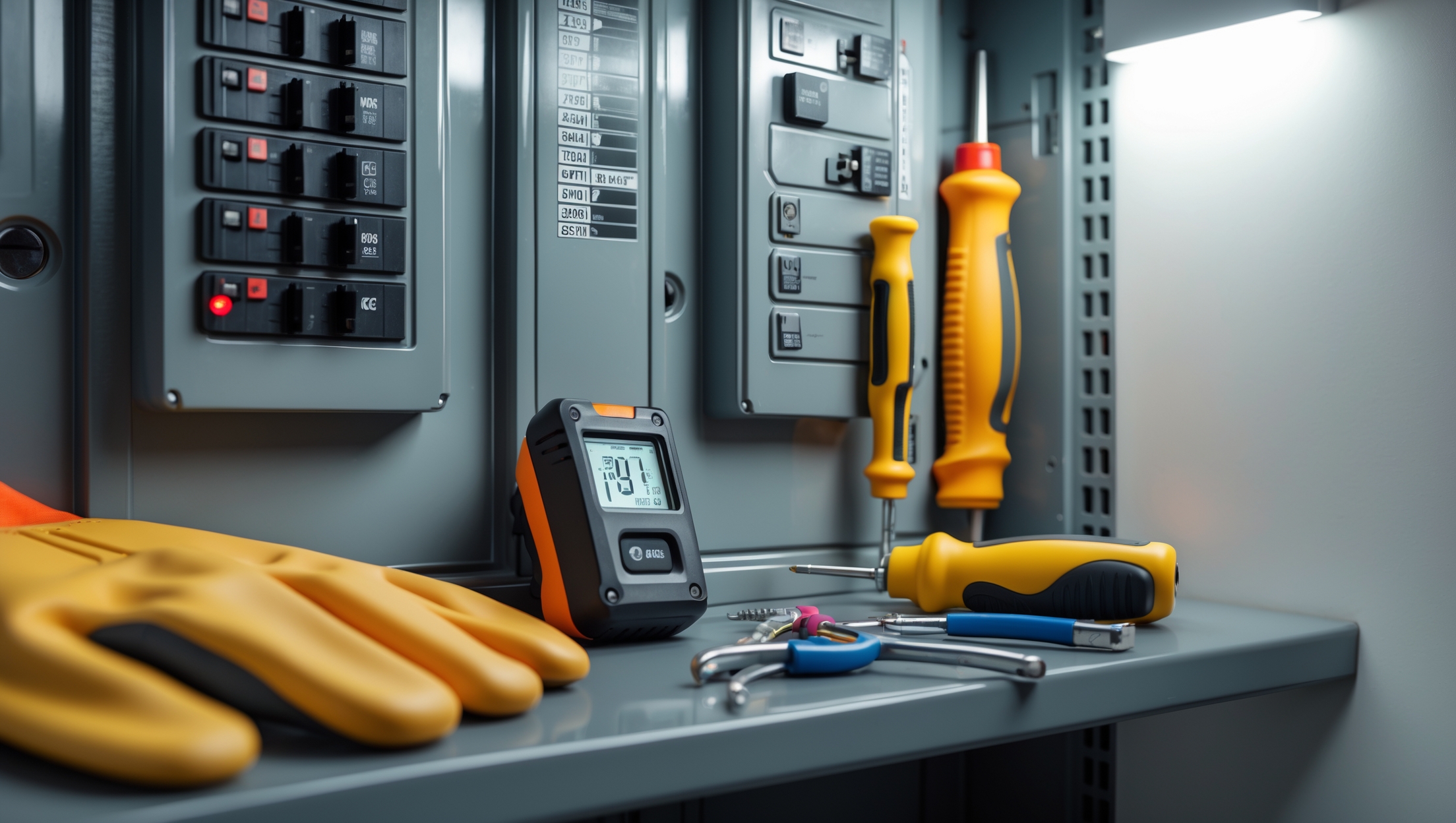
Introduction: Why Annual Electrical Maintenance Matters
Your home’s electrical system operates quietly behind the scenes, powering everything from kitchen appliances to vital safety devices. Yet, neglecting regular maintenance can turn this invisible network into a source of danger and costly surprises. Annual electrical system maintenance isn’t just about preventing outages—it’s about protecting your investment, ensuring your family’s safety, and maximizing energy efficiency. Whether your home is decades old or freshly built, developing and following a yearly maintenance schedule is essential for early detection of wear, code violations, or potential hazards. In this comprehensive guide, you’ll find a practical, month-by-month approach to electrical maintenance, realistic cost expectations, and a list of essential tools every homeowner should keep on hand. Let’s make your home’s electrical system safer, more reliable, and future-ready—one annual checkup at a time.
Understanding the Core Elements of a Home Electrical System
Key Components to Monitor
- Service Panel: The central hub distributing electricity throughout your home. Includes circuit breakers or fuses.
- Wiring: The network of cables hidden behind walls, ceilings, and floors.
- Outlets and Switches: Everyday access points for appliances and lighting.
- Grounding System: Protects against electrical shock and surges.
- Protective Devices: Ground Fault Circuit Interrupters (GFCIs), Arc Fault Circuit Interrupters (AFCIs), and surge protection equipment.
Each of these components requires regular attention to ensure safe, efficient operation and compliance with updated electrical codes.
Annual Electrical Maintenance Schedule: Month-by-Month Breakdown
January – Winter Safety and Panel Inspection
- Visual Panel Check: Open the service panel (main breaker box) and inspect for corrosion, burn marks, or loose wires. Tighten connections if experienced; otherwise, call a licensed electrician.
- Test Circuit Breakers: Flip each breaker off and on to ensure smooth operation. Listen and watch for any signs of arcing.
- Check for Overloaded Circuits: Review what’s plugged in after holiday usage. Unplug unused lights and decorations.
February – Outlet and Switch Audit
- Inspect Outlets: Look for discoloration, cracks, or loose sockets. Use a plug-in outlet tester to check wiring.
- Test GFCIs: Press Test and Reset buttons on all GFCI outlets to confirm proper function.
- Switch Functionality: Ensure all switches operate smoothly without flickering or buzzing.
March – Lighting and Fixture Check
- Replace Burned-Out Bulbs: Opt for energy-efficient LEDs.
- Clean Fixtures: Remove dust and cobwebs from light fixtures and ceiling fans to prevent overheating.
- Inspect Exterior Lighting: Check porch, garage, and landscape lighting for damage or signs of water intrusion.
April – Wiring and Extension Cord Review
- Inspect Visible Wiring: Look for fraying or chewed insulation in basements, attics, and garages.
- Review Cord Usage: Remove all unnecessary extension cords; ensure none are overloaded or pinched under furniture.
May – Surge Protection and Electronics
- Test Surge Protectors: Replace any that have tripped or are more than five years old.
- Review Electronics: Unplug rarely used devices. Plug sensitive equipment into surge-protected outlets.
June – Outdoor Electrical Systems
- Check Outlets: Inspect all exterior outlets for weatherproof covers and tight seals.
- Pool and Spa Safety: Test GFCI protection on outdoor circuits, especially those serving pools or hot tubs.
- Landscape Lighting: Replace bulbs and check wiring for rodent damage or moisture issues.
July – Cooling Systems and Fans
- Ceiling Fans: Clean blades and ensure all mounting hardware is tight.
- Window AC Units: Inspect power cords for damage, clean filters, and ensure proper grounding.
- Central AC: Schedule professional maintenance for the HVAC system; ask the technician to check electrical connections.
August – Safety Devices and Alarms
- Smoke/CO Detectors: Test all alarms, replace batteries, and ensure hardwired connections are secure.
- Fire Extinguishers: Confirm accessibility and proper charge (not electrical, but essential for safety near panels).
September – Garage and Workshop Power
- Tool Inspection: Check cords, plugs, and switches on all power tools for wear.
- Garage Door Opener: Test safety sensors and examine wiring for fraying or corrosion.
October – Prepare for Heating Season
- Space Heaters: Inspect cords and plugs, avoid using extension cords.
- Furnace Electrical: Confirm that all wiring and switches are in good condition. Schedule professional furnace inspection if needed.
November – Holiday Safety and Decorations
- Holiday Lights: Examine for frayed wires or cracked sockets before installation.
- Outdoor Cords: Use only rated cords for exterior use. Secure them away from moisture and traffic paths.
December – Year-End Review and Professional Inspection
- Review Maintenance Log: Note any recurring issues or repairs.
- Schedule Professional Electrical Inspection: Every 3-5 years, have a licensed electrician perform a full system checkup.
Cost Planning: What to Expect Each Year
DIY vs. Professional Maintenance Costs
Most routine inspections and minor tasks can be handled by a careful homeowner with the right tools and safety precautions. However, certain jobs—such as tightening panel connections, diagnosing wiring issues, or upgrading protective devices—should be left to licensed electricians.
- DIY Supplies and Tools: $100–$300 initial investment; $20–$50 for annual replacements (batteries, bulbs, surge protectors).
- Professional Inspection: $150–$300 every 3-5 years; higher if repairs or upgrades are needed.
- Common Repairs: Outlet replacement ($75–$150 per outlet, pro-installed), GFCI upgrade ($100–$200 per outlet), breaker replacement ($150–$300 per breaker), minor wiring fixes ($200–$500).
Budgeting Tips
- Set aside at least $100 annually for routine maintenance supplies and minor repairs.
- Plan for a $300–$500 reserve for unexpected electrical repairs or code upgrades.
- Track all expenses in a dedicated home maintenance log for future planning and insurance purposes.
Essential Tools for Safe Electrical Maintenance
Must-Have Tools for Homeowners
- Voltage Tester: Non-contact tester to check for live wires before touching any component.
- Multimeter: For measuring voltage, current, and resistance—useful for diagnosing circuit issues.
- Insulated Screwdrivers: Reduce the risk of shock when tightening outlets or panel screws.
- Wire Strippers and Cutters: For clean, safe stripping of wires when replacing outlets or switches.
- Outlet Tester: Plug-in device that checks for correct wiring and GFCI function.
- Circuit Finder: Identifies which breaker controls a specific outlet or fixture.
- Flashlight or Headlamp: Essential for panel work or tight spaces.
- Electrical Tape: For insulating connections during repairs.
- Safety Gear: Rubber-soled shoes, safety glasses, and insulated gloves.
Optional Upgrades
- Label Maker: For clear breaker box labeling and outlet identification.
- Clamp Meter: For measuring current without direct contact—handy for diagnosing overloaded circuits.
- Wire Fish Tape: Helps run new wires through finished walls with minimal damage.
Safety Precautions: Non-Negotiable Habits
- Always turn off power at the main breaker before working on outlets, switches, or fixtures.
- Double-check with a voltage tester before touching any wires.
- Avoid working on energized circuits unless specifically trained and equipped.
- Never bypass fuses or breakers as a temporary solution.
- Report and repair any signs of overheating, buzzing, or burning odors immediately.
- Consult a licensed electrician for any work beyond your comfort or skill level.
Common Issues Uncovered by Annual Maintenance
- Loose Connections: Leading cause of arcing and fires, particularly in older homes.
- Worn Outlets or Switches: Signs include loose plugs, sparking, or crackling sounds.
- Overloaded Circuits: Frequent breaker trips or dimming lights indicate a need for circuit upgrades.
- Out-of-Date Protective Devices: Missing or malfunctioning GFCIs/AFCIs increase shock and fire risks.
- Rodent Damage: Chewed insulation in attics or crawl spaces, particularly after winter.
- Improper Outdoor Protection: Exposed wiring or unsealed exterior boxes lead to moisture intrusion and corrosion.
When to Call a Professional: Red Flags
- Repeated breaker trips or blown fuses without clear cause.
- Burning odors, smoke, or visible scorch marks near outlets or the panel.
- Buzzing sounds from outlets, switches, or panel.
- Signs of water damage in electrical boxes or outlets.
- Frequent light flickering not solved by bulb replacement or socket cleaning.
- Any work inside the main service panel beyond basic visual inspection.
Record-Keeping: Building Your Maintenance Log
What to Track
- Date and details of each inspection or repair.
- Location and nature of any issues found.
- Costs for parts, tools, and professional services.
- Copies of permits or inspection certificates (if applicable).
Keeping a detailed log not only helps with planning and budgeting but also provides valuable documentation for insurance claims or when selling your home.
Conclusion: Make Electrical Maintenance a Habit, Not an Afterthought
Your home’s electrical system is too important to leave to chance. By committing to an annual maintenance schedule, you’re not just ticking off a chore—you’re actively protecting your family, property, and budget. The steps outlined above are designed to be actionable and approachable, empowering homeowners to take charge of their electrical system’s health. With a modest investment in tools and a few hours spread throughout the year, you can prevent the vast majority of electrical failures and hazards.
Regular maintenance helps you catch small issues before they escalate into emergencies. It also keeps your system in line with current codes and insurance requirements, maximizing both resale value and peace of mind. Remember, safety comes first: know your limits, use the right tools, and don’t hesitate to call a licensed electrician for anything beyond basic inspection or minor repairs. By making electrical maintenance a routine part of your home care, you turn a potential source of stress into a foundation for long-term comfort, safety, and efficiency. Start your annual inspection this month, and take the first step towards a safer, smarter home.
The article mentions inspecting the service panel for signs of corrosion or burn marks every January. If I’m not comfortable opening the main breaker box myself, how much should I expect to pay a licensed electrician for this kind of annual inspection?
If you’d prefer to have a licensed electrician handle your annual service panel inspection, the typical cost ranges from $100 to $200 for a basic checkup. Prices can vary depending on your location and whether additional troubleshooting is needed. This usually covers a visual inspection for corrosion, burn marks, and overall safety of your electrical panel.
This guide talks about developing a maintenance schedule for both older and newer homes. If my house was built within the last five years, do I still need to follow the month-by-month checklist, or are there certain checks I can skip when systems are newer?
Even in a newer home, it’s a good idea to follow the month-by-month checklist. While your electrical systems are less likely to have wear or outdated components, regular checks help you catch early issues, ensure warranty compliance, and keep everything running safely. You may find some steps, like panel inspections or outlet testing, are quicker since there’s less likely to be damage, but it’s still best not to skip them.
For a first-timer, how can I tell if the wiring behind my walls needs attention during my yearly checks? Are there any visible signs I should look for without taking things apart, or does this always require a pro?
You can look for warning signs like flickering lights, outlets or switches that feel warm to the touch, frequent circuit breaker trips, or burning smells near outlets. Discoloration or scorch marks around outlets are also red flags. If you notice any of these, it’s best to call a licensed electrician. You don’t need to take anything apart yourself—just observe carefully during your checks.
Do you have any advice on budgeting for unexpected electrical issues during yearly maintenance? The cost planning section sounds helpful, but I’m wondering what a realistic emergency fund might look like, especially for someone with an older home.
For older homes, it’s wise to set aside an emergency fund specifically for electrical surprises, since issues can be more frequent or costly. A good starting point is to budget 10-20% of your annual home maintenance expenses for electrical emergencies. For many homeowners, this might mean saving $300 to $600 each year, but if your home is much older or has outdated wiring, consider increasing that amount. Regular inspections can help catch problems early and reduce the likelihood of major repairs.
The guide lists a variety of essential tools for electrical maintenance, but I’m curious if homeowners in older houses need additional or different tools compared to those with more modern wiring systems. Could you elaborate on tool recommendations based on home age or wiring type?
For older homes, it’s wise to add a non-contact voltage tester and a circuit tracer to your toolkit, since wiring may be less predictable and outlets might not be grounded. You may also need a slotted screwdriver for older fixtures, and possibly wire strippers compatible with thicker or cloth-insulated wires. For modern homes, most standard tools listed in the guide should suffice.
Your article mentions the importance of testing GFCIs and AFCIs as part of annual maintenance. If I find that one of my GFCI outlets isn’t resetting properly, does that always mean it needs to be replaced, or could there be a simpler fix I should try first?
If a GFCI outlet isn’t resetting, it doesn’t always mean it must be replaced. First, check if there’s a tripped breaker or blown fuse in your electrical panel, and make sure the outlet is receiving power. Try pressing the reset button firmly. If it still won’t reset, unplug any devices connected to the outlet and test again. If none of these steps work, the outlet may be faulty and should be replaced for safety.
The guide mentions inspecting the service panel for corrosion or loose wires every year. For someone without electrical experience, how do I know when it’s safe to do a visual check myself versus when I absolutely need to call a licensed electrician?
A basic visual check is generally safe if you don’t open the service panel—just look for signs like rust, scorch marks, or frayed wires from the outside with the cover on. If you notice any damage, lingering odors, or if you’re unsure about what you see, it’s important to contact a licensed electrician. Never remove the panel cover or touch wires unless you have proper training.
When inspecting the service panel for corrosion or burn marks as the article suggests, what should I do if I spot any of these issues? Is this something a homeowner can safely address on their own, or should this always involve a licensed electrician?
If you notice corrosion or burn marks in your service panel, it’s best not to attempt repairs yourself. These issues can indicate serious electrical problems and may pose safety risks. The safest and most reliable approach is to contact a licensed electrician to inspect and fix the problem, as they have the proper training and tools to handle such situations.
When inspecting the service panel for corrosion or burn marks, is it safe to do this myself if I just want to look and not touch anything, or should I always hire a licensed electrician for these checks?
You can safely inspect your service panel visually without touching anything. Make sure your hands are dry and avoid using metal tools or removing panel covers. If you see any signs of corrosion, burn marks, or a smell of burning, it’s best to contact a licensed electrician for a thorough inspection and repairs. Never attempt repairs or deeper inspection yourself.
If I’m not comfortable opening up the main service panel myself, are there other tasks from your month-by-month schedule that I can safely handle as a layperson, or should I always call in an electrician for any inspections beyond outlets and switches?
You don’t need to call an electrician for everything—many maintenance tasks are safe for homeowners. You can check and test GFCI outlets, replace light bulbs, inspect cords for wear, and vacuum around outlets or appliances. Visual checks of extension cords, power strips, and surge protectors are also fine. However, anything involving wiring or opening electrical boxes should be left to a pro for safety.
The article mentions essential tools for annual maintenance—are there specific brands or quality levels you recommend for homeowners who want to invest in tools that last but don’t necessarily want to overspend?
When choosing tools for home electrical maintenance, look for reputable brands known for durability and safety, such as Klein Tools, Stanley, or Irwin. Mid-range products from these brands usually offer a good balance between cost and longevity. For items like voltage testers, insulated screwdrivers, and wire strippers, check for UL or ETL safety certifications. You don’t need the most expensive models—just avoid generic, no-name brands to ensure reliability and safety.
I saw that the article talks about the cost expectations for yearly electrical maintenance. For someone with an older home, how much more should I budget compared to someone with a newer build, and are there particular components that usually end up costing more to repair or replace?
Older homes often require a larger budget for annual electrical maintenance than newer builds, typically 20–50% more, depending on the home’s condition and when it was last updated. In older houses, wiring, circuit breakers, and outlets are common trouble spots, as they may no longer meet current code or have worn out over time. Replacing outdated panels or rewiring can contribute significantly to higher costs, so it’s wise to plan for potential upgrades or unexpected repairs.
Regarding the essential tools you mentioned, can you specify which ones are absolutely necessary for basic annual checks, and which would be considered more advanced or optional for homeowners who want to handle maintenance themselves?
For basic annual checks, the absolutely necessary tools are a voltage tester, non-contact circuit tester, basic screwdriver set, and a flashlight. These will let you safely check outlets, switches, and visible wiring. More advanced or optional tools include a clamp meter, wire stripper, circuit tracer, and multimeter, which are useful for troubleshooting deeper issues or handling more complex repairs. If you’re just starting out or focusing on simple maintenance, stick with the essentials for safety.
The article mentions inspecting for corrosion or burn marks in the service panel during January, but how often should a homeowner actually open the panel themselves if they are not experienced? Are there any specific signs that indicate it’s definitely time to call a licensed electrician?
If you’re not experienced with electrical systems, it’s safest to open the service panel only once a year for a quick visual check, as the article suggests, and avoid touching any components inside. Signs that you should definitely call a licensed electrician include the presence of burn marks, a burnt smell, visible corrosion, frequent breaker trips, or buzzing sounds from the panel. These can indicate serious electrical issues that require professional attention.
If a visual inspection of the service panel in January reveals some corrosion but no immediate malfunction, should I call an electrician right away or can it wait until the next scheduled maintenance to address it from a cost perspective?
If you notice corrosion in the service panel, it’s best to contact an electrician sooner rather than waiting until your next scheduled maintenance. Corrosion can worsen over time and may lead to safety issues or higher repair costs if left unaddressed. Addressing it early can help prevent more expensive problems down the line.
Could you clarify what signs of trouble I should look for when inspecting my service panel, especially if I’m not an electrician? The article mentions corrosion and burn marks—are there other common warning signs I might miss?
When inspecting your service panel, besides corrosion or burn marks, also look for any unusual smells like burning plastic, buzzing or crackling noises, loose wires, or breakers that are hot to the touch. Labels that are faded or illegible can also make maintenance harder and should be updated. If you notice any of these, or if breakers trip repeatedly, it’s a good idea to consult a licensed electrician.
The article mentions realistic cost expectations for annual electrical maintenance—can you give more details on average yearly costs for a typical single-family home, especially if it’s on the older side?
For an older single-family home, you can usually expect annual electrical maintenance costs to range from $200 to $500. This covers inspections, replacing worn outlets or switches, and minor repairs. If your home is much older or hasn’t been updated in years, costs could be higher if significant issues like outdated wiring or panel upgrades are found during routine checks.
When checking the service panel for corrosion or burn marks as suggested, are there specific signs I should be looking for that indicate it’s time to call a professional instead of trying a DIY fix?
If you see any signs of rust, green or white powdery buildup, blackened or charred areas, or a burnt smell in your service panel, it’s best to call a professional. Also, if you notice loose wires, melted insulation, or hear buzzing or crackling sounds, avoid DIY repairs and get an electrician to inspect it, since these may signal serious hazards.
The article talks about keeping certain essential tools on hand for electrical maintenance—could you specify which tools are absolutely necessary versus nice-to-have for a homeowner with no electrical experience? I’m trying to plan what I really need to buy.
For a homeowner with no electrical experience, the absolutely necessary tools are a non-contact voltage tester (to safely check if wires are live), insulated screwdrivers, and needle-nose pliers. These tools help you perform basic safety checks and handle simple tasks like resetting breakers or replacing outlet covers. Nice-to-have tools include a wire stripper, electrical tape, flashlight, and a basic multimeter. Start with the essentials for safety, and add more tools as you get comfortable.
You mention developing a month-by-month maintenance schedule, but is there a way to combine tasks or spread them out differently if I have a busy schedule? I want to stay on top of things but not sure how flexible the plan can be.
You can absolutely adjust the maintenance schedule to fit your needs. Many tasks can be combined into a single session, like checking outlets, testing GFCIs, and inspecting cords. If monthly tasks feel overwhelming, consider grouping quarterly or bi-annual checks. The most important thing is to complete all the essential tasks over the year, even if you change the timing to suit your availability.
Could you provide more detail on how often GFCIs and AFCIs should be tested, and if there are any specific signs of wear or malfunction homeowners should look for during their annual checks?
GFCIs and AFCIs should be tested at least once a month, although checking them during your annual maintenance is still helpful. Press the ‘test’ button on each device; it should immediately trip and cut power. Afterwards, reset it. Signs of wear or malfunction include failure to trip when tested, physical damage, buzzing noises, or frequent nuisance tripping. If you notice any of these, the device may need replacement.
When planning for annual electrical system maintenance costs, what are some unexpected expenses homeowners should watch out for, especially in older homes that might have outdated wiring or grounding issues?
When budgeting for annual electrical maintenance in older homes, unexpected expenses can include replacing outdated knob-and-tube or aluminum wiring, upgrading old fuse boxes to circuit breakers, and addressing inadequate grounding. You might also encounter hidden damage from rodents, moisture, or past DIY fixes. Electrical code upgrades and permits can add to costs, so it’s wise to set aside a contingency fund for surprises, especially if your home hasn’t been inspected in many years.
Could you provide more details about what an average homeowner should look for when inspecting the service panel? I’m not comfortable opening the main breaker box myself, so I’m wondering which signs of trouble, like burn marks or loose wires, can be spotted from the outside before calling an electrician.
If you’re inspecting your service panel from the outside, look for warning signs like discoloration, scorch marks, or a burnt smell around the panel cover. Listen for buzzing or crackling sounds, which can indicate electrical problems. Also, check if the panel feels unusually warm to the touch. If you notice any of these signs or see rust, corrosion, or moisture near the panel, it’s safest to contact a licensed electrician for a full inspection.
You listed GFCIs and AFCIs as protective devices that need regular attention. How can I tell if the ones in my house are still working properly, and is there a way to test them myself, or does it always require special equipment or an electrician?
You can test both GFCIs and AFCIs yourself without special equipment. GFCI outlets have a ‘Test’ and ‘Reset’ button—press ‘Test’ and the outlet should shut off power; press ‘Reset’ to restore it. AFCI breakers in your panel also have a ‘Test’ button—press it and the breaker should trip. If either device doesn’t respond as described, or won’t reset, it’s time to call an electrician.
The guide talks about budgeting for electrical maintenance. Can you give a rough estimate of what a typical annual checkup by a licensed electrician might cost in the US, especially for a standard single-family home?
For a standard single-family home in the US, a typical annual electrical checkup by a licensed electrician generally costs between $150 and $300. This price can vary depending on your location and the size or age of your home. The cost usually covers a thorough inspection of outlets, panels, wiring, and safety devices to catch issues early.
In the section about inspecting the service panel, you mention tightening connections if experienced, or calling a licensed electrician otherwise. Can you clarify what specific signs would indicate that it’s time to call a professional instead of attempting minor maintenance as a homeowner?
You should call a licensed electrician if you notice signs like scorch marks, buzzing or crackling sounds, a burning smell, corroded or rusted components, or if any breakers frequently trip. Also, if you feel unsure or uncomfortable working inside the panel, or if you see any loose or damaged wires, it’s safest to get professional help rather than attempting repairs yourself.
For budgeting purposes, what are the average annual costs if I hire a licensed electrician to handle this full maintenance checklist versus just doing some of the simpler tasks myself? Any ballpark estimates for both routes would be helpful.
If you hire a licensed electrician to handle the entire annual maintenance checklist, costs typically range from $300 to $600 per year, depending on your home’s size and local rates. If you handle simpler jobs yourself, like checking outlets or replacing breakers, and only call an electrician for complex tasks, your out-of-pocket cost could drop to around $100–$250 annually. The exact amount depends on which tasks you tackle and your area’s electrician fees.
You mentioned realistic cost expectations for annual electrical maintenance—could you break down what typical expenses might look like for a smaller home versus a larger, older house?
For a smaller home, annual electrical maintenance usually costs between $150 and $300, covering basic inspections, outlet testing, and minor updates. For a larger or older house, expect higher costs—often $400 to $700 or more—since there may be more wiring, panels, and fixtures to inspect, plus a greater likelihood of outdated components needing repair or replacement. These estimates don’t include major repairs, just routine upkeep.
I noticed surge protection equipment was highlighted as an essential protective device. Should this be tested or replaced as part of the yearly schedule? If so, what signs should I look for to know if my surge protector isn’t working properly anymore?
Surge protection equipment should be checked during your yearly maintenance. While some models have indicator lights showing status—if the light is off or red, it likely needs replacing—others may not have clear indicators. Watch for physical damage, burn marks, or buzzing sounds. Surge protectors generally can’t be repaired, so if you notice any of these issues, or if your device has been through a significant power surge, it’s safest to replace it.
You mention the importance of keeping essential tools on hand for electrical maintenance. Could you give an idea of what specific tools are considered must-haves versus nice-to-haves, especially for someone starting out without a big budget?
For basic electrical maintenance, must-have tools include a multimeter, insulated screwdrivers, wire strippers, a voltage tester, and needle-nose pliers. These cover most simple tasks safely. Nice-to-have tools, if your budget allows, are a circuit finder, cable stapler, fish tape, and a headlamp for visibility. Starting with the essentials ensures safety and allows you to handle common repairs without overspending.
The article mentions planning for the costs of annual electrical maintenance. Could you give some examples of what a realistic yearly budget might look like for a typical three-bedroom home, including both DIY expenses and what I’d need to hire out?
For a typical three-bedroom home, yearly electrical maintenance might cost around $100–$200 for DIY items like replacement outlets, basic tools, and safety gear. For professional services—such as an annual inspection or repairs—you should budget an additional $150–$400, depending on your location and electrician rates. Altogether, planning for $250–$600 per year covers most routine needs and a few minor repairs.
You mention inspecting the service panel for corrosion and loose wires as part of the January maintenance. If I’m not comfortable opening the panel myself, is it enough to just check from the outside, or should I always hire an electrician for this step each year?
If you’re not comfortable opening the service panel, it’s best to hire a licensed electrician for this task annually. Checking just the outside won’t reveal issues like internal corrosion or loose wires, which are important for safety. An electrician can thoroughly inspect the panel and address any problems before they become serious.
For older homes with outdated wiring, are there any special steps or extra precautions we should add to the annual maintenance schedule you outlined, beyond just regular visual inspections and panel checks?
For older homes with outdated wiring, it’s wise to go beyond standard inspections. Schedule a licensed electrician to perform a thorough wiring assessment every few years, not just a visual check. Watch for frequent blown fuses, flickering lights, or discolored outlets, as these can signal deeper issues. Avoid overloading circuits and consider upgrading old outlets to GFCI where needed. These extra steps help ensure safety and reduce fire risks.
You mentioned following a month-by-month approach for electrical maintenance. If my home is less than ten years old, are there certain steps I can safely skip, or do all the routine checks still apply regardless of age?
Even if your home is under ten years old, it’s best to follow the full maintenance schedule. While newer wiring and components are less likely to have issues, routine checks can catch early signs of wear, loose connections, or other problems. You might find fewer issues, but skipping steps could mean missing something important. Staying consistent helps ensure your system remains safe and reliable.
When checking the service panel for corrosion or loose wires like you mentioned for January, is it safe for a beginner to open the breaker box, or should that always be left to a professional? What specific signs should I look for before I decide to call an electrician?
If you’re a beginner, it’s best to avoid removing the panel cover yourself since it exposes live wiring and can be dangerous. You can safely open the outer door to check for obvious rust, scorch marks, or unusual smells, which are signs of trouble. If you notice any of these, or if breakers feel loose or won’t reset, it’s safest to call a licensed electrician.
When planning for the yearly cost of electrical maintenance, do you suggest setting aside a flat annual budget or estimating based on the age of the home and any previous electrical work? Curious how to avoid surprise expenses while following this kind of maintenance schedule.
It’s wise to factor in both a flat annual budget and adjustments for your home’s age and any previous electrical updates. Older homes or those with outdated wiring might require more frequent attention, so consider setting a base amount and increasing it if your home is older or has a history of issues. Regular inspections can also help spot potential problems early and minimize surprise expenses.
I saw the article mentions doing a visual panel check and tightening connections if experienced. How can a first-time DIYer know when it’s safe to tighten connections themselves versus when to call a licensed electrician?
If you haven’t worked on electrical panels before, it’s best to stick to a visual inspection only. Look for signs like discoloration, burning smells, or loose wires but avoid opening the panel or tightening anything unless you have electrical training. If you notice issues or feel unsure, call a licensed electrician to handle repairs or adjustments safely.
If my house was built in the 1970s, are there specific electrical components I should pay extra attention to when following your annual maintenance schedule, like certain types of wiring or older panels?
Houses built in the 1970s often have aluminum wiring and older circuit breaker panels, which can be safety concerns. During your annual maintenance, inspect for aluminum branch wiring, especially at connections and outlets, as these can overheat. Also, check if your panel is a brand known for reliability issues from that era. If you’re unsure, a licensed electrician can help identify and address any outdated or hazardous components.
You mentioned cost expectations for annual electrical system maintenance, but what’s a typical range I should budget for if my house is about 30 years old? Should I expect higher costs due to age or only if issues are already visible?
For a 30-year-old home, you should generally budget around $200 to $500 annually for routine electrical maintenance. The age of your house can mean higher costs if outdated wiring or components need attention, even without obvious problems. Regular checks help catch issues early, but older systems may occasionally need upgrades or repairs, so having a buffer in your budget is wise.
I’m new to DIY electrical work and I noticed the article mentions inspecting the service panel for corrosion or burn marks in January. How do I safely open and check the panel myself, or should I always get a professional for that step?
Inspecting your service panel is important but also potentially dangerous if you’re unfamiliar with electrical systems. You can safely open the outer door to look for obvious issues like rust, water stains, or scorch marks without touching anything inside. However, if you need to remove the inner cover or see problems, it’s safest to hire a licensed electrician. This keeps you safe and ensures your electrical system is checked thoroughly.
The guide mentions both GFCIs and AFCIs as essential protective devices. Can you explain how I figure out which ones my home already has, and if I need to upgrade or add more of them during my annual maintenance?
To check which protective devices you have, look at your circuit breaker panel: GFCI breakers often have a test/reset button, while AFCI breakers are labeled as such. Standard GFCI outlets also have test/reset buttons. If some older areas lack these protections—especially kitchens, bathrooms, bedrooms, or laundry rooms—you may need to add or upgrade devices to meet current safety standards. An electrician can help confirm what’s installed and where upgrades are needed.
I noticed you listed GFCIs and AFCIs under protective devices. Can older homes that only have standard outlets be upgraded to include these, and is that something a homeowner can tackle, or does it always need a professional?
Older homes with standard outlets can definitely be upgraded to include GFCIs and AFCIs, which boost electrical safety. GFCI outlet replacements in kitchens, bathrooms, and outdoor areas can sometimes be a DIY job if you’re comfortable and know local electrical codes. However, replacing circuit breakers with AFCIs or handling any work in the main panel should be left to a licensed electrician for safety and compliance reasons.
In the section about inspecting the service panel, you mention tightening connections only if you are experienced. Could you clarify what warning signs indicate you should definitely stop and call a licensed electrician rather than proceeding on your own?
You should stop immediately and call a licensed electrician if you notice any of the following when inspecting your service panel: visible burn marks or scorching, a burning smell, melted insulation on wires, buzzing or crackling sounds, or if any breakers feel hot to the touch. Also, if you feel unsure or overwhelmed at any point, it’s best to let a professional handle it.
Could you clarify what specific signs I should look for when inspecting my main service panel? I’m comfortable doing basic visual checks, but I get nervous about distinguishing normal wear from something that might be dangerous or require a pro.
When inspecting your main service panel, look for any signs of rust, scorch marks, or a burnt smell, as these can indicate overheating or moisture problems. Loose wires, frayed insulation, or any buzzing or crackling sounds are also warning signs. Minor dust or cobwebs are normal, but if you notice any of the above issues, it’s best to contact a licensed electrician for a thorough inspection.
When inspecting the service panel for signs of corrosion or loose wires as suggested, is it safe for a homeowner to just look, or should this part always be left to a professional? I want to make sure I am not putting myself at risk during these annual checks.
It’s wise to be cautious around your service panel. Homeowners can safely open the main door to visually inspect for obvious rust, scorch marks, or wires that look out of place—just make sure not to touch anything inside. If you spot any issues or aren’t sure, it’s best to have a licensed electrician handle further inspection or repairs to avoid electrical risks.
When you mention doing a visual panel check for corrosion or burn marks in January, how can a homeowner safely identify what’s normal versus something that really needs an electrician’s attention? Are there specific warning signs to look for inside the breaker box?
When inspecting your breaker panel, look for obvious signs like blackened or burned spots, melted insulation, or greenish corrosion on wires or breakers. Unusual odors, such as a burnt smell, are also red flags. If you see any of these, or if breakers feel hot to the touch, you should contact an electrician immediately. It’s normal for wires and breakers to look clean and intact. Always use a flashlight, keep your hands dry, and never touch any exposed wiring during your check.
The guide mentions realistic cost expectations for annual maintenance, but I was wondering if you could provide a ballpark figure for what a homeowner should budget yearly for both professional inspections and basic tool purchases?
For annual electrical maintenance, homeowners should generally budget around $150 to $300 for a professional inspection, depending on home size and region. For basic tools like a voltage tester, screwdrivers, and wire strippers, a starter kit usually costs $40 to $75. So, a realistic yearly budget would be roughly $200 to $375 for both professional inspections and essential tool purchases.
The article says to follow a month-by-month schedule, but if I just moved into an older house, is there a recommended starting point or checklist I should follow to quickly catch up on overdue electrical maintenance?
Moving into an older house is a great time to get up to speed with electrical maintenance. Start by scheduling a professional inspection to check wiring, outlets, and the main panel for safety. Test all outlets and GFCIs, replace or repair damaged switches, and ensure smoke and carbon monoxide detectors work. After addressing urgent issues, you can begin following the month-by-month schedule going forward.
The article mentions inspecting the service panel and tightening connections if you have experience, but how can someone tell if they’re qualified to do this themselves versus calling a licensed electrician? Are there any specific signs that would definitely require a pro?
If you’re comfortable working around electricity, have experience with home wiring, and know how to safely shut off power at the main breaker, you might handle basic panel inspections. However, if you’re unsure, notice flickering lights, burning smells, scorched wires, rust, buzzing noises, or frequently tripping breakers, it’s best to call a licensed electrician. These signs suggest potential hazards that require professional expertise.
For older homes that haven’t had a major electrical upgrade in decades, are there any extra steps in the annual maintenance schedule I should be aware of beyond what you listed here? I’m worried some outdated wiring might require more frequent checks.
For older homes, it’s wise to add routine inspections for signs of outdated wiring, such as cloth-covered wires, aluminum wiring, or ungrounded outlets. Check outlets and switches for warmth or buzzing, and test circuit breakers more frequently. Consider scheduling a professional safety inspection every year, rather than every few years, to catch hidden issues early and ensure your system is up to current safety standards.
The article talks about a month-by-month maintenance approach and realistic cost expectations. Can you clarify what a reasonable annual budget for electrical system upkeep would be for a typical single-family home built in the 1980s?
For a typical single-family home from the 1980s, an annual budget for electrical system upkeep usually ranges from $200 to $500. This covers routine inspections, replacing switches or outlets, updating breakers, and minor repairs. If your home hasn’t had upgrades in a while, setting aside toward the higher end of that range is wise, as older wiring or panels might need attention.
For older homes that might not have AFCIs or surge protection, how much should I expect to budget to upgrade with these devices, and is this typically a DIY project or should I always hire a pro?
Upgrading an older home with AFCIs (Arc Fault Circuit Interrupters) and whole-house surge protection usually requires a licensed electrician, as it involves work inside your main electrical panel. Costs can range from $50–$80 per AFCI breaker, plus $300–$700 for professional installation, while whole-house surge protectors often cost $100–$300 for the device, with $150–$300 for installation. These upgrades aren’t recommended as DIY due to safety and code requirements.
The article mentions essential tools for yearly maintenance, but could you specify which tools are truly necessary for someone just starting out versus those more suited for experienced DIYers? I want to avoid overspending while still being safe.
For someone just starting out, focus on basic tools like a voltage tester, insulated screwdrivers, wire strippers, and a flashlight—these will cover most yearly maintenance safely. More advanced tools like a multimeter, circuit tracer, or cable stapler are useful but better suited to experienced DIYers handling bigger projects. Start simple and add as your confidence grows.
If my home was built before 1980, are there specific signs of wear or outdated wiring I should look for during the yearly inspection? I’m concerned about code violations or hidden hazards that wouldn’t be obvious to a non-electrician.
For homes built before 1980, keep an eye out for cloth-covered wiring, ungrounded outlets (two-prong instead of three-prong), discolored or warm outlet covers, flickering lights, and frequent circuit breaker trips. These can suggest outdated or unsafe wiring. Also, look for old fuse boxes instead of modern breaker panels. If you spot any of these, or if you’re unsure, it’s wise to have a licensed electrician do a thorough inspection to ensure everything meets current safety standards.
I noticed surge protection equipment is listed as an essential protective device. Are there particular brands or features you recommend for homeowners upgrading surge protectors as part of their regular maintenance routine?
When upgrading surge protectors, look for devices that are UL 1449 certified, as this ensures tested safety standards. Whole-house surge protectors from brands like Square D, Eaton, and Leviton are well-regarded in the industry. Key features to consider include a high joule rating (for longevity and protection), indicator lights to show protection status, and compatibility with your electrical panel. It’s wise to consult an electrician to ensure proper installation and the right capacity for your home.
In the section about inspecting the service panel for corrosion or loose wires, is there a recommended checklist or specific signs homeowners without much electrical experience should look for before deciding to call a professional?
When inspecting your service panel, look for any rust or discoloration on metal parts, a burning smell, buzzing sounds, or wires that appear loose or frayed. If you notice any of these issues or feel unsure, it’s safest to contact a professional. Avoid touching internal components if you’re inexperienced, and always turn off the main breaker before doing a visual inspection.
When you mention inspecting the service panel for issues like corrosion or loose wires, how can a DIYer tell if something is actually dangerous versus just a little worn? Is there a specific sign that should trigger a call to an electrician right away?
If you see any signs of burned or melted insulation, noticeable scorch marks, a burning smell, or hear buzzing or crackling from the panel, it’s time to call an electrician immediately. Slight discoloration or minor dust is usually not urgent, but anything involving heat, odor, or loose/bare wires is potentially dangerous and should not be handled on your own.
I noticed you recommend annual inspections, but how does this maintenance schedule differ if my home is older, say built before 1970? Are there extra steps I should add, or should I be more frequent with certain checks?
For homes built before 1970, it’s wise to be more vigilant. Older wiring, outlets, and panels can have age-related wear or may not meet modern safety standards. In addition to annual inspections, consider checking for frayed wires, outdated fuse boxes, and ungrounded outlets more frequently—perhaps twice a year. It can also be smart to have a licensed electrician review your system every few years for safety upgrades.
The guide talks about planning for realistic maintenance costs. Could you provide a ballpark figure for annual electrical upkeep in an average-sized home, including both DIY tasks and professional inspections?
For an average-sized home, you can expect to spend around $100–$200 per year on DIY electrical maintenance, covering things like outlet testing, replacing switches, and buying basic tools. Adding a professional inspection, which is recommended annually or every few years, might cost an additional $150–$300 per visit. So, budgeting $250–$500 each year should cover both DIY and professional upkeep for most homes.
When inspecting the service panel as recommended, what are some clear signs that indicate I definitely need to call a licensed electrician instead of handling it myself? I want to be safe but also do as much as possible before bringing in a pro.
When inspecting your service panel, call a licensed electrician if you notice any of the following: scorch marks, a burning smell, buzzing or crackling sounds, signs of water or rust, loose wires, or breakers that frequently trip or won’t reset. Also, if you feel unsure or uncomfortable with anything you see, it’s safest to have a professional evaluate the panel.
You mention month-by-month tasks, like testing circuit breakers and inspecting the grounding system. If a homeowner discovers an issue mid-year—for example, a tripped GFCI that keeps resetting—should that be treated as an emergency, or can it wait until the annual checkup? What immediate steps would you recommend?
If a GFCI keeps tripping repeatedly, it shouldn’t wait until your annual checkup. Persistent tripping can signal wiring issues, faulty appliances, or even moisture problems. Unplug all devices from the affected circuit and try resetting the outlet. If it still trips, avoid using the circuit and call a licensed electrician soon. This is a safety concern and should be addressed promptly.
You mention essential tools for homeowners to keep on hand—are there certain tools that are especially important for people living in older homes with outdated wiring, or would the same basic toolkit apply regardless of the home’s age?
For older homes with outdated wiring, a basic toolkit is still important, but you might want to add a few specialized tools. A non-contact voltage tester becomes particularly valuable for safely identifying live wires. A circuit breaker finder can help map old, unlabeled circuits. Insulated screwdrivers and wire strippers are also essential. While the core toolkit remains similar, these extra tools can make maintenance and troubleshooting in older homes much safer and easier.
In the section about essential tools, do you recommend a particular brand or feature to look for in a voltage tester for beginners? I’m trying to plan my budget and don’t want to overspend on tools I might rarely use.
For beginners, it’s more important to choose a voltage tester that’s simple, reliable, and easy to use rather than focusing on a specific brand. Look for a non-contact voltage tester with clear LED indicators and audible alerts, which adds an extra layer of safety. Models from brands like Klein Tools, Southwire, or Fluke are often recommended for their durability, but entry-level options from these brands are typically affordable and sufficient for basic home electrical tasks.
In the section about the service panel inspection, you mention tightening connections if you are experienced. Can you explain what specific signs would indicate I should definitely call a licensed electrician instead of trying to handle it myself as a first-timer?
If you notice any burnt smells, visible scorching or discoloration around the panel or wires, buzzing sounds, loose breakers that don’t reset properly, or if you feel uncomfortable or unsure at any point, it’s best to call a licensed electrician. These signs can indicate serious issues that require professional assessment and repair to ensure safety.
The article mentions realistic cost expectations for annual electrical maintenance, but could you clarify what a typical yearly budget might be for a standard-sized home? Does this estimate include the cost of hiring professionals for inspections?
For a standard-sized home, you can generally expect to budget between $200 and $500 per year for electrical system maintenance. This estimate does include the cost of hiring a licensed professional for annual inspections, as well as basic upkeep like replacing outlets or switches if needed. More extensive repairs or upgrades would be additional.
For older homes that might not have GFCIs or AFCIs installed yet, what are the first steps to take for upgrading those protective devices? Do I need to replace whole outlets, or are there alternatives to get up to code without major rewiring?
For older homes lacking GFCI or AFCI protection, the usual first step is to install GFCI or AFCI outlets in required locations—this typically means replacing standard outlets with the new protective versions. However, if rewiring isn’t feasible, GFCI circuit breakers or AFCI breakers can be installed in your main panel to protect entire circuits. It’s always wise to consult a licensed electrician to assess your specific setup and ensure upgrades meet local code requirements.
I noticed the article recommends opening the service panel to check for corrosion or loose wires. For homeowners who aren’t comfortable doing this themselves, how much does a typical electrician charge for a basic annual panel inspection? Is this usually bundled with other electrical checkups?
A basic annual panel inspection by a licensed electrician typically costs between $100 and $200, depending on your location. Many electricians offer this as part of a broader home electrical safety check, which may include testing outlets, checking smoke detectors, and inspecting wiring. Bundling services can sometimes offer better value, so you may want to ask about comprehensive inspection packages when scheduling.
The excerpt mentions inspecting the service panel for corrosion or burn marks and tightening connections if experienced. Could you clarify what specific safety precautions homeowners should take during this process, and when it’s absolutely necessary to call a licensed electrician?
When inspecting your service panel, always turn off the main breaker before opening the panel to prevent electrical shock. Use insulated tools, wear rubber-soled shoes, and work in a dry environment. Never touch bare wires or internal components unless you are trained. If you notice any corrosion, burn marks, or if breakers feel hot, it’s essential to stop and call a licensed electrician. Also, if you’re unsure or uncomfortable tightening connections, leave this to a professional for your safety.
Could you give a ballpark estimate of how much it typically costs to have a professional do a full annual inspection, including checking wiring behind the walls? I want to plan my home maintenance budget but am not sure what’s reasonable.
A full professional annual electrical inspection, including checking wiring behind walls, usually costs between $150 and $400, depending on your home’s size and your location. If specialized testing or accessing hard-to-reach wiring is required, the price could be a bit higher. It’s wise to request quotes from a few local electricians to get a more accurate estimate for your area.
For the annual panel inspection you mentioned, how do I safely recognize corrosion or burn marks if I’m not experienced with electrical panels? Is there a specific checklist or signs I should look out for before deciding to call an electrician?
When inspecting your electrical panel, look for any signs of rust, greenish or white powdery buildup (corrosion), or dark discoloration and soot marks around breakers (burn marks). Also, check for a burnt smell or breakers that feel unusually hot. You don’t need to touch anything—just observe with a flashlight. If you see any of these signs, or if anything looks out of place, it’s wise to call a licensed electrician for a detailed check.
You mention checking the service panel for burn marks and corrosion in January, but how can I tell if something I find is actually dangerous or just normal wear? Are there any warning signs that mean I should call an electrician immediately?
If you see burnt or blackened areas, melted insulation, or a strong burning smell coming from the service panel, these are serious warning signs and you should contact an electrician right away. Surface rust or minor discoloration can happen over time, but extensive corrosion, loose wires, or buzzing sounds also mean you need a professional. When in doubt, it’s safest to have an expert inspect it.
Could you give a ballpark figure for what a typical annual maintenance budget should look like if we follow your schedule? I’m trying to plan ahead, especially for any hidden costs like upgrading outdated outlets or adding surge protection.
For a typical home, you might budget around $200–$400 per year for routine electrical maintenance, such as inspections and minor repairs. If you plan upgrades like replacing outdated outlets or installing surge protection, add $100–$250 per outlet and $300–$700 for a whole-house surge protector. Set aside a little extra for unexpected issues that may come up during inspections.
Can you give examples of what typical annual maintenance might cost for an average home, especially if I need a pro to do the panel inspections or troubleshoot any wiring issues?
For most homes, annual electrical maintenance by a professional—such as panel inspections and troubleshooting—typically costs between $150 and $400, depending on your location and the complexity of your system. Simple panel checks are at the lower end, while diagnosing wiring issues may push the price higher if repairs are needed. It’s a good idea to get a few quotes from licensed electricians to compare.
The article mentions both GFCIs and AFCIs as protective devices—if my house is a bit older and only has traditional breakers, how difficult or expensive is it to upgrade to include these safety features as part of my annual maintenance?
Upgrading from traditional breakers to GFCIs and AFCIs does involve some cost and work, but it’s quite manageable. Installing GFCI outlets can be done in key locations like kitchens and bathrooms without replacing your entire panel, and many homeowners do this themselves if they’re comfortable with electrical work. AFCIs usually require replacing standard breakers with AFCI circuit breakers in your main panel, which may require an electrician. Costs vary, but expect to pay around $15–$40 per GFCI outlet and $30–$50 per AFCI breaker, plus any electrician fees if you hire one.
You note that outlets and switches need regular attention for safety and code compliance. What are the most common problems people find during these checks, and when is it better to replace an outlet versus just tightening connections or cleaning?
During routine checks, people often find loose connections, discolored or warm outlets, cracked faceplates, and worn or unresponsive switches. If you notice minor issues like loose screws or dust, tightening and cleaning is usually enough. However, replace the outlet or switch if you see burn marks, melting, persistent looseness, or if it no longer holds plugs securely, as these are signs of damage or wear that cleaning can’t fix.
I saw that AFCIs and GFCIs are listed as protective devices to monitor. Is there a way to test if these are still working properly, or should they just be replaced after a certain number of years? What kind of tool would I need for that?
AFCIs and GFCIs have built-in test buttons that let you check their function. Press the test button; the circuit should trip if the device is working. Then, reset it. You don’t need to replace them on a schedule unless they’re malfunctioning. For extra assurance, you can use a simple outlet tester, available at hardware stores, to verify GFCI operation. For AFCIs, a specialized AFCI tester is available, but routine use of the test button is usually sufficient.
For homeowners who aren’t comfortable opening the service panel themselves, how often should a licensed electrician be scheduled for these types of inspections, and is there a typical price range for a basic annual electrical checkup?
For homeowners who prefer not to open the service panel, having a licensed electrician perform a full inspection once a year is a good practice. The typical cost for a basic annual electrical checkup usually ranges from $150 to $300, depending on your location and the size of your home. This fee usually includes a thorough visual inspection, testing outlets, and checking the service panel for any safety issues.
The maintenance schedule seems very thorough, but how much should I generally budget for annual inspections and minor repairs if I live in a home built in the 1990s? Just trying to plan ahead for realistic costs.
For a home built in the 1990s, you can typically expect to budget between $200 and $500 per year for professional electrical inspections and minor repairs. This range covers an annual checkup and small fixes like outlet replacements or breaker adjustments. Larger repairs or upgrades, such as updating the electrical panel, would be separate from this estimate.
You mention developing a yearly maintenance schedule and realistic cost expectations. Could you give an estimate for what a typical homeowner might spend annually on basic electrical maintenance if most of the work is DIY, not counting any major repairs?
For most homeowners handling basic electrical maintenance themselves, annual costs are usually quite manageable. Expect to spend around $50 to $150 per year on supplies like outlet testers, replacement outlets or switches, electrical tape, bulbs, and batteries for smoke detectors. This range assumes no major repairs are needed and covers routine checks, cleaning, and minor fixes.
You mention cost planning in the article, but about how much should I budget each year for routine electrical maintenance if I have a typical 2,000 square foot home that’s around 20 years old? Are there ways to keep costs down for older homes?
For a 2,000 square foot home that’s 20 years old, you should plan on budgeting between $200 and $400 annually for routine electrical maintenance. This covers professional inspections, minor repairs, and replacing worn parts like outlets or switches. To keep costs down, regularly check for signs of wear yourself, promptly address minor issues, and invest in basic tools for small DIY tasks, but always call a licensed electrician for larger jobs or anything you’re unsure about.
If I notice a slight burning smell near an outlet during the winter panel inspection but don’t see any obvious burn marks, what would be the best immediate step—should I stop using that circuit right away, or is it okay to wait for an electrician to check it?
If you notice a burning smell near an outlet, even without visible burn marks, it’s safest to stop using that circuit immediately. Unplug any devices from the outlet and turn off the breaker for that circuit until an electrician can inspect it. This helps prevent potential fire hazards or further electrical damage.
You mention a month-by-month approach for electrical system maintenance. For someone living in an older home, are there certain months or tasks on this schedule that tend to reveal more issues compared to others?
In older homes, tasks scheduled for early spring and late fall often reveal more issues. Spring is when moisture can expose wiring or outlet problems after winter, while fall checks, like inspecting circuit breakers and preparing for increased heater use, often uncover wear or overloaded circuits. Pay close attention to these months and consider thorough checks of outlets, grounding, and panel conditions during those times.
In the section on inspecting the service panel, how can homeowners tell the difference between normal discoloration and signs of burn marks or corrosion that need professional attention? Are there specific warning signs that indicate it’s time to call an electrician right away?
Normal discoloration on a service panel is often just dust or minor fading, which can be wiped away and doesn’t have a strong odor. Burn marks, however, usually appear as dark, sooty areas or melted spots, and may be accompanied by a burnt smell. Corrosion often looks like green, white, or rust-colored buildup. If you see any of these, especially alongside buzzing noises or a hot panel, it’s important to call an electrician immediately. These are signs of potential electrical hazards.
You mention keeping essential tools on hand for maintenance, but I’m just starting out and wondering which ones are absolutely necessary right away versus nice to have later. Could you suggest a basic starter toolkit and an idea of what I should expect it to cost?
For a basic home electrical toolkit, start with insulated screwdrivers, a voltage tester, wire strippers, needle-nose pliers, electrical tape, and a flashlight. These cover most simple maintenance tasks. Expect to spend around $50–$80 for decent-quality versions of these items. Tools like a multimeter, cable tester, or fish tape are helpful but can be added later as your needs grow.
When inspecting the service panel for corrosion or burn marks as suggested, how can I safely tell the difference between minor discoloration and something that really needs professional attention?
When checking your service panel, minor discoloration is usually a slight darkening or dustiness around connections, often from age or dust. Signs that require professional attention include greenish corrosion, white powdery deposits, melted insulation, or any charring or burn marks. If you notice a strong burnt smell or anything that looks like melting or burning, it’s safest to call an electrician right away.
When inspecting the service panel for corrosion or loose wires, what specific signs should homeowners look for if they’re not experienced with electrical systems? Also, are there safety precautions to keep in mind during a DIY visual check?
When checking your service panel, look for rust, discoloration, moisture, or any white or greenish buildup on wires or connections—these can signal corrosion. For loose wires, check for wires that are not firmly attached or look out of place. Always turn off the main power before opening the panel, use insulated tools, and never touch wires directly. If anything seems unusual or you feel unsure, contact a licensed electrician for safety.
When it comes to GFCIs and AFCIs, is there a practical way to determine if these devices need upgrading or replacement during the yearly checkup? My house has a mix of older and newer outlets, so I’m not sure what to look for.
During your yearly checkup, you can test GFCIs by pressing the ‘Test’ button; if the outlet doesn’t trip or reset properly, it should be replaced. For AFCIs, use an AFCI tester to ensure they trip as expected. Also, if your GFCIs or AFCIs are over 10–15 years old, or if you notice physical damage or inconsistent performance, it’s a good idea to upgrade them. Mixes of old and new outlets often mean some may not meet current safety standards.
If I don’t have surge protection equipment currently, is it something I can add myself with basic electrical knowledge, or is this one of those upgrades that always needs a professional?
You can install some types of surge protection devices, like plug-in surge protectors for individual outlets, with basic electrical knowledge. However, whole-house surge protectors need to be wired directly into your main electrical panel, which involves working with high-voltage circuits. For those, it’s safest and usually required by code to have a licensed electrician handle the installation.
I noticed you listed a set of essential tools for homeowners. Could you provide more details about which tools are truly necessary for basic annual maintenance, especially if I don’t plan on doing any advanced electrical work myself?
For basic annual electrical maintenance, you’ll only need a few essential tools: a non-contact voltage tester for checking if wires are live, a flathead and Phillips screwdriver for opening outlet and switch covers, and a flashlight for better visibility. A tape measure and a pair of needle-nose pliers can also come in handy. You won’t need specialized tools unless you plan on more advanced work.
I noticed the article suggests doing a visual inspection of the service panel for burn marks or corrosion. If I find a small amount of corrosion, is it something I can safely clean myself, or should I always call an electrician right away?
If you notice a small amount of corrosion on your service panel, it’s best to avoid handling it yourself. Corrosion can signal underlying issues that might not be visible. Even minor cleaning can be risky due to the presence of live electrical parts. For your safety, it’s strongly recommended to contact a licensed electrician to inspect and address the problem.
When inspecting the service panel as recommended in January, are there any specific signs of corrosion or damage that a homeowner without electrical training should be especially careful to look for before deciding to call a professional?
When inspecting your service panel, look for any rust or discoloration on the metal parts, a musty or burnt smell, loose or frayed wires, or visible moisture inside the panel. Also, watch for any signs of melted insulation or scorch marks. If you notice any of these, avoid touching anything further and call a licensed electrician for safety.
For someone with a newly built home, which of the month-by-month maintenance tasks are still essential in the first few years? I’m mainly wondering if newer wiring and panels require the same attention as in older houses.
In a newly built home, many electrical issues common in older houses are less likely, but some maintenance tasks are still important. You should test GFCI and AFCI outlets monthly, check smoke and carbon monoxide detectors, and keep an eye out for any unusual breaker trips. Annual panel inspections are wise, even with new wiring, to catch any early problems or manufacturer recalls. More intensive wiring checks can usually wait unless you notice issues.
In the section about inspecting the service panel, you mention tightening connections if experienced, otherwise to call a licensed electrician. How often do most homeowners actually need to hire an electrician for this, and is it risky to skip that step if nothing seems visibly wrong?
Most homeowners only need to hire an electrician for a service panel inspection every 3 to 5 years, unless there are issues like frequent breaker trips or visible damage. Even if everything looks fine, loose connections can develop over time and won’t always be obvious. Skipping this step can increase the risk of electrical fires or equipment failure, so regular professional checks are recommended for safety.
You mention tightening connections in the service panel if experienced, but how can a homeowner tell if a connection is loose or in need of attention without specialized equipment? Are there warning signs to look for before calling an electrician?
Some signs that might indicate a loose connection in your service panel include flickering or dimming lights, outlets or switches that feel warm to the touch, occasional buzzing or crackling sounds from the panel, or circuit breakers that trip frequently. If you notice any of these warning signs, it’s best to contact a licensed electrician rather than opening the panel yourself, as working inside can be dangerous without the proper training.
When inspecting the service panel for burn marks or corrosion, what specific signs should I look for that would tell me it’s time to call a professional instead of attempting any fixes myself?
When inspecting your service panel, watch for blackened or discolored spots around breakers, melted insulation, a burnt smell, or any signs of moisture and rust on metal parts. If you notice loose wires, sparking, or if a breaker feels hot, these are all strong signals to contact a licensed electrician rather than trying to fix the issues yourself. Safety risks are high with these symptoms.
You mentioned that following a yearly maintenance schedule can help spot potential hazards and code violations early. For someone living in an older home, are there additional electrical components that should be checked or replaced more frequently than once a year?
In older homes, it’s wise to check certain electrical components more frequently. Pay special attention to outlets, switches, and wiring insulation for any signs of wear or overheating. Also, inspect your electrical panel and look for any evidence of corrosion or outdated fuse boxes. If your home still uses knob-and-tube wiring or has aluminum wiring, these should be checked by a professional at least twice a year for safety.
The article mentions realistic cost expectations for annual electrical maintenance, but does it break down what homeowners should budget for, like basic tool purchases versus hiring a licensed electrician for certain checks? I’d love to get a sense of the annual maintenance cost range.
The article does give a general cost range for annual electrical maintenance, typically suggesting homeowners budget between $150 and $400 per year. It also distinguishes between smaller expenses, like $30–$100 for basic tools (such as voltage testers and outlet checkers), and higher costs associated with hiring a licensed electrician for inspections or repairs, which could be $100–$300 per visit depending on your location and the complexity of the work.
I’m interested in the cost planning aspect for annual electrical maintenance. What is a reasonable budget range for a typical single-family home, especially if no major issues are found during inspections?
For a typical single-family home without any major electrical issues, you can expect to budget between $150 and $400 per year for routine electrical maintenance. This usually covers an annual inspection, minor repairs like replacing outlets or switches, and occasional updates like new breakers. Costs can vary depending on your home’s age, size, and local electrician rates, but staying within this range should keep your system in good shape.
For homeowners who might not feel comfortable opening the service panel themselves, what are some signs of trouble they can safely check for outside the panel before calling an electrician?
Homeowners can look out for warning signs like circuit breakers that frequently trip, outlets or switches that feel warm, buzzing or crackling sounds from outlets or walls, visible scorch marks, flickering lights, or any unusual burning smells. These can indicate electrical issues even without opening the panel, and if noticed, it’s wise to call a licensed electrician promptly.
You mention that regular panel inspections are important for spotting issues like corrosion or burn marks. How often should a homeowner with limited electrical experience actually open up the service panel themselves, or is it always safer to leave that to a professional each year?
If you have limited electrical experience, it’s best not to open the service panel yourself, as there are serious safety risks involved. Instead, schedule a professional inspection once a year. A licensed electrician can safely check for issues like corrosion or burn marks and ensure your system stays in good working order.
The article lists several essential tools every homeowner should have for maintenance. Are there a few tools that would be most helpful for someone who only wants to tackle the basics themselves and leave more advanced checks to a professional?
For basic electrical maintenance, the most helpful tools to have are a voltage tester (for safe circuit checks), a screwdriver set, wire strippers, and a flashlight. These will let you handle simple tasks like changing outlets or switches, checking for live wires, and replacing light fixtures, while leaving complex jobs to an electrician.
For older homes that might not have GFCIs or AFCIs throughout, do you recommend upgrading the whole system at once, or is it more practical to phase in these protective devices room by room?
Upgrading to GFCIs and AFCIs is important for safety, especially in older homes. If a full upgrade isn’t practical right away due to cost or disruption, phasing in these devices room by room is a reasonable approach. Start with high-risk areas like kitchens, bathrooms, and laundry rooms, then continue to other spaces as time and budget allow.
When budgeting for annual electrical maintenance, how much should I expect to spend if my home is around 30 years old and still has some original wiring? Are there specific upgrades or replacements that tend to drive up costs with older systems?
For a 30-year-old home with some original wiring, you can typically expect to spend $150–$350 per year on routine electrical maintenance. However, costs may rise if you need upgrades like panel replacements, rewiring sections, or updating outlets and circuit breakers to meet modern codes. Older homes often require GFCI/AFCI upgrades and may need wiring replacements if original insulation is brittle or unsafe. Planning for at least one major upgrade every few years is wise in an older home.
When inspecting the service panel for signs of corrosion or burn marks, what’s a reasonable cost range to expect if a professional electrician identifies repairs are needed? Does the article cover how homeowners can budget for unexpected issues that might come up during these annual checks?
If an electrician finds corrosion or burn marks in your service panel, repair costs can range from $150 for minor cleaning or parts replacement up to $1,500 or more if the panel or major components need replacing. The article does touch on budget planning, suggesting that homeowners set aside a contingency fund for unexpected issues discovered during annual checks, helping to avoid financial surprises.
I noticed the article breaks down maintenance month-by-month. Is it realistic for a homeowner to check all wiring behind walls as part of this schedule, or are there specific signs that would indicate a more thorough inspection is needed?
Checking all wiring behind walls each year isn’t practical for most homeowners, and it’s usually not necessary unless there are warning signs. Instead, watch for things like frequent circuit breaker trips, flickering lights, buzzing outlets, or burning smells. If any of these occur, it’s wise to call a licensed electrician for a more thorough inspection. Routine tasks like checking outlets, switches, and visible wiring usually suffice for annual maintenance.
The article talks about annual cost planning for electrical maintenance, but I’m not sure what a realistic yearly budget should be for a typical three-bedroom house. Could you give an estimate of average maintenance costs, including any emergencies that might come up?
For a typical three-bedroom house, you can expect to budget around $200 to $500 per year for routine electrical maintenance. This includes inspections, replacing outlets or switches, and minor repairs. To cover unexpected issues or emergencies, it’s wise to set aside an extra $200 to $400 annually. So, planning for a total of $400 to $900 each year should be fairly realistic.
You mention cost expectations in the article, but can you give a ballpark figure on what a typical homeowner might spend annually if they hire a licensed electrician for these checkups, versus just doing basic checks themselves?
If you hire a licensed electrician for annual maintenance checkups, expect to pay roughly $150 to $300 per visit, depending on your location and home size. Doing basic checks yourself usually just involves the cost of simple tools and maybe $20–$50 for supplies, but you miss the professional expertise. So, professionally done checkups are more expensive but can catch issues early.
Could you provide more detail about the essential tools recommended for home electrical maintenance? For someone starting from scratch, which tools should be prioritized and are there any brands or features you’d suggest for durability and safety?
For basic home electrical maintenance, start with a reliable voltage tester, wire strippers, insulated screwdrivers, needle-nose pliers, and a multimeter. Prioritize tools with insulated handles for safety. Brands like Klein Tools, Fluke, and Wiha are known for quality and durability. Look for tools rated for at least 1000V and with solid, ergonomic grips. As you gain experience, you can expand your kit with additional specialty tools.
Could you elaborate on how to identify signs of wear or outdated wiring if most of it is hidden behind walls? Are there any particular warning signals homeowners should look out for between annual inspections?
Absolutely, even with wiring hidden in walls, there are several warning signs to watch for. Flickering or dimming lights, frequent circuit breaker trips, buzzing sounds from outlets or switches, burning smells, warm or discolored outlet covers, and outlets or switches that don’t work are all red flags. If you notice any of these between inspections, it’s wise to consult a licensed electrician to prevent safety hazards.
You mentioned checking outlets and switches as part of the yearly schedule. If some of mine are older two-prong outlets, does that mean my grounding system might not be up to code, or is it okay if everything still works? Should I prioritize upgrading these during my next maintenance?
Having older two-prong outlets often means your home may not have proper grounding in those locations, which can be a safety concern and may not meet current electrical codes. Even if the outlets still work, upgrading to grounded three-prong outlets (with proper wiring) is recommended for safety. It’s wise to prioritize this upgrade during your next maintenance.
The excerpt mentions a practical month-by-month approach for electrical system maintenance. If I own an older home, are there specific months or tasks I should pay extra attention to, especially when it comes to wiring or grounding systems that might not be up to current code?
For older homes, it’s wise to pay extra attention during spring and fall, as these are ideal times to schedule detailed inspections of your wiring and grounding. Look for signs of wear, outdated materials, or loose connections. If your home hasn’t been updated to current electrical codes, consider having a licensed electrician evaluate and upgrade grounding systems and wiring, especially before heavy appliance use in summer or winter.
The article mentions inspecting the main service panel for corrosion or burn marks each January. If I find some minor corrosion, is it safe to clean it myself, or should a licensed electrician always handle that? What’s the recommended approach for homeowners who aren’t very experienced with electrical work?
If you spot minor corrosion in your main service panel, it’s safest not to handle it yourself unless you have experience with electrical systems. Even minor cleaning can be risky because of shock hazards. For those who aren’t comfortable or trained in electrical work, it’s best to call a licensed electrician. They can assess if there’s a bigger issue and clean or repair it safely.
When it comes to checking outlets and switches, are there any clear signs besides physical damage that indicate they need replacing or immediate attention? I want to catch problems early but am not sure what to look out for during regular inspections.
Absolutely, there are several signs to watch for during regular inspections beyond visible damage. If you notice outlets or switches that feel warm to the touch, make crackling or buzzing sounds, or have difficulty holding plugs securely, these are all red flags. Also, look out for discoloration, flickering lights when using a switch, or outlets that emit a burning smell. All of these can indicate electrical issues needing prompt attention.
I noticed the article suggests homeowners can do a visual panel check if they’re experienced, but calls for an electrician otherwise. How do I know if I’m qualified enough to safely inspect or tighten things in my service panel without risking injury or code violations?
If you don’t have formal training or hands-on experience working with electrical panels, it’s safest to leave inspections and especially tightening connections to a licensed electrician. Even a basic visual check inside the panel can be risky if you’re unsure about shutting off power, identifying issues, or using the right tools. If you’re in doubt at all, it’s better to err on the side of caution and hire a professional.
I noticed the article mentions realistic cost expectations, but are there any tips for prioritizing certain maintenance tasks if budget is tight? Which parts of the electrical system would you consider non-negotiable to check every year versus others that might be inspected less frequently?
If your budget is limited, focus first on annual inspection of the electrical panel, circuit breakers, and any visible wiring, as these are critical for safety and can prevent major hazards. Outlets, switches, and GFCI/AFCI devices should also be checked yearly. Less critical tasks, like inspecting light fixtures or testing less-used outlets, can be done every two to three years if needed.
The article mentions inspecting the service panel for corrosion and tightening connections if experienced. How do I know if it’s safe for a homeowner to do this themselves, and at what point should I definitely call in a professional electrician?
Inspecting your service panel can be done visually by looking for rust, burnt marks, or loose wires without touching anything inside. If you notice any signs of damage, feel unsure, or if tightening connections means removing panel covers or working near live wires, it’s safest to call a licensed electrician. Only proceed with basic checks if you have experience and are confident in your safety knowledge.
I saw that the guide covers both older and new homes, but is there a big difference in maintenance needs or cost if my house is over 50 years old compared to a newer one? Should I budget more for possible wiring upgrades?
Yes, homes over 50 years old often require more frequent inspections and may need upgrades to meet current safety standards, especially with wiring and electrical panels. You should budget more for potential rewiring or breaker replacements, as older materials can deteriorate or become outdated. Upfront planning helps avoid unexpected costs and ensures your electrical system stays safe.
For homeowners who aren’t experienced with electrical work, how can we safely check for loose wires or corrosion in the service panel without risking a shock? Are there specific warning signs we should look for before deciding it’s time to call a professional?
If you’re not experienced with electrical work, you should avoid opening the service panel yourself, as it can be dangerous. Instead, look for external warning signs like flickering lights, buzzing sounds from the panel, a burning smell, or warm spots on the panel’s surface. These signs suggest you should call a licensed electrician for a proper inspection and repair.
I’m interested in the cost planning aspect. Can you give an estimate of what a typical homeowner might expect to spend each year on both routine electrical maintenance and replacing essential tools? How much should I budget for unexpected repairs?
For routine electrical maintenance, most homeowners spend between $100 and $300 annually, covering tasks like inspections and minor part replacements. Replacing or upgrading essential tools may add another $50 to $150 per year, depending on what you need. It’s wise to set aside an additional $200 to $500 annually for unexpected repairs, as issues like wiring faults or breaker replacements can arise unexpectedly.
You mentioned a list of essential tools every homeowner should keep on hand for electrical maintenance. Could you give some guidance on which tools are absolutely necessary for beginners, and which ones are more for advanced DIYers?
For beginners, focus on having a voltage tester, insulated screwdrivers, wire strippers, and a flashlight—these cover most basic electrical tasks safely. More advanced DIYers might add tools like a multimeter, fish tape, circuit finder, and crimping tools for more complex repairs or installations. Start small and only invest in specialized tools as your skills and projects expand.
You mentioned keeping a list of essential tools on hand for electrical maintenance. Are there any brands or specific models you recommend for homeowners who want to ensure both safety and reliability without overspending?
For homeowners, it’s smart to choose well-reviewed brands that balance cost and reliability. For basic tools like screwdrivers and pliers, Klein Tools and Craftsman are good options. For voltage testers or multimeters, consider models from Fluke or Klein Tools, as they’re accurate and durable. You don’t need the most expensive versions; their basic or mid-range products typically offer great value and safety for home use.
About the annual cost planning you referenced, could you give a rough estimate for what a typical homeowner might expect to pay if they hire a professional for the main service panel inspection and any minor repairs each year?
For a typical homeowner, hiring a professional for an annual main service panel inspection usually costs between $100 and $250, depending on your location and the electrician’s rates. If minor repairs are needed, such as tightening connections or replacing breakers, you might expect an additional $50 to $150. So, budgeting around $150 to $400 per year is a reasonable estimate for most homes.
Is there a recommended brand or type of surge protection equipment that works best for whole-home protection, or is it enough to rely on plug-in surge protectors for individual devices as part of this maintenance plan?
For the best whole-home protection, it’s recommended to have a professionally installed whole-house surge protector at your main electrical panel. Brands like Siemens, Eaton, and Square D are often praised for reliability. Plug-in surge protectors help protect individual devices, but they don’t cover your entire system. Using both a whole-home unit and plug-in protectors gives you the highest level of layered protection.
The article mentions checking for corrosion and burn marks in the service panel as part of January’s maintenance. If I do notice signs like these, should I immediately call an electrician, or are there temporary measures I can take to make things safe until a professional arrives?
If you notice corrosion or burn marks in your service panel, it’s safest to call a licensed electrician right away, as these can be signs of serious electrical issues. Avoid touching or attempting repairs yourself. If possible, turn off the main breaker to reduce risk, but only if you can do so safely. Otherwise, keep the area clear and wait for the professional.
The article mentions cost planning for annual electrical maintenance, but can you give an idea of how much a typical homeowner should budget each year for professional inspections versus DIY tasks? Are there certain maintenance steps that almost always require hiring an electrician?
For annual electrical maintenance, homeowners typically budget $150–$300 for a licensed electrician to perform a thorough inspection. DIY tasks like testing outlets, replacing batteries in smoke detectors, or checking visible wiring are usually manageable without a pro. However, anything involving your electrical panel, rewiring, or troubleshooting persistent circuit issues almost always requires a qualified electrician for safety and code compliance.
The article mentions a list of essential tools for homeowners—could you give more details on which specific tools are needed for basic electrical maintenance, and whether there’s a difference between what’s needed in older versus newer homes?
For basic electrical maintenance, homeowners should have a voltage tester, wire strippers, a circuit tester, insulated screwdrivers, pliers, and a flashlight. Older homes may require additional tools like a non-contact voltage detector, as wiring can be less standardized and more prone to issues. Newer homes often have up-to-code panels, so the basic list is usually enough unless you’re dealing with specialty systems or smart tech.
The article mentions doing a visual inspection of the service panel and tightening connections if experienced, but as a parent with only basic DIY skills, how do I know if something is serious enough to call an electrician immediately versus waiting for a scheduled visit?
If you notice signs like a burning smell, visible scorch marks, buzzing sounds, or if breakers trip repeatedly, these are urgent and you should call an electrician right away. For minor issues like a slightly dusty panel or a single loose screw (if you’re confident), it’s generally safe to wait for your scheduled maintenance. When in doubt or if you feel unsure, always choose safety and contact a professional.
You mention realistic cost expectations for annual electrical maintenance. Could you provide a ballpark figure for what a homeowner should budget each year if they’re hiring out most of these tasks in the US?
For most US homeowners hiring professionals for annual electrical maintenance, you can expect to budget between $200 and $500 per year. This range covers routine inspections, testing, and minor repairs. Costs may be higher if your home is older or if more extensive work is needed, but this ballpark should help with yearly planning.
If my house is over 40 years old, are there any extra steps or specific hazards I should be looking out for in the month-by-month schedule outlined here? I want to make sure I’m not missing anything important due to the age of my wiring.
For homes over 40 years old, it’s wise to add some extra checks alongside the standard monthly schedule. Inspect for outdated wiring types like knob-and-tube or aluminum, as these can be safety risks. Watch for signs of wear such as frayed insulation or frequent tripped breakers. Consider having a licensed electrician do a thorough inspection annually to spot hidden issues, since older wiring may not meet modern safety standards.
Can you give a ballpark estimate for how much a homeowner should budget annually for electrical maintenance, especially if the house is more than 30 years old? The article mentions cost expectations but I’m unsure what’s realistic for an older property.
For a house over 30 years old, it’s wise to budget between $300 and $600 per year for electrical maintenance. This can cover routine inspections, minor repairs, and replacing worn-out parts like outlets or switches. If your wiring is outdated or you notice frequent issues, you might need to set aside extra funds for larger upgrades or safety improvements.
I saw that you suggest a month-by-month checklist for electrical system upkeep. If my house is older and I’m worried about outdated wiring, should I be inspecting or replacing things more often than once a year?
If your home has older wiring or if you’re concerned about safety, it’s wise to inspect electrical components more frequently—every six months, for example. Look out for signs of wear, such as frayed wires, flickering lights, or warm outlets. Consider having a licensed electrician review your system; they can advise if rewiring or upgrades are needed for your peace of mind.
If my home is equipped with both GFCIs and AFCIs, do these devices need to be tested on the same schedule, or should I be checking them at different intervals throughout the year to ensure safety?
GFCIs and AFCIs should both be tested regularly, but you can test them on the same schedule. It’s recommended to test both types of devices at least once a month to ensure they are working properly. You can simply press the test button on each outlet or breaker and reset it afterward. This routine helps keep your electrical system safe year-round.
In the section about inspecting the service panel each January, you mention tightening connections if experienced. How can a homeowner tell when it’s time to call a professional versus attempting minor tightening themselves, especially in older homes?
If you notice signs like flickering lights, buzzing sounds, or any evidence of overheating (such as scorch marks or a hot panel), it’s best to call a professional right away. For minor tightening, only proceed if you are comfortable, the power is fully off, and connections look clean and secure. In older homes with outdated panels or visible corrosion, always consult a licensed electrician to avoid safety risks.
You mentioned realistic cost expectations for annual electrical maintenance. Can you break down the typical costs homeowners should budget for routine tasks versus surprises like needing new GFCIs or replacing outdated wiring?
For routine annual electrical maintenance, homeowners should budget around $150 to $300 for tasks like panel inspection, testing outlets, and minor repairs. Unexpected issues, like replacing GFCI outlets, usually cost $75 to $150 per outlet including labor, while rewiring outdated sections can range from $1,500 to $5,000 or more depending on your home’s size and wiring complexity. Planning for both routine and potential surprise costs helps avoid unwelcome financial shocks.
When inspecting the service panel for corrosion or burn marks, is it safe for someone without electrical experience to just look, or should I always call a pro for even a basic check? Also, how often do these minor issues turn into real hazards if not caught early?
It’s generally safe to visually inspect your service panel for obvious signs like rust, corrosion, or burn marks as long as you don’t touch anything inside the panel. Always keep the panel cover on and use a flashlight if needed. If you notice anything unusual or are unsure, it’s best to call a licensed electrician. Minor issues can escalate over time, potentially leading to fire hazards or circuit failures, so early detection and professional assessment are important.
When you say to open the service panel and check for things like burn marks or corrosion, is it safe for someone who’s never done this before? What precautions should I take if I want to inspect it myself for the first time?
If you haven’t opened a service panel before, extra caution is needed because dangerous voltages are present inside. Always turn off the main breaker before removing the panel cover, avoid touching any wires or metal parts, and use insulated tools if needed. If you’re unsure or feel uncomfortable, it’s safest to hire a licensed electrician for the inspection.
You mentioned a month-by-month breakdown of electrical maintenance. For someone with a pretty tight schedule, are there certain months or tasks that are absolutely essential, so I can prioritize them if I can’t get to everything on the list each year?
If you’re pressed for time, focus on the most critical tasks: test smoke and carbon monoxide detectors (usually in spring and fall), inspect your circuit breaker panel for any signs of damage or overheating (annually), and check outdoor outlets before summer. These help ensure safety and prevent major issues. Other tasks, like cleaning vents or checking light fixtures, can be done as time allows.
For the month-by-month maintenance plan, how much of the work can a typical homeowner safely handle themselves versus when it’s best to call a licensed electrician? Some tasks like tightening panel connections seem risky for non-professionals.
Most month-by-month maintenance tasks, such as testing GFCI outlets, checking smoke detectors, replacing lightbulbs, and inspecting cords or plugs, can be done safely by homeowners. However, anything involving your main electrical panel—like tightening connections, replacing breakers, or addressing persistent flickering—should be left to a licensed electrician due to the risk of electrical shock or fire. If you’re ever unsure, it’s safer to consult a professional.
With older homes, how can I tell if my grounding system is still up to code, or if it needs an upgrade as part of my yearly maintenance schedule?
For older homes, it’s wise to check if your grounding system meets current electrical codes. Look for signs like ungrounded outlets (two-prong instead of three-prong), visible corrosion, or missing grounding rods near your service panel. Because grounding requirements have changed over the years, scheduling a licensed electrician to perform an inspection during your annual maintenance is the safest way to assess if upgrades are needed to bring your system up to code.
I was curious about the cost planning aspect discussed. On average, how much should I budget each year for professional electrical inspections versus doing some of these monthly tasks myself, especially if my house was built in the early 90s?
For a home built in the early 90s, budgeting $150 to $300 annually for a professional electrical inspection is a reasonable estimate. If you handle simple monthly tasks yourself, such as checking outlets and testing GFCIs, you can limit pro visits to once a year. DIY maintenance usually only adds a small cost for basic tools, about $30–$50 upfront, so your main ongoing expense remains the annual inspection.
You mention inspecting the service panel and tightening connections if experienced—how do I know if this is within my skill set or if I should always call an electrician for anything inside the panel?
If you have experience working safely around electricity, understand how to turn off the main power, and can confidently identify breakers and wiring, you may be able to handle basic checks like tightening terminal screws. However, if you feel unsure, lack proper tools, or have never worked inside a service panel before, it’s much safer to call a licensed electrician for this task.
The article says to develop a yearly maintenance schedule, but I’m wondering if older homes with outdated wiring or fuse panels should follow a different timeline or checklist compared to newer homes. Are there extra steps or frequency changes you would recommend?
For older homes with outdated wiring or fuse panels, more frequent inspections are a good idea—every 6 months instead of annually, if possible. Extra steps include checking for frayed wires, testing outlets for grounding, and ensuring fuse panels are not overloaded. Consider consulting a licensed electrician for a thorough safety assessment and to prioritize any urgent updates.
For the annual service panel inspection you mention, how can a homeowner distinguish between normal wear and something that actually requires a professional electrician? Are there warning signs that should never be ignored?
When inspecting your service panel, normal wear might include minor dust or mildly discolored labels, but you should never ignore signs like scorch marks, a burnt smell, melted insulation, rust, loose wires, or unusual buzzing sounds. These are red flags that should always be checked by a licensed electrician, as they can signal overheating, moisture problems, or electrical faults.
How much should I budget for the yearly maintenance if I plan to hire an electrician for most of the inspections versus doing the basics myself? Are there specific tasks you don’t recommend DIYing no matter what?
If you hire an electrician for most inspections, budget about $200 to $500 yearly, depending on your home’s size and local rates. Doing basic tasks yourself, like checking outlets, replacing batteries in smoke detectors, or resetting breakers, can reduce costs significantly. However, leave panel inspections, wiring repairs, and anything involving the breaker box or main electrical lines to licensed professionals for safety reasons.
The list of essential tools is mentioned briefly, but could you provide more details on what tools a homeowner realistically needs for safe electrical inspections? Is there a certain tool brand or feature you recommend for beginners?
For safe home electrical inspections, the basics you’ll want are a non-contact voltage tester, a digital multimeter, insulated screwdrivers, wire strippers, and a flashlight. All these help check circuits and connections safely. For beginners, look for tools with clear safety ratings (such as CAT II or III for meters) and comfortable grips. Brands like Klein Tools and Fluke are reputable, but the key is to pick tools with good insulation and clear instructions. Remember to always follow safety guidelines.
You mentioned cost planning but didn’t specify what a realistic annual budget for home electrical maintenance in the US might look like if you don’t need any major updates. Could you share what an average homeowner should expect to spend per year for routine checks and basic supplies?
For routine home electrical maintenance without major updates, most homeowners in the US can expect to spend around $150 to $300 per year. This typically covers annual professional inspections, replacing basic supplies like batteries for smoke detectors, and a few common tools or light bulbs. Costs can vary depending on home size and local service rates.
For homes that still have older fuse boxes instead of circuit breaker panels, how should the annual maintenance schedule be adapted? Are there extra steps or precautions that should be added compared to the breakdown in your guide?
For older fuse boxes, it’s important to check for any signs of overheating, corrosion, or loose connections more frequently—at least twice a year. Make sure to use only the correct fuse types and ratings, and never replace a fuse with one of a higher rating. Inspect for outdated wiring and consider having a licensed electrician examine the panel for safety and code compliance, as older systems may not meet current standards.
You list both GFCIs and AFCIs as essential protective devices for the home. If my house already has GFCIs in kitchens and bathrooms, is it really necessary to also install AFCIs everywhere, or are there certain rooms where it’s most important?
Both GFCIs and AFCIs protect against different hazards—GFCIs prevent shock from water contact, while AFCIs guard against electrical fires from arc faults. Current codes recommend AFCIs in most living areas like bedrooms, living rooms, and hallways, but not typically in kitchens or bathrooms, where GFCIs are already required. If your home is older, you may not be required to retrofit, but adding AFCIs in main living spaces is a good safety upgrade.
You mention a month-by-month maintenance approach. Should I budget separately for tools and replacement parts each year, or do most costs occur only once at the start when getting set up?
Most of the upfront costs will be for essential tools, which usually only need to be purchased once unless something breaks or you want to upgrade. However, it’s smart to budget separately for replacement parts like fuses, outlets, or wiring each year, since these are ongoing needs that can pop up unexpectedly as you do maintenance.
How do I know when it’s time to call a licensed electrician instead of just doing the visual panel check and tightening connections myself? Are there specific warning signs in the service panel to look out for, especially in older homes?
You should call a licensed electrician if you notice warning signs like a burning smell near the panel, scorch marks, rust or moisture, buzzing sounds, or frequently tripping breakers. Also, if any wires look frayed or melted, or if you feel warmth coming from the panel, it’s best not to handle it yourself. In older homes, these issues can signal serious risks that require professional assessment.
You listed a month-by-month schedule, but what’s the average annual cost a homeowner should set aside for hiring professionals versus doing basic maintenance themselves? I’d like to budget realistically before starting.
For DIY basic maintenance—like checking outlets, replacing batteries in detectors, and tightening switches—plan to spend about $50–$100 a year on supplies. If you hire professionals for annual inspections, troubleshooting, and repairs, expect to budget $200–$400 per year, depending on your home’s size and local rates. Combining both approaches can help you balance safety and savings.
For the visual panel check in January, is there a safe way for a homeowner to tell the difference between normal aging and an actual hazard, like burn marks or corrosion? What should prompt a call to a professional versus continuing with DIY maintenance?
When inspecting your electrical panel, normal aging might show as slight discoloration or dust, but visible burn marks, melted insulation, charring, or any signs of corrosion are red flags. If you notice a burnt smell, hear buzzing, or see loose or frayed wires, stop and call a licensed electrician. DIY checks are fine for surface dirt or cobwebs, but anything that looks damaged or abnormal should be handled by a professional to ensure safety.
If my house is only a few years old, should I still follow the same maintenance schedule described here, or are there specific tasks I can skip or adjust for newer wiring and panels?
Even if your house is relatively new, it’s still wise to follow a regular maintenance schedule. While newer wiring and panels generally require less immediate attention, tasks like checking for visible wear, testing GFCIs, and keeping panels free from dust remain important. You might be able to delay some tasks like a full professional inspection, but annual safety checks are still recommended to catch any early issues.
When it comes to essential tools, which ones are must-haves for a homeowner with zero electrical experience, and are there any tools that should only be used by professionals?
For homeowners with no electrical experience, the must-have tools are a non-contact voltage tester, a basic screwdriver set, and insulated pliers. These allow you to safely check for live wires and tighten loose screws on outlets or switches. Tools like circuit analyzers, wire strippers for complex wiring, or anything involving panel work should only be used by professionals to avoid safety risks.
Could you elaborate a bit more on how to safely inspect the main service panel if someone is not experienced with electrical work? The article mentions tightening connections or calling a licensed electrician—how can a homeowner know when it’s time to call in a professional?
If you’re not experienced with electrical work, it’s best to limit your inspection of the main service panel to visual checks only. Look for warning signs like burnt smells, discoloration, rust, buzzing noises, or loose wires. Never remove the panel cover or touch wiring inside. If you notice any of these issues, or if anything seems out of place, it’s safest to call a licensed electrician rather than attempt repairs or tightening connections yourself.
After checking the service panel and tightening anything loose if I feel comfortable, what are the next steps for someone who’s not sure about their experience level? Is there a safe way to learn what can be DIY versus what absolutely needs a professional?
After tightening any loose connections in the service panel, it’s important to know your limits. If you’re unsure about your experience, stick to visual inspections—look for signs of wear, discoloration, or damage on outlets and cords. Avoid working on live circuits. For learning, start with official safety guides or community classes. Anything involving wiring changes, circuit breaker replacements, or persistent issues should be handled by a licensed electrician to ensure safety.
For the essential tools you mentioned, is there a recommended starter kit for homeowners who have little experience with electrical work? It would help to know what tools are really necessary versus ones that are just nice to have.
For homeowners new to electrical work, a good starter kit should include a non-contact voltage tester, a basic multimeter, insulated screwdrivers, wire strippers, needle-nose pliers, and electrical tape. These are the essentials for most basic checks and repairs. Items like circuit tracer pens or specialty pliers are useful but not strictly necessary at first. Start with the basics, and you can add more tools as you get comfortable.
Could you provide more detail about what a realistic annual budget for electrical maintenance might look like for an older home versus a newer one? I want to make sure I’m planning for both tools and potential repairs.
For an older home, you might want to budget $300–$600 per year for electrical maintenance, since older wiring and components can need more frequent repairs or upgrades. For a newer home, $150–$300 should be sufficient, as major issues are less likely. This includes basic tools, inspections, replacing outlets, and minor repairs. If your home has unique features or past issues, consider setting aside a little extra for unexpected repairs.
The article mentions keeping certain essential tools on hand for maintenance. Could you list which tools are most critical for basic electrical upkeep in a small commercial space, and are there any safety certifications or features I should look for when purchasing them?
For basic electrical upkeep in a small commercial space, the most critical tools are a voltage tester, insulated screwdrivers, wire strippers, needle-nose pliers, and a digital multimeter. When purchasing these tools, look for insulation ratings suitable for electrical work (like VDE or IEC 60900 certification). Also, make sure tools have comfortable, non-slip grips and are rated for at least 1000 volts for added safety.
You mention code violations and updated electrical codes—how would I know if my older building’s wiring or outlets are out of date, and is there an easy way to stay on top of these changes each year?
To check if your wiring or outlets are outdated, look for signs like ungrounded outlets (two-prong), lack of GFCI outlets in kitchens and bathrooms, or aluminum wiring. To stay updated on code changes, you can ask a licensed electrician for an annual inspection, as they stay current with local codes. Many local building departments also release code updates or newsletters you can subscribe to for yearly changes.
If my home is on the older side and has some outdated wiring, would following this month-by-month maintenance guide still be appropriate, or should I consider a different approach? Are there extra steps older homes need to add to their yearly checklist?
For older homes with outdated wiring, the month-by-month maintenance guide is a solid foundation, but it’s wise to add a few extra steps. Consider scheduling a professional electrical inspection to identify any potential hazards like knob-and-tube wiring or worn insulation. Also, make it a habit to check outlets, switches, and circuit breakers for signs of wear or overheating more frequently. Addressing these areas will help keep your electrical system safer and more reliable throughout the year.
You mention following a month-by-month maintenance schedule; how much should a typical homeowner expect to set aside annually for these basic checks and minor repairs? Is there a ballpark figure for someone with an average-sized home?
For an average-sized home, you can expect to budget around $150 to $400 per year for basic electrical maintenance and minor repairs. This estimate covers tasks like outlet checks, replacing worn switches, testing breakers, and purchasing essential supplies. Larger issues or professional inspections would be additional. Setting aside a small amount each month can help spread out these costs and avoid surprises.
You mention essential tools every homeowner should keep on hand for electrical maintenance. For someone starting from scratch, which three tools would you recommend buying first, and are there any brands you trust for safety and durability?
If you’re just getting started with electrical maintenance, three essential tools to buy first are a quality voltage tester, a set of insulated screwdrivers, and a reliable wire stripper. For safety and durability, brands like Klein Tools and Fluke are highly regarded among professionals. These brands offer well-made tools that are trusted for both home and professional use.
The guide talks about inspecting the main service panel and tightening connections if you have experience, but I’m new to this. How can I tell if a connection is too loose, and are there any warning signs that mean I should call an electrician instead of attempting it myself?
If you’re new to electrical work, it’s safest to avoid opening the service panel yourself. Signs of trouble include flickering lights, buzzing sounds, a burning smell, or visible scorch marks near the panel. These all mean you should call a licensed electrician right away. Loose connections can be hard to identify without experience, so when in doubt, professional help is the best option.
I’m trying to plan my budget for this annual maintenance. Can you give a rough ballpark of what a typical homeowner might expect for electrical upkeep each year, especially if I might need to replace things like GFCIs or surge protectors?
For most homeowners, annual electrical maintenance usually ranges from $150 to $400, depending on local rates and the level of inspection needed. If you need to replace items like GFCI outlets or surge protectors, expect to add $15–$50 per GFCI and $100–$300 for a whole-house surge protector, plus labor if you’re hiring an electrician. Setting aside $300–$600 yearly should cover typical upkeep and minor replacements.
You mention that homeowners should have certain essential tools for electrical maintenance. Could you specify which tools are must-haves for someone with no prior electrical experience, and are there starter kits you would recommend?
For beginners with no electrical experience, consider getting a non-contact voltage tester to check for live wires, a basic digital multimeter, insulated screwdrivers, a wire stripper, and electrical tape. These tools are straightforward and help with most simple tasks. Many hardware stores offer starter kits labeled for home electrical work, which typically include these essentials in one package.
I noticed you mentioned checking the service panel for corrosion and tightening connections if you have experience. How do you know if it’s safe to do this yourself versus calling an electrician, especially in an older home?
If your service panel shows signs of rust, water damage, or wires that look burnt or frayed, it’s best to call a licensed electrician. In older homes, electrical systems may not meet current safety codes, increasing risks. Only consider tightening connections if you’re confident with electrical safety, have turned off the main power, and see no major damage. When in doubt, or if the panel looks unfamiliar or complicated, call a professional.
The article mentions keeping essential electrical tools on hand for homeowners. Could you share a more detailed list of affordable, must-have tools that a DIYer should invest in for safe routine checks?
Certainly! For safe and effective routine electrical checks, invest in these affordable essentials: a non-contact voltage tester, a digital multimeter, insulated screwdrivers, wire strippers, needle-nose pliers, electrical tape, and a flashlight. Having a circuit breaker finder can also be handy. These tools are typically budget-friendly, widely available, and help you perform most basic electrical maintenance tasks safely.
If I notice some minor corrosion or discoloration inside my service panel during the winter inspection, should I try cleaning it myself, or is it always better to call a professional right away? The article mentions tightening connections if experienced, but I’m unsure where to draw the line.
If you spot minor corrosion or discoloration in your service panel, it’s safest not to attempt cleaning it yourself unless you have solid electrical experience. Corrosion can sometimes signal underlying moisture or safety issues. Surface dust can be removed if the power is off, but anything more should be handled by a licensed electrician. This helps prevent accidental injury or further damage.
If I’m not comfortable opening the main breaker box myself, are there specific warning signs around outlets or switches that mean I should call an electrician right away before waiting for my annual system checkup?
Yes, certain signs around outlets or switches mean you should call an electrician as soon as possible. Watch for burning smells, buzzing or crackling sounds, outlets or switches that are hot to the touch, scorch marks, frequent tripping of breakers, or lights flickering unexpectedly. These can indicate serious electrical issues that shouldn’t wait until your next scheduled checkup.
As a small business owner with a limited budget, could you provide more details on realistic cost expectations for the annual maintenance tasks outlined? Are there any steps that can safely be handled without hiring a licensed electrician?
For small businesses on a budget, routine annual maintenance like testing outlets, resetting circuit breakers, changing batteries in smoke detectors, and inspecting visible wiring can typically be done safely in-house. Expect to spend around $50–$100 on basic tools and supplies. Tasks involving electrical panel work or wiring changes should be left to a licensed electrician, which may cost $150–$300 per annual visit, depending on your location and scope of work.
For the annual visual inspection of the service panel, how can a homeowner differentiate between harmless surface discoloration and serious issues like burn marks or corrosion? I want to be sure I’m not missing a hidden problem before calling in a pro.
When inspecting your service panel, harmless discoloration often looks like a faint, even-toned dustiness or aging of the paint. Burn marks, on the other hand, appear as dark brown or black spots, sometimes with a charred look or a melted plastic smell. Corrosion usually shows up as green, white, or powdery deposits, especially around metal parts. If you notice any of these or feel unsure, it’s safest to call a licensed electrician for a closer look.
If a homeowner notices frequent tripping of circuit breakers during the monthly checks but does not see any visible damage or loose wires, what are the next recommended steps before calling an electrician?
If circuit breakers are tripping often but there’s no visible damage or loose wiring, try unplugging some appliances or devices on that circuit to see if the load is too high. Also, reset the breaker and observe if a specific device causes the trip. If the problem continues after reducing the load and you still can’t find a visible cause, it’s wise to call an electrician, as there could be a hidden wiring issue or a faulty breaker.
When inspecting the service panel for corrosion or burn marks, is it safe for a homeowner to do this visually without opening the panel, or should we always hire a professional? Also, how often do these types of issues actually pop up in newer homes?
You can safely check your service panel for corrosion or burn marks just by looking at the exterior and through any viewing window, without opening it. Never remove the panel cover yourself—leave that to a licensed electrician, since it can be dangerous. In newer homes, these issues are rare but can still happen due to moisture or faulty installation, so a quick visual check once a year is wise.
When inspecting the service panel for corrosion or burn marks as suggested in the January section, are there specific signs homeowners should look for that indicate an immediate call to a licensed electrician, rather than just tightening connections themselves?
Yes, there are definite warning signs that require a licensed electrician. If you see green or white powdery residue (corrosion), blackened or charred areas, melted wires, or smell something burning, it’s best to call a professional right away. These symptoms suggest serious issues that go beyond loose connections and could pose safety hazards.
For homes that are a few decades old, is there a way for homeowners to check if the existing wiring meets current electrical codes during annual maintenance, or would that always require a professional inspection?
While homeowners can look for obvious red flags like frayed wires, ungrounded outlets, or outdated fuse boxes, determining if wiring meets current electrical codes typically requires a professional inspection. Electrical codes can be complex and change over time, so a licensed electrician is best equipped to identify any code violations or safety issues in older homes during annual maintenance.
The article mentions tightening connections inside the service panel if you’re experienced. For a typical homeowner, how do you know when to call in an electrician versus handling minor panel maintenance yourself, especially with older wiring?
If you notice flickering lights, warm or buzzing outlets, or burning smells, it’s time to call a licensed electrician, especially with older wiring. Homeowners can safely check for obvious dust or tighten screws on cover plates, but anything inside the service panel—like tightening connections—should only be done if you are fully confident and have proper training. When in doubt, always prioritize safety and hire a professional.
You mention keeping essential tools on hand for home electrical maintenance. What are the absolute must-haves for someone just starting out, and are there any tools that are more of a nice-to-have unless I’m planning on doing advanced repairs myself?
For basic home electrical maintenance, start with a voltage tester, a multimeter, insulated screwdrivers, wire cutters/strippers, and electrical tape. These are essential for most simple tasks like checking outlets, changing switches, or fixing loose wires. More specialized tools, like circuit analyzers or conduit benders, are nice-to-haves but usually only needed if you plan to tackle more advanced or large-scale electrical projects.
For homeowners trying to plan their annual maintenance budget, could you provide an estimate of the average cost range for the tools listed as essential? I want to understand how much I should expect to spend if I’m starting from scratch.
If you’re purchasing all the essential electrical maintenance tools from scratch, you can expect to spend between $100 and $250, depending on the brands and quality you select. This estimate typically covers a voltage tester, multimeter, insulated screwdrivers, wire strippers, pliers, and a flashlight. Higher-end tools or specialized equipment might push the total higher, while budget-friendly choices can keep costs closer to the lower end of the range.
The article lists some essential tools for home electrical maintenance, but do you have recommendations for budget-friendly brands or specific models that would be reliable for DIY tasks over time?
For budget-friendly and reliable tools, brands like Klein Tools, Stanley, and Craftsman offer good quality at reasonable prices. For example, a Klein Tools voltage tester, a Stanley 25-foot tape measure, and Craftsman screwdrivers are solid choices. If you need a multimeter, the AstroAI digital multimeter is an affordable option that holds up well for typical DIY electrical work. These brands balance cost and durability, making them great for home maintenance.
If my home is fairly new and passed its initial electrical inspection, is it still necessary to follow this full annual maintenance schedule? Are there any parts of the checklist that newer homeowners can safely skip, or should the same diligence apply regardless of the home’s age?
Even in a newer home, it’s wise to stick to most of the annual maintenance schedule. Electrical systems can develop issues over time regardless of age, such as loose outlets or tripped breakers. While you might skip some steps like intensive panel cleaning or major wiring checks in the first few years, regular visual inspections, testing GFCIs, and keeping an eye out for any warning signs are still important. Diligence helps catch small problems early and keeps your system safe.
You mention a month-by-month breakdown for maintenance, but I’m trying to budget for the year. What’s a typical annual cost a homeowner should expect if we’re following the schedule and hiring an electrician for anything beyond basic checks?
If you follow the full annual maintenance schedule and hire a licensed electrician for tasks beyond basic checks, you can typically expect to spend between $300 and $600 per year. This covers routine inspections, minor repairs, and safety updates. Costs can vary depending on your home’s age, local rates, and any unexpected issues that might come up during inspections.
You mention regular maintenance helps maximize energy efficiency. Can you give more details or examples of how the yearly checks and tool investments actually reduce the electricity bill or make the system more efficient?
Yearly electrical checks can spot issues like loose connections, corroded wires, or overloaded circuits, which can cause your system to waste energy. For example, tightening connections stops energy loss from resistance, and replacing worn-out components ensures devices run properly. Investing in tools like a multimeter lets you monitor voltage and catch problems early, so appliances run efficiently and use less power, which can lead to noticeable savings on your electricity bill over time.
If my house is pretty new, do I still need to follow the full annual schedule, or can I wait longer between inspections for things like wiring and outlets? How does the maintenance schedule differ for newer versus older homes?
For a newer home, you can typically wait a bit longer between comprehensive inspections since the wiring and outlets are less likely to have issues. However, it’s still wise to follow the basic annual checks, especially for safety devices like smoke detectors and GFCI outlets. Older homes generally need more frequent and thorough inspections due to aging components and potential outdated wiring.
You mention following a month-by-month electrical maintenance schedule. Is there a specific month or season that is best for doing a full walkthrough of my home’s grounding system, or should it be checked more than once annually?
The grounding system should be checked at least once a year, and early spring is an ideal time. This way, you can catch any issues caused by winter moisture or ground shifts before summer storms begin. However, if your region experiences frequent electrical storms or flooding, a second check in the fall is a good precaution.
I noticed the article talks about month-by-month tasks, but what happens if you move into an older house and haven’t done maintenance in years? Is it safe to start with the current month’s checklist or should you do a full inspection first?
If you’re moving into an older house with no recent maintenance history, it’s best to do a full electrical inspection before starting the monthly checklist. This helps identify any hidden issues or outdated wiring that could pose safety risks. Once the inspection is complete and any urgent repairs are addressed, you can safely follow the month-by-month maintenance tasks from the article.
You mentioned checking for burn marks or corrosion in the service panel during winter, but what should I do if I actually find any of those? Is it safe to just clean it myself or should I always call an electrician?
If you notice burn marks or corrosion in your electrical service panel, it’s best not to try cleaning or fixing it yourself. These signs could indicate a serious electrical issue that requires professional attention. For your safety and to prevent further damage, contact a licensed electrician to inspect and address the problem.
The article notes both GFCIs and AFCIs as protective devices—how do I know if my home needs both types, and are there newer code changes that might require upgrades if my house was built before 2000?
To determine if you need both GFCIs and AFCIs, check your local building codes or consult a licensed electrician. Homes built before 2000 often lack AFCIs, which are now required in most new circuits, especially bedrooms and living spaces, due to updated codes. GFCIs are needed in kitchens, bathrooms, garages, and outdoor areas. Recent code changes may require you to add or upgrade these devices for improved safety.
If my home still uses fuses instead of circuit breakers in the service panel, do the inspection and maintenance steps change, or should I consider upgrading to breakers as part of annual maintenance planning?
If your home uses fuses instead of circuit breakers, inspection and maintenance involve checking for loose fuse holders, signs of overheating, and replacing blown fuses with the correct rating. However, upgrading to circuit breakers is strongly recommended for safety and convenience, as breakers provide better protection and are easier to reset. Including an upgrade in your annual maintenance plan is a good idea, especially for older electrical systems.
The article mentions keeping essential tools on hand for maintenance—could you elaborate on which tools are absolutely necessary for someone with only basic DIY skills versus those better left to electricians?
For basic DIY maintenance, it’s safest to have a voltage tester, insulated screwdrivers, a flashlight, wire strippers, and needle-nose pliers. These tools let you check for live wires, tighten outlets, and handle simple repairs. Advanced tools like multimeters, circuit analyzers, or anything requiring work inside your breaker panel should be left to licensed electricians for safety reasons.
The guide talks about checking for code violations during annual maintenance. How do I know if my home’s old wiring or outlets are actually out of code, and are there affordable ways to bring things up to standard without a full rewiring?
To check if your wiring or outlets are out of code, look for signs like ungrounded outlets (two-prong), older knob-and-tube wiring, or missing GFCI outlets in kitchens and bathrooms. An electrician can do an inspection and point out violations. If a full rewiring isn’t needed, you can often upgrade individual outlets to GFCI, add grounding, or replace bad wiring in specific areas. These targeted fixes are much more affordable than a whole-house rewire.
You mentioned a month-by-month breakdown and realistic cost expectations for annual electrical maintenance, but for older homes where wiring might not be up to current codes, should I plan for higher expenses, and what kind of cost range should I expect?
For older homes with outdated wiring, you should definitely anticipate higher maintenance and possible upgrade costs. Besides standard annual checks, there may be extra expenses if rewiring or code updates are needed. Depending on your home’s size and local rates, minor fixes might range from a few hundred dollars, but major rewiring or panel upgrades can run several thousand. It’s wise to budget a bit more and consult a licensed electrician to get a tailored estimate for your situation.
How much should I realistically budget each year for both the essential tools and possible professional electrician fees if I follow your recommended maintenance plan for a typical older home?
For a typical older home, budgeting around $150–$300 annually for essential electrical tools is practical if you’re starting from scratch. For professional electrician fees, expect to spend $200–$500 a year for routine inspections and small repairs. This means a total yearly budget of approximately $350–$800, depending on your home’s condition and how much work you handle yourself.
How should the annual cost planning account for unexpected repairs found during these regular checks? For example, if a loose wire or outdated breaker is discovered, what’s a realistic cost range for hiring an electrician to fix it?
When creating your annual cost plan, it’s smart to include a contingency fund for unexpected issues like loose wires or outdated breakers. For small repairs such as tightening a wire, you might pay $100–$200 including a service call. Replacing a breaker or updating outdated components can range from $150 to $400. Setting aside an extra 15–20% of your planned maintenance budget should help cover these surprises.
If I spot minor signs of corrosion or a loose wire in my service panel during the January inspection, is it safe for me to attempt tightening connections myself, or should I always call a professional even for small issues?
If you notice corrosion or loose wires in your service panel, it’s safest to call a licensed electrician, even for small issues. Service panels carry high voltage, and improper handling can cause shock or fire risks. Tightening connections might seem simple, but it’s not recommended unless you’re qualified. A professional can also check for underlying problems you might not spot.
The article mentions realistic cost expectations for annual electrical maintenance but doesn’t give specific amounts. For a typical single-family home, what should I budget per year if I want to stay proactive but avoid unnecessary spending? Are there hidden costs I should know about?
For a typical single-family home, budgeting $150 to $350 per year is usually sufficient for routine electrical inspections, minor repairs, and tool replacements. Larger or unexpected repairs, such as panel upgrades or rewiring, are less frequent but can cost much more. Hidden costs may include permit fees or troubleshooting time if issues are more complex than expected. Planning a small buffer in your budget helps cover these surprises.
The article mentions doing a visual inspection of the service panel and tightening connections if you have experience. What specific signs should I look for that would mean I definitely need to call a licensed electrician instead of trying to fix minor issues myself?
When inspecting your service panel, call a licensed electrician if you notice any burnt or scorched marks, a smell of burning, buzzing or crackling sounds, loose or corroded wires, melted insulation, or if breakers are hot to the touch. Also, if you see any rust or moisture inside the panel, do not attempt repairs yourself. These are signs of serious problems that require professional attention.
When inspecting the service panel as recommended in January, what specific signs should I look for to know if I need to call a licensed electrician versus just tightening something myself? I want to be cautious but also proactive.
When inspecting your service panel, look for signs like burn marks, a burning smell, buzzing or crackling sounds, corrosion, melted insulation, or any loose, hot, or damaged wires. If you notice any of these, call a licensed electrician immediately. Only tighten connections if there’s no visible damage, the panel is dry, and you’re comfortable working safely—always turn off the main breaker first.
For the annual inspection of the main service panel, how do I know if a loose connection is something I can tighten myself versus when I really need to call a licensed electrician? Any warning signs to watch out for?
You can tighten minor screw terminals if you feel comfortable and the panel is easily accessible, but there are warning signs to watch for. If you notice burnt or discolored wires, a burning smell, buzzing sounds, or if the connections are very loose or corroded, it’s best to call a licensed electrician. Also, if you’re unsure or uncomfortable working inside the panel, hiring a professional is the safest choice.
You mention expected costs for annual electrical upkeep, but how much should I realistically budget for hiring a licensed electrician if I’m not comfortable tightening connections or testing circuit breakers myself? Are labor costs typically a one-time annual fee or can they add up throughout the year?
If you prefer to have a licensed electrician handle annual inspections and basic tasks like tightening connections or testing breakers, you should budget between $150 and $400 per visit, depending on your location and home size. Labor is usually charged per visit rather than an annual flat fee. If extra repairs or emergencies come up during the year, these costs will add up, so it’s wise to set aside a little extra just in case.
I noticed you mentioned annual cost expectations, but could you give a rough idea of what a typical homeowner might spend on replacing safety devices like GFCIs or AFCIs if issues are found during maintenance? Are those usually DIY or should an electrician handle it?
Replacing GFCI or AFCI outlets generally costs between $20 and $50 per device for the parts alone. If you hire an electrician, expect to pay an additional $75 to $150 per hour for labor. While some homeowners with electrical experience handle these replacements themselves, it’s safest to use a licensed electrician, especially with AFCIs, since proper installation is crucial for protection.
I noticed the guide includes cost expectations for electrical maintenance. Does it cover how much to budget for possible code updates or surprise repairs that might pop up during the annual checks?
The article does mention general cost estimates for routine maintenance, but it doesn’t go into detail about budgeting specifically for code updates or unexpected repairs. For those, it’s a good idea to set aside an extra 10-20% of your annual maintenance budget to cover surprises that may come up during inspections or when updates are needed to meet current codes.
For the annual visual service panel inspection, what safety precautions do you recommend if I want to check for loose wires or signs of corrosion myself before deciding whether to call an electrician?
If you plan to visually inspect your service panel, always turn off the main breaker first to cut power and avoid shock. Use only a flashlight if needed—never touch wires or components. Wear rubber-soled shoes and keep the area dry. Look for discoloration, rust, or any obvious wire looseness, but leave any physical adjustments or deeper inspection to a licensed electrician for your safety.
The month-by-month maintenance schedule sounds helpful, but what are some early warning signs I should watch for between annual checkups that could indicate a serious electrical problem?
It’s wise to keep an eye out for certain warning signs between annual checkups. These include frequent circuit breaker trips, flickering or dimming lights, outlets or switches that feel warm or make buzzing noises, burning smells from outlets, or discolored switchplates. If you notice any of these, it’s best to contact a licensed electrician promptly, as they can indicate a potentially serious issue.
You mention that annual maintenance can uncover potential hazards and code violations. If my house is over 40 years old, are there extra steps I should add to the yearly maintenance schedule beyond what’s outlined in the month-by-month guide?
For homes over 40 years old, it’s wise to supplement the annual schedule with a few extra checks. Consider having a licensed electrician perform a full wiring inspection every few years, look for outdated components like knob-and-tube or aluminum wiring, and check that your electrical panel meets current code. Also, be alert for signs of wear—such as flickering lights or warm outlets—and address them promptly.
You mention developing a realistic cost expectation for annual electrical maintenance. Could you give some ballpark figures for what a homeowner might budget for both DIY and hiring a licensed electrician throughout the year?
For DIY annual electrical maintenance, homeowners might spend around $50 to $150 on items like replacement outlets, bulbs, and basic tools. If you hire a licensed electrician for a yearly inspection and common repairs, costs usually range from $200 to $500, depending on your home’s size and local rates. Budgeting a bit extra for unexpected issues is also wise.
Regarding essential tools, are there certain items you recommend homeowners invest in right away, versus tools that can wait until later? I want to make sure I have the basics but avoid overspending on things I might not need immediately.
For basic home electrical maintenance, start with a quality voltage tester, insulated screwdrivers, wire strippers, and a flashlight—these cover most safety checks and small repairs. Other items like a multimeter or circuit tracer are useful but can wait until you take on more advanced projects. This way, you have the essentials without purchasing tools you may not need right away.
If I find minor corrosion or a loose wire during the recommended January service panel check, how do I know when it’s actually safe to handle it myself versus bringing in a licensed electrician? Are there specific warning signs I should look out for?
If you notice minor corrosion or a loose wire during your January service panel check, it’s generally safe to handle only if the main power is completely shut off and you’re comfortable with basic electrical work. Warning signs that require a licensed electrician include heavy corrosion, burnt smells, melted insulation, sparking, or any uncertainty about what you’re seeing. If in doubt or if there is any sign of overheating or damage, it’s best to call a professional for safety.
When inspecting the service panel as suggested, what are some clear signs that indicate I definitely need to call a licensed electrician rather than handling it myself?
If you see any burn marks, melted wires, or smell burning around the service panel, it’s a definite sign to call a licensed electrician. Other red flags include hearing buzzing or crackling sounds, finding rust or moisture inside the panel, or noticing breakers that won’t reset or often trip. Trying to fix these yourself can be dangerous, so professional help is best in these situations.
The article mentions a ‘month-by-month’ maintenance schedule, but are there certain tasks that really should be prioritized if I don’t have time to complete everything every month? Which items are most critical for an older house?
If time is tight, focus on safety-related tasks first, especially in an older house. Prioritize checking your circuit breakers, testing GFCI outlets, inspecting visible wiring for damage, and making sure smoke and carbon monoxide detectors are working. Also, look for any signs of electrical overheating or unusual smells. These steps help prevent hazards and should take priority over less urgent maintenance tasks.
In the section about the annual schedule, you mention inspecting the service panel for corrosion or loose wires in January. For homeowners who are not comfortable opening the panel themselves, how often is it really necessary to bring in a licensed electrician just for this check if there aren’t any obvious issues?
If you’re not comfortable inspecting the service panel yourself and you notice no warning signs like flickering lights, burning smells, or frequent breaker trips, hiring a licensed electrician for a detailed panel inspection every 3 to 5 years is usually sufficient. However, if your home is older or you suspect wiring issues, it’s wise to schedule checks more frequently for peace of mind and safety.
For the annual panel inspection you mention, how do I know if corrosion or burn marks are actually a problem that needs immediate attention, or if it’s something I can just keep an eye on until the next checkup?
Corrosion or burn marks inside your electrical panel are warning signs that shouldn’t be ignored. Burn marks usually signal overheating or arcing, which can be hazardous and require a licensed electrician right away. Corrosion, especially on terminals or wires, can lead to poor connections and should also be checked by a professional soon. It’s safest to address these signs promptly instead of waiting for your next annual inspection.
For someone who just moved into a new house, what are the most critical electrical maintenance tasks to prioritize in the first year, especially if the house is recently built? Are any steps in your schedule less urgent for newer homes?
For a recently built home, the most important electrical tasks in your first year are testing and labeling circuit breakers, checking GFCI and AFCI outlets, and confirming smoke and carbon monoxide detectors work properly. Since the wiring and outlets should be new, tasks like outlet tightening or panel cleaning can usually wait until your second year. Still, keep an eye out for any tripped breakers or unusual issues just in case.
Your guide lists GFCIs and AFCIs as protective devices to monitor. Is there a recommended way for homeowners to test these themselves, and how often should that be done? I want to make sure I’m not missing any critical safety checks between annual inspections.
Homeowners can test GFCIs and AFCIs using the built-in test button on each device. For GFCIs, pressing the test button should cut power to the outlet; pressing reset restores it. AFCIs have a similar process. It’s best to test them once a month to ensure they’re working properly, rather than waiting for annual inspections. This quick routine helps maintain safety throughout the year.
I saw you listed GFCIs and AFCIs as protective devices to check annually. How do I know if my outlets already have these features or if I need to upgrade them in an older home?
To check if your outlets have GFCI or AFCI protection, look for ‘Test’ and ‘Reset’ buttons on the outlet itself—these indicate a GFCI outlet. AFCIs are less common and often found as labeled breakers in your electrical panel rather than at the outlet. If your outlets lack these features, especially in kitchens, bathrooms, or bedrooms, you may need to upgrade. Consulting an electrician is best for older homes to ensure proper safety coverage.
I noticed you mention that tightening connections in the service panel should only be done by someone experienced. How can a homeowner tell if a loose wire issue is urgent, and what should we do in the meantime while waiting for an electrician?
If you notice signs like flickering lights, buzzing sounds from the panel, or outlets that feel warm, these can indicate a potentially urgent loose wire issue. In the meantime, avoid using affected circuits or outlets and shut off the breaker if you suspect overheating. It’s safest not to open the panel yourself and wait for a licensed electrician to diagnose and fix the problem.
For newer homes that already have AFCIs and GFCIs installed, does the recommended maintenance schedule differ in any way? Should those protective devices be tested more often, or is once a year sufficient for safety and code compliance?
For newer homes with AFCIs and GFCIs already installed, the annual maintenance schedule generally remains the same. Testing these devices once a year is sufficient for most situations and aligns with standard safety guidelines. However, if your manufacturer’s instructions recommend more frequent testing, it’s best to follow those. Regular annual testing ensures both safety and code compliance.
About the month-by-month breakdown, how much time should I expect to spend on these electrical maintenance tasks each month if I’m new to DIY projects? I want to make sure I’m not getting in over my head.
If you’re new to DIY electrical maintenance, expect to spend about 1 to 2 hours each month on the routine tasks described in the breakdown. Some months, like when checking outlets or testing smoke detectors, may take less than an hour, while more involved checks (such as panel inspections) might take closer to 2 hours. It’s a manageable commitment, and you can always spread tasks out or ask for help with anything you find challenging.
Could you elaborate a bit on the cost planning section? I’m trying to budget for annual maintenance and want to know which tasks I might realistically tackle myself with the recommended tools, versus jobs that definitely require hiring a professional.
Certainly! For annual electrical maintenance, tasks like replacing outlet covers, testing GFCI outlets, checking for loose switches, and tightening panel screws are generally safe for DIY if you have basic tools like a voltage tester and screwdriver. More complex jobs, such as panel inspections, rewiring, or issues involving the main service line, should be left to professionals due to safety risks. Budget for tool purchases and DIY supplies, but allocate more for professional inspections or repairs as needed.
For the visual panel inspection in January, how do you safely identify or fix loose wires if you’re not an electrician? Is it risky for a homeowner to open the breaker box just to check for corrosion or burn marks?
It’s best not to open the breaker box if you’re not experienced, as there is a real risk of electric shock. Instead, you can safely look at the front of the panel for signs of trouble, such as scorch marks or a burning smell. If you notice anything unusual, call a licensed electrician to inspect and fix it. Avoid touching any wires or components inside the panel yourself.
The article mentions checking wiring and outlets as part of the yearly maintenance, but how can a homeowner actually spot early signs of trouble with hidden wiring if everything seems to be working fine? Are there specific tools or symptoms to look out for?
Even if everything appears normal, there are some signs and tools homeowners can use to detect early wiring issues. Watch for discolored or warm outlets, flickering lights, buzzing sounds, or frequent breaker trips. A non-contact voltage tester can help check for live wires behind outlets, and an outlet tester checks for wiring problems in plugs. If you notice any of these symptoms or your tester detects a problem, it’s wise to consult a licensed electrician.
Could you provide a ballpark estimate for how much annual electrical maintenance might cost if we bring in a licensed electrician for some of the more technical inspections mentioned, like the service panel check or wiring review?
For annual electrical maintenance by a licensed electrician, including tasks like a service panel check or wiring review, you can expect to pay between $150 and $400. The exact cost depends on your location, the electrician’s rates, and the size or age of your home. More extensive inspections or repairs may increase the total, so it’s wise to request a detailed quote in advance.
If I notice minor signs of corrosion or a loose wire during the visual panel check in January, is it ever safe for a homeowner to tighten connections themselves, or should that always be left to an electrician?
If you notice corrosion or a loose wire in your electrical panel, it’s safest to call a licensed electrician rather than attempting to tighten connections yourself. Electrical panels carry serious shock and fire risks even when the issue seems minor. Homeowners can safely note any concerns during their inspection, but repairs or adjustments inside the panel should always be left to professionals for safety.
In the section about cost expectations, do you provide any guidance on how much to budget for replacing older GFCIs or AFCIs if they fail the annual test, or is this something that generally comes up less frequently?
In the cost expectations section, we mention that GFCIs and AFCIs should be tested annually, but we also note that replacement isn’t needed each year—these devices typically last 10 years or more. However, if they do fail your annual test, it’s wise to budget around $15–$50 per outlet for GFCIs and $30–$50 for AFCIs, plus possible electrician labor if you aren’t replacing them yourself.
When checking the service panel for signs of corrosion or burn marks as suggested in January, are there any particular warning signs that should prompt immediate action from a homeowner, even before calling an electrician?
Yes, certain warning signs in your service panel should prompt you to act immediately. If you notice a strong burning smell, obvious scorch marks, visible melted wires, or hear crackling or buzzing sounds, it’s important to turn off the main breaker right away if it’s safe to do so. Avoid touching any damaged components, and contact a licensed electrician as soon as possible to inspect the situation.
I noticed you included surge protection equipment as an essential component. If my home doesn’t already have surge protection installed, what is the best way to add it, and is it something I can do myself or should I hire an electrician?
Installing whole-house surge protection is best handled by a licensed electrician, since it typically involves wiring the device directly into your main electrical panel, which can be dangerous without the right expertise. While some plug-in surge protectors for electronics are safe for DIY use, full home surge protection offers broader coverage and greater safety when installed professionally.
When inspecting the service panel, you mention looking for corrosion, burn marks, or loose wires. If I find just a little bit of corrosion on one breaker, should I replace only that breaker or consider a bigger repair? How urgent is minor corrosion?
If you notice a small amount of corrosion on just one breaker, it’s usually best to replace that individual breaker to prevent potential electrical issues. Minor corrosion can worsen over time and could eventually cause overheating or poor connections. You don’t need a major repair unless you see widespread corrosion or other problems in the panel. However, if you’re unsure or uncomfortable handling this yourself, consulting a licensed electrician is always a good idea.
How can I tell if my home’s wiring is outdated or needs to be replaced during the annual checks? The article mentions early detection of hazards, but I’m not sure what specific signs to look out for with wiring, especially in an older house.
When checking for outdated wiring, look for signs like discolored or charred outlets, frequent blown fuses or tripped breakers, buzzing sounds from switches, and outlets or switches that feel warm. In older homes, knob-and-tube or aluminum wiring can also signal the need for replacement. If you notice flickering lights or a persistent burning smell, it’s important to call a licensed electrician for a detailed inspection.
For homeowners of older houses with possibly outdated wiring, do you have extra recommendations beyond your general month-by-month guide? I want to be sure I’m staying compliant with updated codes and not missing hidden issues.
For older homes, it’s wise to schedule a full electrical inspection by a licensed electrician every few years, not just annually. This helps catch outdated wiring, ungrounded outlets, or knob-and-tube systems that might not meet current codes. Ask about AFCI/GFCI protection and whether your panel should be upgraded. It’s also smart to check for signs of wear, like flickering lights or warm outlets, between inspections.
For someone living in an older home with potentially outdated wiring, how does the annual maintenance plan differ compared to a newer home, especially when it comes to identifying issues like grounding and code compliance?
For older homes, annual electrical maintenance should include a more thorough inspection of wiring, outlets, and grounding systems. Electricians often check for outdated components like knob-and-tube wiring, missing or faulty ground wires, and any signs of insulation wear. Extra attention is given to ensuring the system meets current electrical codes, which may have changed since the home was built. Addressing these issues early helps improve safety and can prevent expensive repairs.
If my home has both old wiring and some newer upgrades, should I stick to the same annual maintenance schedule laid out here, or are there extra steps or more frequent checks I should add for older systems?
With a mix of old and new wiring, it’s wise to be a bit more proactive. In addition to the standard annual maintenance, consider inspecting older wiring and connections twice a year, looking for wear, fraying, or signs of overheating. Pay attention to outlets, switches, and any areas where old and new systems connect. If you notice anything unusual, consult a licensed electrician promptly.
The guide lists cost planning as part of electrical maintenance, but can you provide a ballpark figure for the annual budget a typical homeowner should set aside for both DIY upkeep and hiring a professional when needed?
A typical homeowner might budget around $100–$200 per year for DIY electrical maintenance supplies and minor replacements, such as outlet covers or light switches. For professional inspections and any necessary repairs, setting aside an additional $200–$500 annually is wise. Costs can vary depending on the home’s age and condition, but this range should cover most routine needs.
You listed GFCIs and AFCIs as protective devices that need checking. If my house only has standard outlets, is it worth upgrading to these, and can I do it myself, or does it require a professional?
Upgrading to GFCI and AFCI outlets is definitely worth considering, as they provide extra protection against electrical shocks and fires. While installing GFCI outlets can be a DIY project if you have experience working safely with electrical systems, AFCI upgrades or changes to your home’s wiring should usually be handled by a licensed electrician. This ensures everything is up to code and safely installed.
When visually inspecting the service panel as recommended for January, are there any warning signs besides corrosion or burn marks that a homeowner should be on the lookout for before calling an electrician?
Absolutely, besides corrosion or burn marks, you should watch for signs like loose or frayed wires, a panel that feels unusually warm to the touch, unusual odors (especially anything acrid or like burning plastic), any buzzing or crackling sounds, and breakers that frequently trip. If you notice any of these, it’s best to consult a licensed electrician for safety.
You mention the importance of checking the main service panel for corrosion and loose wires, but how do I know if something I see is serious enough to call an electrician, versus something I can handle myself with basic tools?
If you notice rust, greenish deposits, a burnt smell, or blackened marks in your main service panel, it’s best to call an electrician, as these can indicate serious problems. If you just see a slightly loose wire and feel confident tightening it with the power off, that’s typically safe. Never work inside the panel if you’re unsure or if there’s visible damage, moisture, or evidence of overheating.
I see surge protection equipment is listed as a key component to monitor. Is there a specific type or brand of surge protector you recommend for older homes, and how often should they be replaced during routine maintenance?
For older homes, it’s best to use whole-house surge protectors that are installed at the main electrical panel, as they offer broader protection than plug-in types. Brands like Square D, Eaton, and Siemens are reputable and commonly used by electricians. Surge protectors typically last 5–10 years, but you should check them annually for indicator lights or signs of wear and replace them if they’ve absorbed a major surge or show any malfunction.
Can you provide a rough estimate of how much it usually costs to hire a licensed electrician for an annual inspection and basic maintenance if I’m not comfortable doing these checks myself? I want to factor this into my yearly home budget.
Hiring a licensed electrician for an annual inspection and basic maintenance typically costs between $150 and $300, depending on your location and the size of your home. This fee usually covers a thorough safety check, testing outlets, inspecting your panel, and tightening connections. It’s wise to ask for a detailed quote since prices can vary, but budgeting around $200–$250 should be sufficient for most homes.
The article mentions having essential tools for electrical maintenance—could you give more details on which specific tools are needed for routine checks versus the ones only an electrician should use? I want to make sure I don’t get equipment I’m not qualified to handle.
For routine checks at home, it’s safe and useful to have a non-contact voltage tester, a basic digital multimeter, insulated screwdrivers, wire strippers, and a flashlight. These tools help you check outlets, switches, and replace fuses or bulbs. Tools like circuit analyzers, clamp meters, and anything involving panel work or rewiring should be left to a licensed electrician, as they require specialized training and can be dangerous when misused.
You mention the importance of checking protective devices like GFCIs and AFCIs each year. Is there a simple way to test these myself, or do I need special tools or professional help for that part of the maintenance?
You can test GFCIs and AFCIs yourself without any special tools. For GFCIs, just press the “test” button on the outlet—if it clicks off, it’s working. Press “reset” to restore power. AFCIs in your breaker panel also have a “test” button; press it and see if the breaker trips. If either device doesn’t respond as described, it’s a good idea to call an electrician.
I noticed the article mentions inspecting the service panel for corrosion and loose wires each January. If I’m not experienced, how do I know when it’s safe to try tightening connections myself versus always calling an electrician?
If you’re not experienced with electrical work, it’s safest to leave tightening service panel connections to a licensed electrician. Opening the panel exposes you to dangerous voltages, even if you switch off breakers. You can still check for visible rust or burn marks outside the panel, but any repairs or tightening inside should be handled by a professional to avoid serious injury.
For the annual panel inspection, you mentioned tightening connections if you have experience. How do I know whether it’s safe for a DIY approach, or at what point should I absolutely call a licensed electrician instead?
If you’re comfortable shutting off the main breaker, using insulated tools, and can recognize signs of corrosion or overheating, you might handle basic tightening. However, if you notice damaged wires, burnt smells, buzzing, or unclear labeling, it’s much safer to call a licensed electrician. Always avoid working inside the panel if you’re unsure or feel uncomfortable.
Could you expand on the essential tools list for homeowners? Specifically, I’m interested in knowing which tools are necessary for basic annual inspections versus those that should only be handled by a licensed electrician.
For basic homeowner inspections, you should have a non-contact voltage tester, a basic multimeter, insulated screwdrivers, wire strippers, and a flashlight. These tools help with safely checking outlets, breakers, and visible wiring. More advanced tools—like circuit analyzers, clamp meters, or insulation resistance testers—should be used only by a licensed electrician, as improper use can be hazardous and these tasks may require expert knowledge.
The essential tools list sounds helpful, but as someone with limited electrical experience, I want to avoid unnecessary purchases. Which tools are truly must-haves for basic safety checks that I can do myself, and which ones are best left to the professionals?
For basic safety checks at home, a non-contact voltage tester and a basic outlet tester are must-haves—they let you safely check if circuits are live and if outlets are wired correctly. Tools like multimeters, circuit tracers, or anything involving panel work are better left to professionals, as they require more experience and can be risky for DIY use.
The article mentions essential tools for homeowners—can you provide more details on which tools are safe and practical for a non-electrician to use, especially for tasks like GFCI testing or outlet inspections?
For non-electricians, safe and practical tools include a basic voltage tester or outlet tester for checking outlets and GFCI function. These testers are straightforward to use—just plug them into the outlet, and indicator lights will show if wiring is correct or if a GFCI is working. A flashlight and insulated screwdriver are also useful for visual inspections and tightening cover plates—just make sure the power is off before using any tools.
How do you recommend budgeting for the annual cost of a typical home’s electrical maintenance, especially if the house is older? Is there a rough estimate per year or should we expect big surprises?
For older homes, it’s smart to budget a bit more due to aging wiring and components. On average, annual electrical maintenance costs can range from $150 to $400, depending on your home’s size and condition. Setting aside a small emergency fund each year—around 10-20% extra—can help cover any unexpected repairs that might arise with older systems.
Could you give more specifics about what to look for when visually inspecting the service panel? For example, how do I distinguish between normal aging and signs that really require calling an electrician?
When inspecting your service panel, look for scorch marks, melted insulation, rust, or corrosion—these are warning signs and mean you should call an electrician. Normal aging might show slight discoloration but shouldn’t include burn marks or a burnt smell. Also, listen for buzzing sounds or notice if breakers are hot to the touch, as these indicate possible issues needing a professional’s assessment.
The guide mentions realistic cost expectations for annual maintenance, but I didn’t see any price ranges for hiring a professional versus doing it myself. Could you share some ballpark figures for routine electrician visits and the essential tools homeowners should buy?
For routine electrician visits, you can generally expect to pay $100 to $200 for a basic annual inspection, with repairs or additional work costing more. If you prefer DIY, essential tools to purchase include a voltage tester ($10–$30), wire strippers ($10–$25), insulated screwdrivers ($15–$30), and a basic multimeter ($20–$50). Investing in these tools makes simple maintenance more affordable long-term.
When inspecting my service panel for signs of corrosion or loose wires as recommended, what should I do if I find minor rust or slightly discolored wires but there are no obvious burn marks or smells? Is this something a homeowner can clean or does it always require a professional?
If you notice minor rust or slight discoloration on wires without burn marks or a burning smell, it’s best to avoid trying to clean or fix it yourself, as even small issues in the service panel can impact safety. Document what you see and contact a licensed electrician to assess the situation. They can determine if it’s a simple fix or if more extensive work is needed to maintain safety and code compliance.
For the list of essential tools every homeowner should have, would you recommend any particular brands or starter kits, especially for those of us who are new to doing basic electrical maintenance?
For beginners, a quality starter kit from brands like Klein Tools or Southwire can be a solid investment—they often include essentials like screwdrivers, wire strippers, voltage testers, and pliers. If you’re looking for a basic set, Klein’s multi-tool kits are well regarded for durability and ease of use. For a digital multimeter, Fluke is a trusted choice, though more affordable options from Extech or AstroAI work well for basic tasks.
The article mentions checking the service panel for corrosion or loose wires each January. If I’m not experienced with electrical work, how much should I expect to pay a licensed electrician just for this kind of annual inspection?
For a basic annual inspection of your service panel—checking for corrosion, loose wires, and general safety—a licensed electrician typically charges between $100 and $200. Costs can vary depending on your location and the complexity of your electrical system. It’s always wise to request a detailed estimate from a few local professionals before booking the service.
The article mentions a month-by-month maintenance schedule, but what are the most critical tasks I should prioritize if I only have time to do electrical maintenance a few times a year in my older home?
If you only have time for a few electrical maintenance sessions each year, focus on checking your circuit breaker panel for signs of wear or overheating, testing GFCI outlets for proper operation, and inspecting visible wiring and outlets for damage or loose connections. Also, replace any worn extension cords and ensure smoke detectors and carbon monoxide alarms are functioning. Prioritizing these tasks helps address the most common safety issues in older homes.
I saw that the guide talks about realistic cost expectations for maintenance, but for someone on a tight budget, are there any essential tools that are absolutely necessary versus those that can wait until later purchases?
For basic home electrical maintenance on a budget, you’ll want to start with just a few essential tools: a non-contact voltage tester, a screwdriver set (including both flathead and Phillips types), and a pair of insulated pliers. These cover most safety checks and minor tasks. Other tools like wire strippers, multimeters, and circuit finders can usually wait until you need them for bigger projects or have more budget flexibility.
Can you give an estimate of what the yearly maintenance might cost if I have an older home with outdated wiring? I’m trying to budget for any repairs or upgrades, since you mention code violations and potential hazards.
For an older home with outdated wiring, you might expect to spend between $300 and $800 per year on basic maintenance, inspections, and minor repairs. If you encounter major code violations or need significant upgrades, costs can rise to several thousand dollars, especially for rewiring or panel replacements. It’s wise to budget extra for emergencies and to gradually address the most urgent issues to keep things safe and up to code.
You mention inspecting the service panel and possibly tightening wire connections if you’re experienced—what are the signs that a DIY approach is safe versus when it’s definitely time to call a professional?
If you’re comfortable with basic tools, know how to cut power at the main breaker, and can confidently identify circuit breakers and wiring, you might safely tighten accessible connections. However, call a professional if you notice burnt smells, tripped breakers that won’t reset, visible corrosion, or any unfamiliar or damaged components. Never attempt repairs if you’re unsure or uncomfortable—safety always comes first.
You mention visual inspections of the main breaker panel and tightening connections if experienced. How often do you recommend homeowners without electrical experience bring in a professional to check behind the panel for hidden issues?
For homeowners without electrical experience, it’s best to have a licensed electrician inspect your main breaker panel every 3 to 5 years. This ensures any hidden issues, like loose or corroded connections, are caught early. If you notice flickering lights, frequent tripped breakers, or burning smells, schedule a professional checkup immediately regardless of the last inspection.
You mention cost expectations for annual maintenance, but could you break down what a typical homeowner might expect to spend if they hire a licensed electrician for the inspections and tightening connections recommended in the winter checkup?
For a winter checkup by a licensed electrician, including a basic inspection and tightening connections, most homeowners can expect to pay between $100 and $250. The actual price may vary based on your home’s size, your location, and the electrician’s rates. This usually covers about one to two hours of labor, which is sufficient for routine annual maintenance tasks.