

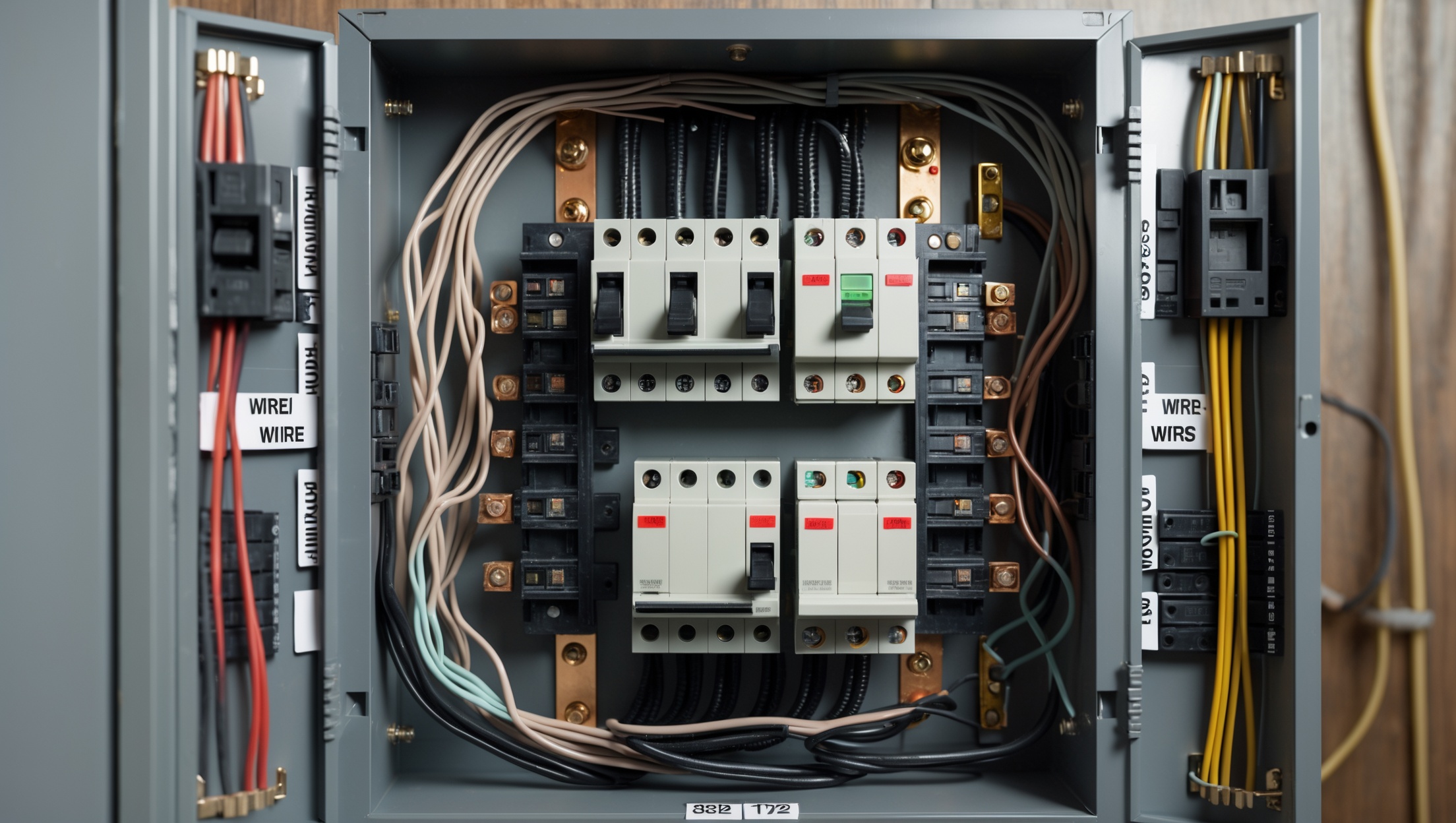
Introduction: Why Circuit Breaker Selection Matters in Every Room
Most homeowners take their circuit breakers for granted, assuming the electrical panel is a one-size-fits-all solution for every room’s needs. In reality, the right circuit breaker selection is a critical foundation for electrical safety, energy efficiency, and code compliance. Each room comes with its own set of requirements and potential risks—from the heavy demands of a kitchen’s appliances to the moisture challenges in bathrooms, the sensitive electronics in your home office, and the power tools in your garage. Making the right choice isn’t just about preventing nuisance tripping. The wrong breaker can endanger your family, lead to expensive code violations, disrupt daily life, and even void your insurance coverage after an incident.
This room-by-room guide is designed to demystify circuit breaker selection, offering practical, actionable advice for homeowners, renovators, and DIY enthusiasts. We’ll break down the types of breakers available, highlight relevant code requirements, and provide specific recommendations for every key area of the home. Whether you’re planning a remodeling project, upgrading your electrical panel, or simply want to ensure your current setup is safe and efficient, this guide will help you make informed decisions. Let’s ensure your home’s electrical heart is both robust and tailored to every space it serves.
Understanding Circuit Breaker Types and Ratings
Standard (Thermal-Magnetic) Breakers
Standard circuit breakers, also known as thermal-magnetic breakers, are the most common type found in residential panels. They protect circuits from both overloads and short circuits by tripping when current exceeds safe levels. While suitable for many general-purpose circuits, they’re not always the best fit for areas with special safety considerations or sensitive electronics.
Ground Fault Circuit Interrupters (GFCI)
GFCI breakers detect ground faults—instances where current escapes its intended path, often due to moisture or damaged wiring. They cut power rapidly to minimize the risk of electric shock. GFCIs are required by code in locations where moisture is present, such as bathrooms, kitchens, garages, basements, and outdoor receptacles.
Arc Fault Circuit Interrupters (AFCI)
AFCI breakers protect against arc faults, which can cause fires. Arcing occurs when electricity jumps between damaged or loose connections. Many modern codes require AFCIs in bedrooms, living rooms, and other habitable spaces.
Dual-Function Breakers
Dual-function breakers combine GFCI and AFCI protection. They’re ideal for circuits where both shock and fire risks are present, such as laundry rooms or finished basements.
Breaker Ratings: Amperage and Voltage
Each breaker is rated for a specific amperage (typically 15, 20, or 30 amps in homes) and voltage (usually 120V or 240V). Choosing the correct size is essential—undersized breakers will trip frequently, while oversized breakers risk overheating wires and causing fires.
Room-by-Room Circuit Breaker Selection Guide
Kitchen
- Key Considerations: Heavy appliance loads, water exposure, code-required GFCI protection.
- Recommended Breakers:
- 20A standard breakers for dedicated appliance circuits (microwave, dishwasher, refrigerator).
- GFCI breakers for countertop receptacles, sinks, and island outlets.
- Dual-function breakers if your local code requires AFCI protection alongside GFCI.
- 30A double-pole breaker for electric range or oven.
- Compliance Tips: NEC requires at least two 20A small appliance circuits and GFCI protection for receptacles serving countertops and within 6 feet of a sink.
Bathroom
- Key Considerations: High moisture, hairdryers and other high-wattage devices.
- Recommended Breakers:
- 20A GFCI breaker for all bathroom receptacles.
- Dedicated 20A circuit for bathroom outlets (not shared with lighting).
- Separate breaker for electric heater or whirlpool tub, as required.
- Compliance Tips: All outlets must have GFCI protection. Lighting circuits may require AFCI protection (check local code).
Living Room and Bedrooms
- Key Considerations: Fire safety, electronics protection, code-required AFCI.
- Recommended Breakers:
- 15A or 20A AFCI breaker for outlets and lighting.
- Consider dual-function breakers for rooms with portable heaters or multi-use outlets.
- Compliance Tips: AFCI protection is required for all living areas in most jurisdictions. Check if local code asks for AFCI or dual-function types.
Home Office
- Key Considerations: Sensitive electronics, surge risk, sustained computer loads.
- Recommended Breakers:
- 15A or 20A AFCI breaker for outlets and lighting.
- Consider installing a whole-house surge protector or point-of-use surge strips (not a breaker, but essential for electronics safety).
- Compliance Tips: Follow the same AFCI requirements as living spaces. For dedicated server or equipment rooms, higher capacity circuits may be needed.
Garage and Workshop
- Key Considerations: Power tools, charging stations, moisture, outdoor exposure.
- Recommended Breakers:
- 20A GFCI breakers for all general-purpose outlets.
- Dedicated 20A or 30A circuits for large equipment (table saw, air compressor).
- 240V breakers for EV chargers or welders, as needed.
- Compliance Tips: GFCI protection is required for all garage outlets. Outdoor outlets must also be GFCI protected and have weatherproof covers.
Laundry Room
- Key Considerations: Water presence, high draw from washer/dryer.
- Recommended Breakers:
- 20A GFCI breaker for washer outlet.
- 30A double-pole breaker for electric dryer (240V).
- Dual-function breaker for all-purpose outlets if required by code.
- Compliance Tips: GFCI required for outlets near water sources, AFCI for general outlets in many jurisdictions.
Basement and Utility Rooms
- Key Considerations: Dampness, sump pumps, freezers, additional circuits for workshops.
- Recommended Breakers:
- GFCI breakers for all general-purpose outlets.
- Dedicated circuits for sump pump or freezer, with GFCI unless local code exempts critical equipment.
- Dual-function breakers for finished basements.
- Compliance Tips: GFCI required in unfinished basements. Check local rules on exempting critical equipment like sump pumps from GFCI.
Outdoor Circuits
- Key Considerations: Weather exposure, garden equipment, holiday lighting.
- Recommended Breakers:
- GFCI breakers for all exterior outlets.
- Dedicated circuits for outdoor kitchens, pools, or hot tubs—often requiring 30A or 50A breakers.
- Compliance Tips: NEC requires GFCI protection for all outdoor receptacles. Use weatherproof covers and outdoor-rated enclosures.
How to Calculate Load and Select Proper Breaker Size
Step 1: List All Devices on the Circuit
Identify every device and appliance that will be powered by the circuit. Include lighting, outlets, and any permanently installed equipment.
Step 2: Add Up Wattage and Convert to Amps
Add the total wattage of all devices. Divide by the circuit voltage (usually 120V or 240V) to get the total amps.
Step 3: Apply the 80% Rule
For continuous loads (devices running for three hours or more), NEC recommends not exceeding 80% of the breaker’s rated capacity. For example, a 20A breaker should handle no more than 16A continuous load.
Step 4: Choose the Correct Breaker
Select a breaker that matches or slightly exceeds your calculated load (within code limits). Never select a breaker larger than the circuit wiring can safely handle.
Common Mistakes in Breaker Selection
- Oversizing Breakers: Using a breaker with a higher amp rating than the wiring can support is a major fire hazard and a code violation.
- Ignoring GFCI/AFCI Requirements: Failing to provide required protection can result in failed inspections, insurance issues, and increased risk of shock or fire.
- Using Shared Neutral Circuits Incorrectly: Multi-wire branch circuits (shared neutrals) require special breaker configurations. Incorrect setup can lead to dangerous overloading.
- Skipping Dedicated Circuits: Major appliances and high-wattage devices often require their own dedicated breaker. Overloading general-purpose circuits can lead to nuisance tripping and hazards.
Breaker Brands and Quality: Does It Matter?
Always use breakers that are compatible with your electrical panel’s brand and model. Mismatched breakers can create poor connections, overheat, and void UL listings. Choose reputable brands and avoid off-brand or counterfeit products, which may not meet safety standards and can fail prematurely.
Permits, Inspections, and Code Compliance
Most electrical work involving breaker changes requires a permit and inspection by your local authority. This ensures the installation is safe and meets current codes. Even if you’re an experienced DIYer, always check with your local building department before starting any panel or circuit modifications.
Maintenance and Testing Best Practices
- Test GFCI and AFCI Breakers Monthly: Use the test button to ensure they trip and reset properly.
- Check for Signs of Wear: Listen for buzzing, look for discoloration, or feel for excessive heat around breakers. These can indicate a problem.
- Label All Circuits Clearly: Accurate panel labeling saves time and increases safety during future work or emergencies.
- Schedule Periodic Electrical Inspections: Especially in older homes, periodic checks by a licensed electrician can catch hidden issues early.
Conclusion: A Safer, Smarter Home Starts with the Right Breaker Choices
Every room in your home has unique electrical needs, and choosing the right circuit breakers is essential for safety, efficiency, and code compliance. From kitchens and bathrooms where moisture and heavy loads demand GFCI protection, to bedrooms and living spaces where AFCIs help prevent fires, the right breaker selection minimizes risks and protects your family and property. Garages, basements, laundry rooms, and outdoor circuits all come with their own challenges and code requirements, making a room-by-room approach the most reliable way to ensure your home’s electrical system is robust and future-proof.
Beyond selecting the right breaker type and size, remember the importance of proper installation, regular testing, and compliance with local regulations. Never hesitate to consult a licensed electrician, especially for complex projects or if your home’s wiring is older or has been modified over the years. The investment in quality breakers and correct setup pays dividends in peace of mind, lower insurance risk, and the safe enjoyment of all your home’s amenities. By following the guidance in this detailed room-by-room guide, you’ll be empowered to make informed decisions that keep your home both safe and efficient for years to come.
You mention that each room has different electrical requirements and risks, especially for places like bathrooms and garages. How do I figure out if my current circuit breakers are the right type and rating for these specific rooms, or if I need to upgrade?
To check if your current circuit breakers are suitable, start by reviewing the amperage rating printed on each breaker and compare it to the typical needs for each room—higher for kitchens and garages, and GFCI or AFCI breakers for bathrooms and laundry rooms. Look for labels in your panel, and if in doubt, consult your home’s electrical plans or have a licensed electrician assess your setup to ensure everything meets current safety standards.
We’re getting ready to remodel our kitchen and I’m a little overwhelmed by all the different circuit breaker options. Could you explain how to determine the right amperage for heavy-duty appliances like ovens and refrigerators, and how to avoid nuisance tripping?
When choosing circuit breakers for kitchen appliances like ovens and refrigerators, check each appliance’s manufacturer’s manual for the recommended amperage—most ovens need a 40-50 amp breaker, while refrigerators typically use a 15-20 amp breaker. Avoid nuisance tripping by not sharing these circuits with other devices and ensuring the breaker rating matches or slightly exceeds the appliance’s requirements. A licensed electrician can help confirm the best setup for safety and code compliance.
I’m planning to turn my garage into a small workshop and will be running a few power tools out there. Based on your guide, do I need a different type of circuit breaker for the garage compared to what I’d have in my living room, especially with the higher power demands?
For a garage workshop with power tools, you’ll likely need a circuit breaker with a higher amperage rating than what you’d use in a living room, since power tools draw more current. Depending on your tools, a dedicated 20-amp or even 30-amp breaker may be needed. Consider using a GFCI breaker for added safety, as garages are more prone to moisture. It’s best to check the tool specifications and consult an electrician to ensure your setup is safe and adequate.
The article mentions that standard thermal-magnetic breakers might not be ideal for rooms with sensitive electronics, like a home office. Can you explain what problems might occur if you use them anyway, and what breaker type you would recommend instead to protect equipment like computers?
Using standard thermal-magnetic breakers in rooms with sensitive electronics can leave your equipment vulnerable to minor power surges and electrical noise, which these breakers don’t always detect. This could result in damage or data loss in devices like computers. Instead, it’s better to use a combination AFCI/GFCI circuit breaker or install surge protection devices alongside the breaker to provide a higher level of safety for your electronics.
If I have an older electrical panel and want to upgrade to accommodate newer kitchen appliances, is it usually necessary to replace the entire panel, or can specific breakers be swapped in one room at a time for better efficiency and compliance?
In many cases, simply swapping individual breakers isn’t enough when upgrading for modern kitchen appliances, especially if your older panel isn’t rated for higher loads or lacks compatibility with newer breaker types. Often, a full panel replacement is recommended to ensure safety, efficiency, and code compliance across the whole home. It’s best to have a licensed electrician assess your current setup before deciding on the scope of the upgrade.
When you talk about different requirements for places like bathrooms and kitchens, does that mean every bathroom and kitchen should have GFCI breakers? Or are there situations where a standard breaker is actually sufficient or even preferred?
Bathrooms and kitchens are considered wet or damp locations, so GFCI protection is almost always required by code for outlets in these areas to prevent electrical shock. You can use either GFCI breakers in the panel or individual GFCI outlets in the room to meet this requirement. Standard breakers alone are not sufficient for these locations, unless local codes say otherwise, which is rare.
If I want to make my electrical system safer but am working within a tight renovation budget, which rooms should I prioritize for upgraded breakers like GFCIs, and which areas can safely use standard breakers without risking code violations or insurance issues?
Prioritize upgrading to GFCI breakers in kitchens, bathrooms, laundry rooms, garages, and anywhere near water sources, as these areas are most prone to electrical hazards and are typically required by code. Living rooms and bedrooms can usually use standard breakers unless local codes specify otherwise. Always check your local regulations to make sure you’re compliant and avoid insurance issues.
If someone is updating their electrical panel on a tight budget, which rooms or appliances should be prioritized for specialized breakers like GFCIs or AFCIs first, based on risk or code requirements?
When updating an electrical panel on a tight budget, prioritize GFCI breakers for bathrooms, kitchens, garages, and outdoor outlets since these areas are at higher risk for water exposure and are required by code. Next, focus on AFCI breakers for bedrooms and living areas, as they’re often needed by code to prevent fire hazards from electrical faults. Prioritize based on code requirements and risk of shock or fire in each area.
When considering a panel upgrade for my older home, how do you determine the correct amperage rating for each room? I have a garage with power tools and a home office with sensitive electronics, so I’m worried about tripping breakers or damaging equipment.
To determine the right amperage for each room, consider the types and number of devices you’ll use at the same time. For your garage with power tools, you may need a dedicated 20- or even 30-amp circuit depending on the equipment’s requirements. For your home office, a 15- or 20-amp circuit is usually adequate, but adding a surge protector or using an AFCI breaker can help protect sensitive electronics. Always total the expected simultaneous loads and consult an electrician to ensure your panel upgrade provides enough capacity and proper protection.
If I’m planning some DIY upgrades in my garage, how can I tell if my current breaker setup meets code and insurance requirements? Are there any warning signs or simple checks I can do myself before calling in an electrician?
You can start by checking the breaker label to confirm its amperage matches the garage’s wiring size, usually 20 amps for outlets and 15 or 20 amps for lights. Look for any tripped breakers, scorch marks, buzzing sounds, or loose wiring—these are warning signs. Also, verify that any outlets near workbenches or sinks are GFCI-protected. While these checks help, an electrician is needed for a full code and insurance assessment.