

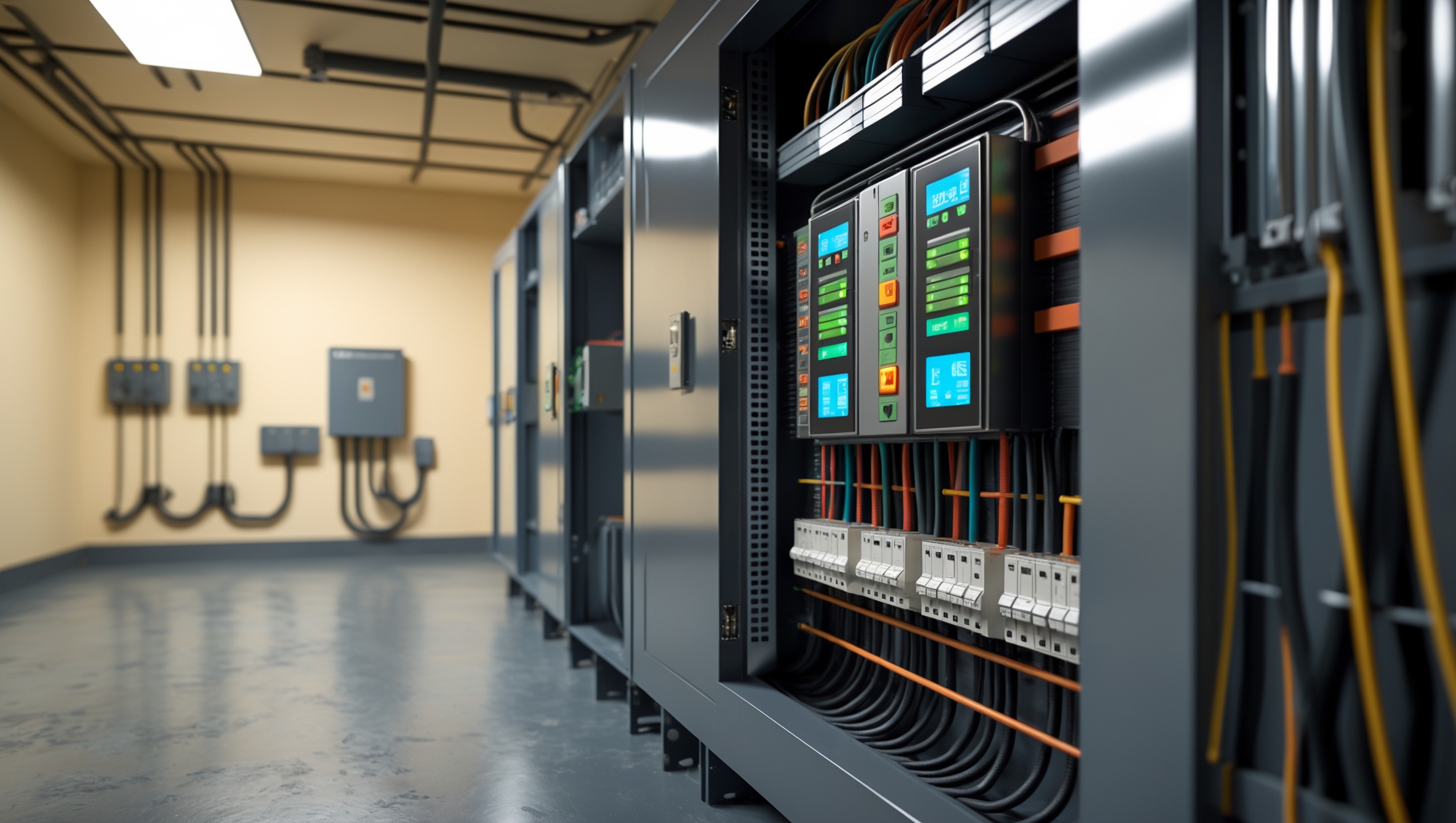
Introduction: The Hidden Dangers of Electrical Overloads
Electrical overloads are more than just a nuisance—they’re a leading cause of home electrical fires, equipment failure, and costly repairs. As our reliance on gadgets, appliances, and smart technologies grows, so too does the risk of pushing our electrical systems past their safe limits. Yet, many homeowners underestimate overload risks, assuming their circuit breakers will always protect them. In reality, even modern systems can falter under excessive demand, and undetected overloads can damage wiring, reduce energy efficiency, and create persistent safety hazards. Whether you’re a homeowner, property manager, or DIY enthusiast, understanding how to prevent, detect, and respond to electrical overloads is crucial. In this comprehensive guide, we’ll explore practical strategies to safeguard your electrical system, share real-world case studies highlighting common pitfalls, and outline maintenance practices that keep your home safe and efficient year-round.
Understanding Electrical Overloads: What Happens and Why
What Is an Electrical Overload?
An electrical overload occurs when the demand for power on a circuit exceeds its designed capacity. This can happen when too many devices or high-wattage appliances draw more current than the wiring or breaker can safely handle. Overloads heat up wires and connections, eventually causing insulation to break down, circuit breakers to trip, or—worst case—wires to overheat and spark fires.
Common Causes of Overloads
- Plugging multiple high-power appliances into a single outlet or circuit
- Upgrading to higher-wattage appliances without upgrading wiring
- Using extension cords or power strips beyond their rated capacity
- DIY renovations that add outlets or fixtures without recalculating load
- Aging wiring unable to support modern loads
- Hidden wiring damage or loose connections
Signs Your Home May Be Overloaded
- Frequent circuit breaker trips or blown fuses
- Flickering or dimming lights when appliances turn on
- Buzzing outlets or switches
- Warm or discolored wall plates
- Persistent burning smell near outlets
Real-World Case Studies: Lessons from the Field
Case Study 1: The Overzealous Kitchen Remodel
The Smith family renovated their kitchen with modern appliances—double ovens, an induction cooktop, and a high-end refrigerator. They kept the original 20-amp kitchen circuit, unaware that their new appliances together could draw over 30 amps. Within weeks, breakers tripped daily, and an electrician later found scorch marks inside the panel. The fix required rewiring and adding new dedicated circuits.
- Lesson: Always calculate total circuit load before upgrading appliances. Modern kitchens often need multiple dedicated circuits.
Case Study 2: Hidden Dangers in a Historic Home
In a 1940s bungalow, the owners used portable heaters in several rooms during winter. The original wiring, designed for pre-war loads, overheated—a wall outlet eventually melted, narrowly averting a fire. Investigation revealed original knob-and-tube wiring unable to handle modern appliances.
- Lesson: Vintage wiring is not rated for today’s devices. If your home is 40+ years old, have an electrician perform a load analysis and upgrade as needed.
Case Study 3: The ‘All-in-One’ Home Office
With remote work, the Lee household added a desktop computer, two monitors, a printer, and a space heater to their guest bedroom—plugged into one outlet via a power strip. Soon, breakers tripped when the heater and printer ran simultaneously. The temporary fix was unplugging the heater, but the permanent solution was having a dedicated circuit installed for the office.
- Lesson: Home offices need their own circuit, especially with high-draw equipment. Never rely solely on power strips or extension cords for heavy loads.
Preventing Overloads: Practical Tips for Every Home
1. Know Your Electrical Panel
Familiarize yourself with your home’s circuit breaker panel. Each breaker should be clearly labeled with the rooms or devices it controls. If labels are missing or unclear, schedule a labeling session (with the help of an electrician if needed). An organized panel makes it easier to trace overloads and plan upgrades.
2. Calculate Load Capacity vs. Demand
- Check amperage ratings on each breaker (usually 15 or 20 amps for most household circuits).
- Estimate the wattage of all devices likely to run on each circuit simultaneously. Use the formula: wattage ÷ voltage = amperage.
- Stay below 80% of circuit capacity for continuous loads (per National Electrical Code recommendations). For example, a 20-amp circuit at 120V should not exceed 1,920 watts for extended use.
3. Upgrade Outdated Wiring and Panels
If your electrical panel is more than 25 years old, or if you have ungrounded or aluminum wiring, consider a professional upgrade. Modern electrical panels offer better overload protection and higher capacity for today’s devices.
4. Avoid Daisy-Chaining Power Strips
Never plug one power strip into another to increase the number of available outlets. This practice can quickly exceed safe load limits and is a common cause of electrical fires.
5. Use Dedicated Circuits for High-Demand Appliances
- Large appliances—such as ovens, microwaves, air conditioners, space heaters, and washers/dryers—should have their own dedicated circuits.
- Don’t share these circuits with outlets serving other rooms or small appliances.
6. Schedule Professional Load Assessments
If you’re planning renovations, adding a home office, or upgrading appliances, have a licensed electrician perform a load calculation. This assessment ensures your system can handle new demands without risking overload.
7. Regularly Inspect Outlets and Cords
- Check for warmth, discoloration, or a burning smell at outlets and switches.
- Replace damaged cords and avoid running extension cords under rugs or furniture.
- If you notice flickering lights or frequently tripped breakers, call a professional.
8. Embrace Smart Technology for Monitoring
Install smart circuit breakers or energy monitors that alert you to excessive loads, unusual consumption patterns, or faults. Many modern systems send real-time notifications to your phone, enabling proactive intervention before a problem escalates.
Maintenance Best Practices to Prevent Overloads
Annual Electrical Safety Checks
- Have a professional inspect your panel, wiring, and connections at least once a year.
- Test all GFCI and AFCI outlets and breakers for proper function.
- Update circuit labels to reflect any changes or additions.
Keep Circuits Balanced
When adding new devices or rearranging rooms, ensure you don’t accidentally load one circuit more than others. Distribute high-wattage devices (like space heaters, dehumidifiers, or air conditioners) across different circuits whenever possible.
Replace Aging or Damaged Components
- Switches, outlets, and cords degrade over time. Replace any that show signs of wear, cracking, or loose connections.
- Consider upgrading to tamper-resistant receptacles for added safety.
Update for Lifestyle Changes
Adding new family members, home offices, or electric vehicles? Don’t forget that changing how you use your space may require a reassessment of your electrical system’s capacity.
Tools and Technology: What Helps, What Hurts
Helpful Tools
- Plug-in Energy Meters: Measure the actual draw of appliances and electronics.
- Infrared Thermometers: Detect hotspots in outlets, switches, or wiring—early warning signs of overload.
- Circuit Analyzers: Test wiring integrity, ground faults, and voltage drops.
- Smart Panels and Monitors: Whole-house devices that track real-time usage and alert you to issues.
What to Avoid
- Cheap, uncertified power strips and extension cords
- Over-reliance on old fuse boxes, which offer less precise overload protection
- DIY wiring without proper permits or load calculations
When to Call a Professional
- Repeated breaker trips, especially after unplugging devices
- Persistent warm or buzzing outlets
- Plans to remodel, finish a basement, or add high-power appliances
- Homes over 30 years old without recent electrical upgrades
Licensed electricians can perform load calculations, install dedicated circuits, upgrade panels, and ensure your home meets current codes and best practices for safety.
Conclusion: Safe, Efficient, and Future-Proof Electrical Systems
Electrical overloads are a serious but preventable threat to the safety, efficiency, and comfort of your home. By understanding how overloads occur and recognizing the warning signs, you’ve already taken the first step toward safer living. The real-world case studies shared here show that overloads can—and do—happen in any home, whether new or old, renovated or untouched. But the good news is that with practical knowledge, the right tools, and a commitment to regular maintenance, you can prevent overloads before they start.
Start by familiarizing yourself with your panel, keeping loads balanced, and never taking shortcuts with extension cords or power strips. Invest in modern monitoring technology if possible, and don’t hesitate to call a professional for load assessments or upgrades. Above all, treat your electrical system as a dynamic part of your home—one that needs attention, adaptation, and expert care as your lifestyle evolves.
By taking these steps, you’ll protect your family, reduce fire risks, and ensure your home’s electrical system serves you reliably for years to come. Safe, efficient, and future-ready—that’s the peace of mind every homeowner deserves.
When upgrading to newer, higher-wattage appliances, do I definitely need to hire an electrician to check if my wiring can handle it, or are there certain appliances that are safe to swap out myself without risking an overload?
If you’re replacing small appliances like lamps or toasters with similar types, it’s usually safe to swap them out yourself. However, for larger appliances such as ovens, air conditioners, or anything that draws significant power, it’s smart to have an electrician assess your wiring. This helps ensure your circuits can handle the increased load and reduces the risk of overloads or fire hazards.
When you mention that modern systems can still falter under excessive demand, does upgrading the circuit breakers themselves add any significant level of protection against overloads, or is it more crucial to address the wiring and overall load calculations during renovations?
Upgrading circuit breakers can be helpful, but it’s not the complete solution. The most important factor is ensuring that your wiring and the total electrical load are appropriate for your needs. If the circuits are overloaded or the wiring is outdated, just swapping breakers won’t prevent issues. During renovations, it’s best to have a professional assess both the wiring and your household’s expected demand, then size breakers and circuits accordingly for lasting safety.
We recently added a few new smart devices and higher-wattage kitchen appliances. Do I need to be concerned about overloading our circuits even if we spaced them out across different outlets, or is there a better way to check our system’s capacity?
Spacing devices across different outlets doesn’t always guarantee safety, since several outlets may share the same circuit. To check your system’s capacity, first identify which outlets are on each circuit using your breaker panel. Add up the wattage of devices plugged into each circuit and compare that total to the circuit’s rated capacity (typically 15 or 20 amps). If you’re unsure, consider consulting a licensed electrician to make sure your setup is safe.
The article mentions that circuit breakers might not always prevent the damage caused by electrical overloads. Could you explain how to identify if hidden wiring damage has already occurred, especially in older homes where the overload might not trip the breaker?
In older homes, signs of hidden wiring damage include outlets or switches that feel warm, discoloration or scorch marks on outlets, frequent bulb burnouts, flickering lights, or a persistent burning smell. You might also notice buzzing sounds from walls or visible fraying when inspecting accessible wiring. If you suspect hidden damage, it’s safest to have a licensed electrician conduct a thorough inspection, as some issues may not be visible but still pose a fire risk.
You mentioned that aging wiring might not be able to handle modern electrical loads. How can someone tell if their house wiring is outdated, especially in older homes, and are there certain appliances that are riskier to plug in?
Signs of outdated wiring include frequent blown fuses, tripped breakers, discolored outlets, or a burning smell near switches. If your home still uses knob-and-tube wiring or has outlets without grounding (two-prong), it’s a strong indicator of age. High-wattage appliances like space heaters, air conditioners, and microwaves are riskier to plug into older wiring, as they demand more power and can easily overload circuits. If unsure, having an electrician inspect your system is the safest option.
With everyone at home using more electronics lately, I’m worried about hidden wiring damage in an older house. What are some practical maintenance steps I can take on my own to spot early warning signs before calling in an electrician?
You can start by regularly checking your outlets and switches for signs of discoloration, buzzing sounds, or warmth, which may indicate wiring issues. Inspect cords and plugs for fraying or damage, and keep an eye out for flickering lights or frequent circuit breaker trips. Make sure not to overload outlets or power strips. These steps can help you catch early warning signs before involving a professional.