

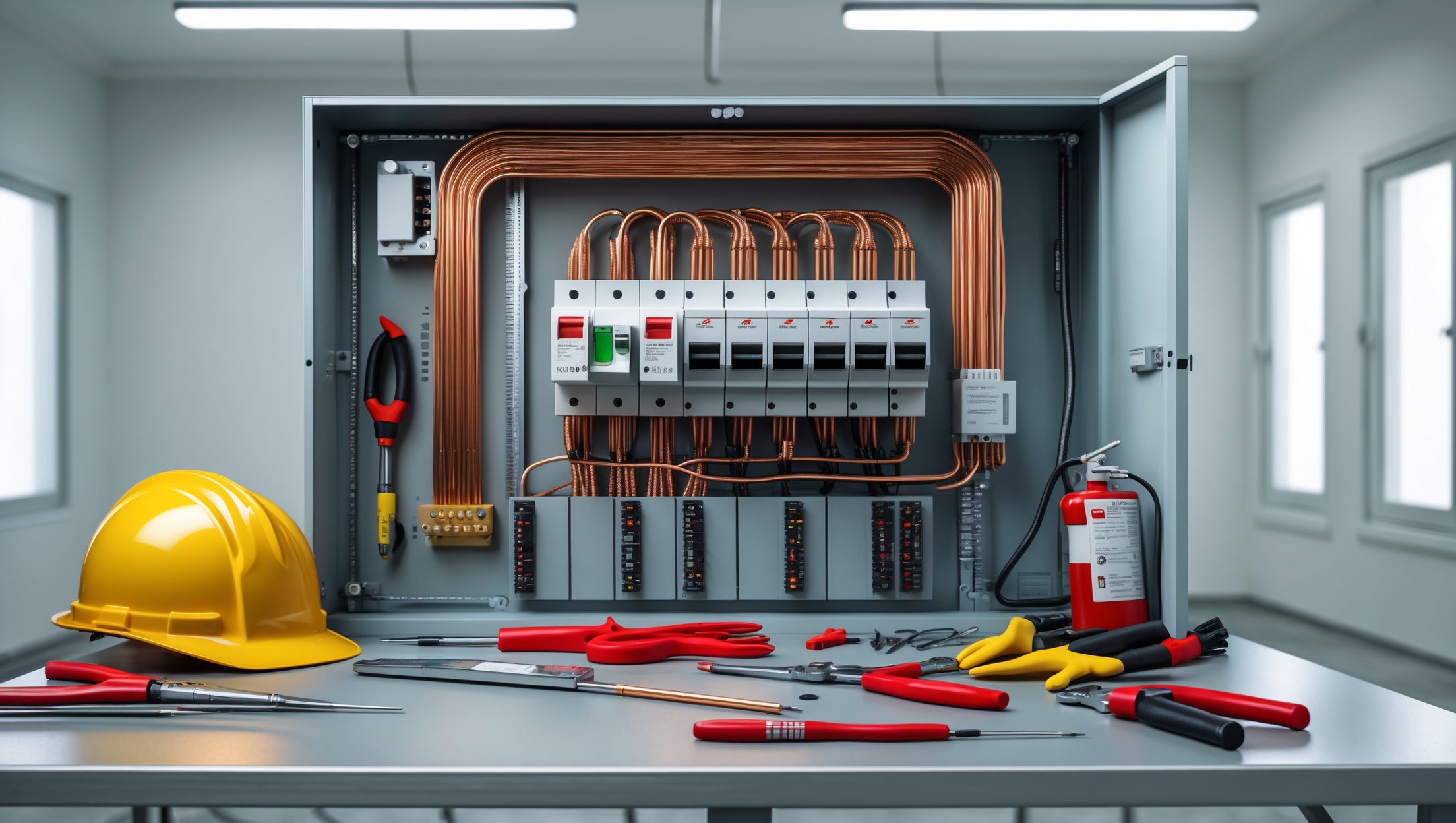
Introduction: Why Electrical Upgrade Myths Persist—and Why You Need the Facts
When it comes to home electrical upgrades, misinformation is everywhere. From well-meaning neighbors to outdated online forums, myths about electrical work circulate widely and can lead to costly mistakes, unsafe installations, and unnecessary stress. Many homeowners hesitate to tackle necessary upgrades because of exaggerated fears about permits, costs, or risks, while others make hasty decisions based on half-truths that put their safety at risk. In an age where energy efficiency, smart technology, and stricter safety codes are more important than ever, understanding the real facts behind common myths is crucial. Whether you’re planning a panel upgrade, adding circuits, or just want to make your home safer and more efficient, separating fact from fiction is the first step toward a successful project. In this in-depth guide, we’ll debunk ten of the most persistent myths about home electrical upgrades—so you can plan with confidence, avoid unnecessary expenses, and ensure your home is truly protected.
Myth 1: “If It Isn’t Broken, Don’t Fix It” Applies to Old Electrical Systems
One of the most widespread myths is that as long as your lights turn on and your outlets work, your electrical system is fine. In reality, many dangerous problems lurk behind the walls of older homes, such as deteriorating insulation, outdated wiring (like knob-and-tube or aluminum), or overloaded circuits. These issues can exist for years without obvious symptoms, yet they significantly increase the risk of fire or shock. Modern appliances draw more power than older systems were designed for, so regular inspections and proactive upgrades are a necessity—not a luxury. Ignoring outdated systems can lead to insurance issues, failed home sales, and even catastrophic failures. Don’t wait for something to break before investing in safety and reliability.
Myth 2: All Electrical Work Requires a Full Permit Process
Permits are critical for major electrical upgrades, but not every project requires one. Many jurisdictions allow homeowners to perform minor work—like replacing existing switches or outlets, or installing certain low-voltage systems—without a permit. However, upgrades involving new circuits, panel changes, or significant rewiring typically do require permits and inspections. The key is to check your local codes and consult with a licensed electrician. Skipping permits for major work can jeopardize insurance coverage and future home sales, but don’t assume that every small project comes with bureaucratic hassles. Knowing the difference saves time, money, and headaches.
Myth 3: DIY Electrical Work Is Always Cheaper (and Safe)
Many homeowners are tempted to tackle electrical upgrades themselves to save money. While DIY can be economical for simple tasks, such as changing light fixtures or replacing outlets, more complex work can quickly become hazardous. Mistakes like improper connections, overfused circuits, or incorrect wire sizing can lead to code violations, equipment damage, or even fires. Additionally, unpermitted DIY work may void your homeowner’s insurance or complicate future real estate transactions. For all but the simplest jobs, hiring a licensed electrician is a smart investment in safety and compliance. Factor in the cost of tools, time, and potential errors before assuming DIY is always cheaper.
Myth 4: Upgrading to a Bigger Panel Solves All Power Problems
It’s a common misconception that simply installing a larger electrical panel (with more amperage) will eliminate all issues with tripped breakers or overloaded circuits. In truth, the panel size is only one piece of the puzzle. The capacity of branch circuits, the condition of wiring, and how loads are distributed throughout the home are just as important. Installing a larger panel without upgrading outdated or undersized wiring doesn’t improve safety—and may even introduce new risks. A professional assessment is necessary to identify bottlenecks and ensure your home’s entire electrical system can safely handle increased loads.
Myth 5: Surge Protectors Are Only for Electronics
Many homeowners believe whole-house surge protection is only necessary to protect sensitive electronics like televisions and computers. In reality, power surges can damage any device or appliance connected to your home’s wiring, including refrigerators, HVAC systems, and even LED lighting. Modern homes contain thousands of dollars’ worth of electronic components in appliances and infrastructure. Whole-house surge protectors installed at the main panel offer broad protection, and point-of-use devices can further safeguard your most valuable equipment. Surge protection is a smart investment for every home—not just for gadget lovers.
Myth 6: Grounding Is Only Important for Older Homes
Some believe that grounding concerns are only relevant for homes built before modern codes. However, even newer homes can have grounding issues due to improper installation, corrosion, or recent renovations that didn’t include electrical upgrades. Grounding is essential for safely redirecting stray voltage from the electrical system, protecting both people and equipment. If you plan any upgrades—such as adding circuits, outlets, or smart devices—verifying and, if needed, improving your home’s grounding is critical, regardless of your home’s age.
Myth 7: All Modern Wiring Is Created Equal
It’s easy to assume that if the wiring is recent, it must be safe and up to code. In fact, wiring quality and installation methods vary widely. Some types of wiring from the 1970s and 1980s—such as aluminum branch circuit wiring—have known safety issues. Even modern copper wiring can be dangerous if improperly installed or undersized for the application. Always verify that new wiring is properly rated, installed according to code, and inspected by a qualified professional. Don’t judge safety by appearance alone.
Myth 8: GFCIs and AFCIs Are Optional Extras
Ground Fault Circuit Interrupters (GFCIs) and Arc Fault Circuit Interrupters (AFCIs) are sometimes seen as optional add-ons. In reality, the National Electrical Code (NEC) mandates their use in many areas of the home for good reason. GFCIs are crucial for preventing shock in wet areas (like bathrooms and kitchens), while AFCIs are designed to detect dangerous arcing conditions that could start a fire. Skipping these devices not only violates code but also puts your family at risk. If your home lacks GFCI or AFCI protection in required locations, upgrading should be a top priority.
Myth 9: Smart Home Devices Don’t Affect Electrical Safety
The rapid adoption of smart switches, outlets, cameras, and other devices has introduced new challenges for home electrical safety. Some smart devices draw constant power, require specific wiring, or add complexity to circuits that weren’t designed for them. Overloading circuits with too many devices, using poor-quality adapters, or performing DIY installations without understanding the electrical implications can create hazards. Always follow manufacturer instructions, use certified devices, and consult an electrician for complex integrations—especially when upgrading older systems to support new technology.
Myth 10: Electrical Upgrades Are Always Disruptive and Expensive
Many homeowners put off vital electrical upgrades out of fear that the process will be lengthy, disruptive, and unaffordable. In reality, many upgrades—such as adding dedicated circuits for heavy appliances, installing surge protection, or upgrading outlets—can be completed in a day or less with minimal impact. Costs vary based on the project’s scope, but incremental upgrades can be planned over time to fit your budget. Modern techniques and tools allow for efficient, clean installations. Don’t let fear of disruption prevent you from making necessary improvements to safety and efficiency.
Practical Strategies: How to Avoid Falling for Electrical Upgrade Myths
Work With Qualified Professionals
Always consult a licensed electrician for major projects. They stay current on codes and can provide valuable guidance on what upgrades are truly needed for your home.
Ask for Evidence
When you hear advice about electrical systems, ask for specifics. Does the recommendation reference the latest code? Can the person cite real-world examples or recent projects?
Check Local Requirements
Codes and permit rules vary widely. Always check with your local building department before starting any upgrade. Don’t assume what’s true in one state applies in another.
Invest in Inspections
Periodic professional inspections can reveal hidden issues and ensure that your home’s electrical system remains safe—even if you haven’t noticed any problems yet.
Educate Yourself
Reliable resources, such as the National Fire Protection Association (NFPA), local utility companies, and reputable electricians’ associations, offer up-to-date information on best practices and safety requirements.
Conclusion: Knowledge Is Your Best Tool for Safer, Smarter Electrical Upgrades
Electrical systems are the backbone of a safe, comfortable, and efficient home—but only when they’re maintained and upgraded with accurate information. The myths we’ve debunked in this guide persist because electrical work can be complex, intimidating, and often invisible. Yet, the risks of acting on misinformation are real: from hidden fire hazards to expensive insurance or legal headaches. As the push for energy efficiency, smart technology, and modern safety standards accelerates, it’s more important than ever for homeowners to base decisions on facts instead of outdated advice or hearsay.
Start by scheduling regular inspections, working with qualified professionals, and staying informed about current codes and best practices. Don’t be afraid to ask questions or seek a second opinion—especially when the stakes are as high as your family’s safety and your home’s value. Remember, electrical upgrades don’t have to be disruptive, unaffordable, or confusing. With the right approach, they become an investment in security, comfort, and peace of mind. The next time you hear an electrical myth, you’ll be prepared to make the right call for your home—and maybe even help your neighbors separate fact from fiction, too.
You mention that older wiring like knob-and-tube or aluminum can be a hidden risk even if everything seems to work fine. How can homeowners tell when it’s truly time to replace their old wiring if there aren’t any obvious warning signs?
Even without visible problems, age and type of wiring matter. If your home has knob-and-tube or aluminum wiring and is over 40 years old, it’s wise to have an electrician inspect it. Look for signs like frequent blown fuses, warm outlets, or flickering lights, but remember that older wiring can deteriorate unseen. Scheduling a professional assessment every few years helps ensure your wiring stays safe and up to code.
You mentioned that ignoring old electrical systems can cause insurance issues or failed home sales. Can you explain how insurance companies typically handle outdated electrical systems, and whether upgrading could lower premiums?
Insurance companies often assess the risks associated with older electrical systems, such as knob-and-tube wiring or outdated fuse boxes, because they’re more prone to fire hazards. In some cases, insurers may refuse coverage, limit your options, or charge higher premiums if your wiring is outdated. Upgrading to modern electrical systems can make your home safer, and some insurers may offer discounts or more favorable rates once improvements are completed and properly documented.
If I want to add more smart home devices or higher-powered appliances, how can I tell if my current panel and wiring are up to the task, or if I need a full upgrade? Is there a checklist or should I always get a professional inspection first?
To determine if your electrical panel and wiring can handle new smart devices or higher-powered appliances, check your panel’s capacity (measured in amps), look for signs of overload like frequent breaker trips, and verify the age of your wiring. However, for safety and accuracy—especially with major upgrades—it’s best to have a licensed electrician do an inspection. They can assess your current system and recommend whether an upgrade is needed.
I have an older home and I know it still has some knob-and-tube wiring behind the walls, but all my outlets and lights seem to work fine. How do I know when it’s actually necessary to upgrade the wiring if I’m not noticing any obvious issues?
Even if your outlets and lights work, knob-and-tube wiring can become a safety concern due to its age and lack of a grounding wire. Warning signs to look for include flickering lights, frequently blown fuses, warm or discolored outlets, or a burning smell. If you plan major renovations, add new appliances, or need more circuits, an upgrade is wise. A licensed electrician can inspect your system and advise if replacement is needed, even without visible problems.
We have an older home, and our outlets and lights seem to work fine. Based on what you said about hidden dangers, what are the most important warning signs I should watch for, or should we schedule an inspection even if nothing seems wrong?
Even if your outlets and lights seem fine, older homes can sometimes hide electrical issues behind the walls. Warning signs to watch for include frequent circuit breaker trips, flickering lights, burning smells, discolored outlets, or outlets that feel warm to the touch. If you notice any of these, or if your home hasn’t had an inspection in many years, it’s wise to schedule a professional electrical inspection for peace of mind and safety.
I’m a bit confused about the permit situation for electrical work. Are there certain minor upgrades or repairs that typically don’t require a permit, or should I always assume it’s necessary to go through the full process even for small changes?
For many minor electrical tasks—like replacing a light switch, changing an outlet cover, or swapping light fixtures—permits usually aren’t required. However, for anything involving new wiring, adding circuits, or major upgrades, a permit is often mandatory. Local rules vary, so it’s wise to check with your city or county’s building department before starting any project, even if it seems minor.
You mentioned that ignoring outdated electrical systems could lead to insurance or home sale problems. If I want to upgrade mainly for safety and future resale, what are the most important upgrades I should focus on first to meet current codes and expectations?
For safety and future resale, start by upgrading your electrical panel if it’s outdated, and replace any old wiring such as knob-and-tube or aluminum. Make sure your outlets are grounded, and install GFCI outlets in kitchens, bathrooms, and other wet areas. Also, ensure your home has enough circuits to handle modern electrical demands, and add smoke and carbon monoxide detectors to meet current code requirements.
You mentioned that outdated wiring like knob-and-tube can be dangerous even if everything seems to work fine. How can a homeowner tell if they have this kind of hidden wiring without tearing open the walls, and should this be something to address before selling a house?
Homeowners can sometimes spot knob-and-tube wiring by checking unfinished areas like basements, attics, or crawlspaces, where the ceramic knobs and tubes are visible. If you’re unsure, a qualified electrician can inspect and identify hidden wiring with special tools. Addressing outdated wiring is wise before selling, as it may affect safety, insurance, and your home’s value.
I’m interested in improving safety and efficiency, but I’m a bit concerned about the costs of proactive electrical upgrades. For homeowners on a budget, are there specific upgrades you recommend prioritizing over others, especially in an older house?
For older homes and budget-conscious homeowners, it’s wise to start with upgrades that address safety first, such as replacing outdated circuit breakers, adding GFCI outlets in kitchens and bathrooms, and ensuring proper grounding. These improvements help prevent electrical hazards. After safety, consider swapping old lighting for energy-efficient LED fixtures and upgrading major appliances if they’re outdated, as these changes can also lower energy bills over time.
We live in a house built in the 1960s, and reading about outdated wiring like knob-and-tube or aluminum makes me nervous. How can I tell if we have these types of wiring behind our walls, and is it always necessary to replace them right away or are there specific signs I should look for first?
If your house was built in the 1960s, it could have aluminum wiring, as this was common during that era. Knob-and-tube is usually older (pre-1950s). To check, look in unfinished areas like your basement or attic for visible wiring. Aluminum wires are often labeled “AL” on the insulation. Signs you may need an upgrade include flickering lights, warm outlets, or frequently tripped breakers. Even if you find older wiring, replacement isn’t always urgent unless there are safety concerns, but an electrician can assess your home’s specific risks.
You mention that ignoring outdated wiring can lead to problems with insurance or home sales. Could you explain what specific electrical issues might cause trouble during a home inspection or when trying to get coverage?
Specific electrical issues that often cause problems during inspections or with insurance include outdated knob-and-tube wiring, aluminum wiring, lack of grounding, overloaded panels, and visible signs of DIY or unsafe work. Inspectors or insurers may flag exposed wires, missing GFCI outlets in kitchens or bathrooms, and ungrounded outlets. These issues can delay a sale or make coverage more expensive, as they’re seen as safety risks.
If regular inspections are recommended because of unseen issues in older systems, how often should I actually have an electrician check my home’s wiring? Is there a standard timeframe for this or does it depend on the age of the house?
The frequency of electrical inspections does depend on your home’s age and any previous electrical work. For houses older than 40 years, inspections every 3 to 5 years are usually recommended. Newer homes or those with updated wiring can often go 5 to 10 years between checks. However, if you notice issues like flickering lights or frequent breaker trips, it’s wise to schedule an inspection sooner.
If some upgrades require permits and others might not, how do I know exactly what requires a permit in my city? Are there certain electrical improvements, like adding an outlet or upgrading the panel, that typically need one everywhere?
Permit requirements vary by city, but generally, major electrical work like upgrading your panel or adding new circuits almost always requires a permit. Minor changes, such as replacing existing outlets, often don’t. To be sure, contact your local building department—they can provide an official list of what needs a permit in your area. It’s best to check before starting any project to stay compliant.
As a small business owner who bought an older property, I worry about hidden issues like outdated wiring mentioned here. How often should I have my building’s electrical system inspected to stay ahead of safety problems, and are there visible signs I should look for between inspections?
For older commercial properties, it’s wise to schedule a professional electrical inspection every three to five years, or more often if you experience issues. Between inspections, watch for signs like flickering lights, frequent circuit breaker trips, burning smells, warm outlets or switches, and any visible wire damage. If you notice any of these, it’s best to call a licensed electrician right away.
With older wiring types like knob-and-tube or aluminum potentially hiding behind walls, what are some practical steps homeowners can take to identify which kind of wiring they have if there are no visible problems yet?
One practical way to check your wiring type is to inspect exposed parts, such as in your basement, attic, or electrical panel. Knob-and-tube wiring uses ceramic knobs and tubes, while aluminum wiring is usually labeled ‘AL’ on the sheathing or at connection points. If you’re unsure or can’t locate any exposed wiring, a licensed electrician can do a safe and thorough inspection to determine what’s behind your walls.
The article mentions that outdated wiring like knob-and-tube or aluminum can persist unseen in older homes and increase fire risks. If my house was built in the 1960s, what steps should I take to determine if I have these issues, and is there a standard inspection process I should request from an electrician?
Since your house was built in the 1960s, it’s possible it could have aluminum wiring or even remaining knob-and-tube wiring, especially if it hasn’t been fully updated. The best step is to schedule a thorough electrical inspection with a licensed electrician. Be sure to ask for a detailed assessment of wiring types and connections throughout the home, including inside walls and at outlets. The electrician should check for any signs of outdated or unsafe wiring and provide recommendations for upgrades if needed.
I’m interested in upgrading for energy efficiency, but I’m concerned about costs. Are there certain upgrades, like adding circuits or replacing insulation, that offer the most safety benefits for a reasonable budget, or is a full panel upgrade always necessary with older homes?
You don’t always need a full panel upgrade to improve both energy efficiency and safety, especially if your current panel is functioning well. Adding dedicated circuits can reduce overload risks and improve safety at a moderate cost. Replacing insulation on wiring is usually only necessary if existing insulation is damaged or outdated. Prioritize areas where circuits are frequently overloaded or where you notice flickering lights or tripped breakers. A qualified electrician can help you identify the most cost-effective upgrades for your home.
You brought up the point that modern appliances can overload older electrical systems even if everything seems to be working fine. How often should homeowners with older houses schedule electrical inspections, and what are some signs we should watch for between inspections?
For older homes, it’s a good idea to schedule a professional electrical inspection every 3 to 5 years. Between inspections, watch for warning signs such as frequent circuit breaker trips, flickering or dimming lights, outlets that feel warm, buzzing noises from outlets or switches, and any burning smells. If you notice any of these, it’s best to contact a licensed electrician promptly.
I was surprised to read that ignoring outdated electrical systems can create problems with insurance or home sales. Could you elaborate on what specific issues might come up during an inspection or claim if the system hasn’t been updated?
If your home’s electrical system is outdated, inspectors might find hazards like old wiring, insufficient grounding, or overloaded circuits. These can cause a failed inspection, potentially delaying or lowering the value of a home sale. For insurance, claims related to electrical fires or damage may be denied if the system is found to be non-compliant or unsafe, making it harder to get coverage or settle claims.
I’ve heard that some electrical work doesn’t require a full permit process. Could you clarify which types of upgrades typically need permits versus those that don’t, especially for small businesses making incremental improvements?
Generally, major electrical upgrades like panel replacements, new circuit installations, or rewiring require permits because they impact safety and building codes. Smaller tasks—like swapping out outlets, light fixtures, or switches—often don’t need permits, but this can vary depending on local regulations. For small businesses, it’s smart to check with your local building department before starting any project, as commercial rules can be stricter than residential ones.
If regular inspections and upgrades are necessary to prevent hidden dangers in older electrical systems, what would be a reasonable budget range for a proactive inspection and possible minor updates, especially for a small business or rental property owner like me?
For a small business or rental property, a professional electrical inspection typically costs between $150 and $400, depending on property size and location. If minor updates are needed, such as replacing outlets, updating breakers, or fixing wiring issues, you might expect to pay an additional $200 to $800. Setting aside a total budget of $500 to $1,200 is a reasonable range for proactive safety.
You mentioned insurance problems with old electrical systems. How often do insurers actually require updates before renewing or issuing a policy? I’m budgeting for upgrades, so I want to know if this comes up often in real estate transactions.
Insurers frequently check electrical systems during policy renewals or when you buy a new home, especially if the wiring is outdated or potential hazards exist. Requirements for upgrades vary, but it’s common for companies to ask for updates when systems are over 40 years old or if there’s knob-and-tube or aluminum wiring. In real estate transactions, electrical issues do come up regularly, so planning for potential upgrades is wise.
You mentioned that ignoring outdated electrical systems could cause insurance issues or problems selling a home—can you give examples of what insurance companies might require before renewing a policy or what can come up during a home inspection?
Insurance companies often require proof that your electrical system meets current safety codes before renewing a policy. For example, they might ask you to replace old fuse boxes with modern circuit breakers or update knob-and-tube wiring. During a home inspection, issues like outdated panels, lack of GFCI outlets, or visible wiring damage can be flagged, and buyers or their lenders may require upgrades before proceeding with the sale.
I’m getting ready to upgrade my shop’s electrical panel, but I keep hearing conflicting things about what actually requires a permit. In your experience, are there specific minor upgrades or repairs that typically don’t need permits, or is it safest to always assume they’re needed?
Generally, most electrical panel upgrades do require a permit, as they impact your shop’s safety and local code compliance. Minor repairs, like replacing an outlet or a light switch, often don’t need permits, but this can vary by location. It’s best to check with your local building department to confirm what’s required before starting any work, since rules can differ widely.
I have an older house with what I think is aluminum wiring, but the outlets mostly work fine. From what you said, should I still consider upgrading if I haven’t had any issues yet? How do I know when it’s really necessary to replace the wiring?
Even if your aluminum wiring seems to be working without issues, it’s still worth considering an upgrade. Aluminum wiring can become a fire risk over time due to loose connections or corrosion, which might not show up until there’s a problem. Warning signs include flickering lights, warm outlets or switches, or the smell of burning plastic. If you’re unsure, having a licensed electrician inspect your wiring is the safest way to know if replacement or repairs are needed.
As a business owner with an older building, I’m wondering how often you recommend scheduling electrical inspections if there haven’t been any obvious issues yet. Is there a guideline for when to proactively upgrade wiring or panels before problems actually show up?
For older commercial buildings, it’s generally wise to schedule a professional electrical inspection every 3 to 5 years, even if you haven’t noticed any issues. Proactive upgrades are recommended if your wiring is original to the building, if your electrical panel is over 25 years old, or if you’ve added significant new equipment. These steps help prevent potential safety hazards and keep your system up to current codes.
I’m concerned about insurance issues and resale problems linked to old electrical systems, as you mentioned. What steps would you recommend homeowners take first if they suspect their electrical system is outdated, and how involved does the inspection and upgrade process usually get?
If you think your electrical system is outdated, start by hiring a licensed electrician for a thorough inspection. They’ll identify any safety or code issues. An inspection is usually non-invasive, focusing mainly on panels, outlets, and visible wiring. If upgrades are needed, the process can range from panel replacement to rewiring sections of the home, depending on the findings. Addressing problems early helps prevent insurance complications and supports future resale value.
If we have an older home that still has aluminum wiring but everything seems to be working fine, how do we know when it’s actually necessary to upgrade? Are there any clear warning signs to watch for before something dangerous happens?
Even if your aluminum wiring seems to work well, there are some early warning signs to watch for. These include warm or discolored outlets and switches, frequent blown fuses or tripped breakers, flickering lights, or a persistent burning smell. If you notice any of these, it’s wise to have a licensed electrician inspect your wiring, as these could point to hidden hazards that need attention before they become dangerous.
If I want to add modern appliances but my house has an older electrical panel, is it enough to just add new circuits, or should I consider a complete panel upgrade? What are the signs that a full upgrade is necessary versus a minor update?
If your house has an older electrical panel, simply adding new circuits may not be enough, especially if the panel is already at or near capacity, is outdated, or shows signs of wear like rust or frequent breaker trips. A complete panel upgrade is often necessary if you’re adding high-demand appliances, notice flickering lights, or have difficulty resetting breakers. An electrician can assess if your current panel can handle the added load or if a full upgrade is the safer choice.
For homeowners in older properties, how often do you recommend scheduling electrical inspections to catch hidden issues, especially if everything seems to be working fine on the surface?
For older homes, it’s wise to schedule a professional electrical inspection every 3 to 5 years, even if everything appears to work normally. Electrical systems in aging properties can hide problems that aren’t obvious, so routine inspections help catch outdated wiring, overloaded circuits, or other issues before they become hazards.
You mention regular inspections for older electrical systems—how often should those be done, and do I need to hire a licensed electrician for every check, or are there things I can look for myself in between?
For older electrical systems, inspections by a licensed electrician are generally recommended every 3 to 5 years, or sooner if you notice issues like flickering lights or frequent breaker trips. In between professional checks, you can watch for warning signs yourself—such as discolored outlets, a burning smell, or outlets that feel warm to the touch. If you spot any of these, it’s important to call a professional right away.
If my home has older knob-and-tube wiring but we haven’t had any problems yet, what are the most reliable signs it’s time to proactively replace it? Are there temporary solutions while we save up for a full upgrade?
Some reliable signs it’s time to replace knob-and-tube wiring include frequent blown fuses, dimming or flickering lights, warm outlets or switches, and crackling sounds from the walls. Even if you haven’t noticed problems, aging insulation and inability to handle modern electrical loads make replacement smart. As a temporary measure, avoid overloading circuits, install AFCI outlets for added safety, and have an electrician inspect the system regularly. Just remember, these are stopgaps until you can schedule a full upgrade.
I’m curious about the part where you mention older homes having hidden wiring issues even if everything appears to work fine. Are there any specific warning signs or symptoms that homeowners can look out for before calling an electrician for an inspection?
Absolutely, there are a few signs that may suggest hidden wiring issues in older homes. Watch for frequent blown fuses or tripped breakers, flickering or dimming lights, outlets or switches that feel warm, buzzing sounds from outlets, or discolored wall plates. If you notice any of these, it’s a good idea to have an electrician check things out, even if your electrical system seems to be working normally.
I’m interested in upgrading my home’s electrical panel for energy efficiency, but I’m concerned about permits and potential costs. Is there a way to estimate the budget and time frame before committing to a full project?
Absolutely, you can get a solid estimate before moving forward. Most electricians will provide a free or low-cost assessment of your current electrical panel and discuss your energy needs. They’ll give you a written quote detailing costs, permit fees, and the expected timeline. Generally, panel upgrades take one to two days once scheduled, but permit approval may add extra time depending on your local regulations.
I often hear conflicting advice about permits for smaller upgrades. Could you clarify whether minor electrical upgrades, like just adding a couple of outlets in a shop, usually need a full permit process, or does it depend on which state I’m in?
Whether you need a permit for minor electrical upgrades, like adding a few outlets, varies by state and even local jurisdiction. In many places, any new wiring requires a permit for safety and code compliance, but some areas may allow minor upgrades without one. It’s best to check with your local building department to confirm what’s required in your location.
The article says modern appliances use more power and that insurance or resale can be affected by outdated wiring. If my house has aluminum wiring but everything seems to work fine, do I need to replace it right away, or are there safe interim solutions while I plan out full upgrades?
Aluminum wiring can pose safety risks over time, especially at connections where it may loosen or corrode, increasing fire hazards. While immediate replacement isn’t always required if your system is functioning, you can take interim steps like having a licensed electrician inspect the wiring and possibly install special connectors or anti-oxidant compounds at outlets. Regular checks can help manage risks until you’re ready for a full upgrade.
If I’m planning to add some smart technology upgrades that require new circuits, does it usually make sense to upgrade the whole panel at the same time? I’m trying to figure out if it’s more cost-effective to do everything at once or if I can safely spread out the projects over a few years.
If your current electrical panel is already near capacity or outdated, upgrading the whole panel when adding new circuits for smart technology can be more cost-effective in the long run. This avoids paying for multiple electrician visits and potential permit fees later. However, if your panel has space and is in good condition, you can safely spread out the upgrades over time. It’s best to have an electrician assess your panel’s condition and capacity before making a decision.
If I have an older home with aluminum wiring but everything seems to be working fine, how urgent is it to upgrade the wiring? Are there specific warning signs I should look out for before deciding to update the system?
Aluminum wiring in older homes can be a safety concern, even if everything appears to be working properly. Issues often develop at the connections, where overheating and fire risks are higher. Warning signs to watch for include warm or discolored outlets or switches, flickering lights, frequent circuit breaker trips, or a burning smell near electrical outlets. If you notice any of these, it’s best to have a licensed electrician inspect your system soon. Even without symptoms, proactive inspection is a good idea with aluminum wiring.
We’re about to renovate an older storefront built in the 1960s, and I’ve heard a lot of conflicting advice about whether our current wiring is safe just because everything still works. Can you explain what specific signs or tests professionals use to determine if an upgrade is needed even when there are no obvious issues?
Even if your wiring seems to work fine, professionals look for several signs during an inspection. They check for outdated wiring types like knob-and-tube or aluminum, look at the electrical panel capacity, examine outlets for grounding, and test for overheating or corrosion. They may also use devices to check circuit integrity and insulation resistance. These assessments help determine if your system meets today’s safety standards, not just if it functions.
For those of us with older homes who want to prioritize safety upgrades without taking on a huge project all at once, are there specific improvements or inspections you’d recommend tackling first to minimize risk and manage costs?
For older homes, it’s wise to start with a professional electrical inspection to identify any urgent hazards, such as outdated wiring, overloaded circuits, or missing GFCI outlets. Prioritize replacing old fuse boxes with circuit breakers, adding smoke and carbon monoxide detectors, and updating outlets in kitchens and bathrooms. These steps improve safety and can usually be done in stages to help spread out costs.
The article mentions that old wiring like knob-and-tube or aluminum can be dangerous even if nothing seems wrong on the surface. How do you know when it’s time to upgrade if there are no obvious signs, and what should a typical inspection cover?
Even if there are no visible problems, it’s wise to consider an inspection if your home has knob-and-tube or aluminum wiring, especially if it was built before the 1970s. A standard inspection should cover checking the insulation on wires, connections at outlets and panels, evidence of overheating, and grounding issues. An electrician can also test for proper circuit function and make sure your wiring meets safety codes.
I live in a house from the 1960s and the article mentions outdated wiring like knob-and-tube or aluminum. If the lights and outlets seem to work fine, how can I tell if my system has hidden risks, and what are the first signs I should look for before calling an electrician?
Even if your lights and outlets work, older wiring can still pose hidden risks like fire hazards or shocks. Watch for signs such as frequent blown fuses or tripped breakers, flickering or dimming lights, discolored or warm outlets and switches, or a persistent burning smell. If you notice any of these, or if your wiring is original and hasn’t been inspected in decades, it’s a good idea to have a licensed electrician do a safety check.
With modern appliances needing more power, how can I tell if my current panel or circuits are overloaded before I notice any clear signs like breakers tripping or flickering lights? Are there warning signs to look out for that aren’t obvious?
Subtle signs of an overloaded panel can include warm or discolored outlets and switches, a faint burning smell near your panel or outlets, or buzzing sounds from your electrical panel. If you notice appliances running at lower power or frequently resetting, that could also be a clue. It’s wise to have a licensed electrician assess your panel and circuits, especially if you’re adding new high-power appliances, to ensure everything remains safe and up to code.
You mention that old electrical systems might have hidden dangers even if everything seems to work fine. How often should a typical homeowner schedule professional electrical inspections, and what are the key signs that an upgrade is urgent before problems become visible?
Homeowners should generally have a professional electrical inspection every 3 to 5 years, or sooner if the home is over 40 years old or after major renovations. Urgent signs for an upgrade include frequent circuit breaker trips, flickering lights, warm or discolored outlets, burning smells, and outlets that don’t hold plugs snugly. Addressing these symptoms promptly can prevent serious hazards.
When upgrading an old electrical panel to accommodate modern appliances, how much of the existing wiring usually needs to be replaced as well? Is it possible to simply upgrade the panel, or do most homes require a more comprehensive rewiring for safety?
Upgrading to a new electrical panel doesn’t always mean all your wiring needs replacement. If your existing wiring is in good condition and meets current safety codes, only the panel may need upgrading. However, if the home’s wiring is outdated, damaged, or not rated for the higher loads of modern appliances, more extensive rewiring could be required. An electrician will typically inspect your whole system to determine what needs to be updated for safety and compliance.
I live in an older house and haven’t had any obvious electrical problems, but your article mentions that issues can be hidden behind the walls. What are some early warning signs I should look for, or is it best to just schedule a professional inspection every few years?
Even if everything seems fine, some early signs of electrical issues in older homes include frequent blown fuses or tripped breakers, outlets that are warm to the touch, flickering lights, buzzing sounds, or a persistent burning smell. However, because many problems can stay hidden, having a licensed electrician perform an inspection every few years is a smart preventative step, especially in older houses.
You mention that ignoring electrical upgrades could affect things like insurance or passing a home sale inspection. Can you share more about what specific issues insurance companies or inspectors usually look for when it comes to older electrical systems?
Insurance companies and home inspectors often focus on outdated wiring, such as knob-and-tube or aluminum wiring, which can be seen as fire hazards. They may also check for overloaded panels, lack of proper grounding, missing GFCI outlets in kitchens and bathrooms, and unpermitted DIY work. These issues can lead to higher insurance premiums, limited coverage, or even failed inspections during a sale.
The article talks about outdated wiring types like knob-and-tube or aluminum wiring increasing fire risks. If I own a home built in the 1960s, should I prioritize a full rewiring, or are there safe partial upgrade options that would satisfy insurance and safety requirements?
Homes from the 1960s often have aluminum wiring or older systems that can pose risks, but a full rewiring isn’t always the only solution. Many insurers accept partial upgrades if problem areas—like connections and outlets—are professionally retrofitted or updated with approved connectors. It’s important to have a licensed electrician assess your home’s wiring and provide recommendations that meet current safety codes and your insurance policy’s requirements.
How often should a homeowner schedule electrical inspections or upgrades to stay ahead of problems, especially with newer power-hungry appliances? Is there an average cost range we should budget for routine checks versus major panel upgrades?
Homeowners are generally advised to schedule a professional electrical inspection every 3 to 5 years, or sooner if you’re adding high-demand appliances or noticing issues like flickering lights. Routine inspections might cost $150 to $300, while major panel upgrades can range from $1,500 to $3,000 or more depending on your home’s needs and local rates.
I run a small bakery out of my home and have a lot of newer appliances plugged in. The article mentions older systems being overloaded—how often should I have my wiring inspected, and are there clear signs to watch for before calling in an electrician?
Given that you have multiple appliances running for your bakery, it’s wise to have your wiring professionally inspected every 3 to 5 years, or sooner if your home is older. Warning signs to watch for include circuit breakers that trip frequently, outlets or switches that feel warm, flickering lights, or a burning smell near outlets. If you notice any of these, call an electrician promptly.
If I want to upgrade my electrical system for modern appliances, how do I figure out which upgrades are actually necessary versus what might just be recommended? Are there standard checklists or guidelines for older homes?
To determine what’s necessary for your electrical upgrade, start by assessing your current system’s capacity and the power needs of your new appliances. An electrician can perform a load calculation to identify safety or code-required upgrades. While there’s no universal checklist, older homes often need panel upgrades, more outlets, and updated wiring. Local building codes and the National Electrical Code also provide guidelines—your electrician should follow these to prioritize what’s essential versus simply recommended for convenience.
I’m planning to add a couple of smart-home devices and wondering whether this would require me to upgrade my electrical panel. Are there certain upgrades that are essential for modern appliances and technology, or do most newer devices work fine with older panels as long as everything seems functional?
Most smart-home devices are designed to be energy efficient and usually don’t require an electrical panel upgrade if your current system is in good working order. However, if your panel is very old, already overloaded, or you plan to add high-demand appliances alongside your smart devices, an upgrade might be wise. It’s a good idea to consult an electrician if you’re unsure, but for most situations, smart gadgets alone won’t overload a typical panel.
I’m planning to upgrade my home’s electrical panel, but I’m worried about how much it might disrupt daily life. Based on the article’s emphasis on safety and efficiency, what’s a typical timeline for a panel upgrade, and should I expect to be without power during the process?
A typical electrical panel upgrade usually takes about one full day to complete, depending on your home’s specific setup. You can expect to be without power for several hours while the electrician works, as this is necessary for safety. Planning ahead—like charging devices and scheduling activities outside the home—can help minimize any inconvenience during the process.
With so many older homes still using outdated wiring like knob-and-tube, how can a small business owner figure out if their building’s system is safe or needs an immediate upgrade? Are there signs to watch for before scheduling a professional inspection?
If you’re unsure about your building’s wiring, watch for signs like frequent blown fuses, flickering lights, burning smells, or discolored outlets—these can indicate potential hazards. Even if you don’t notice these issues, any building with knob-and-tube or very old wiring should be professionally inspected. Scheduling an assessment with a licensed electrician is the safest way to understand your system’s condition and whether an upgrade is necessary.
The article talks about insurance issues and failed home sales due to old wiring. If my home still has knob-and-tube wiring but I haven’t had any visible problems, would upgrading my electrical system be expensive, and do most insurance companies really require it?
Upgrading from knob-and-tube wiring can be a significant investment, depending on your home’s size and layout, since it often involves opening walls and rewiring circuits. Even if you haven’t had issues, many insurers either won’t cover homes with knob-and-tube wiring or will charge higher premiums. Also, keeping the old wiring can make selling your home harder, as buyers and their lenders may have concerns. It’s worth getting quotes from licensed electricians to understand the costs for your situation.
The article discusses insurance and home sales being affected by old electrical systems. If a homeowner is about to sell but hasn’t upgraded their wiring yet, what specific updates are usually required or checked during an inspection?
During a home inspection for a sale, inspectors typically check for outdated wiring like knob-and-tube or aluminum wiring, proper grounding, functioning circuit breakers, and GFCI outlets in kitchens and bathrooms. They also look for overloaded panels and exposed wiring. While complete rewiring isn’t always mandatory, any serious safety violations often need to be fixed to satisfy buyers or lenders, and to meet local codes.
For someone planning to upgrade old wiring to handle modern appliances, what’s the usual timeframe and cost homeowners should anticipate? I’m trying to figure out how disruptive this process will be for our daily routine.
Upgrading old wiring typically takes anywhere from a few days to a week, depending on your home’s size and the extent of the work. Costs can range from $4,000 to $10,000 for a full-house rewiring, but it varies with location and home complexity. Some disruption is likely, since electricians may need to access walls and power may be off in parts of the house during work. Planning ahead can help minimize inconvenience.
You mentioned that outdated wiring types like knob-and-tube or aluminum can be hidden problems even if everything seems to work. How can homeowners tell if their home has these older wiring systems, and what are the typical signs to look out for before calling an electrician?
Homeowners can start by checking the electrical panel for any labeling that mentions aluminum wiring or by looking in unfinished areas like basements or attics for exposed wires. Knob-and-tube wiring usually has ceramic knobs and tubes supporting the wires. Signs like frequent blown fuses, flickering lights, or discolored outlets can also indicate outdated wiring. If you notice any of these, it’s a good idea to contact a licensed electrician for a thorough inspection.
You mentioned that old wiring types like knob-and-tube or aluminum can increase fire risk even if everything seems to work fine. How do homeowners know when it’s actually necessary to upgrade, especially if there are no visible problems?
Even if old wiring appears to work, the risk comes from hidden issues like degraded insulation or poor connections. Warning signs include frequent blown fuses, flickering lights, warm outlets, or a burning smell. However, many problems aren’t visible. If your home has knob-and-tube or aluminum wiring, it’s wise to have a licensed electrician inspect it, especially if you’re planning renovations or adding new appliances. They can advise if an upgrade is necessary based on your home’s condition and electrical demands.
You mention that old wiring like knob-and-tube or aluminum can be risky even if everything seems to work fine. How can homeowners tell if their house has these types of wiring without tearing into the walls, and what’s the typical process for upgrading to something safer?
Homeowners can sometimes spot knob-and-tube or aluminum wiring by checking unfinished areas like basements, attics, or crawlspaces where wires are exposed. Knob-and-tube wiring uses ceramic knobs and tubes, while aluminum wires are usually labeled or look dull gray. For a full assessment, a licensed electrician can inspect your home safely. Upgrading usually involves replacing old wires with modern copper wiring, updating outlets, and possibly upgrading your electrical panel. This process is best handled by professionals to ensure safety and compliance with codes.
I’m planning some upgrades for energy efficiency and am worried about potential costs spiraling with unexpected permit requirements. How can I estimate the budget for common upgrades and make sure I’m only paying for what’s truly necessary in terms of permits?
To estimate your budget, list the upgrades you want and get quotes from licensed electricians, making sure they specify which permits are needed for each job. Contact your local building department to confirm the exact permit requirements and fees for your projects. This way, you can compare electrician recommendations with official rules and avoid paying for unnecessary permits.
We live in an older house and haven’t noticed any electrical problems, but after reading about hidden issues like deteriorating insulation or overloaded circuits, I’m a bit worried. How often should we have a professional inspect our electrical system, and what signs should we keep an eye out for between inspections?
For older homes, it’s wise to have a licensed electrician inspect your electrical system every 3–5 years, even if everything seems fine. In between inspections, watch for signs like flickering lights, frequently tripped breakers, outlets that feel warm, buzzing sounds, or any burning smells. These can all signal hidden problems that need attention before they become serious.
Could you clarify what kind of regular inspections are recommended for older homes with original wiring? For instance, how often should homeowners have their electrical systems checked if they have knob-and-tube or aluminum wiring still in place?
For older homes with original wiring, especially those with knob-and-tube or aluminum wiring, it’s wise to schedule a professional electrical inspection every 3 to 5 years. If you notice issues like flickering lights, frequent breaker trips, or outlet problems, have it checked sooner. Regular inspections help catch potential hazards early and ensure your electrical system stays safe and up to code.
I get nervous about permits and inspections slowing down my DIY projects. Can you clarify which upgrades typically require permits and which ones I might be able to do without that hassle, especially for things like adding outlets or swapping out fixtures?
Adding new outlets, running new circuits, or upgrading your electrical panel almost always requires a permit and inspection because they can affect your home’s overall safety. Simple swaps like replacing light fixtures or outlets (without changing wiring or location) often don’t need permits, but rules vary by area. It’s best to check with your local building department before starting to avoid surprises.
You mention that older wiring types like knob-and-tube can go unnoticed for years but pose serious risks. What are some signs homeowners can look for that might indicate their wiring is outdated or unsafe before calling in a pro?
Some warning signs of outdated or unsafe wiring include frequent blown fuses or tripped breakers, outlets or switches that feel warm or look discolored, a persistent burning smell, flickering lights, or buzzing sounds from outlets. If you notice any of these, it’s wise to contact a licensed electrician for a thorough inspection.
The article mentions insurance issues with old electrical systems. How can I find out if my current insurance policy could be affected by not upgrading, and are there affordable upgrade options that still satisfy most insurers?
To find out if your insurance is impacted by your current electrical system, contact your insurance provider and ask if they have requirements regarding electrical upgrades or panel types. Many insurers may require upgrades if your system is outdated. As for upgrades, options like replacing certain breakers, updating wiring in key areas, or installing a new panel can often be done in stages, making them more affordable while still meeting most insurers’ safety standards.
When upgrading old electrical systems to handle modern appliances, is it usually necessary to replace the entire panel, or can you just add circuits or upgrade certain parts? I’m wondering what’s considered the safest and most cost-effective route for a typical older home.
For many older homes, it’s not always necessary to replace the entire electrical panel. Sometimes, adding circuits or upgrading certain parts—like breakers or wiring—can be enough, as long as the panel itself is in good condition and has capacity. However, if your panel is outdated, undersized, or shows signs of wear, a full replacement is safer and more cost-effective in the long run. Having a licensed electrician do an assessment is the best way to determine what your specific home needs.
I see that ignoring outdated wiring can lead to insurance issues or failed home sales. If I want to sell my house soon, which specific electrical upgrades are considered a minimum requirement for most buyers or insurance companies?
Most buyers and insurance companies expect your electrical panel and wiring to meet current safety codes. At a minimum, you should have grounded outlets (three-prong), GFCI outlets in kitchens and bathrooms, and a modern breaker panel (not an old fuse box). Make sure there are no visible signs of outdated knob-and-tube or aluminum wiring, as these often raise red flags. Having smoke detectors hardwired and ensuring everything is up to code will help avoid insurance or sales issues.
I noticed you mentioned that older wiring like knob-and-tube or aluminum can be risky even if everything seems to be working normally. What are some early warning signs homeowners should look for before a full inspection, or is it really impossible to spot problems without opening up the walls?
Some early warning signs of trouble with old wiring include frequent blown fuses or tripped breakers, outlets or switches that feel warm to the touch, flickering or dimming lights, and a persistent burning smell. Buzzing sounds from outlets or switches can also be a red flag. While these issues can suggest a problem, a full inspection by a licensed electrician is the only way to know for sure, as many issues stay hidden behind walls.
I’m about to sell my house, and the article talks about old electrical systems causing potential insurance or home sale issues. What are the specific electrical upgrades that realtors or insurers commonly require for older homes, and how do those requirements vary by state or region?
Realtors and insurers often look for key upgrades in older homes, like replacing outdated fuse boxes with modern circuit breaker panels, installing GFCI outlets in kitchens and bathrooms, updating knob-and-tube or aluminum wiring, and ensuring proper grounding. Some areas may also require hardwired smoke detectors. Local codes and requirements can vary, so it’s best to check with your state or city’s building department as well as your real estate agent to confirm what’s needed for your area.
I’m planning to make my home more energy efficient, but I’m worried about potential insurance or permit issues with older electrical systems. What should I check or ask before starting any upgrades to make sure I don’t run into problems when selling my home later on?
Before starting upgrades, check if your city or county requires permits for electrical work—this is important for both safety and resale value. Ask your electrician if your current system meets code, and be sure any upgrades are inspected and documented. It’s also wise to check with your homeowner’s insurance about their requirements for electrical updates. Keeping thorough records will help avoid issues when selling.
You mention that older wiring like knob-and-tube or aluminum can be risky even if everything seems to work fine. Is there a recommended age or warning sign when homeowners should absolutely prioritize an inspection or consider upgrading their system?
Homeowners should prioritize an electrical inspection if their home is over 40 years old, or if they notice warning signs like frequent blown fuses, flickering lights, burning smells, or warm outlets. Even if things seem to work fine, aging wiring like knob-and-tube or aluminum can pose hidden risks. Regular inspections every 10 years are also a good safety measure.
I’m a bit confused about permit requirements for smaller jobs. For example, if I just want to add one new circuit for a home office, do I always need to go through the full permit process, or are there exceptions for simple upgrades?
For most areas, even adding a single new circuit generally requires a permit because it involves changes to your home’s electrical system. However, requirements can vary depending on your local codes—some places have exceptions for minor work. It’s best to check with your local building department to see if your specific project qualifies for a simplified process or exemption.
For someone considering a proactive panel upgrade, how do you suggest balancing the cost and potential disruption with the benefits of increased safety and efficiency? Are there ways to prioritize certain upgrades if a full overhaul isn’t immediately feasible?
Balancing the cost and disruption of a panel upgrade with safety and efficiency benefits often comes down to prioritizing urgent needs. If a full overhaul isn’t possible right away, focus first on replacing outdated or hazardous components, like old breakers or wiring. You might also target circuits that are frequently overloaded. Spreading upgrades over time helps manage expenses while still improving safety and reliability.
When thinking about modern appliances demanding more power than old wiring was designed for, how do you balance what’s truly necessary to upgrade with keeping the budget reasonable? Are there upgrades that provide the most safety without overhauling everything at once?
Balancing safety and budget is possible by focusing on targeted upgrades. Prioritize updating circuits that serve high-demand appliances like kitchens, laundry rooms, or HVAC systems. Installing ground fault circuit interrupters (GFCIs) in bathrooms and kitchens also boosts safety without a full overhaul. You don’t have to rewire the entire house at once—address the most critical areas first and plan future upgrades as needed.
I noticed you pointed out that ignoring outdated systems could cause insurance issues or failed home sales. Could you clarify what kind of inspections or documentation insurance companies or realtors typically look for with older electrical systems?
Insurance companies often require proof that your electrical system meets current safety codes, especially with older homes. This might involve providing a recent electrical inspection report from a licensed electrician. Realtors and buyers usually look for evidence of safe, updated wiring and may ask for documentation of recent upgrades or permits. An official inspection or certificate of compliance can help streamline both insurance approval and a potential sale.
I run a small business out of my home, and some of my outlets are the older two-prong type. The article mentions hidden dangers in old wiring—how do I know if mine needs an upgrade if everything still seems to work? Is there a way to assess safety before calling an electrician?
Even if your outlets seem to work, older two-prong outlets can indicate outdated wiring that might not meet current safety standards or provide grounding. Look for warning signs like warm outlets, flickering lights, or frequent circuit trips. You can purchase a simple outlet tester at a hardware store to check for grounding, but for a thorough safety assessment, it’s best to have a licensed electrician inspect your wiring, especially since you use the space for your business.
Could you clarify whether smaller upgrades, like adding a few extra outlets or changing out dated light fixtures, also require permits, or is the permitting process just for bigger projects like panel rewiring?
Smaller upgrades, such as adding outlets or replacing outdated light fixtures, may still require permits depending on your local building codes. While major work like panel rewiring almost always needs a permit, minor changes sometimes do as well, especially if new wiring is involved. It’s best to check with your local permitting office or a licensed electrician before starting any electrical work to ensure you’re following the correct process.
As a business owner managing some older rental properties, I’m curious how frequently you recommend electrical inspections if I haven’t noticed any visible issues. Is there a general guideline or best practice for scheduling proactive checks in properties built before the 1980s?
For rental properties built before the 1980s, it’s generally advisable to schedule a professional electrical inspection every 3 to 5 years, even if there are no visible issues. Older wiring and components can degrade over time, and proactive checks help prevent hidden hazards. Additionally, consider inspections after major renovations or when tenants change for added peace of mind.
You mention that ignoring old electrical systems can even cause problems with insurance or selling your home. If I want to upgrade for those reasons, what are the first steps I should take, and how do I know what absolutely needs replacing versus what can wait?
If you’re considering upgrades for insurance or resale purposes, start by scheduling an inspection with a licensed electrician. They’ll assess your system’s safety and identify areas that don’t meet current codes. Ask them to prioritize what must be replaced to meet legal or insurance requirements versus what is just recommended. This will help you focus on urgent updates first, while planning less critical improvements for later.
We have an older house with what I think might be knob-and-tube wiring, but everything seems to work fine. How do I know if it’s really necessary to upgrade, or what signs to watch for before issues become serious?
With knob-and-tube wiring, the fact that things seem to work is reassuring, but age and safety are big factors. Watch for signs like flickering lights, frequently blown fuses, outlets that feel warm, or any burning smells. If you haven’t already, it’s wise to have a licensed electrician inspect your system—they can spot hidden risks and let you know if upgrades are needed to meet modern safety standards.
If my electrical system is old but seems to be working fine, what are the first steps I should take to get it inspected or upgraded safely, and is this usually a really expensive process for an average homeowner?
If your electrical system is older, a practical first step is to hire a licensed electrician for an inspection. They’ll look for outdated wiring, overloaded circuits, or safety concerns. The cost for an inspection is usually reasonable, while upgrades can vary depending on your home’s needs. Simple updates like a new panel or GFCI outlets aren’t usually very expensive, but a full rewiring will cost more.
You said that ignoring outdated electrical systems could impact home insurance or even cause a home sale to fall through. Are there specific upgrades or inspections that insurance companies or home buyers usually expect, especially in older houses?
Insurance companies and home buyers often look for updated electrical panels, modern wiring (not knob-and-tube or aluminum), and the presence of ground fault circuit interrupters (GFCIs) in kitchens and bathrooms. They may also expect a recent electrical inspection report from a licensed electrician. Upgrades to meet current code standards and replacing outdated components are typically recommended for older homes.
You mentioned that outdated wiring like knob-and-tube or aluminum can be risky even if everything seems to work fine. How can a homeowner tell if their house has these older types of wiring, and what are the first steps to check their condition?
To identify if your house has knob-and-tube or aluminum wiring, check exposed wiring in your basement, attic, or electrical panel. Knob-and-tube wiring uses ceramic knobs and tubes, while aluminum wiring is usually marked ‘AL’ on the insulation. If you’re unsure or can’t access wiring safely, a licensed electrician can inspect and confirm the wiring type and its condition. This is the safest first step before planning any upgrades.
You mentioned that old electrical systems could have hidden dangers even if everything seems to work fine. How often should homeowners in older houses schedule professional electrical inspections to catch these kinds of issues before they become serious?
For older homes, it’s wise to have a licensed electrician perform a thorough inspection every 3 to 5 years, even if there are no obvious problems. If your house is over 40 years old, was recently renovated, or you notice signs like flickering lights or tripped breakers, consider more frequent checks. Regular inspections help catch hidden issues before they can cause serious trouble.
You mentioned that older homes might still have knob-and-tube or aluminum wiring, even if everything seems to work fine. How can a homeowner determine what kind of wiring they have without doing anything invasive? Is this something a general home inspector can accurately assess, or should we call a specialist?
A general home inspector can often spot signs of knob-and-tube or aluminum wiring by checking visible areas, like the basement or attic, as well as at the electrical panel. However, their assessment may be limited if wiring is hidden behind walls. For a definitive answer, especially if you suspect outdated wiring, it’s best to consult a licensed electrician for a thorough evaluation.
The article talks about proactive upgrades being necessary for safety and efficiency. For someone on a tight budget, which electrical upgrades would you say are the most critical to tackle first in an older home?
For older homes and tight budgets, it’s best to prioritize upgrades that directly impact safety. Start by replacing any outdated or damaged wiring, especially knob-and-tube or aluminum wiring. Upgrading your electrical panel to prevent overloads and installing GFCI outlets in kitchens, bathrooms, and other wet areas are also key. These steps help prevent fires and shocks, offering the most immediate protection for your household.
You mentioned that modern appliances can overload old electrical systems even if everything still seems to work fine. How can a homeowner tell when their current panel or wiring actually needs to be upgraded, versus when a simple inspection is enough?
Homeowners should watch for signs like frequently tripped breakers, flickering lights, or warm outlets, which suggest your panel or wiring may be overloaded. If you’ve added several new appliances or renovated recently, it’s wise to get a licensed electrician’s assessment. Even without obvious issues, an inspection is recommended every few years, especially for homes over 30 years old, to determine if a full upgrade is necessary.
In your discussion about old electrical systems, you mention issues like knob-and-tube or aluminum wiring. If a homeowner suspects these are present but hasn’t had any obvious problems, what’s the recommended first step for inspection or evaluation?
If you suspect your home may have knob-and-tube or aluminum wiring, the best first step is to hire a licensed electrician for a thorough inspection. Even if there aren’t visible problems, a professional can safely check your wiring, identify potential risks, and advise you on any necessary updates or repairs to ensure your home’s safety.
Since you said not all electrical work needs a full permit process, can you explain what kinds of upgrades or repairs might not require permits? I’m trying to figure out what projects I could reasonably DIY versus when I’d need to bring in a professional and deal with permits.
Small projects like replacing light fixtures, switches, or outlets—assuming you’re not adding new circuits or changing wiring—usually don’t require a permit. Swapping out an old ceiling fan for a new one is another common example. However, more extensive work such as installing new circuits, moving outlets, or panel upgrades will almost always require a permit and a licensed electrician. Always check your local codes, as requirements can vary.
As a small business owner who operates out of an older home, I’m concerned about the mention of insurance issues arising from outdated wiring. If I proactively upgrade my electrical panel, do I need to inform my insurance company, and could this help lower my premiums or avoid future coverage problems?
Upgrading your electrical panel is a proactive step, and it’s a good idea to inform your insurance company once the work is done. Many insurers appreciate updates that improve safety and may offer lower premiums or improved coverage as a result. Notifying them also ensures you stay compliant with your policy requirements and avoid any future issues with claims or coverage.
You mention that modern appliances put more strain on electrical systems than older ones were designed for. If I’m planning to add some major appliances soon, how should I determine if my current system can handle the extra load, or if I really need to upgrade?
To find out if your electrical system can handle new major appliances, start by checking your main panel’s amperage (usually listed inside the panel door). List the wattage or amperage needs of your appliances and compare the total load to your panel’s capacity. If you’re unsure or if your panel is 100 amps or less, it’s smart to have a licensed electrician evaluate your setup before adding new appliances.
If inspections reveal outdated but still functioning wiring, do you suggest a full replacement immediately or are there budget-friendly steps homeowners can take to minimize risk until a full upgrade can be done?
If your wiring is outdated but still functioning, a full replacement is safest long-term, but immediate action isn’t always necessary if the system isn’t hazardous. As budget-friendly interim steps, consider installing additional smoke detectors, using surge protectors, avoiding overloading circuits, and having a licensed electrician check for any urgent hazards or specific upgrades like GFCI outlets in key areas. Regular inspections can help you track any changes until a full upgrade is possible.
I didn’t realize outdated wiring could affect insurance or home sales. If a home inspector finds knob-and-tube or aluminum wiring, what are the typical steps or costs involved in replacing it to meet current safety codes?
If a home inspector finds knob-and-tube or aluminum wiring, the usual next step is hiring a licensed electrician to assess the full scope of replacement needed. Rewiring a home can cost between $8,000 and $15,000 or more, depending on house size and access to walls. The process involves removing the old wiring, installing modern wiring, and updating outlets and panels to meet current codes.
You highlight that ignoring outdated wiring can affect insurance coverage and resale value. If I’m planning to sell my house soon, what types of electrical upgrades are typically required or most likely to be flagged during a home inspection?
When selling your house, inspectors and buyers often focus on key electrical areas: the condition of your main electrical panel, presence of old knob-and-tube or aluminum wiring, grounding and bonding, GFCI outlets in kitchens and bathrooms, and properly wired outlets and switches. Replacing outdated wiring and ensuring your panel meets current safety standards will help prevent issues during inspection and make your home safer and more appealing to buyers.
You note that ignoring outdated systems can impact home insurance or even lead to failed sales. Are there certain upgrades or inspections that insurance providers or realtors typically require for older homes?
Insurance providers often require that homes have updated electrical panels, grounded outlets, and wiring that meets current safety codes, especially in older properties. Realtors may recommend or require a professional electrical inspection before listing a home. If knob-and-tube or aluminum wiring is present, many insurers will ask for these to be replaced or certified as safe. Upgrading these areas can help smooth both the insurance approval and home sale processes.
I see that ignoring older electrical systems can lead to failed home sales. For a homeowner planning to sell in the next couple years, what are the most critical electrical upgrades to prioritize so I don’t get caught off guard late in the process?
It’s smart to plan ahead for a sale. Focus first on upgrading your electrical panel if it’s outdated, as modern panels are a must for buyers and inspectors. Make sure all outlets are grounded and GFCI-protected where required, especially in kitchens, bathrooms, and outdoor areas. Also, replace any knob-and-tube or aluminum wiring if present. Addressing these issues now can help avoid last-minute surprises and make your home more attractive to buyers.
I understand that just because my outlets and lights work doesn’t mean my system is safe. For someone on a tight budget, which proactive electrical upgrades would you recommend prioritizing first to minimize fire or insurance risks?
For homeowners on a budget, it’s wise to prioritize upgrading your electrical panel if it’s outdated, installing Arc Fault Circuit Interrupters (AFCIs) or Ground Fault Circuit Interrupters (GFCIs) in kitchens, bathrooms, and outdoor areas, and replacing any old or damaged wiring. These improvements can greatly reduce fire and insurance risks without requiring a full system overhaul.
If you uncover something like knob-and-tube wiring during a renovation, what are the typical steps you’re expected to take in the US? Does that automatically require a full rewire, and do insurance companies require reports on these upgrades?
If you discover knob-and-tube wiring during a renovation, it’s generally recommended to replace it because it doesn’t meet modern safety standards. A full rewire may be necessary, especially if you’re updating outlets or adding capacity. Local codes might require removal or disconnection. Many insurance companies will want documentation of electrical upgrades and may refuse coverage or raise rates if old wiring remains. It’s best to check with a licensed electrician and your insurer.
I run a small shop from my home and have added a bunch of electronics over the years, but my outlets still seem to work fine. Should I be worried about hidden issues like you mentioned, even if I haven’t noticed any problems yet?
Even if your outlets seem to be working well, adding more electronics over time can gradually push your electrical system beyond its safe limits. Issues like overloaded circuits, hidden wiring damage, or outdated panels might not show obvious signs right away. It’s a good idea to have a licensed electrician inspect your setup to ensure your shop’s electrical needs are safely met and to prevent any future hazards.
I have an older house and the electrical system still uses some knob-and-tube wiring, but I’ve never noticed any issues with my lights or outlets. According to what you mentioned, problems can exist even without obvious symptoms. How often should I get my wiring inspected, and by whom?
It’s wise to have knob-and-tube wiring inspected every few years, especially in older homes, even if you haven’t noticed any problems. Inspections should be done by a licensed electrician, as they’re trained to spot hidden risks that aren’t always visible. Regular checks can help prevent hazards before they become serious issues.
If my house still has a lot of the original wiring from the 1960s but everything seems to be working, what are the first signs that I should look for before calling an electrician? I want to be proactive but don’t want to panic over nothing.
It’s smart to stay proactive, especially with older wiring. Watch for signs like frequent blown fuses or tripped breakers, flickering or dimming lights, outlets that feel warm or look discolored, odd burning smells, or outlets and switches that stop working. If you notice any of these, it’s a good idea to consult a licensed electrician. Even if things seem fine, an inspection every few years is wise with 1960s wiring.
I’ve got an older home with what might be original wiring, but everything seems to work fine. At what age or condition do you recommend upgrading, even if there aren’t any obvious problems? Is there a specific inspection checklist I should follow before calling in an electrician?
Even if your older wiring appears to work fine, it may not meet current safety standards or handle modern electrical loads. Upgrading is often recommended if your wiring is over 40 years old, or if you notice frequent blown fuses, discolored outlets, or flickering lights. Before calling an electrician, check for these issues, make a list of any warm outlets, ungrounded plugs, and note the panel’s age and capacity. An electrician can then conduct a thorough inspection and advise you on any necessary upgrades.
I have an older property and I’m not sure if the wiring is original or has ever been updated. Besides scheduling an inspection, are there any visible signs I should look for that might indicate outdated or potentially dangerous wiring behind the walls?
Yes, there are some signs you can look for. Watch for outlets or switches that are warm to the touch, discolored covers, frequent blown fuses or tripped breakers, and outlets with only two prongs instead of three. Also, old fabric or rubber insulation on exposed wires in basements or attics can be a clue. If you notice any of these, it’s wise to get a professional evaluation even before a formal inspection.
We have an older home and haven’t had any obvious electrical problems, but reading about hidden issues behind the walls makes me wonder if we should get an inspection even without visible signs. How often should homeowners consider having their wiring checked, especially if their house is over 40 years old?
For homes over 40 years old, it’s wise to schedule an electrical inspection every 10 years, even without visible problems. Older wiring can have hidden wear or safety issues that aren’t obvious until trouble arises. If you’ve never had your wiring professionally checked, or if you’ve updated appliances or added circuits over time, it’s a good idea to arrange for an inspection soon to ensure everything remains safe and up to code.
I have an older home and I’m not sure if the wiring is knob-and-tube or something else. Are there specific signs I should look for before calling an electrician, or is it best to just schedule an inspection right away?
You can look for certain signs of knob-and-tube wiring, such as ceramic knobs or tubes attached to beams, or two separate wires running parallel without a ground wire. If your outlets only have two prongs and you see cloth-covered wires, these could also be clues. However, for your safety, it’s wise to schedule an inspection so a professional can confirm what type of wiring you have.
If a home still has knob-and-tube or aluminum wiring but hasn’t shown any obvious problems yet, what are the first steps a cautious homeowner should take to upgrade safely and budget effectively?
If your home has knob-and-tube or aluminum wiring, it’s wise to start with a thorough inspection by a licensed electrician, even if there are no visible issues. They can assess the wiring’s condition and outline necessary upgrades. Ask for a detailed estimate and a prioritized list of recommendations. This helps you plan the work in phases and budget accordingly, addressing the most urgent safety concerns first.
I’m planning to renovate my kitchen and add a few new appliances. Based on what you said about modern appliances drawing more power, is it usually necessary to upgrade the panel or circuits when doing this kind of remodel, or are there ways to check capacity beforehand without a big investment?
Before upgrading your panel, you can check your current electrical capacity by looking at your main breaker size (usually listed in amps) and adding up the expected loads of your new appliances. If the total demand is close to or exceeds your panel’s rating, or if you frequently trip breakers, it’s likely time for an upgrade. An electrician can perform a load calculation for you, which is a relatively inexpensive assessment compared to a full upgrade.
I have an older home with original wiring, and I saw you mentioned things like knob-and-tube or aluminum as potential hazards. What are some signs I can watch for before scheduling a full inspection, or should I assume I need an upgrade if the house is over a certain age?
You don’t always need a full upgrade just because your home is older, but there are warning signs to watch for. Look out for frequently tripped breakers, flickering lights, warm or discolored outlets, a persistent burning smell, or outlets that don’t support three-prong plugs. If you see any of these, or if you’re unsure about your wiring type, it’s wise to schedule an inspection to ensure everything is safe.
In light of the myth about all electrical work needing a permit, could you provide some examples of minor electrical upgrades that typically don’t require a permit? I’m trying to estimate what projects I could tackle myself versus those that need professional oversight.
Sure! Minor electrical upgrades that usually don’t require a permit include replacing light switches or outlets, swapping out light fixtures, and installing dimmer switches. These tasks are generally considered safe for homeowners with basic skills. However, adding new circuits, relocating outlets, or working on your electrical panel almost always requires a permit and professional oversight. Always check your local codes since requirements can vary.
If I want to upgrade my panel for newer appliances and energy efficiency, is it always required to update all the old wiring throughout my house, or can some parts safely stay as they are?
You don’t always have to replace all your old wiring when upgrading your electrical panel. If your existing wiring is in good condition and meets current safety codes, some sections can usually stay as they are. However, areas with damaged, outdated, or unsafe wiring—like knob-and-tube or aluminum—should definitely be updated. An electrician can evaluate your system and recommend what really needs changing.
I have an older house and the article mentions issues like knob-and-tube wiring and overloaded circuits. How can I tell if my system is outdated if everything seems to work fine on the surface? Are there specific warning signs I should look for before calling an electrician?
Even if your electrical system seems to work fine, there are signs that could point to outdated wiring. Look for frequent blown fuses or tripped breakers, flickering or dimming lights, outlets that feel warm, buzzing sounds from outlets or switches, and a lack of three-prong outlets. If your home still uses knob-and-tube wiring or has old two-prong outlets, it’s a good idea to have a licensed electrician inspect your system for safety and compliance.
If I’m planning to upgrade just a few circuits in my home rather than doing a full panel replacement, is there a way to prioritize which circuits need attention first for safety and efficiency? Would upgrading parts of the system in stages make sense, or does that create code or insurance headaches?
Prioritizing circuits for upgrades is a smart approach. Focus first on circuits that handle high loads, show signs of wear (like frequent tripping or overheating), or serve critical areas like kitchens and bathrooms. Upgrading in stages is common and usually doesn’t cause code or insurance issues, as long as all work is up to current standards and properly permitted. Always check with your local inspector or electrician for any specific local requirements.
If I want to make my older home safer and more efficient, what should I prioritize first—a panel upgrade, rewiring certain rooms, or adding dedicated circuits for big appliances? I’m trying to plan a project that fits my budget and timeline.
To make your home safer and more efficient, start with a professional electrical inspection. This will help you identify the most urgent needs. Often, upgrading the electrical panel is the best first step if your current panel is outdated or overloaded. If certain rooms have old or unsafe wiring, prioritize rewiring those areas next. Adding dedicated circuits for large appliances is important, but it’s usually done after addressing the panel and major wiring issues. This approach lets you plan improvements in manageable stages.
Our house was built in the 1970s and the electrical system seems to work fine, but after reading about hidden dangers in older homes, what are some warning signs that might indicate we actually need an inspection or upgrade?
Some warning signs to look out for in a 1970s home include frequent tripped breakers or blown fuses, flickering or dimming lights, discolored outlets or switch plates, buzzing sounds from outlets, and a persistent burning smell. If you notice any of these, or if your outlets lack grounding (two-prong), it’s a good idea to schedule a professional electrical inspection for safety and peace of mind.
You mention permits are a common area of confusion. For smaller projects like adding a couple of outlets or light fixtures, how do I know if I really need to go through a full permit process, especially if I’m hiring a licensed electrician?
Permit requirements for electrical work can vary depending on your local code. Even for smaller projects like adding outlets or light fixtures, some cities still require permits, especially if wiring is modified. Hiring a licensed electrician is a good step—they’ll usually know the rules and can advise whether a permit is needed. You can also call your local building department for a definite answer before starting work.
You mention that ignoring outdated systems can cause insurance issues or problems if you try to sell your home. Can you explain what specific upgrades insurance companies or home inspectors usually look for in older houses?
Insurance companies and home inspectors often focus on the condition of the electrical panel, wiring type (such as knob-and-tube or aluminum wiring), and the presence of GFCI outlets in kitchens and bathrooms. They may also check for grounded outlets and updated circuit breakers. Making sure your system meets current codes is key to avoiding problems with insurance or selling your home.
I had no idea old wiring could be a problem even if all my outlets seem to work fine. How can I tell if my house has knob-and-tube or aluminum wiring without tearing into the walls? Are there safe ways to check before calling in an electrician?
You can look for clues without opening walls. Check your basement, attic, or unfinished spaces for exposed wiring. Knob-and-tube has ceramic knobs and tubes supporting single wires, while aluminum wiring looks dull gray (not copper-colored). Outlets and switches might have ‘AL’ or ‘AL/CU’ markings if aluminum was used. If you find signs of either, avoid tampering and consider consulting an electrician for a thorough check.
When planning a panel upgrade, how do I know if my existing circuits are overloaded or outdated for newer appliances? The article talks about regular inspections, but what should I specifically ask an electrician to check during their visit?
When an electrician visits for a panel upgrade, ask them to check if any of your circuits are frequently tripping, feel warm, or have visible signs of wear. Request a load calculation to see if your current setup can safely handle new appliances. Also, ask if your wiring and breakers meet current codes and if any circuits need to be split or upgraded based on your planned usage.
You mentioned that old electrical systems can be dangerous even if everything seems to be working fine. How can a homeowner tell if their wiring or panel is outdated without tearing open the walls? Are there signs to look out for before calling an electrician?
Absolutely, there are several signs homeowners can watch for without opening walls. Look out for frequent blown fuses or tripped breakers, flickering or dimming lights, outlets that feel warm or look discolored, and buzzing sounds from outlets or the panel. If you notice two-prong outlets (without a ground) or if the panel is over 25 years old, these are also indicators. Spotting any of these signs means it’s a good idea to consult a licensed electrician for an assessment.
I’m curious about insurance issues tied to outdated wiring. If you find old knob-and-tube or aluminum wiring during an upgrade, will insurance companies require it to be replaced right away to keep coverage?
Insurance companies often have strict policies regarding outdated wiring like knob-and-tube or aluminum. Many will require you to update or replace this wiring to continue or renew your coverage, especially if it’s discovered during an upgrade. Some may give you a grace period to complete the work, while others might limit coverage until it’s addressed. It’s a good idea to check with your insurer about their specific requirements if you find old wiring.
I’m curious about the insurance issues you brought up—if my house has outdated electrical wiring but has never had a problem, could that really affect my ability to get or keep homeowners insurance, or is it only an issue when selling the property?
Outdated wiring can definitely affect homeowners insurance, not just when you sell. Some insurance companies may deny coverage, raise your premiums, or even cancel your policy if your electrical system is considered unsafe, regardless of whether you’ve had previous problems. It’s a good idea to check your policy and talk to your insurer to see if they have specific requirements about your home’s wiring.
I have an older home with what I think is aluminum wiring. The article mentions this could be risky even if everything seems to work fine. How can I tell if my wiring needs to be updated right away, and what signs should I look for behind the walls?
Aluminum wiring in older homes can be a safety concern, even if lights and outlets work normally. Warning signs include warm or discolored outlets or switches, flickering lights, frequent blown fuses, or a persistent burning smell. You might also notice connections that feel loose. It’s best to have a licensed electrician inspect the wiring, as problems behind walls aren’t always visible and require professional assessment for safety.
With strict safety codes and the need for permits, how can I find out which electrical upgrades actually require permits and which minor projects I could legally do myself? I want to do a few small improvements but don’t want to get in trouble.
To determine which electrical upgrades need permits, contact your local building department, as requirements vary by area. Generally, things like adding outlets, installing new circuits, or panel upgrades usually require a permit, while simple tasks like replacing existing switches or light fixtures often do not. Always double-check local rules before starting any work to ensure you’re compliant and safe.
I noticed you brought up insurance issues related to outdated electrical systems. If my house still has some knob-and-tube or aluminum wiring, will upgrading just certain circuits help with insurance, or do I need to replace everything at once?
Upgrading just certain circuits may help somewhat, but many insurers want to see all knob-and-tube or aluminum wiring replaced before they’ll offer better coverage or rates. Partial upgrades might not satisfy their requirements, especially for older wiring types. It’s best to check with your insurance provider first to see what their specific policy is, so you can plan the most cost-effective and compliant upgrade.
Could you clarify which types of electrical upgrades actually require permits versus those that might not? I’m trying to figure out what projects I could potentially tackle myself without running into code or insurance issues.
Generally, major electrical upgrades like installing new circuits, upgrading your electrical panel, or adding outlets and switches in new locations require permits and inspections. Minor projects such as replacing existing light fixtures or faceplates usually do not need permits, as long as you’re not altering wiring. However, requirements can vary by location, so it’s always best to check your local building department before starting any project. This ensures you stay compliant with codes and avoid potential insurance problems.
If upgrading my electrical panel for modern appliances is necessary, what are the typical costs involved, and are there ways to make upgrades more affordable, like doing partial replacements or using financial assistance programs?
Upgrading an electrical panel for modern appliances usually costs between $1,000 and $3,000, depending on your home’s needs and location. Some electricians offer partial upgrades if your system allows, which can lower expenses. You might also find local government rebates or utility company programs that help with costs, especially if the upgrade boosts energy efficiency or safety. Always get multiple quotes and ask about financing options or payment plans.
I live in an older home with what I suspect might be aluminum wiring. The article mentions increased fire risks and insurance issues with outdated systems, but how can I tell when it’s truly time to upgrade versus just monitoring for now? Are there clear warning signs to look for before calling an electrician?
If your home has aluminum wiring, look for warning signs like frequent circuit breaker trips, flickering lights, outlets or switches that feel warm to the touch, or unexplained burning smells. These can indicate unsafe conditions. Even without obvious symptoms, aluminum wiring often warrants a professional inspection, especially if your insurance company requires it or if you’re planning renovations. When in doubt, a licensed electrician can assess safety and let you know if an upgrade is urgent or if regular monitoring is sufficient.
You mention that issues like outdated knob-and-tube or aluminum wiring are hidden dangers even if everything still works. How can a homeowner tell when it’s truly time to upgrade, and is there a recommended inspection interval for older homes?
Outdated knob-and-tube or aluminum wiring can seem fine on the surface, but age and wear increase risk over time. Homeowners should consider an electrical inspection if their home is over 40 years old, if they notice flickering lights, frequent breaker trips, or warm outlets. For older homes, a professional inspection every 5–10 years is a good rule of thumb, or sooner if you plan any major renovations.
You mention that ignoring outdated electrical systems can cause insurance or home sale issues. If my home has older wiring but hasn’t had any problems, will that still affect my homeowner’s insurance or resale value?
Yes, even if your older wiring hasn’t caused any problems, it can still impact both your homeowner’s insurance and your home’s resale value. Insurers sometimes charge higher premiums or even deny coverage for homes with outdated systems. Potential buyers may also be cautious, which can lower your home’s appeal or value. It’s a good idea to consult both an electrician and your insurance company for advice tailored to your situation.
If I’m planning to add some smart devices and more energy-efficient appliances, how do I determine if my current electrical panel can handle the added load, or if I should budget for a full upgrade?
To find out if your electrical panel can support new smart devices and energy-efficient appliances, check the panel’s amperage rating (usually labeled inside the panel door) and compare it to your home’s current and projected electrical needs. If you’re unsure, it’s wise to have a licensed electrician conduct a load calculation and inspection. This will help you decide whether a panel upgrade is necessary and allow you to budget accordingly.
You mention that outdated wiring like knob-and-tube or aluminum can be a hidden danger even if everything seems to work fine. How can I tell if my home might have these types of wiring without opening up the walls, and should I always call an electrician to check?
You can often get clues about your wiring type by looking at visible areas like the basement, attic, or electrical panel. Knob-and-tube uses ceramic knobs and tubes to hold wires away from surfaces, while aluminum wiring is usually marked ‘AL’ on the sheathing at the panel. If your home was built before the 1950s (for knob-and-tube) or between the 1960s and mid-1970s (for aluminum), it’s more likely these are present. For safety, it’s wise to have a licensed electrician inspect your wiring if you suspect outdated types.
I have an older home with what I think is aluminum wiring, but all the outlets and switches seem to work fine. Based on what you mentioned about hidden dangers, how do I know when it’s really necessary to upgrade the wiring if I haven’t noticed any obvious issues?
Even if everything appears to work fine, aluminum wiring in older homes can pose hidden fire risks that aren’t always obvious. Signs that an upgrade may be needed include warm or discolored wall plates, flickering lights, or a burning smell. However, issues can develop slowly, so it’s wise to have a licensed electrician inspect the wiring, even if you haven’t noticed any problems yet. They can check for potential hazards and recommend whether an upgrade is necessary for safety.
You say newer appliances can strain old electrical systems—if someone is planning to add a few more devices or upgrade to smart home tech, what types of electrical upgrades should be prioritized to avoid overloads or safety issues?
When adding devices or upgrading to smart home technology, it’s important to first assess your electrical panel’s capacity. Upgrading the panel, adding dedicated circuits for high-demand devices, and ensuring outlets are properly grounded are solid steps. Also, consider installing arc fault and ground fault circuit interrupters for extra safety. Consulting a licensed electrician can help determine exactly what your home needs before making changes.
I’m planning to add a few new appliances and I know older systems can get overloaded. How do I tell if my existing panel can handle the extra load, or if I should upgrade it for safety and efficiency reasons?
To find out if your current electrical panel can handle more appliances, check its amperage rating—usually marked inside the panel door. Add up the wattage of your existing and planned devices, then divide by your home’s voltage (typically 120 or 240 volts) to estimate the load. If you’re nearing or exceeding the panel’s limit, or if you notice flickering lights or tripped breakers, it’s time to consult a licensed electrician about upgrading for safety and efficiency.
You mention that modern appliances often demand more power than old electrical systems can safely support. How can homeowners figure out if their current wiring is not keeping up, especially if nothing obvious is malfunctioning yet?
Homeowners can watch for subtle signs like frequent circuit breaker trips, dimming or flickering lights when appliances run, or outlets that feel warm. Even without obvious problems, if your home is over 30 years old and you’ve added new appliances, it’s smart to schedule an electrical inspection. A licensed electrician can check wiring, load capacity, and your panel to ensure everything is safe and sufficient.
You mention that problems like deteriorating insulation or outdated wiring can go unnoticed in older homes. How often should homeowners schedule electrical inspections to catch these hidden issues before they become safety hazards?
For older homes, it’s a good idea to schedule a professional electrical inspection every 3 to 5 years, or sooner if you notice issues like flickering lights or frequently tripped breakers. This regular check helps catch hidden problems such as deteriorating insulation or outdated wiring before they pose safety risks.
You mention insurance and failed home sales due to outdated electrical systems. If I’m thinking about selling my home in the next few years, what are the most important upgrades I should focus on to avoid any issues with buyers or my insurance company?
If you’re planning to sell soon, focus on upgrading your electrical panel to meet current codes, replacing old knob-and-tube or aluminum wiring, and installing GFCI outlets in kitchens, bathrooms, and outdoor spaces. Also, ensure proper grounding throughout the home. These upgrades help you avoid insurance problems, pass inspections, and reassure buyers about safety and reliability.
With all the emphasis on upgrading for energy efficiency and newer technology, is there a point where upgrading an old system becomes more cost-effective than continuous repairs? How should homeowners weigh the long-term costs and benefits?
Absolutely, there comes a point when upgrading an old electrical system makes more financial sense than ongoing repairs. If you’re facing frequent breakdowns, rising repair costs, or higher energy bills, those are key indicators it may be time to upgrade. Homeowners should compare the total cost of expected repairs and wasted energy over the next several years with the upfront cost of a modern system. Upgrades can also boost safety and home value, further tipping the balance in favor of replacement.
I have a 1970s home and my outlets still work fine, but after reading this, I’m worried there could be hidden issues. What are some signs I should look out for that might indicate it’s really time for an inspection?
Even if your outlets seem to work well, there are a few things you can watch for in an older home. Look for outlets or switches that feel warm, buzzing sounds, flickering lights, frequent breaker trips, or outlets that are loose or discolored. If you notice any of these, or if your home still has two-prong outlets or lacks GFCI outlets in kitchens and bathrooms, it’s a good idea to schedule a professional electrical inspection.
For regular inspections you recommend, is there a typical timeframe homeowners should follow, like every few years? And is there a checklist of warning signs or symptoms we can look for ourselves before calling a pro?
It’s wise to have your home’s electrical system professionally inspected every 3 to 5 years, or sooner if you have an older home. Before calling a pro, watch for warning signs like frequently tripped breakers, flickering lights, buzzing sounds from outlets or panels, burning smells, or warm outlets and switches. These can signal issues needing attention.
I live in an older home and I know the wiring is outdated, but nothing has failed yet. The article mentions insurance issues and failed home sales—can you explain more about how old wiring might affect my homeowners insurance or selling my house?
Old or outdated wiring can be a red flag for both insurance companies and potential buyers. Some insurers may charge higher premiums, exclude certain coverages, or even refuse to insure homes with knob-and-tube or aluminum wiring due to increased fire risk. When selling, many buyers or their lenders could require an electrical inspection, and outdated wiring might delay the sale or lower your home’s value if upgrades are needed.
If I want to upgrade my home’s electrical system mainly to accommodate more modern appliances and possibly some smart technology later, how should I budget for these upgrades? Are there typical costs homeowners should expect or ways to prioritize what’s most urgent?
When budgeting for electrical upgrades, start by listing the appliances and smart devices you plan to add, then have a licensed electrician assess your current system. Costs can range from a few hundred dollars for minor updates to several thousand for major panel upgrades or rewiring. Prioritize safety and capacity issues first, such as replacing outdated panels or wiring, then move on to convenience features like smart outlets or lighting.
I’m planning to move some major appliances around, and I know modern ones use more power. How concerned should I be about overloading old circuits if everything seems to be working fine right now? Should I get the whole panel checked just in case?
It’s smart to think ahead when rearranging major appliances, especially if your home’s electrical system is older. Even if things seem fine now, older circuits may not handle the increased load from newer appliances safely. Having your electrical panel and circuits checked by a licensed electrician is a good precaution before making changes. This ensures you avoid overloading circuits and reduces the risk of electrical hazards.
I’ve got an older home and the wiring hasn’t been updated in decades, but we’ve never had any electrical problems. How can I tell if it’s actually time for an upgrade, or if we’re just fine leaving things as they are?
Even if you haven’t experienced any issues, older wiring can become unsafe over time due to wear, outdated materials, or increased electrical demands. Look for warning signs like frequent blown fuses, flickering lights, outlets that feel warm, or the presence of two-prong outlets. If you’re unsure, having a licensed electrician inspect your system is the safest way to know if an upgrade is needed.
You mentioned insurance issues and failed home sales due to outdated electrical systems. For a business property, does proactively upgrading the panel or wiring improve insurance rates or resale value, or are there other benefits I should consider?
Upgrading the electrical panel or wiring in a business property can indeed make it more appealing to potential buyers and may help in negotiating better insurance terms, since insurers often see updated systems as lower risk. Besides improved safety and compliance with codes, you’ll also benefit from greater capacity for modern equipment, reduced downtime, and potentially lower maintenance costs in the long run.
You mention that outdated wiring can result in insurance issues or failed home sales. Could you elaborate on what specific problems insurers or buyers look for during inspections, and what upgrades are most likely to resolve those concerns?
Insurers and buyers typically look for issues like knob-and-tube or aluminum wiring, insufficient grounding, overloaded panels, and a lack of GFCI outlets in key areas. These can pose fire or safety risks. Upgrades that resolve concerns include replacing old wiring with modern copper, installing a new service panel, adding GFCI and AFCI protection, and ensuring proper grounding. Addressing these areas usually satisfies both insurance requirements and buyer inspections.
You mentioned that ignoring outdated electrical systems can lead to insurance issues or failed home sales. What kind of documentation or inspection should I have on hand to avoid these problems when selling an older home?
To avoid insurance or sales issues when selling an older home, it’s wise to have recent documentation showing your electrical system meets current codes. This typically includes a licensed electrician’s inspection report and receipts or permits for any upgrades or repairs. Having these records ready reassures buyers and insurers that your home’s electrical system is safe and compliant.
When it comes to regular inspections, how often should homeowners of older homes really have the electrical system checked? Is it something we should schedule yearly, or only if we start noticing issues with lights or outlets?
For older homes, it’s generally recommended to schedule a professional electrical inspection every 3 to 5 years, even if you’re not noticing obvious problems. This helps catch hidden issues like outdated wiring or overloaded circuits before they become hazards. Of course, if you notice warning signs like flickering lights, frequent breaker trips, or outlets that feel hot, you should have things checked right away regardless of when your last inspection was.
The article talks about older electrical systems struggling with modern appliances. If I’m planning to add a few smart home devices and maybe an EV charger down the road, should I be thinking about a full panel upgrade now, or are there smaller steps to take first?
If you’re planning to add several smart home devices and an EV charger, it’s wise to assess your current panel’s capacity first. Sometimes, a full panel upgrade isn’t immediately necessary—an electrician can evaluate if your existing system can handle the added load. In some cases, smaller upgrades like adding subpanels or dedicated circuits for high-demand devices may suffice. Getting a professional assessment will help you make the right call and avoid unnecessary costs.
If a panel upgrade or adding circuits is recommended for energy efficiency and safety, what kind of budget and timeline should a typical homeowner expect for these projects? I want to plan ahead and avoid surprise costs.
For a typical panel upgrade, homeowners can expect to budget between $1,500 and $4,000, depending on the panel size and local labor rates. Adding circuits usually ranges from $200 to $800 per circuit. The full project might take one to three days, though complex situations could extend the timeline. It’s wise to get a few quotes from licensed electricians for a more precise estimate tailored to your home.
I have an older house and the electrical system seems fine, but your article says hidden issues can exist for years. What are some specific signs I should look for that might indicate problems, even if everything appears to be working normally?
Some subtle signs of hidden electrical issues include frequent circuit breaker trips, lights that flicker or dim unexpectedly, outlets or switches that feel warm, mild buzzing sounds from outlets or panels, or a slight burning smell near outlets or switches. Even if everything appears to work, noticing any of these signs could indicate a need for a professional inspection to ensure your system is safe.
When planning proactive upgrades for an older electrical system, what are the first steps you’d recommend to make sure the process goes smoothly and meets current code requirements? Is it common to upgrade the whole panel, or can homeowners just target specific circuits for improvement?
Start by scheduling a thorough inspection with a licensed electrician to assess the current state of your system and identify code issues. They can help prioritize what needs immediate attention. Upgrading the entire panel is sometimes necessary, especially if it’s outdated or overloaded, but in many cases, you can focus on specific circuits if only certain areas need more capacity or safety features. An expert can help you decide the best approach for your home’s needs and budget.
You mentioned that older electrical systems can hide a lot of issues even if everything seems to work fine. Can you recommend how often homeowners in older houses should schedule electrical inspections, and are there specific signs aside from flickering lights that might indicate a hidden problem?
For older homes, it’s wise to schedule a professional electrical inspection every 3 to 5 years, or sooner if you notice changes. Besides flickering lights, watch for frequent circuit breaker trips, buzzing sounds from outlets or switches, discolored wall plates, a persistent burning smell, or outlets that feel warm. These can all signal hidden electrical issues that should be checked promptly.
With older homes, how do you recommend figuring out if the electrical system is actually safe or needs an upgrade, especially if everything seems to work fine on the surface? Is there a standard inspection process or checklist you suggest?
Even if everything appears to work, older homes can hide electrical issues. It’s wise to have a licensed electrician perform a thorough inspection. They usually check panel capacity, wiring type, grounding, outlets, and look for outdated components like knob-and-tube or aluminum wiring. If you’re unsure, consider an annual electrical safety check, especially if you notice flickering lights, warm outlets, or frequently tripped breakers.
You mention that homeowners can face insurance issues or even failed home sales if they ignore outdated electrical systems. Are there specific warning signs or inspection steps I should ask for when buying an older home to avoid unexpected electrical problems?
When buying an older home, you should watch for warning signs like flickering lights, frequent breaker trips, or outlets that are warm to the touch. During inspection, ask for a thorough check of the electrical panel, wiring type (look for knob-and-tube or aluminum wiring), grounding, and the presence of GFCI outlets in kitchens and bathrooms. Request an inspection report listing any code violations or safety concerns.
I’m curious about the point on regular inspections and proactive upgrades for older homes. Could you elaborate on what a typical inspection involves and how often it should be done to stay compliant with current safety codes?
A typical electrical inspection for an older home includes checking the main service panel, wiring, outlets, switches, and safety devices like GFCIs and smoke detectors. The electrician looks for outdated or damaged components and tests for safe operation. Ideally, inspections should be done every 3–5 years, or sooner if you notice issues or after major renovations, to ensure everything meets current safety codes.
With so much conflicting info out there, how can I tell if my old electrical system actually needs an upgrade when everything still seems to be working fine? Are there specific warning signs or tests I can do before calling in a professional?
Even if your electrical system appears to work fine, there are clear signs that could mean an upgrade is needed. Watch out for frequent tripped breakers, flickering lights, outlets that feel warm, buzzing sounds, or burned smells near outlets. You can also use a simple plug-in circuit tester to check for wiring issues at outlets. If you notice any of these signs, it’s wise to consult a licensed electrician for a professional assessment.
I’m curious about the permit process you referenced—it sounds like not every electrical project requires a full permit. Can you clarify which types of upgrades usually do or don’t need permits? I’m worried about accidentally missing something and having trouble during a home sale later.
You’re right—permit requirements vary by location, but generally, major upgrades like panel replacements, adding new circuits, or rewiring a room almost always need permits. Smaller tasks such as changing outlets, switches, or light fixtures often don’t, unless they involve new wiring. It’s smart to check with your local building department before starting any project, as missing permits could cause issues during a home sale.
I’m curious about how often you recommend doing electrical inspections in an older home, especially if there haven’t been any major issues yet. Are there specific warning signs or situations when it’s really important to upgrade wiring, even if everything seems to be working?
For older homes, it’s generally wise to schedule an electrical inspection every 3 to 5 years, even if you haven’t noticed problems. Pay extra attention if you see flickering lights, frequent blown fuses, warm outlets, or a burning smell—these are warning signs to upgrade wiring. Also, if you plan major renovations or add new, high-demand appliances, an inspection is a good precaution.
I’m planning to add some new appliances, but my current panel is pretty old. If I get an inspection and it turns out some wiring is outdated, what are some cost-effective options for upgrades that meet safety codes without having to redo the entire system all at once?
If your inspection reveals outdated wiring, you can often prioritize upgrades by addressing the most critical areas first, such as circuits serving new appliances or high-use rooms. Upgrading just the affected circuits or adding a subpanel for new appliances can be more affordable than a full rewiring. Always ensure any updates follow local codes, and a licensed electrician can help plan phased upgrades to spread out costs.
You mention old wiring like knob-and-tube can be hidden dangers even if everything seems to work. If my house was built in the 1960s, should I assume the wiring is outdated, or are there signs to look out for before calling an electrician?
A house built in the 1960s typically doesn’t have knob-and-tube wiring, but it may have early forms of aluminum wiring or older types of insulation that can degrade over time. Signs to watch for include frequent blown fuses, discolored outlets, flickering lights, or outlets that feel warm. If you notice any of these or if your electrical system hasn’t been inspected recently, it’s wise to consult an electrician for peace of mind.
If I plan to upgrade my electrical panel to support more modern appliances, is it advisable to schedule a full inspection even if I haven’t experienced any outages or obvious problems yet? How often should these inspections be done in older homes?
Scheduling a full inspection before upgrading your electrical panel is definitely wise, even if you’re not having any issues. Older homes may have hidden wiring problems that only a thorough inspection can reveal. For older homes, electrical inspections are generally recommended every 3 to 5 years, or before any major upgrades, to ensure everything is safe and up to code.
If I know my electrical system is old but I haven’t had any issues, how urgent is it to get an inspection or plan upgrades? Are there any warning signs I should watch out for as a parent with young kids at home?
Even if you haven’t noticed problems, older electrical systems may have hidden risks—especially with young kids around. Warning signs to look for include flickering lights, outlets that feel warm, frequent breaker trips, or buzzing sounds. It’s a good idea to schedule a professional inspection if your wiring is decades old. This can help you catch issues early and keep your family safe.
With so many myths going around about permits, how can I know for sure which electrical upgrades in my house actually require pulling a permit? Is there any kind of checklist or resource you recommend for homeowners to avoid getting into trouble with local codes or inspectors?
To be certain about which electrical upgrades need a permit, your best source is your local building department—they can provide specific guidance based on your area’s codes. Some areas offer checklists or online resources for homeowners. You can also ask a licensed electrician, as they’re familiar with local permitting rules. Always check before starting work to avoid costly corrections or fines.
I’ve got an older home with some knob-and-tube wiring, and I haven’t noticed any issues so far. How can I tell when it’s time to upgrade if there aren’t any obvious warning signs?
Even without visible problems, knob-and-tube wiring can become a safety concern with age. Consider upgrading if you plan to add new appliances, notice flickering lights, blown fuses, or warm outlets, or if your insurance company raises concerns. An inspection by a licensed electrician is the best way to assess the condition and decide if an upgrade is needed, even if everything seems fine now.
I have an older home with aluminum wiring, and while everything seems to work fine, I’m worried after reading that these hidden issues can increase fire risk. How do I know when it’s time to upgrade my wiring if there haven’t been any obvious problems yet?
Your concern is understandable, as aluminum wiring in older homes can present hidden risks even if no issues are visible. Signs that it may be time for an upgrade include frequent tripped breakers, flickering lights, warm or discolored outlets, or a persistent burning smell. Even without symptoms, it’s wise to have a licensed electrician perform a thorough inspection to assess the safety of your wiring and recommend whether replacement or retrofitting is needed.
The article mentions that problems like deteriorating insulation or outdated wiring can exist for years without obvious symptoms. Are there any warning signs homeowners can look for, or is a professional inspection the only reliable way to assess hidden electrical issues in older homes?
Some warning signs of hidden electrical issues include frequent circuit breaker trips, flickering or dimming lights, outlets or switches that feel warm, burning odors, or buzzing noises from outlets. However, not all problems are obvious, so while these signs can alert you, a professional inspection is still the most reliable way to uncover issues that aren’t immediately visible, especially in older homes.
I understand that not all electrical work needs a full permit process, as you mentioned. For smaller jobs like adding a couple of outlets or upgrading some lighting, how do I find out if a permit is needed in my area, and what could happen if I skip that step?
To find out if a permit is required for small electrical jobs in your area, contact your local building or electrical permit office. Many cities have online resources or staff who can clarify rules for adding outlets or upgrading lighting. If you skip the permit process when one is needed, you could face fines, trouble with insurance claims, or issues when selling your home. It’s always safest to check before starting any electrical work.
I’m planning some renovations that involve adding new appliances, and the article talked about modern devices putting more strain on old systems. What are some signs that my current panel won’t handle the extra load before I start the project, and would it make sense to upgrade preemptively?
Some signs your current electrical panel may not handle extra load include frequent tripped breakers, flickering lights, or a panel that feels warm to the touch. If your panel is over 20 years old or rated under 200 amps, it could be undersized for modern appliances. Upgrading ahead of your renovation can prevent overloads and reduce safety risks, so it often makes sense to do so, especially if you’re adding high-demand devices.
Our house still has some old aluminum wiring. Besides insurance concerns, are there cost-effective ways to upgrade sections over time, or does it really have to be all replaced at once for safety?
You don’t necessarily have to replace all the aluminum wiring at once. Many homeowners choose to upgrade in phases, focusing on high-use or high-risk areas first, like kitchens and bathrooms. Another option is to use approved connectors known as pigtailing, where copper wire is securely connected to the aluminum at outlets and switches. This can improve safety until a full replacement is possible, but it should always be done by a licensed electrician.
You mention modern appliances requiring more power than older systems were designed for. How can homeowners identify whether their current wiring is truly inadequate for newer devices, especially if there haven’t been obvious problems yet?
Homeowners can start by checking the age of their electrical system—if it’s over 30 years old, it may not meet current needs. Signs like warm outlets, flickering lights, or frequently tripped breakers suggest issues, but even without these, it’s wise to have a licensed electrician perform an assessment. They can test load capacity and wiring condition to confirm if your system can safely support modern appliances.
If you’re planning a remodel and want to add more circuits for modern appliances, what’s a realistic timeframe and budget range for upgrading an electrical panel in a typical mid-century house?
Upgrading an electrical panel in a typical mid-century house usually takes about one to two days for a licensed electrician to complete, depending on the home’s condition and local permitting. As for budget, you can expect to spend between $2,000 and $4,000 for most standard upgrades, although costs can vary based on panel size and regional labor rates. Always get a detailed quote before starting.
If regular inspections and proactive upgrades are such a necessity for older homes, how often do you recommend having your electrical system checked by a professional, and are there certain updates that usually need to be prioritized over others?
For older homes, it’s wise to have a licensed electrician inspect your electrical system every 3 to 5 years, or sooner if you notice issues like flickering lights or frequent breaker trips. Prioritize updates such as replacing outdated wiring (like knob-and-tube or aluminum), upgrading electrical panels, and adding more outlets or safety devices like GFCIs, especially in kitchens and bathrooms.
If I want to upgrade my electrical panel for new appliances, how do I know if I need just an inspection or a full permit process? Does it vary depending on which upgrades I do, or is it always required?
Whether you need just an inspection or a full permit process depends on the scope of your electrical upgrade and your local building codes. Upgrading an electrical panel usually requires a permit and inspection, since it affects your home’s safety systems. Minor changes, like swapping out a fixture, might not. It’s best to check with your local building department to confirm what’s required for your specific project.
If I’m considering upgrading my panel to handle more modern appliances, are there energy-efficient options or incentives that homeowners can take advantage of, or is it generally just an out-of-pocket investment?
Upgrading your electrical panel to support modern appliances can sometimes qualify for energy efficiency incentives, depending on your location and utility company. Some states or local governments offer rebates, tax credits, or low-interest loans for certain upgrades, especially if they improve energy efficiency or prepare your home for solar or electric vehicle charging. It’s worth checking with your utility provider and local government offices to see what programs might be available before starting the project.
You mentioned that outdated wiring like knob-and-tube can cause insurance or home sale issues. How do I find out what type of wiring I have if I’m not the original homeowner, and will a basic inspection by an electrician be enough for insurance companies?
To find out what type of wiring you have, look in your basement, attic, or electrical panel for visible clues—knob-and-tube wiring is often easy to spot due to its ceramic knobs and tubes. However, the best way is to hire a licensed electrician for an inspection. Most insurance companies will accept a written report from a qualified electrician, which a basic inspection can provide, but always check your insurer’s specific requirements.
If regular inspections and proactive upgrades are necessary, what’s a realistic budget range small business owners should set aside for these electrical updates or inspections each year? Are there affordable steps to prioritize if resources are limited?
For small business owners, setting aside $300 to $800 annually for electrical inspections and minor upgrades is a reasonable starting point, though costs can vary by building size and local rates. If your budget is tight, prioritize annual inspections, replacing outdated outlets, and ensuring your electrical panel is up to code. Addressing these basics helps prevent most safety issues without a major upfront investment.
The article says ignoring outdated electrical systems could even cause insurance issues or problems when selling a home. In practice, how do insurance companies and realtors check for these risks, and would a basic inspection be enough to satisfy them, or is documentation from a licensed electrician required?
Insurance companies and realtors often rely on professional documentation to assess electrical safety. Insurers may require proof of recent inspections or upgrades by a licensed electrician, not just a basic visual check. Realtors often suggest or require an electrical inspection report for older homes when listing or selling. Having official documentation from a licensed electrician is usually the best way to satisfy both parties and avoid potential issues.
You mentioned older systems like knob-and-tube and aluminum wiring as potential risks, but how can homeowners tell what type of wiring they have without tearing out walls? Are there safe signs or an easy way to check before calling an electrician?
Homeowners can often get clues about their wiring by checking the electrical panel and any visible wiring in basements, attics, or unfinished spaces. Knob-and-tube wiring features ceramic knobs and tubes supporting single wires, while aluminum wiring is usually marked “AL” or “Aluminum” on the wire insulation. If you’re unsure or can’t access these areas safely, it’s best to have a qualified electrician inspect your home’s wiring.
The article says ignoring outdated wiring can lead to insurance issues or trouble selling the house. If my home still has some original aluminum wiring but no obvious problems, how urgent is it to upgrade, and are there cost-effective options for handling this?
Aluminum wiring, even without obvious issues, is considered a safety and insurance risk in many homes. Some insurers may deny coverage or charge higher premiums until it’s addressed. Full replacement with copper is safest, but there are more affordable options, like having a licensed electrician install special connectors (COPALUM crimps or AlumiConn lugs) at connection points. An electrician can inspect your wiring and recommend the best solution for your situation and budget.
With energy efficiency and smart tech becoming more important, are there affordable upgrade steps a homeowner can take before committing to something extensive like a full panel replacement? I’m trying to work within a tight budget but want to improve safety.
Absolutely, there are several affordable steps you can take to improve both safety and efficiency before considering a costly panel replacement. You might start by replacing old outlets with tamper-resistant or GFCI outlets, upgrading to LED lighting, or installing smart thermostats and surge protectors. These changes are budget-friendly, enhance safety, and can help make your home more energy efficient without major electrical work.
I noticed the article says that modern appliances can overload older wiring even if it seems to work fine. If someone isn’t ready for a full home upgrade yet, are there interim steps or smaller projects that can help improve safety until a bigger renovation is possible?
Absolutely, there are practical steps homeowners can take to improve electrical safety before a full upgrade. You can have an electrician add dedicated circuits for high-demand appliances, install ground fault circuit interrupters (GFCIs) in kitchens and bathrooms, and replace old outlets or switches with safer, modern versions. Regularly checking for signs of wear—like flickering lights or warm outlets—also helps catch issues early.
You mentioned that old wiring like knob-and-tube can pose hidden dangers even if everything seems to work fine. How can homeowners know when it’s definitely time to replace old wiring, and are there warning signs to look for beyond flickering lights or tripped breakers?
You’re right that problems with old wiring aren’t always obvious. Other warning signs include frequent blown fuses, discolored or warm outlets, a persistent burning smell, or outlets with only two prongs. Even without these, if your wiring is over 50 years old or you’re planning major renovations, it’s wise to have a licensed electrician inspect your system for safety and code compliance.
You mentioned that many problems with outdated wiring, like knob-and-tube or aluminum, can go unnoticed for years. What are some subtle warning signs homeowners should look for before booking an inspection?
Some subtle warning signs of outdated wiring include frequently tripped circuit breakers, flickering or dimming lights, outlets or switches that feel warm to the touch, and outlets that are loose or emit a buzzing sound. You might also notice a persistent burning smell or see discoloration around outlets. If you experience any of these issues, it’s a good idea to schedule a professional inspection.
When it comes to insurance, you mentioned that ignoring outdated systems can cause issues. If I’m trying to sell my house, how do buyers or inspectors typically check if my electrical system is up to code, and what upgrades are usually required in older homes?
Buyers or inspectors usually check your electrical system by looking at the main panel, verifying wiring types, testing outlets, and ensuring everything is grounded and labeled properly. Common upgrades in older homes often include replacing knob-and-tube wiring, adding more circuits, updating outlets to GFCI/AFCI types, and upgrading the service panel to meet modern safety codes. It’s a good idea to have a licensed electrician review your system before listing your home.
I’m curious, how often should homeowners actually schedule electrical inspections in older houses, especially if there haven’t been any obvious issues yet? Is there a recommended timeline even if everything seems to be working fine?
For older homes, it’s generally recommended to schedule a professional electrical inspection every 3 to 5 years, even if you haven’t noticed any problems. Regular inspections help catch hidden issues that might not be visible but could pose safety risks over time. If your home is more than 40 years old, or if you’ve added large appliances recently, more frequent checks are wise.
Could you clarify which specific electrical upgrades actually require permits and which might not? I’m worried about getting into trouble with city regulations but also want to avoid unnecessary paperwork if I’m just adding a couple of outlets.
Most cities require permits for major electrical upgrades, like installing new circuits, replacing your electrical panel, or rewiring large sections of your home. Small projects, such as swapping out existing outlets or light fixtures, usually don’t need permits. However, even adding new outlets to a wall might require one, depending on your local rules. It’s always safest to check with your city’s building department before starting, so you don’t run into issues later.
If I want to do smaller upgrades like adding a new outlet or circuit, does that always require a permit, or are there certain situations where a homeowner can safely proceed without one?
Whether you need a permit for adding a new outlet or circuit depends on your local building codes. In many areas, even small electrical upgrades like these do require a permit, especially if new wiring or circuit changes are involved. However, some regions allow minor work without a permit if it doesn’t involve significant changes or safety concerns. It’s best to check with your local building department before starting any electrical work.
You mention that older wiring like knob-and-tube or aluminum can be a hidden danger even if everything seems to work fine. How can a homeowner tell when it’s truly time to upgrade if there aren’t obvious warning signs?
Even without obvious warning signs, it’s wise to consider upgrading old knob-and-tube or aluminum wiring if your home is over 40 years old, you plan major renovations, or you notice lights flickering, outlets feeling warm, or circuit breakers tripping often. A licensed electrician can assess your wiring’s safety, even if everything seems to work fine, and advise if an upgrade is necessary.
The article says regular inspections are important, but how often should homeowners actually have their electrical systems checked if everything seems to work fine? Is this something I can do myself for basic safety, or should I always hire a professional?
For most homes, it’s recommended to have a professional electrical inspection every 3 to 5 years, even if everything appears to be working fine. While you can check for obvious issues like frayed wires, loose outlets, or tripped breakers, a licensed electrician is needed to spot hidden problems and ensure your system is truly safe. DIY checks are helpful for simple things, but regular professional inspections are important for long-term safety.
You mentioned that ignoring outdated wiring like knob-and-tube can lead to insurance issues or failed home sales. How do I know what type of wiring I currently have if my home is older, and will most insurance companies actually require a full upgrade before renewing a policy?
To check your wiring type, you can look in your basement, attic, or electrical panel for signs like ceramic knobs and tubes (knob-and-tube) or fabric-wrapped wires. If you’re unsure, a licensed electrician can inspect and confirm it for you. Many insurance companies are cautious with knob-and-tube wiring; some may refuse coverage or require you to upgrade before renewal, while others might just raise your premiums. It’s best to check directly with your insurer to understand their policy.
Regarding regular electrical inspections as a necessity, how frequently should homeowners have their systems checked in houses that are more than 30 years old? Also, is there a substantial cost difference between proactive upgrades versus waiting until issues appear?
For homes older than 30 years, it’s recommended to schedule a professional electrical inspection every 3 to 5 years, or sooner if you notice any warning signs like flickering lights. Proactive upgrades often cost less in the long run than waiting for problems to arise, as emergency repairs and damage from unexpected failures can be much more expensive and disruptive.
I have an older house with what I think is some knob-and-tube wiring, but everything is still working so far. How do I know if I should upgrade now, and what are the actual risks of waiting until something goes wrong?
Knob-and-tube wiring, while functional in many older homes, poses safety risks such as lack of grounding and potential insulation breakdown. Even if everything appears to be working, it may not handle modern electrical loads safely. Signs you should upgrade include frequent blown fuses, flickering lights, or warm outlets. Waiting until problems occur can increase fire risk and make repairs costlier, so it’s wise to have a licensed electrician inspect your system and recommend next steps.
If I want to improve energy efficiency in my shop and avoid the risks with older wiring you mentioned, what’s the most cost-effective first step? I’m worried about both potential insurance problems and keeping upgrade expenses manageable.
A great starting point is having a licensed electrician perform an electrical inspection. This will identify any outdated or unsafe wiring and highlight areas where energy efficiency can be improved. Often, upgrading lighting to LED and adding proper insulation are affordable steps that make a noticeable difference. Addressing the highest-risk issues first also helps with insurance concerns and keeps costs under control.
You mention that ignoring outdated electrical systems can impact insurance or home sales. Can you clarify what specific issues insurance companies or home inspectors look for during evaluations, and how big of a deal this is for selling an older house?
Insurance companies and home inspectors usually check for outdated wiring types like knob-and-tube or aluminum wiring, insufficient electrical panels, missing ground fault circuit interrupters (GFCIs), and evidence of DIY or unsafe repairs. These issues can lead to higher premiums, denied coverage, or requests for upgrades before a sale can go through. For older homes, unaddressed electrical problems can definitely slow down or complicate the selling process.
I get that ignoring old wiring can be dangerous, but what are some specific signs a homeowner should watch for if nothing obvious seems wrong? For example, are flickering lights or warm outlets common red flags before things get serious?
You’re right to ask about subtle warning signs. Even if everything seems fine, homeowners should watch for flickering or dimming lights, outlets or switches that feel warm to the touch, frequent blown fuses or tripped breakers, buzzing or sizzling sounds from outlets, and a persistent burning smell. These can all signal underlying wiring issues needing prompt attention from a licensed electrician.
You mention that old electrical systems can have hidden problems even if the lights and outlets seem to work fine. How do I know when it’s actually time for an inspection or an upgrade, especially if my house was built in the 1960s?
If your house was built in the 1960s, it’s a good idea to have an electrical inspection if you notice flickering lights, frequently tripped breakers, warm outlets, or if you still have two-prong outlets or a fuse box. Even without obvious issues, scheduling a professional inspection every 10 years is recommended for older homes to catch hidden problems early.
You mention that modern appliances draw more power than older systems were designed for. How can I tell if my home’s wiring is actually at risk of being overloaded if nothing seems wrong on the surface?
Even if everything appears fine, there could still be issues hidden behind the walls. Signs of potential overload include frequently tripped breakers, flickering lights when appliances run, or outlets that feel warm to the touch. If these aren’t present but your home is older and you’ve added high-power devices, it’s a good idea to have a licensed electrician inspect your system to assess capacity and safety.
You mention that regular inspections and proactive upgrades are necessary even if everything seems to be working fine. Could you clarify how often a typical homeowner should schedule these inspections, and what signs might indicate it’s time for an upgrade?
Most experts recommend having a licensed electrician inspect your home’s electrical system every 3 to 5 years, even if you aren’t noticing any obvious problems. Signs you might need an upgrade sooner include frequent circuit breaker trips, flickering lights, buzzing outlets or switches, or if your home is over 30 years old and hasn’t been updated. Staying proactive can help catch issues before they become serious hazards.
If I want to upgrade my electrical panel for better safety and to handle more modern appliances, how should I go about budgeting for that project? Are there unexpected costs homeowners often overlook during panel upgrades?
Upgrading your electrical panel is a smart move for safety and handling modern appliances. When budgeting, consider the panel cost, electrician labor, permit fees, and possible upgrades to wiring or grounding. Homeowners often overlook expenses like repairing drywall after installation, upgrading the main service line, or bringing the entire system up to current code. Getting a few quotes from licensed electricians can help you plan for these potential costs.
If someone finds they have knob-and-tube wiring or aluminum wires, what are the first steps they should take to upgrade for safety? Is there a way to prioritize fixes to stay within a tight budget?
If you discover knob-and-tube or aluminum wiring, start by having a licensed electrician inspect your system to assess its condition and any urgent hazards. Prioritize replacing wiring in high-use or high-risk areas like kitchens and bathrooms first. If you’re on a budget, tackle the most critical safety concerns first and plan upgrades gradually, focusing on sections most likely to overload or fail.
The article talks about myths around permits and unnecessary expenses. If I want to add a couple more outlets and upgrade my lighting for better energy efficiency, how do I figure out what really requires a permit and what I can do without getting bogged down by red tape?
Permit requirements can vary by location, but adding new outlets or upgrading lighting often does require a permit, mainly for safety and insurance reasons. The best approach is to check with your local building department—they can quickly tell you what’s needed for your specific project. Some minor replacements might not need a permit, but anything involving new wiring usually does. Consulting a licensed electrician can also clarify requirements and help avoid unnecessary delays.
The article says ignoring outdated electrical systems can lead to insurance problems or failed home sales. Can you explain how upgrading my electrical panel or wiring might affect my homeowner’s insurance rates or resale value? Are there specific improvements that matter most to insurers or buyers?
Upgrading your electrical panel or wiring can have a positive impact on both your homeowner’s insurance and your home’s resale value. Insurers often see new or updated electrical systems as lower risk, which could mean lower premiums or easier approval. For buyers, modern wiring and an up-to-date panel are major selling points because they signal safety and reliability. Key improvements include replacing old knob-and-tube wiring, adding proper grounding, and installing a panel with enough capacity for modern appliances and devices.
I see the article says modern appliances can overload old electrical systems even if they’re not showing obvious symptoms. If I’m planning to add new equipment at my shop, is it better to upgrade my whole panel now or just add a few circuits? What factors should I consider?
When adding new equipment, it’s wise to first have a licensed electrician assess your shop’s current electrical panel and load capacity. If your panel is older or already near its limit, a full upgrade may be safer and prevent future issues. If there’s plenty of available capacity, adding a few circuits might be enough. Consider not just your immediate needs, but also any future expansion plans and the types of equipment you’ll use.
For someone planning a panel upgrade, what are some realistic timelines and factors that can affect how long a typical electrical upgrade project might take? Are there any steps homeowners can take to speed up the process without sacrificing safety?
A typical electrical panel upgrade can take anywhere from one to three days, depending on your home’s age, wiring condition, and the complexity of the upgrade. Factors that might extend the timeline include waiting for permit approvals, utility company coordination, or unexpected issues behind walls. To help speed things up, schedule a permit inspection early and clear access to the panel area. Gathering appliance and load information in advance can also help your electrician plan efficiently without cutting corners on safety.
I’m interested in making some smart technology upgrades, but I’m worried about permits and the process involved. Can you clarify which types of electrical upgrades for things like smart lighting or security systems typically require a full permit and which might not?
For most smart technology upgrades like plug-in smart bulbs, smart plugs, or wireless security cameras, permits are usually not needed since they don’t involve changes to your home’s wiring. However, if you’re installing hardwired devices—such as smart light switches, wired security systems, or adding new circuits—a permit is likely required. Always check with your local building department to see what your area specifically mandates.
I noticed you mentioned that older wiring types like knob-and-tube or aluminum can be hidden hazards even if everything seems to work fine. How can a homeowner tell when it’s really time to replace old wiring, especially if there aren’t any obvious warning signs?
Even if your old wiring appears to work, it could still be unsafe. Signs that replacement might be necessary include frequent tripped breakers, outlets that feel warm, flickering lights, or noticing brittle or frayed insulation during renovations. If your home has knob-and-tube or aluminum wiring, it’s a good idea to have a licensed electrician do a full inspection, even without symptoms, as age alone can mean increased risk.
The article points out that modern appliances may overload older systems. If I’m gradually replacing old appliances with new, higher-powered ones, should I prioritize a full panel upgrade right away, or are there interim solutions to balance safety and budget?
If you’re gradually upgrading appliances, you don’t always need a full panel upgrade immediately. Instead, consider having an electrician assess your current panel’s capacity and add dedicated circuits for high-powered appliances if needed. This can help balance safety and cost until a full upgrade is essential. Always monitor for signs like frequent breaker trips, which may signal it’s time for a comprehensive update.
You mention that regular inspections are necessary because issues can exist behind the walls for years. As a small business owner with some rental properties, what schedule would you recommend for electrical inspections to make sure I’m following best practices?
For rental properties, a good practice is to schedule professional electrical inspections every 3 to 5 years, or whenever a tenant moves out. However, if you have older properties or notice frequent electrical issues, consider more frequent checks. Also, periodic visual checks between tenants—looking for signs like discolored outlets or flickering lights—can help catch problems early.
The article talks about myths around the permit process. Can you clarify what kinds of electrical upgrades typically require a full permit versus ones that might not? I want to avoid delays or legal issues but also don’t want to overcomplicate simpler projects.
Major electrical upgrades like installing new circuits, adding subpanels, rewiring large portions of your home, or upgrading your main service panel almost always require a full permit and inspection. Smaller tasks, such as replacing light fixtures, outlets, or switches in the same location, typically do not—but this can vary by local regulations. It’s a good idea to check with your town’s building department before starting any project to be sure you’re in compliance.
You mention that older wiring like knob-and-tube or aluminum can be hazardous even if everything seems to work fine. How can homeowners identify the type of wiring they have if their home was built before the 1970s, and what are the first steps to safely upgrading it?
If your home was built before the 1970s, you can look for clues like round ceramic knobs or tubes (knob-and-tube wiring) or silver-colored wires (aluminum wiring) in your basement, attic, or electrical panel. To confirm the wiring type, it’s safest to have a licensed electrician inspect your system. If outdated wiring is found, the first step is to plan for an upgrade with a professional, who can recommend safe, code-compliant replacements and guide you through the process.
You mentioned that modern appliances draw more power than older electrical systems were designed for. What types of upgrades or inspections are usually recommended before adding new appliances, and how much should I budget for something like a panel upgrade?
Before adding new appliances, it’s wise to have a licensed electrician inspect your wiring, outlets, and main electrical panel to ensure they can handle the increased load. Upgrades can include adding dedicated circuits or replacing your panel with a higher-capacity one. A typical panel upgrade can range from $1,500 to $3,000 depending on your home’s needs and local rates. Inspections may cost a few hundred dollars.
I understand that ignoring an old electrical system can actually affect home insurance or a home sale. Could you explain what kind of upgrades insurers or buyers usually expect, and if updating just the panel is enough to satisfy most requirements?
Insurers and home buyers typically expect homes to have modern, code-compliant electrical systems for safety and reliability. This often means updated wiring (like replacing knob-and-tube or aluminum wiring), grounded outlets, and sufficient circuit capacity for today’s appliances. Simply updating the panel may help, but if the rest of the system is outdated or unsafe, it might not satisfy insurance or buyer requirements. It’s a good idea to have a licensed electrician assess your system so you know exactly what needs upgrading.
You mention insurance issues tied to outdated electrical systems. If I get a regular inspection and it finds old wiring but no current issues, can my insurance still drop me or raise my rates just for having things like aluminum wiring?
Yes, many insurance companies consider the presence of certain outdated wiring materials, such as aluminum wiring, a risk even if an inspection finds everything working well. They may increase your premiums or, in some cases, refuse coverage unless the wiring is updated. It’s always a good idea to check directly with your insurance provider to see how your current wiring affects your policy.
You mention strict safety codes and possible insurance issues related to outdated wiring. As a small business owner, are there different requirements for commercial properties, or is the advice similar to homeowners?
Commercial properties do face different and often more stringent electrical safety codes compared to residential homes. As a small business owner, you’ll need to follow local and national codes specific to commercial buildings, which can involve more rigorous inspections and requirements. Insurance policies for commercial spaces may also have specific stipulations regarding electrical systems. It’s best to consult both a licensed electrician and your insurance provider to ensure you’re fully compliant.
You mentioned issues like outdated knob-and-tube or aluminum wiring in older homes. For someone living in a house built in the 1960s, how can you tell if the wiring is unsafe if everything seems to be working okay? Are there warning signs to look for before calling in an electrician?
If your house was built in the 1960s, some warning signs of unsafe wiring include frequent blown fuses or tripped breakers, outlets or switches that feel warm, flickering lights, buzzing sounds, or unusual burning smells. Even if everything seems fine, it’s wise to have a licensed electrician inspect your wiring, especially if you haven’t had an upgrade in decades. Hidden issues may not show obvious symptoms until a problem occurs.
I noticed the article points out that homeowners often overestimate the risks or costs of electrical upgrades because of persistent myths. Can you provide more detail about which upgrades usually require a permit and which smaller tasks might not, especially in older homes?
Electrical upgrades that typically require a permit include installing new circuits, upgrading your electrical panel, rewiring rooms, or adding new outlets—especially in older homes where safety codes may have changed. Smaller tasks like replacing light switches, outlets, or fixtures usually do not require a permit, but it’s always wise to check with your local building department since rules can vary based on location and the age of your home.
If an inspection finds outdated knob-and-tube wiring but my budget is tight, what are the most urgent upgrades I should prioritize to keep things safe until I can afford a full update?
If you have knob-and-tube wiring and can’t afford a full update right away, focus first on areas where the wiring is exposed or damaged, especially in kitchens, bathrooms, and areas with heavy appliance use. Consider upgrading circuits protected by fuses to circuit breakers if possible. Avoid overloading outlets and extension cords, and have a licensed electrician check connections for signs of overheating or wear. These steps can help reduce immediate risks until you can invest in a complete upgrade.
You mentioned that outdated wiring like knob-and-tube can be dangerous even if everything still seems to work. How can I tell what kind of wiring my house has without tearing into the walls, and are there any signs I should look out for before calling an electrician?
You can often spot knob-and-tube wiring by checking your basement or attic, where exposed wires might be visible. Look for ceramic knobs or tubes guiding old wires through beams or walls. Another sign is two-prong outlets, which are common in older wiring systems. If you notice any cloth-wrapped wires, that can also indicate outdated wiring. If you’re unsure or see any of these signs, it’s a good idea to have a licensed electrician do a full inspection.
I’m renovating my 1960s house and the wiring all seems to work, but after reading about hidden dangers in older systems, how can I tell if it’s actually safe behind the walls without tearing everything open? Are there specific warning signs or simple checks a first-timer like me can do before calling an electrician?
It’s wise to be cautious with older wiring. Look out for signs like frequent blown fuses or tripped breakers, outlets or switches that feel warm, buzzing sounds, flickering lights, or discolored wall plates. These can indicate hidden issues. Also, if your home still has two-prong outlets or lacks a ground wire, it’s worth extra attention. While you can check these basics, a licensed electrician can safely inspect your system more thoroughly without opening up all your walls.
You mentioned insurance and home sale issues related to not updating old electrical systems. Can you clarify how frequently insurers or inspectors require these upgrades, and is there a minimum standard I should be aware of as a business owner?
Insurers and home inspectors don’t have a fixed schedule for requiring electrical upgrades, but many will flag outdated or unsafe systems during policy renewals, claims, or property sales. The minimum standard usually aligns with your local building codes and the National Electrical Code (NEC). As a business owner, it’s best to ensure your electrical system meets the latest code and is free from visible hazards, as this reduces risk and prevents insurance or inspection issues.
Could you clarify what kinds of electrical upgrades typically require a permit and which ones might be considered minor enough to skip the full process? It seems confusing knowing when permits are really necessary.
Permits are usually required for major electrical work, such as installing new circuits, upgrading electrical panels, adding subpanels, or rewiring parts of your home. Minor updates like replacing outlets, switches, or light fixtures often don’t need a permit, but local regulations vary. It’s best to check with your city or county building department, as requirements can differ depending on the scope of the work and your location.
Since modern appliances pull more power than older systems were designed for, what are some cost-effective upgrade options if a full panel replacement isn’t in the budget right now? Are there interim steps to improve safety and efficiency until a bigger upgrade is possible?
If a full panel replacement isn’t feasible right now, you can consider upgrading individual circuits that serve high-demand appliances, installing dedicated outlets for major devices, or adding surge protectors to safeguard your equipment. Replacing old outlets and switches with newer, safer models and having an electrician check for overloaded circuits will also help improve safety and efficiency until you’re ready for a larger upgrade.
You mention permits for electrical work, but I’m confused about what kinds of upgrades actually require going through the full permit process. Are there any smaller improvements or repairs I can do myself without needing a permit, or should I always plan for that extra step?
For most minor tasks like changing light fixtures, outlets, or switches, a permit usually isn’t required if you’re not altering wiring or circuits. Larger jobs—such as adding new circuits, upgrading your electrical panel, or major rewiring—almost always need permits and inspections. Always check your local building codes, because rules can vary by location. When in doubt, a quick call to your city’s permitting office can clarify what’s needed.
You mentioned that older wiring like knob-and-tube or aluminum can be dangerous even if everything seems to work fine. How can I tell if my home has these types of wiring, and at what point should I think about upgrading them?
To check for knob-and-tube or aluminum wiring, look in unfinished areas like basements or attics for old ceramic knobs and tubes (knob-and-tube) or gray or silver-colored wires labeled ‘AL’ (aluminum). If your home was built before the 1970s, there’s a higher chance these types are present. Upgrading is important if you see signs of wear, frequent electrical problems, or plan major renovations. An electrician can confirm your wiring type and suggest when replacement is needed for safety.
I was surprised to read that skipping proactive electrical upgrades could impact insurance or a home sale. Can you share more details on what specific electrical issues insurers or buyers usually flag during inspections?
Insurers and home buyers often pay close attention to outdated wiring, such as knob-and-tube or aluminum wiring, overloaded or old electrical panels, lack of GFCI outlets in kitchens and bathrooms, and visible code violations like exposed wiring. These issues can raise safety concerns and may result in higher insurance premiums, denied coverage, or a lower home value until they’re properly addressed.
The article says ignoring outdated systems could affect home insurance or even a sale. When replacing knob-and-tube or aluminum wiring, is it usually best to replace the whole house wiring at once, or can upgrades be done in phases for budget reasons?
You can upgrade wiring in phases if a full replacement isn’t possible due to budget constraints. Many homeowners tackle the most urgent areas first, such as kitchens and bathrooms, or any circuits showing signs of trouble. However, some insurance companies or buyers may prefer seeing all outdated wiring replaced, so it’s wise to check local requirements and discuss your phased plan with an electrician.
If certain electrical upgrades don’t always require a full permit, how can I figure out which projects do need one versus those I can tackle more quickly? Are there any common upgrades that surprisingly don’t need a permit?
To determine if your project needs a permit, check your local building department’s website or call them directly, as rules vary by location. Generally, simple tasks like replacing light fixtures, outlets, or switches often don’t require permits, but adding new circuits, moving outlets, or upgrading your electrical panel usually does. When in doubt, always verify before starting—unexpected permit requirements can cause delays or issues later.
You touched on the risks of overloaded circuits in older homes. Could you clarify how to tell if your current panel is actually overloaded, especially if you haven’t added any big appliances lately? Are there warning signs homeowners often miss?
You can spot an overloaded electrical panel by looking for signs like frequently tripped breakers, flickering or dimming lights when multiple devices run, outlets or switches that feel warm, or a slight burning smell near the panel. These signs can appear even without new appliances, due to increased use of existing devices or aging wiring. If you notice any of these, it’s a good idea to have an electrician inspect your system.
If I want to upgrade for energy efficiency and possibly smart home features, do I need to do a full panel upgrade or are there ways to make smaller changes to improve safety and efficiency without a huge upfront cost?
You don’t always need a full panel upgrade to boost energy efficiency or add smart home features. Many improvements, like installing smart thermostats, LED lighting, energy-efficient appliances, or individual smart switches, can be made without extensive electrical work. For safety, adding AFCI or GFCI outlets in key areas can help without a major overhaul. A licensed electrician can assess your current panel and let you know if it can support your planned upgrades or if small updates are enough.
I noticed you mentioned knob-and-tube and aluminum wiring as big risks even if everything still works. Could you explain how a homeowner can tell which type of wiring they have without opening up all the walls, or is that something only a licensed electrician can determine during an inspection?
Homeowners can sometimes identify knob-and-tube or aluminum wiring by checking visible areas like basements, attics, or open junction boxes. Knob-and-tube wiring uses ceramic knobs and tubes, while aluminum wires are often labeled ‘AL’ on the insulation. However, not all wiring is accessible, and mistakes can be risky, so a licensed electrician’s inspection is the safest way to confirm your wiring type.
I’m curious about the part where you mention older wiring like knob-and-tube or aluminum increasing fire risks. For homeowners who aren’t experiencing any obvious problems, how do you know when it’s really time to update these systems? Are there warning signs before something major happens?
You don’t always need to wait for obvious problems before considering an update to older wiring like knob-and-tube or aluminum. Warning signs can include frequent blown fuses or tripped breakers, flickering lights, outlets that feel warm, or a persistent burning smell. Even without these signs, if your system is more than 40 years old, or if you’ve added major appliances, it’s smart to have a licensed electrician assess your home’s wiring as a precaution.
I have an older house built in the 1960s, and my outlets and lights seem to work fine. How do I know if my wiring is actually outdated or dangerous even if I haven’t had obvious issues? Are there any warning signs I should look for before calling an electrician?
Even if your lights and outlets seem to work well, homes from the 1960s may still have outdated wiring that isn’t up to current safety standards. Warning signs to watch for include frequent breaker trips, outlets or switches that feel warm, flickering lights, buzzing sounds, or discolored outlet covers. If you notice any of these or if your home still uses two-prong outlets, it’s wise to have an electrician do an inspection for peace of mind.
When budgeting for necessary electrical upgrades in an older home, are there certain upgrades that tend to provide the best return on investment, either in terms of safety or eventual resale value?
Upgrading your electrical panel to handle modern loads, adding grounded outlets, and installing GFCI/AFCI protection are some of the best investments for safety and resale value. These updates not only meet current code requirements but also appeal to buyers who want a safer, more functional home. Replacing outdated wiring, especially knob-and-tube or aluminum, further increases safety and can make home insurance easier to obtain.
The article mentions issues like knob-and-tube wiring and aluminum wiring as hidden dangers in older homes. If I suspect my house has one of these types, what’s the best way to confirm it without tearing open the walls, and what are the immediate safety steps I should take?
If you think your home may have knob-and-tube or aluminum wiring, a licensed electrician can often check by inspecting your electrical panel, outlets, and unfinished areas like basements or attics where wiring is visible. Avoid overloading circuits, using space heaters, or making DIY electrical fixes until you know for sure. If you suspect wiring problems, schedule a professional inspection right away to ensure your safety.
I have an older home with some aluminum wiring, but so far we haven’t had any obvious issues. How can I tell if there might be hidden problems that require immediate electrical upgrades, even if everything seems to be working?
Even if your lights and outlets work, aluminum wiring can develop hidden issues like loose connections or overheating that aren’t obvious. Look for signs such as warm outlets, flickering lights, or a burnt odor. It’s a good idea to have a licensed electrician inspect your wiring, especially at connection points, to ensure safety and catch any problems before they become serious.
I see you point out that myths about permits can cause hesitation. If I want to add just a few new outlets in my shop, how do I determine whether I really need to go through the full permit process, or if smaller projects can be done more simply and quickly?
To find out if you need a permit for adding outlets in your shop, check with your local building department or city website. Requirements can vary by area, and some locations allow minor electrical changes without a full permit, while others require one for any new wiring. It’s best to confirm before starting your project to ensure safety and compliance.
You mentioned that older homes with things like knob-and-tube or aluminum wiring can hide dangerous issues. If my house still has these types of wiring but I haven’t noticed any problems, what’s the best way to have it inspected, and what upgrades should I prioritize first for safety?
Even if you haven’t noticed problems, it’s important to have a licensed electrician inspect your wiring, as issues may not be obvious. Start by scheduling a thorough electrical safety assessment. If knob-and-tube or aluminum wiring is found, prioritize replacing or updating circuits serving kitchens, bathrooms, and high-use areas first, since these have the highest safety risks. The electrician can help you plan upgrades based on current safety standards and your budget.
You talk about the need for regular inspections and proactive upgrades for older electrical systems. If my lights and outlets seem to be working normally, what are some early warning signs I should watch for before hiring an electrician?
Even if your lights and outlets seem fine, there are subtle warning signs to watch for in older electrical systems. Look out for frequent circuit breaker trips, flickering or dimming lights, outlets or switches that feel warm, buzzing noises from panels, or a persistent burning smell. If you notice any of these, it’s a good idea to consult a licensed electrician before problems get worse.
I was surprised to read that modern appliances can overload older systems even if nothing seems wrong. If I want to upgrade just a few outlets for heavy use, do I really need to upgrade the whole panel or main wiring too, or are there safer step-by-step options?
Upgrading specific outlets for heavy use can sometimes be done safely without replacing the whole panel, especially if your panel is in good condition and not already overloaded. However, it’s important to have a licensed electrician assess your wiring and panel capacity first. They might recommend dedicated circuits or wiring upgrades just for those outlets. This step-by-step approach can improve safety without a full system overhaul, but professional guidance is key.
I’m interested in upgrading some outlets and adding circuits to handle modern appliances, but I’m worried about the permit process you mentioned. Could you clarify which types of electrical upgrades usually do require a permit versus those that might not?
Upgrading outlets or adding new circuits typically does require a permit, since these changes affect your home’s electrical system and safety. Simple tasks like replacing existing outlets or switches (without moving or adding wiring) often don’t need a permit. However, any work involving new wiring, new circuits, or changes to your electrical panel should be permitted and inspected by your local authorities. It’s always best to check with your local building department to confirm the exact requirements for your area.
You mentioned that many problems with old wiring don’t show obvious symptoms. How often should homeowners actually schedule electrical inspections, especially if their house is over 30 years old?
For homes over 30 years old, it’s wise to schedule a professional electrical inspection every 3 to 5 years, even if there aren’t any obvious issues. Older wiring can develop hidden faults over time, so regular checks help catch problems early and ensure your home stays safe.
I see you talk about how ignoring outdated wiring could result in insurance issues or failed home sales. Could you elaborate on what specific electrical problems usually get flagged during home inspections or by insurance companies?
Home inspectors and insurance companies often flag issues like outdated knob-and-tube or aluminum wiring, insufficient grounding, overloaded circuits, and missing or faulty GFCI outlets. Other common concerns include exposed wiring, double-tapped breakers, and breaker panels that are recalled or no longer up to code. These problems typically raise safety concerns and may require professional upgrades before approval or sale.
The article mentions stricter safety codes and modern appliances needing more power. If you’re planning to add things like an EV charger or a home office, should you always upgrade your panel first, or are there interim steps you can take to make sure your system is up to the task?
You don’t always need to upgrade your electrical panel right away, but it’s important to check your current system’s capacity. An electrician can assess your panel and circuits to see if they can handle added loads like an EV charger or home office. Sometimes, adding a dedicated circuit or making smaller upgrades is enough. However, if your panel is old or already close to capacity, a full upgrade may be the safest and most reliable option.
Regarding Myth 1, could you elaborate on what signs homeowners should look for that might indicate hidden issues with older wiring, especially if everything seems to be working fine on the surface?
Absolutely. Even if lights and outlets seem to work fine, there are subtle signs of trouble in older wiring. Watch for frequent blown fuses, tripped breakers, outlets or switches that feel warm, buzzing sounds, flickering lights, or a faint burning smell. Also, check for discolored outlets or two-prong outlets (which suggest outdated wiring). These can all point to hidden electrical issues that may need professional attention.
You touched on the risk of overloaded circuits in older homes, especially with modern appliances. How do I know if my current panel can handle new office equipment or if I should be thinking about a panel upgrade?
To find out if your panel can handle new office equipment, start by checking the panel’s amperage—most modern homes have 100-200 amp panels. Add up the wattage of your existing and planned devices; if your total demand approaches your panel’s capacity or you notice flickering lights, tripped breakers, or warm outlets, it might be time for an upgrade. For a thorough assessment, a licensed electrician can review your setup and ensure it’s safe for your needs.
Can you give a ballpark estimate on the typical costs for upgrading from knob-and-tube or aluminum wiring in a medium-sized home? I’m trying to help a customer set a realistic budget and avoid unnecessary expenses mentioned in the article.
For a medium-sized home, replacing knob-and-tube or aluminum wiring typically ranges from $8,000 to $15,000. The exact cost depends on factors like house size, accessibility, and local labor rates. Be sure to factor in potential repairs to walls or ceilings after the upgrade. Getting a few itemized quotes from licensed electricians can help your customer avoid unnecessary expenses and set a realistic budget.
You mention that old wiring like knob-and-tube or aluminum can create serious fire risks even if there are no obvious signs. Are there specific warning signs homeowners should look for before calling an electrician for an inspection?
Absolutely, there are some warning signs to watch for even if your wiring looks fine on the surface. These include frequent blown fuses or tripped breakers, outlets or switches that feel hot to the touch, flickering or dimming lights, a persistent burning smell, or discolored outlets and switch plates. If you notice any of these, it’s a good idea to have a licensed electrician inspect your system.
You mentioned that modern appliances can overload old wiring, even if everything seems to work on the surface. Before investing in a full upgrade, is it possible to just add extra circuits for high-powered equipment, or do I need to replace the whole panel?
You may be able to add extra circuits for specific high-powered appliances, but this depends on your current electrical panel’s capacity and the condition of the existing wiring. If your panel is old or already nearing its limit, adding circuits could be unsafe. It’s wise to have a licensed electrician assess your setup to determine if targeted upgrades are safe or if a full panel replacement is necessary.
You mention that old systems like knob-and-tube or aluminum wiring can be risky even if everything seems to work fine. What would be the main signs that it’s time to upgrade those, and how disruptive is the process in an older home?
Some main signs it’s time to upgrade old knob-and-tube or aluminum wiring include frequent blown fuses, flickering lights, outlets that feel warm or look discolored, or the need for extension cords because of too few outlets. Upgrading in an older home can be disruptive since it often involves opening walls to access wires, but electricians usually try to minimize the mess and restore affected areas afterward. The safety benefits are worth the effort.
You mention that ignoring outdated electrical systems can cause problems with insurance and home sales. Can you talk more about what insurance companies typically look for, and whether a basic inspection is enough to satisfy most requirements?
Insurance companies usually look for updated wiring, circuit breakers instead of fuses, and compliance with local codes. If your home has knob-and-tube wiring or an outdated panel, they may require upgrades before issuing or renewing a policy. While a basic inspection is a good starting point, insurers often want proof that any flagged issues have been professionally repaired or updated—not just identified.
I’m curious if proactive electrical upgrades, like replacing old knob-and-tube wiring, usually impact homeowner’s insurance rates or eligibility. Can making these upgrades help with insurance costs, or is it mainly about meeting safety requirements?
Proactive electrical upgrades such as replacing knob-and-tube wiring can have a positive impact on your homeowner’s insurance. Some insurers may offer lower premiums or discounts when outdated wiring is replaced with safer, modern systems. In many cases, making these upgrades is essential to meet safety requirements and maintain eligibility for coverage, since many companies refuse to insure homes with old or unsafe wiring.
I know a lot of older homes still have knob-and-tube wiring behind the walls, and you mentioned that issues can exist for years without obvious signs. What would you say are the most reliable warning signs that it’s time to upgrade, even if there haven’t been any visible problems yet?
Even if there aren’t visible problems, some warning signs for upgrading knob-and-tube wiring include frequent blown fuses, outlets that feel warm, buzzing sounds from switches or outlets, and lights dimming when appliances run. You should also consider an upgrade if you’re adding major appliances, planning renovations, or if your insurance company requests it. An electrician can perform a safety inspection to check for hidden risks, even if you don’t notice obvious issues.
Regarding the risks of outdated electrical systems and potential insurance issues, do most home insurance companies actually require documentation of recent upgrades, or is that only if something goes wrong? Wondering if it’s a legal requirement in some states to update old wiring.
Most home insurance companies typically do not require documentation of electrical upgrades when issuing or renewing a policy unless your home is very old or there is a known issue. However, if you file a claim after an electrical-related incident, they might ask for proof of upgrades or inspections. As for legal requirements, some states and localities mandate updates to wiring if it poses a safety hazard, but there’s no nationwide law forcing homeowners to upgrade old wiring solely for insurance purposes.
I’m planning to renovate my kitchen in a house built in the 1970s. How do I know if the current electrical panel is up to the task, and what kinds of upgrades are usually recommended for homes of that age?
For a kitchen renovation in a 1970s home, it’s wise to have a licensed electrician inspect your electrical panel. They can check if it supports modern appliances and meets current safety codes. Many homes from that era need panel upgrades to at least 200 amps, dedicated circuits for appliances, and updated wiring or GFCI outlets for kitchen safety. An electrician can give you tailored recommendations after an on-site assessment.
Regarding proactive inspections, do you recommend hiring a certified electrician to check for hidden issues in homes built before a certain year? And if so, how often should these inspections take place?
For homes built before the 1980s, it’s definitely wise to have a certified electrician conduct a thorough inspection, since older wiring can sometimes hide issues. Generally, an inspection every 3 to 5 years is a good rule of thumb, or sooner if you notice flickering lights, frequent breaker trips, or other electrical concerns.
I noticed you mention issues with older wiring types like knob-and-tube or aluminum. If a home has some of this old wiring but hasn’t had any problems yet, should a homeowner prioritize a full upgrade, or are there safer, phased approaches that can manage cost and disruption?
If your home has knob-and-tube or aluminum wiring but hasn’t shown any issues, a full upgrade is the safest option but not always immediately necessary. Many homeowners choose phased upgrades, starting with high-use or high-risk areas like kitchens and bathrooms. You can also address faulty connections or add protective devices like AFCIs. Consulting with a licensed electrician will help create a plan that fits your budget while improving safety over time.
As someone running a business out of my home, I’m curious about the process for upgrading old wiring in older houses. How can I tell if my system is actually outdated if the lights and outlets still seem to work fine?
Even if your lights and outlets work, older wiring can still pose safety risks or limit your electrical capacity, especially for a home business. Warning signs include frequent blown fuses, tripped breakers, discolored outlets, buzzing sounds, or warm switch plates. A licensed electrician can perform an inspection to check for outdated wiring like knob-and-tube or aluminum, and advise you if an upgrade is necessary for safety or modern equipment use.
the reminder about old wiring being a hidden risk even if everything seems to work. If my house still has a bunch of two-prong outlets, is that a sign I might have outdated wiring behind the walls, or should I look for other warning signs too?
Having several two-prong outlets is definitely an indication that your home’s wiring may be outdated, as these outlets were commonly used before grounding became standard in electrical codes. However, it’s wise to check for other signs as well, such as frequently blown fuses, flickering lights, or cloth-wrapped wiring. If you’re unsure, having a licensed electrician inspect your system can give you a clearer picture of your home’s electrical safety.
You mentioned that old wiring like knob-and-tube or aluminum can increase the risk of fires even if everything seems to work fine. Is there a general rule of thumb for when it’s time to proactively replace or upgrade old wiring in a house built before the 1970s?
As a general guideline, wiring from before the 1970s—especially knob-and-tube or aluminum—should be assessed by a licensed electrician if it hasn’t been inspected or updated in the past 20–30 years. It’s wise to consider replacement if you notice frequent breaker trips, flickering lights, or if you’re planning major renovations or adding high-demand appliances.
You mention that older electrical systems can cause issues with insurance and home sales. Can you clarify how insurers or home inspectors identify problematic wiring, and what upgrades are generally required to avoid running into trouble when selling a house?
Insurers and home inspectors usually look for signs of outdated wiring, such as knob-and-tube or aluminum wiring, overloaded panels, and missing GFCI outlets. They may check the electrical panel’s capacity and look for visible wear, improper grounding, or code violations. Upgrades often required include replacing outdated wiring with modern copper wiring, upgrading the service panel to handle increased loads, and installing GFCI/AFCI protection. These updates help ensure your home meets current safety standards and avoids problems during sales or insurance evaluations.
You mention that older electrical systems can hide dangerous issues even if everything seems to be working fine. How often do you recommend small business owners in older buildings get their electrical systems inspected, and are there signs we should watch out for between inspections?
For small business owners in older buildings, it’s wise to schedule a professional electrical inspection every 3 to 5 years, or sooner if your area has frequent power fluctuations. Between inspections, watch for flickering lights, tripped breakers, buzzing outlets, unusual smells, or warm switch plates—any of these can signal hidden electrical issues that need prompt attention.
The article notes insurance issues and failed home sales due to outdated electrical systems. Could you explain what specific aspects insurers or buyers usually look for, and what upgrades are most likely to make a noticeable difference in those assessments?
Insurers and buyers often focus on the presence of old wiring (like knob-and-tube or aluminum), outdated or overloaded breaker panels, lack of GFCI outlets in kitchens and bathrooms, and obvious safety hazards. Upgrading to modern circuit breakers, replacing old wiring, and adding GFCI/AFCI protection typically make a big difference. These updates signal improved safety and reliability, giving both insurers and buyers greater confidence in the property’s electrical system.
I see that permits aren’t always needed for all electrical work. What kinds of upgrades or repairs typically require a permit, and which ones can be done without one? I want to make sure I don’t get into trouble with my insurance or city inspectors.
Generally, permits are required for major electrical upgrades like panel replacements, new circuit installations, or adding outlets in new locations. Minor repairs such as replacing light switches, outlets, or fixtures often don’t need a permit. However, requirements can vary by city, so it’s wise to check with your local building department before starting any project to ensure you stay compliant and avoid insurance issues.
The article mentions that modern appliances put more strain on old wiring. Is there a way to estimate how much an average panel upgrade might cost for a typical 1,500 square foot home, and are there ways to budget for this as a business owner?
For a typical 1,500 square foot home, a panel upgrade often ranges from $1,500 to $3,000, but costs can vary depending on your location and the complexity of the job. As a business owner, it’s wise to request multiple quotes, check for local incentives, and set aside a maintenance fund. You might also consider financing options or tax deductions if the upgrade serves both personal and business needs.
Could you clarify what regular inspection intervals you recommend for older homes with potentially outdated wiring, especially if there are no obvious signs of trouble? I want to make sure I’m not overlooking hidden risks as mentioned in the article.
For older homes with potentially outdated wiring, it’s wise to schedule a professional electrical inspection every 3 to 5 years, even if there are no visible issues. This helps catch hidden risks like deteriorating insulation or overloaded circuits. If your home is over 40 years old or you notice subtle changes like flickering lights, consider more frequent checks to stay safe.
The article suggests regular inspections and upgrades to keep up with modern appliances. How often should homeowners schedule these electrical inspections, and is there a typical cost range for a basic safety check or panel upgrade?
Homeowners are generally advised to schedule electrical inspections every 3 to 5 years, or sooner if you experience issues like flickering lights or frequent breaker trips. A basic safety inspection usually costs between $100 and $250, depending on your area. Panel upgrades are more involved and can range from $1,000 to $3,000 or more, based on the complexity and local rates.
I’m about to buy a home built in the 1970s and I’m not sure what kind of wiring it has. How can I tell if it still uses knob-and-tube or aluminum wiring, and what specific upgrades should I prioritize to meet modern safety codes?
To identify your home’s wiring, check the electrical panel and exposed wiring in the basement or attic. Knob-and-tube uses ceramic knobs and tubes, while aluminum wiring is often labeled ‘AL’ or ‘Aluminum’ on the insulation. For safety, prioritize upgrading to copper wiring, installing GFCI outlets in kitchens and bathrooms, and ensuring your panel meets current capacity and safety standards. A licensed electrician can do a full inspection and recommend upgrades based on local codes.
I see you pointed out that ignoring outdated wiring might lead to insurance issues or failed home sales. Are there certain types of upgrades or inspections that are most critical for passing a home inspection or getting insured, especially in older houses?
For older homes, the most critical upgrades are replacing knob-and-tube or aluminum wiring, updating fuse boxes to modern breaker panels, and installing grounded outlets. Having a licensed electrician perform a thorough inspection is also important, as many insurers and home inspectors look for these specific updates to ensure safety and compliance. Addressing any visible code violations, exposed wiring, or outdated panels can help prevent insurance or sales problems.
You mention stricter safety codes being more important than ever—if someone is considering an electrical panel upgrade, are there specific newer codes or requirements that commonly catch homeowners by surprise during the permit or inspection process?
Yes, recent updates to electrical codes can definitely surprise homeowners during panel upgrades. For example, the National Electrical Code now often requires arc-fault circuit interrupters (AFCIs) in most rooms, tamper-resistant outlets, and proper labeling of all circuits. Also, grounding and bonding requirements have become stricter. Permits and inspections will check for these—it’s wise to ask your electrician about all current code changes before starting.
I live in an older house with aluminum wiring, and the article mentions that outdated wiring can be dangerous even if everything seems to work fine. How can I tell if my wiring really needs to be replaced right away, or can I do something to make it safer without a full upgrade?
Aluminum wiring does have higher risks, especially at connections, but it doesn’t always mean you need a full rewiring right away. Watch for warning signs like flickering lights, warm outlets, or unusual smells. A licensed electrician can inspect your wiring and may recommend safer connectors or special treatments like COPALUM crimps to reduce hazards without a complete replacement. Regular professional checkups are the safest way to know when an upgrade becomes urgent.
You mention that outdated wiring like knob-and-tube or aluminum can be a hidden hazard even if everything seems to work fine. How can a homeowner tell when it’s actually time to upgrade wiring if there are no obvious issues or flickering lights?
Even if your old wiring seems to work fine, it’s wise to consider an upgrade if your home is over 40 years old, you still have original knob-and-tube or aluminum wiring, or you plan to add new appliances. Warning signs aren’t always visible, so having a licensed electrician inspect your system every few years is the safest way to know when an upgrade is needed.
I’m planning to buy a house and I’ve heard a lot about the risks of knob-and-tube wiring and aluminum wiring. Is it usually required to completely replace these systems, or are there safer and more affordable ways to make them compliant with modern safety codes?
While complete replacement of knob-and-tube or aluminum wiring is often recommended for safety and insurance reasons, it isn’t always strictly required. In some cases, licensed electricians can make these systems safer through upgrades like adding proper connectors, replacing outlets and switches, or installing protective devices. However, local codes and insurance policies vary, so it’s wise to have a professional inspection to understand your best options before purchasing.
When you talk about updating electrical panels to handle modern appliances, does that usually involve a whole-house rewiring, or can you upgrade the panel and keep the existing circuits? I’m trying to figure out what scope of work is typical in this kind of situation.
Upgrading the electrical panel to handle modern appliances does not always require whole-house rewiring. In many cases, you can simply upgrade the panel itself and keep the existing circuits, as long as the wiring is in good condition and meets current safety codes. However, if your home’s wiring is outdated or damaged, an electrician may recommend additional rewiring to ensure safety and reliability. It’s common to upgrade just the panel unless there are specific issues with the existing wiring.
When it comes to panel upgrades for older homes, how do you determine if you need a complete replacement versus just adding circuits or upgrading certain components? Is there a cost-effective way to approach this without overspending?
To decide between a full panel replacement or just adding circuits, start by assessing the age, capacity, and condition of your existing panel. If it’s outdated, frequently trips breakers, or can’t handle your home’s electrical needs, a full replacement may be safer. However, if your panel is in good shape and simply needs more circuits, adding a subpanel or upgrading certain breakers could be more cost-effective. A licensed electrician can evaluate your setup and recommend the safest, most budget-friendly solution.
When planning for a panel upgrade as suggested in the article, what are the typical steps and costs involved? Is it possible to combine this with adding circuits to save on permitting and labor, or should those projects be handled separately?
Upgrading your electrical panel usually involves an initial assessment by an electrician, securing permits, disconnecting power, installing the new panel, reconnecting circuits, and inspection. Costs often range from $1,500 to $3,500, depending on panel size and local rates. Combining a panel upgrade with adding circuits is common and can reduce both permitting and labor expenses. Many homeowners take this approach, but you should confirm with your electrician to ensure your electrical system and local regulations allow it.
I noticed you touched on the issue of insurance problems due to ignored electrical upgrades. Could you elaborate on what kind of insurance issues might pop up if someone has an old electrical panel or knob-and-tube wiring? Do insurance companies actually deny coverage in these cases?
Insurance companies often view outdated electrical systems like old panels or knob-and-tube wiring as higher risks for fire or electrical failure. Because of this, some insurers may raise your premiums, limit your coverage, or even deny coverage altogether until upgrades are made. In some cases, they might refuse to renew your policy or exclude fire damage claims if the old wiring causes a problem. It’s best to check with your insurer and consider upgrading for both safety and peace of mind.
You mention that outdated wiring like knob-and-tube can be hidden behind the walls for years without obvious symptoms. What are some specific warning signs homeowners can look for to catch these issues early before scheduling a full inspection?
Some early warning signs of outdated wiring such as knob-and-tube include frequent blown fuses or tripped breakers, outlets or switches that feel warm to the touch, flickering or dimming lights, a persistent burning smell near outlets, and visible discoloration around outlets or switches. If you notice any of these issues, it’s a good idea to contact a licensed electrician for a more thorough inspection.
You mention outdated wiring like knob-and-tube or aluminum can be a hidden hazard even if outlets work fine. How disruptive and time-consuming is it typically to update wiring in an older building, and do I need to shut down my business during the process?
Updating old wiring like knob-and-tube or aluminum in an older building can be quite disruptive, as electricians often need to open up walls and ceilings to access and replace wiring. The time required depends on the building’s size and complexity, but it can range from several days to a few weeks. You might not need to fully shut down your business, but certain areas may be off-limits and there will be periods without power. Coordinating work in phases can sometimes minimize business downtime.
I understand that modern appliances can overload older circuits, but how do you determine whether a full panel upgrade is necessary versus just adding a few circuits? Are there signs to watch for before calling an electrician?
To decide between a full panel upgrade and just adding circuits, check for signs like frequent breaker trips, flickering lights, warm outlets, or buzzing from the panel. If your panel is often maxed out or can’t support new appliances, a full upgrade may be needed. Otherwise, adding circuits might be enough. Noticing any of these issues is a good time to call an electrician for an assessment.
When doing proactive electrical upgrades for safety and efficiency, are there certain improvements that usually don’t require a full permit process, or should homeowners expect to go through permitting for almost every type of update?
In most areas, minor electrical upgrades like replacing switches or outlets, installing light fixtures, or swapping out circuit breakers often don’t require a full permit. However, larger projects such as adding new circuits, upgrading your electrical panel, or rewiring parts of your home usually do need permits and inspections. It’s always best to check with your local building department, as rules can vary by location.
If older wiring can cause insurance issues or problems when selling your home, how far in advance should you look at upgrades if you’re planning to move in the next year or two? I’m trying to figure out the best timing and what’s usually required during a home sale.
It’s wise to start evaluating your home’s electrical system at least 6 to 12 months before you plan to sell. This gives you time for inspections, getting quotes, and completing any necessary upgrades. During a home sale, buyers and their lenders often require that electrical systems meet current safety codes, so addressing any issues in advance can help avoid delays or complications during closing.
If modern appliances put more strain on old electrical systems, what are some signs homeowners can look out for that suggest their circuits are overloaded before something risky happens? And are there certain appliances that are especially problematic for older homes?
Homeowners can watch for signs of overloaded circuits such as frequently tripped breakers, buzzing outlets or switches, flickering or dimming lights when using appliances, and warm or discolored wall plates. Appliances that often cause issues in older homes include air conditioners, space heaters, microwaves, and large refrigerators, since they draw more power than older wiring was designed to handle. If you notice these signs or use such appliances regularly, it’s wise to consult an electrician about an upgrade.
I noticed you mentioned outdated wiring like knob-and-tube as a hidden hazard in older homes. If my house still has some of this type of wiring but everything seems to work fine, how urgent is it to replace it, and will this affect my homeowner’s insurance?
If your home still has knob-and-tube wiring, it’s a good idea to consider replacing it soon, even if everything appears to work. This type of wiring is not up to modern safety standards and can pose fire risks over time. Many insurance companies either raise premiums or refuse coverage for homes with this wiring, so it could impact your homeowner’s insurance. Upgrading will improve safety and may make it easier to get better insurance rates.
When it comes to regular electrical inspections, do you recommend hiring a professional every few years or is there anything a homeowner can check themselves to catch issues early? I’m trying to keep my budget in mind, but I definitely want my place to be safe.
It’s wise to balance safety and budget. While a licensed electrician should perform a thorough inspection every three to five years, you can do simple checks yourself in between. Look for signs like flickering lights, warm outlets, tripped breakers, or unusual buzzing sounds. Never open electrical panels or wiring yourself—those tasks require a professional. Regularly testing GFCI outlets and ensuring your smoke detectors work also helps catch issues early.
I have an older home with aluminum wiring, but everything seems to be working fine. Based on what you said about dangers hiding behind the walls, how can I tell if it’s really time for an upgrade, and what should I ask an electrician during an inspection?
Even if your aluminum wiring appears to be working, problems can develop out of sight, such as loose connections or corrosion. Ask your electrician to check for overheating at outlets, look for signs of past repairs, and assess if connections are properly rated for aluminum. Request a detailed safety inspection and ask about options like aluminum-compatible connectors or a full rewiring, depending on the condition.
I have an older home with original wiring, and everything seems to work fine on the surface. What are some specific warning signs I should look for that might mean my electrical system is actually unsafe, even if there aren’t any obvious problems yet?
Even if your older home’s wiring appears to work, there are still signs that could indicate hidden issues. Watch for frequent blown fuses or tripped breakers, outlets or switches that feel warm, flickering or dimming lights, buzzing sounds near outlets, and outlets that are discolored or have a burning smell. If you notice these or your home still has two-prong outlets or knob-and-tube wiring, it’s a good idea to get an electrician to inspect your system.
I live in an older home with what I believe might be knob-and-tube wiring, but everything seems to work fine on the surface. How can I recognize less obvious signs that my system might actually be unsafe or outdated before it causes serious trouble?
Even if your knob-and-tube wiring appears to function, there can be hidden issues. Look for signs like frequently blown fuses, discolored or warm outlets, flickering lights, or a burning smell near switches or outlets. If you see any brittle or exposed wires, that’s also a concern. An inspection by a licensed electrician is the safest way to uncover problems before they become hazardous.
For someone with a tight renovation budget, is it more important to prioritize upgrading the electrical panel or replacing older wiring throughout the house? How should homeowners decide which electrical safety improvements to tackle first?
If your renovation budget is limited, start by addressing any urgent safety risks. If your electrical panel is outdated, prone to tripping, or unable to support modern appliances, upgrading it should take priority. However, if you have old or damaged wiring (like knob-and-tube), that poses a fire hazard and may be more urgent. An electrician can assess your home and help prioritize the most critical updates for safety and code compliance.
You mentioned that ignoring electrical upgrades could cause insurance issues or problems selling your house. If I’m planning to sell in the next few years, what are the most important electrical updates to focus on to avoid delays or extra costs during the sale process?
If you’re planning to sell soon, focus on updating outdated electrical panels, replacing old wiring (especially knob-and-tube or aluminum), installing grounded outlets, and ensuring GFCI protection in kitchens and bathrooms. Also, make sure your system can handle modern electrical loads. These improvements can prevent issues during inspections and reduce the risk of costly last-minute repairs or insurance complications.
I have an older house with the original wiring and it seems to work fine, but after reading this, I’m wondering what kind of issues I should be looking out for behind the walls? How often should I get the wiring inspected, and who does that kind of work?
With older wiring, you might not see problems right away, but issues like frayed insulation, loose connections, or outdated materials can develop behind the walls over time. It’s generally wise to have a licensed electrician inspect your wiring every 5–10 years, or sooner if you notice flickering lights, frequent breaker trips, or burning smells. Electricians are qualified to assess, repair, or upgrade your home’s electrical system.
As a small business owner running my shop out of an older building, I’m worried about hidden electrical issues like the article mentions—especially since I don’t see any obvious problems. What are some specific warning signs I should look out for before deciding to schedule a full inspection?
It’s wise to be cautious with older buildings. Keep an eye out for frequent circuit breaker trips, flickering or dimming lights, outlets or switches that feel warm, burning smells near outlets, or buzzing noises in the walls. Also, look for signs of outdated wiring like frayed insulation or two-prong outlets. Even without visible problems, these warning signs suggest it’s time for a professional inspection to ensure safety.