

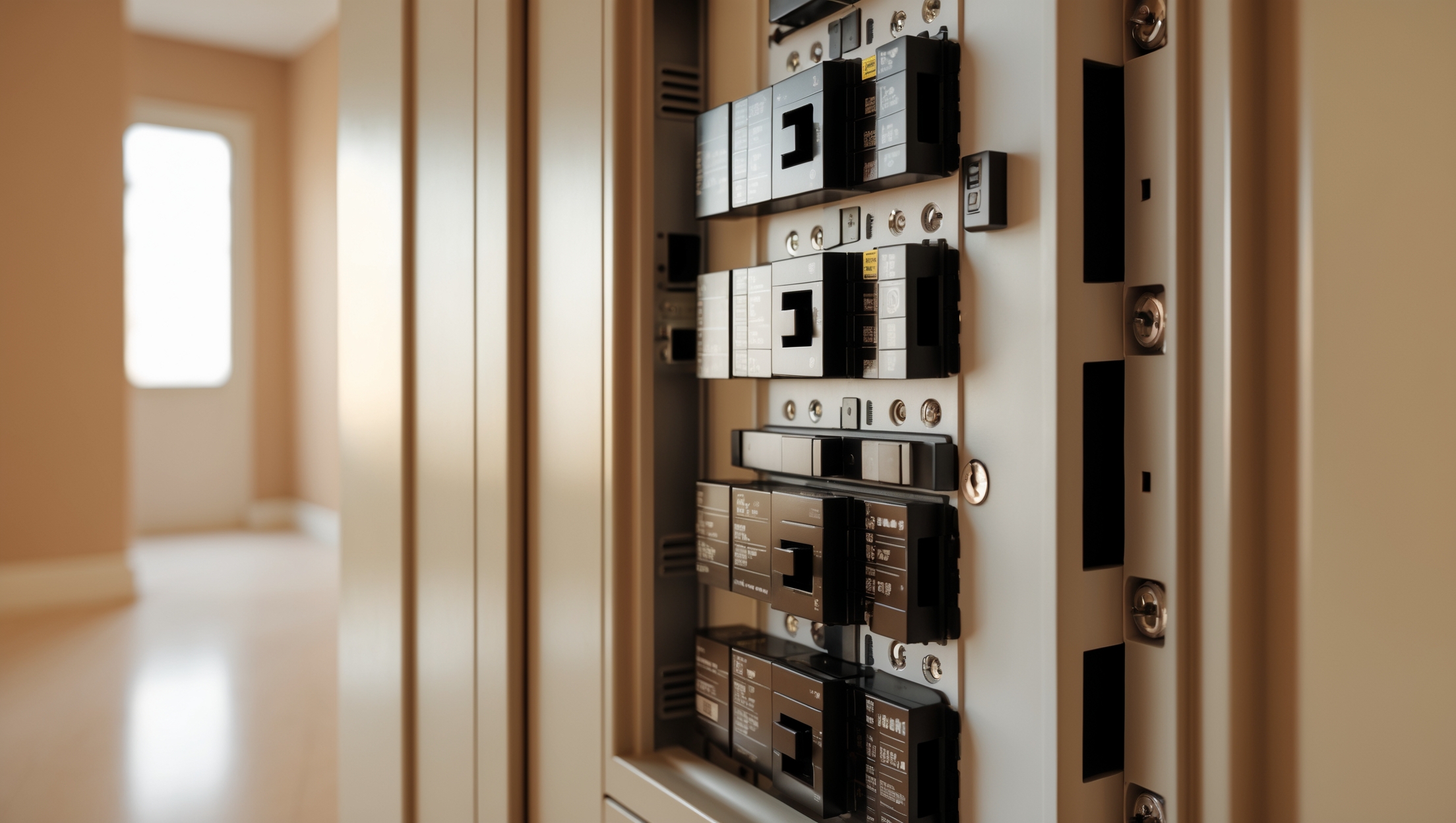
Introduction: Why Electrical Panel Labeling Matters for Every Homeowner
Imagine facing a sudden power outage in your home and needing to quickly shut off a circuit for safety—or worse, during an emergency like a fire or electrical short. An unlabeled or poorly labeled electrical panel turns a simple task into a stressful guessing game, risking safety, wasting time, and potentially damaging equipment. Effective electrical panel labeling is one of the most overlooked yet critical maintenance steps homeowners can take to ensure both safety and efficiency. It streamlines troubleshooting, makes renovations smoother, and empowers anyone—homeowner, electrician, or inspector—to navigate your home’s electrical system with confidence.
This comprehensive guide explores the importance of proper electrical panel labeling, outlines the best practices for labeling and maintaining your panel, and provides step-by-step methods, recommended tools, and actionable tips to keep your home’s circuits organized and safe. Whether you’re a DIY enthusiast updating your home or a homeowner wanting to ensure your investment is protected, these expert insights will help you unlock the full benefits of a clearly labeled panel for years to come.
The Importance of Electrical Panel Labeling
Safety First
Accurate labeling can mean the difference between a quick, safe response and a dangerous delay during emergencies. Firefighters, electricians, or family members can immediately identify and isolate problem circuits, reducing risks of shock, fire, or damage to appliances and wiring.
Maintenance Made Easy
Routine maintenance, troubleshooting, or upgrades are dramatically simplified when circuits are clearly identified. Electricians can work more efficiently, minimizing service time and cost. Homeowners can confidently reset breakers or make minor repairs without fear of shutting down the wrong area.
Compliance and Resale Value
While labeling is often required by electrical codes, a well-labeled panel also impresses home inspectors and potential buyers. It serves as a sign of responsible ownership and may positively impact resale value.
Understanding Circuit Breaker Panel Layouts
Types of Electrical Panels
- Main Service Panel: Distributes power from the utility to circuit breakers.
- Subpanel: Secondary panel for specific areas, like additions or garages.
- Fuse Box (Older Homes): Uses fuses instead of breakers; labeling principles still apply.
Typical Circuit Organization
Panels are usually arranged so that circuits are grouped by area (kitchen, bedrooms, HVAC, etc.), but this is not always the case—especially after remodels or additions. Always verify the actual layout before labeling.
Preparing for Panel Labeling
Safety Precautions
- Wear insulated gloves and shoes.
- Ensure hands are dry and the area is well-lit.
- Keep a non-contact voltage tester handy.
- Never remove the panel cover unless you are qualified.
Gathering the Right Tools
- Pre-printed or blank circuit breaker labels
- Permanent marker or label maker
- Flashlight or headlamp
- Notebook or labeling worksheet
- Helper for circuit identification
- Non-contact voltage tester or plug-in circuit tester
Step-by-Step Guide: How to Accurately Label Your Electrical Panel
1. Create a Blank Circuit Map
Draw a simple diagram or use a printable worksheet to represent the layout of your panel. Number each breaker or fuse position as it appears physically—left to right, top to bottom.
2. Identify Each Circuit
- Plug a lamp or radio into an outlet in each room.
- With a helper, turn off one breaker at a time and note which devices or lights lose power.
- Record the matching area or appliance on your map.
- For hardwired circuits (furnace, oven, AC, etc.), check the device or use manufacturer documentation.
3. Test for Overlapping or Shared Circuits
Some circuits may serve multiple locations (e.g., hallways and bedrooms). Identify all outlets, fixtures, or appliances affected by each breaker and document accordingly.
4. Label Clearly and Consistently
- Use pre-printed or durable labels inside the panel door and beside each breaker.
- Be specific: Instead of “Outlets,” write “Kitchen counter outlets, north wall.”
- Indicate dedicated circuits for appliances (“Dishwasher only”).
- For multi-room circuits, list all areas served.
5. Create a Master Legend
Attach a master circuit legend inside the panel door. Use a typed or neatly handwritten list that matches each breaker number to its function. Laminate for durability.
Labeling Best Practices and Tips
- Use High-Quality Labels: Choose heat- and moisture-resistant labels designed for electrical panels.
- Keep Descriptions Short but Clear: Avoid abbreviations unless they’re widely understood (e.g., “HVAC”).
- Indicate GFCI/AFCI Breakers: Notate any special protection for quick identification.
- Note Unused Breakers: Mark as “Spare” or “Unused” to prevent confusion.
- Update Immediately After Changes: Whenever a new appliance is added or remodeling occurs, update the labels right away.
- Add Date of Last Update: Helps track when labeling was reviewed or changed.
Common Labeling Mistakes to Avoid
- Vague Descriptions: “Lights” or “Outlets” alone are not helpful—be room- or area-specific.
- Handwritten Labels Only: Faded or illegible pen marks can cause confusion; use printed labels where possible.
- Ignoring Subpanels: Always label subpanels and reference their control from the main panel.
- Omitting Shared Circuits: Failing to note all areas served by a circuit leads to surprises during maintenance.
- Not Labeling Neutrals or Grounds: While not always required, noting multi-wire branch circuits can help future troubleshooting.
Maintaining and Updating Your Panel Labels
Regular Inspections
- Review labels every 6-12 months.
- Check for fading, peeling, or missing information.
After Electrical Work
- Update labels immediately following any professional or DIY electrical work.
- Ask contractors to provide updated circuit information for your records.
Documentation and Backups
- Keep a digital copy (photo or scan) of your panel legend.
- Store a backup in your home maintenance file or cloud storage.
Going Beyond: Advanced Labeling Techniques
Color Coding
Use color-coded labels or dots to quickly distinguish between types of circuits—lighting, outlets, appliances, GFCI/AFCI protected, etc.
QR Codes for Digital Legends
Create a QR code that links to a digital version of your circuit legend, wiring diagrams, or maintenance logs. Place the code inside the panel door for instant access via smartphone.
Panel Mapping Apps
Consider using specialized home management apps that let you build interactive circuit maps, track changes, set reminders for updates, and store photos or documents for easy sharing with contractors or inspectors.
Case Examples: Real-World Benefits of Proper Panel Labeling
Case 1: Fast Response During an Emergency
During a kitchen appliance fire, a homeowner was able to immediately shut off the correct breaker, minimizing damage and preventing spread—thanks to clear, updated labeling.
Case 2: Efficient Renovation
A family remodeling their basement saved hours of labor costs as their electrician easily identified and isolated circuits, reducing downtime and avoiding unnecessary circuit shutoffs.
Case 3: Smooth Home Sale Inspection
An organized, labeled panel impressed a home inspector and buyer, expediting the sale and serving as tangible proof of proper home maintenance.
Frequently Asked Questions About Panel Labeling
- Is panel labeling required by code? Most local codes require clear identification of circuits. Check with your local authority for specifics.
- Can I label my panel myself? Yes, but exercise all safety precautions. If unsure, hire a licensed electrician.
- What if my panel is full of old or unclear labels? Remove all existing labels and start fresh. Use the step-by-step process outlined above.
- Are there professional labeling services? Many electricians offer labeling as part of panel upgrades or inspections.
Conclusion: A Small Step with Lasting Impact
Electrical panel labeling may seem like a minor maintenance task, but its impact on home safety, convenience, and value is significant. It transforms a confusing jumble of wires and switches into an organized, accessible system that empowers both you and any professionals who work on your home. A well-labeled panel saves time and money, reduces stress in emergencies, and supports responsible home ownership.
By following the best practices outlined in this guide—using durable labels, detailed descriptions, regular updates, and advanced techniques—you create a safer, more efficient household environment. Don’t wait for an emergency or inspection to discover the pitfalls of poor labeling. Set aside an afternoon, gather the right tools, and invest in this simple yet powerful upgrade. Your future self—and anyone who enters your home—will thank you for it.
Remember, an organized electrical panel isn’t just about compliance or aesthetics. It’s about protecting your loved ones, preserving your investment, and enjoying true peace of mind. Make panel labeling a priority in your home maintenance routine, and you’ll reap the benefits for years to come.
I see that labeling helps with compliance and resale value, but are there specific label types or materials that last longer and stay readable in humid environments like basements? I want to make sure I choose something durable, since my panel is in a spot that can get damp.
For damp or humid areas like basements, it’s best to use laminated labels or industrial-grade vinyl labels, as these resist moisture and stay legible over time. Look for waterproof and UV-resistant options, which prevent smudging and fading. Avoid paper labels, as they tend to peel or become unreadable when exposed to humidity. Clear, durable labels will keep your panel organized and safe for years to come.
How detailed should each circuit label be for optimal safety and efficiency? Should I list specific rooms and major appliances, or is it enough to use general terms like ‘kitchen’ or ‘living room’?
For the best safety and efficiency, each circuit label should be as specific as possible. List the exact room and mention major appliances or features on that circuit, like ‘Kitchen – Refrigerator, Microwave’ or ‘Living Room – Outlets, Lights.’ This makes future troubleshooting and maintenance much easier, and helps anyone quickly identify which circuit controls what.
Could you elaborate on the recommended tools for labeling electrical panels as mentioned in the guide? I want to make sure I’m using materials that will last and remain legible over time, especially in a humid basement environment.
For labeling in humid environments like basements, it’s best to use a label maker with laminated or industrial-grade labels, as these resist moisture and fading. Permanent markers can be used, but only on durable, non-paper labels. Steer clear of plain paper or masking tape, which can peel or become illegible over time. Clear label covers or self-laminating labels also offer extra protection for important information.
When actually labeling the circuits, what are the best materials or tools to use so that the labels don’t fade or fall off over time? Are there any specific products you recommend for durability?
For long-lasting circuit labels, use a label maker with laminated tape or high-quality vinyl labels—they’re resistant to moisture and fading. Permanent markers on self-adhesive labels also work well, but make sure the surface is clean before sticking them on. Popular brands like Brother P-touch or Dymo produce durable label tapes specifically designed for electrical panels and harsh environments.
You mention that proper panel labeling is often required by electrical codes. Are there specific labeling standards or requirements for homeowners to be aware of, and do these vary from state to state?
Yes, specific labeling requirements can vary by state and even local jurisdictions, but the National Electrical Code (NEC) provides a general standard. The NEC requires each circuit to be clearly and legibly identified, so anyone can know which breaker controls which area or appliance. Homeowners should check their local codes, as some areas might require more detailed labeling or specific language. It’s a good idea to use durable, easy-to-read labels and keep them updated whenever changes are made.
I’m planning to sell my house in a few years and wonder how much of a difference a properly labeled electrical panel might make in resale value or during a home inspection—have you seen any feedback from buyers or inspectors in this regard?
A well-labeled electrical panel can leave a strong impression during home inspections and walkthroughs. Inspectors appreciate clear labeling because it shows attention to safety and maintenance, making it easier for them to assess the home’s electrical system. Buyers may also feel more confident in the care given to the home, which could positively influence their perception and potentially the resale value, even if it doesn’t directly add dollars to your sale price.
You mention that accurate electrical panel labeling can make renovations smoother. If my current labels are outdated or partially missing, what is the safest method for updating them without causing confusion during the process?
To safely update your electrical panel labels, start by turning off all circuits and, if possible, the main breaker to prevent any accidents. As you identify each circuit, use a temporary sticky note or tape for new labels until all circuits are correctly mapped. Once you’re sure about each one, replace the old or missing labels with clear, permanent ones. This step-by-step approach will help prevent confusion and ensure accuracy.
When labeling the circuits in my panel, how detailed should I get? For example, should I just write ‘kitchen’ or should I break it down into specific appliances or outlets? Sometimes multiple rooms are on one breaker in older homes and it gets confusing.
Aim for as much detail as possible when labeling your circuits. Instead of just writing ‘kitchen’, specify outlets or major appliances, like ‘kitchen counter outlets’ or ‘refrigerator’. For breakers covering multiple rooms, list all affected areas and, if possible, note the key outlets or fixtures powered by that circuit. Clear labels make troubleshooting and future work much easier and safer.
When it comes to electrical panel labeling, how often should the labels be checked or updated for accuracy, especially after doing renovations or installing new appliances? I want to make sure my panel stays current and helpful.
It’s a good idea to check and update your electrical panel labels whenever you do renovations, add new appliances, or make changes to your electrical system. Even without major changes, reviewing the labels annually helps ensure everything stays accurate. Keeping your labels current makes it much easier and safer to manage your electrical system in the future.
You mention that clear panel labeling can help lower service costs during electrical work. Have you seen any rough estimates on how much money homeowners might save by labeling their panels correctly compared to leaving them unlabeled?
While there aren’t many formal studies with exact dollar amounts, electricians often report that clearly labeled panels can reduce service time by anywhere from 15 to 30 minutes per job. Since electricians typically charge by the hour, this could mean saving $25 to $75 or more per visit, depending on local rates. Over several service calls, these savings can quickly add up.
The article mentions that labeling panels is sometimes required by code. How can I check if my local area requires specific ways to label an electrical panel, and are there any common mistakes that could cause issues during a home inspection?
To check your local requirements, contact your city or county building department or look up the National Electrical Code (NEC) as adopted in your area—some regions have additional labeling rules. Common mistakes include unclear or missing labels, using handwriting that’s hard to read, or not updating labels after changes. Inspectors often flag these issues, so make sure each circuit is clearly, accurately, and permanently labeled.
The article mentions that proper labeling can actually impact resale value and comply with electrical codes. If my panel is currently missing labels, are there any legal requirements or official standards I should be aware of before I start labeling each circuit?
If your panel is missing labels, it’s a good idea to check your local building codes, as many areas require clear and accurate labeling for safety and code compliance. The National Electrical Code (NEC) states that each circuit must be legibly identified, usually on the panel directory, to indicate its purpose. When labeling, use clear descriptions like ‘kitchen outlets’ or ‘living room lights’ and avoid vague terms. If you’re unsure, consulting a licensed electrician is a safe approach.
When it comes to labeling each breaker in my panel, do you have any suggestions for making the labels durable so they don’t fade or peel over the years, especially in a humid basement?
To make your breaker labels last in a humid basement, use a label maker with laminated or weather-resistant tape, as these resist moisture and fading much better than paper. Clean the panel surface before applying labels for better adhesion. Avoid handwritten labels, since ink can smear or fade over time. If possible, place a clear adhesive cover or tape over each label for extra protection.
You mentioned that accurate labeling can help during emergencies like fires or shorts. Are there any specific labeling standards or color codes recommended for residential panels, or is it just about writing clear descriptions next to each breaker?
For residential panels, there aren’t strict national color codes or standardized labeling formats required by code. The key is to use clear, specific descriptions for each breaker so anyone can quickly identify what each one controls. Some homeowners use colored stickers for quick reference, but this is optional. Focus on accuracy and readability to enhance safety during emergencies.
After labeling the circuits, how often should I revisit my electrical panel to double-check that everything is still accurate, especially if I plan to add new appliances or do small renovations over the next few years?
It’s a good idea to check your panel labels at least once a year, or whenever you make changes like adding appliances or renovating. Each time you update your electrical system, double-check the labels to ensure they still match the circuits. This keeps your panel accurate and your home safer.
If I recently bought a house and the electrical panel labeling is confusing or some labels are missing, what’s the safest way to test and figure out which circuit controls what in each room without risking injury or damaging anything?
To safely identify which circuit controls each area, start by turning off all electronics and unplugging sensitive devices. Have a helper with a phone or walkie-talkie. Turn off one breaker at a time and check which outlets, lights, or appliances lose power. Clearly label each breaker as you go. If you’re unsure or uncomfortable, consider hiring a licensed electrician for the job.
When it comes to keeping an electrical panel properly labeled over the years, do you have any tips for updating labels after home renovations or adding new circuits? I want to be sure my labeling stays current as my home’s layout changes.
After any renovation or when adding circuits, update your panel labels right away to avoid confusion later. Use durable, legible labels—preferably printed or written with a permanent marker on adhesive labels. Be specific with descriptions, like ‘Kitchen Lights’ or ‘Basement Outlets.’ Keep a master list in a safe spot outside the panel as a backup. Review all labels once a year to ensure they still match your home’s layout and electrical setup.
If I want to label the electrical panel myself but I’m not sure which breaker controls what, does your guide include tips for figuring that out safely, especially if I live alone and don’t have someone to help me test switches?
Yes, the guide offers tips for identifying which breaker controls each area, even if you’re working alone. One helpful method is to use plug-in devices like lamps or radios; plug them into outlets and turn breakers on and off one at a time to see which circuit each breaker controls. The guide also emphasizes safety precautions, such as standing on a dry surface and using insulated tools where necessary.
Can you give some advice on the best way to label circuits in an older house where some outlets or fixtures may be connected to unexpected breakers? How can I make sure the labels stay accurate over time?
When labeling circuits in an older house, turn off one breaker at a time and test which outlets or fixtures lose power—note each result clearly. Use a permanent marker on durable label material, like adhesive or plastic labels, and avoid paper or tape that can fall off. If you change wiring or add circuits later, update the labels right away to keep everything accurate.
The article talks about labeling being important for meeting code requirements and resale value. How can I tell if my current panel labeling is up to code, and is there a standard format inspectors are usually looking for?
To check if your panel labeling meets code, each breaker should be clearly and precisely labeled with its corresponding circuit (like ‘kitchen outlets’ or ‘bedroom lights’), rather than using vague terms such as ‘general.’ Inspectors look for legible, durable labels—handwritten is fine if it’s neat and permanent. There isn’t a universal format, but accuracy, clarity, and permanence are key. If in doubt, compare your labels with the requirements in the National Electrical Code (NEC) or ask a licensed electrician for an assessment.
If my home’s electrical panel was labeled years ago and some circuits have changed, what’s the safest way to update outdated or incorrect labels without creating confusion or violating code?
To update old or incorrect panel labels safely, first turn off the main power and verify circuits using a tester with another person’s help. Update labels clearly and neatly—use a printed or typed label if possible. Cross out old labels completely to avoid confusion. If you’re unsure about any wiring changes, consider having a licensed electrician verify the circuits and labeling to ensure you stay up to code.
I saw that labeling helps with electrical code compliance and even adds resale value. For someone on a tight budget, are there any affordable labeling materials or techniques you suggest that still hold up well and look neat inside the panel?
Absolutely, you don’t have to spend much to label your electrical panel neatly and durably. Use a fine-tip permanent marker and white adhesive labels or label maker tape—they’re both inexpensive and easy to read. Clear tape over handwritten labels can also protect them from smudging. Just make sure your labels are legible, consistent, and securely attached for the best results.
You talked about the importance of accurate labels for emergencies. Do you have tips for keeping labels legible over time, especially in humid basements? I am also curious if there are labeling materials that work better than others for long-lasting readability.
To keep labels legible in humid basements, use waterproof or laminated labels, as paper labels can smudge or peel. Permanent markers with fade-resistant ink work well on vinyl or polyester label tapes. Make sure the labeling surface is clean and dry before applying. For extra durability, consider clear label covers or using a label maker designed for industrial environments.
I’m about to start labeling my electrical panel for the first time and I’m not sure how detailed I need to get. For example, should I just label by room, or get specific about which outlets or lights each breaker controls?
When labeling your electrical panel, it’s helpful to be as specific as possible. Labeling by room is a good start, but noting which outlets, lights, or major appliances each breaker controls will make future troubleshooting much easier. For example, instead of just ‘Kitchen,’ you could write ‘Kitchen – outlets and microwave.’ This extra detail will save you time and confusion down the road.
If the previous homeowner didn’t label the panel correctly and I’m unsure which breaker controls certain rooms, what’s the safest way to trace and accurately update these labels without risking any electrical hazards?
To safely trace which breaker controls each room, start by turning off one breaker at a time and then checking which outlets, lights, or appliances lose power. Make sure to let everyone at home know you’ll be testing circuits, and use a circuit tester for extra safety. Avoid touching electrical wiring directly. Write down your findings as you go, and when finished, label the panel clearly. If you’re uncomfortable or unsure, consider hiring a licensed electrician to help.
You mentioned that proper electrical panel labeling is sometimes required by electrical codes. Is there a standard format or terminology recommended for homeowners to use so their panels are compliant during home inspections or resale?
While specific labeling requirements can vary by local code, it’s generally recommended to use clear, permanent labels that accurately describe each circuit’s location and function, such as ‘Kitchen Outlets’ or ‘Master Bedroom Lights.’ Avoid vague terms like ‘Miscellaneous.’ Using printed labels or a label maker helps with neatness and legibility. Always check with your local building department or a licensed electrician for any additional formatting requirements in your area.
I noticed you said a well-labeled panel could improve resale value by meeting code requirements. Is there a standard format or method for labeling that potential buyers or inspectors expect to see, or can homeowners get creative with their labeling as long as it’s clear?
Homeowners should stick to clear, legible labeling using permanent markers or printed labels. Each breaker should be labeled with the specific room or appliance it controls, like ‘Kitchen Outlets’ or ‘Living Room Lights’. While some creativity is fine, inspectors and buyers expect straightforward, unambiguous descriptions. Avoid nicknames or vague terms—clarity and accuracy are key for safety and compliance.
The guide talks about code requirements and resale value. If my home’s panel has a few circuits that are hard to trace or seem mislabeled, how can I safely test which breaker controls what without risking damage or tripping something important?
To safely identify which breaker controls each circuit, turn off all electronics and unplug sensitive devices first. Then, with a helper, switch off one breaker at a time and check which outlets or lights lose power. Use sticky notes or tape to mark them as you go. Avoid testing circuits related to critical systems like refrigerators or alarms during this process to prevent disruption.
If my panel was never labeled by the previous owner, is there a safe way to test and figure out which breaker controls what without any fancy equipment, or should I hire a professional for that part?
You can safely identify which breaker controls each area without special tools. Turn off one breaker at a time and check which outlets, lights, or appliances lose power. It helps to have someone in the house to test switches as you go. Write down each result clearly. Make sure to avoid testing with wet hands or standing on wet surfaces for safety. If you feel unsure or notice any wiring issues, it’s wise to call a professional.
If my electrical panel was labeled by the previous homeowner but seems a bit outdated or unclear, what is the best way to safely check and update the labels myself? Should I always turn off the main breaker before testing which breakers control certain outlets or lights?
To safely update your electrical panel labels, use the buddy system: have one person at the panel and another inside the house to check which outlets or lights turn off as you flip each breaker. It’s not necessary to turn off the main breaker, as individual breakers can be switched off one at a time. Just be careful not to touch any exposed wiring and always use caution when working near your electrical panel.
If my electrical panel has some faded or handwritten labels that aren’t very clear, is it better to replace just those labels or start from scratch and relabel the whole panel for accuracy and safety?
If several labels on your electrical panel are faded or unclear, it’s a good idea to relabel the entire panel. This ensures consistency, accuracy, and long-term safety. Start by identifying each circuit, then create new, easy-to-read labels. Clear labeling helps in emergencies and routine maintenance, making it easier for anyone to quickly understand the panel’s layout.
I see that clearly labeled panels can save on electricians’ time and service costs. If I plan to eventually sell my home, are there any standards or best practices to make sure the labeling meets code and appeals to home inspectors or buyers?
To ensure your electrical panel labeling meets code and appeals to inspectors and buyers, use durable, legible labels that match the circuit’s function (like “Kitchen Outlets” or “Living Room Lights”). Each breaker should be clearly described—avoid vague terms. Use printed labels if possible and keep them updated after any changes. While there’s no universal national labeling format, following the National Electrical Code’s clarity requirements and maintaining neatness will impress both inspectors and potential buyers.
If my current electrical panel is only partially labeled and a few of the old labels are faded or incorrect, do you recommend starting over from scratch, or is it better to just fix the labels that are wrong or missing?
If you notice faded, missing, or incorrect labels on your electrical panel, it’s usually best to start over and relabel everything clearly. This approach ensures that each circuit is accurately identified, avoids future confusion, and helps during emergencies or repairs. Take the time to test each circuit, update all labels with permanent markers or printed labels, and make sure they’re easy to read.
The article says proper labeling can help in emergencies, but if my panel is already labeled from when I bought the house, how do I check if it’s accurate or update it safely? Do I need to turn off the main power first?
To check your panel labels, you don’t have to turn off the main power. Have someone help you: turn on all lights and plug in small devices in your house, then switch off each circuit breaker one at a time and note which areas lose power. Update the labels as you go. If anything seems unclear or you feel unsure, consider contacting a licensed electrician for assistance.
If my home’s electrical panel is currently labeled in handwriting that’s hard to read, is it worth investing in printed labels, or would simply making the handwriting clearer be enough to satisfy code and inspector requirements?
Improving your panel labels so they are clear and legible is the main priority for safety and code compliance. If neat handwriting achieves this, it’s generally sufficient for inspectors. However, printed labels can be more durable and professional-looking, reducing confusion in emergencies. Consider printed labels if you want extra clarity or a more permanent solution, but as long as everything is clearly marked, either method is acceptable.
If someone is renting or might move soon, is it worth investing in professional-grade labeling tools, or are there affordable methods that still meet safety and code requirements for panel labeling?
If you’re renting or planning to move soon, you don’t need to invest in professional-grade labeling tools. Basic adhesive labels or even clear, handwritten tags made with a permanent marker are usually sufficient, as long as they’re legible and securely attached. This approach meets safety and code requirements for most residential situations and can easily be removed or updated as needed.
The article mentions that accurate panel labeling is essential for both safety and resale value. Are there any specific labeling materials or methods that stand out as especially durable or code-compliant for homes in regions with high humidity or temperature changes?
For homes in areas with high humidity or temperature fluctuations, it’s best to use laminated or weather-resistant labels, such as those made from polyester or vinyl. These materials resist moisture, fading, and peeling. Printed adhesive labels are preferred over handwritten ones for legibility and durability. Also, using a label maker with permanent ink helps ensure long-lasting results. These methods generally meet code requirements as long as the labels remain securely attached and clearly readable.
You mention that accurate panel labeling helps increase your home’s resale value. Have you seen any specific expectations from home inspectors or buyers about how detailed or professional the labeling needs to be?
Home inspectors and buyers do notice panel labeling, especially during a sale. While there aren’t strict codes on how detailed it must be, well-organized, legible labels make a positive impression. Inspectors appreciate when each breaker is clearly identified by room or appliance. Handwritten labels are acceptable if they’re neat and easy to read, but typed or printed labels do look more professional and can add to a buyer’s confidence in the home’s upkeep.
For homeowners who want to update their panel labeling but have limited experience with electricity, are there any safety precautions or professional services you would recommend before getting started to avoid any risks?
If you’re not familiar with electrical work, it’s best to avoid opening the panel or touching any wiring. You can label breakers by switching each one off (one at a time) and noting what turns off, but don’t remove the panel cover. For extra safety, consider hiring a licensed electrician—they can accurately identify circuits and update labels for you, ensuring everything remains safe and up to code.
When labeling an electrical panel, do you recommend using pre-printed labels or is it okay to handwrite them as long as they are legible? I want to make sure it meets code if I ever sell the house.
Both pre-printed and handwritten labels are generally acceptable, as long as the labels are clear, durable, and easy to read. Handwritten labels are fine if you use a permanent marker and write neatly. Most codes don’t specify printed labels, just that circuits are accurately and legibly identified. For a more professional look and added durability—especially for home resale—pre-printed labels are a great choice.
When labeling the circuits in my home’s electrical panel, is it better to use handwritten labels or printed ones for long-term durability? I’m also wondering if there are any specific label materials that hold up best in humid basements.
Printed labels are usually the best choice for long-term durability, especially in humid environments like basements. They tend to be clearer and more resistant to smudging than handwritten ones. Look for labels made from polyester or vinyl, as these materials are moisture-resistant and stick well to electrical panels. Laminated labels also provide extra protection against humidity and wear.
Could you elaborate on which tools are considered essential for accurately labeling an electrical panel, especially for someone who is new to DIY electrical work? Are there any tools you recommend avoiding or brands that work particularly well for home use?
For labeling an electrical panel, essential tools include a permanent marker or pen suitable for writing on adhesive labels, pre-printed or blank circuit directory labels, a label maker (for clear, durable labels), and a flashlight for better visibility inside the panel. Label makers from brands like Brother or Dymo are popular for home use because of their reliability and easy-to-read output. Avoid using masking tape or paper labels, as these can fade or peel over time. Stick with durable, adhesive-backed labels intended for electrical panels.
When labeling an electrical panel as a homeowner, are there any specific materials or label types you recommend to ensure the markings remain legible and durable over time, especially in areas prone to moisture or dust?
For lasting results in areas with moisture or dust, use weatherproof or industrial-grade labels made of polyester or vinyl rather than regular paper. These materials resist fading, tearing, and moisture damage. Permanent markers work well, but for extra clarity, consider a label maker with laminated tape. Make sure to clean and dry the panel surface before applying any labels so they adhere properly.
I’m planning to update the labels on my electrical panel, but I’m worried about accidentally shutting off something important while figuring out which breaker goes where. Do you have a recommended process or tools for safely tracing circuits without causing disruption?
To safely trace circuits without causing major disruptions, use a circuit breaker finder or tracer tool. These devices let you identify which outlets or fixtures correspond to each breaker without turning off the power. Alternatively, have a helper check each area as you flip breakers one at a time during low-usage hours. Label each breaker as you go, and keep a flashlight handy just in case.
When labeling our electrical panel, do you have any recommendations on the types of labels or markers that hold up best over time, especially if the panel is in a humid basement? I want to avoid anything smudging or peeling later on.
For a humid basement, it’s best to use self-adhesive vinyl labels or label maker tape formulated for industrial or outdoor use, as these resist moisture and stick well to metal. Permanent markers labeled as waterproof or fade-resistant are ideal if you write directly, but avoid regular paper labels since they can peel or smudge. Be sure to clean the panel surface before labeling for the best adhesion.
When labeling an electrical panel, what’s the best way to accurately identify which breaker controls each outlet or room, especially in older homes where past work may have changed things around?
To accurately identify each breaker’s circuit in older homes, start by turning off one breaker at a time and testing outlets, lights, and appliances to see which lose power. A helper can make this process faster. Use a circuit tester or plug-in device for outlets. Clearly write or print the room or outlet details next to each breaker on the panel. If circuits seem mixed or confusing, consider an electrician for a more thorough trace.
Could you provide some tips on making electrical panel labeling both code-compliant and user-friendly, especially for households where residents might not be familiar with technical electrical terms? Are there standard symbols or color codes that should be used to make labels more universally understandable?
To keep electrical panel labeling code-compliant and user-friendly, use clear, everyday language like ‘Kitchen Outlets’ or ‘Living Room Lights’ instead of technical terms. Number each breaker and use a printed chart for neatness. While there are no universal standard symbols or colors required for home panels, using simple icons or color-coded labels—like red for critical circuits (stove, heat), blue for lighting, and green for general outlets—can help everyone understand. Always ensure labels are durable and securely attached.
If my electrical panel was labeled years ago and we’ve since renovated and added new circuits, do you have tips for keeping labels updated without making the panel confusing or messy?
To keep your panel organized after renovations, use printed adhesive labels for a clean look and remove any outdated ones. Number each breaker and create a master list nearby that clearly matches numbers to rooms or appliances. If circuits have been combined or changed, update the descriptions to reflect the current layout. Regularly review and tidy the labeling as your home changes.
When labeling an electrical panel, are there any recommended tools or materials for creating durable and legible labels that will last over time? I want to avoid labels fading or peeling since my basement can get humid.
For labeling in a humid basement, consider using a label maker with laminated or industrial-grade labels. These are much more resistant to moisture, fading, and peeling compared to paper labels or regular tape. Permanent markers on high-quality plastic or vinyl label tape also work well. Make sure to clean the panel surface before applying labels so they adhere securely and last longer.
The article mentions that accurate panel labeling is often required by code and can affect resale value. For a homeowner preparing to sell, is there a standard format or set of labeling requirements that real estate inspectors or buyers look for, or is it just about clarity and thoroughness?
Inspectors and buyers mainly look for clear, legible, and accurate labeling that matches each circuit to its location or use, such as ‘Kitchen Outlets’ or ‘Master Bedroom Lights.’ While there isn’t one universal format, using printed or neatly written labels and avoiding vague terms like ‘Misc’ helps. Following the National Electrical Code (NEC), which requires identification of each circuit’s purpose, is usually sufficient for most home sales.
You mentioned that a well-labeled panel can actually affect resale value and compliance with electrical codes. Could you elaborate on what code requirements exist for labeling panels in most states, and whether these standards differ for older homes?
Most states follow the National Electrical Code (NEC), which requires that each circuit in a panel be clearly and legibly labeled to indicate its purpose. This helps with safety, troubleshooting, and compliance. While newer homes are inspected for up-to-date labeling, older homes may not be required to upgrade labeling unless significant electrical work is done, but it’s still highly recommended for safety and ease of use.
You emphasized that panel labeling streamlines troubleshooting and maintenance. Would using color-coded labels or printed circuit directories provide any extra advantages compared to handwritten labels, especially for households planning future upgrades?
Absolutely, color-coded labels or printed circuit directories can offer extra benefits over handwritten labels, especially if you anticipate future upgrades. Color-coding helps quickly identify circuit groups or priorities at a glance, which is helpful during emergencies or renovations. Printed directories tend to be clearer, more legible, and easier to update as your electrical system changes. Both options can make maintenance smoother and reduce the chance of mistakes.
When labeling the electrical panel, how do you actually figure out which breaker connects to which room or outlet? Is there an easy method for someone doing this on their own for the first time, or do you need special equipment to trace the circuits?
You don’t need special equipment to label your electrical panel, though circuit tracers can make the job easier. To do it yourself, start by turning off one breaker at a time and checking which outlets, lights, or appliances lose power. Label each breaker as you go, noting the rooms or specific outlets they control. It helps to have someone assist by testing outlets while you flip breakers. Take your time and double-check before finalizing your labels.
If I have an older home and the circuit layout is confusing, do you have tips or a process for figuring out which breaker controls what, especially before I attempt any labeling?
Absolutely, a systematic approach can help. Start by turning off all breakers, then turn on one breaker at a time. As you do this, check which lights, outlets, or appliances become active in the house and write them down. A helper can make this process faster—one person flips breakers while the other checks rooms. Use sticky notes or masking tape to temporarily label outlets and switches as you go. Once done, document your findings before making permanent labels on the panel.
You mentioned labeling as important for emergencies like fires or electrical shorts. Are there any specific labeling colors or symbols that help first responders or electricians identify critical circuits more quickly?
Yes, using specific colors and symbols can make a big difference. Red labels are typically used for emergency circuits, such as those for smoke alarms or essential lighting. You can also use symbols like lightning bolts for high-voltage or critical circuits. Clearly marking main shut-off switches and essential equipment helps first responders and electricians act quickly in emergencies.
If my home’s previous owner already labeled our electrical panel, but some labels are handwritten or unclear, is it better to redo them all at once, or can I update the confusing ones as I discover issues while using the panel?
You don’t have to redo all the labels right away. It’s often practical to update the unclear or handwritten ones as you notice issues, especially if you use the panel regularly. Just make sure each new label is clear, durable, and consistent. Over time, you can replace all the old labels for a fully organized panel, but focusing on the confusing ones first is perfectly fine.
I see that a well-labeled panel can increase efficiency and even affect resale value. When updating an older home, is it better to relabel the panel myself or hire a professional to ensure everything is up to current electrical codes?
Relabeling a panel yourself is fine if you’re just updating labels for clarity and everything is already clearly marked. However, for older homes—where circuits may not be obvious or might have been changed over time—it’s wise to hire a licensed electrician. They can verify your panel’s accuracy and ensure everything complies with current electrical codes, which is especially important for safety and resale value.
You mention that proper labeling can impact compliance and potentially even resale value. Is there a specific labeling standard or format that home inspectors or buyers usually look for, or is any clear labeling acceptable?
Home inspectors and buyers typically look for clear and legible labeling that accurately identifies each circuit’s purpose, such as ‘kitchen outlets’ or ‘bedroom lights.’ There isn’t a single universal format required for homes, but using durable labels and consistent language helps. The main priority is that each breaker or fuse is distinctly and correctly labeled so anyone can easily understand what it controls.
When it comes to updating or correcting existing labels on an older panel, do I need to turn off the main power first, or can this usually be done safely with the power on? Just want to be sure I’m not missing a safety step.
For your safety, it’s always best to turn off the main power before reaching inside the electrical panel to update or correct labels, especially if you’re opening the panel door or getting close to any wiring. If you’re only adding or replacing labels on the outside of the panel, you can usually do this with the power on. Always avoid touching any internal components unless the power is shut off.
If my electrical panel was labeled by the previous homeowner but the labels are now faded or possibly inaccurate, what is the safest way to verify each circuit and update the labels correctly? I want to make sure I’m not missing something that an electrician would check.
To verify and update your electrical panel labels safely, turn off all appliances, then switch each circuit breaker off and on, one at a time, while another person checks which outlets or fixtures lose power. Mark each circuit clearly as you go. Use printed or durable labels for clarity. If you’re unsure about any circuit, or if anything seems unsafe or confusing, consult a licensed electrician for a thorough review.
Is there a recommended way to double-check that each circuit label actually matches the rooms or outlets it controls, especially if some of the circuits are already poorly marked?
To double-check circuit labels, one effective method is to turn off each breaker one at a time and see which outlets, lights, or appliances lose power. Enlist someone to help test each room while you work the panel. Use sticky notes or tape to temporarily mark locations as you go. Once you’ve confirmed each circuit, update the labels clearly and securely on the panel.
When updating the labels on an old electrical panel, do you recommend turning off the main breaker for safety, or is it usually safe to relabel without shutting power off as long as you’re careful?
It’s always safest to turn off the main breaker before working inside your electrical panel, even if you’re only updating labels. This eliminates the risk of accidental contact with live parts. While some people relabel with the power on, any work inside the panel carries inherent risk. For your safety, shut off the main breaker before opening or labeling the panel.
If a previous homeowner labeled some circuits incorrectly, what’s the safest way to test and relabel everything myself without turning off the whole house? I’m just starting to learn basic electrical work and want to avoid any mistakes.
To safely relabel circuits, work with a partner: one person stays near the panel, the other tests outlets and switches. Turn off just one breaker at a time, then see which outlets or lights lose power. Label each circuit as you go. Use a plug-in outlet tester for extra safety, and avoid touching wires. If you ever feel unsure, it’s wise to consult an electrician.
For DIY homeowners, what’s the most reliable way to trace and label circuits if the original labels are missing or completely inaccurate? Are there affordable tools that actually make this easier, or is professional help usually needed?
A reliable method for tracing circuits is to use a circuit breaker finder tool, which is affordable and easy to use for most DIY homeowners. Simply plug the transmitter into an outlet, then scan the breakers with the receiver to identify the matching circuit. Turn off one breaker at a time to double-check, and label each circuit clearly as you go. This approach is safe for most homeowners, but if you encounter confusing or unsafe wiring, it’s wise to call a professional.
You say labeling helps with compliance and resale value. If a panel is currently unlabeled or has unclear tags from a previous owner, what’s the safest way to figure out which circuit controls what before relabeling everything?
To safely identify which circuit controls each area, turn off one breaker at a time, then check which outlets, lights, or appliances lose power. Always work with a partner if possible for safety and efficiency. Use a circuit tester or plug-in device to confirm power is off. Clearly write down each result before moving to the next breaker. If you’re unsure or uncomfortable, consider hiring a licensed electrician.
If I have an older electrical panel with labels that have faded or become inaccurate over the years, do I need to hire an electrician to safely re-label everything, or are there recommended steps DIY homeowners can take to update the labels themselves?
You don’t always need to hire an electrician to update faded or inaccurate labels, as many homeowners handle this themselves. First, turn off the main power if you’ll be removing the panel cover for better access. Test each circuit by switching breakers on and off to see what outlets or lights they control, then clearly write or print new labels. However, if you’re unsure or uncomfortable working around the panel, or if any wiring looks unsafe, it’s best to consult a licensed electrician.
When labeling my electrical panel, is it enough to just write the room names on the breakers, or should I also include information about what specific outlets or major appliances are on each circuit for better accuracy during emergencies?
Including just the room names is a good start, but it’s much more helpful to add details about specific outlets, lights, or major appliances connected to each circuit. This extra information can really speed up troubleshooting and make things safer and clearer during emergencies or electrical work.
If my panel is already labeled but I suspect some circuits are mislabeled due to past renovations, what’s the safest and most efficient way to test and update the labels without risking any electrical hazards?
To safely update your panel labels, turn off all electronics and have a partner help. One person can stay at the panel while the other tests outlets or light switches. Turn off one breaker at a time to see what areas lose power, then update labels accordingly. Use a circuit tester for added safety. If anything seems unclear or you feel unsure, consider consulting a licensed electrician to avoid any risks.
You mention that proper labeling can help with home resale value and code compliance. Are there any minimum labeling requirements that homeowners should be aware of to ensure they meet local regulations, or do these standards vary significantly by region?
Minimum labeling requirements for electrical panels can vary depending on your local building codes, but most areas require that each circuit breaker is clearly labeled to indicate the area or appliance it controls. This labeling should be durable, legible, and consistent. Some regions might have additional requirements, so it’s always a good idea to check with your local building department or code enforcement office to make sure you’re compliant.
The article emphasizes the importance of accurate labeling for emergencies and routine maintenance. Are there specific guidelines or standards homeowners should follow when creating labels, such as required terminology or label materials, to ensure compliance with electrical codes?
Homeowners should use clear, durable labels with legible text, typically printed rather than handwritten. Standard terminology like ‘Living Room Outlets’ or ‘Kitchen Lights’ is recommended for clarity. Labels should be moisture-resistant and securely affixed inside the panel. While NEC (National Electrical Code) doesn’t specify exact wording or materials, it does require accurate identification of circuits. Consider using commercially available labeling kits designed for electrical panels to meet these guidelines.
For homeowners who aren’t comfortable working around the panel, what are some safe ways to accurately identify which circuit controls each area before labeling? Is it necessary to hire a professional for this, or are there reliable DIY tools you recommend?
If you’re not comfortable near the electrical panel, you can safely identify circuits by turning off one breaker at a time and checking which lights or outlets lose power. Use a plug-in appliance like a lamp or a circuit tester to confirm. Enlist a family member to help communicate which areas are affected. Hiring a professional isn’t required for this step, but is a good idea if you feel uneasy or have an older panel. DIY circuit tracers are also available and can make the process easier and safer.
When labeling my electrical panel, how should I handle circuits that power multiple rooms or outlets? Should I label every individual area the circuit reaches, or is a general description enough to stay compliant and ensure safety?
For circuits that serve multiple rooms or outlets, it’s best to provide a clear but concise description. For example, you can label a breaker as ‘Living Room & Dining Room Outlets’ or ‘Kitchen and Hall Lights.’ You don’t need to list every single outlet, but mention all the main areas the circuit covers. This approach ensures clarity for safety and meets code requirements.
After labeling each circuit, how do you actually test that the labels match what they control without turning the whole house off? Are there safe ways to double-check accuracy if you’re doing this by yourself?
To test your circuit labels accurately and safely on your own, plug a small device like a lamp or radio into the outlet or area you want to check. Then, turn off that specific breaker and see if the device loses power. This confirms you matched the circuit correctly. Move methodically from one circuit to the next, always ensuring only one breaker is off at a time. This way, you avoid turning off your entire house and can confidently double-check your labeling.
When it comes to electrical codes or resale value, is there a particular format or labeling style that inspectors look for? I want to make sure my panel would meet any requirements if I ever decide to sell my house.
Inspectors generally look for clear, durable, and legible labels that accurately describe each circuit’s area or appliance. While there isn’t a universal format, using typed or neatly handwritten labels (not pencil) and avoiding vague terms like ‘general’ helps. Labels should match the home’s current layout. Check your local code for any additional requirements, but organized, specific labeling is key for safety and resale.
When labeling an older electrical panel with circuits that have been added or modified over the years, what’s the best way to verify exactly what each breaker controls? Do you recommend a specific process or tool to avoid any guesswork, especially when the original labeling is faded or missing?
To accurately label an older electrical panel, start by turning off one breaker at a time and then checking which lights, outlets, or appliances lose power. It’s helpful to have a partner in the house to report which areas are affected as you go. Use a circuit tester or plug-in outlet tester for outlets, and label each breaker clearly as you verify it. Document any circuits that seem to control multiple areas or special appliances for future reference.
When labeling my electrical panel, are there specific label materials or marker types that are best for long-term durability, especially in humid basements? The article mentions recommended tools, but I’d like to avoid having to redo faded labels every couple of years.
For long-term durability in humid basements, use self-adhesive polyester or vinyl labels, as these resist moisture and won’t peel easily. For writing, opt for industrial-grade permanent markers or a label maker with laminated tape. These materials prevent smudging and fading, so you’ll avoid frequent relabeling. Also, make sure the panel surface is clean and dry before applying any label for the best adhesion.
You mentioned that proper labeling can help during emergencies and is often required by code. What’s the best way to make sure my labels are compliant if my home is more than 30 years old and I’m not sure about past renovations?
To ensure your electrical panel labels are compliant in an older home, start by identifying each circuit through testing—turn off one breaker at a time and see which outlets or lights go off. Use clear, durable labels with both the room and specific appliance or outlet if possible. If you’re unsure about any circuits or if there have been unpermitted renovations, it’s wise to have a licensed electrician review your panel; they can help confirm accuracy and code compliance, especially since standards may have changed since your home was built.
When labeling a panel for the first time, is it better to shut off all the breakers and identify circuits one by one, or is there a safer, more efficient method to map everything out without risking damage or confusion?
Shutting off all breakers at once isn’t necessary and can be confusing, especially if you lose track of what’s already identified. A safer and more efficient method is to leave all breakers on, then turn off one breaker at a time and check which outlets or lights lose power. Label each circuit as you go, restoring power before moving to the next. This minimizes confusion and helps avoid accidental damage.
When labeling circuits in older homes where wiring can be confusing and previous owners may have made undocumented changes, what’s the best approach to make sure each label is truly accurate and up to code?
To ensure accurate circuit labeling in older homes, turn off one breaker at a time and check which outlets, lights, or appliances lose power, then label accordingly. It’s helpful to use two people—one at the panel and one testing inside. Double-check for any split circuits or unexpected wiring. If you encounter complex or unclear situations, consider hiring a licensed electrician to verify and document everything. This approach helps ensure labels are correct and meet code requirements.
When labeling an electrical panel, is it better to use handwritten labels or invest in a dedicated label maker for long-term durability? I have seen some handwritten labels fade over time and want to make sure my panel stays clear and readable.
Using a dedicated label maker is definitely the better choice for long-term durability and legibility. Labels from a label maker are usually more resistant to fading, smudging, and wear compared to handwritten ones. They also look more professional and are easier to read, which is important for quick identification during maintenance or emergencies. If you want your panel to stay clear and readable for years, investing in a label maker is worthwhile.
If we plan to renovate and add some new outlets or circuits, do you have any tips for keeping the old and new labeling organized so it doesn’t get confusing for an electrician or future homeowner?
To keep your labeling clear during renovations, use a consistent format and update the panel as soon as new outlets or circuits are added. Number each circuit and clearly describe what it serves, including room names and specific locations. Consider using printed, laminated labels for durability. It also helps to create a master list or diagram kept near the panel, which can be invaluable for electricians and future homeowners.
The article talks about using recommended tools for best labeling practices. Are there any low-cost or DIY alternatives for labeling panels that are still safe and effective, especially for students or renters on a budget?
Absolutely, you can use low-cost options like painter’s tape or masking tape paired with a permanent marker for labeling electrical panels. These materials are affordable, easy to find, and can be removed or replaced without damaging surfaces, making them ideal for students or renters. Just make sure your writing is clear and the labels are securely attached to avoid confusion.
The article mentions that a clearly labeled panel is helpful for electricians and inspectors, but are there specific labeling materials or tools you recommend that can hold up over time and not peel off or smudge, particularly in a humid basement?
For long-lasting labels in humid basements, consider using laminated label maker tape or industrial-grade vinyl labels, which resist moisture and smudging better than paper stickers. Label makers from brands like Brother or Dymo are popular choices, and their tapes come in varieties designed for tough environments. Write with permanent marker if hand-labeling, but for best results, printed labels are more durable and legible over time.
For older homes where the panel has faded or incomplete labels, do you recommend starting from scratch with relabeling, or is there a safe way to update existing labels without opening up the entire panel?
If the existing labels are faded or incomplete, it’s safest to start fresh with relabeling. You don’t need to open up the panel—just turn off each breaker one at a time, see which outlets or lights lose power, and label them accordingly. This method ensures accuracy without exposing yourself to unnecessary electrical risks.
If my electrical panel was labeled years ago and we’ve since remodeled and added new circuits, what is the best way to update the labels without causing confusion? Should I redo all the labels at once or just update the new ones?
It’s best to redo all the labels at once to ensure every circuit is clearly and accurately identified, especially after a remodel. This will prevent confusion in the future. Take the time to test each breaker and update the label list so it reflects your current setup. Clear, consistent labeling will make future maintenance or troubleshooting much easier and safer.
The article talks about labeling panels for both safety and resale value. If I recently bought an older house with an unlabeled or poorly labeled panel, what is the best way to start mapping and correctly labeling the circuits?
To map and label your circuits, start by turning off one breaker at a time, then check which outlets, lights, or appliances lose power. Note each location and appliance that each breaker controls. Use removable sticky notes to track your findings as you work. Once everything is mapped out, create clear, permanent labels on the panel for each circuit. This helps with safety, troubleshooting, and future home value.
If I am hiring an electrician for panel updates, is it standard practice for them to relabel circuits as part of the job, or should I expect to do that myself? Just trying to plan ahead for both safety and potential resale value.
When you hire an electrician for panel updates, it’s common for them to relabel any circuits they modify or install. However, a complete and detailed relabeling of the entire panel may not be included unless you specifically request it. To ensure clarity for safety and resale value, discuss labeling expectations upfront with your electrician—this way, you can agree on the level of detail and whether you’ll need to label any circuits yourself afterward.
If I plan on upgrading some wiring in my home soon, should I wait to relabel my panel until after the work is done, or is it better to do a preliminary label now and update it again later?
It’s a good idea to do a preliminary label now, especially for safety and convenience during your upgrade. However, after the wiring changes are complete, you should update the panel labels to reflect the new circuit arrangements. This way, you stay organized throughout the process and ensure your panel remains accurate and helpful both during and after the project.
If I have an older home and my electrical panel labels are missing or faded, what’s the safest way to figure out which circuit controls each room before relabeling everything? Is it something I can do myself or should I always call an electrician?
You can safely map out your circuits yourself if you’re comfortable. Start by turning off one circuit breaker at a time and noting which outlets, lights, or appliances lose power in each room. Use a helper to check throughout the house, and be sure to label each breaker as you go. If you encounter any confusion, or if your panel or wiring looks outdated or unsafe, it’s best to call a licensed electrician for help.
If my electrical panel is already somewhat labeled but some breakers are hard to identify, do you recommend starting over with new labels, or is it better to update just the unclear ones? Also, are there any specific label materials that hold up best in humid basements?
If most of your labels are still accurate and legible, it’s perfectly fine to update just the unclear ones. Make sure the new labels are consistent and easy to read. For humid basements, use laminated labels or self-adhesive labels made for industrial or outdoor use, as these resist moisture and fading much better than standard paper labels.
If my electrical panel has a few circuits I can’t easily identify, what are some safe steps I can take to figure out what they control without risking damage or injury? Are there recommended ways to troubleshoot this on my own?
To safely identify unknown circuits, turn off one breaker at a time and check which outlets, lights, or appliances lose power. Have someone help communicate which areas go dark. Label each breaker as you go. Always use a voltage tester to double-check live wires, and never work if you’re unsure. If a circuit powers something you can’t find, it might control outdoor fixtures or hardwired devices. For anything unclear or involving large appliances, consult an electrician.
When updating an older electrical panel that already has faded or incorrect labels, do you recommend removing all old labels first or just adding new ones over the top? Are there any best practices to avoid confusion during the process?
It’s best to remove all old, faded, or incorrect labels before adding new ones. This reduces confusion and makes it easier to identify circuits in the future. Clean the panel surface to ensure the new labels stick well, and double-check each circuit as you label it. Keeping a master circuit directory nearby can also help with long-term clarity.
When labeling an electrical panel, what is the best way to handle circuits that control multiple rooms or mixed-use outlets? Should each area be listed separately on the label, or is it better to use a more general description for clarity and code compliance?
For circuits that control multiple rooms or have mixed-use outlets, it’s best to list each area the circuit covers on the label. This approach is both clearer for anyone using the panel and aligns with code requirements, which typically call for specific identification. For example, label it as ‘Living Room/Bedroom 2/Outdoor Outlet’ rather than just ‘General Outlets.’ More detailed labels help avoid confusion during maintenance or emergencies.
The article mentions following electrical codes for labeling panels. For older homes where much of the original labeling is missing or inaccurate, are there specific steps or precautions you recommend to safely trace each circuit without specialized equipment?
When tracing circuits in older homes without specialized equipment, start by switching off one breaker at a time and checking which outlets, lights, or appliances lose power. Work with a friend to speed up the process and avoid turning off essential systems like refrigerators. Clearly mark each circuit as you go. Always ensure your hands are dry, and never touch electrical components with exposed wires. If anything seems unsafe or confusing, consult a licensed electrician.
I saw that proper labeling can boost your home’s resale value and might be required by electrical codes. How do you make sure your panel labeling actually meets local code requirements, and is this something home inspectors typically check closely?
To ensure your electrical panel labeling meets local code requirements, refer to your municipality’s electrical code or consult a licensed electrician, since codes can vary by area. Labels should be clear, durable, and accurately describe each circuit’s function. Home inspectors do usually check electrical panel labeling as part of their safety review, and lacking or unclear labels can be flagged during an inspection.
The article mentions that labeling can help comply with electrical codes and potentially impact resale value. Are there particular labeling requirements or guidelines that homeowners should follow to meet local code and make their homes more appealing to buyers or inspectors?
Yes, there are some general labeling guidelines that can help you comply with local codes and improve your home’s appeal. Each circuit breaker should be clearly labeled with its specific function, such as “kitchen outlets” or “main bedroom lights.” Avoid vague terms like “miscellaneous.” Labels should be legible, durable, and placed directly on or next to each breaker. It’s also smart to check with your local building department, as some areas have specific requirements about labeling language or format. Accurate and professional-looking labels make inspections easier and give potential buyers confidence in your home’s safety.
You highlighted that accurate labeling helps during emergencies or when troubleshooting, but what’s the best way to double-check which circuit controls each outlet or appliance without special equipment? Is it safe for a homeowner to do this alone, or should I call an electrician?
You can safely check which circuit controls each outlet or appliance by turning off one breaker at a time, then checking which outlets or appliances stop working. Make sure no one else is using major electrical devices during this process. This is generally safe for homeowners, as it doesn’t involve working inside the panel, just flipping breakers. However, if you feel uncomfortable or notice any unusual electrical issues, consulting an electrician is wise.
I’m planning to label my panel myself and want to be thorough. What’s the best way to trace which breaker controls which outlets or appliances without special equipment? Are there any common mistakes DIYers should watch out for during this process?
To trace which breaker controls each outlet or appliance, turn off one breaker at a time and check which outlets, lights, or appliances lose power. Use a lamp or radio to test outlets if you’re alone. Label each breaker immediately after testing to avoid confusion. Common mistakes include skipping double-checks, mislabeling shared circuits, or forgetting to test hidden outlets like those in garages or outdoors. Always ensure your hands are dry and you’re standing on a dry surface for safety.
I noticed you mentioned that accurate panel labeling helps during emergencies, like fires or electrical shorts. Are there any specific labeling methods or materials that stand up better in high-heat or smoky situations, or is standard labeling tape usually good enough?
In high-heat or smoky situations, standard labeling tape may not always hold up well. For better durability, consider using heat-resistant or industrial-grade labels made for electrical environments. These labels are usually made from materials like polyester or vinyl and use strong adhesives that resist peeling or fading under heat. Laminated labels also help protect against smudging and smoke stains, making them a reliable choice for emergency scenarios.
You mention that proper labeling can help during emergencies like electrical shorts or fires. Are there any specific labeling conventions or color codes that might make it even easier for first responders or electricians to quickly identify critical circuits?
Yes, using standardized labeling and color codes can be very helpful. Many electricians use red labels or stickers for emergency shutoff circuits, orange for high-voltage lines, and yellow for essential systems like smoke detectors. Clear, large fonts and consistent placement make labels easy to read. While there isn’t a universal standard for residential panels, following these conventions helps first responders and professionals quickly identify critical circuits.
You talk about labeling helping with home value and following code. If I’m planning to sell my house soon, is it worth hiring a professional electrician just to relabel the panel, or can a thorough DIY job meet code requirements and impress inspectors?
A thorough DIY labeling job can be sufficient if it is clear, accurate, durable, and follows local code requirements. Inspectors mainly look for clarity and compliance rather than who did the labeling. However, if your panel is complex or you’re unsure about code details, hiring a professional electrician can ensure everything is up to standard, which could give buyers and inspectors extra confidence.
If my panel is already somewhat labeled but it’s confusing or outdated, should I completely relabel it from scratch, or is there a way to safely update and clarify the existing labels?
You don’t always need to start from scratch, but it’s important that your panel labels are clear and accurate. You can carefully update and clarify existing labels by first verifying which breaker controls each circuit, correcting any errors, and making sure the labels are easy to read. If the current labeling is very messy or overlapping, replacing them with new, neatly written or printed labels is a good idea for future clarity and safety.
If I recently moved into an older house with a totally unlabeled panel, what would be the safest way to identify which breaker controls each room or appliance before I start labeling?
The safest approach is to work with a partner. One person can stay at the panel while the other is in each room. Turn off breakers one by one and note which outlets, lights, or appliances lose power in each area. Use plug-in testers for outlets and check all fixtures. Always ensure you’re standing on dry ground and keep your hands dry, and if you’re unsure about any circuits or feel unsafe, consider hiring a licensed electrician.
If my panel was labeled years ago by the previous homeowner but some of the descriptions are unclear or faded, is it better to start over with fresh labels or try to update just the ones that are hard to read? How often should this kind of maintenance be done?
If many labels are unclear or faded, starting over with fresh, consistent labels can make your panel much easier to understand and safer to use. However, if only a couple are hard to read, updating just those is fine. In general, it’s a good idea to check your panel labels every few years or after any major electrical changes in your home.
If an electrical panel has handwritten labels that have faded over the years, what’s the safest way to update them without shutting down the entire power supply to the house?
You can safely update faded labels without shutting off all power by first turning off just one circuit at a time before handling its breaker. Use a flashlight or adequate lighting for visibility. Gently clean the area around each breaker and apply new, clearly written labels. Avoid touching any exposed metal parts inside the panel and only write on the label area—not the breakers themselves. If you’re ever unsure or uncomfortable, consider consulting a licensed electrician.
When labeling my panel, is there a preferred method for marking circuits that serve multiple rooms or mixed loads, like when a single breaker covers both hallway outlets and a garage light? I want to avoid confusion in an emergency situation.
For breakers that handle multiple rooms or types of loads, it’s best to be as specific as possible on your label. For example, you might write: ‘Hallway outlets + Garage light’ or ‘Breaker 6: Hallway, Garage light.’ Avoid vague terms like ‘General’ or ‘Misc.’ If space is tight, consider numbering the circuits and keeping a detailed reference sheet nearby for clarity during emergencies.
I saw the article mention electrical codes may require labeling panels. If someone buys an older home with a poorly labeled or unlabeled panel, are there legal or inspection issues to worry about, or can you update it yourself without calling an electrician?
If you buy an older home with a poorly labeled or unlabeled electrical panel, it’s not usually a legal violation by itself, but it can become an issue during home inspections or future electrical work. You are generally allowed to update the labels yourself as a homeowner. Just make sure everything is clear, accurate, and easy to read. However, if you run into confusing wiring or anything seems unsafe, it’s smart to consult a licensed electrician.
You mention that electrical codes often require panel labeling. Could you clarify whether there are specific national guidelines for how detailed those labels need to be, or does it mostly depend on local building codes?
National guidelines, like those in the National Electrical Code (NEC), do require panel labeling and specify that each circuit must be clearly identified as to its purpose. However, the NEC doesn’t always dictate exactly how detailed the labels need to be. Local building codes or inspectors may have more specific requirements, so it’s always a good idea to check with your local authority for any additional expectations.
The article mentions code requirements for electrical panel labeling. Could you clarify which specific codes or regulations homeowners should be aware of when labeling their panels, and whether these standards differ by state?
Homeowners should primarily follow the National Electrical Code (NEC), specifically NEC Article 110.22, which requires all circuits and disconnects to be clearly and legibly labeled. However, local and state codes can add or modify requirements, so it’s important to check with your city or county’s building department. Some states have adopted their own electrical codes or amendments, making standards vary depending on where you live.
When labeling an electrical panel, is it better to use printed labels or handwritten ones? I want to make sure they’re clear and last a long time, especially since multiple people might need to reference them during an emergency.
Printed labels are generally the better choice for electrical panels, especially when clarity and durability matter. They tend to be more legible and resistant to smudging or fading than handwritten ones. Using a label maker or professionally printed labels ensures each label is easy to read and consistent, which is particularly important during emergencies when quick identification is crucial.
For someone with a busy schedule and limited electrical experience, what tools or methods from your guide would you recommend as the quickest and easiest way to label a home’s panel safely and accurately?
For a quick and safe way to label your electrical panel, use pre-printed or write-on adhesive labels and a permanent marker. Turn off circuits one at a time, see what loses power to identify each area, and write the location next to its breaker. This method is efficient, requires minimal tools, and does not need advanced electrical knowledge.
If I’m labeling my electrical panel for the first time and don’t have the original blueprint or any previous labels to work with, what’s the safest way to figure out which breaker controls which area or appliance in my house?
To safely identify which breaker controls each area, start by turning off one breaker at a time and checking which lights or outlets lose power. Use a helper to make this process quicker. Plug a small lamp or radio into outlets to test them. Always be cautious—never open the panel itself, only operate the breakers. Record your findings clearly as you go.
You mention that labeling is often required by electrical codes. Is there a particular format or type of label that inspectors usually prefer, or is handwriting on the panel acceptable as long as it’s clear and legible?
Inspectors generally accept handwritten labels as long as they are clear, legible, and durable. The main priority is that each breaker or circuit is accurately identified, so anyone can easily understand what each switch controls. However, using printed or engraved labels is often preferred for neatness and longevity, especially in new installations. Check your local code, as some areas may have specific requirements for label materials or formats.
You mentioned code requirements for labeling electrical panels. How detailed do the labels need to be to meet typical US code for a home, and is there a standard format electricians follow?
To comply with most US codes, each circuit in the electrical panel should be clearly labeled with its function, like ‘Kitchen Outlets’ or ‘Living Room Lights.’ Labels need to be specific enough so anyone can quickly identify what each breaker controls. There’s no strict national format, but clear, durable, and legible labeling is required. Many electricians use printed or hand-written labels placed directly on or next to each breaker switch.
You mentioned that proper labeling can simplify maintenance and even impact resale value. How specific should the labeling be to meet code requirements, and is there a standard format inspectors prefer?
Labeling should clearly identify each circuit’s purpose, such as ‘Kitchen Outlets’ or ‘Living Room Lights,’ rather than using vague terms like ‘Miscellaneous.’ Code generally requires circuits to be identified in a manner understandable to the homeowner. While there isn’t a universal standard format, inspectors typically prefer neat, legible labels that correspond accurately to the panel’s layout. Using pre-printed or typed labels can help keep things clear and professional.
You talked about using recommended tools for labeling panels, but what would be the most budget-friendly way for a college student or renter to label their panel effectively without buying any expensive gear?
For a budget-friendly approach, you can use masking tape and a permanent marker to label your electrical panel. Simply write clear descriptions for each circuit on small pieces of tape and stick them under the corresponding breakers. This method is effective, inexpensive, and easy to update if things change in the future.
I’m interested in labeling my home’s electrical panel but I’m not sure what tools or label materials are best for durability and readability. Do you recommend specific types, especially for panels located in damp basements?
For labeling electrical panels in damp basements, I recommend using laminated or polyester adhesive labels, as they resist moisture and won’t smear or peel over time. A handheld label maker with thermal transfer printing can produce durable, easy-to-read labels. Avoid paper labels, as they degrade quickly in humidity. Make sure each label is pressed firmly onto a clean, dry surface inside the panel for best adhesion and longevity.
Are there certain types of labels or materials you recommend for electrical panels to ensure they remain legible over the years, especially in humid or unfinished basements? I want to avoid having to redo the labeling frequently.
For lasting results in humid or unfinished basements, use polyester or vinyl labels with strong adhesive, as they resist moisture and won’t peel easily. Laminate your labels for extra protection against humidity. Avoid paper-based labels, which tend to fade or detach over time. Using a label maker with thermal printing also helps keep the text clear and resistant to smudging.
The article mentions that clear labeling can speed up troubleshooting and reduce service costs with electricians. Are there any recommended tools or labeling materials that hold up best over time, particularly in humid basements or garages?
For humid basements or garages, use industrial-grade label makers with laminated or weatherproof labels. Vinyl labels are especially durable and resist moisture and fading. Permanent markers on plastic or waterproof label tape also work well. Steer clear of paper labels, as they peel or smear in damp environments. Properly affixed, high-quality labels can last for years and remain readable even in challenging conditions.
The guide talks about recommended tools for labeling. Could you clarify which type of label makers or materials work best for panels located in damp or unfinished basements to ensure the labels last over time?
For panels in damp or unfinished basements, it’s best to use a label maker with industrial-grade, laminated labels or vinyl labels, as these are moisture-resistant and durable. Avoid paper labels since they can peel or fade in humidity. Clear, adhesive-backed plastic labels are also a good option as they adhere well to metal and resist moisture over time.
Does the article recommend any particular label materials or tools that are both durable and budget-friendly for homeowners who want to update their panels themselves, without hiring an electrician?
The article suggests using adhesive label makers or self-adhesive pre-printed labels as affordable and durable options for homeowners. It also mentions that permanent markers can work well on high-quality label tape or directly on label tags, as long as they’re smudge-proof and easy to read. There’s no need to invest in professional-grade tools—just be sure your labels are durable enough to withstand moisture and temperature changes in the panel area.
I understand the article emphasizes safety and efficiency, but could you clarify how often a homeowner should review or update their panel labels? Is there a recommended schedule or should it only be done after major electrical work?
Homeowners should ideally review their electrical panel labels once a year to ensure everything is still accurate and easy to read. It’s especially important to update labels immediately following any electrical upgrades, renovations, or changes in appliance locations. This routine check helps prevent confusion during emergencies and keeps your system safe and efficient.
If my home’s electrical panel was last labeled several years ago, what’s the recommended way to double-check that each label still matches the correct circuit before doing any maintenance or upgrades?
To ensure your panel labels are still accurate, switch off each breaker one at a time and check which outlets, lights, or appliances lose power. Make notes as you go, correcting any mislabeled circuits. It’s best to do this with another person—one watching the panel and the other confirming which areas lose power. Always use caution and, if unsure, consult a licensed electrician.
If my current panel is only partially labeled and I can’t figure out which breakers control certain outlets, do you have any tips or an efficient process for safely identifying and labeling each circuit without professional equipment?
You can safely identify circuits by turning off one breaker at a time and then checking which outlets or lights lose power. Use a lamp or small device to test outlets. Label each breaker as you go, and ask someone to help check rooms while you flip breakers. Always stand on a dry surface and avoid touching panel parts except the breaker switches. Write clear, specific labels for each circuit once identified.
If I need to update or reorganize my home’s electrical panel labels after some renovations, do I have to bring my panel fully up to code again, or can I just relabel everything clearly for now and handle code compliance later?
You can relabel your electrical panel clearly to reflect the recent changes without immediately bringing the entire panel up to current code. However, if you made significant electrical updates during renovations, it’s wise to ensure those changes do meet code requirements. While clear labeling improves safety, full code compliance is best addressed as soon as possible, especially if you plan on future electrical work or an inspection.
I’m in the process of updating my home’s electrical system and noticed the article mentions labeling is often required by code. Is there a particular format or color-coding that inspectors prefer, or does it vary by region?
The preferred labeling format and color-coding for electrical panels can indeed vary by region and local code. Most inspectors look for clear, durable labels that accurately identify each circuit’s function. Some areas may require black text on a white background or pre-printed labels, while others are less strict. It’s always best to check with your local building department or inspector to confirm the specific requirements in your area before labeling.
Does keeping your panel properly labeled really make a difference during a home inspection or potential sale? Have you noticed inspectors paying close attention to this or is it more about meeting basic code requirements?
Properly labeled electrical panels can definitely make a difference during home inspections and sales. Inspectors often check for clear labeling because it helps verify that circuits are accurately identified and up to code. Well-labeled panels show that the home has been maintained responsibly, which can reassure buyers. While meeting code is the minimum requirement, easy-to-read labels can leave a positive impression and streamline the inspection process.
When labeling breakers in my panel, do you recommend using a printed label maker or is handwritten labeling just as effective for long-term durability and readability? I want something that will stay legible over the years, especially in a humid basement.
For long-term durability and readability, especially in a humid basement, a printed label from a label maker is usually the better choice. Printed labels tend to resist smudging, fading, and moisture much better than handwritten ones. If you do handwrite, use a permanent marker on high-quality, water-resistant label tape, but a label maker will give you the most professional and lasting results.
If my home’s electrical panel is already a bit messy and some of the circuits are mislabeled or faded, what’s the safest way to figure out which breaker controls which part of the house before relabeling everything?
To safely identify which breaker controls each area, start by turning off all electronics and sensitive devices. With a helper, turn off one breaker at a time and check which lights or outlets lose power. Note these down, and use removable sticky labels or a pencil for temporary marking. Make sure to avoid working on the panel with wet hands or in damp conditions. Once everything is identified, you can create clear, permanent labels.
I see that labeling is often required by code and can impact resale value. What are some common mistakes homeowners make when labeling panels themselves that could cause trouble during a home inspection or appraisal?
Homeowners often make mistakes like using unclear or vague labels, such as just writing ‘outlets’ or ‘lights’ without specifying the exact location. Another issue is using illegible handwriting or labels that fade over time. Mismatched or missing circuit labeling can confuse inspectors and appraisers, so it’s important to double-check that each label matches the correct circuit and is easy to read.
For those of us doing DIY panel labeling, are there recommended labeling materials or tools that hold up best over the years, especially in damp or unfinished basements?
For DIY panel labeling in damp or unfinished basements, use self-laminating or industrial-grade vinyl labels, as they resist moisture and fading. Permanent markers designed for electrical work are best for writing. If possible, use a label maker that prints on waterproof tape. Avoid paper labels or regular office tape, since they tend to peel or become illegible over time in humid conditions.
I’m interested in updating my panel labeling, but our home’s wiring has changed over the years with renovations. Any advice on how to accurately map and label circuits if past labels are missing or confusing, especially for older houses?
When updating your panel labels in an older home, start by turning off each breaker one at a time and systematically checking which outlets, lights, or appliances lose power. Use colored stickers or painter’s tape to temporarily mark what goes off with each breaker. Enlist a helper if possible to save time. Once you’ve identified all circuits, create clear, permanent labels for each panel slot. Keep a written or digital record for future reference and consider updating your labels whenever you do new electrical work.
I noticed you touched on the importance of using recommended tools for labeling. Are there any particular label makers or materials you would suggest that can withstand humidity or temperature changes in basements or garages where panels are often located?
For areas like basements and garages that deal with humidity or temperature changes, it’s best to use industrial-grade label makers with laminated or polyester labels. Brands like Brother P-touch and Dymo Rhino offer durable options specifically designed for electrical panels. These labels resist smudging, moisture, and fading, ensuring your labeling remains clear and legible over time.
You mention that labeling helps during emergencies like fires or shorts. Are there any durability tips for label materials or placement, so the labels don’t wear off or become unreadable over time, especially in humid basements?
For label durability in humid environments like basements, it’s best to use weather-resistant or laminated labels, as they withstand moisture and are less likely to fade or peel. Place labels on clean, dry surfaces, and avoid covering them with materials that could trap moisture. Also, consider using permanent markers or printed labels for maximum legibility over time.
If the original panel labeling in my house is incomplete or possibly outdated, what is the safest way to trace and confirm which breakers control which outlets or appliances without hiring an electrician?
You can safely trace which breakers control specific outlets or appliances by working with one circuit at a time. Turn off one breaker, then check which outlets, lights, or appliances lose power by plugging in a small lamp or using a voltage tester. Label each breaker as you go. Make sure your hands are dry and the area is well-lit. Never open the panel’s interior or touch wiring. If you feel unsure at any point, it’s best to consult a professional.
The article mentions that labeling your electrical panel can actually impact your home’s resale value. How detailed do buyers or inspectors expect those labels to be, and is there a standard format that’s best for home sales?
Buyers and inspectors usually look for clear, accurate labels that make it easy to identify which breaker controls each room or major appliance. While there’s no strict universal format, it’s best to use simple, legible descriptions like ‘Kitchen Outlets’ or ‘Master Bedroom Lights.’ Avoid vague labels like ‘Misc.’ or ‘Other.’ Well-organized and thorough labeling can definitely make a home more appealing during resale.
If I already have some labels on my electrical panel but they’re faded or inaccurate, what’s the safest and most efficient way to update them without risking any mistakes or missing circuits?
First, turn off the main power to ensure your safety before opening the panel. Remove any old or faded labels. One by one, switch on each breaker and check which outlets or appliances lose power as you turn them off—write down what each breaker controls. Once you’ve mapped everything, create new, clear labels. Double-check every circuit to avoid missing any, and consider involving a licensed electrician if anything seems confusing or unclear.
I saw you mentioned that proper labeling can help during renovations. Are there particular types of labels or labeling methods that hold up best when dust, moisture, or frequent changes are possible, especially in older homes?
For older homes and areas exposed to dust or moisture, use durable labels made from laminated polyester or vinyl, as these resist wear, fading, and moisture damage. Consider using a label maker for clear, professional-looking results. If changes are frequent, write on blank adhesive labels with a permanent marker and cover them with clear tape for extra protection and easy updates. Always ensure the labels stay legible and securely attached to the panel.
The article mentions that proper labeling streamlines troubleshooting and helps during emergencies. Could you clarify what tools or label types are recommended to make sure the writing doesn’t fade or peel off over time, especially in humid basements?
For durable electrical panel labeling, it’s best to use laminated labels or industrial-grade label makers with weatherproof tapes. These labels resist moisture and fading, making them ideal for humid areas like basements. Avoid paper labels or regular markers, as these can smudge or peel over time. Permanent markers rated for industrial use can also help, but pairing them with clear label covers gives extra protection.
When labeling an electrical panel as a DIYer, how can I be sure I have identified each circuit correctly? Are there any affordable tools or techniques you recommend for tracing which breaker goes with which part of the house?
To accurately identify each circuit, turn off one breaker at a time and check which outlets, lights, or appliances lose power—that’s the area served by that breaker. Write the location on your label. An affordable tool you might find helpful is a circuit breaker finder, which can quickly match an outlet or fixture to its breaker. Using both the manual method and a breaker finder ensures your labeling is precise.
When labeling an electrical panel in an older house where some circuits aren’t obvious, are there any tools or methods you recommend to accurately trace which outlets or appliances connect to each breaker?
A circuit tracer or breaker finder is very useful in these situations. These devices can help you identify which outlet or appliance is connected to each breaker without guesswork. Just plug the transmitter into an outlet and use the handheld receiver at the panel to find the correct breaker. If you don’t have one, you can also turn off breakers one at a time and note which outlets or lights lose power, but this method takes more time.
If my home’s electrical panel already has some handwritten labels but they’re starting to fade or are unclear, is it better to relabel everything from scratch with printed labels, or can I just update the parts that are hard to read?
If only a few labels are unclear, you can update just those sections to save time and effort. However, relabeling the entire panel with printed labels ensures all circuit information is clear, consistent, and easy to read in the future. Printed labels are also more durable than handwriting. Choose the approach that best fits your current needs, but for long-term clarity, full relabeling is often preferable.
Can you give examples of the best tools or materials to use for labeling panels so that the labels don’t fade or peel over time? I’ve had issues with marker labels smudging or stickers coming off in humid basements.
For long-lasting electrical panel labels, use a label maker with laminated label tape, as these resist moisture and remain legible. Industrial-grade vinyl labels are also a solid choice for humid environments. Avoid regular paper stickers or markers, since they often fade or peel. If you prefer to handwrite, use a permanent marker on plastic or metal tags, then attach them securely with zip ties or screws.
I see you mention that proper electrical panel labeling streamlines troubleshooting and makes renovations smoother. If my home has an older electrical panel with existing labels that are hard to read, what’s the best way to safely relabel everything without accidentally misidentifying circuits?
To safely relabel an older electrical panel, first turn off and unplug sensitive electronics. With a helper, switch each circuit breaker off and on, noting which outlets, lights, or appliances lose power. Label each circuit clearly as you go. Use durable, legible labels and avoid guessing—if something is uncertain, consult a licensed electrician to verify before finalizing the labels. This method ensures accuracy and safety.
If I’m updating an older home’s panel that’s never been labeled, what’s the best way to trace which breaker controls each part of the house? Are there steps or gadgets you suggest to help avoid turning off the wrong circuits by mistake?
To accurately trace which breaker controls each area, start by turning off one breaker at a time and checking which lights or outlets lose power. Use a circuit breaker finder tool for outlets—these gadgets can help you quickly match breakers to specific plugs. Label each breaker as you go. Take your time and, if possible, have someone help you test each room while you work at the panel for extra safety and efficiency.
If my electrical panel is already partially labeled but some circuits are unknown, what’s the safest process to identify what each breaker controls without risking damaging anything or shutting off essential equipment like a fridge or Wi-Fi router?
To safely identify unknown circuits, ask someone to help you. Turn off one breaker at a time and check which outlets or devices lose power. Avoid turning off breakers for essential equipment like your fridge or router during this process—label those circuits first if you know them. Use sticky notes to mark rooms or outlets as you test, and restore power before moving to the next breaker. Take your time and never force any switches.
If I eventually plan to sell my home, how detailed do the panel labels need to be to satisfy inspectors or potential buyers, and are there any common mistakes homeowners make when labeling that could hurt resale value?
For resale and inspections, panel labels should clearly identify each circuit’s purpose—like ‘Kitchen Outlets’ or ‘Master Bedroom Lights.’ Ambiguous labels such as ‘Room 1’ or missing labels can be red flags. Common mistakes include using unclear abbreviations, illegible handwriting, or not updating labels after renovations. Taking time to make labels accurate and easy to read can reassure buyers and satisfy inspectors.
If my home’s electrical panel has some faded or handwritten labels from a previous owner, is it better to start fresh and relabel the whole panel, or just update the ones I can identify for sure? Would an electrician be able to help if I can’t figure out where certain circuits go?
If your panel has faded or unclear labels, it’s safest to start fresh and relabel the whole panel. This way, you’ll know exactly which breaker controls each area, making future maintenance or emergencies easier to handle. If you’re unsure about any circuits, an electrician can definitely help trace them and ensure everything is labeled accurately and safely.
You mention that proper electrical panel labeling helps during emergencies like fires or electrical shorts. Are there any specific label materials or methods that hold up best in case of heat or smoke so that the labels are still readable?
For electrical panels, it’s best to use heat-resistant, durable label materials like engraved plastic or laminated polyester labels. These withstand high temperatures and resist smudging or peeling in smoky or hot conditions, so the information remains readable during emergencies. Avoid using paper or standard adhesive labels, as they can quickly degrade in heat or smoke. Secure placement and clear, bold text also help maintain visibility.
You mention that a well-labeled electrical panel can speed up troubleshooting and even impact resale value. If my panel is already partially labeled but not very clearly, would you recommend starting from scratch, or should I just update the confusing labels?
If your panel already has labels but they’re unclear or incomplete, it’s usually best to update or replace only those that cause confusion. However, if there are many unclear or missing labels, starting from scratch can ensure accuracy and consistency throughout the panel. Whichever method you choose, make sure every circuit is clearly and legibly labeled for the best results.
If my current electrical panel already has some labels but they’re outdated or unclear, is it better to try to update the existing ones or should I start from scratch and relabel everything? Are there any best practices for replacing old labels?
If your existing labels are outdated or hard to read, it’s usually best to start from scratch, removing all old labels and creating new, clear ones for each circuit. This ensures accuracy and avoids confusion. When replacing old labels, use durable, legible materials and double-check each breaker to confirm what it controls before labeling. Taking a methodical approach will make future maintenance much easier and safer.
When labeling my electrical panel, are there recommended tools or label types that hold up better in humid basements? I want to make sure they stay readable over the years.
For labeling in humid basements, it’s best to use weather-resistant or waterproof labels made from vinyl or polyester, as paper ones can peel or fade. Permanent markers with fade-resistant ink work well on these labels. Alternatively, a label maker that uses laminated label tape will provide extra durability. Wipe the panel clean before applying labels to help them stick better and last longer.
The article talks about the benefits of panel labeling for future upgrades and troubleshooting. If some of my home’s circuits are still unidentified after a labeling attempt, what are the recommended next steps to safely and accurately locate and label those circuits?
If some circuits remain unidentified, turn off one breaker at a time and check which outlets, lights, or appliances lose power. Having a helper can make this faster. Plug in a lamp or use a circuit tester to see which areas go dark. Always use caution—if you’re unsure or uncomfortable, consider hiring a licensed electrician to finish the labeling safely and accurately.
If a home has had renovations or added circuits over the years, what’s the best approach to double-check that panel labels are still accurate, and how often should the panel be reviewed to maintain safety and compliance?
To ensure your panel labels remain accurate after renovations or added circuits, it’s smart to verify each label by turning off breakers one at a time and checking which outlets or fixtures lose power. Update the labels as needed. It’s recommended to review your panel every 1–2 years, or after any electrical work, to maintain both safety and compliance.
When labeling an electrical panel, are there recommended materials or label types that will hold up best over time and not fade or peel, especially if the panel is in a basement with higher humidity?
For electrical panels in humid areas like basements, it’s best to use durable, moisture-resistant label materials. Laminated polyester or vinyl labels are highly recommended because they resist fading, peeling, and moisture damage. Also, using a permanent adhesive ensures the labels stay put. Avoid paper labels, as humidity can cause them to deteriorate quickly.
When updating an older home’s electrical panel that has faded or missing labels, is it usually better to relabel everything from scratch or try to match the old labeling system? Any tips for identifying which breaker goes to which area if the original info is lost?
In most cases, it’s best to relabel everything from scratch to ensure accuracy and clarity—especially if the original labels are faded or missing. To identify which breaker controls each area, turn off one breaker at a time and check which outlets, lights, or appliances lose power. Label each breaker clearly as you go, and consider using a helper to speed up the process. This approach ensures your labeling is current and reliable.
The article mentions using recommended tools for labeling. Are there any affordable options for first-timers, or do I really need to invest in professional-grade label makers and supplies to meet code and resale requirements?
You don’t have to buy expensive, professional-grade label makers to meet basic code or resale requirements. For first-timers, a simple handheld label maker or even pre-printed sticker sheets and a permanent marker can work well, as long as the labels are clear, durable, and easy to read. Just make sure they’re securely attached and won’t fade or peel over time.
I noticed you talked about using recommended tools for labeling electrical panels. Are there specific label makers or materials that hold up best over time, especially in humid basements, or is handwritten tape usually good enough?
For humid basements, it’s best to use a label maker with laminated or weather-resistant labels rather than handwritten tape, which can fade or peel over time. Durable label tapes, such as those made for industrial or outdoor use, resist moisture and stick well to metal surfaces. Handwritten tape tends to wear off in damp conditions, so a printed, laminated label is a more reliable long-term choice.
When you’re labeling each circuit, are there any recommended tools or label materials that actually last and stay readable over time? I’ve seen handwritten labels fade pretty quickly, so I’m wondering what works best in your experience.
For long-lasting and readable circuit labels, it’s best to use a label maker with laminated or durable plastic labels rather than handwritten paper or masking tape. Laminated labels are resistant to moisture, heat, and fading, so they’ll stay legible over the years. If you prefer handwriting, use a fine-tip permanent marker on commercial-grade, adhesive-backed label strips designed for electrical panels. Avoid standard paper or masking tape, as those tend to peel or fade quickly.
You talked about how labeling the electrical panel helps during emergencies or when troubleshooting. If I have an older home where some circuits power multiple rooms or mixed outlets, what’s the best way to label those circuits to keep things clear without making the panel too confusing?
For circuits that serve multiple rooms or mixed outlets, use concise labels that list the main areas or features powered—for example, ‘Living Room & Hall Outlets’ or ‘Kitchen, Bath Lights.’ If space is tight, consider numbering each circuit and keeping a more detailed, matching key nearby or inside the panel door. This way, your panel remains tidy but you still have all the details easily accessible.
If a previous homeowner labeled the panel but some descriptions are vague or obviously wrong, what’s the safest way to double-check which breaker controls each area before relabeling?
To safely identify which breaker controls each area, have another person help you. Turn off one breaker at a time, then check which outlets, lights, or appliances lose power. Use a plug-in electrical tester or lamp for outlets. Clearly label each breaker as you go. Always be careful and avoid opening the panel or touching wires. If you’re unsure or uncomfortable, consider hiring a licensed electrician.
When labeling the circuits in my electrical panel, do you recommend using pre-printed labels or is handwritten labeling just as effective in terms of long-term legibility and code compliance? I’ve noticed that marker labels tend to fade over time.
Pre-printed labels are generally more durable and legible over time compared to handwritten ones, especially since markers can fade or smudge. Using pre-printed or engraved labels ensures clarity and makes it easier for anyone to quickly identify circuits in an emergency. For code compliance, the main requirement is clear identification, so either method is acceptable, but pre-printed labels are usually the better long-term choice.
The article mentions that proper panel labeling is often required by code. How can a homeowner be sure their panel meets the latest code requirements, and are there specific labeling standards to follow to avoid issues during a home inspection?
To ensure your electrical panel meets current code requirements, it’s best to check with your local building authority or a licensed electrician, since codes can vary by region. Generally, all circuits should be clearly and accurately labeled, identifying the area or appliance each breaker controls. Use durable, legible labels. Avoid vague descriptions like ‘misc.’ or ‘outlets.’ Following the National Electrical Code (NEC) labeling guidelines and local amendments helps prevent issues during a home inspection.
You said clear labeling can make renovations smoother. Are there particular labeling tools or pre-made sticker kits that work best, or is it just as effective to handwrite labels using tape?
Pre-made electrical panel labeling sticker kits are a popular choice because they’re durable, easy to read, and often come with common circuit names. These stickers resist fading and peeling better than handwritten tape. However, if you need custom labels, a label maker or neatly handwritten labels on high-quality, adhesive tape can also work. The key is clarity, durability, and making sure the labels won’t fall off or smudge over time.
The article talks about how accurate labeling can simplify troubleshooting and routine maintenance. If your home’s electrical panel already has old or confusing labels, what’s the best way to update them without accidentally mislabeling circuits?
To update old or confusing labels safely, turn off one circuit breaker at a time and check which outlets, lights, or appliances lose power. Clearly note each circuit’s function as you test. Use pre-printed or handwritten adhesive labels for clarity. Double-check each circuit before finalizing your new labels to avoid mistakes. This careful process helps ensure every label matches the correct circuit.
You talk about tools and actionable tips for labeling panels—are there any budget-friendly labeling methods or materials you’d recommend for someone who’s new to DIY electrical projects?
Absolutely, there are several budget-friendly options for labeling your electrical panel. You can use a permanent marker and masking tape or white electrical tape to create clear, handwritten labels. Pre-cut adhesive labels from office supply stores are also inexpensive and easy to use. Just make sure your labels are legible and securely attached, and remember to update them if you make any changes in the future.
If I’m not totally sure which breaker controls a certain outlet or light, is there a safe and reliable method for figuring that out by myself, or do I really need to call an electrician before labeling the panel?
You can safely identify which breaker controls a particular outlet or light by using a circuit breaker finder tool, which is made for this purpose. Alternatively, you can plug a lamp or radio into the outlet, then switch breakers off one at a time until the device turns off. Just make sure your hands are dry, stand on a dry surface, and avoid touching any metal parts inside the panel. If you ever feel uncomfortable or encounter confusing wiring, it’s wise to consult an electrician.
I noticed you discussed code compliance and resale value. If a home’s existing panel labels are faded or incomplete, what are the first practical steps a homeowner should take to bring them up to standard, especially if they are not sure which breakers control which circuits?
If the panel labels are faded or incomplete, start by switching off each breaker one at a time and checking which outlets, lights, or appliances lose power. Label each breaker clearly as you confirm its function. If you’re unsure or uncomfortable with this process, consider hiring a licensed electrician to help identify circuits and ensure the labeling meets code requirements.
After labeling the panel, do you have tips for keeping the labels up to date over time, especially if we remodel or add new appliances? I worry about the labels becoming outdated as our electrical needs change.
It’s smart to think ahead about keeping your labels current. Whenever you remodel or add a new appliance, update the panel label right away—don’t wait until later. Use a pencil or erasable marker for temporary labels, then replace with permanent labels once changes are finalized. Keep extra blank labels or a label maker handy, and review the panel at least once a year to confirm everything is still accurate.
You mentioned that proper labeling can help during emergencies, like fires or electrical shorts. Should every member of the household be familiar with reading the panel, and do you have tips for making labels clear enough for kids or guests to understand?
Yes, it’s helpful for everyone in the household to understand how to read the electrical panel, especially during emergencies. For clarity, use simple, large-print labels with easy-to-read words or common room names, like Kitchen or Master Bedroom. Consider using color-coded stickers or symbols to make it even more intuitive for kids or guests who may not be familiar with the layout.