

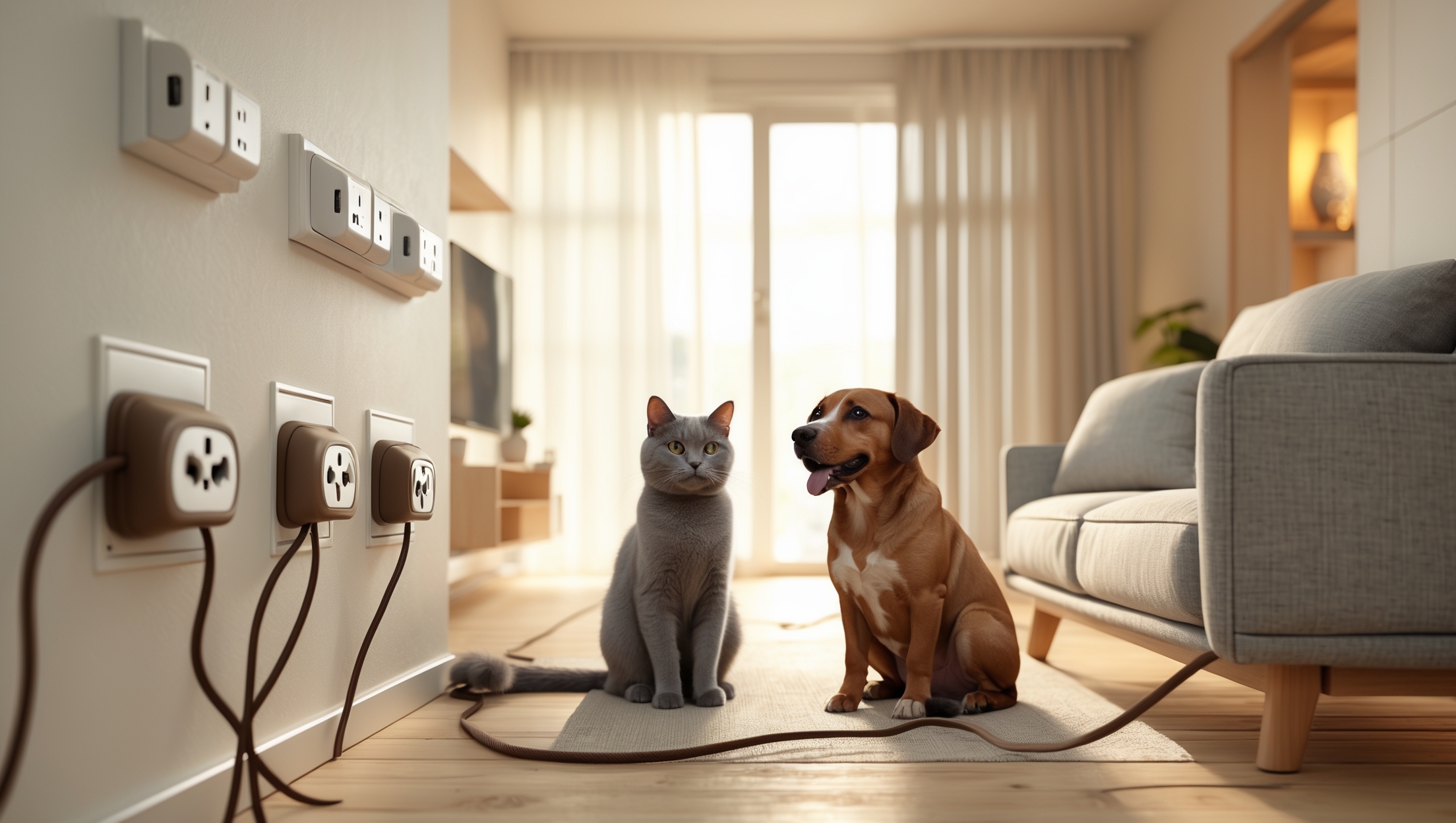
Introduction: Why Electrical Safety Is Critical for Pet Owners
If you share your home with curious cats, playful dogs, or other beloved pets, you know how quickly a routine day can turn risky. Pets explore with their noses, paws, and even their teeth—especially when they’re young or left unsupervised. This natural curiosity can bring them dangerously close to electrical hazards lurking in plain sight: exposed cords, accessible outlets, or appliances humming quietly on a counter. Each year, thousands of household pets suffer injuries or worse due to preventable electrical accidents, ranging from electric shocks and burns to house fires sparked by chewed wires. As responsible pet owners, we must anticipate their behaviors and proactively adapt our living spaces for safety. This guide offers actionable strategies, practical solutions, and clear explanations to help you identify and address the most common electrical risks faced by pets. Whether you’re a first-time pet parent or a seasoned animal lover, you’ll find step-by-step advice, essential product recommendations, and maintenance practices to keep every furry member of your household safe. Let’s explore how small changes can make a big difference in protecting your pets from electrical hazards—without sacrificing the comfort or efficiency of your home.
Common Electrical Hazards for Pets in the Home
Chewable Power Cords and Wires
For many pets, particularly puppies, kittens, and small mammals like rabbits, electrical cords are irresistible. Chewing on cords can lead to mouth burns, lethal shocks, or even fires. Pets may be attracted by the texture, movement, or scent of certain wires, especially those dangling from tables or plugged into floor-level outlets.
- Appliance cords: Lamps, chargers, fans, and kitchen gadgets all present hazards.
- Extension cords: Temporary or permanent, these often lie unsecured and are easily accessible to pets.
- Low-hanging cables: TV, internet, and speaker wires are commonly overlooked.
Uncovered Electrical Outlets
Pets may paw at or nuzzle electrical outlets out of curiosity. While the risk of direct electrocution is lower than with cords, there is still a danger—especially if an outlet is damaged or missing a cover plate. Some pets, like ferrets or rodents, may even try to burrow behind furniture and access hidden outlets.
Small Appliances and Devices
Countertop appliances such as toasters, hairdryers, and curling irons can become hazards if pets knock them over or attempt to chew on cords while the devices are in use or cooling down. Phones and tablets left charging on low surfaces are also at risk.
Loose or Frayed Wires
Older homes often have aging wiring that becomes frayed or exposed over time. Pets can easily discover these in basements, attics, or behind heavy furniture. Even a small break in the insulation can result in shocks or electrical fires.
Heating Pads, Electric Blankets, and Pet-Specific Gadgets
While these products are designed with pets in mind, they must be used with caution. Overheating, cord chewing, or faulty devices can all pose risks. Cheap or low-quality products may lack essential safety features such as automatic shutoff or chew-resistant design.
Proactive Strategies for Pet-Proofing Your Home’s Electrical System
1. Secure and Conceal Cords
- Cord management covers: Use heavy-duty, chew-proof covers made of rigid plastic or flexible tubing. These deter chewing and protect the wires inside.
- Furniture placement: Arrange furniture to block easy access to outlets and cords, especially in high-traffic pet areas.
- Cable organizers: Bundle cords together and route them along walls or behind furniture using adhesive clips or cable raceways.
- Shorten unused cords: Coil excess length and secure with Velcro ties or cord winders to prevent dangling temptations.
2. Use Pet-Safe Electrical Outlets and Covers
- Outlet covers: Install tamper-resistant or sliding outlet covers on all low and mid-level outlets. These are especially important for puppies and kittens.
- Box covers for power strips: Use lockable covers or surge protectors with built-in covers to prevent pets from accessing multiple plugs.
3. Upgrade to Chew-Resistant and Pet-Safe Products
- Chew-resistant cords: Replace frequently used or exposed cords with options that have reinforced, bitter-tasting, or braided exteriors designed to deter pets.
- Certified pet-safe gadgets: Look for heating pads, blankets, and pet fountains that have chew-resistant cords and automatic shut-off features.
4. Keep Appliances and Chargers Out of Reach
- Elevate devices: Place charging devices, small appliances, and their cords on high shelves or behind closed doors when not in use.
- Unplug when not in use: Always unplug and put away appliances and chargers when you leave the room or house.
5. Inspect and Repair Damaged Wiring Promptly
- Routine checks: Regularly inspect all cords and outlets for bite marks, frays, or exposed wires.
- Professional repairs: If you discover damaged wiring inside walls or appliances, hire a licensed electrician for repairs. DIY fixes are not safe for electrical system integrity.
6. Avoid Overloading Outlets and Power Strips
- Distribute loads: Spread appliances across multiple outlets to prevent overheating—especially important if pets might disturb cords or power strips.
- Use surge protection: Quality surge protectors can help prevent fires in the event of a short caused by chewing or accidental unplugging.
7. Pet-Specific Deterrents
- Bitter sprays: Apply pet-safe bitter sprays to cords as a temporary deterrent for determined chewers.
- Training and enrichment: Provide plenty of toys and stimulation to reduce boredom-driven chewing behaviors.
Room-by-Room Electrical Safety Checklist for Pet Owners
Living Room and Bedrooms
- Secure all entertainment and device cords using covers and organizers.
- Install outlet covers on all accessible sockets.
- Keep floor lamps and standing fans out of high-traffic pet areas.
- Inspect under beds and sofas for hidden cords or power strips.
Kitchen
- Unplug countertop appliances when not in use and store cords in cabinets.
- Keep pet food and water bowls away from outlets and appliance cords.
- Check behind major appliances for exposed wiring or pet access points.
Home Office
- Use cable management systems to bundle and conceal computer, printer, and charger cords.
- Consider a lockable box or cabinet for power strips and surge protectors.
- Close off or block gaps behind desks where pets could access wires.
Bathroom and Laundry
- Unplug hairdryers, curling irons, and electric razors immediately after use.
- Keep cords and devices stored in drawers or cabinets, never on counters.
- Ensure GFCI outlets are installed and functioning to prevent shocks in wet areas.
Garage, Basement, and Utility Spaces
- Store power tools and extension cords on high shelves or in closed cabinets.
- Inspect for and repair any exposed or deteriorating wiring.
- Keep pets out of areas with high electrical risk, especially when unsupervised.
Emergency Preparedness: What to Do If a Pet Encounters an Electrical Hazard
Recognizing Signs of Electrical Injury in Pets
- Burns around the mouth or paws
- Difficulty breathing or excessive drooling
- Muscle tremors, seizures, or collapse
- Unusual aggression or fearfulness after exposure
Immediate Actions
- Do NOT touch your pet if they are still in contact with a live electrical source.
- Turn off the power at the breaker or unplug the device safely.
- Once safe, carefully remove your pet from the area.
- Seek immediate veterinary care—even minor shocks can cause internal injuries.
- Document the incident for insurance and future safety improvements.
Preventing Repeat Incidents
- Replace or repair damaged cords and outlets immediately.
- Restrict pet access to hazardous areas until all repairs are complete.
- Review and update your pet-proofing measures regularly.
Essential Tools and Products for Electrical Pet Safety
- Chew-proof cord covers: Available in various sizes and materials to fit different needs.
- Sliding outlet covers: Prevent pets from inserting items or noses into sockets.
- Surge-protected, covered power strips: Add an extra layer of fire safety for multi-device setups.
- GFCI outlet testers: Confirm that bathroom, kitchen, and outdoor outlets provide proper shock protection.
- Bitter-tasting deterrent sprays: Useful for persistent chewers in the training phase.
- Cable management kits: Include raceways, clips, and ties for organizing cords throughout the home.
Maintenance Best Practices to Keep Your Home Pet-Safe
- Monthly visual checks: Inspect all visible cords, outlets, and appliance connections for wear, bite marks, or loose fittings.
- Annual electrical inspection: Hire a licensed electrician to examine hidden wiring, outlet conditions, and circuit integrity.
- Immediate repairs: Address any electrical damage or pet-related incidents right away to prevent escalation.
- Update safety products as pets grow: Older pets may not chew, but new pets or changes in behavior can create new risks.
- Educate the household: Ensure all family members and visitors understand the importance of keeping cords tidy and appliances unplugged.
Insurance and Compliance Considerations for Pet Owners
Homeowners and Renters Insurance
Most standard policies cover damage from electrical fires, but claims may be denied if negligence (such as ignored chewed cords) is proven. Document your pet-proofing efforts and repairs with photos and receipts for peace of mind.
Landlord and Tenant Responsibilities
If you rent, clarify with your landlord who is responsible for repairing or upgrading electrical systems. Some leases may require approval before installing outlet covers or cord protectors.
Compliance with Electrical Codes
Always ensure any upgrades or repairs comply with local electrical codes. Installing GFCI outlets, using tamper-resistant covers, and hiring licensed electricians for major changes are not just best practices—they’re required by law in many areas.
Conclusion: Making Electrical Safety a Lifelong Habit for Pet Owners
Electrical safety for pet owners is not a one-time checklist, but an ongoing commitment to adapting your home as your pets grow, explore, and occasionally surprise you. By understanding the most common hazards—chewable cords, uncovered outlets, and accessible appliances—you can anticipate risks before they become emergencies. Implementing practical solutions like cord covers, outlet protectors, and pet-safe products significantly reduces the chance of accidents. Routine maintenance, regular inspections, and immediate repairs ensure that your electrical system remains secure for every member of your household, whether they walk on two legs or four. Don’t overlook the importance of emergency preparedness: knowing how to respond quickly if your pet encounters an electrical hazard can save lives and minimize damage. By making these strategies part of your everyday routine and sharing them with everyone in your home, you foster a space where comfort, efficiency, and safety go hand in hand. Your pets rely on you for protection and care—let electrical safety be a cornerstone of the loving environment you provide. With a little vigilance and the right tools, you can enjoy peace of mind, knowing that your home is as safe for your pets as it is for you.
I noticed you recommend both step-by-step advice and product recommendations for electrical safety. Could you suggest any budget-friendly products or do-it-yourself methods for pet-proofing extension cords, especially for pet owners who rent and can’t make permanent changes?
For renters, using affordable cord covers or split tubing is a great way to pet-proof extension cords without causing permanent changes. You can find flexible plastic cord sleeves at most hardware stores, or even use inexpensive spiral cable wraps. As a DIY option, wrapping cords in layers of electrical tape or enclosing them in old plastic tubing can add extra protection and discourage chewing.
The article mentions maintenance practices for electrical safety. Could you provide some examples of routine checks or tasks homeowners should do to stay on top of potential hazards for pets?
Absolutely. Some routine maintenance tasks include inspecting cords and outlets for signs of chewing or fraying, ensuring that all outlets have safety covers, and regularly checking that any exposed wires are properly insulated or hidden. It’s also wise to test your smoke detectors and circuit breakers frequently, and keep electrical appliances out of reach when not in use. These steps help minimize risks for your pets and keep your home safer.
The article mentions that pets might be drawn to the scent or movement of some wires. Are there certain types of cords or brands that are less likely to attract pets, or is it mostly about placement and covering the wires?
Pets are generally attracted to cords because of their movement, texture, or accessibility, rather than specific brands or types. Some thicker or braided cables can be less appealing to chew, and there are pet-resistant cord covers available. However, placement and covering wires—keeping them out of reach or hidden—are usually the most effective ways to prevent pets from interacting with them.
Can you elaborate on how often pet owners should check their home for potential electrical hazards? Is there a recommended inspection schedule, or should it mostly be based on the pet’s age and behavior changes?
It’s wise for pet owners to do a thorough check for electrical hazards at least twice a year. However, if you have a new pet or notice changes in your pet’s behavior—like chewing or exploring new areas—do an extra inspection. Puppies, kittens, and especially curious pets may need more frequent checks to stay safe.
You mention that even low-hanging internet and speaker cables can be dangerous for pets. Are there any practical ways to secure these types of cords if you live in a rental and can’t make permanent changes to the walls?
Absolutely, you have several options that don’t require making permanent changes. You can use adhesive cable clips or cord covers that stick to surfaces but are easy to remove later. Flexible cable sleeves can bundle and shield multiple wires together, making them less tempting for pets to chew. Additionally, running cords behind furniture or using floor cord protectors can keep them out of reach and protected.
You mentioned that curious pets often target low-hanging or dangling wires, especially those plugged into floor-level outlets. Could you share some practical solutions for renters who can’t make permanent changes to their living space?
For renters, you can use cord covers or cable management boxes to conceal wires without drilling or altering your space. Adhesive hooks and clips can help route cords along walls or furniture up and out of reach. Double-sided tape can secure cords against baseboards. Wireless options for lamps or devices are another alternative to reduce exposed wires.
For pet owners on a tighter budget, are there any DIY solutions or inexpensive strategies you’d recommend to secure electrical cords or outlets, especially for renters who can’t make permanent changes to their living space?
Absolutely, there are several budget-friendly and renter-safe options. You can use split loom tubing or flexible cable covers to bundle and shield cords—these are inexpensive and easy to install or remove. For outlets, try outlet plug covers or sliding outlet plates, both of which don’t require tools or alterations. Double-sided tape or adhesive hooks can also help route cords out of reach without damaging walls. All these methods are effective and reversible, making them perfect for renters.
I noticed the article mentions using essential product recommendations for pet safety, but are there specific types of cord covers or outlet barriers that work best for persistent chewers like my puppy? I want something that’s durable but not too expensive.
For puppies that are persistent chewers, look for heavy-duty cord covers made from tough materials like PVC or reinforced plastic, as these can withstand gnawing better than soft fabric covers. Spiral cable protectors and split tubing are both affordable and widely available. For outlets, opt for outlet boxes or sliding outlet covers, which are more secure than simple plug caps. These options offer good durability without breaking the bank.
If I live in a rental with limited ability to install physical barriers or make permanent changes, are there any effective, budget-friendly solutions for keeping appliance and extension cords safe from curious puppies?
You can protect your cords without making permanent changes. Try using cord management covers or flexible split tubing, which are inexpensive and simply wrap around cords to deter chewing. You can also secure loose cords with cable clips or tape them along baseboards, out of reach. Bitter-tasting sprays for pets can discourage chewing too. These options are all renter-friendly and easy to remove when you move.
I have a puppy that loves to chew on everything, especially power cords. Besides just hiding wires, do you recommend any specific products or materials that actually work to deter pets from chewing on electrical cords?
To help deter your puppy from chewing on power cords, you can use cord protectors made from tough plastic or flexible tubing, which make it harder for pets to bite through. Bitter-tasting sprays designed for pets can also discourage chewing; just be sure the product is safe for animals. Additionally, cord management boxes can keep bundles of wires out of reach. Regularly providing chew toys can help redirect your puppy’s chewing behavior.
If a pet has already chewed on a cord but doesn’t show obvious signs of injury, what immediate steps should a pet owner take? Is it always necessary to visit the vet, or are there warning signs to look out for first?
If your pet has chewed on a cord, even without obvious injuries, it’s important to monitor them closely for signs like drooling, burns in the mouth, difficulty breathing, coughing, or unusual behavior. These symptoms can develop hours later. While a vet visit isn’t always immediately required if your pet seems completely normal, contacting your veterinarian for advice is recommended, as internal injuries or delayed symptoms can occur after electric shock.
The article highlights that even kitchen gadget cords can be risky for curious animals. Could you clarify whether there are specific kitchen setups or organizational tips that help keep these appliance cords out of reach without compromising their functionality?
Absolutely, you can organize kitchen gadget cords to keep pets safe without making your appliances harder to use. Try placing appliances near the back edge of counters so their cords hang away from the edge. Use cord shorteners or cable boxes to tuck away excess length. Installing adhesive hooks underneath cabinets can help route cords up and out of reach. Also, unplug and store smaller appliances in cabinets when not in use to keep cords completely hidden from pets.
The article mentions extension cords as a common hazard, especially when left unsecured. What’s the safest way to organize or hide extension cords in a small apartment where rearranging furniture isn’t really an option?
In a small apartment, try using cord covers or cable management sleeves to keep extension cords out of reach of pets and reduce tripping hazards. You can run cords along the baseboards and secure them with adhesive cord clips or Velcro straps. Also, consider using flat extension cords that sit closer to the wall, making them harder for pets to chew or play with.
I’m curious about the essential product recommendations mentioned for protecting against low-hanging cables and appliance cords. Are there budget-friendly solutions that still provide adequate safety, especially for renters who can’t make permanent changes?
Absolutely, there are budget-friendly solutions that work well for renters. Cord covers and cable management sleeves are affordable and can be easily wrapped around low-hanging cables to prevent pets from chewing. Self-adhesive cord clips can secure cords along walls or furniture without causing damage. You can also use protective cable tubing, which is flexible and removable. All these options don’t require permanent installation and help keep your home safer for pets.
You mention that pets like puppies and kittens are drawn to chewing on electrical cords, which can be really dangerous. Are there any specific types of cord covers or materials that work best to prevent them from biting through, especially for more determined chewers?
For pets that are persistent chewers, cord covers made from tough materials like heavy-duty PVC, split loom tubing, or reinforced cable sleeves work well. Some covers are even infused with bitter-tasting deterrent coatings to discourage chewing. Be sure to select a cover that’s thick enough to withstand sharp teeth and check regularly for any signs of damage, replacing covers as needed to keep your pets safe.
If a pet does chew on an electrical wire and gets shocked, what immediate steps should a parent take before heading to the vet? I’d like to be prepared in case something happens when I’m home alone with my pets.
If your pet chews on an electrical wire and gets shocked, first make sure the area is safe—unplug the device or turn off the power before touching your pet. Check for breathing and pulse; if your pet isn’t breathing, start CPR if you know how. Stop any bleeding and gently wrap burns with a clean cloth. Keep your pet calm and go to the vet immediately, even if they seem fine.
You mention that pets are especially attracted to the texture, movement, or scent of certain wires. Are there specific cord covers or deterrent sprays that have been proven most effective at discouraging this kind of behavior, particularly for dogs versus cats?
Yes, there are specific solutions that work well for both dogs and cats. Thick, chew-resistant cord covers made of hard plastic or flexible split tubing are very effective at physically protecting wires. For deterrent sprays, products with bitter apple or citrus scents tend to work better for dogs, while cats often respond more to strong herbal or spicy sprays. It’s a good idea to test a small area first, as sensitivity varies between pets.
For households with both dogs and cats, do you recommend different strategies for keeping appliance cords and extension cords safe from each type of pet? I’ve noticed my cat likes climbing onto counters with small appliances, while my dog is more interested in floor-level cords.
Yes, it helps to tailor your approach for each pet. For cats, secure or hide cords on countertops and keep small appliances unplugged when not in use. Cord organizers or protective tubing can discourage chewing and pawing. For dogs, use sturdy cord covers or cord management boxes at floor level, and block access to outlets behind furniture if possible. Consistent training and providing chew toys for dogs can also reduce their interest in cords.
You mentioned that some appliances and their cords are more hazardous depending on how accessible they are to pets. Is there a difference in risk between using heavy-duty extension cords versus regular ones when it comes to pets chewing on them, or do I need to cover both types the same way?
Both heavy-duty and regular extension cords can be dangerous if pets chew on them, since either type can deliver a strong electric shock or cause burns. While heavy-duty cords might be tougher, they’re not chew-proof. For safety, it’s best to protect or cover all types of cords—no matter their thickness—or keep them out of your pet’s reach altogether.
What immediate steps should I take if I discover my dog has chewed on an electrical wire but seems okay? Is there anything specific I should check for, or should I always contact a vet, even if there are no visible injuries?
If your dog has chewed on an electrical wire, even without visible injuries, it’s best to observe closely for signs like burns in the mouth, drooling, coughing, trouble breathing, or abnormal behavior. Internal injuries or delayed symptoms are possible. Contact your vet right away for advice, as some effects can be serious but not immediately obvious.
Do you have any specific tips for pet owners living in older homes with outdated wiring or fewer outlets? I’m worried that these setups might make cord management and pet safety more complicated compared to newer houses.
Living in an older home can definitely add extra challenges. Try using heavy-duty cord covers or conduit tubing to shield exposed wires, especially those near the floor. Avoid overloading limited outlets with multiple devices by using certified surge protectors. Block off access to rooms with lots of wiring, and consider hiring an electrician to inspect or update old wiring if possible. Always check for frayed cords or loose outlets, as these are especially risky in older setups.
The article mentions that pets are often drawn to dangling or exposed power cords, especially from lamps and kitchen appliances. Do you have any recommendations for specific products or DIY approaches that are both effective and budget-friendly for concealing or protecting cords in high-traffic pet areas?
Absolutely, there are several practical ways to protect cords around pets. Cord covers or cable management sleeves are affordable and can be found at most hardware stores. You could also use split loom tubing or PVC pipe as a DIY solution to encase cords. For added deterrence, consider applying a bitter-tasting pet spray to the outer layer. Securing cords behind furniture or along walls with adhesive clips helps keep them out of sight and reach.
You mention that appliances and extension cords can be risky for pets. Are there safe ways to hide or secure these cords without having to completely rearrange my furniture or spend a lot of money?
Yes, you can secure cords in pet-friendly ways without major rearranging or big expenses. Cord covers or split tubing can be wrapped around exposed wires to make them less tempting to chew. You can also use adhesive cord clips to keep cords off the floor and out of reach, especially behind furniture. Bitter-tasting sprays made for pets can discourage chewing as well. All of these options are affordable and easy to install.
Could you clarify a bit about which types of pet-proof outlet covers or cord protectors are most effective for renters? I’m worried about damaging my apartment or dealing with complicated installations, so any advice on temporary, safe solutions would be awesome.
For renters, the best pet-proof outlet covers are simple plastic plug-in caps or box-style covers that fit over the existing outlet without any screws or adhesive. For cord protection, flexible spiral wraps, split tubing, or pre-slit cord covers are great—they just slip over cords and can be removed easily. All of these options are safe, very easy to install and remove, and won’t cause any damage to your apartment.
Are the electrical outlet covers mentioned in your tips something I can easily install myself, or would I need to hire an electrician for certain types? I’m on a tight budget and want to make sure I’m not missing a simple DIY solution.
You can easily install most electrical outlet covers yourself without needing an electrician. Simple plastic plug covers and sliding outlet covers just snap into place or screw on over existing outlets. These DIY options are both affordable and effective for pet safety. Unless you’re making major electrical changes, there’s no need to hire a professional for this task.
I never realized appliances like fans and small kitchen gadgets could pose such a risk to pets. If I rent an apartment and can’t make permanent changes, what are some budget-friendly ways to protect my pets from these kinds of electrical dangers?
You can still do a lot to protect your pets without making permanent changes. Use cord organizers or plastic cord covers to keep wires out of reach, and unplug small appliances when not in use. Consider securing loose cords behind furniture or using adhesive cable clips. Always supervise pets around active appliances and keep countertop gadgets pushed back where curious paws can’t reach them.
The article mentions the dangers of low-hanging TV and internet cables for pets. How do you suggest securing these wires if you live in an apartment or a rental where you can’t make permanent modifications to the walls?
You can manage loose TV and internet cables in a rental by using adhesive-backed cable clips or cable management sleeves, which don’t require drilling or permanent fixtures. Cord covers that rest along the floor or behind furniture are also helpful and removable. These options keep wires out of your pet’s reach without causing any damage to the property.
In the article, you mention pets can get injured or worse from chewing on wires or cords. If an accident does happen, do you have recommendations for immediate first aid steps we should take before getting to an emergency vet?
If a pet is injured by chewing a cord, first ensure your own safety by unplugging the cord or turning off the power at the breaker before touching your pet. If your pet is unresponsive, check for breathing and a heartbeat. If needed, you can perform CPR for pets while someone else calls the vet. For burns, keep your pet calm and avoid applying creams—just cover any visible burns with a clean cloth. Get to the emergency vet as soon as possible.
You mention that pets like rabbits and kittens are particularly at risk from chewing on extension cords and appliance cables. Do you recommend specific cord covers or deterrent sprays that actually work well for persistent chewers, or is physically blocking access always the safest bet?
For persistent chewers like rabbits and kittens, heavy-duty cord covers (such as split loom tubing or hard plastic cable protectors) can be very effective. Some pet-safe bitter sprays can help deter chewing, but results vary depending on the animal’s determination. Physically blocking access is generally the safest option, especially for determined pets, but using both barriers and protective covers together offers the best protection.
I see you suggest proactive measures for preventing pets from accessing electrical hazards. Could you expand on how often we should inspect and replace cords or safety products to ensure ongoing protection, especially in multi-pet households?
For ongoing safety, it’s wise to inspect electrical cords and safety products at least once a month, especially if you have multiple pets. Look for frayed wires, bite marks, or loose fittings. Replace any damaged cords or worn-out covers immediately. If your pets are particularly curious or teething, consider checking even more frequently. Regular checks prevent unnoticed damage and help keep all pets safe.
I have both a dog and a rabbit, and they each roam in different parts of my house. Should I be taking different electrical safety steps for each pet, or are there certain protective measures that work for all animals mentioned in the article?
Many electrical safety measures, like using outlet covers and cord protectors, are helpful for all pets. However, rabbits are often more determined chewers than dogs, so extra precautions such as securing cords in sturdy covers or conduits may be necessary where your rabbit roams. For both pets, keeping cords out of reach and blocking access to appliances are good universal steps.
If I suspect my pet has already chewed on a power cord but seems fine, what immediate steps should I take before calling the vet? Is there anything specific to monitor for in terms of potential electrical shock symptoms?
If your pet has chewed on a power cord, first remove the cord and unplug it if safe. Check your pet’s mouth for burns, swelling, or unusual odor. Monitor for drooling, difficulty breathing, coughing, weakness, or abnormal behavior. Even if your pet looks fine, electrical injuries can be serious and symptoms might not show up right away. Call your vet promptly for further advice.
I noticed you recommend changing up home setups to prevent electrical hazards for pets, but what steps should someone take if their pet has already chewed on a wire before? Are there signs of injury to watch for and what kind of first aid should be done right away?
If your pet has chewed on a wire, check for burns in the mouth, difficulty breathing, drooling, seizures, or unusual behavior. Turn off and unplug the power source if safe, and avoid touching your pet if they’re still in contact with electricity. For first aid, gently wrap any burns with a clean cloth, keep your pet calm, and get them to a veterinarian immediately, even if symptoms seem mild. Electrical injuries can be serious and may not show all effects right away.
I see that extension cords and low-hanging cables are especially risky for pets like kittens and rabbits. Do you have any tips on how to rearrange a room or set up electronics in a way that minimizes access, especially in small apartments where options are limited?
To keep pets safe in small apartments, try placing electronics on higher shelves or secured furniture, so cords hang out of reach. Use cable covers, cord organizers, or even PVC tubing to bundle and shield cables. If possible, position furniture to block access to outlets and wires. You can also tuck excess cord length behind furniture or use adhesive hooks along walls to keep wires off the floor.
I’d love to see step-by-step advice on rewiring or reorganizing low-hanging cables for things like TVs and speakers, since hiding all those wires isn’t always practical. What are the first safety changes you suggest for someone with a very active cat?
For homes with active cats, the first safety change is to secure low-hanging cables against the wall using cable covers or adhesive clips. Bundle excess cable length and keep it out of reach behind furniture when possible. Choose sturdy cable management solutions that can’t be easily dislodged by a curious cat. Covering or tucking wires protects both your pet and your electronics from chewing or entanglement hazards.
The article mentions that pets might be attracted to appliance cords due to their scent or texture. Are there any recommended deterrent sprays or safe home remedies that can help make cords less appealing to chewing-prone pets?
Yes, you can use pet-safe bitter sprays available at most pet stores to discourage chewing on cords. These sprays taste unpleasant but are non-toxic to pets. As a home remedy, you can wipe cords with diluted vinegar or a small amount of lemon juice—both have strong scents and tastes that many pets dislike. Always test a small section first to ensure it doesn’t damage the cord or leave a sticky residue.
For pet owners with especially persistent chewers like rabbits or puppies, are there specific brands or types of cord covers you’d recommend that actually hold up over time and aren’t easily bitten through? I’ve tried a couple from the pet store, but they didn’t last long.
For persistent chewers like rabbits and puppies, look for heavy-duty cord covers made of tough materials such as thick PVC, metal, or reinforced rubber. Brands like Chewsafe or CritterCord are often recommended for durability, and some hardware stores carry split metal conduit or corrugated tubing designed for industrial use, which can be more chew-resistant than pet store options. Always check that the cover fully encases the cord and is too large for your pet to fit into their mouth.
Can you elaborate on what maintenance practices you suggest to regularly check for hidden electrical hazards, especially in homes with multiple pets? I always worry about missing something behind furniture or heavy appliances.
It’s important to schedule routine checks throughout your home, especially behind and under furniture or appliances where pets might explore. Unplug and move items if possible to inspect cords for chew marks or damage. Use a flashlight to spot frayed wires or scorch marks on outlets and walls. Test outlets with a safety tester, and ensure extension cords aren’t overloaded or pinched. Regularly vacuum behind appliances to prevent dust buildup, which can be a fire risk. Stay alert to unusual pet behavior, like sniffing or pawing near outlets, as this can indicate hidden issues.
I’m curious about your suggestions for keeping appliance cords safe in rental apartments where installing permanent solutions might not be allowed. What practical, temporary fixes would you recommend for renters with playful puppies or kittens?
For renters, you can use cord protectors or covers that wrap around loose wires and are easy to remove later. Hiding cords behind furniture, using adhesive hooks to keep them off the floor, or bundling and shortening them with Velcro ties are also good options. You might also try cord management boxes or tubing, both of which require no permanent installation and keep cords out of reach from curious pets.
The article touches on the risks of pets chewing on low-hanging cables like those for TVs or speakers. For renters or people who can’t make permanent home modifications, what temporary solutions or quick fixes would help reduce these hazards?
For renters or anyone who can’t make permanent changes, consider using cable management sleeves, cord concealers, or split loom tubing to cover wires. You can also secure cables along walls or behind furniture with adhesive hooks or clips. Bitter-tasting sprays made for pets can discourage chewing, and keeping cords out of reach with furniture arrangement helps too. These solutions are easily removable and won’t damage your rental.
How often should I check my appliance cords and extension cables for damage if I have a young cat, and is there a way to tell if they’ve been chewed without unplugging everything in my house?
With a young cat in the house, it’s a good idea to check appliance cords and extension cables at least once a week. Look for visible signs like frayed wires, bite marks, or missing insulation. You don’t always need to unplug everything—run your hand gently along the length of cords (while they’re off or cool), and watch for rough patches, exposed wires, or odd textures that could signal chewing.
I’m curious if you have any tips for keeping extension cords safe in smaller apartments where outlets are limited and cords have to run across open areas. Is taping them down enough, or should I be looking for other solutions?
Taping down extension cords is a good start, but for extra safety in small apartments, consider using cord covers or floor cable protectors to prevent pets from chewing and tripping hazards. If possible, arrange furniture to shield cords or use shorter cords to minimize exposed length. Also, regularly check cords for wear and replace any damaged ones to ensure your pet stays safe.
If my pet has already chewed on a power cord but seems okay, what immediate actions should I take, and how urgent is a veterinary check-up in this situation? Also, should I be worried about hidden electrical damage that might not be obvious right away?
If your pet has chewed a power cord, even if they seem fine, it’s important to check their mouth for burns, drooling, or swelling. Some injuries or internal issues from electrical shock might not be visible immediately. A prompt veterinary check-up is still recommended, as complications can develop later. Also, inspect the cord for damage and replace it to prevent future risks.
Some of the product recommendations for cord safety can get pretty expensive, especially for a larger home with lots of electronics. Do you have suggestions for budget-friendly DIY methods to keep wires out of reach, or is it safer to invest in the commercial options?
DIY methods can be effective for cord safety, especially if you’re on a budget. You can use items like PVC pipes or split tubing from hardware stores to cover exposed wires, or attach cords along walls and behind furniture with adhesive hooks or cable clips. Flexible plastic conduit is another affordable option. While commercial products may offer extra features, these DIY solutions provide good protection as long as you regularly check for wear and ensure everything is securely in place.
If most of my outlets are floor-level and I have a puppy who’s always exploring, what are the safest outlet covers or blockers you suggest? I’ve seen a few types online but not sure which ones really hold up to a persistent pet.
For a curious puppy, the best choice is usually sliding outlet covers or box-style outlet covers rather than simple plug inserts. Sliding covers automatically cover the outlet when it’s not in use and are difficult for pets to remove. Box-style covers fully enclose the outlet and any plugged-in cords, offering extra protection for persistent pets. Make sure to choose covers that are sturdy, secure tightly, and are rated for childproofing, as these also tend to withstand pets’ efforts.
Is there a specific type of cord cover or protective tubing you recommend that actually stands up to determined chewers like puppies or rabbits? I have seen a lot of options online but not sure which are the most effective for preventing electrical accidents.
For pets that are determined chewers, like puppies or rabbits, heavy-duty cord protectors made of thick, chew-resistant materials such as reinforced PVC or hard plastic are your best bet. Brands designed specifically for pet safety, such as CritterCord or PetCords, are often more effective than basic split loom tubing. Look for covers labeled as bite-resistant or heavy-duty, and always check they fit snugly over your cords without leaving gaps.
You mention maintenance practices for electrical safety—how often should I actually inspect cords and appliances for hidden chew marks if I have an active kitten? Is there a checklist you suggest for staying on top of these hazards?
With an active kitten, it’s a good idea to inspect cords and appliances at least once a week. Look for bite marks, frayed wires, or loose plugs. A simple checklist includes: check all visible cords, inspect behind furniture, examine power strips, test outlets for damage, and make sure cords are secured or covered. Regularly rotating what you check can help spot new risks early.
Do you have any recommendations for products or DIY solutions that are both affordable and effective for covering low-hanging TV and internet cables? I want to make my home safer for my puppy but am working with a tight budget.
You can use inexpensive split plastic cable covers or cord concealer raceways, which are available at most hardware stores and easy to install along your walls or baseboards. For a simple DIY approach, flexible PVC pipe cut lengthwise works well to encase loose cords. Securing cables behind furniture or using adhesive-backed cable clips can further help keep them out of your puppy’s reach without breaking the bank.
I’m curious about which electrical hazards are most common for cats versus dogs. Do you have any tips for targeting safety measures based on the specific types of pets we have at home?
Cats often get into trouble with loose or dangling cords because they like to play and chew, especially with thin wires from lamps or chargers. Dogs, especially puppies, tend to chew thicker cords and may knock over appliances. For cats, try cord covers and keep cords off the floor when possible. For dogs, block access to outlets with furniture, use robust cord protectors, and unplug appliances when not in use. Adjusting your safety measures to your pet’s habits can really reduce risks.
I noticed the article mentions that pets are attracted to low-hanging cables like TV and internet wires. Are there specific products or DIY solutions that are both effective and affordable for keeping these types of cords out of reach?
Yes, there are several effective and affordable options to keep cords out of your pet’s reach. Cord covers or cable management sleeves are widely available and can bundle and hide wires along walls. You can also use adhesive hooks or clips to lift cords higher off the ground. For a simple DIY approach, run cords through PVC pipes or flexible tubing to make them less accessible and chew-proof.
I noticed you recommend essential products for electrical safety, but is it possible to pet-proof a home effectively on a tight budget? I’d like to know which low-cost or DIY solutions are most reliable for preventing accidents with curious pets.
You can definitely pet-proof your home on a budget. Simple strategies like using plastic outlet covers, securing loose wires with inexpensive cable organizers or tubing, and rearranging furniture to block access to outlets are all effective and low-cost. DIY options include using cardboard or PVC pipe to cover cords and placing furniture or storage bins in front of tempting electrical areas. Regularly check for exposed wires and keep small appliances unplugged when not in use.
The article mentions that certain appliances have especially risky cords for pets. Is there a prioritized list of which cords and areas I should address first if I don’t have the budget to do everything at once?
Focus first on rooms where your pets spend the most time, like living rooms and bedrooms. Prioritize cords for heaters, fans, lamps, and chargers since they’re often at pet level and can cause burns or shocks. Next, address kitchen appliances like toasters and microwaves, as pets are sometimes drawn to kitchens. Start with exposed or frayed cords and work your way to less accessible ones.
I just adopted a kitten and realized she’s already showing a lot of interest in my phone charger cable. The article mentions that some pets are drawn to certain wires by scent or texture. Are there specific types of cords or materials that are safer or less attractive for cats and kittens?
Some cords are less attractive to cats, especially those with braided nylon or thicker rubber coatings, as they tend to be harder and less appealing to chew. You can also look for pet-safe cord covers or wraps, which help hide cords entirely and add a layer of protection. Avoid thin, soft, or flexible cables, since these are more tempting for kittens.
You mentioned that pets can be attracted to the scent or movement of wires. Are there safe, pet-friendly deterrent sprays or treatments that really help, or is it safer to focus on cord covers and rearranging cables instead?
There are some pet-safe deterrent sprays on the market that claim to discourage pets from chewing cords, but their effectiveness can vary depending on the pet. For the best protection, it’s generally safer to use cord covers or tubing, and to rearrange or hide cables whenever possible. Physical barriers are more reliable than sprays, especially for persistent pets.
You mentioned that pets are often attracted to the scent or texture of certain wires, especially low-hanging ones. Are there any specific materials or types of cables that tend to be less tempting for cats and dogs to chew on?
Yes, some cable materials are less enticing to pets. Thicker cables with hard plastic or braided nylon sheaths are usually less appealing for chewing. Cords labeled as ‘pet-safe’ or ‘chew-resistant’ often have bitter coatings or tough exteriors to discourage bites. Avoid soft, rubbery, or thin cords, as these are more attractive to both cats and dogs. Regularly check exposed cords and consider using protective wraps for extra safety.
Do you have any suggestions for keeping floor-level outlets safe in homes with both dogs and cats? I have a stubborn cat that loves to paw at anything close to the ground, and I’m worried outlet covers might not be enough.
For extra protection with curious pets, consider installing tamper-resistant (TR) outlets, which have built-in shutters that only open when equal pressure is applied. You can also use heavy-duty furniture or cord management boxes to block access to outlets, making them harder to reach. If your cat is persistent, secure outlet covers with double-sided adhesive or choose box-style covers that fully enclose the outlet and plug. Always check for chew-resistant materials to prevent damage from both dogs and cats.
If someone rents their home and can’t make major modifications, what are the simplest and most budget-friendly ways to pet-proof power outlets and low-hanging cables as suggested in the article?
For renters, some of the easiest and most affordable ways to pet-proof outlets are using plastic outlet covers or safety plugs, which can be inserted directly into unused sockets. For low-hanging cables, try wrapping them with split loom tubing or spiral cable wrap—both are inexpensive and don’t require any installation. You can also use adhesive-backed cord clips or Velcro straps to secure cords out of your pet’s reach without damaging walls or floors.
The article mentions that even appliances left on countertops, like chargers, pose risks for pets. Are there any specific steps or daily routines you recommend to make sure cords and outlets are always out of reach, particularly in busy households?
To keep cords and outlets out of reach, try unplugging and storing chargers immediately after use, using cord organizers or covers, and placing small appliances in drawers or cabinets. Consider blocking pet access to certain areas with baby gates or pet barriers. Doing a quick daily sweep to check for dangling cords can help, especially in busy households where items move around frequently.
Could you go into more detail about adapting living spaces for pet safety without sacrificing comfort? For example, are there ways to hide or organize cables that still allow easy access for cleaning or moving furniture around?
Absolutely! You can use cable management boxes or cord covers that blend with your decor and keep wires out of reach from pets. Velcro straps and adhesive cable clips are great for grouping cords along walls or behind furniture, so they’re tidy but still accessible. For easier cleaning or moving furniture, consider using cable sleeves or flexible tubing, which let you quickly shift multiple cords at once without unplugging everything.
You talked about preventing electrical fires caused by chewed wires, but I’m curious—if a pet does manage to bite through a cord, what are the first steps I should take to check for any hidden electrical damage and ensure the rest of the house is still safe?
If your pet bites through a cord, unplug it immediately if safe to do so, or turn off the power at the breaker. Inspect visible cords and outlets nearby for burn marks or melted insulation. Check for unusual smells or sounds from outlets or appliances. If you find any signs of damage or are unsure, contact a licensed electrician to thoroughly assess for hidden issues and make repairs before using affected circuits again.
You mentioned that pets are attracted to dangling or low-hanging wires. For someone renting and unable to secure cables behind walls, what are the safest temporary ways to keep cords out of reach without damaging the apartment?
You can use cord covers or cable management sleeves to bundle and shield wires, which keeps them out of your pet’s reach. Placing furniture in front of outlets and cords also helps block access. Adhesive-backed cable clips are useful and typically removable without damage. Floor cord protectors are another safe, non-permanent option for high-traffic areas.
You talked about pets being attracted to extension cords and appliance wires. Are there specific products or cord coverings that you recommend which are both effective and safe if my dog still manages to lick or chew on them?
There are pet-proof cord covers made from durable, chew-resistant materials like tough plastic or flexible tubing. Look for products labeled as non-toxic and BPA-free, since these are safer if your dog licks or chews them. Some covers are even infused with bitter-tasting substances to discourage chewing, though it’s always best to confirm they’re pet-safe. Wrapping cords in split loom tubing or spiral wraps can also help make them less appealing and harder to access.
The article mentions product recommendations for electrical safety—are there any budget-friendly solutions you’d suggest for someone with multiple pets, especially if I have to pet-proof several rooms at once?
For pet-proofing multiple rooms on a budget, consider using outlet covers, cord shorteners, and cable management sleeves, which are usually affordable and sold in bulk. Plastic cord protectors and stick-on cord clips can also help keep wires out of reach. Rearranging furniture to block access and using DIY barriers can be cost-effective ways to limit your pets’ exposure to electrical hazards without buying specialty products for every room.
If I’ve already seen a few teeth marks on my power cords, what are the immediate steps I should take to make sure my home is safe for my cats? Should I replace all damaged cords right away, or is there a quick fix while I shop for safer options?
If you see teeth marks on your power cords, unplug and replace any that show damage, as exposed wires are a serious hazard to both your cats and your home. While you shop for new cords, keep damaged cords unplugged and out of reach. You can temporarily cover undamaged cords with cord protectors or wrap them in split loom tubing to deter chewing, but damaged cords should never be used.
The article talks about appliance and extension cords being risky, especially when plugged into floor-level outlets. Have you found any maintenance tips or regular checks that help catch potential hazards before they become a problem, especially for families with multiple pets?
Regularly inspecting cords for chew marks, frayed wires, or loose plugs is essential, especially in homes with several pets. Move furniture periodically to check hidden areas, and make sure outlets aren’t overloaded. Secure excess cord length or use cord covers to deter chewing. Testing outlets for heat or unusual smells during routine cleaning can also help spot issues early, making your home safer for pets and family members alike.
Do you have any advice for pet owners living in older homes where outlets and cords might not be up to current safety standards? Are there specific upgrades or precautions you recommend for these types of environments?
In older homes, it’s a good idea to have a licensed electrician inspect your wiring and outlets to identify any outdated or unsafe components. Upgrading to tamper-resistant outlets can help protect pets from shocks. Use cord covers or conduit to shield exposed wires, and secure loose cords out of reach. Regularly check for frayed or damaged cords, and replace them as needed. Installing ground fault circuit interrupters (GFCIs) in areas like kitchens and bathrooms adds extra safety.
You mention that pets are particularly drawn to chewing on power cords and low-hanging cables. Do you have recommendations for specific cord covers or deterrent sprays that actually work and are safe around both dogs and cats?
For cord protection, consider using heavy-duty cord covers made from hard plastic, such as spiral cable wraps or split tubing, which are too tough for most pets to chew through. For deterrent sprays, bitter apple spray and bitter cherry spray are popular options used by many pet owners. They are generally safe for both dogs and cats when used as directed, but always check the label for safety details and test a small area first to be sure your pet isn’t allergic.
I’m curious about routine safety checks. How often should I inspect my home for potential electrical hazards now that I have a new puppy? And are there any warning signs that cords or outlets have already been damaged by pets?
With a new puppy, it’s wise to inspect your home for electrical hazards every one to two weeks, especially in the early months when they’re most curious. Look for warning signs like frayed wires, bite marks, discoloration, or a burnt smell around cords and outlets. Also, check for loose or exposed wiring and ensure outlets aren’t warm to the touch. Address any issues right away to keep your puppy safe.
As a first-time pet owner, I’m wondering how often I should check and maintain extension cords or outlet covers to make sure they’re still safe. Is this something I need to do monthly, or only if I notice wear?
It’s smart to check extension cords and outlet covers regularly, especially with curious pets around. A monthly inspection is a good routine to spot early signs of wear, fraying, or looseness before they become hazards. If you ever notice damage or see your pet chewing near these areas, inspect and replace them right away. Staying proactive helps keep your home safe for both you and your pet.
You mention that pets can be drawn to certain textures or scents on wires, especially low-hanging ones. Do you have any tips for identifying which cords might be most attractive to pets before they actually start chewing?
Cords that dangle within your pet’s reach, especially around their favorite spots, are usually the most tempting. Pay extra attention to cords with rubbery or soft plastic coatings, as these textures often attract pets. If you notice bite marks, drool, or fur near specific wires, those are likely targets. Also, newly installed or moved cords sometimes carry unfamiliar scents, which can be intriguing to curious pets.
If my dog has already chewed on a power cord but doesn’t seem to be showing any obvious symptoms, should I still be concerned about hidden injuries or electrical burns? What signs should I watch for after an incident like that?
Even if your dog seems fine after chewing a power cord, injuries or burns inside the mouth, tongue, or throat can go unnoticed at first. Watch for symptoms like drooling, pawing at the mouth, difficulty eating, coughing, swelling, or unusual breathing. Electrical shocks can also cause more serious effects, such as irregular heartbeat or delayed lung problems. It’s best to contact your vet as soon as possible for advice, even if your dog appears normal.
In your section on chewable power cords, you mention that pets are sometimes drawn to cords because of their scent or texture. Are there specific types of cords or coatings that tend to be less appealing to pets, or any materials you recommend avoiding entirely?
Pets are generally less interested in cords that have a smooth, hard plastic or metal exterior, as these are less satisfying to chew. Some cords come with built-in bitter-tasting coatings designed to deter chewing. Fabric- or rubber-coated cords tend to attract more attention, so it’s best to avoid these if possible. You can also use protective cord covers made from tough plastic for extra safety.
When you talk about adapting living spaces for safety, what are some practical solutions for renters who might not be able to install permanent safety devices but still want to protect their pets from electrical risks?
Renters can still take several steps to protect pets from electrical hazards without making permanent changes. Use outlet covers or plug protectors to block unused sockets, and secure loose or dangling cords with cord organizers or covers. Keep appliances unplugged when not in use, and arrange furniture to block pet access to outlets or wires. Cord concealers and pet-safe cable wraps can also help prevent chewing. These solutions are affordable, temporary, and easy to remove when you move out.
Do you have recommendations for specific types of cord protectors or coverings that work well with pets who are determined chewers, especially for high-traffic areas where extension cords are unavoidable?
For determined chewers, consider heavy-duty cord protectors made of tough materials like reinforced PVC or flexible stainless-steel tubing. Split loom tubing and spiral cable wraps can be useful, but for the most persistent pets, products labeled as ‘bite-proof’ or with a bitter taste deterrent coating are most effective. In high-traffic areas, look for cord covers designed to sit flat on floors, such as rubber floor cord protectors, which both shield the cord and reduce tripping hazards.
Our shop has both cats and dogs that often wander around, and I noticed you mentioned pets can be attracted to the scent or movement of certain wires. Are there specific materials or brands of cords that are less appealing or safer for pets who like to chew?
Yes, there are pet-safe cord options to help prevent chewing. Cords made with bitter-tasting coatings or reinforced with tough materials like braided nylon or steel mesh are less attractive to pets. Some brands make cord protectors or covers specifically designed to discourage chewing by using unappealing textures or scents. You can also find bitter spray deterrents to apply on existing cords for added protection.
I noticed the article mentions that pets are attracted to certain cords because of texture, movement, or scent. Are there specific types of cord materials or coverings that are less appealing to pets, or ways to make existing cords less tempting?
Yes, using cord covers made from hard plastic or metal can make cords much less appealing to pets, as these materials are difficult to chew and lack interesting textures. You can also use cord organizers, split loom tubing, or even bitter-tasting sprays designed for pets to deter chewing. Keeping cords out of reach or concealed behind furniture helps further reduce temptation.
I saw the article talks about both appliance cords and extension cords as hazards. Is there a particular type of protective cover or product that works better for one over the other, especially for households with multiple pets?
For appliance cords, thicker split loom tubing or hard plastic cord covers work well since they shield single cords from chewing. Extension cords, which are often longer and more exposed, are best protected with heavy-duty cord concealers or cord management boxes that enclose the cord completely. If you have several pets, consider using products specifically labeled as ‘pet-proof’ or ‘chew-resistant’ for added durability and safety.
The article mentions the dangers of low-hanging cables for curious cats and dogs. Aside from tucking them away, are there any reliable DIY solutions or low-cost products for managing and concealing existing cords that are already part of a setup, like behind a TV stand?
For cords behind a TV stand or in similar setups, you can use affordable cord management sleeves, split loom tubing, or adhesive cable clips to keep cables bundled and elevated. Flexible plastic or fabric sleeves can be cut to fit and zip over multiple cords. You might also repurpose PVC pipe by cutting a slit along its length to hide cords inside. These options help prevent pets from chewing or tugging on wires while keeping your space tidy.
What’s the best way to keep appliance cords safe in a small apartment where outlets are all low to the ground and furniture can’t be rearranged much? I’d like to keep things budget friendly but still protect my new puppy from electrical hazards.
You can use split plastic wire tubing or cord covers to encase the cords, making them less tempting and harder for your puppy to chew. Secure cords along the baseboards with adhesive clips or tape to keep them out of reach. For extra safety, unplug appliances when not in use. These solutions are affordable and don’t require moving furniture, helping you keep your puppy safe in a compact space.
I saw you listed appliance cords and extension cords as big hazards. Is there any difference in how you should protect cords versus outlets when you have both a dog and a rabbit in the home? I’m not sure if the same solutions work for different pets.
Dogs and rabbits can both chew cords, but rabbits are especially persistent chewers. For both pets, use cord covers or rigid protective tubing, and keep cords out of reach whenever possible. For outlets, use outlet covers or safety plugs. The main difference: rabbits may target hidden cords behind furniture, so double-check those areas. Monitor both pets and inspect protection regularly, as rabbits can sometimes chew through lighter covers.
The article mentions that kitchen appliances can pose electrical risks for pets. What are the best steps to take when you can’t move the appliances or cords out of reach? Should I unplug them when not in use, or are there safer long-term fixes?
If moving appliances or cords isn’t possible, unplugging them when not in use is a good immediate step, as it cuts off electricity and reduces risk. For a long-term solution, consider using heavy-duty cord covers or protective tubing to shield cords, and secure them against walls or counters. Outlet covers or safety plates can also prevent curious pets from accessing sockets behind appliances.
If a pet has already chewed through a wire but doesn’t seem injured, what should be the immediate next steps? Is there a way to quickly assess possible hidden injuries, or should you always call your vet in these situations?
Even if your pet seems fine after chewing a wire, hidden injuries like burns or internal damage are possible. Look for signs such as drooling, difficulty eating, pawing at the mouth, or any unusual behavior. It’s safest to call your vet for advice, as some symptoms may appear later. Meanwhile, prevent further access to the damaged wire and check the area for other hazards.
The article mentions that young pets like puppies and kittens are especially attracted to low-hanging or dangling cords. Are there particular products or DIY solutions you recommend for keeping these types of cords out of reach, especially in homes where rearranging furniture isn’t really an option?
To keep cords out of reach without moving furniture, consider using cord concealers, cable management boxes, or cord covers that secure wires along walls or baseboards. You could also try wrapping excess cord with split loom tubing or spiral cable wrap, which are both inexpensive and easy to install. For a simple DIY approach, use adhesive-backed hooks to lift cords up along walls or behind furniture, reducing temptation for curious pets.
The article covers pet risks with extension cords, but in apartments where outlets are limited, do you have suggestions for safer alternatives or setups that don’t break the bank? I worry about cords trailing everywhere but can’t do major rewiring.
You can use cord shorteners or covers to keep cables bundled and out of your pet’s reach. Consider heavy-duty, chew-resistant extension cords, and place furniture strategically to block access to cords. Multi-outlet surge protectors with short cords can help reduce trailing wires. Cable management boxes are affordable and neatly conceal plugs. All these solutions avoid any need for rewiring and keep your space safer for pets.
I noticed product recommendations are referenced for safeguarding cords and outlets. Do you have any suggestions that work well without a big budget or require minimal installation effort, especially for renters who want to avoid permanent changes?
For renters or those on a budget, consider using split loom tubing or spiral cable wrap to cover cords—both are affordable, easy to install, and removable. Cord shorteners and adhesive cord clips can help keep wires out of reach without damaging walls. For outlets, simple plug-in covers are inexpensive and require no installation. These solutions protect your pets without any permanent changes to your home.
You talked about how low-hanging internet and speaker wires can attract pets. What are some budget-friendly ways to secure or hide these types of cables, especially for renters who can’t drill into walls or install permanent fixtures?
You can use adhesive-backed cable clips or cord organizers, which stick to surfaces without drilling. Flexible cable sleeves or split tubing can bundle and cover wires, making them less tempting for pets. Running cables along the back of furniture or under rugs is another renter-friendly solution. Velcro strips can also help keep wires up and out of the way.
You mention that many electrical accidents are preventable by changing our living spaces. Is there a recommended maintenance schedule or checklist I can follow to make sure all electrical hazards are consistently addressed, especially if new pets are introduced to the household?
Absolutely, having a routine helps. It’s wise to inspect your home’s electrical cords, outlets, and appliances at least every three months. When you get a new pet, do a full check for exposed wires, loose outlets, and accessible power strips. Add outlet covers, secure loose cords, and confirm that heavy appliances can’t be tipped over. Keeping a written checklist and updating it as your pet grows or as you rearrange furniture can make ongoing safety easier to manage.
The article mentions that pets are especially drawn to appliance cords and extension cords. Are there any specific strategies or products you recommend for homes with multiple pets, particularly in areas where it’s hard to keep cords completely out of reach?
For homes with several pets, cord management becomes even more important. You can use protective cord covers made of hard plastic or reinforced materials that make chewing difficult. Cord concealers or cable management boxes are helpful in keeping bundles of wires contained and out of sight. Securing cords along baseboards with clips or running them behind furniture can also deter pets. For persistent chewers, applying bitter-tasting sprays (specifically designed for pets) may discourage biting. These combined approaches can greatly reduce risks even in challenging spaces.
I worry about older pets who aren’t as active but still sometimes nap near outlets or warm appliances. Do the same safety strategies apply for them, or are there additional precautions I should take for senior cats and dogs?
Older pets can be more vulnerable because they may not move away quickly from hazards or sense danger as well as younger animals. The main safety strategies definitely still apply: use outlet covers, keep cords tidy and out of reach, and make sure appliances are unplugged when not in use. For senior pets, also check that warm appliances can’t overheat their resting spots, and add extra padding or barriers if needed. Regularly inspecting their favorite napping areas for new risks is also a good idea.
You mentioned appliance and charger cords as common hazards, but what about wireless devices? Do Bluetooth-enabled or rechargeable gadgets pose any unique risks for pets, or is the concern mainly with traditional cords and outlets?
Wireless and Bluetooth-enabled devices generally reduce the risk of pets chewing on cords, but they can pose their own hazards. Small rechargeable gadgets and their batteries can be dangerous if chewed on or swallowed, leading to choking or toxic exposure. Always store these devices and their charging accessories out of pets’ reach and supervise pets around any electronics, even if no cords are visible.
You mention that pets are often attracted to the texture or scent of cords, especially those dangling from tables. Are there specific materials or types of cords that are less likely to attract pets or are safer if chewed?
Certain cords made from tougher materials like braided nylon or those coated with bitter-tasting sprays can be less appealing to pets. Flat cords or cords with thicker insulation may also deter chewing. While no cord is completely pet-proof, using cord covers, PVC tubing, or specialized pet-safe cable wraps can increase safety if a pet does try to chew. Always unplug and secure loose cords when possible.
You mention the dangers of low-hanging cables like TV and internet wires. Is it safer to use wireless devices around pets, or are there other risks with wireless technology I should be aware of in terms of electrical safety?
Using wireless devices can certainly reduce the risk of pets chewing on exposed cables, which helps prevent electrical hazards and accidental damage. However, even with wireless technology, remember that devices still need to be charged or plugged in at times, so cords and chargers should be kept out of your pet’s reach. In terms of electrical safety, wireless technology doesn’t introduce new physical electrical risks to pets, but always supervise charging stations and unplug devices when not in use.
If I live in an older home with mostly floor-level outlets, what are some quick and affordable ways to pet-proof these outlets without having to do major electrical work? I’d like to do something right away while I look into bigger changes.
To quickly pet-proof floor-level outlets, you can use inexpensive plastic outlet covers or plug caps, which prevent pets from licking or pawing at the sockets. Cord concealers or cable covers can help keep loose wires out of reach. You might also block access with furniture or use baby gates to keep pets away from areas with many outlets. These solutions are affordable and require no electrical work.
You mention pets being drawn to exposed cords and low-hanging cables like TV or internet wires. Are there specific cord covers or materials you’ve found actually deter chewing, especially for persistent puppies or rabbits? I’ve tried split tubing, but my dog chewed right through it.
Some pets, especially strong chewers like puppies and rabbits, can get through basic split tubing. For tough cases, look for heavy-duty cord protectors made from materials like hard PVC or metal. Spiral cable wraps made for industrial use can also be effective. Additionally, there are bitter-tasting sprays you can apply to cords to discourage chewing—just check that they’re pet-safe. Always supervise initially to see what works best for your pet.
If I need to pet-proof electrical hazards on a tight budget, which solutions from your guide would you recommend prioritizing first—cord covers, outlet plugs, or something else—to get the most immediate protection for my dog?
To get the most immediate protection for your dog on a tight budget, start with outlet plugs, as they’re inexpensive and quickly block access to exposed sockets. Next, consider using cord covers or even wrapping cords with split tubing to prevent chewing. If you need to choose just one, outlet plugs are usually the fastest and most cost-effective first step, followed by addressing exposed cords.
I’m curious about maintenance routines—how often do you recommend inspecting cords or outlets for potential hazards, and what signs should pet owners look for that indicate an immediate risk?
Inspect cords and outlets at least once a month, especially in areas your pet frequents. Look for frayed or chewed wires, scorch marks, loose plugs, or outlets that feel warm to the touch. If you notice exposed wiring, a burning smell, or sparks, unplug the device immediately and arrange for repairs. Regular checks help keep your home safe for both pets and people.
I’m curious, how often should I check my appliances and power cords for damage if I have both a dog and a cat at home? Is there a recommended inspection schedule to catch hazards before they become dangerous?
With both a dog and a cat at home, it’s wise to check your appliances and power cords for damage at least once a month. Pets can chew or scratch cords unexpectedly, so regular inspections help catch early signs of wear. Also, do a quick visual check if you notice your pets spending extra time near cords or outlets—sometimes their behavior is the first clue.
You mention that small changes in the home can make a big difference for electrical safety. If I just adopted a kitten, what should I prioritize first—outlet covers, cord organizers, or rearranging appliances? I want to make sure I address the biggest risks right away.
Since kittens are naturally curious and tend to chew or paw at things, start by using cord organizers to keep electrical cords bundled and out of reach. Next, add outlet covers to block exposed sockets, as kittens can try to explore them. Rearranging appliances is helpful, but securing cords and outlets will most directly reduce immediate risks for your new kitten.
You mentioned using essential product recommendations to improve electrical safety for pets. Are there certain types of cord covers or outlet protectors that tend to work better for cats versus dogs, especially for persistent chewers?
For persistent chewers, heavy-duty cord covers made of thick, chew-resistant materials like rubber or hard plastic work best—these are especially useful for dogs. Cats, being more agile, often benefit from flat cord concealers that adhere to walls or baseboards, keeping cords completely out of reach. For outlets, childproof outlet covers are generally effective, but spring-loaded sliding covers offer extra protection against curious paws or teeth for both cats and dogs.
Could you explain in more detail how to balance electrical safety for pets with maintaining easy access to necessary appliances and chargers? For example, are there recommended setups that allow for regular use but keep cords out of reach of curious cats and dogs?
You can keep appliances and chargers accessible while protecting pets by using cord management solutions like cable covers, protective sleeves, or cord concealers that attach to the wall. Placing appliances on higher shelves or inside cabinets with built-in power strips can also help. When possible, unplug chargers after use and store them in drawers. These setups let you use your devices as needed but keep cords and outlets away from pets’ reach and curiosity.
The article talks about how pets are attracted to dangling or low-hanging cables. Are there quick DIY options for managing cables in rental homes where you can’t make permanent changes, or would you recommend investing in commercial cable management covers?
There are several quick DIY options for renters. You can use cable clips with adhesive backing, cord sleeves, or even Velcro ties to bundle and secure cables up off the floor. These solutions don’t require drilling or permanent fixtures, making them ideal for rental spaces. If you’re looking for a more polished look or have a lot of cables, commercial cable management covers are also effective and usually use adhesive for easy, non-permanent installation.
Could you clarify which types of cord covers or protective wraps are most effective for larger dogs that are heavy chewers? The article mentions product recommendations, but I’m interested in solutions that actually hold up over time with persistent chewing.
For larger dogs that are persistent chewers, heavy-duty cord covers made from tough materials like reinforced steel, thick PVC, or layered rubber tend to be the most durable. Look for cord protectors specifically labeled as chew-resistant or designed for pets, as these are tested to withstand strong jaws. Spiral cable wraps made from hard plastic can also be effective, but for truly heavy chewers, products like metal-sheathed covers offer the best long-term protection.
I noticed the article mentions pets being especially drawn to appliance and extension cords. Are there any specific materials or products that can make these cords less appealing to chew on, or is it better to focus on blocking access entirely?
Both strategies can help, but blocking access is usually the most reliable way to keep pets safe. Covering cords with protective wraps made from bitter-tasting materials or chew-resistant tubing can deter some pets, but determined chewers might still try. Placing furniture in front of cords or using cord management boxes is often more effective for completely preventing access.
You mention that pets, especially young ones, are drawn to cords due to their texture or movement. Are there specific types of cord covers or deterrent sprays that actually work well for determined chewers, or is cord relocation usually necessary?
For determined chewers, thick split-tube or braided cord covers made of tough materials like PVC can be effective, but some persistent pets may still chew through them. Bitter-tasting deterrent sprays can help, though results vary by pet. If your pet is very motivated, relocating or hiding cords is the safest long-term solution. Combining barriers, covers, and sprays often gives the best results.
I’m curious if there are strategies for pet owners who rent their homes and may not be able to make permanent modifications. Are there renter-friendly solutions to address exposed cords or low-hanging wires?
Absolutely, there are several renter-friendly solutions to keep pets safe from exposed cords and low-hanging wires. You can use cord covers, cable management boxes, or adhesive-backed clips that don’t damage walls. Flexible cable sleeves and spiral wraps can also bundle and shield cords. For extra safety, try arranging furniture to block access to wires or using pet-safe bitter sprays to deter chewing.
You mention that a lot of pets are injured by things like dangling appliance cords and low-hanging cables. What are some simple but effective changes I can make today to my living room setup, without having to buy all new furniture or expensive equipment?
You can easily make your living room safer by using cord organizers or cable covers to bundle and secure loose wires against walls or behind furniture. Try to reposition appliances so cords are out of reach, or tuck them behind heavier objects. Unplug devices when not in use, and use double-sided tape or adhesive hooks to keep cords elevated and away from curious pets. These changes don’t require new furniture or costly gear, but can greatly reduce risk.
I’m curious about the maintenance practices you suggest for keeping appliances and cords safe from pets. How often should I be checking or replacing cords, especially if I have a kitten who seems interested in chewing?
With a curious kitten around, it’s smart to check appliances and cords at least once a week for any bite marks, fraying, or exposed wires. If you notice damage, replace the cord immediately to prevent electrical hazards. Using cord protectors and keeping cords out of reach can also help. As your kitten grows, continue regular checks, but frequency can shift to once a month if the chewing habit decreases.
You talk about how pets can get hurt by appliance cords or extension cords in the kitchen and living areas. Do you have specific tips for protecting temporary cords during holidays or family gatherings, when there are more devices and distractions around?
During holidays and gatherings, try to keep temporary cords out of reach by running them along walls and taping them down with cord covers or heavy-duty tape. Unplug and store cords when not in use, and block off access with furniture if possible. Using cord organizers or protective tubing can also help prevent pets from chewing or getting tangled in the wires.
I noticed the article mentions low-hanging cables for TVs and internet as a hazard, but what’s the safest way to secure these cords in a rental apartment where you can’t make permanent changes?
To safely secure low-hanging TV and internet cables in a rental, consider using adhesive-backed cable clips or raceways, which can be removed without damaging walls. You can also bundle cords together with Velcro straps and run them along baseboards, keeping them out of pets’ reach. Cord covers or flexible tubing are also helpful for protecting and concealing wires without permanent installation.
Could you elaborate on the best maintenance practices mentioned in the article? I’m interested in regular checks or routines that can help catch potential electrical dangers before they become serious, especially in multi-pet households.
Regular maintenance is key for electrical safety, especially with multiple pets. The article recommends routinely checking cords for chew marks, ensuring outlets aren’t overloaded, and inspecting appliances for frayed wires or loose plugs. It’s also wise to test smoke detectors monthly, keep electrical panels accessible but pet-proofed, and schedule annual inspections by a qualified electrician. These habits help spot small issues early, reducing risks for both pets and people.
If I follow your advice and make changes to reduce electrical hazards, how soon should I expect to see a difference in my pet’s behavior? Are there signs I should watch for that show the new setup is working?
You might notice changes in your pet’s behavior quite soon, sometimes within days. Pets may seem calmer, less curious around outlets or cords, and show less interest in previously risky areas. Look for signs like your pet avoiding electrical cords, not sniffing behind appliances, or playing more safely in rooms where hazards have been removed. If you see these, your safety measures are helping.
The article mentions that pets are especially drawn to cords with certain textures or scents. Are there any specific materials or types of cords that tend to attract pets more, and should I prioritize replacing those before others?
Yes, pets—especially cats and puppies—are often attracted to cords that are rubbery, flexible, or have a softer, chewable texture. Some cables, such as those for chargers, headphones, or extension cords, may also carry scents from hands or food, making them more tempting. Prioritize replacing or protecting these softer, more flexible cords first, and consider using cord covers or deterrent sprays to keep curious pets safe.
I’m a first-time dog owner and just realized how many exposed appliance cords I have around the house. Could you give an estimate for how much time it typically takes to pet-proof a one-bedroom apartment using your recommended solutions?
Pet-proofing a one-bedroom apartment usually takes between 2 to 4 hours, depending on how many appliances and cords you have. This time includes unplugging devices, securing or covering exposed cords with protective tubing, moving chewable items out of reach, and adding outlet covers. Setting aside a morning or afternoon should be enough to make your space safe for your new dog.
The article talks about pets causing fires by chewing wires. Are there effective low-cost solutions to deter pets from chewing, or do most pet-proofing methods require investing in special covers and outlet protectors?
You can use several low-cost solutions to deter pets from chewing wires. Applying bitter-tasting sprays made for pets on cords often discourages chewing. Bundling and tucking away loose wires, using split loom tubing, or covering cords with aluminum foil are also affordable options. While special covers and outlet protectors add extra safety, these simple methods can be effective for many households.
I’m curious about the essential product recommendations mentioned in the guide. Are there any affordable cord protection solutions you’ve personally found reliable for dogs that are determined chewers, or are DIY methods just as effective?
For dogs that are determined chewers, commercial cord protectors like split loom tubing or heavy-duty spiral wraps can be very effective and are usually affordable. Brands made for pet safety tend to offer extra durability. DIY solutions, like wrapping cords with PVC tubing or using plastic conduit, can work but may not be as robust if your dog is persistent. For tough chewers, investing in a proven commercial product is usually more reliable and saves hassle in the long run.
If my cat has already chewed partway through a TV wire before I noticed, what immediate steps should I take to protect both the pet and the home? Would you suggest replacing all exposed cords or are there safer, budget-friendly quick fixes?
First, unplug the TV immediately to prevent any risk of electric shock or fire. Check your cat for signs of injury, and consult a vet if you notice burns or unusual behavior. Severely chewed or exposed cords should be replaced for safety. For a budget-friendly solution, you can use protective cord covers or wrap exposed areas with split tubing until you can fully replace the wires, but never leave damaged cords in use long-term.
You mentioned using essential product recommendations to keep pets safe from cords and outlets. Could you suggest some budget-friendly options for cord management or pet-proofing solutions that still work well?
Absolutely, there are several affordable options to keep cords and outlets safe from pets. Cord covers or split tubing can be found at most hardware stores and are inexpensive ways to shield wires. Double-sided tape or cord clips can help keep cords off the floor and out of reach. For outlets, simple plastic outlet covers are very budget-friendly and effective at preventing curious pets from accessing them.
I noticed the article suggests making changes for pet safety without sacrificing comfort or efficiency. Can you share any low-cost solutions for hiding or securing appliance cords, especially in apartments where I can’t do permanent modifications?
You can use inexpensive cord covers or split tubing, which are easy to wrap around appliance cords and can be removed later without damage. Velcro straps can help bundle cords neatly and keep them out of your pet’s reach. Try using furniture placement to block access to cords or use adhesive hooks along walls to lift cords off the floor—these won’t require permanent changes to your apartment.
You mentioned that electrical cords from kitchen gadgets and chargers are especially hazardous for curious pets. Is there a certain way I should arrange appliances or organize cords in open areas, like my kitchen or living room, to make them less tempting?
To make cords less tempting for pets, try to keep appliances close to outlets so cords are short and less accessible. Use cord organizers, covers, or tubing to bundle and conceal loose wires. Position gadgets against walls or behind furniture when possible, and avoid letting cords dangle where pets can easily reach or chew them. Storing unused appliances out of sight also helps keep cords safely tucked away.
Could you provide more details about how often electrical maintenance should be done to keep a pet-safe home, especially if I have multiple devices and several pets? I want to make sure I’m not overlooking any common safety checks.
For a pet-safe home, it’s best to schedule a thorough electrical inspection once a year, especially if you have multiple pets and several devices. Check cords, outlets, and power strips every few months for wear or bite marks. Make sure unused outlets have safety covers. Regularly test GFCI outlets and smoke detectors, and keep all wiring out of pets’ reach. If you notice any frayed wires or faulty equipment, repair or replace them immediately.
For a household with both cats and dogs, are there unique electrical safety concerns to consider, or are the hazard prevention strategies generally the same for all pets?
While many electrical safety strategies apply to both cats and dogs, there are a few unique considerations. Cats sometimes climb or jump onto surfaces, reaching cords or outlets higher up, so secure or hide cords not just at floor level. Dogs, especially puppies, may chew cords within their reach. In both cases, use cord protectors and block off access to hazardous areas. Tailor your approach based on your pets’ behaviors and tendencies.
I have a kitten that loves to hide under the TV stand where a lot of low-hanging cables are plugged in. Could you give some specific tips for making those tricky areas safer without having to rearrange all my electronics?
To keep your kitten safe without moving your electronics, try bundling and securing loose cables with cable management sleeves or spiral wraps. You can also use cord covers or plastic tubing to encase wires, making them less appealing to chew and harder to access. Double-sided tape or adhesive clips can help keep cords elevated and out of reach. Finally, block gaps under the TV stand with furniture blockers or sturdy cardboard to limit your kitten’s access to that area.
If an electrical accident does happen and a pet gets a mild shock or burn before we can react, what immediate steps should we take at home before heading to the vet?
If your pet gets a mild shock or burn, first turn off the power source or unplug the device before touching your pet. Check their breathing and heartbeat. For mild burns, you can rinse the area gently with cool water, but don’t apply creams or ice. Keep your pet calm and warm. Even if symptoms seem minor, it’s important to contact your vet immediately for further care.
The article mentions that pets can get attracted to appliances left plugged in at floor level. Is it generally safer to unplug devices when not in use, or are there covers or barriers you suggest that are more effective in preventing accidents with curious puppies?
Unplugging devices when not in use is definitely a good safety habit, as it removes both electrical risks and temptation for curious pets. However, using outlet covers or protective cable sleeves can add an extra layer of security—especially if unplugging isn’t always practical. Pet-proof cord covers, outlet plug covers, and even furniture placement to block access are all effective ways to help keep puppies safe.
I noticed the article mentions that pets are especially attracted to the texture and scent of certain wires. Are there any specific types of cord coverings or materials that work best to prevent chewing, or do all protective sleeves offer about the same level of safety?
Not all cord coverings offer the same level of protection. Heavy-duty coverings made from durable materials like flexible metal conduit, hard plastic tubing, or thick rubber are generally much more effective at deterring chewing than soft plastic sleeves. You can also find pet-specific cord protectors at pet stores. For extra safety, look for products that are advertised as bitter-tasting or infused with deterrents to discourage pets further.
I’m curious about maintenance practices you referenced for keeping electrical hazards in check. How often should pet owners inspect their home for potential risks, and are there seasonal considerations or routine checklists you suggest?
Pet owners should inspect their home for electrical hazards every 3 to 6 months, but it’s also a good idea to do a quick check with each change of season. Look for exposed wires, loose outlets, and accessible cords that pets might chew. In winter, make sure heating devices are safely out of reach. In summer, check fans and air conditioners for frayed cords. Keeping a routine checklist tailored to your home will help you stay consistent and thorough.
If you suspect your pet has chewed on a cord but doesn’t show obvious signs of injury, what immediate steps should a pet owner take? Should you always consult a vet, or are there warnings to specifically watch for before heading to the clinic?
If your pet has chewed on a cord but seems fine, check closely for burns in the mouth, drooling, coughing, trouble breathing, or odd behavior. Even without symptoms, internal injuries can occur, so it’s best to call your vet for guidance. Some issues, like electrical burns or shock, may not be immediately visible. If you notice any warning signs—or if you’re unsure—it’s safest to consult a veterinarian right away.
I have a very curious puppy who seems drawn to dangling cords, especially around my entertainment center. The article mentions low-hanging TV and internet cables as a hazard—are there specific products or DIY solutions you’d recommend for securing these cables in areas with lots of devices?
To keep your curious puppy safe, consider using cable management sleeves or split tubing to bundle and cover cords, making them less appealing and harder to chew. Cord concealers or raceways can attach directly to walls or furniture to hide cables completely. For DIY solutions, you can use PVC pipes to encase cords or secure them along baseboards with adhesive clips. Regularly check that no wires are loose or exposed, especially in high-traffic areas like your entertainment center.
I have a kitten who loves to chew on lamp and charger cords, as you mentioned. Are there specific products or DIY solutions you recommend that really work for deterring cats, especially if I’m on a budget?
To deter your kitten from chewing cords, try wrapping cords with split loom tubing or spiral cable wrap, both of which are inexpensive and available at hardware stores. Bitter-tasting sprays made for pets can also be effective, though you may need to reapply regularly. For a DIY approach, cover cords with double-sided tape or tape aluminum foil around them, as cats dislike the texture. Keeping cords hidden or unplugged whenever possible also helps.
The article mentions that chewed wires can start house fires. If I’m not home during the day, what are some quick safety checks or habits I can adopt every morning to reduce the risk for my pets and my home?
Each morning, make sure all cords and wires are out of your pet’s reach or secured with protective covers. Unplug appliances that don’t need to stay on, especially those with exposed cords. Double-check that no wires are dangling or accessible from furniture edges. You might also close doors to rooms with lots of electronics and regularly inspect for signs of chewing or fraying. These habits can greatly lower fire risks while you’re away.
I’m curious about maintenance routines—how often should pet owners check appliance cords and outlets for damage, and are there any warning signs I should look out for that would indicate immediate electrical risks for my pets?
Pet owners should inspect appliance cords and outlets at least once a month for any signs of wear or damage. Watch for frayed wires, bite marks, exposed metal, scorch marks, or a burning smell, as these can indicate immediate electrical risks. If you notice any of these warning signs, unplug the appliance right away and have it repaired or replaced to keep your pets safe.
The article mentions maintenance practices for electrical safety, but what specific steps should I take on a regular basis to check for risks after puppy-proofing my apartment? I’m worried I might overlook something as a first-time pet owner.
After puppy-proofing, regularly inspect all cords for chew marks or fraying, and check outlets and power strips for signs of damage or heat. Make sure protective covers and cord organizers stay securely in place. Test smoke detectors monthly and keep electrical appliances unplugged when not in use. Moving furniture occasionally can also help spot hazards that are usually hidden. These simple checks will help you keep your pet safe as they explore.
I noticed the article mentions that pets are often attracted to dangling or low-hanging cables. Do you have recommendations for securing these wires in rooms that don’t have many furniture options to help block access?
If you don’t have much furniture to hide cables, consider using protective cable covers or conduit tubing to encase exposed wires. You can also secure loose cords along baseboards or walls with adhesive clips or cable management strips. Cord organizers and spiral wraps can keep bundles neat and out of reach. Placing deterrent sprays on cords may also discourage chewing.
The article mentions low-hanging TV and internet cables as risks. Are there specific products or DIY methods you recommend for securing these types of cords in homes with both cats and dogs?
To keep TV and internet cables safe from curious pets, you can use cord management covers or raceways that attach to your walls and hide the cords completely. Flexible split tubing and cable sleeves also work well to bundle and protect wires. For a DIY approach, securing cords along baseboards with adhesive clips or running them behind furniture can prevent pets from reaching them. Always make sure any solution is sturdy enough to withstand tugging or chewing.
You mention that many pets are attracted to the texture or scent of certain wires, especially those plugged into floor-level outlets. Are there specific materials or types of cords that tend to attract pets more, and are there safer alternatives you would recommend for homes with chewers?
Some pets are particularly drawn to the softness and scent of rubbery or flexible plastic cords, especially those used for phone chargers and extension cables. These materials can be tempting for chewing. For homes with chewers, consider using cords with braided nylon sheathing or thick, bitter-tasting coverings made specifically to deter pets. Cord management products like protective covers and cable raceways can also help keep cords out of reach and reduce risk.
The article talks about adapting your home for safety, but what are the first steps you’d recommend for someone moving into a new apartment with a young puppy? Should electrical safety be prioritized over other pet-proofing tasks?
When moving in with a young puppy, it’s a good idea to prioritize electrical safety alongside other pet-proofing steps. Start by covering exposed outlets and securing or hiding loose cords, since puppies love to chew and explore. Also, keep electrical devices out of reach. While other hazards like cleaning supplies and sharp objects are important too, addressing electrical risks early helps prevent accidents as your puppy adjusts to the new space.
You mentioned that kitchen gadget cords are common hazards. I’m curious how people usually secure these cords since my kitchen has limited outlets and I often move appliances around. Are there practical ways to make cords less accessible without constantly rearranging my whole kitchen?
To keep appliance cords safer in a busy kitchen, consider using cord shorteners or wind-up spools to tidy excess length and keep cords closer to the appliance. Cord clips or adhesive hooks on the back of counters or cabinets can help guide cords out of reach of pets without frequent rearranging. Also, try placing appliances near wall edges so the cords run behind rather than across open counter space. These steps let you move appliances as needed while keeping cords less accessible.
Does the article cover any specific products or materials that are safest for wrapping or covering exposed wires so pets can’t chew through them, especially for households with persistent chewers like rabbits or puppies?
The article mentions the importance of using protective coverings for exposed wires but does not list specific product brands. It suggests using cord protectors made of durable, chew-resistant materials like heavy-duty plastic or flexible tubing, especially for pets prone to chewing such as rabbits and puppies. For households with persistent chewers, the article recommends opting for thicker, reinforced cord covers and ensuring wires are kept out of reach whenever possible.
For pet owners on a tight budget, what are the most essential electrical safety upgrades you would suggest doing first to minimize risks, especially in homes with curious puppies or kittens?
If budget is a concern, start by using inexpensive outlet covers to prevent pets from poking noses or paws into sockets. Hide or secure loose and dangling cords with simple cord organizers or tubing. Move small appliances and chargers out of reach when not in use. These steps address the biggest risks for curious puppies and kittens without a large investment.
The article mentions that appliance cords and extension cords are common hazards, especially those that are low-hanging or within reach. What are the most effective long-term strategies for pet owners who rent and may not be able to make significant modifications to their living space?
For renters who can’t make major changes, using cord management covers or split tubing to encase exposed wires is a practical option. Arrange furniture to keep cords out of reach, and secure loose cords along walls with adhesive clips. Training pets to avoid cords and providing plenty of safe chew toys also help reduce risks. These solutions are effective, low-cost, and won’t damage your rental property.
The article emphasizes the risk of pets chewing on power cords, but I’m wondering what specific products or DIY methods are most effective for deterring cats versus dogs from this behavior. Are there any materials or covers that work better for certain animals?
For cats, cord covers made from hard plastic or split tubing can be very effective, since cats dislike biting through tough materials. Bitter-tasting sprays also work well with cats, as they’re sensitive to unpleasant flavors. For dogs, heavy-duty cable protectors or PVC piping are best, especially for larger breeds, since they’re more persistent chewers. Wrapping cords with double-sided tape can deter both cats and dogs, as most pets dislike sticky textures. Always supervise your pets and redirect their attention with toys to further reduce risk.
I’m curious about prevention—is it more effective to try to train pets not to go near power cords or should I focus on physically blocking access with furniture or cord protectors? What has worked best in your experience, especially for persistent chewers?
For persistent chewers, a combination approach works best. Training is important but not always foolproof, especially with curious or young pets. Physically blocking access with furniture, using cord protectors, or even running cords through pet-proof tubing creates a strong barrier. In my experience, these physical solutions are most effective, while training serves as a helpful backup to reinforce boundaries.
After addressing obvious hazards like exposed cords and low-hanging cables, what routine checks or maintenance do you recommend to ensure my home continues to be safe for my pets over time?
After you’ve taken care of obvious risks, it’s a good idea to regularly inspect outlets for signs of chewing or wear, check behind furniture for hidden cords pets might reach, and test safety covers on sockets. Make sure surge protectors and power strips are in good condition and out of pet areas. Replace any damaged cords promptly and keep an eye out for new hazards as you rearrange furniture or add electronics.
I noticed the article mentions pets being attracted to certain wires by their scent or movement. Are there any specific cable materials or coatings that are less likely to attract pets, or should I always use cord covers regardless?
Some pets are drawn to standard plastic cable coatings, especially if they have interesting scents or textures. While there are cables with bitter-tasting or citrus-infused coatings designed to deter chewing, their effectiveness can vary depending on your pet. Using physical cord covers is generally the most reliable way to prevent pets from accessing wires, so it’s a good idea to use them along with any deterrent coatings for extra safety.
The article mentioned product recommendations for electrical safety, but I didn’t catch any specific examples. Could you share which brands or types of cord protectors or outlet covers are most effective if you have a dog who likes to chew?
When looking for cord protectors, brands like CritterCord and PetCords are popular because they’re made from durable, pet-safe materials and often have a citrus scent to deter chewing. For outlet covers, Safety 1st and Munchkin offer sturdy options that fit snugly over outlets, making them harder for dogs to remove. Always choose products specifically labeled as pet-safe and make sure they’re sized appropriately for your cords and outlets.
The article mentions that chewed wires can start fires. If I suspect my rabbit may have already damaged a cord behind furniture, what’s the safest way to check or repair it without increasing the risk to my pet or myself?
If you suspect your rabbit has chewed a cord, first unplug the device from the wall—never touch a suspect cord while it’s still connected. Carefully pull out the furniture to access the area, watching for your rabbit so they don’t dart underneath. Inspect the cord for bite marks or exposed wires. If you find any damage, replace the cord entirely rather than trying to tape it. Keep your rabbit away from the area until it’s fully repaired and consider using protective covers on future cords.
Could you give more details about the essential product recommendations mentioned in the article? I’m especially interested in which types of cord covers or deterrent sprays actually work for young dogs that are really persistent chewers.
The article highlights cord covers made from hard plastic or heavy-duty rubber as most effective for persistent young chewers, since they’re tough to bite through. Split tubing and cable management boxes can also help protect exposed cords. For deterrent sprays, look for ones specifically labeled as bitter apple or bitter citrus—these are safe for pets and often discourage chewing, but it’s a good idea to reapply regularly and monitor your dog’s response, as some determined chewers may need a combination of both covers and sprays.
If my kitten chews on an appliance cord and I notice immediately, what are the first steps I should take in terms of both her health and assessing any electrical damage? Is there anything specific I should check for after such an incident?
If your kitten chews on an appliance cord, first unplug the device safely—do not touch your kitten if she is still in contact with the cord. Check her for burns, trouble breathing, or unusual behavior, and contact your vet immediately if you notice any concerning signs. For the appliance, inspect the cord for exposed wires or damage. Replace or repair the cord before using the appliance again to prevent future hazards.
For households with multiple types of pets, like both cats and rabbits, do the safety solutions you discuss (such as cord management or outlet covers) work equally well, or are there specific adjustments you’d recommend for different species’ behaviors?
The general safety solutions like cord management and outlet covers are effective for most pets, but some adjustments are helpful. For example, rabbits are strong chewers and might need chew-proof cord protectors or cables routed out of reach, while cats may jump onto outlets or surfaces, so securing loose wires higher up or using double-layer covers can add protection. Tailoring your setup to each pet’s habits offers the best safety.
If I live in an older house where some outlets are still accessible at floor level, what are the most effective short-term solutions to keep my puppy safe until I’m able to upgrade the electrical system?
To keep your puppy safe in the short term, use outlet covers or plug protectors on all accessible outlets to prevent chewing or accidental contact. You can also block access with furniture or use pet gates to limit the puppy’s movement. Cord organizers or covers can help keep any plugged-in wires out of reach. Supervise your puppy closely in rooms with exposed outlets.
If my dog has already chewed on an appliance cord but seems okay, what should I look out for in the next few hours and days in terms of potential symptoms or health issues? When is it necessary to consult a vet after such an incident?
If your dog has chewed an appliance cord, monitor closely for symptoms such as drooling, difficulty breathing, burns in the mouth, coughing, weakness, seizures, or unusual behavior. Sometimes signs like oral burns or internal injuries can appear hours later. If you notice any of these symptoms or if your dog chewed through a plugged-in cord (even if symptoms aren’t obvious), it’s important to contact your vet right away for advice and possible examination.
I noticed you highlighted chewed power cords leading to house fires or injuries. Are there specific materials or types of protective coverings that are safest and most effective for homes with multiple pets, especially larger breeds?
For homes with multiple or larger pets, heavy-duty cord covers made from tough materials like reinforced nylon, steel-braided sleeves, or hard plastic tubing are most effective. These are difficult for pets to chew through and provide the best protection. Split loom tubing and cable management boxes also help by enclosing cords entirely. Always ensure coverings fit snugly so pets can’t easily remove or access the cords.
Are there certain materials or brands of power cords that are specifically designed to be chew-resistant for pets? It would be helpful to know if investing in these products actually reduces risk or if additional protective measures are still necessary.
Yes, there are chew-resistant power cords made with tough materials like braided steel, reinforced nylon, or thick PVC designed to deter pets from biting through them. Some reputable brands market cords as pet-proof or chew-resistant. While these cords can reduce the risk, it’s still important to use cable covers, keep cords out of reach, and offer pets suitable chew toys as extra precautions.
The article mentions that pets are often attracted to low-hanging TV and speaker wires. Are there any simple ways to reorganize or hide these types of cables without needing to make permanent changes to my walls or furniture?
Absolutely, there are several easy methods to manage those cables without any permanent alterations. You can use adhesive cable clips or cable raceways that stick to surfaces and guide wires neatly along walls or furniture. Velcro cable ties help bundle cords together and keep them out of reach. Flexible cable covers or sleeves also work well for grouping and concealing wires along the floor. All of these options can be installed and removed without damaging your home.
I noticed you mention step-by-step advice for keeping pets safe from electrical hazards. Could you elaborate on the best way to secure power cords in rooms where it’s not practical to hide them completely, especially with multiple pets of different sizes?
When you can’t completely hide power cords, try using cord covers or protective wraps that encase the wires and make them harder for pets to chew through. Secure cords along walls or behind furniture with clips or adhesive hooks, keeping them off the floor as much as possible. For added safety, consider using bitter-tasting sprays that deter chewing. Always check regularly for any signs of wear or tampering, especially in homes with multiple pets of different sizes.
The article talks about extension cords and low-hanging cables as hazards. If I have to use these for home office equipment, what are the most pet-friendly ways to secure or hide them without interfering with how my devices work?
To keep your pets safe around extension cords and cables, consider using sturdy cable management covers or cord concealers that attach to walls or the floor. You can also run cords behind furniture or use cable boxes to store excess length. Cord clips or spiral wraps help bundle and lift cables out of easy reach, all without affecting your device connections.
I noticed the article mentions that pets are attracted to the scent or texture of electrical cords, especially those plugged into floor-level outlets. Are there any specific products or safe homemade solutions you recommend to deter chewing without harming either the pet or the cord?
Yes, there are several safe options to discourage pets from chewing cords. You can find commercial bitter sprays made specifically for pets at pet stores, which make cords unappealing without causing harm. For a homemade solution, you can lightly wipe cords with a small amount of diluted vinegar or lemon juice—these tastes usually deter pets. Additionally, cord covers or split loom tubing add a physical barrier, further reducing temptation and protecting both your pet and the cables.
You mentioned that pets are especially attracted to low-hanging or dangling cords. Are there specific cord management products or techniques that actually deter chewing, or is it mainly about blocking access entirely? I want to find solutions that also keep the room looking tidy.
There are cord management products designed to deter pets from chewing, such as thick cable covers, split tubing, or spiral wraps made from tough, bitter-tasting materials. Some people also use cord concealers that attach to walls or furniture, keeping cords out of reach and neatly hidden. Combining chew-resistant covers with organized routing or blocking access behind furniture can keep cords tidy and safer for your pets.
Can you recommend any budget-friendly products or DIY solutions for covering low-hanging TV and speaker cables? I’m trying to pet-proof my living room but don’t want to spend a ton on specialized cord organizers.
You can use inexpensive split loom tubing or flexible plastic conduit from hardware stores to cover your cables—these are durable and easy to cut to length. Another affordable option is to run cables through PVC pipes, which can be painted to blend in. For a DIY approach, try wrapping cables with fabric strips or securing them along baseboards using adhesive clips or Velcro straps to keep them out of reach.
The article mentions using certain products to minimize electrical risks, but are there more affordable options for covering or organizing cords, especially for someone on a tight budget? I don’t want to compromise on safety for my pets, but I also can’t spend a lot.
Absolutely, you can keep your pets safe without spending much. Try using split loom tubing, which is inexpensive and can be cut to length for cord protection. You can also use empty paper towel rolls to cover smaller cords, or secure cords along walls and behind furniture with zip ties or painter’s tape. These DIY solutions are affordable and still help reduce electrical risks for your pets.
I noticed you mentioned maintenance practices for keeping pets safe from electrical hazards. How often should I check my home for exposed cords or other risks, and are there any signs that damage has already occurred?
It’s wise to check your home every month for exposed cords, loose outlets, or other electrical hazards, especially if you have curious pets. Look for frayed wires, bite marks, discoloration, or a burnt smell around outlets—these can all be signs of damage. If you notice any of these, repair or replace the damaged item immediately to keep your pets safe.
I noticed the article talks about regularly maintaining appliances for safety, but how often should we actually inspect cords and outlets if we have a puppy in the house? Is there a recommended inspection schedule for high-risk periods like teething?
With a puppy in the house, especially during teething, it’s wise to inspect cords and outlets at least once a week. Puppies are curious and more likely to chew or tug on electrical cords during these high-risk periods. Regular weekly checks let you catch damage early, helping prevent electrical hazards and keeping your puppy safe.
In your article, you mention product recommendations for protecting pets from electrical hazards. Are there affordable solutions you would suggest for someone on a tight budget, particularly for dealing with extension cords that can’t easily be hidden?
Absolutely, there are affordable ways to protect your pets from exposed extension cords. Cord covers made from flexible plastic are inexpensive and can be found at most hardware stores; they slip over the cord and make it harder for pets to chew. You can also use split loom tubing or even DIY solutions like wrapping cords in double-sided tape, which discourages chewing. Placing furniture in front of cords is another no-cost option to help block access.
When you talk about adapting living spaces for pet safety, do you recommend any particular maintenance routines to regularly check for hidden electrical risks? How often should I review outlets or appliance setups if I have both dogs and cats in the house?
It’s a good idea to inspect outlets, cords, and appliances at least once a month, especially if you have both dogs and cats who might explore different areas. Look for frayed wires, unsecured cords, and loose outlet covers. Also, check behind furniture and in less visible spots where pets might sneak. Regularly vacuuming behind appliances helps spot hidden hazards, and testing safety covers or cord protectors ensures they’re still secure.
If I rent and can’t make permanent changes to my apartment, what are some practical ways to protect exposed extension cords from curious pets, especially on a tight budget?
You can cover exposed extension cords with inexpensive cord protectors or flexible split tubing, which you can find at most hardware stores. You could also use bitter-tasting sprays designed to deter pets from chewing. Securing cords along walls or behind furniture with removable adhesive clips helps keep them out of reach without permanent changes.
If one of my cats has already chewed through a lamp cord before, what immediate steps should I take to both treat potential injuries and prevent it from happening again? Are there maintenance routines you recommend for homes with persistent chewers?
If your cat has chewed through a lamp cord, first check for burns or signs of shock—like drooling, difficulty breathing, or unconsciousness—and contact your vet immediately if you notice any symptoms. For prevention, cover exposed cords with protective tubing, use pet deterrent sprays, and unplug appliances when not in use. Regularly inspect all cords for damage, and consider organizing monthly safety checks, especially in areas your cat frequents. Rotating chew toys and offering interactive play can also help redirect their chewing habits.
I have a pair of kittens who love to hide behind furniture, so I’m worried about cords I can’t see or easily access. Do you have any advice for safely managing cords that are tucked away but still within reach of pets?
For cords hidden behind furniture but still within your kittens’ reach, consider using cord protectors or split tubing to encase the wires. Secure loose cords to the wall or furniture with adhesive clips or Velcro straps to limit movement. Regularly check these areas for any exposed or damaged wires, and try blocking access behind furniture by using barriers or repositioning items to make those spaces less appealing.
I noticed it was suggested to make small changes for better safety. What would be the top three most important actions to take first if you’re on a tight budget but want to address the riskiest electrical hazards for pets?
If you’re on a tight budget, the top three most important actions to quickly reduce electrical risks for your pets are: 1) Use inexpensive cord covers or wraps to prevent chewing, 2) Unplug unused appliances and keep cords out of reach, and 3) Install plastic outlet covers to block access to open sockets. These steps are low-cost but can make a significant difference for pet safety.
If someone notices their pet has already chewed on a cord but doesn’t see any signs of injury, what immediate steps should they take to ensure both the pet’s safety and continued electrical safety in the home?
If your pet chewed on a cord but looks uninjured, watch them closely over the next few hours for signs like drooling, coughing, or difficulty breathing. Even if they seem fine, hidden injuries can occur, so contacting your vet for advice is wise. Unplug or replace the damaged cord immediately to prevent electrical hazards, and consider using cord protectors or hiding cables to keep your pet safe in the future.
I’m just getting my first puppy and trying to make my apartment safer. Is there a certain room or area that’s usually riskier for pets when it comes to electrical hazards—like kitchens versus living rooms? Should I prioritize making those spaces pet-proof first if I’m on a tight budget?
Kitchens are often the riskiest due to the number of appliances, exposed cords, and outlets, as well as potential spills and food-related distractions for puppies. Prioritizing pet-proofing your kitchen is a smart move if you’re on a budget. After that, focus on living rooms, especially if you have entertainment centers with lots of wires and plugs. Blocking access or securing cords in these areas will go a long way in keeping your puppy safe.
I just brought home a new puppy and I’m already worried about all the power cords around my apartment. Are there any quick fixes or temporary solutions you would suggest before I can buy those recommended cord protectors or covers mentioned in the article?
In the meantime, you can move cords out of your puppy’s reach by tacking them up along walls or behind furniture. Use double-sided tape or aluminum foil around cords temporarily—many puppies dislike the texture. You can also unplug unused cords and close doors to rooms with lots of electronics. These quick fixes can help keep your puppy safe until you get proper cord protectors.
The article talks about pets chewing on extension cords and appliance wires, which I’m worried about since I have a new puppy at home. Are there budget-friendly solutions or DIY tricks to prevent him from reaching or chewing on these cords?
Covering cords with split loom tubing or flexible cable covers is an inexpensive way to make them less tempting for your puppy. You can also tape cords along walls or behind furniture to keep them out of reach. Spraying pet-safe deterrent sprays on cords may discourage chewing. Providing plenty of chew toys can also redirect your puppy’s attention away from cords.
If I want to make my home safer for a new puppy on a tight budget, which electrical hazard should I address first according to your guide—uncovered outlets or exposed extension cords? I’m unsure where the greatest risk usually is.
For a new puppy, exposed extension cords are usually the greater risk because puppies are prone to chewing on cords, which can cause electric shocks or fires. Prioritize covering or removing any exposed cords first. After that, use inexpensive outlet covers to block access to outlets, especially those near the floor.
I’m curious, when it comes to managing appliances that have to stay plugged in at floor level, like fans or air purifiers, what are the safest ways to protect both the cords and the outlets from curious pets? Are there specific products you recommend for those situations?
To protect cords and outlets at floor level from pets, consider using heavy-duty cord covers or pet-proof cable sleeves, which make chewing difficult and keep cords out of sight. Outlet covers can also prevent pets from licking or pawing at sockets. For appliances like fans or air purifiers that must stay plugged in, positioning them so cords are behind furniture can help. Some pet owners also use bitter-tasting sprays on cords as an extra deterrent.
If my dog already chewed on a plugged-in charger but doesn’t show visible injuries, what immediate steps should I take to ensure there are no hidden health risks or future electrical hazards in my home?
Even if your dog seems fine, it’s important to monitor them for signs like drooling, difficulty eating, coughing, or unusual behavior, as mouth burns or internal injuries may not be obvious right away. Contact your veterinarian for advice, just in case. For your home, inspect and replace any damaged chargers and use protective covers or cord organizers to keep cables out of reach, reducing future risks.
I noticed the article mentions step-by-step advice and essential product recommendations for keeping pets safe from electrical hazards. Could you give some examples of budget-friendly products or DIY solutions that work well for covering or securing cords, especially for renters who can’t make permanent changes?
Certainly! For renters, flexible options like plastic cord covers, split loom tubing, or spiral cable wraps are budget-friendly and don’t require permanent installation. You can also use adhesive-backed cable clips to keep cords off the floor or tucked behind furniture. For a simple DIY approach, wrapping cords in PVC pipe or using cardboard tubing from paper towels can provide an extra layer of protection from curious pets.
I noticed the article talks about how pets are often drawn to the texture or movement of wires. Are there any budget-friendly DIY strategies to discourage this behavior, or is it necessary to invest in specialized products to truly keep pets safe?
You don’t always need to invest in specialized products to keep your pets away from wires. Budget-friendly DIY strategies include using plastic tubing or split loom to cover cords, securing wires out of reach with clips or adhesive hooks, and applying pet-safe bitter sprays to make cords unappealing. Keeping cords tidy and minimizing loose wires can also reduce temptation. These simple solutions are effective for many households.
The article mentions product recommendations for pet-proofing electrical hazards. Are there specific brands or budget-friendly options for cord covers or outlet blockers that work well in homes with both dogs and smaller pets like rabbits?
For homes with both dogs and smaller pets like rabbits, look for cord covers made of durable, chew-resistant materials such as CritterCord or PetCords, which are designed to deter chewing. For outlet blockers, Safety 1st and Munchkin offer affordable and effective options that fit standard outlets. These products are widely available in stores and online, and they’re generally budget-friendly while providing solid protection for different types of pets.
The article talks about how even low-hanging TV, internet, and speaker cables can be hazardous for pets. Would rearranging furniture to block access work, or should pet owners look for specialized solutions for these types of wires?
Rearranging furniture to block access to cables can help, especially if it keeps wires completely out of your pet’s reach. However, some pets may still find their way behind furniture or around barriers. For added safety, it’s a good idea to use cord covers, cable management boxes, or protective tubing designed specifically to deter chewing and prevent entanglement. Combining both methods provides the most reliable protection for your pets.
I see that extension cords and appliance cords are common hazards for pets. Are there any recommendations for arranging furniture or using products to help hide or secure these cords in apartments without damaging walls or floors?
Absolutely, there are several ways to secure cords in apartments without causing any damage. You can use cord covers or cable management boxes to hide cords along baseboards or behind furniture. Flexible cord sleeves or spiral wraps can bundle cords together and keep them out of sight. Arranging furniture to block access to outlets and cords is also helpful. Most of these solutions are non-permanent and won’t affect your walls or floors.
My dog tends to knock over kitchen appliances, and I worry about exposed plugs or cords being a fire hazard. Are there specific maintenance practices or products that can help make countertop appliances safer for homes with larger pets?
To keep countertop appliances safer around large pets, consider using cord shorteners or concealers to keep cords out of reach. Secure appliances with non-slip pads or adhesive strips so pets can’t easily knock them over. Regularly check cords for signs of wear, and unplug appliances when not in use. Outlet covers and protective cord sleeves can also help prevent accidental shocks or chewing hazards.
I noticed you mention low-hanging cables as a big hazard for pets. What are some effective ways to secure or disguise these wires, especially in rental apartments where I can’t use permanent solutions like drilling or installing custom covers?
You can use adhesive cable clips or cord organizers that stick to walls or furniture without causing damage, making them perfect for rentals. Flexible cable sleeves or wraps can bundle and hide multiple wires together. Cord concealer boxes are also handy for keeping power strips and excess cords out of sight. Positioning furniture to block access to wires is another simple, non-permanent option.
If I suspect my pet may have already chewed on a power cord but seems okay, what immediate steps should I take before deciding whether to call the vet? Is there a specific checklist to follow for possible electric shock in pets?
If you think your pet has chewed a power cord, first make sure the cord is unplugged and remove your pet from the area. Check your pet for burns in the mouth, trouble breathing, drooling, weakness, or abnormal behavior. Even if your pet looks fine, electric shock injuries can be serious and delayed. It’s best to call your vet right away for guidance, since some symptoms can develop later.
The article talks about common hazards like extension cords and appliance wires. If you live in a small apartment with limited options for rearranging furniture, what are some practical steps you can take to make these cords less accessible to pets?
If you can’t rearrange furniture much in a small apartment, try using cord organizers or covers to keep wires bundled and out of reach. You can also secure cords along the walls with adhesive clips or run them behind heavy furniture. For extra protection, consider using bitter-tasting sprays made for pets on exposed cords. Keeping cords elevated when possible and unplugging appliances when not in use can also help reduce risk.
The article mentions using various products to make cords safer for pets. Could you clarify which cord-protection solutions are most effective for households with multiple pets who might try to chew or play with wires, and are there any materials I should specifically avoid?
For households with multiple pets, durable cord covers made of hard plastic or reinforced materials are often the most effective, as they physically prevent chewing. Spiral cable wraps or split loom tubing are also good options. It’s best to avoid using soft rubber or fabric covers, since persistent chewers can get through them. Also, avoid any materials that could splinter or break into small parts, as these pose additional choking risks.
The article mentions the risk of pets chewing on appliance and extension cords. Are there any safer alternatives to traditional cords or appliances that would reduce the risk, especially for households with very curious cats?
Yes, there are safer alternatives available. You can look for appliances and extension cords with built-in chew-resistant coverings, often made of braided steel or tough plastics. Cord protectors or wraps are also useful for covering exposed cords. Additionally, some brands offer flat or low-profile cords that are harder for cats to grip with their teeth. Wireless or battery-operated devices can also help reduce exposed cords in your home.
If a pet does chew on a power cord and there are no immediate signs of injury or fire, what are the recommended steps to ensure both the pet’s safety and that of the household? Should owners replace all cords after minor damage or are there safe ways to repair them?
If a pet chews on a power cord, unplug it right away to prevent hazards. Even if your pet seems fine, watch for signs like drooling or burns, and consider a vet check. For cords with any damage, it’s safest to replace them—repairs with tape or DIY fixes can leave hidden risks. Always use tough cord covers or pet-proofing solutions to minimize future risks.
Could you clarify if there are certain types of electrical cords or appliances that tend to attract pets more than others? I’d like to know which ones need immediate attention.
Pets are often drawn to thin, flexible cords like phone chargers, laptop cables, and lamp wires, as they’re easy to chew or bat around. Heated cords and cords that move or dangle also catch their attention. Appliances with dangling or exposed cords, like space heaters or fans, should be checked first. Secure these items or use protective covers to reduce risks.
You mention that pets, especially puppies and kittens, are often drawn to chewing on power cords and wires. Could you clarify whether cord covers or bitter sprays are more effective for preventing this behavior, especially for determined chewers?
Both cord covers and bitter sprays can help deter pets from chewing, but cord covers tend to be more reliable, especially for determined chewers. Cord covers create a physical barrier that pets can’t easily penetrate, while bitter sprays rely on taste, which some persistent pets might ignore. Using both together can offer extra protection, but if you have to choose one, cord covers are usually more effective for safeguarding your home.
I’m curious about routine maintenance practices. How often should pet owners check their appliances and cords for wear or damage, and are there warning signs that an electrical hazard might be developing before a pet actually gets hurt?
It’s wise for pet owners to check appliances and cords at least once a month for any signs of fraying, bite marks, or exposed wires. Watch out for warning signs like flickering lights, unusual smells (like burning plastic), buzzing sounds, or outlets and plugs that feel warm to the touch. Noticing these early can help you address issues before they become dangerous for your pets.
I noticed you mentioned small changes making a big difference in pet electrical safety. Could you elaborate on what some of those simple, quick changes might be for someone renting an apartment, where permanent installations aren’t allowed?
Absolutely! For renters, small changes like using outlet covers, organizing and securing loose cords with cord management clips, unplugging unused devices, and blocking off access to power strips can go a long way. You could also use pet-proof cable sleeves or plastic tubing to protect wires. These are all non-permanent and easy to remove when you move out.
If my dog has already chewed on a power cord before, what should I do right away to make things safer, and are there signs I should look for in case he got shocked or burned?
If your dog has chewed on a power cord, unplug the device immediately and inspect your pet for burns around the mouth, drooling, trouble breathing, or unusual behavior—these could indicate an electric shock. Seek veterinary care if you notice any symptoms. To prevent future incidents, use cord protectors, hide or secure cables, and keep tempting items out of reach.
The guide talks about balancing pet safety with home efficiency. If I want to hide or secure low-hanging cables from my curious cat, are there affordable DIY solutions that don’t require major changes to my living room setup?
Absolutely, you can secure cables without major changes or big expenses. Try using cable management sleeves, split loom tubing, or adhesive cable clips to bundle and attach cords along walls or behind furniture. Plastic cord covers can also protect wires and discourage chewing. These are all affordable, easy to install, and won’t disrupt your living room layout.
For households with multiple pets of different ages—like both a puppy and an adult cat—do you recommend any specific cord management solutions or practices that work universally across species? I’m particularly interested in ideas that can be kept effective as pets grow and habits change.
For homes with pets of different ages and species, cord management solutions like heavy-duty cable covers and cord concealers work well since they physically block access for both curious puppies and adult cats. Secure cords along walls or behind furniture whenever possible. Flexible cable sleeves are also useful and can adapt as your pets grow. Regularly check and adjust your setup, since both puppies and cats can develop new behaviors over time.
I have a new kitten and already noticed she likes to swat at the cords under my desk. The article mentions some product recommendations—are there specific cord covers or deterrent sprays that actually work well for cats?
Cats are definitely curious about cords. For cord covers, look for durable split loom tubing or spiral cable wraps, as these create a firm barrier that most kittens can’t chew through or swat. As for sprays, many cat owners find that bitter apple or citrus-based sprays help deter chewing, but results can vary—some cats ignore them. Combining a tough cord cover with a deterrent spray usually works best for persistent kittens.
I’m curious how often pet owners actually need to check and maintain their electrical cords for wear or pet damage. Is there a suggested timeframe or checklist to stay ahead of any problems before they become serious hazards?
It’s best for pet owners to inspect electrical cords at least once a month for any signs of chewing, fraying, or other damage. If you have a curious or teething pet, more frequent checks—every two weeks—are smart. Add checks to your regular cleaning routine and look for exposed wires, bite marks, or loose plugs. Replace or repair any damaged cords right away to keep your home safe.
After making the basic home adjustments you suggest, how often should pet owners recheck or update their electrical safety setups? Is there a seasonal routine or checklist you recommend to ensure ongoing protection for pets?
It’s a good idea to review your electrical safety setup at least twice a year, ideally during spring and fall. Check for frayed cords, exposed outlets, and any changes in your pet’s behavior or new areas they access. Seasonal checks also help account for holiday decorations, heating devices, or appliances you might use only part of the year. Regularly inspecting and updating these areas keeps your pets safe from new hazards as your home changes.
If my dog has already chewed on a power cord but seems fine, what signs should I watch out for over the next few hours to make sure there’s no hidden injury or delayed reaction?
Keep an eye on your dog for symptoms like drooling, pawing at the mouth, difficulty eating, burns or sores in the mouth, coughing, trouble breathing, weakness, or seizures. Sometimes, problems like mouth burns or internal damage take hours to show up. If you notice any of these signs or your dog starts acting differently, contact your veterinarian right away for advice.
The article mentions that low-hanging cables such as TV and internet cords are commonly overlooked hazards. Would rearranging furniture or using cable management tools be more effective for keeping these out of reach, especially if you have larger dogs?
Both rearranging furniture and using cable management tools can help keep cables out of your dog’s reach, but combining both methods is often most effective. For larger dogs, simply tucking cables behind furniture may not be enough if they can reach over or push furniture aside. Securing cables with covers, concealers, or attaching them higher up on walls provides an extra layer of protection. Assess your dog’s habits and strength to choose the best approach for your home.
If I already noticed some chew marks on appliance cords but they still seem to be working, do I need to replace them right away or is there a safe way to repair them temporarily? I want to avoid any electrical hazards but also stay within a tight budget.
It’s best to replace cords with chew marks as soon as possible, even if they’re still working, because damaged insulation can expose wires and create shock or fire risks. Temporary repairs, like wrapping with tape, aren’t safe or recommended for power cords. If cost is an issue, try replacing just the damaged cords or contact a local electrician for advice on affordable solutions.
You mention anticipating pet behaviors and making step-by-step changes for safety. What would be the very first thing you suggest a new pet owner should do to make their home safer from electrical hazards, especially before bringing a new pet home?
The very first thing a new pet owner should do is unplug and secure all loose or dangling electrical cords, especially those within reach at ground level. Pets, especially puppies and kittens, are naturally curious and may chew on cords, so either use cord covers or route cables behind furniture to prevent easy access before your pet arrives.
I noticed you mentioned that pets, especially puppies and kittens, are drawn to power cords due to their texture or movement. Are there specific types of cord covers or brands that are most effective at deterring chewing, or is it more about where and how you place the cords in your home?
Both approaches help, but choosing sturdy cord covers is important. Look for covers made of hard plastic or reinforced materials labeled as pet-proof or chew-resistant. Brands like CritterCord and Chewsafe offer products specifically designed to deter pets. Even with durable covers, try to keep cords out of reach or hidden behind furniture whenever possible for added safety.
Could you elaborate on what maintenance practices are most important to prevent future electrical issues caused by pets, especially for someone who might not be very handy or familiar with electrical work?
Absolutely! To prevent electrical issues from pets, focus on simple maintenance like regularly checking cords for chew marks or fraying and replacing any damaged ones. Use cord covers or protective tubing to keep wires out of reach. Make sure outlets are fitted with safety covers, and keep small appliances unplugged when not in use. You don’t need technical skills—just a regular visual inspection for damage and securing loose cords can go a long way.
I see that unsecured extension cords are highlighted as a risk. Are there any pet-safe ways to secure or disguise these cords temporarily when rearranging furniture, or should I focus on more permanent solutions?
For temporary situations, you can use cord covers or protective sleeves that prevent pets from chewing or tripping over extension cords. Running cords behind furniture or taping them securely along walls also helps reduce access. However, if you find you need to rearrange furniture often or have particularly curious pets, considering more permanent solutions—like cord management systems or relocating outlets—may offer better long-term safety.
For households with both cats and dogs of different ages, do you recommend a routine schedule for inspecting electrical cords and appliances, or is it more about observing your pets’ specific behaviors? Some practical guidance on maintenance frequency would be helpful.
A regular inspection schedule is very helpful, especially in homes with curious pets of different ages. Check all electrical cords, outlets, and appliances at least once a month for signs of chewing or damage. Younger pets or new additions may require more frequent checks. It’s also wise to watch your pets’ behavior and inspect immediately if you notice gnawing or interest in cords. Combining routine checks with attentive observation gives the best protection.
The article talks about low-hanging cables like TV and speaker wires being a hazard for pets. Besides moving cords out of reach, are there any maintenance habits or regular checks you recommend to ensure hidden or forgotten wires don’t become a risk over time?
It’s a good idea to periodically inspect all areas your pets can access, especially behind furniture or under rugs, to check for exposed or frayed wires. Make a habit of checking every couple of months for any damage or chew marks. Also, ensure your cords are securely fastened with cable organizers, and replace any damaged wires promptly to keep your home safe for your pets.
As a small business owner who occasionally brings my dog to the shop, I’m curious if the home-focused tips in your article also apply to commercial spaces. Are there extra precautions I should take in a retail environment where there are even more exposed wires and appliances?
Many home electrical safety tips also apply in commercial spaces, especially when pets are present. In a retail environment, it’s important to secure or cover exposed wires, use outlet covers, and keep cords out of reach just like at home. However, commercial settings often have more equipment, so regular inspections, cable management systems, and clear signage to keep pets out of restricted areas are extra precautions to consider. Making sure all staff are aware of pet-safe practices is also helpful.
I noticed you mentioned pets being attracted to the movement or scent of certain wires. Do you have any suggestions for products or DIY methods that can make cords less tempting for pets, especially in areas where hiding the wires completely isn’t practical?
To deter pets from chewing or playing with cords, you can use cord covers or split tubing, which keep wires bundled and less accessible. There are also bitter-tasting sprays designed specifically to discourage chewing—just check they’re safe for your type of pet. For a DIY option, wrapping cords in double-sided tape or covering them with aluminum foil can make them less appealing. Placing furniture strategically can also help block easy access where you can’t hide the wires entirely.
I know you listed appliance and extension cords as common hazards, but what about power strips or surge protectors? Are there any particular safety precautions or products that work best to keep these out of reach from curious pets?
Power strips and surge protectors can definitely pose risks to pets, especially if they like to chew or play with cords. Try using cord management boxes or cable covers to enclose both the device and its plugs. Placing power strips behind furniture or mounting them on walls can also help keep them out of reach. Some pet owners find bitter-tasting sprays effective for deterring chewing, but physical barriers are usually safest.
Could you go into a bit more detail about how often I should inspect my outlets and power cords for damage if I have both cats and small mammals like rabbits in the house? Is there a specific maintenance schedule you suggest or warning signs I should look for?
For homes with cats and small mammals like rabbits, it’s wise to inspect all outlets and power cords at least once a month. Animals can chew or scratch these areas unexpectedly, so regular checks help catch problems early. Look for frayed wires, bite marks, scorch marks, loose plugs, or any discoloration on outlets. If your pets roam freely, consider more frequent inspections, especially in areas they frequent. Replace or repair anything suspicious right away to keep everyone safe.
You mentioned both appliance cords and extension cords being a risk for pets. In your experience, is it better to focus on unplugging items when not in use or invest in pet-proofing products, considering a limited budget?
If you’re working with a limited budget, unplugging appliances and extension cords when they’re not in use is a simple and cost-free way to reduce risk. Prioritize this habit, especially for items your pet can easily reach. For cords that must stay plugged in, consider affordable cord covers or organizers to deter chewing. Combining both strategies gives good protection without a big expense.
You mentioned product recommendations—are there any specific types of cord covers or deterrents that work best for homes with persistent chewers like rabbits? I want something safe for pets but tough enough to actually prevent them from biting through.
For homes with persistent chewers like rabbits, look for cord covers made from tough materials such as hard plastic or flexible split tubing, which are much harder for pets to bite through than standard fabric covers. PVC or rubber cord protectors are often effective and commonly used for pet-proofing. Avoid anything with small parts or coatings that could be toxic if ingested. Double-check that the product is labeled as pet-safe to ensure it doesn’t contain harmful chemicals.
The article talks about identifying electrical hazards and mentions step-by-step advice—could you give more detail on what immediate steps I should take if I notice my cat has chewed through a power cord, before I’m able to get to the vet?
If you notice your cat has chewed through a power cord, first and most importantly, unplug the cord to prevent further electrical risk. Avoid touching your cat if it’s still in contact with the cord, as you could get shocked too. Check your cat for burns, breathing problems, or unconsciousness. If your cat isn’t breathing, you can try gentle chest compressions and mouth-to-nose resuscitation. Keep your cat warm and calm, then get to the vet as quickly as possible, as internal injuries may not be visible.
When you talk about household pets getting injured from chewing on appliance cords, do you have advice on how often cords should be checked or replaced, especially in a multi-pet home where damage might go unnoticed longer?
In a home with multiple pets, it’s a good idea to inspect appliance cords at least once a week, since damage can go unnoticed among several animals. Look for bite marks, exposed wires, and fraying. Replace any damaged cords immediately, even if the damage seems minor. Using cord protectors and keeping cords out of reach can also reduce the risk of injury.
I understand the dangers of chewed wires, but if I rent my place and can’t do much modification, what are some temporary yet effective solutions to keep my dog away from appliance cords and extension cables?
You can try using cord covers or flexible cable management sleeves to encase cords and make them less appealing for your dog to chew. Bitter-tasting pet deterrent sprays are also helpful when applied to cords. Arranging furniture to block access and securing loose cables along the wall or behind furniture can prevent your dog from easily reaching them, all without making permanent changes to your rental.
I see that extension cords and low-hanging cables are particularly risky for pets. Are there any long-term solutions for organizing or securing these wires in rooms where I can’t avoid having a lot of electronics, like a home office or living room?
Absolutely, organizing and securing cords in busy rooms is possible with some planning. You can use cord management boxes or cable raceways to conceal and protect wires along walls or under desks. Cord covers and protective sleeves also work well to deter chewing. Rearranging furniture to block access and regularly checking for exposed cables further reduces risk to your pets.
The article mentions low-hanging TV and internet cables as a hazard for pets. Are there any DIY solutions you suggest for keeping these types of wires out of reach, especially in homes where wall mounting isn’t an option?
You can use cable management covers or raceways that attach to the wall at a higher level to hide cables, even if you can’t mount your TV. Flexible cable sleeves or split tubing can bundle wires and make them harder for pets to access or chew. Cord clips can also help route cables along furniture tops or behind heavy items, keeping them out of reach.
You mentioned that unsupervised pets can easily get into electrical trouble. How often should I check my home for wear and tear or new electrical hazards if I have multiple pets, and are there maintenance routines you suggest?
With multiple pets, it’s wise to check your home for electrical hazards every month. Look for frayed wires, loose outlets, and chew marks on cords. Vacuum behind appliances regularly, and use outlet covers or cord protectors where pets roam. Set a reminder to inspect extension cords, power strips, and pet areas routinely. This helps catch new risks before they become dangerous.
My concern is about extension cords since I use them for temporary setups during events and my puppy seems drawn to them. Are cord covers a reliable solution, or is there a better approach to keep pets away that doesn’t require rearranging my entire living space?
Cord covers are a reliable solution to help keep your puppy safe, as they make cords less accessible and less appealing to chew. You can find covers made of hard plastic or flexible tubing that are tough for pets to bite through. Additionally, consider unplugging and storing cords when not in use, or placing temporary barriers like pet gates during events to limit your puppy’s access.
I noticed you brought up extension cords and low-hanging cables as major hazards. Is there a big difference in risk between using regular extension cords and those that are marketed as pet-proof? Are the pet-proof versions really worth the extra cost for a household with a curious dog?
Pet-proof extension cords are generally designed with tougher, chew-resistant materials or protective coverings that make them much harder for pets, especially curious dogs, to damage. Regular cords can easily be chewed through, exposing wires and posing shock or fire risks. If your dog is likely to chew or play with cords, investing in pet-proof options can add a valuable layer of safety and is usually worth the extra cost for peace of mind.
If my kitten already chewed a power cord before I noticed, what immediate steps should I take both for her safety and for repairing or checking the cord itself? Are there signs of hidden injuries I should watch for?
First, unplug the cord immediately to prevent further risk. Check your kitten for burns, singed fur, drooling, or trouble breathing—these could signal electrical shock or mouth injuries. If you notice any of these, contact your vet right away. For the cord, inspect for fraying or exposed wires and replace it if damaged. Avoid using tape as a permanent fix, and consider cord protectors to prevent future incidents.
If my living room has a lot of low-hanging cables for the TV and speakers, what’s the most effective way to pet-proof these without having to move all the furniture or spend a lot of money?
To pet-proof low-hanging cables in your living room without moving furniture or spending much, consider using inexpensive cable management covers or split tubing. These products can bundle and shield cables, making them less tempting and harder for pets to chew. You can also secure cables along the wall with adhesive clips or cord concealers to keep them out of reach. Bitter-tasting sprays designed for pets can add extra deterrence if needed.
What steps should I prioritize first if I’ve just adopted a kitten who loves to chew everything in sight? Should I be focusing more on cord management, or are there proven ways to deter a kitten from chewing wires in the first place?
With a playful kitten, the first priority should be to secure or cover all exposed cords, such as by using cord protectors or hiding them behind furniture, to prevent accidental shocks or injury. Alongside cord management, you can try safe deterrent sprays on wires and provide plenty of chew-safe toys to redirect the chewing behavior. Combining these strategies is the most effective way to keep both your kitten and your home safe.
I have a puppy who loves chewing on everything, especially cords. You mention essential product recommendations—are there specific cord protectors or deterrent sprays that actually work well for high-energy puppies?
For high-energy puppies, thick spiral cable wraps or split tubing work well as cord protectors since they’re hard to chew through and easy to install. Bitter-tasting deterrent sprays made for pets, like those with apple or citrus flavor, can also discourage chewing. Make sure to monitor your puppy at first to see which method is most effective, as some determined pups may need both solutions combined.
When you mention routine safety maintenance practices, could you elaborate on how often pet owners should check cords and outlets, especially if they have young animals in the house? Is there a recommended inspection schedule to minimize risks?
For homes with young animals, it’s wise to inspect cords and outlets at least once a month. Young pets are curious and likely to chew or paw at electrical items, so regular checks help spot damage early. Additionally, after any noticeable chewing or unusual pet behavior near outlets, do an immediate inspection. Staying consistent with monthly checks can greatly reduce electrical risks for your pets.
You mentioned that pets might be attracted to the scent or texture of certain wires. Do you suggest any repellents or coatings to make cords less appealing, or could those be harmful if pets get a taste anyway?
Using commercial pet deterrent sprays on cords is one option, as some are designed to taste unpleasant but are generally non-toxic. However, it’s important to check the product label and ensure it’s safe for your type of pet. Bitter apple sprays are commonly used. Still, some pets may persist or have sensitivities, so physical barriers like cord covers or concealing wires are often safer and more reliable long-term solutions.
The article mentions appliance cords and extension cords as particular risks for pets. Can you suggest any specific strategies or products for pet-proofing areas like the kitchen where so many appliances have cords in use daily?
In the kitchen, consider using cord shorteners or covers to bundle and shield appliance cords, making them less accessible to pets. Cord management boxes can also help keep multiple cords hidden and organized. Placing appliances close to outlets reduces cord length exposure. Additionally, pet deterrent sprays can discourage chewing, and using baby gates or pet barriers to limit access during cooking times is effective for active pets.
If I’ve already caught my cat chewing on a charger cord once, do I need to replace that cord right away, or is there a way to safely repair it? I’m also wondering how often I should check cords and outlets for pet-related damage.
If your cat has chewed on a charger cord, it’s safest to replace it immediately, as damaged cords can pose shock or fire risks. Repairing with tape or covers isn’t recommended for chewed cords because exposed wires might still be present. It’s a good idea to inspect cords and outlets weekly if you have a curious pet, especially in areas they frequent.
Could you explain which specific products you recommend for pet owners on a tight budget to protect power cords and outlets? I want to make the house safer for my pets but also keep costs reasonable.
For budget-friendly protection, look for basic plastic outlet covers and cord management wraps or sleeves, which are inexpensive and widely available at hardware stores. Split loom tubing or spiral cable wrap can also be used to shield cords from chewing. If you need to deter pets further, bitter-tasting sprays are a low-cost option. These simple products help keep cords and outlets safer without a big expense.
I’m curious about which preventive steps work best for households with multiple types of pets. For example, would a solution for cats also be suitable for small mammals like rabbits, or should I look for different products to cover cords and outlets?
Some solutions such as cord covers and outlet plug protectors are generally effective for a range of pets, including both cats and small mammals like rabbits. However, rabbits tend to chew more persistently than cats, so choosing extra-durable cord covers or hard plastic tubing is wise for them. It’s a good idea to observe how each pet interacts with electrical items and adjust your safety measures if needed.
When you mention maintenance practices for preventing electrical accidents with pets, what should I be checking regularly? Is it mostly about inspecting cords for damage, or are there other steps I should add to my routine?
In addition to regularly inspecting cords for any signs of fraying, chewing, or damage, you should also check that outlets and power strips are secure and not overloaded. Make sure electrical devices aren’t left plugged in where pets can reach them, and ensure pet-proof covers are in place if needed. Periodically test safety devices like outlet covers and keep cables tidy and out of your pet’s reach whenever possible.
I’m new to having a cat and noticed she’s obsessed with dangling phone charger cords. The article touches on maintenance, but is there a regular inspection schedule you suggest for checking cords, and what warning signs should I look for to prevent any electrical accidents?
It’s smart to keep an eye on those cords since cats love to chew and play with them. Inspect cords at least once a week for fraying, bite marks, or exposed wires—any damage means you should replace the cord immediately. Also, look for discoloration, a burning smell, or cords that feel warm. Keeping unused cords out of reach and using cord protectors can help prevent accidents, too.
You mention that pets are sometimes attracted to wires because of their scent or texture. Have you come across any products or deterrent sprays that actually work to keep pets from chewing on cords, or is it better to just block access completely?
Some pet owners find success with bitter-tasting deterrent sprays, which are designed to make cords unappealing to chew. However, their effectiveness can vary depending on your pet’s persistence and taste tolerance. For the most reliable protection, physically blocking access to cords using covers, organizers, or furniture is generally more foolproof. Combining both sprays and barriers offers the best chance of keeping your pets safe and your cords intact.
You mentioned both appliance cords and extension cords as hazards. Is there a difference in how we should approach securing these, especially if we live in a small apartment with limited outlets and a curious cat?
Yes, there’s a difference. Appliance cords are usually stationary, so use cord covers or position furniture to block your cat’s access. Extension cords are more flexible and often temporary, so try using cord management boxes, running them along walls, or taping them down securely. In small spaces, limit the use of extension cords and unplug them when not in use to reduce temptation for your cat.
Is it necessary to unplug appliances like kitchen gadgets or fans when I’m not home, or is using outlet covers generally enough to keep my cat safe from electrical hazards? I’m wondering how much extra precaution I need to take on a daily basis.
Outlet covers are a helpful first step, as they prevent curious cats from poking at unused outlets. However, if your cat likes to chew on cords or bat at plugged-in appliances, it’s wise to unplug devices like kitchen gadgets or fans when you’re away. Unplugging reduces the risk of electrical fires and protects your pet from accidental shocks. Daily unplugging isn’t always necessary for every appliance, but for items within your cat’s reach or those with dangling cords, it adds an extra layer of safety.
In case a pet chews on a cord and suffers a minor electric shock, what are the immediate steps I should take before getting them to a vet? I’d like to be prepared for an emergency since I have a puppy who’s very curious.
If your puppy chews on a cord and gets a shock, first turn off the power at the source to prevent further injury. Avoid touching your pet until you’re sure it’s safe—electricity can pass through wet fur or skin. Check for burns, difficulty breathing, or signs of distress. If your puppy is conscious, keep them calm and warm. Even if symptoms seem mild, take your pet to the vet right away, as internal injuries may not be obvious.
My dog has chewed on low-hanging internet cables in the past. Beyond moving the cords out of reach, are there specific maintenance routines or safety checks I should regularly do to make sure my home remains safe for him?
In addition to moving cords out of reach, regularly inspect all visible cables for teeth marks or damage, as exposed wires can be dangerous. Routinely check behind furniture and appliances, too. Use protective covers or cord organizers to shield wires. Test any exposed outlets for loose connections, and replace damaged cables right away. Keeping your dog’s favorite chew toys nearby can also help redirect their attention from cords.
I noticed you covered low-hanging cables like TV and internet wires as hazards. What’s the safest way to secure or hide these types of cords in a rental apartment where I can’t make permanent changes to the walls?
For rental apartments, you can try using adhesive cable clips or cord covers that stick to surfaces without damaging walls. Velcro straps are also helpful to bundle and shorten cables, keeping them out of reach of pets. Furniture placement is another simple way to block access. All these options are non-permanent and easy to remove when you move out.
I have a young puppy who keeps going after extension cords, especially the ones I thought were out of her reach. Do you have specific product recommendations or DIY solutions for blocking off floor-level outlets and securing these cords, beyond just taping them down?
Puppies can be surprisingly determined! For floor-level outlets, you can use outlet covers or box-style outlet protectors that enclose both the plug and outlet. For cords, cord management sleeves or split tubing work well to bundle and shield cords, making them tougher to chew. You might also try sturdy cord concealers or cable raceways that attach to baseboards or walls. DIY solutions like using PVC pipe to encase cords can also help keep them out of reach and less appealing.
I’m curious about how often I should check or replace electrical cords in a house with a kitten that’s always playing with anything dangling. Is there a recommended maintenance schedule or signs of damage I should look for regularly?
With a playful kitten in the house, it’s best to inspect electrical cords weekly. Look for signs like bite marks, fraying, exposed wires, or discoloration. If you spot any damage, replace the cord immediately. Even minor wear can be dangerous. You don’t need to replace cords routinely if they’re in good shape, but frequent checks are key until your kitten outgrows the chewing phase.
What are some affordable and practical ways to keep low-hanging TV and internet cables out of reach from pets, especially in smaller apartments where rearranging furniture isn’t really an option?
You can use adhesive cable clips or cable raceways to secure low-hanging cables along walls or baseboards, making them less accessible to pets. Flexible cord covers are also a good option and can be cut to the needed length. For extra protection, consider wrapping cables in split loom tubing. These solutions are inexpensive, widely available, and don’t require moving furniture.
After making the suggested safety changes, how often should I check or update my electrical safeguards? For example, do cord protectors or outlet covers need regular replacement in a multi-pet household, or do most people just set them up once and forget about it?
It’s a good idea to check your electrical safeguards, like cord protectors and outlet covers, at least every few months—especially in a busy multi-pet home. Pets can chew, scratch, or even dislodge these items over time. Replace any damaged protectors immediately and inspect all safeguards periodically to ensure they’re still secure and effective. Regular checks help prevent potential hazards before they become serious issues.
For pet owners moving into older homes that might have outdated outlets or exposed wiring, what are the first steps you recommend to prioritize electrical safety for pets? Are there certain electrical checks or upgrades that should be done right away?
When moving into an older home, it’s important to have a licensed electrician inspect all wiring and outlets to identify hazards like frayed wires or ungrounded outlets. If you find exposed wiring, cover or secure it immediately. Prioritize upgrading to tamper-resistant outlets and consider installing outlet covers in low areas pets can reach. Addressing these key points early helps keep your pets safe from electrical dangers.
You talk about essential product recommendations for preventing accidents. For someone on a tight budget, what are the most important items to prioritize first to minimize electrical hazards for pets?
If you’re on a tight budget, start by using outlet covers to block exposed sockets, especially those at pet level. Cord organizers or inexpensive cord concealers can help keep wires out of reach. Relocating appliances so pets can’t access cords is also a free way to reduce risk. These basic steps go a long way in minimizing electrical hazards for your pets.
I have a pretty active puppy who loves grabbing anything that dangles, especially charger and lamp cords. The article mentions step-by-step advice—could you go into more detail about specific products or DIY solutions that actually work to keep cords out of reach or protected from chewing?
To keep cords safe from a playful puppy, you can use products like split loom tubing, spiral cable wraps, or hard plastic cord covers that encase wires, making them tougher to chew. Cord concealer boxes are also handy for hiding power strips. For a simple DIY fix, run cords through old garden hoses or PVC pipes cut lengthwise. Secure dangling cords higher up or behind furniture with adhesive clips or Velcro straps to keep them out of your puppy’s reach.
The article highlights maintenance practices for electrical safety, but I’m curious about how often owners should actually inspect cords and outlets for damage. Is there a recommended schedule for routine checks, particularly in homes with very young or active pets?
Homes with young or active pets should check electrical cords and outlets at least once a month. Pets can quickly chew or scratch at cords, so frequent inspections help catch damage early. Also, do a quick visual check after any unusual pet behavior or if you notice signs like fraying or bite marks. Regular monthly checks, combined with immediate attention to any concerns, will help keep your home safer.
Could you elaborate on the essential product recommendations you mentioned for pet-proofing electrical outlets? I’d like to know if there are budget-friendly options available, or if investing in higher-end solutions makes a significant safety difference.
For pet-proofing electrical outlets, basic outlet covers are an affordable and effective starting point, usually costing just a few dollars for a multipack. They block access to unused sockets and prevent pets from licking or pawing at them. Sliding outlet plates cost a bit more but provide added convenience if you frequently use the outlets. Higher-end products, like tamper-resistant outlets, offer built-in safety features but aren’t always necessary unless you have especially persistent pets. Most pet owners find that simple covers work well for everyday protection.
The article mentions identifying and addressing common electrical risks, but I’m wondering about renters who may not be able to make permanent changes. Are there temporary or budget-friendly solutions for securing appliance and extension cords without damaging walls or floors?
Absolutely, renters have several temporary, budget-friendly options for protecting cords. You can use cord covers or cable management sleeves, which rest on top of floors without adhesive. Velcro straps help bundle and shorten cords, keeping them out of reach of pets. For added security, you can position furniture to block access to cords, or use removable adhesive hooks to route cables along walls without causing any damage.
I’m curious about how to balance safety with convenience—if I need to use extension cords regularly, what are the safest ways to make them pet-proof without having to unplug everything every time I leave my dog alone at home?
To keep extension cords safe around pets without unplugging them each time you leave, try using protective cord covers or PVC tubing to shield the wires from chewing. Secure cords along walls or behind furniture so they’re out of reach. Also, select heavy-duty extension cords and check regularly for wear. Bitter-tasting sprays can discourage chewing if your dog is persistent.
Besides the obvious risk of chewing, do you have any advice on how to keep pets safe from outlets or appliances that get hot, especially in apartments where space is tight and there are limited options for rearranging things?
To keep pets safe from hot outlets and appliances in small spaces, consider using outlet covers and cord organizers to block access. Place appliances on higher shelves or inside cabinets if possible. For items that must stay low, try using pet barriers or gates to limit access. Always unplug devices when not in use, and supervise pets around potentially hot equipment to prevent accidents.
I’m curious about maintenance practices mentioned in the article—how often should pet owners check cords and outlets for wear or damage, and are there specific signs of trouble to look for that might not be immediately obvious?
Pet owners should inspect cords and outlets at least once a month. Look for signs like fraying, chew marks, discoloration, or loose connections. Less obvious issues include a burning smell, buzzing sounds, or outlets that feel warm to the touch. Regular checks help prevent hazards, especially in homes with curious pets.
We have a lot of older appliances with exposed cords, and rewiring everything in the house isn’t in our budget right now. Does the guide suggest any affordable temporary fixes to quickly make these common household items safer for pets?
Yes, the guide does mention a few budget-friendly temporary solutions. You can use cord covers or protective wraps to shield exposed wires, keeping them out of reach and less appealing to pets. Arranging furniture to block access to cords and unplugging appliances when not in use also helps. These quick measures can reduce risks until you’re able to invest in more permanent fixes.
I’m curious about maintenance—how often should I be checking my cords and outlets for potential hazards if I have both cats and dogs at home? Is there a checklist you recommend for households with multiple pets?
For homes with both cats and dogs, it’s a good idea to inspect cords and outlets every month. Pets can chew or scratch unexpectedly, so regular checks help catch problems early. Look for frayed wires, bite marks, loose outlets, and exposed plugs. Also, make sure cords are tucked away or covered, and outlets have safety covers. Set a reminder each month to quickly walk through your home and check these items to keep everyone safe.
I noticed you mention that pets might be drawn to cords because of their texture or scent. Are there certain materials or cord types that are less attractive or safer for pets, or is it best to cover all cords regardless of the type?
Some pets are less interested in cords made from harder or slicker materials, but it’s difficult to guarantee any type is completely safe. Even cords labeled as pet-resistant can still be chewed if a pet is determined enough. For the best protection, it’s wise to cover or hide all cords, regardless of material, to prevent accidents and keep your pets safe.
I noticed you mentioned that certain pets, especially puppies and kittens, are drawn to cords because of texture and scent. Are there particular types of cord coverings or materials you recommend that actually deter chewing, or do pets usually just try to chew through anything within reach?
Some pets are definitely more persistent chewers, but certain cord coverings can help. Thick plastic cord protectors, split loom tubing, or bitter-tasting sprays are often effective at deterring most puppies and kittens. You might also try flexible cable wraps or covers made with tough materials. However, determined pets may still try to chew, so combining these barriers with training and keeping cords out of reach is the safest approach.
After reading about the dangers of exposed low-hanging cables, I’m curious—how often should I inspect or replace cords that my pets might have chewed on, even if there’s no obvious visible damage?
It’s important to inspect cords in pet-accessible areas at least once a month, even if you don’t see visible damage. Chewing can cause internal fraying that isn’t obvious but still poses a risk. If your pet has access to a cord, consider replacing it right away if you suspect any chewing, regardless of visible wear, to prevent potential electrical hazards.
Do you have any recommendations for pet-proofing extension cords that tend to lay across open floors? I have a puppy who loves to chew, and I’m not sure if cord covers or moving furniture is more effective in preventing accidents.
For puppies that love to chew, it’s best to combine strategies. Cord covers made of tough plastic can help protect cords and deter chewing, but they’re not always foolproof for determined pets. If possible, rearranging furniture to block access to cords is even safer. You might also try bitter-tasting sprays on cords as a deterrent, but always supervise your puppy and check cords regularly for damage.
I’m curious about your advice on maintenance practices for keeping cords safe. How often should pet owners check for chew damage, and are there any signs besides obvious bite marks that we should be watching for?
Pet owners should check electrical cords for damage at least once a week, especially if pets are left unattended near them. Besides visible bite marks, look for frayed insulation, exposed wires, discoloration, or odd smells around cables, which can indicate heat or short circuits. Also, check if cords feel warm when in use or if your devices are suddenly malfunctioning, as these may be subtle warning signs of damage.
Could you explain more about the step-by-step maintenance practices recommended to prevent electrical hazards for pets? I’m not sure how often I should be inspecting or replacing things like extension cords or looking for hidden risks.
Regular maintenance is key for pet safety around electrical items. Inspect extension cords and power strips every month for bite marks, fraying, or exposed wires, and replace any damaged ones immediately. Every few months, check behind furniture and appliances for hidden cords or outlets pets might access. Install protective covers on outlets and secure loose cords out of reach. Also, periodically test smoke detectors and unplug unused electronics to minimize risks. Staying consistent with these checks helps reduce electrical hazards for your pets.
The article mentions maintenance practices, but how often should I actually be checking outlets and wires for pet-related damage? Is there an ideal schedule or checklist you recommend for busy families with multiple pets?
For families with multiple pets, it’s wise to check outlets, cords, and accessible wires every month. Pets can be quick to chew or scratch new areas, so routine inspections help catch damage early. Consider adding a monthly reminder and include a quick check of all visible cords, power strips, and outlet covers as part of your regular cleaning routine.
You mentioned that pets are often attracted to low-hanging cables and appliance cords. Do you have suggestions for rearranging furniture or electronics in smaller living spaces to make these hazards less accessible to curious cats or puppies?
Absolutely. In smaller living spaces, try placing furniture like sofas, bookshelves, or storage bins in front of outlets and along walls to block access to exposed cords. Tuck cables behind heavy furniture where pets can’t reach, and use cable management covers or adhesive clips to keep cords elevated or secured along walls. You can also arrange electronics on higher shelves or in enclosed cabinets to minimize temptation for curious pets.
I have a new kitten who seems obsessed with power cords, especially the ones attached to my phone charger and lamp. The article mentions step-by-step advice—are there any quick fixes I can use right away before I buy cord covers or other protective products?
You can take some quick actions to keep your kitten safe until you get cord covers. Unplug chargers and lamps when not in use, tuck cords out of reach behind furniture, and use double-sided tape on cords to deter chewing. You might also try wrapping cords in aluminum foil, as many cats dislike the texture. These can help immediately while you prepare longer-term solutions.
As a first-time kitten owner on a tight budget, what are the most essential steps I should take right away to protect my pet from electrical hazards, and which safety products do you consider absolute must-haves versus nice-to-haves?
As a first-time kitten owner, start by unplugging or rearranging cords out of your kitten’s reach, and use inexpensive cord covers or split loom tubing to prevent chewing. Secure loose wires with cable ties and block off access to outlets behind furniture. Outlet covers are a must-have, while more advanced products like pet-proof power strips are nice-to-haves if your budget allows. Regularly check for frayed cords and always supervise your kitten in new areas.
I’m trying to make my apartment safer for my new kitten without spending a fortune. Are there any effective low-cost products or DIY tricks you recommend for protecting appliance cords and electrical outlets from curious pets?
You can easily protect appliance cords by wrapping them with split loom tubing or spiral cable wrap, which are both inexpensive and available at hardware stores. For a DIY option, try covering cords with flexible plastic tubing or even wrapping them with double-sided tape, which most pets dislike. To safeguard electrical outlets, use simple plastic outlet covers—these are very budget-friendly and prevent curious paws from getting inside. Regularly hiding or tucking away cords behind furniture can also help keep your kitten safe.
If my cat has already chewed through one of our lamp cords but seems okay, should I be concerned about any delayed health issues, or is it usually immediate if they get shocked? Also, how can I prevent future incidents besides supervising more?
Cats that chew on electrical cords can suffer immediate injuries, but sometimes symptoms like burns in the mouth, coughing, breathing trouble, or lethargy may appear hours later. It’s best to watch your cat closely and contact your vet if you notice anything unusual. To prevent future incidents, try using cord covers, bitter apple spray on cords, or rearranging furniture to block access to cables. Providing more chew toys can also help distract your cat from cords.
I’m curious about the step-by-step advice you mentioned for adapting living spaces. Could you share more about how to prioritize which areas of the home to pet-proof first when it comes to electrical safety?
When pet-proofing your home for electrical safety, start with the areas your pet spends the most time in, such as living rooms, bedrooms, and kitchens. Focus first on rooms where cords, outlets, and devices are easily accessible to your pet. Secure or cover exposed cords and block unused outlets in these spaces before moving on to less frequented areas. This way, you’re addressing the highest risk zones first and providing the safest environment for your pet.
I have a puppy that keeps nibbling on all the cords around the house, especially the ones for my lamp and phone charger. Are there any specific products or DIY solutions that work best to cover or protect these wires from curious pets?
To protect your cords from puppies, you can use cord covers or split tubing, which are sold at most hardware stores and are designed to shield wires from chewing. Bitter-tasting sprays made for pets can also deter biting. For a DIY option, wrap cords in flexible plastic tubing or use PVC pipe cut lengthwise to encase them. Be sure to keep cords out of reach whenever possible, and regularly check them for damage.
You mention that pets can be tempted to chew on dangling or low-hanging cords, especially puppies and kittens. Do you have any tips for making these cords less accessible without spending a lot on fancy cord covers?
You can make cords less accessible to pets by securing them along walls or behind furniture using inexpensive materials like twist ties, zip ties, or adhesive hooks. Try bundling excess cord length and elevating cords out of reach whenever possible. You can also use double-sided tape or a bit of citrus spray on cords, as many animals dislike the texture or smell. These simple steps should help discourage chewing without costly products.
I’m curious about whether certain pets, like rabbits, are at higher risk around appliances compared to cats and dogs. Are there additional steps you recommend for households with less common pets who might be even more attracted to wires?
Rabbits and some less common pets, like ferrets, are generally more prone to chewing on wires than cats or dogs, making them more vulnerable to electrical hazards. For these pets, cover all exposed cords with protective tubing, keep appliances out of reach, and block access to rooms with lots of electronics. Providing plenty of chew-safe toys can also help distract them from dangerous cords.
The article mentions that pets are especially attracted to low-hanging or dangling cables. Do you have any specific advice for organizing or concealing these wires in rental homes where you can’t make permanent changes to the walls?
Absolutely, there are several pet-friendly ways to manage cables in rental homes without making permanent changes. Use adhesive cable clips or Velcro straps to secure wires along furniture or baseboards. Cord covers and cable management boxes are also great for hiding clusters of cables. Placing furniture in front of exposed cords can help block pet access, and flexible cable sleeves can bundle multiple wires together to minimize temptation.
If a pet does accidentally chew a wire and gets shocked, what are the immediate steps a pet owner should take before getting to the vet? Is there a checklist or first aid protocol you’d recommend?
If your pet chews a wire and is shocked, first turn off the electricity at the source to avoid further harm. Don’t touch your pet until the power is off. Check for breathing and heartbeat—if either is absent, start CPR if you know how. If your pet is conscious, keep them calm and check for burns or injuries. Cover any burns with a clean cloth and get to the vet immediately. Avoid giving food or water. A quick response can make a big difference.
The article talks about adapting living spaces to prevent electrical accidents with pets. Are there affordable DIY solutions for hiding or securing low-hanging TV or internet cables, or is it better to invest in professional installation to keep everything pet-proof?
You can definitely secure low-hanging TV or internet cables with affordable DIY solutions. Cable management sleeves, adhesive cord clips, or simple PVC tubing can be used to bundle and hide cables along walls or behind furniture. These options are budget-friendly and effective for most homes. Professional installation might be helpful if you want cables hidden within walls or need a more permanent, tamper-proof setup, but for many pet owners, DIY methods work well and are easy to update as your setup changes.
If I suspect my rabbit has chewed on a power cord but doesn’t show obvious signs of injury, what should I watch for in the next few hours, and is it necessary to take them to a vet immediately even if they seem fine at first?
Rabbits can hide injuries well, so it’s wise to watch for signs like drooling, burns around the mouth, difficulty eating, lethargy, or labored breathing. Even if your rabbit appears fine, electrical injuries can cause delayed symptoms, including internal burns. It’s safest to have your rabbit checked by a vet as soon as possible, since complications can develop over time.
The article mentions using essential product recommendations for electrical safety, but I’m on a tight budget. Are there any low-cost or DIY solutions you’d suggest for securing cords and outlets so they’re less tempting to my cats?
Absolutely—there are budget-friendly ways to keep cords and outlets safe from curious cats. You can use split loom tubing or flexible conduit, both of which are inexpensive and available at hardware stores, to cover cords. For outlets, plastic safety covers are affordable and easy to install. Additionally, you can make your own cord cover using PVC pipe or wrap cords with double-sided tape, which many cats dislike. Rearranging furniture to block access to cords is another no-cost option.
The article talks about the risks from extension cords and low-hanging wires. What’s the most budget-friendly way to secure a lot of cables in a rental apartment, where I can’t permanently alter the walls or floors?
You can bundle and secure cables using inexpensive Velcro straps or reusable cable ties to keep them organized and off the floor. For extra safety, you can run cords through plastic cable covers or sleeves that sit on top of the floor, which don’t require drilling. Adhesive-backed clips or hooks are also a good option, as they can be removed later without damaging walls or floors.
Do you have any advice on the best way to secure low-hanging TV or internet cables if you rent and can’t make permanent changes to the space? I’m trying to prevent my puppy from chewing them but I want to avoid damaging the walls.
You can use adhesive cable clips or cord covers that stick to your walls without nails or screws, making them renter-friendly and easy to remove later. Flexible cable sleeves or split tubing can bundle and shield wires, making them less tempting for your puppy. Positioning furniture in front of cables can also block access without altering your space.
I’m curious, if my dog has already chewed on several appliance cords, what immediate steps should I take to safeguard both my pet and the electrical system in my home while implementing longer-term solutions?
If your dog has already chewed on appliance cords, unplug and remove any damaged cords right away to prevent electrical shock or fire hazards. Check your pet for signs of burns or distress and contact your vet if needed. For long-term safety, use cord protectors, secure loose wires, and block access to outlets and cables. Training your dog to avoid cords and providing safe chew toys will also help prevent future incidents.
The article talks about appliances with dangling or low-hanging cords being particularly risky. Is there a difference in risk level between regular appliance cords and extension cords when it comes to pets? If so, should they be protected differently?
Yes, there is a difference in risk. Extension cords often run along floors or under rugs, making them more accessible and tempting for pets to chew or play with. They can also be less durable than standard appliance cords. Both types should be kept out of reach, but extension cords especially may need extra protection, such as cord covers or being secured behind furniture, since they tend to be longer and more exposed.
I’m curious about the best way to protect power cords from my new puppy who loves to chew everything in sight. Do you recommend cord covers, cord concealers, or are there other solutions that are more effective for really determined pets?
For a puppy that’s extra determined to chew, using heavy-duty cord covers or cord concealers is a good start, as they make cords harder to access and less appealing. You can also try bitter-tasting pet deterrent sprays on cords for added discouragement. Whenever possible, keep cords out of sight or behind furniture. Offering plenty of chew toys can help redirect your puppy’s attention, too.
I’m curious if there are any early warning signs—other than visible bite marks—that a pet has been exposed to an electrical hazard, so I can catch any issues before they turn serious.
Absolutely, there are several early warning signs besides bite marks that may indicate your pet has been exposed to an electrical hazard. Watch for symptoms like singed fur, burns around the mouth, drooling, difficulty breathing, coughing, muscle tremors, or unusual behavior such as hiding or sudden anxiety. If you notice any of these, contact your vet right away, even if you can’t see obvious injuries.
Could you go into more detail about how to safely pet-proof low-hanging TV and internet cables without having to rearrange all my furniture? I’m interested in options that are both effective and affordable for a college apartment.
You can safely pet-proof low-hanging TV and internet cables by using inexpensive cable covers or split tubing, which can be found at hardware stores. Secure the cables against the wall using adhesive-backed clips or cable raceways to keep them out of reach. You could also try wrapping cables in spiral cable wrap or even flexible PVC piping for extra durability. These solutions are budget-friendly and avoid the need to move your furniture around.
Do you have any recommendations for specific brands or types of cord protectors that are both pet-safe and effective for high-traffic areas? I noticed you mentioned chewable power cords as a main risk, and I want to be sure I pick something durable for my puppy.
For high-traffic areas and curious puppies, look for cord protectors made from tough, chew-resistant materials like heavy-duty PVC or reinforced nylon. Brands like CritterCord and PetCords are popular among pet owners for their durability and safety, as they’re specifically designed to deter chewing and are non-toxic. Also, consider split-tube covers or spiral wraps, which can handle frequent foot traffic and are easy to install. Always check that any protector you choose is labeled as pet-safe and free from harmful chemicals.
I noticed you mention essential product recommendations for pet-proofing electrical cords. Are there any affordable options that are both effective and durable, especially for bigger dogs that are determined chewers?
For bigger dogs that are determined chewers, cord protectors made of heavy-duty, chew-resistant materials like split loom tubing or thick PVC sleeves tend to work well and are budget-friendly. Brands that sell flexible cable covers or pet-proof cord wraps often have multipacks at reasonable prices. You might also consider bitter-tasting sprays as a secondary deterrent, but always check that the product is safe for pets. Regularly inspect cords to ensure ongoing protection.
For households with multiple pets, how often should we check for chewed or damaged cords, and are there maintenance routines you suggest to catch hazards before they become serious?
For homes with several pets, it’s wise to check for chewed or damaged cords at least once a week, especially in areas your pets frequent. Along with these regular checks, try to vacuum behind furniture monthly to spot hazards you might miss. Also, periodically inspect outlets, power strips, and pet-accessible appliances, and consider using protective cord covers as an extra safeguard.
The excerpt mentions appliance cords and extension cords as common hazards for curious pets. Are there any particular products or cord covers you’ve found to be most effective for deterring chewing in puppies or small mammals?
For puppies and small mammals, cord protectors made of tough, chew-resistant materials like split loom tubing or heavy-duty PVC sleeves are often very effective. Bitter-tasting sprays designed for pet deterrence can also discourage chewing. Products such as CritterCord or spiral cable wraps are popular choices among pet owners for added protection.
You talk about routine maintenance practices to reduce risks, but how often should we be checking our electrical setup for pet safety, and what are the key things to look out for each time?
It’s recommended to check your home’s electrical setup for pet safety every 3 to 6 months, or more frequently if you have very curious or young pets. Each time, look for frayed or chewed cords, exposed wires, loose outlets, and accessible power strips. Make sure all cords are secured out of reach and inspect areas behind furniture or appliances where pets might hide. Also, check that outlet covers and cord protectors are still in place and functioning.
Are there any budget-friendly products you recommend for protecting appliance cords in homes with multiple pets? I have both a dog and a rabbit, so I need something durable that works for different kinds of chewing.
For homes with both dogs and rabbits, spiral cable wraps and split loom tubing are affordable and durable choices. These plastic covers are easy to find at hardware stores and can be cut to fit different cord lengths and thicknesses. They help prevent chewing damage and are tougher for most pets to bite through compared to standard cord covers. Be sure to regularly check for any wear and replace covers as needed.
Do you have any recommendations for durable cord covers or concealment solutions that actually work for pets who are determined chewers? I’ve tried a few products from local stores, but my puppy always finds a way around them.
For determined chewers, consider heavy-duty cord covers made of thick, chew-resistant materials like reinforced PVC or flexible stainless steel. Split tubing and cable raceways with locking mechanisms are also harder for pets to open or destroy. Some pet owners have success with spiral cable wraps paired with bitter-tasting sprays designed to deter chewing. Placing cords out of reach, such as behind furniture or inside conduit, adds another effective layer of protection.
I’m curious if there are specific products or brands you recommend for pet-proofing electrical outlets and extension cords, especially ones that are affordable for students living in small apartments. Are DIY solutions just as effective?
For pet-proofing electrical outlets, basic plastic outlet covers or sliding plate covers are affordable and effective—brands like Safety 1st and Dreambaby make reliable options. For extension cords, cord protectors or split tubing from brands like CritterCord or PetCords can help. DIY solutions, such as wrapping cords in split PVC tubing, can work if done securely, but commercial products are generally safer and tested for durability.