

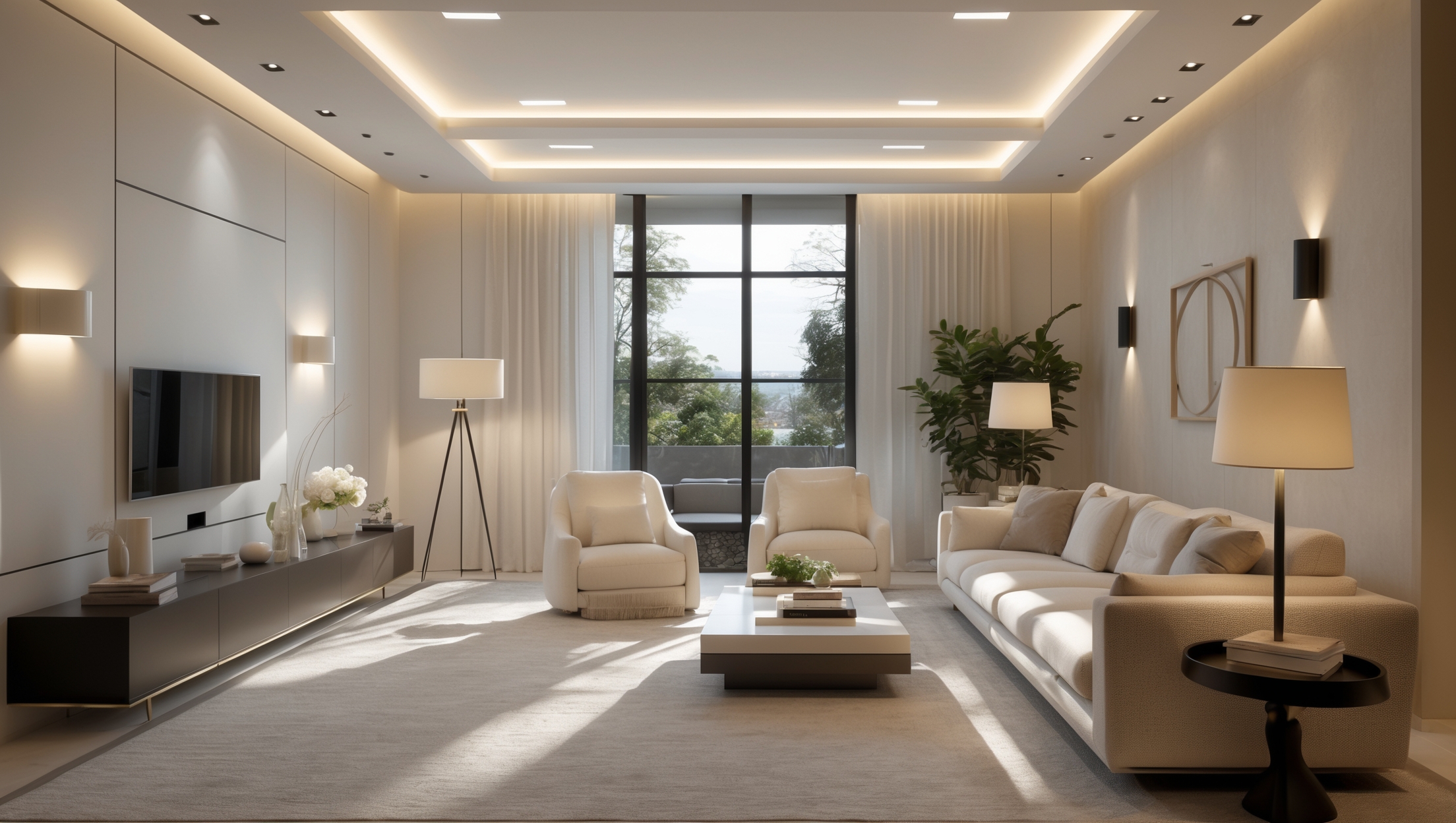
Introduction: Why Lighting Upgrades Matter for Every Home
Updating your home’s lighting is more than a cosmetic improvement—it’s a strategic investment in efficiency, comfort, and safety. With evolving technologies like LEDs, smart controls, and energy-efficient fixtures, homeowners have more options than ever. Yet, the range of choices can be overwhelming, and mistakes can be costly. How do you assess the real costs of upgrading? What energy savings are realistic? How do you ensure every change is safe and compliant? This comprehensive guide cuts through the confusion, offering a detailed cost analysis, actionable efficiency tips, and essential safety considerations for planning and executing home lighting upgrades. Whether you’re tackling a full-home overhaul or just modernizing a few outdated fixtures, you’ll find practical advice to suit every room, budget, and style—without risking common pitfalls or compliance issues.
Understanding Lighting Upgrade Options
LEDs vs. Traditional Bulbs: What’s the Difference?
The shift from incandescent and compact fluorescent (CFL) bulbs to LEDs is a cornerstone of modern lighting upgrades. LEDs consume up to 80% less energy, last 10–25 times longer, and generate less heat. While the upfront cost is higher, their lifespan (15,000–50,000 hours) and lower energy bills deliver substantial savings over time. For example, replacing a 60W incandescent with a 10W LED of equivalent brightness can cut annual energy costs by $4–$8 per bulb, depending on usage and local rates.
Fixture Types and Functions
- Ceiling Fixtures: Central lighting for living rooms, bedrooms, and kitchens. Upgrade to flush-mount LEDs or modern pendants for efficiency and style.
- Recessed Lighting: Ideal for ambient lighting. Newer models offer directional control and dimming features, boosting versatility.
- Wall Sconces & Accent Lights: Enhance mood and highlight architectural features. Dimmable LEDs are a popular upgrade.
- Task Lighting: Under-cabinet LEDs or adjustable desk lamps improve function in kitchens, offices, and workshops.
- Outdoor & Security Lighting: Motion-activated and dusk-to-dawn LED fixtures increase safety and reduce wasted energy.
Smart Lighting Technologies
Smart bulbs, switches, and dimmers allow remote control, scheduling, and automation via Wi-Fi or Bluetooth. Popular options include color-changing bulbs, voice assistant integration (Alexa, Google, Siri), and adaptive brightness. While smart devices cost more upfront, they provide unparalleled control and can further optimize energy savings when used effectively.
Cost Breakdown: What to Expect When Upgrading
Direct Costs: Fixtures, Bulbs, and Smart Devices
- Standard LED Bulbs: $2–$8 each, depending on brightness and features.
- Smart Bulbs: $10–$25 each; color-changing and tunable-white options are pricier.
- Ceiling Fixtures: $30–$300+, with designer models commanding higher prices.
- Recessed Lights (LED retrofit kits): $10–$60 per unit.
- Smart Switches/Dimmers: $30–$70 per unit.
For a typical 3-bedroom home with 25–35 light points, a full upgrade can range from $300 (basic LED bulbs) to $3,000+ (premium smart system with new fixtures).
Indirect Costs: Installation, Permitting, and Disposal
- Professional Installation: Labor rates vary by region; expect $50–$120/hr for licensed electricians. Simple bulb swaps are DIY-friendly, but fixture replacements and smart switch wiring often require expertise.
- Permit Fees: Minor lighting upgrades usually don’t require permits. However, if rewiring or new circuits are needed (e.g., adding recessed lights), permit costs can range from $50–$300.
- Old Fixture/Bulb Disposal: CFLs require proper recycling due to mercury content. Local recycling fees may apply ($1–$5 per bulb).
Budgeting for Upgrades
To avoid budget overruns, create a room-by-room plan. Identify which lights need full fixture replacement, which only need bulb swaps, and where smart controls offer the best value. Allocate a buffer (10–15%) for unexpected issues, such as hidden wiring problems or ceiling repairs after fixture changes.
Calculating Energy Savings and ROI
Estimating Your Savings
Calculate potential savings by comparing wattages and usage times. For example, replacing 20 incandescent bulbs (60W each, 3 hours/day) with equivalent LEDs (10W) saves:
- Old usage: 20 x 60W x 3h x 365 = 1,314,000 Wh = 1,314 kWh/year
- LED usage: 20 x 10W x 3h x 365 = 219,000 Wh = 219 kWh/year
- Annual savings: 1,314 – 219 = 1,095 kWh
At $0.15/kWh, that’s about $164/year saved. Over 10 years (the typical LED lifespan), that’s $1,640, far outweighing the initial upgrade cost.
Additional Efficiency Gains
- Dimming and Automation: Smart dimmers and occupancy sensors reduce unnecessary usage, amplifying savings.
- Daylight Harvesting: Pairing lighting controls with daylight sensors allows lights to dim or turn off when natural light is sufficient.
- Cooler Homes: LEDs emit less heat, reducing air conditioning loads in warmer climates—a secondary energy benefit.
Safety First: Upgrading Without Compromise
Assessing Old Wiring and Fixtures
Before installing new fixtures or smart switches, inspect existing wiring, especially in homes over 30 years old. Look for brittle insulation, signs of overheating, or outdated wiring types (e.g., knob-and-tube, aluminum). If unsure, consult a licensed electrician.
Best Practices for Safe Installation
- Always turn off power at the breaker before working on any fixture or switch.
- Use appropriate wire connectors and ensure all splices are secure and contained within electrical boxes.
- Check compatibility between smart switches/bulbs and your home’s wiring (some require a neutral wire).
- Verify circuit load if upgrading to higher-wattage fixtures or adding multiple lights on one circuit.
- Install GFCI protection for lights in wet or damp locations (bathrooms, outdoors, basements).
When to Call a Professional
DIY is appropriate for bulb swaps, fixture changes on existing boxes, and plug-in smart devices. Hire a licensed electrician for:
- Installing new circuits or relocating fixture boxes
- Upgrading wiring or panels
- Integrating lighting with whole-home automation systems
- Troubleshooting persistent flickering, buzzing, or hot switches/outlets
Room-by-Room Lighting Upgrade Strategies
Living Room
- Combine ambient (ceiling), accent (wall sconces), and task (reading lamps) lighting.
- Use dimmable LEDs for flexibility.
- Highlight artwork or architectural elements with directional accent lights.
Kitchen
- Upgrade to bright, high-CRI (color rendering index) LEDs for true color visibility.
- Add under-cabinet LED strips for task lighting.
- Consider motion sensors or voice controls for hands-free operation.
Bedroom
- Install warm-white LEDs for a relaxing ambiance.
- Use bedside smart bulbs or lamps for adjustable brightness and color temperature.
- Automate routines (e.g., dim lights at bedtime, brighten in the morning).
Bathroom
- Choose damp-rated LED fixtures.
- Install vanity lights on both sides of the mirror to reduce shadows.
- Outfit shower and tub areas with GFCI-protected, sealed fixtures.
Home Office
- Prioritize flicker-free, high-quality LEDs to reduce eye strain.
- Use adjustable desk lamps for targeted task lighting.
- Integrate smart controls for remote work flexibility.
Hallways and Staircases
- Upgrade to motion-activated lights for safety and efficiency.
- Ensure adequate illumination on steps to prevent falls.
Outdoor Spaces
- Install weatherproof, LED security and landscape lights.
- Use solar-powered options where wiring is difficult.
- Set timers or use dusk-to-dawn sensors for reliability and savings.
Compliance and Code Considerations
National Electrical Code (NEC) Requirements
Most lighting upgrades fall under standard NEC requirements. Key points include:
- All new fixtures and wiring must be UL-listed or equivalent.
- Box fill calculations: Ensure electrical boxes are sized properly for the number of wires and devices.
- GFCI protection in bathrooms, garages, basements, and outdoor locations.
- Arc fault circuit interrupters (AFCIs) in living rooms, bedrooms, and other habitable spaces (for new circuits).
Local Permits
Simple fixture swaps usually don’t require permits, but new wiring, circuit changes, or smart switch installations (if they alter electrical infrastructure) may. Always check with your local building department before starting major upgrades.
Energy Rebates and Incentives
Many utility companies offer rebates for ENERGY STAR-rated LED fixtures and bulbs. Research local programs to offset upgrade costs—some offer instant discounts at the point of sale, while others require application and documentation.
Common Pitfalls and How to Avoid Them
- Choosing the Wrong Color Temperature: 2700–3000K for living/bedrooms (warm), 3500–5000K for kitchens/offices (neutral/cool).
- Overlighting or Underlighting: Use online calculators to estimate required lumens per room size and function.
- Mixing Incompatible Dimmers and LEDs: Not all LEDs work with all dimmers—use manufacturer compatibility lists.
- Ignoring Fixture Ratings: Only use damp/wet-rated fixtures where needed.
- Neglecting Circuit Load Limits: Don’t overload circuits with high-wattage fixtures or too many smart devices.
Maintenance and Future-Proofing Your Lighting System
Routine Maintenance
- Dust fixtures and bulbs regularly for maximum brightness and efficiency.
- Check for loose connections or flickering bulbs, which may signal wiring issues.
- Replace failed LEDs promptly—while rare, a failed bulb may indicate voltage or compatibility problems.
Planning for Technology Changes
- Choose fixtures with standard bulb bases (e.g., E26, GU10) for easy bulb replacement and upgrade.
- Opt for smart controls from reputable brands with regular firmware updates and broad compatibility.
- Document all changes, including fixture types, bulb specs, and smart device logins, for future reference or resale.
Conclusion: Lighting Upgrades as a Smart, Safe, and Efficient Home Improvement
Upgrading your home’s lighting is a practical way to enhance comfort, reduce energy costs, and bolster safety—if done thoughtfully. By understanding your options, mapping out a clear budget, and following safety best practices, you can achieve dramatic improvements without unnecessary expense or risk. Modern LEDs and smart controls offer more than just lower bills; they bring flexibility, convenience, and even improved well-being through better light quality. Prioritizing code compliance and professional help where needed ensures your upgrades won’t lead to hidden hazards or costly mistakes down the line.
Remember: the most successful lighting projects start with a plan. Consider your home’s unique needs, set a realistic budget, and phase upgrades room by room if needed. Take advantage of rebates and incentives, and document your choices for future reference. With careful planning, your investment will pay off in brighter, safer, and more efficient spaces for years to come. Whether you’re aiming for subtle ambiance, high-tech automation, or robust security, the right lighting upgrade is a cornerstone of a smarter, more resilient home.
The article lists several types of lighting like recessed, wall sconces, and task lighting. For a small kitchen remodel, would it make more sense to invest in under-cabinet LEDs for task lighting, or should I focus on upgrading the main ceiling fixture first for better efficiency and impact?
For a small kitchen remodel, upgrading the main ceiling fixture to an efficient LED model will usually have the most noticeable impact on overall brightness and energy savings. However, adding under-cabinet LED task lighting can greatly improve visibility for cooking and food prep. Ideally, combine both if budget allows, but if you need to choose one, start with the main fixture for general efficiency, then add task lighting as an enhancement.
I’m interested in switching most of our lights to LEDs, but our house still has some older wiring. Are there any safety issues I should be aware of when installing newer fixtures, especially dimmable or smart options?
When upgrading to LED fixtures, especially dimmable or smart ones, older wiring can sometimes be an issue. Aluminum wiring or knob-and-tube systems may not handle newer fixtures well and could present fire risks if overloaded. Dimmable and smart LEDs also need compatible dimmer switches. It’s a good idea to have an electrician check your wiring before installing these upgrades to make sure everything is safe and compatible.
The article mentions that smart controls are a newer option. Are there any hidden costs or installation challenges with integrating smart lighting systems compared to standard LED upgrades, especially when retrofitting older homes?
Integrating smart lighting systems into older homes can involve some extra costs and challenges beyond standard LED upgrades. You may need compatible switches, hubs, or rewiring, particularly if your home’s wiring is outdated. There might also be costs for professional installation or troubleshooting Wi-Fi connectivity. In comparison, basic LED upgrades are usually simpler and cheaper to install, as they often just require swapping bulbs.
You mentioned that LEDs can save up to $8 per bulb each year compared to incandescents. Is there a calculator or a recommended way to estimate how much a full-house upgrade would save over a few years, considering different room usage patterns?
To estimate savings from a full-house LED upgrade, you can create a simple spreadsheet. List each room, number of bulbs, hours used daily, and current wattage. Calculate yearly energy use for both incandescent and LED bulbs by multiplying hours, wattage, and quantity. Subtract the LED total from your current usage, then multiply by your electricity rate to see annual savings. Adjust for different room usage to get a more accurate estimate over several years.
I see the article talks about safety and compliance issues with lighting upgrades. If I want to replace ceiling fixtures myself, which electrical code requirements or common pitfalls in US homes should I watch out for to make sure everything’s up to code?
When replacing ceiling fixtures, be sure to turn off power at the breaker first and verify with a tester. In the US, use fixtures rated for your wiring (e.g., copper vs. aluminum). Junction boxes must be securely mounted and sized for the number of wires. Connect grounds properly and use wire nuts for secure splices. Avoid overloading circuits and check that any new fixture’s wattage does not exceed box ratings. Local codes may vary, so it’s wise to consult them or a licensed electrician if unsure.
I’m interested in the potential energy savings. Based on your numbers, how long does it usually take to recoup the investment from switching all incandescent bulbs in a typical three-bedroom home to LEDs?
Switching from incandescent bulbs to LEDs in a typical three-bedroom home often pays for itself in about 1 to 2 years. This timeframe depends on factors like how many bulbs you have, how often they’re used, and your local electricity rates. Most people see significant reductions in their lighting costs almost immediately, so the savings add up quickly after the initial investment.
I see you mention that upgrading to LEDs can cut energy costs by $4 to $8 per bulb annually. How can I estimate the total savings for my business if I want to replace about 30 bulbs, and are there simple tools to help calculate this?
To estimate your business’s total savings, multiply the number of bulbs (30) by the annual savings per bulb ($4 to $8). That gives you a range of $120 to $240 saved each year. For a more precise estimate, online LED savings calculators are available—just enter your current bulb type, wattage, usage hours, and electricity rate, and they’ll do the math for you.
The article mentions that flush-mount LEDs and modern pendants are good options for central lighting. How do I know which type is more appropriate for different rooms in my building, especially regarding light distribution and installation complexity?
Flush-mount LEDs are typically ideal for rooms with lower ceilings or where you want even, widespread light—like hallways, kitchens, or utility spaces. Modern pendants, on the other hand, work well in rooms with higher ceilings or where you want to create a focal point, such as dining areas or entryways. Pendant installation can be more complex if height adjustments or new wiring are needed, while flush-mount LEDs usually have simpler installation requirements.
The article mentions different fixture types like ceiling and under-cabinet LEDs. If I’m on a tight budget, which areas or fixture upgrades tend to provide the best balance between efficiency gains and noticeable lighting improvement?
If you’re working with a tight budget, start with upgrading high-use areas like your kitchen and living room. Replacing older bulbs in ceiling fixtures and installing LED under-cabinet lights often gives the most noticeable improvement in brightness and efficiency. Focus on spaces where lights are used the most to maximize savings and impact.
I’m interested in under-cabinet LEDs for task lighting, but I worry about the safety aspects when installing them myself. Are there specific safety codes or requirements homeowners need to be aware of to ensure compliance?
When installing under-cabinet LED lighting, it’s important to follow basic electrical safety practices and check your local building codes. Typically, low-voltage LED kits are safest for DIY installations, but you should always use products that are UL-listed or equivalent. Make sure any wiring is rated for in-cabinet use, avoid overloading circuits, and if hardwiring is needed, a licensed electrician may be required by code. Always turn off the power at the breaker before starting work.
Regarding safety and compliance, what should homeowners watch out for when replacing older fixtures with new smart LED controls? Are there specific code requirements or potential issues with older wiring that we should be prepared for before starting upgrades, particularly in homes built decades ago?
When upgrading to smart LED controls in older homes, check if the existing wiring is compatible and in good condition, as some older setups may lack a proper ground or neutral wire required by smart devices. Make sure fixtures and controls are certified (like UL-listed), and always follow local electrical codes, which may have specific requirements for fixture connections and load ratings. If you’re unsure, consult a licensed electrician to prevent code violations and safety hazards.
When upgrading ceiling fixtures and recessed lighting to LEDs as suggested, do most homes in the US need to update wiring or switches as well, or can the new fixtures generally be swapped in without electrical modifications?
In most US homes, swapping old ceiling fixtures or recessed lighting for new LED models typically does not require updating wiring or switches, as LEDs are designed to be compatible with standard household circuits. However, if your home has very old wiring, lacks grounding, or you want added features like dimming, you may need to update switches or consult an electrician for safety.
When swapping out older ceiling fixtures for newer flush-mount LEDs, are there any common wiring or electrical box issues homeowners should watch for to stay compliant with US codes, especially in older houses?
When upgrading to flush-mount LEDs, especially in older homes, check that the existing electrical box is securely fastened and rated to support the weight of the new fixture. Ensure the box is grounded, and verify that wiring insulation isn’t brittle or damaged. Use wire connectors approved by code, and never mix aluminum and copper wiring without proper connectors. If in doubt, consult a licensed electrician to stay compliant with US codes.
I noticed there are several types of lighting upgrades like recessed lights and under-cabinet LEDs. If I’m on a tight budget and just want to see the most impact in energy savings, which area or fixture should I prioritize replacing first?
If you want the most impact on energy savings while staying on a budget, start by replacing the bulbs in your most-used fixtures, such as ceiling lights in living rooms, kitchens, and hallways, with LED bulbs. These spots typically use the most electricity, so upgrading them first will maximize savings without needing major installation or renovations.
When switching out older recessed lighting for newer LED models with dimming features, what should I look out for in terms of wiring compatibility or potential safety code issues, especially if my house is more than 30 years old?
When replacing older recessed lights with LED dimmable models in a house over 30 years old, check that your existing wiring is in good condition and rated for the new fixtures. Make sure the dimmer switch is compatible with LED lights—older dimmers may need to be replaced. Also, confirm that the new fixtures are IC-rated (safe for contact with insulation) and comply with current electrical codes. If unsure, consulting a licensed electrician is highly recommended.
The article mentions that replacing a 60W incandescent bulb with a 10W LED can save $4–$8 annually per bulb. Can you suggest any ways to calculate the overall savings if I were to switch all bulbs in my home, and how long it might take to recoup my initial investment?
To estimate your total savings, first count the number of bulbs you plan to replace. Multiply that by the annual savings per bulb (for example, $6 as a midpoint). That gives you your yearly savings. To find the payback period, divide your total upfront LED bulb cost by your yearly savings. This tells you how many years it will take to recover your initial investment from the switch.
Do you have any advice on upgrading recessed lighting in older homes, especially when it comes to making sure everything is both efficient and up to current electrical code? I’m curious if there are specific safety checks or steps I should follow during installation.
When upgrading recessed lighting in older homes, first ensure the existing wiring is in good shape and suitable for modern fixtures. Choose LED retrofit kits for efficiency, and make sure fixtures are IC-rated if they’re in contact with insulation. Always turn off power at the breaker before starting work. Double-check grounding and connections, and if the house wiring is outdated or aluminum, consider consulting a licensed electrician to verify everything meets current code.
When considering the initial costs of upgrading to LED fixtures throughout a whole home, do you have recommendations for prioritizing which rooms or types of lights should be upgraded first for the best efficiency gains and payback?
To get the best efficiency gains and payback, start by upgrading lights that are used most often, such as kitchen, living room, and exterior lights. Next, focus on high-wattage fixtures and areas where lights stay on for long periods, like hallways and bathrooms. Prioritizing these spaces helps maximize energy savings and speeds up the return on your investment.
When upgrading lighting, how do I make sure any new installations, like recessed fixtures or smart controls, are fully compliant with local electrical codes and safety standards? Are there specific things to watch for or professionals I should consult before starting a project?
To ensure your lighting upgrades meet local codes and safety standards, start by checking your city or county’s electrical regulations—they can vary by location. For installations like recessed fixtures and smart controls, it’s wise to consult with a licensed electrician. They’ll know about required permits, proper wiring, fixture ratings, and safe placement, especially with insulation or damp areas. Professionals can also help with code-compliant smart system installations and ensure your project passes inspection.
You mention that LEDs offer significant energy savings and longer lifespans compared to incandescent and CFL bulbs, but the upfront costs are steeper. For someone on a tight budget, which lighting upgrades would you recommend starting with to see noticeable efficiency gains without a huge investment?
If you’re watching your budget, consider replacing the lights you use most often—like kitchen, living room, or porch bulbs—with LEDs first. This way, you’ll see the biggest drops in your energy bill right away. You don’t need to swap every bulb at once; focusing on high-use areas lets you spread the upfront costs over time while still enjoying noticeable efficiency gains.
How does upgrading to smart controls compare to just switching to LEDs in terms of overall cost and energy savings over a few years? I’m trying to figure out if the extra investment in smart features really pays off or if sticking to basic LEDs is almost as good.
Switching to LEDs gives you a big boost in efficiency and energy savings at a relatively low cost, since they use much less power and last longer than traditional bulbs. Adding smart controls can save you a bit more by automating lighting and reducing wasted energy, especially in larger homes or with forgetful users. However, the upfront price for smart systems is higher, so it often takes several years to break even compared to standard LEDs. If your main goal is cost savings, basic LEDs usually offer the fastest return, but smart features add convenience and incremental savings over time.
I noticed the guide highlights smart controls and modern fixtures like flush-mount LEDs. For older homes with outdated wiring, are there any specific safety precautions or code requirements homeowners should consider before upgrading to these technologies?
For older homes, it’s important to have a licensed electrician inspect your wiring before installing smart controls or modern LED fixtures. Outdated wiring, such as knob-and-tube or aluminum wiring, may not safely support new technology and could violate local electrical codes. Grounding and proper circuit capacity are also essential. Always ensure upgrades comply with current electrical codes to maintain safety and insurance coverage.
Could you give more details about how to estimate the payback period on the upfront cost of switching to LEDs throughout a whole house? Specifically, what are some realistic timelines or formulas for calculating when the energy savings will start to outweigh the initial investment?
To estimate the payback period for switching to LEDs, first calculate the total upfront cost of replacing all bulbs. Next, estimate your annual energy savings by subtracting the yearly cost of running LEDs from your old bulbs (using wattage, hours used, and electricity rate). Divide the initial investment by the annual savings to get the payback period in years. For most households, this period is typically between 1 and 3 years, depending on usage and local energy rates.
When swapping out my old incandescent bulbs for LEDs, does it matter if I mix different brands of LED bulbs in the same fixture or room? I’m a little worried about brightness differences or weird color tones showing up.
Mixing different brands of LED bulbs in the same fixture or room can result in noticeable differences in brightness and color temperature, even if the packaging lists similar specs. This is because each manufacturer may use slightly different technologies or color rendering. For the most consistent look, try to use the same brand and model of LED bulbs in areas where uniform lighting is important.
I like the idea of under-cabinet LEDs for task lighting, but are there any common mistakes homeowners make during installation that could create safety issues or fail to meet building codes?
Yes, there are a few pitfalls to watch out for. Common mistakes include using non-UL-listed fixtures or wiring, overloading existing circuits, and failing to use proper connectors or junction boxes. Some people also forget to secure the wiring, which can lead to heat buildup or accidental damage. For safety and code compliance, always follow manufacturer instructions, use certified products, and consider consulting an electrician, especially when modifying electrical circuits.
the breakdown of energy savings between incandescent and LED bulbs, but I’m trying to figure out the payback period for upgrading an entire house. Could you elaborate on how long it usually takes for the initial investment to be offset by lower utility bills, especially if you’re replacing a mix of fixtures and bulb types?
The payback period for switching from incandescent to LED bulbs in a typical home is usually between 1 and 2 years. This depends on how many bulbs you replace, usage patterns, and local electricity rates. Even when replacing a mix of fixtures and bulb types, most households see noticeable savings within the first year since LEDs use about 75–80% less energy, and their costs have dropped significantly. After the payback period, the ongoing lower utility bills mean continued savings over the lifespan of the LEDs.
When upgrading to LED fixtures, are there any specific safety codes or permitting requirements homeowners should be aware of, especially if they plan to swap out ceiling fixtures or add recessed lighting?
When upgrading to LED fixtures, you should check your local building codes, as most areas require a permit for new wiring or adding recessed lighting. Swapping out existing fixtures in the same location may not always require a permit, but any changes involving electrical wiring or new circuits should be done to code, often necessitating licensed electricians. Always turn off power at the breaker before starting, and consult your local permitting office to be sure.
When upgrading to recessed LED lighting, are there any specific safety codes or electrical considerations in the US that homeowners should be aware of, especially in older homes? I want to make sure any changes I make are fully compliant.
When upgrading to recessed LED lighting in the US, it’s important to follow the National Electrical Code (NEC). In older homes, check that wiring supports the new fixtures—older wiring may not handle modern load requirements. Recessed fixtures should be IC-rated if they’re installed near insulation. Always use the correct circuit breaker, and secure all wiring connections in approved junction boxes. If you’re unsure about your home’s wiring or code compliance, it’s wise to consult a licensed electrician.
You mention that replacing a 60W incandescent with a 10W LED could save $4–$8 per bulb annually. Is this savings estimate based on average national energy rates, or does it vary significantly by state? I’m trying to forecast potential savings for my area.
The savings estimate of $4–$8 per bulb annually is based on average national energy rates and typical usage patterns. However, actual savings can vary depending on your local electricity rates, which do differ by state. If you want a more precise calculation, check your electricity rate (in cents per kilowatt-hour) from your utility bill and adjust the estimate accordingly.
What’s the typical timeframe and learning curve for installing smart lighting controls in a whole home? Is this something a DIYer with basic electrical skills can take on safely, or does it usually require a licensed electrician to stay compliant?
Installing smart lighting controls throughout an entire home can take anywhere from a weekend to several days, depending on the number of fixtures and your experience. Many smart switches are designed for DIY installation and come with clear instructions, so someone with basic electrical skills can often handle the job safely. However, for complex wiring, multi-way switches, or to ensure code compliance, hiring a licensed electrician is recommended.
When upgrading to recessed lighting or flush-mount LEDs as suggested, does the installation usually require changes to existing wiring, or can most modern fixtures use the same setup as older incandescent ones?
In many cases, modern recessed lighting and flush-mount LED fixtures are designed to work with existing wiring, especially if you’re replacing older incandescent fixtures. However, if your current wiring is outdated or not up to code, some updates may be necessary for safety and compatibility. It’s always a good idea to have a qualified electrician inspect your setup before installation to ensure everything will work safely and efficiently.
I’m curious about how the upfront costs of switching to LEDs versus traditional bulbs break down when upgrading an entire home. Do you have any recommendations for budgeting if I want to replace all ceiling and recessed lights at once?
Switching to LEDs does require a higher upfront cost since LED bulbs are generally more expensive than traditional incandescent or CFL bulbs. However, LEDs last much longer and use significantly less energy, leading to lower utility bills over time. For budgeting, start by counting all ceiling and recessed fixtures, then price suitable LED replacements for each. Factor in potential discounts for bulk purchases, and consider replacing bulbs in phases if the total cost is high. This approach helps manage expenses while quickly improving efficiency.
The article talks about energy savings with LEDs, but do you have tips for estimating the payback period when swapping out a whole home’s worth of traditional bulbs versus doing it room by room? I’m trying to decide on the best upgrade strategy for my budget.
To estimate payback periods, start by calculating the total upfront cost for replacing all bulbs at once versus just one room. Next, estimate annual energy savings per bulb (the article gives examples for this). Divide the total upfront cost by annual savings for each approach to get the payback period. Doing it room by room can spread costs over time, but upgrading the whole home at once often maximizes energy savings sooner. Consider starting with rooms that use lights most often to get quicker returns if you’re on a budget.
The article mentions that LEDs can last up to 50,000 hours and save a lot on energy costs, but do all LED brands really perform that well, or are there big differences between products? How can I be sure I’m getting the lifespan and savings promised?
Not all LED brands deliver the same performance. Quality can vary based on materials, design, and manufacturing. To ensure you get the expected lifespan and savings, look for reputable brands with good warranties, ENERGY STAR or similar certifications, and positive user reviews. Also, pay attention to the rated hours and efficiency listed on the packaging. Cheaper, uncertified LEDs may not last as long or be as efficient as advertised.
I’m interested in modernizing a few outdated fixtures, but I’m worried about safety and compliance. Are there any common mistakes homeowners make during lighting upgrades that could cause issues with local codes or insurance?
When upgrading lighting, a few common mistakes can lead to safety or code issues: using the wrong type of wiring, overloading circuits, or installing fixtures not rated for your space (like damp locations). DIY installations sometimes skip permits or inspections, which can affect insurance coverage. Always check local codes, use compatible fixtures, and consider hiring a licensed electrician for peace of mind and compliance.
I noticed you mentioned that LEDs can reduce annual energy costs per bulb by $4–$8. For a whole-home upgrade, about how long does it usually take to break even on the upfront costs, especially if I’m on a tight budget?
For most households, switching entirely to LEDs typically pays for itself in 1 to 2 years, depending on how many bulbs you replace and your electricity rates. Since each bulb saves $4–$8 a year, the initial cost is often recovered pretty quickly, especially as LED prices have dropped. If you’re on a tight budget, consider replacing the bulbs in the most-used rooms first to maximize savings right away.
The article mentions that LEDs can last up to 50,000 hours, but are there factors like frequent on-off cycling or dimming that might reduce their lifespan in a typical household setting?
Yes, factors like frequent on-off cycling and certain types of dimming can affect the lifespan of LED bulbs. While LEDs are generally more tolerant of switching than older bulbs, very rapid or constant cycling could still shorten their life. For dimming, using a compatible LED dimmer is important—otherwise, improper dimming can cause flickering or reduce bulb longevity. In most normal home use, however, LEDs still greatly outlast traditional bulbs.
When upgrading to newer recessed lighting fixtures with dimming features, are there any specific safety codes or electrical requirements homeowners in older houses should be aware of to stay compliant?
Yes, when adding dimmable recessed lighting to older homes, you should ensure your electrical circuits can handle the load and that wiring is up to code. Fixtures must be IC-rated if installed near insulation, and compatible dimmers should be used. Grounding is essential, and local building codes may require permits or inspection. Consulting a licensed electrician helps ensure everything is safely and legally installed.
We are considering swapping out all our old incandescent bulbs for LEDs, but the upfront cost is a concern. Is there a breakdown of average payback periods for a whole-home upgrade, especially for small businesses operating in historic buildings?
For most homes, upgrading from incandescent to LED bulbs typically pays for itself within 1 to 2 years, depending on usage and local energy rates. Small businesses, even those in historic buildings, can often see payback in under 18 months because commercial lighting is used more hours daily. While the initial cost can seem high, LEDs drastically reduce electricity usage and last much longer, so overall savings quickly outweigh the investment.
I’m new to replacing fixtures, and I’m not sure how to tell if my existing wiring is safe for swapping out old incandescent bulbs for LEDs. Are there any beginner-friendly safety checks or signs I should watch out for before I start the upgrade?
Before replacing your bulbs, turn off the power at the breaker and make sure the fixture is cool. Check for any frayed wires, exposed copper, or scorch marks around the socket—these are signs of damage. If the wiring insulation is brittle or the fixture looks very old, it’s wise to consult an electrician. Most modern LED bulbs are compatible with older fixtures, but always make sure the wattage of your new bulb does not exceed the fixture’s rating.
Can you provide more details about what ‘substantial savings over time’ means in practice for a medium-sized home? For example, how long does it usually take for the energy savings from switching to LED bulbs to cover the initial upgrade costs?
For a medium-sized home, switching to LED bulbs typically pays for itself within 1 to 2 years, depending on your usage and local electricity rates. After that, the lower energy bills represent your savings. Over the average lifespan of LEDs—often 10 years or more—you can save several hundred dollars compared to sticking with incandescent or CFL bulbs.
The article mentions ensuring that lighting changes are safe and compliant. Could you clarify what specific safety checks or code requirements I should look out for when replacing ceiling fixtures or installing recessed lighting myself?
When replacing ceiling fixtures or installing recessed lighting, make sure to turn off power at the breaker before starting. Check that all wiring connections are tight and use approved wire connectors. Fixtures should be rated for the voltage and environment (damp/wet areas need special ratings). For recessed lights, verify they are IC-rated if they come into contact with attic insulation. Also, follow local electrical codes; many areas require a permit or inspection for new installations.
When figuring out the real costs of upgrading to LEDs throughout my whole store, is there a recommended way to estimate not just the purchase and installation costs but also how much I might save on my monthly energy bill? The $4–$8 annual savings per bulb sounds useful, but I am wondering how to scale that for a small commercial space.
To estimate your total savings, first count all the bulbs you’d replace in your store. Multiply that number by the annual savings per bulb ($4–$8), which gives you a yearly total. For more accuracy, consider your current bulb wattage, the hours they’re used daily, and your local electricity rate. This helps compare current vs. future energy use and costs, giving a clearer savings figure tailored to your store’s actual usage.
The article mentions both flush-mount LEDs and newer recessed lighting with dimming features. Are there any specific safety codes or common pitfalls to watch out for when swapping out old ceiling fixtures for these newer options in older homes?
When upgrading to flush-mount LEDs or recessed lighting in older homes, it’s vital to check local electrical codes—these often require proper grounding, compatible junction boxes, and correct wire gauges. Common pitfalls include overloading circuits, using non-IC-rated fixtures in insulated ceilings, or failing to secure fixtures properly. If your home has old wiring (like knob-and-tube), consult an electrician to ensure safe installation.
You mention that swapping out incandescent bulbs for LEDs can result in significant annual savings. Is there a general guideline for how to calculate payback time on the upfront investment for a whole-home upgrade, especially when energy rates vary?
To estimate payback time, add up the total cost of new LED bulbs for your home. Then, compare your current annual energy costs for lighting (using incandescent bulbs) to the projected annual costs with LEDs, based on your local energy rate and average usage. Divide the upfront investment by the yearly savings to get the payback period. Adjust calculations if your energy rates are higher or lower than average.
I’m interested in switching to smart controls along with LED upgrades, but I’m a little concerned about compatibility and potential wiring updates. What should homeowners look out for to ensure that new smart lighting systems are safe and compliant with existing electrical setups?
When upgrading to smart controls with LED lighting, check that your home’s wiring supports the chosen smart devices, especially regarding neutral wires, which some systems require. Make sure all components are compatible and certified for safety. It’s wise to consult a licensed electrician, particularly if your wiring is older, to confirm everything meets code and operates safely. Also, confirm that your circuit load can handle any new devices you add.
When doing lighting upgrades, what are some common safety or compliance issues homeowners overlook? Is it usually necessary to hire an electrician for swapping out older ceiling fixtures or adding smart controls, or are these safe as DIY projects?
Homeowners sometimes overlook the need to turn off power at the breaker, proper grounding, and using rated fixtures and wiring for their home’s circuit load. They might also ignore local code requirements for junction boxes and fixture placement. For simple fixture swaps, DIY can be safe if you’re comfortable and cautious, but for adding smart controls, new wiring, or if your home has old or unknown wiring, hiring a licensed electrician is much safer and often required by code.
I’m just starting to think about switching to LED bulbs throughout my house, but I’m unsure if it’s worth replacing fixtures that use incandescent bulbs even if they still work fine. Should I wait for them to burn out first or swap everything at once for bigger efficiency gains?
Switching to LED bulbs right away can give you immediate energy savings and lower electricity bills, since LEDs use much less power and last longer than incandescents. However, if budget is a concern, you could prioritize high-use areas first, like kitchens and living rooms, and replace the rest as bulbs burn out. Either approach is reasonable, but upgrading sooner maximizes efficiency gains.
When considering a full-home lighting upgrade, what are some common safety code issues that might come up, especially if you’re switching to smart controls or dimmable LEDs? Are there any pitfalls to watch for when replacing older ceiling fixtures?
When upgrading to smart controls or dimmable LEDs, common safety code issues include ensuring all new fixtures and switches are compatible with existing wiring and that junction boxes are properly grounded. Watch for overloaded circuits, especially in older homes, and verify that any new dimmers match the LED specifications. When replacing ceiling fixtures, check for secure mounting and suitable electrical boxes that can support the fixture’s weight. Always turn off power at the breaker before working and consult local codes or a licensed electrician if you’re unsure.
I’m a small business owner remodeling a rental property—could you break down what a realistic upfront cost would be for upgrading ceiling fixtures versus just swapping out old bulbs for LEDs? The article mentions long-term savings, but I’m trying to plan my budget for immediate expenses.
Upgrading ceiling fixtures usually costs between $70 and $200 per fixture, depending on complexity and materials, plus possible electrician fees. Swapping old bulbs for LEDs is much more affordable—LED bulbs typically range from $3 to $10 each, and you can install them yourself. If your current fixtures are in good shape, just switching to LEDs offers immediate savings with minimal upfront investment.
Do you have any tips on how to calculate the payback period when switching from CFLs to LEDs, especially with energy prices varying so much across different states? I am hoping to estimate when I’ll actually start seeing savings after covering the higher upfront cost of LEDs.
To estimate the payback period, start by calculating your total upfront cost for LED bulbs and compare it to the cost of keeping your existing CFLs. Next, estimate your annual energy savings: subtract the wattage of the LED from the CFL, multiply by your usage hours per year, and then multiply by your local electricity rate (cents per kWh). Divide the upfront cost by your annual savings to get years to payback. Using your actual electricity rate makes the calculation accurate for your state.
I’m interested in upgrading to smart LED lighting throughout my house, but I’m concerned about the upfront cost mentioned. How should I estimate the budget for replacing all traditional bulbs and fixtures in a typical three-bedroom home?
To estimate your budget, start by counting the total bulbs and fixtures in your home. Multiply the number of bulbs by the cost of smart LED replacements, which typically range from $8 to $20 each. For fixtures, smart-compatible replacements can vary widely, often $50 to $200 per fixture. Don’t forget to include any necessary hubs or installation costs. Adding everything up will give you a clear budget for your upgrade.
When upgrading to LEDs throughout the whole house, how do you estimate the total upfront cost versus the long-term savings? I’d like to understand what a typical payback period might look like for a family home, especially if we’re replacing both regular bulbs and some older fixtures.
To estimate the upfront cost, add up the price of each LED bulb and any compatible fixtures you need to replace. Then, compare your previous energy usage (wattage and hours used) with new LED usage to calculate yearly energy savings using current electricity rates. Include any maintenance savings since LEDs last much longer. Many households recover their investment in 2–4 years, depending on how many bulbs are replaced and your local energy costs.
I noticed the article mentions that replacing a 60W incandescent with a 10W LED can save $4–$8 annually per bulb. Is there a general rule of thumb for estimating total annual energy savings when upgrading all the lighting in an average-sized home?
A good rule of thumb is to multiply the estimated annual savings per bulb ($4–$8) by the total number of bulbs in your home. Most average-sized homes have about 30–40 light bulbs. So, upgrading all your bulbs could save roughly $120–$320 per year, depending on usage patterns and electricity rates.
When upgrading from incandescent bulbs to LEDs, is there a particular brand or feature you recommend for someone who wants good dimming capability? I noticed you mentioned dimmable LEDs for wall sconces and accent lights, so I’d love some advice on avoiding flicker or compatibility issues with existing switches.
For smooth dimming and minimal flicker, choose LEDs labeled as “dimmable” and check for compatibility with your current dimmer switches. Brands like Philips and Lutron are known for reliable dimming performance. If you have older incandescent dimmers, consider upgrading to an LED-compatible dimmer for best results, as some older models may not work well with newer LED bulbs.
When replacing ceiling fixtures or adding new recessed lighting, are there particular safety codes or compliance issues homeowners should be aware of before starting, especially if DIY-ing the installation? The article mentions safety, but I’m curious what the most common pitfalls might be.
Yes, several key safety codes and compliance issues should be considered before DIY lighting work. Homeowners should ensure all wiring follows local building codes and that new fixtures are rated for the intended use and room type. Common pitfalls include overloading circuits, using the wrong type of wiring, and failing to install proper junction boxes. Always turn off the power at the breaker, and if your project involves new wiring or significant changes, check if a permit or inspection is required in your area.
I’m interested in installing recessed lighting with dimming features, like you suggested, but I’m not sure if my existing wiring can handle it. Are there specific electrical requirements or common issues a first-timer like me should watch out for before switching over?
When adding recessed lighting with dimming features, you should first check if your existing wiring includes a neutral wire, as many modern dimmers require one. Also, ensure your circuit can handle the extra load—older homes sometimes have limited capacity. Use dimmable LED bulbs and a compatible dimmer switch. If you’re unsure about wiring or breaker capacity, it’s wise to consult a licensed electrician for safety.
I’m planning to swap out my old ceiling fixtures for LED models as suggested here, but is it generally safe for someone with basic DIY skills to do this, or is hiring an electrician recommended for most homes?
Swapping ceiling fixtures for LED models can be safe for someone with basic DIY skills, as long as you turn off power at the breaker and follow the fixture instructions closely. However, if your home’s wiring is old, you notice damaged wires, or you feel unsure at any step, it’s wiser to hire an electrician to ensure everything is up to code and safe.
You mentioned ensuring lighting upgrades are safe and compliant. Could you clarify what specific codes or standards homeowners should look into before replacing ceiling fixtures or installing smart controls?
Before replacing ceiling fixtures or installing smart lighting controls, homeowners should review the National Electrical Code (NEC) for general electrical safety. Local building codes may also apply, so it’s important to check with your city or county’s building department. For smart controls, look for devices that are UL-listed or certified by recognized safety organizations. Ensuring proper grounding, using rated junction boxes, and following manufacturer instructions are also key for safety and compliance.
The article mentions that LEDs can last up to 50,000 hours and save quite a bit on energy bills. When doing a cost analysis, is there an average payback period homeowners can expect when replacing traditional bulbs with LEDs?
Homeowners typically see a payback period of 1 to 2 years when switching from traditional incandescent bulbs to LEDs, depending on usage and local energy costs. This means the energy savings from lower electricity bills generally cover the upfront cost of the LEDs within that timeframe. After this period, continued use leads to direct savings on your energy bills.
I’m interested in upgrading some ceiling fixtures in my kitchen to modern flush-mount LEDs, but I’m not sure how to ensure the changes are up to code and safe. Are there specific safety checks or inspections I should do after installation?
After installing new flush-mount LED fixtures, make sure the power is off during installation, use the correct wiring connections, and secure all fixtures tightly to the ceiling. Check that the circuit can handle the new lights’ wattage. Once installed, test the lights and inspect for any flickering or unusual warmth. If unsure, consider having a licensed electrician inspect your work to ensure everything meets local electrical codes and is safely installed.
How do you recommend calculating the true payback period for upgrading to LEDs, considering both the upfront fixture costs and potential installation fees? I’m trying to figure out at what point the savings on my energy bill would actually outweigh what I spent on the upgrades.
To calculate the true payback period for upgrading to LEDs, add together the upfront cost of the LED fixtures and any installation fees. Then, estimate your yearly energy savings by comparing the annual energy costs of your current lighting with the projected costs using LEDs. Divide your total upfront costs by the annual savings figure. The result is the number of years it will take for your energy bill savings to cover your investment.
The article mentions that LEDs can save $4 to $8 per bulb annually, but does that estimate factor in different electricity rates across states, or is it based on a national average? I’m just trying to figure out what kind of savings to expect in a place like California where energy costs are higher.
The savings estimate of $4 to $8 per LED bulb each year is based on national average electricity rates. Since California generally has higher energy prices than the national average, you can expect your annual savings per LED bulb to be on the higher end of that range or even above it, depending on your local rates.
When considering the switch from incandescent bulbs to LEDs throughout a home, are there specific rooms or fixture types where the energy savings are greatest, or should the upgrade be done all at once for best results?
Switching to LEDs in rooms where lights are on the longest—like kitchens, living rooms, hallways, and exterior lights—will yield the highest energy savings right away. Focus first on fixtures used most often or for the most hours per day. Upgrading your whole home at once maximizes efficiency gains and convenience, but starting with the most-used areas is a practical, cost-effective approach.
I’m trying to figure out a realistic budget for switching my whole house from incandescents and CFLs to LEDs like the article suggests. Do you have a ballpark estimate for the total cost, including fixtures and bulbs, for a typical three-bedroom home?
For a typical three-bedroom home, switching all lighting to LEDs usually costs between $300 and $800. This estimate covers both bulbs and standard fixtures, assuming you have around 25–40 light points. If you upgrade to specialty fixtures or smart LEDs, the cost could be higher. Labor isn’t included, so if you hire an electrician, be sure to add those fees.
I get that LEDs are way more efficient and last longer, but are there any specific safety codes or permitting requirements I should be aware of if I’m swapping out my own ceiling fixtures in an older home? I’m in the US and don’t want to risk any compliance issues.
When swapping out ceiling fixtures in an older US home, check that all work complies with the National Electrical Code (NEC) and any local codes. Turn off power at the breaker, ensure wires and boxes are in good condition, and use proper connectors. Permits are usually not needed for direct fixture replacements, but if you’re changing wiring or adding circuits, you may need one. Always double-check with your local building department for specific requirements.
Could you clarify what safety issues are most common when swapping out old ceiling fixtures for modern flush-mount LEDs? I want to make sure any changes in my small retail space stay compliant and avoid electrical hiccups.
When swapping old ceiling fixtures for flush-mount LEDs, common safety concerns include improper wiring connections, overloaded circuits, and not properly grounding the new fixture. Double-check that the power is off before starting, use wire nuts to secure all connections, and make sure the electrical box can support the new fixture’s weight. If your retail space is subject to code inspections, using UL-listed fixtures and following local electrical codes is important for compliance and safety.
For homeowners planning to modernize just a few fixtures on a tight budget, which areas or rooms do you recommend prioritizing first for lighting upgrades to get the best mix of efficiency and noticeable impact?
If you’re focusing on a few fixtures, start with high-use spaces like kitchens, living rooms, and entryways. Upgrading lighting here offers the biggest gains in energy efficiency and is most noticeable in daily life. Bathrooms are also a good choice since improved lighting boosts both function and safety. Prioritize areas where lights are used the longest to maximize savings and impact on your home’s atmosphere.
Could you clarify if newer dimmable LED fixtures work with existing older dimmer switches, or do I need to upgrade the switches too? I want to avoid any safety or compatibility issues when modernizing my living room lighting.
Most newer dimmable LED fixtures are not fully compatible with older dimmer switches designed for incandescent or halogen bulbs. Using old dimmers can cause flickering, buzzing, or even damage to the LEDs. For the safest and most reliable results, it’s best to upgrade to LED-compatible dimmer switches when installing new dimmable LED lighting in your living room.
The article mentions that LEDs can save a lot on energy bills, but I’m wondering how quickly homeowners usually recoup the higher upfront cost of switching to LEDs compared to keeping existing incandescent or CFL bulbs. Is there an average payback period?
Most homeowners recoup the upfront cost of switching to LEDs within one to two years, depending on usage. LEDs use about 75–80% less energy than incandescent bulbs and last much longer, so the initial investment is offset pretty quickly by lower electricity bills and fewer replacements. If you use lights frequently, your payback period could be even shorter.
I see that LEDs are highlighted for both efficiency and lifespan, but I was wondering if all types of fixtures can use LED replacements, especially recessed and accent lighting. Are there compatibility issues to watch out for when choosing bulbs for existing fixtures?
Not all fixtures are immediately compatible with LED bulbs, especially older recessed or accent lighting. It’s important to check the bulb shape, base size, and wattage compatibility. Some fixtures may require LED bulbs specifically labeled as ‘dimmable’ if you have dimmer switches. For recessed lighting, look for retrofit LED kits designed for those housings. Always verify manufacturer recommendations to ensure safety and best performance.
When considering the higher upfront cost of LEDs versus traditional bulbs, how long does it typically take for the energy savings to offset that initial investment for a standard three-bedroom home? Any tips for calculating payback time based on average usage?
For a standard three-bedroom home, the payback period for upgrading to LED bulbs is usually between 1 and 2 years, depending on electricity rates and lighting usage. To estimate your own payback time, add up the total cost of new LEDs, calculate your average monthly savings on the energy bill after switching, and divide the upfront cost by the monthly savings. This will give you the number of months it takes to recover your investment.
I noticed you talk about safety and compliance for home lighting upgrades. As a first-timer, what are some common code or safety mistakes people make when installing new fixtures themselves, and how can I avoid them?
Some common mistakes include using the wrong wire gauge, overloading circuits, failing to turn off the power before installation, and not properly grounding new fixtures. People sometimes also install fixtures that aren’t rated for damp or wet areas. To avoid these issues, always switch off circuit breakers before starting, double-check local code requirements, match fixture ratings to location, and consult a licensed electrician if anything is unclear.
You mentioned that mistakes during lighting upgrades can be costly and even create compliance issues. As a small business owner who sometimes DIYs renovations, what specific safety codes or permits should I be aware of before swapping out recessed lighting for new dimmable LED models?
Before replacing recessed lighting with dimmable LED models, check your local building codes—these often require fixtures and wiring to meet specific standards for fire safety and energy efficiency. In many areas, electrical work like this may require a permit and inspection, even for DIY projects. You should also confirm that any new lights are rated for use in insulated ceilings (IC-rated) and compatible with existing dimmer switches. If in doubt, consult your municipality or a licensed electrician to ensure full compliance and safe installation.
You mentioned multiple types of lighting like ceiling fixtures, recessed, and accent lights. Is there a recommended order for upgrading these, or should certain types be prioritized for maximum efficiency or cost savings?
It’s usually most effective to start with ceiling fixtures and main room lights, as they’re used most often and upgrading them to efficient LEDs brings the biggest immediate savings. After that, tackle recessed lighting, since it can also be a major energy user. Accent and specialty lighting can be upgraded last, since their impact on overall efficiency is generally smaller.
I noticed the article mentions that LEDs save a lot on energy costs compared to traditional bulbs, but I’m wondering how long it usually takes for those savings to offset the higher upfront cost of the bulbs. Is there a typical payback period for a whole-home switch to LEDs?
Switching a whole home to LEDs typically pays for itself within 1 to 3 years, depending on energy rates, usage habits, and the types of bulbs replaced. While LEDs cost more upfront, their much lower energy use and longer lifespan make up for this difference fairly quickly. If you use lights regularly, you might see payback closer to the 1-year mark.
I’m interested in swapping out older incandescent bulbs for LEDs throughout my home, but I’m not sure how to estimate the upfront costs versus long-term savings. Does the article provide any formulas or tools to help calculate payback periods for different types of fixtures?
The article explains the basics of payback period calculation when upgrading to LEDs, giving a simple formula: divide the upfront cost of LEDs by your estimated annual energy savings to find out how quickly you’ll recover your investment. It suggests comparing wattage and usage hours for each fixture to get a more accurate estimate but doesn’t recommend a specific calculator or tool. You can use this approach for any fixture to see how payback periods may vary.
The article mentions that LEDs last much longer and use a lot less energy, but I’m wondering if there are any situations where keeping CFLs might still make sense in certain rooms, or should I just replace everything with LEDs right away?
Keeping CFLs might make sense if they are still working well in low-use areas like closets or storage rooms, since the energy savings from switching to LEDs there would be small. However, for main living spaces or rooms where lights are on often, upgrading to LEDs is usually worth it right away due to the efficiency and longer lifespan.
Could you give more details on what makes a lighting fixture compliant with current safety standards? I’m especially interested in knowing what to look out for if I’m updating fixtures in an older home without replacing the wiring.
A lighting fixture is compliant with current safety standards if it has certification marks like UL (Underwriters Laboratories) or ETL, which show it meets electrical safety requirements. For older homes without updated wiring, choose fixtures rated for your existing wiring type, especially if you have aluminum or knob-and-tube wiring. Look for fixtures labeled ‘suitable for use on older wiring’ or ‘no ground required,’ and always ensure they have proper insulation and thermal protection to reduce fire risk.
The article talks about the potential lifespan of LEDs being 15,000–50,000 hours. How realistic is that in a typical home setting, and are there reasons they might not last as long as advertised, like how often they’re switched on and off?
The lifespan range of 15,000–50,000 hours for LEDs is based on ideal lab conditions, but in real homes, they often last a bit less. Factors like frequent switching on and off, poor ventilation around the fixture, or using bulbs in enclosed fittings can shorten their life. Consistent power surges or using incompatible dimmers can also affect longevity. Still, even with these factors, LEDs generally outlast traditional bulbs by a wide margin.
The article mentions safety and compliance as key concerns with lighting upgrades. Could you clarify what homeowners should look out for to ensure new fixtures and smart controls are up to code, particularly when installing recessed lighting or smart switches?
When upgrading lighting, especially with recessed fixtures or smart switches, homeowners should make sure all products are UL-listed or certified for electrical safety. For recessed lighting, use fixtures rated for contact with insulation (IC-rated) and check that wiring meets local building codes. Smart switches should be compatible with your home’s wiring, and professional installation is advised to ensure proper grounding and circuit protection. If in doubt, consulting a licensed electrician will help ensure code compliance and safe operation.
The article mentions safety and compliance, which I honestly find a bit intimidating. Are certain types of modern fixtures more likely to require professional installation or electrical updates, or can a handy homeowner safely swap most lights and bulbs on their own?
Most homeowners can safely replace standard bulbs and basic fixtures if electrical boxes and wiring are already in good condition. However, some modern fixtures—especially heavy chandeliers, recessed lighting, or smart systems—may require updates to wiring or special installation. If you’re unsure about your wiring, or if a fixture needs complex controls or grounding, it’s best to consult a licensed electrician to ensure safety and compliance.
Your cost example mentions saving $4–$8 per bulb annually by switching to LEDs. How do these savings scale if I replace every bulb in an average-sized home, and are there other hidden costs I should keep in mind with a full-home upgrade?
If you replace every bulb in an average home (typically 30–40 bulbs), the savings can add up to $120–$320 per year. However, consider the upfront cost of LED bulbs, which are pricier than traditional bulbs, and possible expenses if you need to update dimmer switches or fixtures for compatibility. Still, LEDs usually pay for themselves in just a couple of years through energy savings.
You mention that LEDs consume up to 80 percent less energy and last much longer than incandescent or CFL bulbs. How do the total costs of switching over an entire house compare if I factor in both the bulb prices and expected energy savings over, say, five years?
Switching your entire house to LEDs typically costs more upfront due to higher bulb prices, but you’ll see substantial savings over five years. LED bulbs last about 15–25 times longer than incandescent and about 3–5 times longer than CFLs, so you’ll replace them less often. Factoring in energy savings (using about 80% less electricity), most households recoup the initial investment in 1–2 years, and continue saving significantly on utility bills after that.
If my budget is limited, is it smarter to upgrade all my frequently used bulbs to LEDs first or replace entire outdated fixtures? I’m trying to prioritize efficiency and cost—any tips on where the biggest impact usually is for older homes?
For the best efficiency and cost savings on a limited budget, start by replacing your most frequently used bulbs with LEDs. This gives you immediate energy savings without the higher expense of new fixtures. Older homes often benefit most from LED upgrades in kitchens, living rooms, and hallways since these areas see the most use. Over time, you can plan to replace outdated fixtures, especially if they’re damaged or unsafe.
I get the long-term savings from LEDs, but the upfront cost for replacing all my bulbs and a few major fixtures seems high. Is there a suggested strategy or priority order for upgrading to maximize efficiency and stay within a modest budget?
To balance cost and efficiency, start by replacing bulbs and fixtures in rooms you use most often, like the kitchen, living room, or home office. Prioritize older, high-wattage bulbs first, since these will save the most energy when swapped for LEDs. You don’t have to replace everything at once—phasing upgrades over time can help spread out the expense while gradually increasing efficiency.
For older homes with outdated wiring, how can I be sure that upgrading to modern LED fixtures and smart controls won’t cause compatibility or safety problems? Are there specific safety checks or code requirements I should keep in mind before starting the upgrade?
Before upgrading to LED fixtures and smart controls in older homes, it’s important to have a licensed electrician inspect your wiring and panel to ensure they can safely support new technology. Look for signs of old, brittle insulation or ungrounded circuits. Local building codes may require upgrades to wiring, grounding, or breaker panels before installing modern fixtures. Always verify your plans with local code requirements and consider a professional assessment to address any potential hazards.
When planning a full-home upgrade to LEDs, what safety checks or code compliance steps should homeowners be especially aware of, especially for older houses with outdated wiring? Would you recommend professional assessment before starting any lighting changes, or are there safe DIY approaches?
For older homes with outdated wiring, it’s important to check for issues like aluminum wiring, ungrounded circuits, or overloaded breakers before upgrading to LEDs. Some older fixtures and wiring may not support modern LEDs safely. A professional electrician can assess these risks, ensure code compliance, and make recommendations. While swapping bulbs is usually safe, replacing fixtures or rewiring is best left to experts to avoid fire or electrical hazards.
Could you explain more about safety and code compliance when upgrading a few old wall sconces with modern, dimmable LEDs? Are there specific electrical checks or permits needed to make sure the installation is up to standard?
When upgrading old wall sconces to modern, dimmable LEDs, safety and code compliance are important. You should check that your wiring is in good condition and rated for the load. If the wiring is old, frayed, or ungrounded, consider having an electrician inspect it. Dimmable LEDs often require compatible dimmer switches, so ensure these are properly rated. In most cases, simple fixture swaps in homes don’t require permits, but if you’re running new wiring or updating circuits, local codes might require a permit and inspection. Always turn off power at the breaker before starting work.
The article states that LEDs can last up to 50,000 hours, but do certain types of fixtures (like recessed versus ceiling mounts) impact that lifespan or maintenance needs? Are there installation factors that might shorten or extend LED performance?
Fixture type can influence LED lifespan and maintenance. Recessed fixtures may trap more heat, which can shorten LED life since excessive heat is hard on LEDs. Proper ventilation and using fixtures rated for LEDs help maximize longevity. Additionally, installation factors like avoiding cramped spaces, ensuring good electrical connections, and using compatible dimmers can prevent premature failure. Ceiling-mounted fixtures with open designs often allow better airflow, supporting optimal performance.
I’m curious about the cost analysis you mentioned for switching from incandescent bulbs to LEDs. Does the guide break down average payback periods or give tips on budgeting for a whole-house swap if I want to replace all my old bulbs at once?
The article does provide a breakdown of average payback periods for switching from incandescent bulbs to LEDs, typically noting that most homeowners recover their investment within a year or two thanks to energy savings. It also offers budgeting tips, like starting with the most-used fixtures first or taking advantage of bulk purchase discounts if you plan a whole-house replacement.
You mentioned that LEDs last much longer and save on energy bills, but do they work well in dimmable or recessed lighting setups? Are there specific features I should look for to avoid flickering or compatibility issues with my current switches?
LEDs can work very well in dimmable and recessed lighting setups, but it’s important to choose bulbs labeled as ‘dimmable’ to ensure smooth operation. Also, check if your current dimmer switch is compatible with LEDs, as older switches may cause flickering or limited dimming range. If needed, consider upgrading your dimmer to one designed for LEDs to avoid compatibility issues.
You mention that replacing a 60W incandescent with a 10W LED can cut annual energy costs by $4 to $8 per bulb. Are there any additional installation or maintenance costs I should be aware of when switching to LEDs throughout my home?
Switching to LEDs typically involves minimal extra costs beyond the bulbs themselves. Most LED bulbs fit standard sockets, so you usually won’t need new fixtures or wiring. Maintenance costs are also lower with LEDs, since they last much longer than incandescents. However, if you have dimmer switches, you may need to upgrade them to be compatible with LEDs, which could add a small expense.
When it comes to safety and compliance, are there specific regulations or permits I need to be aware of before upgrading lighting in a commercial property, or is this guidance mostly for homeowners? Just want to avoid any common pitfalls that could cause issues during inspection.
For commercial properties, safety and compliance requirements are typically stricter than for homes. You’ll need to follow local building codes, the National Electrical Code (NEC), and possibly obtain permits before starting work. Inspections are often required once upgrades are complete. It’s wise to consult with a licensed electrician to ensure everything is up to code and to avoid issues during inspection.
I’m new to DIY projects and am trying to estimate the real overall cost of switching out all my old incandescent bulbs for LEDs throughout my house. Besides the bulbs themselves, are there any hidden costs I should budget for when upgrading fixtures, like needing new dimmer switches or extra wiring?
When swapping out incandescent bulbs for LEDs, the bulbs are the main cost, but you should also check if your current dimmer switches are compatible—older ones might not work well with LEDs and may need replacing. In most standard fixtures, extra wiring isn’t needed, but certain specialty fixtures or older homes might require minor electrical updates. It’s also a good idea to budget for a few unexpected small expenses like adapters or additional hardware.
I’m trying to decide between replacing my existing ceiling fixtures with flush-mount LEDs or going for smart bulbs in my current fixtures. Is there a noticeable difference in efficiency or lifespan between upgrading the whole fixture versus just swapping out bulbs?
Upgrading to flush-mount LED fixtures usually delivers better energy efficiency and longer lifespan compared to just using smart bulbs in older fixtures. Integrated LED fixtures are designed for optimal performance and cooling, which can significantly extend their life—often up to 50,000 hours. Smart bulbs are convenient and add features, but they may not last as long and could be slightly less efficient, depending on your existing fixture.
I’m curious about actual payback periods when upgrading to LEDs. The article mentions saving $4–$8 per bulb annually, but how long does it typically take for homeowners in the US to recoup their upfront investment if they’re swapping out, say, 20 to 30 bulbs throughout a house?
If you’re replacing 20 to 30 bulbs with LEDs, the payback period is usually between one to three years for most US households. This estimate depends on the cost of each LED (typically $2–$5 per bulb) and your usage patterns. With annual savings of $4–$8 per bulb, you’ll typically cover your upfront costs within that timeframe and enjoy ongoing savings after.
When it comes to the safety aspect mentioned, do certain types of new fixtures—like recessed lighting or under-cabinet LEDs—require special wiring or electrical updates to stay compliant with current codes? Or can most modern fixtures be swapped in without major changes?
Certain new fixtures, such as recessed lighting or under-cabinet LEDs, may require updates to wiring or electrical components, especially if your home’s existing setup is older. Recessed lighting often needs special housings and may need updated insulation contact (IC) ratings. Some under-cabinet LEDs require low-voltage wiring or dedicated circuits. To ensure safety and code compliance, it’s best to have an electrician assess your current wiring before installing new fixtures.
When considering a lighting upgrade, how can I be sure that all the new fixtures and smart controls I choose will be fully compliant with local electrical codes and safety standards? Are there certifications or specific things I should double-check before installation?
To ensure your new fixtures and smart controls are compliant, look for certifications like UL (Underwriters Laboratories) or ETL (Intertek), which indicate the product meets recognized safety standards. Before installation, check if the items are rated for your local voltage and if they include manufacturer instructions. It’s also wise to review your local electrical codes or consult a licensed electrician to confirm everything meets regional requirements.
Could you explain more about how to ensure new lighting installations are compliant with safety codes? My business is in an older building, so I want to avoid any costly mistakes or code violations during the upgrade.
When upgrading lighting in an older building, start by checking local and national electrical codes—these set standards for wiring, fixture types, and grounding. Hire a licensed electrician who’s familiar with code compliance, especially for older properties. Make sure all fixtures are properly rated for your wiring and that you use junction boxes where required. Before beginning work, consult your local building department; some upgrades require permits or inspections to ensure everything is up to code.
I’m trying to figure out how much of a difference swapping out all my old incandescent bulbs for LEDs would make on my energy bill. The article mentions annual savings per bulb, but is there a quick way to estimate total household savings, especially if I have about 30 bulbs?
To estimate your total savings, multiply the annual savings per bulb (as mentioned in the article) by the number of bulbs you have. For example, if each LED saves around $8 per year compared to an incandescent, 30 bulbs would save you about $240 annually. This gives you a quick estimate tailored to your household size.
When considering safety and compliance during a lighting overhaul, are there specific building codes or permit requirements homeowners should be aware of before changing out recessed lighting or adding new fixtures?
Yes, before replacing recessed lighting or adding new fixtures, homeowners should check local building codes, which often require lights to be rated for contact with insulation (IC-rated) and meet fire safety standards. Electrical permits are frequently required for new wiring or fixture installations, and work may need to be inspected. It’s always wise to consult your local building department or a licensed electrician to ensure full compliance.
If someone wants to modernize lighting in just a few rooms rather than the whole house, would it make more sense to prioritize high-traffic areas like kitchens and living rooms for upgrades? Are there particular fixture types or lighting setups that usually give the most noticeable efficiency gains or comfort improvements?
Focusing on high-traffic areas like kitchens and living rooms is a smart approach, since these spaces see the most use and benefit most from improved lighting. Upgrading to LED fixtures or integrated LED ceiling panels tends to give the biggest efficiency gains. Dimmable overhead lights and layered lighting setups, combining ambient, task, and accent lighting, can also greatly enhance comfort and flexibility in these rooms.
I’m a little overwhelmed by the safety and code compliance aspect of lighting upgrades. Are there any common mistakes that DIYers should watch out for when swapping out older fixtures for modern LEDs, especially when considering smart controls?
When upgrading to modern LEDs and smart controls, common mistakes include not turning off power at the breaker, mismatching wiring (especially with older homes), and installing fixtures that aren’t rated for your home’s voltage. DIYers sometimes overlook the need for proper grounding or use incompatible dimmers with LED bulbs. Also, ensure smart controls are correctly installed and compatible with your wiring. If you’re ever unsure, it’s safest to consult a licensed electrician.
The article mentions safety and compliance issues with lighting upgrades. Can you give examples of common mistakes homeowners make with DIY installations, and how to avoid problems with building codes or electrical safety?
Common DIY mistakes include using incompatible bulbs or fixtures, overloading circuits, and improper wiring connections, which can lead to safety hazards or code violations. To avoid these issues, always turn off power at the breaker, use components rated for your electrical system, and follow manufacturer instructions. It’s also wise to check local building codes before starting and, if unsure, consult a licensed electrician to ensure compliance and safe installation.
The article mentions compliance and safety during lighting upgrades. What are some common mistakes small business owners make when upgrading fixtures, especially in older buildings, and how can we make sure all changes meet code without hiring a full-time electrician?
Small business owners often overlook proper fixture grounding, use incompatible bulbs or wiring, and skip permits or inspections, especially in older buildings where outdated wiring is common. To stay compliant, always check your local electrical codes before starting, use fixtures rated for your building’s wiring, and have a licensed electrician review your plans or inspect finished work. This way, you avoid costly mistakes without needing a full-time electrician.
The article talks about potential mistakes homeowners make with lighting upgrades that can be costly or unsafe. Could you highlight some of the most common safety compliance issues people run into, especially for older homes?
Some of the most common safety compliance issues in older homes include using incompatible LED bulbs with outdated fixtures, overloading circuits by adding too many new lights without upgrading wiring, and failing to properly ground new installations. Homeowners sometimes install fixtures without checking for the correct wattage or use non-UL-listed products, increasing fire risk. It’s also important to ensure all work complies with local electrical codes and, if unsure, to consult a licensed electrician.
When you mention that LEDs can save $4–$8 per bulb per year, does that estimate assume the lights are on for a certain number of hours each day, or is it based on average household usage? I’m trying to calculate what to expect if I upgrade all the bulbs in my place.
The $4–$8 savings per LED bulb per year is based on typical household usage—usually assuming each bulb is on for about three hours a day. If your lights are on for much longer or less than this daily average, your savings per bulb will change accordingly. For the most accurate estimate, multiply your actual daily usage by the energy savings per hour for each bulb.
The article mentions that LED bulbs have a higher upfront cost, but save more over time. Would you say the total savings really add up if I only replace a few fixtures, or is it only significant with a full-home upgrade?
Switching even a few fixtures to LED bulbs can lead to noticeable savings, especially in rooms where the lights are used most often. While a full-home upgrade maximizes efficiency and long-term savings, replacing frequently used lights—like in the kitchen or living room—can still make a real difference on your energy bill over time.
If I only have the budget to upgrade two rooms right now, do you recommend focusing on rooms with the most daily use, or would targeting areas like the kitchen or exterior lighting have a bigger impact on efficiency and safety?
Focusing on the rooms with the most daily use is usually the best approach, since you’ll see immediate improvements in both energy savings and comfort. However, if safety is a top concern, upgrading lighting in areas like the kitchen or exterior (such as entryways) can help reduce accidents and improve security. Consider which factors—efficiency, comfort, or safety—are most important to you and prioritize accordingly.
You mention that LEDs can last up to 50,000 hours, but do factors like frequent dimming or using them in enclosed fixtures affect their lifespan significantly? I’m planning some upgrades and want to avoid any early failures.
Yes, both frequent dimming and using LEDs in enclosed fixtures can impact their lifespan. Dimming LEDs with compatible dimmers is generally fine, but incompatible dimmers can cause flickering or stress the electronics, shortening their life. Enclosed fixtures can trap heat, and excessive heat is a major factor in reducing LED longevity. For best results, use LEDs rated for enclosed fixtures and ensure your dimmers are LED-compatible.
How do the long-term cost savings of switching to LEDs compare when replacing all the lights in a typical house versus upgrading just a handful of frequently used fixtures? Is there a point where the upfront investment outweighs the benefits if I have a tight budget?
Switching all lights in your home to LEDs will maximize energy savings over time, but the initial cost is higher. If your budget is tight, start by replacing bulbs in the rooms you use most—like the kitchen, living room, and bathrooms. This approach delivers most of the savings with less upfront expense. Fully upgrading every fixture makes sense mainly if you plan to stay long-term or your energy rates are high.
Regarding safety, are there any specific electrical code considerations or permit requirements to look out for when swapping out ceiling fixtures or adding smart controls in an older home?
When upgrading ceiling fixtures or installing smart controls in an older home, it’s important to check if your local building code requires an electrical permit—many areas do for these types of changes. Also, ensure that your home’s wiring, especially in older homes, can support modern fixtures and smart devices. All connections should be made in approved electrical boxes, and grounding is essential for safety. If in doubt, consult a licensed electrician to make sure your upgrades comply with current codes.
The article talks about the higher upfront cost of LEDs but highlights their long lifespan and lower energy use. For someone on a tighter budget, what’s the most cost-effective room or area to prioritize first when upgrading to LED lighting?
If you’re looking to get the most value for your money, start with rooms where lights are used the most—like the kitchen, living room, or main hallway. Upgrading to LEDs in these high-traffic areas will maximize your energy savings and help you recoup the initial investment faster, making it more budget-friendly in the long run.
You mentioned that replacing a 60W incandescent with a 10W LED can save $4–$8 annually per bulb. Have you factored in installation costs or possible wiring upgrades for older homes? I’m wondering what hidden expenses I should watch out for when switching out a lot of fixtures at once.
The savings estimate in the article is based solely on energy costs, not installation or wiring. For most homes, swapping incandescent bulbs for LEDs is straightforward and doesn’t need wiring upgrades. However, in older homes with outdated fixtures or dimmers, some rewiring or compatible dimmer switches might be necessary. If you’re updating many fixtures at once, consider budgeting for potential fixture replacements or electrician fees, especially if your wiring is dated or you notice flickering with LEDs.
You mentioned that replacing incandescent bulbs with LEDs can save $4–$8 per bulb each year. About how long does it typically take to recoup the initial upgrade cost throughout an entire house, including fixtures?
The payback period for switching to LEDs depends on the cost of the bulbs and fixtures, plus your household’s lighting use. On average, most households recoup their initial investment within 1 to 2 years. This is because the energy savings each year often quickly add up to offset the upfront expense, especially if you replace many bulbs or use lights frequently. Upgrading fixtures may extend the payback time slightly, but overall, LEDs remain very cost-effective in the long run.
The article highlights smart controls as part of evolving lighting technologies. Could you elaborate on any compatibility or safety concerns when integrating smart switches with existing older wiring or fixtures?
When adding smart switches to older wiring, compatibility can sometimes be an issue—many smart switches require a neutral wire, but older homes might not have one. You’ll need to check your wiring before installation. As for safety, always turn off power at the breaker and ensure connections are secure to avoid short circuits. If you’re unsure, it’s best to consult a licensed electrician to avoid damaging fixtures or creating fire risks.
You mentioned that new recessed lighting models have dimming and directional control. Are those features built into most LED versions, or do they require separate compatible dimmer switches and controllers? I’d love to avoid buying the wrong accessories.
Most modern LED recessed lights support dimming and directional features, but you usually need compatible dimmer switches to use the dimming function. Some advanced models come with built-in controls (like remote or app-based dimming and direction), but many still rely on external switches or controllers. To avoid issues, check the manufacturer’s specifications to see if extra accessories are required or if the features are built-in.
If I want to modernize just a few outdated fixtures on a small budget, which types of lighting upgrades would give the biggest efficiency gains without requiring professional installation? Would swapping out bulbs get most of the benefits, or is it worth replacing some fixtures too?
Swapping out old bulbs for high-quality LED bulbs will give you most of the energy-efficiency benefits with minimal cost and effort. LEDs use much less power and last longer than traditional bulbs. If your current fixtures can’t accommodate LEDs or look very outdated, consider replacing just those fixtures with modern, energy-efficient ones designed for easy installation. For most people, focusing on bulbs is the best first step.
Could you explain more about the safety considerations when changing out older ceiling fixtures for new flush-mount LEDs? Are there common electrical issues homeowners should watch out for, or is this usually something a DIYer can handle?
When replacing old ceiling fixtures with flush-mount LEDs, safety is key. Common issues include outdated or brittle wiring, improper grounding, and overloaded circuits. Check that the power is off before starting, and inspect wires for damage before connecting the new fixture. If your home’s wiring is very old (cloth-insulated or no ground wire), or if you see signs of damage, it’s best to consult an electrician. While many homeowners can handle simple swaps, older electrical systems can present hidden risks.
You talk about safety and compliance when making lighting changes. Are there specific electrical codes or permits that homeowners should be especially aware of when replacing ceiling fixtures or adding recessed lighting?
When replacing ceiling fixtures or adding recessed lighting, it’s important to follow your local electrical codes, which often align with the National Electrical Code (NEC) in the US. Common requirements include using appropriate junction boxes, proper fixture support, and safe wiring methods. In many areas, permits are required for new wiring or significant changes, so it’s wise to check with your local building department before starting work. Hiring a licensed electrician helps ensure everything is up to code and safe.
I’m interested in upgrading my kitchen lighting to something more efficient, but how do I figure out the upfront cost versus long-term savings with LEDs? Is there a basic formula or an example you could share for estimating the payback period?
To estimate the payback period for LED upgrades, subtract the annual energy cost of LEDs from your current lighting’s annual cost, then divide the upfront cost of LEDs by that yearly savings. For example, if LEDs cost $100 to install and you save $40 per year on electricity, your payback period is $100 divided by $40, or 2.5 years. This helps you see when your investment starts saving you money.
Could you clarify what safety considerations should be top of mind when swapping out older fixtures for newer smart or LED models? Are there any specific installation codes or common mistakes small business owners should watch out for when doing these upgrades themselves?
When upgrading to smart or LED fixtures, always turn off the power at the breaker before starting work. Check that new fixtures match your voltage and wattage ratings. Use proper wire connectors and avoid overloading circuits. Small business owners should know that electrical codes often require fixtures to be grounded and installed in approved electrical boxes. If you’re unsure or if your wiring is outdated, consulting a licensed electrician is safest. Common mistakes include loose wiring connections, skipping the ground, or using the wrong type of dimmer switch for LEDs.
The article mentions potential annual energy savings of $4–$8 per bulb when switching from incandescent to LED. Do you have advice on estimating the total payback period if I were to upgrade all the lighting in my home at once?
To estimate your payback period, start by calculating the total upgrade cost: multiply the number of bulbs in your home by the cost of each LED bulb. Then, estimate your annual savings by multiplying the number of bulbs by the expected yearly savings per bulb ($4–$8). Divide the total upgrade cost by your annual savings to get the payback period in years. This gives you a good estimate for when your LED investment will have paid for itself.
The article discusses the higher upfront costs of LED upgrades versus the long-term savings. For someone trying to stay within a tight budget, is it more effective to gradually replace bulbs and fixtures in high-use areas first, or tackle full-room upgrades at once for better efficiency?
Focusing on gradually replacing bulbs and fixtures in high-use areas is often the most budget-friendly and effective approach. Start with rooms where lights are on the longest, like kitchens or living rooms. This way, you’ll see noticeable energy savings without a large upfront expense, and you can spread out the costs over time instead of upgrading entire rooms all at once.
I understand that upfront costs for LEDs are higher, but over time they pay off. Could you provide a ballpark estimate for the total cost of upgrading lighting in a standard three-bedroom house, including both bulbs and new fixtures?
For a standard three-bedroom house, upgrading to LED lighting usually costs between $200 and $400 if you’re only replacing bulbs. If you’re also updating fixtures, total costs can rise to $1,000–$2,500 depending on the style and number of fixtures chosen. These figures cover both the bulbs and new fixtures, but labor costs for professional installation would be extra.
I noticed you mentioned that LEDs last up to 50,000 hours, but the upfront cost is higher. For someone on a tight budget, is it better to upgrade all at once or replace bulbs and fixtures gradually? Are there certain rooms where the efficiency gains justify starting first?
If you’re on a tight budget, it’s perfectly reasonable to upgrade gradually instead of all at once. Start with rooms where lights are used most, such as the kitchen, living room, or hallways, since you’ll see the biggest efficiency gains and cost savings there. You can focus on replacing the most used fixtures or bulbs first, then work through the rest of your home as your budget allows.
You mention dimmable LEDs and smart controls as efficiency upgrades. Are there compatibility problems between existing dimmer switches and new LED bulbs, or do I usually need to replace my switches too when upgrading?
When upgrading to dimmable LED bulbs, compatibility with existing dimmer switches can be an issue. Many older dimmer switches were designed for incandescent bulbs and may cause flickering or limited dimming range with LEDs. It’s often recommended to replace your old dimmer switches with ones specifically rated for LED compatibility to ensure smooth operation and avoid performance problems.
When upgrading to LED fixtures like flush-mounts or recessed lights, should I be concerned about compatibility with my existing dimmer switches? Is there a risk of flickering or other issues if I just swap the bulbs but not the switches?
Yes, compatibility between LED fixtures and existing dimmer switches is important. Many older dimmers were designed for incandescent bulbs and may not work properly with LEDs, potentially causing flickering, buzzing, or lights not dimming smoothly. For best results, use dimmer switches specifically labeled as LED-compatible. If you simply swap in LED bulbs or fixtures without updating incompatible dimmers, you might experience these issues.
I noticed you mentioned that replacing a 60W incandescent with a 10W LED can save up to $8 per bulb annually. Does this estimate factor in varying usage patterns, like if lights are left on for long periods in a typical family home? Would savings differ significantly if we have kids who forget to turn off the lights?
The $8 per bulb annual savings estimate assumes an average usage of about 3 hours per day. If lights are left on for longer periods, such as in homes where kids forget to turn them off, your actual savings could be even higher. The more hours each bulb is used, the greater the cost difference between incandescent and LED lighting.
While LEDs have clear efficiency benefits, are there circumstances where traditional bulbs or other types of lighting might still make sense, maybe for certain rooms or specific tasks? I want to make sure I’m not overlooking any potential drawbacks before upgrading everything.
LEDs are usually the best choice for most situations, but there are exceptions. For example, incandescent or halogen bulbs may work better with certain dimmer switches or in spaces where instant full brightness is needed. Some specialty fixtures, like ovens, may require bulbs that can handle high heat. In areas where color rendering is critical, you might also prefer specific bulbs. Consider these factors before switching everything to LEDs.
If I just want to modernize a few outdated fixtures rather than overhaul my whole home, what are some common mistakes or compliance issues I should watch out for during smaller, piecemeal lighting upgrades?
When upgrading a few fixtures, be sure to match the new lights with your existing wiring and circuit capacity. Avoid mixing incompatible bulb types, and always use fixtures rated for your wiring, especially in kitchens or bathrooms where damp ratings matter. Make sure any changes meet local electrical codes, including correct grounding and junction box use. If you’re unsure, consulting a licensed electrician helps ensure compliance and safety.
Your analysis mentions that replacing a 60W incandescent with a 10W LED can save $4 to $8 per bulb yearly, but how do those savings add up if I swap out all the bulbs in a medium-sized house? Is there a ballpark figure for total annual savings?
If you replace all the bulbs in a medium-sized house—let’s say about 20 to 30 bulbs—the total annual savings can range from $80 to $240, based on $4 to $8 saved per bulb each year. The exact amount depends on your usage and local electricity rates, but that’s a good ballpark estimate for most households.
If I’m starting with a limited budget, is it smarter to prioritize upgrading ceiling fixtures, recessed lights, or task lighting first to see the biggest efficiency gains and cost reductions, or does it depend more on the room usage in my house?
It usually depends on how each space in your home is used. If you’re aiming for the biggest efficiency gains and cost savings on a limited budget, focus first on frequently used ceiling fixtures in main living areas, since these lights are often on the longest. Upgrading to LEDs there can have an immediate impact. If you spend lots of time in a workspace or kitchen, task lighting upgrades in those areas could also be a smart early step.
When switching out my old ceiling fixtures and recessed lights for more efficient options like flush-mount LEDs, do I need to worry about compatibility with existing dimmer switches or wiring? Are there any common mistakes small business owners or homeowners might make during the installation process?
Yes, compatibility is important when upgrading to flush-mount LEDs. Not all LEDs work with older dimmer switches, so you should check if your new fixtures are labeled as ‘dimmable’ and match your dimmer type. Common mistakes include not turning off the power at the breaker, using incompatible dimmers, or overloading circuits. Always follow manufacturer instructions and, if unsure, consult a qualified electrician for safe installation.
When switching out old incandescent bulbs for LEDs, is there anything specific I need to look for regarding compatibility with my existing dimmer switches, or will most modern LEDs work fine with traditional dimmers?
When replacing incandescent bulbs with LEDs, it’s important to check if your existing dimmer switches are compatible. Most traditional dimmers are designed for incandescent bulbs and may not work properly with LEDs, causing flickering or a limited dimming range. Look for LED bulbs labeled as ‘dimmable’ and check if they’re recommended for use with your specific dimmer type. In some cases, you might need to upgrade to an LED-compatible dimmer switch for the best performance.
You mentioned that LEDs can cut energy bills and last longer, but I’m on a really tight budget right now. Are there any tips for prioritizing which rooms to upgrade first or suggestions for affordable brands that still offer decent efficiency?
If you’re on a tight budget, start by upgrading lights in rooms where they’re used most, like the kitchen, living room, or hallway. Focus on bulbs that stay on for long periods, since they’ll save you the most money over time. Some affordable yet reliable LED brands include Philips, Feit Electric, and Cree, which often provide good efficiency without a high price tag.
I’m curious about the real-world savings from switching to LEDs like the article mentions. If I replaced all the bulbs in an average 3-bedroom home, about how long would it take for the energy cost savings to actually pay for the upfront investment in new LED fixtures and bulbs?
Switching to LEDs in a typical 3-bedroom home usually means replacing 20–30 bulbs. While LED bulbs cost more upfront, they use about 75% less energy and last much longer. Most homeowners see their investment paid back within 1 to 2 years through lower energy bills. This payback period can be even shorter if you use your lights a lot.
When updating lighting for efficiency and safety, are there specific compliance checks or permits required for swapping out older ceiling fixtures with modern flush-mount LEDs, or is it usually a straightforward process if I hire a licensed electrician?
If you hire a licensed electrician to swap older ceiling fixtures for modern flush-mount LEDs, the process is usually straightforward. Most simple fixture replacements don’t require permits or additional compliance checks, provided you aren’t altering wiring or moving electrical boxes. However, local codes can vary, so your electrician should verify if any special permits or inspections are needed in your area.
You mention that replacing a 60W incandescent with a 10W LED can save $4–$8 per bulb annually. Could you break down how these savings add up for a whole home over five years, especially if upgrading every main light source?
Certainly! If you replace, for example, 20 main light sources in your home, each saving $4–$8 annually, that’s $80–$160 in savings per year. Over five years, this totals $400–$800. These figures reflect electricity cost savings alone, not including the additional benefits of LEDs lasting much longer than incandescents, which reduces bulb replacement costs too.
You mention that LEDs can last up to 50,000 hours, but in real-life usage around the house, have you noticed them actually getting close to that lifespan? I’m wondering if there are certain brands or types that are more reliable for everyday household use.
In everyday household use, most quality LED bulbs do last many years, but it’s rare to see them reach the full 50,000-hour mark. Factors like frequent on/off cycling, heat buildup, and power surges can shorten their lifespan. Generally, well-known brands such as Philips, Cree, and GE have proven more reliable and consistent in longevity compared to cheaper, unbranded options.
When considering a full-home lighting upgrade, do you recommend replacing older ceiling fixtures all at once or gradually over time? I’m wondering how to balance upfront costs with long-term energy savings, especially if some fixtures are still working.
If budget is a concern, replacing older ceiling fixtures gradually can spread out the initial costs while still allowing you to start seeing energy savings. Prioritize rooms where lights are used most often, or where fixtures are outdated and less efficient. However, replacing all fixtures at once may yield greater immediate energy savings and could qualify you for bulk discounts or rebates. It really comes down to your financial flexibility and whether you value immediate efficiency gains or a more manageable upgrade pace.
The article mentions that LEDs last a lot longer than older bulbs, but do they start to lose brightness over time, or do they just suddenly stop working? I’m wondering what kind of maintenance or replacements I should expect after switching everything over.
LED bulbs typically dim gradually over time rather than suddenly burning out like traditional incandescent bulbs. This slow loss of brightness is called lumen depreciation. Most quality LEDs still provide about 70–80% of their original brightness after many years of use. As for maintenance, you usually only need to replace LEDs once their light output drops noticeably below your needs, which can take a decade or more in normal household use.
When it comes to compliance and safety, what should I be aware of if I want to install new recessed lighting with dimming features in an older building? Do I need to update my wiring or bring in an electrician for most of these upgrades?
When adding recessed lighting with dimming features in an older building, it’s important to check if your existing wiring can handle the new fixtures and dimmers, especially if your wiring is not up to current code or lacks a grounding wire. In most cases, having a licensed electrician assess your setup is highly recommended—they can ensure your installation meets safety codes, prevent overloading circuits, and make any necessary upgrades for safe and reliable operation.
You mention that LEDs can last up to 50,000 hours and save quite a bit on energy costs, but is there a specific situation or type of room where switching to LEDs isn’t the most practical option? Are there compatibility issues with certain older fixtures?
Switching to LEDs is generally practical for most rooms, but there are a few exceptions. In spaces where lights are rarely used, such as attics or closets, the energy savings might be minimal. Regarding compatibility, some older dimmer switches and specialty fixtures may not work well with standard LED bulbs. In these cases, you might need LED-compatible dimmers or specific bulb shapes to ensure proper fit and function.
I see you mentioned that LEDs can save up to $8 per bulb per year compared to traditional bulbs, but I’m wondering how realistic that is for a typical family that leaves lights on in the evenings. Are there any tools or calculators to help estimate actual savings for my household?
The $8 per bulb estimate assumes a typical usage pattern, but your actual savings will depend on how often and how long your lights are on. To get a more accurate idea for your family, you can use online energy cost calculators—many utility companies offer them. Just input the wattage, daily usage hours, and your local electricity rate, and you’ll see savings tailored to your real habits.
With so many options out there, I’m wondering if it actually makes sense to replace older CFL bulbs with LEDs now, or should I wait until the CFLs stop working since they’re already more efficient than incandescent?
Switching from CFLs to LEDs can make sense even before your CFLs burn out. LEDs are more energy efficient, last longer, and contain no mercury, unlike CFLs. While CFLs are better than incandescent bulbs, replacing them with LEDs now could lower your energy bills and reduce future replacement hassles. If upfront cost is a concern, you might consider replacing bulbs in your most-used fixtures first and then gradually swapping out the rest.
The article notes that mistakes in lighting upgrades can be costly. Could you clarify what some of the most common safety or compliance issues are when swapping out old fixtures for newer LED models, especially if doing the work without a professional electrician?
Some of the main safety and compliance issues include improper wiring connections, overloading circuits, and using fixtures incompatible with your existing wiring or voltage. Failing to turn off power at the breaker before starting can lead to electric shocks. Additionally, incorrect grounding or using fixtures not certified for your local codes can create fire hazards and legal issues. If you’re unsure, it’s best to consult or hire a licensed electrician.
I’m interested in upgrading to smart lighting controls throughout my house, but I’m worried about the initial costs versus the long-term savings. Do the efficiency gains from combining LEDs with smart controls really offset the upfront investment, especially in smaller homes?
Combining LEDs with smart lighting controls usually leads to significant energy savings over time, even in smaller homes. While the initial investment is higher than standard lighting, the reduced electricity use and longer LED lifespan help offset those costs. In smaller spaces, savings may take a few years to fully recover the upfront expenses, but you’ll benefit from added convenience and lower utility bills. If budget is a concern, consider upgrading key areas first to spread out costs.
I see you mentioned that LEDs can cut annual energy costs by up to $8 per bulb. For a small business owner with a storefront and office lighting, is there a way to estimate total savings per year if we switch everything to LEDs, and are there tax incentives available for this kind of upgrade?
To estimate total annual savings, multiply the number of bulbs you’ll replace by the approximate $8 savings per bulb. For example, swapping 30 bulbs could save around $240 per year. For tax incentives, check for federal programs like the Commercial Buildings Energy-Efficient Tax Deduction, and also look into local utility rebates or state programs that support energy-efficient upgrades for businesses.
When deciding between dimmable LEDs for accent lighting versus standard models, how much extra should homeowners budget for compatible dimmer switches or controls, and are there any common compatibility issues to watch out for?
When choosing dimmable LEDs, homeowners should budget an extra $20–$50 per compatible dimmer switch, depending on quality and features. Standard dimmers may not work well with LEDs, so look for switches labeled as LED compatible. Common issues include flickering or limited dimming range if the wrong type is used, so always match both bulb and dimmer specifications carefully.
I noticed the article emphasizes compliance and safety when upgrading lighting fixtures. What are some of the most common code violations or safety mistakes homeowners make during DIY lighting upgrades, and how can they be avoided?
Common code violations during DIY lighting upgrades include overloading circuits, using incorrect wire sizes, failing to properly ground fixtures, and not using approved electrical boxes. Homeowners also sometimes ignore local permit requirements or skip shutting off the power before starting work. To avoid these mistakes, always follow manufacturer instructions, use UL-listed components, check local codes before you begin, and consider consulting a licensed electrician for complex tasks.
I’m curious about the real long-term savings when switching out all the incandescent bulbs in my small business for LEDs. The article mentions annual savings per bulb, but could you share some numbers or examples for a full space with around 30 fixtures?
If you have 30 fixtures and replace all incandescent bulbs with LEDs, the savings can add up significantly. For example, if each LED saves about $8 annually compared to an incandescent, multiplying that by 30 fixtures gives you roughly $240 per year in energy savings. Over five years, that’s about $1,200, not including the extra savings from longer bulb life and reduced maintenance.
I’m interested in modernizing a few fixtures but have a limited budget. Are certain upgrade types, like under-cabinet task lights versus recessed lighting, known to provide better efficiency gains relative to their upfront costs?
Under-cabinet task lights, especially LED models, tend to deliver strong efficiency gains for a modest upfront cost. They focus light where you need it and use less energy than larger fixtures. Recessed lighting can be efficient if you install LEDs, but the installation cost is typically higher. For tight budgets, starting with task lighting upgrades usually offers better value for both efficiency and cost.
You mention safety and compliance as important factors when installing new lighting. Are there particular codes or common mistakes I should watch out for if I want to do some of the installation myself, especially with recessed and under-cabinet LEDs?
When installing recessed and under-cabinet LEDs, it’s important to follow your local electrical codes—these often require proper wiring techniques, correct circuit load calculations, and the use of junction boxes. Common mistakes include overloading circuits, using non-rated fixtures where insulation contact may occur, or skipping ground connections. Also, check that your LEDs and dimmers are compatible to prevent flickering. If you’re unsure, consulting a licensed electrician is a good safety measure.
I’m curious about the real-world energy savings of switching to LEDs. For an average apartment, about how much might someone expect to save annually on their electric bill if they replaced all their incandescent or CFL bulbs with LEDs?
Switching all the bulbs in an average apartment from incandescent or CFL to LED can lead to noticeable savings. Typically, if you replace ten 60-watt incandescent bulbs with equivalent LEDs, you could save around $60–$100 per year on your electric bill, depending on local rates and how often lights are used. LEDs also last much longer, so you’ll save on replacement costs, too.
You mentioned upgrading ceiling fixtures and adding dimmable LEDs for versatility. For a beginner, is it safe to swap out old fixtures myself or should I hire an electrician to make sure everything is up to code?
If you have no prior experience with electrical work, it’s usually safest to hire a licensed electrician for swapping out ceiling fixtures. This ensures your installation meets local codes and avoids potential hazards like improper wiring. However, if you feel comfortable doing basic electrical tasks and always turn off power at the breaker, simple fixture swaps can sometimes be DIY-friendly. For anything involving complex wiring or uncertainty, professional help is the best route.
I’m interested in swapping out some older recessed lights for newer LED models, but I’m concerned about ensuring everything remains up to code. Are there common compliance issues to watch for when making these kinds of updates in older homes?
When updating recessed lighting in older homes, common compliance issues include proper insulation contact (IC) rating for fixtures, correct wiring practices, and making sure junction boxes are accessible and up to code. Also, some older homes may not have grounding wires, which modern fixtures require. It’s a good idea to check local electrical codes and, if in doubt, consult a licensed electrician to ensure your upgrade is both safe and code-compliant.
I see you mention that LEDs can cut annual energy costs by $4–$8 per bulb, depending on usage and local rates. Do you have any tips on accurately estimating the total potential savings for a small business with a mix of lighting types in its space?
To estimate your total savings, first make a list of all the light bulbs in your business, noting each type (incandescent, CFL, halogen, etc.) and their wattages. Calculate the average hours each bulb is used per day. Then, compare the energy use and costs of your current bulbs to equivalent LEDs, using your local electricity rate. Add up the annual savings for each bulb to get your total potential savings.
The article mentions that replacing a 60W incandescent with a 10W LED can save $4–$8 per bulb annually. Do these savings apply to smart bulbs as well, or do additional features like Wi-Fi increase energy consumption noticeably?
The savings mentioned in the article generally apply to standard LED bulbs. Smart bulbs with Wi-Fi or Bluetooth do use a small amount of extra energy, mainly when waiting for commands. However, this standby consumption is usually very low—often less than a dollar per year per bulb—so you’ll still see most of the energy savings compared to incandescent bulbs.
When considering a full-home lighting upgrade, is there a recommended order to tackle the updates for the most efficient impact—like should I prioritize ceiling fixtures over accent lighting, or does it depend on the space?
When planning a full-home lighting upgrade, it’s typically most effective to start with the main ceiling fixtures in high-use areas such as kitchens, living rooms, and hallways. These lights have the biggest impact on energy use and daily comfort. Accent lighting and specialty fixtures can follow, focusing on rooms where ambiance or task lighting is important. Prioritizing by usage and function will give you the most efficient improvements first.
When switching from incandescent bulbs to LEDs, are there any electrical compatibility issues to watch out for, especially with existing dimmer switches? The article mentioned dimmable LEDs, but I’m not sure if my current setup will work.
When switching to LED bulbs, compatibility with existing dimmer switches can be an issue. Many older dimmers were designed for incandescent bulbs and may not work properly with LEDs, even if the new bulbs are labeled as dimmable. This could cause flickering or limited dimming range. To ensure smooth operation, you may need to replace your dimmer switch with one specifically rated for LEDs. Always check both the bulb and dimmer specifications for compatibility.
When upgrading ceiling fixtures and adding recessed lighting, do you recommend hiring an electrician for safety and compliance, or are there certain projects that a homeowner can safely tackle themselves without risking code violations?
For basic fixture swaps where wiring is already in place and you’re simply replacing an old ceiling light with a new one, many homeowners can safely handle the job if they’re comfortable with electrical work and follow safety precautions. However, adding recessed lighting usually requires running new wiring and possibly cutting into ceilings, which can involve electrical codes and potential risks. For these types of upgrades, it’s best to hire a licensed electrician to ensure everything is installed safely and code-compliant.
I like the idea of switching to smart controls, but how complicated is it to add those to existing wall sconces and accent lights? Do I need to hire a licensed electrician or can a handy business owner take this on themselves?
Adding smart controls to existing wall sconces and accent lights can be quite straightforward if you’re comfortable with basic wiring. Many smart switches are designed to fit standard electrical boxes and come with clear instructions. However, if your fixtures lack a neutral wire or if you’re unsure about local codes, hiring a licensed electrician is safest. For most handy business owners, installing smart bulb replacements or plug-in smart adapters can be a do-it-yourself project.
You mention that LEDs last much longer than incandescent or CFL bulbs and save on energy bills over time. What should I watch out for in terms of compatibility or safety if I want to simply replace old bulbs with LEDs in my existing fixtures?
When switching to LED bulbs, check that your fixtures and any existing dimmer switches are compatible with LEDs, as some older dimmers and enclosed fixtures may not work well or could reduce bulb lifespan. Also, make sure the LED bulb’s wattage and size match your fixture’s requirements. Always follow the manufacturer’s safety guidelines for installation.
Given that there are so many fixture options like recessed, ceiling, and accent lighting, how can a homeowner best decide which rooms benefit most from upgrading to smart controls versus just switching to LEDs?
Start by considering how often you use each room and the activities that take place there. High-traffic areas like living rooms, kitchens, and entryways usually gain the most from smart controls, which offer features like scheduling and dimming. Bedrooms or bathrooms may only need basic LED upgrades for efficiency. Focus smart controls where flexibility and convenience are most valuable, and use LEDs elsewhere for a cost-effective upgrade.
I see you talk about the higher upfront cost of LEDs versus traditional bulbs. For a small business or home office, do you have any guidance on budgeting for a whole-room upgrade, including fixtures, to maximize long-term savings?
When budgeting for a whole-room LED upgrade in a small business or home office, start by listing the number of fixtures needed and choosing energy-efficient models compatible with your space. Estimate $50–$150 per fixture (including bulbs), depending on style and quality. While the upfront cost may be higher, factor in lower energy bills and minimal replacement costs over time—LEDs last much longer. Planning for the entire upgrade at once can secure bulk pricing and streamline installation.
Can you explain how to tell if my existing wiring is compatible with new dimmable LED recessed lights, or would I need to upgrade anything electrical for safety reasons?
To check if your wiring is compatible with dimmable LED recessed lights, first ensure your current dimmer switch is rated for LED bulbs, as older dimmers may not work properly or safely with LEDs. Also, confirm your electrical wiring is grounded and in good condition. If your home is older or you’re unsure about wiring safety, it’s best to have a licensed electrician inspect it before installing new fixtures.
I’m a bit nervous about messing with anything electrical, especially when it comes to installing new ceiling fixtures or recessed lights. Does your guide cover safety steps for DIYers, or should I always call an electrician for those kinds of upgrades?
It’s completely normal to feel cautious about electrical work. The guide does highlight important safety tips for DIYers, such as turning off the power at the breaker and testing wires before touching anything. However, for complex tasks like installing new ceiling fixtures or recessed lighting—especially if new wiring is needed—it’s best to hire a licensed electrician to ensure everything is installed safely and up to code.
Regarding compliance and safety, are there particular smart lighting controls or new fixture types that commonly cause issues with existing electrical systems or local code requirements that homeowners should be aware of before starting upgrades?
Some smart lighting controls and new fixture types, like dimmers, smart switches, or LED retrofits, can cause compatibility issues with older wiring, especially in homes without neutral wires. Wireless controls sometimes require specific wiring setups too. Local codes may also restrict DIY installations or require fixtures to be rated for certain locations, like damp areas. It’s a good idea to check product compatibility with your current wiring and review local regulations before starting any upgrade.
The article mentions both smart controls and dimmable LEDs as popular upgrades, but are there specific compatibility issues to watch for when combining these technologies during a home lighting overhaul?
Yes, compatibility is important when combining smart controls and dimmable LEDs. Not all dimmable LEDs work with every smart dimmer or control system. It’s best to check if the LED bulbs are marked as compatible with your chosen smart controls. Also, make sure the dimmer’s minimum and maximum load requirements match your light fixtures. Incompatible combinations can cause flickering or reduced bulb life.
The cost savings per bulb make LEDs sound appealing, but I’m trying to estimate the full upgrade cost for an average-sized home. Could you suggest a ballpark figure or guide on how to budget for replacing most fixtures, including potential electrician fees if safety compliance updates are needed?
For an average-sized home with 20–30 light fixtures, replacing old bulbs with quality LEDs may cost $100–$300 just for bulbs. If you plan to upgrade fixtures or need electrical work for safety compliance, add $50–$150 per fixture for new hardware and $100–$200 per hour for electrician labor. Overall, budgeting $1,000–$2,500 covers most scenarios, but costs can vary with the number of fixtures, fixture types, and local electrician rates.
When switching from traditional bulbs to LEDs, do you recommend replacing just the bulbs themselves or upgrading entire fixtures to maximize energy savings and safety? I’m curious if just swapping bulbs gives the same long-term benefits as a full fixture update.
Swapping traditional bulbs for LEDs is a simple way to improve efficiency and reduce energy bills, and for many households, this alone provides solid long-term benefits. However, upgrading entire fixtures can enhance safety, especially if your existing fixtures are outdated or incompatible with modern LED technology. New LED fixtures often have features like better heat management and integrated dimming, which boost both performance and lifespan. If your current fixtures are in good condition and support LEDs, bulb replacement is a practical approach. For maximum benefits, especially in older homes, a full fixture upgrade is worth considering.
I noticed you mentioned LEDs being up to 80 percent more efficient, but are there noticeable differences in light quality or color between affordable LED brands that could impact comfort in living areas?
Yes, the quality and color of light can vary between affordable LED brands. Some may have cooler or warmer tones, and cheaper LEDs might not render colors as naturally, which can affect the comfort and ambiance in living areas. Look for LEDs with a high Color Rendering Index (CRI), ideally above 80, and check the color temperature (measured in Kelvins) to match your preferred atmosphere.
When considering a full-home lighting upgrade, how can I estimate the total costs involved beyond just replacing light bulbs with LEDs, such as for new fixtures or installing smart controls? Are there any typical hidden expenses I should anticipate during the upgrade process?
To estimate total costs for a full-home lighting upgrade, include expenses for new fixtures, wiring changes, professional installation, and smart control devices in addition to LED bulbs. Hidden expenses can include electrical permit fees, patching or repainting ceilings after fixture changes, and possible upgrades to your electrical panel if adding many smart features. Getting detailed quotes from electricians and factoring in these extras will help you budget more accurately.
Could you elaborate on how to determine if your home’s existing wiring and fixtures are compatible with newer LED or smart lighting upgrades? I want to avoid unexpected safety or compliance issues when making changes, especially in an older house.
To check if your wiring and fixtures are compatible with LED or smart lighting, start by confirming that your home’s wiring is grounded and free from damage, especially in older homes. Look at the fixture’s maximum wattage rating to ensure it’s suitable for LED bulbs, which draw less power but may need compatible dimmers or switches. For smart lighting, verify that your switches have a neutral wire, as many smart devices require this. When in doubt, consult a licensed electrician to assess your setup for safety and compliance with local codes.
I’m interested in upgrading accent and task lighting in my kitchen, but I’m concerned about balancing efficiency with the right brightness for cooking and prep work. Are there recommended lumens or color temperatures for under-cabinet LEDs that would maximize both energy savings and usability?
For kitchen under-cabinet LEDs, aim for lights that provide around 250 to 500 lumens per linear foot. This range ensures enough brightness for tasks like chopping and reading recipes. Choose a color temperature between 3000K and 4000K—cooler whites (closer to 4000K) improve visibility while still feeling comfortable. Look for LEDs with an Energy Star rating to ensure energy efficiency without sacrificing light quality.
I’m interested in upgrading my home’s recessed lighting to newer models with dimming features, but I’m unsure how to determine if my existing wiring will support these options safely. Are there common wiring issues I should look out for before making the switch?
Before upgrading to dimmable recessed lighting, check whether your current wiring includes a neutral wire in each fixture, as many modern dimmers require this. Also, ensure your dimmer switch is compatible with LED fixtures if you plan to use them. Look out for old or damaged wiring, loose connections, or signs of overheating at switches and fixtures. If you’re unsure, consulting a licensed electrician is the safest way to verify your system can handle the upgrade.
If someone wants to modernize just a few outdated fixtures rather than overhaul their entire home, how should they prioritize which types of lighting upgrades to tackle first for the best balance between cost and efficiency gains?
To get the best balance between cost and efficiency, start by upgrading the most frequently used fixtures, such as those in kitchens, living rooms, and entryways. Focus on replacing old incandescent or halogen bulbs with LED alternatives, as these offer immediate energy savings. Prioritizing high-use areas ensures you see the quickest return on investment and noticeable improvements in lighting quality.
If I only have the budget to upgrade a few rooms right now, which fixture types or areas would you recommend starting with to see the quickest efficiency gains and cost savings based on your analysis?
If your budget is limited, it’s wise to start upgrading lighting in rooms where lights are used most frequently, like the kitchen, living room, and exterior entryways. Switching these areas to high-efficiency LED fixtures or bulbs will typically yield the biggest immediate energy savings. Prioritizing overhead fixtures and recessed lights over decorative lamps can also help maximize your cost savings quickly.
In your cost analysis, do you factor in the expense of hiring a licensed electrician for installing new fixtures or rewiring, or are those estimates based on DIY installations? I’m trying to plan a realistic budget and wonder how much labor might add to the total upgrade cost.
The cost analysis in the article is based on average material and fixture prices, assuming some homeowners might handle basic installations themselves. It does not include labor costs for hiring a licensed electrician. For a more realistic budget, expect to add labor fees, which can vary widely but often range from $50 to $100 per hour depending on your location and project complexity.
The article mentions significant energy savings with LEDs over incandescent bulbs. Have you found that those projected savings actually show up on your energy bills in practice, or are there real-world factors that affect the payback period?
Switching to LEDs usually leads to noticeable reductions in energy bills, especially in homes where lighting is a major part of electricity use. However, the actual savings can vary depending on how often lights are used, the wattage of the bulbs replaced, and overall household energy habits. Sometimes, if lighting is a smaller portion of your total energy use, the payback period might be a bit longer than projected. In most cases, though, the savings do appear over time.
Could you elaborate on common safety or code compliance mistakes homeowners run into when replacing ceiling fixtures or installing smart controls themselves? Are there particular local codes or wiring requirements in the US that are frequently overlooked during lighting upgrades?
When replacing ceiling fixtures or installing smart controls, homeowners often make mistakes like not turning off power at the breaker, misconnecting wires (such as mixing up neutral and ground), or failing to use proper junction boxes. Many overlook that most local US codes require fixtures to be securely mounted and for wire connections to be enclosed in boxes. Another common oversight is not using fixtures rated for damp or wet locations when needed. Always check your local codes, as requirements can vary, especially regarding wire gauge and AFCI/GFCI protection in certain rooms.
You mentioned dimmable LED options for recessed and accent lighting. Are there any compatibility concerns with existing switches or wiring when upgrading, or would most modern dimmable LEDs work with standard household dimmer switches in the US?
When upgrading to dimmable LEDs, compatibility with your existing dimmer switches can be an issue. Many older dimmers were designed for incandescent bulbs and may not work properly with LEDs, leading to flickering or limited dimming range. It’s a good idea to check if your dimmer is labeled as LED-compatible. If not, replacing it with an LED-rated dimmer switch will usually ensure smooth dimming and safe operation. Standard wiring in most homes is typically fine for LEDs.
Could you elaborate on what safety considerations should be prioritized when upgrading to recessed lighting, especially in older homes with potentially outdated wiring or insulation? Are there specific compliance codes homeowners should check before installation?
When installing recessed lighting in older homes, it’s important to check your wiring for age or damage, as outdated wiring can be a fire risk. Ensure the fixtures are rated IC (Insulation Contact) if they’ll touch insulation, and use air-tight models to prevent drafts. Always follow the National Electrical Code (NEC) and confirm with your local building department for any additional requirements specific to your area before starting installation.
Could you clarify how to accurately estimate the total cost of upgrading all the lighting in a typical three-bedroom home, including both fixtures and bulbs? I’m interested in understanding what unexpected expenses homeowners commonly encounter during this process.
To estimate the total cost of upgrading lighting in a three-bedroom home, first list the number and type of fixtures and bulbs you want to replace. Calculate the cost for each fixture and bulb, including installation if you’ll hire an electrician. Unexpected expenses often include electrical updates for older wiring, additional labor for difficult-to-access fixtures, patching or repainting after fixture removal, and disposal fees for old materials. Always budget an extra 10–20% for these unforeseen costs.
Could you provide more details about how to ensure lighting upgrades are compliant with local safety regulations? Are there standards we should be asking our electrician about, especially when installing new smart controls or LED fixtures?
When upgrading your lighting, ask your electrician to follow the National Electrical Code (NEC) as well as any city or state codes that may apply. For smart controls and LED fixtures, make sure products are UL-listed or certified by recognized safety organizations. It’s also wise to confirm your electrician obtains any required permits and schedules inspections when needed, as this ensures compliance and safety.
Could you share more about the range of annual energy savings someone might realistically expect when switching a whole home from incandescent to LED, especially considering different usage patterns or larger homes?
Switching an entire home from incandescent to LED lighting typically saves between $75 and $200 per year on energy bills, depending on the home’s size and how much lighting is used. Larger homes or those with lights on for long periods could see savings at the higher end of that range, while smaller homes with less usage will see a bit less.
If I’m upgrading several recessed lights and a couple of under-cabinet fixtures in my kitchen, do you have an estimate of what the overall cost might be for materials and installation, especially if I want dimming features in all of them?
For your kitchen upgrade, expect to pay around $30–$60 per recessed LED fixture and $40–$100 per under-cabinet LED fixture, depending on style and quality. Dimmable models and compatible dimmer switches usually add $20–$50 per switch. Professional installation typically ranges from $50–$150 per fixture. Altogether, your total cost for multiple fixtures and dimming could range from $500 to $1,200, depending on the number of lights and local labor rates.
You mention that newer recessed lighting models offer directional control and dimming features. Are there any compatibility issues homeowners should be aware of when pairing these with existing wiring or dimmer switches, especially in older houses?
Yes, there can be compatibility concerns. Newer recessed lights, especially LEDs, may not work properly with older dimmer switches, leading to flickering or limited dimming range. It’s important to check that both the fixtures and dimmers are rated for LED use. Additionally, older wiring might lack a neutral wire required by some modern lights. Before installing, confirm compatibility or consult an electrician to avoid issues and ensure safety.
You mentioned that replacing a 60W incandescent with a 10W LED could save $4–$8 per bulb per year. If I wanted to upgrade all the lighting in my apartment, how long would it usually take for the savings to cover the upfront cost?
The payback period depends on how many bulbs you’re replacing and the price of LEDs. For example, if an LED bulb costs $4 and saves you about $6 per year, you’d recover your investment in less than a year per bulb. Most people see payback within 1–2 years, sometimes sooner if your lights are used often or your local electricity rates are high.
When upgrading ceiling fixtures and recessed lighting to newer LED models, do I need to hire an electrician for safety and compliance, or are these generally straightforward DIY projects for most homeowners?
Swapping out ceiling fixtures and recessed lights for LED models is sometimes a DIY-friendly project, especially if you’re just replacing existing fixtures and feel comfortable working with basic wiring. However, if new wiring is involved, fixtures are heavy, or your home has older electrical systems, it’s safer and often required by code to use a licensed electrician. This ensures proper installation and compliance with local safety regulations.
You talked about upgrading to flush-mount LEDs or modern pendants for ceiling fixtures. If I want to keep my existing fixtures, is it possible to just swap in LED bulbs, or do I need to change the whole fixture to see major efficiency gains?
You can absolutely improve efficiency by simply replacing your current bulbs with LED bulbs, without changing the whole fixture. Most standard fixtures are compatible with LED bulbs, which offer significant energy savings and longer lifespan compared to incandescent or CFL bulbs. Only if your fixture is very old or incompatible with LEDs would you need to consider a full upgrade.
I see the article talks about the cost savings from switching to LEDs, but I’m wondering how long it typically takes for those savings to offset the higher upfront investment if I replace all the bulbs in a small business or home office.
For most homes or small offices, the payback period for switching entirely to LED bulbs is usually between 1 to 2 years. This timeframe depends on how often the lights are used and local electricity rates, but frequent use accelerates the savings. After this period, you’ll continue to benefit from reduced energy costs and longer bulb life, making LEDs a worthwhile investment.
The article mentions that replacing incandescent bulbs with LEDs can save $4–$8 per bulb annually. How quickly do most homeowners start to see a return on their investment after making the switch, especially if they choose higher-end smart LED options?
Most homeowners begin to see a return on their investment within one to two years when switching from incandescent bulbs to standard LEDs, thanks to lower energy use and reduced replacement costs. If you opt for higher-end smart LEDs, the payback period might extend to about two to three years due to the higher upfront price, but you’ll still benefit from long-term energy savings and added smart features.
I’m concerned about making sure my lighting upgrades are safe and compliant. Are there certain codes or permits I should ask about before replacing older fixtures, or is it usually fine for a homeowner to handle simple upgrades themselves?
When upgrading lighting, it’s wise to check your local electrical codes, as requirements can vary. Simple tasks like replacing bulbs or fixtures are often allowed for homeowners, but if wiring changes are involved, a permit or licensed electrician may be needed. Always turn off power at the breaker and ensure your upgrades meet safety standards to avoid potential hazards.
The article mentions that mistakes can be costly when upgrading home lighting. What are some common pitfalls homeowners run into when selecting or installing new fixtures, especially related to safety or compliance?
Some common pitfalls include choosing fixtures that aren’t rated for the intended location, such as using indoor-only lights outside or in damp areas. Homeowners also sometimes overload circuits by not accounting for wattage, or skip turning off the power before installation. Improper wiring or ignoring local codes can also lead to fire hazards or failed inspections. It’s always wise to double-check compatibility and, if unsure, consult a licensed electrician.
If I’m planning to upgrade just a few outdated fixtures at first, how do I figure out which rooms will give me the biggest efficiency gains? Is there a good way to prioritize which fixtures should be replaced first for maximum energy savings?
To prioritize which fixtures to upgrade for maximum energy savings, focus on rooms where lights are used most often and for the longest periods—commonly kitchens, living rooms, and hallways. Start by identifying fixtures with the highest wattage or those still using incandescent or halogen bulbs, as swapping these for LEDs will yield the biggest efficiency improvements. Tracking your lighting usage for a week can help you decide which areas to upgrade first.
When upgrading to dimmable LED fixtures or adding recessed lighting, are there specific safety codes or permits homeowners should be aware of to avoid compliance issues during installation?
Yes, upgrading to dimmable LED fixtures or installing recessed lighting often involves safety codes and permits. Electrical work typically needs to comply with the National Electrical Code (NEC) and local building regulations. Permits may be required, especially if new wiring or circuits are added. It’s important to check with your local building department before starting, and hiring a licensed electrician is recommended to ensure everything is up to code and safely installed.
I’m interested in updating just a few fixtures at first. In terms of impact, would starting with ceiling lights, recessed lighting, or task lighting give me the best balance between efficiency gains and cost savings?
If you’re aiming for both efficiency and cost savings, replacing ceiling lights or recessed lighting with LED alternatives usually offers the greatest immediate impact. These fixtures tend to be used more frequently and for longer durations than task lighting, so upgrading them first can noticeably lower your energy use. Task lighting is a good next step, but starting with the main ceiling or recessed fixtures gives you the best balance.
The article mentions LEDs using much less energy and lasting longer than traditional bulbs. Are there any situations where switching to LEDs might not be the best option, like for certain types of dimmers or older wiring in the house?
Switching to LEDs is usually a smart move, but there are a few exceptions. Some older dimmer switches aren’t compatible with LED bulbs and may cause flickering or reduced lifespan. Also, very old wiring can sometimes struggle with modern LEDs, especially if it’s not grounded or has other issues. In these cases, it’s wise to check bulb compatibility or consult an electrician before making the switch.
You mention that upgrading to LEDs has a higher upfront cost but pays off over time. If I’m on a tight budget, is it better to replace all bulbs at once, or should I prioritize certain rooms or fixtures first for the best impact?
If you’re on a tight budget, it’s smart to prioritize replacing bulbs in rooms where lights are used most often, such as the kitchen, living room, or entryway. Swapping bulbs in high-use fixtures will maximize your energy savings and help you recover the initial investment faster. You can gradually upgrade the rest of your home as your budget allows.
You mention that LEDs use significantly less energy and last much longer than traditional bulbs, but the upfront cost is higher. Could you provide some typical price ranges for replacing all the main fixtures in an average-sized home and how quickly those costs are usually recouped through lower energy bills?
Replacing all main light fixtures in an average home with LED options typically costs between $150 and $500, depending on fixture types and how many rooms you have. While LEDs do cost more upfront, most homeowners recoup this investment through energy savings within 1 to 3 years. This payback period can be even shorter if you use lighting frequently or replace expensive-to-run bulbs like incandescents.
I’m interested in upgrading the ceiling fixtures in a few rooms, but is it possible to mix traditional and LED lighting in the same space without running into issues with light quality or overall efficiency?
You can definitely mix traditional and LED lighting in the same room, but there are a few things to keep in mind. The color temperature and brightness should be similar to avoid mismatched lighting quality. LEDs are much more energy-efficient, so using more of them will help overall efficiency. Mixing them won’t cause technical issues, but for the best look and savings, try to match bulb types as closely as possible.
Can you share more about how long it typically takes to see a return on investment after switching most of a home’s lighting to LEDs, especially when considering both the higher upfront cost and the potential yearly energy savings you mentioned?
You’ll typically see a return on investment from switching most of your home’s lighting to LEDs within 1 to 3 years. This timeframe depends on factors like how much you paid for the bulbs, your household’s lighting usage, and local electricity rates. While LEDs cost more upfront, the significant drop in energy use and fewer replacements make the payback period fairly short for most homeowners.
I noticed you discuss both flush-mount LEDs and modern pendants as upgrades for ceiling fixtures. Are there specific safety codes or considerations homeowners should be aware of when replacing older fixtures with these newer options, especially in older homes?
When upgrading to flush-mount LEDs or modern pendant lights, it’s important to check that your home’s wiring can handle the new fixtures, especially in older houses where wiring may not be grounded. Always turn off the power before installation, use fixtures rated for your electrical box, and install according to manufacturer instructions. If your home has knob-and-tube or aluminum wiring, it’s best to consult a licensed electrician to ensure code compliance and safety.
If I upgrade some fixtures myself but want to ensure everything is safe and compliant, what are the most common code violations homeowners should watch out for during lighting upgrades?
Some common code violations during DIY lighting upgrades include using improper wire sizes, not grounding fixtures properly, overfilling electrical boxes, and making spliced connections without using junction boxes. Also, be sure to use fixtures that are rated for the intended location (like damp-rated for bathrooms) and to turn off power at the breaker before beginning work. Consulting your local electrical code or a licensed electrician can help ensure everything is compliant and safe.
When upgrading to recessed LED lighting for ambient purposes, are there any specific code or safety requirements in the US that homeowners commonly overlook? I want to avoid any surprises with inspections or insurance.
When installing recessed LED lighting, homeowners sometimes overlook the need for IC-rated (insulation contact) housings if the fixtures are near insulation, which is important for fire safety. Also, all fixtures should be UL-listed and installed in accordance with the National Electrical Code (NEC), especially regarding wiring and circuit load. Don’t forget to use the correct type of junction boxes and ensure connections are accessible for inspection. Checking with your local building department for any additional regional requirements is a good idea.
You mention that LEDs can reduce annual energy costs by $4–$8 per bulb depending on usage and local rates. How long does it usually take to see a return on investment for a typical three-bedroom home, factoring in both upfront and long-term costs?
In a typical three-bedroom home, you might replace around 30 bulbs. If each LED bulb saves $4–$8 per year and costs about $2–$5 upfront, you’ll usually recoup your investment in less than a year—sometimes as quickly as 6–12 months. After that, the savings continue every year, thanks to lower energy use and longer bulb lifespan.
Regarding safety and compliance, are there specific electrical codes or certifications homeowners should look for when installing modern fixtures like flush-mount LEDs or dimmable accent lights? I want to make sure any upgrades meet current standards.
When upgrading lighting, check that all fixtures, like flush-mount LEDs and dimmable lights, are UL-listed or ETL-certified, which means they’ve been tested for safety. Also, ensure any work follows your local electrical code, often based on the National Electrical Code (NEC) in the US. It’s also wise to hire a licensed electrician, especially for major changes, to guarantee safe and code-compliant installation.
I see you mentioned swapping 60W incandescents for 10W LEDs to save on energy costs. Do those savings hold up if I often use dimmers or smart bulbs in my fixtures, or are the numbers different when using advanced controls?
When using dimmers or smart bulbs, the savings from switching to 10W LEDs are usually still significant. LEDs are very efficient even when dimmed, and smart bulbs tend to use only a little extra energy for their smart features. However, the total savings might be slightly less than the simple calculation, especially if you use features like color changing or connectivity, which add minor standby power use. Overall, you’ll still save much more energy compared to incandescents.
I’m trying to switch out all the old incandescent bulbs in my house for LEDs, but I’m not sure how to calculate what my real energy savings will be, considering how many lights we run every day. Is there a simple formula or tool you recommend to estimate potential savings before I buy anything?
To estimate your energy savings, you can use a simple formula: Savings per bulb = (Wattage of old bulb – Wattage of new LED) x hours used per day x electricity rate x 365 days, then divide by 1000 to convert to kilowatt-hours. Multiply that by the number of bulbs you want to replace. Many utility companies also offer online calculators where you can plug in these values for a quick estimate.
If I switch all my ceiling and recessed lights to LEDs as suggested, how long does it usually take to break even on the upfront costs with the energy savings? I’d love to see a basic payback estimate for a typical home.
Switching all your ceiling and recessed lights to LEDs typically pays off in about 1 to 3 years for most homes. The exact time depends on how many lights you have and how often they’re used. For example, if you replace 20 bulbs at $4 each and save about $80 to $120 per year in electricity, you’d break even in roughly 1.5 to 2 years.
When upgrading older recessed lighting to newer LED models with directional control and dimming, are there particular safety or electrical compatibility issues I should watch out for in a house built before 1980?
Yes, with a pre-1980 house, check that your existing wiring and junction boxes are in good condition and rated for the new fixtures. Older wiring (like aluminum or knob-and-tube) may have compatibility or safety issues with modern LEDs. Also, make sure your dimmer switch is compatible with LED bulbs. If you’re unsure, a licensed electrician can inspect your setup and advise on any necessary upgrades for safe installation.
When upgrading ceiling fixtures and recessed lighting to LEDs, are there common issues with dimming compatibility or existing wiring that homeowners should watch out for, especially in older homes?
Yes, dimming compatibility is a common issue when upgrading to LED fixtures, especially in older homes. Many existing dimmer switches were designed for incandescent bulbs and may not work properly with LEDs, leading to flickering or limited dimming range. Also, older wiring might not support certain LED fixtures without modification. It’s important to check that both your new LEDs and dimmers are compatible and to consult an electrician if you’re unsure about your home’s wiring capacity.
You talked about safety and compliance when upgrading lighting. Are there specific local codes or common mistakes homeowners should watch out for when replacing ceiling fixtures or installing smart lighting controls on their own?
When replacing ceiling fixtures or adding smart lighting controls, make sure to turn off power at the breaker before starting. Common mistakes include not securing wires properly, overloading circuits, or using fixtures not rated for your wiring. Local codes often require approved junction boxes, correct wire gauge, and sometimes permits for electrical work. It’s wise to check with your local building department for specific requirements in your area.