

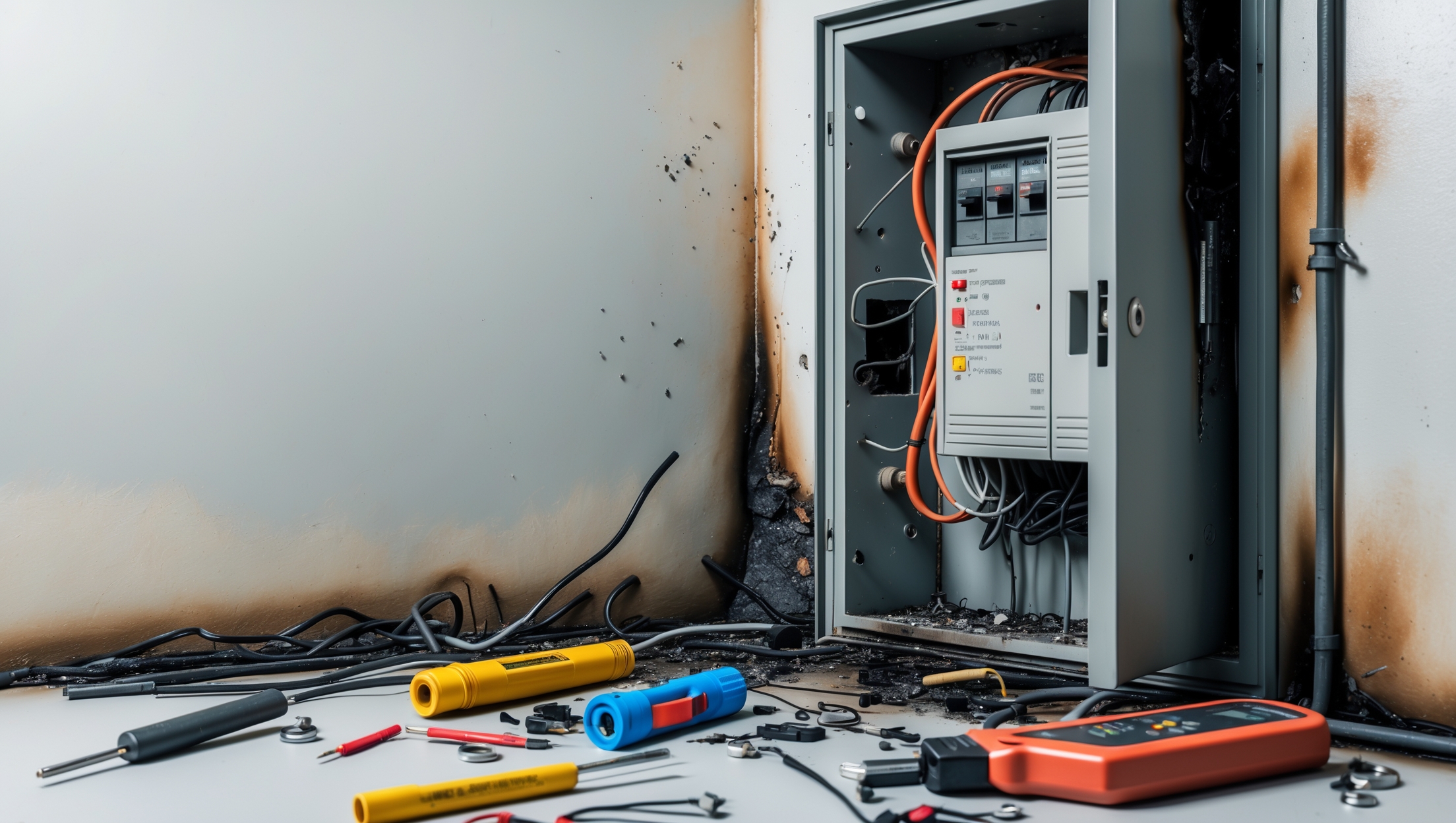
Introduction: The Overlooked Reality of Electrical Damage Insurance Claims
Electrical damage is one of the most common yet least understood risks facing homeowners today. Whether caused by a lightning strike, faulty wiring, power surges, or malfunctioning appliances, electrical incidents can lead to extensive property loss, expensive repairs, and even displacement from your home. While most homeowners carry insurance policies intended to protect against such events, navigating the claims process after electrical damage can quickly become overwhelming. Many policyholders discover too late that they lack proper documentation, misunderstood their coverage, or missed critical deadlines, resulting in denied or underpaid claims. Worse, failing to address the root causes of electrical damage can leave your home vulnerable to future incidents and increased premiums.
This comprehensive guide demystifies the insurance claims process specifically for electrical damage. We’ll walk you through step-by-step instructions for documenting losses, communicating with adjusters, and maximizing your claim approval. Additionally, you’ll learn how to interpret your policy’s fine print, avoid costly mistakes, and implement proven strategies to prevent recurring electrical issues. Whether you’re recovering from a recent incident or preparing for the unexpected, this resource equips you with the expert knowledge and practical tools needed to protect your home, finances, and peace of mind.
Understanding Electrical Damage and Insurance Coverage
Types of Electrical Damage Typically Covered
- Fire and Smoke Damage: Resulting from electrical faults or overloaded circuits.
- Power Surges: Damage to electronics and appliances from sudden voltage spikes, often due to lightning or grid issues.
- Mechanical Breakdown: When insured as an endorsement, covers malfunctioning electrical systems, such as HVAC or major appliances.
- Water-Related Electrical Damage: Short circuits or panel damage due to flooding or leaks (coverage varies widely).
What Homeowners’ Insurance Typically Excludes
- Wear and Tear: Gradual deterioration or outdated wiring is rarely covered.
- Negligence: Damage resulting from unpermitted DIY work or lack of maintenance.
- Flood or Earthquake-Related Events: Requires special endorsements or separate policies.
Reading the Fine Print: Key Policy Terms
- Named Perils vs. All-Risk Policies: Understand if your policy lists covered events specifically, or covers all unless explicitly excluded.
- Replacement Cost vs. Actual Cash Value: Replacement cost covers new-for-old, while actual cash value deducts depreciation.
- Sub-limits: Many policies cap payouts for electronics or appliances.
- Deductibles: The out-of-pocket portion you must pay before insurance covers the rest.
First Response: Immediate Actions After Electrical Damage
1. Ensure Safety First
- Evacuate if there’s fire, smoke, or exposed live wires.
- Contact emergency services if there’s a fire, electrocution, or major hazard.
- Do not attempt to inspect or repair electrical systems yourself.
- If safe, shut off the main power supply at the panel.
2. Prevent Further Damage
- Move salvageable items away from affected areas.
- Cover exposed wiring or damaged sections with non-conductive sheeting if instructed by professionals.
- Document the scene before moving anything, if it is safe to do so.
3. Notify Your Insurance Provider
- Contact your insurer’s claims hotline as soon as possible—many policies require prompt notification.
- Document the time, date, and name of the representative you speak with.
- Request a claim number and clarify any immediate steps required by your policy.
Documenting Electrical Damage: Best Practices for a Successful Claim
Take Thorough Photographs and Videos
- Capture wide shots of the affected rooms, close-ups of damaged equipment, wiring, outlets, and panels.
- Include images of residual damage: soot, scorch marks, melted wires, or burned appliances.
- Use time-stamps or a smartphone to record the date and time.
Compile a Detailed Inventory of Losses
- List all damaged items (make, model, serial numbers, purchase dates, and cost if available).
- Include receipts, warranty information, or bank statements as proof of ownership and value.
- Note pre-existing conditions to separate new damage from old issues.
Obtain Professional Assessments
- Hire a licensed electrician to inspect and document the cause and extent of the damage.
- Request a written report, including repair recommendations and cost estimates.
- Get at least two quotes from reputable contractors for repairs and replacements.
Keep All Correspondence and Evidence
- Save emails, letters, and claim forms exchanged with your insurer.
- Keep a log of phone calls, including dates, times, and discussion points.
- Safeguard damaged components if requested—do not dispose until your claim is settled.
The Claims Process: Step-by-Step Navigation
Step 1: File Your Claim Promptly
Submit your claim with all preliminary evidence via the insurer’s preferred channel (online portal, phone, or mail). Provide the claim number for all follow-up.
Step 2: Schedule the Adjuster’s Inspection
- Accommodate the adjuster’s visit as soon as possible.
- Be present to answer questions and provide documentation.
- Request a copy of the adjuster’s report.
Step 3: Cooperate Fully, But Advocate for Yourself
- Be honest but assertive; clarify any discrepancies in the adjuster’s findings.
- Point out hidden or less obvious damage (inside walls, behind appliances).
- Request a written explanation if any part of your claim is denied.
Step 4: Obtain Approval and Proceed with Repairs
- Once approved, hire licensed and insured professionals for repairs.
- Keep all receipts and document the repair process with before-and-after photos.
- Submit proof of repairs to the insurer to receive your final payout.
Step 5: Appeal if Necessary
- If your claim is denied or underpaid, review your policy and the adjuster’s report for errors.
- File an appeal with supporting evidence, or consult a public adjuster or legal expert if needed.
Common Pitfalls and How to Avoid Them
Underestimating Damage
Hidden electrical damage can lurk behind walls or within circuit panels. Always insist on a thorough professional inspection, even if damage seems minor.
Discarding Damaged Property Prematurely
Never dispose of damaged wiring, appliances, or panels before your adjuster has examined them. Doing so can jeopardize your claim.
Incomplete Documentation
Missing receipts or photos can result in reduced payouts. Start a home inventory before disaster strikes, and update it annually.
Assuming All Damage Is Covered
Policies often exclude certain causes (e.g., gradual wear, DIY repairs). Know your exclusions and consider supplemental coverage if needed.
Missing Deadlines
Most policies require claims to be filed within a specific window—usually 30 to 60 days. Mark your calendar and follow up regularly.
Repairing and Rebuilding: Insurance Requirements and Best Practices
Selecting the Right Contractors
- Choose only licensed, insured, and preferably bonded electricians and contractors.
- Verify credentials and ask for references or reviews.
- Get detailed, written estimates specifying materials and labor costs.
Meeting Code and Compliance Standards
- Ensure all repairs meet local electrical codes and permitting requirements.
- Arrange for municipal inspections as required—many insurers demand proof of compliance for payout.
Documenting the Restoration Process
- Photograph each stage of repair, from demolition to finished work.
- Keep detailed invoices and contractor statements.
- Save all permit receipts and inspection reports.
Preventing Future Electrical Loss: Strategies That Work
Upgrade Vulnerable Systems
- Install Surge Protection: Whole-house surge protectors and point-of-use devices for valuable electronics.
- Modernize Wiring: Replace outdated aluminum or knob-and-tube wiring with modern copper and grounded systems.
- Update Panels: Upgrade fuse boxes to circuit breaker panels with AFCI and GFCI protection.
Routine Inspections and Maintenance
- Schedule annual inspections by licensed electricians, especially in older homes.
- Check for warning signs: flickering lights, warm outlets, burning smells, or frequent breaker trips.
Adopt Smart Home Monitoring
- Install smart sensors to detect arc faults, overheating, or abnormal power consumption.
- Use app-based systems to receive alerts and shut off circuits remotely in case of emergencies.
Review and Update Your Insurance Regularly
- Reassess your policy after major upgrades or purchases.
- Ensure coverage limits reflect the current value of your home and contents.
- Consider endorsements for high-value electronics or home office setups.
Special Considerations: Unique Situations and Advanced Tips
Rental and Investment Properties
- Require tenants to report electrical issues immediately and prohibit unauthorized repairs.
- Carry landlord insurance with specific riders for electrical systems and loss of rent.
Home Businesses and Special Equipment
- Home-based businesses often need separate endorsements for specialized equipment or business interruption coverage.
- Maintain a professional-grade inventory and backup data offsite or in the cloud.
Disaster-Prone Regions (Storm, Flood, Earthquake)
- Supplement standard policies with disaster-specific coverage where available.
- Harden your electrical system: elevation, waterproofing, and surge protection.
Conclusion: Turning Adversity into Opportunity
Electrical damage can be a traumatic and disruptive event—but it’s also a critical learning opportunity. By understanding your insurance policy, following best practices for documentation, and working proactively with professionals, you can transform a stressful claim into a fair and timely settlement. More importantly, the process of repair and restoration is your chance to fortify your home against future risks. Upgrading wiring, panels, and surge protection not only safeguards your family and investment, but may also qualify you for policy discounts and increased property value.
Remember, insurance is not a substitute for prevention. Routine inspections, smart technology, and informed policy management are your best defenses against repeat incidents and denied claims. Should disaster strike, acting quickly and methodically—armed with the strategies in this guide—can help you recover faster, minimize losses, and restore both your home and your peace of mind.
Preparation is the ultimate protection. Start today by reviewing your coverage, updating your home inventory, and scheduling a professional electrical inspection. The steps you take now could make all the difference when you need them most.
After dealing with an electrical fire last year, I’m wondering what steps I can take now to make sure I have the right documentation ready for any future claims. Are there specific types of photos or receipts insurance companies prefer for electrical-related damages?
To prepare for any future claims, it’s helpful to keep clear, dated photos of all your electrical appliances, outlets, and wiring, along with wide shots of each room. For new purchases, save original receipts, especially for electronics or major appliances. Insurance companies appreciate organized records, so consider keeping a digital file with photos, receipts, and serial numbers. This documentation can make the claims process much smoother if you ever need it.
When the article mentions documenting losses for an electrical damage claim, what kind of evidence or records are usually required by insurance companies? For instance, are photos of damaged appliances enough, or do they need professional assessments or receipts as well?
Insurance companies generally want as much documentation as possible. Photos of damaged appliances are helpful, but they also usually ask for purchase receipts or proof of ownership. In some cases, they may request a professional assessment or repair estimate to confirm the extent of the damage. Keeping original receipts and arranging a written assessment from a certified technician can strengthen your claim and speed up the process.
If my appliances get damaged from a power surge but my policy doesn’t include a special endorsement for mechanical breakdown, is there still a chance my insurance would cover repair or replacement costs?
If your policy doesn’t specifically include coverage for mechanical breakdown, there’s still a possibility that damage from a power surge could be covered—usually under the ‘named perils’ like sudden and accidental damage from artificially generated electrical currents. However, exclusions vary between policies, so it’s best to review your coverage details or speak directly with your insurer to confirm if your situation qualifies for a claim.
After reading about water-related electrical damage, I am wondering what preventive steps are most effective at reducing future risk and whether implementing these measures could help lower my insurance premiums.
To reduce the risk of water-related electrical damage, consider installing sump pumps, waterproofing basements, elevating electrical panels and outlets, and regularly inspecting your home for leaks. Using moisture detectors near vulnerable areas is also helpful. Taking these preventive steps not only protects your property but can sometimes qualify you for lower insurance premiums—contact your insurance provider to see which upgrades are recognized for discounts.
I noticed the article mentions that mechanical breakdown coverage often requires an endorsement. How can I find out if my current homeowner’s policy includes this endorsement, and is it worth adding if I rely on older appliances and HVAC systems?
To find out if your homeowner’s policy includes mechanical breakdown coverage, check your policy documents or call your insurance agent directly—they can confirm whether you have the endorsement or not. If you rely on older appliances and HVAC systems, adding this coverage can be worth considering, as it helps cover costly repairs or replacements not typically included in standard policies.
The article mentions mechanical breakdown sometimes being covered if added as an endorsement. How do you find out if your policy actually has this endorsement, and are there common costs or exclusions people should be aware of for HVAC or major appliances?
To check if your policy includes mechanical breakdown coverage, review your policy documents for any mention of a ‘mechanical breakdown’ or ‘equipment breakdown’ endorsement. You can also contact your insurance agent directly for confirmation. Common exclusions often include wear and tear, poor maintenance, or pre-existing problems. Deductibles and coverage limits may apply, so be sure to ask about out-of-pocket costs and any specific limits for HVAC systems or appliances.
Could you clarify how quickly a homeowner needs to report electrical damage to their insurance company to avoid missing critical deadlines? Are there standard timeframes across insurers, or does this vary by provider and state?
Homeowners should report electrical damage to their insurance company as soon as possible, ideally within 24 to 48 hours of discovering the issue. The exact deadline can vary depending on your insurer and state regulations—some policies may require notice within a few days, while others might allow a bit longer. It’s important to check your individual policy for specific timeframes to ensure you don’t miss any requirements.
If a power surge damages several appliances but the root cause turns out to be faulty wiring rather than a storm, how do insurance adjusters usually determine coverage eligibility? I’m wondering what kind of documentation or expert opinions might be needed in a case like this.
When a power surge is caused by faulty wiring instead of an external event like a storm, insurance adjusters typically look at your policy’s terms on electrical damage and maintenance exclusions. They may require documentation such as an electrician’s inspection report, photos of the damage, and details on the appliances affected. Expert opinions from licensed electricians are often necessary to confirm the cause. Providing maintenance and repair records can also help clarify eligibility.
Our business has a few older buildings with outdated wiring. Is there a difference in how insurance handles claims for electrical damage due to faulty wiring versus a one-time event like lightning or a power surge?
Yes, insurance usually treats claims differently based on the cause of electrical damage. Damage from a sudden, external event like lightning or a power surge is often covered. However, if the damage is due to faulty or outdated wiring—a maintenance issue—claims may be denied, as insurers expect building owners to maintain safe wiring. It’s a good idea to check your policy and consider upgrading old wiring to avoid potential claim issues.
Could you clarify how homeowners can distinguish whether their policy includes mechanical breakdown as an endorsement? I’m a bit confused about what documentation would be needed to support a claim for an HVAC or major appliance malfunction due to electrical issues.
To check if mechanical breakdown is included, review the declarations page and endorsements section of your homeowners policy for specific wording about mechanical or equipment breakdown coverage. If you need to file a claim for an HVAC or appliance affected by electrical issues, gather repair invoices, a technician’s written assessment detailing the cause, photos of the damaged equipment, and maintenance records if possible. Your insurer may also request proof of ownership and purchase receipts.
If my insurance policy doesn’t specifically mention power surge coverage, is it typically included under standard homeowners insurance, or do I need to add a special endorsement for that kind of electrical damage?
If your homeowners insurance policy doesn’t specifically mention power surge coverage, it’s usually not included by default. Standard policies often cover some types of electrical damage, but losses from power surges, especially those involving electronics or appliances, typically require a special endorsement. It’s a good idea to review your policy details and ask your insurer if you need extra coverage for this risk.
Could you explain a bit more about mechanical breakdown coverage—does adding that endorsement typically make a significant difference in claim payouts for commercial properties, or is it more geared toward homeowners?
Mechanical breakdown coverage is often valuable for both commercial properties and homeowners, but it tends to have a bigger impact for businesses. Commercial properties rely on complex equipment like HVAC systems, boilers, or specialized machinery, and standard policies usually exclude mechanical failures. Adding this endorsement can significantly increase claim payouts if those systems break down, covering repairs or replacements that would otherwise be out-of-pocket costs. For homeowners, the coverage is helpful but generally less critical unless they have expensive equipment or home systems.
You discuss the importance of addressing the root causes of electrical issues to prevent future claims and higher premiums. What are some practical steps homeowners can take right after filing a claim to both satisfy insurers and reduce the risk of repeat problems?
After filing a claim, homeowners should arrange for a licensed electrician to inspect and identify the root cause of the electrical damage. Keep all repair and inspection receipts for your insurer. Address any immediate safety concerns and follow the electrician’s recommendations for upgrades, such as replacing outdated wiring or installing surge protectors. Regular maintenance checks and documenting these improvements can show insurers that you’re proactive, which may help with future claims and prevent repeated issues.
You talked about preventing future electrical issues to avoid higher premiums. What are some practical steps a DIY homeowner can take to show their insurer they’re proactively lowering the risk of electrical damage, and will that actually help reduce insurance costs?
DIY homeowners can take steps like installing surge protectors, upgrading old wiring, scheduling professional inspections, and keeping records of all electrical improvements. Documenting these actions with photos or receipts can help demonstrate your proactive approach to insurers. While it doesn’t always guarantee lower premiums, insurers may consider these efforts when assessing risk, especially if you ask about potential discounts for safety upgrades.
If electrical damage leads to temporary displacement from my home, are there recommended steps to take immediately to both secure my property and ensure I don’t miss any insurance deadlines?
If electrical damage forces you to leave your home temporarily, first secure your property by locking doors and windows and, if safe, turning off utilities. Document all visible damage with photos and make a list of affected items. Notify your insurance company as soon as possible to start your claim and ask specifically about deadlines for submitting documentation. Keep receipts for temporary living expenses, as your policy may cover these costs.
Could you share more about what kind of documentation is considered sufficient when submitting an electrical damage claim? For instance, is it necessary to have a licensed electrician’s report, or are before-and-after photos and receipts enough for most insurance companies?
Most insurance companies prefer detailed documentation for electrical damage claims. Ideally, you should provide a licensed electrician’s report describing the cause and extent of the damage, as this adds credibility. Before-and-after photos and receipts for repairs or replacement are also important. While some insurers may accept photos and receipts alone, having a professional assessment usually speeds up approval and reduces questions from adjusters.
You mention that mechanical breakdown is only covered if it’s added as an endorsement. How do I check if I already have that in my current homeowner’s policy, and is it worth adding if I use a lot of older appliances?
To check if you have mechanical breakdown coverage, review your homeowner’s policy documents and look for endorsements or add-ons mentioning mechanical or equipment breakdown. You can also call your insurance agent for clarification. If you rely on older appliances, adding this coverage may be worthwhile—repairs or replacements for sudden electrical or mechanical failures can be expensive, and this endorsement could help offset those costs.
If a power surge damages several appliances at once due to a major lightning strike, does insurance usually require separate documentation for each item, or can I file everything together as one claim? Also, is there a typical limit for electronics coverage under most standard policies?
You can usually file a single claim for all appliances damaged in the same incident like a lightning strike, but your insurer will likely ask for separate documentation—such as receipts, model numbers, and photos—for each item to process the claim accurately. Most standard homeowners policies have specific sub-limits for electronics, which can vary but are often around $1,500 to $2,500. It’s a good idea to check your policy details or ask your agent about your exact coverage.
If my homeowner’s policy doesn’t automatically cover mechanical breakdowns for things like HVAC systems, is it worth adding that endorsement? How much of a difference does it actually make in claim payouts or premium costs?
Adding a mechanical breakdown endorsement can be valuable if you want broader protection for systems like your HVAC, appliances, or even electrical panels. This endorsement usually covers sudden, accidental failures that standard homeowner policies exclude. While it does raise your premium—often by a modest amount—the potential payout after a costly breakdown can far outweigh the extra cost. It’s especially worthwhile if your home has newer or high-value equipment that would be expensive to repair or replace.
You mention that some mechanical breakdowns are only covered if they’re added as endorsements. How can I check if my current homeowner’s policy includes this type of coverage for things like my HVAC system or kitchen appliances?
To check if your homeowner’s policy covers mechanical breakdowns for items like your HVAC system or appliances, review your policy documents for any endorsements or add-ons related to equipment breakdown or mechanical breakdown coverage. If you’re unsure, contact your insurance agent or company directly and ask specifically about coverage for these items under your current policy.
The article talks about missing critical deadlines when filing a claim after electrical damage. What are some typical deadlines to watch for, and do they differ depending on the type of electrical incident or your insurance company?
Typical deadlines for filing a claim after electrical damage are often between 30 and 60 days from the date of the incident, but this can vary by insurance company and policy. Some policies require immediate notification, especially for major incidents like fires. Deadlines might also differ depending on whether the damage was sudden, like from a power surge, or gradual. Always check your policy details and contact your insurer as soon as possible to confirm your specific deadlines.
The article talks about preventing future electrical incidents to avoid increased premiums. What are some common steps insurers might expect homeowners to take after a claim to reduce the risk of repeat electrical damage?
After an electrical damage claim, insurers often expect homeowners to fix faulty wiring, upgrade outdated electrical panels, and replace damaged appliances. They may also suggest installing surge protectors, scheduling regular electrical inspections, and ensuring that all repairs are completed by licensed electricians. Taking these steps can help demonstrate to your insurer that you’re actively reducing the risk of future incidents.
You mention the importance of documentation for filing claims after electrical damage. What kind of proof is generally required by insurers to support a claim if appliances or wiring were damaged due to a power surge?
Insurers typically look for detailed evidence when you file a claim for electrical damage. This can include photos or videos of the damaged appliances or wiring, receipts or proof of purchase to show their value, and any repair or replacement estimates from qualified electricians. Additionally, a report from a licensed electrician explaining the cause and extent of the damage is often helpful. Keeping these records organized will support your claim process.
After a power surge damages several appliances, what are the immediate steps I should take with my insurance provider to make sure my claim gets processed without delays? I’m especially interested in anything I should do right away before repairs even start.
After a power surge, contact your insurance provider as soon as possible to report the damage. Take clear photos of all affected appliances and make a list detailing what was damaged, including model and serial numbers if available. Do not throw away damaged items until your insurer gives the go-ahead. Keep receipts and records for any temporary repairs or expenses, but avoid making permanent repairs until your claim is approved or an adjuster has inspected the damage.
The article mentions that many homeowners don’t realize they lack proper documentation until it’s too late. Can you give some specific examples of documents or evidence that insurers typically require for electrical damage claims?
Insurers usually ask for detailed photos or videos of the electrical damage, receipts or invoices for any affected appliances or electronics, and professional repair estimates. They might also request a written report from a licensed electrician describing the cause and extent of the damage. Keeping warranty information and previous maintenance records for major electrical systems can also be helpful when filing a claim.
After experiencing water-related electrical damage from a recent flood, what immediate steps should I take to make sure my insurance claim isn’t denied or underpaid later on?
First, document all damage with clear photos and detailed notes before moving or repairing anything. Notify your insurer as soon as possible and keep a record of all communications. Save receipts for temporary repairs or emergency expenses. Avoid disposing of damaged items until your adjuster has seen them. If possible, get a licensed electrician to assess the damage and provide a written report. These steps help support your claim and reduce the risk of denial or underpayment.
If a business experiences repeated electrical damage from power surges even after taking prevention steps, what additional actions would you suggest to avoid increased insurance premiums or claim denials in the future?
If electrical damage keeps happening despite your prevention efforts, consider having a licensed electrician review your entire electrical system to identify hidden vulnerabilities. Upgrading to commercial-grade surge protection, scheduling regular system inspections, and keeping thorough maintenance records can show insurers you’re proactive. Document all mitigation steps and communicate them to your insurer to support future claims and help prevent premium hikes or denials.
If my electronics are damaged by a power surge but my insurer claims it was due to grid issues and not lightning, am I still likely to be covered, or are there usually limitations in most policies for situations like that?
Most home insurance policies cover damage from sudden, accidental power surges, but some limit coverage to surges caused directly by lightning. If your insurer says the surge came from grid issues rather than lightning, coverage can depend on the specific wording in your policy. It’s a good idea to review your policy’s exclusions and consult your agent for clarification on whether grid-related surges are included.
The article mentions that missing deadlines during the claims process could cause my claim to be denied or underpaid. What typical deadlines should I watch for after an electrical incident, and where can I usually find them in my policy paperwork?
After an electrical incident, some typical deadlines to watch for include notifying your insurer promptly (often within 24 to 72 hours), submitting a proof of loss form (commonly within 30 to 60 days), and providing any requested documentation within set timeframes. You can usually find these deadlines in the ‘Duties After Loss’ or ‘Claims Procedures’ sections of your policy paperwork. Checking these areas closely will help you avoid missing any important steps.
When it comes to preventing future incidents, are there specific electrical upgrades or preventive measures that insurers look for that might help lower my premiums, or even be required for continued coverage after a claim?
Insurers often look favorably on upgrades like installing surge protectors, grounding systems, updated circuit breakers, and modern wiring, especially if your home is older. After a claim, they might require certain improvements before continuing coverage. Taking these preventive steps can sometimes help lower your premiums. It’s a good idea to check directly with your insurer to understand their specific requirements and recommendations.
After an electrical incident, how quickly do I need to document and submit all the damage to avoid missing critical deadlines mentioned in the article? Are there any tools or checklists you recommend to stay organized during the claims process?
You should begin documenting the damage as soon as it is safe, ideally within 24 to 48 hours after the incident. Most insurance policies require prompt notice, with specific deadlines often ranging from a few days to a couple of weeks. Check your policy for exact timing. To stay organized, make a checklist that includes photographing all affected areas, listing damaged items, keeping receipts, and tracking all communication with your insurer. Using a spreadsheet or a dedicated claims app can also help you manage documents and deadlines efficiently.
After going through the claims process for electrical damage, are there particular steps or upgrades you’d recommend to actually lower my risk of having my premiums go up next year? For example, would updating wiring or installing surge protectors help with that?
Updating your wiring to meet current safety codes and installing whole-house surge protectors are both excellent steps to reduce future electrical risks. While these upgrades don’t always guarantee lower premiums, they show insurers you’re proactive about safety, which can help when renewing your policy. It’s also worth discussing these improvements with your insurance agent, as some companies may offer discounts or incentives for making your home safer.
If a power surge damages multiple devices in my house at once, is it better to list each item separately in the insurance claim or group them together? Also, are there typically limits on how much insurance will pay for electronics lost to a single surge?
For a power surge that damages several devices, it’s best to list each item separately in your insurance claim, including details like make, model, age, and estimated value. This helps the insurer assess your loss accurately. Most policies do have limits on electronics coverage per incident or claim, so check your policy for item or overall caps related to surges. If the total loss exceeds your coverage, you may not be reimbursed for the full amount.
The article mentions mechanical breakdown coverage as an endorsement. How do I find out if my current homeowners policy actually includes that, and if it doesn’t, is it expensive to add?
To check if your homeowners policy includes mechanical breakdown coverage, review your policy documents for any mention of it or contact your insurance agent directly. If it’s not included, you can typically request to add it as an endorsement. The cost varies by provider and coverage limits but is often relatively affordable compared to the value of what it protects. Your agent can give you a quote and explain what’s covered.
If my insurance policy doesn’t specifically mention mechanical breakdown coverage for things like HVAC systems, does that mean electrical malfunctions in those systems are excluded by default? Or is it common to have some coverage for this type of electrical damage?
If your policy doesn’t mention mechanical breakdown coverage, electrical malfunctions in HVAC systems are often excluded. Most standard homeowners policies cover sudden, accidental damage from certain perils like fire or lightning, but not wear and tear or internal mechanical failure. Some insurers offer add-on endorsements for mechanical or electrical breakdown. It’s a good idea to review your policy details or ask your agent to clarify exactly what’s included.
I noticed the article mentions that some policies only cover mechanical breakdowns if you have a special endorsement. How can a homeowner know for sure whether their standard policy includes this, and is it usually worth adding that endorsement?
To find out if your standard policy covers mechanical breakdowns, review the policy documents or contact your insurance agent directly—endorsements are usually listed separately. Most standard homeowners policies exclude mechanical breakdown unless you add a specific endorsement. Whether it’s worth adding depends on the age and value of your home systems and appliances, as well as your risk tolerance. If you have newer or expensive equipment, the endorsement could provide worthwhile protection.
After experiencing water-related electrical damage to my panel, what are some immediate steps I should take to prevent future incidents before my claim is even processed? Are there preventative measures that could also help with claim approval?
After water-related electrical damage, immediately turn off power to the affected area if it’s safe to do so, and avoid using any damaged outlets or appliances. Arrange for a licensed electrician to inspect and repair the panel. To prevent future incidents, address the source of water intrusion—repair leaks, improve drainage, and consider installing a waterproof enclosure around your panel. Documenting these protective actions can show your insurer you’re taking the right precautions, which may support your claim.
You mentioned endorsements for mechanical breakdown—how do I find out if my current homeowners policy includes this, and is it usually worth the added cost compared to standard coverage?
To find out if your homeowners policy includes mechanical breakdown coverage, check your policy documents for an endorsement section or contact your insurance agent directly. Mechanical breakdown coverage is not standard and usually requires an add-on. It’s often worth considering if you have expensive appliances or home systems, as standard coverage typically excludes these types of failures. Compare the cost of the endorsement to the potential repair or replacement expenses to decide if it makes sense for your situation.
You mentioned the importance of addressing root causes to avoid repeat incidents and higher premiums. Does proactively upgrading old wiring or installing surge protectors have any impact on lowering insurance costs or making future claims easier?
Proactively upgrading old wiring or installing surge protectors can definitely be seen as positive steps by insurance companies. While these actions may not always directly lower your premiums, they do reduce the risk of future incidents, which insurers appreciate. In some cases, insurers might offer discounts or consider you a lower-risk client. Plus, if you ever need to make a claim, demonstrating that you’ve taken preventive measures can simplify the process and help show you weren’t negligent.
After documenting losses from an electrical incident, what’s the typical timeline for hearing back from your insurance adjuster and getting repairs started? I’m wondering how long it might take before everything gets resolved and if there’s anything I can do to speed up the process.
Once you submit all your documentation, most insurance companies will assign an adjuster within a few days to a week. Hearing back with a decision can take anywhere from a few days to a couple of weeks, depending on claim complexity and workload. Repairs usually start after your claim is approved. To help the process move faster, make sure you provide thorough, organized documentation, respond promptly to any requests from your insurer, and follow up regularly to check on your claim’s status.
Could you clarify what the typical timeline looks like for getting a claim approved and repairs started after electrical damage? I’m wondering how soon I might be able to move back into my home if the damage is severe.
After electrical damage, the claims process usually starts with notifying your insurer, who will send an adjuster within a few days. Claim approval can take anywhere from one to three weeks, depending on the complexity and documentation. Repairs may start shortly after approval, but severe cases could stretch the total timeline to several weeks or even a couple of months before you can safely move back in. Staying in touch with your adjuster can help speed things along.
When it comes to water-related electrical damage, how does the claims process differ compared to other types like fire or surge-related incidents? Are there unique challenges or coverage limitations homeowners should be aware of?
Water-related electrical damage claims are often more complex because insurers may investigate the source of water (such as flooding, leaks, or storms) to determine coverage. Unlike fire or surge-related incidents, water damage may be excluded if it results from gradual issues or maintenance neglect. Homeowners should review their policies for exclusions around flooding or seepage and document the cause and damage thoroughly to support their claim.
Could you clarify how mechanical breakdown coverage works for electrical systems? My current policy doesn’t mention it, so I’m wondering if this usually requires a separate endorsement or if it’s sometimes included by default.
Mechanical breakdown coverage typically protects against the sudden failure of electrical or mechanical systems due to internal faults, not just external events like storms. This coverage is often not included in standard homeowners or property policies and usually requires a separate endorsement or rider. It’s best to check directly with your insurer to see if you can add this coverage, as availability and terms vary by provider.
Does homeowner’s insurance typically cover damage to personal electronics from power surges caused by lightning, or is that something that requires a separate policy add-on? I want to make sure I’m not missing anything when I review my coverage.
Most standard homeowner’s insurance policies do provide coverage for personal electronics damaged by lightning-induced power surges, but coverage limits and deductibles can vary. Some policies may also have exclusions or lower limits for electronics. It’s a good idea to review your policy for specifics about power surge coverage, and consider adding a rider or endorsement if you need extra protection for expensive devices.
I noticed the article said that mechanical breakdowns are only covered if listed as an endorsement. How can I figure out if my current homeowners policy includes this, and is it generally expensive to add that kind of coverage?
To check if your homeowners policy covers mechanical breakdowns, look for a section in your policy documents about endorsements or special coverages. You can also call your insurance agent to ask directly. This type of endorsement is often called ‘equipment breakdown coverage.’ Adding it is usually quite affordable—many providers offer it for a small increase in your annual premium, though costs can vary depending on your location and insurer.
The article mentions that claims can be denied if deadlines are missed or documentation is lacking. Can you explain what kinds of documents are usually required for electrical damage claims and how soon after the incident they need to be submitted?
For electrical damage claims, insurers typically ask for photos of the damage, a detailed description of the incident, repair estimates or invoices, and possibly an electrician’s assessment. You should also provide proof of ownership for damaged items. Most policies require you to notify the insurer as soon as possible—usually within a few days of discovering the damage—so be sure to check your policy for specific timeframes.
After an electrical incident, what’s the typical timeframe to report the damage to your insurer before it might impact your ability to get the claim approved? I worry about missing any deadlines, especially in all the chaos right after an emergency.
Most insurance policies require you to report electrical damage as soon as possible, typically within 24 to 72 hours after the incident. Some insurers may allow up to 7 days, but delays can risk your claim being denied or reduced. To be safe, contact your insurer immediately after the incident, or check your policy for any specific timeframes. Prompt reporting helps ensure a smoother claims process.
If my homeowner’s policy doesn’t specifically mention mechanical breakdown coverage for things like my HVAC, is there a way to add that after the fact, or do I need a separate policy? I’m worried about being underinsured for those types of electrical issues.
If your homeowner’s policy doesn’t include mechanical breakdown coverage, most insurers offer it as an optional add-on called equipment breakdown coverage. You can usually request to add it at any time, though it may require a small premium increase. Alternatively, you can explore standalone equipment breakdown policies if your current insurer doesn’t offer this option. Contact your insurance agent to discuss the best way to get the coverage you need and avoid being underinsured.
When documenting losses from electrical damage, are there any tips for dealing with adjusters who seem skeptical or push back on certain claimed items, especially things like electronics or appliances damaged by power surges?
When adjusters seem skeptical, it helps to provide clear proof of your losses. Take detailed photos of each damaged item, keep receipts or bank records showing purchase dates and prices, and obtain written statements from repair technicians or electricians confirming the cause of damage. If possible, keep the damaged items until the claim is resolved. Staying organized and factual usually makes your case much stronger with adjusters.
If my appliances were damaged by a power surge, what kind of documentation do I need to provide to the insurance company to maximize my claim approval? Are receipts and photos enough, or do I need an electrician’s report too?
To maximize your claim approval, you’ll want to provide as much documentation as possible. Receipts and photos of the damaged appliances are a great start. However, most insurance companies will also require an electrician’s report or assessment confirming that the damage was caused by a power surge. This report can help validate your claim and speed up the approval process.
I noticed you mentioned mechanical breakdown as an endorsement—how do I find out if my current policy has that, and is it worth adding for protection against things like HVAC failure from electrical issues?
To see if your current policy includes mechanical breakdown coverage, check your policy documents or call your insurance agent for confirmation. This coverage is often optional and not standard with most homeowners policies. It can be valuable if you want protection for things like HVAC systems in case they fail due to electrical issues, but consider the premium cost versus your system’s age and repair history before adding it.
The article mentions missing documentation or deadlines being a reason for denied claims. Are there specific documents I should keep on hand before any electrical incident happens, or is it more about acting quickly after the damage occurs?
It’s important to have both aspects covered. Before any incident, keep records like proof of home ownership, your insurance policy details, receipts or photos of valuable electronics, and any recent electrical upgrades. If an electrical issue does occur, act quickly by documenting the damage with photos, keeping receipts for repairs, and notifying your insurer as soon as possible to avoid missing any deadlines.
The article mentions that failing to address the root cause of electrical problems could lead to higher premiums in the future. What are some proven strategies homeowners can use to prevent recurring electrical issues after filing an insurance claim?
To prevent recurring electrical issues after filing a claim, homeowners should schedule a comprehensive inspection by a licensed electrician. Address any outdated wiring, faulty outlets, or overloaded circuits identified during the inspection. Installing surge protectors, upgrading your electrical panel if needed, and committing to regular maintenance can also help prevent future problems. Promptly fixing issues rather than relying on temporary solutions is key to avoiding further damage and keeping insurance premiums in check.
The article mentions that mechanical breakdown coverage for things like HVAC systems is often an endorsement. How can I tell if my current homeowners policy already includes this, or if I need to add it separately before it will cover electrical issues?
To find out if your homeowners policy includes mechanical breakdown coverage, review your policy documents for any mention of ‘mechanical breakdown’ or ‘equipment breakdown’ endorsements. If you’re unsure or don’t see it listed, contact your insurance agent or company to confirm. If it’s not included, you can usually add it as an extra endorsement for an additional premium.
The article mentions that missing documentation and deadlines can cause claims to be denied. Could you explain what kind of paperwork or evidence I should start gathering right after an electrical incident to improve my chances of getting a claim approved?
To strengthen your claim after electrical damage, gather photos or videos of the damage, any records of the affected appliances or systems (like receipts or manuals), and detailed notes on what happened. Collect repair estimates and keep copies of communication with electricians or emergency services. Notify your insurer as soon as possible and check their specific documentation requirements to avoid missing any deadlines.
You talk about the importance of documenting losses for electrical claims. What are the most effective ways to document damage to appliances or electronics, especially if they stop working but show no visible external damage?
If appliances or electronics stop working after an electrical event but don’t show visible damage, start by taking clear photos of each affected item, including serial numbers and purchase receipts if available. Write a detailed description of what happened and how the items failed. If possible, get a repair technician or electrician to inspect them and provide a written report explaining the likely cause and confirming the malfunction. These steps help strengthen your insurance claim even without visible damage.
If a power surge damages multiple appliances at once, how detailed does my documentation need to be for each item when filing a claim? Do insurance companies usually ask for repair estimates or proof of original purchase for everything?
For each appliance damaged by the power surge, you’ll want to document the brand, model, serial number, and the approximate date of purchase if possible. Insurance companies often ask for repair estimates or receipts to confirm the value and condition of each item. If receipts are missing, photos of the damaged appliances and any available manuals or warranty cards can help support your claim. The more detailed and organized your documentation, the smoother the claims process typically is.
What preventive steps would you recommend for homeowners who have older wiring but aren’t ready for a full electrical overhaul yet? I’m trying to understand which changes actually help lower the risk of repeat electrical damage and if those upgrades might affect my insurance premiums in any way.
For older wiring, you can reduce risk by installing whole-house surge protectors, updating outlets to GFCI or AFCI types where needed, and regularly having a licensed electrician inspect for wear or overload risk. Replacing old circuit breakers and avoiding extension cord overuse also helps. These incremental improvements may not directly lower your premiums, but insurers sometimes offer discounts for documented upgrades, so it’s worth checking with your provider.
You mentioned critical deadlines that can result in denied or underpaid claims if missed. What are the typical timeframes for notifying your insurance company and submitting all the required paperwork after an electrical incident?
After an electrical incident, most insurance companies require you to notify them as soon as possible—often within 24 to 72 hours. For submitting all the necessary paperwork, the deadline is typically between 30 to 60 days from the date of the incident. It’s always best to check your policy, as specific requirements can vary by insurer and policy type.
For those of us with older homes and wiring, how do insurers typically evaluate claims when damage is partly due to outdated electrical systems? Does having a recent inspection or upgrade help with getting claims approved, or could it affect future premiums?
Insurers often look closely at the age and condition of your wiring when assessing claims for electrical damage. If damage is linked to outdated or poorly maintained systems, claims may be reduced or denied. Having a recent inspection or documented upgrades can help show that you’re maintaining your home, making claim approval more likely. However, substantial upgrades might also lead to higher or, in some cases, lower future premiums, depending on your insurer’s view of the risk.
If I had a claim denied in the past because of misunderstood coverage, is it possible to appeal or revisit that decision, especially if I didn’t realize what endorsements I needed for mechanical breakdowns at the time?
If your claim was denied due to a misunderstanding about coverage or missing endorsements, you can usually appeal the decision with your insurer. Start by reviewing your policy and the denial letter, then contact your insurance company to explain your situation. If you recently discovered you needed specific endorsements, you can ask for a reconsideration, especially if there was a lack of clear communication. Some insurers allow appeals or a second review, so it’s worth pursuing and providing any new information that supports your case.
After experiencing minor electrical damage, what steps can I take to make sure I don’t miss any deadlines or documentation requirements that could lead to a denied or reduced insurance claim?
To avoid missing deadlines or documentation requirements after electrical damage, notify your insurer immediately and ask for a clear list of required documents and timelines. Keep detailed records, including photos of the damage, receipts for repairs, and any communication with electricians or your insurance company. Submit everything as soon as possible and follow up regularly to confirm your claim’s progress.
If I suspect that my appliances were damaged by a power surge, do I need to prove it was definitely from a lightning strike or can it be any kind of surge for insurance to cover it? I’m not sure how to document the cause.
You usually don’t need to prove the surge was from lightning specifically—most policies cover damage from any sudden electrical surge, but you should check your policy details to be certain. To document the cause, take photos of the damaged appliances, keep receipts, and note when the incident occurred. If possible, ask an electrician for a written assessment describing the likely cause of the damage.
I’m concerned about missing deadlines during the claims process. Is there a typical timeframe in which you need to notify your insurance company about electrical damage, and do deadlines vary depending on the type of damage, like fire versus a power surge?
Most insurance policies require you to notify your insurer about electrical damage as soon as possible—typically within a few days to a week after you discover the damage. Exact deadlines can vary based on your policy and the type of damage; for example, fire claims might have stricter reporting requirements than claims for power surges. It’s best to review your policy or contact your agent promptly to make sure you don’t miss any specific deadlines.
You mention that failing to address the root causes of electrical damage can lead to higher premiums in the future. Can you provide some specific steps homeowners should take right after a claim to prevent similar issues and avoid rate increases?
After filing a claim for electrical damage, homeowners should arrange a professional inspection to identify and repair faulty wiring, outdated panels, or overloaded circuits. Installing surge protectors and regularly maintaining electrical systems can also help. Keep documentation of repairs and upgrades, as this shows your insurer you’re taking steps to prevent future issues, which can help avoid premium increases.
I have an endorsement for mechanical breakdown on my policy, but I’m not sure if that would cover an HVAC unit that was damaged by a power surge. How do I know which incident gets approved and which doesn’t?
Whether your mechanical breakdown endorsement covers an HVAC unit damaged by a power surge depends on the specifics of your policy. Some endorsements exclude damage caused by external events like power surges, while others may include it. The best way to know is to review your policy wording, especially the exclusions section, or contact your insurance provider directly. They can clarify if your particular incident qualifies for coverage under your endorsement.
I’m a little confused about how power surges are handled. If a lightning strike causes a surge and fries several of my electronics, what kind of documentation should I be collecting right after the incident to make sure my claim isn’t denied for lack of proof?
After a lightning-induced power surge, collect as much evidence as possible. Take clear photos of all damaged electronics and keep the damaged items, if possible. Gather receipts, manuals, or proof of ownership for each item. Document the date and time of the incident, and note any visible damage to electrical outlets or wiring. If you contacted an electrician or utility company, save their reports or statements as well. Providing this documentation will help your insurer process the claim smoothly.
The article mentions that mechanical breakdowns are only covered when added as an endorsement. What is the usual cost to add this type of endorsement to a standard homeowner’s policy, and are there specific exclusions to be aware of regarding major appliances?
Adding a mechanical breakdown endorsement to a standard homeowner’s policy typically costs between $25 and $50 per year, though rates can vary depending on your insurer and coverage limits. Common exclusions include wear and tear, improper installation, lack of maintenance, and pre-existing issues. Major appliances are generally covered, but damage from rust, corrosion, or gradual deterioration is often excluded. Always review the endorsement details with your insurance provider to understand exactly what is and isn’t covered.
I’m a bit confused about the mechanical breakdown coverage you mentioned. Is that something I need to add separately to my homeowner’s policy, or is it typically included? How do I know if I already have it?
Mechanical breakdown coverage is usually not included in a standard homeowner’s policy—you generally need to add it as an endorsement or separate option. To find out if you already have this coverage, review your policy documents for sections mentioning mechanical or equipment breakdown, or contact your insurance agent directly for clarification.
If I discover electrical damage in my home that I think was caused by a recent power surge but I don’t have receipts for all my affected electronics, is there still a way to document and prove my losses for the insurance claim?
You can still file a claim even without original receipts. Take clear photos of each damaged item and note details like the model, serial number, and approximate purchase date. You can also look for old emails, bank statements, or warranty registrations as supporting documents. Insurers understand that receipts aren’t always available, but the more evidence you provide, the smoother your claim process will be.
If a power surge damages multiple appliances at once, should I file one comprehensive claim or separate claims for each item? I’m curious if there’s a recommended approach to maximize approval and streamline the process.
It’s usually best to file a single comprehensive claim listing all appliances damaged by the same power surge event. This approach is generally more efficient and helps your insurer see the incident as one occurrence, which can streamline processing and minimize confusion. Be sure to document each item with photos and receipts if possible, and include a detailed explanation in your claim.
Does most homeowners insurance actually cover the cost to replace electronics that are fried by a power surge, or are there usually limits or exclusions in the fine print I should watch out for? My policy seems vague about what counts as a covered loss.
Homeowners insurance often covers damage to electronics caused by sudden power surges, but coverage can vary. Many policies have special limits, exclusions, or require specific causes, like lightning. Some exclude surges from utility problems or old wiring. It’s important to check your policy’s ‘perils covered’ section and any endorsements or exclusions about electrical damage. If it’s unclear, ask your insurer for details or request clarification in writing.
What happens if electrical damage from a power surge caused by a lightning strike leads to hidden issues that don’t show up until weeks later? Can you reopen a claim in that situation, or do insurers generally deny late-discovered damages?
If you discover hidden damage from a lightning-related power surge after your initial claim, you should contact your insurer as soon as possible. Many policies allow you to reopen a claim or file a supplemental claim for related damages, especially if the new issues clearly stem from the original event. However, insurers may require proof that the damage is directly connected, and timelines for reporting vary by policy, so check your policy details or speak with your agent promptly.
Could you clarify how the claims process differs when electrical damage is caused by a lightning strike versus damage from a power surge due to a utility grid issue? Are insurance companies likely to treat these causes differently when determining coverage?
Insurance companies often treat lightning strikes and power surges differently. Lightning strikes are typically considered a covered peril in most standard policies, so claims for this type of damage are usually straightforward. Power surges from utility grid issues, however, may not always be covered unless you have specific endorsements. The insurer will assess the cause of damage during the claims process, so documentation and details matter. It’s a good idea to check your policy wording or ask your agent for specifics regarding both scenarios.
What are common mistakes homeowners make when documenting losses after electrical damage? Are there specific photos, receipts, or steps you recommend to help prevent claim denials or disputes with the insurance company?
A common mistake is not taking enough clear photos of both the damaged items and the affected areas, such as outlets, wiring, or appliances. Homeowners sometimes forget to photograph serial numbers or labels on expensive electronics. It’s also important to save all receipts related to repairs or replacements. Make a detailed written inventory, including purchase dates and estimated values. Notify your insurer promptly and keep records of all communications. These steps help provide solid proof and reduce the chance of claim disputes.
I noticed you listed mechanical breakdown coverage as an endorsement for things like HVAC or appliances. How does adding this endorsement usually impact premiums, and is it worth it for an older home with aging electrical systems?
Adding mechanical breakdown coverage typically raises your premium, but the increase is usually moderate compared to other major endorsements. For an older home with aging electrical systems or appliances, this coverage can be particularly valuable, as repairs or replacements after a breakdown can be costly and are often excluded from standard policies. It’s often worth considering, especially if you have expensive or essential systems nearing the end of their expected lifespan.
After experiencing water-related electrical damage, how soon do you recommend homeowners start preventive upgrades to avoid increased premiums or repeat incidents? Is there a suggested timeframe or guidance from insurers on making these improvements?
Homeowners should start preventive upgrades as soon as possible after addressing immediate repairs, ideally within a few weeks of the incident. Insurers may not have strict deadlines, but acting quickly can demonstrate your commitment to risk reduction, which may help with future premium considerations. Consult your insurer directly, as some may offer recommendations or incentives for prompt improvements.
You mentioned that some mechanical breakdowns are only covered if there’s a special endorsement. How can I tell if my current policy has this extra protection, and is it usually expensive to add for major appliances like HVAC systems?
To find out if your policy includes coverage for mechanical breakdowns, check your policy documents for terms like ‘mechanical breakdown endorsement’ or ‘equipment breakdown coverage.’ If you’re unsure, your insurance agent can confirm this for you. Adding this protection usually involves a small additional premium, but costs can vary depending on your insurer and the value of your appliances, like your HVAC system.
You mentioned that mechanical breakdown coverage sometimes needs to be added as an endorsement. How can I tell if my current policy already includes this, and is it worth adding if my house is older with aging electrical systems?
To check if your policy includes mechanical breakdown coverage, review your policy documents for references to it or to equipment breakdown protection. If you’re unsure, your insurer or agent can clarify. For older homes with aging electrical systems, adding this coverage is often worthwhile, since it helps cover repair or replacement costs that standard homeowners policies usually exclude.
The article mentions mechanical breakdown coverage as an endorsement—can you clarify how this differs from standard coverage, and is it usually worth adding for small businesses with a lot of essential equipment?
Mechanical breakdown coverage is an optional endorsement that covers repair or replacement costs if essential equipment fails due to internal issues like motor burnout, rather than external events like fire or lightning, which standard property insurance usually handles. For small businesses that rely heavily on expensive equipment, adding this coverage can be worthwhile, as it helps minimize downtime and unexpected repair costs that standard policies won’t cover.
I noticed you mentioned mechanical breakdown coverage needs to be endorsed on a policy. As a small business owner, how do I find out if I already have this endorsement, and is it usually worth adding for commercial properties?
To check if your policy includes mechanical breakdown coverage, review your insurance documents for that specific endorsement, or contact your insurance agent for confirmation. Whether it’s worth adding depends on your business’s reliance on expensive equipment. If unexpected repairs or equipment failures could significantly impact your operations or finances, mechanical breakdown coverage is often a smart addition for commercial properties.
If a power surge damages some of my business equipment, but the exact cause of the surge isn’t obvious, what kind of documentation would I need to support my claim and avoid having it denied?
To support your claim, gather detailed photos of the damaged equipment and any error messages or malfunction indicators. Keep receipts or proof of purchase for the items. Include maintenance records if available. If you had an electrician inspect the damage, request a written report describing the suspected cause. Document the timing of the incident, any weather events, and report the loss to your insurer promptly. This thorough documentation can help demonstrate the legitimacy of your claim, even if the surge’s exact source isn’t clear.
If I had a power surge that damaged multiple electronics, would my insurance cover the actual cost to replace them, or is there usually a depreciation factor involved? I’m not really sure how they calculate what gets reimbursed, especially for older devices.
In most cases, insurance policies reimburse you based on either actual cash value (which factors in depreciation) or replacement cost (which covers the cost to buy new items of similar kind and quality). Many standard policies default to actual cash value, meaning older electronics typically get a lower payout due to depreciation. Check your policy details or ask your agent whether you have replacement cost coverage for personal property.
Could you clarify whether homeowner policies typically require separate endorsements for mechanical breakdown coverage of electrical systems like HVAC, or is that usually included in standard coverage for electrical damage?
Homeowner policies usually do not include mechanical breakdown coverage for systems like HVAC in their standard coverage. While electrical damage from causes like power surges or lightning may be covered, mechanical breakdown—such as failure from wear and tear—often requires a separate endorsement or an equipment breakdown add-on. It’s a good idea to review your policy or check with your insurer to see what’s included.
After an electrical incident, what steps should I take first to prevent missing any deadlines or making mistakes that could cause my claim to be denied?
Right after an electrical incident, document all damage with photos and notes, and keep any damaged items for inspection. Contact your insurance company as soon as possible to report the claim and ask about specific deadlines or forms. Avoid making repairs before the adjuster arrives, except for urgent safety issues. Save all receipts and communication with your insurer to support your claim and stay organized.
Are most insurance policies likely to cover damage from power surges caused by faulty home wiring, or is that usually considered a maintenance issue that might be excluded? The article mentions surges and faulty wiring, and I’m not sure where coverage typically applies.
Most insurance policies cover sudden and accidental damage from power surges, but damage caused by faulty or poorly maintained home wiring is often excluded, as it’s considered a maintenance issue. If a surge is traced back to faulty wiring that wasn’t properly maintained or installed, your claim might not be approved. It’s always best to check your policy specifics and ask your provider about coverage details for electrical issues.
After an electrical incident, if I want to prevent future issues and possibly keep my premiums from going up, what practical steps should I prioritize first? Is there a recommended timeline for scheduling inspections or upgrades to wiring after a claim?
To reduce the risk of future electrical issues and show your insurer you’re proactive, prioritize getting a licensed electrician to inspect your wiring as soon as possible—ideally within a few weeks after your claim. Address any recommended repairs or upgrades promptly. Keeping records of inspections and improvements may also help demonstrate your commitment to safety when discussing your premiums with your insurer.
For homeowners who have already had an electrical fire and made a claim, what steps do you recommend to prevent insurance premiums from going up or to reduce the risk of getting denied future claims?
To help avoid higher premiums or future claim denials after an electrical fire, consider upgrading your electrical system to meet current safety standards, keeping records of repairs, and installing smoke detectors and surge protectors. Regularly schedule professional electrical inspections and keep your insurer updated about these improvements. Demonstrating proactive risk reduction can reassure your insurer and potentially help with rates and future claims.
The article mentions that mechanical breakdowns can be covered if you have the right endorsement. How do I find out if my current policy includes this, and is adding the endorsement usually expensive for small businesses with a lot of electrical equipment?
To find out if your current policy covers mechanical breakdown, check your declarations page or contact your insurance agent for details about your coverage and endorsements. Adding a mechanical breakdown endorsement is generally not very expensive for small businesses, especially compared to the potential cost of repairs or replacements. Your insurer can give you a quote based on your equipment and needs.
Could you clarify what kind of documentation I should collect right after electrical damage happens? For example, are before-and-after photos enough, or do I also need to provide receipts for every affected item when filing a claim?
You’ll want to gather as much evidence as possible for your claim. Before-and-after photos are very helpful, but it’s also important to include receipts or proof of ownership for any damaged items if you have them. If receipts aren’t available, manuals, warranty cards, or credit card statements can work too. Also, keep records of any repair estimates or professional assessments of the damage—these can support your claim further.
Could you clarify how soon after experiencing electrical damage I need to start the claims process? I’m worried about missing deadlines and don’t want to risk a denied claim if I’m still sorting out emergency repairs in the first days.
You should notify your insurance company about the electrical damage as soon as possible, ideally within a few days of discovering it. Most policies require prompt reporting, though some allow up to 30 days. Even if you’re handling emergency repairs, it’s fine to start the claim and update details later. Document everything and keep receipts to support your claim.
If I experience recurring electrical problems after a covered incident, will additional claims impact my premiums or risk my policy being canceled? I’m worried about both fixing the root cause and how it affects my insurance in the long run.
Repeated claims for similar electrical issues can raise concerns with your insurer. Multiple claims might cause your premiums to increase, and in some cases, the insurer could decide not to renew your policy. It’s important to address the underlying problem thoroughly to prevent further incidents. Consider working with a licensed electrician to resolve the root cause and keep documentation of repairs for your insurer.
I noticed you talked about documenting losses and communicating with adjusters after an electrical incident. Could you give examples of what counts as proper documentation for things like damaged appliances after a power surge? I want to be prepared in case I ever need to file a claim.
Proper documentation for damaged appliances includes taking clear photos or videos of each affected item, showing both the damage and serial numbers if possible. Keep receipts or proof of purchase for the affected appliances, and note the approximate date and cost if receipts are unavailable. Write a brief description of what happened to each item during the incident. Also, keep records of any professional assessments or repair estimates you receive. This thorough documentation helps support your claim with the insurance company.
I noticed you said some mechanical breakdowns are only covered if you have a special endorsement. Is it usually expensive to add that coverage to a typical homeowner’s policy, and is it worth it for older homes with aging electrical systems?
Adding a mechanical breakdown endorsement to a homeowner’s policy typically costs between $25 and $50 per year, though prices can vary by insurer and location. For older homes with aging electrical systems, it can be a worthwhile investment because standard homeowner’s insurance often excludes these types of failures. It helps protect against costly repairs or replacements that wouldn’t otherwise be covered.
You mentioned that failing to address the underlying causes of electrical damage can impact future premiums. What are some effective prevention strategies that insurers tend to look for, and can taking those steps actually lead to lower insurance costs?
Insurers usually look for measures like regular electrical inspections, updating old wiring, installing surge protectors, and addressing any code violations. Taking these steps shows you’re proactive in reducing risk, which can make you eligible for discounts or prevent premium increases after a claim. Be sure to keep documentation of improvements and share them with your insurer to discuss possible cost benefits.
If my appliances were damaged by a power surge during a recent storm, how do I determine whether my policy covers the replacement cost or just repairs? I want to make sure I document everything properly for the insurance adjuster.
To determine if your policy covers full replacement or just repairs, review the section on personal property coverage or reach out to your insurance agent for clarification. Check if it mentions ‘replacement cost’ or ‘actual cash value’. For documentation, photograph all damaged appliances, list their make, model, and approximate age, and keep receipts if possible. Share all this with your adjuster to support your claim.
If my homeowners insurance policy only lists fire and smoke damage from electrical issues, does this typically mean that damage from power surges or water-related electrical problems would not be covered unless I purchase extra endorsements?
If your policy specifically mentions only fire and smoke damage from electrical issues, it generally means that other types of electrical damage, such as power surges or water-related electrical problems, are not covered unless you add extra endorsements. To be sure, review your policy’s exclusions and consider discussing with your insurance agent about adding optional coverage for broader protection.
After experiencing a power surge that damaged multiple electronics, I’m worried about running into recurring problems and higher premiums. What practical steps can I take to prevent similar incidents in the future, and will my insurer require proof of these improvements?
To prevent future power surge damage, consider installing whole-house surge protectors and using high-quality surge strips on valuable electronics. Have your home’s wiring inspected by a licensed electrician to address any vulnerabilities. Keep receipts or documentation of these upgrades, as some insurers may ask for proof when assessing future claims or considering premium adjustments. Regular maintenance and visible improvements can also demonstrate your commitment to risk reduction.
If my electronics get fried by a power surge but the surge was caused by something inside the house, like faulty wiring, is that treated differently from a surge caused by a lightning strike when it comes to insurance coverage?
Yes, the cause of the power surge can affect how your insurance claim is handled. Damage from a lightning-induced surge is usually covered under standard homeowners insurance. However, if the surge is due to faulty wiring or an internal issue, your insurer may view it as a maintenance problem, which is often not covered. It’s important to review your policy details or speak with your agent to clarify what is included.
If my insurance policy only covers damage from fires caused by electrical faults but not power surges, is there usually an option to add surge protection as an endorsement, and does that significantly increase my premium?
Many insurers do offer the option to add coverage for power surges as an endorsement to your existing policy. The availability and cost of this add-on can vary depending on your insurance provider and your location. Generally, including surge protection does increase your premium, but the increase is often modest compared to the potential cost of repairing surge damage. It’s best to check directly with your insurer for specific details and pricing.
I noticed the guide covers both power surges and mechanical breakdowns, but you mention that mechanical breakdown coverage might require an endorsement. In your experience, is it usually worth adding that extra coverage, or do most standard policies cover enough for electrical issues?
Most standard homeowners insurance policies cover electrical damage caused by sudden events like power surges from lightning, but they usually exclude losses due to mechanical breakdown of appliances or home systems. Adding mechanical breakdown coverage as an endorsement is worth considering if you have expensive or newer appliances, since repairs or replacements can be costly and aren’t otherwise covered. It depends on your specific situation and the age and value of your equipment.
I’m a bit confused about deadlines you referred to for filing claims. Is there a standard timeframe most homeowners’ insurance policies give you to report electrical damage, or does it really vary a lot between companies?
The timeframe for reporting electrical damage to your insurance company can vary quite a bit depending on your specific policy and provider. Some insurers require notice within a few days, while others may allow up to 30 or even 60 days. It’s best to check your policy documents or contact your insurer directly to confirm your deadline so you don’t risk having your claim denied.
If my homeowners policy doesn’t already include mechanical breakdown coverage as an endorsement, is it possible to add this after experiencing electrical damage, or would that only apply for future incidents? Just trying to figure out if I missed my window to get protected for major appliances.
You can only add mechanical breakdown coverage to your homeowners policy for future incidents, not for electrical damage that has already occurred. Insurance generally won’t cover losses or damages that happened before a new endorsement is added. If you want coverage for your major appliances moving forward, you can request to add this endorsement now, but it won’t apply to past damage.
After experiencing electrical damage due to a recent storm, when should I contact my insurance company, and are there any immediate steps I should take to prevent future incidents before the adjuster arrives?
You should contact your insurance company as soon as possible after discovering the electrical damage. Quick reporting helps start the claims process and ensures you follow their guidelines. Before the adjuster arrives, if it’s safe, turn off power to affected areas to prevent further damage or hazards. Avoid making permanent repairs until after inspection, but you can take temporary measures like covering exposed wires or unplugging devices to reduce risk.
Can you clarify what kind of documentation is usually required by insurance companies when filing a claim for electrical damage? I want to be sure I don’t miss anything that could slow down the approval process.
When filing a claim for electrical damage, insurance companies usually need clear photos of the damage, a detailed description of what happened, and a list of affected items with their approximate values and purchase dates if possible. You may also be asked for repair estimates or invoices from licensed electricians, plus proof of ownership (like receipts or manuals). Keeping all related correspondence and reports will help speed things up.
I get overwhelmed by the paperwork involved in these claims. Are there any practical tips for staying organized with documentation and deadlines during the process, especially right after the damage has happened?
Right after electrical damage occurs, start by taking clear photos of all affected areas and items. Keep a dedicated folder—either digital or physical—for all receipts, communication with your insurer, and claim forms. Make a checklist of deadlines and set reminders on your phone or calendar. Writing down every call or update with your insurance company can also help you track progress and avoid missing important steps.
What steps should I take right after an electrical incident to make sure I don’t miss any critical deadlines that could affect my claim approval or the payout from my insurance company?
Right after an electrical incident, start by documenting everything: take photos of the damage, make a list of affected items, and keep any receipts for repairs or replacements. Notify your insurance company as soon as possible, since most policies have deadlines for reporting claims. Ask your insurer about any specific forms or information they need and keep copies of all your communications. Acting quickly and staying organized will help you avoid missing any critical deadlines that could impact your claim.
The article mentions endorsements for mechanical breakdown coverage. Are these typically worth the extra cost for a small business, and do they cover both repair and replacement if my HVAC or refrigeration equipment fails due to electrical issues?
Endorsements for mechanical breakdown coverage can be a smart investment for small businesses that rely on HVAC or refrigeration equipment. They usually cover both repair and replacement costs if equipment fails due to electrical issues, which standard property insurance might not. The value often outweighs the extra premium, especially if downtime would disrupt your business. It’s important to review specific policy terms with your insurer to confirm coverage details and limits.
If I’ve had an electrical fire in the past and already filed a claim, are there steps I can take to avoid increased premiums in the future? The article talks about preventing recurring issues, but I’d love more details on what’s most effective for keeping insurance costs down.
To help keep your insurance premiums from rising after an electrical fire claim, focus on proactive risk reduction. Arrange for a licensed electrician to fully inspect and upgrade your wiring if needed, install surge protectors and smoke detectors, and keep detailed records of all repairs. Sharing proof of these improvements with your insurer shows you’re committed to preventing future issues, which can help minimize premium increases.
Could you clarify how quickly I need to document the electrical damage after an incident to avoid missing important deadlines with my insurance provider? Is there a typical timeframe insurers expect for submitting claims, especially after something sudden like a power surge?
Most insurance providers require you to document and report damage as soon as possible, often within 24 to 72 hours of the incident. The specific timeframe can vary depending on your policy, but acting quickly is important to avoid delays or claim denial. Check your policy for exact deadlines, and start gathering photos, receipts, and notes about the damage right away.
I noticed the article talks about mechanical breakdown coverage as an endorsement. If I only have a standard homeowners policy, is it possible to add this endorsement after an electrical event, or does it have to be in place beforehand?
Mechanical breakdown coverage generally needs to be added to your homeowners policy before any electrical damage occurs. Insurance companies do not allow you to add endorsements like this retroactively to cover prior events. If you’re interested in this coverage for future incidents, you can contact your insurer to discuss adding it to your policy going forward.
After reading about the importance of documenting loss for electrical claims, can you give some concrete examples of what kind of photos, receipts, or records I should gather if my appliances were damaged in a power surge?
If your appliances are damaged in a power surge, take clear photos showing the damaged appliances, close-ups of any visible burn marks or melted parts, and wide shots showing their placement in your home. Gather receipts or proof of purchase for each affected item, or bank statements if receipts are unavailable. Keep manuals, warranty cards, and any repair or service records. Document the serial numbers and model numbers, and if possible, get a written assessment or estimate from a repair technician describing the damage.
Could you clarify what kind of documentation is usually needed when filing a claim for damage from a power surge? I’m worried I might not have saved all the receipts for my electronics, and I’m not sure what else would count as proof.
When filing a claim for power surge damage, insurance companies usually ask for receipts or proof of purchase for the affected items, but if you don’t have receipts, don’t worry. Photos of your damaged electronics, bank or credit card statements showing the purchase, instruction manuals, or warranty cards with serial numbers can also help. Try to provide as much detail as possible about each item, including brand, model, and approximate purchase date.